

Last reviewed 27/02/2026
Sustainability status
Not currently on risk lists but complete data may be missing on the status of the species. Read more in our sustainability guide.

Contraindications
A contraindication refers to a situation in which a herb should be avoided as it may exacerbate a medical condition or pose undue risk. Contraindications may arise through pharmacodynamic mechanisms (e.g., liquorice in uncontrolled hypertension or uterine stimulants during pregnancy) or pharmacokinetic effects that alter metabolism, absorption or elimination (e.g., tannin-rich herbs in iron-deficient anaemia).
In some cases, herbal actions may aggravate underlying pathologies (e.g., the use of bitter herbs in GERD). Recognition of contraindications requires thorough assessment of patient history, co-morbidities and medications. Consultation with a qualified medical herbalist will provide guidance to ensure safe and appropriate prescribing.
Please read the Contraindications section in this monograph.

-
Herb overview
Safety
Has several traditional contraindications and conditions for use.
Sustainability
Status: Low risk
Key constituents
Saikosaponins
Quality
China
Mainly cultivated
Wild harvested has risk of contaminationKey actions
Releases the Exterior
Regulates the Liver
Raises yangKey indications
Fevers
Nervous disorders
Gynaecology
ProlapseKey energetics
Light
Dispersing
CoolingPreperation and dosage
Root
3–10 g/per day
Dosage determines effect
-
How does it feel?
-
Into the heart of chai hu

Chai hu (Bupleurum chinense) Chai hu (bupleurum) is closely associated with the shaoyang (lesser yang) channels and disorders. Shaoyang is described in the Simple Questions of the Yellow Emperor’s Inner Classic, as the ‘pivot’ and so these disorders often have alternating, contradictory symptoms. In particular, the Discussion of Cold Damage, (2nd century CE) describes this pivot as ‘half interior and half exterior’” where the conflict between a pathogenic qi, that wants to penetrate deeper, and the correct qi, which wants to expel the disease and restore order, results in symptoms that fluctuate back and forth (5).
Furthermore, its effects depend on its dosage. Using its light, dispersing properties, one can provide a gentle lift to the body’s yang, a dispersal of constrained qi, or the lifting of a lingering pathogen from its hiding place to be released through the exterior depending on whether a small, medium or large dose is administered (1).
The famous Yuan dynasty physician Li Gao also said that it “focuses on the blood in the yin organs, while in the channels it focuses on the qi (1),” making it a highly versatile herb that can treat a wide range of disorders depending on which herbs are chosen to assist its action. For disorders of blood stasis, it is often combined with herbs like dang gui (Angelica sinensis), while for disorders of qi stagnation, it may be combined with herbs like bitter orange (Citrus aurantium).
For Blood deficiency, it is often combined with rehmannia (Rehmannia glutinosa), peony root (Paeonia lactiflora) or goji berries (Lycium barbarum), and for qi deficiency, it is combined with ginseng (Panax ginseng), atractyloides (Atractylodes macrocephala), fu ling (Poria cocos) or honey fried liquorice (Glycyrrhiza glabra). This is also reflected in its temperature, for which has historically been debated as to whether it is neutral or cool.
The Divine Farmers Materia Medica states that it is neutral, while the Discussion of Cold Damage tends to use it for clearing heat, leaving most subsequent texts to state both and settle on it being slightly cooling (2,5). Again, this means it can treat hot or cold disorders with the appropriate combinations. For heat, it is often combined with baikal skullcap (Scutellaria baicalensis), while for cold it may be combined with ginger (Zingiber officinale) or cinnamon (Cinnamomum verum).
-
What practitioners say
 Immune system
The immune enhancing effects of chai hu can be seen in both its traditional and modern applications. Traditionally it has been used to resolve shaoyang conditions, which have the characteristic of alternating symptoms, between fever and chills (1), or between interior and exterior (3), as well as being able to resolve Liver qi stagnation that often produces signs that would equate to systemic inflammation like headaches, flank pain, red eyes and abdominal bloating.
The modern perspective parallels the traditional indications with research reporting immunomodulatory activities both helping to resolve fevers and reduce inflammation by suppressing excessive immune activity, while also having antiviral properties against certain strains of influenza, coronavirus and hepatitis viruses, and some strains of bacteria (6).
This might make it seem like chai hu can be used in any situation, since it regulates the immune system in both directions, but Chinese medicine considers it very important to determine whether the disorder really is a shaoyang type, or whether it is truly external or internal. A shaoyang disorder is characterised by alternating fever and chills, a dry mouth or throat, a bitter taste, a feeling of fullness in the ribsides, possible dry heaves and dizziness (5).
A fully exterior (taiyang) type disorder is characterised by simultaneous fever and chills, with a particular aversion to cold or drafts, and accompanied by a stiff neck, body aches, unusual sweating (either spontaneous or completely absent) and probable nasal congestion, cough or wheezing, and demands a formula that regulates this superficial sweating response with diaphoretics like ephedra (Ephedra sinica) or cinnamon (Cinnamomum verum).
Failure to differentiate these two can leave an open pathway for the pathogen to penetrate deeper and become harder to treat (3). Likewise, a purely internal disorder that is characterised by deficiency can be exacerbated by the pungent, dispersing nature of this herb, so the pivoting nature of the disorder must be ascertained before prescribing (1).
Nervous system
The actions of chai hu on the nervous system also sees its traditional activities mirrored by the western research. Chai hu is probably the main herb used to treat Liver qi stagnation which is characterised by irritability and emotional instability, neurological signs like dizziness, vertigo, headaches and sensory disturbances, and disruption of the gut-brain axis that produces flank pain and fullness, abdominal bloating and pain (1,3), especially if exacerbated by emotional frustration and distress.
The Liver also regulates the menstrual cycle, which can be disrupted by psychological stress, so many gynaecological conditions are also described as Liver qi stagnation in Chinese medicine (7). Chai hu has demonstrated a variety of neuroprotective effects, including antidepressant, anti-epileptic, and anti-cerebral ischemic injury, as well as reducing the risk of Alzheimer’s (8). This may contribute to it being the chief ingredient in the formula xiao yao san, which is the most commonly prescribed formula for anxiety and depression (9), functional gastrointestinal disorders (10) and premenstrual syndromes (9,10,11).
Similar to the immune system, it can be tempting to see its broad spectrum of action and frequency of prescription as a reason to prescribe chai hu in every situation of psychological imbalance, but traditional texts do not support this. While it is very common to see this in prescriptions for mild presentations with the characteristic shaoyang pattern of fluctuating symptoms, more serious psychological disorders with episodes of mania and withdrawal have been attributed to the yangming organs since the earliest canonical writings of Chinese medicine and are treated very differently due to the intense heat involved (4).
Severe anger is also considered to be a pattern of Liver Fire, which also does not respond well to chai hu (3), where its raising quality can lift the fire upwards leading to an exacerbation of symptoms, so it is important to assess the degree of heat involved when prescribing this herb.
Reproductive system
Chai hu is also one of the most frequently prescribed herbs for premenstrual symptoms in China and Taiwan, for amenorrhoea in Japan and menstrual irregularity in Pakistan (11). It is especially used in the formula xiao yao san and chai hu shu gan san, where it is combined with peony root, which adds pain relieving effects, along with Blood nourishing and Liver softening effects to assist chai hu in alleviating menstrual cramps and pain.
In smaller doses, it also treats prolapse, including uterine prolapse, where it is combined with chinese cimicifuga (sheng ma) and astragalus (huang qi), that also have yang raising properties in order to counter the sinking that causes organs to prolapse (1). This strategy is employed in the formula bu zhong yi qi tang which is often used for prolapses, and can also be used for deficiency heat, commonly seen in menopause, where the small dose of chai hu allows for the heat to be dispersed while the tonifying herbs prevent the loss of yin that would normally result from higher doses of acrid, dispersing chai hu.
Digestive system
Chai hu is used to treat a number of digestive symptoms such as reflux, nausea, vomiting, indigestion, distension of the abdomen and haemorrhoids. Despite some of its mechanisms deriving from its polysaccharide content which may interact with the intestinal microbiota, it is not primarily a digestive herb (12). Instead it exerts an indirect action by influencing the emotional, nervous and immune systems, affecting the digestion through the gut–brain axis.
This is described in Chinese medicine as the Liver invading the Spleen, or as Wood overacting on Earth, and refers to many patterns that might be equivalent to irritable bowel syndrome or premenstrual bloating, where the cause of the digestive symptoms are related to the complex interaction of psychology, neurology, endocrine and immune systems affecting the digestion (13,14).
-
Chai hu research

Chai hu root (Bupleurum chinense) Exploring the therapeutic potential of bupleurum in medical treatment: A comprehensive overview
This comprehensive review examined the therapeutic potential of bupleurum. They discuss its chemical composition, going beyond the saponins that most studies focus on, mentioning its polysaccharide, volatile oil, flavonoid and coumarin content and relate these to anti-tumor, anti-inflammatory, antidepressant, anti-aging, anti-epileptic, antipyretic and antiviral properties. They cite studies which found inhibitory action against tumours of the liver, stomach, colon, breast, lung, cervix and skin.
Against inflammation, they cite studies that have investigated rhinitis, colitis, osteoarthritis and mastitis. Antidepressant, anti-ageing, anti-epileptic and antipyretic effects are also discussed, along with brief mention of its effects in Alzheimer’s, ischaemic injury of the brain and heart, allergic asthma, diabetes and hepatoprotective activities. Among the challenges faced, they mention the poor bioavailability of saikosaponins, and discuss possible interactions with metal ion drugs and anticoagulants for which more systematic research is needed (8).
Bupleurum in the treatment of depression disorder: A comprehensive review
This review summarised the research literature of bupleurum on depression, identifying multiple active constituents such as saikosaponin A, saikosaponin D, rutin, puerarin, and quercetin, each with a separate mechanisms of action that include the regulation of neurotransmitters serotonin and dopamine, brain derived neurotrophic factor, intracellular signalling pathways and protection of neurons through anti-inflammatory and antioxidant activities (15).
Network pharmacology and molecular docking technology for exploring the effect and mechanism of Radix Bupleuri and Radix Paeoniae Alba herb-pair on anti-hepatitis: A review
This review investigated the common pairing of bupleurum with white peony root (Paeonia lactiflora) in the treatment of hepatitis. This herb pair is common in formulas that use bupleurum to regulate the liver, including Rambling Powder (xiao yao san) and Bupleurum Powder to Dredge the Liver (chai hu shu gan san). Bupleurum was found to have the chief role in this herb pair, containing five of the seven active compounds, while peony root contained only three (one being shared by both).
Among these, quercetin contains antibacterial, anti-inflammatory and immune-regulatory effects with demonstrated activity against hepatitis B, C and drug induced hepatitis. Kaempferol and isorhamnetin were also identified as having antiviral effects against hepatitis B virus. Petunidin was suggested to be effective through antioxidant effects which could exert a hepatoprotective effect. A chromone (3,5,6,7-tetramethoxy-2-(3,4,5-trimethoxyphenyl) chromone) was also identified as contributing to its hepatoprotective effects through anti-inflammatory and antihepatoma activities (16).
Modulating the gut microbiota and inflammation is involved in the effect of bupleurum polysaccharides against diabetic nephropathy in mice
Most research on bupleurum focuses on saikosaponins, however this study investigated the role of bupleurum’s polysaccharide content on the gut microbiota, finding that it increased the diversity and proportion of gut protective species, improving the gut barrier and reducing colon and kidney inflammation. Other research supports this conclusion (12).
A further study found that the antidepressant effect of the formula chai hu shu gan san is at least partially due to modulating effects on the gut microbiota (17). Separately, another found that bupleurum and peony increased Lactobacillus populations and ameliorated tryptophan synthesis and metabolism disorders (18).
Finally, another study identifyied a specific microbiota-gut-brain axis that involves the inhibition of Ruminococcus, which leads to leukotriene B4 expression and despair behaviour (19). However, all of these studies were performed in rats and their relevance to human physiology has not been as thoroughly explored.
-
Historical use of chai hu
Chai hu (Bupleurum chinense) The primary use for chai hu in the Discussion of Cold Damage is to expel pathogens at the shaoyang level. This refers to the pivot, between the exterior and interior and occurs when an exterior (taiyang) pathogen remains untreated and cannot be expelled, or is treated incorrectly using purging therapies that weaken the interior, allow the pathogen to sink deeper (5).
The key symptoms are a bitter taste in the mouth, a dry throat and dizziness, along with a hardening feeling and fullness under the ribsides, dry heaves with an inability to eat, alternating chills and fever, and deep, tight pulses. If any of these symptoms are present, it can be treated with Small Bupleurum Decoction (xiao chai hu tang) which employs a large dose (24 g) of chai hu to expel the pathogen, and then moderate doses (9 g) of baikal skullcap, ginseng, pinellia (Pinellia ternata), liquorice, ginger and jujube berries (Ziziphus jujuba), which assist with the various manifestations while strengthening the immune system to facilitate the release.
The second use of chai hu employs moderate doses (6–9 g) to exploit its raising and dispersing action and affinity for the Liver just enough to lift constrained qi and facilitate its release. The Discussion of Cold Damage outlines this use in the formula known as Frigid Extremities Powder (si ni san), which is differentiated from similar patterns presenting with cold hands and feet by the fact that the centre appears to show contrary signs of heat such as cough, palpitations, abnormal urination, abdominal pain, or diarrhoea, indicating that qi is stagnating and failing to reach the extremities rather than being deficient (5).
In this formula, 7.5 g of chai hu is combined with equal weights of immature bitter orange, peony root and liquorice, ground into powder and 6–9 g is prepared with rice soup. Another classic formula uses chai hu to dredge the Liver (chai hu shu gan san) by combining chai hu with tangerine peel, mature bitter orange, peony root, liquorice and cyperus rhizome for treating all kinds of Liver qi stagnation with sensations of fullness and pain, frustration that easily gives rise to anger, or frequent sighing (6).
The third use of chai hu employs small doses (up to 3 g) to raise the yang, specifically the clear yang of the Stomach and Gallbladder when yang is sinking (1). Sinking yang refers to conditions such as prolapse, haemorhoids, sensations of heaviness or dragging downwards, vaginal discharge, bleeding or exhaustion.
This is exemplified in the formula Tonify the Middle to Augment the Qi Decoction (bu zhong yi qi tang) where a core of strongly tonifying herbs (astragalus 12 g, ginseng 9 g, atractyloides 9 g, dang gui 6 g and liquorice 3 g) is combined with a moderate dose of aged tangerine peel to facilitate digestion and a small dose (3 g) of Chinese cimicifuga and chai hu (6).
This formula also uses chai hu in another capacity, to disperse deficiency fire that causes a low grade fever that occurs at regular intervals, especially the afternoon or evening, or that feels as though it is coming from the bones and worsens upon exertion. This is due to the body’s yin being deficient, in which case the acrid, dispersing properties of chai hu would normally be contraindicated, but in a small enough dose and combined with tonifying herbs in this formula, it can serve as an assistant to lift and release this “empty heat.”
Finally, chai hu can act as a guide herb, directing other herbs to the shaoyang channels with which it is associated. This is particularly relevant in the treatment of headaches, where the shaoyang channels run along the sides of the head, meaning that it focuses a formula for headaches on the temples (3). However, caution needs to be taken that these are not due to Liver yang rising which might have a similar presentation, but with symptoms such as visual disturbances and sensitivity to light. This is because of the ability of chai hu to raise yang and deplete yin which will exacerbate this disorder.
-
Chai hu’s herbal actions
Herbal actions describe therapeutic changes that occur in the body in response to taking a herb. These actions are used to express how a herb physiologically influences cells, tissues, organs or systems. Clinical observations are traditionally what have defined these actions: an increase in urine output, diuretic; improved wound healing, vulnerary; or a reduction in fever, antipyretic. These descriptors too have become a means to group herbs by their effects on the body — herbs with a nervine action have become the nervines, herbs with a bitter action are the bitters. Recognising herbs as members of these groups provides a preliminary familiarity with their mechanisms from which to then develop an understanding of their affinities and nuance and discern their clinical significance.
-
Chai hu’s energetic qualities
Herbal energetics are the description that herbalists have given to plants, mushrooms, lichens, foods and some minerals based on the direct experience of how they taste, feel and effect the body. All traditional health systems use these principles to explain how the environment impacts health, according to each of their philosophies and frameworks. These assessments of individual herbs, though often do align, can differ from one another. Find out more about traditional energetics in our article An introduction to herbal energetics.
Chinese energetics
Chinese energetics align with Bensky’s Chinese Herbal Medicine: Materia Medica.
-
What can I use chai hu for?
Chai hu is a very versatile herb in traditional Chinese medicine (TCM) that has a broad spectrum of uses, but which can be loosely categorised into the immune, nervous, digestive and hormonal systems. This makes it a very effective herb for modulating the axes where these connect, when emotional instability leads to digestive or inflammatory conditions, or when hormonal cycles cause pain, irritability and emotional distress (1,3).
In practice it can be used for indications as diverse as fevers, including malarial fevers, sore throat, reflux, nausea, vomiting, indigestion, distension of the chest, flanks, abdomen or breasts, jaundice, headache, dizziness, vertigo, pain, emotional instability, menstrual problems, prolapse, haemorrhoids, vaginal discharge, fatigue, skin conditions and eye or ear disorders (1,3).
-
Did you know?
Bupleurum is used in floristry where it is a popular choice of filler for its many branches and small yellow-green flowers (20).




 Immune system

-
Botanical description
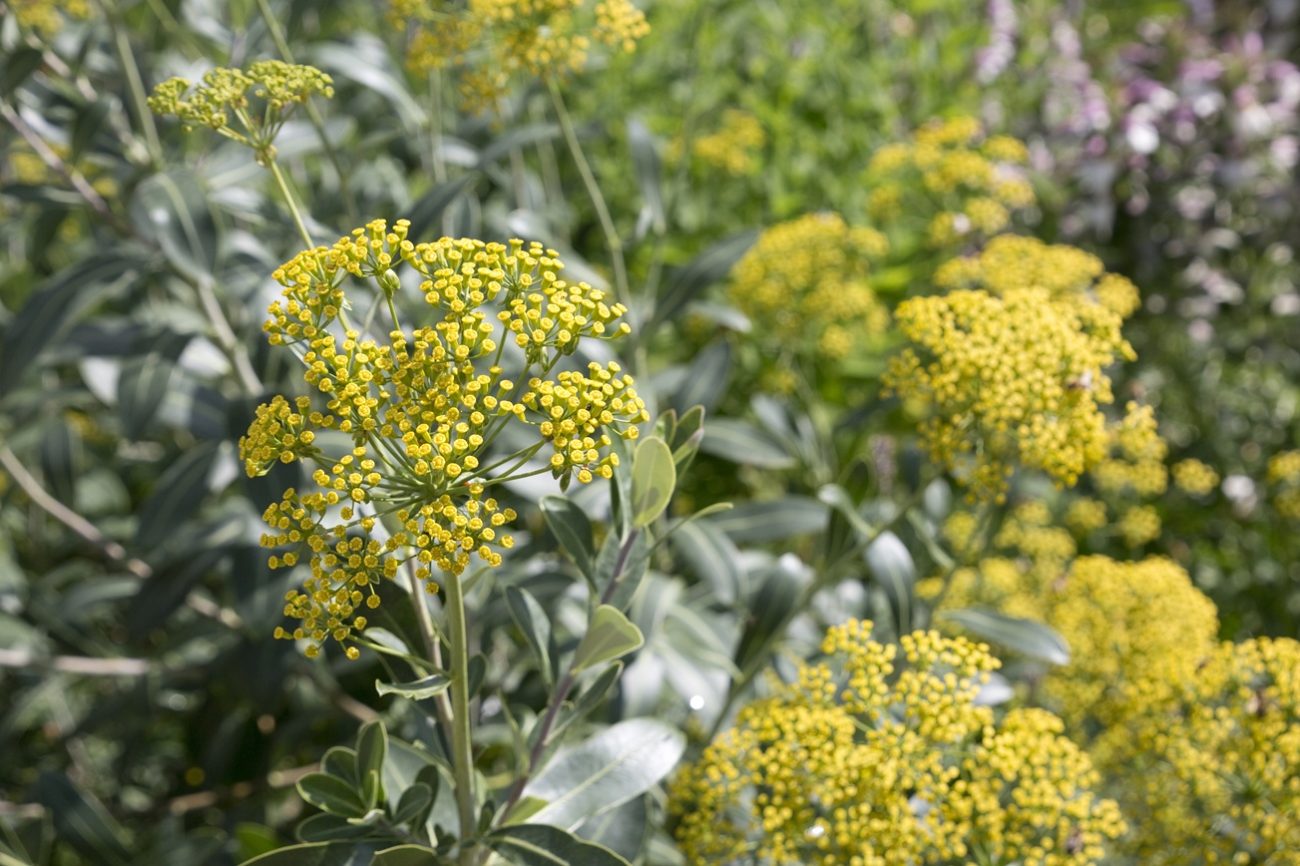
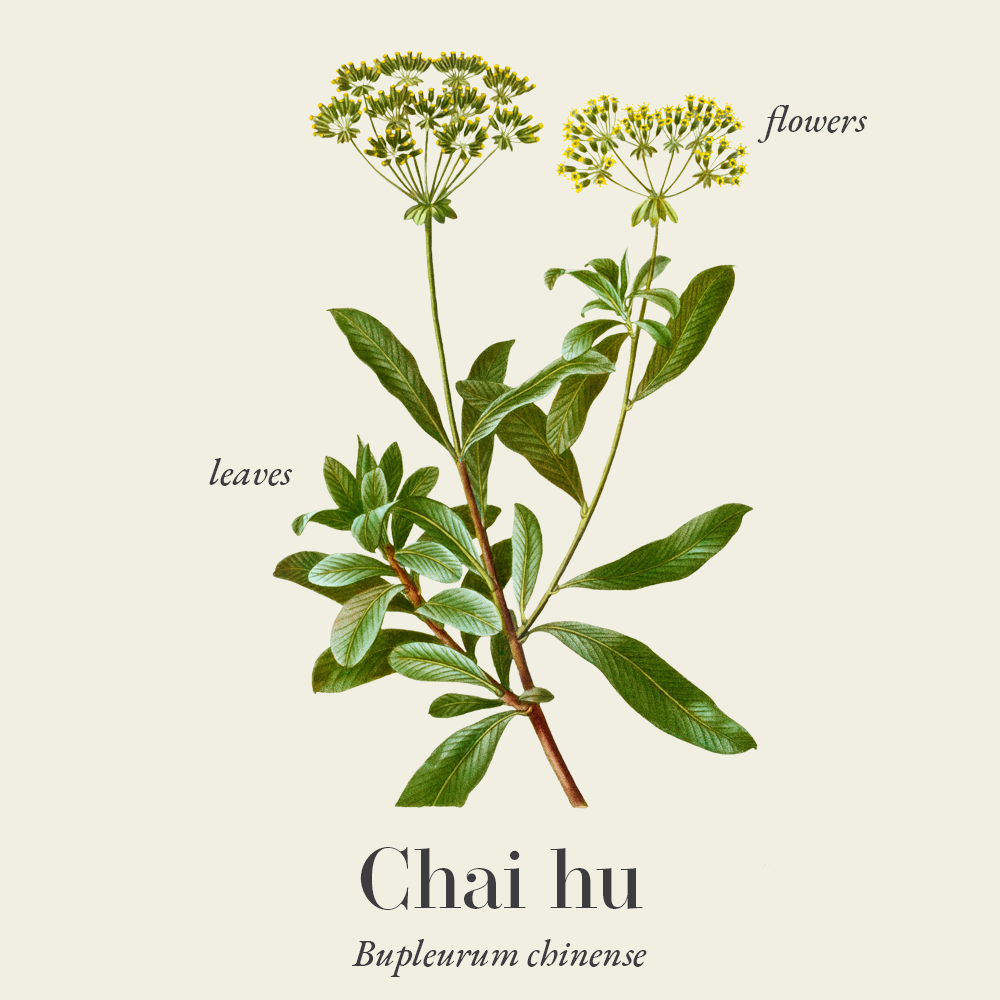
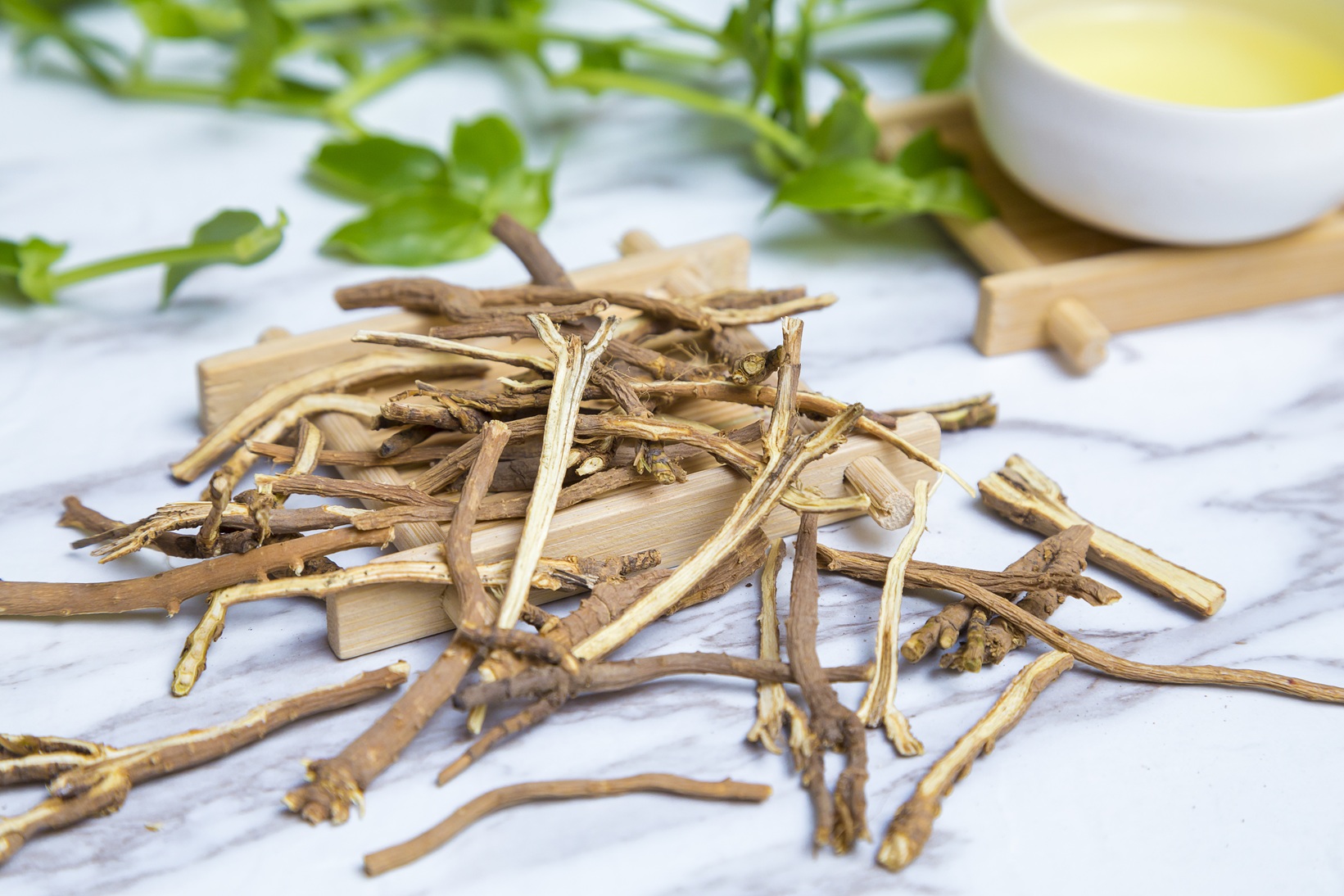
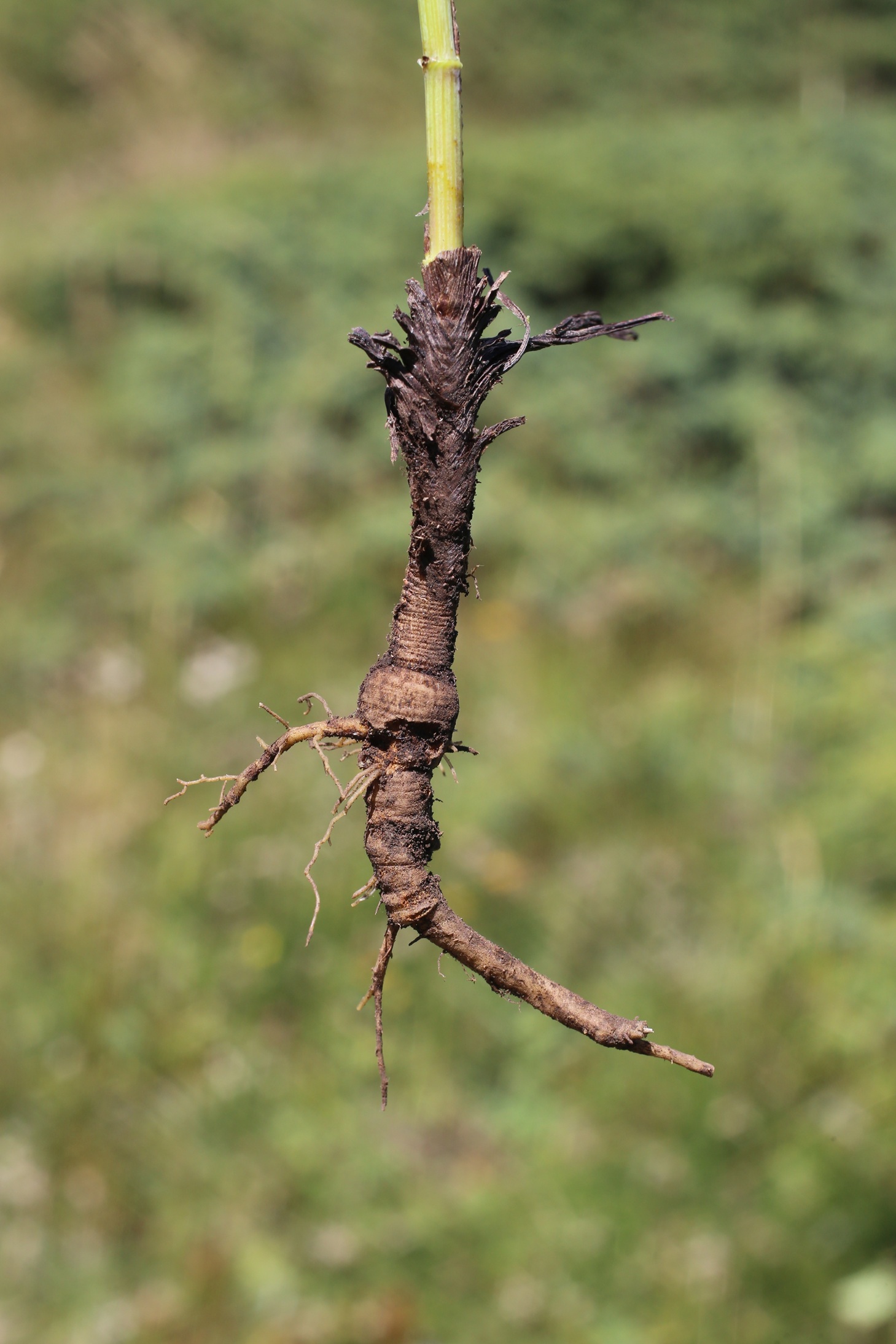
Chai hu is an erect, hairless, perennial herb, approximately 50–85 cm tall with a long woody taproot that constitutes the medicinal part (21).
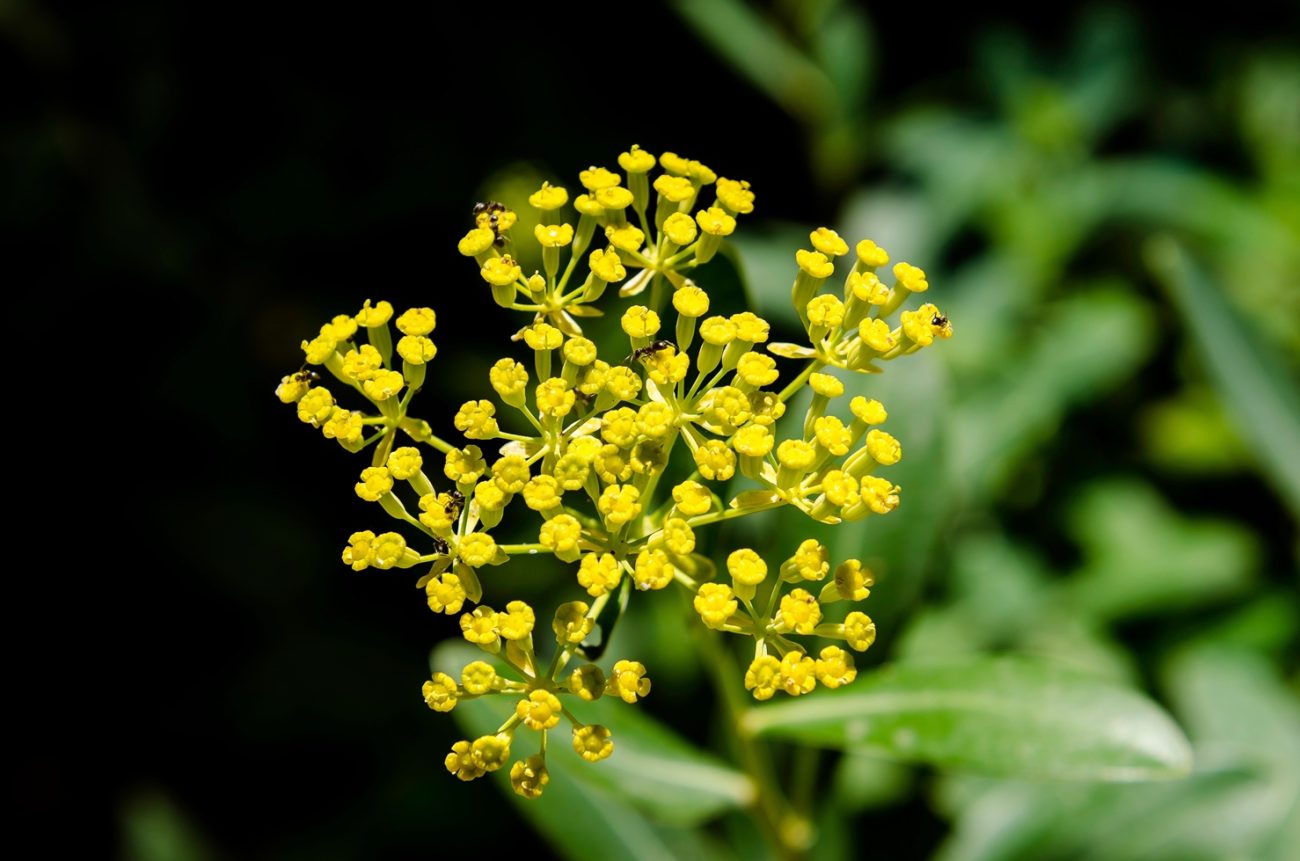
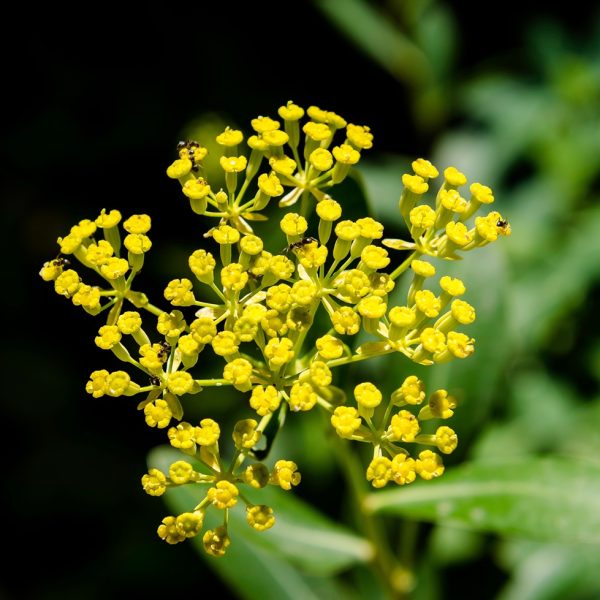
The stems have several multibranched bases without fibrous sheaths, and alternate or simple leaves that change shape up the stem, starting as lance shaped near the base and turning into tiny inflorescences of large, loose and widely spreading compound umbels, 2–6 cm in diameter, at the tip.
Flowers of chai hu are tiny with five bright yellow petals, and fruits are dry, brown and organised in umbellate clusters.
-
Common names
- Bupleurum root
- Hare’s ear root
- Thorowax root
-
Habitat
Endemic to China where it grows in grasslands and disturbed places at 100–2700 m altitude (21). B. chinense is widely is native to the whole of China but particularly cultivated in the north, while B. scorzonerifolium grows mainly in the south and east.
-
How to grow chai hu
Growing from the seed is most common, despite germination being capricious. Surface sow the seeds in a well-draining, prepared garden bed when soil temperatures are at least 16 ℃ and cover with a light dusting of soil, then keep moderately moist until germination. This usually occurs within 14 days. Thin the plants until they are spaced approximately 31 cm apart. Divide the plant in spring. It needs little extra food and has few insect and pest issues (22).
-
Herbal preparation of chai hu
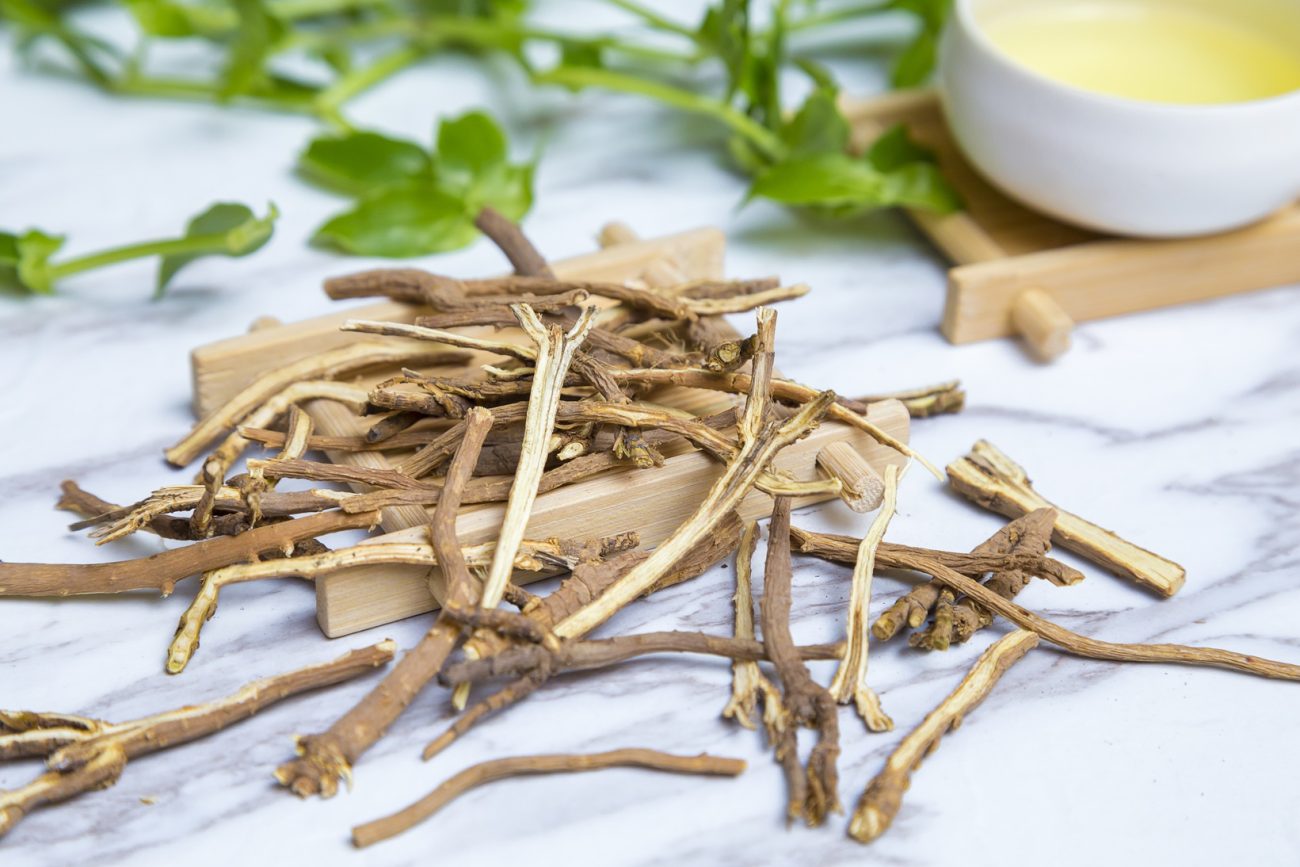
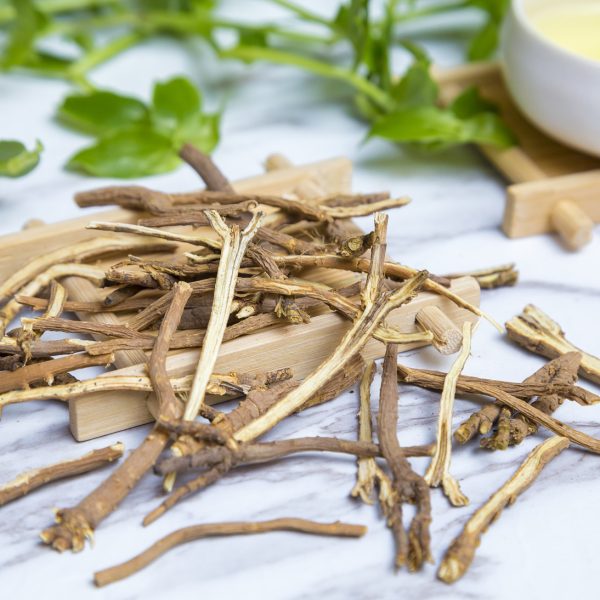
Decocting pieces are prepared by removing the roots and drying them, then softened with water, sliced and dried again (21). The unprocessed herb has the strongest ability to lift and disperse and is most often used to treat fevers and prolapse (1).
- Cu chai hu: Dry fried with vinegar over a moderate flame until the liquid is absorbed, this preparation focuses the actions of the herb on the Liver, enhancing its ability to regulate qi, harmonise the Blood and stop pain (1,3).
- Chao chai hu: Dry fried until slightly scorched, sometimes with wine or bran, to reduce its cooling properties but enhance its ability to raise clear yang (1).
- Chun chai hu: B. chinense picked in the early spring, when it is just a young shoot and has a heavily perfumed aroma and light clearing texture which embody the lifting and spreading nature of spring, thus enhancing its dispersing and draining activities (1).
-
Plant parts used
Root
-
Dosage
- Tincture (1:3 | 25%): Up to 6 ml per day, dosage should be advised by a practitioner (23).
- Infusion/decoction: 3–10 g, with maximum dosages sometimes as high as 60 g (3).
- Powder: Ground into powder, 1–1.5 g.
-
Constituents
- Saponins
- Saikosaponin A: The primary active triterpenoid saponin with anti-inflammatory, antitumor, organ protective, neuroprotective, and antidepressant properties with potential applications across a wide range of diseases (24). Used a quality marker compound that should be present at no less than 0.8% of total extractives (25).
- Saikosaponin D: The epimer of saikosaponin A with the same basic structure and similar pharmacological activities (26). It has displayed anti-inflammatory, antioxidant, anti-apoptotic, antifibrotic and anti-tumour effects, researched for its role in the treatment of myocardial injury, pulmonary diseases, hepatic disorders, renal pathologies, neurological disorders, diabetes and cancer. (27). Used a quality marker compound that should be present at no less than 0.8% of total extractives (25).
- Saikosaponin C: Another triterpenoid saponin with similar structure as saikosaponins A and D but with weaker activity, with some anti-apoptotic, antiviral and nephroprotective effects demonstrated in research (26). Used a quality marker compound that should be present at no less than 0.8% of total extractives (25).
- Saikosaponin B2: A different type of saikosaponin with some antiviral effects on coronavirus and hepatitis C through inhibition of the early reproductive stages but not considered a main active compound (26).
- Saponins
-
Chai hu recipe
Xiao Yao San (Rambling Powder)
This famous formula derives its name from the first chapter of the Daoist classic, the Zhuangzi, and translates as “free and unfettered” or “rambling without a destination” (28). It uses chai hu as its chief ingredient to regulate stagnant Liver qi, accompanied by other herbs which regulate the Blood, nourish deficiency and reduce bloating. This makes it an ideal formula for addressing many of the modern concerns with stress and busy lifestyle that stagnate the qi, deplete the Blood and damage the digestive system (29).
The association of the Liver with regulating the menstrual cycle, and the use of supporting herbs that regulate the Blood, nourish deficiency and reduce bloating have also made it a popular choice for a variety of gynaecological disorders throughout much of history (6). It is also the most commonly prescribed formula in Chinese medicine for anxiety and depression and functional gastrointestinal disorders (9,10).
Its traditional indications of spasmodic pain under the ribsides, headache, dizziness, a bitter taste or dry mouth and throat, fatigue, reduced appetite, a pale red tongue and wiry but deficient pulse (6).
Ingredients
- 30 g bupleurum root (chai hu)
- 30 g dan gui (dang gui)
- 30 g peony root (bai shao)
- 30 g atractyloides (bai zhu)
- 30 g poria (fu ling)
- 15 g liquorice (zhi gan cao)
- 3 g mint (bo he)
- 6 g ginger (wei jiang)
How to make Xiao Yao San
- Grind the first six ingredients into a powder.
- Bake the ginger root to focus the effect on warming the interior instead of releasing the exterior.
- Make a decoction with the mint, ginger slices and 6–9 g of the powder.
- Most commonly made as a decoction by reducing the dosages to 9 g each (4.5 g of liquorice), or using powdered extracts, or pills.
- Some common modifications include the addition of moutan peony (mu dan pi) and gardenia (zhi zi) for pronounced signs of heat, or rehmannia for severe blood deficiency, or the addition of mulberry leaves for accompanying wind-heat with red eyes and sore throat (6).

-
Safety
Chai hu is generally considered safe when taken orally. One case of allergic reaction has been reported resulting in pruritus and papular rash, dizziness, headache and a sense of oppression or pain in the chest (1). It should not be given intramuscularly as this can easily cause allergic reactions (1).
-
Interactions
In vitro and animal studies have suggested potential interaction with cytochrome P450 enzymes (2C9, 2E1, 2D6, and 3A4 substrates), but clinical relevance has yet to be determined (30).
-
Contraindications
Traditional contraindications include long term use and in those who are severely yin deficient or suffer from rising yang (3). This is due to its light, dispersing nature which gives it the potential to consume yin and raise yang. It is also prohibited in purely exterior conditions as it may enable the pathogen to penetrate deeper, making it harder to treat (3).
-
Sustainability status of chai hu

Chai hu has traditionally been harvested from the wild.
However, with the rise in its use for medicinal purposes, there is a movement towards more sustainable harvesting methods. It is classed as least concern on the IUCN redlist (31,32).
Read our article on Herbal quality & safety: What to know before you buy and Sustainable sourcing of herbs to learn more about what to look for and questions to ask suppliers about sustainability.
-
Quality control
B. chinense is widely cultivated in Hebei, Henan and Shaanxi provinces, while B. scorzonerifolium is mostly wild harvested from the dry grasslands, forests and shrub margins of central, north and northeast China (21).
The key distinguishing features are that B. chinense has a cylindrical or long conical shape with enlarged root head with remnants of stem and leaf bases; is dark-to-light brown, hard and pliable, not easily broken, with a fibrous surface when fractured; and is slightly fragrant, while B. scorzonerifolium are relatively thin, conical shaped with an apex like a “broom head” that has many hair-like withered leaf fibres; is reddish-brown or dark brown, with thin and dense round lines commonly seen near the root head; a slightly soft and easily broken texture, with the fractured surface not obviously fibrous; and a rancid oil odour (33).
Both are accepted medicinal species in the Chinese pharmacopoeia but B. chinense is the predominant source due to being crop harvested and reduced the risk of accidental contamination (21). B. falcatum is the official source for chai hu in Japanese Kampo medicine.
Common adulterants include B. longiradiatum which was the cause of several acute adverse reactions in 1973 due to cytotoxic bupleurotoxin and acetylbupleurotoxin, resulting in this species being banned as an official species in the Chinese pharmacopoeia (1). This root is more cylindrical, without an obviously enlarged root-head and lacks fibrous leaf bases, but has a distinct zone (1–4 cm) of widely spaced annulations, a yellowish-brown external surface, pliable but difficult to break texture and a pungent creosote-like odour (21). Laboratory tests are recommended for reliable identification.
-
References
- Bensky D, Clavey S & Stoger E. Chinese Herbal Medicine: Materia Medica, 3rd Edition. Seattle: Eastland Press. 2004.
- Yang SZ. The Divine Farmer’s Materia Medica: A Translation of the Shen Nong Ben Cao Jing. Boulder: Blue Poppy Press. 1998.
- Chen, JK, Chen T. Chinese Medical Herbology and Pharmacology. City of Industry: Art of Medicine Press. 2008.
- Unschuld PU, Tessenow H. (2011). Huang Di Nei Jing Su Wen: An Annotated Translation of Huang Di’s Inner Classic – Basic Questions. Berkeley: University of California Press. 2011.
- Liu, G. Discussion of Cold Damage (Shang Han Lun): Commentaries and Clinical Applications. London: Singing Dragon. 2016.
- Yang F, Dong X, Yin X, Wang W, You L, Ni J. Radix Bupleuri: A Review of Traditional Uses, Botany, Phytochemistry, Pharmacology, and Toxicology. Biomed Res Int. 2017;2017:7597596. doi:10.1155/2017/7597596
- Saadedine M, Berga SL, Faubion SS, Shufelt CL. The silent pandemic of stress: impact on menstrual cycle and ovulation. Stress. 2025;28(1):2457767. doi:10.1080/10253890.2025.2457767
- Tian Y, Guo J, Jiang X, et al. Exploring the Therapeutic Potential of Bupleurum in Medical Treatment: A Comprehensive Overview. Pharmaceuticals (Basel). 2025;18(9):1331. Published 2025 Sep 5. doi:10.3390/ph18091331
- Chen J, Lei C, Li X, et al. Research progress on classical traditional chinese medicine formula xiaoyaosan in the treatment of depression. Front Pharmacol. 2022;13:925514. Published 2022 Aug 4. doi:10.3389/fphar.2022.925514
- Liu Q, Shi Z, Zhang T, et al. Efficacy and Safety of Chinese Herbal Medicine Xiao Yao San in Functional Gastrointestinal Disorders: A meta-Analysis and Trial Sequential Analysis of Randomized Controlled Trials. Front Pharmacol. 2022;12:821802. Published 2022 Jan 20. doi:10.3389/fphar.2021.821802
- Jiao M, Liu X, Ren Y, et al. Comparison of Herbal Medicines Used for Women’s Menstruation Diseases in Different Areas of the World. Front Pharmacol. 2022;12:751207. Published 2022 Feb 4. doi:10.3389/fphar.2021.751207
- Feng Y, Weng H, Ling L, et al. Modulating the gut microbiota and inflammation is involved in the effect of Bupleurum polysaccharides against diabetic nephropathy in mice. Int J Biol Macromol. 2019;132:1001-1011. doi:10.1016/j.ijbiomac.2019.03.242
- Aggeletopoulou I, Papantoniou K, Pastras P, Triantos C. Unraveling the Pathophysiology of Irritable Bowel Syndrome: Mechanisms and Insights. Int J Mol Sci. 2025;26(21):10598. Published 2025 Oct 30. doi:10.3390/ijms262110598
- Hannan K, Li X, Mehta A, et al. Mood symptoms and gut function across the menstrual cycle in individuals with premenstrual syndrome. Horm Behav. 2024;166:105634. doi:10.1016/j.yhbeh.2024.105634
- Ran S, Peng R, Guo Q, Cui J, Chen G, Wang Z. Bupleurum in Treatment of Depression Disorder: A Comprehensive Review. Pharmaceuticals (Basel). 2024;17(4):512. Published 2024 Apr 16. doi:10.3390/ph17040512
- Huang L, Yu Q, Peng H, Zhen Z. Network pharmacology and molecular docking technology for exploring the effect and mechanism of Radix Bupleuri and Radix Paeoniae Alba herb-pair on anti-hepatitis: A review. Medicine (Baltimore). 2023;102(48):e35443. doi:10.1097/MD.0000000000035443
- Yu M, Jia HM, Zhang T, et al. Gut Microbiota is the Key to the Antidepressant Effect of Chaihu-Shu-Gan-San. Metabolites. 2020;10(2):63. Published 2020 Feb 10. doi:10.3390/metabo10020063
- Lv JL, Bai Y, Lv YE, et al. Integrated colon microbiome and metabolomics to elucidate the antidepressant mechanisms of the Radix Bupleuri-Radix Paeoniae Alba herb pair. Metab Brain Dis. 2024;40(1):45. Published 2024 Nov 28. doi:10.1007/s11011-024-01450-4
- Zhang H, Zhang S, Li X, Wang W, Kuang H. Bupleurum polysaccharide improves CUMS-induced depressive behavior in rats by regulating the “microbiota-gut-brain Axis”: a mechanism study based on metabolomics and metagenomics. J Chromatogr B Analyt Technol Biomed Life Sci. Published online December 23, 2025. doi:10.1016/j.jchromb.2025.124905
- Bupleurum. Floral Design Institute. Accessed Dec 31, 2025. https://www.floraldesigninstitute.com/blogs/resources-flower-library/bupleurum
- Leon, C. & Lin, YL. Chinese Medicinal Plants, Herbal Drugs and Substitutes: An Identification Guide. Kew: Kew Publishing. 2017.
- Grant BL. What Is Bupleurum: How To Grow Bupleurum Herb Plants. Gardening Know How. Accessed Jan 10, 2026. https://www.gardeningknowhow.com/edible/herbs/bupleurum/growing-bupleurum-herb-plants.htm
- Bupleurum chinense / CHAI HU / 1:3 25%. Herbal Apothecary. Accessed Jan 10, 2026. https://herbalapothecaryuk.com/products/bupleurum-chinense-chai-hu-13-25
- Sun XH, Chai YH, Bai XT, Li HX, Xi YM. Pharmacology, medical uses, and clinical translational challenges of Saikosaponin A: A review. Heliyon. 2024;10(22):e40427. Published 2024 Nov 15. doi:10.1016/j.heliyon.2024.e4042
- Taiwan Herbal Pharmacopeia 4th Edition, English Version. Taiwan: Ministry of Health of Welfare. 2022.
- Yuan B, Yang R, Ma Y, Zhou S, Zhang X, Liu Y. A systematic review of the active saikosaponins and extracts isolated from Radix Bupleuri and their applications. Pharm Biol. 2017;55(1):620-635. doi:10.1080/13880209.2016.1262433
- Gu S, Zheng Y, Chen C, et al. Research progress on the molecular mechanisms of Saikosaponin D in various diseases (Review). Int J Mol Med. 2025;55(3):37. doi:10.3892/ijmm.2024.5478
- Scheid, V. Bensky, D., Ellis, A., Barolet, R. Chinese Herbal Medicine: Formulas & Strategies. 2nd edition. Seattle: Eastland Press. 2009.
- Chen, JK, Chen T. Chinese Herbal Formulas and Applications: Pharmacological Effects & Clinical Research. City of Industry: Art of Medicine Press. 2015.
- Bupleurum. Memorial Sloan Kettering Cancer Center. Published Jun 1, 2022. Accessed Jan 10, 2026. https://www.mskcc.org/cancer-care/integrative-medicine/herbs/bupleurum
- Zhao Z, Chen H. Chinese Medicinal Identification: An Illustrated Approach. Taos: Paradigm Publications. 2014.
- Chappuis E. IUCN Red List of Threatened Species: Bupleurum falcatum. IUCN Red List of Threatened Species. Published March 31, 2014. Accessed January 17, 2026. https://www.iucnredlist.org/species/202943/2758159
- Zhu L, Liang Z, Yi T, et al. Comparison of chemical profiles between the root and aerial parts from three Bupleurum species based on a UHPLC-QTOF-MS metabolomics approach. BMC Complementary and Alternative Medicine. 2017;17(1). https://doi.org/10.1186/s12906-017-1816-y
Meet our herbal experts
Our monographs are written by our monograph authors and edited, reviewed and updated by Herbal Reality.
Meet our Herbal Reality team or explore our Herbal Reality authors.