











Last reviewed 24/02/2026
Sustainability status
Not currently on risk lists but complete data may be missing on the status of the species. Read more in our sustainability guide.

Contraindications
A contraindication refers to a situation in which a herb should be avoided as it may exacerbate a medical condition or pose undue risk. Contraindications may arise through pharmacodynamic mechanisms (e.g., liquorice in uncontrolled hypertension or uterine stimulants during pregnancy) or pharmacokinetic effects that alter metabolism, absorption or elimination (e.g., tannin-rich herbs in iron-deficient anaemia).
In some cases, herbal actions may aggravate underlying pathologies (e.g., the use of bitter herbs in GERD). Recognition of contraindications requires thorough assessment of patient history, co-morbidities and medications. Consultation with a qualified medical herbalist will provide guidance to ensure safe and appropriate prescribing.
Please read the Contraindications section in this monograph.

-
Herb overview
Safety
Possible cross-reactivity with latex allergy
Caution in known Asteraceae allergy (1,2)Sustainability
Status: Low risk
Key constituents
Saponins
Tannins
Flavonoids
Volatile oilsQuality
Native to Europe, NW Asia, N/Central/S. America
Cultivated
Adulteration with other Solidago species possibleKey actions
Diuretic
Anti-inflammatory
Anticatarrhal
AntifungalKey indications
Cystitis
Sinusitis
Hay fever
ThrushKey energetics summary
Astringent
Bitter
Pungent
AromaticSee below for discipline-specific energeticsPreperation and dosage
Plant part – aerial parts
6-12 g/per day
Tincture (1:2, 3-6ml up to three times daily)
-
How does it feel?
The tea has a soft, rounded, comforting slightly cooling feeling with an antiseptic taste. The diuretic effect is felt soon after drinking a cup of the tea, so avoid drinking too close to bedtime.

The taste of goldenrod
The below qualities are derived from organoleptic assessment.
-
Into the heart of goldenrod

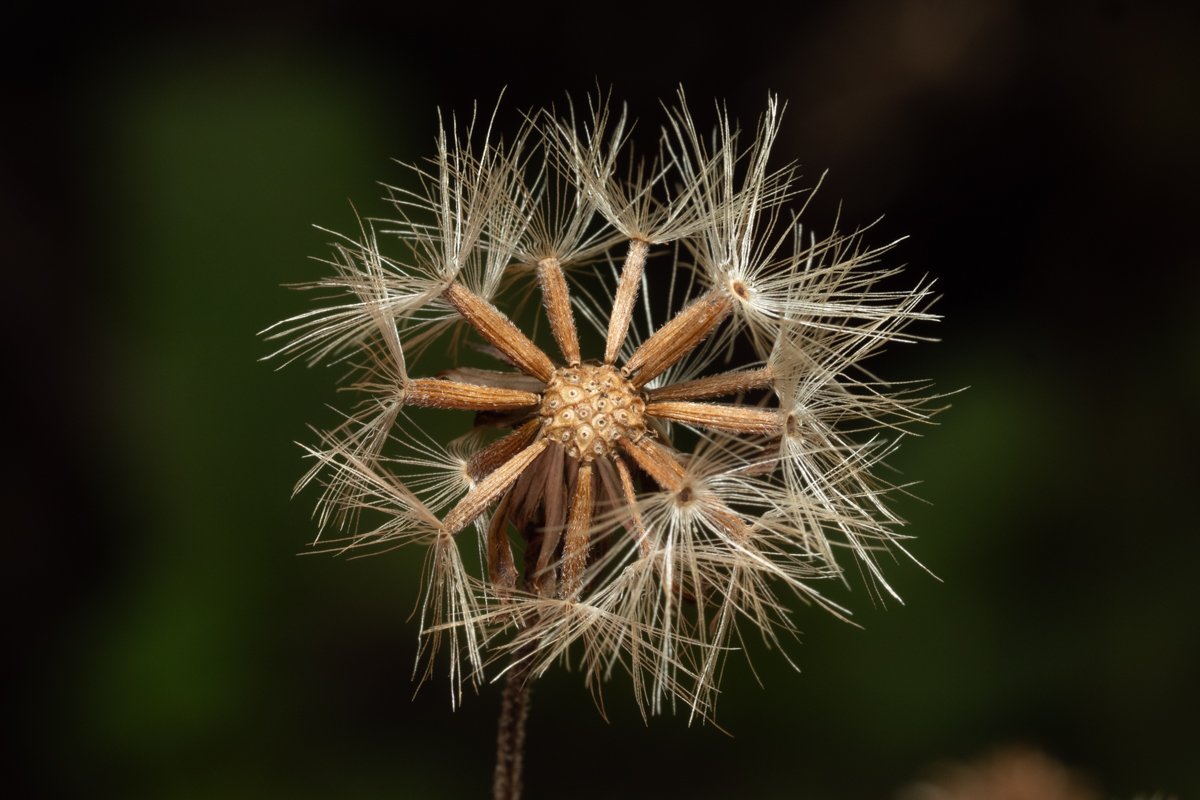
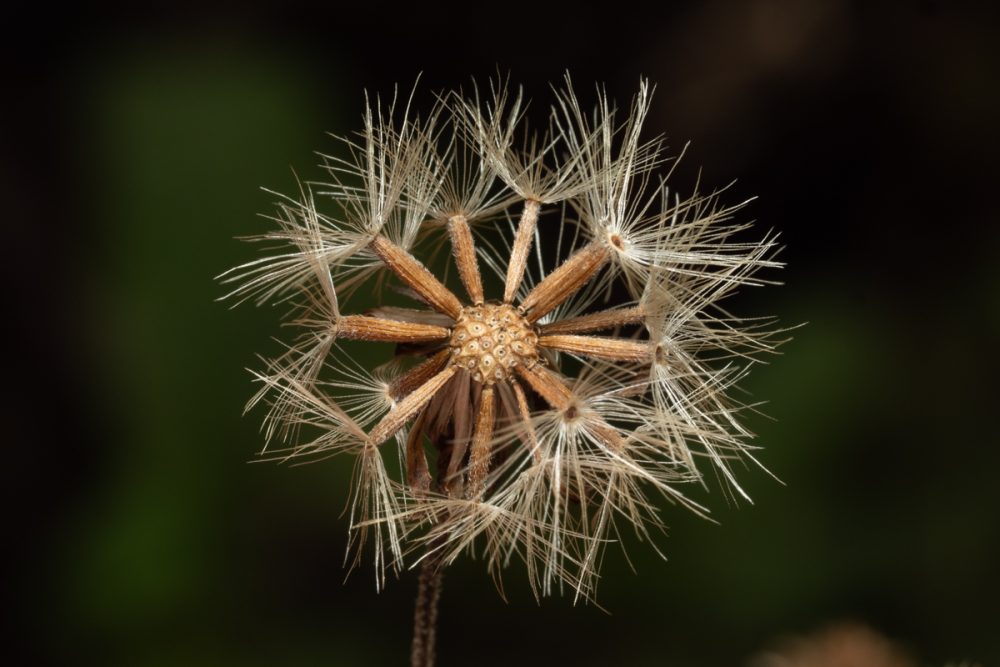
Goldenrod seeds (Solidago virgaurea) The genus name Solidago derives from the Latin solida meaning “whole” and ago “to make”, suggesting the herb helps restore wholeness, sealing the lips of a wound, its historical use as a wound herb. Virga means “rod” and aurea means “golden” describing its tall rods of golden plumage.
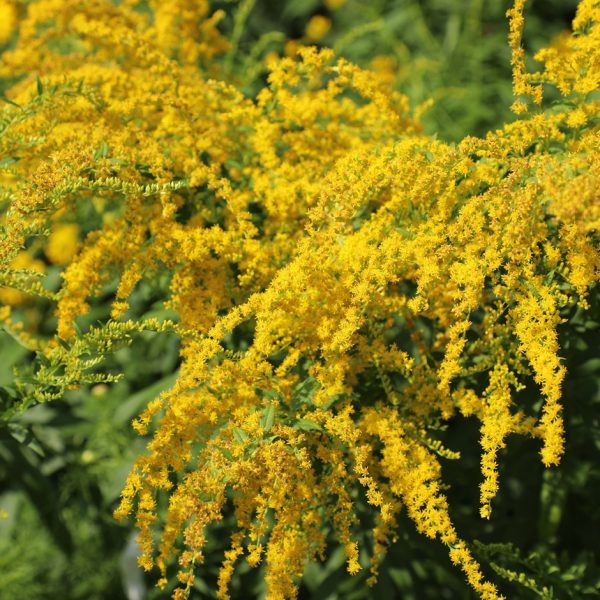
“If a fountain could jet bouquets of chrome yellow in dazzling arches of chrysanthemum fireworks, that would be Canada Goldenrod. Each three-foot stem is a geyser of tiny gold daisies, ladylike in miniature, exuberant en masse”(7).
In Braiding Sweetgrass, Robin Wall Kimmerer seeks to reconcile Western botanical science with her lived experience, exploring why goldenrod and asters are so strikingly beautiful together.
Goldenrod blooms late in summer, thriving on dry, infertile ground, so symbolises endurance and resilience. Its golden hue has been woven into folklore as a sign of abundance, prosperity and love. From medieval times goldenrod stalks were worn as a charm to attract one’s true love, while the sudden appearance of goldenrod at a doorstep was a sign good fortune was imminent.
The sturdy stems also served as dowsing rods, the flower “nodding” toward hidden water, buried treasures or whatever was sought (8). In Victorian floriography (the language and symbolism of flowers) a sprig of golden rod was an expression of encouragement and the promise of good news (9).
-
What practitioners say
 Urinary system
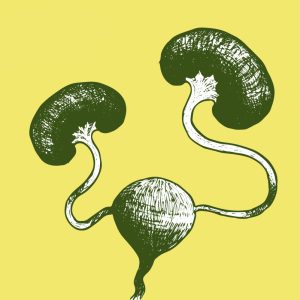
Goldenrod is primarily valued for its actions on the urinary system. Its astringent, diuretic and antiseptic properties make it useful for both acute and chronic urinary tract infections from nephritis in the kidneys, urethritis of the ureters to the more common cystitis in the bladder (6). The astringent action tightens and tones the mucosal lining and smooth muscle, reducing irritation.
In addition, goldenrod acts as a kidney trophorestorative, helping to restore and support renal tissue while its diuretic effect stimulates kidney activity, increasing urine output, helping to flush out bladder and kidney stones and clear metabolic waste products (4). Flavonoid constituent rutin tightens capillary walls supporting micro circulation in the kidneys (13).
To encourage drinking more liquids for urological conditions, a tea with goldenrod is preferred often in combination with antiseptic, antimicrobial and urinary demulcent herbs such as thyme (Thymus vulgaris), cornsilk (Zea mays), bearberry (Arctostaphylos uva-ursi) and couchgrass (Elymus repens).
Respiratory system
Goldenrod has an affinity to the upper respiratory tract, aiding complaints such as sinusitis, allergic rhinitis and nasal catarrh. By drying up excess secretions it helps restore tone to mucosal tissue, which is especially useful when dealing with thin, watery mucus and itchy, watering eyes triggered by hay fever, cat dander or other airborne allergens (4). This may in part be due to the flavonoid quercetin which is anti-allergic, inhibiting mast cell degranulation, especially in allergic rhinitis (14).
Goldenrod can ease postnasal drip, where the mucus runs down the back of the throat. In these cases goldenrod can be seen as similar to and work well in combination with plantain (Plantago spp.) and elderflower (Sambucas nigra). Demulcent herbs such as marshmallow (Althaea officinalis) pair especially well with goldenrod. This combination supports the mucociliary escalator while the addition of ground ivy (Glechoma hederacea) is particularly helpful as an expectorant for stubborn phlegm.
Skin health
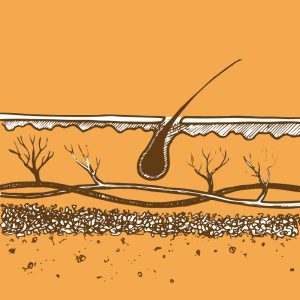
By promoting diuresis, goldenrod aids the elimination of metabolic waste, which can improve skin conditions like psoriasis, eczema, herpes, and acne (4). This encouraging movement of fluids, reduces oedema, relieving swollen ankles and puffiness around the eyes (4). Applied topically as a wash, goldenrod can assist in drying out purulent wounds, ulcers, and when used as a mouthwash, it can soothe gum abscesses (15).
Musculoskeletal system
Many herbalists have found topical application of the infused oil of goldenrod flowers can relieve muscle aches and pains (16). The same diuretic actions listed above can help move wastes from joints and improve arthritis symptoms (8).
-
Goldenrod research

Goldenrod oil (Solidago virgaurea) Studies have been conducted worldwide on diverse goldenrod species, which demonstrate overlap in properties, confirming the interchangeable use of species by herbalists. Further research on individual species reveal differences or potential beyond the traditional known uses of European goldenrod.
The use of extracts of goldenrod (Solidago virgaurea L.) for the treatment of diseases of the urinary tract (3)
This review evaluates the pharmacological and clinical evidence for treating urinary tract disorders. S. virgaurea is found to be diuretic, antibacterial, anti-inflammatory, immunomodulatory, antispasmodic and analgesic.
Open non-randomised studies indicate that goldenrod can effectively treat infectious cystitis and functional urinary tract conditions, such as overactive bladder syndrome within 2–4 weeks. Adverse events were uncommon and mild, limited to mild gastrointestinal upset or allergic reactions. Accordingly, goldenrod extract could be safely incorporated into treatment plans for urinary tract disorders, improving recovery and lowering recurrence rates (3).
A clinical trial with Brazilian arnica (Solidago chilensis Meyen) glycolic extract in the treatment of tendonitis of flexor and extensor tendons of wrist and hand (17)
Solidago chilensis is a goldenrod found in South America and known as Brazilian arnica as it shares many properties of Arnica spp.
Eight volunteers participated in a small double blind placebo controlled trial on S. chilensis resulting in significant pain reduction in tendonitis of the wrists when applied topically in a gel cream with a 5% glycolic plant extract.
Solidago virgaurea L. plant extract targeted against Candida albicans to reduce oral microbial biomass: A double blind randomized trial on healthy adults (18)
S. virgaurea had been seen to prevent the attachment and hyphen growth of Candida albicans in vitro, reducing biomass of biofilms while preserving the oral microbiome. This study was to assess the effectiveness of a saponin rich extract of S. virgaurea in a fluorinated toothpaste to reduce candida biofilms. 66 adults took part in this double blind randomised controlled trial, brushing their teeth twice a day for four weeks. The intervention group demonstrated significant reductions in C. albicans and S. mutans. This was a small sample and larger and longer studies could confirm longer term efficacy.
Immunomodulatory, antioxidant, and anti-apoptotic effect of Solidago virgaurea extract against experimental doxorubicin-induced nephrotoxicity (19)
Recent 2025 research indicates that S. virgaurea given together with the chemotherapy drug doxorubicin (DOX) protects against DOX‑induced kidney injury through anti‑inflammatory, antioxidant, and anti‑apoptotic effects. Although this is an early animal study, oral S. virgaurea extract shows promise as an adjunct therapy alongside chemotherapy.
-
Historical use of goldenrod

Goldenrod (Solidago virgaurea) In Gerard’s Herball (1597) it’s documented that the herb was once highly prized when it was thought to be an exotic import, falling out of favour when discovered growing commonplace locally, a recurrent pattern throughout history:
“Goldenrod has in times past been had in greater estimation and regard than in these days: … But since it was found in Hampstead Wood…no man will give half a crown for a hundredweight of it: which plainly setteth forth our inconstancy and sudden mutability, esteeming no longer of any thing (how precious soever it may be) than when it is strange and rare”(10).
Culpeper describes goldenrod as “a sovereign wound herb, inferior to none”, recommending it for both internal and external treatment of wounds and ulcers, although he does not specify the preparation method (11). He adds that “the decoction also helps to fasten the teeth that are loose in the gums”, due to goldenrod’s astringent action of toning gum tissue, along with anti-inflammatory properties.
Culpeper also notes the diuretic and antilithic effect “whereby also the gravel and stone may be voided” and highlight its importance as a styptic “it stays bleeding in any part of the body…the bloody-flux and women’s courses” indicating use for dysentery and menorrhagia (11).
Mrs Grieve, writing in The Modern Herbal (1931), agrees that goldenrod is helpful for painful and heavy periods. She goes on to say that a warm infusion is a good diaphoretic and “as a spray and given internally, it is of great value in diphtheria”(12).
-
Goldenrod’s herbal actions
Herbal actions describe therapeutic changes that occur in the body in response to taking a herb. These actions are used to express how a herb physiologically influences cells, tissues, organs or systems. Clinical observations are traditionally what have defined these actions: an increase in urine output, diuretic; improved wound healing, vulnerary; or a reduction in fever, antipyretic. These descriptors too have become a means to group herbs by their effects on the body — herbs with a nervine action have become the nervines, herbs with a bitter action are the bitters. Recognising herbs as members of these groups provides a preliminary familiarity with their mechanisms from which to then develop an understanding of their affinities and nuance and discern their clinical significance.
-
Goldenrod’s energetic qualities
Herbal energetics are the description that herbalists have given to plants, mushrooms, lichens, foods and some minerals based on the direct experience of how they taste, feel and affect the body. All traditional health systems use these principles to explain how the environment impacts health, according to each of their philosophies and frameworks. These assessments of individual herbs, though they often do align, can differ from one another due to cultural differences regarding perspectives on how herbs taste versus their physiological effects. Find out more about traditional energetics in our article An introduction to herbal energetics.
-
What can I use goldenrod for?

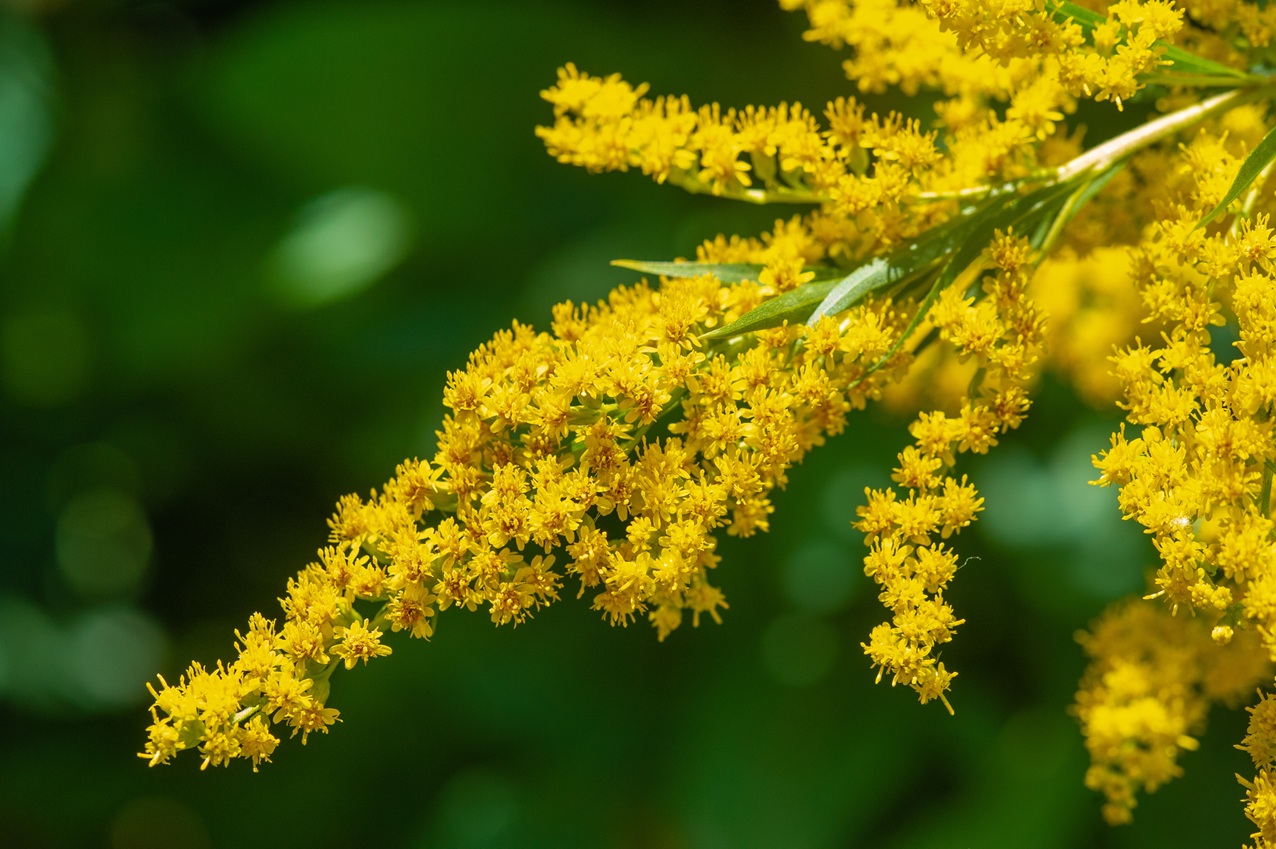
Goldenrod (Solidago virgaurea) Goldenrod enjoys a long‑standing tradition of medicinal use. It is an excellent tonic for the mucus membranes of both the urinary and respiratory systems. It is diuretic astringent, anti-inflammatory, anticatarrhal and antifungal.
Goldenrod is a key herb for urinary tract disorders. These include infection and inflammation of the bladder, ureters and kidneys, as well as support for renal function and stone clearance (3,4).
In the respiratory tract goldenrod has a tradition of use for nasal catarrh, sinusitis and seasonal allergies. A hot infusion of goldenrod can be taken as a diaphoretic in flu, and also works well as an effective gargle for laryngitis and pharyngitis (5). The antifungal saponins in goldenrod can improve thrush, both oral and vaginal, when used as a mouthwash or douche (6).
Traditionally used as a vulnerary herb topically, its drying action and anti-inflammatory properties are helpful for healing wounds.
-
Did you know?
Thomas Edison experimented with goldenrod as a possible alternative source of rubber for tyres in the late 1920s. He bred a 12ft species which yielded 12% latex, succeeding in vulcanising rubber. However, Edison died before further experiments were completed (20,21).




 Urinary system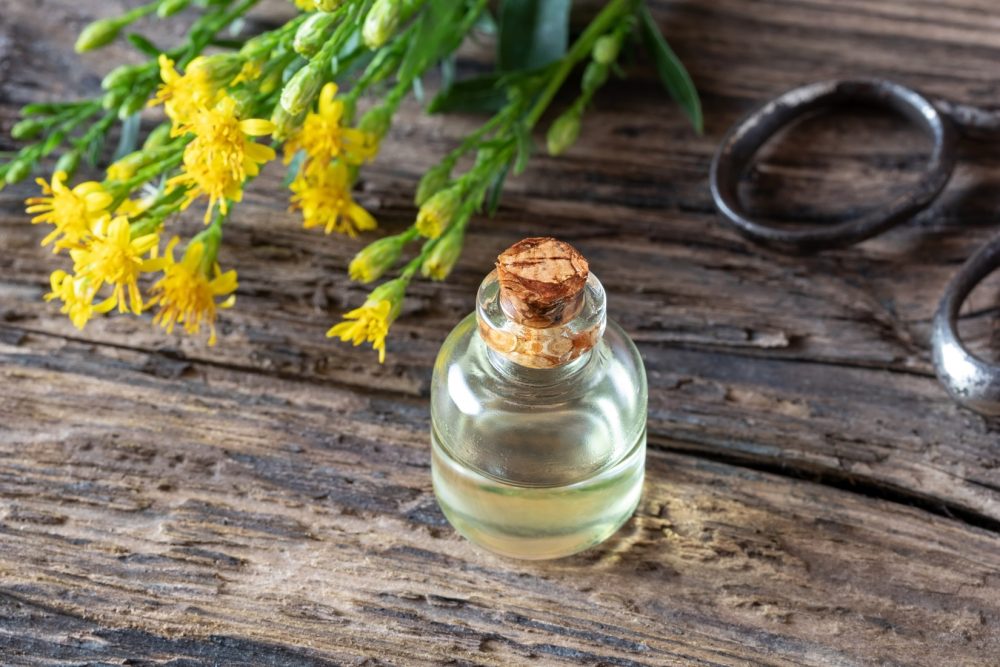
-
Botanical description
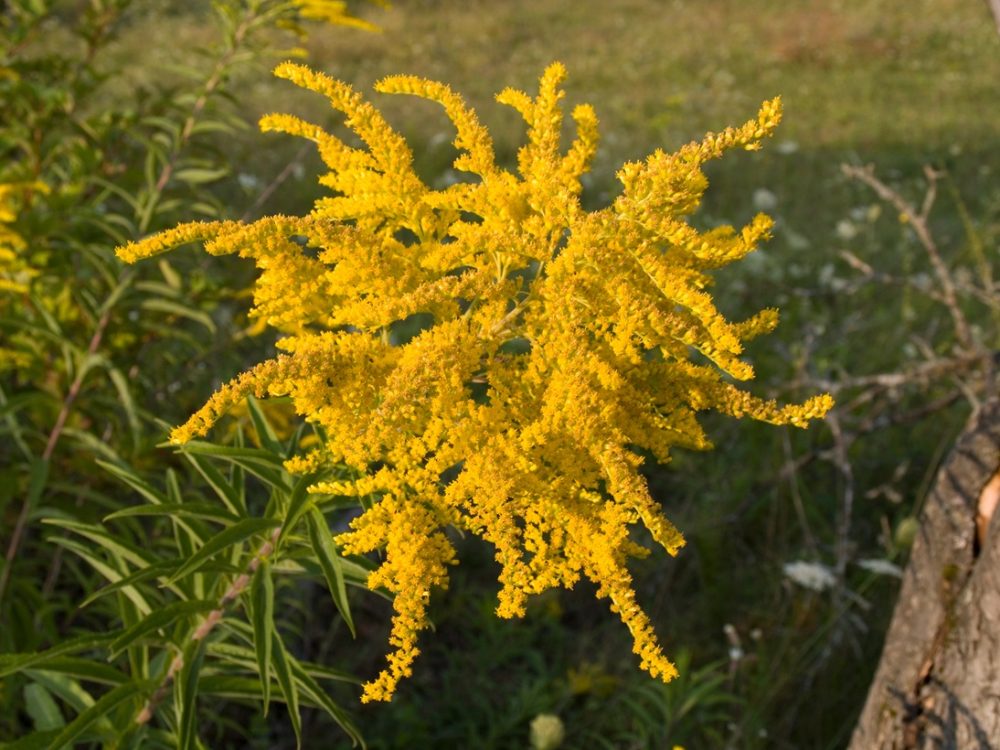
European goldenrod is a hardy, rhizomatous perennial that thrives on poor dry soils and open sunny sites such as grasslands, rocky slopes and waste ground.
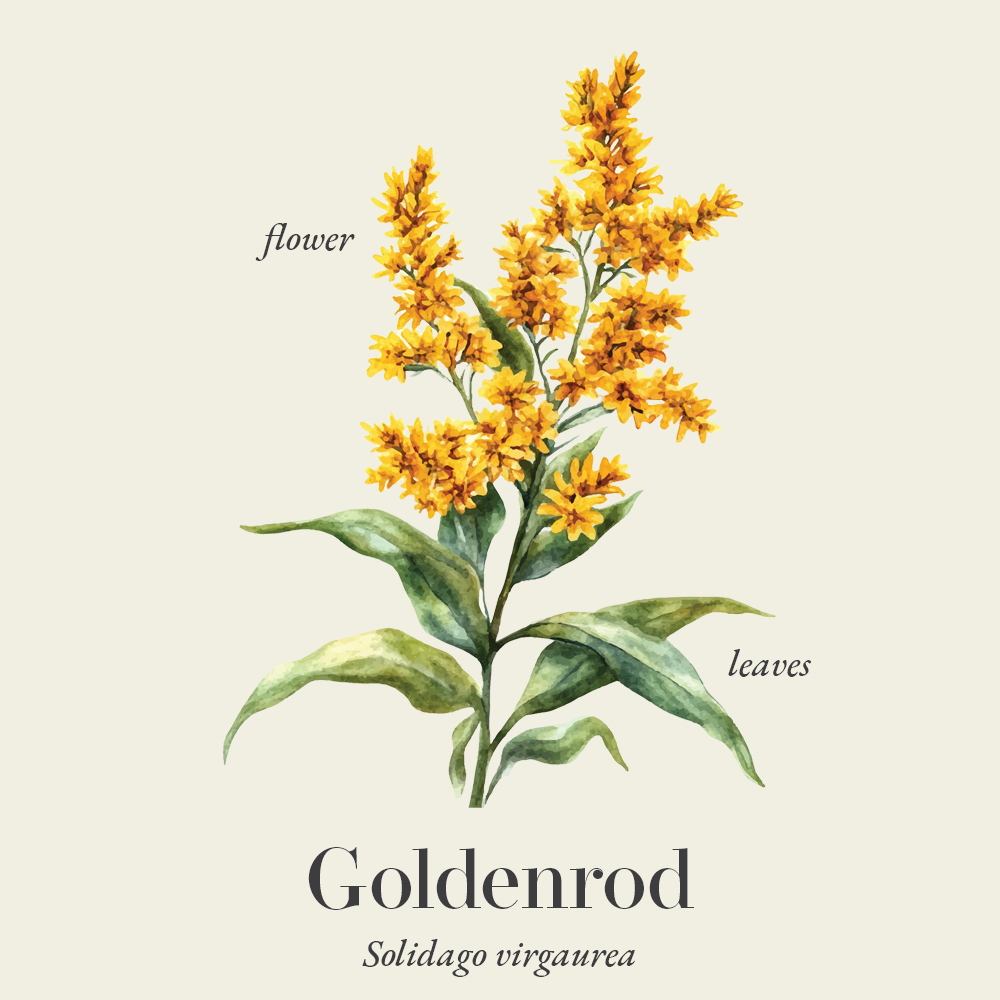
The plant forms a compact, fibrous root system with creeping rhizomes allowing it to spread in dense clumps and readily self seed. The rodlike stems are unbranched with alternate lanceolate leaves. Lower leaves have short stalks while the upper leaves sit directly on the stem.
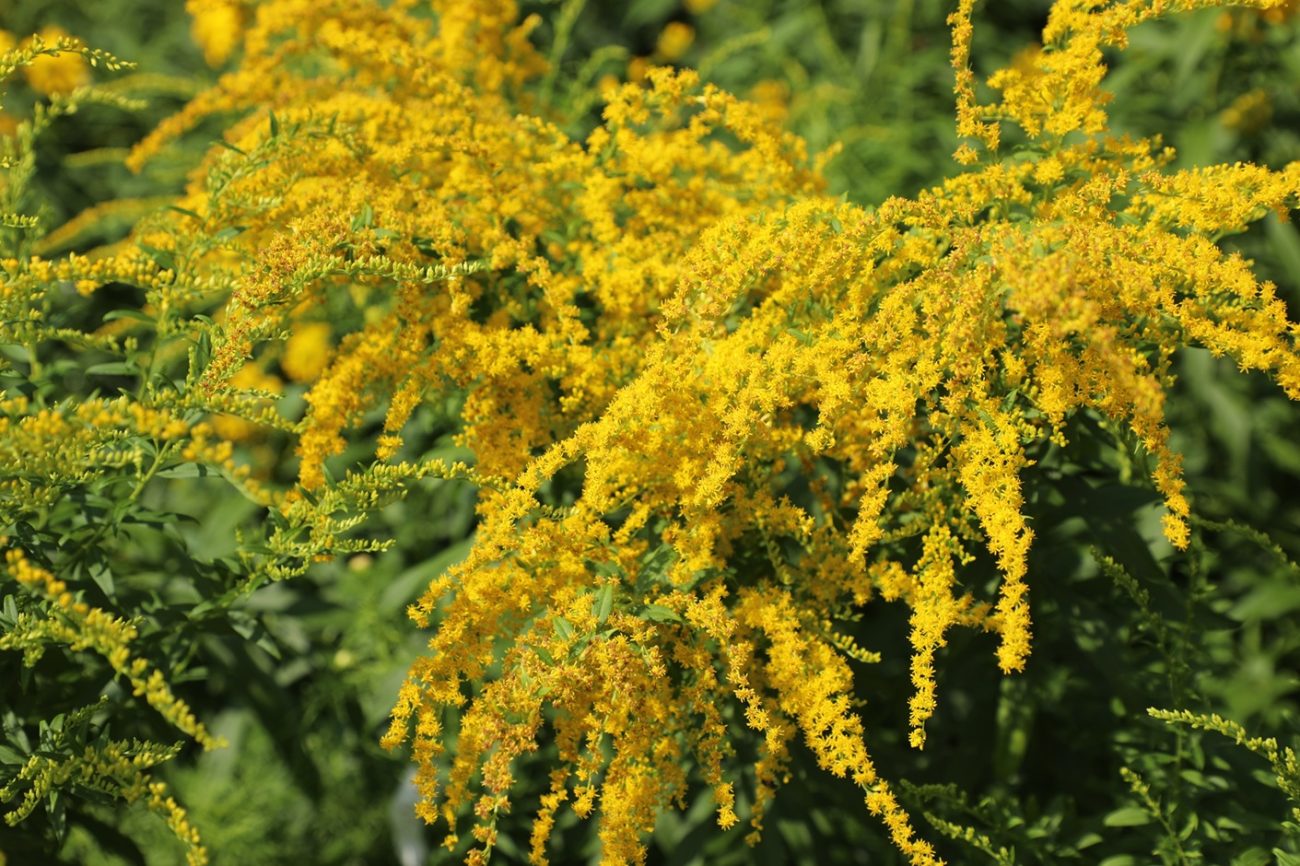
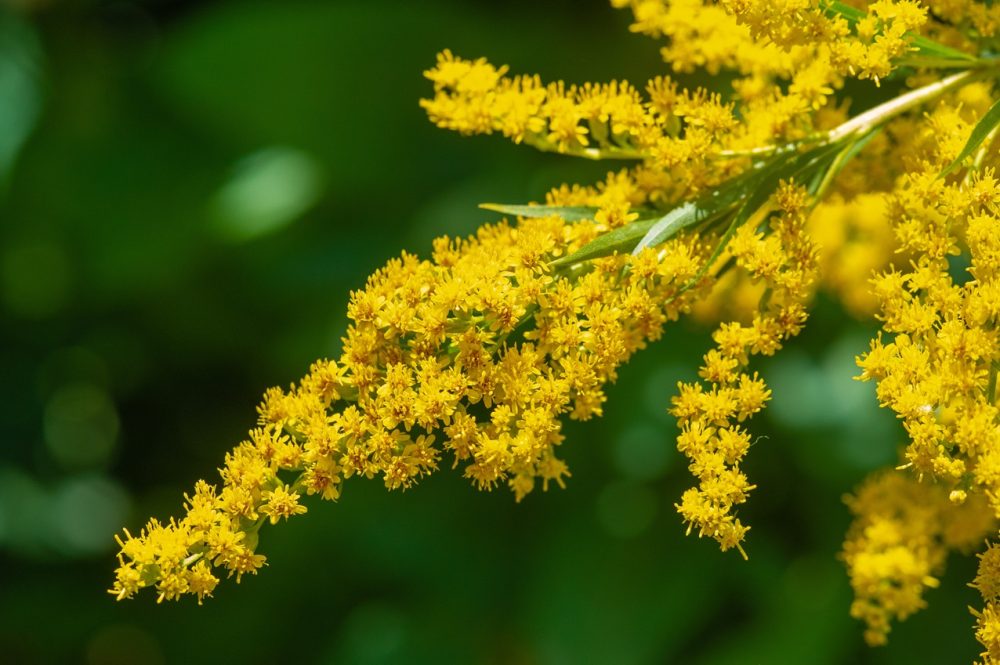
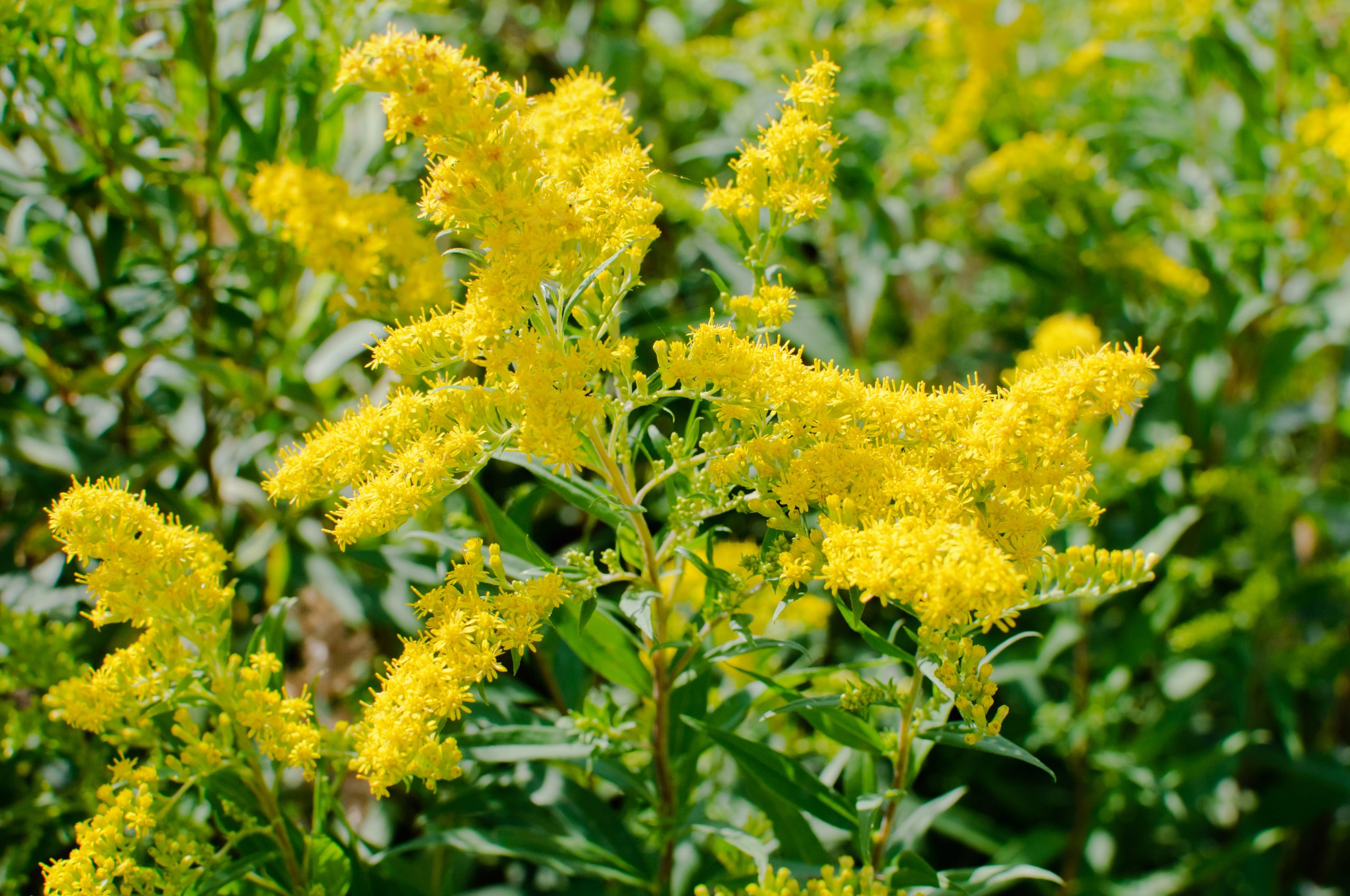
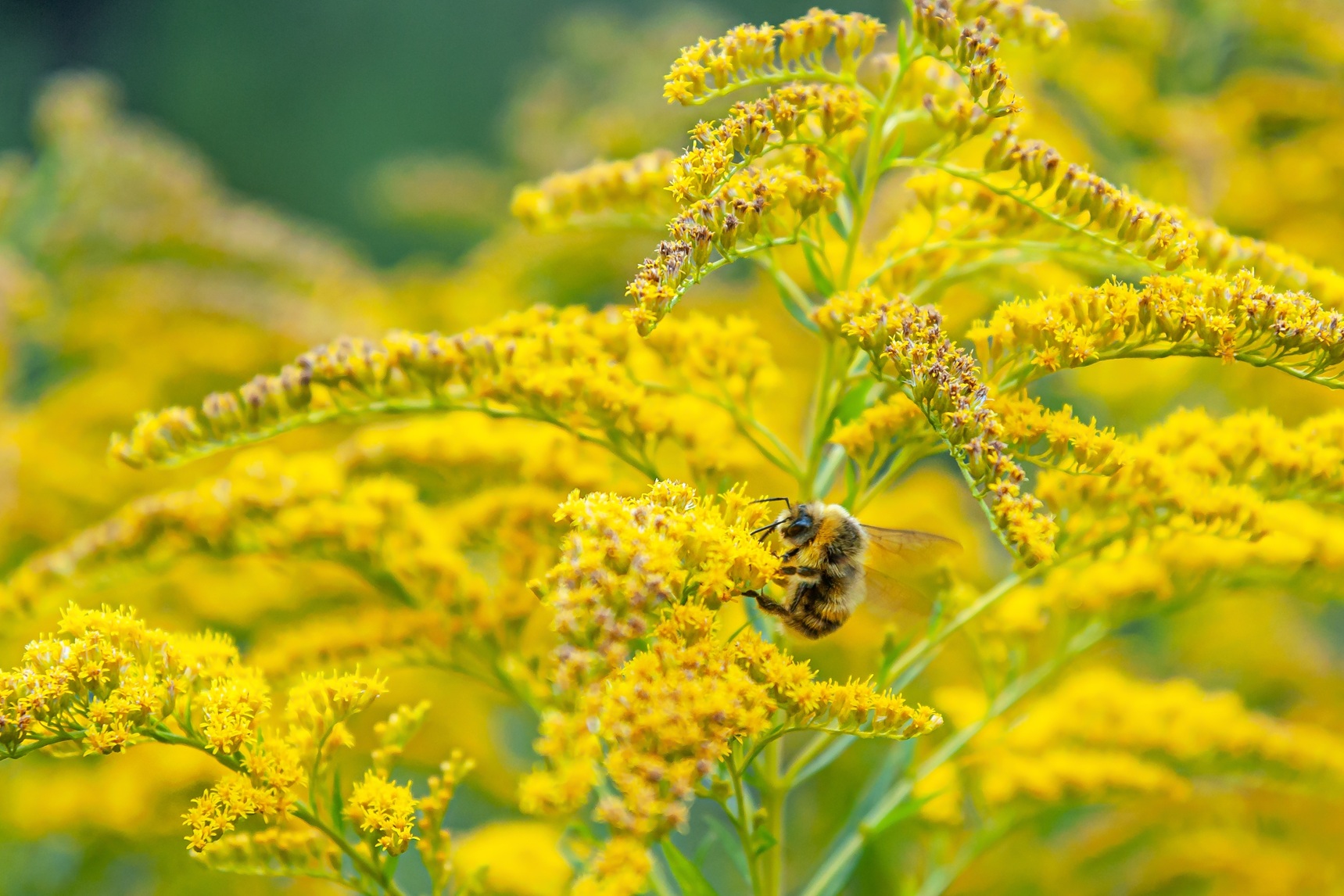
In late summer (July–September) tall feather spikes of golden yellow panicles (cluster of tiny flowers or inflorescence) are produced. The spikes are 15 to 30 cm long densely packed flowers forming golden rods that attract pollinators, such as bees, flies and butterflies.
Goldenrod is self-fertile and after flowering the seeds are carried by the wind and spread quickly (22).
-
Common names
- Aaron’s rod
- Goldenrod
- Woundweed
- Woundwort (23,24)
-
Habitat
The Solidago genus consists of roughly 190 species found widely across the Northern Hemisphere, Eurasia, North West Africa, Central and southern South America.
S. virgaurea is native across Western Europe to Central Siberia and Philippines (Luzon) (23).
The species S. canadensis and S. gigantea grow abundantly and are native to North America. Several species, including S. canadensis and S. gigantea have been introduced across Europe and become invasive, able to out compete native S. virgaurea (24). -
How to grow goldenrod
S. virgaurea prefers poor, sub-fertile ground, dry, rocky soils, cliff edges, waste ground in full sun (24).
Sow seeds in spring or plants can be propagated by division in spring or autumn. Goldenrod grows prolifically in clumps via rhizomes and self seeds easily. Harvest the tops in flower.
-
Herbal preparation of goldenrod
- Tincture
- Tea / dried herb
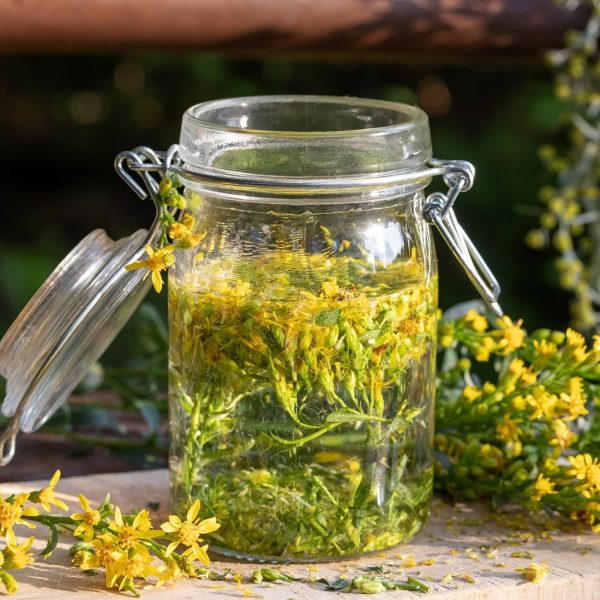
- Infused oil
- Honey
- Ointments
- Washes
- Compresses
- Infused oils
-
Plant parts used
Flowering tops / Aerial parts
-
Dosage
- Tincture (1:3 | 40 %): 2–4 ml (4)
- Infusion: 2–3 tsp of dried herb to 1 cup of boiling water. Steep covered 10-15 minutes (5). 6–12g herb or equivalent (26)
-
Constituents
- Terpenes:
- Diterpenes: Solidagolactones, elongatolides C and E
- Antiseptic monoterpenes: Thymol, carvacrol
- Volatile oils: Borneol oil, salicylic acid, thymol
- Saponins: Solidagosaponins, virgaureasaponins
- Phenolic compounds:
-
- Phenolic glucosides
- Flavonoids: Rutin, quercetin, kaempferol, hyperoside, astragalin. anthocyanidin
- Tannins
Polysaccharides: Fructan, inulin (1)
- Terpenes:
-
Goldenrod recipe
Goldenrod syrup
This is a wonderful recipe for a delicious, goldenrod syrup to add to pancakes, porridge, lemonade or sparkling water as a cordial. This is a folk recipe for making syrup, adapted from a recipe by Alleksandra (27)
Ingredients
- A handful of fresh goldenrod flowers (you can also add dried, but you would probably need to harvest your own).
- 1l water
- 1 lemon, juiced
- 500g sugar
How to make goldenrod syrup
- Add flowers to a saucepan.
- Add water to cover (you may need more or less water.
- Bring to the boil and remove from heat.
- Leave to cool, covered overnight.
- Strain through a muslin or jellybag.
- Add lemon juice and sugar (adjust sugar accordingly to be 2:1 water volume:sugar weight).
- Bring back to boil briefly.
- Strain, bottle and store in the fridge.

-
Safety
Avoid use with synthetic diuretics (2). Natural Medicines lists no specific safety data for pregnancy and lactation (1). Mills & Bone (2005), classify goldenrod as Category B2: No increase in malformation or other harmful effects on the foetus from limited human use.
Compatible with breastfeeding (28).
-
Interactions
Theoretical caution in hypertension due to possibility goldenrod may increase sodium retention (1).
-
Contraindications
Known allergy or sensitivity to the asteraceae family (29).
Possible cross reactivity with latex allergy (2,30).
Cases where it is recommended to reduce fluid intake, such as severe cardiac or renal diseases (26).
-
Sustainability status of goldenrod
Solidago virgaurea is considered Least Concern as of 2012 (31). Solidago species are native to much of the Northern hemisphere and have been introduced in other regions to the point they may be considered invasive as they grow vigourously.
Read our article on Herbal quality and safety: What to know before you buy and Sustainable sourcing of herbs to learn more about what to look for and questions to ask suppliers about sustainability.
-
Quality control
Goldenrod comes from cultivated sources in the UK but it may be adulterated with other solidago species (29).
-
References
- Goldenrod. Natural Medicines Comprehensive Database Web site. Therapeutic Research Center. Updated December 28, 2025. Accessed February 24, 2026. https://naturalmedicines.therapeuticresearch.com/Data/ProMonographs/Goldenrod.
- Dymowski W, Wiesner J. Addendum to assessment report on Solidago virgaurea L., herba. European Medicines Agency. Committee on Herbal Medicinal Products. Published September 22, 2021. Accessed February 24, 2026. https://www.ema.europa.eu/en/documents/herbal-report/addendum-assessment-report-solidago-virgaurea-l-herba_en.pdf.
- Savustyanenko AV. The use of extracts of goldenrod (Solidago virgaurea L.) for the treatment of diseases of the urinary tract. Kidneys. 2014;(3.09):29-37. https://doi.org/10.22141/2307-1257.0.3.09.2014.76073
- Holmes P. The Energetics of Western Herbs: Treatment Strategies Integrating Western and Oriental Herbal Medicine. 4th ed. Boulder, CO: Snow Lotus Press; 2007.
- Hoffmann D. Medical Herbalism: The Science and Practice of Herbal Medicine. Rochester, VT: Healing Arts Press; 2003.
- Chevallier A. Encyclopedia of Herbal Medicine. 3rd ed. London, UK: Penguin; 2016.
- Kimmerer RW. Braiding Sweetgrass: Indigenous Wisdom, Scientific Knowledge, and the Teachings of Plants. Minneapolis, MN: Milkweed Editions; 2013.
- Jones L. A Working Herbal Dispensary. London, UK: Aeon Books; 2023.
- Goldenrod flower meaning – the sun-spun Solidago marvel heals, nourishes and inspires. Thursd Web site. Published May 7, 2025. Accessed February 24, 2026. https://thursd.com/articles/solidago-goldenrod-flower-meaning.
- Gerard J. The Herball or Generall Historie of Plantes. London, UK: Adam Islip, Joices Norton, and R. Whitakers; 1597.ema.europa
- Culpeper N. Culpeper’s English Physician, and Complete Herbal. Philadelphia, PA: Richard Evans; 1814.ema.europa
- Grieve M. A Modern Herbal. New York, NY: Dover Publications; 1931. Accessed February 24, 2026. https://botanical.com/botanical/mgmh/g/golrod26.html.
- Ganora L. Herbal Constituents: Foundations of Phytochemistry. Louisville, CO: Herbalchem Press; 2009.
- Jafarinia M, Sadat Hosseini M, Kasiri N, et al. Quercetin with the potential effect on allergic diseases. Allergy Asthma Clin Immunol. 2020;16(1):36. doi:10.1186/s13223-020-00434-0.
- Hrytsyk Y, Koshovyi O, Lepiku M, et al. Phytochemical and pharmacological research in Galenic remedies of Solidago canadensis L. herb. Phyton (Horn, Austria). 2024;93(9):2303-2315. doi:10.32604/phyton.2024.055117.
- Kress H. Henriette’s Herbal Homepage. Accessed February 24, 2026. http://www.henriettes-herb.com.
- da Silva AG, Machado ER, de Almeida LM, et al. A clinical trial with Brazilian arnica (Solidago chilensis Meyen) glycolic extract in the treatment of tendonitis of flexor and extensor tendons of wrist and hand. Phytother Res. 2015;29(6):864-869. doi:10.1002/ptr.5323.onlinelibrary.wiley
- Prêcheur I, Rolland Y, Hasseine L, Orange F, Morisot A, Landreau A. Solidago virgaurea L. plant extract targeted against Candida albicans to reduce oral microbial biomass: a double blind randomized trial on healthy adults. Antibiotics (Basel). 2020;9(4):137. doi:10.3390/antibiotics9040137.
- Bagadood R. Immunomodulatory, antioxidant, and anti-apoptotic effect of Solidago virgaurea extract against experimental Doxorubicin-induced nephrotoxicity. Ann Clin Anal Med. Published online November 1, 2025. doi:10.4328/ACAM.22753.
- Edison had a set of tires made from his goldenrod rubber. UPI Archives. Published July 3, 1988. Accessed February 24, 2026. https://www.upi.com/Archives/1988/07/03/Edison-had-a-set-of-tires-made-from-his/4172583905600/.
- Edison succeeded in rubbermaking in last month of his life. New York Times. Published October 22, 1931. Accessed February 24, 2026. https://www.nytimes.com/1931/10/22/archives/edison-succeeded-in-rubbermaking-in-last-month-of-his-life.html.
- Solidago virgaurea – goldenrod. Plants for a Future Web site. Updated February 4, 2026. Accessed February 24, 2026. https://pfaf.org/user/Plant.aspx?LatinName=Solidago+virgaurea.
- Solidago virgaurea L. Medicinal Plant Names Services. Royal Botanic Gardens, Kew. Published 2015. Accessed February 24, 2026. https://mpns.science.kew.org/mpns-portal/plantDetail?plantId=2911230.
- Solidago virgaurea. Royal Horticultural Society. Updated December 28, 2025. Accessed February 24, 2026. https://www.rhs.org.uk/plants/17496/solidago-virgaurea/details.
- Szymura M, Szymura TH. Interactions between alien goldenrods (Solidago and Euthamia species) and comparison with native species in Central Europe. Flora (N Y). 2016;218:51-61. doi:10.1016/j.flora.2015.11.009.eppo
- Community herbal monograph on Solidago virgaurea L., herba. European Medicines Agency. Committee on Herbal Medicinal Products. Published 2007. Accessed February 24, 2026. https://www.ema.europa.eu/en/documents/herbal-monograph/final-community-herbal-monograph-solidago-virgaurea-l-herba_en.pdf.
- AlleksandraR. Goldenrod syrup. CookINPolish Web site. Published September 2, 2023. Accessed February 24, 2026. https://cookinpolish.com/goldenrod-syrup/.
- Mills S, Bone K. The Essential Guide to Herbal Safety. Philadelphia, PA: Elsevier Churchill Livingstone; 2005.
- Bone K. The Ultimate Herbal Compendium: A Desktop Guide for Herbal Prescribers. Warwick, Queensland: Phytotherapy Press; 2007.
- Bains SS, Lang D, Han Y, Hsieh F. Characterizing the allergens contained in goldenrod (Solidago virgaurea) [abstract]. J Allergy Clin Immunol. 2008;121(2)(suppl):S175. doi:10.1016/j.jaci.2007.12.646.
- Khela S. Solidago virgaurea. The IUCN Red List of Threatened Species 2013. Published July 6, 2012. Accessed February 24, 2026. https://www.iucnredlist.org/species/200513/2665676.
Meet our herbal experts
Our monographs are written by our monograph authors and edited, reviewed and updated by Herbal Reality.
Meet our Herbal Reality team or explore our Herbal Reality authors.