











Last reviewed 16/02/2026
Sustainability status
Not currently on risk lists but complete data may be missing on the status of the species. Read more in our sustainability guide.

Toxicity concern
Herbal toxicity concerns extend beyond intrinsically potent herbs with narrow therapeutic windows. While some species pose dose-dependent risks due to powerful bioactive constituents and a limited margin between therapeutic and toxic doses, toxicity may also arise from pharmacokinetic or pharmacodynamic interactions, cumulative exposure, or patient-specific vulnerability (e.g., hepatic or renal impairment).
Supply-chain factors also represent a significant source of risk, including misidentification of species, adulteration, contamination with heavy metals or pesticides, and variable constituent standardisation. Factors such as these may result in unpredictable pharmacological effects or organ toxicity independent of intended therapeutic action.
Careful sourcing, quality assurance, individualised assessment, and practitioner supervision are therefore essential to ensure safe use of these herbs.
Please read the Sustainability and Quality sections in this monograph.
-
Herb overview
Safety
Avoid raw berries. Seek guidance for use with autoimmune conditions or with immunomodulant drugs
Sustainability
Status:
Lower risk
FairWild certified sources availableKey constituents
Flavonoids — quercetin, rutin
Anthocyanins
Vitamins — A, B and CQuality
Native to Europe, SW Asia, N Africa
Wild harvested and cultivated in Europe
Pesticide contamination risksKey actions
Immunomodulant
Expectorant
Antioxidant
Anti-inflammatoryKey indications
Cold and flu
Sinusitis
Fever
Immune supportKey energetics summary
Cooling
Sweet
DryingSee below for discipline-specific energeticsPreperation and dosage
Berries
Dried berries: 5–10 g daily
-
How does it feel?
Elderberry has a rich, fruity and sour taste profile whether used as a tea, tincture or syrup. Elderberry is often used in the form of a syrup. The sweetness and viscosity of honey or sugar blended with elderberries makes for an excellent way to take this medicine, as it adds to the flavour and absorptive qualities. Elderberry is cooling and sweet, as well as sour. As a sialagogue, it increases the saliva in the mouth on tasting despite its astringent actions.

The taste of elderberry
The below qualities are derived from organoleptic assessment.
-
Into the heart of elderberry
Energetically, elderberry is considered gently warming and drying. From an Ayurvedic perspective, the berries and flowers are both used to decrease pitta and clear excess kapha, due to its action of clearing inflammation and stagnation of phlegm.
Elderberry is a European plant, so its uses have been most well documented in the approach of Western herbalism. According to Mathew Wood, all parts of the elder are used; the leaves, bark, and root included.
The indications for elderberry include cases of reddish, rough or dry complexion, or a mottled or blue-tinged complexion. This clinical picture is best understood to be caused by sluggish circulation or stagnation of catarrh or phlegm (4). Other clinical signs for the use of elderberry include a blue tinge on the tongue or around the eyes and mouth during fever, flus, colds or for other conditions. (4).
-
What practitioners say
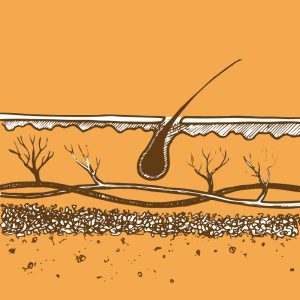
 Elderberry is particularly cleansing to all mucous membranes in the body, with a particular affinity for the respiratory tract and the skin.
 Immune system
Elderberry has powerful antiviral and anti-inflammatory properties, in part due to its rich vitamin C content. Elderberry is a strong immunomodulator, stimulating activity of the immune system. Vitamin C is an immune system enhancer and a vital co-factor in numerous enzymatic processes in the body, including blood vessel formation, wound healing mechanisms, iron absorption and energy transfer (6).
Elderberry has a direct action upon the flu virus, deactivating the enzyme that encourages its proliferation within the respiratory tract. Elderberry has been shown to directly inhibit viral replication and also inhibits hemagglutination produced by the influenza virus (7).
Elderberry activates pro-inflammatory and anti-inflammatory cytokines to be released from the immune system making it beneficial for both excessive and deficient immunity. They have a strong impact on the immune system, modulating its response and supporting it during periods of deficiency and excess (6).
Respiratory system
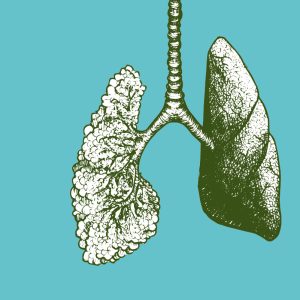
Elderberry is an effective expectorant for the respiratory system, helping to shift stubborn catarrh and mucus in both acute and chronic conditions. Elderberry also has a specific action in preventing an enzyme produced by the flu virus from attaching to the cilia in the mucosal membranes of the lungs.
As a herb rich in vitamin C, elderberry is crucial in protecting cellular membranes and the immune system, with a specific action upon wound healing mechanisms both internally and externally. It has an astringent and toning effect upon the skin and capillary structure (8).
Cardiovascular system
Elderberry contains anthocyanins (responsible for the purple pigment), which are flavonoids that support healthy endothelial function and vascular tone (9).
-
Elderberry research

Elderberry (Sambucus nigra) Elderberry has substantial research associated with its uses for respiratory health, immune function and for its antioxidant properties. Several studies and systematic reviews have been included.
Advanced research on the antioxidant and health benefit of elderberry (Sambucus nigra) in food — a review
A systematic review was carried out to evaluate the efficacy of elderberry consumption and its antioxidant and cellular protective potential. Both in vitro and human subjects were analysed. The review concludes with significant findings from a number of studies that elderberry shows positive results in the treatment of respiratory ailments, colds, cardiovascular diseases, diabetes and obesity. Additionally, the review confirms that elderberry shows positive effects on immune function with antiviral and antibacterial activity, as well as protection against UV radiation (6).
A review of the antiviral properties of black elder (Sambucus nigra L.) products
A review of current studies evaluated the evidence for the use of elderberry extract and related products for antiviral activity, particularly in the treatment of influenza. The review concluded that elderberry’s antiviral and antimicrobial properties are well demonstrated (10).
Randomized study of the efficacy and safety of oral elderberry extract in the treatment of influenza A and B virus infections
A double blind, randomised placebo controlled study was carried out to investigate the efficacy and safety of oral elderberry syrup for treating influenza type A and B infections. The study enrolled sixty patients aged between 18–54 years, suffering from influenza-like symptoms for a period of 48 hours or less. Half of the subjects were given 15 ml of elderberry and the other half given placebo syrup four times a day for a period of five days.
The elderberry group reported that symptoms were relieved on average around four days earlier and use of other medications was significantly less in those receiving elderberry extract compared with placebo. The study concludes that elderberry extract offers an efficient, safe and cost-effective treatment for influenza. Further studies are needed with a larger subject group to improve the evidence based for this valuable herbal medicine 11).
Elderberry supplementation reduces cold duration and symptoms in air-travellers: A randomized, double-blind placebo-controlled clinical trial
A randomised, double blind, placebo controlled trial was carried out to evaluate the efficacy of elderberry in prevention of the common cold. Three hundred and twelve economy class passengers travelling from Australia to an overseas destination were included in the study. A standardised membrane filtered elderberry (Sambucus nigra L.) extract was used. The results showed that most cold episodes occurred in the placebo group.
The placebo group participants also had a significantly longer duration of cold episode days and the average symptom score was also significantly higher. The study concluded a significant reduction in cold duration and severity in air travellers taking elderberry extract (2).
-
Historical use of elderberry
The elder tree has a rich and varied history of culinary, medicinal and folkloric use. For centuries, it has been associated with warding off evil and providing protection from witchcraft. Branches were often placed on or in graves for this reason. It was also viewed as a symbol for grief and sorrow, as mentioned in Shakespeare’s Cymbeline, stemming perhaps from some sources that say the holy cross was made from an elder tree.
In Scandinavian mythology, the elder tree was deeply connected to magic, and a dryad spirit was believed to live in the tree. If the tree was cut down, it was said she would haunt those who were responsible. In more recent times, it is better known for warding off the evil of colds and providing protection from flu.
There are many species of elder around the world. Traditionally, almost every part of the tree is used to prepare medicines, tonics and drinks, including the flowers, berries, bark and leaves.
-
Elderberry’s herbal actions
Herbal actions describe therapeutic changes that occur in the body in response to taking a herb. These actions are used to express how a herb physiologically influences cells, tissues, organs or systems. Clinical observations are traditionally what have defined these actions: an increase in urine output, diuretic; improved wound healing, vulnerary; or a reduction in fever, antipyretic. These descriptors too have become a means to group herbs by their effects on the body — herbs with a nervine action have become the nervines, herbs with a bitter action are the bitters. Recognising herbs as members of these groups provides a preliminary familiarity with their mechanisms from which to then develop an understanding of their affinities and nuance and discern their clinical significance.
-
Elderberry’s energetic qualities
Herbal energetics are the description that herbalists have given to plants, mushrooms, lichens, foods and some minerals based on the direct experience of how they taste, feel and affect the body. All traditional health systems use these principles to explain how the environment impacts health, according to each of their philosophies and frameworks. These assessments of individual herbs, though they often do align, can differ from one another due to cultural differences regarding perspectives on how herbs taste versus their physiological effects. Find out more about traditional energetics in our article An introduction to herbal energetics.
-
What can I use elderberry for?

Elderberry (Sambucus nigra) Elderberry is an essential in any family first aid cupboard. A syrup made using honey or sugar is the most popular way to use this invaluable medicine. It is considered safe for all the family, and appeals to children owing to its rich sweet flavour.
Elderberry provides a rich source of vitamin C, anthocyanins and flavonoids. All of which are powerful antioxidants that protect the body from free radicals. These protective properties make elderberry a potent medicine for restoring cellular health and immunity. As a nourishing, energy rich autumn medicine, it can be used to improve overall health and resilience to viruses’ during the cold winter months (1).
Elderberry has a strong affinity for the respiratory system and encourages the process of expectoration through reducing acute and chronic mucus congestion. Elderberry is incredibly soothing and will coat the mucous membranes, alleviating sore throats and irritating coughs whilst also bolstering immunity (1).
Elderberry has also been shown to neutralise the neuraminidase enzyme responsible for helping the flu virus enter the body and prevent viral proliferation in the respiratory mucous membranes, neutralising 10 strains of flu virus (2). A randomised double blind controlled trial found elderberry to be effective in reducing the length and severity of cold symptoms by up to two days when compared with a placebo group (3).
Elderberry can be taken throughout autumn and winter as a preventative therapy, and may also be taken at the onset of a viral infection to support an effective immune response.
-
Did you know?
The importance of elder in historical folklore is evident from the popularity of The Anatomie of the Elder published in 1644, which contained 230 pages dedicated to describing the medicinal properties of the plant (5).
The botanical name Sambucus comes from the Greek word ‘sambuke’ meaning ‘a musical pipe’ in reference to the hollowed branches, which were once used to make wind instruments.






 Elderberry is particularly cleansing to all mucous membranes in the body, with a particular affinity for the respiratory tract and the skin.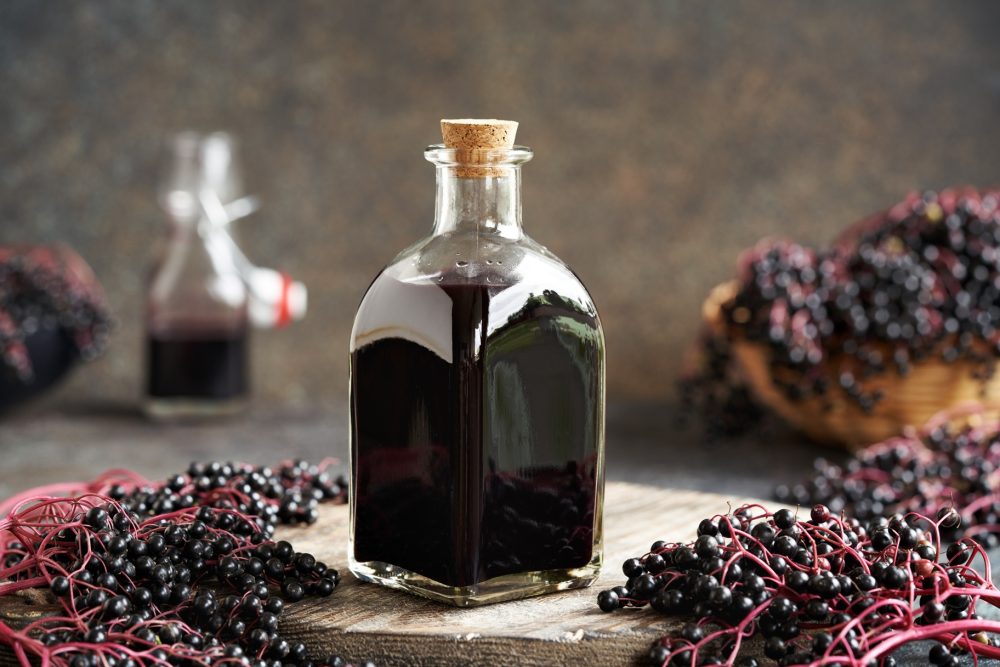
-
Botanical description
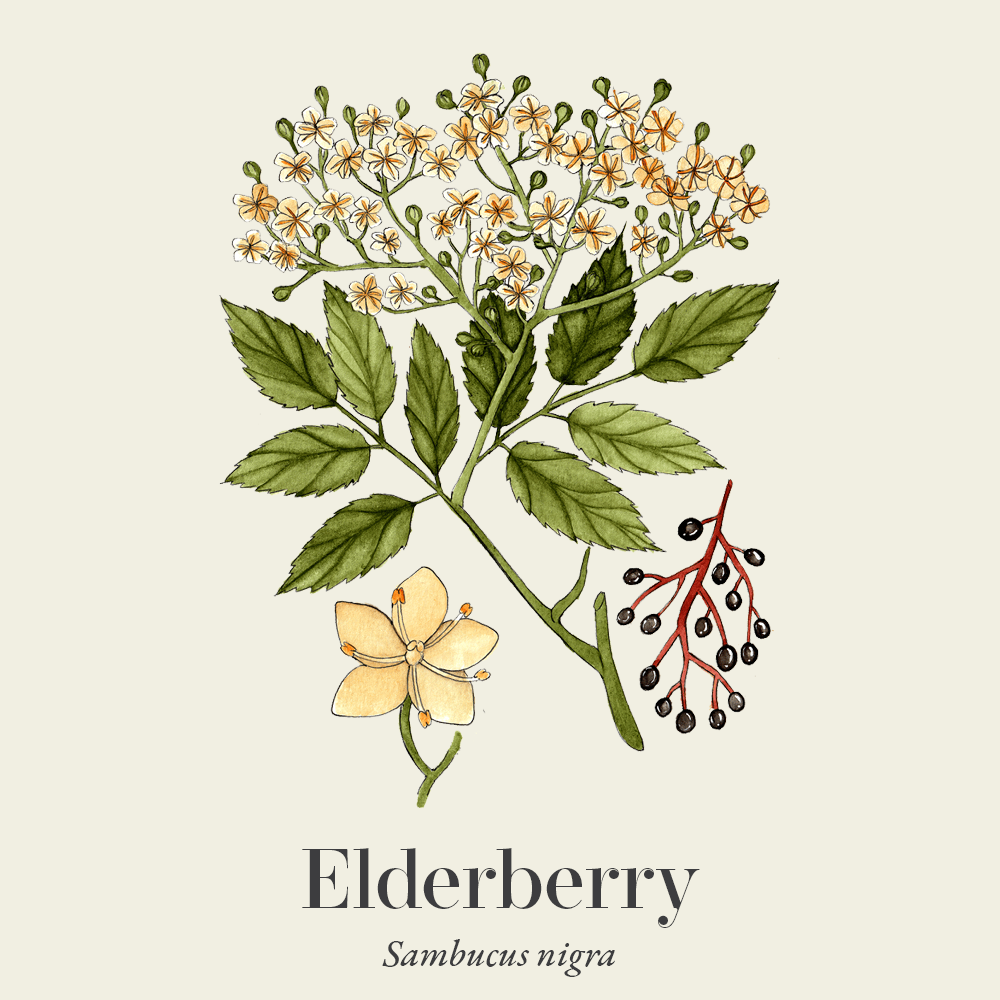
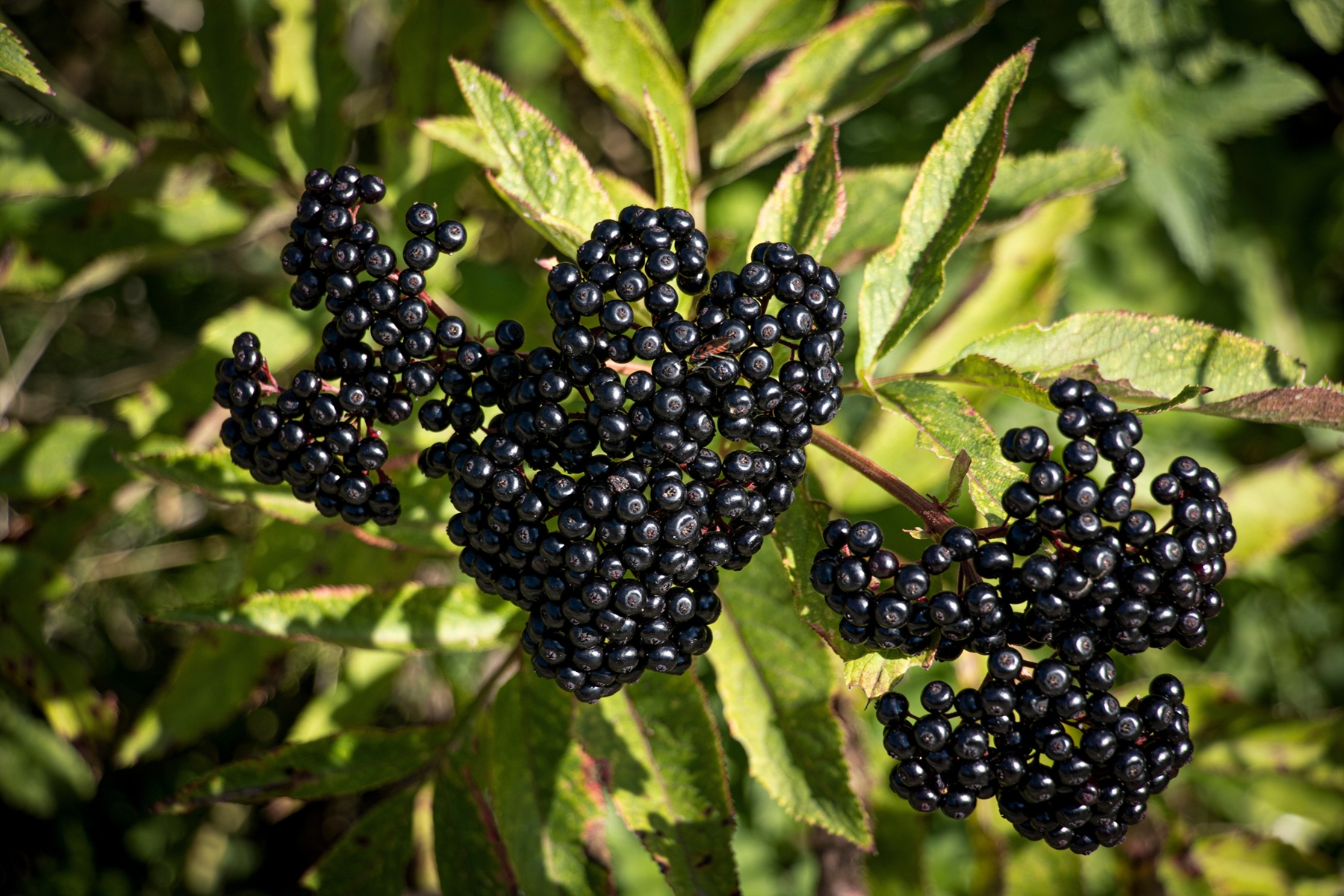
Elder, commonly called European elder, is a deciduous, multi-stemmed shrub (occasionally a small tree). It typically grows to 8–20’ (less frequently to 30′) tall. Elder is most known for its creamy white fragrant blossoms, the elderflowers. The tiny white flowers form in large flattened 5’’ umbel-like clusters.
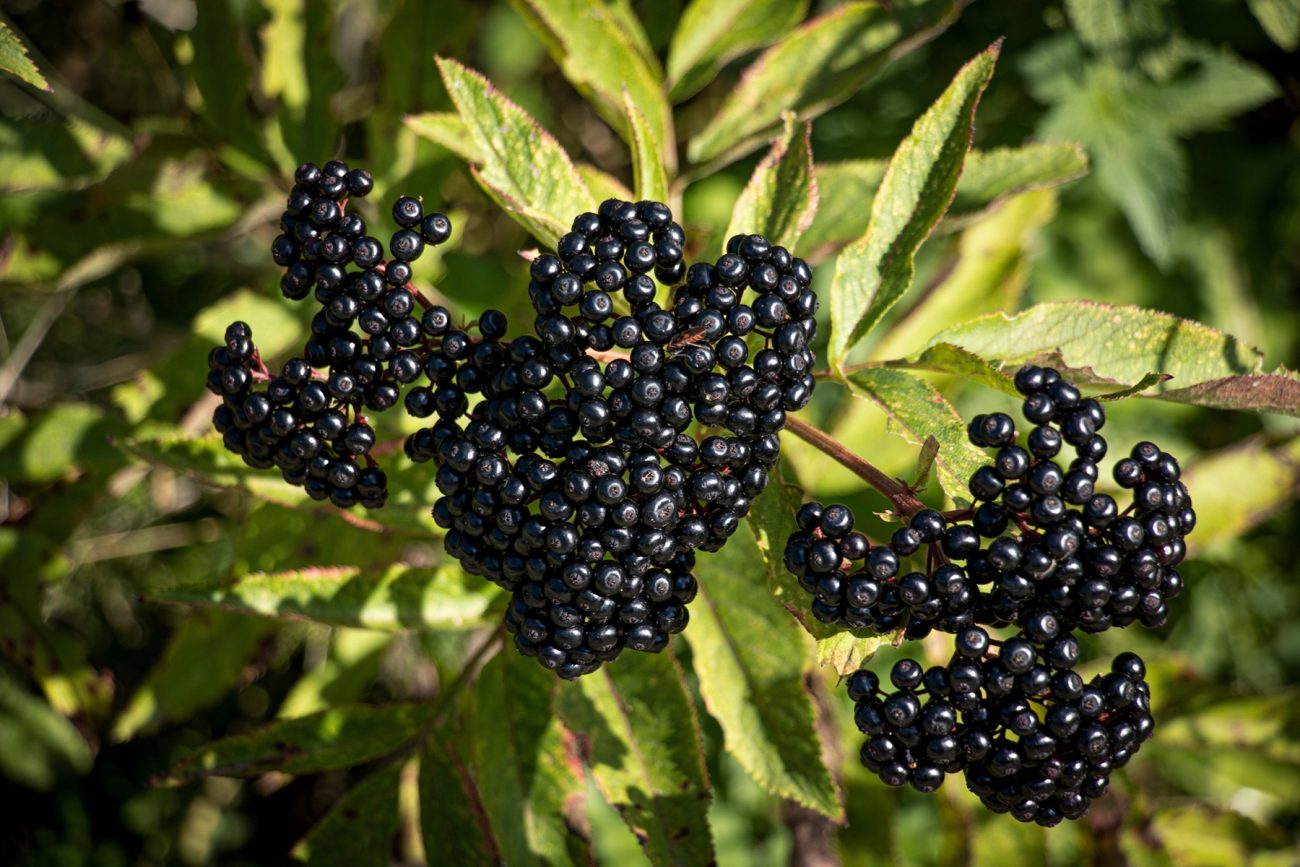
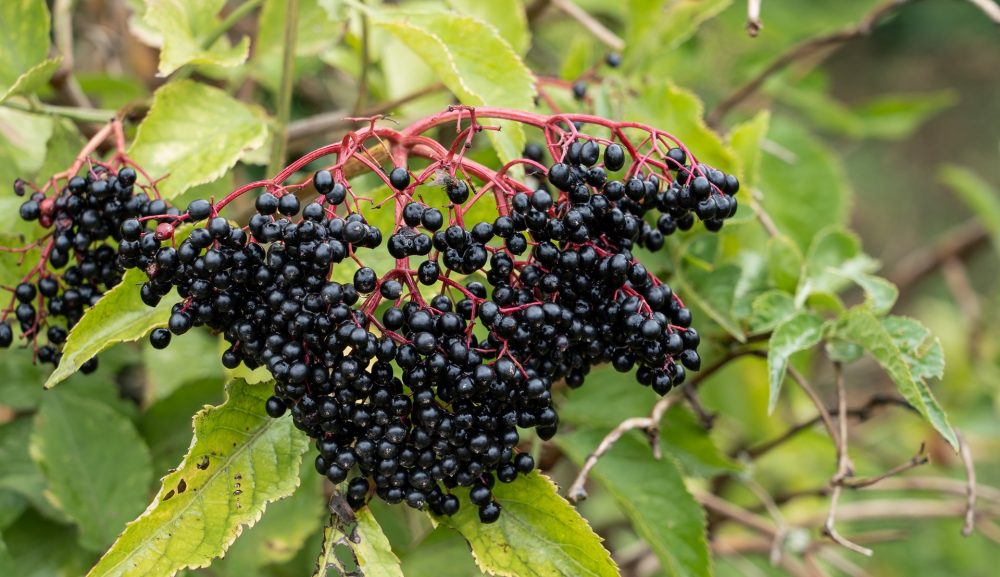
Elderflowers transform in autumn into large drooping bunches of purplish black fruits (elderberries). Its compound, pinnate leaves are roughly 10’’ long, dark green, each containing 3–7 serrated, ovate to elliptic leaflets. Leaves have a pungent aroma when cut or crushed (16).
-
Common names
- Elder
- European elder
- Black elder
- Common elder
- Elder bush
- Pipe tree
- ‘Medicine chest of the people’
- Bour tree
- Hylder/hylan tree (Anglo Saxon)
- Eldrum (Low Saxon)
-
Habitat
Native to Europe, southwestern Asia and northern Africa. It is often found growing in a wide range of habitats, generally on forest edges and open woodlands often associated to disturbed and near bodies of water (17).
-
How to grow elderberry
Elder trees are easy to grow. They prefer a location with full sun although they can grow successfully in dappled light – they just need long hours of direct sun exposure. You may find a suitable sapling at a local garden centre to plant out. Elders can tolerate different conditions like poor soil or water logging, however they are intolerant of drought.
- Elder tree planting is done best in well-draining, loamy soil types. Sandy soils should be improved by adding a few inches of organic matter.
- Plant your elder early in the spring and be sure to water them regularly so they get off to a good start. Incorporate manure or compost before planting your elder sapling into the ground.
Elders should be left to grow wildly in the first two years of growth. Do not prune and do not pick the berries until they are well established. Thereafter in early spring you may prune them back and remove all the dead areas. This way, the bushes will grow and produce a lot of fruit (19).
-
Herbal preparation of elderberry
- Syrup
- Decoction
- Tincture
-
Plant parts used
- Berries
- Flowers
- Leaves, roots and bark are mentioned in some texts, but not very often used in practice due to their emetic effects in some individuals.
-
Dosage
- Infusion/decoction: 1 cup (made from 10 g dried berries) several times daily.
- Syrup: For acute use adults may take 1–2 tablespoons up to four times a day and children one teaspoon four times daily. For ongoing use adults can take two teaspoons daily and children one teaspoon daily.
-
Elderberry recipe
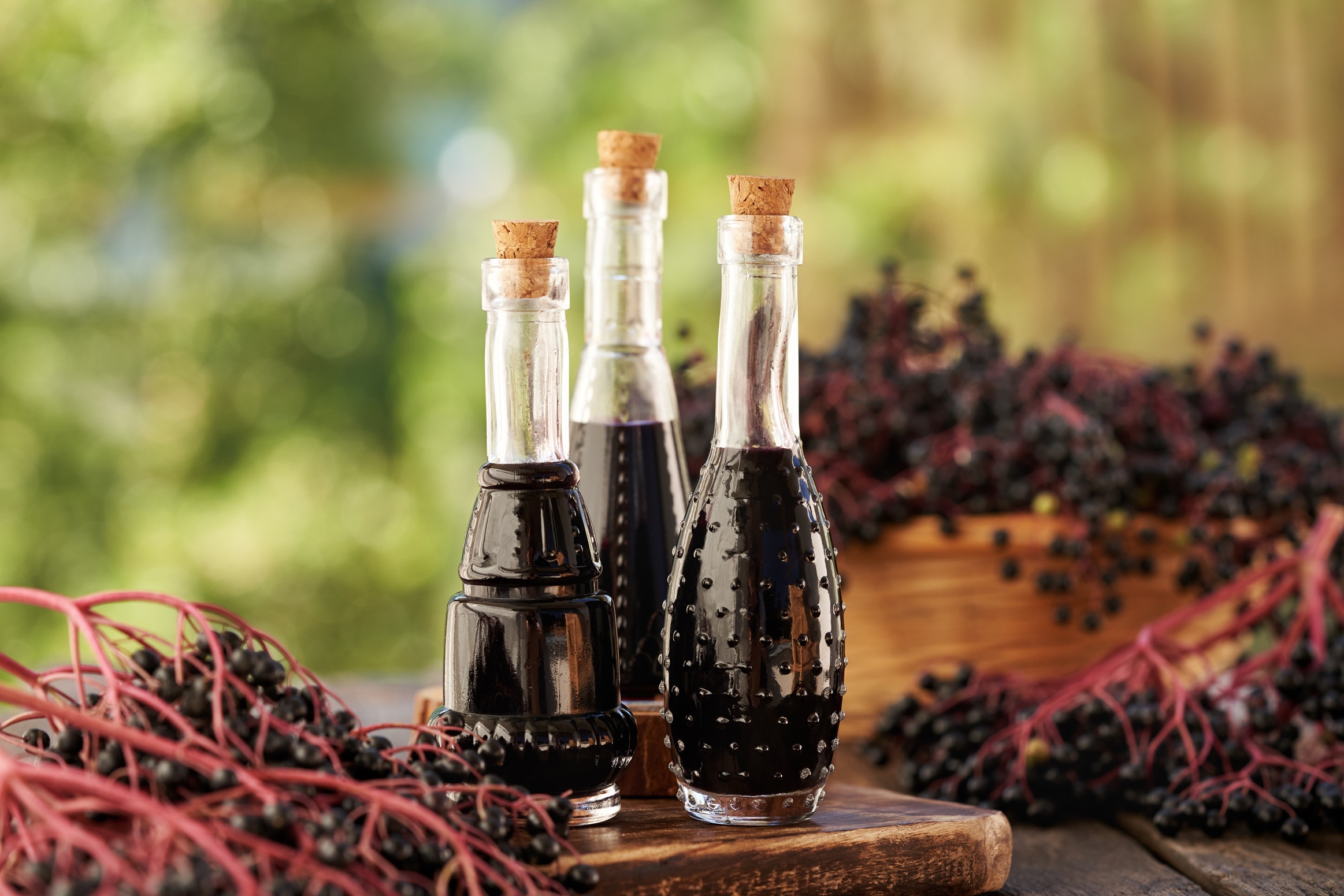
Elderberry elixir
This powerful and immune boosting ‘Elderberry Elixir’ recipe is easy to make, enjoyable to drink and a great keep-me-healthy-through-winter herbal remedy.
Ingredients
- 1 kg/35 oz fresh or dried elderberry (or dry)
- 10 clove buds
- 3 quills of cinnamon bark
- 5 cm/2 in piece of fresh ginger root
- 250 g/9 oz sugar
How to make an elderberry elixir
- Collect your fresh berries on an autumn day.
- Wash and destalk the berries by using a fork as a mini rake.
- Put the elderberries in a pan with one cup of water and simmer until the berries have released most of their juices (or 1 litre if dry).
- Place a sieve over a bowl, pour the berries and the liquid into the sieve and crush the berries with a fork to help strain as much liquid as possible into the bowl.
- Pour this juice back in the saucepan. Add the remaining ingredients. Simmer for 30 minutes on a low heat.
- Strain again over a bowl. And then decant into sterilised bottles and tightly seal. Store in the fridge for up to six months. To drink, add 2 tbsp of elderberry elixir to a cup of hot water.
Recipe from Cleanse, Nurture, Restore by Sebastian Pole

-
Safety
Elderberry is best administered with caution during pregnancy and lactation and should be taken under the supervision of a medical practitioner (2,8,10,13,14).
The leaves of the elder tree may cause a reaction on sensitive skin. Avoid the use of root, bark and unripe/ raw berries internally as they can produce emetic effects in some individuals (2,8,11,13).
-
Interactions
It is widely suggested that elderberry may interact with immunosuppressant medications. It is, therefore, advised to seek professional advice before taking it in conjunction with immunosuppressants (2,8,12,14,15).
-
Contraindications
None known (2,8,10,11,13,14,15)
-
Sustainability status of elderberry
According to the IUCN Red List of Threatened Plants Status elderberry is classified globally as least concern due to its widespread distribution, stable populations and no major threats (18).
Habitat loss and over-harvesting from the wild are two of the biggest threats faced by medicinal plant species. There are an increasing number of well-known herbal medicines at risk of extinction. We must, therefore, ensure that we source our medicines with sustainability in mind.
The herb supplement industry is growing at a rapid rate and until recent years a vast majority of medicinal plant produce in global trade was of unknown origin. There are some very real and urgent issues surrounding sustainability in the herb industry. These include environmental factors that affect the medicinal viability of herbs, the safety of the habitats that they are taken from, as well as the welfare of workers in the trade.
The botanical supply chain efforts for improved visibility (transparency and traceability) into verifiably sustainable production sites around the world is now certificated through the emergence of credible international voluntary sustainability standards (VSS).
Read our article on Herbal quality & safety: What to know before you buy and Sustainable sourcing of herbs to learn more about what to look for and questions to ask suppliers about sustainability.
-
Quality control
Herbal medicines are often very safe to take; however, their safety and efficacy can be jeopardised by quality issues. So, it is important to buy herbal medicines from a reputable supplier, from sources known to test their herbs to ensure there is no contamination, adulteration or substitution with incorrect plant matter, as well as ensuring that recognised marker compounds are at appropriate levels in the herbs.
Some important quality assurances to look for are certified organic labelling, the correct scientific/botanical name, and the availability of information from the supplier about ingredient origins. A supplier should be able to tell you where the herbs have come from, what contaminants are not in the herb, and what the primary compounds are.

-
References
- Hoffmann D. Medical Herbalism : The Science and Practice of Herbal Medicine. Healing Arts Press; 2003.
- Tiralongo E, Wee S, Lea R. Elderberry Supplementation Reduces Cold Duration and Symptoms in Air-Travellers: A Randomized, Double-Blind Placebo-Controlled Clinical Trial. Nutrients. 2016;8(4):182. https://doi.org/10.3390/nu8040182
- Wood M. The Practice of Traditional Western Herbalism . North Atlantic Books, Cop; 2013.
- HerbalGram. European Elderberry. www.herbalgram.org. Accessed June 28, 2024. https://www.herbalgram.org/media/13294/elderberry-scr.pdf
- Grieve M. A Modern Herbal | Elder. www.botanical.com Published 2024. Accessed October 16, 2021. https://www.botanical.com/botanical/mgmh/e/elder-04.html
- Sidor A, Gramza-Michałowska A. Advanced Research on the Antioxidant and Health Benefit of Elderberry (Sambucus nigra) in Food – a Review. Journal of Functional Foods. 2015;18:941-958. https://doi.org/10.1016/j.jff.2014.07.012
- Zakay-Rones Z, Varsano N, Zlotnik M, et al. Inhibition of Several Strains of Influenza Virus in Vitro and Reduction of Symptoms by an Elderberry Extract (Sambucus nigra L.) during an Outbreak of Influenza B Panama. The Journal of Alternative and Complementary Medicine. 1995;1(4):361-369. https://doi.org/10.1089/acm.1995.1.361
- Mcintyre A. Complete Herbal Tutor : The Definitive Guide to the Principles and Practices of Herbal Medicine (Second Edition). Aeon Books Limited; 2019.
- Festa J, Singh H, Hussain A, Da Boit M. Elderberries as a potential supplement to improve vascular function in a SARS-CoV-2 environment. Journal of food biochemistry. 2022;46(11):e14091. https://doi.org/10.1111/jfbc.14091
- Porter RS, Bode RF. A Review of the Antiviral Properties of Black Elder (Sambucus nigraL.) Products. Phytotherapy Research. 2017;31(4):533-554. https://doi.org/10.1002/ptr.5782
- Zakay-Rones Z, Thom E, Wollan T, Wadstein J. Randomized Study of the Efficacy and Safety of Oral Elderberry Extract in the Treatment of Influenza A and B Virus Infections. Journal of International Medical Research. 2004;32(2):132-140. https://doi.org/10.1177/147323000403200205
- Torabian G, Valtchev P, Adil Q, Dehghani F. Anti-influenza activity of elderberry (Sambucus nigra). Journal of Functional Foods. 2019;54:353-360. https://doi.org/10.1016/j.jff.2019.01.031
- Thomsen M. Phytotherapy Desk Reference. 6th ed. Aeon Books; 2022.
- Fisher C. Materia Medica of Western Herbs. Aeon Books; 2018.
- Natural Medicines. Elderberry. Therapeutic Research. Accessed June 28, 2024. https://naturalmedicines.therapeuticresearch.com/databases/food
- Rose F. The Wild Flower Key : How to Identify Wild Flowers, Trees and Shrubs in Britain and Ireland. Frederick Warne; 2006.
- Royal Botanical Gardens Kew. Sambucus nigra L. | Plants of the World Online | Kew Science. Plants of the World Online. Published 2025. https://powo.science.kew.org/taxon/urn:lsid:ipni.org:names:30122169-2
- Unit) MB (Red L. IUCN Red List of Threatened Species: Elder. IUCN Red List of Threatened Species. Published October 7, 2019. https://www.iucnredlist.org/species/61684/88328586
- RHS. How to grow sambucus / RHS Gardening. Rhs.org.uk. Published 2025. Accessed April 30, 2025. https://www.rhs.org.uk/plants/sambucus/growing-guide
Meet our herbal experts
Our monographs are written by our monograph authors and edited, reviewed and updated by Herbal Reality.
Meet our Herbal Reality team or explore our Herbal Reality authors.