







Acne is a skin condition exacerbated by hormonal changes, stress and diet that typically presents with papules and pustules on the face, chest and upper back.
Understanding acne

Acne is one of the most common skin diseases, and the eighth most prevalent disease worldwide, estimated to affect 9.4% of the global population (1). It affects 80–85% of people at some point between age 11 and 30 years old (2,3). The onset of acne typically correlates with the onset of puberty, with the prevalence peaking in the teenage years then progressively declining with increasing age (1,4).
During adolescence, it is more common in males than females, but in adulthood is more prevalent in women (2).
Acne tends to occur for 3–5 years, but has been increasingly recognised as a potentially chronic disease as opposed to a self-limited condition (a disease that will resolve itself of its own accord, without intervention) (5).
Acne has a range of potential consequences to individuals including symptomatic discomfort, scarring, emotional and psychosocial distress (including depression, anxiety, low self-esteem, poor body image, and social withdrawal), and occupational consequences (4,6).
How does acne work?

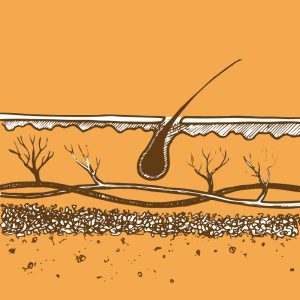
Acne is a chronic inflammatory disease of the pilosebaceous unit (hair follicle and sebaceous gland) (7). The pathophysiology involves several factors: hyperseborrhoea (excess sebum production by the sebaceous glands); follicular keratinization (sebum and dead skin cells form a plug in the follicle); bacterial growth (Propionibacterium acnes) in the pilosebaceous unit; and inflammation as the immune system responds to the bacterial proliferation (7).
Sebum production increases during puberty and high sebum levels favour the growth of Propionibacterium acnes, and the development of inflammatory acne lesions in more severe acne (1).
Conventional medical treatments focus on topical treatments, oral antibiotics, hormone treatments, and isotretinoin (Accutane, Roaccutane), which can only be administered for short durations due to the potential side effects (5,8).
Oral antibiotics work through a direct antimicrobial and anti‐inflammatory effect, although antibiotic resistant strains of Propionibacterium acnes are severely limiting the efficacy of this treatment (3).
Understanding the root causes
The pathogenesis of acne involves a complex interplay of multiple factors.

Genetics
Genetic factors are thought to be involved, as a positive family history of acne in parents is associated with increased acne risk in their offspring, with a heritability of 80% in first-degree relatives (1,2).
Hormones
Sebum production by the sebaceous glands is under the influence of hormones, particularly androgens and stress hormones (2). This explains the increased prevalence of acne during puberty when androgen levels are elevated (7). Similarly, the hormonal shifts through the menstrual cycle can be a cause of acne at certain points in the cycle. High levels of androgens are common in polycystic ovarian syndrome (PCOS), which can result in acne being a feature of this condition (9).
Diet
The relationship between diet and acne is controversial and has been extensively debated. Recent research suggests there is a relationship to the glycaemic load, linking acne to blood glucose and hyperinsulinemia (10). Similarly, milk consumption is associated with an increased incidence of acne in several observational studies (11,12,13). A recent meta-analysis identified that intake of any kind of dairy (milk, yogurt, and cheese) is associated with an increased likelihood of acne (14). Dairy consumption results in a significant increase in insulin and insulin-like growth factors-1 (IGF-1) levels, comparable with high glycaemic food (14).
Hyperinsulinemia is associated with the pathophysiology of acne by increasing IGF-1 levels which stimulates androgen synthesis and increases sebum production (14). A high intake of fruits, vegetables and fish may lower the risk of acne presentation (1). This is likely to be due to the omega-3 fatty acids in fish and the high fibre content in fruits and vegetables, which have been shown to reduce IGF-1 levels and lower acne risk (6). Both a high fat diet and chocolate consumption were connected to acne exacerbation in a recent review of the literature on acne and the diet (16).
Stress
Stress is a cause of acne, a major factor in exacerbating the condition, and a consequence of the presence of the lesions (3). Both the emotional distress from acne, and mentally stressful life events have been correlated with an increased severity and occurrence (17). Relaxation training and stress reduction techniques can improve the severity of acne, with a recurrence once the relaxation techniques are discontinued (18).
Topical
External factors can influence the development of acne, including the use of comedogenic cosmetics which can block the skin pores, and aggressive detergents, which can disrupt the protective microbiome of the skin (7). Mechanical occlusion of the skin pores with headbands, shoulder straps and backpacks can exacerbate acne (2).
Other causes
Acne can also have an iatrogenic cause due to certain medications, and can be a feature of endocrine disorders such as PCOS, Cushing’s syndrome, androgen secreting tumours, and acromegaly (19).
Signs and symptoms
Acne patients typically present with comedones (black and white heads), papules (raised lesions) and pustules (inflamed papules filled with pus) (1). Seborrhoea, or grease production, is also a feature often visible on the skin (3). The most common body areas affected are the face, upper back, upper chest, lower back, shoulders and neck (4). Other symptoms such as scars, pain, erythema, tenderness and hyperpigmentation may be observed in more severe presentations (2).
Herbs for acne
Acne is indicative of a hormonal imbalance, liver stagnation and toxicity, dysbiosis, stress, nutritional deficiencies, and the herbal treatment will be aimed at addressing these issues (19,20,21).

Depurative or alterative herbs
Depurative or alterative herbs improve the elimination of metabolic waste and are often central to the treatment of skin conditions. Burdock root is key to stimulating the removal of waste and stagnation from within cells. Burdock root combines well with lymphatic and hepatic herbs, to ensure the elimination of the metabolic waste. Oregon grape root is used for skin conditions due to this alterative action as well as supporting the liver, and having an antimicrobial action. Other important alterative herbs are yellow dock, calendula, red clover and nettle.
Hepatic herbs
Hepatic herbs support the liver with detoxification, which is important in order to process excess hormones and help to regulate circulating hormone levels. Supporting both the liver and the bowel also takes the toxin load away from the skin as an eliminatory organ (20). Dandelion root, milk thistle, artichoke, rosemary, turmeric and schisandra all support the liver.
Digestive support
Digestive support will help with elimination through the bowel. Dandelion root, burdock root, yellow dock, and liquorice promote the motility of the bowel and provide support to the microbiome in the digestive tract. In cases of constipation, sluggish or congested bowels, also use linseeds or psyllium that have been soaked in water overnight.
Hormonal modulation
Vitex (chaste berry) has mild antiandrogenic effects and can be beneficial in treating hormone-related acne in both males and females (22,23). Spearmint has been shown to have significant antiandrogen effects and could provide hormone balance in cases of excess androgens (24).
Antimocrobials
Antimicrobials can be used internally and externally to support the immune system to deal infection and inflammation. Oregon grape root and calendula are effective herbs for internal use here.
Calendula, rose, witch-hazel, and tea tree oil can be used topically as a wash or spitz.
Herbs supporting the immune system
Immune support will help with a more effective immune response to mitigate inflammation, help control the bacterial growth in the pustules, and may be required if there has been recent or long term antibiotic use. Berberine containing herbs such as Oregon grape root can be used alongside antibiotic treatment to complement the antibiotic action and reduce to development on antibiotic resistance (25,26). Echinacea provides immune support to control bacterial infections, as well supporting the lymphatic system to clear cellular debris and metabolic waste, which reduces inflammation and promoting tissue healing. Andrographis supports the immune system, is specifically antibacterial, and also providing bitter support to the liver and bowel.

Lymphatic herbs
Lymphatic herbs may be indicated if there is considerable inflammation and also to support the eliminatory processes and tissue cleansing. Calendula, red clover and echinacea are good choices here as supportive herbs.
Relaxing herbs
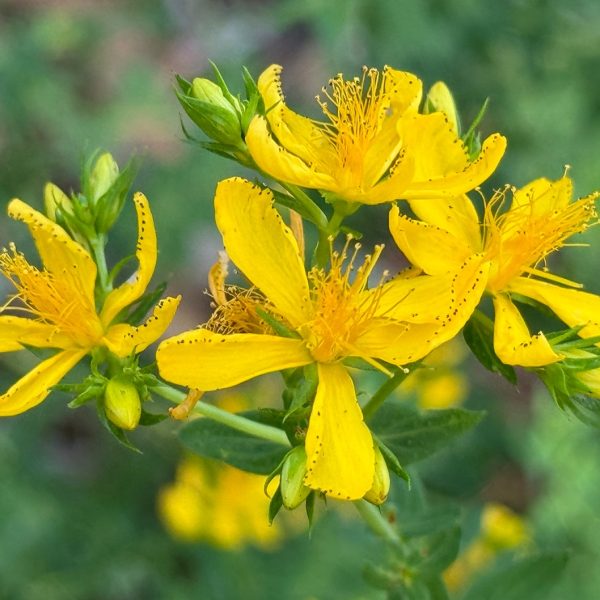
Relaxing nervines are indicated if stress is either exacerbating the acne, or the condition is causing emotional stress. Relaxants which have complementary actions on the liver and digestion include chamomile, skullcap, vervain, hops, and St. John’s wort.
Adaptogenic herbs
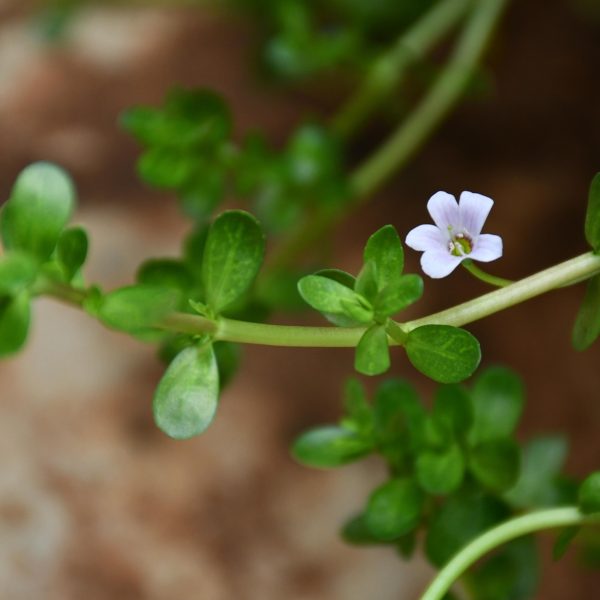
Adaptogens are indicated if stress is a potential cause or consequence of acne. Gotu kola has the benefit of being an adaptogen as well as a wound healer. Ashwagandha is a powerful adaptogen for balancing stress hormones, and has also been shown to have positive effects on acne due to the antibacterial and inflammatory properties (22).
Skin herbs
Skin trophorestorative herbs can be used internally and externally to support the skin healing. Calendula supports cell proliferation and healing as well as reducing scar tissue formation. Combined with the anti-inflammatory, antimicrobial and lymphatic actions, calendula is ideal for use both externally and internally. Gotu kola is another herb which supports wound healing and reduces scar formation, as well as being an adaptogen to support stress. Comfrey and lavender used externally will help with skin healing, reduce scar formation, and provide antimicrobial protection.
Topical applications
Herbs with antimicrobial, anti-inflammatory, astringent, vulnerary and skin-trophorestorative actions are required to support acne. Calendula, chamomile, rose, witch-hazel, tea-tree oil, lavender, gotu kola, and aloe vera are all excellent herbs for topical applications such as in a wash, steam, spritz, or infused cream.
Holistic solutions

Diet
- Consume a low glycaemic index diet (legumes, grains, nuts, seeds, vegetables), which is associated with a beneficial effect on acne (10).
- Reduce or remove dairy, particularly milk.
- Increase fruit and vegetables intake to improve the fibre content of the diet and support the digestive system and microbiome, and also provide essential vitamins and minerals.
- Moderate fat intake by reducing saturated and processed fats and focussing on healthy sources such as avocados, nuts, seeds, olive oil, oily fish.
- Increase intake of foods rich in omega-3 fats (salmon, mackerel, sardines, anchovies, flaxseed, chia seeds, seaweeds) to support the skin health and suppress the production of inflammatory marker (16).
- Reduce consumption of food containing a combination of fat, sugar and milk, such as milk chocolate, desserts, cakes and other sweet treats.
- Consider nutritional supplements which can support the skin, immune system and microbiome — vitamins A, C, D, E, zinc, selenium, omega-3 fatty acids, probiotics.
- Green tea has been shown to be effective in treating mild to moderate acne (27).
Stress
- Make lifestyle modifications to reduce stress.
- Take regular exercise, get sufficient sleep, reduce caffeine intake and engage with hobbies.
- Relaxation techniques such as biofeedback assisted relaxation, meditation, mindfulness, yoga and yoga Nidra can be used to regulate the nervous system and reduce stress (18).
Skin care
- Avoid squeezing or picking the pimples, as this could make the acne worse, push the plug deeper into the skin, cause the follicle to rupture, and increases the chance of scarring (3,21).
- Avoid aggressive detergents which will not only disrupt the protective microbiome of the skin, but also strip the sebum from the skin creating the potential for a rebound increase in sebum production (7,19).
- Herbal extracts such as liquorice which contain saponins can be used as a gentle skin wash without causing rebound sebum production (19).
References
- Heng AH, Chew FT. Systematic review of the epidemiology of acne vulgaris. Scientific reports. 2020;10(1):5754. https://doi.org/10.1038/s41598-020-62715-3
- Mahto A. Acne vulgaris. Medicine. 2017 Jun 1;45(6):386-9. https://doi.org/10.1016/j.mpmed.2017.03.003
- Bhate K, Williams HC. Epidemiology of acne vulgaris. British Journal of Dermatology. 2013 Mar 1;168(3):474-85. https://doi.org/10.1111/bjd.12149
- Tan JK, Bhate K. A global perspective on the epidemiology of acne. British Journal of Dermatology. 2015;172(S1):3-12. https://doi.org/10.1111/bjd.13462
- Gollnick HP, Finlay AY, Shear N, Global Alliance to Improve Outcomes in Acne. Can we define acne as a chronic disease? If so, how and when?. American journal of clinical dermatology. 2008;9:279-84. https://doi.org/10.2165/00128071-200809050-00001
- Spencer EH, Ferdowsian HR, Barnard ND. Diet and acne: a review of the evidence. International Journal of Dermatology. 2009;48(4).
- Dréno B. What is new in the pathophysiology of acne, an overview. Journal of the European Academy of Dermatology and Venereology. 2017;31:8-12. https://doi.org/10.1111/jdv.14374
- NHS. Isotretinoin capsules (Roaccutane). Accessed September 25, 2024. https://www.nhs.uk/medicines/isotretinoin-capsules/
- Chuan SS, Chang RJ. Polycystic ovary syndrome and acne. Skin therapy letter. 2010 Nov 1;15(10):1-4.
- Kwon HH, Yoon JY, Hong JS, Jung J, Park MS, Suh DH. Clinical and histological effect of a low glycaemic load diet in treatment of acne vulgaris in Korean patients: a randomized, controlled trial. Acta dermato-venereologica. 2012;92(3):241-6. DOI: 10.2340/00015555-1346
- Ismail NH, Manaf ZA, Azizan NZ. High glycemic load diet, milk and ice cream consumption are related to acne vulgaris in Malaysian young adults: a case control study. BMC dermatology. 2012;12:1-8. https://doi.org/10.1186/1471-5945-12-13
- Adebamowo CA, Spiegelman D, Danby FW, Frazier AL, Willett WC, Holmes MD. High school dietary dairy intake and teenage acne. Journal of the American Academy of Dermatology. 2005;52(2):207-14.
- Adebamowo CA, Spiegelman D, Berkey CS, Danby FW, Rockett HH, Colditz GA, Willett WC, Holmes MD. Milk consumption and acne in teenaged boys. Journal of the American Academy of Dermatology. 2008;58(5):787-93. https://doi.org/10.1016/j.jaad.2007.08.049
- Juhl CR, Bergholdt HKM, Miller IM, Jemec GBE, Kanters JK, Ellervik C. Dairy Intake and Acne Vulgaris: A Systematic Review and Meta-Analysis of 78,529 Children, Adolescents, and Young Adults. Nutrients. 2018; 10(8):1049. https://doi.org/10.3390/nu10081049
- Melnik BC, Schmitz G. Role of insulin, insulin‐like growth factor‐1, hyperglycaemic food and milk consumption in the pathogenesis of acne vulgaris. Experimental dermatology. 2009;18(10):833-41. https://doi.org/10.1111/j.1600-0625.2009.00924.x
- Conforti C, Agozzino M, Emendato G, Fai A, Fichera F, Marangi GF, Neagu N, Pellacani G, Persichetti P, Segreto F, Zalaudek I. Acne and diet: a review. International Journal of Dermatology. 2022;61(8):930-4. https://doi.org/10.1111/ijd.15862
- Chiu A, Chon SY, Kimball AB. The Response of Skin Disease to Stress: Changes in the Severity of Acne Vulgaris as Affected by Examination Stress. Archives of Dermatology. 2003;139(7):897–900. doi:10.1001/archderm.139.7.897
- Hughes H, Lawlis GF, Brown BW, Fulton Jr JE. Treatment of acne vulgaris by biofeedback relaxation and cognitive imagery. Journal of Psychosomatic Research. 1983 Jan 1;27(3):185-91. https://doi.org/10.1016/0022-3999(83)90021-1
- Bone K and Mills S. Principles and Practice of Phytotherapy: Modern Herbal Medicine. Elsevier Health Sciences; 2013.
- McIntyre, A. The Complete Herbal Tutor: The Definitive Guide to the Principles and Practices of Herbal Medicine. Aeon Books, 2019.
- Hoffmann D. Medicinal Herbalism, The Science and Practice of Herbal Medicine. Healing Arts Press; 2003.
- Nasri H, Bahmani M, Shahinfard N, Nafchi AM, Saberianpour S, Kopaei MR. Medicinal plants for the treatment of acne vulgaris: a review of recent evidences. Jundishapur journal of microbiology. 2015;8(11). doi: 10.5812/jjm.25580
- Zahid H, Rizwani GH, Ishaqe S. Phytopharmacological review on Vitex agnus-castus: a potential medicinal plant. Chinese Herbal Medicines. 2016;8(1):24-9. https://doi.org/10.1016/S1674-6384(16)60004-7
- Grant P. Spearmint herbal tea has significant anti‐androgen effects in polycystic ovarian syndrome. A randomized controlled trial. Phytotherapy Research: An International Journal Devoted to Pharmacological and Toxicological Evaluation of Natural Product Derivatives. 2010;24(2):186-8. https://doi.org/10.1002/ptr.2900
- Čerňáková M, Košťálová D. Antimicrobial activity of berberine—a constituent of Mahonia aquifolium. Folia microbiologica. 2002;47:375-8.
- Chu M, Zhang MB, Liu YC, Kang JR, Chu ZY, Yin KL, Ding LY, Ding R, Xiao RX, Yin YN, Liu XY. Role of berberine in the treatment of methicillin-resistant Staphylococcus aureus infections. Scientific reports. 2016; 22;6(1):24748.
- Proença AC, Luis A, Duarte AP. The role of herbal medicine in the treatment of acne vulgaris: a systematic review of clinical trials. Evidence‐Based Complementary and Alternative Medicine. 2022;1:2011945. https://doi.org/10.1155/2022/2011945