






Anxiety is a biological response to a threat, but when it becomes chronic, it can detrimentally affect health.
Understanding anxiety

Anxiety is characterised by feelings of worry or fear around something which has not yet, and may never happen. Feelings of anxiety are a natural part of the body’s fight or flight response and are felt when people are under threat. Anxiety can provide motivation in some instances, however in excess, these feelings can interfere with daily life and cause distress (1). Anxiety differs from fear which is directed at something real and directly perceivable (2). This makes anxiety much harder to deal with.
Anxiety is considered by many to be a relatively new term, however there is evidence that the ancient Greeks explored techniques for dealing with it. The terminology around anxiety has undergone transitions throughout history. Between classic antiquity to the late 19th century, scholars used the terms melancholy and neurasthenia instead of anxiety.
Men coming home from war suffered shell-shock in WW1 which was changed to ‘battle fatigue’ in WW2 and is now termed post-traumatic stress disorder (PTSD), which shows how medical names for the same problem can change throughout history (2). In recent years, mental health has had a huge improvement in attitudes and acceptance, so there is no longer such a taboo around labelling oneself as anxious or struggling with anxiety. Google trends in search terms show the term ‘anxiety’ has increased fourfold since 2010.
It is hard to say if there is an increase in people struggling with anxiety than previous generations; however, there is certainly more awareness and receptiveness around the condition. Mentalhealth.org found in 2024 that 40% of the UK population experience medium or high levels of anxiety, with the 16–29 age group being the worst affected. It also found that anxiety levels improve steadily with age, reaching a low of 5% by the age of 70 (3). This indicates the likelihood that everyone will, at some point, experience feelings of anxiety. A recognition of the symptoms and treatment options, therefore, can help to support people when it occurs.
How does anxiety work?

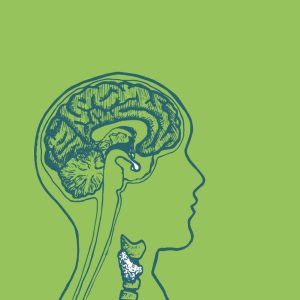
Anxiety is a natural biological response to a perceived threat or danger, triggering the sympathetic nervous system and subsequent fight or flight response. This involves the activation of the limbic system (specifically the amygdala), the part of the nervous system responsible for emotional regulation.
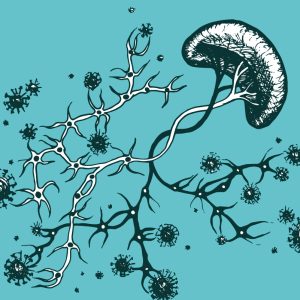
The sympathetic nervous system plays a key role in regulating symptoms of anxiety through hormonal management; the main hormones involved in this regulation include adrenaline, cortisol, dopamine, serotonin and GABA (4). Once the body is in fight or flight, adrenaline and cortisol are released to prepare the body to respond to the danger (5). Anxiety occurs when people are regularly experiencing perceived threats or danger and are stuck in the sympathetic response.
Anxiety attacks can occur due to the sudden surge of adrenaline and cortisol, which have multiple effects throughout the body. For some, an acute attack can bring on shortness of breath, a rapid heartbeat, loose bowels, feelings of dread, or profuse sweating (6). A key factor in treating anxiety involves supporting the body back into a parasympathetic response, known as the rest and digest response (7).
Understanding the causes of anxiety

The aetiology of anxiety is multifactorial, and can be attributed to a combination of genetics, hormonal imbalances, social and environmental circumstances and life experiences, including traumatic events (8). A certain level of anxiety is normal in some situations; for example, in the lead up to major events such as interviews, exams or presentations.
However, when someone is in a sustained state of anxiety, this is when it can be detrimental. A key consideration is to support the body back into a parasympathetic response to avoid becoming stuck in the fight or flight as this can sometimes lead to burnout, a serious condition that requires a committed recovery plan. Activating the parasympathetic nervous response can help to alleviate long term anxiety (9). The vagus nerve forms a key component of the parasympathetic nervous system, and techniques for vagal nerve stimulation can reduce the stress response and support anxiety (10). There are multiple ways to support this restful phase including:
- Engaging in hobbies such as reading a book, watching a film or being in nature
- Breathwork to facilitate slow and purposeful breaths
- Eating a wholesome meal in good company
- Meditation and mindfulness
- Physical activity, such as yoga, walking or swimming
It would be ideal if managing anxiety were as simple as doing whatever is enjoyable, but some methods may in fact be giving an adrenaline and endorphin release such as listening to a thrilling true crime podcast, though this doesn’t support the nervous system in the long term. Typically, dysregulation of the nervous system and sympathetic–parasympathetic imbalance form the pathophysiological basis of anxiety; however, there are other conditions for which anxiety is a symptom. These ought to be considered and ruled out prior to treatment. These include:
- Menopause
- Thyroid conditions
- Heart conditions
- IBS
- Endometriosis
- Chronic fatigue syndrome
- Significant life events
- Adrenal fatigue
- Shift work
- Imbalanced glycaemic spikes through the day
Signs and symptoms of anxiety
- Feeling uneasy, unsettled, panicky, and on high-alert
- Irritability
- Sleep problems
- Palpitations or raised heart rate
- Cold sweaty palms
- Dry mouth
- Dizziness or light-headednes
- Shallow, quick breathing
- Fidgeting
- Nausea
Herbs for anxiety

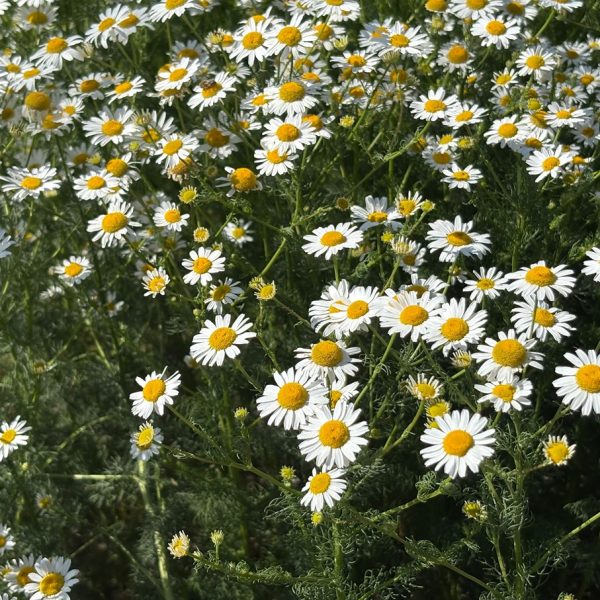
Relaxants such as chamomile (Chamomilla recutita), lime blossom (Tilia cordata), and passionflower (Passiflora incarnata) are valued for their ability to soothe day-to-day stress and promote relaxation. Chamomile is widely used as a mild sedative and is known to help with sleep difficulties, stress, anxiety, and even symptoms of digestive upset by calming the nervous system (11).
Lime blossom, often prepared as a tea, is a traditional remedy for nervousness, mild anxiety, and tension (12). It helps alleviate anxiety and stress-related symptoms like headaches, heart palpitations, and restlessness, and is also used for its muscle relaxant and antispasmodic properties, making it beneficial for both mental and physical manifestations of stress. Passionflower acts as a gentle relaxant and mild hypnotic, calming the brain and body’s response to stress. It supports adrenal health, improves sleep quality, and helps reduce anxiety by increasing levels of GABA, a neurotransmitter that quiets excitatory activity in the brain (13).
Adaptogens like nettle seed (Urtica dioica) and ashwagandha (Withania somnifera) are used for long-term stress management. Adaptogens help the body adapt to physical and emotional stressors, supporting overall resilience and wellbeing. Nettle seed is considered a natural way to support the adrenal glands, helping the body recalibrate itself during periods of fatigue and burnout (14). Ashwagandha is rich in phytochemicals called withanolides and is well researched for its ability to reduce stress, anxiety, and cortisol levels. Clinical trials show that ashwagandha can improve psychological wellbeing, memory, focus, and sleep quality, making it a powerful ally for those dealing with chronic stress (15,16).
Nervines such as oat tops (Avena sativa) and the medicinal mushroom reishi (Ganoderma lucidum) are used to protect the nerves and reduce their excitability. These remedies help calm an overactive nervous system, supporting nervous system health and reducing symptoms like irritability, restlessness, and insomnia. While oat tops are gentle and nourishing to the nervous system, reishi is valued in traditional medicine for its ability to promote calm, support immune function, and help the body cope with stress (17,18).
In summary, these plants and fungi are chosen for their specific actions on the nervous and endocrine systems — relaxants provide immediate calming effects, adaptogens build long-term resilience to stress, and nervines protect and soothe the nervous system, all contributing to a more balanced response to stress, reduced feelings of anxiety and improved overall wellbeing.
Holistic solutions

Treatment protocols for anxiety can include a variety of other factors alongside herbal treatment including talking therapy, with further lifestyle and complementary practices to address both the mind and body. Cognitive behavioural therapy and counselling form the foundation for many, providing structured tools to reframe anxious thoughts and process underlying emotional challenges (19).
Yoga nidra is a gentle yet effective practice for mild to moderate anxiety, promoting deep relaxation and reducing stress levels (20). Breathwork is increasingly recognised for its capacity to regulate the nervous system and support emotional balance (21). Nutritional support, such as magnesium and B vitamins, may help correct deficiencies that can exacerbate symptoms of anxiety and support overall neurological function (22).
Journalling offers a practical outlet for self-reflection and emotional processing, empowering individuals to track patterns and progress over time (23).
Elevated cortisol levels raise blood glucose levels and decrease the uptake of glucose in the tissues, this is to increase energy levels crucial in a fight or flight situation (24). Therefore, dietary changes such as a low glycaemic index diet, can help stabilise blood sugar and reduce mood fluctuations.
Finally, spending time in nature through forest bathing or even short walks has been shown to lower stress hormones and improve mood (25). Together, these strategies create a holistic framework that supports lasting resilience and wellbeing in those managing anxiety. Many individuals have completely recovered from long-term anxiety with these techniques, with the help of a medical herbalist.
References
- Mind. About anxiety. Mind. Published 2021. https://www.mind.org.uk/information-support/types-of-mental-health-problems/anxiety-and-panic-attacks/about-anxiety/
- Crocq MA. A history of anxiety: From Hippocrates to DSM. Dialogues in Clinical Neuroscience. 2015;17(3):319-325. https://doi.org/10.31887/dcns.2015.17.3/macrocq
- MentalHealth.org. MentalHealth.org – Your one-stop access to Mental Health. Mentalhealth.org. Published 2015. https://www.mentalhealth.org/
- Chand SP, Marwaha R. Anxiety. National Library of Medicine. Published April 24, 2023. https://www.ncbi.nlm.nih.gov/books/NBK470361/
- Salim M, Patel S. Human Stress and Hormonal Responses.; 2025. Accessed July 8, 2025. https://ecronicon.net/assets/eccmc/pdf/ECCMC-08-00997.pdf
- Bhatt N. Anxiety Disorders: Background, Anatomy, Pathophysiology. Medscape.com. Published November 11, 2019. https://emedicine.medscape.com/article/286227-overview#a4
- Furness JB. Parasympathetic Nervous System – an overview | ScienceDirect Topics. Sciencedirect.com. Published 2009. https://www.sciencedirect.com/topics/neuroscience/parasympathetic-nervous-system
- Medscape. Anxiety Disorders: Background, Anatomy, Pathophysiology. eMedicine. Published online March 27, 2020. Accessed April 1, 2020. https://emedicine.medscape.com/article/286227-overview#a5
- Bian W, Zhang X, Dong Y. Autonomic Nervous System Response Patterns of Test-Anxious Individuals to Evaluative Stress. Frontiers in Psychology. 2022;13. https://doi.org/10.3389/fpsyg.2022.824406
- Mao JJ, Li QS. Long-Term Chamomile Therapy of Generalized Anxiety Disorder: A Study Protocol for a Randomized, Double-Blind, Placebo- Controlled Trial. Journal of Clinical Trials. 2015;04(05). https://doi.org/10.4172/2167-0870.1000188
- Herrera-Ruiz M, Román-Ramos R, Zamilpa A, Tortoriello J, Jiménez-Ferrer JE. Flavonoids from Tilia americana with anxiolytic activity in plus-maze test. Journal of Ethnopharmacology. 2008;118(2):312-317. https://doi.org/10.1016/j.jep.2008.04.019
- Guerrero FA, Medina GM. Effect of a medicinal plant (Passiflora incarnata L) on sleep. Sleep Science. 2017;10(3):96-100. https://doi.org/10.5935/1984-0063.20170018
- Mirsaiidi Farahani M, Hosseinian SA. Effects of dietary stinging nettle ( Urtica dioica ) on hormone stress and selected serum biochemical parameters of broilers subjected to chronic heat stress. Veterinary Medicine and Science. Published online January 12, 2022. https://doi.org/10.1002/vms3.721
- Gopukumar K, Thanawala S, Somepalli V, Rao TSS, Thamatam VB, Chauhan S. Efficacy and Safety of Ashwagandha Root Extract on Cognitive Functions in Healthy, Stressed Adults: A Randomized, Double-Blind, Placebo-Controlled Study. Hughes C, ed. Evidence-Based Complementary and Alternative Medicine. 2021;2021(1):1-10. https://doi.org/10.1155/2021/8254344
- National Institutes of Health. Office of Dietary Supplements – Ashwagandha: Is It Helpful for stress, anxiety, or sleep? ods.od.nih.gov. Published October 24, 2023. https://ods.od.nih.gov/factsheets/Ashwagandha-HealthProfessional/
- Fisher C. Materia Medica of Western Herbs. Aeon Books; 2018.
- Powell M. Medicinal Mushrooms – a Clinical Guide. eBook Partnership; 2015.
- Kaczkurkin A, Foa E. Cognitive-behavioral therapy for anxiety disorders: An update on the empirical evidence. Dialogues in Clinical Neuroscience. 2015;17(3):337-346. https://doi.org/10.31887/dcns.2015.17.3/akaczkurkin
- Srivastava N, Rani K, Singh U, Tiwari S, Singh I. Yoga Nidra as a complementary treatment of anxiety and depressive symptoms in patients with menstrual disorder. International Journal of Yoga. 2012;5(1):52. https://doi.org/10.4103/0973-6131.91715
- Luo Q, Li X, Zhao J, Jiang Q, Wei D. The effect of slow breathing in regulating anxiety. Scientific Reports. 2025;15(1). https://doi.org/10.1038/s41598-025-92017-5
- Boyle N, Lawton C, Dye L. The Effects of Magnesium Supplementation on Subjective Anxiety and Stress—A Systematic Review. Nutrients. 2017;9(5):429. https://doi.org/10.3390/nu9050429
- Sohal M, Singh P, Singh Dhillon B, Singh Gill H. Efficacy of journaling in the management of mental illness: A systematic review and meta-analysis. Family Medicine and Community Health. 2022;10(1). https://doi.org/10.1136/fmch-2021-001154
- Thau L, Gandhi J, Sharma S. Physiology, Cortisol. National Library of Medicine. Published August 28, 2023. https://www.ncbi.nlm.nih.gov/books/NBK538239/
- Farrow MR, Washburn K. A Review of Field Experiments on the Effect of Forest Bathing on Anxiety and Heart Rate Variability. Global Advances in Health and Medicine. 2019;8:216495611984865. https://doi.org/10.1177/2164956119848654