










Last reviewed 23/08/2025
Sustainability status
Not currently on risk lists but complete data may be missing on the status of the species. Read more in our sustainability guide.

Contraindications
A contraindication refers to a situation in which a herb should be avoided as it may exacerbate a medical condition or pose undue risk. Contraindications may arise through pharmacodynamic mechanisms (e.g., liquorice in uncontrolled hypertension or uterine stimulants during pregnancy) or pharmacokinetic effects that alter metabolism, absorption or elimination (e.g., tannin-rich herbs in iron-deficient anaemia).
In some cases, herbal actions may aggravate underlying pathologies (e.g., the use of bitter herbs in GERD). Recognition of contraindications requires thorough assessment of patient history, co-morbidities and medications. Consultation with a qualified medical herbalist will provide guidance to ensure safe and appropriate prescribing.
Please read the Contraindications section in this monograph.

-
Herb overview
Safety
Avoid with breastfeeding (owing to drying effect)
Sustainability
Green/Low risk
FairWild certified sources availableKey constituents
Volatile oils
Phenolic acids
DiterpenesQuality
Europe (Mediterranean)
Mostly cultivated supplies
Should contain minimum 0.1% m/m essential oil.
Chemical standardisation of thujoneKey actions
Antibacterial
Thymoleptic
Neuroprotective
AstringentKey indications
Night sweats
Anxiety
Cold and flu
Sore throatKey energetics
Warming
DryingPreperation and dosage
Leaf
Tincture (1:10 | 70%): Take between 6–9 ml daily
Infusion/decoction: 1–2 g of fresh or dried sage per cup
-
How does it feel?
Sage has a distinctive aromatic, pungent taste profile with a mildly astringent and bitter after-effect. The smell and taste of sage is both powerful and unique, and the warming and drying qualities can be felt soon after ingestion. It is used as a bacteriostatic and astringent in the form of a gargle for laryngitis and inflammations in the mouth and throat. These aromatic antibacterial compounds are clearly active directly after taking.

The taste of sage
The below qualities are derived from organoleptic assessment.
-
Into the heart of sage

Sage (Salvia officinalis) Sage is a deep tonic for nourishment and restoration, especially for the nervous, digestive and reproductive systems. It is packed with a wide range of antioxidant, anti-inflammatory, nervine compounds, as well as important trace minerals.
Sage is generally thought to be a gently stimulating tonic whilst also being an effective herb for improving mood and cognitive function. It can also be applied to treat stress related symptoms within the nervous system, such as headaches and migraines (1).
It acts primarily as a balancer of fluids in the body. It also serves as a deeply oily nutritive tonic, making it useful in more ways than one when it comes to moisture imbalance. Due to this oiliness and combined with sage’s effect on digestive function, it is especially appropriate for people who struggle to digest fats . When preparing sage tea, it’s important to cover the mug or teapot to prevent the steam and volatile oils from evaporating.
Sage effectively clears both dampness and heat and is a choice herb as a constitutional tonic in conditions of dampness or congestion. This is especially useful where there is excessive phlegm, which may be indicated with a wet or engorged tongue, moist placid tissue states or copious sweating (4).
This herb is high in aromatic oils and like many other highly pungent, aromatic herbs it has a warm and drying effect upon the tissues. It is also observed to have an amphoteric effect in terms of temperature balancing — it can either heat or cool depending on what is needed. Sage also has slightly acrid and bitter to very bitter qualities (1,4).
Sage has a long history of use as a sacred smoke. It has, and continues to be used ceremonially for cleansing and purification during rituals, as it is regarded as a protective herb. The practice of burning herbs like sage is also traditionally used for its antibacterial and antiviral properties. This herb offers protection on several levels.
Traditional Chinese medicine (TCM) has its own unique system of understanding health balance and disease. Principally, TCM understands that the body is an integrated whole (each and every structure in the body is an integral and necessary part of the whole). In TCM, sage is used to increase qi (life force), resolve phlegm, restore the uterus and aid in skin and mucosal health and repair (4).
-
What practitioners say
Sage is often applied for its powerful antioxidant properties. Research has shown that this effect is attributed mainly to its phenolic compound, rosmarinic acid. Rosmarinic acid works in much the same way as luteolin by inhibiting enzymes linked to inflammatory responses (13).
As an antioxidant agent, sage can be applied in practice for any manner of conditions where cellular health is affected. Antioxidants help to neutralise harmful free radicals, reducing cell damage in the body which in turn offers support for overall health and organ function.
 Reproductive system
Sage has a number of uses in herbal medicine for the treatment of female reproductive conditions. Its astringent and antispasmodic effects on the uterine tissues make it specific for use with heavy, painful or irregular menstruation.
It is a popular herb to use during the menopause, as it helps to reduce night sweats, hot flushes and insomnia as well as helping to reduce perimenopausal flooding (1). Sage also offers cognitive support as well as stability in mood changes that can accompany the menopausal transition. The astringent antihidrotic effects of its tannins reduce the sweat reflex, whilst its nervine effects allow for better cognitive and emotional balance. These nervine effects are likely a response to improved movement of circulation to the brain and nervous system activation via its aromatic compounds (2,3).
Sage can also be used to help reduce excessive lactation due to its drying and astringing qualities (1). Sage can also be included in a prescription to help enhance fertility and support ovarian health (1,7).
A herbalist would likely use sage along with a number of specific herbs for the treatment of reproductive conditions as part of an integrated approach.
Endocrine system
Sage can support a reduction in blood glucose levels and increased insulin sensitivity in patients with metabolic diseases including diabetes, hyperlipidaemia and polycystic ovary syndrome (PCOS) (1,3).
Respiratory system
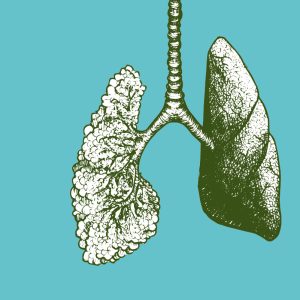
Like other members of the mint family such as thyme (Thymus vulgaris) and oregano (Oreganum vulgare)– sage has an astringent and antibacterial effect on lung tissue. It also helps to dry out excess secretions in the respiratory system which can be helpful for a number of conditions. The antimicrobial and expectorant properties also indicate sage in the treatment of sore throats, laryngitis, colds, sinusitis, tonsillitis, coughs or chest infections (1).
Sage is an effective anti-inflammatory due to the effects of its phenolic compounds on cell oxidation (8). Additionally, the aromatic compounds, such as thujone, in sage have been shown to inhibit the lung metastasis of certain tumour cells in vitro in a laboratory (9). A clinical herbalist may use sage as part of an integrated and complementary approach to support cancer patients.
Nervous system
Sage inhibits the enzyme acetylcholinesterase (AChE) which breaks down one of the brain’s chemical messengers, acetylcholine. AChE inhibitors have a wide range of therapeutic actions relating to cognitive and behavioural symptoms. This, in part, demonstrates how sage positively improves symptoms of mood disorders, such as anxiety and depression, and helps memory — owing to the important role that acetylcholine plays in memory function. Sage is able to bring about a sense of calmness, clarity and positivity (10,11).
Sage has also been shown to enhance cognitive function and reduce agitation in Alzheimer’s patients. Sage is a herb that is, therefore, indicated in neurodegenerative conditions and for the treatment of Alzheimer’s disease. These actions are thought to be related to a synergistic effect of sage’s volatile oils and undoubtedly a number of its other compounds (12).
Skin health
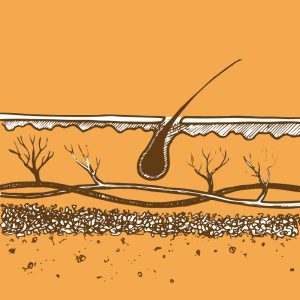
Sage’s effects on the skin are largely due to its astringent action that dries up secretions whilst simultaneously also acting as an antimicrobial agent. It can be applied topically and in first aid situations for cuts, wounds, burns, insect bites and sunburn. Sage contains tannins, which constrict sweat glands and reduce perspiration. It may also be used for oedema or other swellings (1,2).
The astringent and bacteriostatic properties of the tannins along with its antimicrobial essential oils also serve to protect the mucous membranes in the mouth and pharynx against bacteria and viruses, and accelerate the healing of small wounds.
-
Sage research
A number of studies have been carried out on sage. Most interestingly there are studies that have identified positive in vitro cholinergic binding properties (10). This sequence of in vitro findings led to further exploration of the possible implications of sage’s anticholinergic effects. This made way for some great clinical trials with a focus on the efficacy of sage in treating mood disorders and Alzheimer’s disease, with some interesting results.

Sage essential oil (Salvia officinalis) Effects of cholinesterase inhibiting sage (Salvia officinalis) on mood, anxiety and performance on a psychological stressor battery
A double-blind, placebo-controlled, crossover study was carried out to investigate the effects of sage for mood, anxiety and performance. Thirty healthy subjects participated on three separate days, seven days apart. Each time receiving a different treatment in counterbalanced order on each occasion (placebo, 300 or 600 mg dried sage leaf). This study was carried out in part, to further backup a concomitant investigation where an extract of the sage leaf exhibited dose-dependent, in vitro inhibition of acetylcholinesterase and butyrylcholinesterase, which may have implications for improvements in mood and cognition.
Mood was assessed both pre-dose and at one and four hours post-dosing. The study confirms that both doses of sage led to improved ratings of mood in the absence of the stressor. There was an interesting dose dependent effect; the lower dose reduced anxiety, the higher dose increased feelings of alertness, calmness and contentedness.
Task performance was improved for the higher dose at both post dose assessments, but reduced for the lower dose at the later testing session. The results confirm previous observations of the cholinesterase inhibiting properties of S. officinalis, and improved mood and cognitive performance following the administration of single doses to healthy young participants (10). These activities are thought to be associated with a synergistic effect of volatile oil components in sage (14).
Salvia officinalis extract in the treatment of patients with mild to moderate Alzheimer’s disease: A double blind, randomised and placebo-controlled trial
A double-blind, randomised and placebo-controlled trial was carried out to investigate the efficacy and safety of sage extract using a fixed dose (60 drops/day), in patients with mild to moderate Alzheimer’s disease. Patients were aged between 65 and 80 years old with a score of less than 12 on the cognitive subscale of Alzheimer’s Disease Assessment Scale (ADAS-cog) and less than or equal to two on the Clinical Dementia Rating (CDR). Participants were randomised to placebo or fixed dose. The study took place over a four month period.
The extract produced a significantly better outcome on cognitive functions than the placebo group (ADAS-cog: F=4.77, d.f.=1, P=0.03), (CDR-SB: F=10.84, d.f.=1, P<0.003). The study concludes that sage effectively helps in cases of mild to moderate Alzheimer’s disease. The study also found that the sage group showed reduced agitation (15).
The effect of Salvia officinalis on hot flashes in postmenopausal women: A systematic review and meta-analysis
This systematic review was carried out amongst randomised clinical trials involving human subjects between 1990 and 2023 to explore the effect of Salvia officinalis on hot flushes. It was specifically looking at whether S. officinalis impacted the severity, frequency or duration of hot flashes in postmenopausal women. A total of four articles were included after the exclusion criteria.
One trial found daily consumption of 100 mg of the herb over eight weeks was successful in reducing the frequency of hot flushes. Further studies concluded that the severity of hot flushes was only reduced after treatment lasting 12 weeks. This review also found limited side effects and recommended S. officinalis can be used effectively for the reduction of hot flushes (16).
The antibacterial effect of sage extract (Salvia officinalis) mouthwash against Streptococcus mutans in dental plaque: A randomised clinical trial
This double blind clinical trial was carried out amongst 70 children aged between 11–14 with oral hygiene conditions to examine the effects of a mouthwash containing Salvia officinalis on Streptococcus mutans responsible for causing dental plaque. The students were randomly divided into a placebo group and a mouthwash group. Plaque samples were obtained prior to the study, then reevaluated after 21 days of either placebo or mouthwash treatment.
Results showed the sage mouthwash significantly reduced the colony count (P=0.001). The average number of colonies in the test group was 3900 per plaque sample at baseline, and 300 after treatment with the mouthwash. In the control group, baseline colony count was 4400 that was reduced to 4000. It showed sage is effective in reducing Streptococcus mutans in dental plaque (17).
Exploring the therapeutic impact of Salvia officinalis on lipid and oxidative stress markers in patients with polycystic ovary syndrome: A randomized placebo-controlled clinical trial
This randomised, placebo controlled trial explored the effect of Salvia officinalis on lipid and oxidative stress markers in 70 women aged between 15–40 years diagnosed with polycystic ovary syndrome (PCOS). The participants were randomised to receive either 330 mg of a S. officinalis extract or placebo daily for eight weeks. Changes to triglycerides, HDL cholesterol and total antioxidant level were measured.
Lipid profiles showed a mean difference of –17.25 between the S. officinalis group and placebo, with a 95% confidence interval and P=0.048, showing the result is statistically significant. Improvements in HDL and antioxidant capacity were also observed, suggesting S. officinalis has a positive effect on lipid markers in the treatment of metabolic disorders and PCOS (18). .
Anti-Heliobacter pylori and anti-inflammatory potential of Salvia officinalis metabolites: In vitro and in silico studies
This study investigated the actions and chemical profile of S. officinalis in the treatment of Helicobacter pylori. Screening identified flavonoids, sterols, saponins, carbohydrates, tannins and volatile oils. The most effective in the treatment of H. pylori was an ethanolic extract with a MIC of 3.9 µg/mL, whilst the essential oil showed MIC 15.6 µg/mL. In silico analysis identified carnosic acid as the most promising inhibitor of H. pylori. The ethanolic extract was also found to inhibit COX-2 pathway, with the essential oil also having an effect, although slightly less effective (19).
-
Historical use of sage

Sage (Salvia officinalis) Sage leaf was mentioned in the writings of the most historically important physicians and medics throughout ancient Europe. This includes the writings of Hippocrates, Paracelsus, Hildegard von Bingen, and Lonicerus, Bock and Matthiolus (5).
Its cultivation in Northern Europe dates back to medieval times, and it was introduced to North America during the 17th century. Sage was used in ancient Egyptian, Greek and Roman medicines.
Ancient Egyptians used it as a fertility drug. In Ancient Greece sage was used to staunch bleeding of wounds and to clean ulcers and sores, to soothe hoarseness and coughs, to enhance memory functions and for gargles to treat sore mouths and throats.
The herbals of Gerard, Culpeper and Hill all refer to sage for its ability to enhance memory. Culpepper additionally recommends it for headaches, rheumatic pains and joint pains (6).
Sage has been well known throughout history with good reference to its carminative, antispasmodic, antiseptic, astringent and antihidrotic properties. Sage is one of the key ingredients in Four Thieves Vinegar, which was used as protection from the plague (2).
The smoke of several of the most aromatic sages was also considered specific for fumigating areas contaminated by the sick or deceased, indicating its usefulness in warding off viruses and bacteria.
-
Sage’s herbal actions
Herbal actions describe therapeutic changes that occur in the body in response to taking a herb. These actions are used to express how a herb physiologically influences cells, tissues, organs or systems. Clinical observations are traditionally what have defined these actions: an increase in urine output, diuretic; improved wound healing, vulnerary; or a reduction in fever, antipyretic. These descriptors too have become a means to group herbs by their effects on the body — herbs with a nervine action have become the nervines, herbs with a bitter action are the bitters. Recognising herbs as members of these groups provides a preliminary familiarity with their mechanisms from which to then develop an understanding of their affinities and nuance and discern their clinical significance.
-
Sage’s energetic qualities
Herbal energetics are the description that herbalists have given to plants, mushrooms, lichens, foods and some minerals based on the direct experience of how they taste, feel and effect the body. All traditional health systems use these principles to explain how the environment impacts health, according to each of their philosophies and frameworks. These assessments of individual herbs, though often do align, can differ from one another. Find out more about traditional energetics in our article An introduction to herbal energetics.
-
What can I use sage for?

Sage (Salvia officinalis) Sage is classified as a nootropic herb, which simply indicates that it works well to improve clear thinking, memory, concentration and other cognitive functions. It works particularly well when cognitive challenges arise as a result of debility or poor circulation. Sage may be used to help enhance the state of mind due to its nervine action, helping to reduce feelings of anxiety, depression and nervous exhaustion (1).
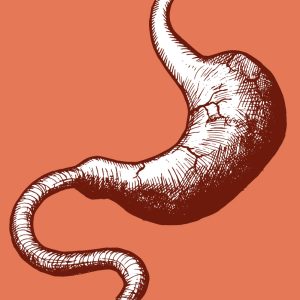
Sage is an excellent support for digestive function. It improves the digestion and absorption of fats and can be used to treat dyspepsia, heartburn, flatulence, diarrhoea, poor digestion and bloating (1,2).
One of the most well-known traditional uses of sage is to reduce excessive perspiration. It’s drying and astringent quality indicates it for use during menopause for hot flushes and sweating at night (2,3). Sage is also supportive for short term or intermittent use during the menopause for helping to improve mood and cognitive function.
Topically, sage is used as a gargle or mouthwash for inflammation in the mouth or throat mucosa. It may be made into a strong infusion or tea and used to treat pharyngitis, tonsillitis, stomatitis, gingivitis and glossitis due to its potent antimicrobial properties (2,3).
As an excellent anti-inflammatory and antibacterial agent, sage infusion may also be used topically as a wash for minor skin inflammations and infections. Balms or creams may also be made; however, it is important to avoid using neat sage essential oil on open wounds due to its high thujone content. This compound is usually found in safe levels when using the fresh or dried leaf. However, the essential oil is far more potent and should be used with caution (see Safety section below) (3).
-
Did you know?
The name Salvia comes from the Latin word ‘salvare‘ meaning to heal and ‘salvere‘ meaning to be healthy. The species name officinalis is derived from the Latin word officina meaning herb store or pharmacy.






 Reproductive system
-
Botanical description
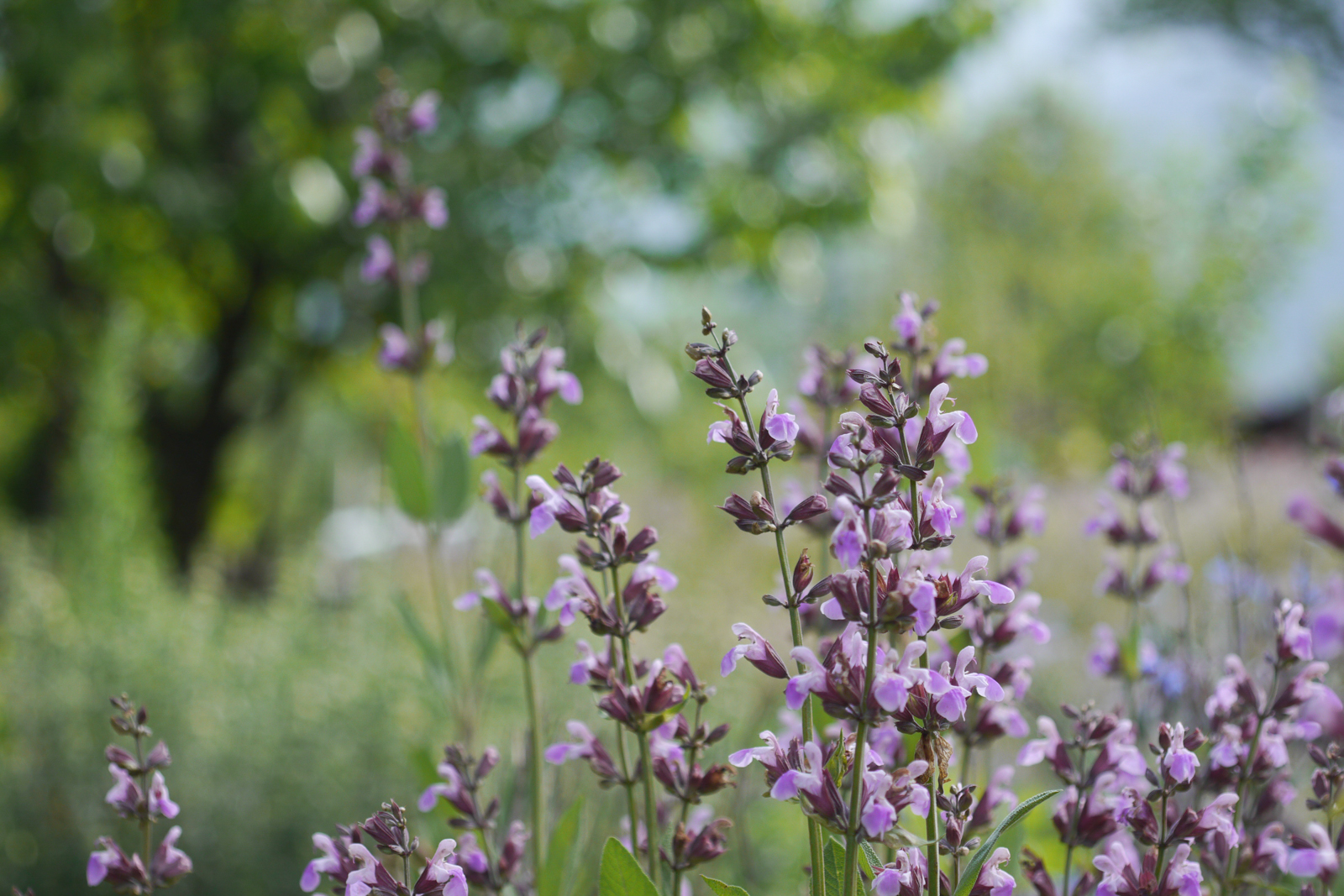
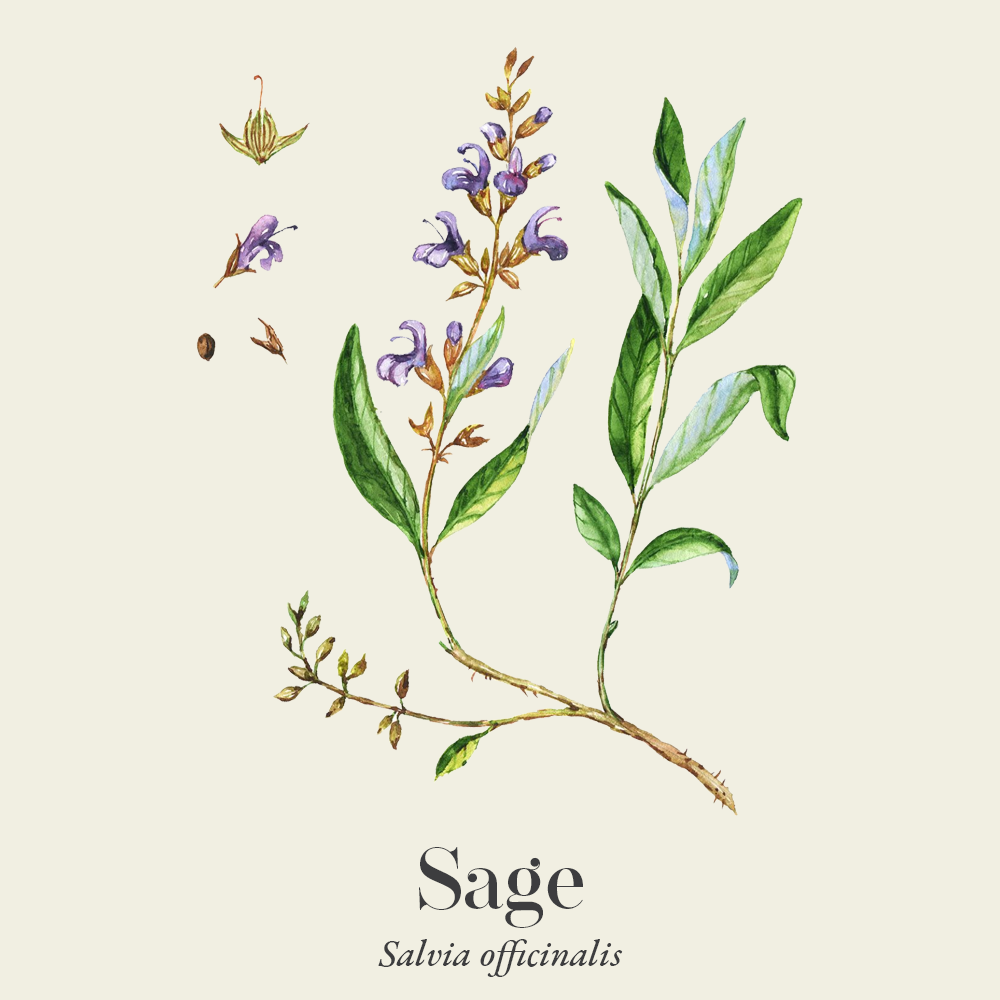
Salvia officinalis can be annuals, biennials, herbaceous or evergreen perennials, or shrubs depending on growing conditions. They have paired, simple or pinnately lobed, often aromatic leaves and two-lipped lilac, blue or purple flowers that grow in whorls, forming simple or branched spikes or racemes (3).
-
Common names
- Common sage
- Garden sage
- Dalmatian sage
-
Habitat
Sage is native to the Mediterranean region, especially in the area of the Adriatic Sea and is cultivated to some extent in different European countries. It is most often found in a range of habitats including dry shrubby vegetation, dry meadows, mountain slopes, hillsides and rocky steppes (21).
-
How to grow sage

Sage (Salvia officinalis) Sage is easy to grow in a light, moist, but well-drained soil in full sun in a sheltered position. It will struggle in harsh winters or very wet conditions. As a Mediterranean plant, it does require a good amount of sunlight and fairly dry conditions. An ideal position would be in a courtyard, patio or wall side border. It can grow happily directly in the soil or in a large pot or container.
- Sage can either be propagated by softwood cuttings in spring or semi-hardwood in late summer. Alternatively, it can be grown from seed sown in spring.
- Sage can suffer damage from sage leaf hopper, cased bugs and slugs. Therefore, protective measures must be taken.
- Dig a hole just big enough for your seedling or rooted cutting. Mix in more organic matter with the excavated soil and fill in the planting hole.
- It is fairly drought tolerant, but like all other drought-resisting plants needs watering until well established. Plants may also need watering during prolonged dry periods.
- Avoid high nitrogen feeds. High potash organic feeds which encourage flowering, better flavours and strong, hardy growth.
- Plants can tend to become leggy in time, so it is important to prune them annually to keep them bushy and full of flowers. Pruning after flowering helps to maintain a better, bushier shape and encourages plenty of new growth.
- Sage does not shoot readily from old wood, so never prune old, brown, leafless stems – otherwise the plant is likely to die.
- The plants can be covered with horticultural fleece in winter to protect the leaves from the worst of the weather. Protection with fleece may be a good idea in very cold and exposed areas (24).

-
Herbal preparation of sage
- Fresh or dried herb
- Infusion
- Tincture
- Gargle / mouthwash
-
Plant parts used
- Leaf
- Flower
-
Dosage
- Tincture (1:10 | 70%): Take between 2–3 ml in a little water up to three times daily.
- Infusion/decoction: Infuse 1–2 g of fresh or dried sage in a cup of boiling water for up to 15 minutes. This can be drunk three times daily.
- Gargle / mouthwash: Make a slightly stronger infusion as directed above. Use twice daily as a gargle for throat or oral health conditions (3).
-
Constituents
- Volatile oil (up to 3%): The principal components are monoterpenoids such as α-thujone (10–60%), β-thujone (4–36%), camphor (5–20%) and 1,8-cineole (2–15%), together with sesquiterpenes such as α-humulene, β-caryophyllene and viridiflorol.
- Hydroxycinnamic acid derivatives (up to 3.5%): Caffeic acid dimer rosmarinic acid, Caffeic acid trimers (melitric acid A, methyl melitrate A, sagecoumarin and salvia- nolic acid K), and a tetramer (sagerinic acid)
- Phenolic diterpenes: Carnosic acid, a tricyclic diterpene, occurs in the fresh leaf and to some extent in the dried leaf.
- Triterpenes (up to 3.5%): Pentacyclic triterpene acids, mainly ursolic acid (up to 3.5%) and oleanolic acid (up to 0.4%), and the triterpene alcohols α- and β-amyrin (0.18% and 0.10% respectively)
- Flavonoids (1.1%): Principally flavones and their glycosides including luteolin, its 7-gluco- side, 7-glucuronide, 3′-glucuronide and 7-methyl ether; 6-hydroxyluteolin, its 7-glucoside glucuronide; 6-methoxyluteolin and its 7-methyl ether; apigenin
- Other constituents: Polysaccharides, phenolic glycosides, benzoic acid derivatives (p-hydroxybenzoic, gentisic, syringic and other acids) and phytosterols
- Minerals: Sodium, potassium, magnesium, calcium, iron, manganese, zinc and copper have been determined in dry sage leaves (3,14)
-
Sage recipe
Sage gargle
This sage mouthwash/ gargle can be used daily to support healthy gums and teeth as well as used acutely to relieve sore throats or colds. The antibacterial and anti-inflammatory actions help to fight infection and reduce levels of bacteria in the gums.
Ingredients
- 1 tbsp dried sage leaves
- 250 ml boiling water
How to make sage gargle
- Crush the dried sage leaves and place into a jar or teapot.
- Pour boiling water over the leaves and cover to prevent the volatile oils from evaporating.
- Steep for 20–30 minutes.
- Strain the liquid into a clean jar or bottle.
- Use a mouthwash or gargle by swilling 1–2 tablespoons of the liquid in the mouth for up to one minute.
- Spit out the mixture and do not swallow.
- This can be done twice daily for best results.


-
Safety
Medicinal doses of sage should be avoided by those who are pregnant or breastfeeding. Normal amounts as used in food are safe (2,5,20).
Recommended dosages should not be exceeded or taken over prolonged periods (up to eight weeks) due to the presence of thujones. The amount of thujone has to be specified in the given sage product. The daily exposure has to be below 6.0 mg (2,5,20).
Allergic reactions have been reported in rare cases, also as a result of the thujone content (2).
-
Interactions
Medicinal dosing of sage might influence the effect of medicinal products acting via GABA receptors (e.g. barbiturates, benzodiazepines). Even though this has not been observed clinically, the concomitant use with such medicinal products is not recommended (20).
-
Contraindications
Epileptics are advised to avoid sage in medicinal doses due to the convulsant potential of thujones (5). Sage has the ability to greatly lessen or completely dry up breast milk, so is not advisable for lactating mothers who wish to continue to nurse, but sage can be a valuable support for assisting the weaning process (2,5).
-
Sustainability status of sage
According to the IUCN Red List of Threatened Plants Status, sage is classified as ‘least concern’. The exact native distribution is not well understood however it is observed to be of satisfactory widespread distribution, stable populations and no major threats. It is cultivated and naturalized widely (228). White sage (Salvia apiana) however, is now threatened, partially because “smudging” (ceremoniously burning white sage) has become so popular in the West. This was traditionally done by Native Americans, but the popularization of this ritualistic practice has now caused this species to be at risk of extinction in its native territory in the USA (23).
Habitat loss and over-harvesting from the wild are two of the biggest threats faced by medicinal plant species. There are an increasing number of well-known herbal medicines at risk of extinction. We must, therefore, ensure that we source our medicines with sustainability in mind.
The herb supplement industry is growing at a rapid rate and until recent years a vast majority of medicinal plant produce in global trade was of unknown origin. There are some very real and urgent issues surrounding sustainability in the herb industry. These include environmental factors that affect the medicinal viability of herbs, the safety of the habitats that they are taken from, as well as the welfare of workers in the trade.
The botanical supply chain efforts for improved visibility (transparency and traceability) into verifiably sustainable production sites around the world is now certificated through the emergence of credible international voluntary sustainability standards (VSS).
Read our article on Herbal quality & safety: What to know before you buy and Sustainable sourcing of herbs to learn more about what to look for and questions to ask suppliers about sustainability.
-
Quality control
The tincture produced from sage leaf should contain minimum 0.1% m/m essential oil. The amount of thujone has to be specified in any given product. The daily exposure has to be below 6.0 mg thujone. Amounts higher than this may be of harm due to its neurotoxic effects (when used in excess) (5).
Herbal medicines are often very safe to take; however, their safety and efficacy can be jeopardised by quality issues. So, it is important to buy herbal medicines from a reputable supplier, from sources known to test their herbs to ensure there is no contamination, adulteration or substitution with incorrect plant matter, as well as ensuring that recognised marker compounds are at appropriate levels in the herbs.
Some important quality assurances to look for are certified organic labelling, the correct scientific/botanical name, and the availability of information from the supplier about ingredient origins. A supplier should be able to tell you where the herbs have come from, what contaminants are not in the herb, and what the primary compounds are.


-
References
- Mcintyre A. Complete Herbal Tutor : The Definitive Guide to the Principles and Practices of Herbal Medicine (Second Edition). Aeon Books Limited; 2019.
- Thomsen M. Phytotherapy Desk Reference. 6th ed. Aeon Books; 2022.
- Fisher C. Materia Medica of Western Herbs. Aeon Books; 2018.
- Holmes P. The Energetics of Western Herbs . Snow lotus press; 2020.
- European Medicines Agency. Assessment report on Salvia officinalis L., folium and Salvia officinalis L., aetheroleum. Committee on Herbal Medicinal Products . Published online 2016. https://www.fitoterapia.net/archivos/201802/wc500231352.pdf?1
- Culpeper N. Culpeper’s Complete Herbal: Over 400 Herbs and Their Uses. Arcturus Publishing Limited; 2019.
- Alrezaki A, Aldawood N, Alanazi S, et al. Consumption of sage (Salvia officinalis) promotes ovarian function by stimulating estradiol hormone release and controlling folliculogenesis, steroidogenesis, and autophagy. Journal of King Saud University – Science. 2021;33(2):101319. https://doi.org/10.1016/j.jksus.2020.101319
- BHMA. Sage Leaf Labiatae Salviae Offi Cinalis Folium. Accessed September 8, 2025. https://bhma.info/wp-content/uploads/2012/12/SalviaMonograph1.pdf
- Siveen KS, Kuttan G. Thujone inhibits lung metastasis induced by B16F-10 melanoma cells in C57BL/6 mice. Canadian Journal of Physiology and Pharmacology. 2011;89(10):691-703. https://doi.org/10.1139/y11-067
- Kennedy DO, Pace S, Haskell C, Okello EJ, Milne A, Scholey AB. Effects of Cholinesterase Inhibiting Sage (Salvia officinalis) on Mood, Anxiety and Performance on a Psychological Stressor Battery. Neuropsychopharmacology. 2006;31(4):845-852. https://doi.org/10.1038/sj.npp.1300907
- Lopresti AL. Salvia (Sage): A Review of its Potential Cognitive-Enhancing and Protective Effects. Drugs in R&D. 2016;17(1):53-64. https://doi.org/10.1007/s40268-016-0157-5
- Miroddi M, Navarra M, Quattropani MC, Calapai F, Gangemi S, Calapai G. Systematic Review of Clinical Trials Assessing Pharmacological Properties of Salvia Species on Memory, Cognitive Impairment and Alzheimer’s Disease. CNS Neuroscience & Therapeutics. 2014;20(6):485-495. :https://doi.org/10.1111/cns.12270
- Ghorbani A, Esmaeilizadeh M. Pharmacological properties of Salvia officinalis and its components. Journal of Traditional and Complementary Medicine. 2017;7(4):433-440. https://doi.org/10.1016/j.jtcme.2016.12.014
- Savelev SU, Okello EJ, Perry EK. Butyryl- and acetyl-cholinesterase inhibitory activities in essential oils ofSalvia species and their constituents. Phytotherapy Research. 2004;18(4):315-324. :https://doi.org/10.1002/ptr.1451
- Akhondzadeh S, Noroozian M, Mohammadi M, Ohadinia S, Jamshidi AH, Khani M. Salvia officinalis extract in the treatment of patients with mild to moderate Alzheimer’s disease: a double blind, randomized and placebo-controlled trial. Journal of Clinical Pharmacy and Therapeutics. 2003;28(1):53-59. https://doi.org/10.1046/j.1365-2710.2003.00463.x
- Moradi M, Ghavami V, Niazi A, Seraj Shirvan F, Rasa S. The Effect of Salvia officinalis on Hot Flashes in Postmenopausal Women: A Systematic Review and Meta-Analysis. International Journal of Community Based Nursing and Midwifery. 2023;11(3):169-178. https://doi.org/10.30476/IJCBNM.2023.97639.2198
- Beheshti-Rouy M, Azarsina M, Rezaie-Soufi L, Alikhani MY, Roshanaie G, Komaki S. The antibacterial effect of sage extract (Salvia officinalis) mouthwash against Streptococcus mutans in dental plaque: a randomized clinical trial. Iranian Journal of Microbiology. 2015;7(3):173. https://pmc.ncbi.nlm.nih.gov/articles/PMC4676988/
- Maleki-Hajiagha A, Mojab F, Amidi F, Amini L. Exploring the therapeutic impact of Salvia officinalis on lipid and oxidative stress markers in patients with polycystic ovary syndrome – a randomized placebo-controlled clinical trial. BMC Complementary Medicine and Therapies. 2025;25(1). https://doi.org/10.1186/s12906-025-04858-2
- Alomar HA, Elkady WM, Abdel-Aziz MM, Ibrahim TA, Fathallah N. Anti-Heliobacter pylori and Anti-Inflammatory Potential of Salvia officinalis Metabolites: In Vitro and In Silico Studies. Metabolites. 2023;13(1):136. https://doi.org/10.3390/metabo13010136
- Natural Medicines Database. Sage. Therapeuticresearch.com. Published 2025. Accessed September 10, 2025. https://naturalmedicines.therapeuticresearch.com/Data/ProMonographs/Sage#safety
- Royal Botanical Gardens Kew. Garden sage – Salvia officinalis | Plants | Kew. www.kew.org. https://www.kew.org/plants/garden-sage
- Allen D. IUCN Red List of Threatened Species: Salvia officinalis. IUCN Red List of Threatened Species. Published February 7, 2014. https://www.iucnredlist.org/species/203260/2762648#habitat-ecology
- United Plant Savers. White Sage – Salvia apiana. United Plant Savers. Published September 18, 2019. https://unitedplantsavers.org/white-sage-salvia-apiana/
- RHS. Sage. www.rhs.org.uk. https://www.rhs.org.uk/herbs/sage/grow-your-own
Meet our herbal experts
Our monographs are written by our monograph authors and edited, reviewed and updated by Herbal Reality.
Meet our Herbal Reality team or explore our Herbal Reality authors.