






Last reviewed 14/01/2025
Sustainability status
At risk from overharvesting and habitat loss. Read more in our sustainability guide.
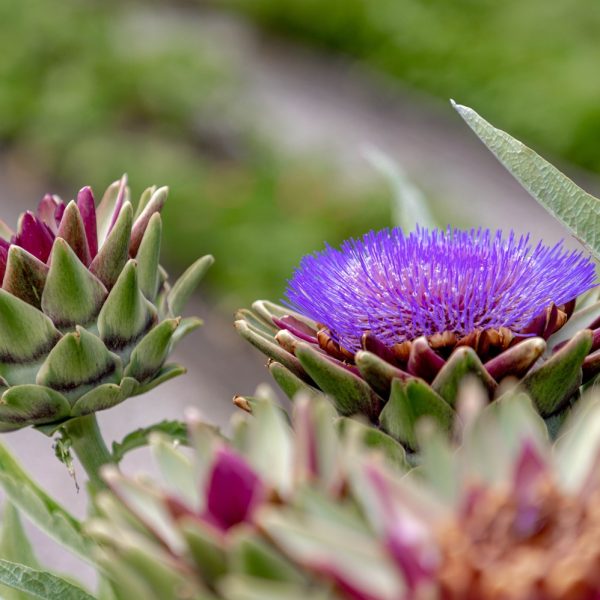
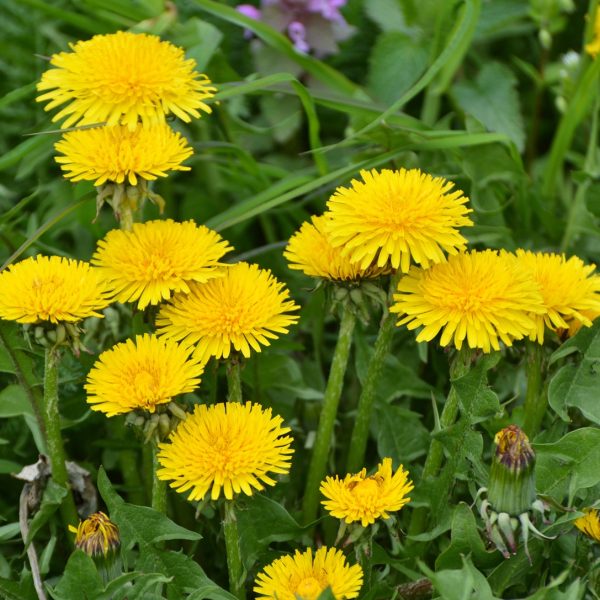
Potential replacement(s): Dandelion, Andrographis, Globe artichoke,

Contraindications
A contraindication refers to a situation in which a herb should be avoided as it may exacerbate a medical condition or pose undue risk. Contraindications may arise through pharmacodynamic mechanisms (e.g., liquorice in uncontrolled hypertension or uterine stimulants during pregnancy) or pharmacokinetic effects that alter metabolism, absorption or elimination (e.g., tannin-rich herbs in iron-deficient anaemia).
In some cases, herbal actions may aggravate underlying pathologies (e.g., the use of bitter herbs in GERD). Recognition of contraindications requires thorough assessment of patient history, co-morbidities and medications. Consultation with a qualified medical herbalist will provide guidance to ensure safe and appropriate prescribing.
Please read the Contraindications section in this monograph.

-
Herb overview
Safety
Not suitable for pregnancy or lactation
Contraindicated in ulcers, GERD or hyperaciditySustainability
Caution: At risk
Key constituents
Secoiridoids
Iridoids
Alkaloids
FlavonoidsQuality
Europe
Wild harvested and cultivatedKey actions
Bitter
Hepatic
Cholagogue
Digestive tonicKey indications
Bloating
Nausea
Sluggish digestion
MalabsorptionKey energetics summary
Cold
Dry
BitterPreperation and dosage
Root
1–2 g/per day
3–6 ml per day
-
How does it feel?
Gentian has a distinctly dusty, bittersweet and aromatic taste. The classic sweet earthiness of roots paired with the richness of its bitter principles make this herb one of the most favoured bitter herbs. Upon tasting, there is almost a caramel like quality, followed by a deep bitterness which remains on the tongue long after ingestion.

-
Into the heart of gentian

Gentian (Gentiana lutea) Gentian is a primary cooling bitter tonic that, like all bitters, stimulates the appetite and digestive function and reduces excess heat and toxicity (1).
Energetically, gentian is considered a cold remedy in that it reduces excess heat and inflammation in the body, enhancing digestion and detoxification. It may be taken in combination with warming herbs such as ginger (Zingiber officinale) and horseradish (Armoracia rusticana) especially where it is being used to treat someone with a cold, debilitated constitution (3,6). Gentian is gently drying, helping to resolve dampness and stagnation associated with poor digestion or insufficient bile flow (6,7).
Small doses of bitter herbs like gentian are particularly useful for increasing the appetite in malnourished and debilitated patients as it supports effective digestive response rather than a forceful stimulation (6,7). Bitters increase digestive fire and where digestive secretions including pepsin and stomach acid, enabling more efficient digestive processes. However, in excess, bitters weaken digestion and dry the system, so must be used with care (5–7). Gentian can be considered a regulating bitter.
Gentian can be considered to support the body following a period of prolonged illness or fever, it acts to build endurance and fortify the body without being excessively stimulating (6,7).
On an energetic level, gentian can be seen to sharpen discernment, helping the body to distinguish what is nourishing and beneficial, versus what is not. This idea can also be extended to emotional discernment (7).
-
What practitioners say
 Digestive system
Gentian is an excellent digestive medicine used for a wide range of conditions relating to the digestive system. It is used to stimulate digestive function, increasing saliva and digestive secretions in the stomach and also the production of bile which assists with the assimilation of dietary fats. It can be applied in cases of low stomach acid, poor protein digestion, bloating or a feeling of heaviness. By the same mechanism, gentian is also indicated for gallstones, however it is advised to consult with a medical herbalist in these cases to ascertain whether there is risk of obstruction(1,7).
As a primary bitter tonic, gentian can effectively support liver function and metabolism of toxins (1,9). This can also be applied to the metabolism of hormones, the excess of which can exacerbate symptoms of premenstrual syndrome (PMS), polycystic ovarian syndrome (PCOS) or endometriosis (1,8).
Gentian may also be used to support in recovery from gastrointestinal infection and as an anti-inflammatory for peptic ulcers (4). It can be used where appetite is reduced or absent such as after illness, debility or chronic digestive weakness (2,6,9). By strengthening digestive function, gentian helps to improve nutrient absorption, helping to reduce feeling of fatigue, especially in cases of anaemia (1,8).
Due to its energetic action of drying damp, it can be applied to resolve digestive dampness, which can present with symptoms including heaviness after meals, sluggishness, bloating or a white coating on the tongue (10).
Immune system
As a cooling bitter remedy, gentian is sometimes indicated in treatment of infectious diseases, fever and post fever recuperation (2,4). There have also been reports of selective antifungal activity of gentian root extracts (11).
Nervous system
Gentian can be used, like other bitter remedies, to relieve congestion and stagnation, which often contributes to feelings of ‘melancholia’ or depression. In traditional medicine, this state was often linked to poor digestion or impaired liver function or ‘failure to digest life’ in the literal and metaphorical sense (7,8). This link between the gut and the brain now forms a fundamental viewpoint in medicine, and thus gentian can be applied to relieve feelings of low mood, sluggishness or ‘melancholia’ helping to lift the spirits and clear stagnation (7,8).
-
Gentian research

Gentian (Gentiana lutea) Gentiana lutea exerts anti-atherosclerotic effects by preventing endothelial inflammation and smooth muscle cell migration
This preclinical study investigated the anti-atherosclerotic effects of Gentiana lutea (GL) in the form of an aqueous root extract, root powder, and its flavonoid constituent isovitexin using human umbilical vein endothelial cells (HUVECs), rat aortic smooth muscle cells (RASMCs), and streptozotocin-induced diabetic rats. Results showed in vitro, both GL extract (1 mg/mL) and isovitexin (5 µmol/L) significantly inhibited TNF-α–induced leukocyte adhesion and reactive oxygen species generation in HUVECs, alongside suppressing TNF-α–stimulated expression. In RASMCs, GL extract and isovitexin blocked PDGF-BB–induced cell migration, and intracellular calcium mobilisation.
In vivo, dietary supplementation with 2 % GL root powder in diabetic rats reduced total blood cholesterol, decreased lipid accumulation within the aortic wall, and attenuated thickening and collagen deposition. Results showed Gentiana lutea and isovitexin exert anti-atherosclerotic effects through combined anti-inflammatory, antioxidant, and lipid lowering actions in a preclinical setting (12).
The healing bitterness of Gentiana lutea L., phytochemistry and biological activities: A systematic review
A systematic review was carried out to evaluate the biological activities of Gentiana lutea L. The review encompassed 53 publications, including predominantly in vitro and in vivo studies and a small number of human investigations, examining the pharmacological actions of gentian root, rhizome, aerial parts, and its major constituents such as gentiopicroside, amarogentin, isovitexin, loganic acid, and xanthones.
Across experimental models, gentian extracts and isolated compounds demonstrated antioxidant, anti-inflammatory, anti-obesity, anti-atherosclerotic, antimicrobial, neurotrophic, gastroprotective, hepatoprotective, cytoprotective, and dermatological activities, mediated through mechanisms including modulation of oxidative stress, inhibition of inflammatory cytokines and adhesion molecules, regulation of lipid and glucose metabolism, activation of AMPK and eNOS signalling, inhibition of smooth muscle cell proliferation and migration, bitter taste receptor activation, and effects on neuronal survival and neurotransmission. These studies show promise for gentian as a supportive, bitter remedy and call for further investigation into human clinical trials (13).
In vitro, ex vivo and clinical approaches to evaluate the potential effect of Gentiana lutea extract on skin
This mixed pre-clinical and human study investigated the effects of a Gentiana lutea extract (GIE) standardised to gentiopicroside (65%) on periocular skin parameters associated with dark circles. In vitro and ex-vivo experiments demonstrated that GIE modulated oxidative stress and angiogenesis pathways.
Ex-vivo skin explants treated topically with GIE showed reduced markers of glycation stress under basal and UVA-irradiated conditions. These mechanistic findings were complemented by a split-face, placebo-controlled clinical study in 22 subjects, in which a topical cream containing 147 μg mL⁻¹ GIE applied twice daily for 14 days significantly reduced upper eyelid skin roughness, surface relief, and redness of dark circles compared with placebo, as assessed by 3D imaging and skin colour measurements. Overall, the results suggest that Gentiana lutea extract exerts cosmetic and dermal benefits around the eye through combined antioxidant, anti-glycation, and anti-angiogenic mechanisms (14).
Radioprotective activity of Gentiana lutea extract and mangiferin
An in vitro and exploratory human study investigating the radioprotective and radiosensitising actions of a gentian aqueous-ethanol extract on radiation-induced cellular damage was carried out. There was a focus on the decreasing survival of normal human immunocompetent cells, the survival of the malignant cells in vitro, and the survival of ex vivo irradiated cells before and after consumption of the extract by healthy volunteers.
Gentian extract consumed orally demonstrated a strong potential to reduce the damage effect of x-ray irradiation on normal healthy cells (which were peripheral blood mononuclear cells), in some healthy people, without changing the susceptibility of malignant cells to be destroyed by irradiation. Essentially it protected healthy human cells from radiation but did not protect malignant cells from being destroyed, and so potentially gentian could be a useful complementary therapy for cancer treatment. However, since the radioprotective effect was individually dependent, further clinical studies are needed to understand the effectiveness of this treatment combination (15).
-
Historical use of gentian
Culpepper writes gentian “resists putrefaction, poison and a more sure remedy can be found to prevent the pestilence that it is; strengthens the stomach exceedingly, helps digestion, comforts the heart and preserves against fainting and swooning” (8).
Culpepper also speaks of this herb for its action to assist a sluggish liver and restore the appetite (8).
Gentian was used traditionally by herbalists in Europe externally as a dried root powder to assist with venomous bites and dog bites. It was also used as a vermifuge in cases of parasitic worms. It has also been applied to help with intermittent or lingering fevers, liver insufficiency or for help supporting the elderly or depleted patients (7,8,9).
-
Gentian’s herbal actions
Herbal actions describe therapeutic changes that occur in the body in response to taking a herb. These actions are used to express how a herb physiologically influences cells, tissues, organs or systems. Clinical observations are traditionally what have defined these actions: an increase in urine output, diuretic; improved wound healing, vulnerary; or a reduction in fever, antipyretic. These descriptors too have become a means to group herbs by their effects on the body — herbs with a nervine action have become the nervines, herbs with a bitter action are the bitters. Recognising herbs as members of these groups provides a preliminary familiarity with their mechanisms from which to then develop an understanding of their affinities and nuance and discern their clinical significance.
-
Gentian’s energetic qualities
Herbal energetics are the description that herbalists have given to plants, mushrooms, lichens, foods and some minerals based on the direct experience of how they taste, feel and affect the body. All traditional health systems use these principles to explain how the environment impacts health, according to each of their philosophies and frameworks. These assessments of individual herbs, though they often do align, can differ from one another due to cultural differences regarding perspectives on how herbs taste versus their physiological effects. Find out more about traditional energetics in our article An introduction to herbal energetics.
Western energetics
Western energetics here are informed by The Energetics of Western Herbs by Peter Holmes, as well as traditional materia medica from Culpeper and Dioscorides.
Chinese energetics
Chinese energetics align with Bensky’s Chinese Herbal Medicine: Materia Medica.
-
What can I use gentian for?

Gentian (Gentiana lutea) Gentian is one of the strongest bitter cooling herbs in Western herbal medicine that can be applied for a number of conditions affecting the digestive system. The bitter constituents act via bitter taste receptors to stimulate salivary, gastric, and biliary secretions, helping to improve digestive function and efficiency (1,2). As a powerful hepatic, gentian helps to increase bile secretion, aiding in the digestion of fats and alleviating sluggish liver function or congestion (1,2,3).
Gentian is used to treat dyspepsia, as well as any accompanying abdominal discomfort or pain. Symptoms often associated with dyspepsia can be pain or burning sensations and bloating and nausea after eating, although in some people the symptoms may be relieved by eating or may occur unrelated to eating patterns.
As a digestive tonic, gentian is also used to help improve appetite. This application is referenced in the British Herbal Pharmacopoeia as a primary herb for those suffering with anorexia as it supports the function of the digestive tract (4).
Gentian is a herb that enhances digestive function and the assimilation of dietary nutrients. It would be well applied to support through convalescence, especially in cases where weakness is linked to poor nutrient assimilation. It can be used to support chronic fatigue, recovery from illness, anaemia or general constitutional weakness (1,2,3).
This bitter herb also has powerful anti-inflammatory actions . It may be useful where inflammations, such as those seen in inflammatory skin conditions, are linked with poor digestive or liver function (4,5).
-
Did you know?
Dioscorides wrote that Gentiana lutea was introduced into herbal medicine by King Gentius of Illyria, thus giving its name gentian (16). Gentian forms a key botanical ingredient in many European liqueurs including Aperol and Campari (17).



 Digestive system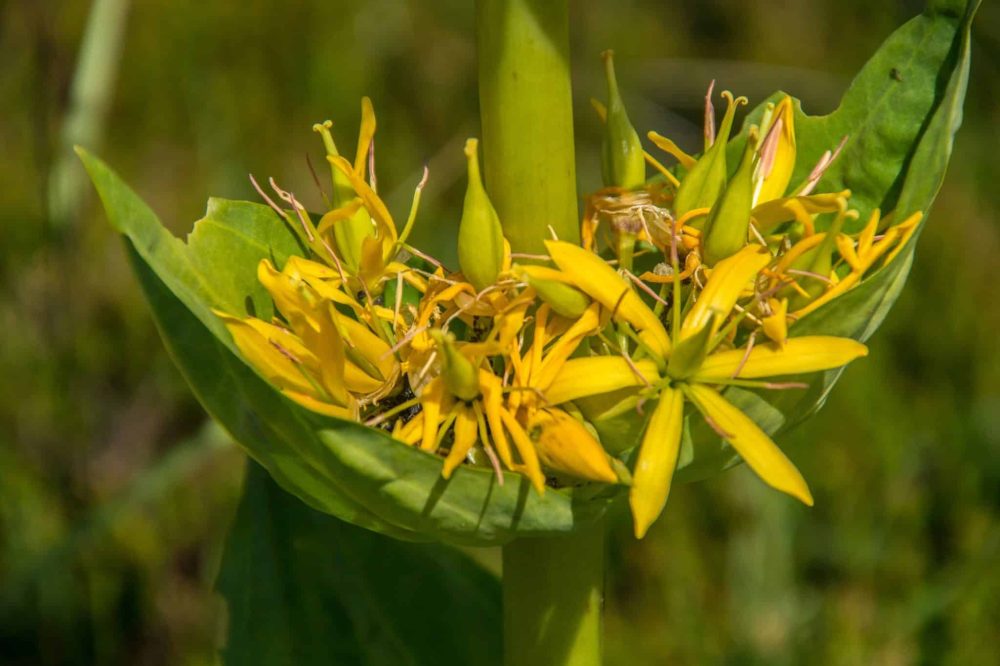
-
Botanical description
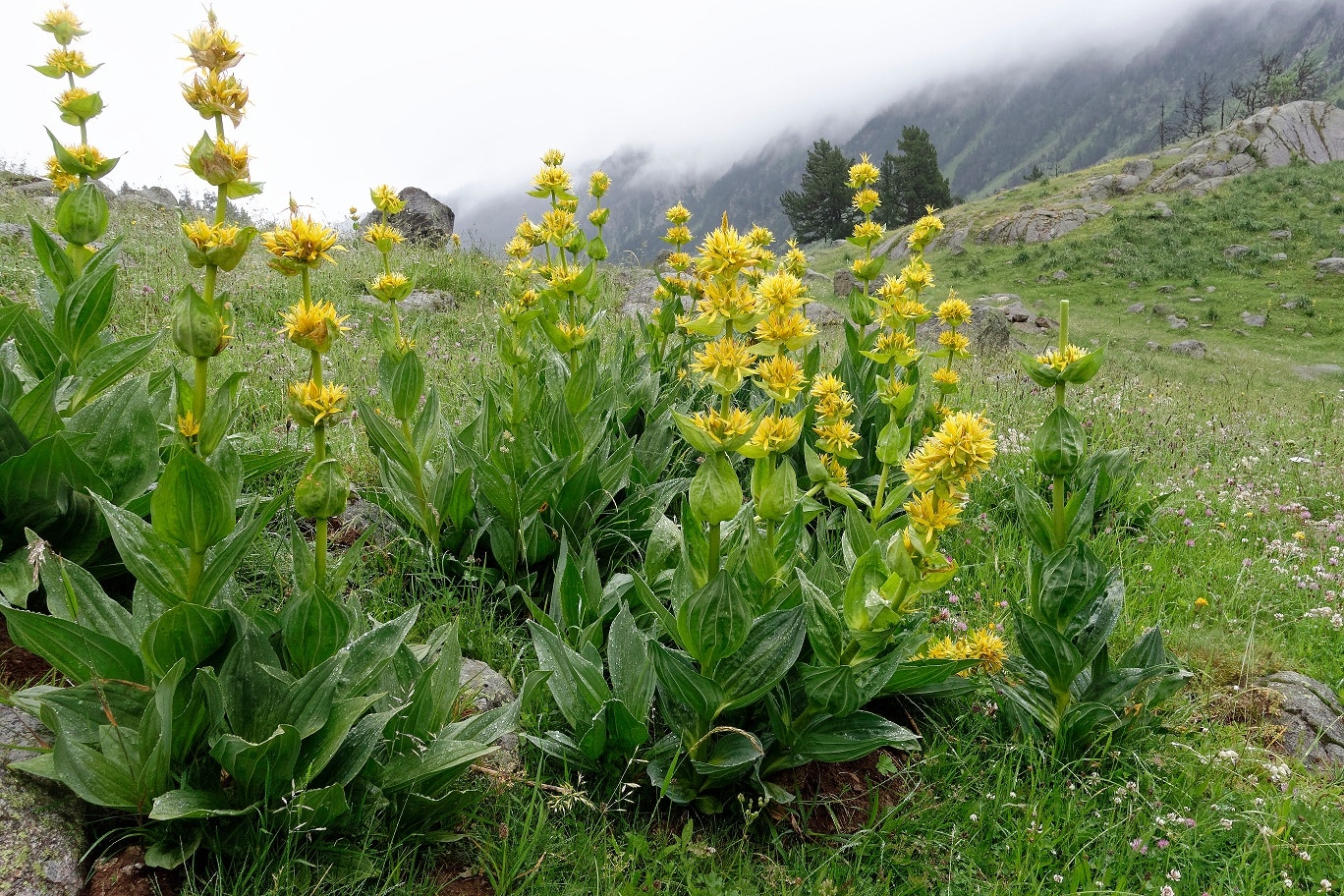
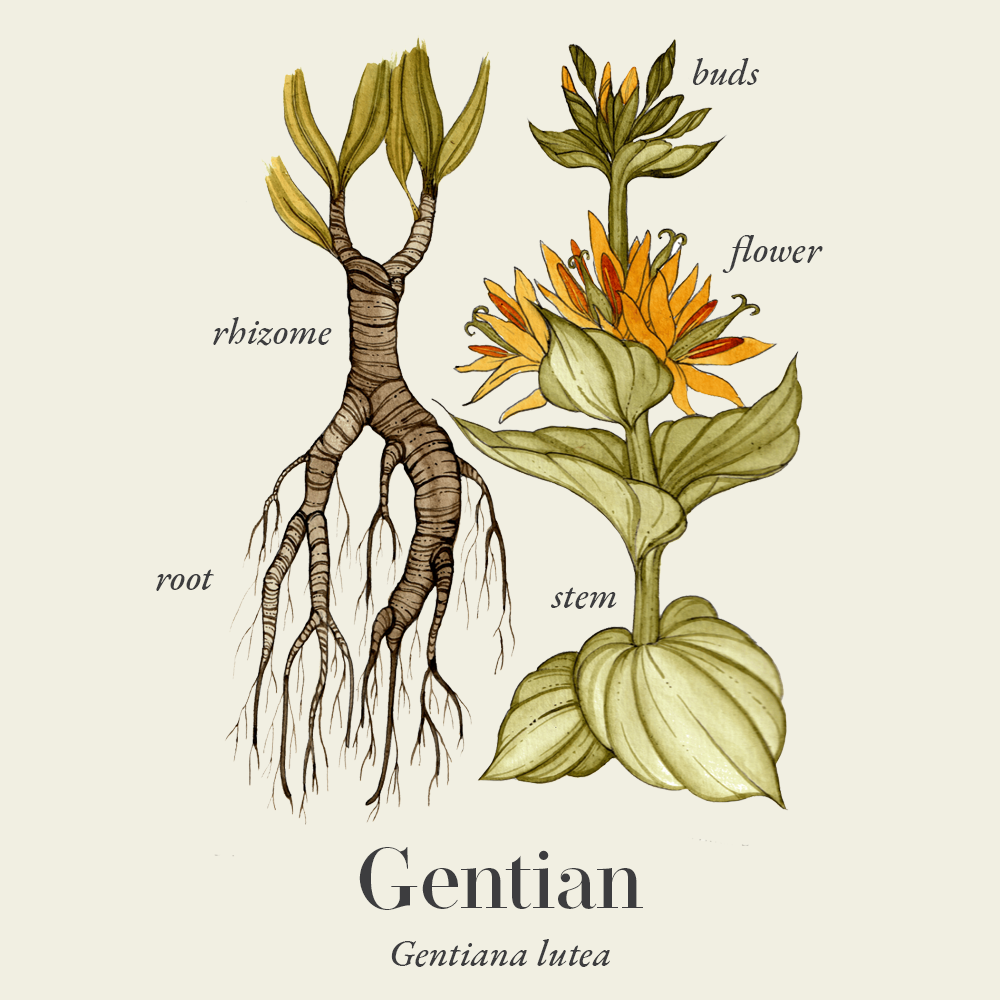
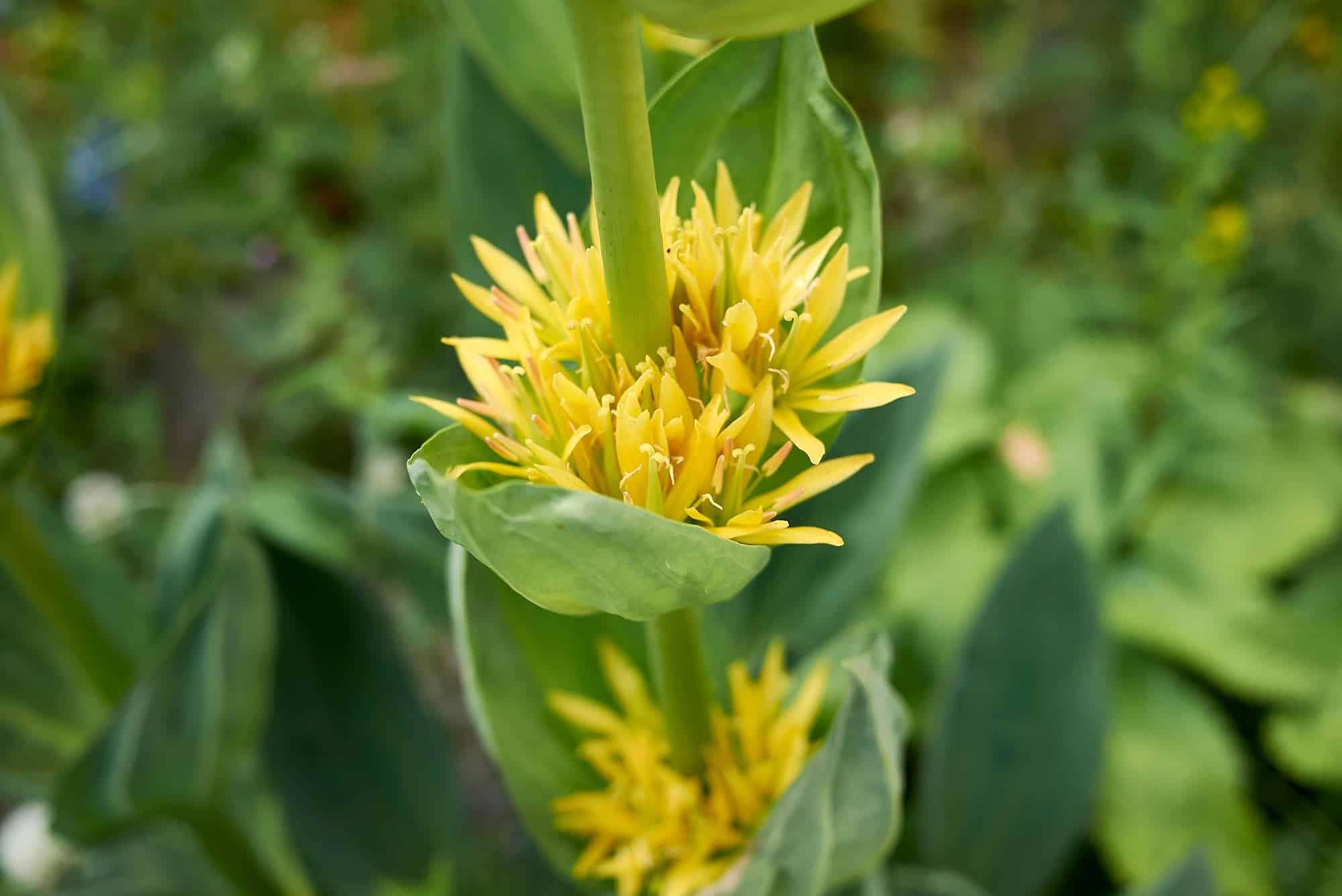
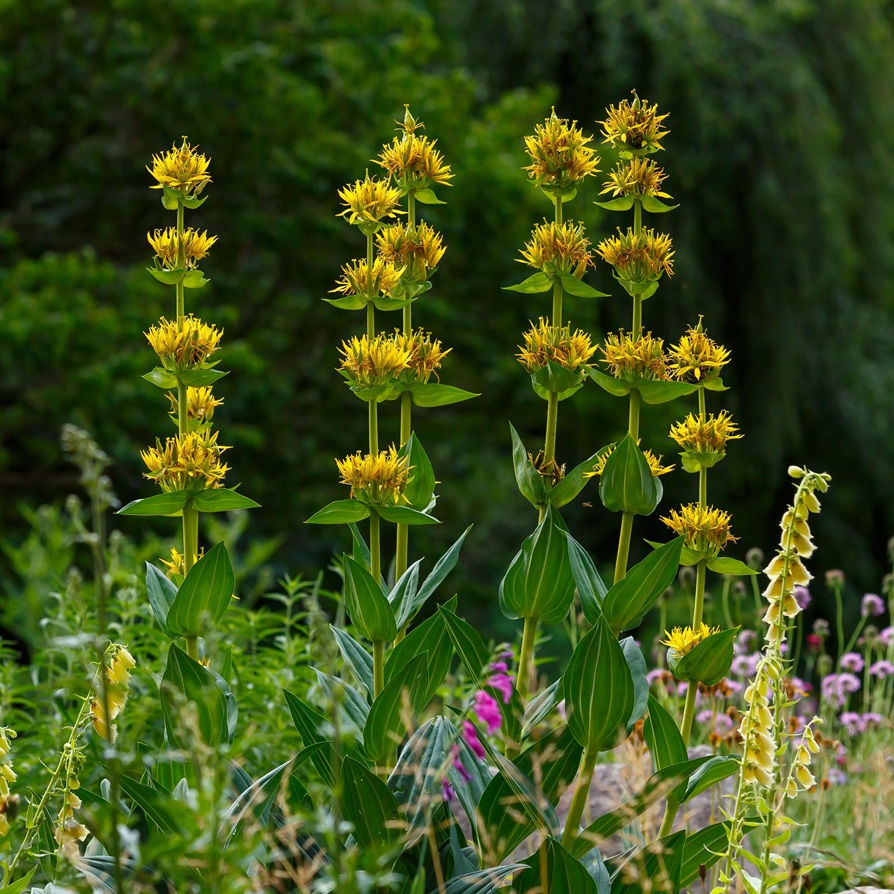
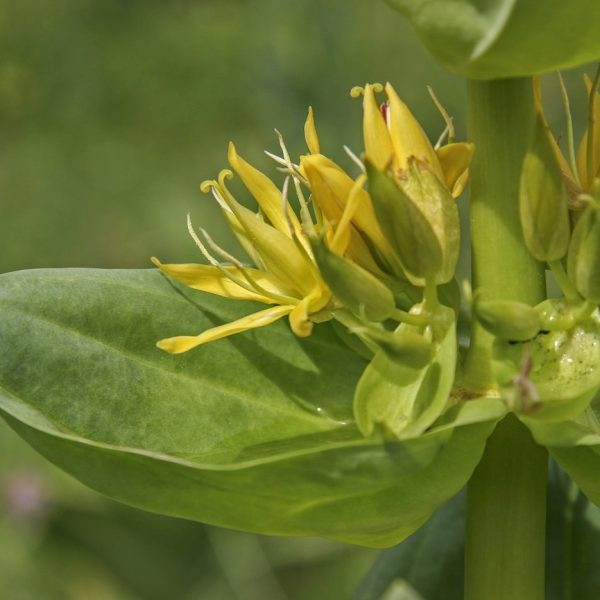
Gentian is an erect alpine perennial growing to between 60–150 cm tall. It has a central hollow stem, growing from a basal rosette bearing opposite and decussate leaves and supporting floral whorls.
The flowers are borne in axillary whorls with a bright yellow corolla, typically 5–6 lobed and a tubular calyx.
The root (the part most often used medicinally) is a thick, fleshy yellow to brown rhizome with multiple long, branching roots.
The interior is yellowish-white when fresh, darkening on drying and an intensely bitter taste due to the secoiridoid glycosides (18).
-
Common names
- Great yellow gentian
- Bitter root
- Bitterwort
- Genciana
-
Habitat
Gentian is native to the calcareous alpine meadows, moist grasslands, and open pastures of the central and southern European mountain ranges. It can typically be found at altitudes of between 800–2,500 m and prefers cool, moist climates with high amounts of rainfall and well draining but moist soil (19).
-
How to grow gentian
Gentian grows in reliably moist but well-drained, humus-rich soil in sun or part shade. It thrives in locations with cool, damp summers, such as in the Western or Central Europe. It will not tolerate drought or water-logging.
Gentian can be planted in the garden in spring or autumn. Put gentian in small groups with a planting distance of about 50 centimetres (20 in).
For young plants, the use of weed fleece is recommended to prevent the slow-growing plants from overgrowing.
Water sparingly and always keep the soil a little bit moist. Gentian plants are easy to grow in the correct conditions (20).
-
Herbal preparation of gentian
- Dried root powder
- Dried root (decoction)
- Tincture
-
Plant parts used
Root
-
Dosage
- Tincture (1:5 | 45%): 1–2ml three times a day. It is best taken before 10–20 minutes before meals (1,7).
- Fluid extract (1:1 | 45%): 0.5–1 ml up to twice daily
- Infusion/decoction: Decoct 1–2 g of dried root in a cup of water for 10 minutes on a gentle heat. Drink warm 15–30 minutes before a meal.
- Dried herb: 0.5–2 g of dried herb three times a day, taken 15–30 minutes before a meal, or anytime that acute stomach pain is associated with feeling of fullness (1,7).
-
Constituents
- Iridoids: Loganic acid
- Secoiridoids: Gentiopicroside, amarogentian, swertiamarin, sweroside, eustomoside, eustomorusside and septemfidoside
- Xanthones: Gentisin, isogentisin, mangiferin and gentioside
- Flavonoids: Isovitexin, isoorientin, isosaponarin
- Alkaloids: Gentianine
- Phenolic acids: Gentisic, caffein
- Polysaccharides
- Lipids
- Volatile oils (21)
-
Gentian recipe
Gentian spritz
This gentian cordial spritz is a refreshing drink to support digestion.
Ingredients
- 5–10 drops gentian tincture
- 20 ml elderflower cordial
- 5 ml fresh lemon juice
- 150 ml sparkling water
- Ice
How to make gentian cordial
- Add the elderflower cordial and lemon juice to a glass then add the ice.
- Fill with sparkling water and then add the gentian.
- Stir gently.
- Enjoy!
-
Safety
Gentian has a long history of use for digestive support with minimally reported adverse effects (1,7,22). It is not recommended during pregnancy as it may have slight uterine stimulant properties (1,7,22). It is not recommended during lactation (1,7,22).
-
Interactions
There is a theoretical risk that gentian may increase the risk of hypotension when combined with antihypertensive medication, but this has not been confirmed in clinical trials (23).
-
Contraindications
Contraindicated in gastric or duodenal ulcers as gentian can stimulate gastric acid secretion and pepsin release, aggravating ulcerative conditions (1,7,22).
It is also contraindicated in hyperacidity, gastritis and gastro-oesophageal reflux disease (GERD) (1,7,22).
-
Sustainability status of gentian
According to the IUCN Red List, gentian is classed as least concern as it is widespread with stable populations in parts of its range and therefore the risk of the species going completely extinct in Europe is relatively low. However, IUCN also states that populations are decreasing and that there are concerns surrounding its sustainability elsewhere around the globe and calls for monitoring of these populations (24).
Other sources state its vulnerability due to slow growth rate, restricted alpine habitat and high commercial demand (18,21). It is, therefore, recommended to source gentian from reputable suppliers who employ sustainable methods.
Read our article on Herbal quality & safety: What to know before you buy and Sustainable sourcing of herbs to learn more about what to look for and questions to ask suppliers about sustainability.
-
Quality control
Historically, gentian has always been wild harvested, which has contributed to the decline of wild populations and this method of harvesting is now actively discouraged due to ethical and sustainability concerns (25).

-
References
- Bone K, Mills S. Principles and Practice of Phytotherapy: Modern Herbal Medicine. 2nd ed. Edinburgh Churchill Livingstone, Elsevier; 2013.
- Mcintyre A. Complete Herbal Tutor : The Definitive Guide to the Principles and Practices of Herbal Medicine (Second Edition). Aeon Books Limited; 2019.
- Hedley C, Shaw N. Plant Medicine. (Waddell G, ed.). Aeon Books; 2023.
- British Herbal Medicine Association. British Herbal Pharmacopeia 1996. British Herbal Medicine Association; 1996.
- Mills S, Bone K. The Essential Guide to Herbal Safety. Elsevier Churchill Livingstone; 2005.
- Wood M. The Practice of Traditional Western Herbalism : Basic Doctrine, Energetics, and Classification. North Atlantic Books, Cop; 2004.
- Hoffmann D. Medical Herbalism : The Science and Practice of Herbal Medicine. Healing Arts Press; 2003.
- Culpeper N. The Complete Herbal. anboco; 2016.
- Fisher C. Materia Medica of Western Herbs. Aeon Books; 2018.
- Bensky D, Gamble A, Kaptchuk D. Chinese Herbal Medicine : Materia Medica. Eastland; 1993.
- Tan RX, Wolfender JL ., Ma WG, Zhang LX, Hostettmann K. Secoiridoids and antifungal aromatic acids from Gentiana algida. Phytochemistry. 1996;41(1):111-116. https://doi.org/10.1016/0031-9422(95)00599-4
- Kesavan R, Chandel S, Upadhyay S, et al. Gentiana lutea exerts anti-atherosclerotic effects by preventing endothelial inflammation and smooth muscle cell migration. Nutrition Metabolism and Cardiovascular Diseases. 2016;26(4):293-301. https://doi.org/10.1016/j.numecd.2015.12.016
- Ponticelli M, Lela L, Moles M, et al. The healing bitterness of Gentiana lutea L., phytochemistry and biological activities: A systematic review. Phytochemistry. 2023;206:113518. https://doi.org/10.1016/j.phytochem.2022.113518
- Berthon J, Cabannes M, Bouton C, Carre M, Bridon E, Filaire E. In vitro, ex vivo and clinical approaches to evaluate the potential effect of Gentiana lutea extract on skin. International Journal of Cosmetic Science. 2023;45(5):688-698. https://doi.org/10.1111/ics.12878
- Menkovic N, Juranic Z, Stanojkovic T, et al. Radioprotective activity of Gentiana lutea extract and mangiferin. Phytotherapy Research. 2010;24(11):1693-1696. https://doi.org/10.1002/ptr.3225
- Dioscorides Pedanius, Of Anazarbos, Gunther RT. The Greek Herbal of Dioscorides. Classics Of Medicine Library; 1996.
- Masters S. The Good Bitter | Distiller Magazine. Distiller Magazine. Published November 7, 2024. Accessed January 15, 2026. https://distilling.com/distillermagazine/the-good-bitter/
- Rybczyński JJ, Davey MR, Mikuła A. The Gentianaceae – Volume 2: Biotechnology and Applications. Harris County Public Library; 2015. https://doi.org/10.1007/978-3-642-54102-5
- RHS. Gentiana lutea | great yellow gentian Herbaceous Perennial/RHS. Rhs.org.uk. Published 2025. Accessed January 15, 2026. https://www.rhs.org.uk/plants/7793/gentiana-lutea/details
- World G. How to grow gentians. BBC Gardeners World Magazine. Published November 3, 2021. Accessed June 20, 2025. https://www.gardenersworld.com/how-to/grow-plants/how-to-grow-gentian/
- Mirzaee F, Hosseini A, Jouybari HB, Davoodi A, Azadbakht M. Medicinal, biological and phytochemical properties of Gentiana species. Journal of Traditional and Complementary Medicine. 2017;7(4):400-408. https://doi.org/10.1016/j.jtcme.2016.12.013
- Pengelly A. The Constituents of Medicinal Plants. Cab International; 2021.
- TRC Healthcare. NatMed Pro – Gentian. Therapeuticresearch.com. Published 2025. Accessed January 15, 2026. https://naturalmedicines.therapeuticresearch.com/Data/ProMonographs/Gentian#drug-interactions
- Chiara, Gygax A, Jogan N, and N, Melnyk V, Guillaume. IUCN Red List of Threatened Species: Gentiana lutea. IUCN Red List of Threatened Species. Published June 23, 2010. Accessed January 15, 2026. https://www.iucnredlist.org/species/162067/5546174
- Interlace. Impact of the production method on the gentian resource and its regeneration – The sustainable development approach of the Gentian sector. Interlace Hub. Published February 12, 2020. Accessed January 15, 2026. https://interlace-hub.com/casestudy/20354
Meet our herbal experts
Our monographs are written by our monograph authors and edited, reviewed and updated by Herbal Reality.
Meet our Herbal Reality team or explore our Herbal Reality authors.