

Last reviewed 18/08/2025
Sustainability status
Not currently on risk lists but complete data may be missing on the status of the species. Read more in our sustainability guide.
Potential replacement(s): Hawthorn,

Contraindications
A contraindication refers to a situation in which a herb should be avoided as it may exacerbate a medical condition or pose undue risk. Contraindications may arise through pharmacodynamic mechanisms (e.g., liquorice in uncontrolled hypertension or uterine stimulants during pregnancy) or pharmacokinetic effects that alter metabolism, absorption or elimination (e.g., tannin-rich herbs in iron-deficient anaemia).
In some cases, herbal actions may aggravate underlying pathologies (e.g., the use of bitter herbs in GERD). Recognition of contraindications requires thorough assessment of patient history, co-morbidities and medications. Consultation with a qualified medical herbalist will provide guidance to ensure safe and appropriate prescribing.
Please read the Contraindications section in this monograph.

-
Herb overview
Safety
Arjuna is well tolerated, though can cause minor headache, constipation, and gastritis.
Avoid with anticoagulants and constipation.Sustainability
No risk / Green
FairWild certified sources availableKey constituents
Triterpenoids
Glycosides
Phenolic compounds
TanninsQuality
Native to Indian subcontinent
Both wild harvested and cultivatedKey actions
Cardiotonic
Antihyperlipidaemic
Hepatoprotective
Anti-inflammatoryKey indications
High cholesterol
High blood pressure
Wounds
DiarrhoeaKey energetics
Astringent
Bitter
Cooling
DryPreperation and dosage
Bark
Decoction or capsules: 1–6 g of dried bark daily
Tincture (1:3| 45%): 3–15 ml per day
-
How does it feel?
Arjuna has a mildly aromatic aroma, which upon tasting then develops into a slight bitterness and an astringent taste in the mouth. Initially, it feels cooling, followed by a stimulating warmth that spreads downwards throughout the body.

-
Into the heart of arjuna

Arjuna (Terminalia arjuna) Arjuna is first and foremost a cardiotonic. Arjuna is specifically indicated for all heart based conditions, strengthening, nourishing and repairing heart and blood vessel tissue. It will influence a reduction in any inflammation and congestion that may be impairing heart function but also help to reduce any emotional tension and anxiety affecting the organ (2).
Arjuna has a regenerative effect on the liver through its mechanism of increasing glutathione and other antioxidants. This helps to neutralise toxic metabolites and protect hepatocytes (1,5). This helps to support effective detoxification and cholesterol metabolism.
Arjuna contains tannins and flavonoids, which exhibit anti-inflammatory and antibacterial actions that help to accelerate wound healing and promote tissue repair (5).
Arjuna is specifically indicated in angina, congestive heart failure, cardiac arrhythmia, and hypertension. Recent clinical trials on these conditions have shown promising outcomes when treated with arjuna. It has also been shown to reduce human total cholesterol and triglyceride levels. Arjuna helps to strengthen cardiac muscle as well as tone the capillaries and improve flexibility, which helps to prevent high blood pressure. It helps to balance the movement of vyana vayu in the heart and regulate circulation (1,2,6).
Arjuna’s affinity for the chest directs it to the lungs where it alleviates productive coughs with copious mucus in bronchitis and asthma. It can also treat haemoptysis influenced by increased heat and inflammation.
-
What practitioners say
 Cardiovascular system
Arjuna is indicated to treat a wide variety of heart conditions and chronic cardiovascular disease, including angina, congestive heart failure, cardiac arrhythmia, hypertension and hypercholesterolaemia. Its actions are expressed by a variety of mechanisms of action, including by increasing the strength of cardiac muscle contractions thereby improving cardiac output (positively inotropic). Arjuna promotes vasodilation, helping to lower blood pressure and support circulation (1,6).
Its antioxidant effects extend to the cardiac tissues, helping to protect and reduce damage from oxidative stress and heart disease (1). It has also been shown to modulate inflammatory markers, and reduce inflammatory cytokines, thereby also supporting cardiovascular health (5). Arjuna effectively lowers total cholesterol and LDL, helping to support overall cardiovascular health and reduce cardiovascular disease (7).
Skin health
Arjuna bark contains considerable tannin levels, which accelerates wound healing by stimulating collagen synthesis and promoting tissue repair. Applying the bark topically can reduce infection, scarring and wound size (6). Arjuna can be used as part of a formulation to help with post surgical recovery, but promoting tissue repair and circulation. It works well when combined with gotu kola (Centella asiatica) for this application. In Ayurvedic medicine, arjuna is used as an alterative to help clear pitta inflammations of the skin which include acne, urticaria, and rosacea (8). It can also be applied externally, and internally for the treatment of diabetic ulcers.
Digestive system
The antioxidant properties of arjuna extend to the digestive system and help to offer a gastroprotective action on gastric cells. Arjuna can be used to treat diarrhoea and gastric infections due to its tannin content and broad spectrum antimicrobial actions (1,6).
Its anti-inflammatory actions indicate arjuna in treating a range of inflammatory bowel conditions including colitis by helping to reduce inflammation and restore health in the gastric mucosa (9).
Arjuna has hepatoprotective effects on hepatocytes by reducing inflammation and oxidative stress. This helps to restore effective liver function and support metabolic health by inhibiting lipid peroxidation (10).
Urinary system
Arjuna has also shown to exhibit renal protective actions through its antioxidant and anti-inflammatory actions. It helps to reduce damage from oxidative stress and maintain optimal kidney enzyme levels (1,3).
-
Arjuna research

Arjuna (Terminalia arjuna) Antioxidant and hypocholesterolaemic effects of Terminalia arjuna tree-bark powder: A randomised placebo-controlled trial
A randomised, placebo controlled trial was carried out to evaluate the effects of arjuna bark powder on antioxidant and cholesterol levels. One hundred and five patients were divided into three groups; with group one receiving placebo, group two receiving 400 units/day of vitamin E capsules and group three receiving 500 mg of arjuna bark in capsules. These were administered daily over 30 days.
The results showed a significant decrease in total and LDL cholesterol in the arjuna group, and both the vitamin E and arjuna group saw a marked decrease in lipid peroxide levels. The study concluded that arjuna demonstrates significant antioxidant activity, comparable to vitamin E as well as having an antihypercholesterolaemic action (7).
Effectiveness of herbal drug Terminalia arjuna in chronic venous insufficiency: A prospective observational study
This study involved 25 patients with chronic venous insufficiency (CVI) who were given arjuna bark capsules at a dose of 500 mg twice daily and observed at day 30 and day 90. Follow ups were carried out three months post-treatment and to check up on any adverse effects. It was assessed using the Venous Clinical Severity Score (VCSS) and graded according to Clinical Etiology Anatomy Pathophysiology (CEAP).
The results showed the median VCSS was lower during the third visit when compared to the first, and there was a marked improvement in CEAP compared with pre- and post-treatment. This suggests arjuna is a safe and effective treatment in CVI and could help reduce symptoms of oedema, inflammation, ulceration and pain (11).
Terminalia arjuna in chronic stable angina: Systematic review and meta-analysis
This review analysed 24 studies, of which five met the criteria to explore the treatment of chronic stable angina with arjuna or with conventional medication. Secondary outcomes including frequency of angina episodes or use of acute medication were reduced in the arjuna groups, and were sometimes compared to conventional therapy. Other studies also showed a significant increase in left ventricular ejection fraction and decrease in left ventricular mass after consumption of arjuna.
Many of the other studies, however, were subject to bias, and although these results are promising, more clinical trials are required to further explore its potential benefit in cardiovascular disease (6).
-
Historical use of arjuna
Arjuna has been used in India and Ayurvedic medicine for over 3,000 years as a remedy for the heart. It has been used to treat heart failure, fluid retention and oedema.
Ayurvedic doctors traditionally use arjuna to balance the three doshas if any of them are in excess. The bark was decocted and used to treat diarrhoea and dysentery, whilst the powdered bark was used for asthma. It was also recommended for poisonings and scorpion stings (2).
-
Arjuna’s herbal actions
Herbal actions describe therapeutic changes that occur in the body in response to taking a herb. These actions are used to express how a herb physiologically influences cells, tissues, organs or systems. Clinical observations are traditionally what have defined these actions: an increase in urine output, diuretic; improved wound healing, vulnerary; or a reduction in fever, antipyretic. These descriptors too have become a means to group herbs by their effects on the body — herbs with a nervine action have become the nervines, herbs with a bitter action are the bitters. Recognising herbs as members of these groups provides a preliminary familiarity with their mechanisms from which to then develop an understanding of their affinities and nuance and discern their clinical significance.
-
Arjuna’s energetic qualities
Herbal energetics are the description that herbalists have given to plants, mushrooms, lichens, foods and some minerals based on the direct experience of how they taste, feel and effect the body. All traditional health systems use these principles to explain how the environment impacts health, according to each of their philosophies and frameworks. These assessments of individual herbs, though often do align, can differ from one another. Find out more about traditional energetics in our article An introduction to herbal energetics.
Western energetics
Western energetics here are informed by The Energetics of Western Herbs by Peter Holmes, as well as traditional materia medica from Culpeper and Dioscorides.
Ayurvedic energetics
Ayurvedic energetics are assigned according to Ayurvedic Medicine: The Principles of Traditional Practice by Sebastian Pole.
-
What can I use arjuna for?

Arjuna (Terminalia arjuna) Arjuna bark has been shown to increase levels of superoxide dismutase, catalase and glutathione. This action provides protection against oxidative stress, and helps to reduce inflammatory markers, with a particular affinity for heart tissue. Arjuna also displays a positive inotropic action upon heart muscle, balancing any irregular contractions and supporting a healthy blood pressure (1). Arjuna is a cardiotonic, with some suggesting it has an amphoteric action by regulating blood pressure and heart rate (2,3).
Arjuna mediates the inhibition of cholesterol biosynthesis within the liver, improving cholesterol metabolism and also encouraging general hepatocyte regeneration (1).
Arjuna has demonstrated antibacterial, antiviral and antimutagenic activity against multiple strains, such as S. aureus, salmonella, E. coli and Pseudomonas. In addition, it has also shown the ability to heal damaged and wounded skin cells, and prevent the growth of tumours (1,4).
-
Did you know?
Arjuna means ‘white’ or ‘shining’ named after its bark that reflects light off its branches. Its name is also associated with Arjuna, one of the heroes of the great Indian epic, the Mahabharata. He brings strength, fortitude and protection to his family just as Arjuna brings these qualities to the body.
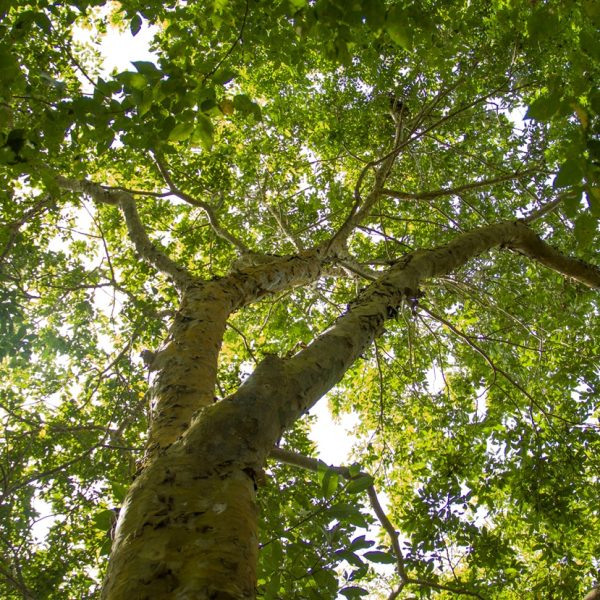
The pale white bark of the arjuna tree moults naturally once a year; its new skin bringing new life. It is harvested when the tree is mature, thus attesting to its ability to prolong life, protect the elderly and strengthen the heart. Arjuna is also one of the species whose leaves are fed on by a particular moth that produces ‘tassar’ silk; a wild silk that is of great commercial importance (5).




-
Botanical description
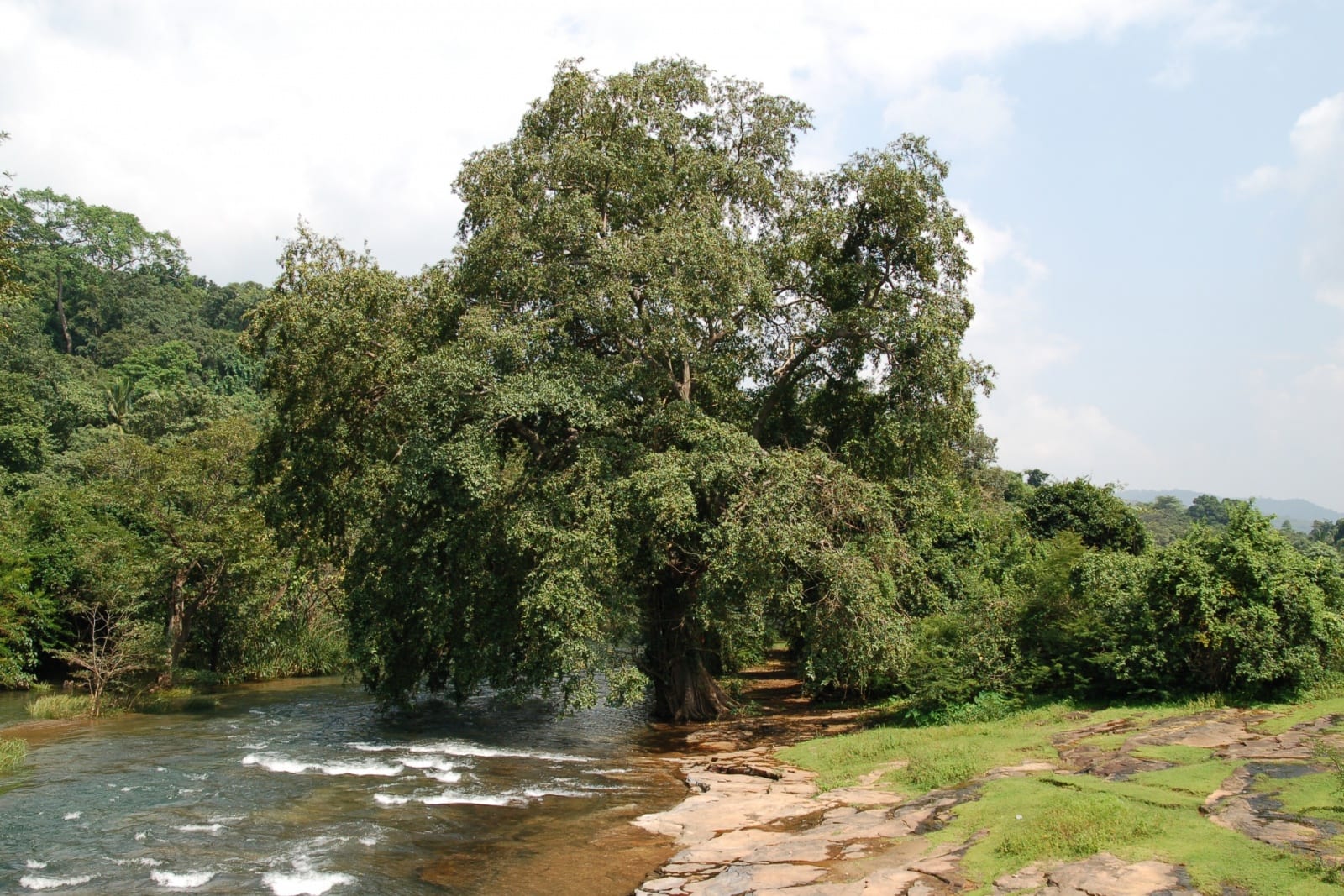
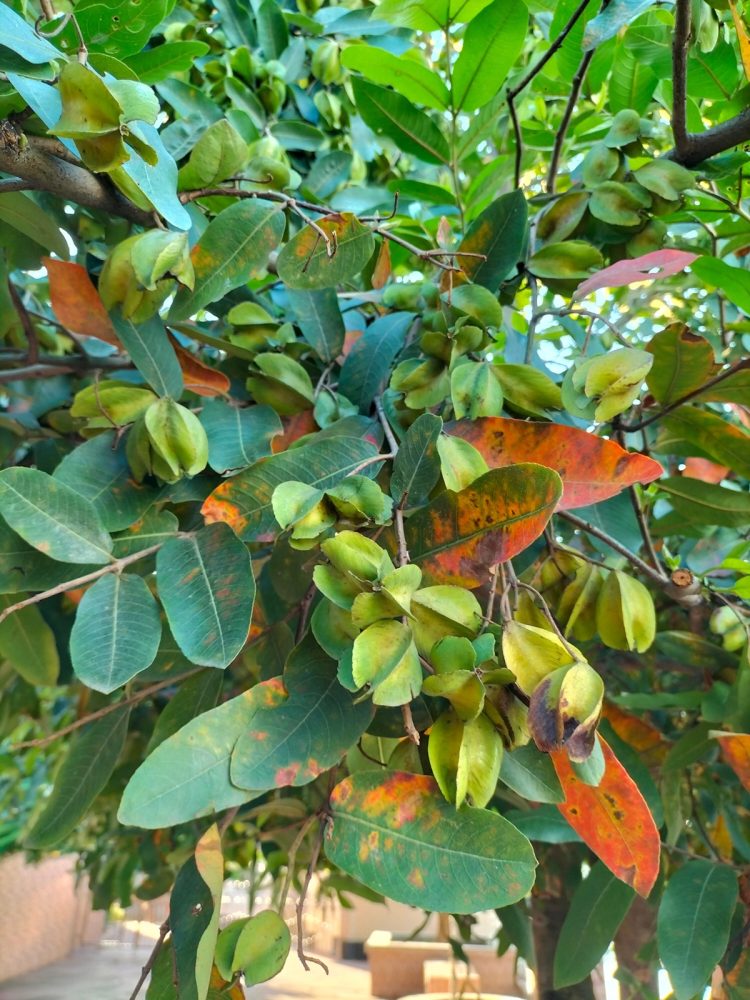
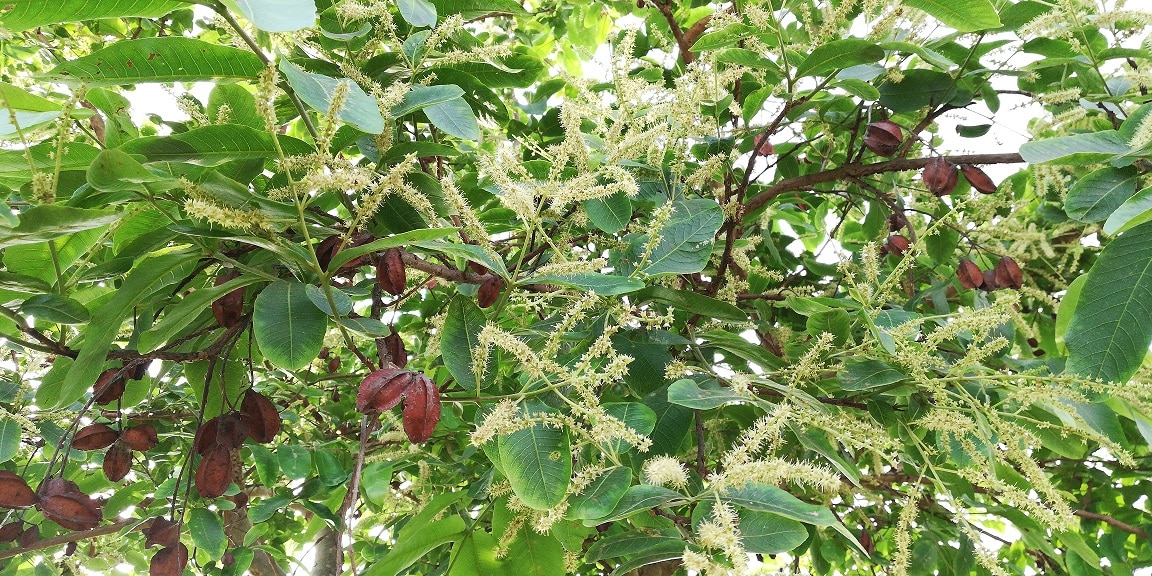
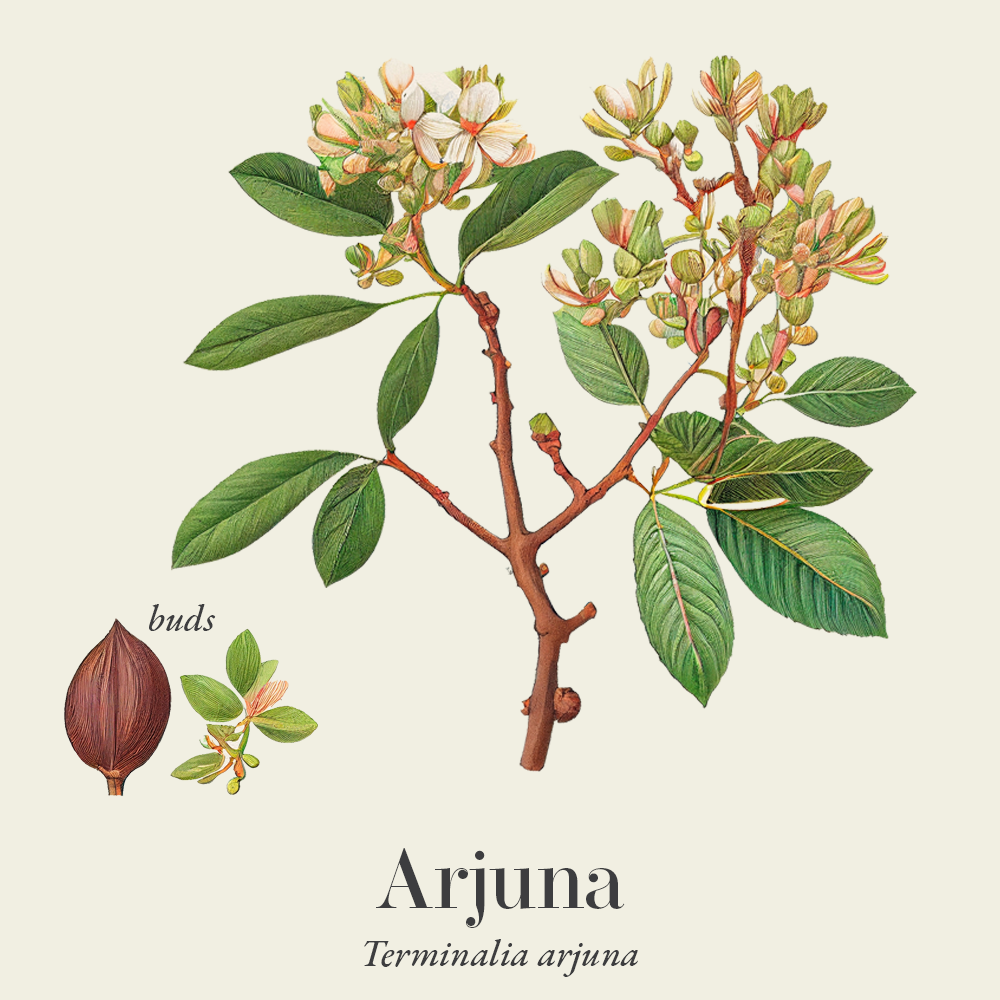
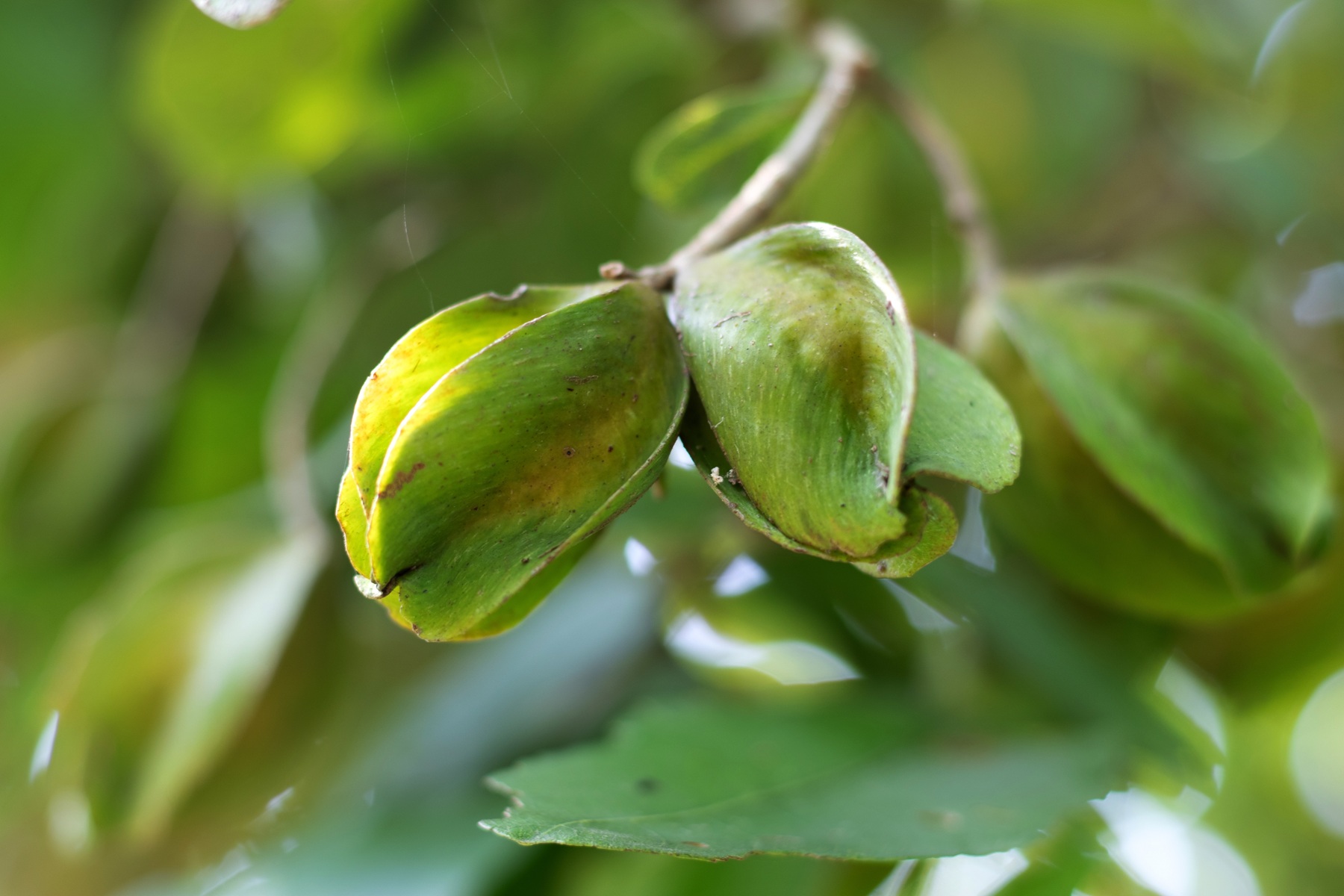
Arjuna is a large evergreen tree with typically pink-grey bark that peels away from the main frame of the trunk. It can grow up to 25 metres in height. The leaves can reach lengths of 15 cm and the flowers are cup-shaped and a pale yellow. The fruits are fibrous and woody and shaped into five ‘wings’ appearing between September and November.
-
Habitat
Arjuna is native throughout the Indian subcontinent through to Myanmar. The tree is normally found alongside river banks and is native to central and southern India (13).
-
How to grow arjuna
Arjuna thrives in tropical or subtropical climates and will tolerate drought, however prefers consistent moisture. The best way to grow arjuna is from seed, which will need to be soaked in cold water for 48 hours to increase chances of germination. Sow into mineral rich compost in a warm area, seeds may take up to three months to germinate so it is best to be patient.
Plant the young plants out into loamy, fertile and well drained soil spaced two metres apart. Plants will grow best with up to six hours of direct sunlight (16).
-
Herbal preparation of arjuna
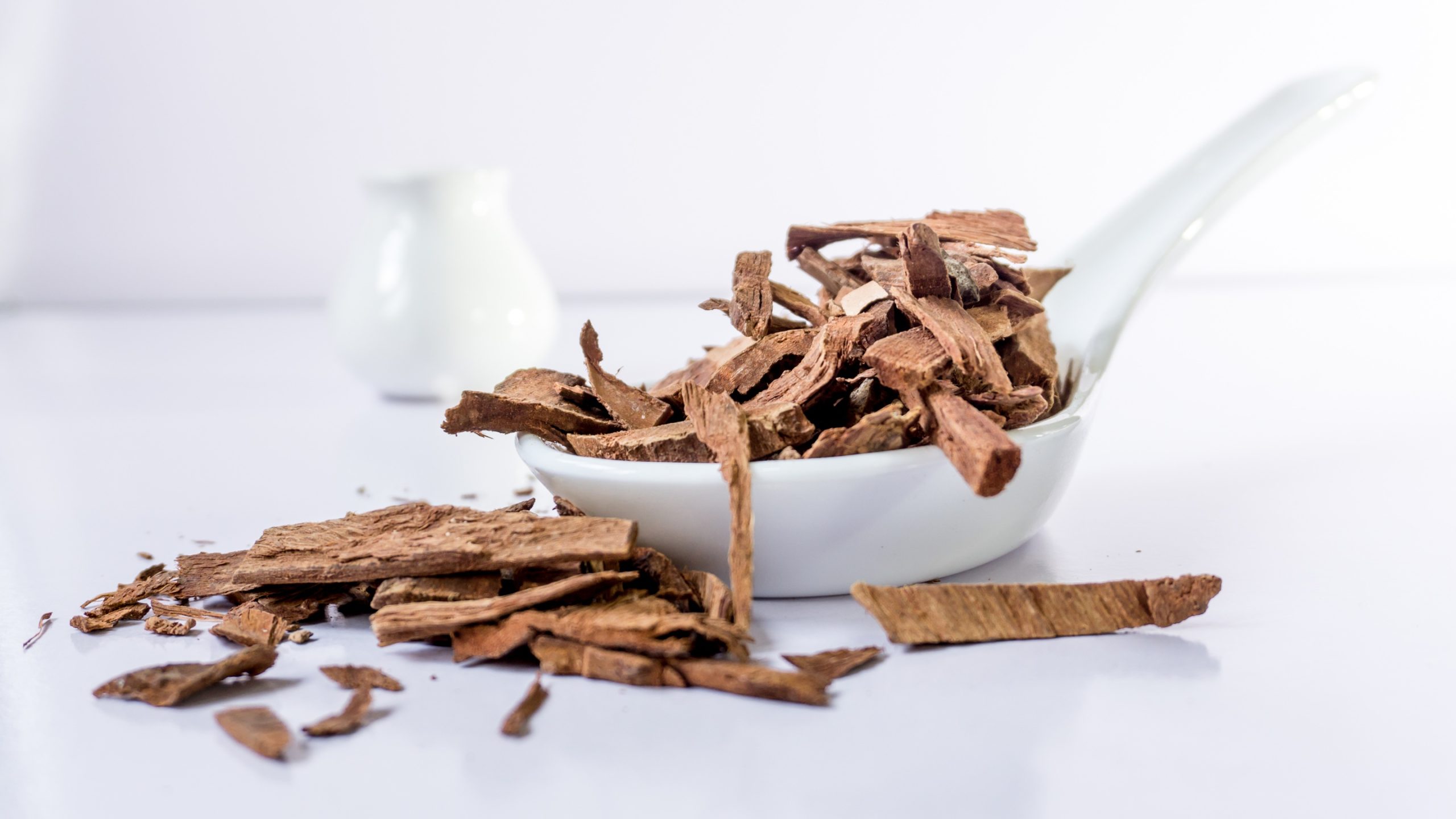
Dried bark
- Powder
- Tincture
-
Plant parts used
Bark
-
Dosage
- Tincture (1:3| 45%): 3–15 ml per day.
- Decoction or capsules: 1–6 g of dried bark per day (8)
-
Constituents
- Triterpenoids: Arjunin, arjunic acid, arjungenin, arjunolic acid, terminic acid, terminoltin
- Glycosides: Arjunetin, arjunoside I and II, arjunolone, arjunolitin, terminoside A, terminarjunoside I and II
- Phenolic compounds: Arjunone, luteolin, baicalin, gallic acid, kaempferol, pelargonidin, quercetin, catechin, oligomeric proanthocyanidins
- Tannins
- Lipids: CoQ10
- Calcium, magnesium, zinc, copper (1)
-
Arjuna recipe
Arjuna bark tea
This tea is designed to support circulatory and heart health. Inspired by the traditional Ayurvedic tea ‘arjun tea’.
Ingredients
- 1 tsp dried arjuna bark powder
- ½ tsp dried cinnamon powder
- 1 crushed cardamom pod
- ¼ tsp dried ginger powder
- 250 ml milk
- Optional: ½ teaspoon of honey or agave syrup
How to make arjuna bark tea
- Place all the ingredients aside from the honey in a small saucepan
- Warm the milk and bring to a very gentle simmer, careful not to boil the liquid.
- Allow to simmer for 5–7 minutes.
- Strain the liquid through a small sieve or muslin.
- Pour into a mug and add the optional sweetener.
- Drink and enjoy!

-
Safety
Arjuna is safe to take for short term use; however, as safety data is lacking for its long-term use, it is recommended to use for no more than three months (12).
It has traditionally been contraindicated during pregnancy, as there is insufficient research confirming its safety in pregnancy and lactation, so it is best avoided unless under the guidance of a qualified medical herbalist (3,12).
Arjuna can cause minor adverse reactions in some individuals including headache, constipation, and gastritis (3).
-
Interactions
There is a theoretical interaction between arjuna and anticoagulant medication, as well as medication metabolised via cytochrome P450 pathway (12). Please consult a medical herbalist for more guidance.
-
Contraindications
It is not recommended in patients with constipation (8).
-
Sustainability status of arjuna
Arjuna is listed as least concern on the IUCN Redlist due to widespread population and no major threats (14). It grows wild along riverbanks and has traditionally been sourced from the wild for medicinal purposes; however, it is now being cultivated to protect wild populations (15).
Habitat loss and over-harvesting from the wild are two of the biggest threats faced by medicinal plant species. There are an increasing number of well-known herbal medicines at risk of extinction. We must, therefore, ensure that we source our medicines with sustainability in mind.
The herb supplement industry is growing at a rapid rate and until recent years a vast majority of medicinal plant produce in global trade was of unknown origin. There are some very real and urgent issues surrounding sustainability in the herb industry. These include environmental factors that affect the medicinal viability of herbs, the safety of the habitats that they are taken from, as well as the welfare of workers in the trade.
The botanical supply chain efforts for improved visibility (transparency and traceability) into verifiably sustainable production sites around the world is now certificated through the emergence of credible international voluntary sustainability standards (VSS).
Read our article on Herbal quality & safety: What to know before you buy and Sustainable sourcing of herbs to learn more about what to look for and questions to ask suppliers about sustainability.
-
Quality control
Herbal medicines are often very safe to take; however, their safety and efficacy can be jeopardised by quality issues. So, it is important to buy herbal medicines from a reputable supplier, from sources known to test their herbs to ensure there is no contamination, adulteration or substitution with incorrect plant matter, as well as ensuring that recognised marker compounds are at appropriate levels in the herbs.
Some important quality assurances to look for are certified organic labelling, the correct scientific/botanical name, and the availability of information from the supplier about ingredient origins. A supplier should be able to tell you where the herbs have come from, what contaminants are not in the herb, and what the primary compounds are.

-
References
- Amalraj A, Gopi S. Medicinal properties of Terminalia arjuna (Roxb.) Wight & Arn.: A review. Journal of Traditional and Complementary Medicine. 2017;7(1):65-78. https://doi.org/10.1016/j.jtcme.2016.02.003
- Chevallier A. Encyclopedia of Herbal Medicine. Penguin; 2016.
- Thomsen M. Phytotherapy Desk Reference. Aeon Books; 2020.
- Mahendra J. Antimicrobial and anti-inflammatory activity of Terminalia arjuna. Bioinformation. 2023;19(2):184-189. https://doi.org/10.6026/97320630019184
- Rajaram V, Namasivayam A, Shanmugam R, et al. Terminalia arjuna: An overview of its magical properties. Bioinformation. 2024;20(12):2080-2085. https://doi.org/10.6026/9732063002002080
- Kaur N, Shafiq N, Negi H, et al. Terminalia arjuna in Chronic Stable Angina: Systematic Review and Meta-Analysis. Cardiology Research and Practice. 2014;2014:1-7. https://doi.org/10.1155/2014/281483
- Gupta R, Singhal S, Goyle A, Sharma VN. Antioxidant and hypocholesterolaemic effects of Terminalia arjuna tree-bark powder: a randomised placebo-controlled trial. The Journal of the Association of Physicians of India. 2001;49:231-235. Accessed October 13, 2023. https://pubmed.ncbi.nlm.nih.gov/11225136/
- Pole S. Ayurvedic Medicine : The Principles of Traditional Practice. Singing Dragon; 2013.
- Cota D, Mishra S, Sushant Shengule. Beneficial role of Terminalia arjuna hydro-alcoholic extract in colitis and its possible mechanism. Journal of Ethnopharmacology. 2018;230:117-125. https://doi.org/10.1016/j.jep.2018.10.020
- Meena RK, Singh T. IDDF2019-ABS-0320 Terminalia arjuna bark extract protects against early alcohol-induced liver injury in the rat. Published online June 1, 2019:A59.1-A59. https://doi.org/10.1136/gutjnl-2019-iddfabstracts.109
- Pratap Shankar K, Ashwathykutty V. Effectiveness of herbal drug Terminalia arjuna in chronic venous insufficiency – A prospective observational study. Journal of Vascular Nursing. 2024;42(1):53-59. https://doi.org/10.1016/j.jvn.2023.11.009
- Natural Medicines Database. Terminalia arjuna. Therapeuticresearch.com. Published 2025. Accessed August 18, 2025. https://naturalmedicines.therapeuticresearch.com/Data/ProMonographs/Terminalia-arjuna#safety
- Royal Botanical Gardens Kew. Terminalia arjuna (Roxb. ex DC.) Wight & Arn. | Plants of the World Online | Kew Science. Plants of the World Online. Published 2023. Accessed August 18, 2025. https://powo.science.kew.org/taxon/urn:lsid:ipni.org:names:170962-1
- Global Tree Specialist Group & Botanic Gardens Conservation International (BGCI), House, D. IUCN Red List of Threatened Species: Terminalia arjuna. IUCN Red List of Threatened Species. Published December 5, 2023. Accessed August 18, 2025. https://www.iucnredlist.org/species/61989593/250631677
- Kumar DS, Prabhakar YS. On the ethnomedical significance of the arjun tree, Terminalia arjuna (Roxb.) Wight & Arnot. Journal of Ethnopharmacology. 1987;20(2):173-190. https://doi.org/10.1016/0378-8741(87)90086-9
- World Agroforestry. Agroforestree Species profile. apps.worldagroforestry.org. https://apps.worldagroforestry.org/treedb2/speciesprofile.php?Spid=18136

Meet our herbal experts
Our monographs are written by our monograph authors and edited, reviewed and updated by Herbal Reality.
Meet our Herbal Reality team or explore our Herbal Reality authors.