

Last reviewed 27/02/2026
Sustainability status
Not currently on risk lists but complete data may be missing on the status of the species. Read more in our sustainability guide.

Avoid in pregnancy and lactation
Herbs are generally best-avoided in pregnancy, unless working with them under the guidance of a medical herbalist. However, some herbs pose a risk to pregnancy as they are potentially: toxic to the mother, toxic to the neonate, teratogenic (risk developmental malformation), may increase miscarriage risk, or could cause foetal distress leading to miscarriage or premature birth. Herbs with teratogenic, emmenagogue, or stimulant laxative actions are all contraindicated in pregnancy. Furthermore, herbs containing volatile oils, thujone, apiol, phyto-oestrogens also should be avoided.
During lactation, there is the possibility for transfer of plant compounds through the breast milk, which can have an effect (detrimental or beneficial) on the infant.
Please read the Safety section in this monograph.

Drug interactions
Herbs may interact with pharmaceutical medications through both pharmacokinetic and pharmacodynamic mechanisms. Pharmacokinetic interactions involve alterations in the absorption, metabolism, distribution, or excretion of a drug. Many herb–drug interactions occur through liver enzyme modulation: by inducing CYP enzymes — increasing drug concentration and toxicity risk; or by inducing CYP enzymes — decreasing drug concentration and therapeutic efficacy.
Pharmacodynamic interactions occur when herbs and drugs influence the same physiological systems. These interactions can cause synergistic, additive or antagonistic effects at the receptor or tissue level, enhancing or opposing the intended pharmacological action. The clinical consequences of herb-drug interactions can be complex and nuanced. Consultation with a medical professional is, therefore, recommended to ensure safe use and appropriate dosing.
Please read the Interactions section in this monograph.

Contraindications
A contraindication refers to a situation in which a herb should be avoided as it may exacerbate a medical condition or pose undue risk. Contraindications may arise through pharmacodynamic mechanisms (e.g., liquorice in uncontrolled hypertension or uterine stimulants during pregnancy) or pharmacokinetic effects that alter metabolism, absorption or elimination (e.g., tannin-rich herbs in iron-deficient anaemia).
In some cases, herbal actions may aggravate underlying pathologies (e.g., the use of bitter herbs in GERD). Recognition of contraindications requires thorough assessment of patient history, co-morbidities and medications. Consultation with a qualified medical herbalist will provide guidance to ensure safe and appropriate prescribing.
Please read the Contraindications section in this monograph.

-
Herb overview
Safety
Considered safe. Avoid large doses. Consult a herbalist before using during pregnancy.
Sustainability
Status: Low risk
Key constituents
Iridoid glucosides
CoumarinsQuality
Native to eastern North America
Wild harvested and cultivated
Mountain maple (Acer spicatum) is a known adulterantKey actions
Antispasmodic
Tonic
Hypotensive
NervineKey indications
Threatened or repeated miscarriage
Spasmodic dysmenorrhoea
Post-partum pain or haemorrhage
AsthmaKey energetics
Cool
Dry
Relaxing
BitterPreperation and dosage
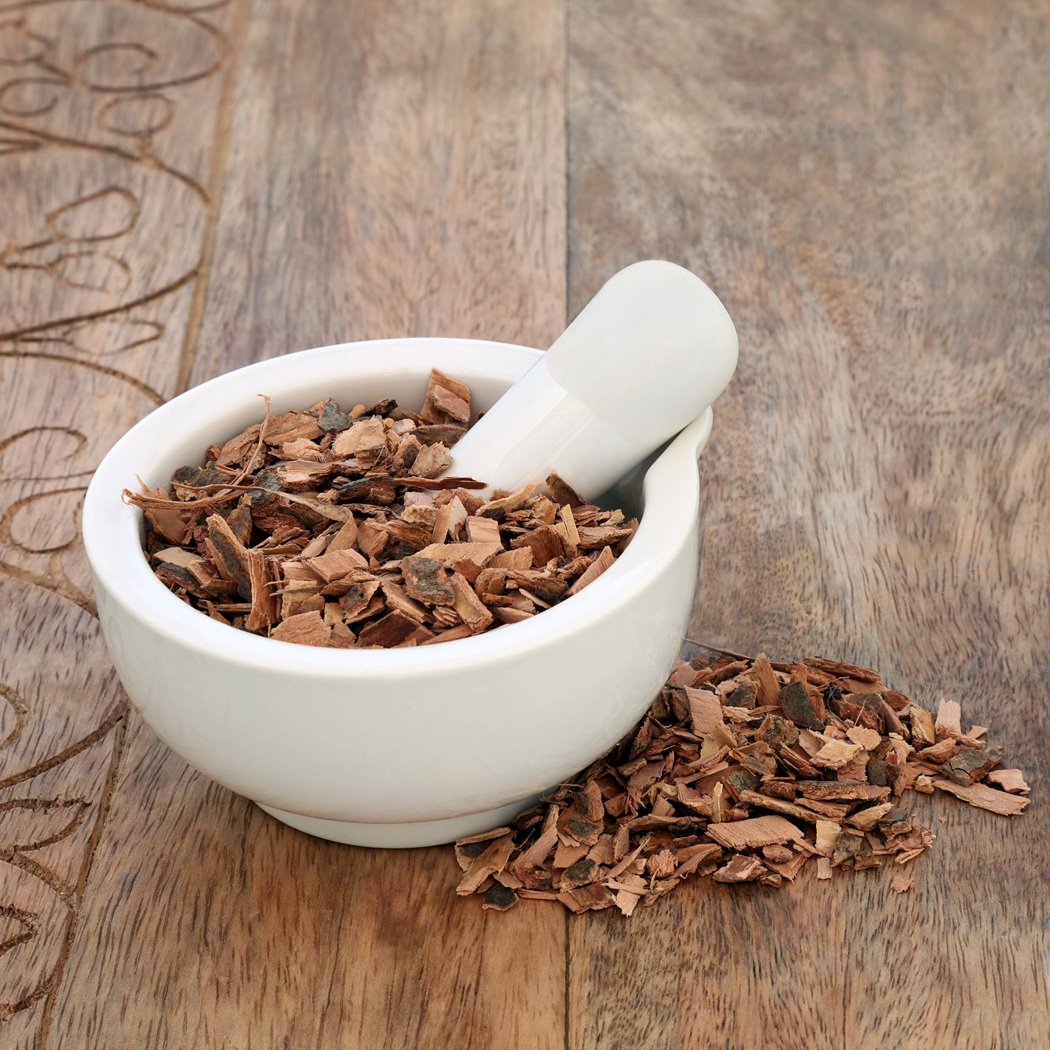
Bark
Infusion: 2.5–5 per day cup
Tincture (1:5, 60–70%): 5–10 ml, three times per day
-
How does it feel?
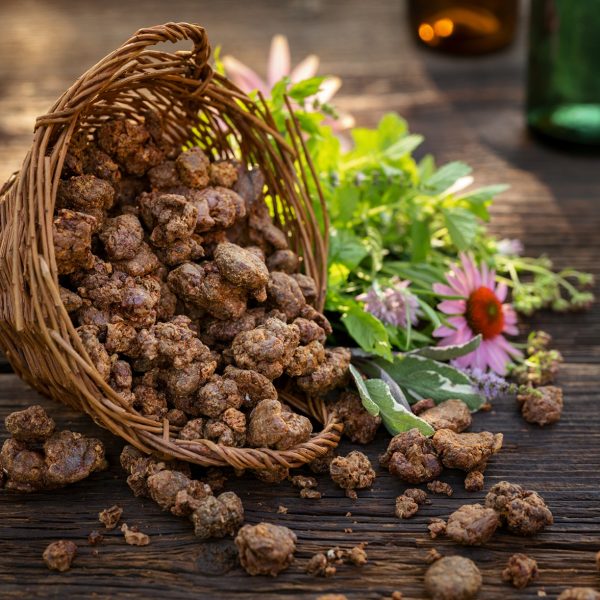
The bark is described as having “a feeble odour, and a very bitter slightly aromatic taste” (1) that “has a musty valerian odour” (2) and when pulverized, goes a red colour that is tinged with grey (1).
The tincture is clear, deep, dark red-brown in colour. The taste is a mixture of earthy and sweet, with a bitterness detected in the roof of the mouth. Any tightness felt in the body or mind starts to dissipate after drinking, similar to cramp bark (Viburnum opulus). Its relaxant effects are especially felt in the gut, chest, extremities and in the head.

-
Into the heart of black haw

Black haw (Viburnum prunifolium) Black haw has traditionally been used for tissues states that were tense, congested or irritable (1), it appears to help dissipate tension held physically in muscles, blood vessels and the mind.
Black haw contains a variety of constituents that may be contributing to its relaxant and spasmolytic actions. The coumarins, in particular scopoletin and aesculetin have been shown in vitro to have a direct effect on muscles – causing a relaxant effect (7). This provides one explanation for black haw’s antispasmodic properties.
More recent research has found that the iridoid glucosides in black haw are acting as agonists on beta-receptors, so providing a relaxant effect via the adrenergic system of the central nervous system (CNS) (8). The action of these constituents is thought to be responsible for the anti-spasmodic effect on the lungs in people with asthma (8).
The evidence of black haw acting on the CNS may provide a mechanism for its use historically for nervous conditions (1) and more recently for stress and ADHD (9), especially given the recent research that has shown that complex interactions exist between the neurotransmitters and receptors in the dopaminergic and adrenergic CNS systems (10).
-
What practitioners say
 Today, there is little difference in the herbal usage between black haw (native to the USA) and cramp bark (native to Europe); however, some practitioners prefer to use black haw for womb pain (18).
Reproductive system
Black haw is considered one of the most reliable uterine tonics (19,20).
With its antispasmodic and relaxant actions, it is used particularly for dysmenorrhea (5,6,18,20,21), and specifically where pain travels to the lower back and down the legs (18). It can be combined with wild yam (Dioscorea villosa) and cramp bark (Viburnum opulus) in a decoction or tincture for relieving period pain (6).
There are many cases in the 19th century where it was used successfully to prevent miscarriage (2), and is still used today for threatened miscarriage (5,20,21).
In pregnancy, it can be used in the last trimester or last month of pregnancy in any case where there is poor uterine tone, fibroids, history of severe cramping pains, previous history of uterine haemorrhage, or if the woman has had more than five children in the past (18,19). It is also useful earlier in pregnancy for treating morning sickness (20,22). Consult a medical herbalist before using black haw during pregnancy.
The ability of black haw to help clear pelvic decongestion means that it can be used in cases of endometriosis, especially alongside herbs for pelvic circulation, astringents and immune stimulants (23). Its astringent action, in conjunction with its ability to tone the uterus, means it can also be used with menorrhagia (6).
Respiratory system
It’s antispasmodic action makes it useful for the treatment of asthma and spasmodic coughs (21).
Cardiovascular system
Black haw is used by midwives in cases of gestational hypertension, It is taken in tincture form along with hawthorn (Crataegus spp.) and other relaxing nervines, where it has the effect of lowering blood pressure by relaxing the peripheral blood vessels (4,18,21).
Musculoskeletal system
The antispasmodic action makes the use of black haw relevant where a muscle relaxant is needed. This is the case for especially for neck and back pain, where it can be added to creams along with 5% ginger (Zingiber officinale) or 10 ml of black haw tincture before bed can allow the back muscles to relax and realign overnight (18).
Nervous system
Black haw’s ability to relieve tension, means that it is useful in times of stress (24), potentially for helping with ADHD (9), for mild to moderate headaches and for temporary relief during migraine (4,18).
Digestive system
Its antispasmodic action makes black haw an appropriate remedy for cramping pain in the bile ducts and digestive tract (6), especially with diarrhoea or constipation (18).
-
Black haw research

Black haw (Viburnum prunifolium) Black haw has not been subject to extensive modern scientific research, and therefore literature on the phytochemicals and mechanisms of action is limited (19). Some in vitro research exists (summarised below); however, currently randomised-controlled trials are lacking.
Whilst there is little research on black haw, the research that has been undertaken has focussed on understanding active constituents. Ultimately, the research shows that the coumarins are likely acting directly on the muscle and the iridoids are having an effect on the adrenoreceptors of the central nervous system — both causing relaxant and spasmolytic actions. However, the research has been extremely limited so far and the likelihood is that other constituents are also adding to these actions.
Uterine relaxant properties of Viburnum
Following the 19th century Eclectic interest in Viburnum species as uterine relaxants and antispasmodics, very little was published until the mid-20th century when an article was published in 1966 examining the chemistry of black haw, cramp bark and other species. This demonstrated its antispasmodic effects (7).
The research was in vitro. Dried bark from identified specimens of black haw was ground, mixed with methanol and an extract obtained by gravity filtration, then mixed with distilled water for the experiment. The aim was to obtain complete relaxation of rat uteruses, which both black haw and cramp bark achieved. However, the authors suggested that black haw was not “sympathomimetic” (acting on adrenoreceptors), but was acting directly on the muscle (7).
On new constituents from the barks of Viburnum prunifolium L. (black haw) and Viburnum opulus L. (guelder rose)
The following year (1967) another study (25) used thin-layer chromatography alongside other techniques to identify constituents in black haw and cramp bark. The constituents found in black haw were: Amentoflavone (only found in black haw), coumarins (scopoletin, scoplin and aesculin) as well as triterpenes, sterols and arbutin. They also noted the absence of salicin, which had been found in previous research.
The second part of this research used in vitro testing on guinea pig ileum and found that scopoletin and aesculetin showed clear effects directly on the muscle, whilst arbutin did not have spasmolytic properties (25).
In vitro relaxant and spasmolytic effects of constituents from Viburnum prunifolium and HPLC quantification of the bioactive isolated iridoids
A more recent article (2009) tested the relaxant and spasmolytic properties of four Valeriana-type iridoids glucoside in black haw (8). The bark was dried and the iridoids extracted by methanol, then further evaporated to obtain ethanolic and butanoic fractions. These fractions were subjected to HPLC (high-performance liquid chromatography) to separate and identify the four iridoids in the samples (8). The iridoids were then injected into rabbit jejunum and guinea pig trachea.
In contrast to the 1966 study discussed above (7), the authors conclude that the iridoids were able to relax the rabbit jejunum and guinea pig trachea through interaction with the β-adrenergic system (8). They suggest the iridoids in black haw are acting as agonists. Given that beta-agonists are used for bronchodilation in treating asthma, the authors suggest their findings support indications (such as asthma) that occur in the wider ethnobotanical literature (8).
-
Historical use of black haw

Black haw (Viburnum prunifolium) In North and South Carolina and southern Virginia in North America, the Ye Iswa (People of the River) have traditionally used black haw as a treatment for dysentery and stomach troubles (6,11). For dysentery, the bark was pounded then mixed with wheat flour and water, and for stomach troubles a tea was made from the roots (11).
The history of black haw also includes a more disturbing side, where it appears to have been used in the southern states of USA by slave owners to prevent women aborting pregnancies (2). Women would take cotton seeds to induce a termination to avoid their unborn child being born into slavery, in turn, the slave owner would force the woman to drink a daily infusion of black haw in order to counter the effects of the cotton seed and prevent the abortion (1,12). In the 19th century Dr Thomas Shennan heard about this idea and pulled together his own research on black haw to explore this mechanism further (2).
In the 1930s narratives from ex-slaves were collected about medicinal plants, these included mixing black haw bark with wild cherry (Prunus serotina), slippery elm (Ulmus rubra) and mullein (Verbascum thapsus) to make a tonic for various illness including rheumatism, fever and stomach ache (13).
Further accounts from both sides of the Atlantic in the 19th and early 20th century show that it was used successfully to avoid abortion, to prevent miscarriage, to stop pain after birth, lower blood pressure, and to relieve menorrhagia and dysmenorrhoea (14–17).
-
Black haw’s herbal actions
Herbal actions describe therapeutic changes that occur in the body in response to taking a herb. These actions are used to express how a herb physiologically influences cells, tissues, organs or systems. Clinical observations are traditionally what have defined these actions: an increase in urine output, diuretic; improved wound healing, vulnerary; or a reduction in fever, antipyretic. These descriptors too have become a means to group herbs by their effects on the body — herbs with a nervine action have become the nervines, herbs with a bitter action are the bitters. Recognising herbs as members of these groups provides a preliminary familiarity with their mechanisms from which to then develop an understanding of their affinities and nuance and discern their clinical significance.
-
Black haw’s energetic qualities
Herbal energetics are the description that herbalists have given to plants, mushrooms, lichens, foods and some minerals based on the direct experience of how they taste, feel and effect the body. All traditional health systems use these principles to explain how the environment impacts health, according to each of their philosophies and frameworks. These assessments of individual herbs, though often do align, can differ from one another. Find out more about traditional energetics in our article An introduction to herbal energetics.
-
What can I use black haw for?

Black haw (Viburnum prunifolium) Black haw grows exclusively on the eastern side of North America from Connecticut to Florida and across to Texas and Kansas (3). The bark of the stem and the roots can be used, as well as the leaves (4).
Black haw is antispasmodic particularly for pelvic pain (4). It is specific for when the pain goes in tandem with “a sensation of dragging pressure in the groin and drawing pain in the legs” (4). Within the female reproductive system it is used for period pain, facilitating labour, for preventing miscarriage, post-partum haemorrhage and spasm, leg cramps in pregnancy, heavy periods and uterine congestion (1,5).
Owing to its antispasmodic action, black haw is also used for hypertension, asthma, and constriction and cramping pain affects the bile ducts, digestive tract or urinary tract (6).
Historically, black haw was appreciated as a rememdy for its action beyond its antispasmodic and gynaecological qualities — being used for eye diseases, ulcers, diarrhoea, dysentery, jaundice, palpitations, epilepsy, petit mal seizures and nervous disorders (1).
-
Did you know?
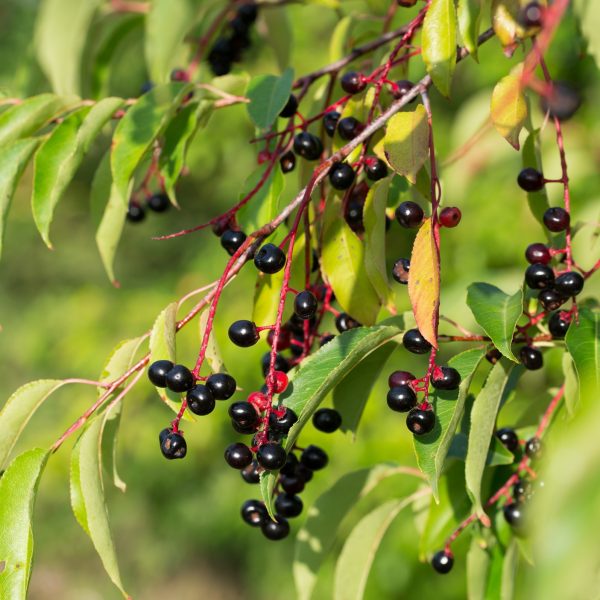
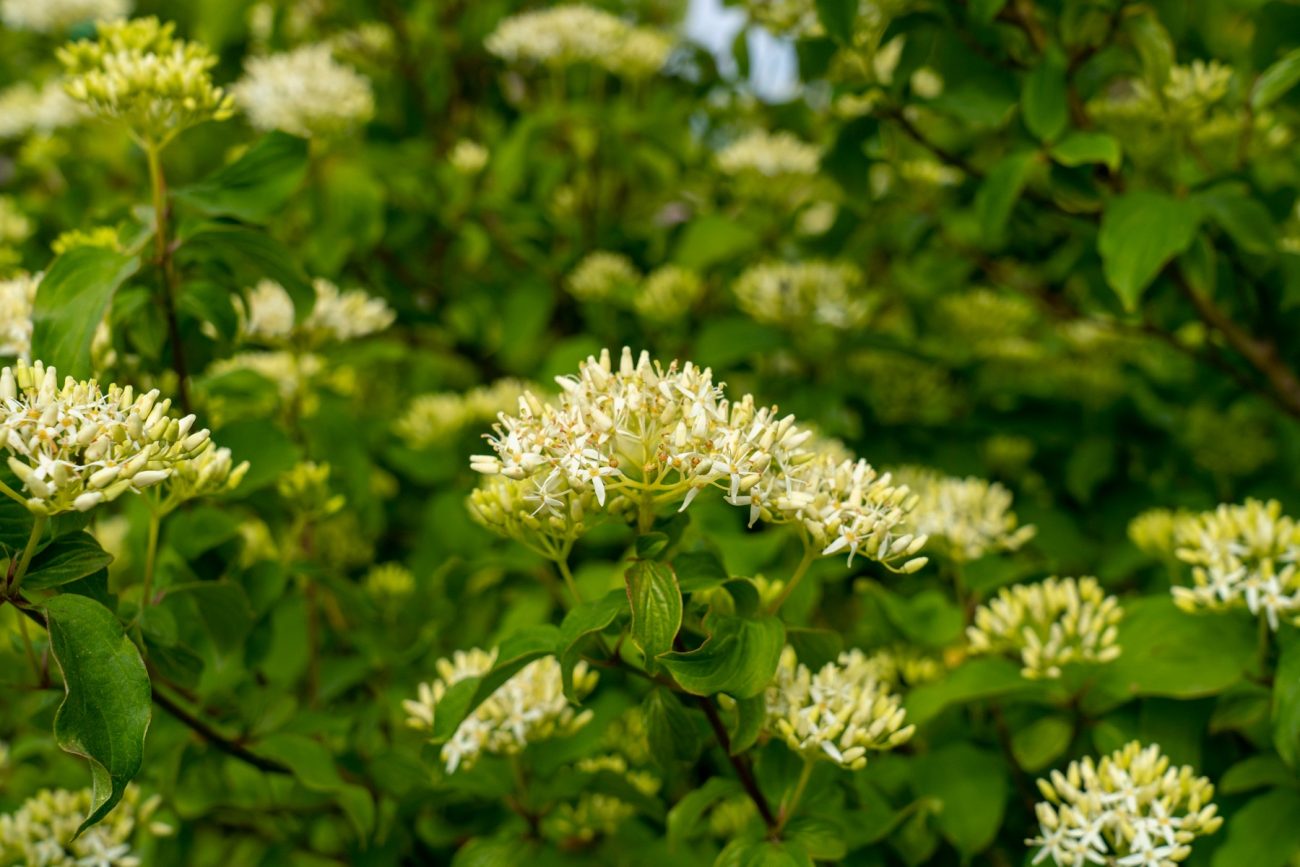
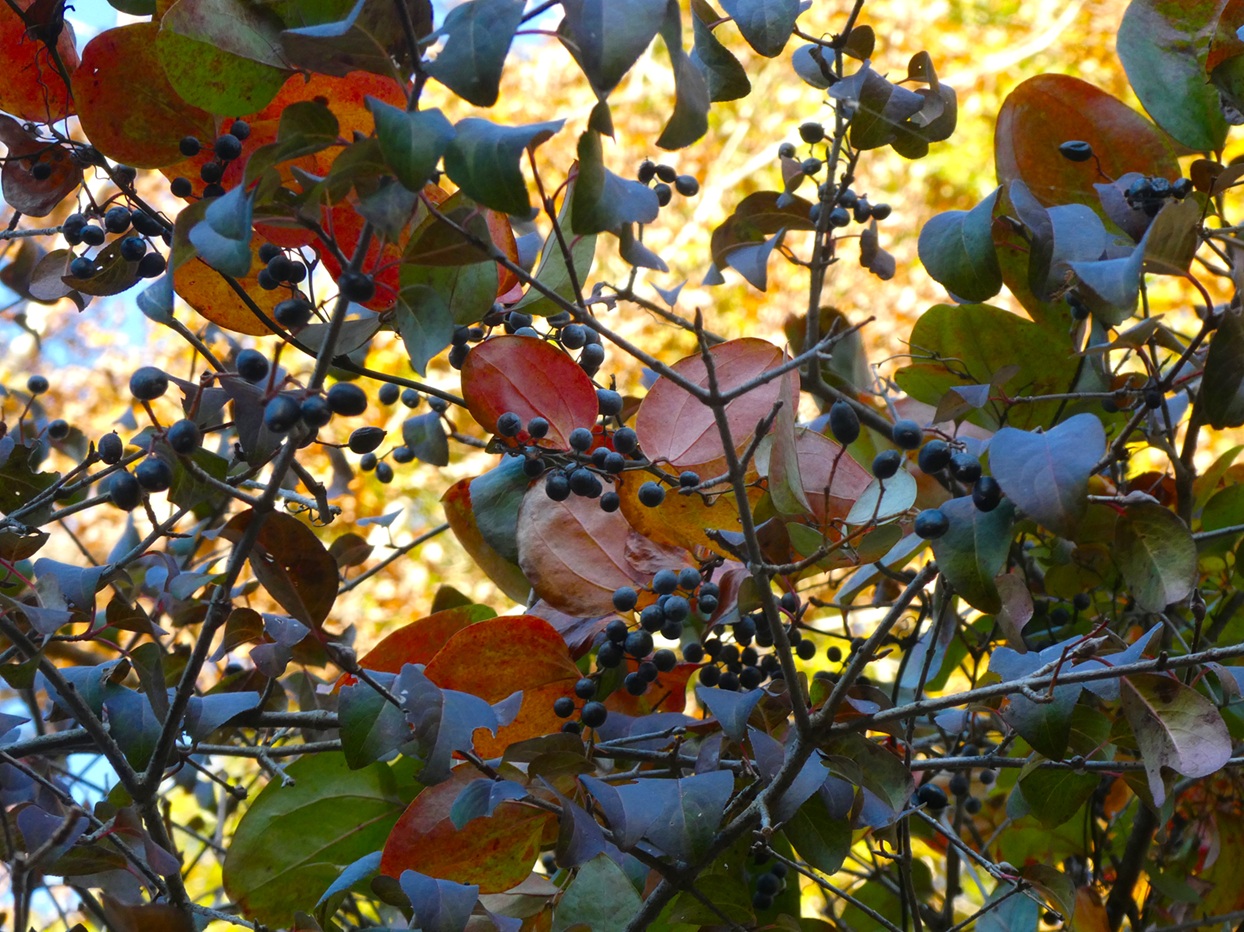
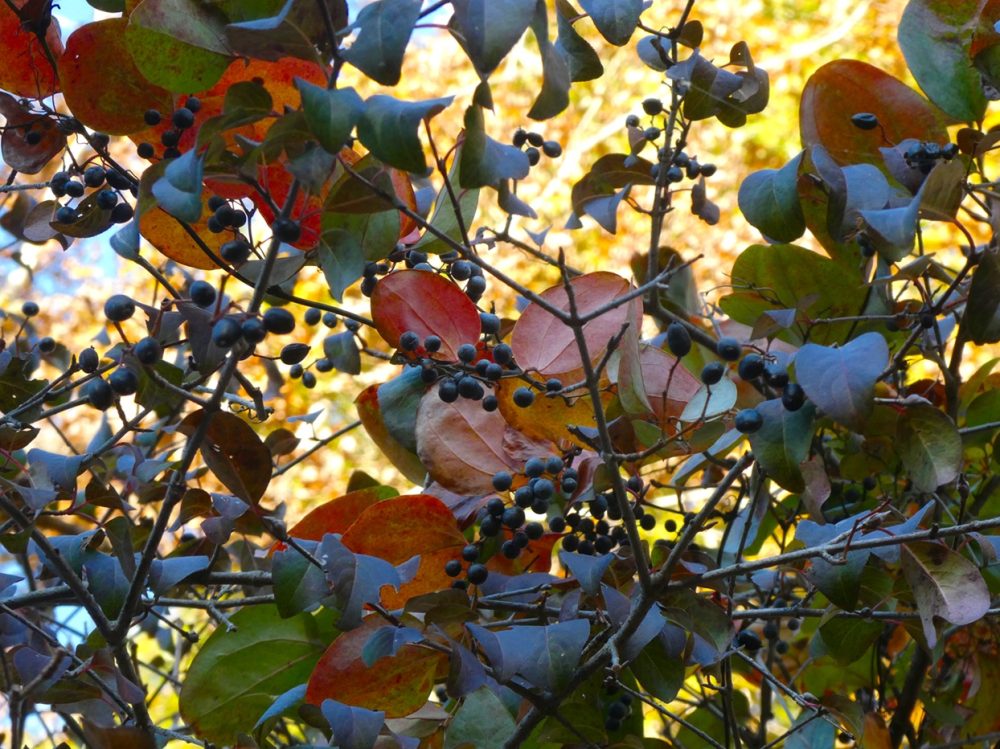
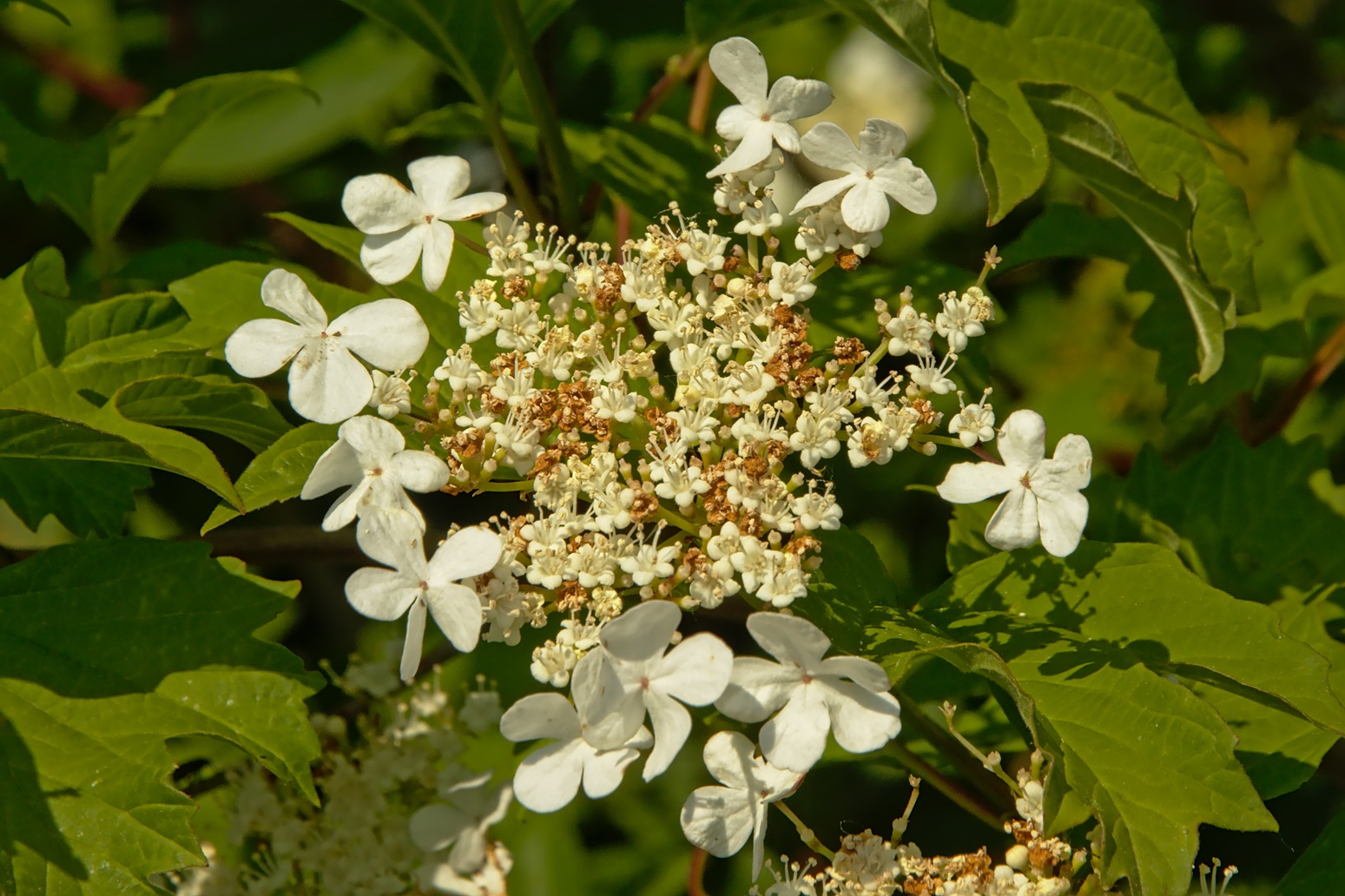
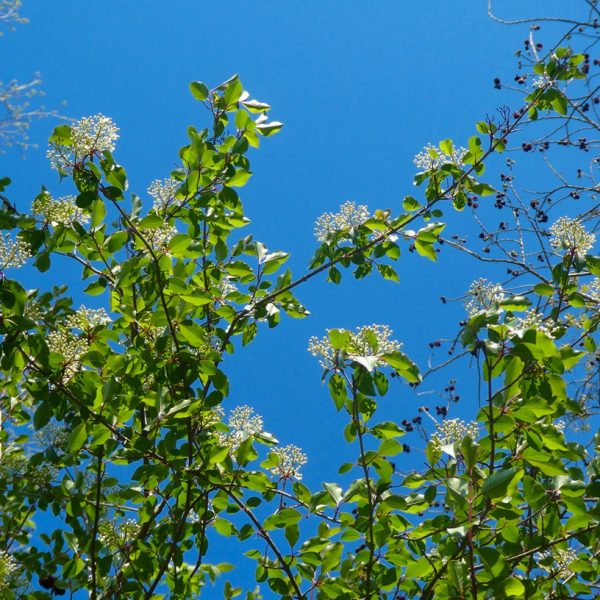
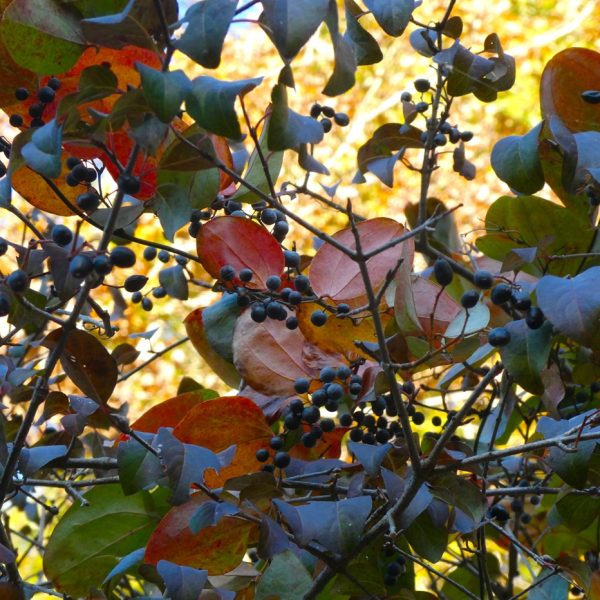
The main visual difference between black haw and cramp bark is the colour of the berries ) — cramp bark has jewel-like red berries and black haw has black berries (18).




-
Botanical description
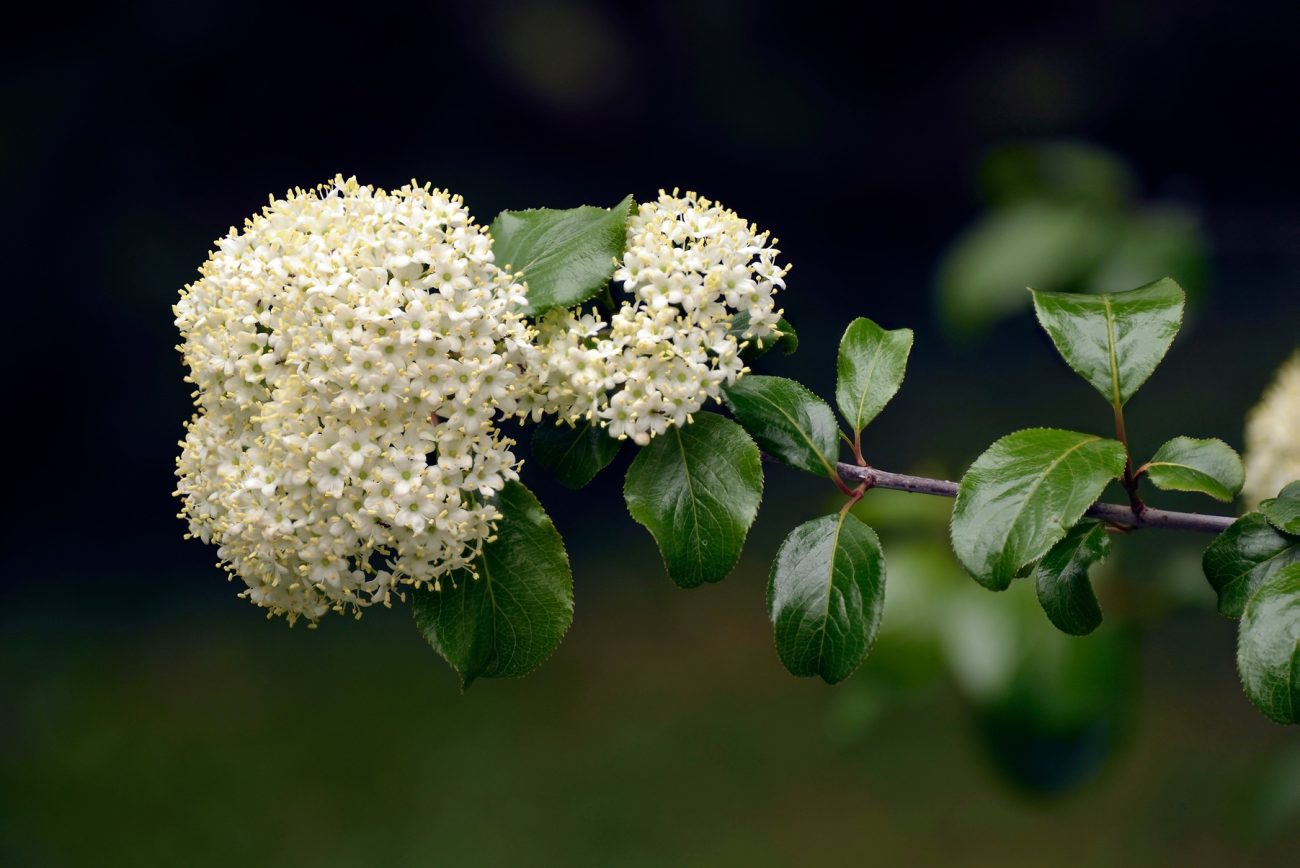
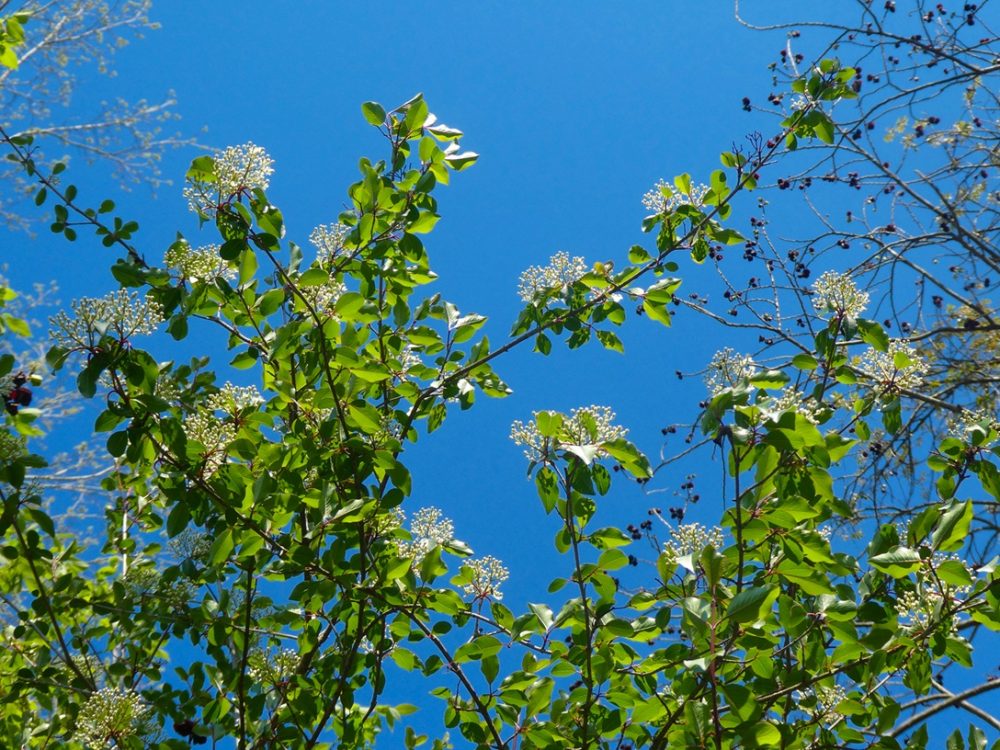
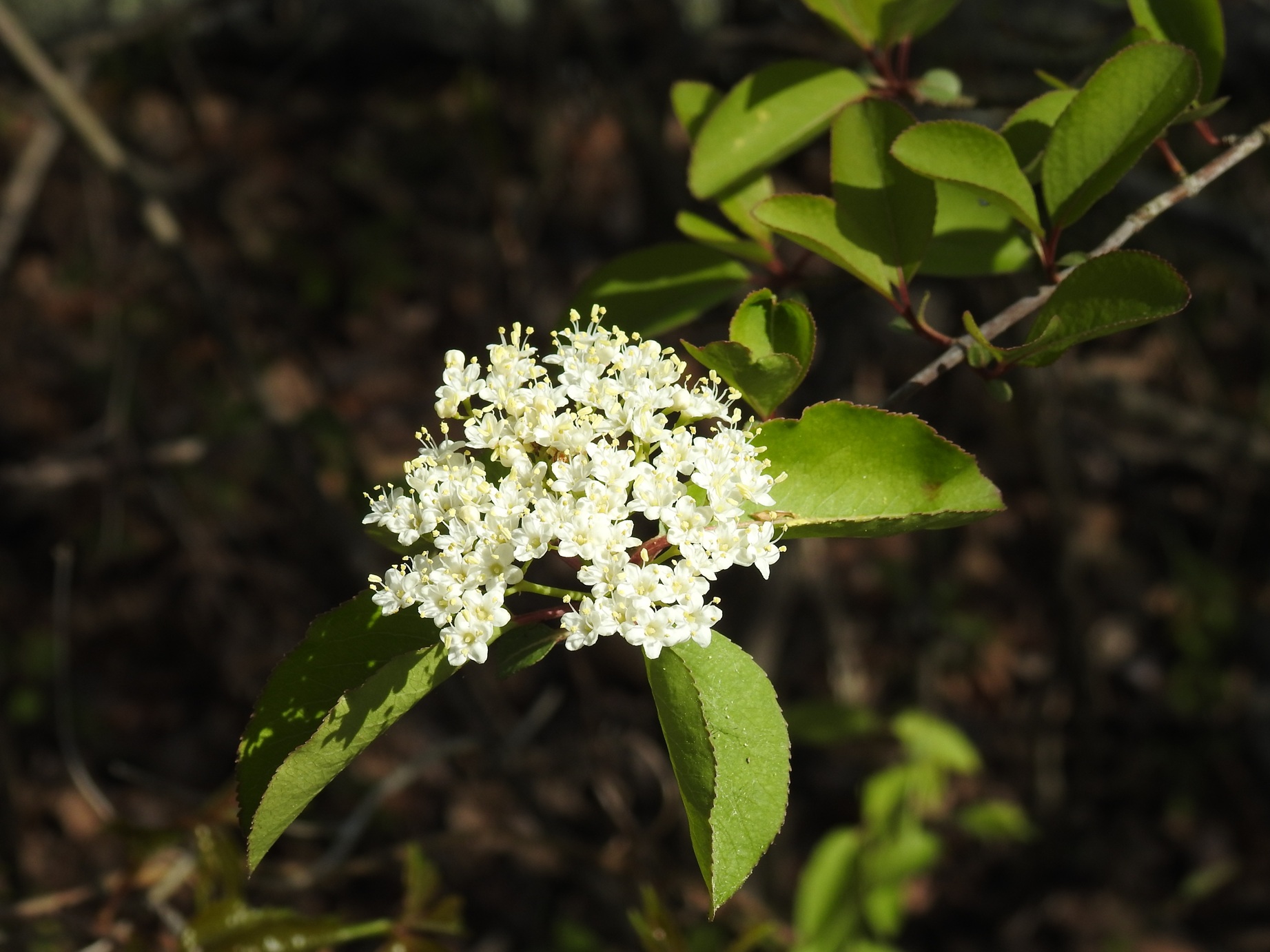
Black haw is a temperate deciduous shrub that can grow to 4–8 m tall, with a spread of 4–8 m (26,27).
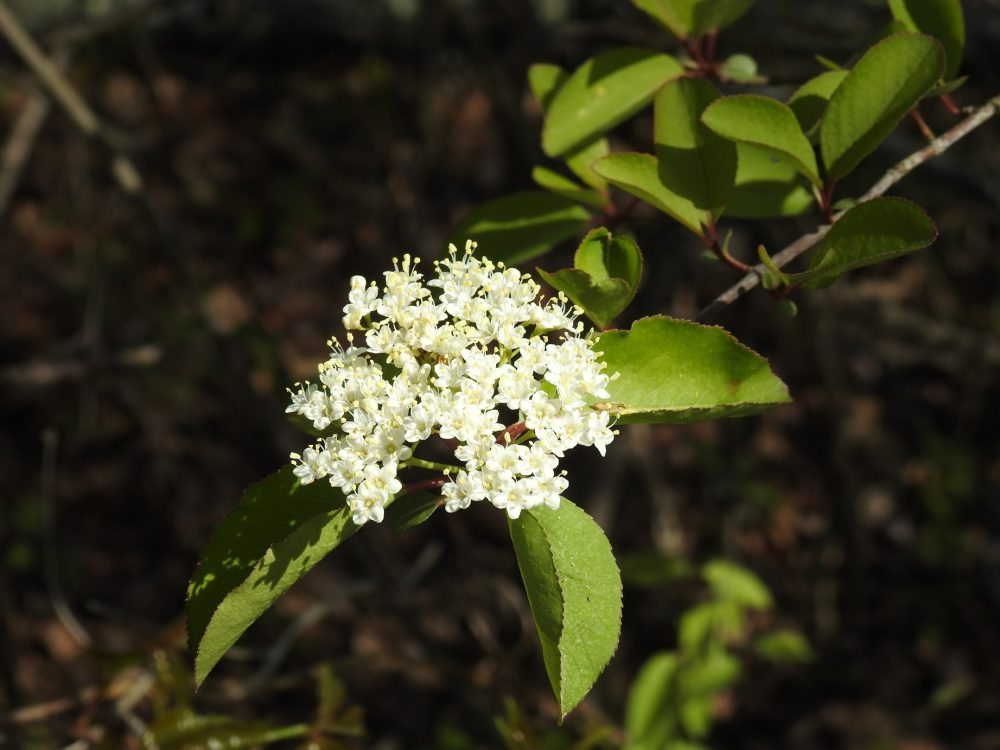
Leaves are opposite, being simple or palmate (27).
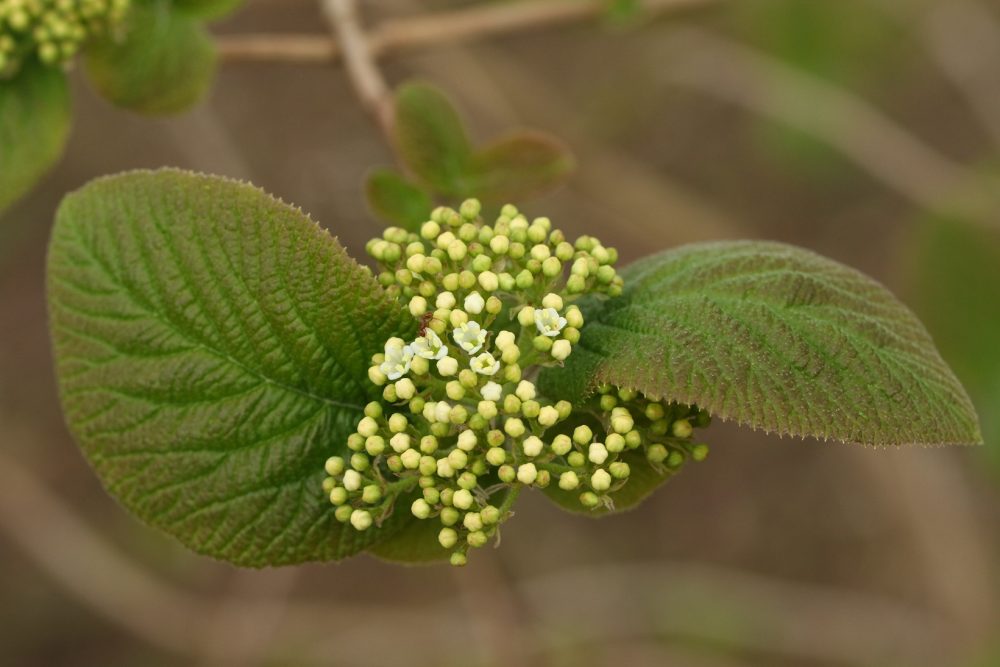
Flowers occur in flat clusters approximately 10 cm diameter, with the individual flowers being small and white/pink (27,28).
Red/black/blue berries follow the flowers and are edible after the first frost (27,28).
-
Common names
- American black haw
- Black haw
- Black haul
- Nanny bush
- Sheepberry
- Southern black haw
- Stag bush
- Sweet viburnum
-
Habitat
Black is native to the central and eastern part of the USA. It grows in bogs, moist woods, forest edges and stream banks (27–29).
-
How to grow black haw
Black haw grows well, but slowly, in well-drained soils that are fertile and humus rich (3,26). It is propagated by taking softwood cuttings in summer (26), or it can be grown from seeds that have been planted in a cold-frame as soon as they have ripened or by layering in July and August (3).
-
Herbal preparation of black haw
- Infusion
- Tincture/fluid extract
- Powder
-
Plant parts used
- Bark of the root or stem
- Leaves
-
Dosage
- Tincture (1:5 | 60–70%): 5–10 ml, three times per day (21,28,30)
- Tincture (1:3): 20–10 ml per week (20)
- Fluid extract (1:1 | 70%): 4–8 ml, three times per day (28,30)
- Infusion/Decoction: 2.5–5g dried herb (1–2 teaspoons), three times per day (21,28,30)
-
Constituents
- Coumarins: Scopoletin, aesculetin, scopolin (5,21,28)
- Phenolic acids: Chlorogenic acid, salicin (21,28)
- Straight-chain fatty acid: Valeric acid (28)
- Biflavones: Amentoflavone (21,28)
- Triterpenes: α– and β-amyrin, oleanolic acid, ursolic acid (21,28)
- Bitter glucoside: Viburnin (28)
- Phenolic glucoside: Arbutin (25)
- Tannins (21,28)
-
Black haw recipe
Howe’s Viburnum cordial
This is based on a historic recipe from Prof. Howe in King’s Dispensatory (1). It was described: “to allay the pangs of dysmenorrhoea (period pain); to arrest leucorrhoea (vaginal discharge), and to alleviate pelvic discomfort; and as a remedy of value in chlorosis (iron-deficient anaemia) and the debility of the second climacteric (peri–post menopause)”.
Ingredients
- 30 g fresh black haw bark
- 60 g fresh wild cherry bark
- 15 g cinnamon sticks
- 5 g cloves
- 170 g sugar
- 450 ml brandy
- 340 ml water
How to make a black haw cordial
- Crush the herbs to a powder and add to the brandy and water
- Add the sugar and stir.
- Leave for 14 days.
- Press the liquid out and then strain through fine cloth or filter paper.
- Take 3 ml as required in water.

-
Safety
Whilst no known safety issues exist (31), very large doses have historically caused dryness of the mouth, headache and vision disturbances (32) and can cause nausea and vomiting (5).
Black haw should only be taken under the supervision of medical herbalist during pregnancy and breast feeding.
Due to black haw’s effect as a uterine relaxant, it should be avoided during a normal pregnancy. However, under the guidance of a qualified herbalist or medical practitioner black haw can be used for threatened miscarriage, morning sickness (6) and in the last trimester/month of pregnancy if uterine haemorrhage or weakness has previously occurred (19). You can find qualified medical herbal professionals on our page Where to find a herbalist.
-
Interactions
- Drug interactions: None known (21,33).
- Supplement interactions: Black haw may decrease the absorption of calcium, iron and zinc (33).
-
Contraindications
Black haw is contraindicated in those with aspirin allergies (due to the presence of salicylates) or a history of kidney stones (due to the presence of oxalic acid) (6,33). It is also contraindicated in those with gastric or enteric poisoning events and in pregnancy (see Safety) (5). In his 2003 publication, Hoffman reported no contraindications (21).
-
Sustainability status of black haw
The ICUN Red List categorised black haw as ‘least concern’ in 2020 based on an assessment in 2018 (34). However, locally, in Connecticut, USA, it is of ‘Special Concern’ (29).
There are no CITIES records for black haw (35).
Read our article on Herbal quality & safety: What to know before you buy and Sustainable sourcing of herbs to learn more about what to look for and questions to ask suppliers about sustainability.
-
Quality control
The plant is predominantly available in the USA where tinctures are available from small suppliers who often state that their raw material is “organically grown” or “farm grown”.
Adulteration with mountain maple (Acer spicatum) and striped maple (Acer pennsylvanica) have been concerns (31,36).
Sourcing of the herb should be checked before purchasing it, especially given that it is now of “Special Concern” in Connecticut, an area where it was once abundant.
-
References
- Felter HW, Lloyd JU. King’s American Dispensatory. Ohio Valley Co; 1898. http://henriettes-herb.com/eclectic/kings/index.html
- Shennan T. Experimental Research into the Action of Viburnum Prunifolium (Black Haw). Transactions Edinburgh Obstetrical Society. 1896;21:34-48.
- Plants for a future. Viburnum prunifolium – L. PFAF Plant Database. 2024. Accessed January 29, 2026. https://pfaf.org/user/Plant.aspx?LatinName=Viburnum+prunifolium
- Romm A. Botanical Medicine for Women’s Health. 2nd edition. Churchill Livingstone; 2017.
- Thomsen M. The Phytotherapy Desk Reference. Aeon Books; 2022.
- Chevallier A. Encyclopedia of Herbal Medicine. DK Publishing; 2016.
- Jarboe CH, Schmidt CM, Nicholson JA, Zirvi KA. Uterine relaxant properties of Viburnum. Nature. 1966;5064:837.
- Cometa MF, Parisi L, Palmery M, Meneguz A, Tomassini L. In vitro relaxant and spasmolytic effects of constituents from Viburnum prunifolium and HPLC quantification of the bioactive isolated iridoids. Journal of Ethnopharmacology. 2009;123(2):201-207. https://doi.org/10.1016/j.jep.2009.03.021
- Neustadt J. Nutritional and Herbal Recommendations for Attention Deficit Disorder. HerbClip. Published online 2005. https://umb.herbalgram.org/media/04fog3s1/277_review44129-120544-277.pdf
- Lei S. Cross interaction of dopaminergic and adrenergic systems in neural modulation. International Journal of Physiology, Pathophysiology and Pharmacology. 2014;6(3):137-142.
- Speck FG. Catawba Herbals and Curative Practices. The Journal of American Folklore. 1944;57(223):37-50. https://doi.org/10.2307/535753
- Cressell Cox M. A Study Tour of The Pacific Northwest: Horticulture’s Role in the Health and Wellbeing of Plants and People. Published online 2019. https://hardy-plant.org.uk/wp-content/uploads/2023/05/matilda-cresswell-cox-travel-scholarship-report.pdf#:~:text=production%20of%20raw%20plant%20material%20helps%20to,met%20with%20Katie%20Vincent%20%E2%80%93%20Garden%20Supervisor
- Covey HC. African American Slave Medicine: Herbal and Non-Herbal Treatments. Lexington books; 2007.
- Wilson JH. Viburnum prunifolium, or black haw, in abortion and miscarriage. British Medical Journal. 1886;1(1318):640-641. https://doi.org/10.1136/bmj.1.1313.391-a
- Campbell WM. Note on Viburnum Prunifolium in Abortion. British Medical Journal. 1886;1(1313):391-392. https://doi.org/10.1136/bmj.1.1313.391-a
- Glazener GS. Viburnum Prunifolium. The Southern Medical Record. 1879;9(4):125-126.
- Ballantyne A. Viburnum prunifolium and its value in the treatment of dysmenorrhoea. British Medical Journal. 1895;2(1825):1562-1563.
- Waddell G, ed. Plant Medicine: A Collection of the Teachings of Herbalists Christopher Hedley and Non Shaw. Aeon Books; 2023. Accessed November 26, 2023. https://www.amazon.co.uk/Amazing-Things-Plants-Collection-Christopher/dp/1912807254
- Stansbury J. Endocrinology: Including the Adrenal and Thyroid Systems, Metabolic Endocrinology, and the Reproductive System. Vol 3. Chelsea Green Publishing; 2018.
- Reilly M. Herbal Medicine and Reproductive Health. Aeon Books; 2021.
- Hoffman D. Medical Herbalism: The Science and Practice of Herbal Medicine. Healthy Arts Press; 2003.
- Chevallier A. Herbal Remedies. DK Publishing; 2007.
- Devi L. Clinical Treatment of Endometriosis. HerbalGram. 1998. Accessed January 29, 2026. https://www.herbalgram.org/resources/herbclip/issues/1998/bin_144/review42220/
- Romm A, Romm T. ADHD Alternatives. Storey Publishing; 2000.
- Hörhammer L, Wagner H, Reinhardt H. Über neue Inhaltsstoffe aus den Rinden von Viburnum prunifolium L. (Amerikanischer Schneeball) und Viburnum opulus L. (Gemeiner Schneeball). Zeitschrift für Naturforschung B. 1967;22:768-776. https://doi.org/10.1515/znb-1967-0718
- Royal Horticultural Society. Viburnum prunifolium: American black haw. Accessed January 12, 2026. http://www.rhs.org.uk/plants/18929/viburnum-prunifolium/details
- Royal Botanic Gardens Kew (RBGK). Viburnum prunifolium L. Plants of the World Online (POWO). Accessed January 12, 2026. http://powo.science.kew.org/taxon/urn:lsid:ipni.org:names:326270-2
- Fisher C. Materia Medica of Western Herbs. Aeon Books; 2018.
- Smithsonian. Viburnum prunifolium. Smithsonian Gardens. 2025. Accessed January 29, 2026. https://gardens.si.edu/collections/explore/object/ofeo-sg_2017-0479A
- British Herbal Medicine Association (BHMA). British Herbal Pharmacopoeia. British Herbal Medicine Association; 1983.
- Bone K. The Ultimate Herbal Compendium: A Desktop Guide for Herbal Prescribers. Phytotherapy Press; 2007.
- British Medical Journal. Therapeutic Notes on the Indian and Colonial addendum to the “British Pharmacopœia, 1898.” British Medical Journal. Published online January 19, 1901. https://doi.org/10.1136/bmj.1.2090.176
- Natural Medicines Professional Database. Black Haw professional monograph. Natural Medicines Professional Database. November 15, 2025. Accessed January 12, 2026. https://naturalmedicines.therapeuticresearch.com/Data/ProMonographs/Black-Haw#overview
- Botanic Gardens Conservation International (BGCI) & IUCN SSC Global Tree Specialist. Viburnum prunifolium. The IUCN Red List of Threatened Species 2020. IUCN Red List of Threatened Species. 2020. https://doi.org/e.T88331553A88331556
- Convention on International Trade in Endangered Species of Wild Fauna and Flora (CITES). Checklist of CITES species. Accessed January 29, 2026. https://checklist.cites.org/#/en
- Winston D. The American Extra Pharmacopoeia. Published online 2005. https://site-herbalstudies.s3.us-west-2.amazonaws.com/wp-content/uploads/2019/11/06135006/AmericanExtraPharmacopoeia.pdf
Meet our herbal experts
Our monographs are written by our monograph authors and edited, reviewed and updated by Herbal Reality.
Meet our Herbal Reality team or explore our Herbal Reality authors.