


Pain, nausea and digestion can present as symptoms of peptic ulcers — erosions in the mucosal lining of the stomach or duodenum that can arise due to H. plyori or NSAID use.
Understanding peptic ulcers

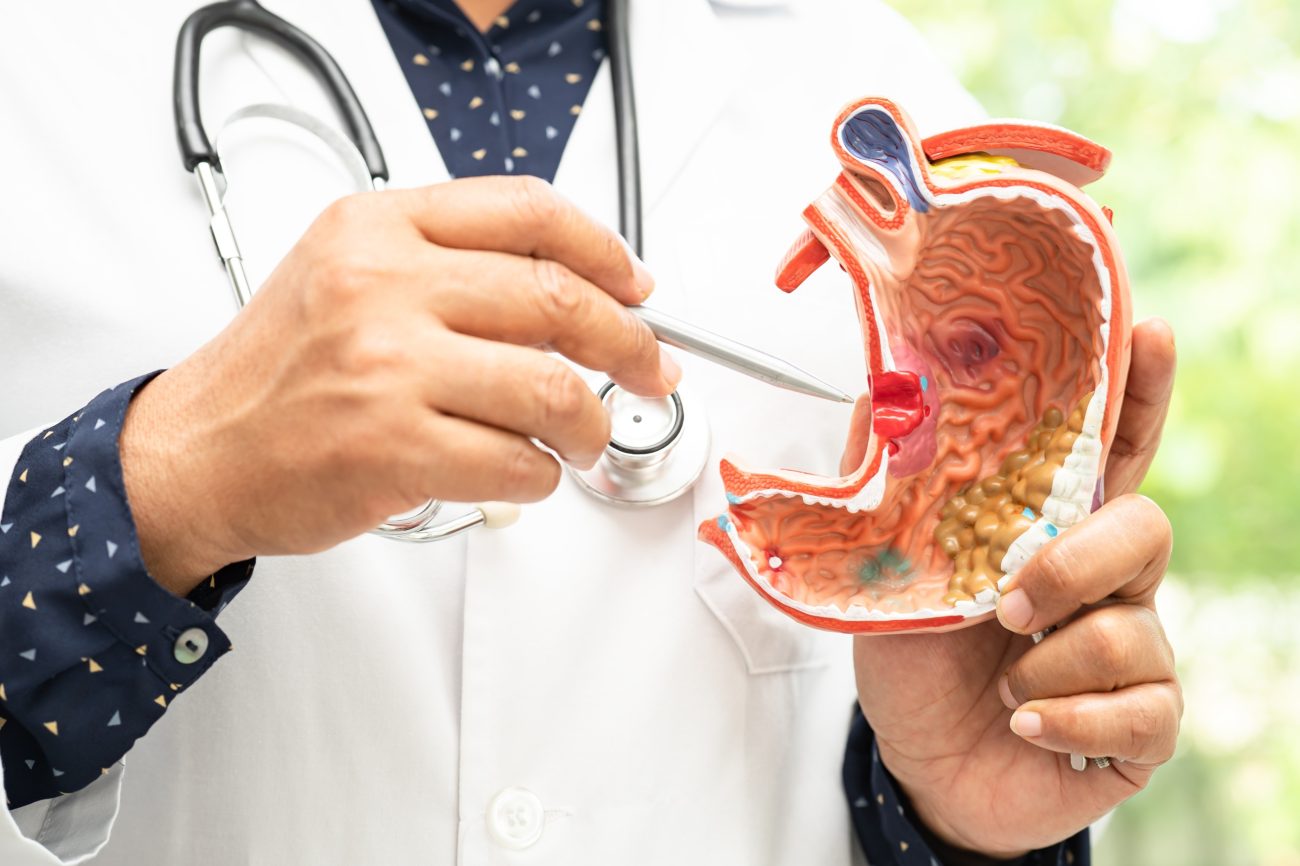
Peptic ulcers are breaks in the mucosal lining of the stomach (gastric ulcers) or the proximal small intestine (duodenal ulcers). They extend through the muscularis mucosa and are typically larger than 5 mm in diameter. Ulcers smaller than this or without obvious depth are called erosions (1).
Ulcers develop when there is an imbalance between aggressive factors, such as excess gastric acid, pepsin, Helicobacter pylori infection and non-steroidal anti-inflammatory drugs (NSAIDs), and protective mechanisms, including mucus and bicarbonate secretion, healthy prostaglandin levels, adequate mucosal blood flow, and efficient epithelial repair (1,2).The overall incidence of peptic ulcer disease has declined since the widespread use of H. pylori testing and eradication therapies, as well as the use of proton pump inhibitors (PPIs) (3,4).
However, ulcer complications remain a significant cause of hospitalisation, particularly among older adults and those taking NSAIDs, aspirin, corticosteroids, serotonin re-uptake inhibitors (SSRIs) or anticoagulant medications (5).
How do peptic ulcers work?
A peptic ulcer forms when the stomach or duodenal lining is unable to resist the intensity of digestive secretions (1,2).
Protective mechanisms include:
- Mucus and bicarbonate, forming a physical and chemical barrier against acid
- Prostaglandins, which stimulate mucus production and maintain mucosal blood flow
- Tight epithelial junctions and the capacity for rapid cellular repair
Aggressive factors include:
- Hydrochloric acid and pepsin, capable of digesting exposed mucosal tissue
- H. pylori, which disrupts mucosal integrity and alters acid regulation
- NSAIDs, which reduce protective prostaglandins
- Oxidative stress, inflammation, and local ischemia, which impair repair processes
When this balance is disrupted, the protective mucus layer thins or breaks down, exposing the underlying epithelium to acid and pepsin. These corrosive agents progressively erode the tissue, forming an ulcer that may extend through the mucosa and into the muscularis layer (2).
H. pylori infection contributes by producing urease, adhesins, and inflammatory mediators that damage the epithelium and attract neutrophils, amplifying local inflammation. Similarly, NSAIDs inhibit COX-1, reducing prostaglandin levels and making the mucosa more vulnerable to injury (6).
If an ulcer erodes into a blood vessel, gastrointestinal bleeding can occur. Deep extension into the full thickness of the wall may result in perforation, which is a medical emergency (7).
Root causes of peptic ulcers
Helicobacter pylori infection
H. pylori is the leading infectious cause of peptic ulcers worldwide. Testing can be carried out using the breath test, stool antigen testing or endoscopy. Eradication reduces ulcer recurrence and lowers the risk of gastric cancer in certain populations. Prevalence varies significantly depending on age, geography, and socio-economic background (8).
NSAIDs and aspirin
These medications inhibit COX-1–mediated prostaglandin synthesis, reducing mucus and bicarbonate production and impairing mucosal blood flow. They represent the most common non-infectious cause of ulcers, especially when combined with alcohol, corticosteroids, or anticoagulants (6).
Acid hypersecretion and other causes
Conditions such as Zollinger–Ellison syndrome (gastrinoma) can lead to profound acid hypersecretion and recurrent ulcers. Less common contributors include certain medications (such as bisphosphonates or potassium chloride tablets), trauma, severe physiological stress, or infections in immunocompromised individuals (9).
The role of stress
A large prospective study found that psychological stress increased the incidence of peptic ulcers (10). Although stress is rarely a sole causative factor, it influences the digestive system in multiple ways. Acute or chronic stress can increase gastric acid output, slow gastric emptying, and reduce mucus and bicarbonate production. Stress also modulates inflammatory pathways and alters the gut–brain axis, contributing to symptom severity (10, 11).
It is important to recognise that risk is cumulative. So, for example, an older adult with H. pylori who is also taking NSAIDs and anticoagulants is at substantially higher risk compared with a younger, otherwise healthy individual.
Signs and symptoms
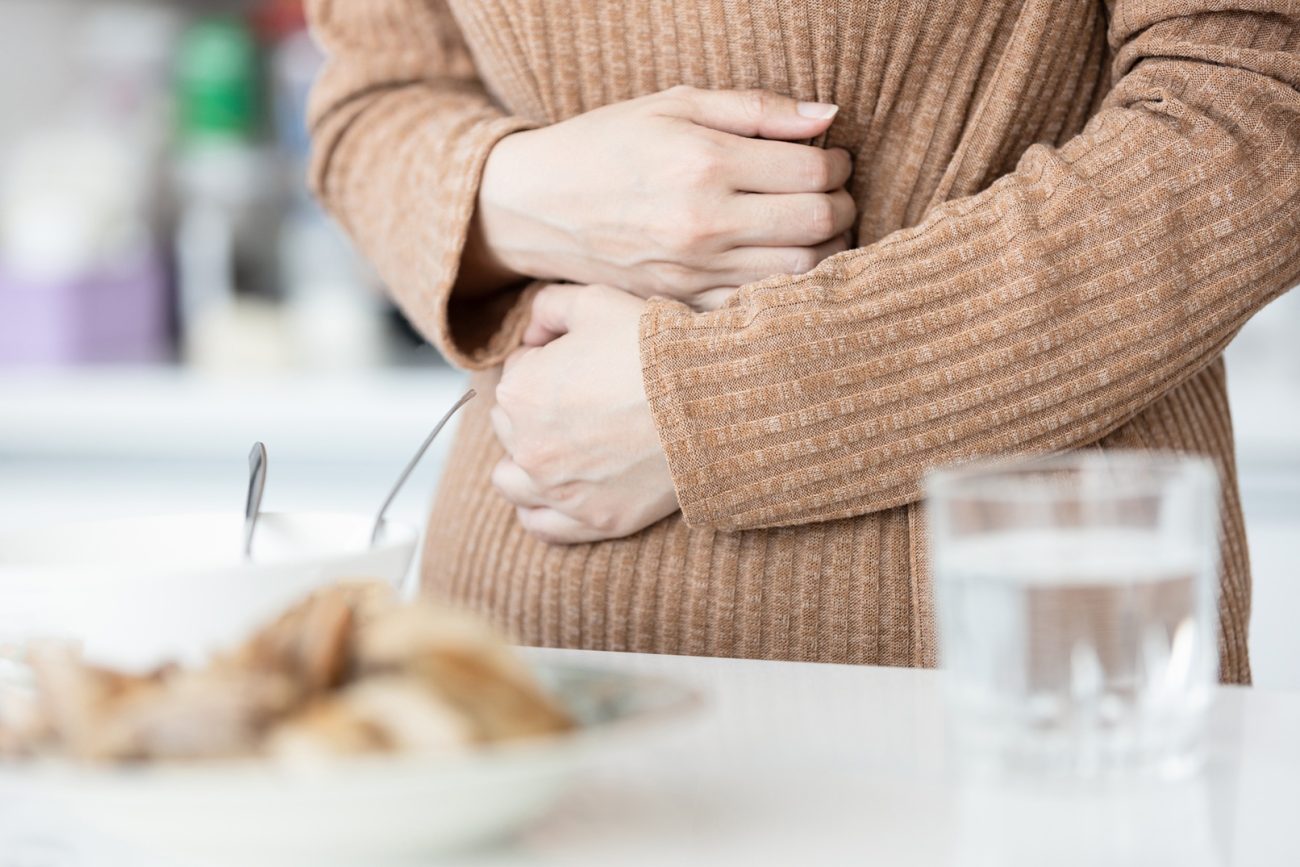
- Burning pain in the epigastrium (12)
- Pain related to meals. Duodenal ulcer pain is usually relieved by food, and gastric ulcer pain is worsened by eating.
- Bloating, belching, early satiety
- Nausea, indigestion
Red flags requiring referral and/or urgent medical attention (1,12)
- Vomiting blood or “coffee-ground” material
- Black or tarry stools (melena)
- Sudden severe abdominal pain
- Fainting, dizziness, or signs of shock
- Rigid or tender abdomen suggestive of perforation
Herbs to treat peptic ulcers
Herbal treatment can support the digestive mucosa, reduce inflammation, and relieve symptoms. In conventional medicine, acid suppression with PPIs is central to ulcer healing. Looking at the root causes for a particular individual is important. If H. pylori infection is a driver, eradication therapy is indicated, and if NSAIDs are contributing, they need to be discontinued.
An herbal approach to peptic ulcers focuses on soothing inflamed mucosa, promoting repair, reducing acid irritation, supporting microbial balance, and addressing underlying triggers such as stress, diet and H. pylori infection (13,14).
Whilst there are not sufficient studies supporting the efficacy of herbal medicine to eradicate substantial H. pylori infection, many herbs can support a healthier gastrointestinal environment, reduce inflammation and can modulate bacterial load while improving symptoms (15,16).
Key herbal actions include:
- Demulcents to soothe and protect irritated mucosa. Mucilage-rich plants like marshmallow (Althaea officinalis), plantain (Plantago lanceolata), liquorice (Glycyrrhiza glabra) or aloe vera (Aloe vera), coat and soothe the digestive lining, reduce acid irritation, and support epithelial repair.
- Anti-inflammatory herbs to downregulate inflammation in the gut
- Antimicrobials to support microbial balance
- Carminatives to relieve symptoms and reduce dyspepsia
- Bitters in small doses to regulate digestion
- Nervines to reduce stress

Marshmallow (Althaea officinalis)
Marshmallow is one of the most commonly used demulcent herbs for soothing irritated or inflamed mucous membranes throughout the digestive tract. Its high mucilage content forms a soft, protective gel that coats the stomach and duodenum, helping to buffer acidity and ease the raw, burning sensations that often come with ulceration.
The root is richest in mucilage, offering deeper cooling and hydrating effects, while the leaf provides a lighter soothing action with additional anti-inflammatory qualities. A cold infusion preserves mucilage best, although it can be taken as a hot infusion too (14,17).
Calendula (Calendula officinalis)
Calendula is a gentle, yet effective vulnerary used for supporting tissue repair. Traditionally, it is applied both topically and internally, and it has a long history in European herbalism for soothing inflammation of the gastrointestinal tract (18). Its triterpenoids, flavonoids, and carotenoids contribute to anti-inflammatory, antioxidant and epithelial-repairing actions (17,18)
Calendula can help support healthy mucosal regeneration, reduce gut inflammation within the gastric or duodenal lining, modulate microbial imbalance with its antimicrobial action and help tighten atrophic mucosa through its mild astringent action. It can be taken as a tincture or an infusion, but for symptomatic and acute peptic ulcers is probably best taken as a herbal infusion, as alcohol can aggravate symptoms (17).
Liquorice (Glycyrrhiza glabra)
Liquorice is one of the most valuable herbs for ulcerated or inflamed mucosa as this action has been supported by traditional use and also several studies (19,20). It is a demulcent, adaptogenic herb with anti-inflammatory properties. It increases mucus production, prolongs the life of surface epithelial cells, and has anti-inflammatory and anti-ulcer effects (21).
Glycyrrhizin, one of its active constituents, can raise blood pressure and cause increased potassium and fluid retention when used long term in some susceptible individuals (people with established hypertension) (22). Deglycyrrhizinated liquorice (DGL) has shown promise in supporting ulcer healing and reducing dyspeptic symptoms (20). This form can be safer for long-term use in people with hypertension. Otherwise, whole liquorice is effective. Liquorice can be taken as a powder, in lozenges, tincture or as a herbal infusion.
Meadowsweet (Filipendula ulmaria)
Meadowsweet is one of the most important traditional herbs for soothing the upper digestive tract. It is rich in salicylates, flavonoids, and tannins and it has been used for centuries in European herbal medicine to cool inflammation, regulate acidity, and protect irritated mucosa (14,17). Despite containing natural salicylates, whole-plant meadowsweet is considered gentle on the stomach, it is anti-inflammatory without causing the side effects that synthetic salicylates like aspirin can cause.
Meadowsweet can be a good choice to heal peptic ulcers, as it modulates gastric acidity, helping buffer excess acid without shutting down necessary digestive secretions (21). It protects the gastric lining while reducing inflammation. Meadowsweet can be particularly helpful to ease acid reflux symptoms (14). It pairs well with chamomile, marshmallow, plantain and calendula in treatment plans where both soothing and downregulation of acidity are required.
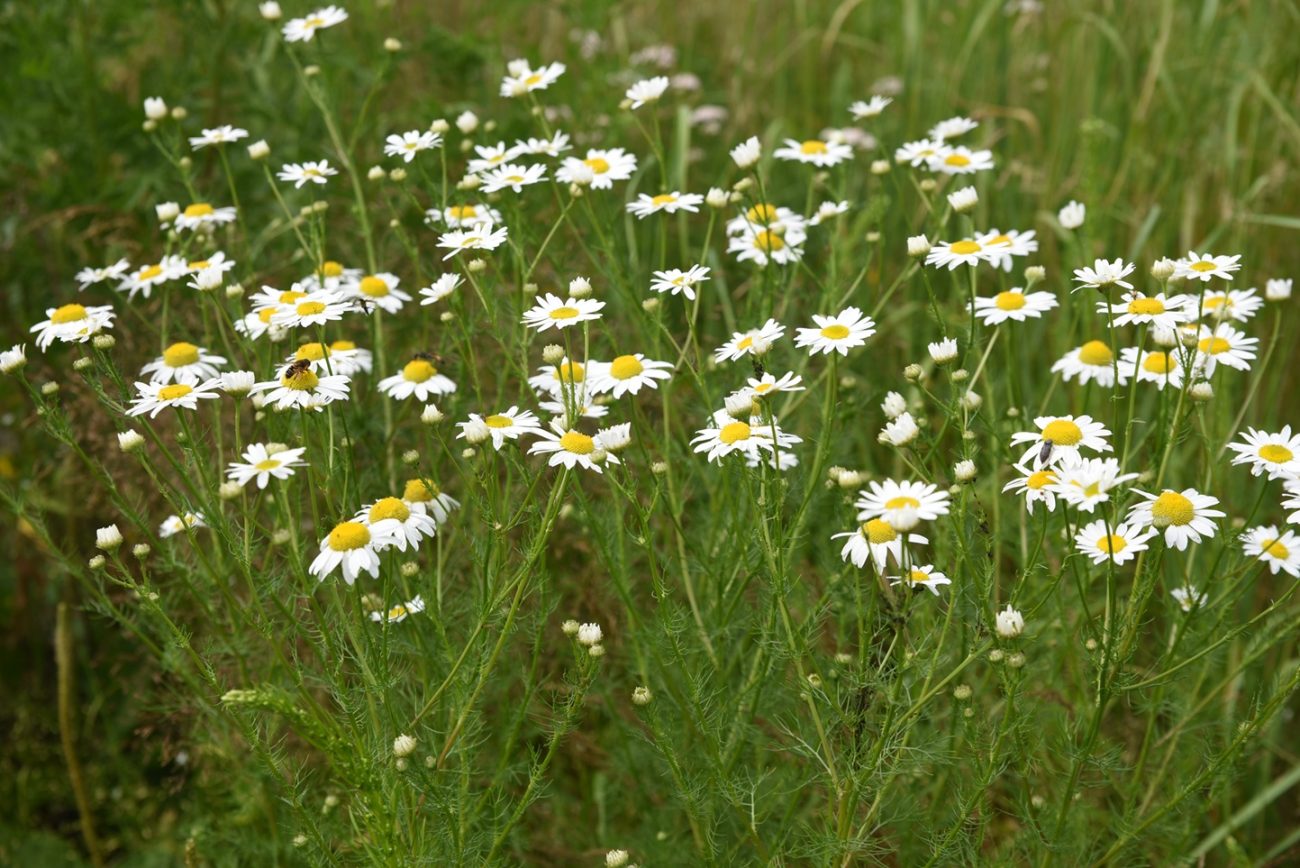
Chamomile (Matricaria chamomilla)
Chamomile offers a combination of anti-inflammatory, antispasmodic, carminative and nervine actions (14,17). It is soothing to the digestive tract and supports the gut–nervous system connection, making it especially valuable when stress exacerbates symptoms. It can help to reduce cramping and relieve irritation. It is a good option to take long-term a tea alongside calendula, meadowsweet and/or marshmallow to reduce gut inflammation and promote healing (21).
Plantain (Plantago major/lanceolata)
Plantain combines demulcent and gentle astringent actions, which are helpful in peptic ulceration. It also has mild antimicrobial and anti-inflammatory properties (14). Plantain can help calm irritation while toning and strengthening the mucosal lining. Its iridoid glycosides and flavonoids provide mild antimicrobial and anti-inflammatory effects (21). This herb can be used both internally and externally for wounds, ulcerations, and inflamed mucosa across the digestive tract, skin, and respiratory system (17).
Holistic solutions
The digestive lining is directly influenced by what we eat and drink, so dietary choices can support ulcer healing. To promote healing of the gastric and duodenal mucosa, it is important to avoid alcohol, coffee, smoking, and any specific symptom triggers, such as spicy food and acidic tomato-based sauces (23). Eating small, regular meals is recommended. A meta-analysis has shown that Lactobacillus and Bifidobacterium strains modestly improve H. pylori eradication rates and reduce treatment-related side effects (24). They support microbial balance, motility and symptom control.
Supporting the nervous system is also an important part of the management of peptic ulcers (25). Prioritising good-quality sleep and incorporating stress reduction techniques such as mindfulness, breathing practices, and restorative movement can improve symptom severity and overall recovery.
References
- Sverdén E, Agréus L, Dunn JM, Lagergren J. Peptic ulcer disease. BMJ. 2019;367. https://doi.org/10.1136/bmj.l5495
- Malfertheiner P, Chan FK, McColl KE. Peptic ulcer disease. Lancet. 2009;374(9699):1449-1461. https://doi.org/10.1016/s0140-6736(09)60938-7
- Chen YC, Malfertheiner P, Yu HT, et al. Global prevalence of Helicobacter pylori infection and incidence of gastric cancer between 1980 and 2022. Gastroenterology. 2024;166(4):605-619. https://doi.org/10.1053/j.gastro.2023.12.022
- Azhari H, King JA, Coward S, et al. The global incidence of peptic ulcer disease is decreasing since the turn of the 21st century: a study of the Organisation for Economic Co-operation and Development (OECD). Am J Gastroenterol. 2022;117(9):1419-1427. https://doi.org/10.14309/ajg.0000000000001843
- Higham J, Kang JY, Majeed A. Recent trends in admissions and mortality due to peptic ulcer in England: increasing frequency of haemorrhage among older subjects. Gut. 2002;50(4):460-464. https://doi.org/10.1136/gut.50.4.460
- Papatheodoridis GV, Archimandritis AJ. Role of Helicobacter pylori eradication in aspirin or non-steroidal anti-inflammatory drug users. World J Gastroenterol. 2005;11(25):3811. https://doi.org/10.3748/wjg.v11.i25.3811
- Stanley AJ, Laine L. Management of acute upper gastrointestinal bleeding. BMJ. 2019;364. https://doi.org/10.1136/bmj.l536
- Hooi JK, Lai WY, Ng WK, et al. Global prevalence of Helicobacter pylori infection: systematic review and meta-analysis. Gastroenterology. 2017;153(2):420-429.
- Rossi RE, Elvevi A, Citterio D, et al. Gastrinoma and Zollinger Ellison syndrome: a roadmap for the management between new and old therapies. World J Gastroenterol. 2021;27(35):5890. https://doi.org/10.1053/j.gastro.2017.04.022
- Levenstein S, Rosenstock S, Jacobsen RK, Jorgensen T. Psychological stress increases risk for peptic ulcer, regardless of Helicobacter pylori infection or use of nonsteroidal anti-inflammatory drugs. Clin Gastroenterol Hepatol. 2015;13(3):498-506. https://doi.org/10.1016/j.cgh.2014.07.052
- Deding U, Ejlskov L, Grabas MPK, Nielsen BJ, Torp-Pedersen C, Bøggild H. Perceived stress as a risk factor for peptic ulcers: a register-based cohort study. BMC Gastroenterol. 2016;16(1):140. https://doi.org/10.1186/s12876-016-0554-9
- National Institute of Diabetes and Digestive and Kidney Diseases. Peptic ulcers (stomach ulcers): symptoms & causes. https://www.niddk.nih.gov/health-information/digestive-diseases/peptic-ulcers-stomach-ulcers/symptoms-causes. Accessed [date].
- Tiwari D, Alam A, Dhoundiyal S, Sharma S, Yadav S. Medicinal herbs for the treatment of peptic ulcers. Curr Tradit Med. 2024;10(7):106-118.
- McIntyre A. The Complete Herbal Tutor: The Definitive Guide to the Principles and Practices of Herbal Medicine. Aeon Books; 2019.
- Shmuely H, Domniz N, Yahav J. Non-pharmacological treatment of Helicobacter pylori. World J Gastrointest Pharmacol Ther. 2016;7(2):171. https://doi.org/10.4292/wjgpt.v7.i2.171
- Safavi M, Shams-Ardakani M, Foroumadi A. Medicinal plants in the treatment of Helicobacter pylori infections. Pharm Biol. 2015;53(7):939-960. https://doi.org/10.3109/13880209.2014.952837
- Fisher C. Materia Medica of Western Herbs. Aeon Books; 2018.
- Ejiohuo O, Folami S, Maigoro AY. Calendula in modern medicine: advancements in wound healing and drug delivery applications. Eur J Med Chem Rep. 2024;12:100199.
- Rahnama M, Mehrabani D, Japoni S, Edjtehadi M, Firoozi MS. The healing effect of licorice (Glycyrrhiza glabra) on Helicobacter pylori infected peptic ulcers. J Res Med Sci. 2013;18(6):532.
- Khorasani EZ, Amirian T, Formi EN, Mahjoub F, Sadeghi M. Efficacy of Glycyrrhiza glabra on peptic ulcer disease: a systematic review and meta-analysis. Adv Integr Med. 2025;12(4):100485.
- Bone K, Mills S. Principles and Practice of Phytotherapy: Modern Herbal Medicine. Elsevier Health Sciences; 2013.
- Penninkilampi R, Eslick EM, Eslick GD. The association between consistent licorice ingestion, hypertension and hypokalaemia: a systematic review and meta-analysis. J Hum Hypertens. 2017;31(11):699-707. https://doi.org/10.1038/jhh.2017.45
- Marotta RB, Floch MH. Diet and nutrition in ulcer disease. Med Clin North Am. 1991;75(4):967-979.
- Wang ZH, Gao QY, Fang JY. Meta-analysis of the efficacy and safety of Lactobacillus-containing and Bifidobacterium-containing probiotic compound preparation in Helicobacter pylori eradication therapy. J Clin Gastroenterol. 2013;47(1):25-32. https://doi.org/10.1097/mcg.0b013e318266f6cf
- Levenstein S. Stress and peptic ulcer: life beyond Helicobacter. BMJ. 1998;316(7130):538. https://doi.org/10.1136/bmj.316.7130.538