


Last reviewed 23/08/2025
Sustainability status
At risk from overharvesting and habitat loss. Read more in our sustainability guide.

Contraindications
A contraindication refers to a situation in which a herb should be avoided as it may exacerbate a medical condition or pose undue risk. Contraindications may arise through pharmacodynamic mechanisms (e.g., liquorice in uncontrolled hypertension or uterine stimulants during pregnancy) or pharmacokinetic effects that alter metabolism, absorption or elimination (e.g., tannin-rich herbs in iron-deficient anaemia).
In some cases, herbal actions may aggravate underlying pathologies (e.g., the use of bitter herbs in GERD). Recognition of contraindications requires thorough assessment of patient history, co-morbidities and medications. Consultation with a qualified medical herbalist will provide guidance to ensure safe and appropriate prescribing.
Please read the Contraindications section in this monograph.

-
Herb overview
Safety
Some adverse effects have been reported including heartburn, gastric upset and urticaria
Sustainability
At risk from overharvesting and habitat loss
FairWild certified sources availableKey constituents
Lignans
Triterpene lactones
Phenolic acidsQuality
China, Mongolia and Russia
Wild harvestedKey actions
Adaptogenic
Hepatic
Nervine
AntioxidantKey indications
Anxiety
Reproductive conditions
AsthmaKey energetics
Cooling
Bitter
Sour
Sweet
AstringentPreperation and dosage
Berries
400–500 mg/per day
2–7 ml per day
-
How does it feel?
Schisandra has an incredible flavour profile that truly excites the senses. Initially sweet, with a potent sour and sharp taste that instantly stimulates the salivary glands. Schisandra embodies all of the five primary flavours — sweet, sour, salty, bitter and pungent (hence the name five-flavour berry). A delicious tasting medicine.

-
Into the heart of schisandra

Schisandra (Schisandra chinensis) In TCM, schisandra is used to ‘astringe the jing’. In practice this is applied where there is excess of secretions such as diarrhoea, frequent urination, leucorrhoea or excess discharge and premature ejaculation. It is also used for excess sweating, such as in menopause, night sweats often used in combination with astragalus (Astragalus membranaceus) and Chinese dogwood (Cornus kousa) (2,4).
Schisandra is a powerful adaptogen that supports the nervous, immune and endocrine systems. It is herb that has a gently stimulating effect on the central nervous system, helping to improve cognition, memory focus and mental clarity. It also helps to support depletion from prolonged stress, including chronic fatigue, lethargy, anxiety or depression (4).
Schisandra is a potent antioxidant which offers protection from damage caused by oxidative stress in the liver and the nervous system, also contributing to its neuroprotective quality (4).
In TCM, schisandra is believed to calm the shen, or spirit, (the spiritual element of a person’s psyche). This action makes schisandra an effective medicine to use for a patient experiencing stress-induced palpitations, anxiety, irritability, insomnia and sleep disturbed by bad dreams. In TCM, the shen is nourished by the Blood and yin. If these are deficient, the spirit will suffer and it is in this specific milieu of shen-disturbance that schisandra is of use (2,5).
Schisandra is a very important astringing herb in TCM, used primarily to inhibit the ‘leakage of Lung qi’ (i.e., to stop cough and wheeze), particularly in the case of chronic coughs. It is also a nourishing herb and this combination of qualities makes it especially indicated for chronic coughs derived from weakened Lung and Kidney organ systems.
Respiration, in TCM theory, involves the Lungs directing qi downwards and the Kidneys ‘grasping’ and anchoring it. Where the Lung and Kidneys are deficient, this process fails and Lung qi rises, causing a cough. Schisandra has the wonderful ability to both reduce the leakage of Lung qi while at the same time strengthening the Kidneys, therefore stopping cough with a two-pronged approach, addressing both the cause and symptom.
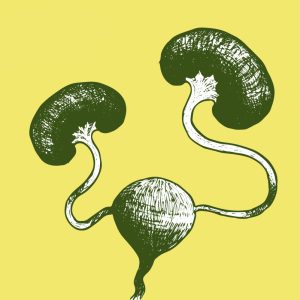
This astringing, nourishing ability, particularly in relation to weakness of the Kidneys, also extends schisandra for use with the irregular leakage of other bodily substances including semen, vaginal discharge, urine and stools (especially diarrhoea first thing in the morning).
Schisandra is also known to generate body fluids and is thus perfectly suited to relieving irregular sweating — especially nightsweats, where it may both inhibit and restore from the loss of fluids from excessive sweating — and thirst (2,5).
-
What practitioners say
 Nervous system
Schisandra is a nourishing medicine for the nervous system and, therefore, helps with managing acute and chronic stress. As stress can manifest in so many ways, schisandra offers support for anxiety, insomnia, irritability and low mood where stress is a causative factor. It is important to note that these symptoms can also be due to other factors, and a clinical herbalist can help decipher the root cause and give a precise and personalised herbal prescription.
The lignans in schisandra can cross the blood-brain barrier and act as a neuroprotective agent by reducing neuroinflammation. Owing to these properties, schisandra can be used to enhance cognitive function, improve memory and reduce the risk of neurodegenerative diseases such as Alzheimer’s and Parkinson’s (4,8).
Immune system
Schisandra is a powerful immune activator that is used where low immune function is caused by prolonged exposure to stress hormones. Schisandra enhances the function of the non-specific endocrine mediated immune system. The non-specific part of the immune system is most affected by stress and is inhibited by chronic anxiety, depression, anger and fear. Prolonged exposure to stress hormones is well known to reduce the immune function and may be induced where a patient is highly susceptible to viral infections (10).
The lignans in schisandra can reduce pro-inflammatory mediators and provide support for inflammatory disorders (11). Schisandra has also been shown to promote the production of lymphocytes and interferon-gamma, which help to facilitate recovery from illness and provide immune support (12).
Digestive system
Herbalists often focus on liver function, as the liver is a hugely important organ that processes and detoxes the blood supply from the digestive tract, whilst also metabolising and storing nutrients. The liver is often indicated in treatment of inflammatory conditions.
Schisandra is hepatoprotective, and has been shown to regenerate hepatocytes and promote the synthesis of hepatic glutathione, which is an essential liver antioxidant. Schisandra berries also offer effective liver protection against chemical and drug induced liver damage, whilst assisting with healing of any existing damage Schisandra also accelerates the detoxification process by enhancing cytochrome P450 enzymes (13,14).
By the same mechanism schisandra may also be indicated for cases of cirrhosis and hepatitis both for its wide antioxidant benefits and action on the nonspecific immune function (13).
There may also be a case for applying schisandra where there are food sensitivities or allergies caused by poor liver function, to help improve hepatic surveillance and detoxification (14).
Schisandra berries have been shown to modulate the gut microbiome by downregulating harmful bacteria and upregulating beneficial bacteria (15).
Respiratory system
It is frequently used in TCM where the Kidneys are not grasping Lung qi. In Chinese medicine, the Kidneys are very closely linked with the Lungs, as the Kidneys help the Lungs to take a full inhalation. Where someone is experiencing difficulty in taking a full breath, this may indicate weakness in the Kidneys (2,5).
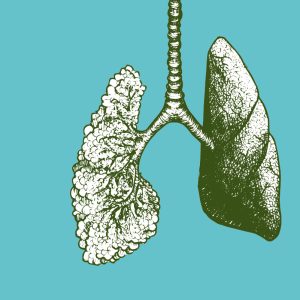
The balance of schisandra’s qualities indicate it for use for balancing moisture in the lungs, helping to moisten dry coughs and wheezing as well as astringe excess mucus, whilst reducing airway inflammation in cases of allergy or asthma. It is often also recommended as an effective herb in treating chronic coughs (2,5).
Reproductive system
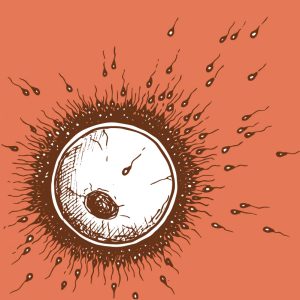
Schisandra supports male fertility via multiple different mechanisms. It has been shown to improve spermatogenesis, sperm count and motility whilst also increasing testosterone levels (16). It has also been indicated in erectile dysfunction by showing a relaxant effect on penile corpus cavernosal tissue (17).
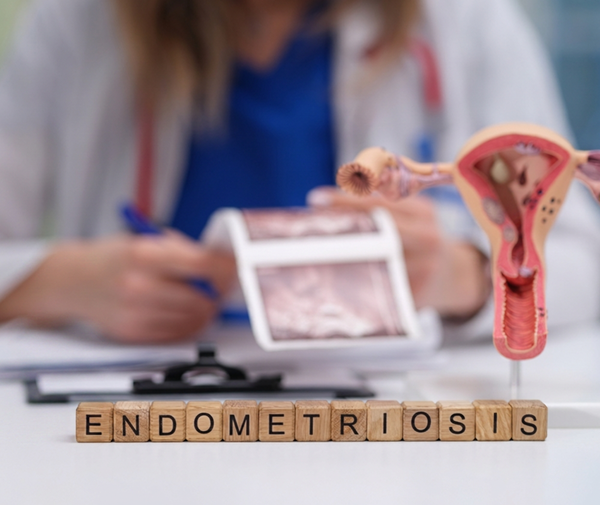
In TCM, schisandra strengthens kidney yin, which, when depleted, can affect menstruation and reproductive health (2). Schisandra may be of use in hormonal conditions where poor liver function leads to higher levels of hormones in circulation. Schisandra enhances hormone metabolism and excretion through the liver, helping to alleviate symptoms associated with hormonal excess, for example oestrogen dominance, PMS and endometriosis (4,6).
Skin health
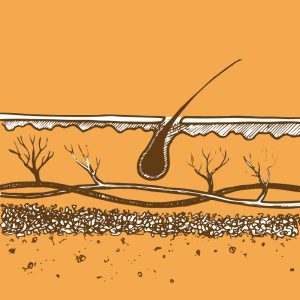
Schisandra is a well known anti-aging and revitalising tonic used within external preparations for the skin. Schisandra is sometimes used within a blend for its toning and soothing properties, given its potent anti-inflammatory and antioxidant actions. The same may be applied for wound healing, reducing dilatation of blood vessels and restoring the skin’s protective barrier (18).
-
Schisandra research

Schisandra (Schisandra chinensis) Antioxidant effects of Schisandra chinensis fruits and their active constituents
A systematic review of schisandra extracts and its bioactive compounds puts forward a unanimous finding that explains how it helps to restore impaired mitochondrial functions, acting as a mitoprotective agent. The review concludes on a number of studies that schisandra and a number of its active compounds show potent antioxidant activity. Schisandra compounds directly scavenge reactive oxygen species (ROS) — molecules that cause the degradation of cells and tissues.
It also activates the cellular antioxidant defence system components, and inhibits pro-oxidant enzymes, thus suppressing inflammation signal transduction pathways and protecting them from apoptosis (programmed cell death). Schisandra’s bioactive compounds decrease the levels of liver function markers, block pro-oxidant enzyme activities, suppress inflammation, and exert anticancer effects, activating apoptosis and autophagy in cancer cells (18).
An overview of neuroprotective and cognitive enhancement properties of lignans from Schisandra chinensis
A systematic review of studies using various cell line models and neurotoxicity induction methods to evaluate the neuroprotective effect of lignans revealed that schisandra lignans show neuroprotective and cognitive enhancement properties through various mechanisms such as anti-apoptosis, inhibiting mRNA and protein expressions of inflammatory mediators, antioxidative actions, and modulating different signalling pathways (18).
A randomised, double-blind, placebo-controlled trial of Schisandra chinensis for menopausal symptoms
A randomised, double-blind, placebo-controlled clinical trial where women between the ages of 40 and 70 years who complained of menopausal symptoms were randomly assigned to treatment with either an extract from Schisandra chinensis (BMO-30) or placebo. Results were measured by the Kupperman Index (KI). Treatments continued over a period of six weeks and results were followed for 12 weeks.
The primary endpoint was the mean interval change in KI score from baseline to week 12. Laboratory studies and the Menopause Rating Scale (MRS) were also included as secondary measures focusing on score for sexual and bladder problems. The study concluded that BMO-30 from schisandra can be a safe and effective complementary medicine for menopausal symptoms, especially for hot flushes, sweating, and heart palpitations (19).
Schisandra chinensis fruit modulates the gut microbiota composition in association with metabolic markers in obese women: A randomised, double-blind placebo-controlled study
In a double-blind, placebo-controlled study, 28 obese women were given schisandra extract or placebo. The study was conducted over a period of 12 weeks. Anthropometry, blood and faecal sampling were performed before and after treatment. Gut microbiota in faeces were analysed using denaturing gradient gel electrophoresis and quantitative polymerase chain reaction. Although the values did not differ significantly between the two groups, the schisandra extract group tended to show a greater decrease in waist circumference, fat mass, fasting blood glucose, triglycerides, aspartate aminotransferase, and alanine aminotransferase than the placebo group.
The study showed that Bacteroides and Bacteroidetes were both increased by schisandra. The study concluded that schisandra extract was able to modulate the gut microbiota composition in Korean obese women, and significant correlations with some bacterial genera and metabolic parameters were noted. However, further research is needed to identify better parameters for the dosing of schisandra for this application using different dosage and over different time spans (15).
-
Historical use of schisandra

Schisandra (Schisandra chinensis) Schisandra has been used for millennia in ancient Chinese medicine, where it is still a highly revered tonic to support ageing. Traditionally, this herb is thought to promote longevity and in TCM this herb is used widely as a life-long medicine to optimise health. It was first written about in the first century BC in China’s first herbal Encyclopedia, Shen Nong’s Materia Medica, where it was listed as a superior herb’. Though schisandra is believed to benefit all systems of the body with its dynamic full range of the five tastes, it is said to benefit all the five yin organs; the Liver, Kidneys, Heart, Lungs and Spleen (2,6).
Schisandra is frequently featured in ancient Chinese art as the symbol of beauty and longevity, some even to suggest immortality. In one painting, Magu, the goddess of beauty and eternal youth, is shown serving a tray of schisandra, reishi (Ganoderma lucidum) — the herb of immortality — and a “peach of longevity” to her immortal allies. Magu is said to forever appear to be the age of eighteen.
In Japan, schisandra is known as gomishi and is used for people with weakness in the lungs, often displaying symptoms such as cough, weakness, excess phlegm, and ‘hood vertigo’ (a feeling of congestion and constriction around the head).
Russians first classified schisandra as an adaptogen in the Russian Pharmacopeia for its ability to assist the body’s adaptive responses to excess and prolonged stress exposure. The Nanai (Siberian) hunters used the herb to improve stamina and the tough hunting conditions with long, cold days and nights, and scarce food and water (7).
-
Schisandra’s herbal actions
Herbal actions describe therapeutic changes that occur in the body in response to taking a herb. These actions are used to express how a herb physiologically influences cells, tissues, organs or systems. Clinical observations are traditionally what have defined these actions: an increase in urine output, diuretic; improved wound healing, vulnerary; or a reduction in fever, antipyretic. These descriptors too have become a means to group herbs by their effects on the body — herbs with a nervine action have become the nervines, herbs with a bitter action are the bitters. Recognising herbs as members of these groups provides a preliminary familiarity with their mechanisms from which to then develop an understanding of their affinities and nuance and discern their clinical significance.
Western actions
-
Schisandra’s energetic qualities
Herbal energetics are the description that herbalists have given to plants, mushrooms, lichens, foods and some minerals based on the direct experience of how they taste, feel and effect the body. All traditional health systems use these principles to explain how the environment impacts health, according to each of their philosophies and frameworks. These assessments of individual herbs, though often do align, can differ from one another. Find out more about traditional energetics in our article An introduction to herbal energetics.
Western energetics
Western energetics here are informed by The Energetics of Western Herbs by Peter Holmes, as well as traditional materia medica from Culpeper and Dioscorides.
Chinese energetics
Chinese energetics align with Bensky’s Chinese Herbal Medicine: Materia Medica.
-
What can I use schisandra for?

Schisandra (Schisandra chinensis) Schisandra is a potent medicine for supporting the entire body as it affects multiple body systems. This berry originates from China where it has commonly been used within traditional Chinese medicine (TCM), and as such, much of the understanding of this herb comes from TCM.
Schisandra is an adaptogen that is also uniquely affiliated with the kidneys and the lungs. According to TCM philosophy and understanding of bodily systems, the kidneys are very closely linked with the lungs, in the understanding of this the kidneys help the lungs to fully inhale. If someone is experiencing difficulty taking a full breath, this indicates weakness in the kidneys (1).
Schisandra has a potent anti-inflammatory action whilst being specifically anti-asthmatic making it particularly useful for asthmatics or those with weak lung function, where symptoms may include wheezing and productive coughing (1,2). This would include chronic obstructive pulmonary disorder (COPD) (1).
As an adaptogen, schisandra is nourishing for anyone experiencing chronic or long term exposure to stress hormones. High levels of stress hormones cause a wide range of health problems. Schisandra is specifically helpful where there are stress induced palpitations, anxiety,insomnia and bad dreams (1,3,4).
Schisandra has lignans which act as a powerful hepatoprotective, helping to restore and ameliorate effective liver function (4).
-
Did you know?
Schisandra was historically used by Nanai hunters in far east Russia to improve night vision, reduce hunger and increase endurance (20). This berry was studied in depth during the Soviet era in Russia in the 1960s, and this research confirmed much of its adaptogenic qualities it is currently known for (21).











 Nervous system
-
Botanical description
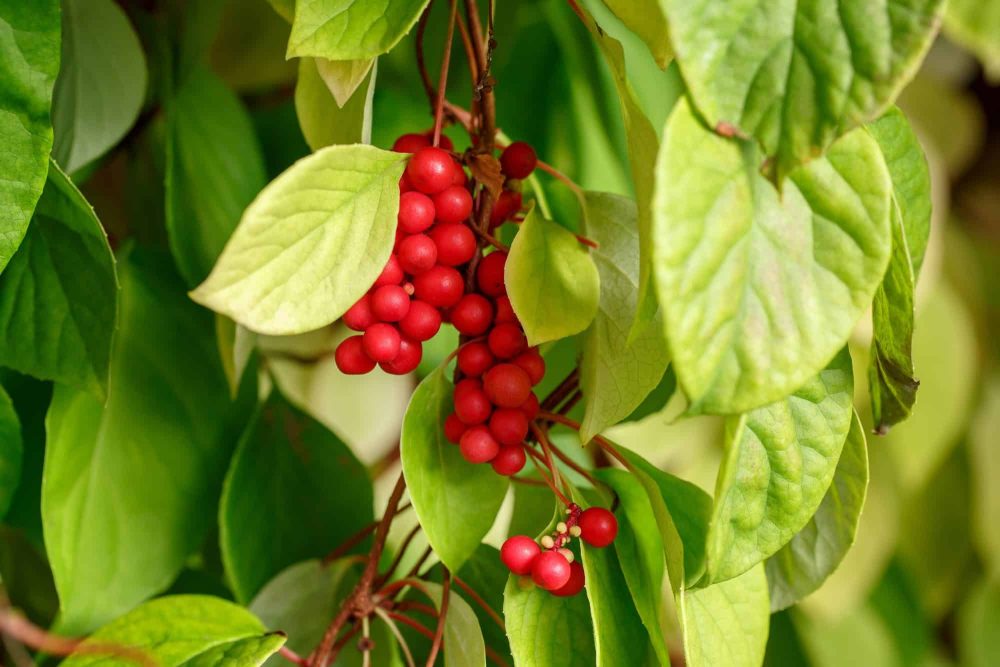
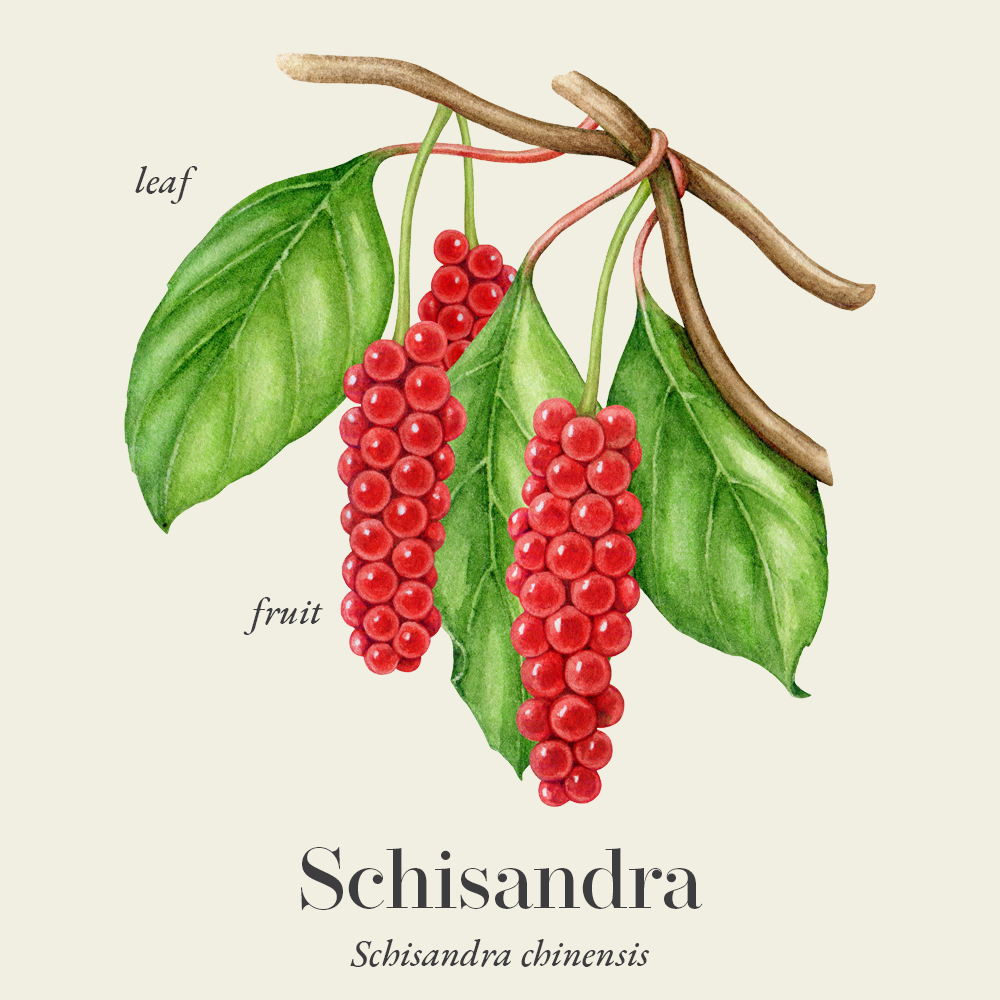
Schisandra is a perennial deciduous vine that grows up to nine metres in height. The stems are dark brown, woody with young red shoots.
The leaves are simple, alternate and oval shaped. They are slightly glossy with slight serrated edges. The plant is a dioecious species with small white or cream coloured (female) or pale pink (male) that grow in clusters from leaf axils.
The fruit are in the form of red shiny berries reaching between 5–10 mm in diameter (24). A related species, Schisandra sphenanthera (nan wu wei zi) from central to south China, is also used as this herb, however, it has less tonifying properties than the “northern” wu wei zi.
-
Common names
Wu wei zi
-
Habitat
Schisandra is native to northern and northeastern China, Mongolia, and far eastern Russia. Usually found in mixed forest margins with dappled sunlight on the banks of a sandy brook or stream (25).
-
How to grow schisandra
Schisandra can be grown from seed although it is difficult to germinate and slow to get started. The seeds also require cold stratification, which is the process of treating seeds prior to sowing to replicate the winter conditions that they would have experienced in their native habitat. Young vines are sometimes found in specialist garden centres.
Seedlings and young vines should be planted outdoors in the spring when any danger of frost has passed. Preferably located in partial shade, they do not fare well in full sun and will likely be unsuccessful in full shade.
Soil should be well-drained and slightly acidic. Schisandra will not grow in clay soils. Schisandra thrives best in a slightly acidic soil — optimal soil pH is 5.0–6.0. Place the root ball about two inches into the soil, it should be completely covered and gently firmed in.
Space plants three to five inches apart and be sure to have at least one male and one female in order to get fruit.
They are not self pollinating so at least two plants will be needed to produce fruit, one male one female, ideally if you are growing multiple plants, one male is needed for every three or four females. Berries start to appear by the second season, sometimes the third (29).

-
Herbal preparation of schisandra
- Dried berry
- Decoction
- Tincture
- Powdered herb
- Capsule
The tonic properties of schisandra are enhanced by preparing it in wine and its astringing quality by preparation with vinegar. Dried, it more strongly generates fluids and inhibits perspiration.
-
Plant parts used
Fruit (berries)
-
Dosage
- Tincture (1:5| 60%): 2–7 ml per day (9)
- Infusion/decoction: Add 1–2 tsp of dried berries to 8–10 oz water, decocting for 15–20 minutes on a gentle heat. Remove from heat and allow to steep for a further 20–30 minutes, strain and drink 4 oz three times a day.
- Capsules: Take one to two 400–500 mg capsules two or three times a day.
-
Constituents
- Lignans: Schisandrin,gomisin, schizandrin, angeloylgomisin, deoxyschisandrin
- Triterpene lactones
- Saponins
- Polysaccharides
- Phenolic acids: Quinic acid, tartaric acid, malic acid, gentisic acid, benzoic acid derivatives
- Flavonoids: Quercetin, hyperoside, isoquercitrin, rutin, galangin, hesperetin
- Resin
- Essential oils: Limonene, thymol, caryophyllene.
- Vitamins: C, A and E
- Minerals: Potassium, calcium, magnesium, phosphorous, iron, manganese, copper, zinc, selenium (22)
-
Schisandra recipe
Schisandra berry syrup
This simple and effective syrup recipe makes a flavoursome cordial that can be used with tonic or soda water to make a refreshing drink. It can also be added to yoghurts, smoothies or deserts.
Ingredients
- 250 ml schisandra berries
- 500 ml filtered water
- 200 g organic honey or agave syrup
How to make schisandra berry syrup
- Blend the schisandra berries to maximise the surface area.
- Add the schisandra berries into a saucepan and fill with the water.
- Bring the mixture to the boil and simmer gently until the liquid has reduced (between 45 minutes to an hour).
- Strain the liquid to remove the berries.
- Stir in the honey and stir until it’s completely dissolved.
- Transfer the syrup to a clean jar and store in the refrigerator.


-
Safety
Not recommended for use during pregnancy, lactation or for young children (4,9,22).
Some adverse effects have been reported including heartburn, gastric upset and urticaria (9,22).
-
Interactions
Schisandra may increase the effects of barbiturates.
Schisandra may increase or decrease drugs metabolised via cytochrome P450 depending on the drug and the patient, it is best to consult a professional medical herbalist in these cases (9,22).
Schisandra is hepatoprotective; it may prevent liver damage that is sometimes caused by hepatotoxic medications, such as acetaminophen and tetracycline (1).
Schisandra may increase the metabolism of oestrogens, and has been shown to reduce serum oestradiol levels (9).
-
Contraindications
As it is an astringing herb, it is contraindicated for use in cases of pathogens that need to be expelled from the body. This includes ‘exterior’ conditions such as colds and flus and the early stages of a rash. Being a warm astringent, it is also contraindicated where there is an excess of ‘internal heat’ (2).
-
Sustainability status of schisandra
Schisandra is not yet included on the IUCN Red List of Threatened Plants database; however, there are reports of it being over-harvested from the wild and it now being endangered. It is, therefore, best to buy from suppliers who grow it and can explain their sustainability processes if they are harvesting from the wild (26).
Schisandra often grows in environments which are also home to panda bears, and harvesting methods were originally detrimental to the local environment and disturbed the panda bears by causing the mothers to abandon their cubs due to the scent of humans. In 2008, a sustainable harvesting initiative was introduced to protect local biodiversity and the panda population (27,28).
It is recommended to check with suppliers that the berries have been harvested sustainably and in accordance with the wildlife protection initiative. See our article Schisandra harvesting: From the habitat of the Amur tiger to the giant panda bear for more information.
Habitat loss and over-harvesting from the wild are two of the biggest threats faced by medicinal plant species. There are an increasing number of well-known herbal medicines at risk of extinction. We must, therefore, ensure that we source our medicines with sustainability in mind.
The herb supplement industry is growing at a rapid rate and until recent years a vast majority of medicinal plant produce in global trade was of unknown origin. There are some very real and urgent issues surrounding sustainability in the herb industry. These include environmental factors that affect the medicinal viability of herbs, the safety of the habitats that they are taken from, as well as the welfare of workers in the trade.
The botanical supply chain efforts for improved visibility (transparency and traceability) into verifiably sustainable production sites around the world is now certificated through the emergence of credible international voluntary sustainability standards (VSS).
Read our article on Herbal quality & safety: What to know before you buy and Sustainable sourcing of herbs to learn more about what to look for and questions to ask suppliers about sustainability.
-
Quality control
Herbal medicines are often very safe to take; however, their safety and efficacy can be jeopardised by quality issues. So, it is important to buy herbal medicines from a reputable supplier, from sources known to test their herbs to ensure there is no contamination, adulteration or substitution with incorrect plant matter, as well as ensuring that recognised marker compounds are at appropriate levels in the herbs.
Some important quality assurances to look for are certified organic labelling, the correct scientific/botanical name, and the availability of information from the supplier about ingredient origins. A supplier should be able to tell you where the herbs have come from, what contaminants are not in the herb, and what the primary compounds are.

-
References
- Winston D, Maimes S. Adaptogens : Herbs for Strength, Stamina, and Stress Relief. Healing Arts Press; 2007.
- Chen JK, Chen TT, Crampton L. Chinese Medical Herbology and Pharmacology. Art Of Medicine Press, Inc; 2004.
- Menzies-Trull C. Herbal Medicine Keys to Physiomedicalism Including Pharmacopoeia . Faculty of Physiomedical Herbal Medicine; 2022.
- Mcintyre A. Complete Herbal Tutor : The Definitive Guide to the Principles and Practices of Herbal Medicine (Second Edition). Aeon Books Limited; 2019.
- Bensky D, Clavey S, Stöger E. Chinese Herbal Medicine : Materia Medica. Eastland Press, Cop; 2004.
- Romm AJ, Hardy ML, Mills S, Abascal K. Botanical Medicine for Women’s Health. Churchill Livingstone; 2010.
- Panossian A, Wikman G. Pharmacology of Schisandra chinensis Bail.: An overview of Russian research and uses in medicine. Journal of Ethnopharmacology. 2008;118(2):183-212. https://doi.org/10.1016/j.jep.2008.04.020
- Sowndhararajan K, Deepa P, Kim M, Park SJ, Kim S. An overview of neuroprotective and cognitive enhancement properties of lignans from Schisandra chinensis. Biomedicine & Pharmacotherapy. 2018;97:958-968. https://doi.org/10.1016/j.biopha.2017.10.145
- Thomsen M. Phytotherapy Desk Reference. 6th ed. Aeon Books; 2022.
- Alotiby A. Immunology of Stress: A Review Article. Journal of Clinical Medicine. 2024;13(21):6394-6394. https://doi.org/10.3390/jcm13216394
- Jia M, Li Z, Lou Y, et al. An analysis of the nutritional effects of Schisandra chinensis components based on mass spectrometry technology. Frontiers in Nutrition. 2023;10. https://doi.org/10.3389/fnut.2023.1227027
- Yu J, Cong L, Wang C, et al. Immunomodulatory effect of Schisandra polysaccharides in cyclophosphamide-induced immunocompromised mice. Experimental and Therapeutic Medicine. 2018;15(6):4755-4762. https://doi.org/10.3892/etm.2018.6073
- Huang BH, Bo-Han Lv, Wu DJ, et al. Efficacy of Schisandra chinensis in liver injury: a systematic review and preclinical meta-analysis. Frontiers in Pharmacology. 2025;16. https://doi.org/10.3389/fphar.2025.1627081
- Addissouky TA, El Sayed IET, Ali MMA, Alubiady MHS, Wang Y. Schisandra chinensis in Liver Disease: Exploring the Mechanisms and Therapeutic Promise of an Ancient Chinese Botanical. Archives of Pharmacology and Therapeutics. 2024;6(1):27-33. https://doi.org/10.33696/pharmacol.6.052
- Song M, Wang J, Eom T, Kim H. Schisandra chinensis fruit modulates the gut microbiota composition in association with metabolic markers in obese women: a randomized, double-blind placebo-controlled study. Nutrition Research. 2015;35(8):655-663. https://doi.org/10.1016/j.nutres.2015.05.001
- Karna K, Choi BR, Kim MJ, Kim HK, Park J. The Effect of Schisandra chinensis Baillon on Cross-Talk between Oxidative Stress, Endoplasmic Reticulum Stress, and Mitochondrial Signaling Pathway in Testes of Varicocele-Induced SD Rat. International Journal of Molecular Sciences. 2019;20(22):5785. https://doi.org/10.3390/ijms20225785
- Choo SH, Sung HH, Chae MR, et al. Effects of Schisandra chinensis extract on the relaxation of isolated human prostate tissue and smooth muscle cell. Journal of Ethnopharmacology. 2014;156:271-276. https://doi.org/10.1016/j.jep.2014.08.025
- Kopustinskiene DM, Bernatoniene J. Antioxidant Effects of Schisandra chinensis Fruits and Their Active Constituents. Antioxidants. 2021;10(4):620. https://doi.org/10.3390/antiox10040620
- Park JY, Kim KH. A randomized, double-blind, placebo-controlled trial of Schisandra chinensis for menopausal symptoms. Climacteric. 2016;19(6):574-580. https://doi.org/10.1080/13697137.2016.1238453
- Natural Medicines Database. Schisandra. Therapeuticresearch.com. Published 2025. Accessed August 23, 2025. https://naturalmedicines.therapeuticresearch.com/Data/ProMonographs/Schisandra#safety
- Sun W, Shahrajabian MH, Cheng Q. Schisandra chinensis, Five Flavor Berry, a Traditional Chinese Medicine and a Super-Fruit from North Eastern China. Pharmacognosy Communications. 2021;11(1):13-21. https://doi.org/10.5530/pc.2021.1.4
- RHS. Schisandra chinensis | chinese limonnik Climber Wall Shrub/RHS. Rhs.org.uk. Published 2025. Accessed August 23, 2025. https://www.rhs.org.uk/plants/16803/schisandra-chinensis/details
- Royal Botanical Gardens Kew. Schisandra chinensis (Turcz.) Baill. | Plants of the World Online | Kew Science. Plants of the World Online. Published 2025. https://powo.science.kew.org/taxon/urn:lsid:ipni.org:names:60456331-2
- IUCN. The IUCN Red List of Threatened Species. IUCN Red List of Threatened Species. Published 2019. https://www.iucnredlist.org/search
- Johnson K. How A Wild Berry Is Helping To Protect China’s Giant Pandas And Its Countryside. NPR. Published April 26, 2017. Accessed January 30, 2024. https://www.npr.org/sections/thesalt/2017/04/26/525552957/how-a-wild-berry-helped-save-china-s-giant-pandas-and-its-countryside
- Traditional Medicinals. For the Love of Pandas: Setting New Standards in Sustainability | Traditional Medicinals. Traditional Medicinals. Published January 31, 2019. Accessed August 23, 2025. https://www.traditionalmedicinals.com/blogs/ppj/for-the-love-of-pandas-setting-new-standards-in-sustainability
- Baessler L. Schisandra Information – How To Grow Schisandra Magnolia Vines. Gardening Know How. Published February 25, 2017. Accessed August 23, 2025. https://www.gardeningknowhow.com/ornamental/vines/schisandra/schisandra-magnolia-vines.htm
- Bokelmann JM. Schisandra/Schizandra (Schisandra chinensis). Medicinal Herbs in Primary Care. Published online 2022:587-592. https://doi.org/10.1016/b978-0-323-84676-9.00069-6
- Panossian A, Wikman G. Pharmacology of Schisandra chinensis Bail.: An overview of Russian research and uses in medicine. Journal of Ethnopharmacology. 2008;118(2):183-212. https://doi.org/10.1016/j.jep.2008.04.020
Meet our herbal experts
Our monographs are written by our monograph authors and edited, reviewed and updated by Herbal Reality.
Meet our Herbal Reality team or explore our Herbal Reality authors.