





Investigating the efficacy of mistletoe in alleviating cancer-related fatigue, this systematic review found subcutaneous mistletoe to improve symptoms.
This article summarises the paper Cancer-related fatigue in patients treated with mistletoe extracts: A systematic review and meta-analysis (1).
Plant name and species
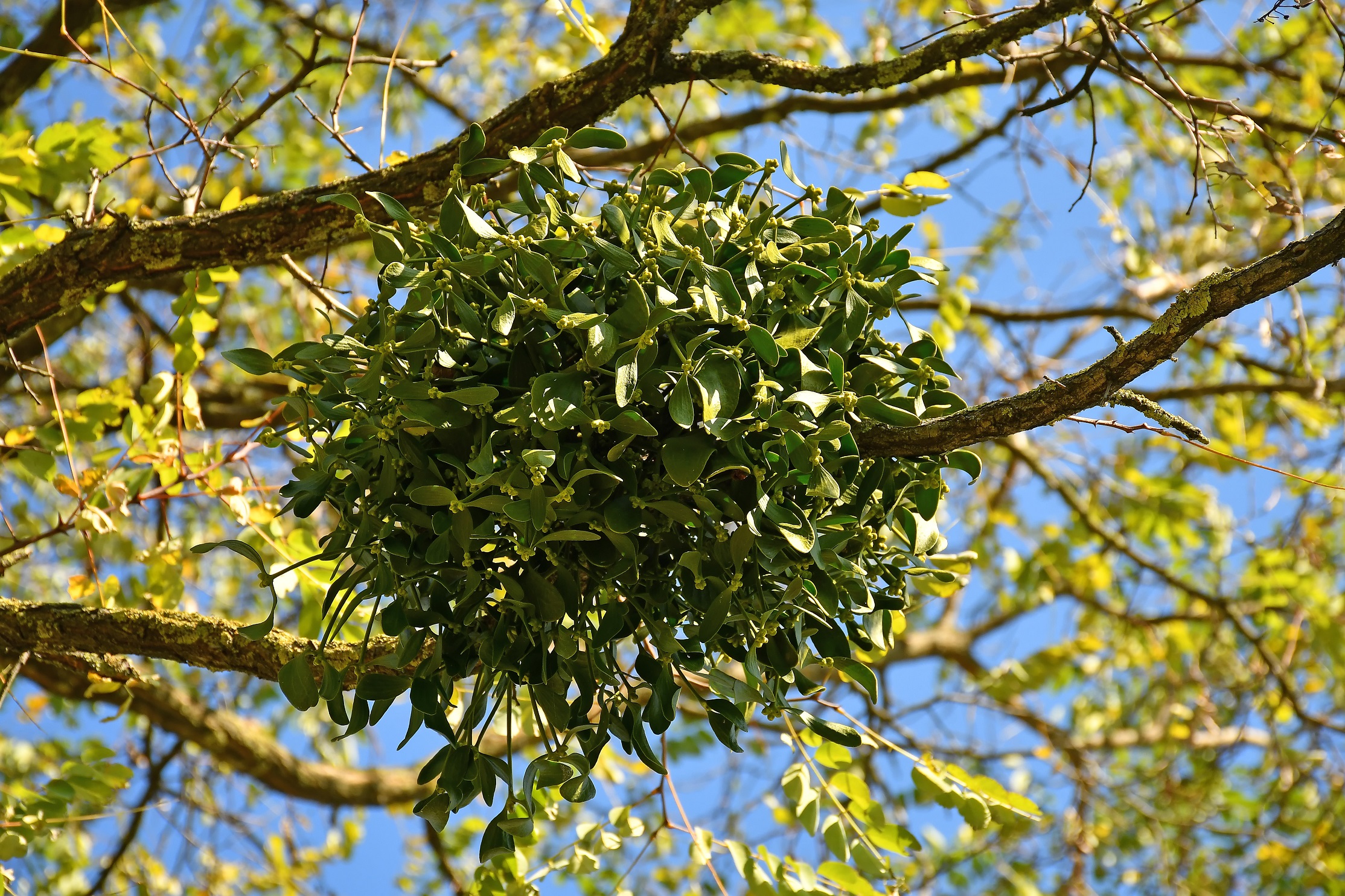
Mistletoe (Viscum album)


Aim of study
To complete a meta-analysis to evaluate the effects of mistletoe extract in cancer-related fatigue by including randomised controlled trials (RCT) and non-randomised studies (NRSI).
Study method

A systematic review and meta-analyses were completed as follows:
- The study protocol was registered with PROSPERO.
- Searches were made of electronic library databases and grey literature.
- There were no limitations based on language or date of publication.
- Study selection and data extraction were performed independently by two reviewers.
- Included studies were:
- RCTs or NRSIs
- With patients with cancer-related fatigue, which was either patient or clinician-diagnosed.
- With a control group that was a placebo, or active control that was standard treatment.
- Risk of bias in RCT was determined using the Cochrane Risk-of-Bias tool, and for NRSI was determined using the Risk of Bias in Non-randomized Studies of-Interventions (ROBINS-I) tool.
- Reviewers carried out sensitivity analyses and tests for publication bias.
- In a supplementary file, the authors published formula used to calculate missing means and standard deviations, required for the meta-analyses, and presented their search strategies and all other analyses.
- In this meta-analysis, to search for mistletoe in the published literature, the authors used the following PubMed keywords which included brand and company names: (“mistletoe” OR “viscum” OR “iscador” OR “iscucin” OR “abnobaviscum” OR “helixor” OR “lektinol” OR “isorel” OR “vysorel” OR “plenosol” OR “cefalektin”).
Herbal preparation
Aqueous mistletoe extracts are used in treatment and were injected subcutaneously two or three times a week.
Sample size
Of 802 records that were screened, the final meta-analyses included 19 studies — 12 RCT and 7 NRSI. Nine of the trials were carried out in Germany, with the remainder in Switzerland, Serbia, Bulgaria, Russia, Ukraine, China, Italy, Israel and South Korea.
Results of study
In 17 of the 19 studies, mistletoe was given as an adjuvant to conventional cancer treatments, and in two, there were no additional treatments being given. Fatigue was assessed in patients with breast cancer (11 studies), lung cancer (two studies), pancreatic cancer (two studies), and the remaining studies were mixed cancer types. Mistletoe was mostly injected subcutaneously with one study administration was intravenous.
Mistletoe was compared to a placebo in two studies alongside chemotherapy or standard care, or was compared to untreated groups also receiving chemotherapy or receiving standard care.
Study durations ranged from 6–208 weeks.
Measuring fatigue as an outcome
The primary outcome of many of the RCTs was to measure quality of life through a questionnaire, and fatigue was an item within this. Other studies measured fatigue as recorded by the clinician.
Meta-analysis of RCT and NRSI
A meta-analysis was created for 12 RCTs that compared mistletoe extract to placebo or control. Overall the pooled result shows a significant effect of mistletoe compared to controls (p=0.006). The heterogeneity was high, reflecting the differing patient populations and study designs.
An analysis of the risk of bias using the Cochrane tool was low risk in terms of randomisation to groups. However, as the studies were open-label due to the nature of the injections given, the risk of bias under the category “measurement of the outcome” was high.
In the NRSI, the result also favoured mistletoe (p=0.0008), and there was high heterogeneity. The risk of bias was high overall.
Adverse events
In one quarter of patients, the most regular adverse event was a reaction at the site of injection. A small number of patients recorded systemic adverse events like fever, flu symptoms, nausea or diarrhoea.
Other results
The sensitivity analysis and publication analysis showed that the results were robust. The supplementary information included the details of the sources of funding for these studies, which for the most part were manufacturers of the extracts.
Discussion
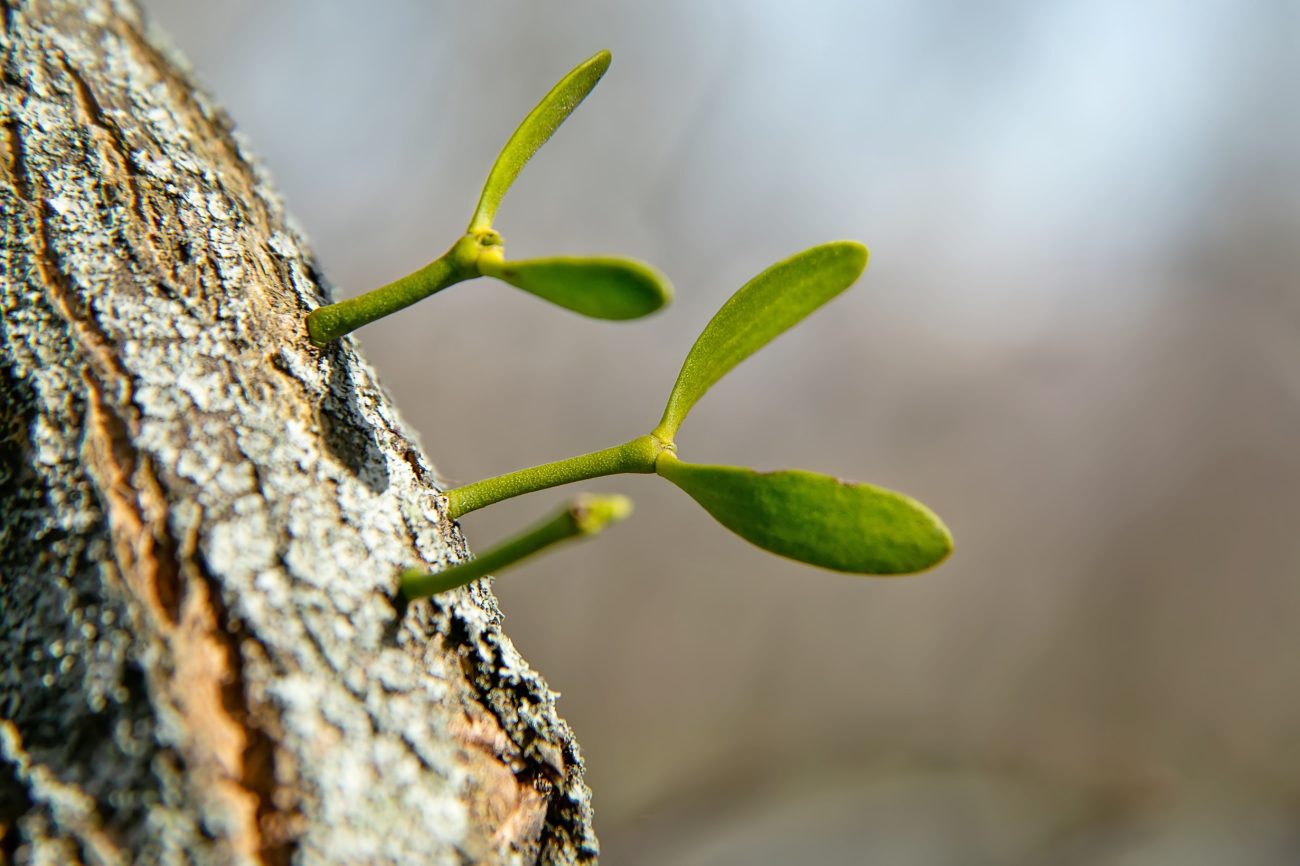
Mistletoe therapy to support individuals with cancer has been used for over a century, and it is considered to be safe and to integrate well alongside chemotherapy and conventional treatments (2). Mistletoe is a semi-parasitic plant and gains nourishment from the host tree through penetrating the bark with a root-like structure. The immunogenic properties of the mistletoe depend on the host tree and, for example, will vary between oak and pine (2).
In the meta-analysis, mistletoe extract reduced cancer-related fatigue in RCTs and NRSIs of different types of cancer, although breast cancer was the main type investigated. The results of using mistletoe were significant versus placebo or control (untreated groups), and for the RCT and NRSI groups, the effect estimate was moderate.
The heterogeneity that represents the variability between studies was high, which reflects the different patient groups, study durations and differing types of mistletoe extract used across the study preparations. Furthermore, fatigue is not a clearly defined measure and was recorded in these studies in self-reported surveys or scales, or was recorded by the clinician.
Nethertheless, fatigue that includes mental tiredness and physical exhaustion is widely experienced by cancer patients. Presently, physical activity is recommended but is not possible for everyone, so alternative treatments are needed.
The meta-analysis does have limitations and the risk of bias is high due to the lack of placebo, lack of blinding due to the nature of the injections and subjective nature of assessing fatigue.
Conclusion
The meta-analyses suggest that mistletoe extract is an effective treatment for reducing symptoms of fatigue in patients undergoing chemotherapy for different types of cancer. Across the majority of studies, mistletoe was administered safely alongside standard chemotherapy treatment — with adverse events occurring with most prevalence at the site of the injection.
More randomised, placebo-controlled studies with clearer definitions of fatigue and standardised approaches to measuring it as a primary outcome would offer more accurate data. In addition to explorations of alternative, less invasive, routes of administration, further research into the immunogenic mechanisms of mistletoe and how it differs with host tree could refine preparations and therapeutic understanding.
References
- Pelzer F, Loef M, Martin DD, Baumgartner S. Cancer-related fatigue in patients treated with mistletoe extracts: a systematic review and meta-analysis. Support Care Cancer. 2022 Aug;30(8):6405-6418. https://doi.org/10.1007/s00520-022-06921-x
- Thompson, E. (Date). Mistletoe Therapy in Integrative Oncology. https://ncim.org.uk/mistletoe-therapy-in-integrative-oncology