

Last reviewed 14/01/2025
Sustainability status
Not currently on risk lists but complete data may be missing on the status of the species. Read more in our sustainability guide.

Contraindications
A contraindication refers to a situation in which a herb should be avoided as it may exacerbate a medical condition or pose undue risk. Contraindications may arise through pharmacodynamic mechanisms (e.g., liquorice in uncontrolled hypertension or uterine stimulants during pregnancy) or pharmacokinetic effects that alter metabolism, absorption or elimination (e.g., tannin-rich herbs in iron-deficient anaemia).
In some cases, herbal actions may aggravate underlying pathologies (e.g., the use of bitter herbs in GERD). Recognition of contraindications requires thorough assessment of patient history, co-morbidities and medications. Consultation with a qualified medical herbalist will provide guidance to ensure safe and appropriate prescribing.
Please read the Contraindications section in this monograph.
-
Herb overview
Safety
Avoid during pregnancy and lactation
Contraindicated with immunosuppressants and active autoimmune flare upsSustainability
Lower risk
Key constituents
Polysaccharides (PSP and PSK)
Phenolic acids
Fatty acidsQuality
Europe and Asia
Wild harvested and cultivatedKey actions
Immunomodulator
Antiproliferative
Anti-inflammatory
AntimicrobialKey indications
Cancer
Cold and flu
Impaired immune functionKey energetics summary
Cool
Neutral
Dry
BitterPreperation and dosage
Fruiting body
3–6 g/per day
-
How does it feel?
While it is an edible fungus, turkey tail is rather tough and chewy and not especially palatable. It is best decocted as a tea or taken as a powder. The powder is mild in flavour, slightly earthy and may readily be added to food or drink to be taken with ease whilst adding a subtle umami flavour.

-
Into the heart of turkey tail

Turkey tail (Trametes versicolor) While other fungi slumber, this potent mushroom continues returning nutrients to the forest and offering up its healing potential. It is a true ally of the natural world, encouraging both woodlands and humans to thrive throughout the seasons.
Energetically, turkey tail is seen to have a cooling to neutralising action, helping to clear hot inflammatory states and toxic heat without suppressing vitality. It has drying action, which helps to resolve damp and clear congestion (7,8). Turkey tail is often seen as a biological modifier rather than a stimulant or suppressant, indicative of its immunodulatory actions (8). It is often thought to elicit a medicinal effect which mirrors its ecology— it is saprotrophic (breaks down dead matter) and grows on dead or hardwood trees where it focuses on breaking down lignin. In contrast to other mushrooms, turkey tail focuses on transforming that which is dying or decaying into new, useful material; creating space for new life and order (8).
In traditional Chinese medicine (TCM), yun zhi (turkey tail) has been used for hundreds of years to boost vitality and wellbeing at times of weakness, especially in chronic conditions and respiratory illness (9,10).
Energetically, it affects the Lungs, Liver and Spleen and is sweet and slightly warm, therefore, nourishing and strengthening in cases of debility. It is also slightly bitter meaning it directs downwards, promoting the draining of dampness from the body and calming cough by redirecting ‘rebellious’ Lung qi (7). It is seen to clear toxic heat, dampness or stagnation, which can often be present in cancer and inflammatory diseases (9). It helps to support immune function and reduces cases of immune deficiency (9,10).
-
What practitioners say
 Immune system
While turkey tail has had numerous applications over time it has been shown to be beneficial for myriad conditions in research. This includes hyperlipidemia, diseases of the liver, candida and in supporting gut health. In the present day, the primary therapeutic function of turkey tail mushrooms is to support immunity and cancer patients (7).
The polysaccharides (PSP and PSK) exhibit anti-inflammatory activity, inhibit cancer cell proliferation, promote cancer cell death (apoptosis) and reduce chemotherapy and radiotherapy side effects (7,8). When treating such serious conditions, it is important to see a qualified, integrative and specialised healthcare practitioner for the best support.
PSK and PSP appear to increase the immune system’s response to cancer cells— in particular of solid tumours— and clinical trials have yielded positive results when administered alongside conventional treatments for stomach, colorectal, lung, oesophageal, nasopharyngeal, breast, cervical and uterine cancers (7,12). Beta-glucan (polysaccharide) rich mushrooms such as turkey tail may support recovery from radiotherapy and chemotherapy by increasing diminished blood cell counts and bone marrow activity, respectively (8). It is often used as an adjunct therapy in breast cancer, with research showing it can help support immune recovery and specifically CD8+ cells (13).
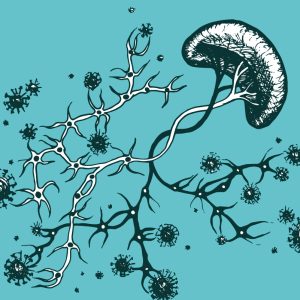
These polysaccharides support innate immunity through stimulating the production of macrophages, neutrophils, dendritic cells and natural killer (NK) cells (8,12). There is also a visible effect on adaptive immunity, including an increase in Th1 cytokines, cytotoxic T-cell activation and dendritic cell maturation (7).
The antiviral properties indicate turkey tail (specifically PSK) in the treatment of HSV (Herpes simplex) (14).
Digestive system
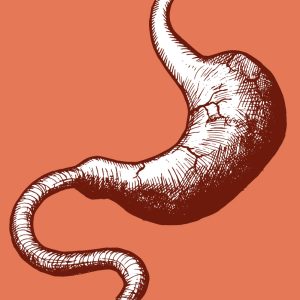
Turkey tail’s immune regulation effects also extend to the digestive system, where it modulates gut-associated lymphoid tissue (GALT), microbiome immune signalling and reduces intestinal inflammation (15). It can form part of a prescription to treat chronic inflammatory, immune related gastrointestinal conditions.
-
Turkey tail research

Turkey tail (Trametes versicolor) Owing largely to their use with cancer patients, turkey tail mushrooms are one of the most extensively researched of all the medicinal mushrooms. Many clinical trials exploring its potential benefits for oncology were conducted in China and Japan from the 1960s–1990s, the period where PSP and PSK became licensed pharmaceuticals and were routinely used as adjuncts to conventional cancer therapy in these countries.
A 2000 review of these earlier studies concluded that “their extremely high tolerability, proven benefits to survival and quality of life, and compatibility with chemotherapy and radiation therapy makes (PSK and PSP) well suited for cancer management regimens” (6).
Coriolus versicolor and Ganoderma lucidum related natural products as an adjunct therapy for cancers: A systematic review and meta-analysis of randomised controlled trials
This systematic review and meta analysis examined Trametes versicolor and Ganoderma lucidum used as adjunct treatment in cancer care. It included over 23 randomised controlled trials (RCTs) and over 4,246 participants covering different cancers including gastric, colorectal or breast. Treatments were C. versicolor products (14 trials) or G. lucidum related products (9 trials) used alone or alongside conventional therapy; dosage was not standardised across trials and treatment duration ranged from 1 to 24 months. Primary outcomes were overall survival (OS), relapse-free survival (RFS), and clinical efficacy (CR/PR/SD/PD).
Secondary outcomes included immune markers (CD3, CD4, CD8, CD4/CD8, NK cells), post-treatment Karnofsky Performance Status (KPS) change, and adverse events. Results showed compared with control, mushroom products were associated with lower mortality (P=0.005) and higher total efficacy (P=0.003), but no difference in control rate and no significant improvement in RFS for C. versicolor trials (P=0.2). Results also showed an effect on the immune system, with an increase in CD3 and CD4 cells. This shows both turkey tail and reishi can form an effective adjunct treatment for a variety of cancers (5).
Efficacy of a Coriolus versicolor-based vaginal gel in women with Human papillomavirus-dependent cervical lesions: The PALOMA study
This multicenter, open-label, randomised, parallel-group clinical trial evaluated Papilocare, a Coriolus versicolor based vaginal gel, in women with HPV-related low-grade cervical lesions. Treatment consisted of Papilocare vaginal gel administered over a six month period, compared with placebo treatment. Primary outcomes were normalisation of Pap smear with concordant colposcopy and HPV clearance at three and six months; secondary outcomes included cervical re-epithelisation, perceived stress, and safety/tolerability.
Results showed patients in the Papilocare group had significantly higher rates of normal Pap smear and colposcopy at 3 months (78.0% vs 54.8%) and six months (84.9% vs 64.5%), with more pronounced effects in high-risk HPV patients; HPV clearance at six months was higher with treatment (59.6% vs 41.9% overall; 62.5% vs 40.0% in high-risk HPV). Cervical re-epithelisation scores were higher in the treatment group and perceived stress decreased with treatment but increased in controls (16).
The mycelium of the Trametes versicolor (Turkey tail) mushroom and its fermented substrate each show potent and complementary immune activating properties in vitro
A 2019 in vitro study looking at the immunostimulant and immunomodulatory properties of T. versicolor mycelium versus its substrate (the substance on which the mycelium was cultured, in this case rice flour). Using human peripheral blood mononuclear cells, the authors showed that both aqueous and solid fractions of the mycelium strongly activated lymphocytes and monocytes (via CD69 expression), with the aqueous mycelial extract being the most potent, while the unfermented substrate showed no immunostimulating effects.
In contrast, the fermented substrate—although weakly activating CD69—induced large, dose-dependent increases in a broad range of cytokines, including pro-inflammatory (IL-2, IL-6), anti-inflammatory (IL-10, IL-1ra), antiviral (IFN-γ, MIP-1α), and haematopoietic mediators (G-CSF, IL-8) (17).
Phase 1 clinical trial of Trametes versicolor in women with breast cancer
This phase one, two-centre, dose-escalation clinical trial evaluated the safety, tolerability, and immunological effects of orally administered Trametes versicolor in women with breast cancer following standard chemotherapy and radiotherapy. Eleven women with stage I–III breast cancer were included, and nine completed the study (ages 38–68; ER-positive and ER-negative), having completed surgery and radiotherapy.
Participants received 3, 6, or 9 g/day of freeze-dried T. versicolor mycelial powder in divided doses for six weeks, followed by a three week washout period. Primary outcomes measured included immune markers such as lymphocyte counts, natural killer (NK) cell activity, and T- and B-cells. Radiotherapy caused significant lymphopenia and reduced NK cell activity, but 6 and 9 g/day doses were associated with faster lymphocyte recovery, increased NK cell functional activity, and dose-related increases in CD8⁺ T cells and CD19⁺ B cells (18).
-
Historical use of turkey tail
Turkey tail, known as ‘cloud mushroom’ (yun zhi) in China and ‘roof tile fungus’ (karawatake) in Japan, has a long history of use in Asia where it has been used to boost energy, digestion, lung and liver health and aid in convalescence from disease and chronic conditions (8,9,10). Records of its medicinal use in China date from the Han dynasty and focused on chronic illness, wasting disorders and ‘accumulated conditions’ rather than acute ones.
In Japan, it was traditionally taken as a decoction for chronic illness and immune depletion, and became integrated into healthcare in the early modern period. In the mid 20th century, this tradition of use led to the isolation of PSK, later resulting in its approved use as an adjunct in cancer therapy in Japan (8,9,10,11).
-
Turkey tail’s herbal actions
Herbal actions describe therapeutic changes that occur in the body in response to taking a herb. These actions are used to express how a herb physiologically influences cells, tissues, organs or systems. Clinical observations are traditionally what have defined these actions: an increase in urine output, diuretic; improved wound healing, vulnerary; or a reduction in fever, antipyretic. These descriptors too have become a means to group herbs by their effects on the body — herbs with a nervine action have become the nervines, herbs with a bitter action are the bitters. Recognising herbs as members of these groups provides a preliminary familiarity with their mechanisms from which to then develop an understanding of their affinities and nuance and discern their clinical significance.
Western actions
Ayurvedic actions
-
Turkey tail’s energetic qualities
Herbal energetics are the description that herbalists have given to plants, mushrooms, lichens, foods and some minerals based on the direct experience of how they taste, feel and affect the body. All traditional health systems use these principles to explain how the environment impacts health, according to each of their philosophies and frameworks. These assessments of individual herbs, though they often do align, can differ from one another due to cultural differences regarding perspectives on how herbs taste versus their physiological effects. Find out more about traditional energetics in our article An introduction to herbal energetics.
Chinese energetics
Chinese energetics align with Bensky’s Chinese Herbal Medicine: Materia Medica.
Western energetics
Western energetics here are informed by The Energetics of Western Herbs by Peter Holmes, as well as traditional materia medica from Culpeper and Dioscorides.
Ayurvedic energetics
Ayurvedic energetics are assigned according to Ayurvedic Medicine: The Principles of Traditional Practice by Sebastian Pole.
-
What can I use turkey tail for?
Turkey tail (Trametes versicolor) Mushrooms are perhaps the best source of readily absorbed beta-glucan polysaccharides which are known to have immune modulating and stimulating effects (1). This is in part achieved by the stimulation of the release of cytokines (chemical messengers involved in the immune response).
Turkey tail has especially high levels of these immunomodulating constituents. The primary therapeutic polysaccharides extracted from the mycelium of turkey tail are polysaccharide-krestin (PSK) and polysaccharide-peptide (PSP). Drugs derived from these extracts are licensed and have been in regular use for several decades in China (PSP) and Japan (PSK) as adjuncts to conventional treatment for a number of cancers where their immunomodulatory action is believed to enhance the efficacy of treatment, reduce the unpleasant side effects of chemotherapy and radiation therapies, support recovery and extend survival rates (2-6).
These immune benefits extend themselves to management of the common cold and other viruses and turkey tail may be taken as a preventative to stimulate innate immune function at the beginning of flu season or used to reduce the severity and duration of colds and flu that have already set in (7).
Turkey tail may also be helpful as an antiviral and has shown promising results in treating herpes simplex virus (HSV), HIV, human papilloma virus (HPV) and chronic fatigue syndrome (CFS/ME) with a high viral load (7).
The immune modulatory actions also indicate turkey tail in the treatment of skin conditions with an autoimmune consideration including psoriasis, eczema or viral associated skin pathologies (HPV) (7,8).
-
Did you know?
Turkey tail is a popular supplement for dogs, primarily given for immune support (19). It also used to form a key feature of decorations, including on tables or even on hats (20).


 Immune system
-
Botanical description
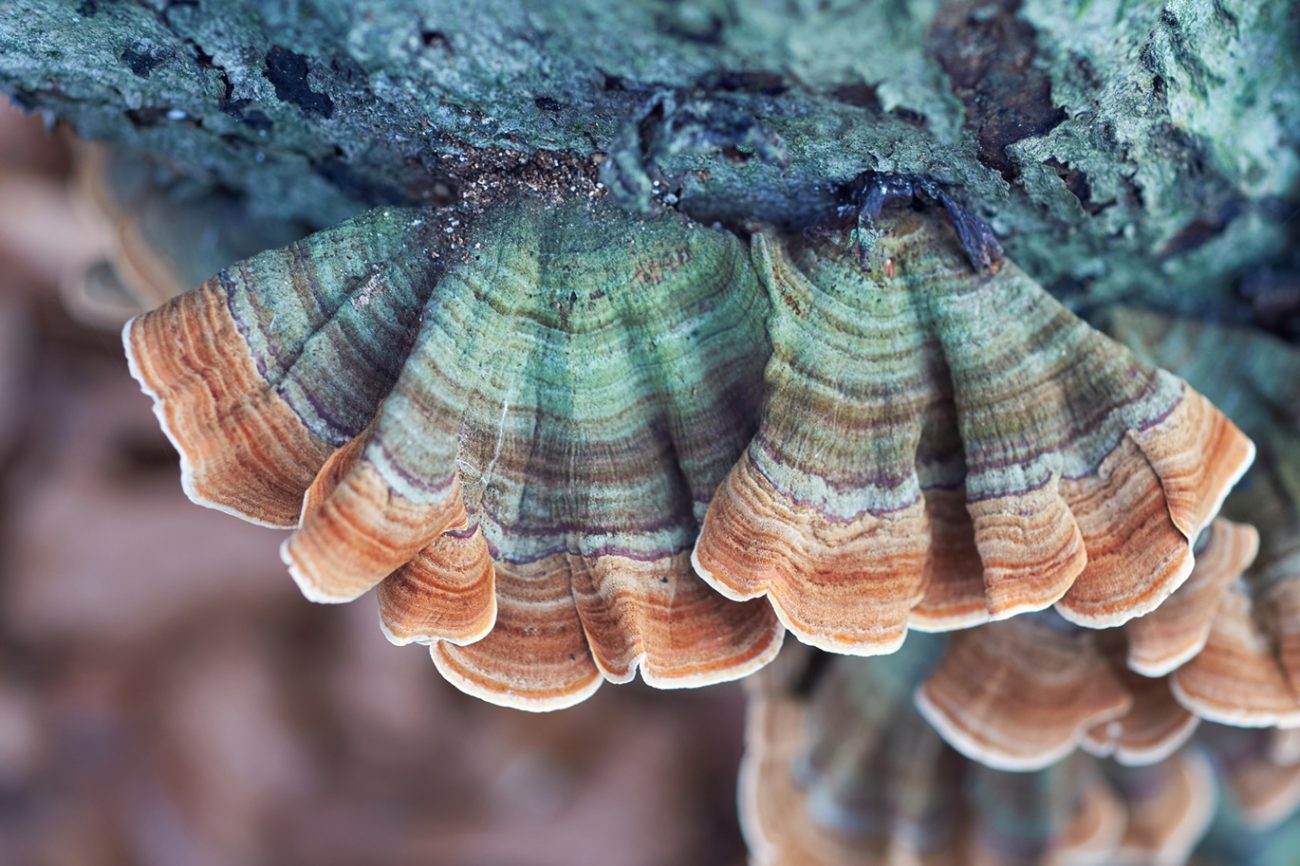
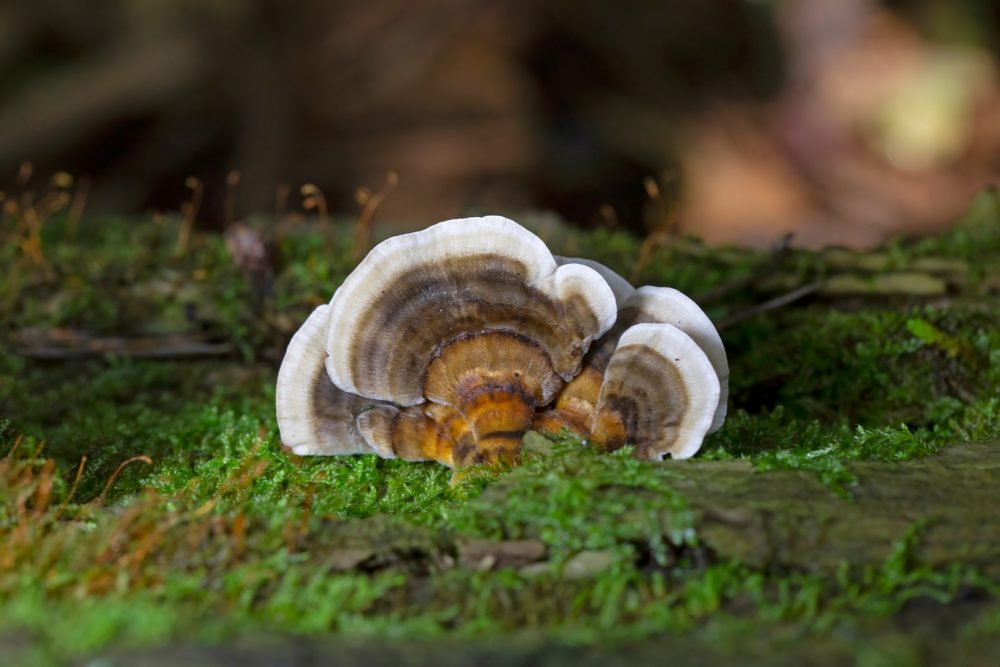
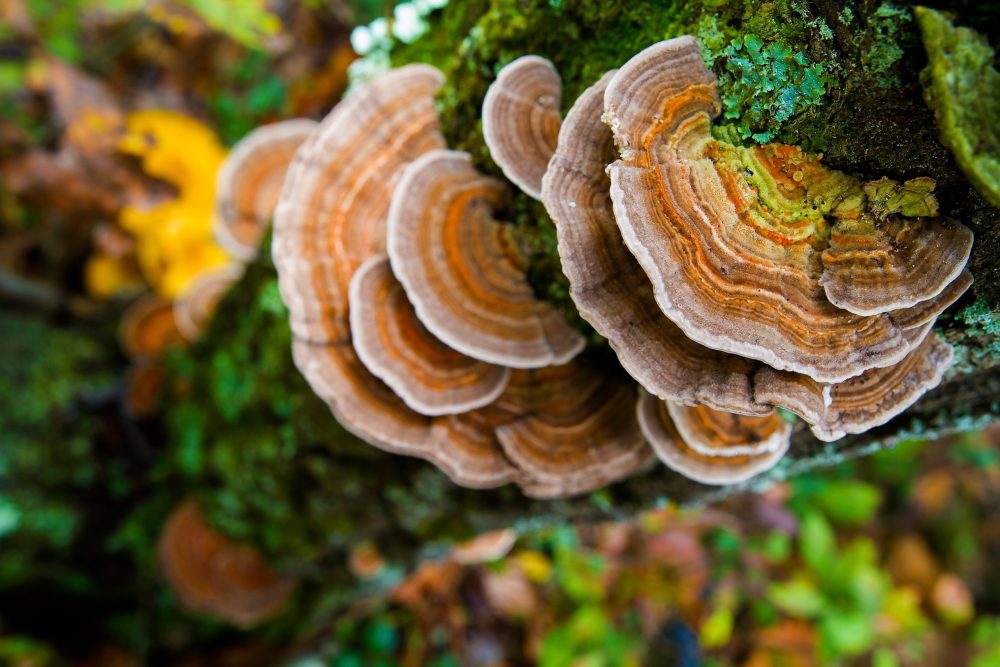
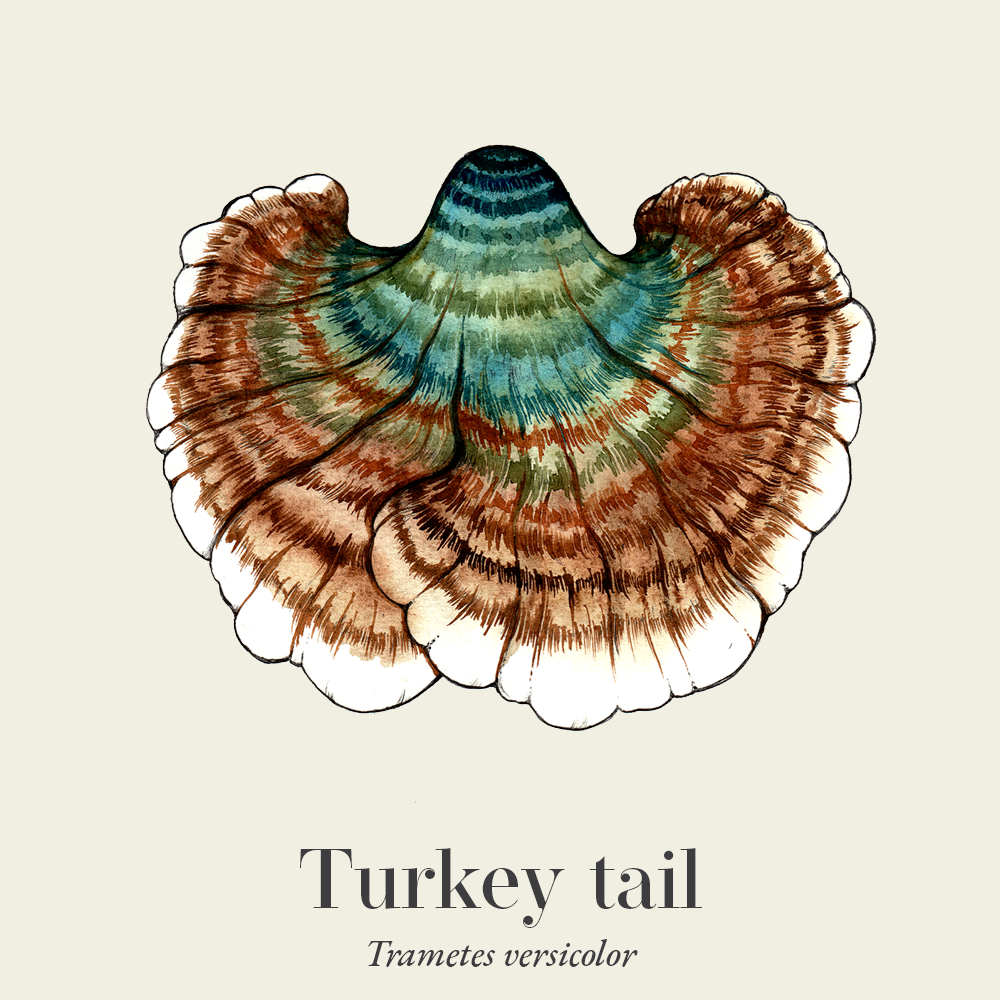
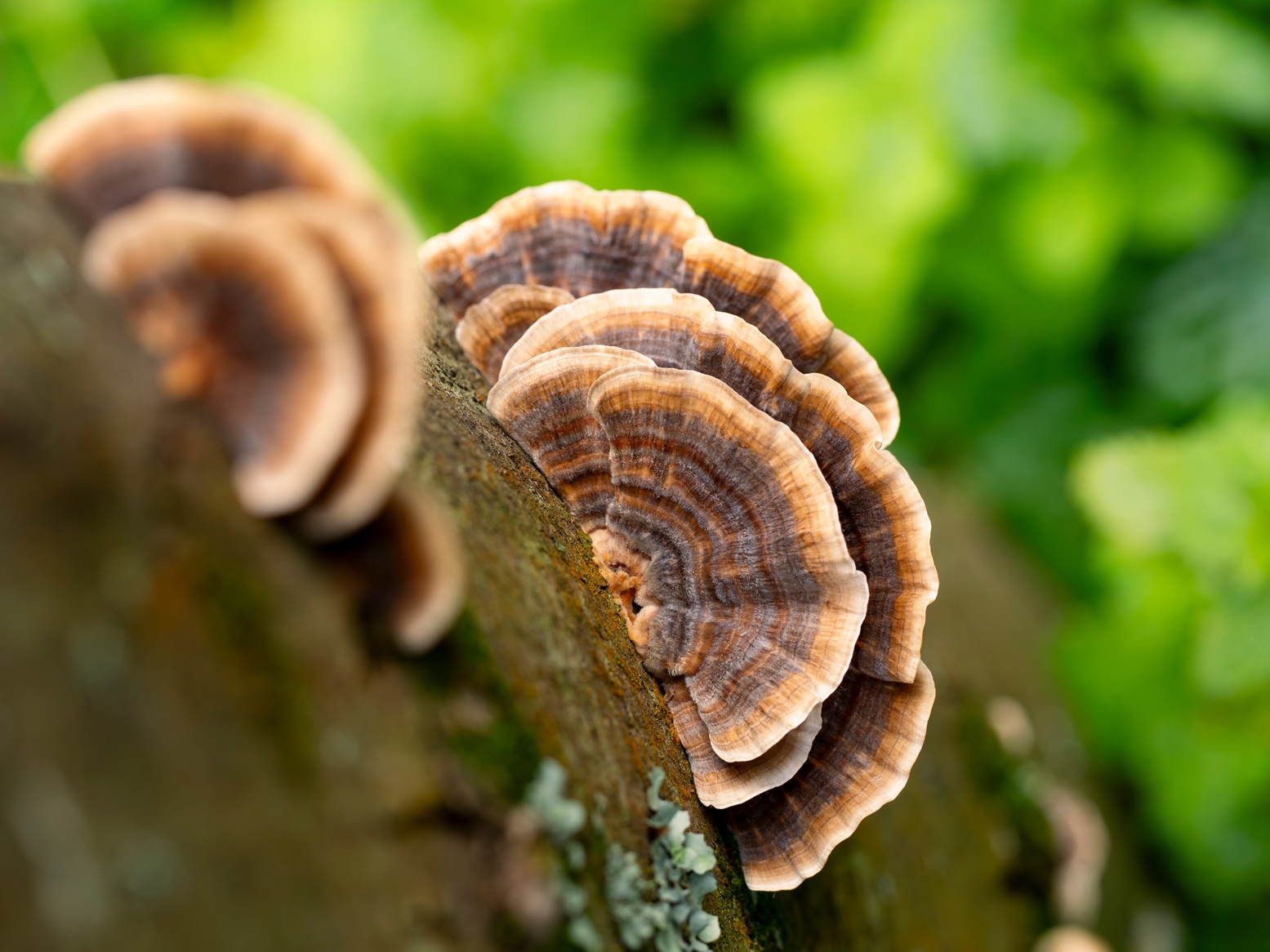
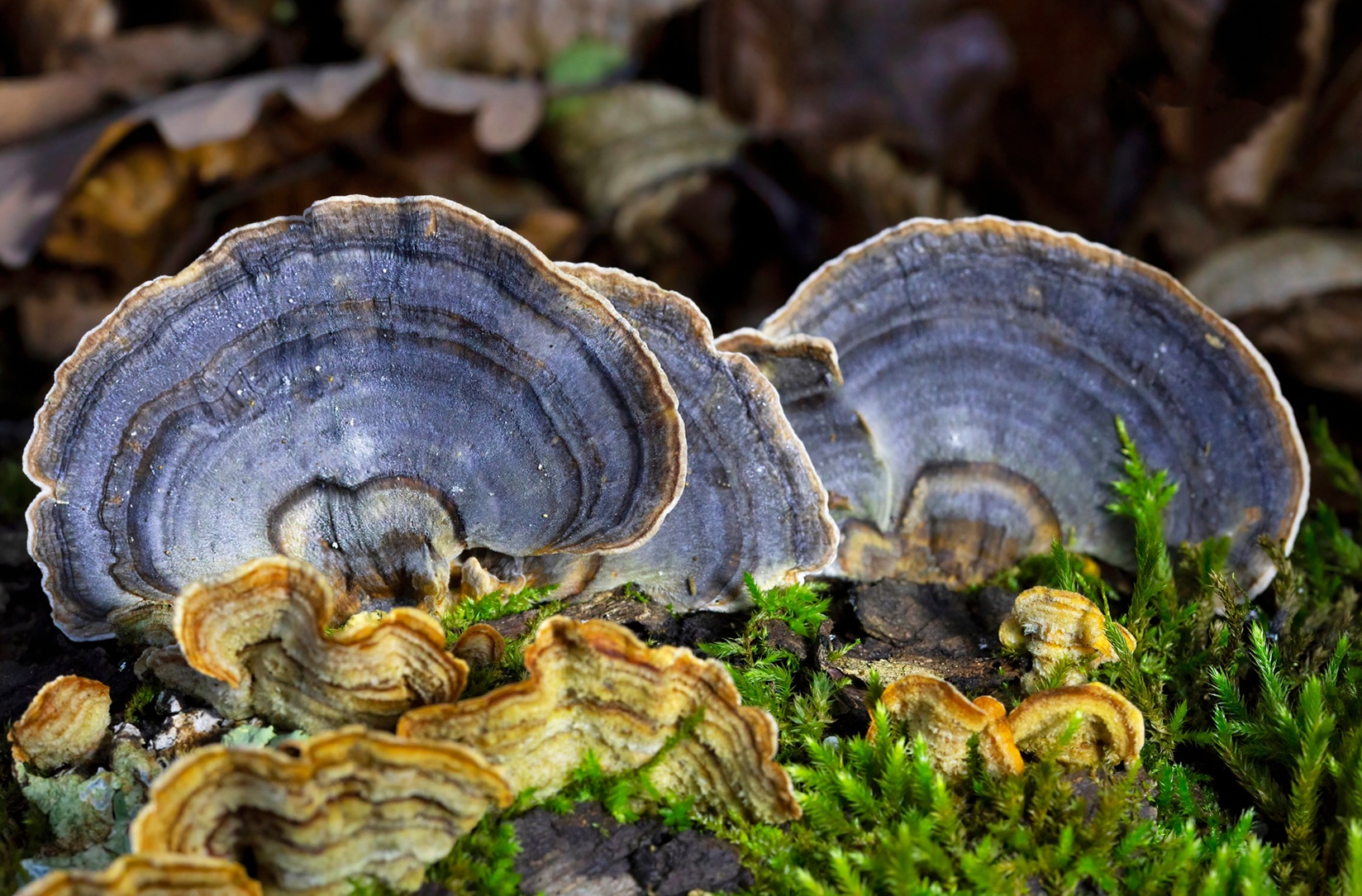
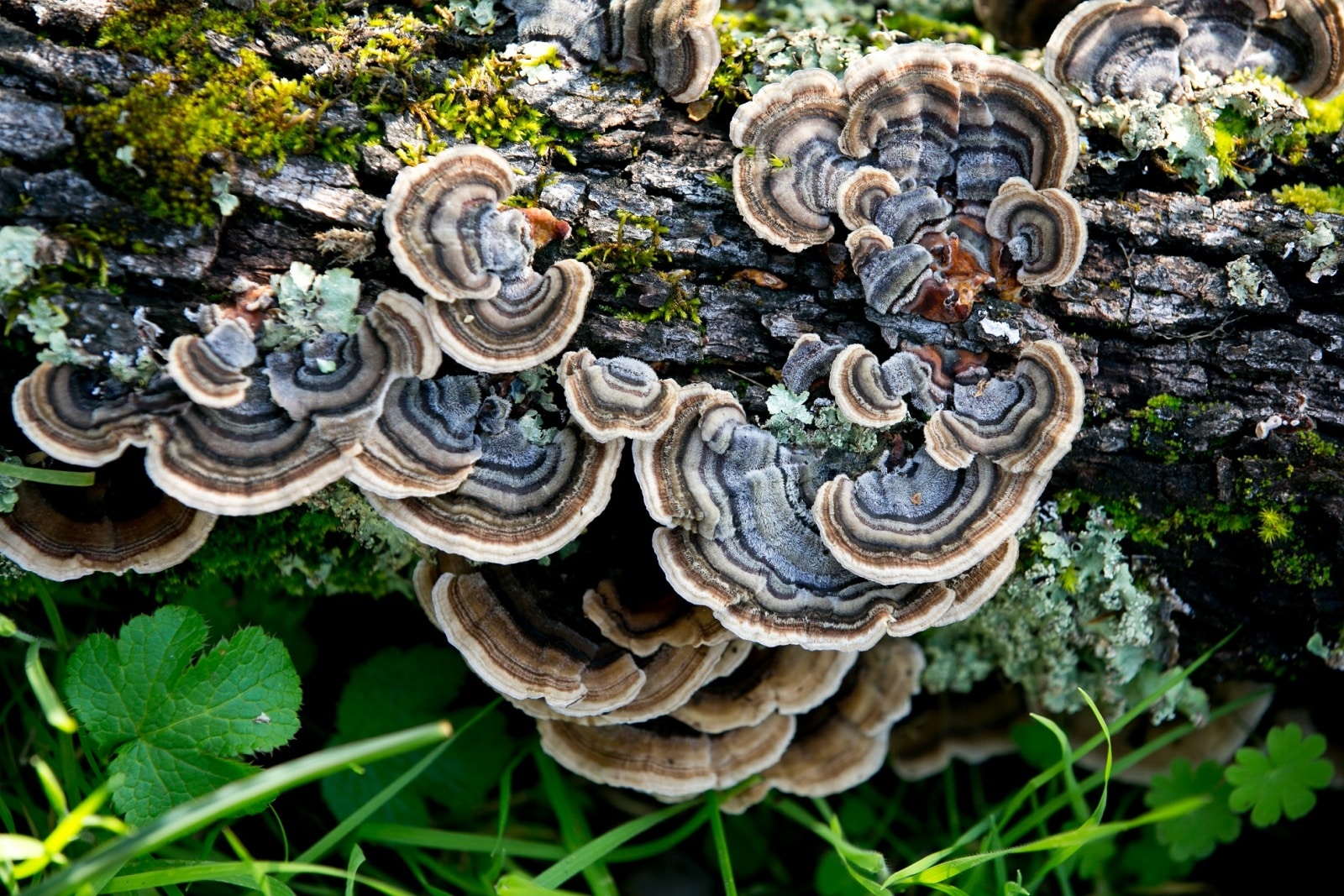
Turkey tail is a polypore (or bracket/ shelf) fungi, meaning its underside is covered in small pores as opposed to gills and they grow in tiered clusters of little ‘shelves’ on stumps, branches and logs. They are thin (trametes), multicoloured (versicolor) and fan out in beautiful semi-circular displays of autumnal striations, reminiscent of a turkey’s tail.
The rings may also have shades of blue, black or even green, the latter occurring on older mushrooms where algae have settled. The underside and edge of the turkey tail mushroom will always be white or cream in colour. They are tough, grow up to 10 cm wide, have a velvety feel on top and grow all year round (20).
It is a basidiomycete fungus, meaning it releases basidiospores from the underside of the mushroom, aided by splashes from rain. If the conditions are favourable— the spores have landed on hardwood logs, then the fruiting body will begin to grow.
The brackets persist all year round, however spore production is increased during spring and autumn in temperature climates including the UK (8).
-
Common names
- Coriolus
- Yun zhi (China)
- Karawatake (Japan)
-
Habitat
Turkey tail grows in woodlands across much of the globe, but more prolifically in temperature regions on stumps, logs, fallen trees, dead trees and branches and sometimes on living trees. They are especially fond of deciduous hard woods. They can withstand a hard frost as well as more tropical climates, hence its widespread nature (20).
-
How to grow turkey tail
Turkey tail is relatively easy to grow at home and best done with a tailored grow kit. It is also considered the easiest mushroom to grow on logs and this can be done via inoculation with sawdust or plug spawn.
You can also encourage the growth of turkey tail (and other fungi) in your garden or outside space simply by leaving dead wood and log piles for them to feed on (21).
The fruiting body takes around 1–2 months to grow.
-
Herbal preparation of turkey tail
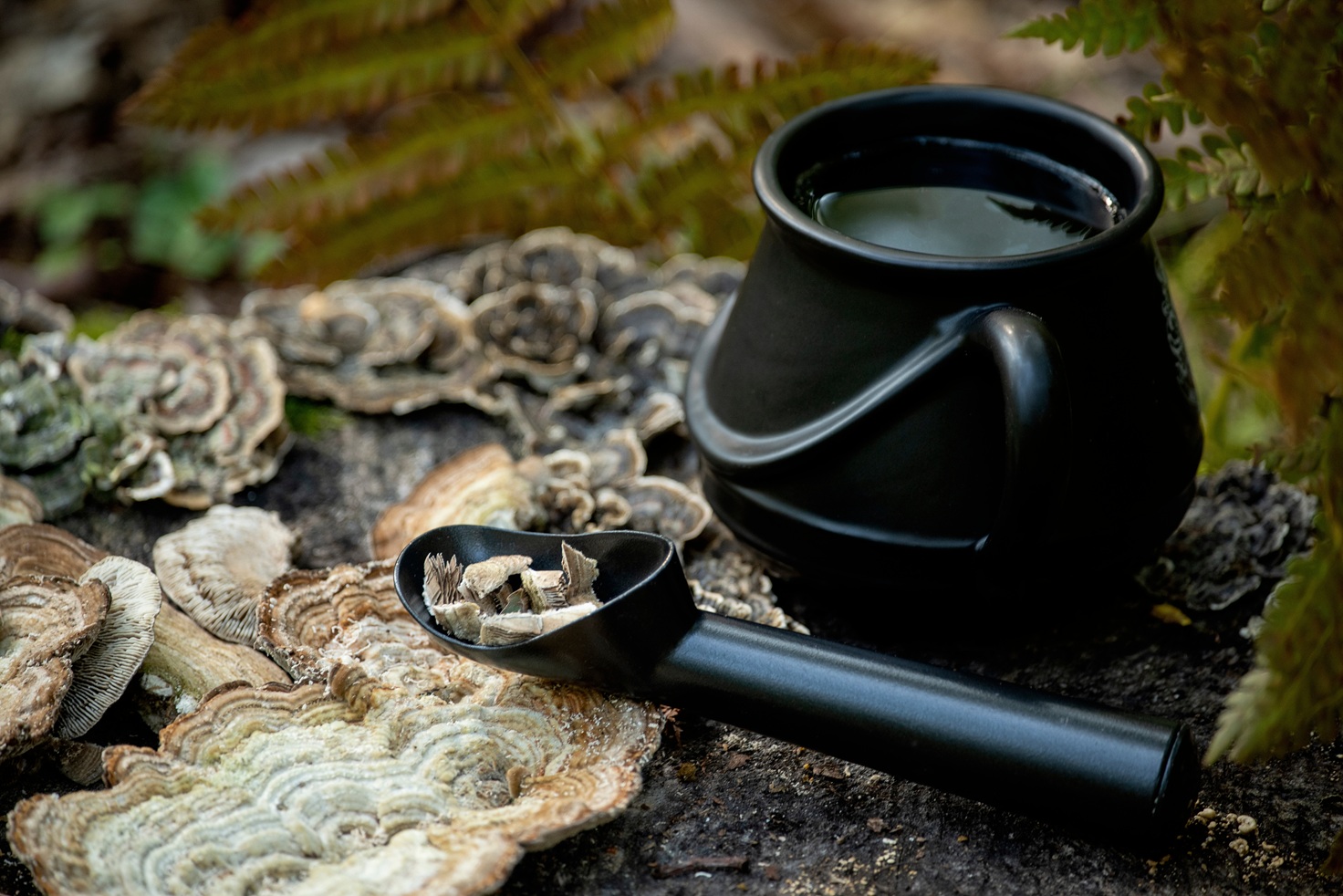
- Turkey tail powder: Today, turkey tail is most often taken as a powder in capsule form (including the commercial proteoglycan extracts PSP and PSK) or added to food or drink. These powders may be made up of the fruiting body (mushroom), mycelium (root-like thread system of fungi), mcyelial biomass (mycelium and the residual substrate – normally a grain – on which it was grown), fermentation broth (liquid in which the mycelium was grown) or a combination thereof.
- Tea
- Decoction
- Tincture
-
Plant parts used
- Fruiting body
- Mycelium
-
Dosage
- Extract: T. versicolor polysaccharide extracts are typically taken at 3–6 g/ day (7).
- Turkey tail supplements: Research with mycelial biomass (explain) supplements show benefits at the same dose (7).
- Cancer treatment: PSP and PSK are normally given at 3 g/ day alongside conventional cancer treatments (7)
- Cancer recovery / maintenance: 1–2 g polysaccharide extract / day (7), though it is important to see a specialist for cancer support.
- Immune support: 1–2 g polysaccharide extract/ day (7)
- Decoction: In TCM, the crude dried herb for decoction is used at 9–27 g (10).
-
Constituents
- Polysaccharides: Polysaccharide-krestin (PSK), polysaccharide-peptide (PSP), β-glucans
- Phenolic acids: p-Hydroxybenzoic acid, vanillic acid, protocatechuic acid
- Glycoproteins: PSP associated glycoproteins, PSK associated proteoglycans
- Lectins
- Fatty acids: Linoleic acid, oleic acid, palmitic acid
- Vitamins: B
- Minerals: Potassium, phosphorous, zinc, selenium (7,8)
-
Turkey tail recipe
Medicinal mushroom immune broth
This nourishing broth can be made and drunk on its own, or used as a base for soups and stews.
Ingredients
- 25 g dried turkey tail
- 20 g dried shiitake (Letinula edodes)
- 10 g dried kombu
- 1 small onion
- 3 garlic cloves
- 3 slices fresh ginger
- 2 litres filtered water
How to make a turkey tail broth
- Add the mushrooms to the water and bring to the boil.
- Turn the heat down and simmer for 2–3 hours (top up water if required).
- In the final 30 minutes add the onion, garlic, ginger and kombu.
- Strain.
- Taste and adjust seasoning as necessary.
- For immune support, take 250–300 ml per day, or increase this to 500 ml in convalescence or during an active infection.
-
Safety
Turkey tail is generally well tolerated. Up to 9 g was given to women with breast cancer daily for a period of six months with no significant side effects (18). Adverse reactions are rare but may include darkening of stools and fingernails and digestive disturbance (6). Information regarding the safety of turkey tail for pregnant and breastfeeding women is lacking, and should therefore be avoided unless under the guidance of a medical herbalist (7,8).
-
Interactions
Theoretically, turkey tail may increase the risk of hypoglycaemia when used in conjunction with antidiabetic medication. In theory, the PSP component of turkey tail mushroom might increase exposure to cyclophosphamide (22). Turkey tail may act synergistically with tamoxifen by enhancing immune surveillance (NK cells and T cell function) whilst tamoxifen blocks oestrogen receptor signalling, helping to target residual tumour cells through complementary pathways (7,15,18).
-
Contraindications
Avoid in case of mushroom allergy and with immunosuppressive chemotherapy for autoimmunity (7). Caution is advised with autoimmune conditions due to the potential for turkey tail to upregulate immune signalling, it is advisable to work with a medical herbalist who will start on low doses and monitor immune markers (23,24). Avoid during active autoimmune flares (23,24).
-
Sustainability status of turkey tail
Turkey tail grows abundantly across most of the world. If foraging, always seek the advice of an experienced forager, exercise caution (there are a number of turkey tail lookalikes) and harvest sustainably by only taking half a patch at a time, leaving plenty behind and picking older mushrooms which will more likely have already released their spores (7,8). It grows throughout the year with no major threats and is considered common in the temperate parts of the world. It isn’t considered to be at threat (25,26).
Read our article on Herbal quality & safety: What to know before you buy and Sustainable sourcing of herbs to learn more about what to look for and questions to ask suppliers about sustainability.
-
Quality control
High quality turkey tail supplements are without adulterants and carriers, have high levels of beta-glucans (over 20%) and polysaccharides (7,8). It is commonly wild harvested in Europe, whilst it is cultivated in China and Japan to keep up with higher demand (27).

-
References
- Pengelly A. The Constituents of Medicinal Plants. Cab International; 2021.
- Lu H, Yang Y, Gad E, et al. TLR2 Agonist PSK Activates Human NK Cells and Enhances the Antitumor Effect of HER2-Targeted Monoclonal Antibody Therapy. Clinical Cancer Research. 2011;17(21):6742-6753. https://doi.org/10.1158/1078-0432.ccr-11-1142
- Eliza WLY, Fai CK, Chung LP. Efficacy of Yun Zhi (Coriolus versicolor) on survival in cancer patients: systematic review and meta-analysis. Recent Patents on Inflammation & Allergy Drug Discovery. 2012;6(1):78-87. https://doi.org/10.2174/187221312798889310
- Fritz H, Kennedy DA, Ishii M, et al. Polysaccharide K and Coriolus versicolor Extracts for Lung Cancer. Integrative Cancer Therapies. 2015;14(3):201-211. https://doi.org/10.1177/1534735415572883
- Zhong L, Yan P, Lam WC, Yao L, Bian Z. Coriolus Versicolor and Ganoderma Lucidum Related Natural Products as an Adjunct Therapy for Cancers: A Systematic Review and Meta-Analysis of Randomized Controlled Trials. Frontiers in Pharmacology. 2019;10. https://doi.org/10.3389/fphar.2019.00703
- Kidd PM. The use of mushroom glucans and proteoglycans in cancer treatment. Alternative Medicine Review: A Journal of Clinical Therapeutic. 2000;5(1):4-27. https://pubmed.ncbi.nlm.nih.gov/10696116/
- Powell M. Medicinal Mushrooms – a Clinical Guide. eBook Partnership; 2015.
- Hobbs C. Medicinal Mushrooms : An Exploration of Tradition, Healing, and Culture. Botanica Press; 2003.
- Chen JK, Chen TT, Crampton L. Chinese Medical Herbology and Pharmacology. Art Of Medicine Press, Inc; 2004.
- Bensky D, Clavey S, Stöger E. Chinese Herbal Medicine. Materia Medica. 3rd ed. Eastland Press; 2015.
- Ayeka PA. Potential of Mushroom Compounds as Immunomodulators in Cancer Immunotherapy: A Review. Evidence-Based Complementary and Alternative Medicine. 2018;2018:1-9. https://doi.org/10.1155/2018/7271509
- Wang Z, Dong B, Feng Z, Yu S, Bao Y. A study on immunomodulatory mechanism of Polysaccharopeptide mediated by TLR4 signaling pathway. BMC Immunology. 2015;16(1). https://doi.org/10.1186/s12865-015-0100-5
- Lu H, Yang Y, Gad E, et al. Polysaccharide Krestin is a novel TLR2 agonist that mediates inhibition of tumor growth via stimulation of CD8 T cells and NK cells. Clinical cancer research : an official journal of the American Association for Cancer Research. 2011;17(1):67-76. https://doi.org/10.1158/1078-0432.CCR-10-1763
- Monma Y, Kawana T, Shimizu F. In vitro inactivation of herpes simplex virus by a biological response modifier, PSK. Antiviral Research. 1997;35(3):131-138. https://doi.org/10.1016/S0166-3542(97)00021-1
- Cui J, Chisti Y. Polysaccharopeptides of Coriolus versicolor: physiological activity, uses, and production. Biotechnology Advances. 2003;21(2):109-122. https://doi.org/10.1016/S0734-9750(03)00002-8
- Serrano L, López AC, González SP, et al. Efficacy of a Coriolus versicolor-Based Vaginal Gel in Women With Human Papillomavirus-Dependent Cervical Lesions: The PALOMA Study. Journal of Lower Genital Tract Disease. 2021;25(2):130-136. https://doi.org/10.1097/LGT.0000000000000596
- Benson KF, Stamets P, Davis R, et al. The mycelium of the Trametes versicolor (Turkey tail) mushroom and its fermented substrate each show potent and complementary immune activating properties in vitro. BMC Complementary and Alternative Medicine. 2019;19(1). https://doi.org/10.1186/s12906-019-2681-7
- Torkelson CJ, Sweet E, Martzen MR, et al. Phase 1 Clinical Trial of Trametes versicolor in Women with Breast Cancer. ISRN oncology. 2012;2012:251632. https://doi.org/10.5402/2012/251632
- Basedow K. Turkey Tail Mushroom For Dogs – DogCancer.com. DogCancer.com. Published October 17, 2022. Accessed January 13, 2026. https://www.dogcancer.com/articles/supplements/turkey-tail-mushroom-for-dogs/
- The Wildlife Trust. Turkeytail | The Wildlife Trusts. www.wildlifetrusts.org. Published 2025. Accessed March 8, 2020. https://www.wildlifetrusts.org/wildlife-explorer/fungi/turkeytail
- Coed Talylan. Grow Your Own Turkey Tail Mushrooms . Coed Talylan. Published February 21, 2024. Accessed January 13, 2026. https://coedtalylan.org.uk/grow-your-own-turkey-tail-mushrooms/
- Bone K, Mills S. Principles and Practice of Phytotherapy: Modern Herbal Medicine. 2nd ed. Edinburgh Churchill Livingstone, Elsevier; 2013.
- Mills S, Bone K. The Essential Guide to Herbal Safety. Elsevier Churchill Livingstone; 2005.
- TRC Healthcare. NatMed Pro – Turkey Tail Mushroom. Therapeuticresearch.com. Published 2025. Accessed January 14, 2026. https://naturalmedicines.therapeuticresearch.com/Data/ProMonographs/Turkey-Tail-Mushroom#safety
- The Global Fungi Redlist. Trametes versicolor. redlist.info. https://redlist.info/iucn/species_view/281625
- IUCN Redlist. The IUCN Red List of Threatened Species. IUCN Red List of Threatened Species. Published 2025. Accessed January 14, 2026. https://www.iucnredlist.org/search?query=turkey%20tail&searchType=species
- Stamets P. Mycelium Running. Ten Speed Press; 2011.
Meet our herbal experts
Our monographs are written by our monograph authors and edited, reviewed and updated by Herbal Reality.
Meet our Herbal Reality team or explore our Herbal Reality authors.