












Last reviewed 24/07/2026
Sustainability status
At risk from overharvesting and habitat loss. Read more in our sustainability guide.

Avoid in pregnancy and lactation
Herbs are generally best-avoided in pregnancy, unless working with them under the guidance of a medical herbalist. However, some herbs pose a risk to pregnancy as they are potentially: toxic to the mother, toxic to the neonate, teratogenic (risk developmental malformation), may increase miscarriage risk, or could cause foetal distress leading to miscarriage or premature birth. Herbs with teratogenic, emmenagogue, or stimulant laxative actions are all contraindicated in pregnancy. Furthermore, herbs containing volatile oils, thujone, apiol, phyto-oestrogens also should be avoided.
During lactation, there is the possibility for transfer of plant compounds through the breast milk, which can have an effect (detrimental or beneficial) on the infant.
Please read the Safety section in this monograph.

Toxicity concern
Herbal toxicity concerns extend beyond intrinsically potent herbs with narrow therapeutic windows. While some species pose dose-dependent risks due to powerful bioactive constituents and a limited margin between therapeutic and toxic doses, toxicity may also arise from pharmacokinetic or pharmacodynamic interactions, cumulative exposure, or patient-specific vulnerability (e.g., hepatic or renal impairment).
Supply-chain factors also represent a significant source of risk, including misidentification of species, adulteration, contamination with heavy metals or pesticides, and variable constituent standardisation. Factors such as these may result in unpredictable pharmacological effects or organ toxicity independent of intended therapeutic action.
Careful sourcing, quality assurance, individualised assessment, and practitioner supervision are therefore essential to ensure safe use of these herbs.
Please read the Sustainability and Quality sections in this monograph.

Drug interactions
Herbs may interact with pharmaceutical medications through both pharmacokinetic and pharmacodynamic mechanisms. Pharmacokinetic interactions involve alterations in the absorption, metabolism, distribution, or excretion of a drug. Many herb–drug interactions occur through liver enzyme modulation: by inducing CYP enzymes — increasing drug concentration and toxicity risk; or by inducing CYP enzymes — decreasing drug concentration and therapeutic efficacy.
Pharmacodynamic interactions occur when herbs and drugs influence the same physiological systems. These interactions can cause synergistic, additive or antagonistic effects at the receptor or tissue level, enhancing or opposing the intended pharmacological action. The clinical consequences of herb-drug interactions can be complex and nuanced. Consultation with a medical professional is, therefore, recommended to ensure safe use and appropriate dosing.
Please read the Interactions section in this monograph.

Contraindications
A contraindication refers to a situation in which a herb should be avoided as it may exacerbate a medical condition or pose undue risk. Contraindications may arise through pharmacodynamic mechanisms (e.g., liquorice in uncontrolled hypertension or uterine stimulants during pregnancy) or pharmacokinetic effects that alter metabolism, absorption or elimination (e.g., tannin-rich herbs in iron-deficient anaemia).
In some cases, herbal actions may aggravate underlying pathologies (e.g., the use of bitter herbs in GERD). Recognition of contraindications requires thorough assessment of patient history, co-morbidities and medications. Consultation with a qualified medical herbalist will provide guidance to ensure safe and appropriate prescribing.
Please read the Contraindications section in this monograph.

-
Herb overview
Safety
Can potentiate the effects when taken with CNS depressants Cessation of use for 2 weeks before surgery is advised.
Very drying, so unsuitable for long-term use or very high dosesSustainability
Caution: Amber / At risk
Key constituents
Volatile oils: Thymol,
Monoterpenes
Lignans
Endophytic fungal compoundsQuality
Country of origin Northern Mexico, Southwestern U.S.
Wild harvested is at risk, cultivated herb use is preferable
Risk of heavy metal contamination for plants grown in wetlandsKey actions
Antimicrobial
Vulnerary
Carminative
AntisepticKey indications
Respiratory congestion and inflammation
Arthritis and joint pain
Digestive issues
Wounds and inflamed tissuesKey energetics summary
Bitter
Aromatic
Spicy
WarmingSee below for discipline-specific energetics
See below for discipline-specific energeticsPreperation and dosage
Root, often dried plant in high strength alcohol for tincture
Decoction, gargle, wash, powder, poultice
Dose not established clinically. Short-term, practitioner led use is advised
Tincture
-
How does it feel?
An ancient plant that has a sensorial, aromatic and earthy impression with notes of cinnamon. Yerba mansa grows in a wet, boggy and slow moving riparian environment where it aids soil aeration, filtration and water flow. Dara Saville noted the similarity between its function in its natural environment and how it works within the human body— historically, it is used where fluids, mucus and inflammation have become stagnant (1–3).

The taste of yerba mansa
The below qualities are derived from organoleptic assessment.
-
Into the heart of yerba mansa

Yerba mansa (Anemopsis californica) A legendary Southwestern medicine whose use belongs to First Nations, Mexican, Hispanic, Eclectic and contemporary herbal traditions, where it is considered a panacea for all. Its medicine has often been described as cleansing, warming, drying, stimulating and protective. Still, in ecological herbalism its deeper signature is movement through stagnation— water, oxygen, lymph, mucus, inflammation, waste and repair (1,3,13).
The Sustainable Herbs Initiative frames yerba mansa as a plant whose medicine is inseparable from place. Its relationships with the floodplain soils, cottonwoods, sandy riparian corridors, water flow and local harvesters are not incidental details— they are part of the quality, ethics and future availability of the medicine (2). When the first Eclectics were introduced to yerba mansa by the First Nations W.P Best, an Eclectic Physician described it as “pungent, aromatic, sweet-astringent and warming to the tongue and mucous membranes” (1,4) Michael Moore described it as “a cross between camphor and eucalyptus” (3).
Yerba mansa is a plant of wetland havens that exist in an otherwise arid landscape. It lives in river margins, alkaline marshes, ciénegas, seeps, salt grass flats and cottonwood-willow corridors. This almost ecological paradox is central to its medicine— it is not a dry, desert plant but a desert plant of water, damp soil and slow-moving water at that. (1,2,5,14–15)
Physically, yerba mansa spreads by rhizomes and stolons, forming colonies where water is reliable. This makes it resilient in the right habitat and vulnerable when water tables fall, rivers are diverted, wetlands are drained, or floodplains are fragmented. Sustainable use therefore cannot be separated from water justice, riparian restoration and respect for First Nations cultural protocols (1,2,16–17).
-
What practitioners say
 Digestive
With a strong traditional use for digestive complaints, the eclectics also adopted it for bowel issues. Moore noted its extensive use in the digestive system describing it for use with chronic anorexia, rectal mucus, congested colic, dysentery, haemorrhoids, nausea following food, gastric and duodenal ulcers. For convalescence he recommended it post diarrhoea, shigellosis and gastroenteritis. Further to this, he highlights its uses for nutritional malabsorption to aid with absorption of B12, fat soluble vitamins or bile acids in the ileum (24).
Immune
Munk used yerba mansa as an alterative and stimulant for the immune system (19). Yerba mansa gradually restores the equilibrium of many of the body’s systems, improving flow, mucous membrane integrity, digestion, inflammation, elimination and the lymphatic system to facilitate recovery.
Reproductive
Thought of as the midwife’s panacea as it was used in sitz baths for wound healing and in postpartum care (1). The Chumash used it for treating venereal diseases, but it didn’t impact the decrease in fertility associated with gonorrhoea (12), and it was known for treating early onset herpes (24). Moore recommends its use for acute and subacute vaginitis by using a sitz bath.
Respiratory
Yerba mansa is often chosen where respiratory tissue is damp, thick, infected or slow to clear. It combines well with expectorants and immune-supportive herbs where catarrh is heavy but may need moistening support where cough is dry or tissues are irritated. In practice, this might mean pairing it with herbs such as elecampane (Inula helenium), thyme (Thymus vulgaris), echinacea (Echinacea spp), liquorice (Glycyrrhiza glabra) or marshmallow (Althea officinalis) dependent upon tissue state, constitution and symptoms (1,3,5,13).
Despite being introduced to early settlers as a panacea, with a myriad of uses, the Eclectics seem to favour it for respiratory issues. A sample was sent to the Lloyd brothers who analysed it, tinctured it and sold it as the ‘Specific Medicine Anemopsis’ (1,4).
Dr Monk, an Eclectic practitioner created a recipe using it for nasal catarrh (25).
Dara Savile recommends using the root to make a tea to gargle or directly chewing the root as an antiseptic and analgesic for oral, gum and throat inflammation and infections (25). 7Song of the Southwestern Botanical school advocated its use for certain symptoms that arose in Covid infections (26).
Moore noted its wide range of uses within the respiratory system for congested head colds, pharyngitis and recurring pharyngitis, rhinitis, sinusitis, tonsilitis and ulcers, damp, humid asthma, bronchitis, persistent wet coughs and headaches related to respiratory congestion (24).
Musculoskeletal
The Paiute, Shoshone and Washoe used to boil the leaves to bathe the body and feet for muscular aches and pains. A decoction of the roots would be applied to swellings (1).
For muscular pain relief, Savile recommends a poultice of both fresh leaves and flowers. As well as this, dried leaves and flowers can also be made into a balm or infused oil (1). Eclectic records such as Felter’s Materia Medica indicate yerba mansa’s efficacy at dealing with any wounds or abrasions (4,7,19). Moore considers it as beneficial for all muscular pain, providing an anti-inflammatory action for arthritis where it can be used topically and as a bath (24).
Skin
For topical use, yerba mansa sits between an aromatic antiseptic and astringent vulnerary. It is traditionally used as a wash, powder, poultice or salve for wounds, ulcers, burns, infected tissues and fungal-prone skin. Its drying quality makes it more appropriate where there is wetness, discharge or bogginess than where skin is cracked, dry and atrophic (1,5,6,21). Savile uses the powdered roots as a paste or combined with clay for disinfecting and wound healing (1).
Urinary
Originally advised for use in Felter’s Materia medica as a mucous membrane stimulant for genitourinary tract use and therefore also recommended for symptoms of gonorrhoea. (4) Moore noted its use for specifically acute cystitis and urethritis where there is either an inflamed urethral opening or mucous in urine (24).
-
Yerba mansa research

Yerba mansa (Anemopsis californica) Composition and antimicrobial activity of Anemopsis californica leaf oil
This study identified 38 compounds in yerba mansa leaf oil, with elemicin as a major constituent along with alpha-pinene, sabinene, beta-phellandrene, 1,8-cineole, piperitone, methyl eugenol and caryophyllene. Steam distilled oil showed antimicrobial activity against Staphylococcus aureus, Streptococcus pneumoniae and Geotrichum candidum in vitro, supporting traditional applications for an antimicrobial action (7).
Environmental influences on essential oils in roots of Anemopsis californica
A New Mexico study of 17 different populations of yerba mansa found that environmental and management conditions influenced the essential oil composition, especially methyl eugenol, thymol and piperitone concentrations. This supports the need for careful sourcing, quality assessment and awareness of chemotypic variability (27). Further investigation found notable chemotypic variation in yerba essential oils (28), which impacts upon the consistency of each plantation being better suited towards different ailments.
Further studies refined this and noted that there was greater fungal endophyte diversity in wild-harvested roots than in greenhouse cultivated roots. The wild harvested root endophytes showed activity against S. aureus and Pseudomonas aeruginosa, again raising questions about ecology, cultivation, microbiomes and medicinal chemistry. (29)
It would be useful to have further knowledge on how yerba mansa was harvested traditionally and how harvest sites were chosen and if plantation sites were differentiated for their better affinity with different ailments.
Antimycobacterial furofuran lignans from the roots of Anemopsis californica
The furofuran lignans— sesamin and asarinin, were isolated from the roots of yerba mansa, which was the first time they had been found in a member of the Saururaceae family. Sesamin was initially isolated from sesame seed oil, whereas asarinin was first found in prickly ash bark.
Both sesamin and asarinin compounds isolated from yerba mansa were found, for the first time, to have activity against nontuberculous mycobacteria with higher levels in the root than the leaves. This supports the traditional medicinal use of yerba mansa for infection (8).
Anemopsis californica attenuates photoaging by regulation MAPK, NRF2 and NFATc1 signalling pathways
This in vitro study assessed the protective effect of yerba mansa against photoaging. It showed that yerba mansa extract reduced UVB-induced oxidative stress markers in human dermal fibroblast models, modulating MAPK, NRF2 and NFATc1 signalling, showing relevance to skin research and oxidative stress.
Treatment with yerba mansa reduces the inflammatory response by regulating the activation of macrophages whilst reducing the secretion of pro-inflammatory cytokines, and NO. It was a strong source of antioxidants, preventing oxidation. Yerba mansa demonstrated several functions that indicate it for use in skin diseases, especially those that involve photodamage. Further research would be useful (21).
-
Historical use of yerba mansa

Yerba mansa (Anemopsis californica) Yerba mansa has an extensive history of medicinal use, with a continuum of knowledge held across First Nations, Mexican, Hispanic, Latino, Mestizo and being shared with the Eclectic movement and contemporary herbal traditions. Across the American Southwest and northern Mexico, ethnobotanical records repeatedly describe yerba mansa as a plant for purification, respiratory illness, wound care, pain, gout, swelling, urinary disorders, venereal disease, postnatal care and mucous membrane irritation.
Chumash, Diné (The Navajo Nation), Pueblo, Tewa, Isleta, Acoma, Laguna, Paiute, Shoshone, Washoe, Akimel O’odham (Pima), Cahuilla, Ohlone (Costanoan), Kawaiisu, Tübatulabal and Comcaac (Seri) sources all record overlapping uses, showing how widely respected yerba mansa has been across distinct cultures and landscapes. (1,3–4,13,18–19).
The root and rhizome are historically described as used in teas, decoctions, washes, powders and poultices. Traditional preparations include wound washes for sores, ulcers, burns and infected tissue; poultices for swelling and aching limbs; baths for sore feet, fatigue and muscular pain; and internal preparations for colds, coughs, asthma, pleurisy, sore throat, stomach pain, diarrhoea, dysentery, menstrual cramps and general pain.
Several accounts also describe the root being chewed or held in the mouth, or the tea used as a mouth or throat preparation, particularly for tooth infections, sore throat and irritated mucosa (1,3–4,12–13,18–20).
Navajo records describe use as a diuretic in venereal disease, haematuria, pelvic pain, bladder stones and anuria. Pueblo and Tewa traditions include root decoction for stomach ache, while Isleta sources include powdered leaves or fresh chewed leaves applied to burns and wounds (1,6,10–11).
The USDA plant guide summarises additional Californian and Southwestern ethnobotanical uses, including root decoctions for colds and coughs among Kawaiisu and Tubatulabal and Spanish settler use as a liniment for skin troubles and as a tea for ‘disorders of the blood’ (5).
A recurring theme in yerba mansa’s interaction with its environment and humans is cleansing, filtering and relieving stagnancy. It was also used in broader purifying practices such as sweating, emetics, laxative, diaphoretic and ceremonial uses. (1,6,18,21) Together, the First Nations, Mexican, Hispanic, Latino, Mestizo and Eclectic sources show a remarkably consistent medicinal profile: Yerba mansa has long been valued as an aromatic, warming, astringent and cleansing plant for damp congestion, mucous membrane irritation, wounds, swellings, respiratory catarrh and states of stagnation or purification (1,3,4,6,9,13, 18–19,21–23) This medicinal knowledge was then shared with settlers.
Yerba mansa later entered Eclectic medical practice and materia medica, studied in labs and the physicians described it as aromatic, warming, astringent, antiseptic, stimulant, tonic and alterative with a particular affinity for the digestive, respiratory, urinary systems and mucosa. (1,3,4,6,9,13,17,18,19,21–23)
Contemporary phytochemical and pharmacological studies add another layer of vocabulary and understanding to this existing traditional knowledge, helping to represent some of the antimicrobial, anti-inflammatory and aromatic qualities long recognised through traditional practice in a modern, scientific format.
-
Yerba mansa’s herbal actions
Herbal actions describe therapeutic changes that occur in the body in response to taking a herb. These actions are used to express how a herb physiologically influences cells, tissues, organs or systems. Clinical observations are traditionally what have defined these actions: an increase in urine output, diuretic; improved wound healing, vulnerary; or a reduction in fever, antipyretic. These descriptors too have become a means to group herbs by their effects on the body — herbs with a nervine action have become the nervines, herbs with a bitter action are the bitters. Recognising herbs as members of these groups provides a preliminary familiarity with their mechanisms from which to then develop an understanding of their affinities and nuance and discern their clinical significance.
Western actions
-
Yerba mansa’s energetic qualities
Herbal energetics are the description that herbalists have given to plants, mushrooms, lichens, foods and some minerals based on the direct experience of how they taste, feel and affect the body. All traditional health systems use these principles to explain how the environment impacts health, according to each of their philosophies and frameworks. These assessments of individual herbs, though they often do align, can differ from one another due to cultural differences regarding perspectives on how herbs taste versus their physiological effects. Find out more about traditional energetics in our article An introduction to herbal energetics.
-
What can I use yerba mansa for?

Yerba mansa (Anemopsis californica) Yerba mansa is primarily used for damp, congested and infected mucous membrane states. It has a strong affinity with the respiratory tract, especially sinus congestion, nasal catarrh, sore throats, thick mucus and catarrh that lingers after an infection.
First nations and regional traditions used root or rhizome preparations for colds, coughs, asthma and chest conditions and the Eclectic physicians, who learnt from the First Nations, used it for colds, rhinitis, nasal catarrh and sore throat (1,5–6).
It has a history of use for wound care: Root decoctions, powders, washes and poultices have been used for wounds, burns, ulcers, sore feet, swellings and infected tissue. Yerba mansa’s combination of aromatic, antimicrobial, astringent and anti-inflammatory activity makes it particularly suited to slow-to-repair tissue states (1–8).
Digestive and urinary uses are also well represented in traditional sources, including stomachache, diarrhoea, colitis, urinary irritation or UTIs, bladder complaints and historically was used for venereal disease. Yerba mansa supports mucous membrane tone and microbial resistance (1,5,9–11). In childbirth, it has a history of use for postpartum, excessive bleeding following birth, as a vaginal douche and for menstrual cramps (11,12).
-
Did you know?
A 1935 research project by Western ethnobotanists recorded purification practices among the Tohono O’odham. Warriors and hunters underwent ritual care following killing an eagle or enemy that initially involved segregation and fasting, with nicotine regarded as an important cleansing substance. Elders who had undergone similar experiences would then progress to the next phase of the ritual with song and support the warrior through further purification. Depending upon the section of the tribe the warrior belonged to, yerba mansa was held in the mouth of each elder while they would take it in turns to blow nicotine smoke over a warrior who had killed an enemy (11).





 Digestive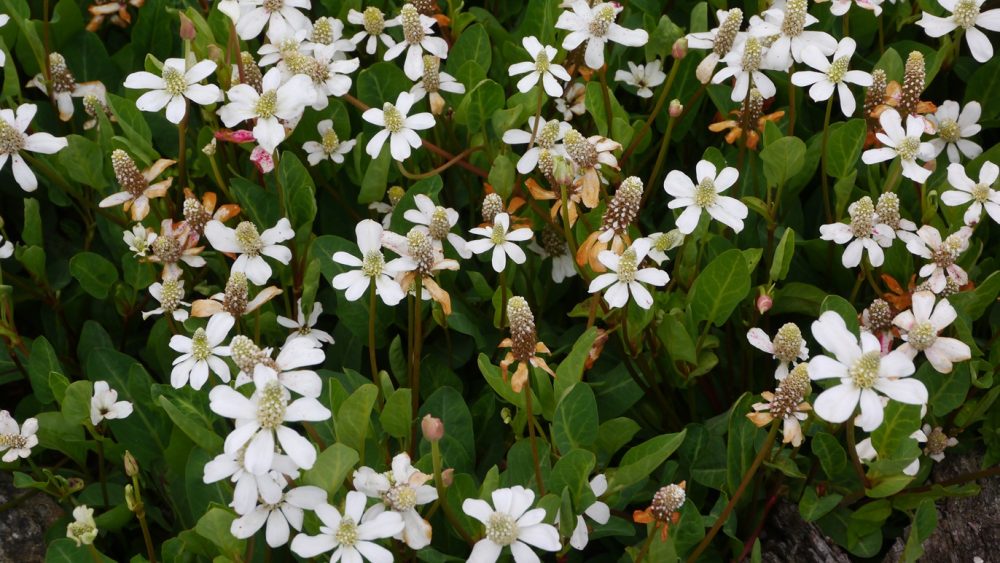
-
Botanical description
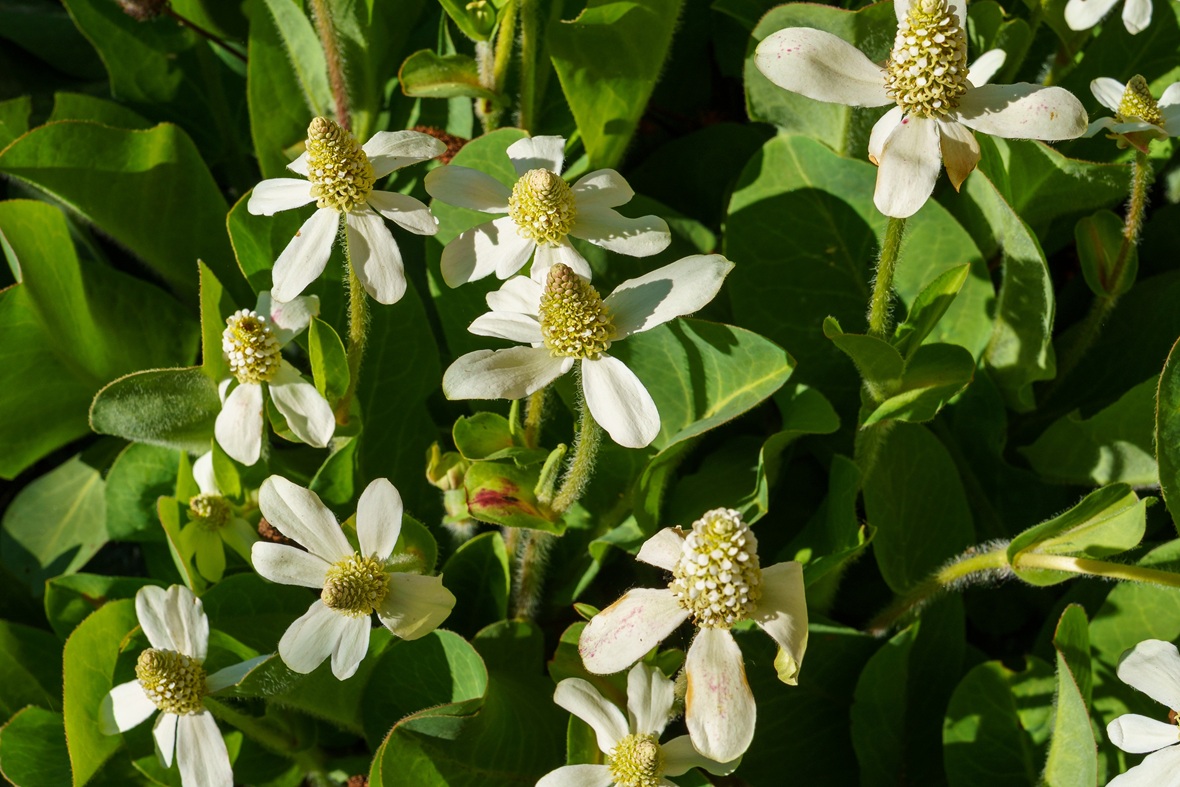
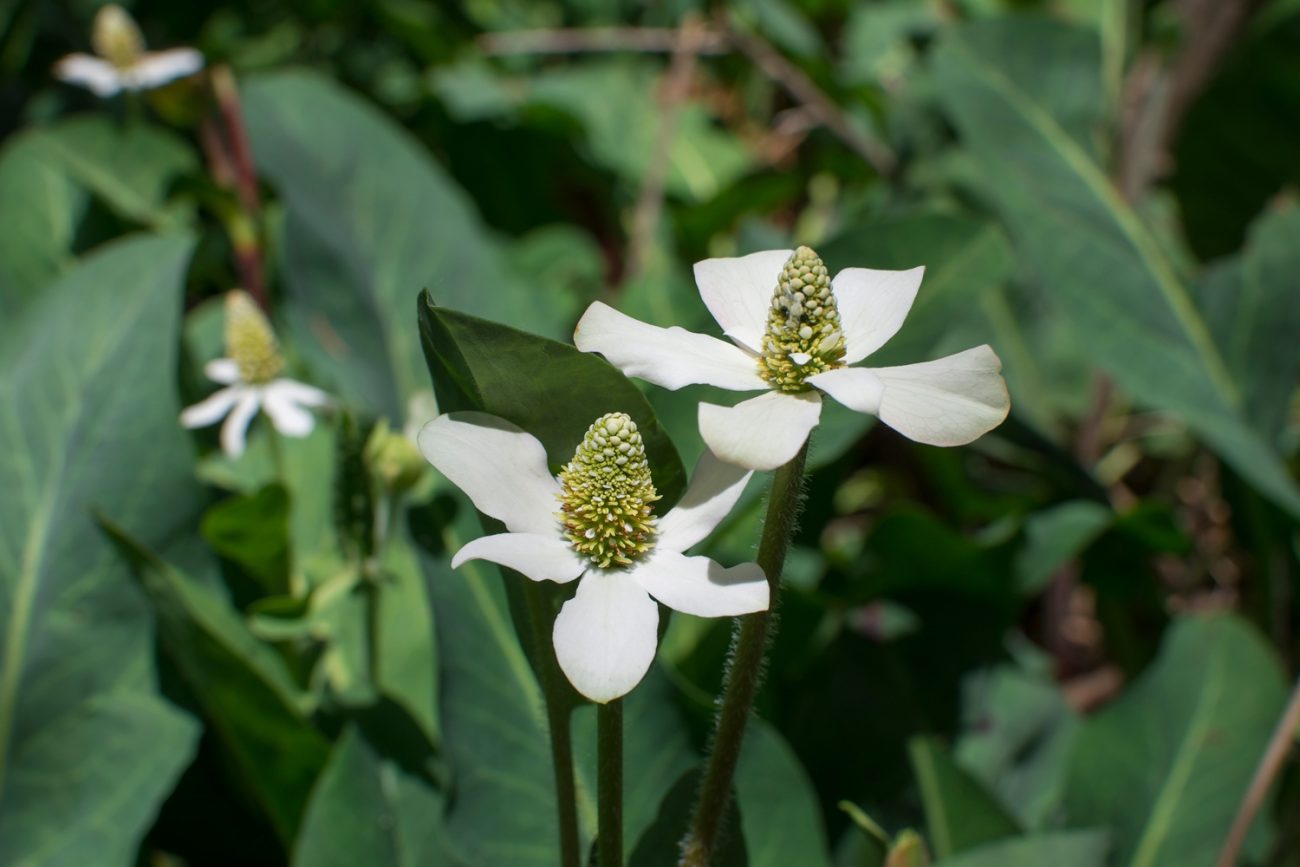
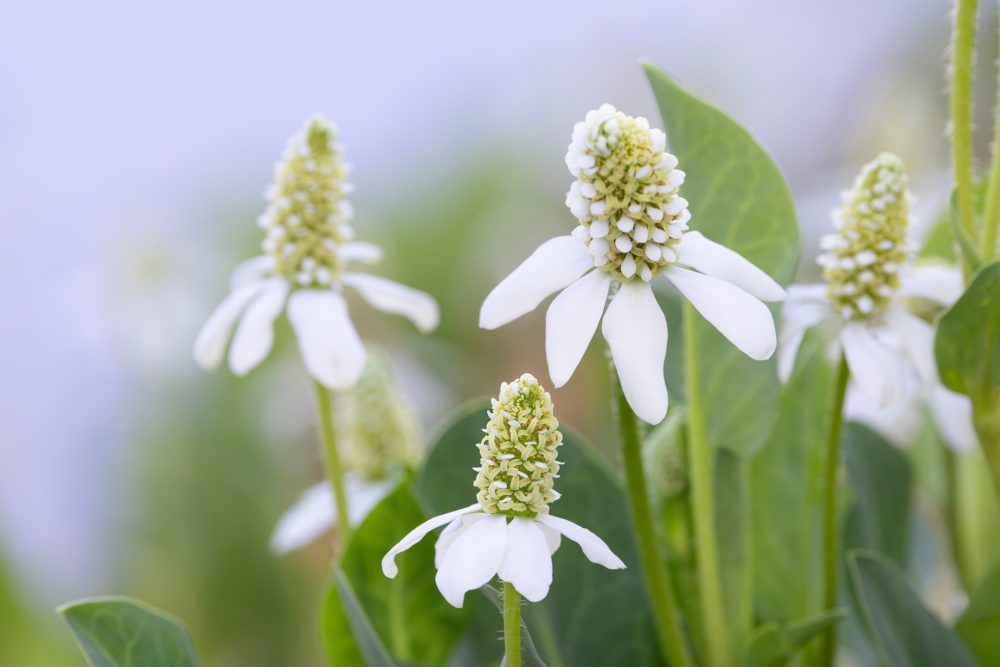
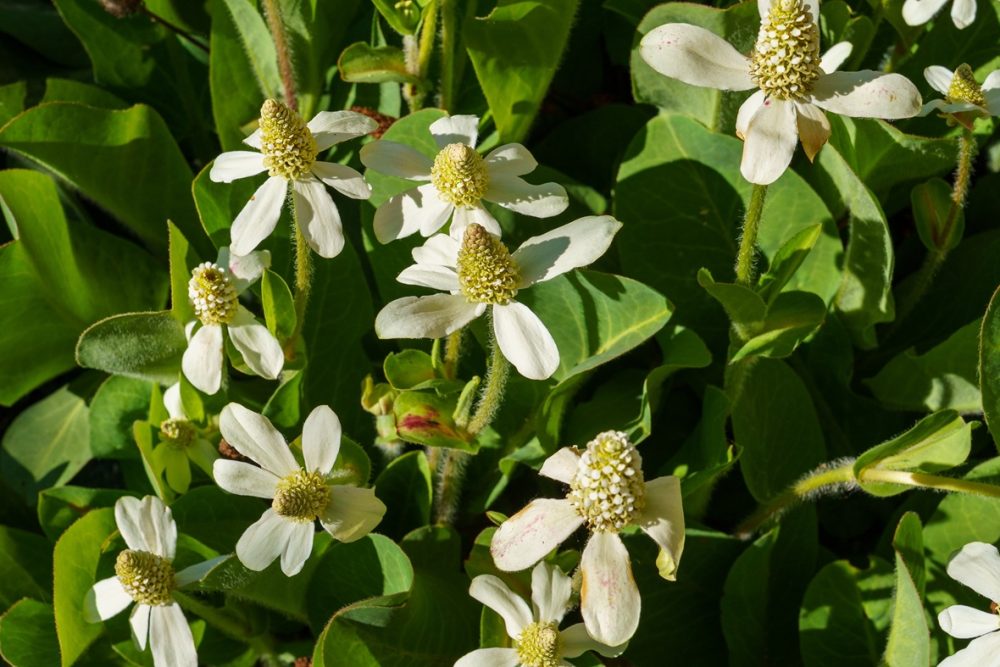
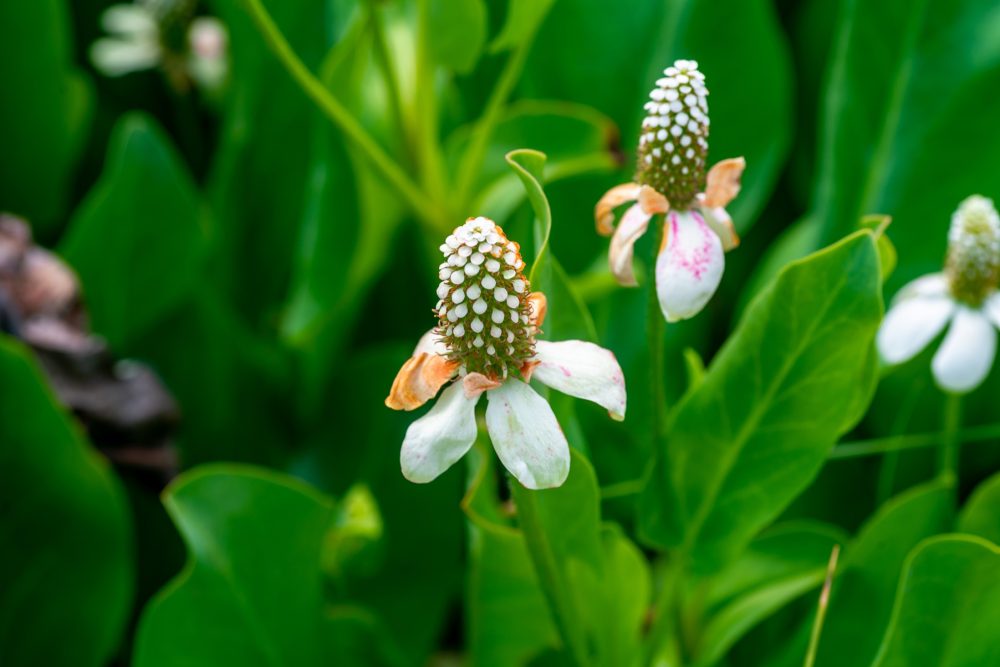
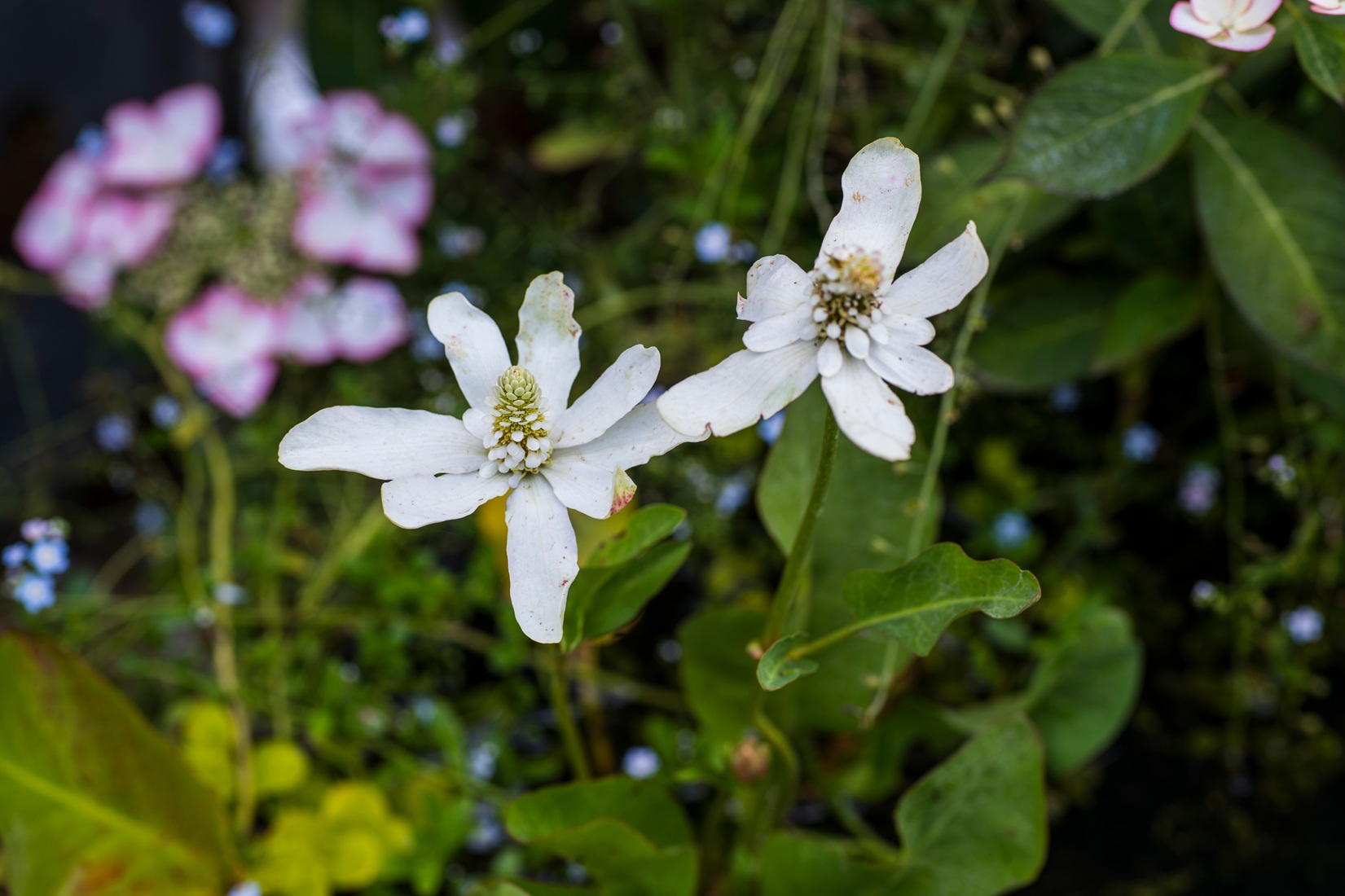
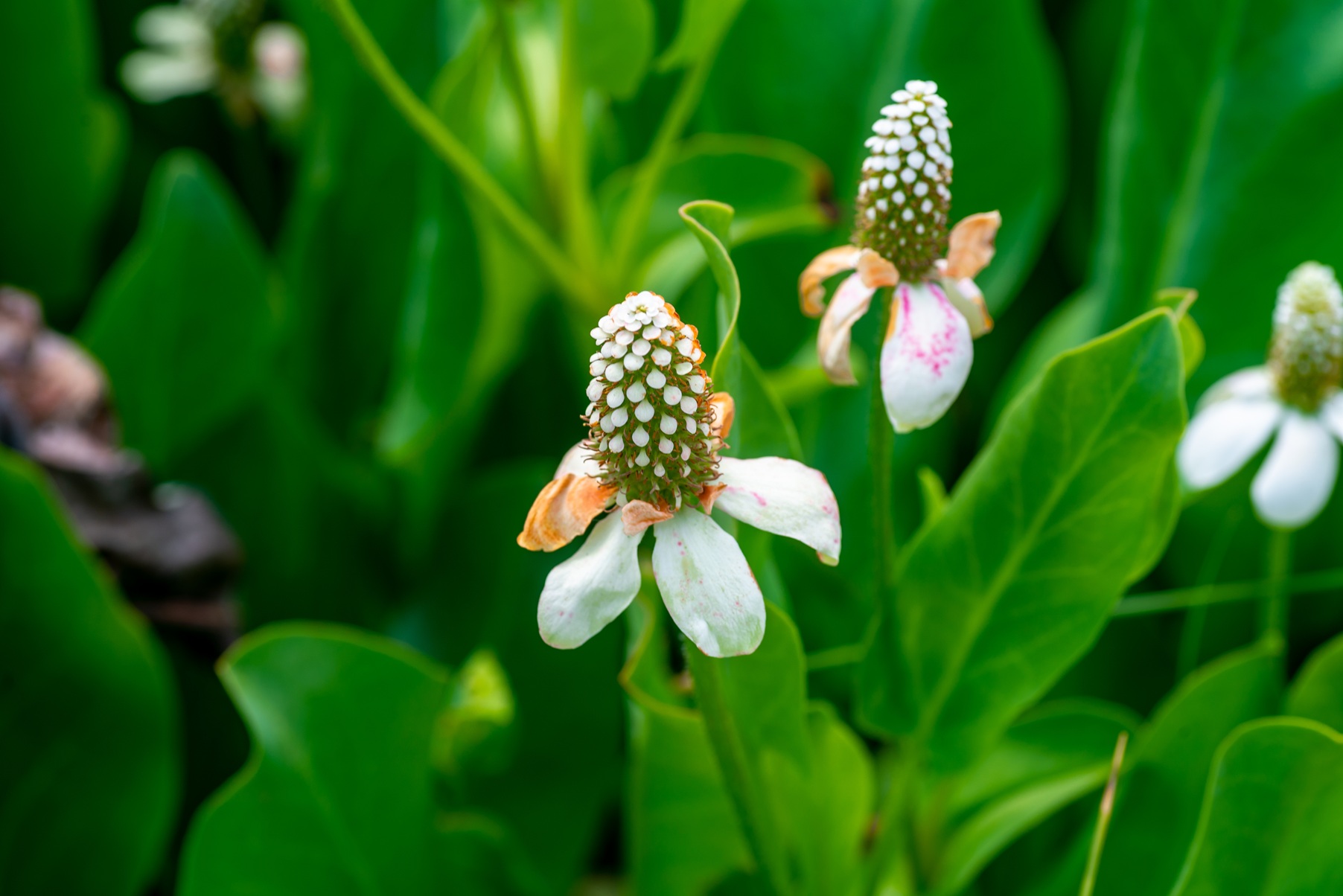
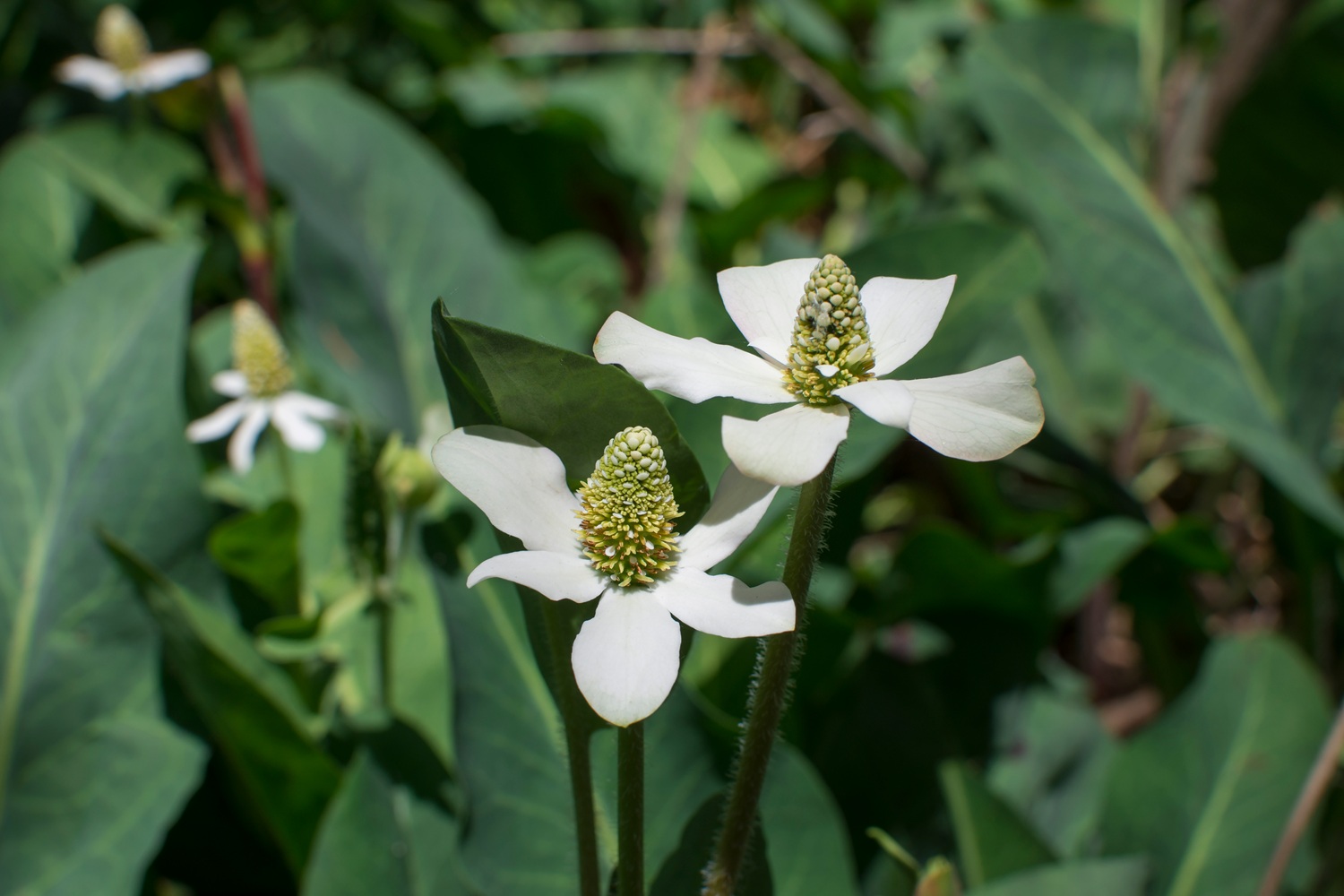
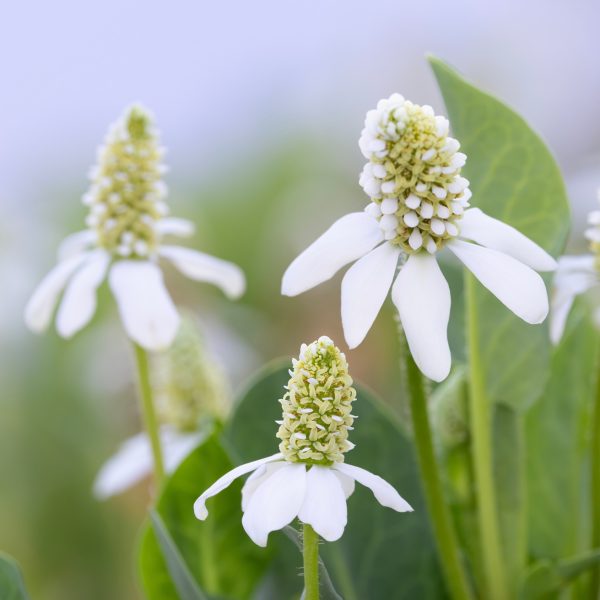
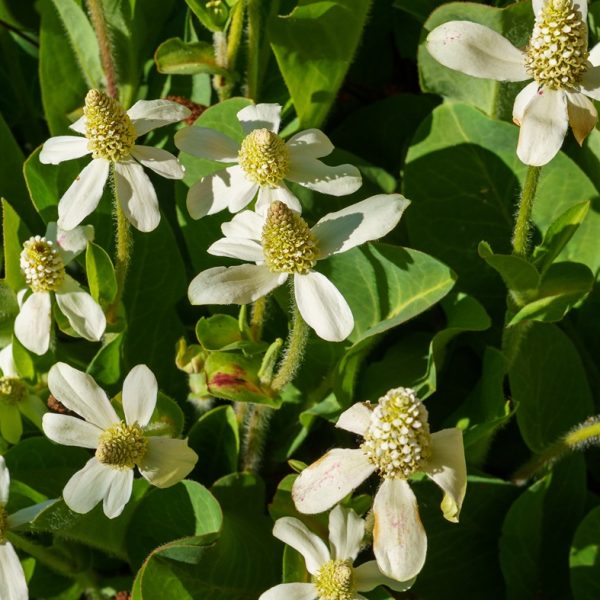
Yerba mansa is a perennial, aromatic, rhizomatous herb with creeping stolons and basal, waxy, oval to spoon-shaped leaves on long petioles.
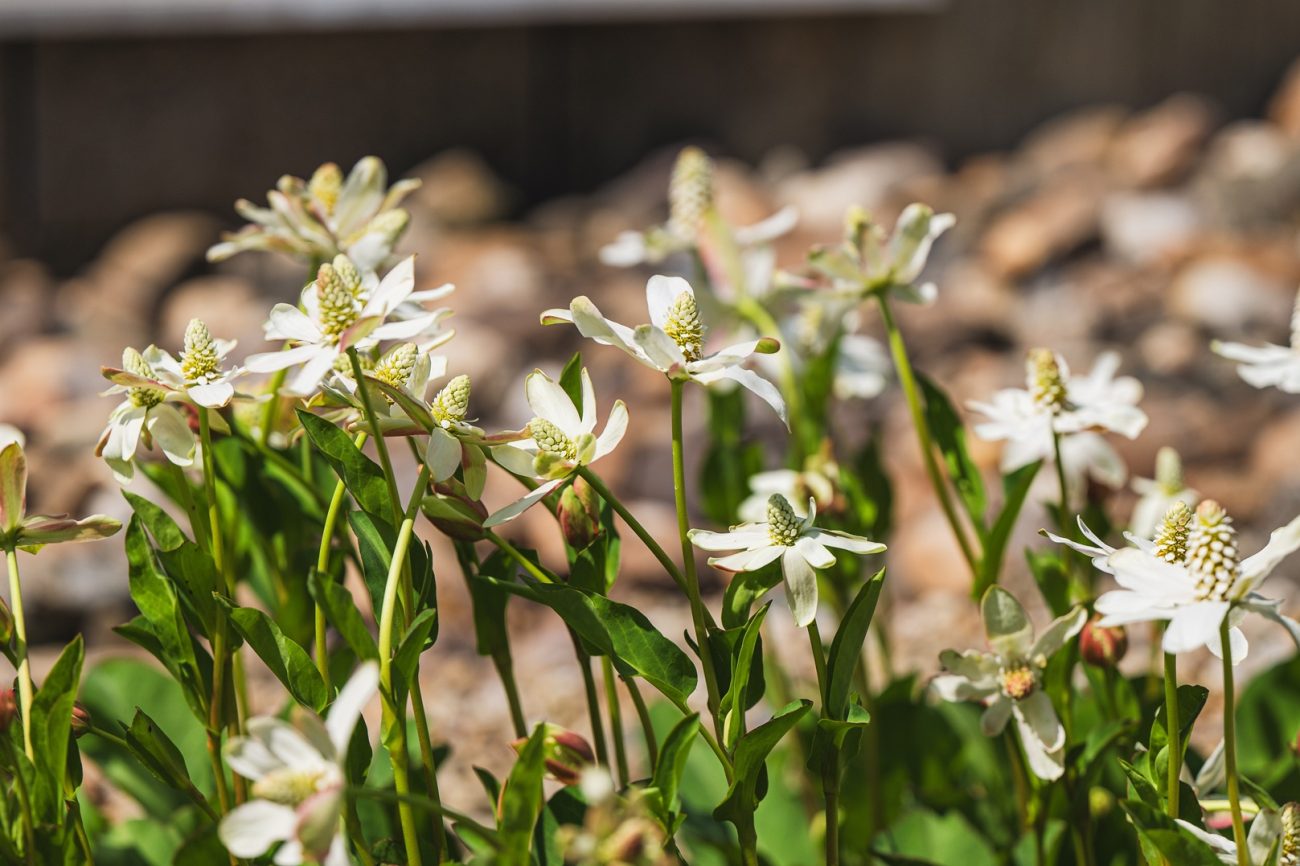
The inflorescence is a conical spike, usually 1–3 cm long, made up of many small bisexual flowers surrounded by petal-like white bracts. The plant spreads clonally through rhizomes and stolons, usually forming colonies in wet soils (2,5,15).
The beautiful white flower of yerba mansa is not composed of true petals, it is in fact a cone of many tiny flowers surrounded by white petal-like bracts which can blush pink or red as they age (2,15).
-
Common names
Yerba mansa is known by a variety of names among the First Nations, Mexico and in common usage, including,but not limited to, vavish (Pima) (30), chivnish (Cahuilla) (31), ’onchoshi (Chumash) (12), matacha (Acoma and Laguna Pueblos) (32), cahpanï-l (Tübatulabal) (33), wawic (Papago) (11), cheu-pahn-iv (Moapa Paiute), and chew-pon-iv (Shoshone) (33). It is also commonly referred to as yerba del manzo, swamp root, and lizard tail (33). Yerba mansa is thought to come from the Spanish language where yerba is herb and mansa means to calm, tame or gentle (34).
-
Habitat
Yerba mansa is indigenous to the American Southwest, as well as the neighbouring areas of the Southern Plains and Mexico. In the United States, its natural distribution extends across Oregon, California, Nevada, Utah, Arizona, Colorado, New Mexico, Nebraska, Kansas, Oklahoma, and Texas (35). Yerba mansa is considered an obligate wetland species across most of its distribution, commonly occurring in bosque (riparian floodplain) communities, ciénegas (spring-fed wet meadows), and other wetland environments.
It thrives in both alkaline and saline soils and is typically found at elevations below 6,500 feet. Yerba mansa’s roots improve soil aeration, water flow, acidifies soil benefiting its surrounding ecosystem. (33). Its relationship with wet, saline places is also reflected in historical observations of its co-occurrence with salt grass, a plant also connected with purgative qualities as well as being electrolyte rich and used in traditional medicine (1,6,18,21).
-
How to grow yerba mansa
Yerba Mansa requires full sun to partial shade, requires a good to high amount of water as it requires consistently moist soil. It is hardy down to 0-5°F and flowers from winter until spring
- Propagation: Yerba mansa can be readily propagated by dividing its runners. These can be placed in a damp environment where they will root quickly.
- Seed propagation: Sow seeds in early summer in pots with consistently moist soil. Germination will take approximately five weeks. Once the seedlings have a few leaves and are large enough to handle, transplant into individual pots and leave indoors in a warm setting, glasshouse or polytunnel until the following summer when they can be planted outdoors to a moist site. Yerba mansa grows best in constant wet conditions such as streambeds, where it will spread as groundcover; however, it can become very competitive with other plants. It is adaptable to most soil that is moist to soaking (2,5,27).
-
Herbal preparation of yerba mansa
- Dried root/rhizome tincture
- Root/rhizome decoction
- Gargle or mouthwash
- External wound wash
- Powdered root paste
- Poultice
- Infused oil or salve from aerial parts
- Fresh leaf/flower poultice
Yerba mansa plant usage is recommended as follows:
- Dried roots and rhizomes as tincture or liniment
- Decoction for expectoration
- Powdered root as a paste or with clay for wounds
- Tea gargle or chewed root for oral and throat inflammation
- Fresh leaves/flowers as poultice or bandage (1)
-
Plant parts used
- Roots
- Leaves
- Flowers
- Seeds (as a food source)
-
Dosage
- Tincture (ratio 1:2 | 70%): Fresh herb with 10% glycerin to reduce precipitants settling (1), 1:5, 60% dried herb (39). A standard dosage is recommended at 30–60 drops up to five times daily. Tincture can also be diluted and used as a gargle (36).
- Fluid extract (1:1 | %): 0.5ml—3 ml in syrup daily (4)
- Infusion/decoction: Decoction is traditionally used in small amounts and short-term use (1,3,5,13,37). An infusion made from leaves has been reported as used for infants with colic or high fever (20). A further recommended dose for adults is an infusion or decoction with one ounce of the herb to 946 ml of cold water which is boiled for 10 minutes, strained and drunk at a dose of 60–120 ml five times daily (36).
- Ground root powder, mixed with clay, leaves for a poultice or balm, cream.
- Roots can be chewed for an analgesic and antiseptic effect orally.
- Essential oil (1,5,7-8,27-28)
- Nasal spray (37)
-
Constituents
- Monoterpine: Piperitone (7)
- Phenylpropanoid: Methyleugenol (7)
- Phenolic monoterpene: Thymol (7)
- Lignan: Sesamin (8)
- Lignan: Asarinin (38)
-
Yerba mansa recipe
Yerba mansa throat gargle and mouthwash
Useful for sore, inflamed gums or symptoms of a sore, congested throat. Dara Saville described the use of yerba mansa tea as a ‘gargle’ and the fresh root as a chew for oral inflammation. (1) This recipe has been adapted for use with the dried herb.
Ingredients
- 250 ml water
- 2 g dried yerba mansa root
- 1 tsp honey (if being used for sore throat)
- 1 pinch of sea salt
How to make yerba mansa gargle
- Add the dried root to a small saucepan with water.
- Bring to the boil and reduce to a simmer for 15 minutes.
- Allow to cool until warm.
- Strain and add salt and honey (if using).
- Gargle, swill in the mouth for a minute then spit out.
- Keep remainder in a sterilised container for 24 hours.
- Use three/four times daily.
Alternatively, for sore throat due to infection add a combined total of 14 g of dried yerba mansa, liquorice, sage, thyme into a cafetiere, add 500 ml of hot water. Push the plunger down slightly so that all the herbs are submerged, steep for 15 minutes. Then push the plunger all the way down and allow the liquid to cool slightly until it is warm. Then use this to gargle three times daily. Unused liquid can be kept in the fridge and reheated later.(26).
Dr Monk’s 1909 famous nasal spray formula (1,4)
Ingredients
- 10 to 30 drops of yerba mansa tincture
- 1 dram of glycerin
- Water
How to make yerba mansa nasal spray
- Fill a two-ounce tincture bottle with the following 5–30 drops of yerba mansa tincture, add the glycerin and top with water.
- Shake well and spray into the nostrils for relief from sinusitis, infection, catarrh, rhinitis and congestion.
-
Safety
Not to be used during pregnancy or breastfeeding due to lack of clinical safety data unless under the supervision of a qualified practitioner (39).
Avoid internal use of essential oil or preparations with high concentrate of volatile oil (1,7,8,27–28)
Due to a mild sedative effect, avoid use two weeks before any form of anaesthesia (35).
-
Interactions
There hasn’t been any robust research into yerba mansa and subsequent herb-herb or herb-drug interactions.
Research shows that caution is appropriate in people taking multiple medicines, immunosuppressants, anticoagulants, hepatotoxic drugs or nephrotoxic drugs (1,7,8,27,28,39).
-
Contraindications
Avoid use with CNS depressants/sedatives as yerba mansa is believed to have sedative effects (39). Theoretically, concomitant use with herbs with sedative properties might exacerbate these effects.
-
Sustainability status of yerba mansa
Yerba mansa is categorised as ‘Species At Risk’, with an overall risk score of 41 according to the United Plant Savers (33).
Much of this score is attributed to threats to its habitat (33), which are expected to intensify due to increasing water demand, water-use restrictions across the American Southwest, and rising temperatures associated with climate change.
The species has also been designated a Priority for Further Study by TRAFFIC/The Nature Conservancy. This designation is based on factors such as significant commercial trade, growing market demand, declining populations, and concerns about species sustainability.
NatureServe has not reviewed the status of yerba mansa since 2001 and acknowledges that a review is required (16). At that time, it designated yerba mansa with a global conservation status of ‘Secure’, however, since then restricted wetland habitats, changes in hydrological conditions, and an increase in commercial demand have impacted it further.
It is unranked in six states where it is known to grow; classified as ‘Imperilled’ in Utah and Colorado; and considered ‘Possibly Extirpated’ in Oklahoma. The threat of wild harvesting for medicinal purposes is based upon information given by the American Herbal Products Association noting that this was not impactful upon sustainability in 2000, there hasn’t been further research since then into supply for herbal products (16).
Yerba mansa is not currently listed as globally threatened by IUCN and NatureServe lists Anemopsis californica as G5 secure, but this global rank does not fully reflect local vulnerability, habitat dependency or pressures on desert wetlands (14–16).
Read our article on Herbal quality and safety: What to know before you buy and Sustainable sourcing of herbs to learn more about what to look for and questions to ask suppliers about sustainability.
-
Quality control
The United Plant Savers recommends prioritising the use of cultivated sources of At-Risk plants such as yerba mansa whenever feasible. Given the ecological pressures affecting these species and the considerable variation in their population abundance, wild collection should be minimised and conducted only under careful monitoring. Any harvesting from wild populations should comply with all applicable federal, state, and local regulations. Current market demand for yerba mansa has not been comprehensively quantified.
Yerba mansa has also been promoted as a potential substitute for the threatened medicinal herb goldenseal (Hydrastis canadensis) (3). As demand for goldenseal continues to grow and pressure on wild populations increases, demand for yerba mansa may likewise rise. Encouragingly, research has demonstrated that yerba mansa can be successfully cultivated to supply the herbal marketplace (33,40).
Although phytochemical differences between wild and cultivated plants have been documented (1,8,27), expanded cultivation by small-scale growers could potentially help satisfy commercial demand while reducing harvesting pressure on diminishing natural populations (33). Dara Saville’s progressive ‘Yerba Mansa Project’ in Alberquerque (41) is successfully rebuilding riparian habitats whilst cultivating and reinstalling yerba mansa (and other endangered plants) into those areas. This also involves deepening the local community’s connection with the riparian habitat.
In terms of adulteration, to the untrained eye, the leaves of common plantain (Plantago major) can resemble those of yerba mansa when it isn’t in flower, similarly curly dock and white marsh marigold share a somewhat similar overall appearance (33).
Wild populations of yerba mansa have been shown to absorb arsenic and other heavy metals from groundwater (42–44). This again points to a preference for sourcing cultivated herb from a medicinal perspective, as the extraction of wild crafted yerba mansa is taking away a vital part of an ecosystems filtering department. Research shows that wildcrafted root has a more varied endophytic fungi compared to cultivated, glasshouse yerba mansa – some of which have antimicrobial actions against Staphylococcus aureus and Pseudomonas aeruginosa (29).
Whilst there was no significant difference in medicinal compound production between wild and cultivated but, that higher levels of irrigation correlated with higher levels of thymol and piperitone (27).
-
References
- Saville D. Anemopsis californica (yerba mansa) monograph. J Am Herbalists Guild. 2020;18(1):33-42.
- Sustainable Herbs Initiative. Yerba Mansa (Anemopsis californica): A riparian plant with deep medicinal roots. Published 2026. Accessed January 22, 2026.
- Moore M. Medicinal Plants of the Desert and Canyon West. Santa Fe, NM: Museum of New Mexico Press; 1989.
- Monographs Extracted From. https://www.swsbm.com/FelterMM/Felters_Materia_Medica.pdf (accessed 10/05/2026).
- USDA Natural Resources Conservation Service. Plant Guide: Yerba mansa, Anemopsis californica (Nutt.) Hook. & Arn. USDA NRCS; 2000.
- Timbrook J. Virtuous herbs: plants in Chumash medicine. J Ethnobiol. 1987;7(2):171-180.
- Medina AL, Lucero ME, Holguin FO, Estell RE, Posakony JJ, Simon J, O’Connell MA. Composition and antimicrobial activity of Anemopsis californica leaf oil. J Agric Food Chem. 2005;53(22):8694-8698. https://doi.org/10.1021/jf0511244.
- Bussey RO III, Sy-Cordero AA, Figueroa M, Carter FS, Falkinham JO III, Oberlies NH, Cech NB. Antimycobacterial furofuran lignans from the roots of Anemopsis californica. Planta Med. 2014;80(6):498-501. https://doi.org/10.1055/s-0034-1368352.
- Moerman DE. Native American Ethnobotany. Portland, OR: Timber Press; 1998.
- Wyman LC, Harris SK. The Ethnobotany of the Kayenta Navaho. Albuquerque: University of New Mexico; 1941. University of New Mexico Bulletin 366.
- Castetter EF, Underhill RM. The ethnobiology of the Papago Indians. UNM Digital Repository. Published 2016. Accessed January 3, 2026. https://digitalrepository.unm.edu/unm_bulletin/25
- Adams, J. D; Garcia, C. Women′s Health Among the Chumash. Evidence-Based Complementary and Alternative Medicine 2006, 3 (1), 125–131. https://doi.org/10.1093/ecam/nek021
- Kane C. Medicinal Plants of the American Southwest. Lincoln Town Press; 2011.
- Royal Botanic Gardens, Kew. Anemopsis californica (Nutt.) Hook. & Arn. Plants of the World Online. Accessed January 22, 2026.
- Flora of North America Editorial Committee. Anemopsis californica. Flora of North America North of Mexico.
- NatureServe. Anemopsis californica. NatureServe Explorer. Published 2026. Accessed May1,2026.https://explorer.natureserve.org/Taxon/ELEMENT_GLOBAL.2.146452/Anemopsis_californica
- Schroeder MS, Weller SG. Self-incompatibility and clonal growth in Anemopsis californica. Plant Species Biol. 1997;12:55-59.
- Ellingwood F. American Materia Medica, Therapeutics and Pharmacognosy. Chicago: Ellingwood’s Therapeutist; 1919.
- Munk JA. Anemopsis californica. California Eclectic Medical Journal. 1909;2(2):27-29.
- Moore, M. Los Remedios; UNM Press, 2008.
- Nguyen QTN, Fang M, Do NQ, et al. Anemopsis californica attenuates photoaging by regulating MAPK, NRF2, and NFATc1 signaling pathways. Antioxidants (Basel). 2021;10(12):1882. https://doi.org/10.3390/antiox10121882.
- Kaminski CN, Ferrey SL, Lowrey T, et al. In vitro anticancer activity of Anemopsis californica. Oncol Lett. 2010;1(4):711-715. https://doi.org/10.3892/ol_00000124.
- Daniels AL, Van Slambrouck S, Lee RK, et al. Effects of extracts from two Native American plants on proliferation of human breast and colon cancer cell lines in vitro. Oncol Rep. 2006;15(5):1327-1331.
- Moore, M. Specific Indications for Herbs in General Use, Third.; Southwest School of Botanical Medicine: Arizona, 1997.
- Saville D, Hardin JW. The Ecology of Herbal Medicine : A Guide to Plants and Living Landscapes of the American Southwest. University of New Mexico Press; 2021.
- Song S. A Herbalist’s Notes – Covid 19. 7song.com. Published May 9, 2020. Accessed January 15, 2026. https://7song.com/wp-content/uploads/2020/05/An-Herbalist%E2%80%99s-Notes-on-COVID-19.pdf
- Medina-Holguín AL, Micheletto S, Holguín FO, Rodriguez J, O’Connell MA. Environmental influences on essential oils in roots of Anemopsis californica. HortScience. 2007;42(7):1578-1583.
- Medina-Holguín AL, Holguín FO, Micheletto S, et al. Chemotypic variation of essential oils in the medicinal plant Anemopsis californica. Phytochemistry. 2008;69(4):919-927. https://doi.org/10.1016/j.phytochem.2007.11.006.
- Bussey RO III, Kaur A, Todd DA, et al. Comparison of the chemistry and diversity of endophytes isolated from wild-harvested and greenhouse-cultivated yerba mansa (Anemopsis californica). Phytochem Lett. 2015;11:202-208. https://doi.org/10.1016/j.phytol.2014.12.013.
- Curtin LSM. By the Prophet of the Earth: Ethnobotany of the Pima. Tucson: University of Arizona Press; 1949.
- KEARNEY, M. (1973). Ethnology: Temalpakh: Cahuilla Indian Knowledge and Usage of Plants. LOWELL JOHN BEAN and KATHERINE SIVA SAUBEL. American Anthropologist, 75(4), 982–984. https://doi.org/10.1525/aa.1973.75.4.02a00350
- Swank, George R. (1932) “The Ethnobotany of the Acoma and Laguna Indians.” https://digitalrepository.unm.edu/biol_etds/212 Accessed 4 January 2026
- United Plant Savers. Yerba Mansa – Anemopsis californica. Accessed January 15, 2026. Published August 28, 2019. https://unitedplantsavers.org/yerba-mansa-anemopsis-californica/
- Aromagnosis. (2019, March 19). The Spirit of Yerba Mansa. AromaGnosis. https://aromagnosis.com/the-spirit-of-yerba-mansa/ (accessed 10/05/2026)
- TRC Healthcare. NatMed Pro – Yerba Mansa. Therapeuticresearch.com. https://naturalmedicines.therapeuticresearch.com/data/promonographs/yerba-mansa (accessed 10/05/2026).
- Herbs2000.com Published 2026. Accessed March 1, 2026. https://www.herbs2000.com/herbs/herbs_yerba_mansa.htm
- Going Deeper with Yerba Mansa | Albuquerque Herbalism. albuquerqueherbalism.com. https://albuquerqueherbalism.com/2016/10/11/going-deeper-with-yerba-mansa/ (accessed 25/02/26).
- Tutupalli LV, Chaubal MG. Constituents of Anemopsis californica. Phytochemistry. 1971;10(12):3331-3332. https://doi.org/10.1016/s0031-9422(00)97422-3
- Brinker, F. J. Herb Contraindications and Drug Interactions; 1998.
- Kleitz KM, Wall MM, Falk CL, Martin C, Guldan SJ, Remmenga MD. Yield Potential of Selected Medicinal Herbs Grown at Three Plant Spacings in New Mexico. Horttechnology. 2003;13(4):631-636. https://doi.org/10.21273/horttech.13.4.0631
- Yerba Mansa Project | Restoration: Education: Community. yerbamansaproject.org. https://yerbamansaproject.org/
- Del-Toro-Sánchez CL, Bautista-Bautista N, Blasco-Cabal JL, González-Ávila M, Gutiérrez-Lomelí M, Arriaga-Alba M. Antimutagenicity of methanolic extracts from Anemopsis californica in relation to their antioxidant activity. Evid Based Complement Alternat Med. 2014;2014:273878. https://doi.org/10.1155/2014/273878.
- Del-Toro-Sánchez CL, Zurita F, Gutiérrez-Lomelí M, et al. Modulation of antioxidant defense system after long term arsenic exposure in Zantedeschia aethiopica and Anemopsis californica. Ecotoxicology and Environmental Safety. 2013;94:67-72. https://doi.org/10.1016/j.ecoenv.2013.04.024
- Karpiscak MM, Whiteaker LR, Artiola JF, Foster KE. Nutrient and heavy metal uptake and storage in constructed wetland systems in Arizona. Water Science and Technology. 2001;44(11-12):455-462. https://doi.org/10.2166/wst.2001.0866
- American Herbal Products Association. Good Stewardship Harvesting of Yerba Mansa (Anemopsis californica). AHPA; 2025
- Campa, Arthur L. “Some Herbs and Plants of Early California.” Western Folklore, vol. 9, no. 4, 1950, pp. 338–47. JSTOR. Accessed 3 January 2026. https://doi.org/10.2307/1496258.
- Bonap.net. https://bonap.net/mapgallery/county/anemopsis%20californica.png (accessed 10/05/2026).
Meet our herbal experts
Our monographs are written by our monograph authors and edited, reviewed and updated by Herbal Reality.
Meet our Herbal Reality team or explore our Herbal Reality authors.