



Menstrual symptoms can be traced back to HPO-axis, stress, liver, gut and nutritional imbalances, and supported by uterine tonic, antispasmodic, hepatic and hormone-modulating herbs.
Menstrual health is a sign of overall well-being, indicating the functioning of the endocrine, reproductive, nervous, and metabolic systems. Regular cycles with few symptoms suggest physiological balance, while pain, irregular periods, or heavy bleeding may signify underlying issues (1).
Menstrual disorders, including premenstrual syndrome (PMS), heavy bleeding, and irregular cycles are common but are often ignored or untreated (2).
When menstrual health is poor, it can cause fatigue, digestive issues, mood swings, and impact daily life and mental health (3,4). In herbal medicine, the menstrual cycle is seen as a vital part of health and long-term well-being (5).
How menstrual health works
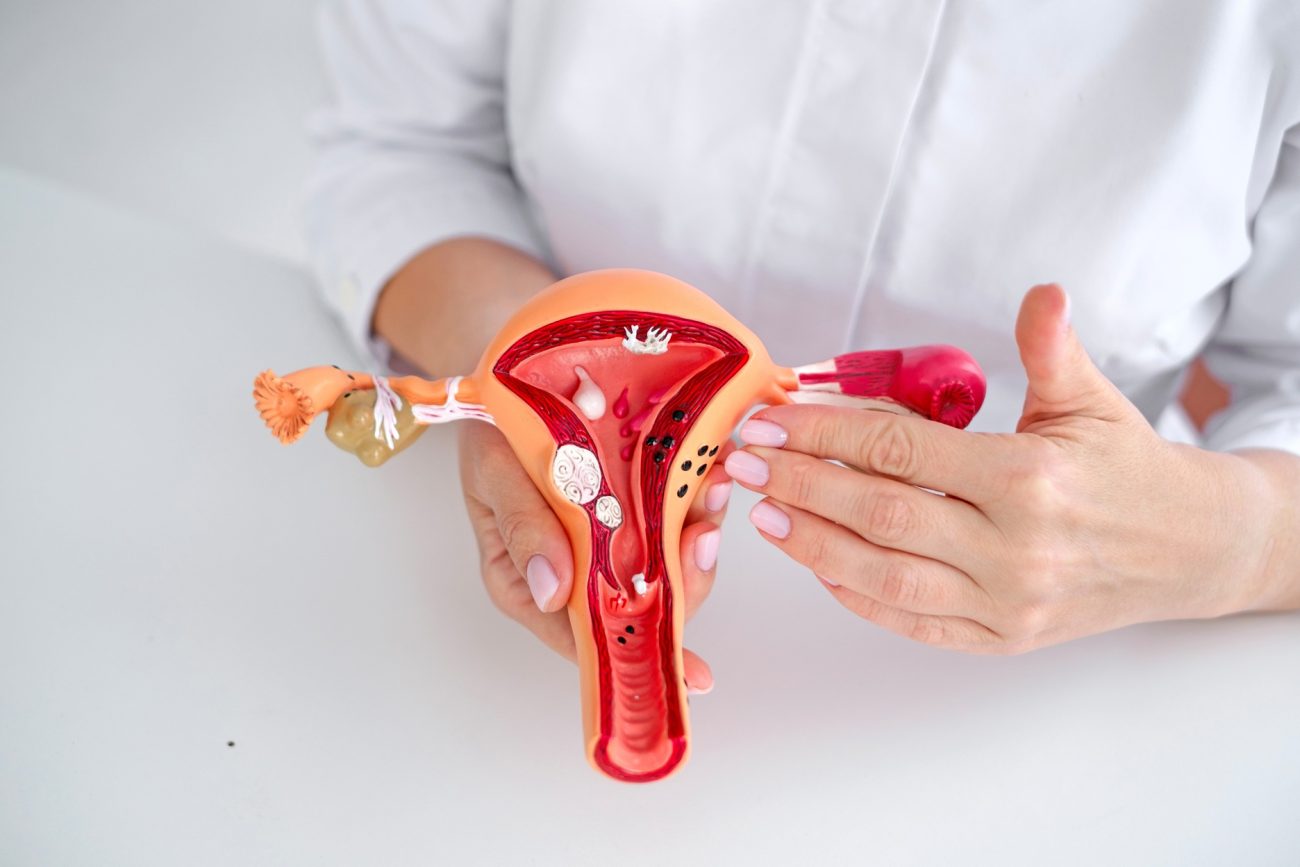
The menstrual cycle is controlled by a complex set of hormones and feedback loops regulated by the hypothalamic-pituitary-ovarian (HPO) axis (6). The thyroid, adrenal glands, and digestive and immune systems also play important roles in menstrual health. (7).
A typical menstrual cycle lasts between 21–35 days, with four phases: menstrual, follicular, ovulatory, and luteal (8). The cycle begins with menstruation, when the uterine lining sheds due to oestrogen and progesterone levels dropping (9). Then, the hypothalamus releases gonadotropin-releasing hormone (GnRH), prompting the pituitary to secrete follicle-stimulating hormone (FSH) and luteinising hormone (LH), which act on the ovaries (10).
In the follicular phase, FSH helps ovarian follicles mature, which in turn produce oestrogen (10). Oestrogen causes the thickening of the uterine lining in preparation for possible pregnancy (9). When oestrogen levels peak, it triggers a surge in LH, resulting in ovulation, or the release of an egg from the ovary (10).
During the luteal phase, the leftover follicle transforms into the corpus luteum, which makes progesterone to keep the uterine lining (7). If pregnancy does not occur, progesterone and oestrogen levels drop, the uterine lining sheds, and a new cycle begins (8).
Understanding the root of menstrual health

Many different factors can cause menstrual imbalances. Medical herbalists take a detailed case history to identify both internal and external causes that are unique to each person.
Stress affects menstrual health by raising cortisol, which disrupts the HPO axis, and changes hormone levels (11–13). Chronic stress can stop ovulation, make cycles irregular, and make conditions such as polycystic ovarian syndrome (PCOS — now known as polyendocrine metabolic syndrome, PMOS) and endometriosis worse (14,15). Stress can come from emotional trauma, overworking, exercise extremes, sleep problems, poor nutrition, fasting, and environmental factors (16).
Inflammation, which is often related to stress, can lead to pain and heavy periods (17). Good digestive health is important as liver function is key to hormone metabolism and clearance (18,19). Impaired liver or gut health, including microbiome imbalance, can cause alter oestrogen levels and raise systemic inflammation (20).
Nutritional status significantly impacts health, as deficiencies in iron, magnesium, vitamin D, essential fatty acids, and B vitamins can impact hormone production and tissue repair. These deficiencies may cause fatigue, heavy bleeding, clotting, and menstrual cramps (21,22). Blood sugar regulation also matters, as glucose and insulin influence ovarian hormone production (23).
Hormone imbalances can happen at different phases of the menstrual cycle. If the luteal phase has low progesterone from the corpus luteum, it may cause irregular bleeding, PMS, breast tenderness, and fertility issues (24).
Menstrual health problems can cause a range of symptoms, from mild to severe, with different causes. Common symptoms are painful periods (dysmenorrhoea), PMS, fatigue, and mood swings like irritability or low mood. Other signs include bloating, breast tenderness, headaches, and changes in bowel habits before a period (25,26).
Heavy periods (menorrhagia) that require frequent changing of menstrual products, using more than one product at the same time, or passing large clots should be investigated further (27). Irregular cycles with changes in timing, duration, or flow may signal hormone problems. Other symptoms like bleeding between periods, missed periods, not ovulating, pain during sex, and severe mood swings may be linked to endometriosis, fibroids, PCOS, premenstrual dysphoric disorder (PMDD) or other hormone disorders (28–30).
Many symptoms are common, but that does not mean they are normal. If symptoms last or disrupt daily life, they should be investigated. Tracking the menstrual cycle can help to pick up patterns and guide treatment (31).
Herbs to support menstrual health
Medicinal plants and mushrooms can support menstrual health by restoring hormonal, nervous, and metabolic balance. For individuals taking medication or with complex health histories, it is recommended to consult with a qualified medical herbalist for personalised guidance.
The list covers some key herbs and their main actions but isn’t exhaustive. These herbs shouldn’t be used during pregnancy, breastfeeding, or while trying to conceive without professional advice. While grouped by key actions, many herbs may fall into more than one category.
Uterine tonics
Uterine tonic herbs help control how the uterine muscles work, enhance tone, and support coordinated contraction and relaxation in different ways (32).
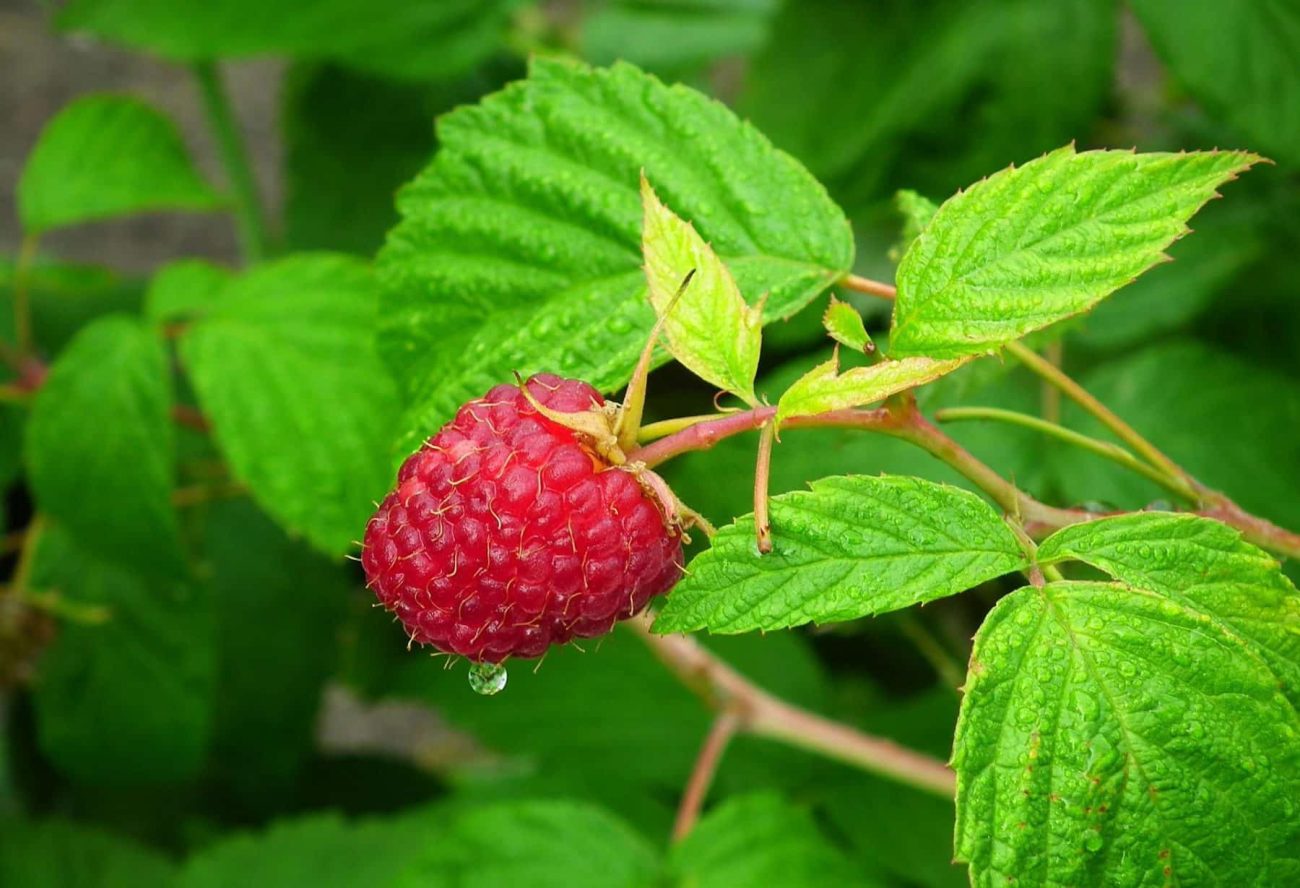
Red raspberry leaf (Rubus idaeus) is known as a uterine tonic; used in late pregnancy as a partus preparator to help prepare the uterus for birth, it may also reduce heavy menstrual bleeding and cramps (33).
Dang gui (Angelica sinensis) acts as a blood and uterine tonic, often used for irregular or absent menstruation with symptoms like pale blood, fatigue, dizziness, or weakness. It supports uterine contraction and relaxation (32,34).
Astringents
Astringent herbs are used to reduce heavy menstrual bleeding, mainly due to their high tannin content, which produces a tightening effect on tissues and, in turn, reduces heavy menstrual flow (35). As tannins may reduce nutrient absorption, these herbs should be taken separately from nutritional supplements and should not be used for long periods (36).
Yarrow (Achillea millefolium) is frequently employed for heavy bleeding and may also reduce uterine pain or promote menstruation without inducing spasms (37). Additional examples include lady’s mantle (Alchemilla vulgaris) and shepherd’s purse (Capsella bursa-pastoris), both traditionally used to manage excessive bleeding (32,34).
Antispasmodics (spasmolytics)
Antispasmodic herbs relax smooth muscles and help with spasms and menstrual cramps. They often work best if taken a few days prior to menstruation (32,38).
Cramp bark (Viburnum opulus) relieves uterine spasms and colicky pain (39). It’s often combined with warming herbs like ginger (Zingiber officinale) and cinnamon (Cinnamomum zeylanicum) to improve circulation and the efficacy of the whole whole prescription (32).
Anodynes/analgesics
Anodyne herbs help relieve pain and are usually used as a secondary action or symptomatic relief, as herbalists will try to address the underlying causes of menstrual discomfort (38).
Corydalis (Corydalis yanhusuo) is often combined with antispasmodics and used for congestive, cramping pain. Herbs like Jamaican dogwood (Piscidia erythrina), feverfew (Tanacetum parthenium) and pasqueflower (Anemone pulsatilla) are also used for their analgesic effect (32,36,40). Pasqueflower is currently listed as critically endangered and should only be sourced from cultivated sources.
Nervines
Nervine herbs support and regulate the nervous system, reducing symptoms such as anxiety, irritability, and low mood that can arise during the menstrual cycle (32,38).
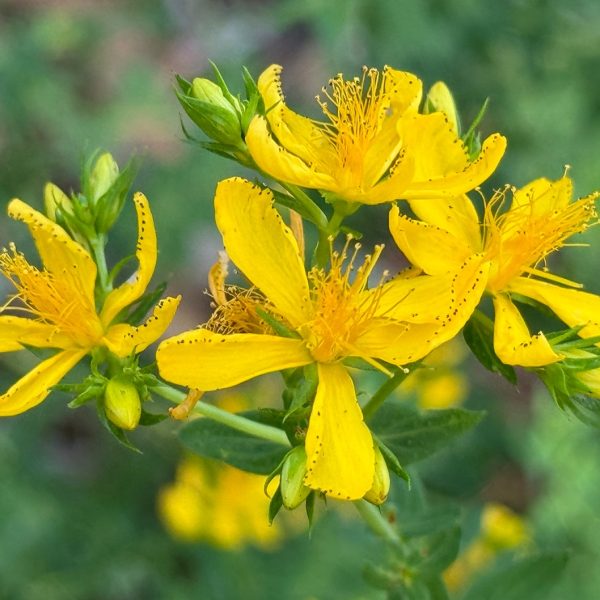
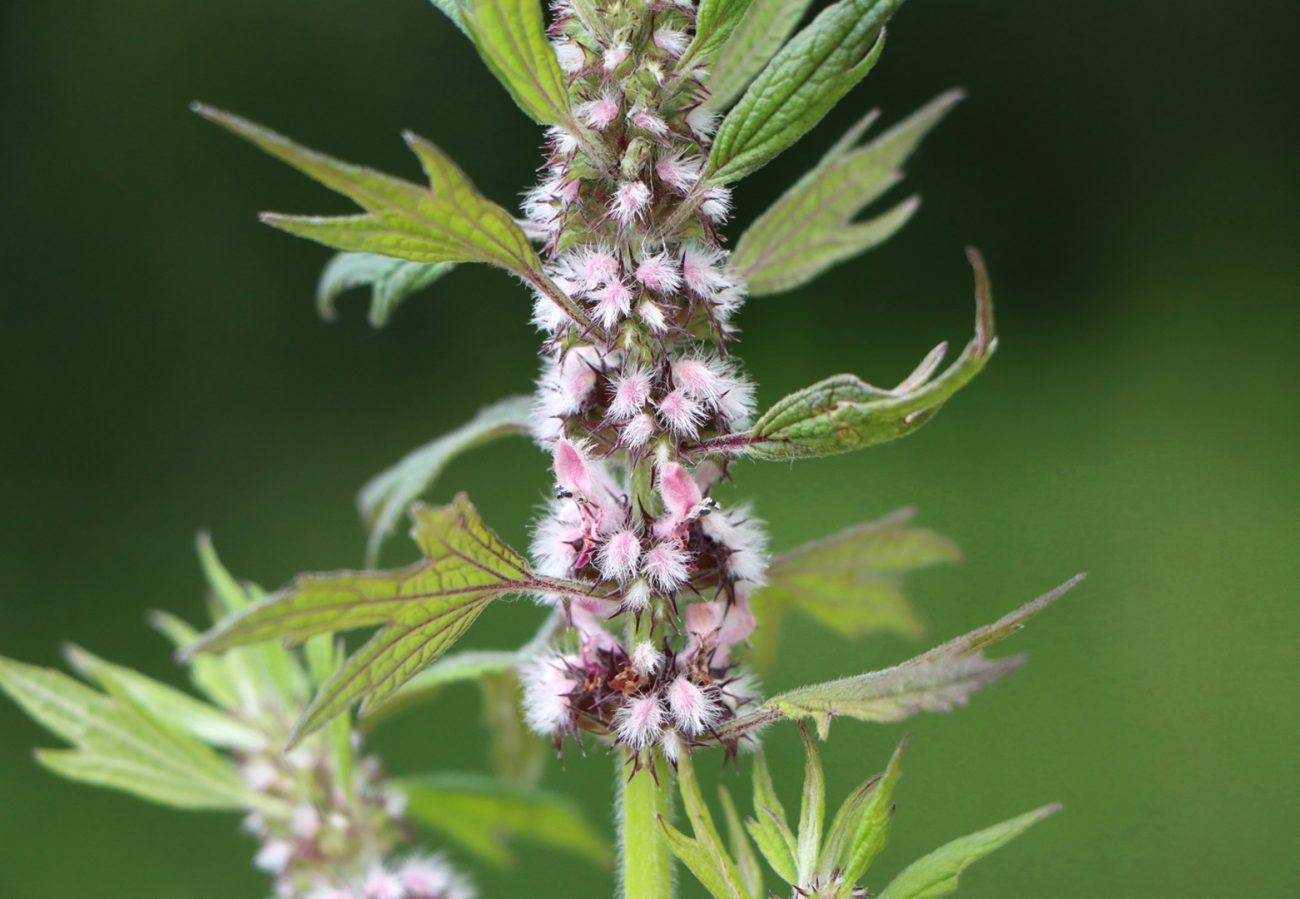
St John’s wort (Hypericum perforatum) may help with low mood, tension, and PMDD symptoms (34). Motherwort (Leonurus cardiaca) has antispasmodic, mild cardiotonic effects, and may reduce palpitations, anxiety, tension, and support uterine health (41).
Adaptogens
Adaptogenic herbs help the body handle physical and emotional stress, enhancing resilience and reducing stress-related effects on hormones and inflammation (42).
Ashwagandha (Withania somnifera) may lower cortisol, reduce fatigue, and support nervous system function (42). Reishi mushroom (Ganoderma lucidum) may support mood, decrease anxiety, and promote physiological balance, especially during the luteal phase (43).
Bitters and liver support
Bitter herbs trigger digestive and nervous system responses when tasted, starting physiological and biochemical reactions that support liver function and hormone metabolism (38). They facilitate phase one and phase two detoxification pathways, which helps the breakdown and excretion of hormones (32).
Dandelion root (Taraxacum officinale) and milk thistle (Silybum marianum) are frequently used to promote liver health, particularly in cases of oestrogen excess (32).
Emmenagogues
Emmenagogues are herbs that initiate and stimulate menstrual flow (38). They are used for delayed or absent menstruation, depending on the cause.
Mugwort (Artemisia vulgaris) and calendula (Calendula officinalis) are traditionally used to reduce pelvic congestion and promote the onset of menstruation (32,37,39).
Herbs affecting the hypothalamic–pituitary axis
These herbs affect important hormonal pathways to help regulate the menstrual cycle, influencing hormones such as LH, FSH, and prolactin, and may reduce PMS symptoms (32).
Chaste tree (Vitex agnus-castus) is often used to regulate menstrual cycles and support luteal-phase function. It should only be administered under professional supervision due to its potent hormonal effects (32,38,44,45). White peony (Bai shao, Paeonia lactiflora) is used in traditional medicine for hormonal imbalances like PCOS, helping regulate androgens and reduce heavy bleeding (32,46). It is often combined with liquorice (Glycyrrhiza glabra) to support hormonal balance and improve the LH-to-FSH ratio (46).
Holistic solutions
Sleep
Sleep is essential for hormone regulation and menstrual health. Poor sleep disrupts the HPO axis, affecting cortisol, insulin, LH, oestrogen, and progesterone (47).
Diet
Diet is a key pillar of menstrual health. Eating whole foods, balanced macronutrients, and sufficient calories. Regular meals with protein, fibre, healthy fats, and complex carbs help stabilise blood glucose, preventing symptoms worsening and hormonal imbalances (27).
Fibre helps gut health and hormone excretion, while nutrients like iron, magnesium, zinc, vitamin D, and essential fatty acids support energy, mood, hormones, and inflammation regulation. Dietary strategies may help those with PCOS, endometriosis, and fibroids. 27,32,36,48–50).
Alcohol and smoking should be minimised or avoided (36,51).
Phyto-oestrogens
Phyto-oestrogens are plant compounds found in soy, flaxseeds, legumes, and some herbal medicines that gently influence oestrogen activity. They may support hormonal balance and help reduce heavy or long periods when there is oestrogen excess (32,36).
Exercise
Regular, moderate exercise helps the menstrual cycle by improving circulation, reducing stress, and boosting metabolic health (52). Activities like walking, yoga, and strength training can all be beneficial. However, too much exercise without proper nutrition can disrupt hormones and cause irregular or missed periods (53).
Relaxation
Chronic stress disrupts hormonal signals and affects the menstrual cycle (54,55). Practices like mindfulness, breathing exercises, meditation, and spending time in nature can help regulate the nervous system and lower cortisol (56).
References
- Rosen Vollmar AK, Mahalingaiah S, Jukic AM. The menstrual cycle as a vital sign: a comprehensive review. F&S Reviews. 2025;6(1):100081. https://doi.org/10.1016/j.xfnr.2024.100081
- Dyson K. Misdiagnosed, dismissed, ignored: the women’s health crisis. The Lancet Obstetrics, Gynaecology, & Women’s Health. 2025;1(3):e168. https://doi.org/10.1016/S3050-5038(25)00115-3
- Schoep ME, Nieboer TE, van der Zanden M, Braat DDM, Nap AW. The impact of menstrual symptoms on everyday life: a survey among 42,879 women. Am J Obstet Gynecol. 2019;220(6):569.e1-569.e7. https://doi.org/10.1016/j.ajog.2019.02.048
- NHS. Periods. NHS website. Updated 2026. Accessed March 27, 2026. https://www.nhs.uk/conditions/periods/
- Jiao M, Liu X, Ren Y, et al. Comparison of herbal medicines used for women’s menstruation diseases in different areas of the world. Front Pharmacol. 2022;12:751207. https://doi.org/10.3389/fphar.2021.751207
- Olive D, Palter S. Reproductive physiology. In: Berek J, ed. Berek & Novak’s Gynecology. 15th ed. Wolters Kluwer Health/Lippincott Williams & Wilkins; 2012.
- Gambone J. Female reproductive physiology. In: Hacker NF, Gambone JC, Hobel CJ, eds. Hacker & Moore’s Essentials of Obstetrics and Gynecology. 6th ed. Elsevier; 2016.
- Rizzo DC. The female reproductive cycle. In: Rizzo DC, ed. Fundamentals of Anatomy and Physiology. 4th ed. Cengage Learning; 2016.
- Martini FH, Nath JL, Bartholomew EF. Fundamentals of Anatomy and Physiology. 10th ed. Pearson; 2015.
- Callahan TL, Caughey AB. Puberty, the menstrual cycle, and menopause. In: Allen A, Barlow A, Curlin H, et al, eds. Blueprints Obstetrics and Gynecology. 7th ed. Wolters Kluwer; 2018.
- Kalantaridou SN, Zoumakis E, Makrigiannakis A, Lavasidis LG, Vrekoussis T, Chrousos GP. Corticotropin-releasing hormone, stress and human reproduction: an update. J Reprod Immunol. 2010;85(1):33-39. https://doi.org/10.1016/j.jri.2010.02.005
- Whirledge S, Cidlowski JA. Glucocorticoids, stress, and fertility. Minerva Endocrinol. 2010;35(2):109-125. Accessed March 27, 2026. https://pubmed.ncbi.nlm.nih.gov/20595939/
- Valsamakis G, Chrousos G, Mastorakos G. Stress, female reproduction and pregnancy. Psychoneuroendocrinology. 2019;100:48-57. https://doi.org/10.1016/j.psyneuen.2018.09.031
- Papalou O, Diamanti-Kandarakis E. The role of stress in PCOS. Expert Rev Endocrinol Metab. 2017;12(1):87-95. https://doi.org/10.1080/17446651.2017.1266250
- Reis FM, Coutinho LM, Vannuccini S, Luisi S, Petraglia F. Is stress a cause or a consequence of endometriosis? Reprod Sci. 2020;27(1):39-45. https://doi.org/10.1007/s43032-019-00053-0
- Aningsih S, Amalia S, Safitri YR, Rahayu W. Analysis of factors affecting the menstrual cycle among adolescent girls: a scoping review. Journal Educational of Nursing (JEN). 2025;8(2):32-39. Accessed March 28, 2026. http://ejournal.akperrspadjakarta.ac.id/index.php/JEN/article/view/286/166
- Berbic M, Fraser IS. Immunology of normal and abnormal menstruation. Womens Health. 2013;9(4):387-395. https://doi.org/10.2217/WHE.13.32
- Kasarinaite A, Sinton M, Saunders PTK, Hay DC. The influence of sex hormones in liver function and disease. Cells. 2023;12(12):1604. https://doi.org/10.3390/cells12121604
- Rižner TL. Estrogen biosynthesis, phase I and phase II metabolism, and action in endometrial cancer. Mol Cell Endocrinol. 2013;381(1):124-139. https://doi.org/10.1016/j.mce.2013.07.026
- He S, Li H, Yu Z, et al. The gut microbiome and sex hormone-related diseases. Front Microbiol. 2021;12:711137. https://doi.org/10.3389/fmicb.2021.711137
- Kapper C, Oppelt P, Ganhör C, et al. Minerals and the menstrual cycle: impacts on ovulation and endometrial health. Nutrients. 2024;16(7):1008. https://doi.org/10.3390/nu16071008
- Güzeldere HKB, Efendioğlu EH, Mutlu S, Esen HN, Karaca GN, Çağırdar B. The relationship between dietary habits and menstruation problems in women: a cross-sectional study. BMC Womens Health. 2024;24(1):397. https://doi.org/10.1186/s12905-024-03235-4
- Athar F, Karmani M, Templeman NM. Metabolic hormones are integral regulators of female reproductive health and function. Biosci Rep. 2024;44(1):BSR20231916. https://doi.org/10.1042/BSR20231916
- Devoto L, Kohen P, Muñoz A, Strauss JF. Human corpus luteum physiology and the luteal-phase dysfunction associated with ovarian stimulation. Reproductive BioMedicine Online. 2009;18:S19-S24. https://doi.org/10.1016/S1472-6483(10)60444-0
- NHS. Period problems. NHS website. Updated 2023. Accessed March 28, 2026. https://www.nhs.uk/conditions/periods/period-problems/
- Çelik AF, Turna H, Pamuk GE, Pamuk ÖN. How prevalent are alterations in bowel habits during menses? Dis Colon Rectum. 2001;44(2):300-301. https://doi.org/10.1007/BF02234310
- Briden L. Period Repair Manual: Natural Treatment for Better Hormones and Better Periods. 2nd ed. Pan Macmillan; 2017.
- Nelson AL, Gambone J. Abnormal uterine bleeding. In: Hacker N, Gambone J, Hobel C, eds. Hacker & Moore’s Essentials of Obstetrics and Gynecology. 6th ed. Elsevier; 2016.
- Dumesic DA, Gambone J. Amenorrhea, oligomenorrhea and hyperandrogenic disorders. In: Hacker N, Gambone J, Hobel C, eds. Hacker & Moore’s Essentials of Obstetrics and Gynecology. 6th ed. Elsevier; 2016.
- Gambone J. Endometriosis and adenomyosis. In: Hacker N, Gambone J, Hobel C, eds. Hacker & Moore’s Essentials of Obstetrics and Gynecology. 6th ed. Elsevier; 2016.
- Cooke K, Trickey R. Problem Periods: Natural and Medical Solutions. Allen & Unwin; 2002.
- Trickey R. Women, Hormones and the Menstrual Cycle: Herbal and Medical Solutions from Adolescence to Menopause. 2nd ed. Allen & Unwin; 2003.
- McIntyre A. The Complete Herbal Tutor: The Definitive Guide to the Principles and Practices of Herbal Medicine. Revised and expanded ed. Aeon Books; 2019.
- Reilly M. Herbal Medicine and Reproductive Health. Aeon Books; 2021.
- Yarnell E. Phytochemistry and Pharmacy for Practitioners of Botanical Medicine. Aeon Books; 2019.
- Romm A. Botanical Medicine for Women’s Health. Churchill Livingstone/Elsevier; 2010.
- Hedley C, Shaw N. Plant Medicine: A Collection of the Teachings of Herbalists. Aeon Books; 2023.
- Bone K. The Ultimate Herbal Compendium: A Desktop Guide for Herbal Prescribers. Phytotherapy Press; 2007.
- Bone K. A Clinical Guide to Blending Liquid Herbs: Herbal Formulations for the Individual Patient. Churchill Livingstone; 2003.
- Bone K, Mills S. Principles and Practice of Phytotherapy: Modern Herbal Medicine. 2nd ed. Churchill Livingstone/Elsevier; 2013.
- Brice-Ytsma H, Chidley N. Herbal Medicine in Treating Gynaecological Conditions, Volume II: Specific Conditions and Management Through the Practical Usage of Herbs. Aeon Books; 2024.
- Winston D, Maimes S. Adaptogens: Herbs for Strength, Stamina and Stress Relief. Healing Arts Press; 2007.
- Powell M. Medicinal Mushrooms: A Clinical Guide. 2nd ed. Mycology Press; 2014.
- Romm A, Clare B, Stansbury JE, et al. Menstrual wellness and menstrual problems. In: Romm A, ed. Botanical Medicine for Women’s Health. Churchill Livingstone/Elsevier; 2010.
- Brown D, Murray MT. Vitex agnus-castus (chaste tree). In: Pizzorno JE, Murray MT, eds. Textbook of Natural Medicine. 4th ed. Elsevier/Churchill Livingstone; 2013.
- Brice-Ytsma H, McDermott A. Herbal Medicine in Treating Gynaecological Conditions: Herbs, Hormones, Pre-Menstrual Syndrome and Menopause. Aeon Books; 2020.
- Beroukhim G, Esencan E, Seifer DB. Impact of sleep patterns upon female neuroendocrinology and reproductive outcomes: a comprehensive review. Reprod Biol Endocrinol. 2022;20(1):16. https://doi.org/10.1186/s12958-022-00889-3
- Yaralizadeh M, Nezamivand-Chegini S, Najar S, Namjoyan F, Abedi P. Effectiveness of magnesium on menstrual symptoms among dysmenorrheal college students: a randomized controlled trial. Int J Womens Health Reprod Sci. 2024;12(2):70-76. https://doi.org/10.15296/ijwhr.2023.25
- Heidari H, Abbasi K, Feizi A, Kohan S, Amani R. Effect of vitamin D supplementation on symptoms severity in vitamin D insufficient women with premenstrual syndrome: a randomized controlled trial. Clin Nutr ESPEN. 2024;59:241-248. https://doi.org/10.1016/j.clnesp.2023.11.014
- Ahmadi M, Khansary S, Parsapour H, Alizamir A, Pirdehghan A. The effect of zinc supplementation on the improvement of premenstrual symptoms in female university students: a randomized clinical trial study. Biol Trace Elem Res. 2023;201(2):559-566. https://doi.org/10.1007/s12011-022-03175-w
- Kuo C, Wang K, Lai JC, Chen S. Influence of tobacco smoking and alcohol drinking on dysmenorrhoea: a cross-sectional analysis of data from the Taiwan Biobank. BMJ Open. 2025;15(2):e088537. https://doi.org/10.1136/bmjopen-2024-088537
- Low Dog T, Micozzi M. Women’s Health in Complementary and Integrative Medicine: A Clinical Guide. Churchill Livingstone/Elsevier; 2005.
- Mountjoy M, Sundgot-Borgen J, Burke L, et al. The IOC consensus statement: beyond the Female Athlete Triad—Relative Energy Deficiency in Sport (RED-S). Br J Sports Med. 2014;48(7):491-497. https://doi.org/10.1136/bjsports-2014-093502
- Kalantaridou SN, Makrigiannakis A, Zoumakis E, Chrousos GP. Stress and the female reproductive system. J Reprod Immunol. 2004;62(1-2):61-68. https://doi.org/10.1016/j.jri.2003.09.004
- Barsom SH, Mansfield PK, Koch PB, Gierach G, West SG. Association between psychological stress and menstrual cycle characteristics in perimenopausal women. Womens Health Issues. 2004;14(6):235-241. https://doi.org/10.1016/j.whi.2004.07.006
- Rogerson O, Wilding S, Prudenzi A, O’Connor DB. Effectiveness of stress management interventions to change cortisol levels: a systematic review and meta-analysis. Psychoneuroendocrinology. 2024;159:106415. https://doi.org/10.1016/j.psyneuen.2023.106415