








Poor circulation describes impaired peripheral perfusion from arterial, venous or microvascular dysfunction, spanning peripheral arterial disease to chronic venous insufficiency.
Understanding poor circulation

Poor circulation is a clinical description rather than a single diagnosis. It commonly refers to impaired perfusion of peripheral tissues due to arterial, venous or microvascular dysfunction. It can be associated with peripheral arterial disease (PAD), chronic venous insufficiency (CVI), or functional vascular dysregulation such as Raynaud’s phenomenon. These conditions vary in aetiology but share a final common pathway of reduced tissue oxygenation.
From a biomedical perspective, poor circulation reflects altered endothelial dysfunction, vascular obstruction, or impaired venous return (1,2,3). From a functional or traditional herbal perspective, it can also reflect impaired ‘peripheral warmth’, sluggish perfusion, or dysregulated vascular tone (4).
- Peripheral arterial disease: Refers to arterial narrowing due to atherosclerosis (5)
- Chronic venous insufficiency: Refers to venous valvular incompetence leading to venous hypertension and poor venous return (2)
- Microcirculatory dysfunction: Refers to impaired capillary perfusion and endothelial responsiveness (4)
- Functional vasospasm (e.g. Raynaud’s phenomenon): Refers to episodic vasoconstriction (6)
PAD is the most clinically significant due to its association with systemic cardiovascular disease and increased mortality risk. PAD is increasingly recognised as a major burden in ageing populations. In the UK, approximately 15–20% of adults aged 55–75 years have objective evidence of PAD, which is often asymptomatic (7).
The prevalence of PAD increases significantly with age, particularly after 60 years, with smoking, diabetes, and cardiovascular disease being major risk factors (8). CVI or chronic venous disease are also common. In the UK the prevalence of CVI is roughly 5–6%, with up to 40% people in the UK having varicose veins (9).
How does poor circulation work?

Arterial insufficiency
Arterial insufficiency is mainly driven by atherosclerosis, a chronic inflammatory and lipid-mediated process affecting medium and large arteries. The key mechanisms behind arterial insufficiency are endothelial dysfunction that causes reduced nitric oxide bioavailability, LDL cholesterol deposits, chronic inflammation contributing to plaque formation and fibrotic remodelling, and progressive narrowing of the vessel which contributes to reduced blood perfusion.
If the atherosclerotic plaque ruptures and there is a thrombus, that can lead to an acute ischaemic event. Over time, reduced oxygen delivery results in exercise-induced ischemia, classically presenting as intermittent claudication (10).
Venous insufficiency
In CVI, the primary defect is not the inflow of blood but rather the return of blood. In venous insufficiency there is valvular incompetence in deep or superficial veins, resulting in venous reflux and venous hypertension. There is also capillary leakage, causing oedema and tissue inflammation. In chronic cases, there are also microhaemorrhages and dermal fibrosis. All this can lead to symptoms such as ankle swelling, heaviness, skin changes, and venous ulceration (2).
Microcirculatory dysfunction
Even in the absence of arterial or venous disease, impaired microvascular regulation can happen due to endothelial dysfunction, increased blood viscosity, autonomic dysregulation, and oxidative stress reducing capillary responsiveness (11,12). These processes are often implicated in diabetes, metabolic syndrome and functional vascular complaints like Raynaud’s (13).
Understanding the root causes

The reasons why circulation becomes poor can be linked to cardiovascular and structural causes affecting the vasculature, functional or constitutional causes, with features representing cold peripheral circulation without structural abnormalities, and also lifestyle factors.
Cardiometabolic and structural causes (14,15,16):
- Atherosclerosis (lipid plaque formation as a long-term result of dyslipidaemia)
- Diabetes mellitus, leading to microvascular and macrovascular damage)
- Excess adipose tissue and metabolic syndrome
- Chronic kidney disease
- Age-related vascular stiffening
Lifestyle factors (17):
- Physical inactivity, leading to reduced skeletal muscle pump function
- Prolonged sitting or standing, leading to venous pooling
- Dehydration, leading to increased blood viscosity
- Long-term smoking, leading to vasoconstriction and endothelial injury
Functional and constitutional patterns (1,4)
From a clinical herbal perspective, some people present with features sometimes described as a “cold peripheral circulation pattern”. These features include:
- Cold hands and feet even in mild temperatures
- Low blood pressure or orthostatic symptoms
- Poor peripheral capillary refill without a cardiac cause for it
- Fatigue with exertion
- Sensitivity to cold and damp environments
This pattern can reflect a combination of low sympathetic tone, reduced cardiac output, borderline iron status, thyroid dysfunction or peripheral vasospasm.
Signs and symptoms
Arterial insufficiency (18):

- Intermittent claudication (calf/thigh pain on exertion, relieved by rest)
- Cold extremities
- Weak or absent peripheral pulses
- Delayed wound healing
- Rest pain in advanced disease
- Tissue loss or ulceration (critical limb ischaemia)
Venous insufficiency (19):
- Lower limb oedema, usually worse in the evening
- Heaviness or aching legs
- Visible varicose veins
- Skin pigmentation, usually brown/purple
- Lipodermatosclerosis
- Venous ulcers
Functional/microvascular (1,6):
- Cold hands or feet
- Colour changes (white/blue/red in Raynaud’s)
- Numbness or tingling
- Reduced exercise tolerance
- Fatigue and low peripheral warmth
Herbs for poor circulation

Herbal approaches to circulatory support typically fall into four main actions (4).
- Vasodilators and endothelial modulators, for example hawthorn (Crataegus spp.)
- Venotonic herbs, for example butcher’s broom (Ruscus aculeatus)
- Antiplatelet herbs, for example ginkgo (Ginkgo biloba)
- Anti-inflammatory and antioxidant herbs, for example ginger (Zingiber officinale) and bilberry (Vaccinium myrtillus)
Choosing the right herbs for the right person and presentation is important. For example, someone presenting with a cold peripheral pattern, often functional or constitutional, probably needs warming circulatory herbs such as ginger or cayenne pepper. For someone presenting with a venous congestive pattern, herbs that help increase the venous tone and reduce capillary permeability like horse chestnut (Aesculus hippocastanum) are more appropriate.
In cases where there is a systemic vascular risk pattern, antiplatelet herbs like garlic (Allium sativum) or ginkgo as well as long-term cardiometabolic support should be prioritised. When there is a mixed degenerative pattern, with arterial disease, inflammation and endothelial dysfunction, a more complex prescription should be considered, prioritising vascular antioxidants and herbs with an antiplatelet action.
Ginkgo (Ginkgo biloba)
Ginkgo is one of the most studied circulatory herbs. It improves microcirculation, reduces platelet aggregation and has antioxidant activity (20). Its flavone glycosides and terpene lactones have a significant effect on microcirculatory perfusion, particularly through modulation of nitric oxide pathways, reduced platelet aggregation, and improved red blood cell flexibility (20,21).
Clinically, herbalists use ginkgo in cases of peripheral vascular insufficiency, Raynaud’s syndrome and cognitive decline associated with vascular insufficiency (21). There is evidence suggesting some benefit in intermittent claudication and peripheral microvascular dysfunction, as well as in cognitive vascular insufficiency and dementia (22,23).
Horse chestnut (Aesculus hippocastanum)
Horse chestnut is one of the best researched herbal medicines for venous insufficiency and is widely used by herbalists where poor circulation is associated with oedema, heaviness and varicose veins (24,25). Its primary constituent, aescin, has been shown to improve venous tone and reduce capillary permeability, helping to limit fluid leakage into surrounding tissues (26).
Clinical studies and systematic reviews have reported improvements in leg swelling, discomfort and sensations of heaviness in individuals with chronic venous insufficiency, supporting its use as an important venotonic remedy (24,27).
Butcher’s broom (Ruscus aculeatus)
Butcher’s broom is traditionally used to support venous circulation and is particularly indicated where there is a feeling of heavy, aching legs or visible varicosities (28). The herb contains steroidal saponins, including ruscogenins, which promote venous tone through effects on adrenergic receptors, while also having anti-inflammatory actions on the vascular system (29). It can be combined with other flavonoid-rich herbs in formulations like bilberries, aimed at improving venous return and reducing symptoms associated with chronic venous insufficiency (28,30).
Ginger (Zingiber officinale)
Ginger is a warming circulatory herb with both systemic and peripheral actions (31). Ginger is a potent anti-inflammatory herb, it improves vascular tone and peripheral vasodilation (32). It can improve circulation to the extremities while also supporting overall cardiovascular health. Herbalists use ginger where there is a tendency towards cold hands and feet, sluggish peripheral circulation or reduced vascular tone associated with sedentary lifestyles, insulin resistance or other features of cardio-metabolic syndrome (28,31,32).
Its warming, stimulating nature makes it especially valuable in people with a constitutionally cold presentation. Herbalists use ginger as a tea, tincture or in tablets or capsules. It can be used as a single remedy, but ginger is often incorporated into herbal formulations to improve circulation and complement the actions of other circulatory herbs (28).
Cayenne (Capsicum spp.)
Cayenne is a warming circulatory stimulant traditionally used in Western herbal medicine to improve peripheral blood flow and tissue perfusion (28,30). It is rich in the pungent constituent capsaicin, which has a vasodilatory effect that can increase circulation to the extremities and create a sensation of warmth (34). Herbalists often include small amounts of cayenne in formulations where there is poor peripheral circulation, whether associated with reduced cardiac output, vascular insufficiency or simply a constitutional tendency towards cold hands and feet.
In these cases, cayenne is valued not only for its ability to support peripheral blood flow but also for its synergistic effects within herbal formulations, where it can enhance the delivery and activity of other herbs. Although clinical research has primarily focused on topical capsaicin for pain management, its traditional use as a circulatory stimulant is well established, making it a useful herb in cases of cold, poorly perfused extremities (28).
Garlic (Allium sativum)
Garlic is recognised for its cardiovascular protective effects and is generally considered where poor circulation is associated with underlying vascular dysfunction (28,35). Rather than acting as a peripheral circulatory stimulant, garlic works more systemically by supporting endothelial function, promoting healthy lipid metabolism and helping to regulate platelet aggregation (36,37).
These actions make it particularly relevant in individuals with early atherosclerotic changes or cardiovascular risk factors that contribute to impaired peripheral circulation. Research suggests that garlic can improve vascular health through its antioxidant, anti-inflammatory and vasoprotective properties, supporting long-term cardiovascular support (35).
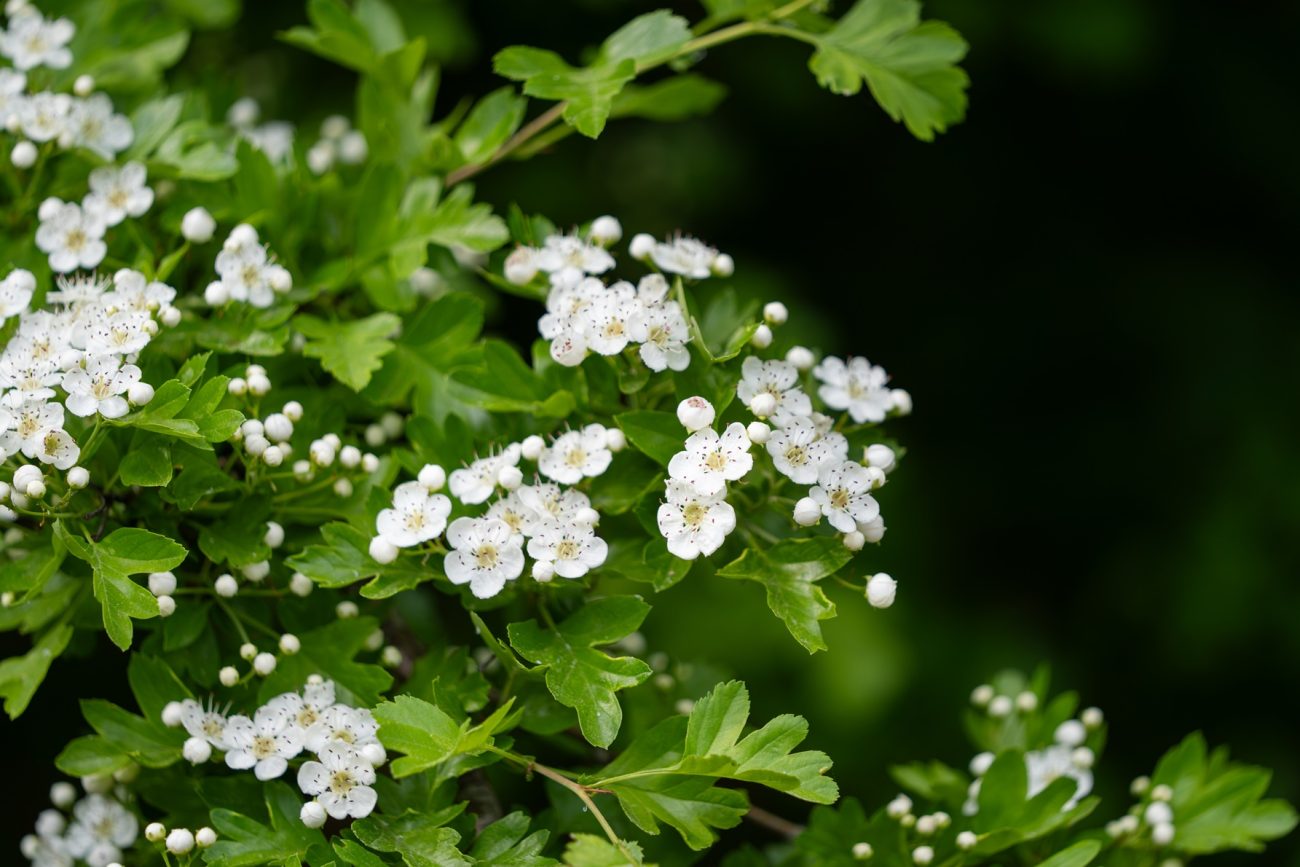
Hawthorn (Crataegus spp.)
Hawthorn is a cardiovascular tonic that can be beneficial where poor circulation is associated with reduced cardiac efficiency, for example in cases of heart failure (28,38). Its actions are attributed to flavonoids and oligomeric procyanidins (OPCs), which have positive inotropic effects, improving the pumping function of the heart, and they promote vasodilation possibly by modulating angiotensin-converting enzyme (ACE) activity (39). Clinical evidence is strongest for its use in mild heart failure, where it has been shown to improve cardiac function, exercise tolerance and symptoms.
By improving cardiac output and supporting vascular function, hawthorn can indirectly improve peripheral circulation and tissue perfusion (40). This makes hawthorn a valuable herb for people whose circulatory symptoms are secondary to compromised cardiac performance. Herbalists use the flowers, leaves and berries of hawthorn, with the flowers and leaves having the highest levels of active flavonoids and OPCs (41).
Holistic approaches
Regular aerobic exercise is one of the most effective interventions for improving endothelial function and collateral circulation (42). Smoking cessation is a must in all forms of arterial disease (43). Compression therapy is essential in venous insufficiency, alongside elevation and movement to encourage calf muscle pump function (44).
A diet rich in polyphenols, omega-3 fatty acids, and nitrates supports vascular health. Foods naturally high in nitrates include beetroot, broccoli, celery, cauliflower, garlic and dark chocolate (45). For those with a cold peripheral circulation pattern, thermal regulation, stress reduction and adequate hydration also play important roles in optimising peripheral perfusion (46).
References
- British Heart Foundation. Improve circulation. Accessed August 24, 2026. https://www.bhf.org.uk/informationsupport/heart-matters-magazine/medical/improve-circulation
- Krizanova O, Penesova A, Hokynkova A, et al. Chronic venous insufficiency and venous leg ulcers: aetiology, pathophysiology-based treatment. Int Wound J. 2024;21(2):e14405. https://doi.org/10.1111/iwj.14405
- Dardi P, dos Reis Costa DEF, Assunção HCR, Rossoni LV. Venous endothelial function in cardiovascular disease. Biosci Rep. 2022;42(11):BSR20220285. https://doi.org/10.1042/BSR20220285
- Bone K. Functional Herbal Therapy: A Modern Paradigm for Clinicians. Aeon Books; 2021.
- NHS. Peripheral arterial disease. Accessed August 24, 2026. https://www.nhs.uk/conditions/peripheral-arterial-disease-pad/
- Herrick A, Muir L. Raynaud’s phenomenon (secondary). BMJ Clin Evid. 2014;2014:1125. [DOI not located]
- Kyle D, Boylan L, Wilson L, et al. Accuracy of peripheral arterial disease registers in UK general practice: case-control study. J Prim Care Community Health. 2020;11:2150132720946148. https://doi.org/10.1177/2150132720946148
- Allison MA, Armstrong DG, Goodney PP, et al. Health disparities in peripheral artery disease: a scientific statement from the American Heart Association. Circulation. 2023;148(3):286-296. https://doi.org/10.1161/CIR.0000000000001153
- Evans CJ, Fowkes FGR, Ruckley CV, Lee AJ. Prevalence of varicose veins and chronic venous insufficiency in men and women in the general population: Edinburgh Vein Study. J Epidemiol Community Health. 1999;53(3):149-153. https://doi.org/10.1136/jech.53.3.149
- Hernando FS, Conejero AM. Peripheral artery disease: pathophysiology, diagnosis and treatment. Rev Esp Cardiol. 2007;60(9):969. [DOI not located]
- Mumtaz S, Arca K, Majithia V, et al. Significant microvascular abnormalities present in autonomic nervous system dysfunction: results of a cross-sectional study. Biomedicines. 2025;13(5):1242. https://doi.org/10.3390/biomedicines13051242
- Feuer DS, Handberg EM, Mehrad B, et al. Microvascular dysfunction as a systemic disease: a review of the evidence. Am J Med. 2022;135(9):1059-1068. [DOI not located]
- Ture HY, Lee NY, Kim NR, Nam EJ. Raynaud’s phenomenon: a current update on pathogenesis, diagnostic workup, and treatment. Vasc Specialist Int. 2024;40:26. [DOI not located]
- Horton WB, Barrett EJ. Microvascular dysfunction in diabetes mellitus and cardiometabolic disease. Endocr Rev. 2021;42(1):29-55. https://doi.org/10.1210/endrev/bnaa025
- Martens CR, Edwards DG. Peripheral vascular dysfunction in chronic kidney disease. Cardiol Res Pract. 2011;2011:267257. https://doi.org/10.4061/2011/267257
- Kohn JC, Lampi MC, Reinhart-King CA. Age-related vascular stiffening: causes and consequences. Front Genet. 2015;6:112. https://doi.org/10.3389/fgene.2015.00112
- Stanford Health Care. Vascular disease risk factors. Accessed August 24, 2026. https://stanfordhealthcare.org/medical-conditions/blood-heart-circulation/vascular-disease/causes/risk-factors.html
- Weitz JI, Byrne J, Clagett GP, et al. Diagnosis and treatment of chronic arterial insufficiency of the lower extremities: a critical review. Circulation. 1996;94(11):3026-3049. https://doi.org/10.1161/01.CIR.94.11.3026
- Johns Hopkins Medicine. Chronic venous insufficiency. Accessed August 24, 2026. https://www.hopkinsmedicine.org/health/conditions-and-diseases/chronic-venous-insufficiency
- Diamond BJ, Bailey MR. Ginkgo biloba: indications, mechanisms, and safety. Psychiatr Clin North Am. 2013;36(1):73-83. [DOI not located]
- European Medicines Agency Committee on Herbal Medicinal Products. European Union herbal monograph on Ginkgo biloba L., folium. 2015.
- Pittler MH, Ernst E. Ginkgo biloba extract for the treatment of intermittent claudication: a meta-analysis of randomized trials. Am J Med. 2000;108(4):276-282. [DOI not located]
- Gauthier S, Schlaefke S. Efficacy and tolerability of Ginkgo biloba extract EGb 761 in dementia: a systematic review. Clin Interv Aging. 2014;9:2065-2077. https://doi.org/10.2147/CIA.S72728
- Pittler MH, Ernst E. Horse chestnut seed extract for chronic venous insufficiency. Cochrane Database Syst Rev. 2006;(1). https://doi.org/10.1002/14651858.CD003230.pub3
- Fisher C. Materia Medica of Western Herbs. Aeon Books; 2018.
- Yan L, Zhang Y, Li Y, et al. Efficacy and mechanism of escin in improving the tissue microenvironment of blood vessel walls. Open Life Sci. 2025;20(1):20251167. https://doi.org/10.1515/biol-2025-1167
- Diehm C, Trampisch HJ, Lange S, Schmidt C. Comparison of leg compression stocking and horse chestnut seed extract therapy in chronic venous insufficiency. Lancet. 1996;347(8997):292-294. https://doi.org/10.1016/S0140-6736(96)90467-5
- Mills S, Bone K. Principles and Practice of Phytotherapy. Churchill Livingstone; 2000.
- Masullo M, Pizza C, Piacente S. Ruscus genus: a rich source of bioactive steroidal saponins. Planta Med. 2016;82(18):1513-1524. https://doi.org/10.1055/s-0042-119728
- Hoffmann D. Medical Herbalism: The Science and Practice of Herbal Medicine. Simon & Schuster; 2003.
- Nicoll R, Henein MY. Ginger (Zingiber officinale Roscoe): a hot remedy for cardiovascular disease? Int J Cardiol. 2009;131(3):408-409. [DOI not located]
- Grzanna R, Lindmark L, Frondoza CG. Ginger—an herbal medicinal product with broad anti-inflammatory actions. J Med Food. 2005;8(2):125-132. [DOI not located]
- Daniels CC, Isaacs Z, Finelli R, Leisegang K. The efficacy of Zingiber officinale on dyslipidaemia, blood pressure, and inflammation. Clin Nutr ESPEN. 2022;51:72-82. [DOI not located]
- McCarty MF, DiNicolantonio JJ, O’Keefe JH. Capsaicin may have important potential for promoting vascular and metabolic health. Open Heart. 2015;2(1). [DOI not located]
- Bayan L, Koulivand PH, Gorji A. Garlic: a review of potential therapeutic effects. Avicenna J Phytomed. 2014;4(1):1-14. [DOI not located]
- Ried K. Garlic lowers blood pressure in hypertensive individuals. J Nutr. 2016;146(2):389S-396S. [DOI not located]
- Reinhart KM, Talati R, White CM, Coleman CI. The impact of garlic on lipid parameters: a systematic review. Nutr Res Rev. 2009;22(1):39-48. [DOI not located]
- Pittler MH, Guo R, Ernst E. Hawthorn extract for treating chronic heart failure. Cochrane Database Syst Rev. 2008;(1):CD005312. https://doi.org/10.1002/14651858.CD005312.pub2
- Tassell MC, Kingston R, Gilroy D, et al. Hawthorn (Crataegus spp.) in the treatment of cardiovascular disease. Pharmacogn Rev. 2010;4(7):32-41. [DOI not located]
- Guo R, Pittler MH, Ernst E. Hawthorn extract for treating chronic heart failure. Cochrane Database Syst Rev. 2008;(1). https://doi.org/10.1002/14651858.CD005312.pub2
- Żurek N, Świeca M, Kapusta IT. Berries, leaves, and flowers of six hawthorn species as a source of nutraceutical compounds. Molecules. 2024;29(23):5786. https://doi.org/10.3390/molecules29235786
- Di Francescomarino S, Sciartilli A, Di Valerio V, et al. The effect of physical exercise on endothelial function. Sports Med. 2009;39(10):797-812. https://doi.org/10.2165/11317750-000000000-00000
- Hobbs SD, Bradbury AW. Smoking cessation strategies in patients with peripheral arterial disease. Eur J Vasc Endovasc Surg. 2003;26(4):341-347. [DOI not located]
- Silva KLS, Figueiredo EAB, Lopes CP, et al. The impact of exercise training on chronic venous insufficiency outcomes. J Vasc Bras. 2021;20:e20200125. https://doi.org/10.1590/1677-5449.200125
- Lidder S, Webb AJ. Vascular effects of dietary nitrate via the nitrate–nitrite–nitric oxide pathway. Br J Clin Pharmacol. 2013;75(3):677-696. [DOI not located]
- Watso JC, Farquhar WB. Hydration status and cardiovascular function. Nutrients. 2019;11(8):1866. https://doi.org/10.3390/nu11081866