









Gout is one of the most common forms of inflammatory arthritis, yet it remains widely misunderstood. Explore the causes, symptoms and herbal treatment options in the treatment of gout.
Understanding gout
Gout is a common and painful inflammatory arthritis characterised by an excess of uric acid which binds with sodium to form monosodium urate (MSU) crystals which accumulate within joints and surrounding tissues (1). It typically presents as sudden, severe attacks of joint pain, swelling, erythema and tenderness, often affecting the first metatarsophalangeal (MTP) joint of the great toe, although any synovial joint can be involved (1).

Historically regarded as a disease of excess and affluence, gout is now understood as a complex metabolic and inflammatory disorder influenced by genetics, renal function, diet, lifestyle factors and comorbid disease (2). It is one of the most common forms of inflammatory arthritis worldwide and is associated with significant morbidity, reduced quality of life and increased cardiovascular risk (1).
Gout affects approximately 2–3% of the UK population, making it the most common inflammatory arthritis in Britain (3). Cis-men are disproportionately affected, with incidence increasing after the age of 30 years, while cis-women are more commonly affected after menopause due to the loss of oestrogen-mediated uricosuric effects (4).
The prevalence of gout has increased steadily over recent decades, likely reflecting rising rates of obesity, metabolic syndrome, chronic kidney disease (CKD), hypertension and dietary changes. Around one quarter of individuals with gout also have moderate to severe CKD, highlighting the close relationship between renal dysfunction and impaired uric acid excretion (5).
Despite being highly treatable, gout remains undertreated in primary care (6). NICE reports that only around one-third of patients who could benefit from urate-lowering therapy receive treatment that effectively achieves target serum urate concentrations (3).
How does gout work?
Gout is a disorder of uric acid metabolism. Uric acid is the final product of purine metabolism in humans. Unlike most mammals, humans lack the enzyme uricase, which converts uric acid into the more soluble compound allantoin. Consequently, uric acid concentrations in the blood are relatively high and can become supersaturated (7).
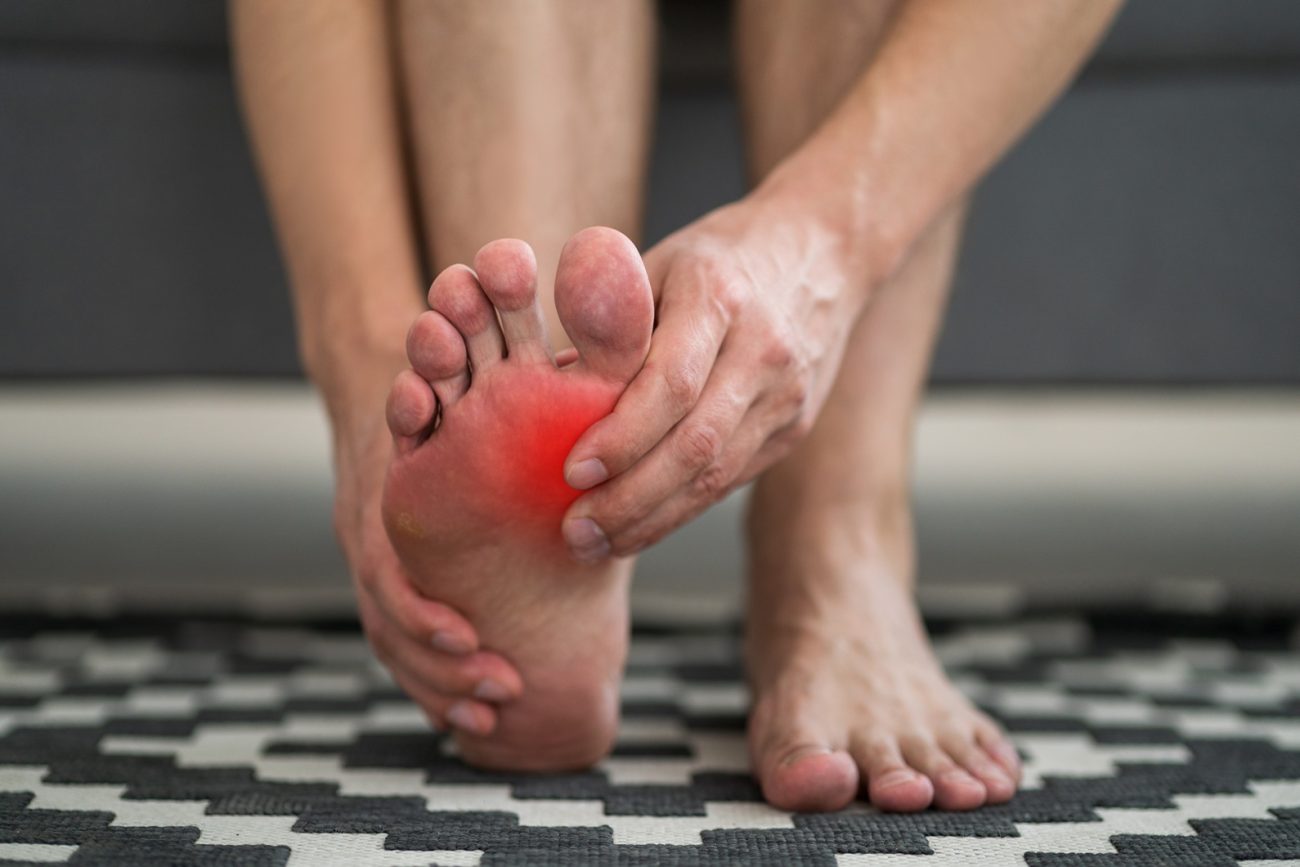
Hyperuricaemia is generally defined as serum urate concentrations above 6.8 mg/dL (404 μmol/L), the point at which urate can crystallise. However, not everyone with hyperuricaemia develops gout, indicating that additional inflammatory and genetic factors contribute to disease expression (8).
When serum urate levels remain elevated, urate crystals can precipitate and accumulate in joints, tendons and periarticular tissues. These crystals can remain clinically silent for years before triggering an inflammatory response (1).
During an acute gout flare, resident macrophages phagocytose urate crystals, activating the NLRP3 complex. This leads to the release of interleukin-1β, a potent pro-inflammatory cytokine that initiates a cascade involving neutrophil recruitment, cytokine release and local tissue inflammation (1). This inflammatory cascade explains the hallmark features of gout attacks as well as the severe pain experienced by those with an acute flare-up.
Repeated crystal deposition can eventually lead to chronic gouty arthritis, joint erosion, tophi formation and disability (1).
Understanding the root causes of gout
Hyperuricaemia is central to the development of gout, however, the causes that contribute to it are multifactorial and include genetics, renal dysfunction, metabolic syndrome and lifestyle factors.

Genetic predisposition
Research shows that genetics play a major role in gout susceptibility. Variants in genes involved in urate transport, particularly SLC2A9 and ABCG2, significantly influence uric acid handling and excretion. Many people who develop gout have inherited tendencies that contribute to reduced renal urate clearance (9).
Renal dysfunction
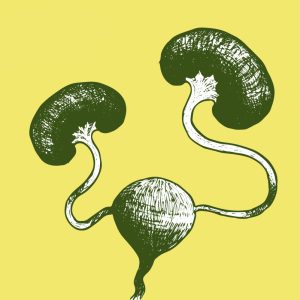
Approximately 70% of uric acid is excreted by the kidneys. Reduced renal function can result in impaired uric acid elimination and hyperuricaemia. Even mild reductions in glomerular filtration rate have been associated with an increased risk of gout (10).
Metabolic syndrome
Excess adipose tissue is strongly associated with gout (11). Increased adiposity contributes to insulin resistance, which impairs renal urate excretion and promotes systemic inflammation. Gout also commonly coexists with other conditions associated with metabolic syndrome including hypertension, type 2 diabetes, dyslipidaemia, cardiovascular disease and non-alcoholic fatty liver disease (12).
Diet and alcohol
Dietary factors can contribute to elevated uric acid production. Common dietary triggers include red meat, organ meats, shellfish, beer, spirits, sugar-sweetened beverages and high-fructose corn syrup (13,14). Foods high in animal purines can precipitate attacks in susceptible individuals (15). However, it is important to note that moderate intake of purine rich vegetables like asparagus, spinach, mushrooms is not associated with an increased risk of gout (13).
Medications
Several medications increase uric acid levels, including thiazide diuretics, loop diuretics, low-dose aspirin, ciclosporin and tacrolimus (16).
Signs and symptoms
Elevated levels of uric acid in the blood can initially be asymptomatic for years. The first MTP joint is affected in approximately half of initial attacks. Other commonly affected joints include the ankles, knees, wrists, midfoot joints, elbows and fingers (17).
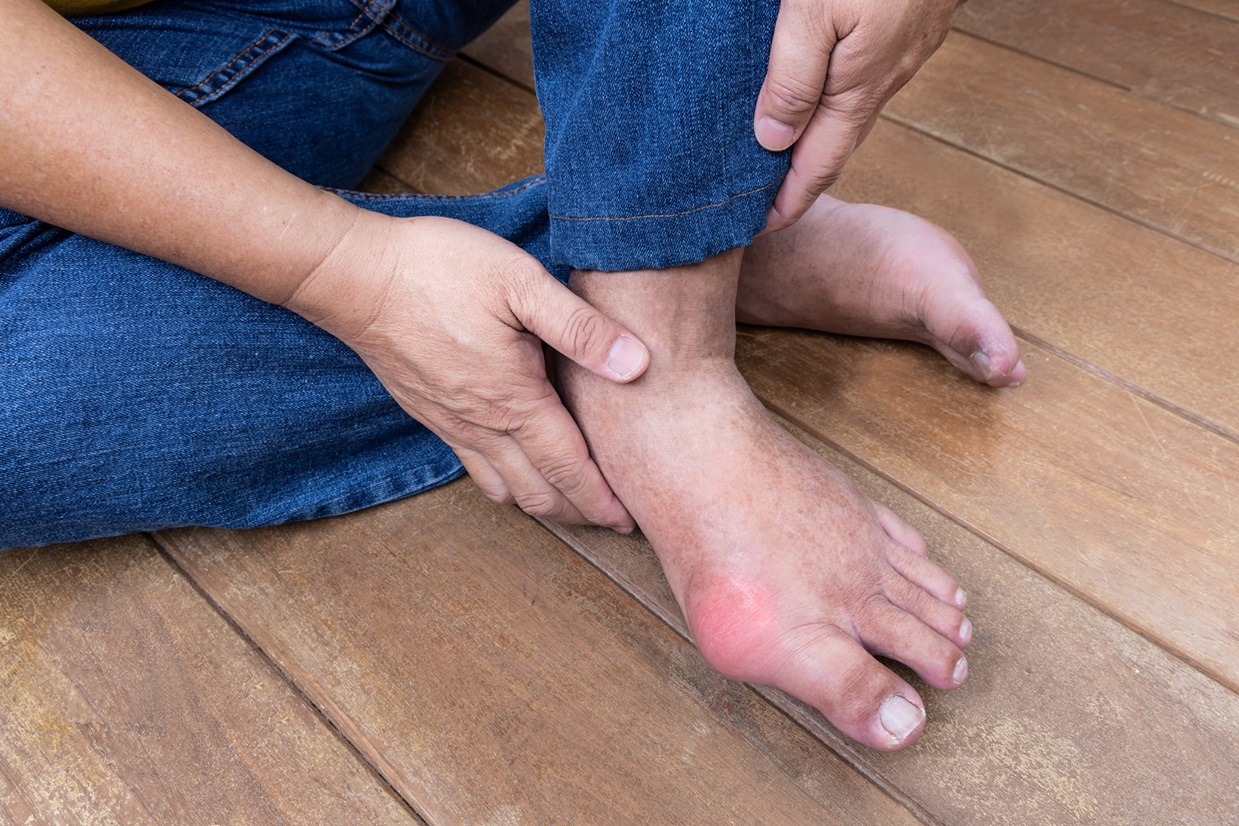
The classic presentation of an acute gout flare includes the following symptoms (17):
- Sudden onset, often overnight
- Intense joint pain
- Swelling
- Redness or erythema
- Hot joint
- Functional limitation of joint movement
Without treatment, symptoms typically resolve within days to weeks.
Intercritical gout or interval gout, is the symptom-free interval between gout attacks. Despite symptom resolution, crystal deposition and inflammation can continue subclinically (18).
Long-standing disease can result in tophi formation, which are visible urate crystal deposits in joints and under the skin, chronic joint pain, joint deformity, decreased mobility and renal complications (19).
Herbs for gout
Herbal management for gout typically focuses on reducing inflammation, supporting metabolic and renal function, improving elimination and addressing underlying drivers such as insulin resistance and cardiovascular dysfunction (20,21).
An acute herbal treatment for a flare up of gout will be slightly different from longer term treatment, as it will emphasise anti-inflammatory and eliminative herbs in a different way (20). This is one of the reasons why it is important to consult a qualified herbal practitioner.
According to a study exploring the role of Western herbal medicine in the treatment of gout, the most frequently used herbs in clinical practice were herbs to help eliminate uric acid like celery seed (Apium graveolens), nettle leaf (Urtica dioica) and dandelion leaf (Taraxacum officinale), and anti-inflammatory herbs such as devil’s claw (Harpagophytum procumbens), meadowsweet (Filipendula ulmaria), willow bark (Salix alba), birch (Betula pendula) and turmeric (Curcuma longa) (21).

Celery seed (Apium graveolens)
Celery seed is one of most widely used remedies for gout in Western herbal medicine. Traditionally, it has been used as an anti-inflammatory, diuretic and urinary eliminative to support the clearance of metabolic waste products and reduce the frequency of gout flares (22). Herbalists often prescribe celery seed in tincture or tablet form for individuals with recurrent gout, particularly where there is evidence of sluggish elimination, metabolic dysfunction or concomitant rheumatic symptoms.
Celery seed has anti-inflammatory properties and also some of its active constituents like luteolin, apigenin and chrysoeriol appear to influence uric acid metabolism directly (23).
There is some preclinical evidence behind the use of celery seed for gout. Animal studies have demonstrated that celery seed extracts have xanthine oxidase inhibitory activity, which is the same mechanism of conventional urate-lowering drugs such as allopurinol.
Xanthine oxidase is the key enzyme involved in uric acid production, and several flavonoids isolated from celery seed have been shown to inhibit its activity in vitro (24 25). Experimental research has also reported reductions in serum uric acid concentrations and inflammatory markers.
Turmeric (Curcuma longa)
Turmeric has been traditionally used for inflammatory musculoskeletal conditions, including gout, particularly during acute flares and in people with recurrent attacks (21). Its primary active constituent, curcumin, has significant anti-inflammatory and antioxidant properties and can be especially relevant in gout due to its effects on inflammatory pathways involved in crystal-induced arthritis (26).
Experimental studies have shown that curcumin can inhibit activation of the NLRP3 inflammasome and NF-κB signalling pathways, reducing the production of pro-inflammatory cytokines such as interleukin-1β, all of which play a central role in the inflammatory response to uric acid crystals (27).
Although human clinical evidence specifically investigating turmeric in gout is limited, laboratory studies have shown potential effects on uric acid metabolism through inhibition of xanthine oxidase and modulation of renal urate transporters. Turmeric can be valuable during acute flares, for people with recurrent inflammatory gout as part of a strategy aimed at reducing chronic low-grade inflammation, and in cases where gout coexists with metabolic syndrome or cardiovascular risk factors (27,28). Herbalists often give turmeric in tablet form, capsules or tincture (20).
Nettle leaf (Urtica dioica)
Nettle leaf has a long history of use in Western herbal medicine for rheumatic and arthritic conditions, including gout (29,30). Herbalists have traditionally used nettle as a nutritive, anti-inflammatory and diuretic herb, often prescribing it as an infusion or tincture (22). Nettle leaves are commonly combined with herbs such as celery seed, dandelion and turmeric to address both acute inflammation and long term inflammation (20). Traditional use has also emphasised nettle’s role in supporting kidney function and fluid balance (29).
Nettle is rich in polyphenols, flavonoids and other antioxidant compounds that contribute to its anti-inflammatory action. Animal studies have shown that nettle extracts can inhibit cyclooxygenase (COX)-1 and COX-2 activity, suppress NF-κB signalling and reduce the production of inflammatory cytokines including interleukin-1 (IL-1) and tumour necrosis factor-alpha (TNF-α), pathways that are also implicated in gouty inflammation (29).
Meadowsweet (Filipendula ulmaria)
Meadowsweet is also traditionally used by herbalists for inflammatory and rheumatic conditions, including gout (30). Meadowsweet contains salicylates, flavonoids and tannins that contribute to its anti-inflammatory effects (20, 30). It is used as an anti-inflammatory, analgesic and diuretic, often in teas or tinctures and traditionally combined with herbs such as nettle leaf and celery seed in gout formulas (20). It is used in gout as it can reduce inflammatory pain while supporting renal elimination of metabolic waste, including uric acid, making it a potentially useful herb in both acute and chronic presentations.
Holistic approaches
Dietary recommendations that can be helpful include a Mediterranean-style diet, with increased intake of vegetables, legumes, whole grains, oily fish and olive oil, and a reduction in excess consumption of alcohol, fructose-sweetened beverages, processed foods and high-purine animal foods like red meat and shellfish (31,32). Reducing intake of high-purine animal foods has been shown to reduce the frequency of gout attacks in susceptible individuals (33).

Cherries and tart cherry products have some of the strongest dietary evidence in gout management, with observational research showing a reduced risk of recurrent gout flares and lower serum urate levels associated with cherry consumption (33). This is thought to be driven by the anti-inflammatory activity of anthocyanins, as well as a potential effect on encouraging uric acid excretion. Weight management is also important, as weight reduction is associated with lower serum urate levels and fewer flares (34).
Adequate hydration supports renal clearance of uric acid and could reduce crystal formation. Regular moderate exercise is also important as it improves insulin sensitivity and cardiovascular health. However, during acute flares, affected joints should be rested until inflammation subsides. During acute flares, ice packs on affected joints, rest and elevation are important.
Finally, effective long-term management requires attention to comorbidities commonly associated with gout, including hypertension, diabetes, chronic kidney disease and dyslipidaemia, as optimisation of these conditions can significantly improve overall management of gout (35).
References
- Dalbeth N, Merriman TR, Stamp LK. Gout. Lancet. 2016;388(10055):2039-2052. https://doi.org/10.1016/S0140-6736(16)00346-9
- Nuki G, Simkin PA. A concise history of gout and hyperuricemia and their treatment. Arthritis Res Ther. 2006;8(suppl 1). https://doi.org/10.1186/ar1906
- National Institute for Health and Care Excellence. Gout: Diagnosis and Management. NICE Guideline NG219. Published June 9, 2022. Accessed June 1, 2026. https://www.nice.org.uk/guidance/ng219
- Eun Y, Kim IY, Han K, et al. Association between female reproductive factors and gout: a nationwide population-based cohort study of 1 million postmenopausal women. Arthritis Res Ther. 2021;23(1):304. doi:10.1186/s13075-021-02701-w
- Roughley M, Sultan AA, Clarson L, et al. Risk of chronic kidney disease in patients with gout and the impact of urate-lowering therapy: a population-based cohort study. Arthritis Res Ther. 2018;20(1):243. https://doi.org/10.1186/s13075-018-1746-1
- Mallen CD, Davenport G, Hui M, et al. Improving management of gout in primary care: a new UK management guideline. Br J Gen Pract. 2017;67(659):284-285. https://doi.org/10.3399/bjgp17X691313
- Du L, Zong Y, Li H, et al. Hyperuricemia and its related diseases: mechanisms and advances in therapy. Signal Transduct Target Ther. 2024;9(1):212. https://doi.org/10.1038/s41392-024-01916-y
- Martinon F. Mechanisms of uric acid crystal-mediated autoinflammation. Immunol Rev. 2010;233(1):218-232. https://doi.org/10.1111/j.0105-2896.2009.00860.x
- Reginato AM, Mount DB, Yang I, Choi HK. The genetics of hyperuricaemia and gout. Nat Rev Rheumatol. 2012;8(10):610-621. https://doi.org/10.1038/nrrheum.2012.144
- Roughley MJ, Belcher J, Mallen CD, Roddy E. Gout and risk of chronic kidney disease and nephrolithiasis: meta-analysis of observational studies. Arthritis Res Ther. 2015;17(1):90. https://doi.org/10.1186/s13075-015-0610-9
- Juraschek SP, Miller ER III, Gelber AC. Body mass index, obesity, and prevalent gout in the United States in 1988-1994 and 2007-2010. Arthritis Care Res (Hoboken). 2013;65(1):127-132. https://doi.org/10.1002/acr.21791
- Lee SJ, Oh BK, Sung KC. Uric acid and cardiometabolic diseases. Clin Hypertens. 2020;26(1):13. https://doi.org/10.1186/s40885-020-00146-y
- Li R, Yu K, Li C. Dietary factors and risk of gout and hyperuricemia: a meta-analysis and systematic review. Asia Pac J Clin Nutr. 2018;27(6):1344-1356. https://doi.org/10.6133/apjcn.201811_27(6).0022
- Choi HK, Curhan G. Soft drinks, fructose consumption, and the risk of gout in men: prospective cohort study. BMJ. 2008;336(7639):309-312. https://doi.org/10.1136/bmj.39449.819271.BE
- Choi HK, Atkinson K, Karlson EW, Willett W, Curhan G. Purine-rich foods, dairy and protein intake, and the risk of gout in men. N Engl J Med. 2004;350(11):1093-1103. https://doi.org/10.1056/NEJMoa035700
- Ben Salem C, Slim R, Fathallah N, Hmouda H. Drug-induced hyperuricaemia and gout. Rheumatology (Oxford). 2017;56(5):679-688. https://doi.org/10.1093/rheumatology/kew293
- NHS. Gout. Accessed June 1, 2026. https://www.nhs.uk/conditions/gout/
- Perez-Ruiz F, Dalbeth N, Bardin T. A review of uric acid, crystal deposition disease, and gout. Adv Ther. 2015;32(1):31-41. https://doi.org/10.1007/s12325-014-0175-z
- Weaver JS, Vina ER, Munk PL, Klauser AS, Elifritz JM, Taljanovic MS. Gouty arthropathy: review of clinical manifestations and treatment, with emphasis on imaging. J Clin Med. 2022;11(1):166. https://doi.org/10.3390/jcm11010166
- Mills S, Bone K. Principles and Practice of Phytotherapy: Modern Herbal Medicine. Churchill Livingstone; 2000.
- Corp N, Pendry B. The role of Western herbal medicine in the treatment of gout. J Herb Med. 2013;3(4):157-170. https://doi.org/10.1016/j.hermed.2013.08.002
- Fisher C. Materia Medica of Western Herbs. Aeon Books; 2018.
- Gan X, Peng B, Chen L, et al. Identification of xanthine oxidase inhibitors from celery seeds using affinity ultrafiltration-liquid chromatography-mass spectrometry. Molecules. 2023;28(16):6048. https://doi.org/10.3390/molecules28166048
- Hang NT, Phuong NV. Spectrum-effect relationship between high-performance thin-layer chromatography data and xanthine oxidase inhibitory activity of celery seed extract. Biomed Chromatogr. 2021;35(11). https://doi.org/10.1002/bmc.5181
- Nguyen TH, Han DK, My TTK, Phuong NV. Investigation of chemical constituents of celery seed against gout disease using network pharmacology, molecular docking, and molecular dynamics simulations. J Biomol Struct Dyn. 2024;42(6):2834-2845.
- Chen B, Li H, Ou G, et al. Curcumin attenuates MSU crystal-induced inflammation by inhibiting the degradation of IκBα and blocking mitochondrial damage. Arthritis Res Ther. 2019;21(1):193. https://doi.org/10.1186/s13075-019-1974-z
- Li X, Xu DQ, Sun DY, et al. Curcumin ameliorates monosodium urate-induced gouty arthritis through NLRP3 inflammasome mediation via inhibiting NF-κB signalling. J Cell Biochem. 2019;120(4):6718-6728. https://doi.org/10.1002/jcb.27969
- Daily JW, Yang M, Park S. Efficacy of turmeric extracts and curcumin for alleviating the symptoms of joint arthritis: a systematic review and meta-analysis of randomized clinical trials. J Med Food. 2016;19(8):717-729. https://doi.org/10.1089/jmf.2016.3705
- Alimoddin M, Jayakumari S, Fatima B, Hasan N, Ali S, Sami F, et al. Pharmacological applications of Urtica dioica: a comprehensive review of its traditional use and modern scientific evidence. J Herb Med. 2024;48:100935. https://doi.org/10.1016/j.hermed.2024.100935
- Thomsen M. Phytotherapy Desk Reference. 3rd ed. Global Natural Medicine; 2001.
- Stamostergiou J, Theodoridis X, Ganochoriti V, et al. The role of the Mediterranean diet in hyperuricemia and gout. Mediterr J Rheumatol. 2018;29(1):21-25. https://doi.org/10.31138/mjr.29.1.21
- Zhang Y, Chen C, Choi H, et al. Purine-rich food intake and recurrent gout attacks. Ann Rheum Dis. 2012;71(9):1448-1453. https://doi.org/10.1136/annrheumdis-2011-201215
- Zhang Y, Neogi T, Chen C, Chaisson C, Hunter DJ, Choi HK. Cherry consumption and decreased risk of recurrent gout attacks. Arthritis Rheum. 2012;64(12):4004-4011. https://doi.org/10.1002/art.34677
- Zhu Y, Zhang Y, Choi HK. The serum urate-lowering impact of weight loss among men with a high cardiovascular risk profile: the Multiple Risk Factor Intervention Trial. Rheumatology (Oxford). 2010;49(12):2391-2399. doi:10.1093/rheumatology/keq256
- Yao TK, Lee RP, Wu WT, et al. Advances in gouty arthritis management: integration of established therapies, emerging treatments and lifestyle interventions. Int J Mol Sci. 2024;25(19):10853. https://doi.org/10.3390/ijms251910853