





Kim Chan offers a practical introduction to Chinese tongue diagnosis, from the five key features and the tongue map to case examples, herbal reasoning and the latest research findings.
A universal window
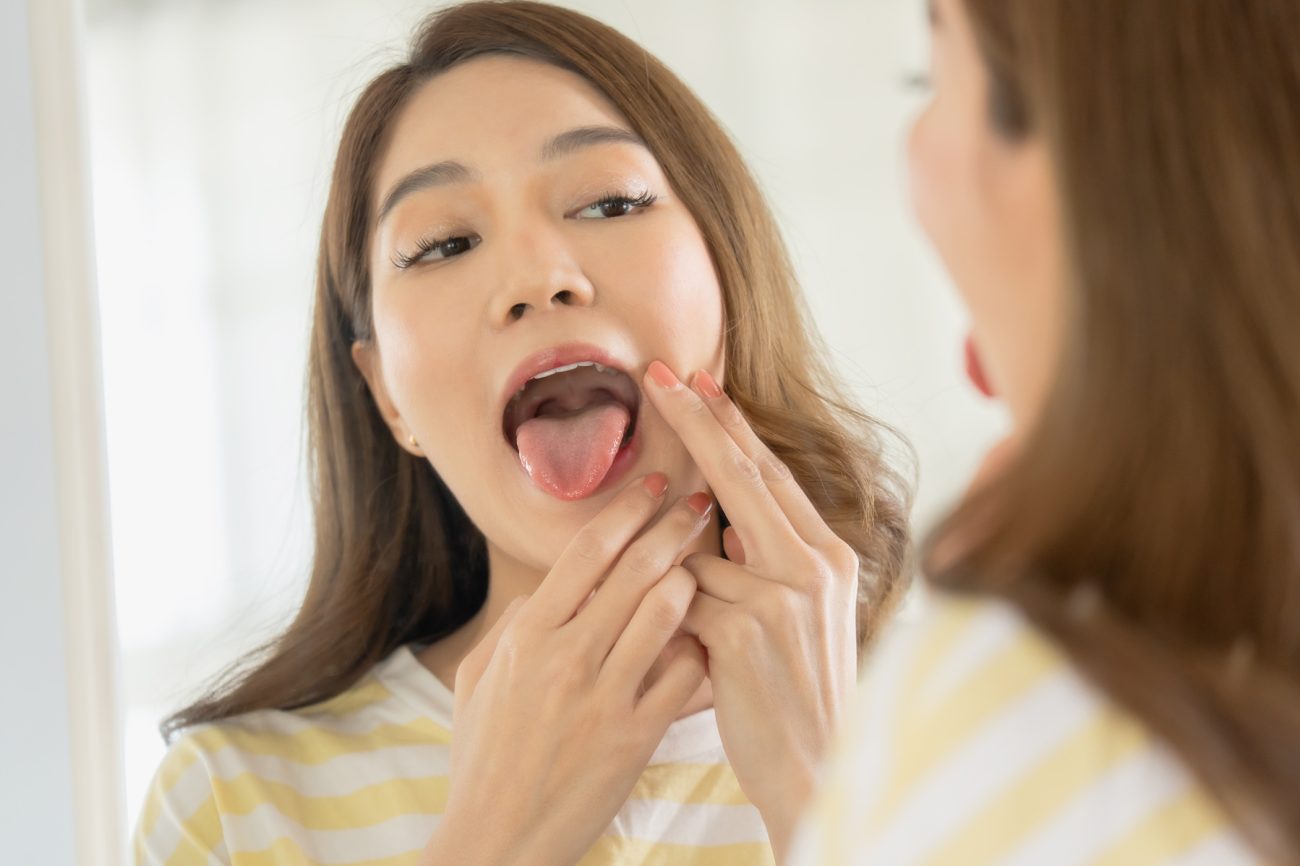
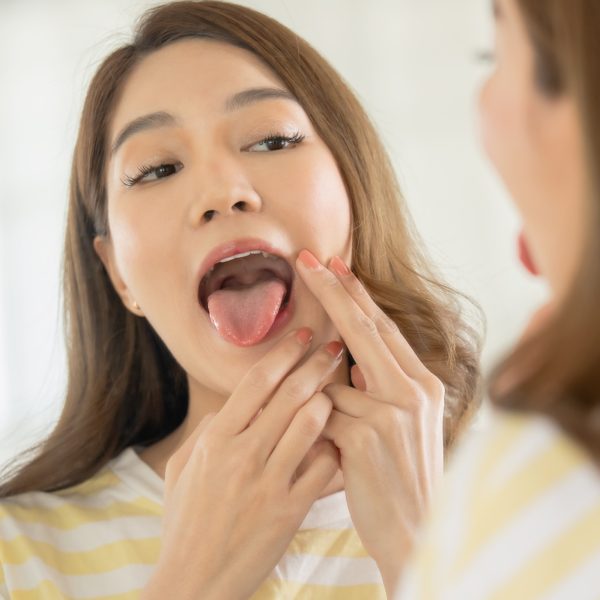
Long before modern technology allowed us to look beneath the surface of the body, Chinese medicine practitioners learned to read the tongue as a diagnostic tool in its own right. For someone encountering Chinese medicine for the first time, tongue diagnosis can seem intriguing: how can looking at a tongue reveal anything about health? Yet, the tongue is uniquely accessible. Its surface can be examined directly, repeatedly and non-invasively, offering a visible window into the internal state of the body. A practitioner observes its colour, shape, movement, texture, moisture and coating, and reads these alongside the patient’s symptoms, history and other clinical findings.
Much of the method’s appeal lies in its simplicity. There is no invasive procedure, and practitioner and patient can observe the tongue together. This shared observation became particularly useful during the COVID-19 pandemic, asking patients to send photographs of their tongues, taken in natural light, before coming for treatment. It reduced the need for close face-to-face examination at a time when minimising contact was important and this turned many patients into enthusiastic students of their own tongues. Once people began looking closely, they often became fascinated by the changes they could observe for themselves.
In my own clinic, treatment starts and ends with pulse and tongue diagnosis. I have lost count of the times a glance at the tongue has told me something the patient had not thought to mention. A patient can describe their symptoms a dozen different ways, or struggle to describe them at all, but the tongue offers a relatively stable visual picture for the practitioner to work with.
Unlike pulse diagnosis, which can take years of specialist training and experience to interpret, tongue observation can be learned relatively quickly through careful observation and practice. Photographs, clinical observation and visual comparison all help to develop the eye, while following changes in the tongue over time provides a direct way of observing change alongside a person’s symptoms and overall presentation. For Western herbalists in particular, this makes tongue observation an unusually generous skill to learn; it offers another way of seeing the person being prescribed for, and, unlike pulse-taking, a diagnostic tool that real competence develops for from the very first tongue examined.
Ancient roots: The evolution of tongue diagnosis
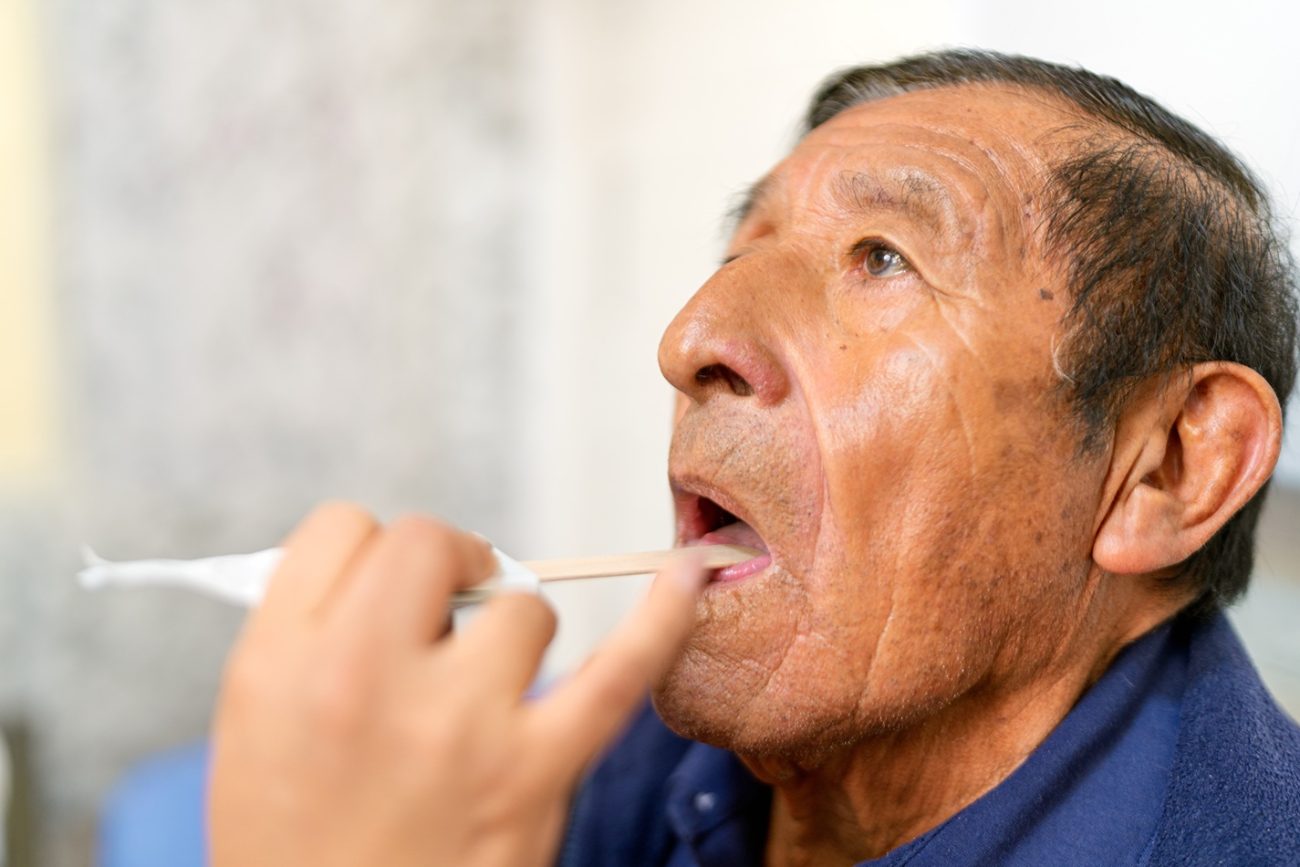
Tongue diagnosis developed alongside pulse diagnosis, and together they form two of the main diagnostic arts through which Chinese medicine develops a detailed understanding of the individual. The pulse is interpreted through qualities such as rate, depth, strength, width and rhythm, while the tongue offers a relatively stable visual window into underlying patterns and longer-term changes.
The roots of tongue diagnosis lie in the Huang Di Nei Jing (Yellow Emperor’s Inner Classic), a classical text that brings together material developed over several centuries and is divided into two sections, the Suwen and the Ling Shu. In the Suwen, the heart is described as ruling the tongue (1). This association between an internal organ and a visible part of the body reflects a fundamental principle in Chinese medical theory — internal conditions become apparent externally, and external signs offer clues to what is happening within. The Ling Shu expresses this two-way relationship explicitly (2), and it is formally recognised today in WHO’s International Standard Terminologies on Traditional Chinese Medicine as sī wài chuǎi nèi (司外揣内), “judging the inside from observing the outside” (3).
A more developed approach emerged during the Song, Jin and Yuan periods, with dedicated works on tongue diagnosis appearing by the Yuan dynasty, including the Ao Shi Shang Han Jin Jing Lu (4). Solos and Liang suggest that the development of tongue diagnosis may have been influenced, at least in part, by the prevalence of serious epidemic and contagious diseases at the time. In their historical review, they explore how tongue observation may have offered physicians a way to assess patients while minimising close physical contact, particularly when pulse-taking and other forms of examination carried a risk of infection (5).
Over the following centuries, observations of colour, shape, coating and other features were gradually brought together into the increasingly detailed system for interpreting the individual that is still taught today.
Five key features of a tongue diagnosis
Five features — spirit, body colour, body shape, coating and moisture — are central to the practice of Chinese tongue diagnosis and provide a useful framework for learning to read the tongue (6). The real skill, however, lies not in reading each feature in isolation, but in learning to see how they relate to one another.
Spirit
Spirit is perhaps the most immediate impression. It is the sense of vitality conveyed by the tongue as a whole — whether it appears lively and fresh or dull, dry and depleted. Within Chinese medicine, this is traditionally considered an important indication of underlying vitality and, particularly in serious illness, can carry prognostic significance (6). For many practitioners, it is often the first thing noticed; before analysing individual features, does the tongue look alive?
Colour
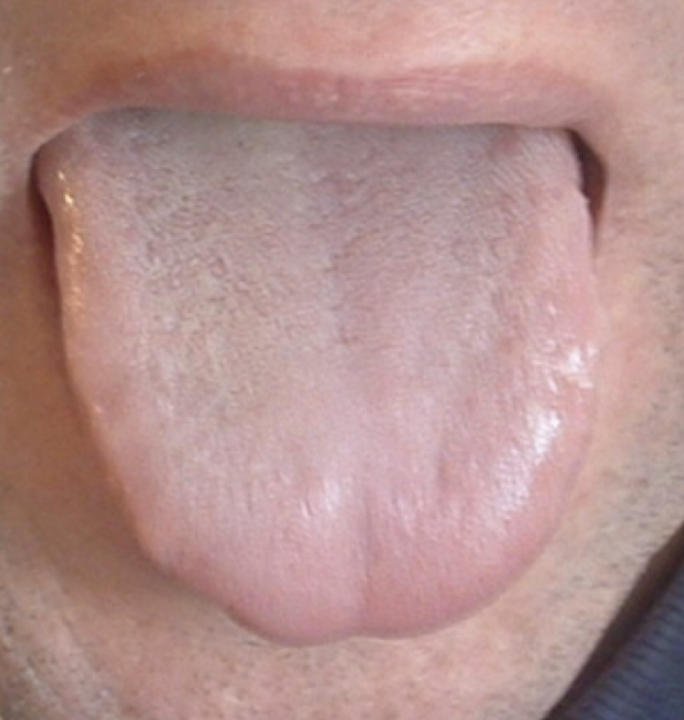
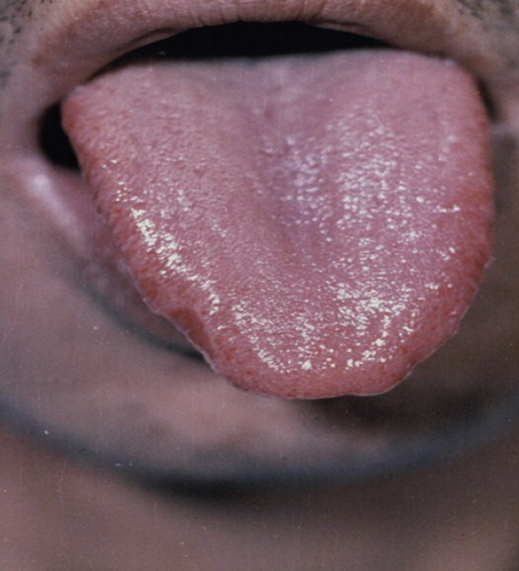
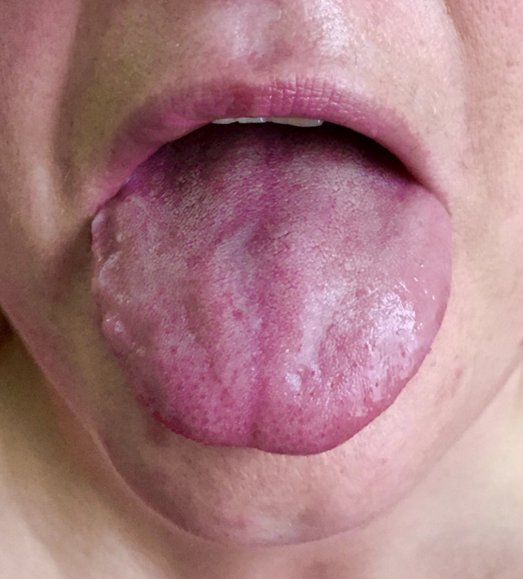
Of the five key features, colour is traditionally given particular diagnostic significance. Tongue-body colour is interpreted as an indicator of the state of qi, Blood and the yin organs, and of patterns such as heat, cold, deficiency and stagnation (6).
A pale tongue may contribute to a diagnosis of qi or Blood deficiency; a redder tongue, particularly at the tip, may involve heat or emotional agitation; and a purple tongue body may contribute to a diagnosis of Blood stasis.
Within this framework, tongue colour can be particularly useful when signs appear to conflict, with tongue colour sometimes being given greater weight in resolving such contradictions. A common example is seen in menopausal women, who often present with signs of both heat and cold — reflecting a Chinese medicine picture of combined yin and yang imbalance. Here, it is the tongue that offers the clearest guide to the underlying condition — if a woman’s pulse is slow and deep, indicating cold, but her tongue body is red, indicating heat, treatment should address the heat the tongue reveals, since the pulse’s cold signs are considered the more superficial finding.
Shape
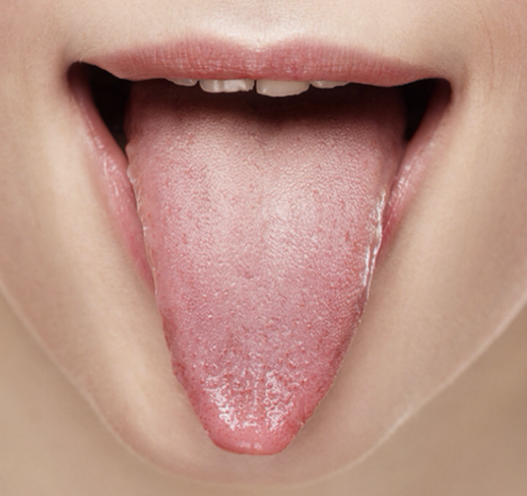
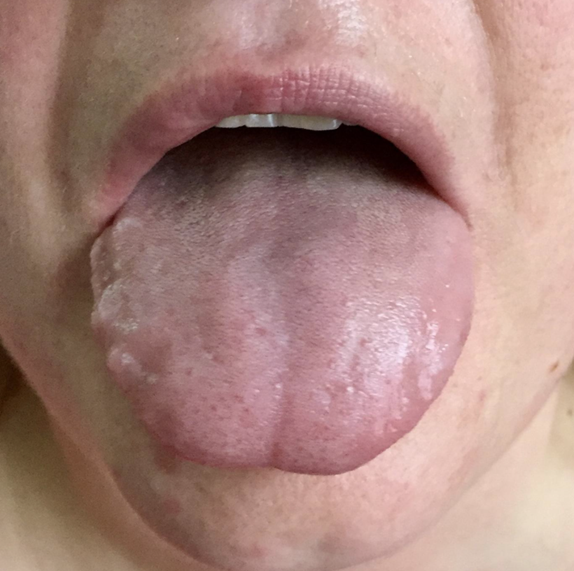
Shape adds further clues, refining the picture colour has already begun to paint. A thin tongue body suggests deficiency of Blood or body fluids — pale and thin points to Blood deficiency, while red and thin points instead to what is known as yin deficiency, a reduction of body fluids that can in time lead to empty-heat. A swollen tongue, by contrast, suggests an accumulation of fluids, or damp (6).
Case study
A patient was convinced that she was “just anaemic and run down”, which was reflected on her tongue body being pale and a little thin. But its shape was not thin enough for straightforward Blood deficiency; it was slightly swollen at the edges, which opened out the diagnosis toward Qi deficiency with some accumulation of Dampness. A herbal prescription focused primarily on nourishing blood will be rich and heavy to digest. With the addition of her weak digestion and some accumulation of fluids, her prescription needed to be carefully balanced so that the heavier nourishing ingredients were balanced with qi strengthening and moving ingredients to avoid further accumulation.
Coating
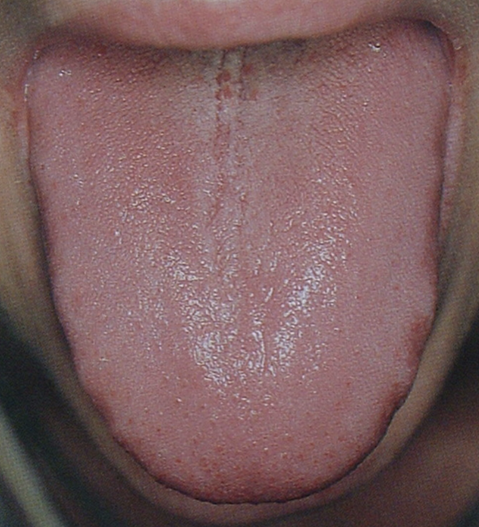
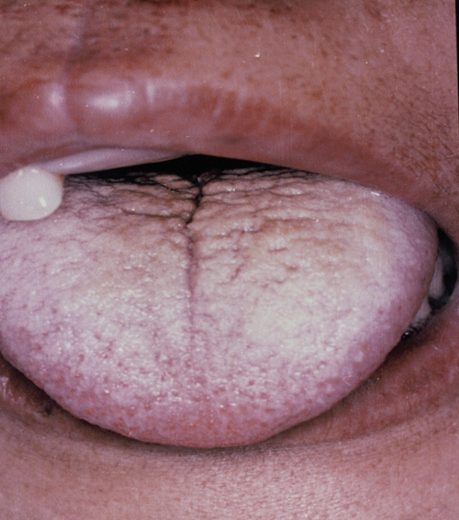
Then there is the coating. A thin, white coating is generally regarded as the normal by-product of healthy digestion (6). Further diagnosis is then made by observing whether the coat is thin or thick, yellow or white, greasy or dry, and whether it is “rooted” — together indicating both problems in the digestive system and the presence of pathogenic factors affecting the body’s underlying strength (6).
Patients that are long into prolonged illnesses, can have tongues that are completely peeled, with no coating remaining, suggesting a chronic depletion ofluids that can reveal more at a glance than any verbal history they can provide.
Moisture
Finally, moisture provides information about the state of the body’s fluids. A tongue that appears appropriately moist is generally considered healthier than one that is excessively dry, while excessive moisture may be interpreted alongside other signs as an indication of impaired fluid transformation or dampness. As with every other feature, moisture only becomes meaningful when read in context.
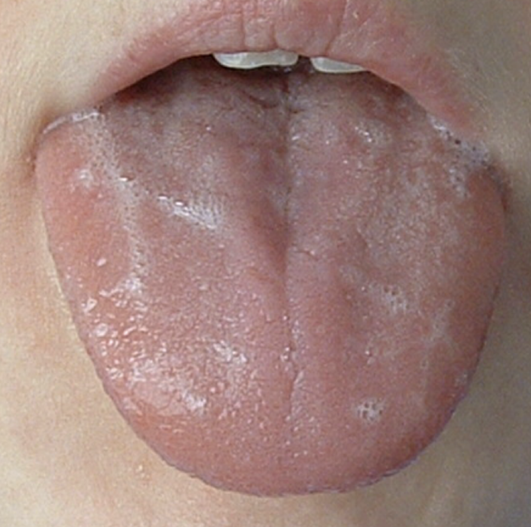
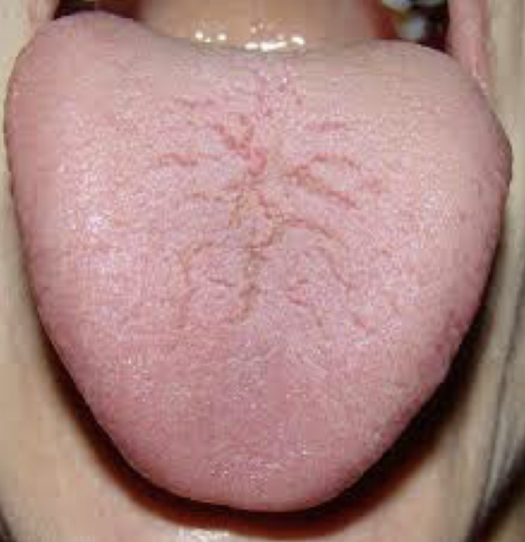
None of these observations stand alone. The fascination of tongue diagnosis lies in putting them together — noticing which features reinforce one another, which appear contradictory, and how the tongue’s appearance fits with the person’s symptoms, history and constitution. It is this process of seeing the whole picture, rather than matching one tongue sign to one diagnosis, that turns looking at a tongue into clinical observation.
The tongue is also commonly described as a map, although historical and modern systems vary in their precise arrangements. A widely used modern view associates the tip with the Heart, the area behind it with the Lung, the centre with the Spleen and Stomach, the sides with the Liver and Gallbladder, and the root with the Kidney, Bladder and Intestines (6).
More detailed systems of tongue topography developed over subsequent centuries, and the regional associations used today reflect a long process of development within Chinese medical literature.
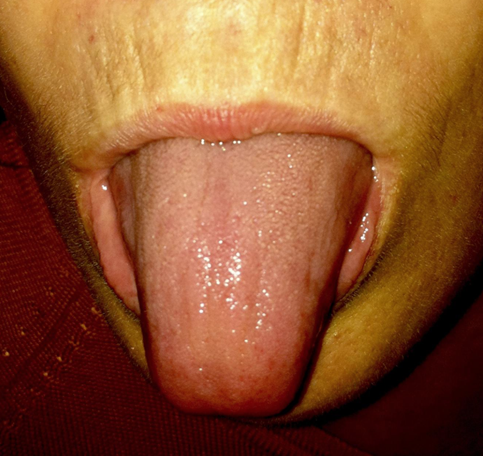
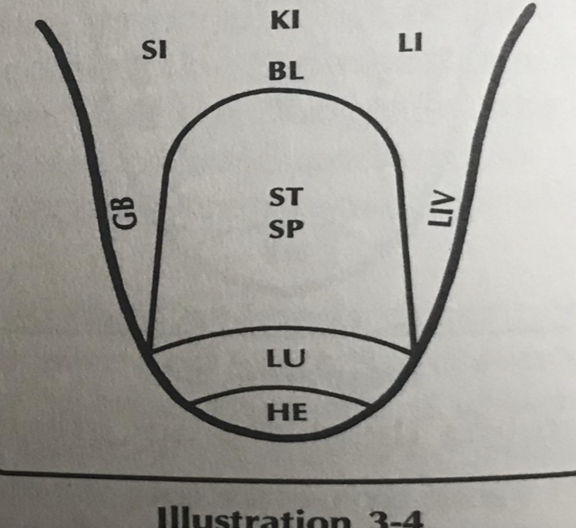
Taken together, these features and the tongue map can contribute to pattern differentiation. A red tongue tip, for example, may be interpreted within Chinese medical pattern differentiation as part of a Heart Fire pattern (6).
For a herbal practitioner, these observations become particularly interesting when brought together with the rest of the case. A pale tongue, for example, might contribute to a pattern of qi deficiency in which huang qi (astragalus | Astragalus membranaceous) could form part of a prescription; a red tongue with other signs of Heat might contribute to a pattern in which huang lian (Coptis chinensis) could be considered; while signs of Blood stasis might contribute to a pattern in which dan shen (Salvia miltiorrhiza) could be considered (7). These are illustrations of traditional formula reasoning, not prescriptions based on tongue colour alone. The choice of herbs, their combination and proportions depends on the person’s complete presentation and the particular pattern being treated (8).
When the tongue meets modern science
The potential value of tongue observation extends beyond the traditional diagnostic framework of Chinese medicine, and the findings so far are genuinely intriguing. Maciocia cites studies in which a bluish-purple tongue was associated with liver Blood stasis across patients with different biomedical diagnoses, a yellow, greasy coating with chronic hepatitis, and other tongue features with conditions such as gastritis and stomach cancer (6).
These are exactly the kind of results that make you look twice: evidence that centuries of clinical observation may have been tracking something biologically real all along, long before modern medicine had the tools to explain why.
Turning that clinical insight into something researchers can study systematically requires ways of describing and classifying what practitioners observe. One development has been the creation of an international framework for recording traditional medicine conditions. In 2019, WHO Member States adopted ICD-11, which includes Chapter 26, a supplementary chapter on traditional medicine conditions; ICD-11 came into effect in 2022. The chapter is for optional use and provides diagnostic categories that allow traditional medicine conditions to be collected and reported in a standardised, internationally comparable way (9).
Alongside this, a growing body of research is asking a more specific question: Can features of the tongue that practitioners recognise visually be measured and classified objectively? A 2024 study in Technologies, for example, trained algorithms to classify 5,260 tongue images into seven colour groups, achieving 98.71% accuracy; on a smaller set of 60 real clinical photographs, it correctly classified 58, a 96.7% success rate (10). These results suggest that machines can be trained to recognise some visible tongue characteristics reliably, although that is a long way from showing that a photograph alone can diagnose conditions such as diabetes, asthma or COVID-19 across the wider population.
Other studies have approached the question from a different direction, looking for associations between tongue features and particular illnesses. During the COVID-19 pandemic, researchers in Shanghai recorded tongue and pulse features in 668 asymptomatic patients infected with the Omicron variant and found recurring, describable patterns in the tongue and coating across the group. The study that was carried out is actually retrospective and from a single-centre but provides an intriguing example of tongue observation being examined systematically in a contemporary epidemic (11).
A 2025 study went further, using 280 images from 172 people — 58 with COVID-19, 84 with adenovirus and 30 healthy — to test whether a model could distinguish between the infections from tongue images, achieving an area under the ROC curve of 0.84 (12).
Similar questions are now being explored in other areas of medicine. A 2025 study involving 377 people — 56 healthy volunteers, 65 with colorectal adenoma and 256 with colorectal cancer — found differences both in tongue-image features and in the microorganisms present in the tongue coating (13). Such findings do not establish that tongue diagnosis can detect colorectal cancer, but they raise an important research question: whether some of the visual features traditionally observed in the tongue reflect measurable physiological changes elsewhere in the body.
Taken together, these studies do not prove that tongue diagnosis can identify disease on its own. They do, however, suggest that some of the features practitioners have observed traditionally can be described, measured and investigated scientifically — opening up new questions about what the tongue may reveal about the body.
A daily practice worth learning
Tongue diagnosis rewards regular observation more than any single dramatic finding. Check it in ambient daylight, rather than artificial light. Look before, rather than after coffee or a curry, so staining does not confuse the picture. And courses of herbal treatment, watch how the tongue changes, gently, week by week — one of the most satisfying ways to see a prescription doing its quiet work.
For students, perhaps the greatest lesson is simply to keep looking. The more tongues seen, the more the extraordinary range of what initially seems like a very ordinary organ is noticed. A tongue can become a record of change, a prompt for better questions and another way of learning to see a person.
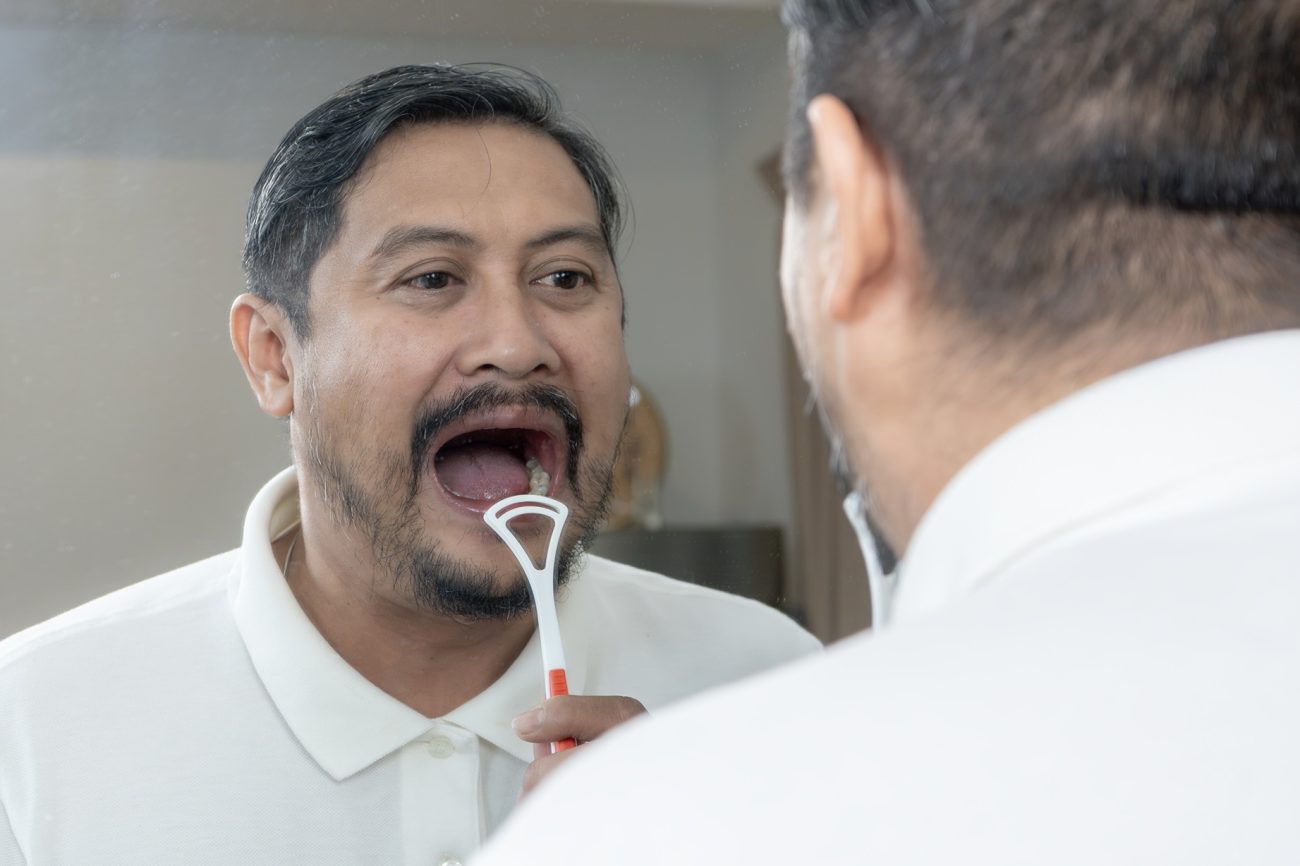
All it takes to begin is a mirror, and a moment of attention.
References
- Huang Di’s Inner Classic – Basic Questions. Vol 1. University of California Press; 2011:107.
- Unschuld PU. Huang Di Nei Jing Ling Shu: The Ancient Classic on Needle Therapy. University of California Press; 2016:436.
- World Health Organization. WHO International Standard Terminologies on Traditional Chinese Medicine. World Health Organization; 2022:50.
- Liang R. [Study on the author and its edition circulation of Ao shi shang han jin jing lu (Ao’s Records of Golden Mirror on Cold Pathogenic Diseases)]. Zhonghua Yi Shi Za Zhi. 2017;47(2):115-120. In Chinese. https://doi.org/10.3760/cma.j.issn.0255-7053.2017.02.012
- Solos I, Liang Y. A historical evaluation of Chinese tongue diagnosis in the treatment of septicemic plague in the pre-antibiotic era, and as a new direction for revolutionary clinical research applications. J Integr Med. 2018;16(3):141-146. https://doi.org/10.1016/j.joim.2018.04.001
- Maciocia G. Tongue Diagnosis in Chinese Medicine. Rev ed. Eastland Press; 1995.
- Bensky D, Clavey S, Stöger E, Gamble A. Chinese Herbal Medicine: Materia Medica. 3rd ed. Eastland Press; 2004.
- Scheid V, Bensky D, Ellis A, Barolet R. Chinese Herbal Medicine: Formulas & Strategies. 2nd ed. Eastland Press; 2009.
- World Health Organization. ICD-11 for Mortality and Morbidity Statistics. Accessed [day month year]. https://icd.who.int/
- Hassoon AR, Al-Naji A, Khalid GA, Chahl J. Tongue disease prediction based on machine learning algorithms. Technologies. 2024;12(7):97. https://doi.org/10.3390/technologies12070097
- Zhang W, Cao M, Sun D, et al. Tongue and pulse features of 668 asymptomatic patients infected with the severe acute respiratory syndrome coronavirus 2 Omicron variant in Shanghai. J Tradit Chin Med. 2022;42(6):1006-1011. https://doi.org/10.19852/j.cnki.jtcm.20220922.004
- Che Q, Leng Y, Yang W, et al. Tongue image–based diagnosis of acute respiratory tract infection using machine learning: algorithm development and validation. JMIR Med Inform. 2025;13:e74102. https://doi.org/10.2196/74102
- Liu F, Su D, Shi X, et al. Cross-population tongue image features and tongue coating microbiome changes in the evolution of colorectal cancer. Front Microbiol. 2025;16:1442732. https://doi.org/10.3389/fmicb.2025.1442732