








Alzheimer’s disease is a progressive neurological condition and the most common type of dementia. Explore herbal and lifestyle strategies for neuroprotection and cognitive support.
Understanding Alzheimer’s disease

Alzheimer’s disease is a progressive condition that affects multiple brain functions, including memory, cognition, behaviour, speech and language (1). Alzheimer’s and dementia are sometimes used interchangeably, but the difference between them is: Alzheimer’s is a disease of the brain that can lead to symptoms of dementia (2).
Alzheimer’s disease is the most common type of dementia that will progressively worsen over time (3). Two thirds of people with dementia in the UK have Alzheimer’s disease (4). Other types of dementia include: vascular dementia, dementia with Lewy bodies, and frontotemporal dementia (3).
In 2024 it was estimated that 982,000 people were living with dementia in the UK (5), and 55 million people were living with it worldwide (6) — this is expected to rise to 1.4 million globally by 2040 (5). Dementia also affects those caring for the person with the symptoms, with an estimated 461 million unpaid caring hours being spent in England alone in 2018 (7).
How does Alzheimer’s disease work?
Alzheimer’s disease is characterised by two major pathophysiological processes. The first is when plaques from amyloid proteins form around cells in the brain (8,9). Once this process starts, the number of synapses, neurons and neurotransmitters decrease, which means that the signals and messages between brain cells become disrupted (8), one neurotransmitter in particular suffers in this process — acetylcholine.
The second process is related to tau proteins, which play a key role in regulating the formation of microtubules (9). In Alzheimer’s these microtubules hyperphosphorylate and build-up into neurofibrillary tangles (10). Increased numbers of tangled tau proteins have been positively correlated with the atrophy of the brain, and cognitive decline (8–10).
Longitudinal studies have found that changes in amyloid proteins in the brain have been detected 20 years or more before any pre-clinical cognitive symptoms (11).
Understanding the root
The trigger of Alzheimer’s disease is still unknown (12). However, certain factors have been identified that increase the risk of developing the disease (12), such as age, genetics, long-term health conditions, lifestyle, sex and gender, and cognitive reserve (13).

Environmental
Age
The largest risk factor is age, with two in every 100 people developing dementia symptoms when they are aged between 65–69, even though they may have started to develop the disease that caused the symptoms (e.g., Alzheimer’s) many years before (13).
Aging also goes hand-in-hand with increased likelihood of higher blood pressure, weaker immune system and slower ability to recover from injury — all of which increase the risk of dementia (13).
Lifestyle
Dementia risk is lower in individuals who avoid smoking, limit alcohol intake, and stay socially and physically active between the ages of 40–65 (13).
Other long-term health conditions
Long-term medical conditions that negative impact cognition and memory, and/or blood flow to the brain, increase the risk of developing dementia. These include, multiple sclerosis, HIV, kidney disease, diabetes, hearing/vision loss, high blood pressure, high cholesterol and depression (13).
Sex
The risk of getting dementia is approximately the same for men and women, until the age of 80 when women have an increased risk (13). Evidence of the link with dementia risk and women either in early menopause and/or taking HRT in midlife and are currently unclear (13).
Cognitive reserve
When someone has Alzheimer’s disease, but symptoms of dementia are not present, they are thought to have more cognitive reserve. Activities that can increase cognitive reserve are
- Staying in fulltime education longer
- Continuing to learn throughout life
- Complexity in jobs to include problem solving, communication, memory, reasoning
- Social interaction (13)
Genetic
Genes can also predispose individuals to dementia, they will not cause it directly, but they may increase the risk (14), the exceptions to this are:
- Frontotemporal dementia tends to run in families and is most likely caused by a single gene (14).
- People with Down’s syndrome are more likely to develop Alzheimer’s disease due to the genetic changes that they experience, as these can also cause the build-up of amyloid plaques (12).
- Ethnic background may play a role in the risk of developing dementia, with those from Black African, Black Caribbean and South Asian ethnic groups showing an increased risk, but more evidence is needed to understand this pattern (13).
Signs and symptoms
Alzheimer’s disease is categorised into three stages, each with different and sometimes overlapping symptoms.

The first symptoms of Alzheimer’s are described as early-stage symptoms and are usually memory problems (1), which present as:
- Repetition of questions
- Losing items
- Memory loss of recent events or conversations
- Hesitancy around trying new things
- Finding it hard to make decisions (15).
Middle-stage symptoms show signs of worsening memory problems and other new symptoms that can include:
- Increasing confusion around time of day and orientation
- Obsessive or impulsive behaviour
- Delusions or hallucinations
- Changes in mood to become more anxious, depressed, agitated or frustrated
- Speech and language problems (15).
In the later stages, behaviour changes become more pronounced, with individuals sometimes presenting with aggression, upset, or restlessness, and loss of speech. Problems with eating, swallowing and urinary and bowel incontinence are also likely (15).
Herbs for Alzheimer’s disease
There are no cures for dementia (16) and many pharmaceutical options provide some symptom relief, but do not prevent progression (17).
Various herbal actions are useful in neurodegenerative diseases, such as those that:
- Reduce oxidative stress
- Provide neuroprotection
- Promote cholinergic transmission
- Increase circulation in the brain (17).
Many herbs offer a combination of these actions and have been shown to be effective in in vitro, in vivo, pre-clinical and clinical studies (18).
Neuroprotective herbs
Some herbal constituents that can cross the blood-brain barrier have demonstrated neuroprotective and anti-inflammatory properties, supporting neuronal function and longevity, and improving memory when introduced early in the disease process (17,18).
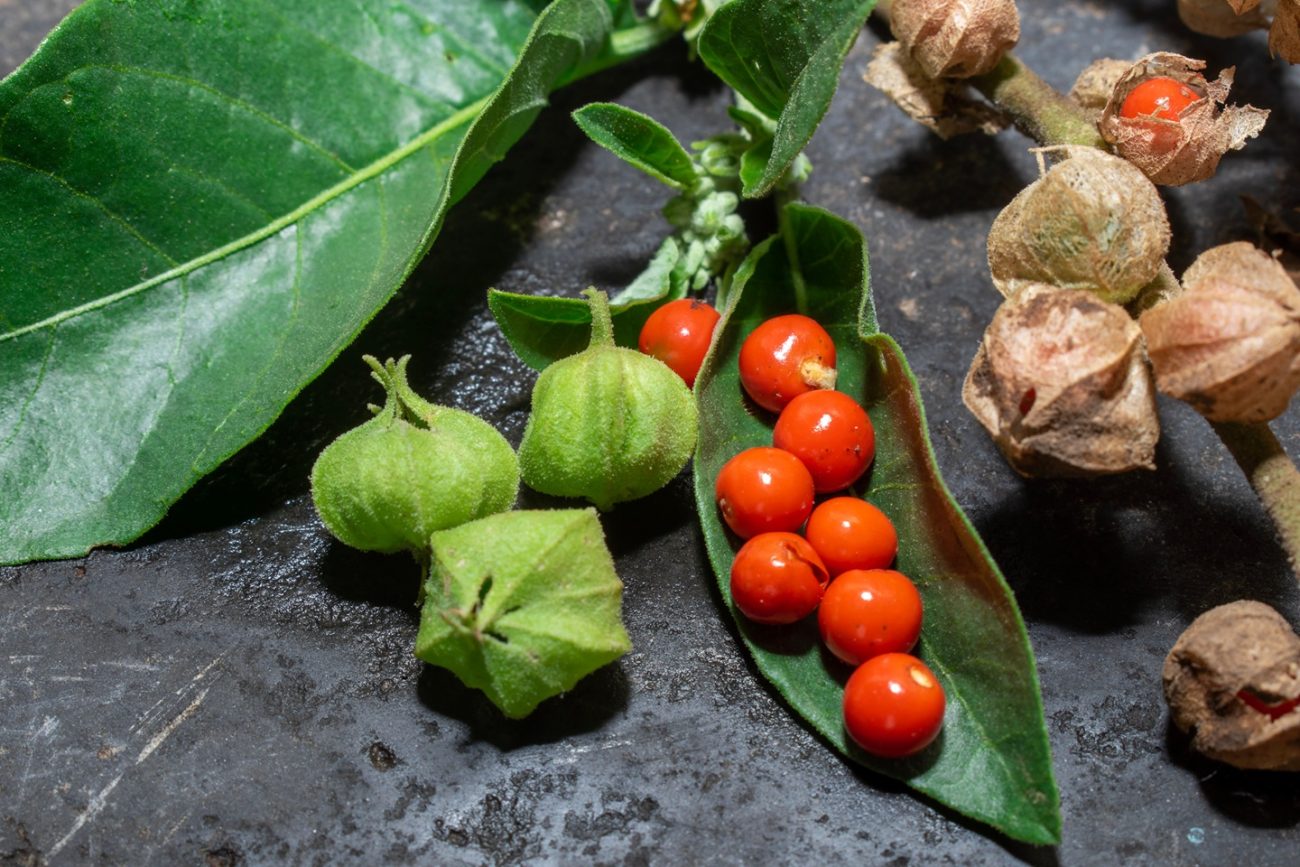
Ashwagandha (Withania somnifera) is traditionally classified in Ayurveda as a rejuvenative tonic (rasayana), and is being investigated for cognitive support for Alzheimer’s disease. Preclinical studies indicate antioxidant and free radical scavenging properties (18), promotion of dendritic regrowth in animal models(19) and immunomodulatory effects (18). A pilot study has shown that eight-week supplementation of ashwagandha can increase both immediate and general memory 20).
Turmeric (Curcuma longa) contains curcumin, the most studied phytochemical that has been most studied for its potential to reduced risk of Alzheimer’s disease. Proposed mechanisms include its anti-inflammatory and antioxidant activity(18), inhibition of amyloid-β aggregation and reduction of plaque formation. Preclinical studies in animal models have illustrated that curcumin can reduce amyloid pathology and improve cognitive function (21,22).
Lion’s mane (Hericium erinaceus) contains compounds that, in cell culture studies, have been shown to promote neuronal survival and stimulate neurites outgrowth, suggesting potential neuroprotective activity (23). A small pilot double-blind placebo-controlled study in patients with mild Alzheimer’s disease found that 49 weeks of supplementation with lion’s mane extract, found improvement in the scores of activities associated with daily living, such as dressing, personal hygiene, preparing food (24).
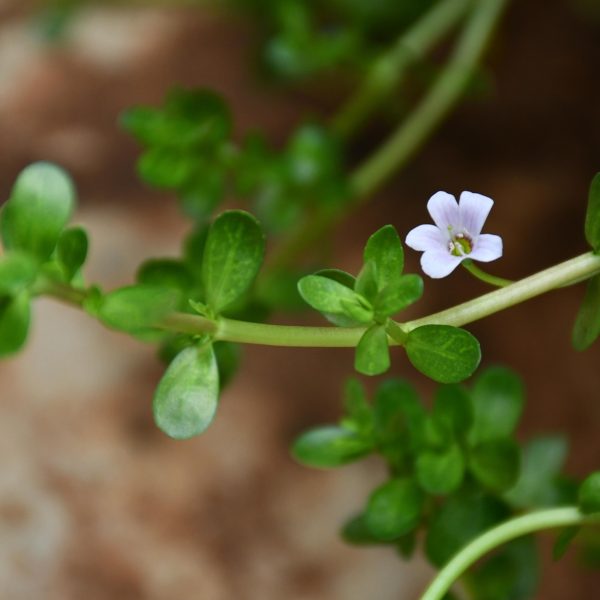
Gotu kola (Centella asiatica) – and in particular the compounds asiaticoside, madecassoside and asiatic acid – has a high capacity to cross the blood-brain-barrier (25). This allows its antioxidative, anti-inflammatory and anti-amyloid properties to act in a neuroprotective way, that can enhance memory, repair nerves and improve cognitive function, and promote cholinergic transmission (26) all of which are relevant for Alzheimer’s disease.
Promote cholinergic transmission
When cholinergic neurotransmission degrades in the brain (due to amyloid plaques or tau tangles, the cognitive decline seen in Alzheimer’s disease can follow (27). One way to counter this decline is to prevent the breakdown of acetylcholinesterase (the enzyme that breaks down acetylcholine), this has been a target of drug therapy (17).
Rosemary (Salvia rosmarinus): Various extracts from rosemary have been shown in vitro to prevent the breakdown of acetylcholine (27,28), and in vivo rosmarinic acid has shown to modulate neuroinflammation (29).
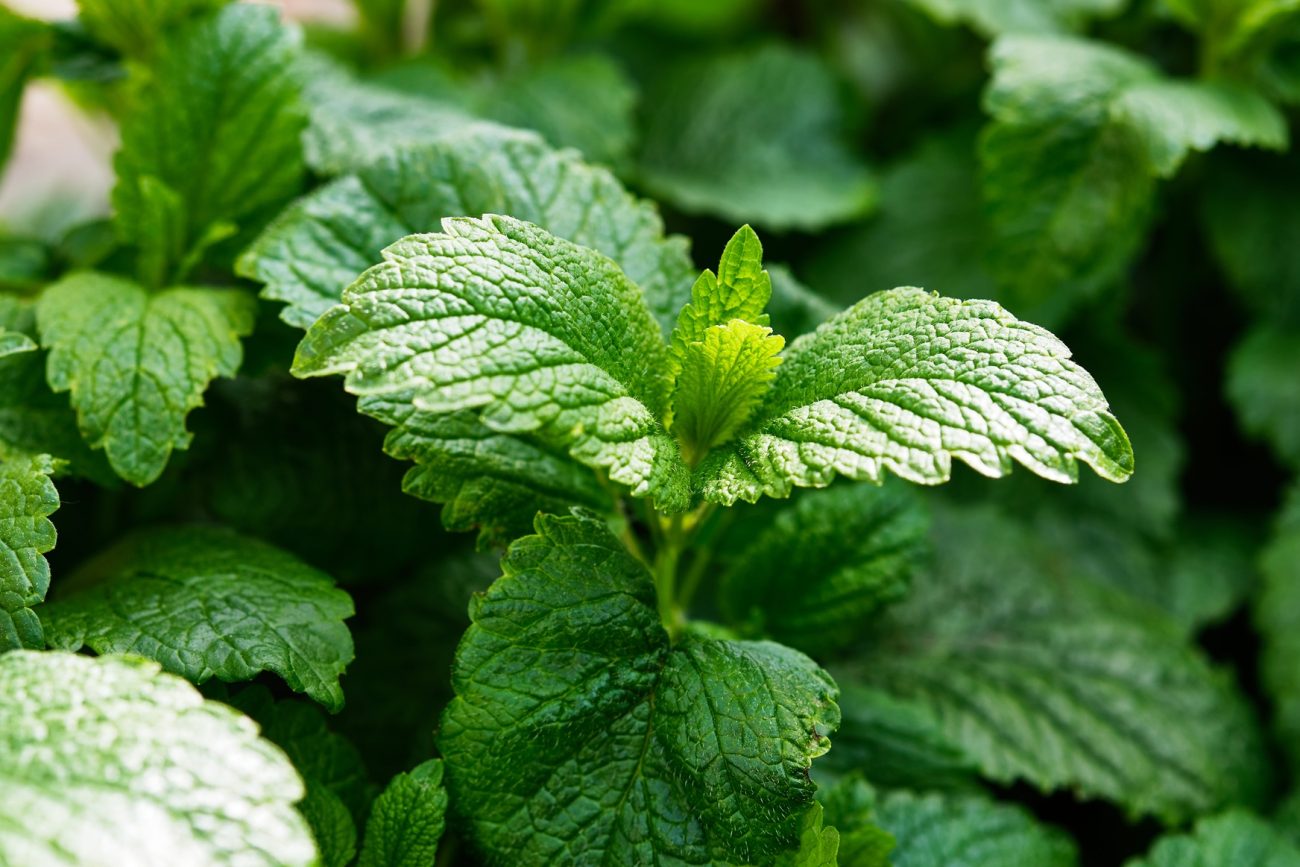
Lemon balm (Melissa officinalis) also acts in a similar way to rosemary in influencing cholinergic activity via rosmarinic acid and terpenoids, making the herb relevant for the management of Alzheimer’s disease (30).
Increase circulation in the brain
Ginkgo (Ginkgo biloba) is one of the most studied herbs for Alzheimer’s disease, often as a standardised, patented extract, EGb761 (31). Although the studies show conflicting results (31,32), the active components have been shown to improve cerebral blood circulation and the integrity of capillary walls, whilst discouraging clot formation and protecting nerve cells (31,33).
Lesser periwinkle (Vinca minor) has been used historically for cerebral circulatory impairment (34). It has been found to improve memory and cognitive function by the alkaloids vincamine and vinpocetine, which promote circulation in the brain, the metabolic rate in the cerebrum and stabilise inflammatory pathways (17,35).
Holistic solutions

Given that lifestyle factors are thought to contribute to the risk of developing Alzheimer’s, especially in middle age, ways to protect against Alzheimers and to limit disease progression include: minimising alcohol intake, avoiding smoking, maintaining a balanced diet and regular exercise (36).
Nutrition and diet
Diets that high in sugar, alcohol, and fat have been found to influence the onset and severity of neurodegenerative diseases, such as Alzheimer’s (37).
Some studies have shown that the Mediterranean diet shows a lower risk for developing dementia, although evidence is conflicting (38). Also, certain constituents in foods can offer neuroprotection, these include: the polyphenols of resveratrol found in grapes, anthocyanins found in blueberries and mulberries and catechins found in green tea (17,37,39).
Movement and other activities
A long-term randomised control trial looking at diet, exercise, cognitive training and social activity, and management of metabolic and vascular risk did show a significant benefit to cognitive function after two years in the elderly (40,41). Tai chi and qigong have also been found to be beneficial to cognitive function in older adults (42).
Social interaction and keeping mentally active are important elements in preventing cognitive decline and delaying the onset of Alzheimer’s disease (43). One longitudinal study found that lonely people were at a higher risk of developing Alzheimer’s disease (44); so ensuring sufficient social support would also be beneficial.
References
- Alzheimer’s disease. NHS. May 10, 2018. Accessed March 17, 2026. https://www.nhs.uk/conditions/alzheimers-disease/
- Alzheimer’s Society. What is the difference between dementia and Alzheimer’s disease? Alzheimer’s Society. 2024. Accessed March 17, 2026. https://www.alzheimers.org.uk/blog/difference-between-dementia-alzheimers-disease
- Alzheimer’s Society. What is dementia? Alzheimer’s Society. 2026. Accessed March 17, 2026. https://www.alzheimers.org.uk/about-dementia/types-dementia/what-is-dementia
- Alzheimer’s Society. What is Alzheimer’s disease? Alzheimer’s Society. 2026. Accessed March 17, 2026. https://www.alzheimers.org.uk/about-dementia/types-dementia/alzheimers-disease
- Alzheimer’s Society, Carnell Farrar. The economic impact of dementia. Published online 2024. Accessed March 17, 2026. https://www.alzheimers.org.uk/sites/default/files/2024-05/the-annual-costs-of-dementia.pdf
- Global Health Observatory. Global Dementia Observatory (GDO). World Health Organization. 2026. Accessed March 17, 2026. https://www.who.int/data/gho/data/themes/global-dementia-observatory-gdo
- Landeiro F, Harris C, Groves D, et al. The economic burden of cancer, coronary heart disease, dementia, and stroke in England in 2018, with projection to 2050: an evaluation of two cohort studies. Lancet Healthy Longev. 2024;5(8):e514-e523. https://doi.org/10.1016/S2666-7568(24)00108-9
- NHS. Alzheimer’s disease — causes. NHS. May 10, 2018. Accessed March 19, 2026. https://www.nhs.uk/conditions/alzheimers-disease/causes/
- Zheng Q, Wang X. Alzheimer’s disease: insights into pathology, molecular mechanisms, and therapy. Protein Cell. 2025;16(2):83-120. https://doi.org/10.1093/procel/pwae026
- Alonso AdC, El Idrissi A, Candia R, Morozova V, Kleiman FE. Tau: more than a microtubule-binding protein in neurons. Cytoskeleton. 2024;81(1):71-77. https://doi.org/10.1002/cm.21795
- Caselli RJ, Langlais BT, Dueck AC, et al. Neuropsychological decline up to 20 years before incident mild cognitive impairment. Alzheimers Dement. 2020;16(3):512-523. https://doi.org/10.1016/j.jalz.2019.09.085
- NHS. Alzheimer’s disease — causes. NHS. 2018. Accessed March 24, 2026. https://www.nhs.uk/conditions/alzheimers-disease/causes/
- Alzheimer’s Society. Risk factors for dementia. Alzheimer’s Society. 2024. Accessed March 24, 2026. https://www.alzheimers.org.uk/about-dementia/managing-the-risk-of-dementia/risk-factors-for-dementia
- Alzheimer’s Society. Can genes cause dementia? Alzheimer’s Society. 2021. Accessed March 24, 2026. https://www.alzheimers.org.uk/about-dementia/can-genes-cause-dementia
- Alzheimer’s disease — symptoms. NHS. May 10, 2018. Accessed March 17, 2026. https://www.nhs.uk/conditions/alzheimers-disease/symptoms/
- Abubakar MB, Sanusi KO, Ugusman A, et al. Alzheimer’s disease: an update and insights into pathophysiology. Front Aging Neurosci. 2022;14:742408. https://doi.org/10.3389/fnagi.2022.742408
- Stansbury J. Neurology, Psychiatry, and Pain Management: Including Cognitive and Neurologic Conditions and Emotional Conditions. Vol 4. Chelsea Green Publishing; 2020.
- Gregory J, Vengalasetti YV, Bredesen DE, Rao RV. Neuroprotective herbs for the management of Alzheimer’s disease. Biomolecules. 2021;11(4):543. https://doi.org/10.3390/biom11040543
- Tohda C, Kuboyama T, Komatsu K. Dendrite extension by methanol extract of Ashwagandha (roots of Withania somnifera) in SK-N-SH cells. Neuroreport. 2000;11(9):1981-1985. https://doi.org/10.1097/00001756-200006260-00035
- Choudhary D, Bhattacharyya S, Bose S. Efficacy and safety of Ashwagandha (Withania somnifera (L.) Dunal) root extract in improving memory and cognitive functions. J Diet Suppl. 2017;14(6):599-612. https://doi.org/10.1080/19390211.2017.1284970
- Zhang L, Fang Y, Xu Y, et al. Curcumin improves amyloid β-peptide (1-42) induced spatial memory deficits through BDNF-ERK signaling pathway. PLoS One. 2015;10(6):e0131525. https://doi.org/10.1371/journal.pone.0131525
- Yanagisawa D, Ibrahim NF, Taguchi H, et al. Curcumin derivative with the substitution at C-4 position, but not curcumin, is effective against amyloid pathology in APP/PS1 mice. Neurobiol Aging. 2015;36(1):201-210. https://doi.org/10.1016/j.neurobiolaging.2014.07.041
- Zhang CC, Cao CY, Kubo M, et al. Chemical constituents from Hericium erinaceus promote neuronal survival and potentiate neurite outgrowth via the TrkA/Erk1/2 pathway. Int J Mol Sci. 2017;18(8):1659. https://doi.org/10.3390/ijms18081659
- Li IC, Chang HH, Lin CH, et al. Prevention of early Alzheimer’s disease by erinacine A-enriched Hericium erinaceus mycelia pilot double-blind placebo-controlled study. Front Aging Neurosci. 2020;12:155. https://doi.org/10.3389/fnagi.2020.00155
- Hanapi NA, Mohamad Arshad AS, Abdullah JM, Tengku Muhammad TS, Yusof SR. Blood-brain barrier permeability of asiaticoside, madecassoside and asiatic acid in porcine brain endothelial cell model. J Pharm Sci. 2021;110(2):698-706. https://doi.org/10.1016/j.xphs.2020.09.015
- Ganesan VK, Rajyalakshmi R, Dabburu K, Shanmugam DAS, Balaraman AD. A review on Centella asiatica (L.) nutrient and phytochemical composition and its potential neuroprotective effect in Alzheimer’s disease. Arch Gerontol Geriatr Plus. 2026;3(1):100237. https://doi.org/10.1016/j.aggp.2025.100237
- Kamli MR, Sharaf AAM, Sabir JSM, Rather IA. Phytochemical screening of Rosmarinus officinalis L. as a potential anticholinesterase and antioxidant–medicinal plant for cognitive decline disorders. Plants (Basel). 2022;11(4):514. https://doi.org/10.3390/plants11040514
- Ghasemzadeh Rahbardar M, Hosseinzadeh H. Therapeutic effects of rosemary (Rosmarinus officinalis L.) and its active constituents on nervous system disorders. Iran J Basic Med Sci. 2020;23(9):1100-1112. https://doi.org/10.22038/ijbms.2020.45269.10541
- Ghasemzadeh Rahbardar M, Amin B, Mehri S, Mirnajafi-Zadeh SJ, Hosseinzadeh H. Anti-inflammatory effects of ethanolic extract of Rosmarinus officinalis L. and rosmarinic acid in a rat model of neuropathic pain. Biomed Pharmacother. 2017;86:441-449. https://doi.org/10.1016/j.biopha.2016.12.049
- Mathews IM, Eastwood J, Lamport DJ, Cozannet RL, Fanca-Berthon P, Williams CM. Clinical efficacy and tolerability of lemon balm (Melissa officinalis L.) in psychological well-being: a review. Nutrients. 2024;16(20):3545. https://doi.org/10.3390/nu16203545
- Singh SK, Srivastav S, Castellani RJ, Plascencia-Villa G, Perry G. Neuroprotective and antioxidant effect of Ginkgo biloba extract against AD and other neurological disorders. Neurotherapeutics. 2019;16(3):666-674. https://doi.org/10.1007/s13311-019-00767-8
- Cranage A. Behind the headlines: Ginkgo biloba for Alzheimer’s. Alzheimer’s Research UK. 2013. Accessed March 24, 2026. https://www.alzheimersresearchuk.org/news/ginkgo-biloba/
- Mashayekh A, Pham DL, Yousem DM, Dizon M, Barker PB, Lin DDM. Effects of Ginkgo biloba on cerebral blood flow assessed by quantitative MR perfusion imaging: a pilot study. Neuroradiology. 2011;53(3):185-191. https://doi.org/10.1007/s00234-010-0790-6
- Vrabec R, Maříková J, Ločárek M, et al. Monoterpene indole alkaloids from Vinca minor L. (Apocynaceae): identification of new structural scaffold for treatment of Alzheimer’s disease. Phytochemistry. 2022;194:113017. https://doi.org/10.1016/j.phytochem.2021.113017
- Vas Á, Gulyás B. Eburnamine derivatives and the brain. Med Res Rev. 2005;25(6):737-757. https://doi.org/10.1002/med.20043
- NHS. Alzheimer’s disease — prevention. NHS. May 10, 2018. Accessed March 24, 2026. https://www.nhs.uk/conditions/alzheimers-disease/prevention/
- Popa-Wagner A, Dumitrascu DI, Capitanescu B, et al. Dietary habits, lifestyle factors and neurodegenerative diseases. Neural Regen Res. 2020;15(3):394-400. https://doi.org/10.4103/1673-5374.266045
- National Institute on Aging. What do we know about diet and prevention of Alzheimer’s disease? National Institute on Aging. November 20, 2023. Accessed March 24, 2026. https://www.nia.nih.gov/health/alzheimers-and-dementia/what-do-we-know-about-diet-and-prevention-alzheimers-disease
- Revi N, Rengan AK. Impact of dietary polyphenols on neuroinflammation-associated disorders. Neurol Sci. 2021;42(8):3101-3119. https://doi.org/10.1007/s10072-021-05303-1
- Sink KM, Espeland MA, Castro CM, et al. Effect of a 24-month physical activity intervention compared to health education on cognitive outcomes in sedentary older adults: the LIFE randomized trial. JAMA. 2015;314(8):781-790. https://doi.org/10.1001/jama.2015.9617
- Ngandu T, Lehtisalo J, Solomon A, et al. A 2 year multidomain intervention of diet, exercise, cognitive training, and vascular risk monitoring versus control to prevent cognitive decline in at-risk elderly people (FINGER): a randomised controlled trial. Lancet. 2015;385(9984):2255-2263. https://doi.org/10.1016/S0140-6736(15)60461-5
- Park M, Song R, Ju K, et al. Effects of Tai Chi and Qigong on cognitive and physical functions in older adults: systematic review, meta-analysis, and meta-regression of randomized clinical trials. BMC Geriatr. 2023;23:352. https://doi.org/10.1186/s12877-023-04070-2
- Hsiao YH, Chang CH, Gean PW. Impact of social relationships on Alzheimer’s memory impairment: mechanistic studies. J Biomed Sci. 2018;25:3. https://doi.org/10.1186/s12929-018-0404-x
- Wilson RS, Krueger KR, Arnold SE, et al. Loneliness and risk of Alzheimer disease. Arch Gen Psychiatry. 2007;64(2):234-240. https://doi.org/10.1001/archpsyc.64.2.234