





Characterised by low mood, anhedonia and other cognitive, emotional and behavioural symptoms, depression is a prevalent mood disorder that can be supported with herbs and holistic care.
Understanding depression
Depression, clinically termed major depressive disorder, is a complex and multifactorial mood disorder characterised by persistent low mood, anhedonia (loss of interest or pleasure), and a range of cognitive, emotional and somatic disturbances (1). It extends beyond transient sadness, representing a pathological state that significantly impairs daily functioning, quality of life and interpersonal relationships.
Core diagnostic features include feelings of hopelessness, low self-worth, fatigue, impaired concentration, sleep disturbances and changes in appetite (2). From a biomedical perspective, depression is increasingly understood as a systemic condition involving neurochemical, endocrine, inflammatory and psychosocial dysregulation rather than a purely ‘chemical imbalance’ (1,3).
Under the umbrella of unipolar depressive disorders, there is major depressive disorder, which is depression without a manic or hypomanic phase; dysthymic disorder, which consists of a pattern of chronic, ongoing mild depressive symptoms that are less severe than major depression; and seasonal affective disorder (SAD), which is depression or depressive symptoms related to seasonal changes (4,5).
Depression is a leading contributor to global disease burden. Current estimates suggest a global prevalence of approximately 5% (6). It is recognised as one of the leading causes of years lived with disability worldwide and is associated with increased mortality, including suicide risk (7). In 2022, the proportion of adults in the UK experiencing moderate to severe depressive symptoms had increased to 16%, up from 10% prior to the pandemic.
Women report higher rates than men (19% compared to 14%), with young people aged 16–29 most affected (28%). The burden is unevenly distributed, with markedly higher prevalence among individuals with disability (35% versus 7% in non-disabled adults), those unable to work due to long-term illness (59%), and unpaid carers providing more than 35 hours of care per week (37%), emphasising clear disparities across different population groups (8).
Up to 40% of patients do not respond adequately to conventional antidepressant therapies, highlighting the need for broader therapeutic strategies (9). The socioeconomic burden is substantial, encompassing healthcare costs, reduced productivity, and long-term disability (7).
How does depression work?
The monoamine hypothesis remains a key framework in understanding depression. Monoamine neurotransmitters like serotonin, noradrenaline and dopamine are central to mood regulation, motivation, cognition and stress response (1,3). Reduced serotonergic activity is associated with low mood, anxiety, and sleep disturbance, while noradrenergic dysfunction contributes to fatigue, impaired concentration and altered stress resilience. Dopamine dysregulation, particularly within reward pathways contributes to anhedonia, reduced motivation and diminished goal-directed behaviour (1,3).
Monoamine imbalance arises through multiple interacting mechanisms. These include impaired synthesis due to nutrient deficiencies or chronic stress, increased reuptake or degradation via transporter proteins and the enzyme monoamine oxidase (MAO) and altered receptor sensitivity. Inflammation further disrupts monoamine pathways by diverting tryptophan metabolism away from serotonin production, while chronic activation of the hypothalamic–pituitary–adrenal (HPA) axis and elevated cortisol can impair neurotransmitter function (1,3).
Neuroendocrine dysfunction also plays a role, as HPA axis hyperactivation with elevated cortisol levels and impaired stress adaptation contributes to hippocampal atrophy and mood dysregulation (1,3). Reduced levels of brain-derived neurotrophic factor (BDNF) are associated with impaired formation of new neurons and synaptic plasticity. There is emerging evidence showing that both pharmacological and herbal treatments can enhance BDNF expression (1).
Inflammation and gut microbiota are also implicated in the pathophysiology of depression (10). Low-grade systemic inflammation, characterised by elevated cytokines like IL-6 or TNF-α, is increasingly implicated in depression. This inflammatory state influences neurotransmitter metabolism and neural function. Alterations in gut microbiota composition can affect mood through immune, neural, and metabolic pathways, affecting neurotransmitter production and contributing to inflammation (10,11).
Understanding the root causes
Depression arises from an interplay of biological, psychological and social factors.
- Genetic predisposition: Family and twin studies show moderate heritability, with multiple genes contributing to vulnerability (12).
- Chronic stress and trauma: Early life adversity, ongoing psychosocial stress, and trauma are major contributors, often mediated through HPA axis dysregulation (13).
- Lifestyle factors: Poor diet, physical inactivity, sleep disruption, and substance misuse can all increase the risk of developing depression (14,15).
- Medical conditions: Chronic illnesses (e.g., cardiovascular disease, diabetes), hormonal imbalances (e.g., thyroid dysfunction), and chronic pain are strongly associated with depression (16, 17).
- Nutritional deficiencies: Deficiencies in key nutrients such as omega-3 fatty acids, B vitamins, iron, and magnesium can impair neurotransmitter synthesis and brain function (18,19,20).
- Psychosocial factors: Isolation, lack of purpose, socioeconomic hardship and adverse life events play a significant role (21).
Signs and symptoms
Major depressive disorder is diagnosed according to the criteria stipulated in DSM-5. One criterion requires the presence of five of the below symptoms almost every day for more than two weeks, and at least one must be either depressed mood or loss of interest/pleasure.
Emotional symptoms (22):
- Persistent sadness or low mood
- Loss of pleasure or interest in activities (anhedonia)
- Feelings of hopelessness, worthlessness or excessive guilt
- Irritability or emotional numbness
Cognitive symptoms (22):
- Poor concentration and memory or indecisiveness
- Negative thinking patterns
- Recurrent thoughts of death or suicidal ideation
Physical symptoms (22):
- Fatigue and low energy
- Sleep disturbances (insomnia or hypersomnia)
- Appetite and weight changes
- Psychomotor agitation
Other behavioural symptoms can also include:
- Withdrawal from social activities
- Reduced motivation
- Decreased productivity
If the above feels relevant to you, for further guidance, please seek the care of a qualified medical professional via your GP, NHS 111, or mental support charities such as Mind and Samaritans.
Herbs for depression
Herbal approaches to depression often centre on restoring balance to the nervous, endocrine, and immune systems (5). Rather than acting through a single pathway, medicinal plants have multiple virtues and modes of action, including modulation of neurotransmitters, support for the HPA axis and reduction of inflammation. Emerging research suggests that certain herbs may help increase serotonin availability BDNF, while reducing cortisol levels, stress reactivity and pro-inflammatory cytokines (23).
Evidence suggests that herbal medicines can improve depressive symptoms, either alone (particularly in mild-to-moderate cases) or as adjuncts to conventional treatment, often with fewer side effects.

Herbs that can support people with depression include:
- Nervine tonics, also called nervous system trophorestoratives. These herbs help to nourish and restore long-term nervous system function. Examples include St John’s wort (Hypericum perforatum), skullcap (Scutellaria lateriflora), damiana (Turnera diffusa), and schisandra (Schisandra chinensis). They are traditionally used to support mood, improve resilience to stress and promote emotional balance (5).
- Anxiolytics, for individuals experiencing anxiety alongside depression. Anxiolytic nervines such as valerian (Valeriana officinalis) and passionflower (Passiflora incarnata) can help reduce nervous tension and improve sleep quality, both of which are commonly disrupted in depressive states (5,24).
- Adaptogens play a particularly important role where chronic stress and HPA axis dysregulation are present. In depression, cortisol levels can be elevated and fail to switch off appropriately due to impaired negative feedback mechanisms. Adaptogens such as ashwagandha (Withania somnifera) and schisandra help regulate this stress response, supporting resilience and reducing fatigue (5, 24).
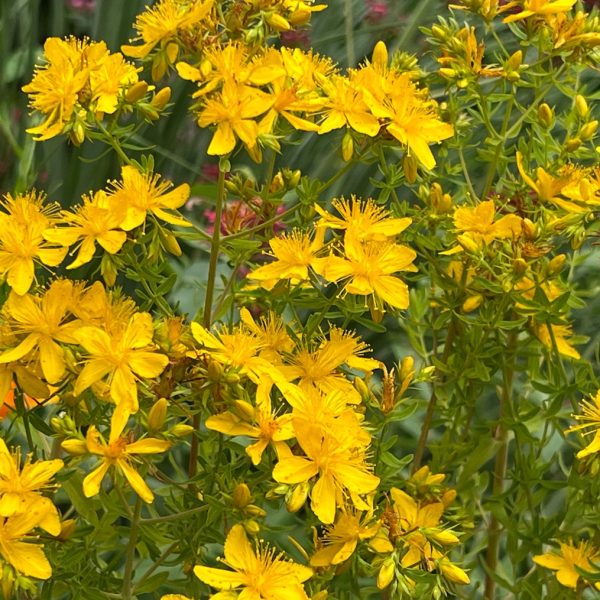
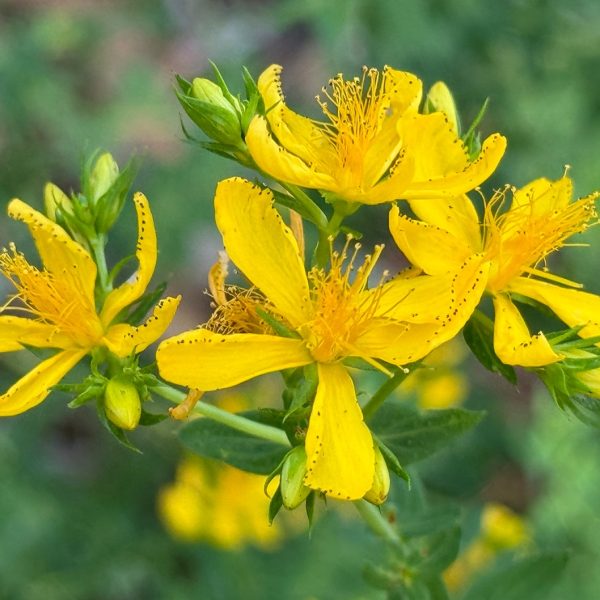
St John’s wort (Hypericum perforatum)
St John’s wort is one of the most extensively studied herbal antidepressants and has demonstrated efficacy comparable to standard antidepressants in mild-to-moderate depression, with favourable tolerability (25). Its mechanisms include inhibition of serotonin, dopamine, and noradrenaline reuptake, along with modulation of GABA receptors (26). This contributes to its anxiolytic and mood enhancing effects.
St John’s wort strongly induces liver enzymes (especially CYP3A4) and P-glycoprotein, which can reduce the effectiveness of some medications like oral contraceptives, HIV antiretrovirals, ciclosporin and chemotherapy agents (27, 28). The concomitant use with antidepressant medication that inhibits serotonin (e.g. sertraline, citalopram) needs to be monitored by a qualified herbalist due to the risk of serotonin syndrome (29).
Saffron (Crocus sativus)
Saffron has been traditionally used as a nervine and mood enhancer, often prescribed for low mood, melancholy and emotional distress. It has shown efficacy for mild to moderate depression comparable to antidepressant drugs like fluoxetine and imipramine in several clinical trials, with a better side effect profile (30,31,32). Its active constituents crocin and safranal appear to modulate serotonin pathways and exert antioxidant and anti-inflammatory effects (32).
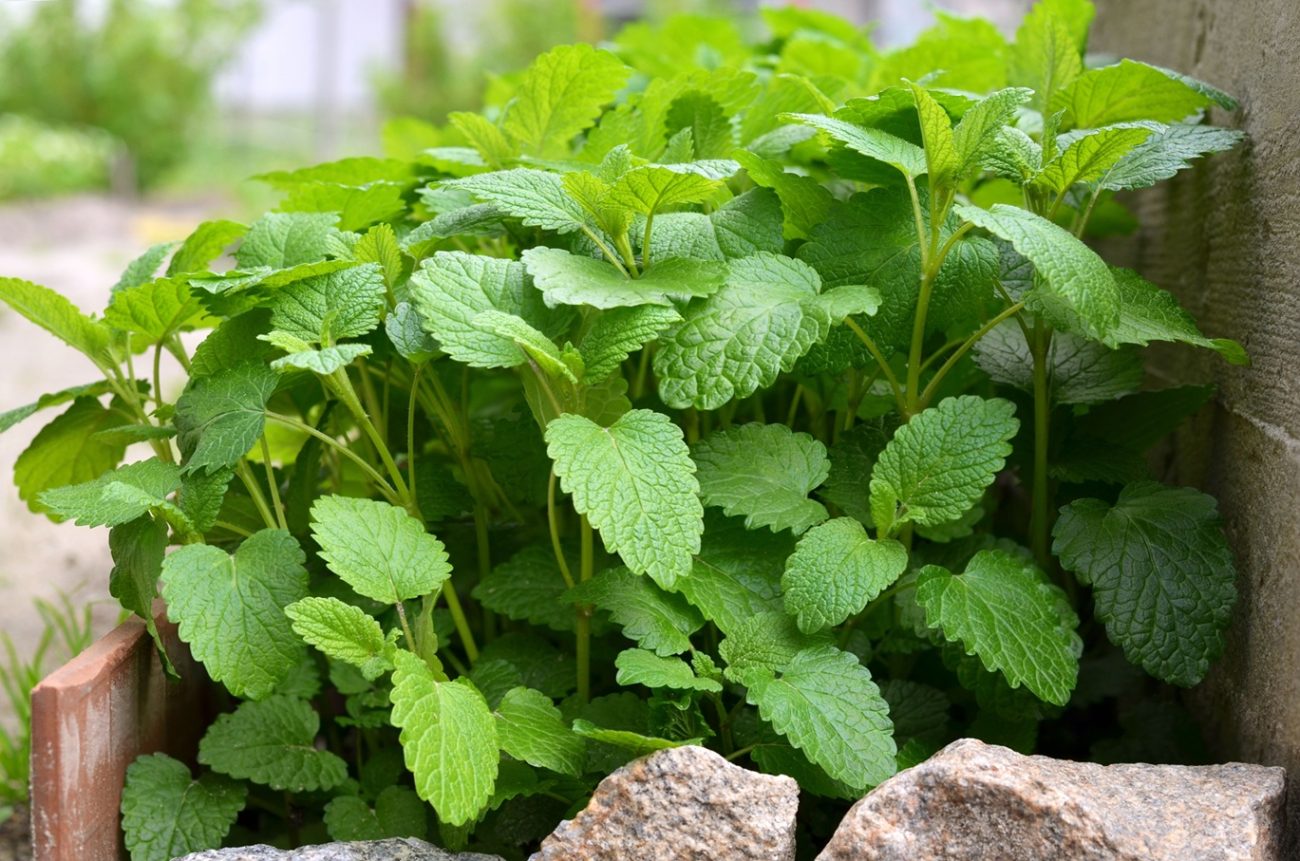
Lemon balm (Melissa officinalis)
Lemon balm is a calming herb traditionally used to ease nervous tension, restlessness and low mood, with a long history of use for both emotional and digestive complaints linked to stress (33). It has shown to be beneficial in alleviating symptoms of mild to moderate anxiety and depression, especially irritability, agitation, poor sleep and difficulty concentrating. Clinical research suggests that lemon balm can help improve mood, reduce anxiety and stress, and support sleep quality and aspects of cognitive performance, such as memory and attention (34,35,36).
These effects are thought to arise through multiple mechanisms, including inhibition of GABA transaminase by rosmarinic acid (leading to increased GABA activity in the brain), modulation of cholinergic and serotonergic neurotransmission, and antioxidant and anti‑inflammatory actions — helping to calm the nervous system while supporting mood and cognition (37,38).
Tulsi (Ocimum tenuiflorum)
Tulsi is an adaptogenic Ayurvedic herb, which has been increasingly recognised for its ability to improve resilience to physical, chemical, metabolic and psychological stress (39). It has shown particular efficacy in cases of stress‑related anxiety and low mood, especially where symptoms also include mental fatigue, poor sleep and difficulty coping with daily demands. Clinical research suggests that tulsi can help reduce perceived stress and anxiety, improve mood and general wellbeing, and support cognitive function and sleep quality (40,41,42).
These effects are thought to arise through multiple mechanisms, including regulation of the HPA axis and cortisol response (via inhibition of cortisol release and antagonism at the CRF1 receptor), modulation of neurotransmitters and potent antioxidant and anti‑inflammatory activity — buffering the impact of chronic stress on both mental and physical health (43,44).
Lavender (Lavandula angustifolia)
Lavender has mild antidepressant and anxiolytic effects, making it useful for depression with anxiety or sleep disturbances (45). Its action likely involves modulation of GABA and serotonin pathways, as well as reduction of stress hormones (46). Clinical evidence supports the use of oral standardised lavender oil capsules (80 mg/day) or powdered flowers (500mg twice a day) for modest improvements in mood and anxiety (45).
Aromatherapy with lavender oil provides short-term relaxation and better sleep, though its direct effect on depression is less well understood (45,46). Lavender is generally well-tolerated, with few side effects (47).
Holistic approaches

Research supports mind-body therapies such as mindfulness-based cognitive therapy (MBCT) and mindfulness-based stress reduction, as they have shown significant reductions in depressive symptoms and reduced relapse risk when added to usual care, with MBCT demonstrating effectiveness comparable to traditional psychotherapy in some trials (48). Physical activity, especially regular aerobic exercise, has moderate evidence for improving mood and can serve as an effective adjunct to conventional treatment, with large reviews indicating benefits in mild to moderate symptoms (49).
A major Cochrane review of randomised controlled trials found that omega-3 supplementation had a small to modest reduction in depressive symptoms compared with placebo (50). Formulations with higher EPA content may show more benefit than those dominated by DHA. Omega 3s are not reliably effective as a standalone treatment, but they can be considered as a possible adjunct to other therapies.
Other approaches like acupuncture, music therapy, and yoga show promising but generally lower-quality evidence but can be helpful as complementary treatments (50). Nutrition, sleep hygiene, stress management, social support and structured psychological therapies are all important strategies to improve depressive symptoms (51).
References
- Cui L, Li S, Wang S, et al. Major depressive disorder: hypothesis, mechanism, prevention and treatment. Signal Transduct Target Ther. 2024;9(1):30. https://doi.org/10.1038/s41392-024-01735-4
- BMJ Best Practice. Depression. Accessed April 1, 2026. https://bestpractice.bmj.com/topics/en-gb/55
- Page CE, Epperson CN, Novick AM, Duffy KA, Thompson SM. Beyond the serotonin deficit hypothesis: communicating a neuroplasticity framework of major depressive disorder. Mol Psychiatry. 2024;29(12):3802-3813. https://doi.org/10.1038/s41380-024-02427-3
- Paykel ES. Basic concepts of depression. Dialogues Clin Neurosci. 2008;10(3):279-289. https://doi.org/10.31887/DCNS.2008.10.3/espaykel
- Mills S, Bone K. Principles and Practice of Phytotherapy: Modern Herbal Medicine. Elsevier; 2000.
- World Health Organization. Depressive disorder (depression). Accessed April 1, 2026. https://www.who.int/news-room/fact-sheets/detail/depression
- Reddy MS. Depression: the disorder and the burden. Indian J Psychol Med. 2010;32(1):1-2. https://doi.org/10.4103/0253-7176.70510
- Office for National Statistics. Cost of living and depression in adults, Great Britain: 29 September to 23 October 2022. Accessed April 1, 2026. https://www.ons.gov.uk/peoplepopulationandcommunity/healthandsocialcare/mentalhealth/articles/costoflivinganddepressioninadultsgreatbritain/29septemberto23october2022
- Zhdanava M, Pilon D, Ghelerter I, et al. The prevalence and national burden of treatment-resistant depression and major depressive disorder in the United States. J Clin Psychiatry. 2021;82(2):20m13699. https://doi.org/10.4088/JCP.20m13699
- Lin SKK, Chen HC, Chen IM, et al. Dysbiosis and depression: a study of gut microbiota alterations and functional pathways in antidepressant-naïve mood disorder patients. Transl Psychiatry. 2025;15(1):290.
- Inserra A, Rogers GB, Licinio J, Wong ML. The microbiota-inflammasome hypothesis of major depression. Bioessays. 2018;40(9):1800027. https://doi.org/10.1002/bies.201800027
- Lohoff FW. Overview of the genetics of major depressive disorder. Curr Psychiatry Rep. 2010;12(6):539-546. https://doi.org/10.1007/s11920-010-0150-6
- Tafet GE, Nemeroff CB. The links between stress and depression: psychoneuroendocrinological, genetic, and environmental interactions. J Neuropsychiatry Clin Neurosci. 2016;28(2):77-88. https://doi.org/10.1176/appi.neuropsych.15030053
- Parvin M, Etienne AM, Wagener A. Investigating lifestyle risk and protective factors for depression in young adults: insights from a large-scale cross-sectional study. Am J Lifestyle Med. 2025.
- Codella R, Chirico A. Physical inactivity and depression: the gloomy dual with rising costs in a large-scale emergency. Int J Environ Res Public Health. 2023;20(2):1603. https://doi.org/10.3390/ijerph20021603
- Sobolewska-Nowak J, Wachowska K, Nowak A, et al. Exploring the heart–mind connection: unraveling the shared pathways between depression and cardiovascular diseases. Biomedicines. 2023;11(7):1903. https://doi.org/10.3390/biomedicines11071903
- Sheng J, Liu S, Wang Y, Cui R, Zhang X. The link between depression and chronic pain: neural mechanisms in the brain. Neural Plast. 2017;2017:9724371. https://doi.org/10.1155/2017/9724371
- Tardy AL, Pouteau E, Marquez D, Yilmaz C, Scholey A. Vitamins and minerals for energy, fatigue and cognition: a narrative review of the biochemical and clinical evidence. Nutrients. 2020;12(1):228. https://doi.org/10.3390/nu12010228
- Mehdi S, Manohar K, Shariff A, et al. Omega-3 fatty acids supplementation in the treatment of depression: an observational study. J Pers Med. 2023;13(2):224. https://doi.org/10.3390/jpm13020224
- Liao Y, Xie B, Zhang H, et al. Efficacy of omega-3 PUFAs in depression: a meta-analysis. Transl Psychiatry. 2019;9(1):190. https://doi.org/10.1038/s41398-019-0515-5
- Kirkbride JB, Anglin DM, Colman I, et al. The social determinants of mental health and disorder: evidence, prevention and recommendations. World Psychiatry. 2024;23(1):58-90. https://doi.org/10.1002/wps.21164
- National Institute of Mental Health. Depression. Accessed April 1, 2026. https://www.nimh.nih.gov/health/publications/depression
- Peng S, Zhou Y, Lu M, Wang Q. Review of herbal medicines for the treatment of depression. Nat Prod Commun. 2022;17(11). https://doi.org/10.1177/1934578X221139082
- Fisher C. Materia Medica of Western Herbs. Aeon Books; 2018.
- Linde K, Ramirez G, Mulrow CD, et al. St John’s wort for depression—an overview and meta-analysis of randomised clinical trials. BMJ. 1996;313(7052):253-258. https://doi.org/10.1136/bmj.313.7052.253
- Butterweck V. Mechanism of action of St John’s wort in depression: what is known? CNS Drugs. 2003;17(8):539-562. https://doi.org/10.2165/00023210-200317080-00003
- Moore LB, Goodwin B, Jones SA, et al. St. John’s wort induces hepatic drug metabolism through activation of the pregnane X receptor. Proc Natl Acad Sci U S A. 2000;97(13):7500-7502. https://doi.org/10.1073/pnas.130155097
- Hennessy M, Kelleher D, Spiers JP, et al. St John’s wort increases expression of P-glycoprotein: implications for drug interactions. Br J Clin Pharmacol. 2002;53(1):75-82. https://doi.org/10.1046/j.0306-5251.2001.01538.x
- Borrelli F, Izzo AA. Herb–drug interactions with St John’s wort (Hypericum perforatum): an update on clinical observations. AAPS J. 2009;11(4):710-727. https://doi.org/10.1208/s12248-009-9146-8
- Abe K, Saito H. Effects of saffron extract and its constituent crocin on learning behaviour and long-term potentiation. Phytother Res. 2000;14(3):149-152. https://doi.org/10.1002/(SICI)1099-1573(200005)14:3%3C149::AID-PTR570%3E3.0.CO;2-1
- Moshiri E, Basti AA, Noorbala AA, et al. Crocus sativus L. (petal) in the treatment of mild-to-moderate depression: a double-blind, randomized and placebo-controlled trial. Phytomedicine. 2006;13(9-10):607-611. https://doi.org/10.1016/j.phymed.2006.08.006
- Akhondzadeh S, Tahmacebi-Pour N, Noorbala AA, et al. Crocus sativus L. in the treatment of mild to moderate depression: a double-blind, randomized and placebo-controlled trial. Phytother Res. 2005;19(2):148-151. https://doi.org/10.1002/ptr.1647
- Shakeri A, Sahebkar A, Javadi B. Melissa officinalis L. – A review of its traditional uses, phytochemistry and pharmacology. J Ethnopharmacol. 2016;188:204-228. https://doi.org/10.1016/j.jep.2016.05.010
- Ghazizadeh J, Sadigh-Eteghad S, Marx W, et al. The effects of lemon balm (Melissa officinalis L.) on depression and anxiety in clinical trials: a systematic review and meta-analysis. Phytother Res. 2021;35(12):6690-6705. https://doi.org/10.1002/ptr.7252
- Bano A, Hepsomali P, Rabbani F, et al. The possible “calming effect” of subchronic supplementation of a standardised phospholipid carrier-based Melissa officinalis L. extract in healthy adults with emotional distress and poor sleep conditions: results from a prospective, randomised, double-blinded, placebo-controlled clinical trial. Front Pharmacol. 2023;14:1250560. https://doi.org/10.3389/fphar.2023.1250560
- Mathews IM, Eastwood J, Lamport DJ, Le Cozannet R, Fanca-Berthon P, Williams CM. Clinical efficacy and tolerability of lemon balm (Melissa officinalis L.) in psychological well-being: a review. Nutrients. 2024;16(20):3545. https://doi.org/10.3390/nu16203545
- Awad R, Muhammad A, Durst T, Trudeau VL, Arnason JT. Bioassay-guided fractionation of lemon balm (Melissa officinalis L.) using an in vitro measure of GABA transaminase activity. Phytother Res. 2009;23(8):1075-1081. https://doi.org/10.1002/ptr.2712
- Kennedy DO, Wake G, Savelev S, et al. Modulation of mood and cognitive performance following acute administration of single doses of Melissa officinalis (lemon balm) with human CNS nicotinic and muscarinic receptor-binding properties. Neuropsychopharmacology. 2003;28(10):1871-1881. https://doi.org/10.1038/sj.npp.1300230
- Cohen MM. Tulsi – Ocimum sanctum: a herb for all reasons. J Ayurveda Integr Med. 2014;5(4):251-259. https://doi.org/10.4103/0975-9476.146554
- Jamshidi N, Cohen MM. The clinical efficacy and safety of tulsi in humans: a systematic review of the literature. Evid Based Complement Alternat Med. 2017;2017:9217567. https://doi.org/10.1155/2017/9217567
- Lopresti AL, Smith SJ, Metse AP, Drummond PD. A randomized, double-blind, placebo-controlled trial investigating the effects of an Ocimum tenuiflorum (Holy Basil) extract (Holixer™) on stress, mood, and sleep in adults experiencing stress. Front Nutr. 2022;9:965130. https://doi.org/10.3389/fnut.2022.965130
- Saxena RC, Singh R, Kumar P, et al. Efficacy of an extract of Ocimum tenuiflorum (OciBest) in the management of general stress: a double-blind, placebo-controlled study. Evid Based Complement Alternat Med. 2012;2012:894509. https://doi.org/10.1155/2012/894509
- Jothie Richard E, Illuri R, Bethapudi B, et al. Anti-stress activity of Ocimum sanctum: possible effects on the hypothalamic–pituitary–adrenal axis. Phytother Res. 2016;30(5):805-814. https://doi.org/10.1002/ptr.5584
- Gowda CMM, Murugan SK, Bethapudi B, Purusothaman D, Mundkinajeddu D, D’Souza P. Ocimum tenuiflorum extract (Holixer™): possible effects on hypothalamic–pituitary–adrenal (HPA) axis in modulating stress. PLOS ONE. 2023;18(5):e0285012. https://doi.org/10.1371/journal.pone.0285012
- Firoozeei TS, Feizi A, Rezaeizadeh H, et al. The antidepressant effects of lavender: a systematic review and meta-analysis of randomized controlled trials. Complement Ther Med. 2021;59:102679. https://doi.org/10.1016/j.ctim.2021.102679
- López V, Nielsen B, Solas M, Ramírez MJ, Jäger AK. Exploring pharmacological mechanisms of lavender essential oil on CNS targets. Front Pharmacol. 2017;8:280. https://doi.org/10.3389/fphar.2017.00280
- Conrad P, Adams C. The effects of clinical aromatherapy for anxiety and depression in the high risk postpartum woman: a pilot study. Complement Ther Clin Pract. 2012;18(3):164-168. https://doi.org/10.1016/j.ctcp.2012.05.002
- Hofmann SG, Gómez AF. Mindfulness-based interventions for anxiety and depression. Psychiatr Clin North Am. 2017;40(4):739-749. https://doi.org/10.1016/j.psc.2017.08.008
- Noetel M, Sanders T, Gallardo-Gómez D, et al. Effect of exercise for depression: systematic review and network meta-analysis of randomised controlled trials. BMJ. 2024;384:e075847. https://doi.org/10.1136/bmj-2023-075847
- Appleton KM, Sallis HM, Perry R, Ness AR, Churchill R. Omega-3 fatty acids for depression in adults. Cochrane Database Syst Rev. 2015;(11):CD004692. https://doi.org/10.1002/14651858.CD004692.pub4
- Kucukosmanoglu HS, Cramer H, Tavakoly R, Moosburner A, Bilc MI. Mind-body medicine in the treatment of depression: a narrative review of efficacy, safety and mechanisms. Curr Psychiatry Rep. 2024;26(12):729-740. https://doi.org/10.1007/s11920-024-01541-5