







Last reviewed 26/09/2026
Sustainability status
Critically endangered in the wild. Listed on CITES or National Red Lists. Read more in our sustainability guide.

-
Herb overview
Safety
Low-risk of dermal sensitisation
No known contraindicationsSustainability
Status: At risk; vulnerable
Key constituents
α-santalol
(Z) 𝛃-santalol
Z-nuciferolQuality
Frequently adulterated with other wood oils
Key actions
Antibacterial
Cicatrisant
Calming
SedativeKey indications
Inflammatory skin conditions
Chronic diarrhoea
Depression
COPDKey energetics summary
Cooling
Restorative
MoisteningPreperation and dosage
Tincture (1:3|50%): Internally, 3–12 ml per day
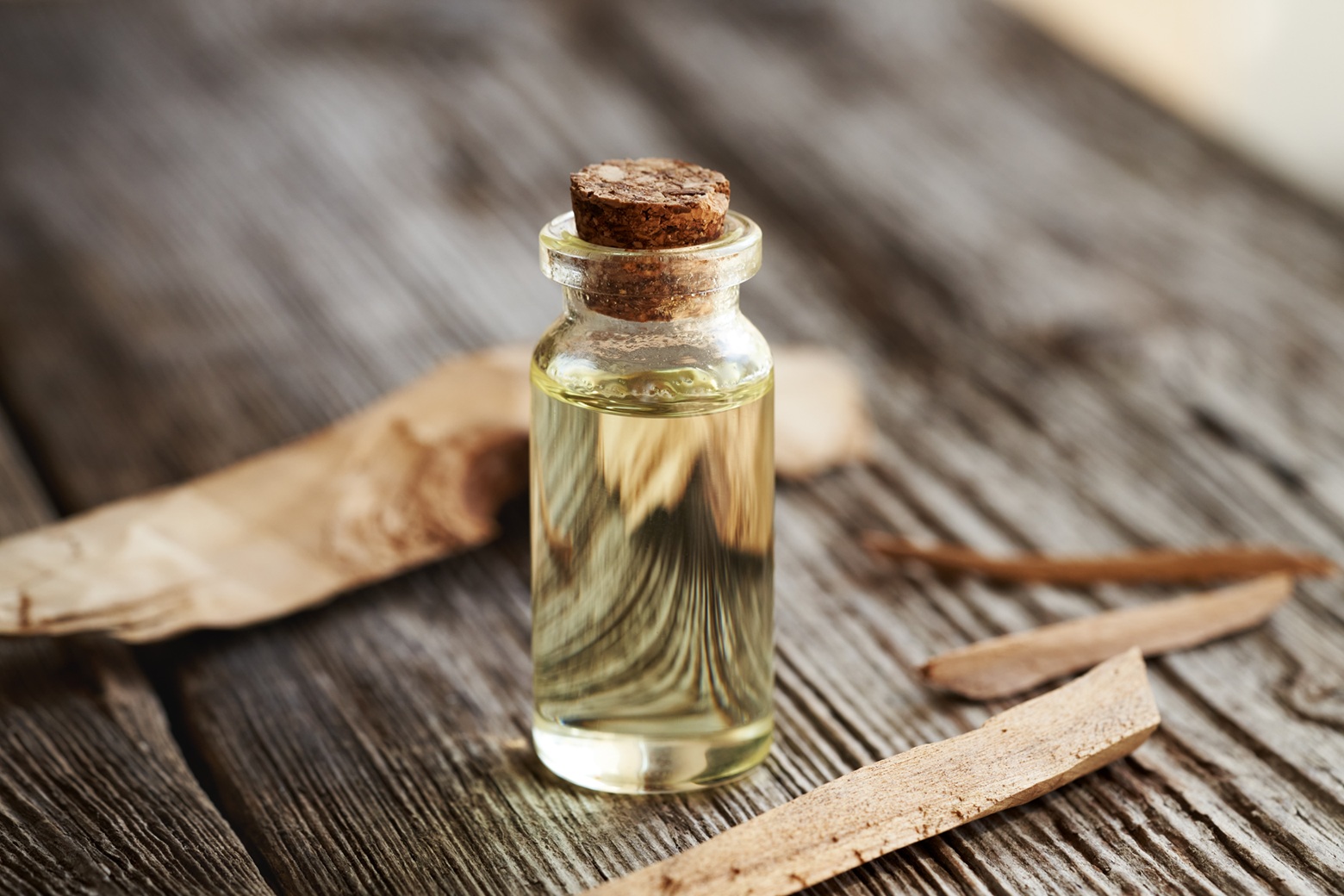
Essential oil: For inhalation, 2–6 drops in water; dilute in a base 2–5%
-
How does it feel?
Inhaling or tasting this plant is a strongly aromatic experience. Sandalwood’s aroma comes from its essential oil, which is distilled from the heartwood of the tree and has a lingering, musty, woody and deep aroma (1–3). When tasted in the form of a diluted fluid extract, the flavour is both bitter and astringent (3). It has been described as rosy, sweet, balsamic and woody, which goes some way to explaining its unique aromatic and taste profile (4).

-
Into the heart of sandalwood
Sandalwood is a cultural, religious and medicinal staple across the Indian subcontinent, and has been since its introduction to the region in around 1300 BC (4,7,8). It is prized for its aroma, colour and structure and as such has been used in furniture-making, perfumery, religious incense and more (2,4,5,7).
Since sandalwood is considered a cooling herb in TCM and Ayurveda, it is mainly used to treat conditions that are ‘hot’ and inflammatory in nature (7,9). This also applies to emotional states that involve ‘heat’ — for example, agitation that leads to nervous exhaustion, headaches or insomnia (3,7,9).
It has been described as being helpful in promoting states of higher consciousness — and has long been used to aid meditation, in a similar way to frankincense, perhaps, but sandalwood is said to exert its effects by bringing us back to ourselves, helping us let go of over-investment in specific outcomes and accept reality as it is (7).
-
What practitioners say

Sandalwood (Santalum album) Integumentary system (skin)
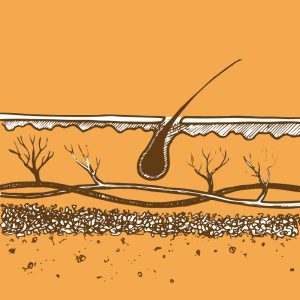
Sandalwood is used frequently as a topical essential oil (usually diluted in a massage oil or cream) for improving conditions like (dry) eczema, psoriasis, contact dermatitis, acne, urticaria, swelling or inflammation of any kind — especially where a burning sensation occurs (3,5,7).
Nervous system
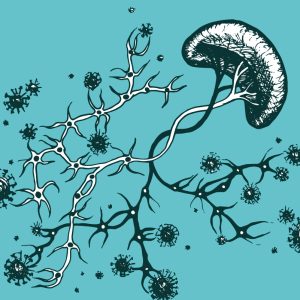
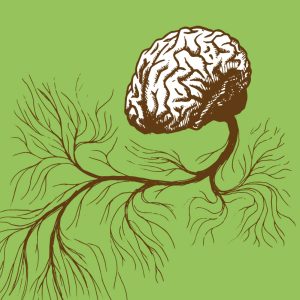
Sedative, calming and analgesic, aromatherapists use sandalwood in massage and inhalation blends where there is a need to calm both the body and mind simultaneously, and relieve pain or tension that may be associated with chronic worry or stress (4,5). It can also be helpful for supporting through bereavement, or alleviating sciatica and other kinds of neuralgia (1).
Respiratory system
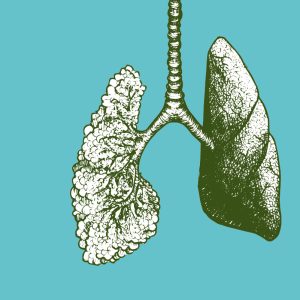
A respiratory antispasmodic, antibacterial and anti-inflammatory herb, the essential oil is used in chest rubs or diluted in throat gargles to alleviate dry coughs, reduce spasms, and to soothe sore throats or chronic bronchitis (1,3,5).
Digestive system
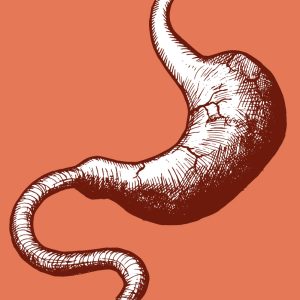
As a styptic, anti-inflammatory and bitter aromatic, sandalwood can be a helpful ingredient in blends to ease chronic inflammatory digestive conditions.
Urinary system
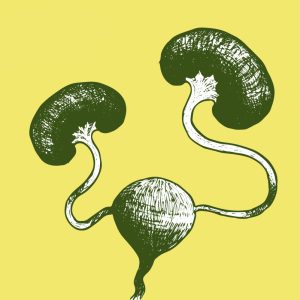
The same properties that indicate sandalwood for digestive issues also make the herb a valuable remedy to soothe an inflamed urinary tract or bladder (3).
-
Sandalwood research

Sandalwood (Santalum album) Santalum album extract exhibits neuroprotective effect against the TLR3-mediated neuroinflammatory response in human SH-SY5Y neuroblastoma cells
A 2021 in vitro study investigated whether sandalwood extract could reduce inflammation-related immune responses in nerve cells, specifically responses linked to neuroinflammation. Human neuroblastoma cell lines were subjected to a synthetic molecule that mimicked vial infection, and some were then treated with S. album extract. The study demonstrated that sandalwood extract changed how cells responded to TLR3 activation, indicating that it could potentially reduce harmful inflammatory responses, enhance beneficial antiviral immune responses or be therapeutic in conditions involving neuroinflammation (10). However, since this was an in vitro study, live human trials would be needed to further explore these initial findings.
East Indian sandalwood oil is a phosphodiesterase inhibitor: A new therapeutic option in the treatment of inflammatory skin disease
The interim results from an ongoing proof-of-concept phase 2 clinical trial published in 2017 showed that topical application of sandalwood essential oil appeared to reverse some changes caused by psoriasis in the laboratory, on a human skin tissue model. In nine out of eleven analysable (live, human) subjects in the trial, psoriatic plaque severity had reduced by the end of the study period. Seven of a total 11 subjects, 64%, demonstrated a ≥1.0 reduction in IGA score over the 28 day treatment period, which suggests a promising avenue for further research (11).
A synthetic sandalwood odorant induces wound-healing processes in human keratinocytes via the olfactory receptor OR2AT4
A 2014 study investigated how a synthetic sandalwood odorant affected wound healing processes in human skin — since expression of olfactory receptors is not only restricted to nasal epithelium, and since the researchers previously demonstrated that stimulation of keratinocytes with a synthetic sandalwood odorant generated a transient increase of intracellular calcium, they hypothesised that skin may also express olfactory receptors that could act as key conduits for skin healing processes, for example.
The researchers were able to demonstrate that keratinocytes do indeed express functional olfactory receptors, and that Sandalore® (the synthetic sandalwood odorant tested) activated olfactory receptor OR2AT4, which in turn promoted wound-healing processes in the dermal tissue. It is important to note that this was a synthetic odorant and that the study was conducted on cultured cells and skin tissue models, not live humans — so more research with natural sandalwood extracts and live human subjects would be warranted to examine the conclusions further (12).
-
Historical use of sandalwood
Sandalwood has a long history of use in medicinal, spiritual and religious contexts across both Ayurvedic medicine and traditional Chinese medicine (TCM). It has been applied topically as a powder-paste to expel bad spirits or disease-causing Winds (4). It appears in several TCM formulae for diarrhoea, urinary conditions and “venereal discharges”(4).
It is also an important funeral herb in India, and is used to embalm the deceased, since it is thought to carry the soul into its next life (7). It is burned in Hindu temples as incense and is also said to open the third eye (5,7).
Cooling and calming for the whole body, this is a herb that is most useful in chronic weak or Damp conditions (4,7). Interestingly, TCM and Ayurvedic energetics vary; Ayurveda classes sandalwood as cooling and dry, but TCM considers it to be cooling and moistening, restoring tissue function not through an overly drying action, but by replenishing moisture (4,7,9).
-
Sandalwood’s herbal actions
Herbal actions describe therapeutic changes that occur in the body in response to taking a herb. These actions are used to express how a herb physiologically influences cells, tissues, organs or systems. Clinical observations are traditionally what have defined these actions: an increase in urine output, diuretic; improved wound healing, vulnerary; or a reduction in fever, antipyretic. These descriptors too have become a means to group herbs by their effects on the body — herbs with a nervine action have become the nervines, herbs with a bitter action are the bitters. Recognising herbs as members of these groups provides a preliminary familiarity with their mechanisms from which to then develop an understanding of their affinities and nuance and discern their clinical significance.
Western actions
Ayurvedic actions
-
Sandalwood’s energetic qualities
Herbal energetics are the description that herbalists have given to plants, mushrooms, lichens, foods and some minerals based on the direct experience of how they taste, feel and affect the body. All traditional health systems use these principles to explain how the environment impacts health, according to each of their philosophies and frameworks. These assessments of individual herbs, though they often do align, can differ from one another due to cultural differences regarding perspectives on how herbs taste versus their physiological effects. Find out more about traditional energetics in our article An introduction to herbal energetics.
Western energetics
Western energetics here are informed by The Energetics of Western Herbs by Peter Holmes, as well as traditional materia medica from Culpeper and Dioscorides.
Ayurvedic energetics
Ayurvedic energetics are assigned according to Bhavaprakash by Acharya Bhavamishra and Ayurvedic Medicine: The Principles of Traditional Practice by Sebastian Pole.
Chinese energetics
Chinese energetics align with Bensky’s Chinese Herbal Medicine: Materia Medica.
-
What can I use sandalwood for?
Sandalwood (Santalum album) Sandalwood and its essential oil can be used to treat conditions of the skin, as well as the nervous, digestive, respiratory and urinary systems (1,3).
It is astringent, anti-inflammatory, antibacterial and decongestant, making it helpful for treating both skin and respiratory conditions — especially those involving bacterial infection (1,3). Because it is both gentle on the skin and mucous membranes, it can be safely applied to the chest in a balm or massage oil to alleviate coughs, or diluted in a bath oil to reduce urinary tract or skin infections (5). It is cicatrisant, reducing scar tissue, and helpful in promoting wound-healing (6). It can even be used as a gargle, in a very weak dilution, for sore throats (7).
It is indicated in “burning” conditions: topically in a bath for cystitis, or used internally as a powder or tincture for chronic diarrhea, or mucous colitis (7). Powder of the wood is often applied as a paste to inflamed skin, since it is considered a cooling herb (7).
Sandalwood’s high α- and 𝛃-santalol content makes it a good nervous analgesic and gently antidepressant herb, likely due to these constituents’ ability to bind to brain opioid receptors (5). It is both calming and sedative, and has been shown in clinical trials to improve both the quality and duration of sleep (5).
-
Did you know?
Sandalwood originated in Australia, Jawa, Lesser Sunda Island and the Philippines — and was introduced to India in around 1300 BC (8,13).

-
Botanical description
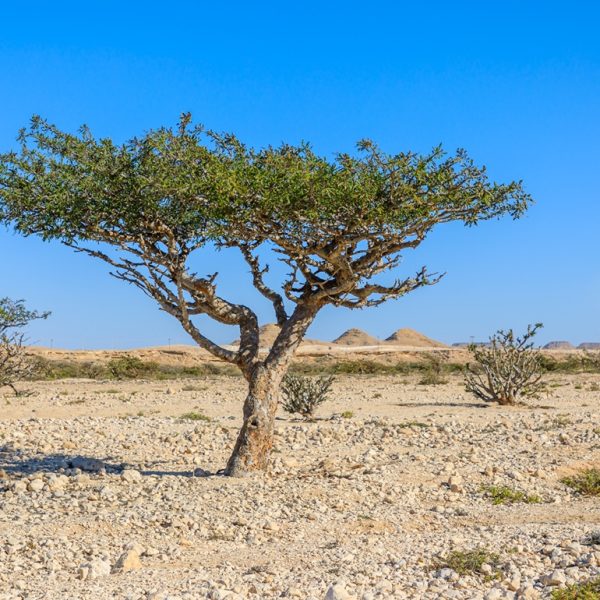
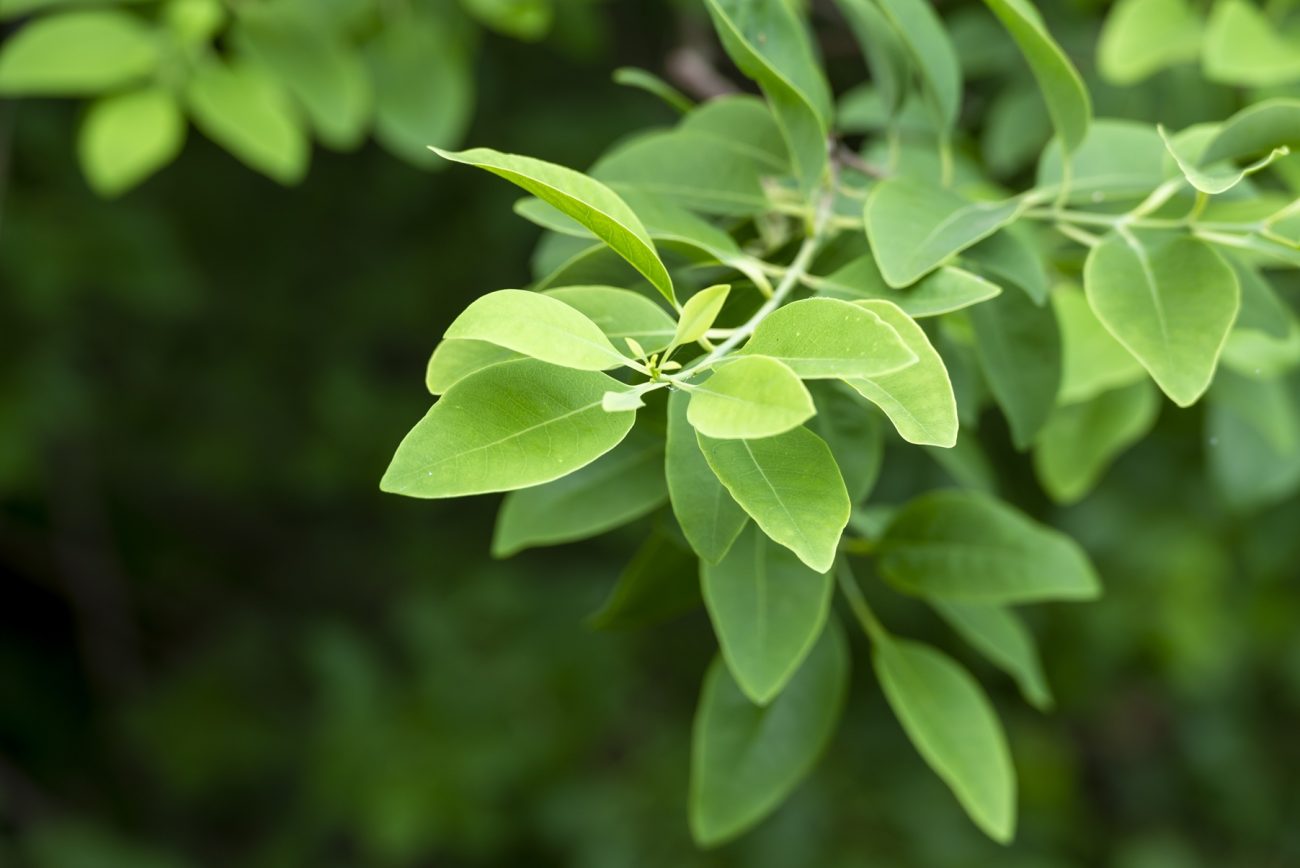
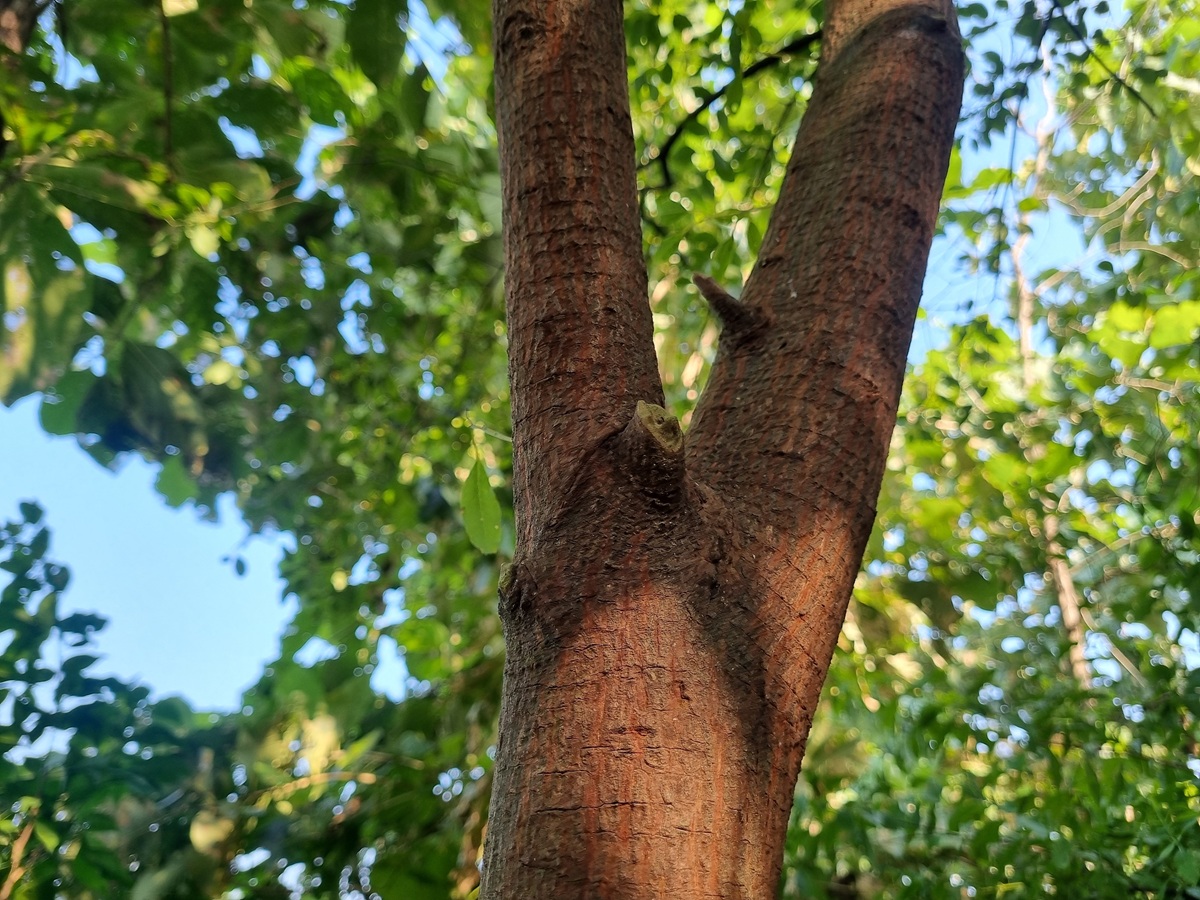
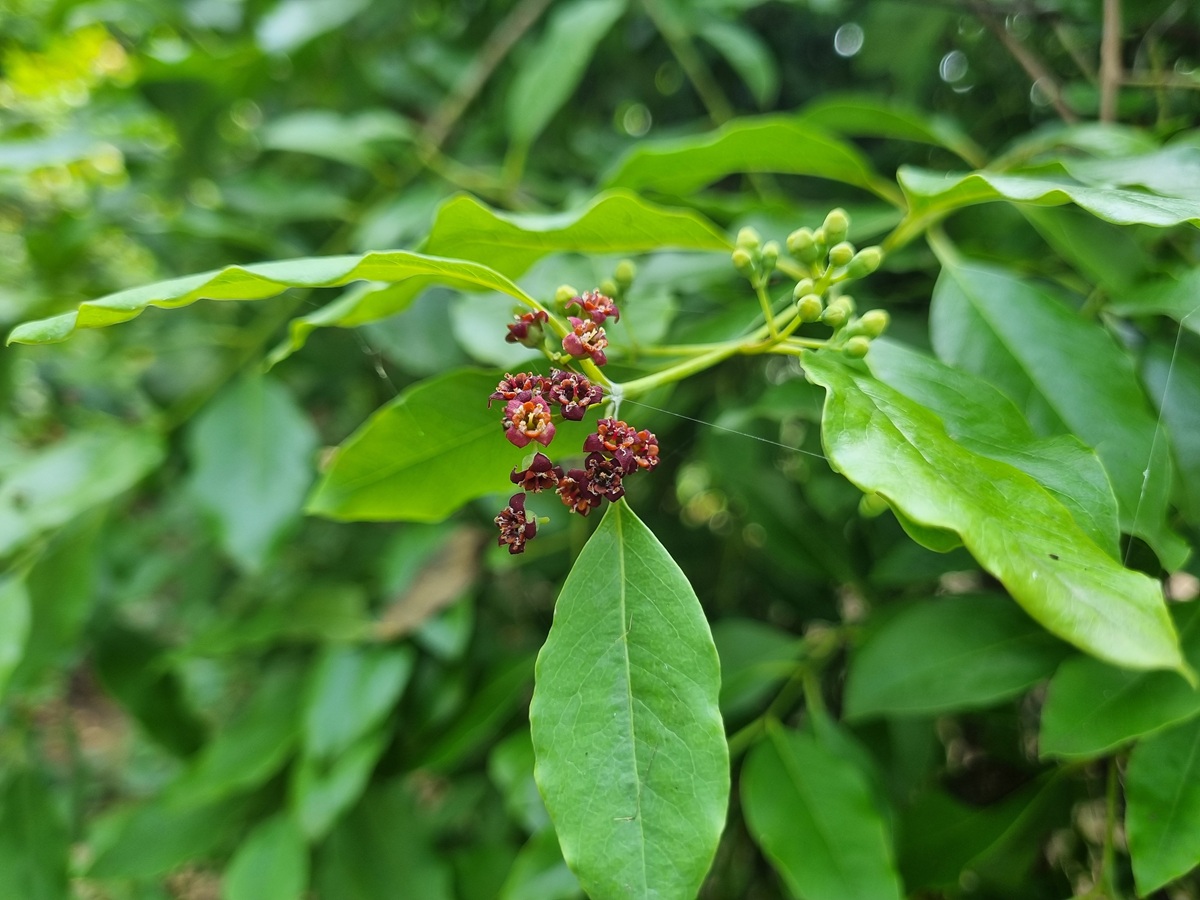
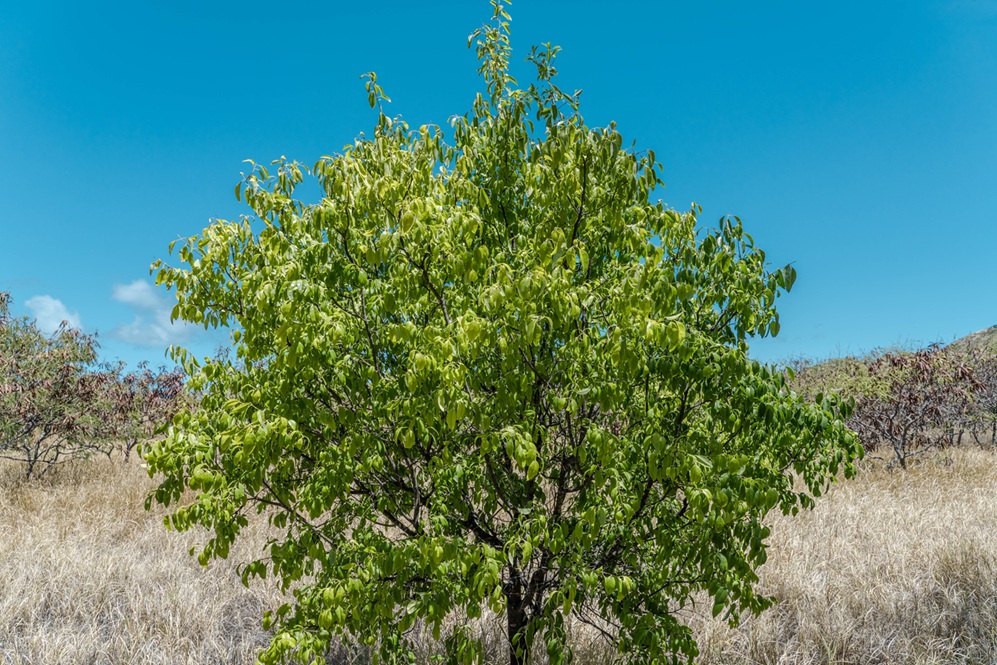
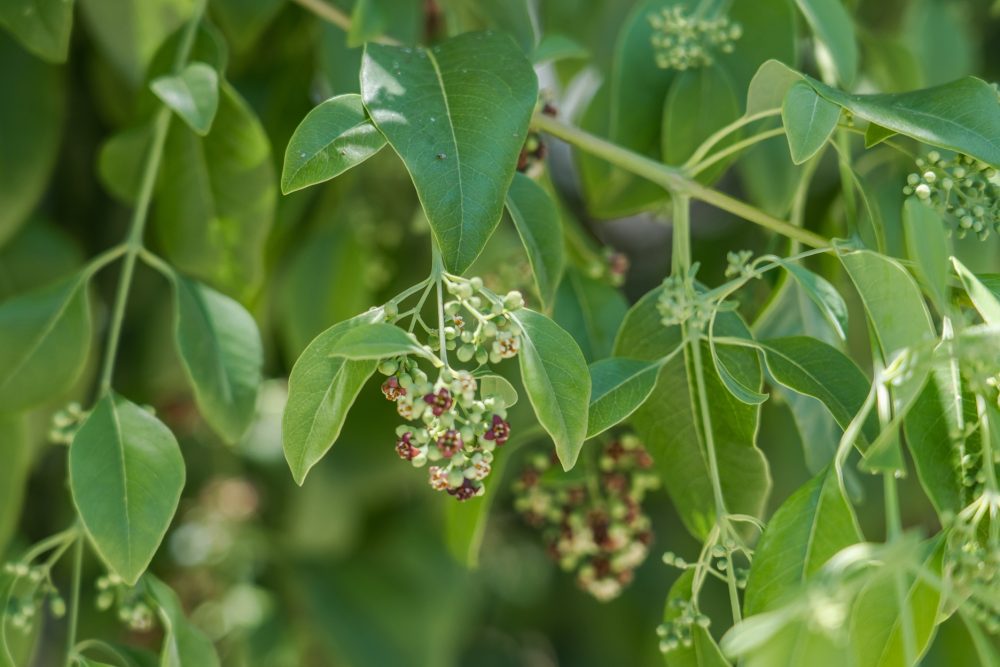
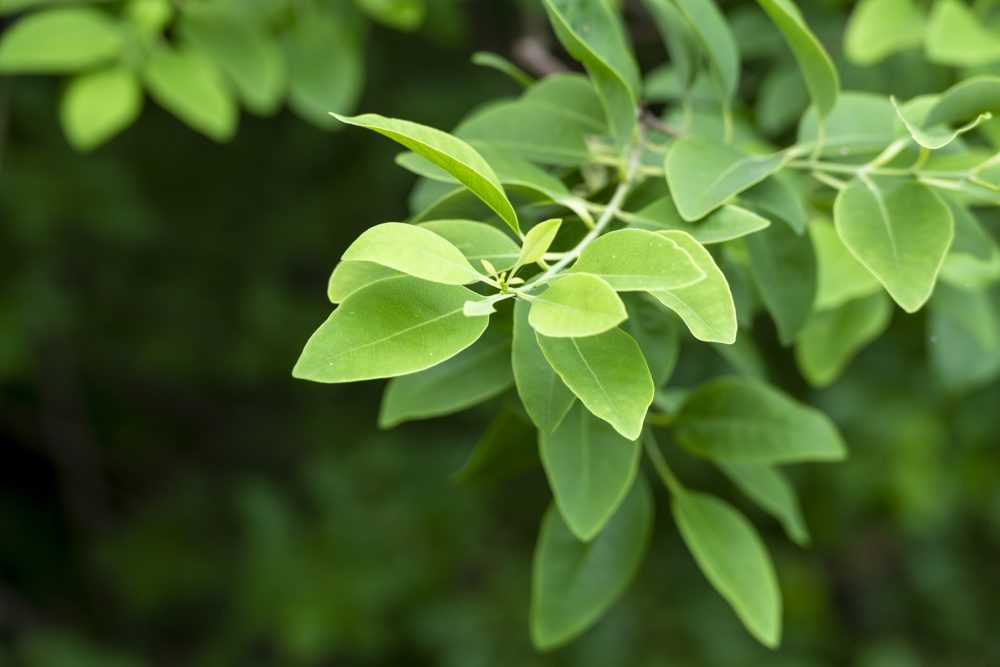
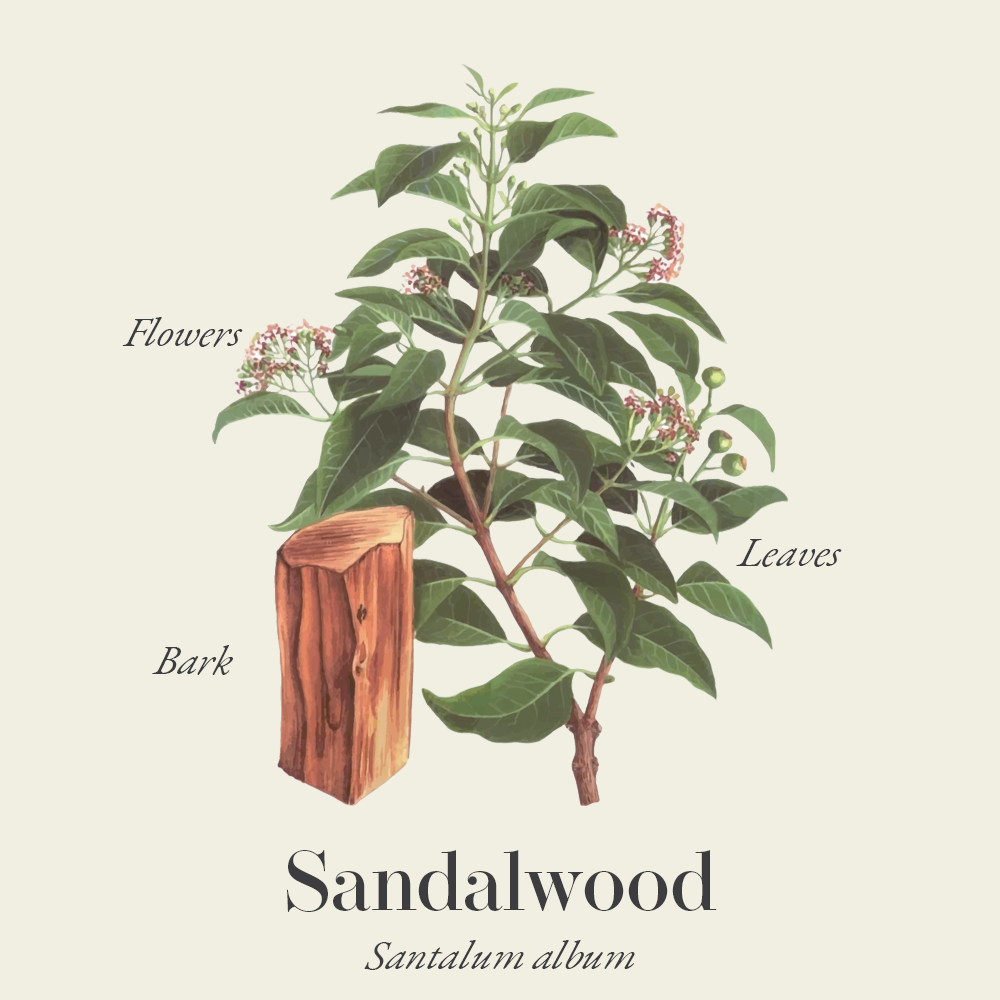
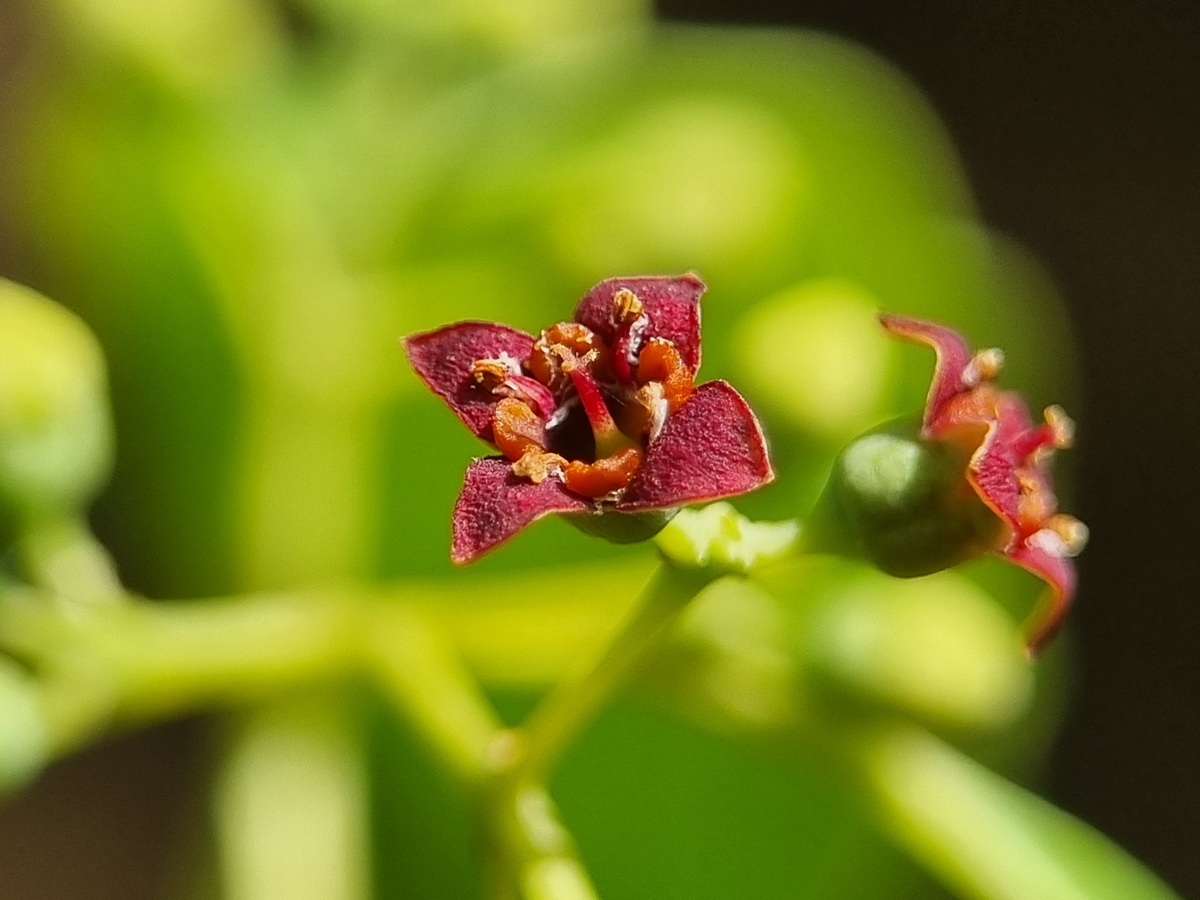
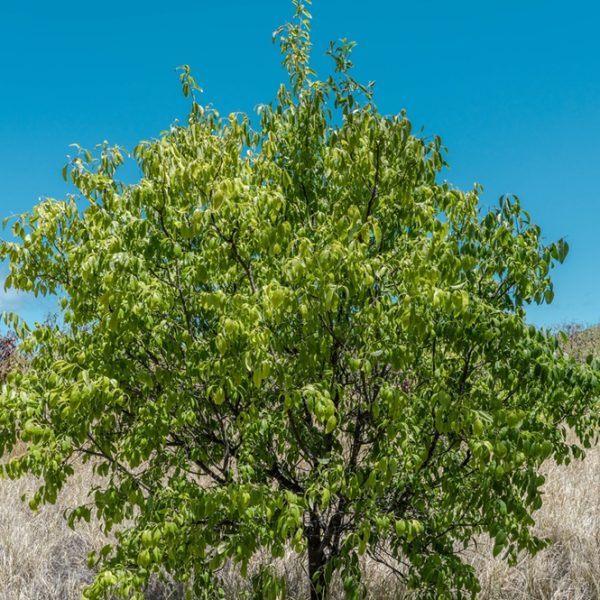
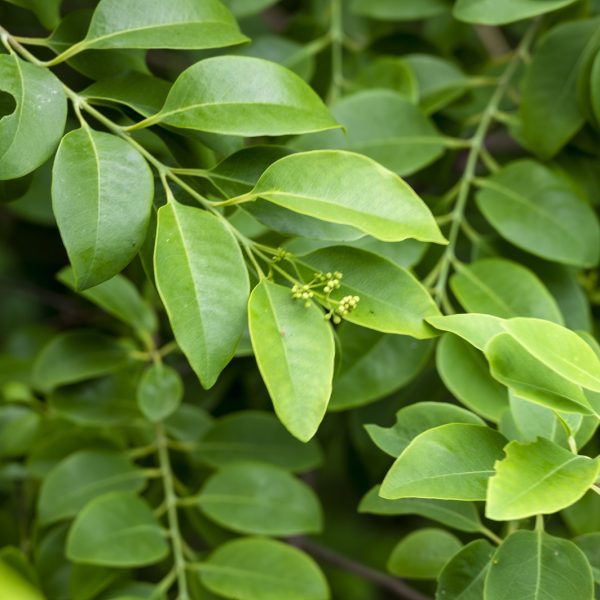
An evergreen shrub or small tree, sandalwood has opposite, petiolate leaves and produces clusters of small flowers in a variety of colours.
Fruits are reddish-purple drupes, eventually black (13,14).
-
Common names
- Sandalwood
- Indian sandalwood
- Chandana
- Santal (Hindi)
- Chandanam (Tamil, Malayalam) (14)
-
Habitat
Sandalwood is native to Australia, Jawa, Lesser Sunda Island and the Philippines, and was introduced to India in around 1300 BC where it has become naturalised and is an important part of the Indian economy; many consider it a native Indian plant at this point (8,13,15). India and Australia contribute around 74% of sandalwood’s global production (15).
-
How to grow sandalwood
Sandalwood will grow best in dry, sandy soil and forested areas; as a maritime plant it will fare best when these conditions are mimicked (14). Sandalwood tolerates high wind, drought, salt and intense heat — it prefers full sun, but will grow in partly-shaded areas (16).
Since sandalwood is semi-parasitic, and will attach its roots to nearby trees to support itself, it may not be prudent to plant sandalwood too close to trees they might use as hosts (16). Both male and female plants must be present for sandalwood trees to fruit, and to grow sandalwood from seed, they will need to be scarified (16).
-
Herbal preparation of sandalwood
- Internal
- Tincture (1:3|50% ABV) (3)
- Essential oil (inhalation) (4,5,7)
- Topical
- Powder (often applied with water, as a paste) (3)
- Essential oil (diluted in base oil, cream or salve) (5)
- Internal
-
Plant parts used
Heartwood, sometimes also the roots (3,4,6)
-
Dosage
- Internal
- Tincture (1:3 50% ABV) 3–12 ml per day (3)
- Essential oil (inhalation) 2–6 drops in water (4,5,7)
- Topical
- Powder (often applied with water, as a paste) 0.5–5 g per day (3)
- Essential oil (diluted in base oil, cream or salve), 2–5% (4,5)
- Internal
-
Constituents
Principal aromatic, medicinal compounds.
Sesquiterpene alcohols (3,17):
- α-santalol (46.2–59.9%)
- 𝛃-santalol (20.5–29%)
- Z-Nuciferol (1.1–5.5%)
- Epi-𝛃-santalol (4.1–4.3%)
-
Sandalwood recipe
Sandalwood chest rub for chronic coughs
A firm oil-based balm with sandalwood and other supportive respiratory oils to aid in chronic inflammatory lung conditions.
This recipe makes a 60 g tin at an essential oil dilution of approximately 3%. We recommend increasing the quantities as needed to make a larger batch.
Ingredients
- 52 ml base oil of choice — e.g., organic sunflower seed oil (Helianthus annus)
- 8 g beeswax (Cera alba)
- 25 drops sandalwood (Santalum album) essential oil
- 19 drops cedar atlas (Cedrus atlantica) essential oil
- 10 drops angelica (Angelica archangelica) essential oil
How to make a sandalwood chest rub
- Melt the base oil and beeswax together in a bain marie until fully combined
- Remove from heat, and when cooled to 60°C, add the essential oils.
- Stir for 60 seconds to combine
- Pour into prepared tins.

-
Safety
The essential oil of sandalwood is low-risk in terms of sensitisation risk, has no known cautions, and is considered both non-toxic and non-irritant (5–7,17,18). Its maximum recommended dermal use dilution is typically 2%, but for acute topical use, blends often contain up to 5% (17).
-
Interactions
None known (5–7,17,18)
-
Contraindications
None known (5–7,17,18)
-
Sustainability status of sandalwood
Sandalwood was last assessed by The IUCN Red List of Threatened Species (IUCN) in 2018, and was determined as “Vulnerable”. Sandalwood is a commercially important plant in India and is wild-harvested across its habitat (19). Now, its populations are decreasing significantly, primarily due to over harvesting and illegal harvesting (19). Mature trees are required for the best heartwood, which puts further strain on this already vulnerable species, and other factors such as fire, overgrazing in the plant’s habitat and spike disease infection in India are all contributing factors (19).
Previously, it was prudent for therapists and commercial consumers of sandalwood to seek out alternative herbs or species of sandalwood that offer a similar aromatic profile and benefits, such as S. spicatum (Australian sandalwood), but unfortunately, this species is now also listed as “Vulnerable”(19,20). Other alternatives do exist, but as with any at-risk herb, it is best to read the latest sustainability assessments before buying (21).
Read our article on Herbal quality & safety: What to know before you buy and Sustainable sourcing of herbs to learn more about what to look for and questions to ask suppliers about sustainability.
-
Quality control
Sandalwood is often subject to adulteration in the supply chain with other species of sandalwood (or other wood) oils, or synthetic fragrances, so care must be taken to source high-quality 100% pure essential oil, if not use another herb altogether, due to adulteration and sustainability concerns (17).
-
References
- Caddy R. Essential oils in colour. 7th ed. Amberwood Publishing Ltd; 1997.
- Grieve M. A modern herbal: sandalwood. Botanical.com. Accessed September 23, 2026. https://botanical.com/botanical/mgmh/s/sandal12.html
- Pole S. Ayurvedic medicine. 2nd ed. Singing Dragon; 2013.
- Holmes P. Aromatica. Vol 2. Singing Dragon; 2016.
- Martin I. Aromatherapy for massage practitioners. Lippincott Williams & Wilkins; 2007.
- Lawless J. Encyclopedia of essential oils. Harper Thorsons; 2014.
- Mojay G. Aromatherapy for healing the spirit: a guide to restoring emotional and mental balance through essential oils. Gaia Books Limited; 1999.
- Indian Sandalwood Australia. About sandalwood. Accessed September 23, 2026. https://www.indiansandalwoodaustralia.com.au/about-sandalwood
- Battaglia S. The complete guide to aromatherapy, vol III: scent and psyche. Vol 3. 3rd ed. Black Pepper Creative Pty Ltd; 2021.
- Suganya K, Liu QF, Koo BS. Santalum album extract exhibits neuroprotective effect against the TLR3-mediated neuroinflammatory response in human SH-SY5Y neuroblastoma cells. Phytother Res. 2021;35(4):1991-2004. https://doi.org/10.1002/ptr.6942
- Sharma M, Levenson C, Clements I, Castella P, Gebauer K, Cox ME. East Indian sandalwood oil (EISO) alleviates inflammatory and proliferative pathologies of psoriasis. Front Pharmacol. 2017;8:125. https://doi.org/10.3389/fphar.2017.00125
- Busse D, Kudella P, Grüning NM, et al. A synthetic sandalwood odorant induces wound-healing processes in human keratinocytes via the olfactory receptor OR2AT4. J Invest Dermatol. 2014;134(11):2823-2832. https://doi.org/10.1038/jid.2014.273
- Santalum album L. Plants of the World Online. Royal Botanic Gardens, Kew. Accessed September 23, 2026. https://powo.science.kew.org/taxon/urn:lsid:ipni.org:names:780592-1
- Sandalwood – Santalum spp. United Plant Savers. Published August 2, 2019. Accessed September 23, 2026. https://unitedplantsavers.org/sandalwood-santalum-spp/
- Sandalwood market size, share: industry report, 2026-2035. Market Reports World. Accessed September 23, 2026. https://www.marketreportsworld.com/market-reports/sandalwood-market-market-14713786
- Sandalwood tree information: how to care for sandalwood trees. Gardening Know How. Accessed September 23, 2026. https://www.gardeningknowhow.com/ornamental/trees/sandalwood/sandalwood-in-gardens.htm
- Tisserand R, Young R. Essential oil safety. 2nd ed. Churchill Livingstone Elsevier; 2014.
- Price S, Price L. Aromatherapy for health professionals. 4th ed. Elsevier; 2012.
- Arunkumar AN, Dhyani A, Joshi G. Santalum album. The IUCN Red List of Threatened Species 2019: e.T31852A2807668. Accessed September 23, 2026. https://doi.org/10.2305/IUCN.UK.2019-1.RLTS.T31852A2807668.en
- Gowland K. Santalum spicatum. The IUCN Red List of Threatened Species 2021: e.T172724199A172724334. Accessed September 23, 2026. https://doi.org/10.2305/IUCN.UK.2021-3.RLTS.T172724199A172724334.en
- Sandalwood essential oils: how to choose between the different types. Oshadhi Essential Oils. Published February 1, 2024. Accessed September 23, 2026. https://oshadhi.co.uk/articles/sandalwood-essential-oils-how-to-choose-between-the-different-types/
Meet our herbal experts
Our monographs are written by our monograph authors and edited, reviewed and updated by Herbal Reality.
Meet our Herbal Reality team or explore our Herbal Reality authors.