

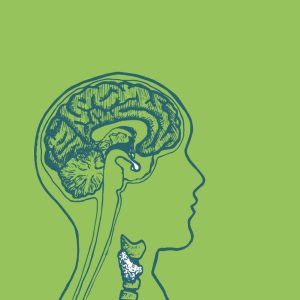









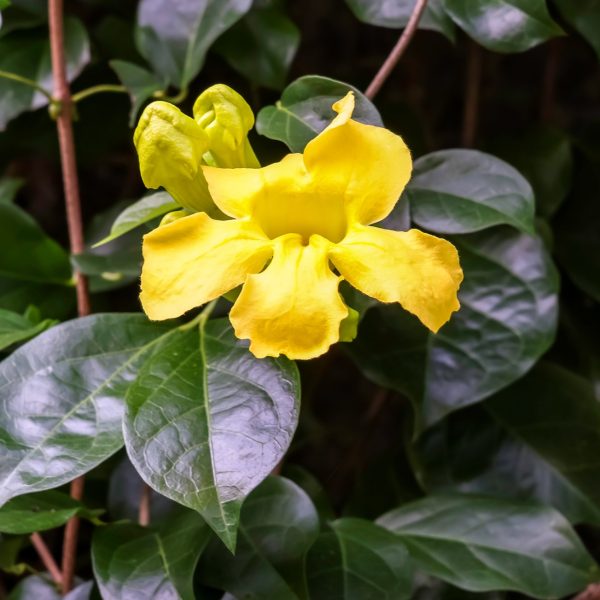







Cognitive health depends on neurotransmitter regulation, cerebral vasculature and neuroplasticity, with herbal nootropics including brahmi, ginkgo and lion’s mane supporting these key mechanisms.

The human brain is one of the most metabolically demanding organs in the body. Although it accounts for only around two percent of body weight, it consumes approximately one-fifth of the body’s energy, requiring a continuous supply of oxygen, nutrients and finely coordinated cellular signalling to support attention, memory, learning and decision-making (1).
Maintaining cognitive health therefore depends upon far more than memory alone. It relies on healthy communication between neurons, efficient energy production, adequate blood flow and the brain’s remarkable ability to adapt throughout life.
Growing interest in healthy ageing, workplace performance and brain health has led many people to explore substances that support cognition. Alongside pharmaceuticals and nutritional supplements, medicinal plants have received increasing scientific attention in the last decade. Many have been used for centuries within traditional and ceremonial systems of medicine to promote mental clarity, vitality and healthy ageing, yet only recently has modern research begun to investigate some of the potential biological mechanisms that may underpin these ‘real-world’ observations.
Although enthusiasm surrounding herbal nootropics has grown considerably, it is important to distinguish evidence from marketing. Rather than acting as simple “brain boosters”, many herbal medicines appear to support, in some way, the biological systems that allow healthy cognition to emerge. This article explores what herbal nootropics are, how they may work, and the current evidence supporting some of the best-studied medicinal plants.
What are nootropics?

The term nootropic is now widely used to describe substances that support cognitive function, but its origins are surprisingly specific. It was first introduced in 1972 by Romanian psychologist and chemist Corneliu Giurgea following his work on piracetam, a synthetic compound developed to influence learning and memory (2). Derived from the Greek words nous (mind) and trepein (to bend or turn), the term referred to compounds that could enhance higher brain function while maintaining an exceptionally favourable safety profile.
Giurgea proposed that a true nootropic should do more than simply improve memory. It should support learning, protect the brain from physical or chemical injury, enhance communication between neurons and produce minimal adverse effects (2). By these original criteria, relatively few substances, whether synthetic or natural, meet the full definition, — it is quite a demanding list.
Today, however, the meaning has broadened considerably. Herbal nootropics are generally considered medicinal plants that may support one or more aspects of cognitive function, including attention, memory, mental fatigue or executive function. Unlike many conventional medicines, which often act through a single biological target, herbal medicines typically contain numerous naturally-occurring compounds that interact with multiple physiological systems simultaneously (3).
This clarification is important as cognitive performance depends on far more than one neurotransmitter or one region of the brain. It emerges from the interaction of a cross talk between brain, mind and body, covering neural networks, the immune system, the cardiovascular system and the body’s response to stress. Rather than enhancing cognition beyond normal physiological limits, many herbal nootropics instead help maintain the biological environment in which healthy cognition can flourish, particularly during ageing or periods of chronic stress.
How do herbal nootropics work?
Unlike many conventional medicines, herbal medicines rarely act through a single biological pathway. Instead, their rich phytochemical composition works to support the complex systems underpinning healthy brain function. This systems-based activity has long been recognised within traditional herbal medicine and is increasingly reflected and being investigated in modern neuroscience (3).

One-way herbal nootropics can influence cognition is by modulating neurotransmitters, the chemical messengers that allow neurons to communicate. There are over 100 different brain neurotransmitters, of which some of the key targets for nootropics include; acetylcholine — a key transmitter for learning and memory, dopamine — which contributes to motivation and reward, and serotonin and gaba/glutamate — which regulate mood, attention and cognitive flexibility (4). Rather than producing the rapid stimulation associated with some pharmaceutical cognitive enhancers, many herbs appear to exert more subtle regulatory effects that develop over time.
Several herbs have also been shown to influence neuroplasticity, the brain’s ability to reorganise and strengthen neural connections in response to experience or challenge; however, these studies have predominantly been in preclinical testing, and human testing is needed to understand the effects in the living human brain (5). Neuroplasticity describes the capacity that underpins learning throughout life and is increasingly recognised as an important component of healthy cognitive ageing. It is also important to remember that neuroplasticity is neither good nor bad, but provides the opportunity for change.
Beyond the brain itself, many herbal medicines possess antioxidant and anti-inflammatory properties that can protect the brain’s 86 billion neurons from oxidative stress, a process linked to ageing and cognitive decline (6). Others appear to support cerebral blood flow, improving the delivery of oxygen and nutrients to metabolically active brain regions, or help regulate the body’s stress response through the hypothalamic-pituitary-adrenal (HPA) axis (7).
Importantly, cognition depends on all of these systems working together, in unison. Memory, attention and decision-making do not rely on a single molecule or brain region but emerge from the coordinated activity of neural, vascular, immune and metabolic processes. Rather than simply enhancing cognition beyond healthy limits, many herbal nootropics may help support the biological environment in which healthy cognitive function can be maintained, particularly during periods of ageing, chronic stress or increased cognitive demand (8). It is important to note, that these remedies have not been medically approved by medicines regulators, and, therefore, medical claims must be tempered until the evidence and data suggests so. A review of some of that data follows below.
Herbal nootropics in practice

Brahmi (Bacopa monnieri)
Perhaps the best studied herbal nootropic is brahmi (Bacopa monnieri), a creeping herb used for centuries in Ayurveda as a medhya rasayana, a rejuvenative herb traditionally believed to support intellect, memory and learning (9). Today, bacopa has one of the strongest evidence bases among herbal medicines for supporting aspects of cognitive function.
Randomised controlled trials and systematic reviews suggest that brahmi may improve memory acquisition, delayed recall and information processing, particularly when taken consistently over eight to 12 weeks (10,11). Unlike stimulant medications, its effects appear to develop gradually, suggesting they are more likely to reflect adaptive changes in brain function rather than immediate pharmacological stimulation (e.g., through modulation of dopamine or attentional brain networks).
Although the precise mechanisms remain under investigation, brahmi appears to influence several pathways simultaneously, including cholinergic signalling, antioxidant defences and neuroplasticity (12). This multi-target activity may help explain why it has remained an important cognitive tonic in traditional medicine while continuing to attract modern scientific interest.
Ginkgo (Ginkgo biloba)
Often described as a “living fossil”, ginkgo (Ginkgo biloba) is one of the oldest surviving tree species on Earth, with medicinal use dating back thousands of years in China (13). Today, standardised ginkgo leaf extracts are among the most widely researched herbal medicines for cognitive health.
Research suggests that ginkgo may support cognition primarily by improving cerebral blood flow and protecting neurons against oxidative stress (14). Clinical evidence has been mixed, potentially reflecting differences in study populations and extract formulations. The strongest evidence appears to be in older adults with mild cognitive impairment or dementia, where modest improvements in cognition and activities of daily living have been reported (15). By contrast, benefits in healthy younger adults are generally smaller and less consistent. These findings highlight an important principle in herbal medicine: botanical medicines may offer the greatest benefit when supporting physiological systems under strain, rather than enhancing already healthy function.
Rhodiola (Rhodiola rosea)
Unlike brahmi or ginkgo, rhodiola (Rhodiola rosea) is valued less for directly supporting memory and more for its ability to improve resilience during periods of physical and psychological stress. Native to the cold mountainous regions of Europe and Asia, it has traditionally been used to combat fatigue and enhance endurance (16).
Modern research increasingly supports its classification as an adaptogen, a herb that helps the body adapt more effectively to stress (17). Chronic stress is well known to impair concentration, memory and decision-making through sustained activation of the hypothalamic-pituitary-adrenal (HPA) axis and elevated cortisol levels. By helping regulate this stress response, rhodiola may indirectly support cognitive performance, particularly in individuals experiencing burnout, mental fatigue or prolonged cognitive demand.
Clinical trials suggest rhodiola may reduce fatigue while improving attention, mental performance and subjective wellbeing, although larger studies are still needed to establish the magnitude and durability of these effects (18). Rather than acting as a stimulant, rhodiola appears to promote cognitive resilience by supporting the physiological systems that enable the brain to function effectively under stress.
It is important to know that rhodiola is a herb with severely threatened wild populations, such that it is now protected under CITES. If seeking to use rhodiola, it is essential to diligently research the origins of its supply to ensure that it is sustainably and responsibly sourced, not wild-harvested from already depleted areas. For more information, read our article, Extinction threats and CITES protection: Rhodiola as a case study.

Lion’s mane (Hericium erinaceus)
Although a medicinal mushroom rather than a herb, lion’s mane (Hericium erinaceus) deserves a special mention. It has become one of the most widely discussed natural nootropics in recent years. Traditionally used in East Asian medicine to support digestive health and general wellbeing, it has attracted scientific interest because of compounds known as hericenones and erinacines, which appear to stimulate the production of nerve growth factor in experimental models (19).
Nerve growth factor plays an important role in the growth, maintenance and survival of neurons, making lion’s mane an intriguing candidate for supporting neuroplasticity and healthy brain ageing. Early clinical studies have reported improvements in cognition and mood among older adults and individuals with mild cognitive impairment, although these studies have generally been small and require replication in larger, well-designed clinical trials (20).
As a result, lion’s mane is perhaps best viewed as one of the most promising emerging natural interventions for cognitive health rather than one whose benefits have been conclusively established.
Saffron (Crocus sativus)
Saffron is best known as a culinary spice, yet it has a long history of medicinal use throughout the Middle East, North Africa and parts of Asia. It is also being investigated for its potential in reducing symptoms of depression for individuals with mood disorders (21).
The relationship between mood and cognition is often overlooked. Low mood, anxiety and chronic stress can impair attention, memory and executive function, even in otherwise healthy individuals. Consequently, interventions that improve emotional wellbeing may also support cognitive performance indirectly.
Clinical studies suggest that saffron may reduce symptoms of depression and anxiety while demonstrating antioxidant, anti-inflammatory and neuroprotective properties (22). Emerging evidence has also explored its potential role in mild cognitive impairment and Alzheimer’s disease, although further research for its medicinal value is needed before firm conclusions can be drawn (23).
Saffron highlights the increasingly recognised connection between emotional wellbeing, brain health and cognition, a reminder that supporting the mind often begins with supporting the wider biological systems in which it functions — e.g., the brain and the body.
As each saffron flower produces only three stigmas, saffron comes at a high price, making it one of the most expensive spices in the world by weight. However, two pilot studies, published by the same research group, investigated the antidepressant effect of the petals and found them to be as effective as both the stigmas and fluoxetine at improving mood — offering preliminary data to suggest the potential for an alternative, more financially accessible preparation of the plant and its virtues (24,25).
Conclusion
Interest in herbal nootropics continues to grow as neuroscience increasingly recognises that healthy cognition depends on the interaction of multiple biological systems rather than a single neurotransmitter or single brain region. Interestingly, this systems-based perspective has long underpinned traditional herbal medicine, which has historically sought to restore balance across the whole person rather than target isolated symptoms.
Whilst medicinal plants don’t offer a shortcut to better cognition, a growing body of research suggests that herbs including brahmi, ginkgo, rhodiola, lion’s mane and saffron may support some aspects of cognitive health through complementary mechanisms, including neuroplasticity, stress resilience, cerebral blood flow and neuroprotection. However, more research is still needed to validate specific medical claims and further clinical testing required to investigate mechanisms of action.
Used alongside the foundations of brain health, including regular physical activity, restorative sleep, a balanced diet and effective stress management, these botanicals may support the biological processes that underpin healthy cognition. While the emerging evidence is encouraging, continued research will be essential to clarify their mechanisms, clinical efficacy and place within evidence-based healthcare.