









Last reviewed 25/04/2026
Sustainability status
Critically endangered in the wild. Listed on CITES or National Red Lists. Read more in our sustainability guide.

Avoid in pregnancy and lactation
Herbs are generally best-avoided in pregnancy, unless working with them under the guidance of a medical herbalist. However, some herbs pose a risk to pregnancy as they are potentially: toxic to the mother, toxic to the neonate, teratogenic (risk developmental malformation), may increase miscarriage risk, or could cause foetal distress leading to miscarriage or premature birth. Herbs with teratogenic, emmenagogue, or stimulant laxative actions are all contraindicated in pregnancy. Furthermore, herbs containing volatile oils, thujone, apiol, phyto-oestrogens also should be avoided.
During lactation, there is the possibility for transfer of plant compounds through the breast milk, which can have an effect (detrimental or beneficial) on the infant.
Please read the Safety section in this monograph.

-
Herb overview
Safety
Caution in pregnancy.
Oxidised essential oil may cause skin irritation.Sustainability
Status: At risk
Key constituents
𝛂-Pinene
𝛂-Phellandrene
Limonene
𝛃-MyrceneQuality
Country of origin
Wild harvested/ cultivated
Adulteration/ contamination risksKey actions
Anti-inflammatory
Analgesic
Antidepressant
ImmunomodulantKey indications
Respiratory infections
Arthritis
Anxiety
InsomniaKey energetics summary
Warm
Dry
Relaxing
AstringentSee below for discipline-specific energeticsPreperation and dosage
Resin
2% dilution in a carrier oil
-
How does it feel?
Unlike its Indian cousin Boswellia serrata, East African frankincense (B. sacra syn. carteri) is primarily taken via inhalation and topical application of the essential oil and is not typically consumed. When inhaled, B. sacra has an immediately sharp, lightly-spiced and woody note, followed by a tangy afternote which has the faintest hint of a floral top note at times.
It feels bone dry, clarifying and as though it wakes up the brain and nervous system as soon as it touches the olfactory receptors; it is stimulating without being overpowering. It has also been described as reminiscent of an old church, with accompanying woody, piney and peppery notes (1–4).

The taste of frankincense
The below qualities are derived from organoleptic assessment.
-
Into the heart of frankincense

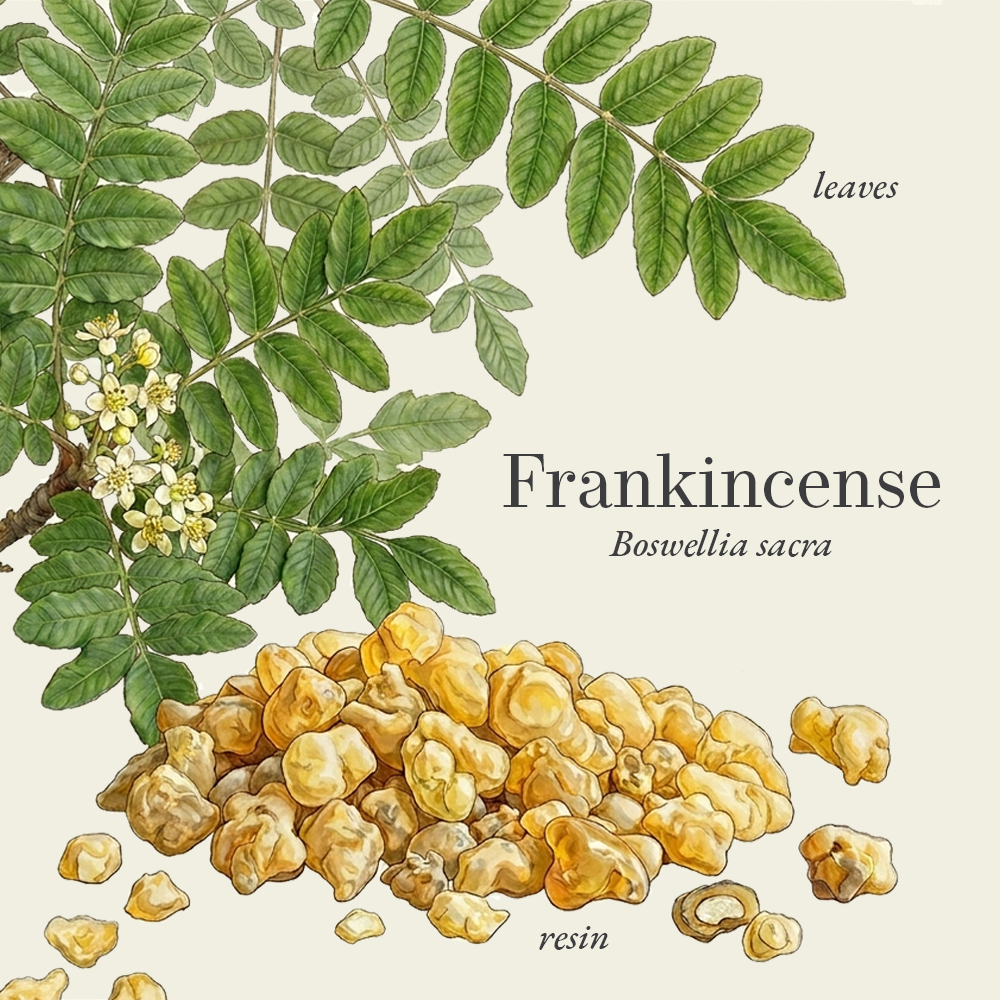
Frankincense (Boswellia sacra) One of the most renowned spiritually-used herbs, frankincense is referenced multiple times in the bible and its use dates back to ancient Egypt where its resin (or ‘tears’) were considered to be the “sweat of the gods”, and burned both as incense and its char used as a cosmetic (kohl) (12,17,18). Boswellia spp. resin is still one of the most widely used forms of incense today; its aroma can be smelled in a variety of religious settings (3).
The resin of frankincense, when burned or heated, releases the semi-volatile compound incensole acetate, a psychoactive compound that activates TRPV3 receptors — ion channels in skin cells that react to heat or certain molecules (4,19). These are also present in the brain, and can influence emotional or neural signalling, which explains why frankincense affects the central nervous system (CNS) and has mood-enhancing effects when heated (19–21). Its affinity, then, is overwhelmingly for the nervous system, with its spiritual and neurological effects most valued.
In traditional Chinese medicine (TCM), B. sacra is associated with the elements of fire and metal, with a neutral to warm quality, and a rising, circulatory effect (22). Tonifying the qi (vital force) and strengthening the shen (spirit), it is supportive in cases of fatigue (both mental and physical) and can help to alleviate depression, insomnia, grief and confusion (12,22). Its respiratory actions are also recognised in TCM — it helps expel phlegm and diffuse Lung qi, along with its pain-relieving qualities for the musculoskeletal system (22).
Ayurveda mainly uses Indian frankincense which has a higher monoterpene content, and whilst it has some similar actions to East African frankincense, is mainly given for its inflammatory regulating and analgesic properties, and is considered drying and astringing for kapha constitutions (22,23). B. sacra is understood to balance the base, solar plexus, throat, third eye and crown chakras (10).
-
What practitioners say
 Nervous system
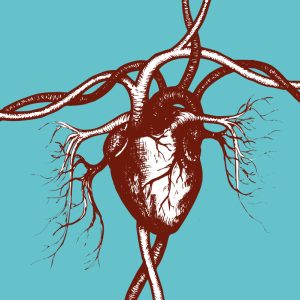
Frankincense essential oil is used to treat the nervous system in massage or inhalation blends, since the olfactory pathway has a uniquely direct neural connection to the limbic system, bypassing the thalamus and allowing rapid modulation of mood, memory and neuroendocrine responses(25). Whilst its chemical composition is very variable, it contains a high level of monoterpenes which are known for their anti-inflammatory, stimulating effects (13).
Both stimulating and balancing, it is beneficial as a steadying, pacifying herb in times of transition, change, anxiety or in cases of low self-esteem (9,13,18). It also slows the breathing rate which further aids its calming action, since it stimulates the parasympathetic — or rest and digest — nervous system (13,26).
Respiratory system
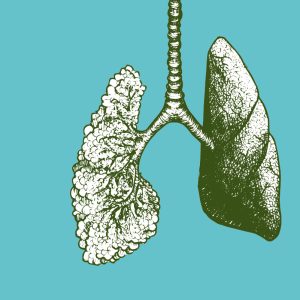
With its affinity for the nervous system, frankincense is useful in respiratory conditions where there is a neurological or stress trigger (11). Aromatherapists Ingrid Martin and Gabriel Mojay recommend it in particular for use in a massage blend for stress-triggered asthma due to its anxiolytic, antispasmodic, immunostimulant and mildly expectorant properties (11,12).
Immune system
Frankincense has immunomodulatory, immunostimulant actions which have been demonstrated in vitro lab testing, with over 90% lymphocyte transformation in one study, in which human lymphocytes from a blood sample were exposed to frankincense essential oil and 90% of lymphocytes proliferated (27). This data supports the clinical use of frankincense in the treatment of patients experiencing recurrent respiratory infections, especially in those who are immunocompromised due to HIV, for example (11).
As such, it has been posited as a potential cancer treatment, and some studies have shown promising results with frankincense in vitro, although human trial data is currently insufficient to draw full conclusions as to its efficacy (28).
Musculoskeletal system
Being powerfully anti-inflammatory and somewhat analgesic, frankincense is a useful addition in topical balms and oils for treating arthritic conditions, musculoskeletal swelling or pain (12,22).
-
Frankincense research
Frankincense (Boswellia sacra) The effect of inhaler aromatherapy on pain and anxiety in patients undergoing shock wave lithotripsy
A placebo-controlled prospective double-blind study of 120 patients undergoing shock wave lithotripsy, a non-surgical medical procedure using high-energy shock waves to break up calculi found in the kidneys or urinary tract.
The study aimed to determine whether inhalation of aromatherapy (essential oils of either frankincense (Boswellia sacra) or lavender (Lavandula angustifolia), diffused by nebuliser) had any effect on patients’ pain or anxiety during the shock wave lithotripsy (SWL) treatment. The study concluded that while frankincense reduced anxiety (STAI-I score) more significantly than lavender essential oil (p = 0.030), neither of the oils had an effect on pain scores (29).
The effects of inhalation aromatherapy with Boswellia carterii essential oil on the intensity of labor pain among nulliparous women
A 2018 study of 126 pregnant women (with their first child) aimed to evaluate the intensity of labour pain before and after patients were treated with aromatherapy (via inhalation) with Boswellia carterii essential oil. Women were randomly allocated to either a placebo (n = 63) or intervention (n = 63) group, with pain recorded at three cervical dilation stages: 3–4 cm early first stage, 5–7 cm active first stage, and 8–10 cm transition stage.
P values across all three stages were p < 0.001, p < 0.001 and p < 0.05 — the intervention maintained lower levels of pain across the three stages, indicating that frankincense was an effective analgesic via inhalation, especially in the early stages of labour (30).
Frankincense oil derived from Boswellia carteri induces tumor cell specific cytotoxicity
A 2009 in vitro study examined viability of cancerous (J82) bladder cells and normal (UROtsa) bladder cells after Boswellia carteri was administered. Frankincense essential oil was found to reduce the viability of cancerous bladder cells but not the normal cells.
After gene expression analysis was conducted, the researchers confirmed that frankincense oil activates genes responsible for cell cycle arrest, cell growth suppression, and apoptosis — discerning between healthy and cancerous cells. As such, frankincense oil could represent an alternative intravesical (directly administered into the bladder) treatment for bladder cancer, though more modern research is required to confirm this (31).
-
Historical use of frankincense
The name frankincense comes from the French, franc incens, which means “pure incense” (22). It has a rich history of cultural and therapeutic uses dating from Ancient Egypt where it was a main ingredient in the sacred incense blend, Kyphi (22).
It was the first perfume due to its complex and intoxicating aroma, and was understood to connect humankind with spirit, hence its long use as incense in religious and spiritual settings (3,10). It is still used to purify spaces, including synagogues and mosques, and was used as a skincare and cosmetic ingredient by the Sumerian civilisation which dates back to 4500–4000 BCE (22,24).
Often the first choice of essential oil for deepening meditation practice, it is thought to “pave the way to the higher self” (10). It is understood to achieve this by connecting the lower and upper energetic centres — interestingly, its history of use for connecting people to spirit reflects this upper/lower link on a macro scale (10,22).
-
Frankincense’s herbal actions
Herbal actions describe therapeutic changes that occur in the body in response to taking a herb. These actions are used to express how a herb physiologically influences cells, tissues, organs or systems. Clinical observations are traditionally what have defined these actions: an increase in urine output, diuretic; improved wound healing, vulnerary; or a reduction in fever, antipyretic. These descriptors too have become a means to group herbs by their effects on the body — herbs with a nervine action have become the nervines, herbs with a bitter action are the bitters. Recognising herbs as members of these groups provides a preliminary familiarity with their mechanisms from which to then develop an understanding of their affinities and nuance and discern their clinical significance.
Western actions
Ayurvedic actions
Chinese actions
-
Frankincense’s energetic qualities
Herbal energetics are the description that herbalists have given to plants, mushrooms, lichens, foods and some minerals based on the direct experience of how they taste, feel and affect the body. All traditional health systems use these principles to explain how the environment impacts health, according to each of their philosophies and frameworks. These assessments of individual herbs, though they often do align, can differ from one another due to cultural differences regarding perspectives on how herbs taste versus their physiological effects. Find out more about traditional energetics in our article An introduction to herbal energetics.
Western energetics
Western energetics here are informed by The Energetics of Western Herbs by Peter Holmes, as well as traditional materia medica from Culpeper and Dioscorides.
Chinese energetics
Chinese energetics align with Bensky’s Chinese Herbal Medicine: Materia Medica.
Ayurvedic energetics
Ayurvedic energetics are assigned according to Bhavaprakash by Acharya Bhavamishra and Ayurvedic Medicine: The Principles of Traditional Practice by Sebastian Pole.
-
What can I use frankincense for?

Frankincense (Boswellia sacra) Indian frankincense is traditionally used in powdered resin or tincture form as a stimulant and expectorant (internally) or an astringent and anti-inflammatory (topically) (6). Whilst B. serrata is available as an essential oil, the East African variety B. sacra and its essential oil are more highly prized for aroma, and are often used, via inhalation or topically, to treat nervous system, musculoskeletal, skin and respiratory conditions (7,8).
Frankincense (B. sacra) is an effective nervous system tonic, and used in the treatment of anxiety, depression, in palliative care (to enhance spiritual connection and acceptance), and to support a healthy relationship with oneself and others (7,9). It is also useful in treating psycho-spiritual imbalances: Grief, confusion, insomnia and low mental focus (including in cases of ADHD) (10,11). Additionally, it can be supportive psychologically in breaking free from unnecessary attachments (12).
Its anxiolytic, expectorant and immunostimulant properties make it useful for treating recurrent respiratory infections, asthma, or as a supportive aid to people with HIV or after chemotherapy treatment (11). It is particularly noted for use where stress is a major contributing factor in low immunity or in triggering asthma (11,12). Its mildly expectorant and antibacterial properties are an additional support (11,12).
Similarly, to Indian frankincense, it is an important ally in wound treatment and skincare (13). Whilst it has a highly variable chemical composition, frankincense (B. sacra) essential oil generally contains a high percentage of monoterpenes and has antioxidant, anti-inflammatory, cell regenerating, and antibacterial properties, which make it ideal for treating ulcers and wounds (13).
It is also a popular anti-ageing skin ingredient in cosmetics, due to its ability to relax the skin and reduce the appearance of fine lines — although research in this area is not sufficient to draw robust conclusions on its anti-ageing effects (14–16). It is even cited by Caddy for the treatment of leucorrhoea and cystitis, although the method of application is not specified (13).
Frankincense can alleviate muscular and rheumatic pain and spasms due to its anti-inflammatory and inflammation regulatory properties and is also used to treat menstrual cramps and epigastric pain, applied topically; for example, in a massage oil dilution (7,12).
-
Did you know?
It is said that the Phoenix rises from the ashes of aromatic resins, including frankincense (3).



 Nervous system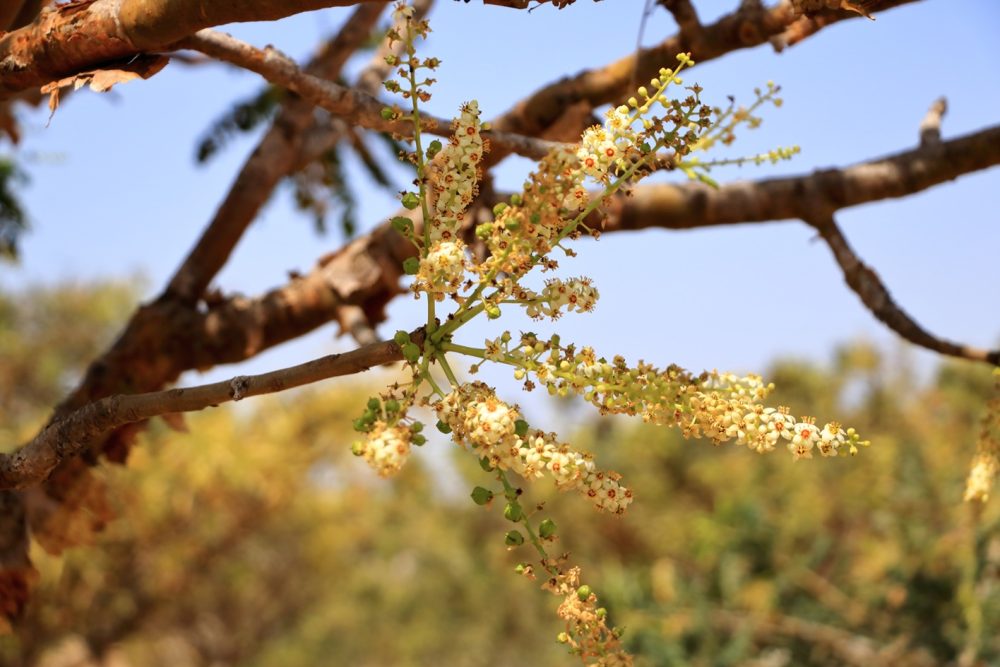
-
Botanical description
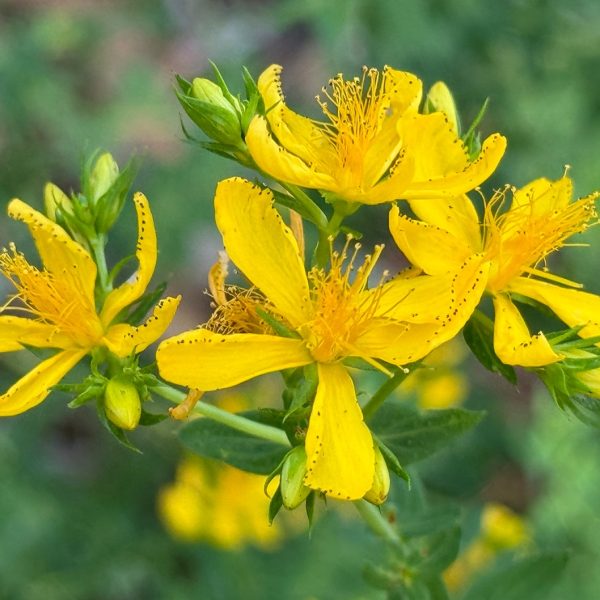
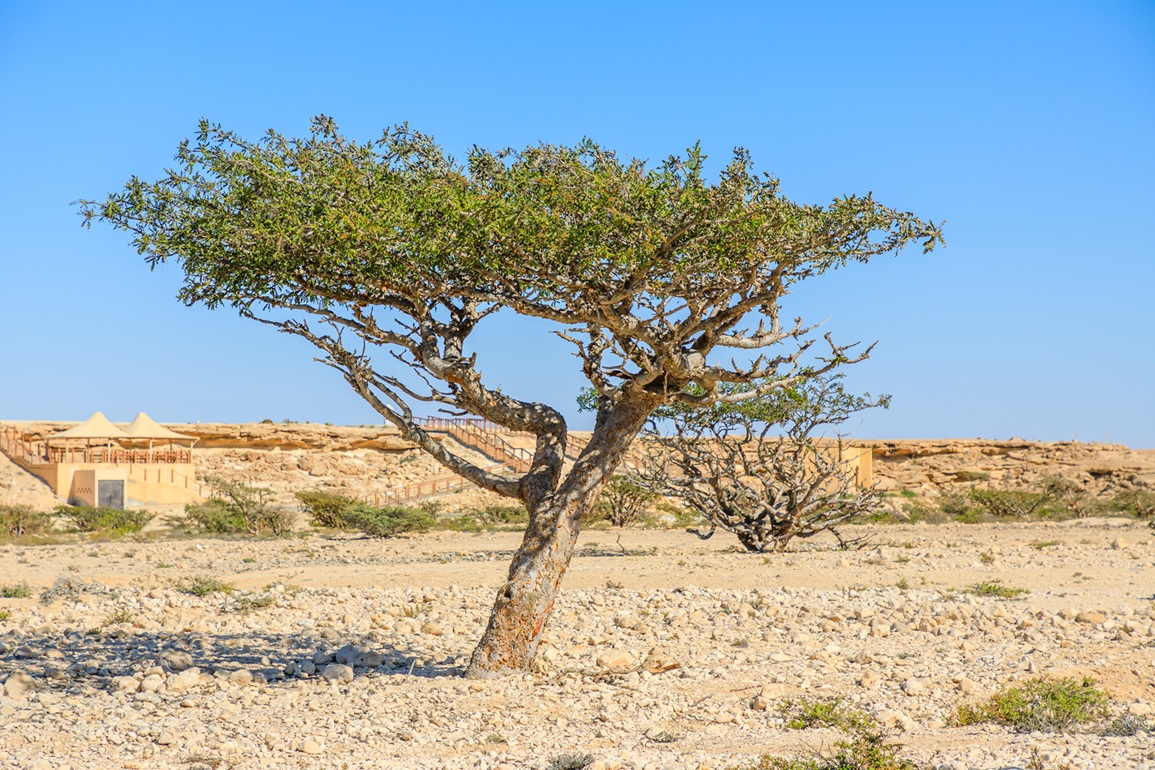
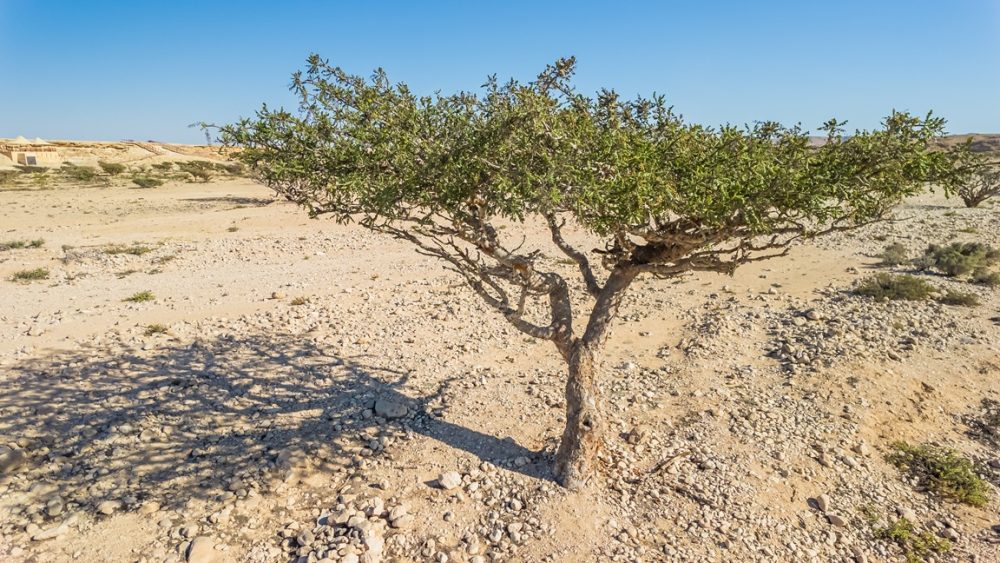
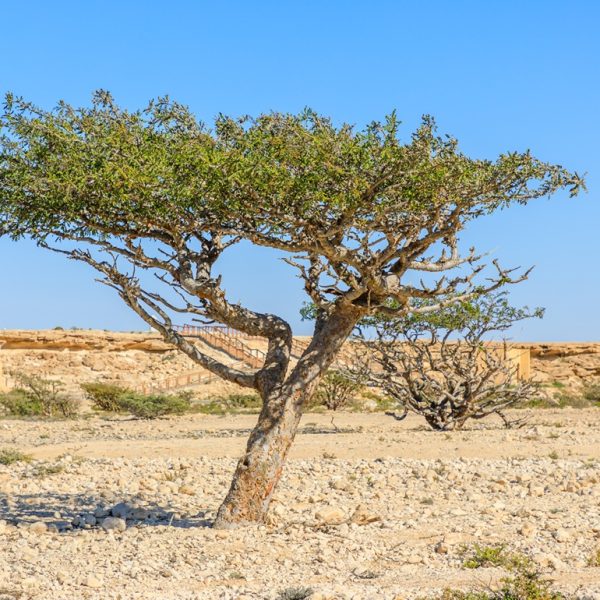
A tree or shrub, growing 1.5 to 8 metres tall (2). Leaves are oblanceolate and 10–25 cm in length with lanceolate, oblong, elliptic or ovate leaflets (2).
Its flowers grow in small clusters with branches, and can be smooth or with tiny hairs (2).
-
Common names
- Frankincense
- Olibanum
- Al-luban
- Birdwood
-
Habitat
Native to Yemen, Oman, and Somalia and introduced to the Gulf states, B. sacra grows in mainly desert or dry, shrubland territories (2).
-
How to grow frankincense
Frankincense needs abundant direct light to grow well, with the soil being allowed to dry between watering. It will fare best in well-draining soil. Optimal growing temperatures are between 20–30°C so it fares best in sunny climates. It can be grown indoors in a pot, or outside in sunnier climates (40). The seeds have a low germination rate and as such it may be easier to purchase a plant for home growing (41).
-
Herbal preparation of frankincense
Internal:
- Diffuser (inhalation) (22)
- Gel cap (22)
- Hydrosol (33)
External:
- Massage oil blend (11)
- Liniment (22)
- Hydrosol (33)
-
Plant parts used
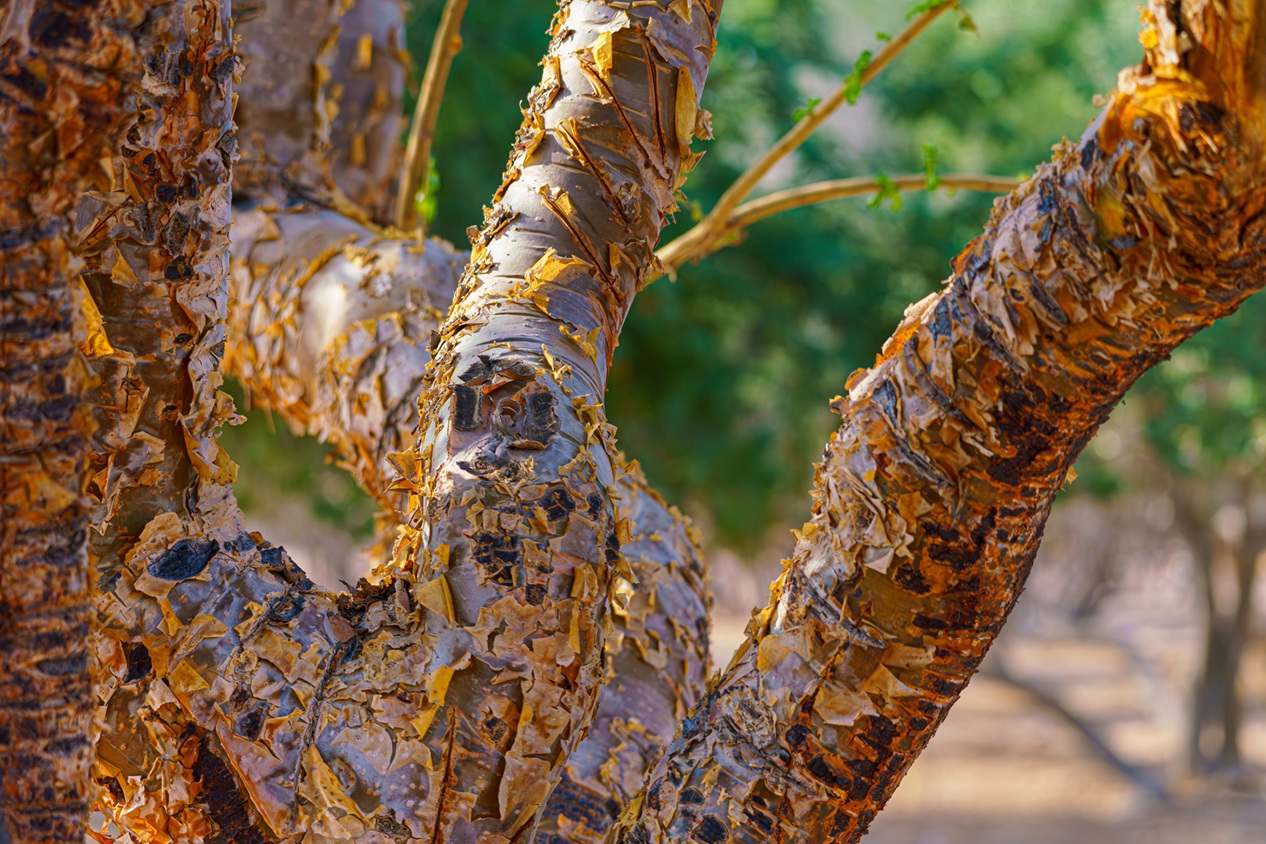
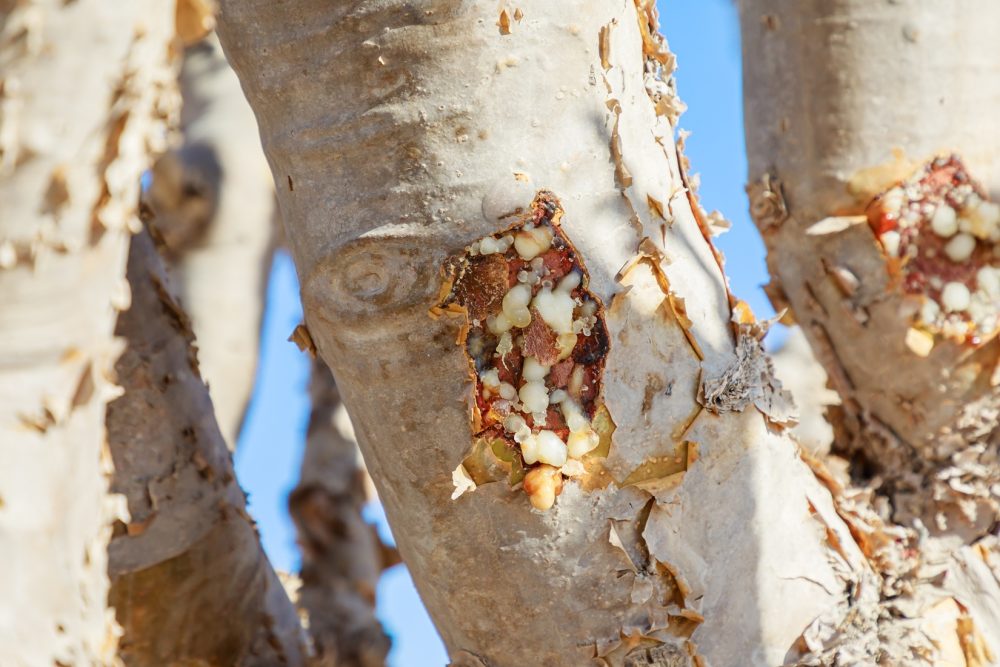
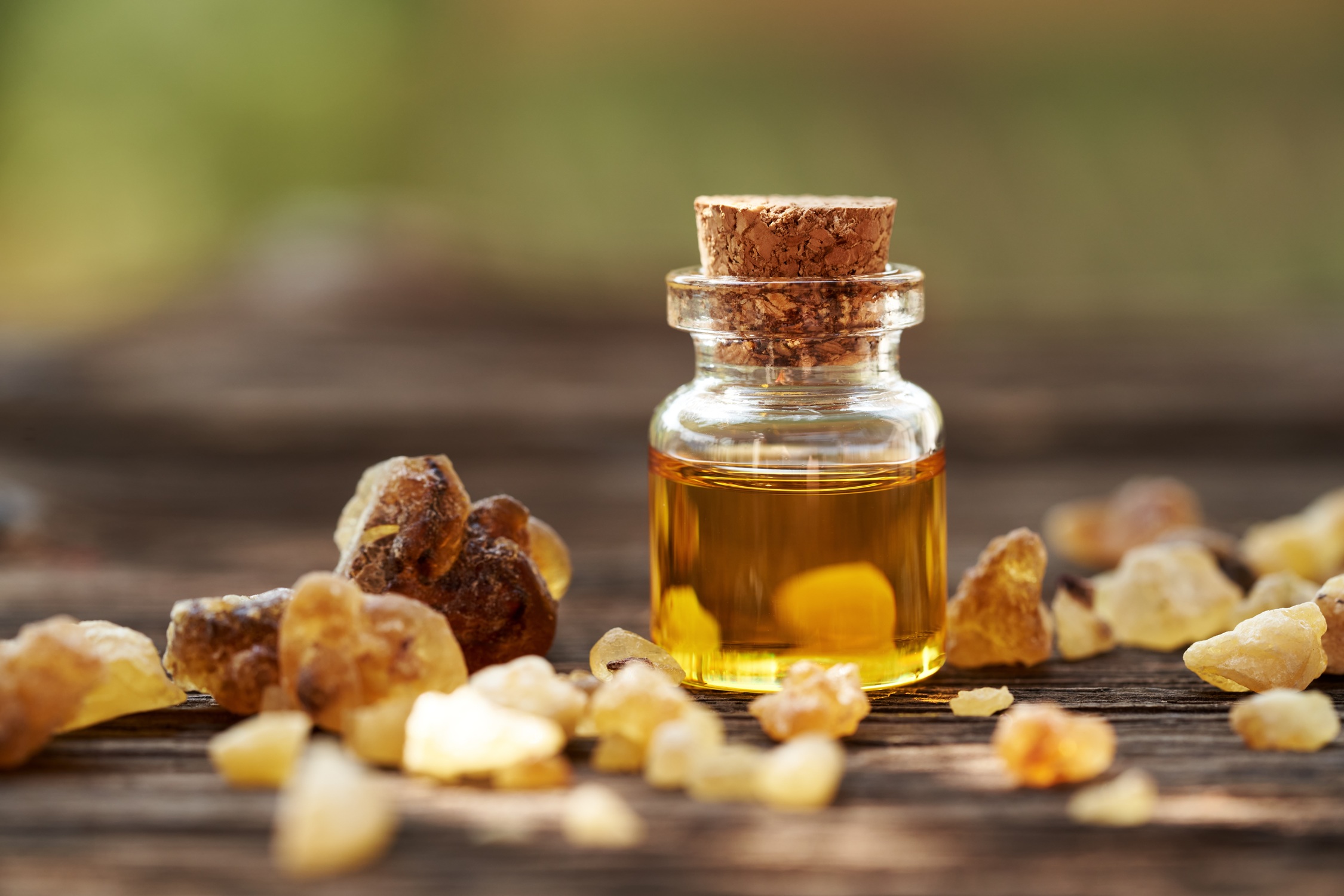
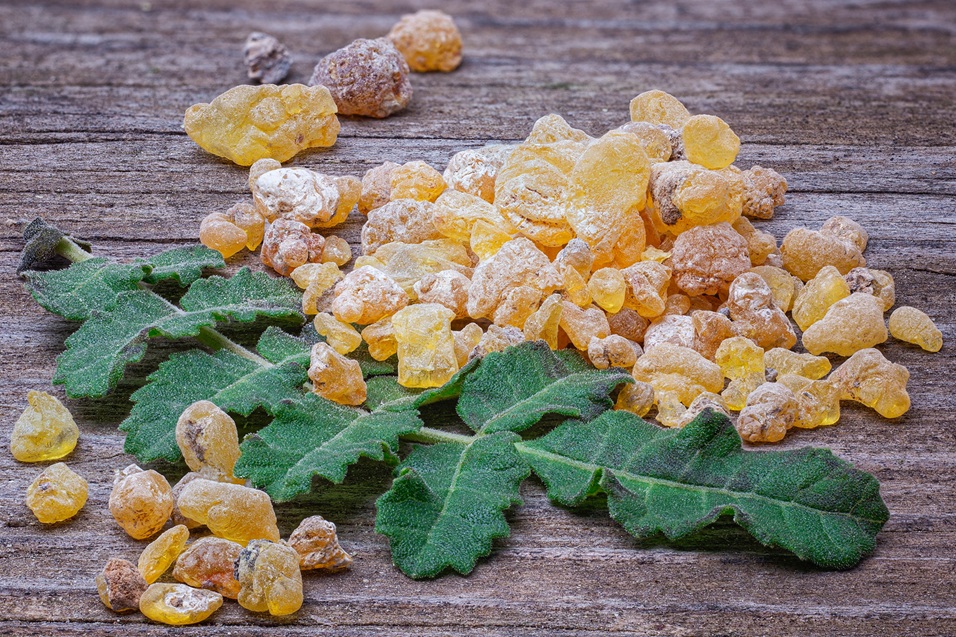
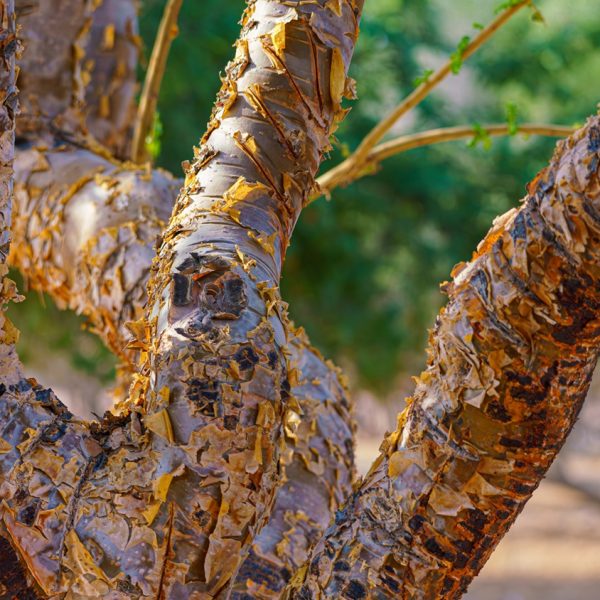
Resin, from the tree — it is extracted by scoring the tree bark and harvesting the solidified exudate (3). It is often distilled into essential oil and hydrosol for therapeutic use (33,36).
-
Dosage
- Diffuser (inhalation): 2–4 drops in water (22)
- Massage oil: 2% dilution in base oil (11)
- Liniment: 3–10% dilution in base oil (22)
- Gel cap: 2–3 drops in olive oil (22)
- Hydrosol: 1 tbsp in hot water, up to three times per day (33)
-
Constituents
Frankincense essential oil’s chemistry varies substantially even within the B. sacra species (13).
- 𝛂-pinene (~10-50%)
- 𝛂-phellandrene (<42%)
- (+)-limonene (~6-22%)
- 𝛃-myrcene (< ~20%)
- 𝛃-pinene (<~9%)
- 𝛃-caryophyllene (~2 – 7.5%) (5)
-
Frankincense recipe
Frankincense skin cream
This beautiful, gentle skin cream is designed to support and refresh sensitive, mature skin. Makes approximately 200 ml total cream.
Ingredients
- 60 ml marigold (Calendula officinalis)-infused jojoba (Simmondsia chinensis) or sweet almond (Prunus amygdalus x dulcis) oil
- 45 g mango (Mangifera indica) butter
- 12 g beeswax (Cera alba)
- 2 ml vitamin E oil
- 60 ml sustainable frankincense (Boswellia sacra) hydrosol
- 30 ml aloe vera gel
- Natural preservative (optional; if using, refer to manufacturer’s guidelines for when to add it).
- Natural wax emulsifier (optional; if using, refer to manufacturer’s guidelines for when to add it).
How to make a frankincense cream
- Using a bain-marie (double boiler), heat all the oils, wax emulsifier (if using), butter and beeswax gently over a low heat (~70°C) until all ingredients have melted and are well combined. Also add the preservative (if using an oil-phase preservative).
- Using a stick blender, slowly add the aloe vera and hydrosol and preservative (if using a water-phase preservative).
- The cream will emulsify and become creamy in texture.
- When cooled to room temperature, add the Vit. E oil and blend gently.
- Pour into sterilised jars and store in the fridge for up to eight weeks (with preservative) or up to two weeks (without preservative).

-
Safety
B. sacra frankincense is mainly used topically or via inhalation, in its essential oil form. A 2025 systematic review of medicinal uses of Boswellia spp., and only three or four instances (of a total 62 studies) were for B. sacra, and of those, none used internally administered medicines — only inhalation or topical application of a resin-based formulation or the essential oil (32).
Therefore, the below safety data is based on topical application or inhalation of the essential oil, although the hydrosol (much milder) is sometimes used internally and externally (33). For safety on Boswellia serrata, refer to our page on this species.
Frankincense essential oil has no known toxicity (11,12,18).However, oxidised frankincense essential oil may cause skin irritation; it is more prone to oxidation due to its high monoterpene content (22).
-
Interactions
No specific drug or herb interactions were found for Boswellia sacra. (34). However, some interactions were found for B. serrata, and whilst these are distinct species, it may be prudent to apply similar caution due to some similar chemistry (boswellic acids and some triterpenes), which makes it plausible that B. sacra might have similar pharmacodynamic effects to B. serrata (35).
However, it is important to note that all potential interactions listed for B. serrata by Memorial Sloan Kettering Cancer Center are based on in vitro studies or ex vivo platelet-aggregation assays and not on topical, inhalation or oral use in humans (35).
-
Contraindications
Boswellia sacra essential oil is likely safe to use (topically or via inhalation) in pregnancy and has no known toxicity (5). Holmes, however, cites that it is contraindicated in pregnancy due to its “emmenagogue action”, although no further assertions of this type were found in other leading literature (22). Holmes also advises against its use with babies and children (22).
-
Sustainability status of frankincense
In the IUCN Red list of Threatened Species, Boswellia sacra was listed as ‘near threatened’ in 1998 (37).
However, 2025 data suggests that this status is overdue an update since an explosion in global demand for frankincense by the fragrance and cosmetic industries is putting huge social and environmental pressures on the frankincense industry with exploitation of people and plants on the rise, threatening the industry, species and people’s livelihoods (38).
As such, coupled with the challenges that already surround essential oil sustainability, it is extremely important to source frankincense from truly sustainable sources, or use alternative Boswellia species (39).
Habitat loss and over-harvesting from the wild are two of the biggest threats faced by medicinal plant species. There are an increasing number of well-known herbal medicines at risk of extinction. We must, therefore, ensure that we source our medicines with sustainability in mind.
To learn more about the sutainability of frankincence, read our article Toward a sustainable future for frankincense: An ancient medicine in a modern world.
The herb supplement industry is growing at a rapid rate and until recent years a vast majority of medicinal plant produce in global trade was of unknown origin. There are some very real and urgent issues surrounding sustainability in the herb industry. These include environmental factors that affect the medicinal viability of herbs, the safety of the habitats that they are taken from, as well as the welfare of workers in the trade.
The botanical supply chain efforts for improved visibility (transparency and traceability) into verifiably sustainable production sites around the world is now certificated through the emergence of credible international voluntary sustainability standards (VSS).
Read our article on Herbal quality & safety: What to know before you buy and Sustainable sourcing of herbs to learn more about what to look for and questions to ask suppliers about sustainability.
-
Quality control
Herbal medicines are often very safe to take; however, their safety and efficacy can be jeopardised by quality issues. So, it is important to buy herbal medicines from a reputable supplier, from sources known to test their herbs to ensure there is no contamination, adulteration or substitution with incorrect plant matter, as well as ensuring that recognised marker compounds are at appropriate levels in the herbs.
Some important quality assurances to look for are certified organic labelling, the correct scientific/botanical name, and the availability of information from the supplier about ingredient origins. A supplier should be able to tell you where the herbs have come from, what contaminants are not in the herb, and what the primary compounds are.
-
References
- Miran M, Amirshahrokhi K, Ajanii Y, et al. Taxonomical investigation, chemical composition, traditional use in medicine, and pharmacological activities of Boswellia sacra Flueck. Evid Based Complement Alternat Med. 2022;2022:8779676. https://doi.org/10.1155/2022/8779676
- Royal Botanic Gardens, Kew. Boswellia sacra Flück. Plants of the World Online. Accessed November 20, 2025. https://powo.science.kew.org/taxon/urn:lsid:ipni.org:names:127065-1
- Aftel M. Fragrant: The Secret Life of Scent. Riverhead Books; 2014.
- McGee H. Nose Dive: A Field Guide to the World’s Smells. John Murray; 2020.
- Tisserand R, Young R. Essential Oil Safety. 2nd ed. Churchill Livingstone Elsevier; 2014.
- Herbal Reality. Boswellia. Accessed November 20, 2025. https://www.herbalreality.com/herb/boswellia/
- Price S, Price L. Aromatherapy for Health Professionals. 4th ed. Elsevier; 2012.
- Oshadhi. How to choose a frankincense essential oil. Oshadhi Essential Oils. November 9, 2023. Accessed November 20, 2025. https://oshadhi.co.uk/articles/how-to-choose-a-frankincense-essential-oil/
- Somner L. Herbal Medicine for Mental Health: Natural Treatments for Anxiety, Depression, ADHD, and More. Citadel Press; 2022.
- Battaglia S. The Complete Guide to Aromatherapy: Psyche & Subtle. Vol 3. 3rd ed. Black Pepper Creative; 2021.
- Martin I. Aromatherapy for Massage Practitioners. Lippincott Williams & Wilkins; 2007.
- Mojay G. Aromatherapy for Healing the Spirit: A Guide to Restoring Emotional and Mental Balance through Essential Oils. Gaia Books; 1999.
- Caddy R. Essential Oils in Colour. 7th ed. Amberwood Publishing; 1997.
- Kotb EA, El-Shiekh RA, Abd-Elsalam WH, El Sayed NSED, El Tanbouly N, El Senousy AS. Protective potential of frankincense essential oil and its loaded solid lipid nanoparticles against UVB-induced photodamage in rats via MAPK and PI3K/AKT signaling pathways; a promising anti-aging therapy. PLoS One. 2023;18(12):e0294067. https://doi.org/10.1371/journal.pone.0294067
- Qurishi Y, Hamid A, Zargar MA, Singh SK, Saxena AK. Potential role of natural molecules in health and disease: importance of boswellic acid. J Med Plants Res. 2010;4(25):2778–2785. https://doi.org/10.5897/JMPR.9001035
- Hamidpour R, Hamidpour S, Hamidpour M, Shahlari M. Frankincense (乳香 Rǔ Xiāng; Boswellia species): from the selection of traditional applications to the novel phytotherapy for the prevention and treatment of serious diseases. J Tradit Complement Med. 2013;3(4):221–226. https://doi.org/10.4103/2225-4110.119723
- Dadachanji A, Manchanda C. Wild Apothecary. Aeon; 2021.
- Kellett J. Aromatherapist in a Box. Skittledog; 2024.
- Moussaieff A, Rimmerman N, Bregman T, et al. Incensole acetate, an incense component, elicits psychoactivity by activating TRPV3 channels in the brain. FASEB J. 2008;22(8):3024–3034. https://doi.org/10.1096/fj.07-101865
- Hamm S, Bleton J, Connan J, Tchapla A. A chemical investigation by headspace SPME and GC-MS of volatile and semi-volatile terpenes in various olibanum samples. Phytochemistry. 2005;66(12):1499–1514. https://doi.org/10.1016/j.phytochem.2005.04.025
- Huang K, Chen Y, Liang K, et al. Review of the chemical composition, pharmacological effects, pharmacokinetics, and quality control of Boswellia carterii. Evid Based Complement Alternat Med. 2022;2022:6627104. https://doi.org/10.1155/2022/6627104
- Holmes P. Aromatica. Vol 2. Singing Dragon; 2019.
- Pole S. Ayurvedic Medicine. 2nd ed. Singing Dragon; 2013.
- Editors of Encyclopaedia Britannica. Sumer. Encyclopaedia Britannica. Updated November 2025. Accessed November 27, 2025. https://www.britannica.com/place/Sumer
- Rowland E. The Healing Power of Scent. David & Charles (Verbena Books); 2024.
- Fincham GW, Strauss C, Montero-Marin J, Cavanagh K. Effect of breathwork on stress and mental health: a meta-analysis of randomised-controlled trials. Sci Rep. 2023;13(1):432. https://doi.org/10.1038/s41598-022-27247-y
- Mikhaeil BR, Maatooq GT, Badria FA, Amer MMA. Chemistry and immunomodulatory activity of frankincense oil. Z Naturforsch C. 2003;58(3-4):230–238. https://doi.org/10.1515/znc-2003-3-416
- Suhail MM, Wu W, Cao A, et al. Boswellia sacra essential oil induces tumor cell-specific apoptosis and suppresses tumor aggressiveness in cultured human breast cancer cells. BMC Complement Altern Med. 2011;11:129. https://doi.org/10.1186/1472-6882-11-129
- Saylam B, Efesoy O, Akbay E, Erdem E. The effect of inhaler aromatherapy on pain and anxiety in patients undergoing shock wave lithotripsy. Duzce Med J. 2021;23(3):318–322. https://doi.org/10.18678/dtfd.1016219
- Esmaelzadeh-Saeieh S, Rahimzadeh M, Khosravi-Dehaghi N, Torkashvand S. The effects of inhalation aromatherapy with Boswellia carterii essential oil on the intensity of labor pain among nulliparous women. Nurs Midwifery Stud. 2018;7(2):45–49. https://doi.org/10.4103/nms.nms_70_17
- Frank MB, Yang Q, Osban J, et al. Frankincense oil derived from Boswellia carteri induces tumor cell specific cytotoxicity. BMC Complement Altern Med. 2009;9:6. https://doi.org/10.1186/1472-6882-9-6
- Tavakoli A, Salehi Z, Amiri-Ardekani E, Saeedfiroozabadi M, Tavakoli F, Moshfeghinia R. Boswellia: a systematic review of the adverse events. Tradit Integr Med. Published online September 28, 2025. https://doi.org/10.18502/tim.v10i3.19766
- Bosson L. Hydrosol Therapy. Jessica Kingsley Publishers; 2018.
- NatMed Pro. Interactions checker tool. Natural Medicines. Accessed November 29, 2025. https://naturalmedicines.therapeuticresearch.com/Tools/InteractionChecker
- Memorial Sloan Kettering Cancer Center. Boswellia. Updated March 22, 2024. Accessed November 29, 2025. https://www.mskcc.org/cancer-care/integrative-medicine/herbs/boswellia
- Oshadhi. Frankincense — search results. Oshadhi Essential Oils. Accessed November 29, 2025. https://oshadhi.co.uk/search/frankincense/
- Thulin M. Boswellia sacra. The IUCN Red List of Threatened Species 1998:e.T34533A9874201. Accessed November 29, 2025. https://www.iucnredlist.org/species/34533/9874201
- FairWild Foundation. Certifying sustainable frankincense through a global value chains approach. March 11, 2025. Accessed November 29, 2025. https://www.fairwild.org/fairwild-projects/frankincense
- CITES. Conservation Status, Trade and Threats to the Genus Boswellia (Frankincense). CITES; 2023. Accessed November 29, 2025. https://cites.org/eng/node/136244
- Gregarious Inc. Boswellia sacra: how much water & light does it need to thrive? Greg App. Accessed November 29, 2025. https://greg.app/plant-care/boswellia-sacra
- Advice From The Herb Lady. Frankincense. Accessed November 29, 2025. https://advicefromtheherblady.com/plant-profiles/trees-shrubs/frankincense/
Meet our herbal experts
Our monographs are written by our monograph authors and edited, reviewed and updated by Herbal Reality.
Meet our Herbal Reality team or explore our Herbal Reality authors.