












Last reviewed 15/06/2026
Sustainability status
At risk from overharvesting and habitat loss. Read more in our sustainability guide.

Drug interactions
Herbs may interact with pharmaceutical medications through both pharmacokinetic and pharmacodynamic mechanisms. Pharmacokinetic interactions involve alterations in the absorption, metabolism, distribution, or excretion of a drug. Many herb–drug interactions occur through liver enzyme modulation: by inducing CYP enzymes — increasing drug concentration and toxicity risk; or by inducing CYP enzymes — decreasing drug concentration and therapeutic efficacy.
Pharmacodynamic interactions occur when herbs and drugs influence the same physiological systems. These interactions can cause synergistic, additive or antagonistic effects at the receptor or tissue level, enhancing or opposing the intended pharmacological action. The clinical consequences of herb-drug interactions can be complex and nuanced. Consultation with a medical professional is, therefore, recommended to ensure safe use and appropriate dosing.
Please read the Interactions section in this monograph.

Contraindications
A contraindication refers to a situation in which a herb should be avoided as it may exacerbate a medical condition or pose undue risk. Contraindications may arise through pharmacodynamic mechanisms (e.g., liquorice in uncontrolled hypertension or uterine stimulants during pregnancy) or pharmacokinetic effects that alter metabolism, absorption or elimination (e.g., tannin-rich herbs in iron-deficient anaemia).
In some cases, herbal actions may aggravate underlying pathologies (e.g., the use of bitter herbs in GERD). Recognition of contraindications requires thorough assessment of patient history, co-morbidities and medications. Consultation with a qualified medical herbalist will provide guidance to ensure safe and appropriate prescribing.
Please read the Contraindications section in this monograph.

Avoid in pregnancy and lactation
Herbs are generally best-avoided in pregnancy, unless working with them under the guidance of a medical herbalist. However, some herbs pose a risk to pregnancy as they are potentially: toxic to the mother, toxic to the neonate, teratogenic (risk developmental malformation), may increase miscarriage risk, or could cause foetal distress leading to miscarriage or premature birth. Herbs with teratogenic, emmenagogue, or stimulant laxative actions are all contraindicated in pregnancy. Furthermore, herbs containing volatile oils, thujone, apiol, phyto-oestrogens also should be avoided.
During lactation, there is the possibility for transfer of plant compounds through the breast milk, which can have an effect (detrimental or beneficial) on the infant.
Please read the Safety section in this monograph.

-
Herb overview
Safety
No drug-herb interactions are known but caution with all sedative medication and antihypertensive medication due to potential positive interactions
Sustainability
Not universally classified as critically endangered, unsustainable wild harvesting, habitat degradation, and commercial misidentification pose meaningful long-term risks
Key constituents
Steroids: β-sitosterol and glycoflavones
Triterpenoids: Triacotane and scopoletin
Flavonoids: p-hydroxybenzoic and vanillic acids
Alkaloids: Phenolic acidsQuality
Tropics and Sub topics
Wild harvested
Adulteration and contamination risk with similar speciesKey actions
Nervine
Sedative
Antispasmodic
Digestive tonicKey indications
Stress
Anxiety
Insomnia
Bleeding problemsKey energetics summary
Bitter,
Cooling
Pungent
AstringentSee below for discipline-specific energeticsPreperation and dosage
Leaves
2–10 g/per day
3–15 ml of a 1:5 | 25% tincture
-
How does it feel?
Shankapushpi tastes bitter, pungent and astringent with a sweet post digestive effect.
Shankapushpi has a cooling effect, bringing both nourishing oiliness and lightness to the head region due to its unctuous quality and balancing effect.

The taste of shankapushpi
The below qualities are derived from organoleptic assessment.
-
Into the heart of shankapushpi

Shankapushpi (Evolvulus alsinoides) The plant has shown a wide range of pharmacological activities such as antioxidant, antiamnesic (reduces memory loss or cognitive impairment), anticonvulsant, antidepressant, immunomodulatory, anti-inflammatory, antidiabetic, antihypertensive and antimicrobial activities (4).
The primary bioactive compound, scopoletin, a furanocoumarin with well researched neuroprotective, anticholinesterase, and anxiolytic properties. Research has shown that scopoletin inhibits acetylcholinesterase, which may help increase levels of acetylcholine, a neurotransmitter responsible for learning and memory. This mechanism is targeted by pharmaceutical drugs used in Alzheimer’s (5). Additional constituents include beta-sitosterol, kaempferol, phyllanthin, and various alkaloids that collectively contribute to the herb’s multi-mechanism action on the central nervous system.
From an energetic perspective, its astringency helps to curb bleeding in the food, urinary and reproductive channels recognised in Ayurveda. Its bitter and pungent taste improves appetite and digestion. Its sweet and flowing quality encourages the bowel to function effectively . Its blood purifying and pitta pacifying action make it useful in many skin diseases. Its unctuous quality and sweet post digestive action supports its use as a reproductive tonic (6). The fact that it is also tridoshic, balancing all three dosha recognised in Ayurveda, also makes it widely supportive.
-
What practitioners say
Nervous system

Shankapushpi goes directly to the nervous tissue and treats pain, anxiety, insomnia, epilepsy and convulsions. It enters the channel of the mind, alleviates stress and promotes the integrity of the nervous system. Its descending nature draws the rising vata downwards and helps to clean all the tissues (Bhavaprakasa). Can be combined with vacha (Acorus calamus), brahmi (Bacopa monnieri), kushtha (Saussurea lappa) in epilepsy, nerve conditions; also useful in speech impediment and to improve memory).
Digestive system
Useful with slow digestion, water retention, borborygmus and constipation. It is specifically beneficial where digestion is upset by nervousness and anxiety. Its sweet and flowing quality encourages the bowel to also flow freely. Can be combined with gokshura (Tribulus terrestris), coriander (Coriandrum sativum) and fennel (Foeniculum vulgare) for digestive gurgling and swelling.
Cardiovascular system
Its astringency is useful for stopping bleeding in the intestines, urinary and reproductive system, especially when combined with manjishtha (Rubia cordifolia) and amalaki (Phyllanthus emblica).
Reproductive system
Its affinity for the deeper tissues and the reproductive tissue is used to promote fertility in both men and women (Bhavaprakasa). Best combined with herbs such as ashwagandha (Withania somnifera), shatavari (Asparagus racemosus) and kapikacchu (Mucuna pruriens).
Skin health
It has a useful alterative function on the blood tissue and benefits skin diseases with a nervous component. One can combine with gotu kola (Centella asiatica), manjishtha, neem (Azadirachta indica) in skin disorders (6,8).
-
Shankapushpi research

Shankapushpi (Evolvulus alsinoides) While modern pharmaceuticals have historically relied on animal testing to ensure safety and efficacy — a requirement in the approval process of novel therapeutic agents for human use — Herbal Reality does not endorse nor support animal testing when determining the efficacy of time-tested natural herbal ingredients. Our stance is aligned with ethical frameworks that strive to reduce, refine, and replace animal experiments, emphasising the importance of welfare and continual pursuit of innovative, non-animal-based testing methods
Research on Evolvulus alsinoides in humans remains predominantly observational and case-based and large randomised controlled trials are unfortunately lacking, despite its potential.
Review on Evolvulus alsinoides and a brief outlook into the neuroprotective activity of Convolvulaceae plants
A 2021 review of Evolvulus alsinoides reinforces why it is widely recognised in Ayurveda for its cognitive-enhancing, antiepileptic and immune-supporting effects. The Convolvulaceae family includes approximately 1,600–1,700 species, many of which have demonstrated beneficial effects on the central nervous system (CNS). Research on E. alsinoides has identified numerous pharmacological properties, including antioxidant, memory-enhancing, anticonvulsant, antidepressant, anti-inflammatory, antidiabetic, antihypertensive, antimicrobial and immunomodulatory activities.
This review examines the plant’s morphology, phytochemical composition and therapeutic potential, while also summarising evidence for neuroprotective and antiamnesic effects among related Convolvulaceae species. Although existing studies suggest significant promise for improving CNS function, further detailed research and clinical trials are necessary to fully establish the therapeutic efficacy of this plant family (4).
Neuropharmacological evaluation on four traditional herbs used as nervine tonic and commonly available as Shankhpushpi in India
Shankhpushpi is attributed to four different plants, but comparative evaluation shows that Evolvulus alsinoides stands out: among the four candidate species in this 2018 review. E. alsinoides and Canscora decussata offered the strongest protection against β-amyloid neurotoxicity, while E. alsinoides was clearly superior in antioxidant capacity, AChE inhibition, and LOX inhibition. It also produced the most robust improvements in scopolamine-induced memory deficits in water maze tests, outperforming Clitorea ternatea and Convolvulus pluricaulis.
These enhanced neuropharmacological effects are linked to its richer profile of steroids (stigmasterol, betulinic acid), coumarins (scopoletin), and flavonoids (β-carotene, chlorogenic acid). This review helps position E. alsinoides as the most promising shankhpushpi candidate for developing interventions for neurodegenerative and cognitive disorders, including Alzheimer’s disease (3).
Safety evaluation of sankhaholi (Evolvulus alsinoides Linn.) in the management of essential hypertension: A randomized standard control trial
In a six-week randomised controlled Unani clinical trial, 41 adults with stage-one essential hypertension were treated either with powdered Evolvulus alsinoides at a dose of 3 g twice daily (6 g/day total) or standard ramipril therapy to evaluate safety and therapeutic effects.
The study found that participants receiving Evolvulus alsinoides showed no significant adverse clinical effects and laboratory monitoring—(including complete blood count, liver function, and kidney function tests) remained stable throughout treatment, suggesting good short-term tolerability at this dosage. While the herb demonstrated potential antihypertensive benefits within the traditional medicine framework, the primary strength of the study was its support for short-term safety rather than definitive efficacy, with limitations including small sample size and lack of long-term follow-up (9).
A clinical study on the management of anxiety neurosis with Sankhaholi
In a 2007 single-blind, randomised, placebo-controlled clinical trial of 60 adults aged 18–50 with generalized anxiety disorder were treated with Evolvulus alsinoides powder at 3 g nightly or placebo for six weeks. Participants showed a substantial reduction while the placebo group showed essentially no meaningful improvement.
The herb significantly improved a broad range of anxiety symptoms including tension, insomnia, cardiovascular complaints, and cognitive symptoms, without notable adverse effects, sedation, withdrawal symptoms, or laboratory toxicity.
The authors concluded it demonstrated promising anxiolytic efficacy and good short-term tolerability, suggesting potential as a traditional herbal treatment for anxiety, though the study’s limitations (single-blind design, modest sample size, and limited modern methodological rigor) mean larger, more rigorous trials are still needed (10).
In vitro propagation and cell cultures of memory tonic herb Evolvulus alsinoides: A best source for elicited production of scopoletin
Evolvulus alsinoides, the classical source of shankhapushpi, can be efficiently micro-propagated and used to significantly boost scopoletin production up to 75-fold through optimised plant tissue culture and specific biochemical enhancers. The study used an in vitro culture system to ensure optimal plant shoot regeneration, while biochemical elicitors such as L-arginine, sodium pyruvate and yeast extract boosted scopoletin levels by 75-fold, 72-fold and 58-fold, respectively.
These act as elicitors, stimulating secondary metabolite pathways. The work establishes a scalable platform for producing scopoletin, supporting future development of standardised herbal formulations and potential pharmaceutical applications (11).
Neuroprotective activity of Evolvulus alsinoides and Centella asiatica ethanolic extracts in scopolamine-induced amnesia in Swiss albino mice
A 2019 study compared E. alsinoides with Centella asiatica in scopolamine-induced amnesia in Swiss albino mice. Both showed significant neuroprotective activity, but E. alsinoides demonstrated superior performance in inhibiting acetylcholinesterase activity (12). A similar 2010 study looked at its effects on learning and memory in rodents finding it showed clear nootropic effects. (13).
A 2012 in vitro and in vivo study using a streptozotocin-induced model of Alzheimer’s disease collectively supports its role as a multi-target cognitive enhancer with promising relevance for neurodegenerative disorders (14).
-
Historical use of shankapushpi

Shankapushpi (Evolvulus alsinoides) Shankhapushpi has been used since ancient times in Ayurvedic texts, with references dating back over 2,000 years, and is recognised for its calming effects on the mind. Ayurvedic texts classify it as a medhya rasayana, a herb that specifically rejuvenates intellect and memory. It has a place alongside brahmi (Bacopa monnieri), mandukaparni (gotu kola, Centella asiatica), and vacha (sweet flag, Acorus calamus) in the list of four primary brain tonics.
Indeed, Ayurveda considers shankapushpi as one of the best sedatives, excellent for calming mental and emotional disorders, relieving pain, anxiety, insomnia and convulsions. It enters the mind channel and has affinity with the nerve tissue.
Classical Ayurvedic texts describe several ways to use this herb. The most celebrated is as a fresh juice, which Charaka recommends as the finest mode of medhya rasayana administration (7). It rebalances one of the five sub-types of vata dosha and apana vata, improves digestion and elimination; and is used for stress related digestive problems, flatulence, bloating, colic and constipation.
It is also an excellent tonic to promote fertility. It clears ama (undigested matter) from the blood tissue hence it clears the skin, especially in stress related skin problems. It also reduces cholesterol and improves symptoms of hyperthyroidism. Overall, shankapushpi is valued for its potential to improve mental clarity and emotional stability, making it a significant herb in Ayurvedic medicine. Externally, it is also used as a paste for skin diseases as well as in siddha oil for encouraging hair growth (2).
-
Shankapushpi’s herbal actions
Herbal actions describe therapeutic changes that occur in the body in response to taking a herb. These actions are used to express how a herb physiologically influences cells, tissues, organs or systems. Clinical observations are traditionally what have defined these actions: an increase in urine output, diuretic; improved wound healing, vulnerary; or a reduction in fever, antipyretic. These descriptors too have become a means to group herbs by their effects on the body — herbs with a nervine action have become the nervines, herbs with a bitter action are the bitters. Recognising herbs as members of these groups provides a preliminary familiarity with their mechanisms from which to then develop an understanding of their affinities and nuance and discern their clinical significance.
-
Shankapushpi’s energetic qualities
Herbal energetics are the description that herbalists have given to plants, mushrooms, lichens, foods and some minerals based on the direct experience of how they taste, feel and affect the body. All traditional health systems use these principles to explain how the environment impacts health, according to each of their philosophies and frameworks. These assessments of individual herbs, though they often do align, can differ from one another due to cultural differences regarding perspectives on how herbs taste versus their physiological effects. Find out more about traditional energetics in our article An introduction to herbal energetics.
Chinese energetics
Chinese energetics align with Bensky’s Chinese Herbal Medicine: Materia Medica.
Ayurvedic energetics
Ayurvedic energetics are assigned according to Bhavaprakash by Acharya Bhavamishra and Ayurvedic Medicine: The Principles of Traditional Practice by Sebastian Pole.
-
What can I use shankapushpi for?

Shankapushpi (Evolvulus alsinoides) Evolvulus alsinoides (commonly known as shankhapushpi, sangapoo or sankhaholi in some regions) is used across multiple traditional medical systems, most prominently in Ayurveda, where it is classified as a medhya rasayana for supporting memory, cognition and mental clarity. It also appears in Unani medicine as a nervine and cardiac/cerebral tonic and in Siddha traditions of South India where it is used for nervous system disorders, epilepsy, and general debility. In folk medicine across India, Southeast Asia and parts of Africa, it is additionally used for anxiety, fever, respiratory complaints, and overall strengthening purposes (1).
Shankhapushpi is primarily used in Ayurveda for its memory-enhancing and anxiolytic properties. It is believed to improve cognitive function and is often used in brain tonic formulations, which rejuvenate and enhance cognition and memory and is recommended for students in the form of a syrup to help during exam season. It also treats anxiety, cognitive impairment and epilepsy.
Beyond supporting the nervous system, it has applications for improving digestion and elimination, especially with any stress-related digestive issues, flatulence, bloating, colic and constipation. It is also used in bleeding disorders, as a reproductive tonic and for hyperthyroidism. It can help reduce skin blemishes such as acne, especially when this is stress related (2).
There is confusion around the name ‘shankhapushpi’ which has led to this herb being less known than it should be. The Ayurvedic name shankhapushpi is used for at least three different species: Evolvulus alsinoides, Convolvulus pluricaulis, and Clitorea ternatea (4). Different regional traditions in India and commercially available products hence use different botanical sources. When research reviews amalgamate all three together, the individual benefits of each individual species becomes challenging to assess.
-
Did you know?
The exact species of shankapushpi is used interchangeably around India with three species being known by the same Sanskrit name — Convolvulus pluricaulis, Clitoria ternata and Evolvus alsinoides. Although these different species are used interchangeably for their nervine properties, they do not necessarily compare with regard to their actions. However, all these species have a profound impact on the nervous system (8).




-
Botanical description
Identification of authentic Evolvulus alsinoides is vital because commercial Shankhpushpi products are often adulterated or substituted, and correct identification protects both efficacy and safety. However, the exact species of shankapushpi is used interchangeably around India.
In the classical text Bhavaprakash, shankapushpi is classified as Convolvulus pluricaulis (15), as it is in the Ayurvedic Formulary of India (16). Evolvus alsinoides is listed in Indian Medicinal plans as shankapushpi. Clitoria ternatea is used in south India for shankapushpi.
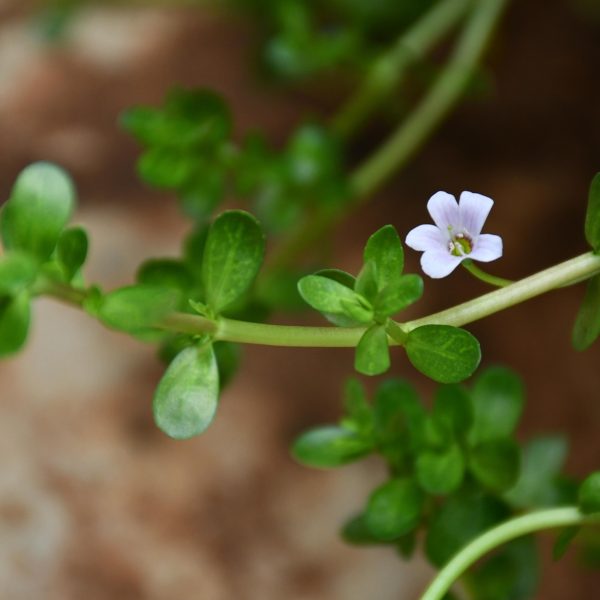
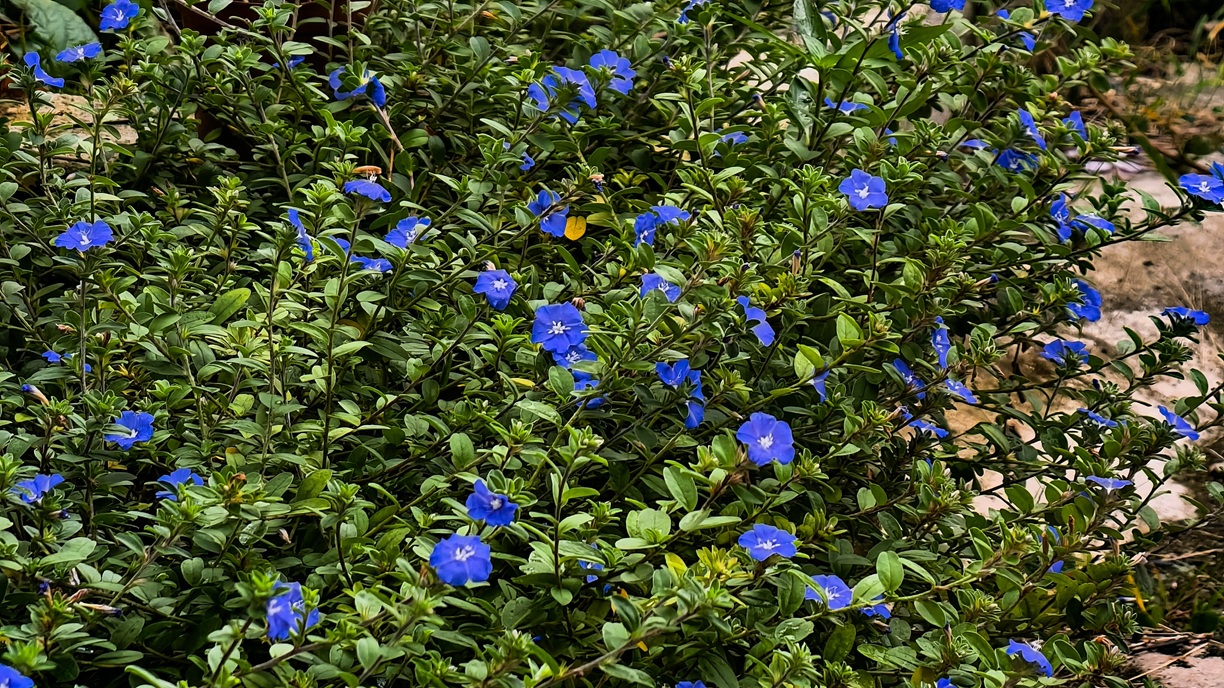
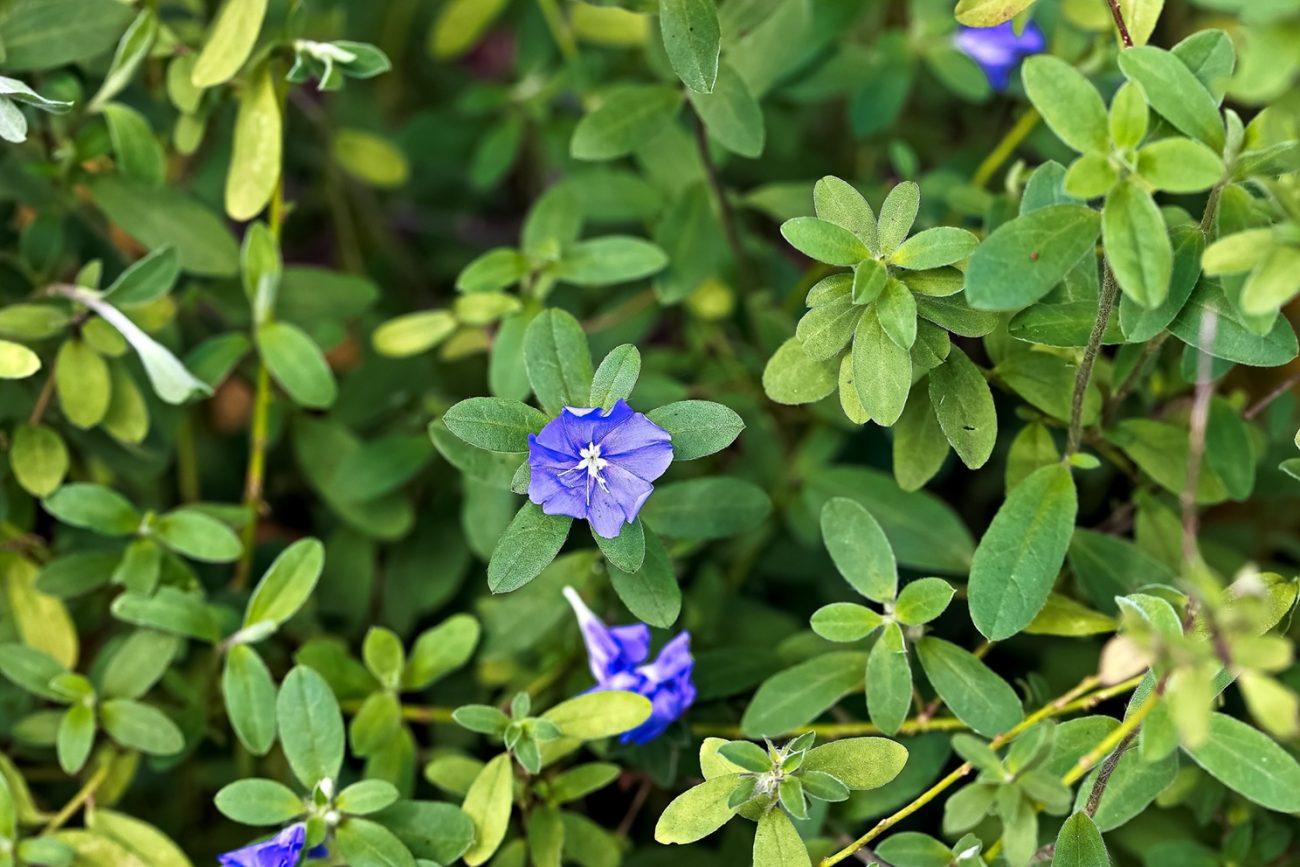
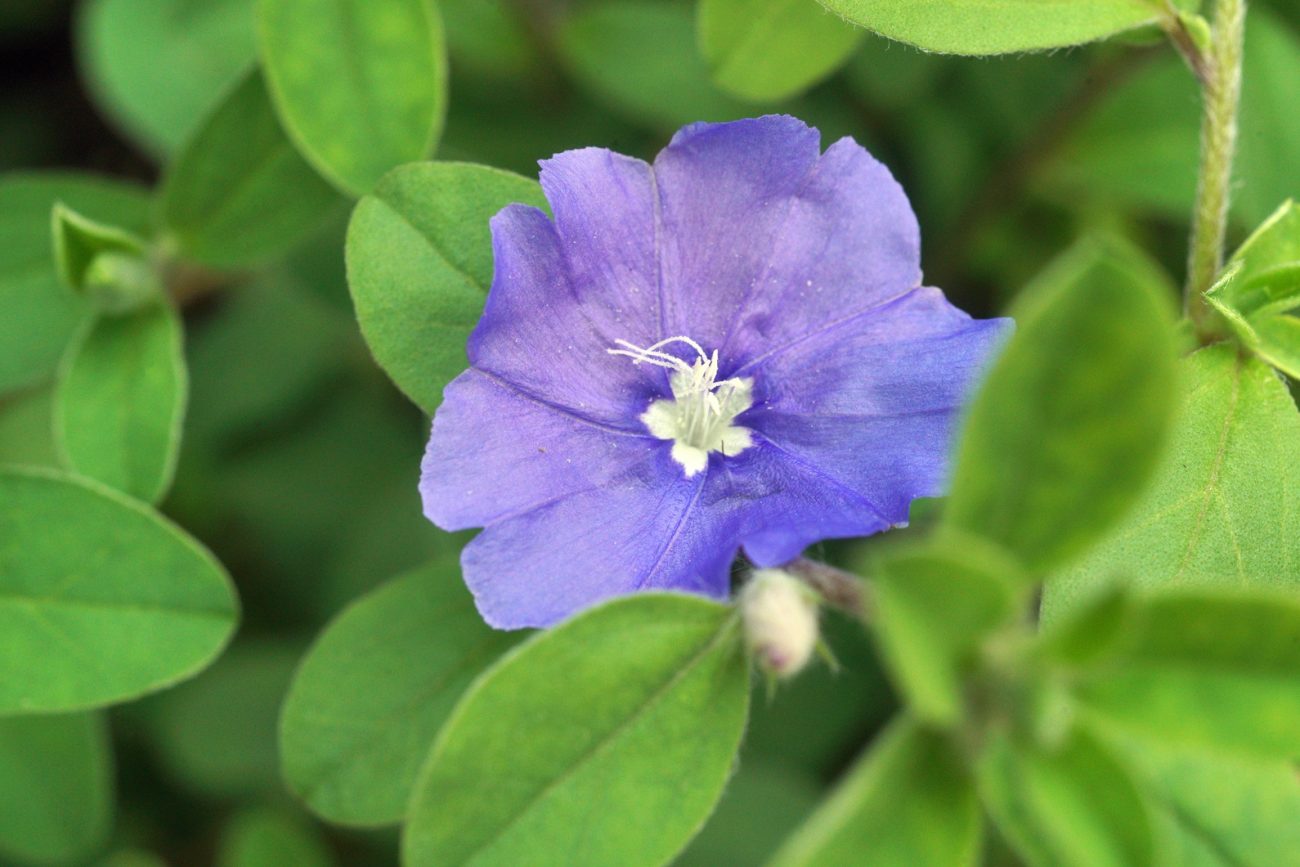
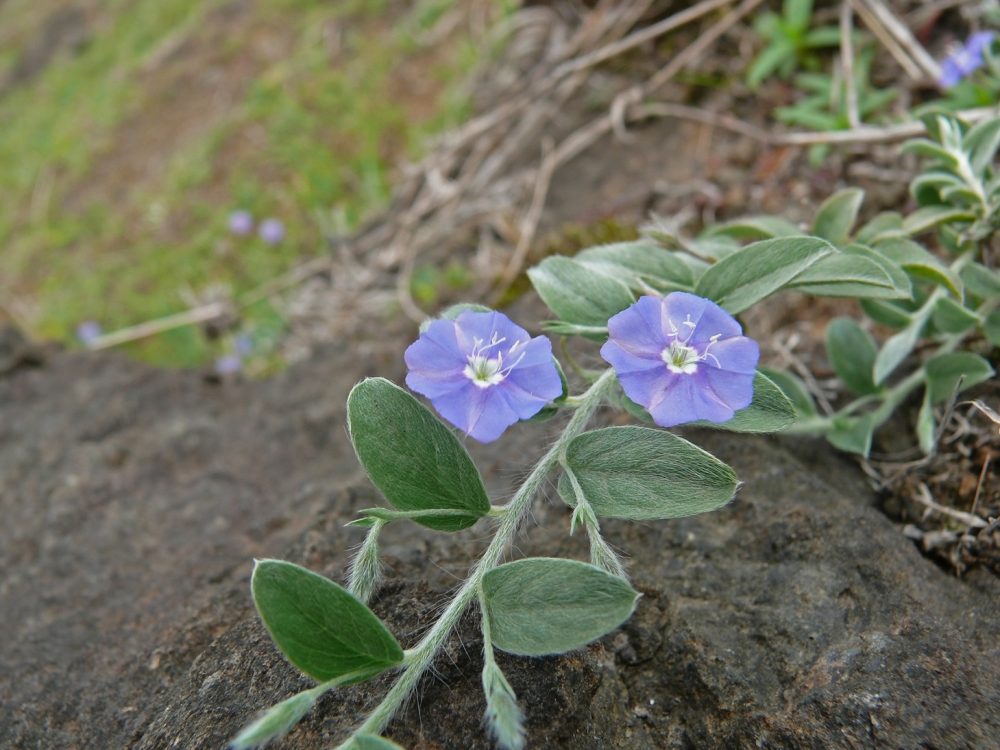
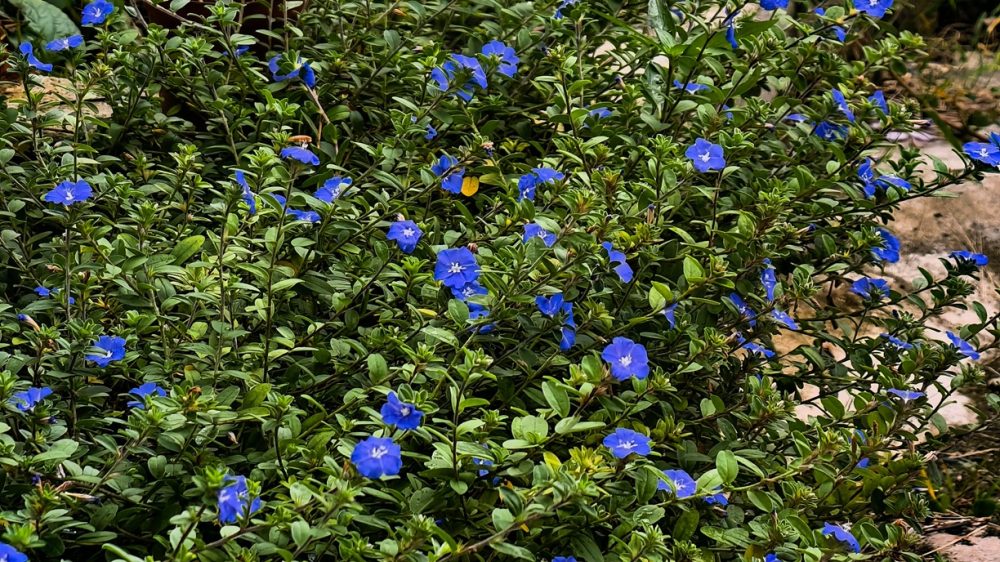
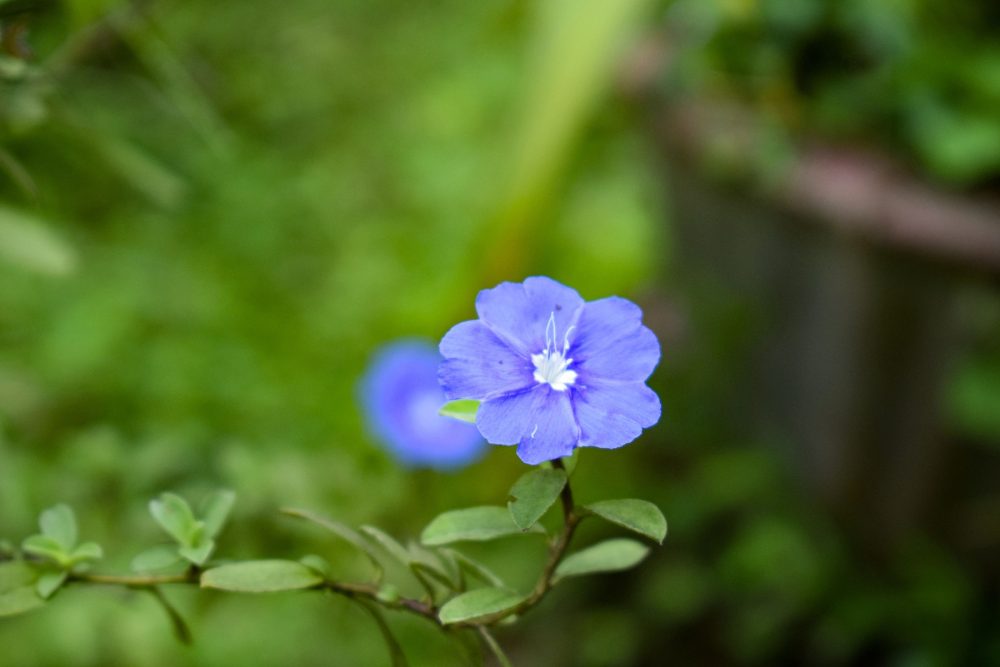
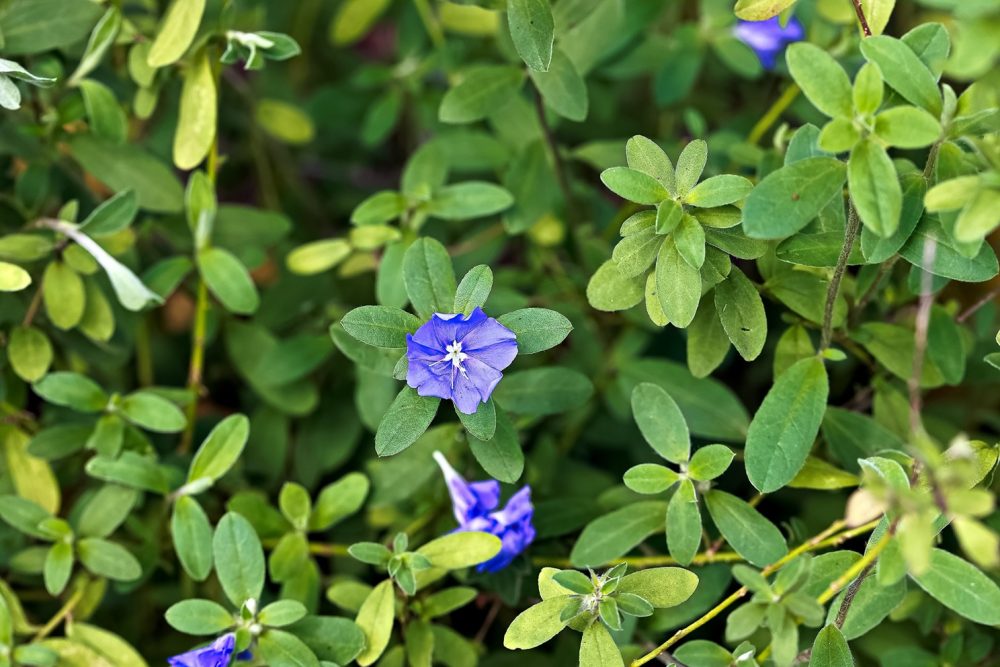
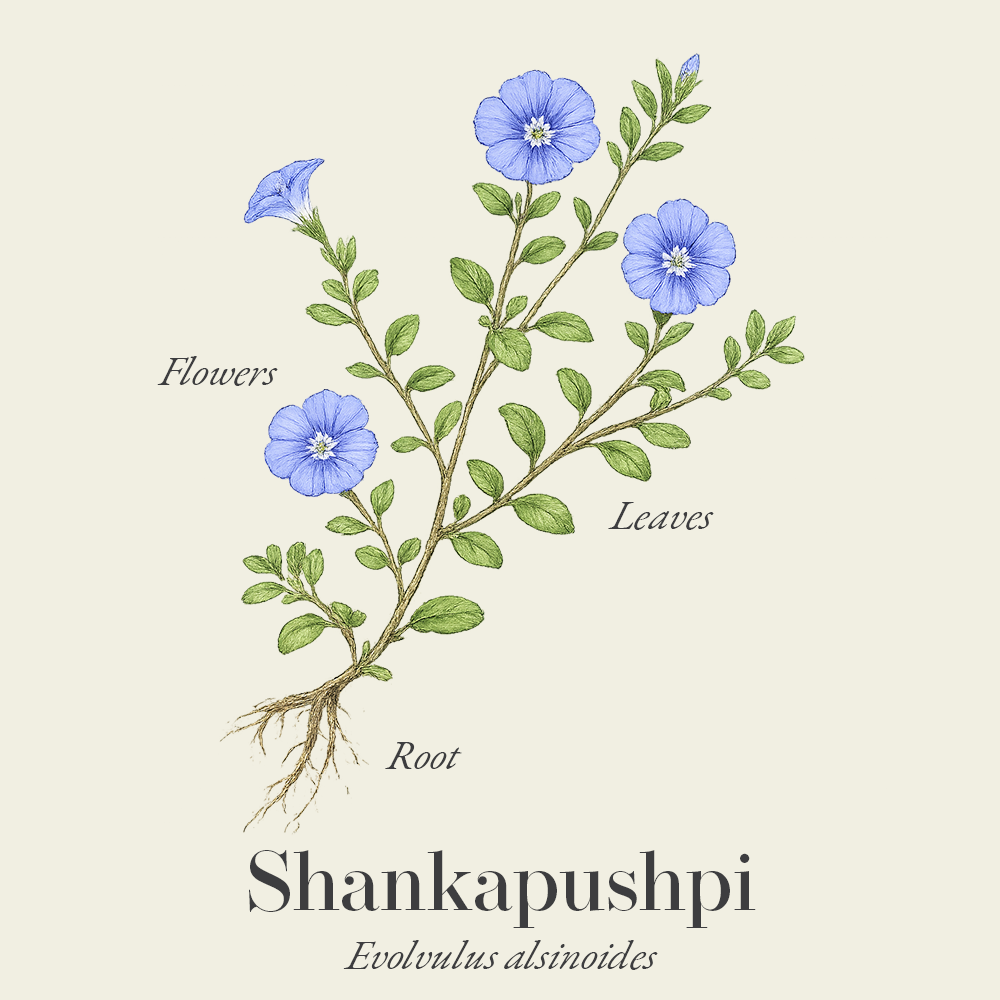
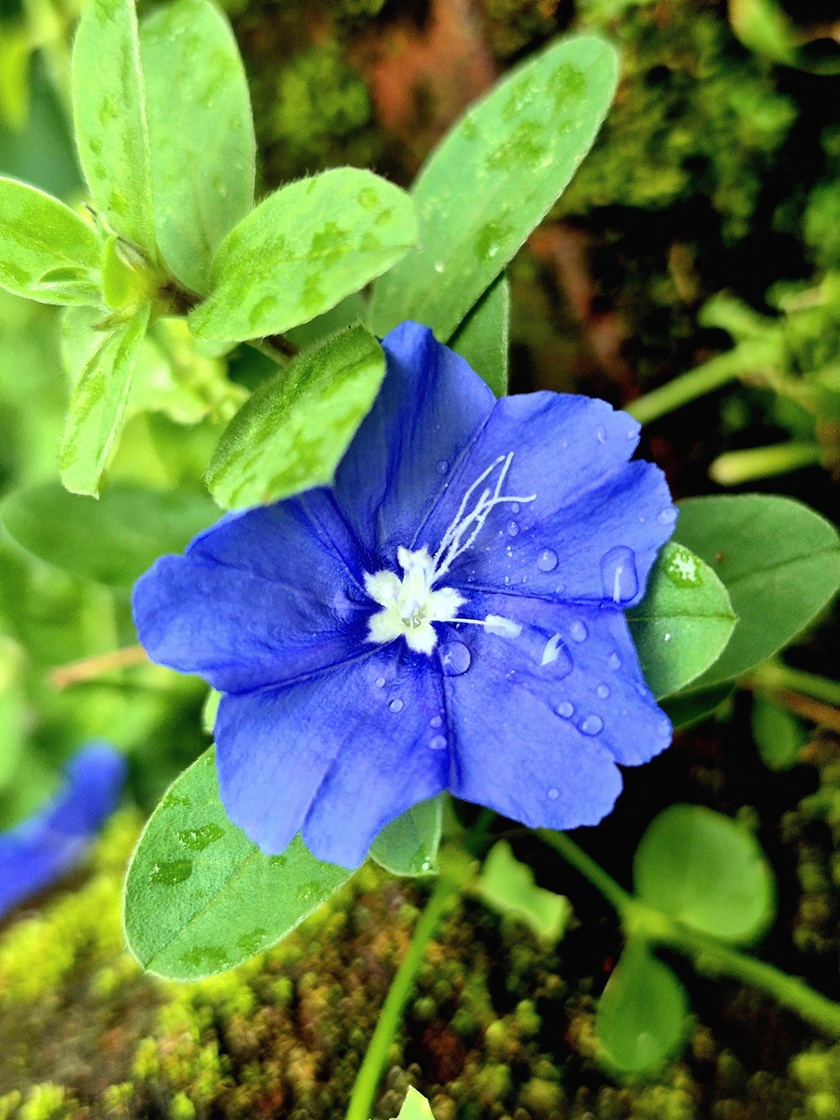
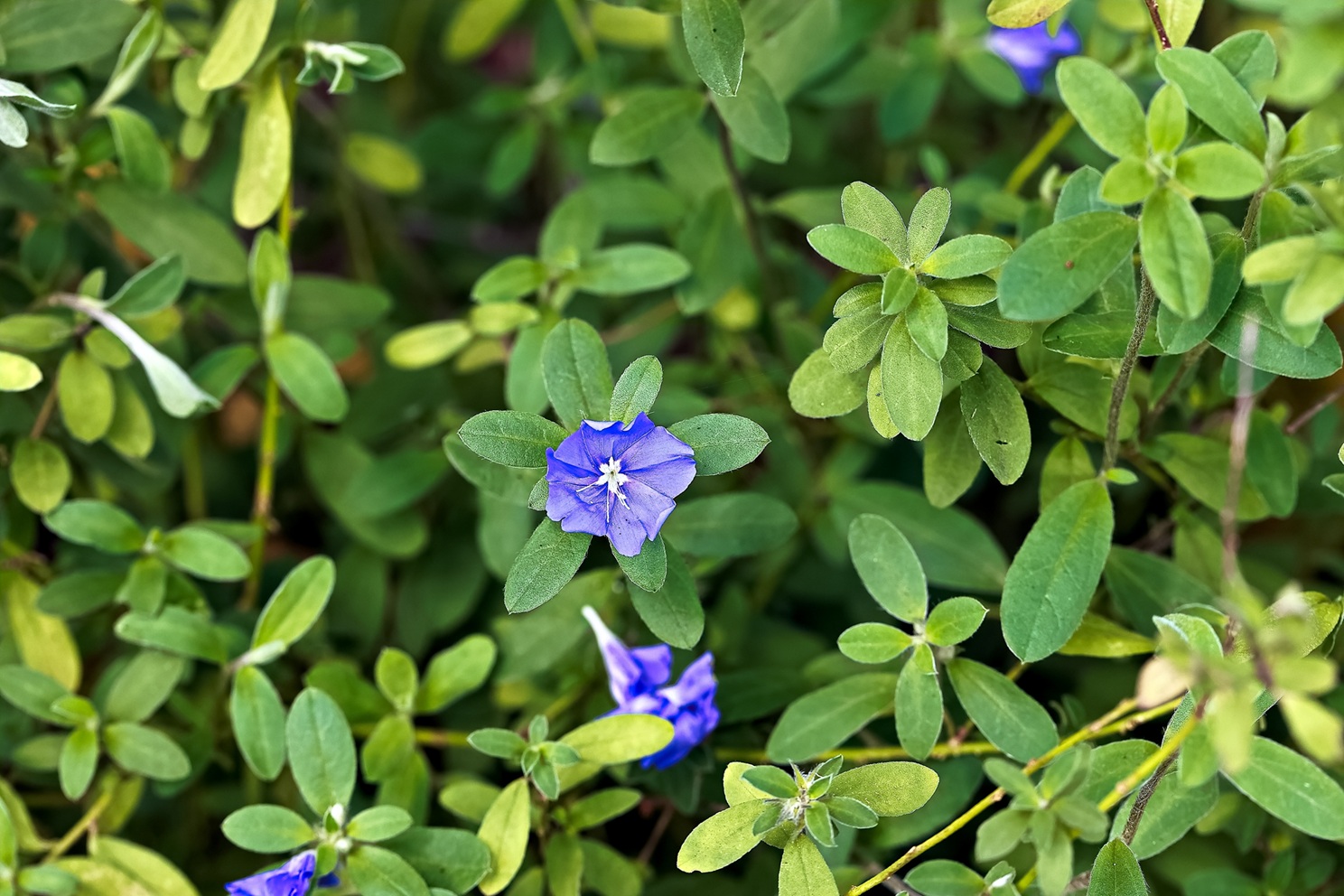
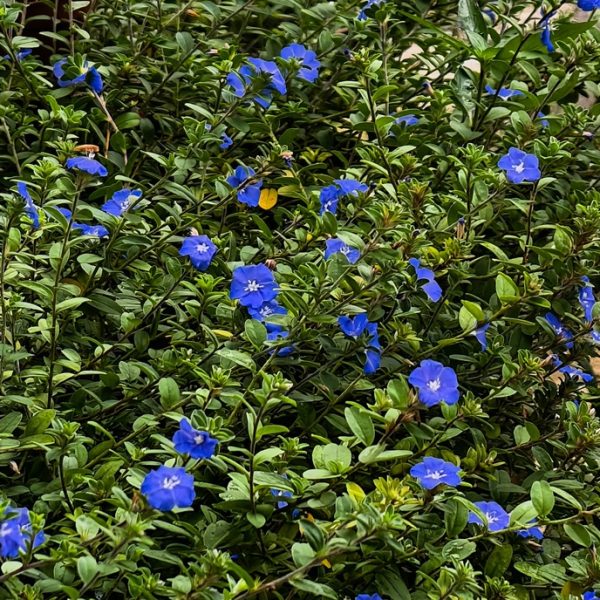
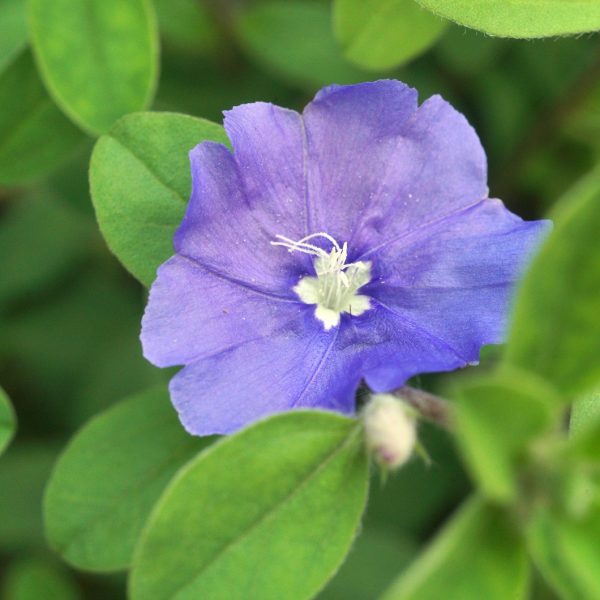
True E. alsinoides is a small, low-growing herb (20–40 cm) with hairy, oval leaves and bright blue or white, five-petalled funnel-shaped flowers that appear singly in the leaf axils, not in clusters. This solitary flowering pattern clearly distinguishes it from Convolvulus pluricaulis, which has larger, pink-tinged flowers and a different growth habit (16).
It is a perennial herb with numerous stems, prostrate or ascending, with slender spreading hairs. It can be found growing in woodlands, grasslands, savanna, edges of thickets, roadsides and sandy soils of cultivated land. It is found mostly in more or less open savannah and thorn veld. It can also occur as a weed in waste places and arable or pastoral land (17).
-
Common names
- Sankhini
- Aloe weed
- Bindweed
- Dwarf morning glory
-
Habitat
Evolvulus alsinoides is a low-growing, sun-loving plant that thrives in warm tropical to subtropical climates. Shankapushpi is primarily wild harvested for its medicinal uses. The native range of this species is tropics and subtropics. It is an annual or perennial and grows primarily in the subtropical biome. It is found as a small creeper growing all over wasteland in India (16).
-
How to grow shankapushpi
Shankapushpi performs best in full, direct sunlight and prefers moderate temperatures around 25°C, making it suitable for warm outdoor environments or containers in frost-free zones. It grows best in well-draining loamy soil, which should be kept slightly moist but never waterlogged. Good drainage is essential to prevent root rot, so sandy or loose soil mixes are ideal. Overall, it is a low-maintenance, hardy ground-cover plant that prefers sun, warmth and well-drained soil, with minimal but consistent care.
- Water the plant regularly, allowing the top layer of soil to dry slightly between watering sessions. It does not tolerate constant soggy conditions but also should not be left completely dry for long periods.
- A balanced fertiliser can be applied every 4–6 weeks during the growing season to support healthy growth and flowering.
- Propagation is simple and can be done using seeds or stem cuttings. Seeds should be sown in moist, well-draining soil, while cuttings root best in warm, bright conditions with consistent moisture.
- Light pruning helps maintain a compact, bushy shape and encourages denser growth, especially in spring or early summer.
-
Herbal preparation of shankapushpi
- Powder: Dried whole plant used internally
- Fresh juice: Used for stronger therapeutic effect
- Decoctions: Fresh or dried herb boiled in water until reduced
- Paste for external use: For skin issues
- Medicated ghee: Classical brain tonic preparation
- Syrups: Polyherbal formulations for memory and stress
- Polyherbal combinations with other nervines for CNS disorders (19)
-
Plant parts used
Whole aerial plant
-
Dosage
- Tincture (1:5 | 25%): 3–15 ml per day
- Dried preparation: 2–10 g per day dried (8)
-
Constituents
The constituents of Evolvulus alsinoides include (4):
- Steroids: β-sitosterol and glycoflavones
- Triterpenoids: Including triacotane and scopoletin
- Flavonoids: p-hydroxybenzoic and vanillic acids
- Alkaloids: Evolvine, shankapushpine
- Phenolic acids: Including protocatechuic and gentisic acids
- Tannins: Present in various extracts
- Antioxidants: Such as polyphenolics and triterpenes
These constituents contribute to the plant’s pharmacological properties, including neuroprotective, antioxidant and antimicrobial activities.
-
Shankapushpi recipe
Shankhapushpi churna with milk (Medhya Rasayana tonic)
A traditional Ayurvedic recipe for supporting memory, concentration, anxiety, insomnia and as achildren’s cognitive support.
Ingredients
- 1–2 tsp dried Evolvulus alsinoides whole plant powder
- 1 cup warm milk (or water)
- ½–1 tsp ghee or honey
How to make a Medhya Rasayana tonic
- Mix powder into warm milk
- Add ghee or honey
- Consume once or twice daily

-
Safety
The herb is generally considered safe at traditional doses but has not been evaluated for safety in pregnancy, lactation or paediatric populations in modern clinical trials (1).
A clinical Unani trial involving giving 3 g twice daily (6 g/day) for six weeks showed no major safety parameter changes in adults with stage-one hypertension (9).
A clinical study on the management of anxiety neurosis showed no notable adverse effects, sedation, or withdrawal symptoms (10).
-
Interactions
The best current evidence for interactions involving Evolvulus alsinoides is not a dedicated human interaction trial, but rather broader pharmacology reviews plus species-specific monographs that evaluate theoretical and preclinical interaction potential.
For example, this comprehensive species review summarises CNS, cardiovascular and metabolic effects and notes sedative, anxiolytic, and antihypertensive actions that may create interaction risks (1).
Caution is needed with sedative medications and other CNS depressants (e.g., alcohol, opiates, benzodiazepines, anaesthetics, tricyclic anti-depressants, anti-epileptics) (2).
-
Contraindications
Because shankapushpi demonstrates measurable blood-pressure-lowering effects in hypertensive adults, herbal safety reviews generally advise caution in people with naturally low blood pressure, those prone to dizziness/syncope and patients taking antihypertensive drugs (9).
Caution is advised with use in people with hypothyroidism due to its potential thyroid suppressive effects (2).
-
Sustainability status of shankapushpi
While Evolvulus alsinoides is not universally classified as critically endangered, unsustainable wild harvesting, habitat degradation, and commercial misidentification pose meaningful long-term ecological risks. It also shows poor seed viability, seasonal growth limitations, and destructive uprooting by traditional harvesters, all of which create conservation pressure and support the need for micropropagation and cultivation strategies (20). Cultivation, botanical standardisation, accurate species authentication and regulated sourcing are key to preserving both medicinal quality and environmental sustainability (21).
Read our article on Herbal quality and safety: What to know before you buy and Sustainable sourcing of herbs to learn more about what to look for and questions to ask suppliers about sustainability.
-
Quality control
Shankapushpi is traditionally collected from wild populations and increased commercial demand for cognitive and adaptogenic herbs may lead to adulteration and contamination, especially considering the extensive confusion around what is classed as ‘shankhapushpi’ which may refer to multiple species: Evolvulus alsinoides, Convolvulus pluricaulis, Clitoria ternatea and Canscora decussata. Research shows there is market adulteration, name confusion, substitution with spurious species and a need for microscopy, HPTLC, and phytochemical fingerprinting (4,22,).
-
References
- Singh A. Review of Ethnomedicinal Uses and Pharmacology of Evolvulus alsinoides Linn. OpenSIUC. Published 2026. Accessed June 12, 2026. https://opensiuc.lib.siu.edu/ebl/vol2008/iss1/100
- Mcintyre A, Boudin M. Dispensing with Tradition : A Practitioner’s Guide to Using Indian and Western Herbs the Ayurvedic Way. Anne Mcintyre And Michelle Boudin; 2012.
- Sethiya NK, Nahata A, Singh PK, Mishra SH. Neuropharmacological evaluation on four traditional herbs used as nervine tonic and commonly available as Shankhpushpi in India. Journal of Ayurveda and Integrative Medicine. 2019;10(1):25-31. https://doi.org/10.1016/j.jaim.2017.08.012
- Paul R, Balasubramanian A, Ramalingam K. Review on Evolvulus Alsinoides and a Brief Outlook into the Neuroprotective Activity of Convolvulaceae Plants.; 2021. https://www.botanyjournals.com/assets/archives/2021/vol6issue6/6-6-71-835.pdf
- Mehla J, Pahuja M, Dethe SM, Agarwal A, Gupta YK. Amelioration of intracerebroventricular streptozotocin induced cognitive impairment by Evolvulus alsinoides in rats: In vitro and in vivo evidence. Neurochemistry International. 2012;61(7):1052-1064. https://doi.org/10.1016/j.neuint.2012.07.022
- Vishṇū Mahādeva Gogaṭe. Ayurvedic Pharmacology & Therapeutic Uses of Medicinal Plants : Dravyagunavignyan. Chaukhambha Publications; 2012.
- Charak Samhita. Rasayana Chikitsa Adhyaya. Charak Samhita. Published February 23, 2024. Accessed November 18, 2025. https://www.carakasamhitaonline.com/index.php/Rasayana_Adhyaya
- Pole S. Ayurvedic Medicine : The Principles of Traditional Practice. Singing Dragon; 2013.
- Khan, Khan QA, Parveen AA, Shagufta. Safety Evaluation of Sankhaholi (Evolvulus alsinoides Linn.) in the Management of Essential Hypertension: A Randomized Standard Control Trial. CellMed. 2019;9(4):6.1-6.4. https://doi.org/10.5667/tang.2019.0021
- Shamsi Y, Ahmad J, Khan A. A clinical study on the management of anxiety neurosis with Sankhaholi. Indian Journal of Traditional Knowledge. 2007;6(4):668-677. Accessed June 12, 2026. https://nopr.niscpr.res.in/bitstream/123456789/1022/1/IJTK%206(4)%20(2007)%20668-677.pdf
- Naikawadi VB, Laxman Ahire M, Lahiri A, Nikam TD. In vitro propagation and cell cultures of memory tonic herb Evolvulus alsinoides: a best source for elicited production of scopoletin. Applied Microbiology and Biotechnology. 2015;100(8):3463-3476. https://doi.org/10.1007/s00253-015-7153-5
- Yadav MK, Singh SK, Singh M, et al. Neuroprotective Activity of Evolvulus alsinoides & Centella asiatica Ethanolic Extracts in Scopolamine-Induced Amnesia in Swiss Albino Mice. Open Access Macedonian Journal of Medical Sciences. 2019;7(7):1059-1066. https://doi.org/10.3889/oamjms.2019.247
- Nahata A, Patil UK, Dixit VK. Effect of Evolvulus alsinoides Linn. on learning behavior and memory enhancement activity in rodents. Phytotherapy Research. 2009;24(4):486-493. https://doi.org/10.1002/ptr.2932
- Elaheebocus N, Mahomoodally MF. Ayurvedic medicine in Mauritius: Profile of Ayurvedic outlet, use, sale, distribution, regulation and importation. Journal of Ethnopharmacology. 2017;197:195-210. https://doi.org/10.1016/j.jep.2016.07.031
- Chunekar K, Pandey G. Bhavamishra (C. 16th Century) Bhavaprakasa Nighaṇṭu.; 2010.
- Government of India, Ministry of Health and Family Welfare. The Ayurvedic Formulary of India, Parts I–II. New Delhi: Department of AYUSH; 2016.
- Royal Botanical Gardens Kew. Evolvulus alsinoides (L.) L. | Plants of the World Online | Kew Science. Plants of the World Online. Published 2018. Accessed June 12, 2026. https://powo.science.kew.org/taxon/267957-1
- World Flora Online. Evolvulus alsinoides (L.) L. Published 2026. https://worldfloraonline.org/taxon/wfo-0001296659
- Ahmad A, Kalam MA, Hussain Z. SANKHAHOLI (EVOLVULUS ALSINOIDES LINN): A VALUABLE HERB OF UNANI MEDICINE. Journal of Biological & Scientific Opinion. 2022;10(4):45-48. https://doi.org/10.7897/2321-6328.104159
- Awere CO, Anadebe VC, Kasinathan R, Muthuramalingam P, Manikandan R. State of the art progress of Evolvulus alsinoides in pharmacological activity and plant tissue culture: A potent Chinese medicinal plant. Pharmacological Research – Modern Chinese Medicine. 2025;14:100586. https://doi.org/10.1016/j.prmcm.2025.100586
- Shidhi PR, Nadiya F, Biju VC, et al. Complete chloroplast genome of the medicinal plant Evolvulus alsinoides: comparative analysis, identification of mutational hotspots and evolutionary dynamics with species of Solanales. Physiology and Molecular Biology of Plants. 2021;27(8):1867-1884. https://doi.org/10.1007/s12298-021-01051-w
- Iyer D, Mishra S, Soni ML, Mulachandini M, Siddhiqui N. Pharmacognostical and Phytochemical Investigation on Aerial Parts of Evolvulus alsinoides L.: An Ayurvedic Herb. Journal of Ayurveda and Holistic Medicine (JAHM). 2023;11(1). doi:https://doi.org/10.70066/jahm.v11i1.627

Meet our herbal experts
Our monographs are written by our monograph authors and edited, reviewed and updated by Herbal Reality.
Meet our Herbal Reality team or explore our Herbal Reality authors.