













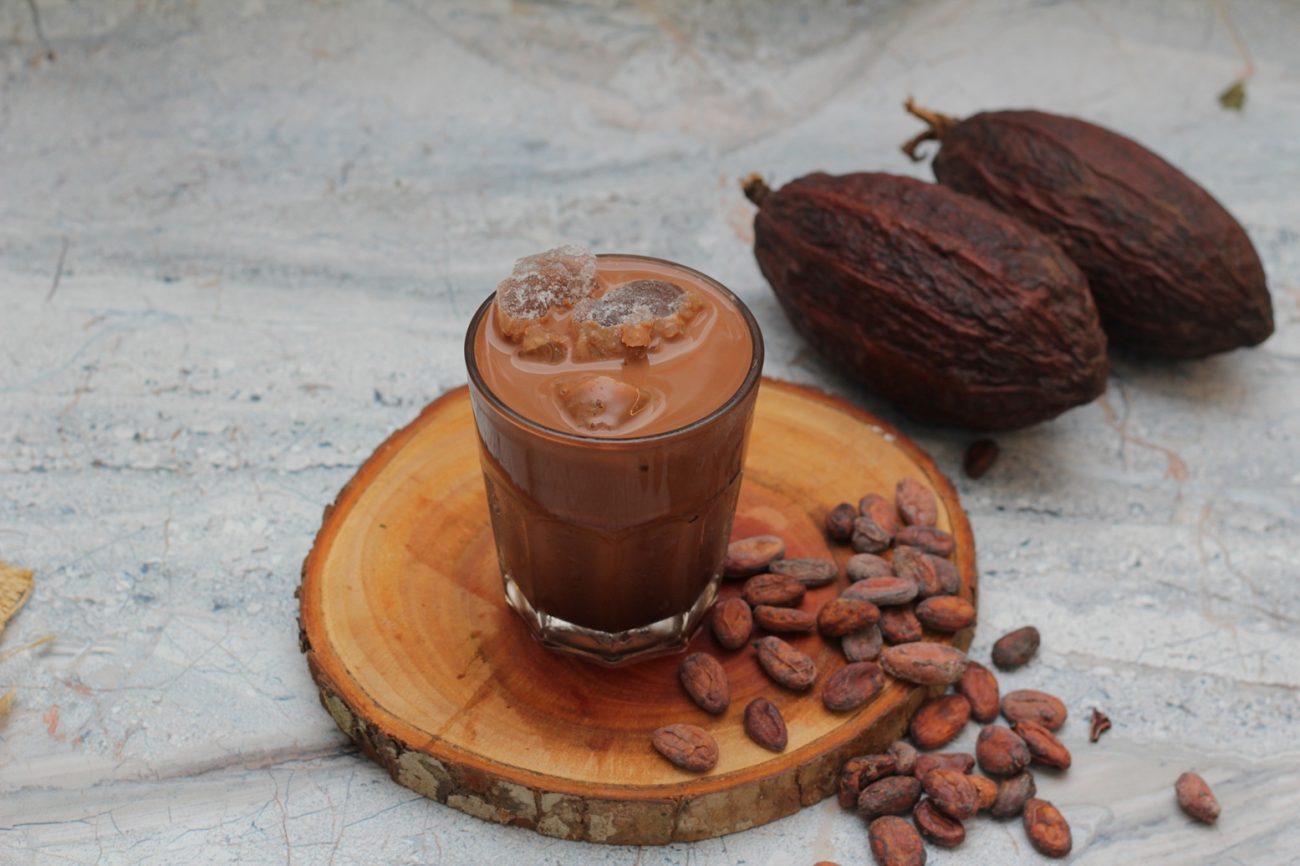
Inspired by the herbal traditions of South America, this refreshing tonic combines cacao, citrus, ginger and yerba mate to create a vibrant and energising drink.
10 mins prep time | 10 mins cooking time | 4 servings | Beginner | Vegetarian
This recipe is inspired by the rich cultural heritage of South American traditions, whose herbal practice is rooted in a profound relationship with nature and locally grown herbs.
This tonic offers a revitalising and energising drink which can be consumed to support alertness, endurance or as a social livener.
Yerba mate (Ilex paraguriensis) is a culturally significant plant around most of South and Central America, with its first origins amongst the Guaraní people followed by the Paraguayan Mestizo people before being adopted by European settlers (1). Yerba mate carries significance as a marker of community, sharing, identity and belonging. The drink is consumed via drinking from a shared vessel, supporting community and open communication (2).
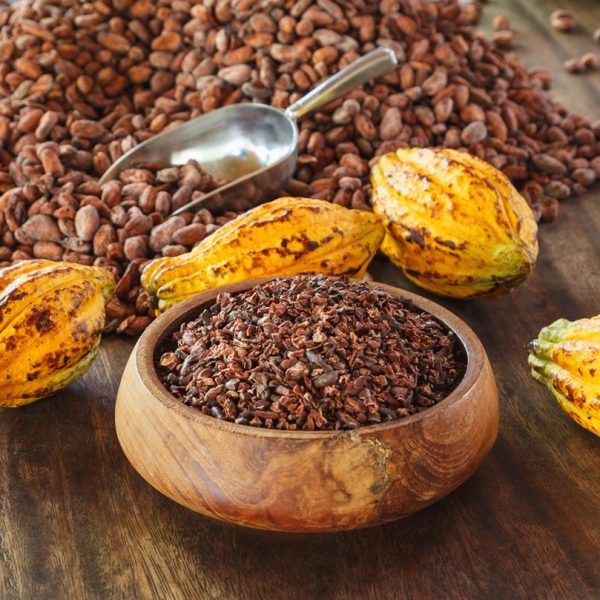
The addition of cacao (Theobroma cacao) adds to the stimulating and euphoric effects of the tonic, whilst also offering antioxidant benefits. This tonic can be served over ice, and adjusted depending on the desired effects and availability of ingredients.
Ingredients
- 750 ml filtered water
- 2 tbsp cacao husks
- 1 tbsp dried yerba mate
- 1–2 cm fresh ginger
- 1 tbsp dried orange peel
- 2–3 tsp raw honey
- Sparkling water
- Ice
How to make an energising herbal tonic
- Bring 500 ml of the filtered water to a gentle simmer.
- Add the cacao husks, ginger and orange peel to the water.
- Simmer gently for 8–10 minutes.
- Meanwhile, heat the remaining 250 ml of water to 80°C (not boiling).
- Add the yerba mate and infuse for 4–5 minutes, then strain.
- Combine the two infusions and stir in the honey whilst the mixture is still warm to allow for it to dissolve.
- Allow to cool completely.
- Serve over ice and top up with sparkling water.
Medicinal benefits of the herbs in this tonic
- Yerba mate: Containing caffeine, this stimulating herb also has analgesic, thymoleptic and can help improve cognitive function and concentration (3,4). Alongside this, it has been shown to improve cardiometabolic markers and aids in weight loss and blood glucose regulation (5).
- Ginger: A warming, pungent and stimulating herb, ginger has powerful anti-inflammatory and antimicrobial actions as well as supporting absorption, digestive function and circulation (6).
- Cacao husks: Often considered a by product of cacao, the husks of the bean still retain many of the bioactive compounds present in the bean including theobromine, caffeine, flavanols and procyanidins making them rich in antioxidants and providing a similar stimulant effect (7).
How to store the tonic
Allow the mixture to cool completely before transferring it to a sterilised glass bottle or jar. It will keep in the fridge for up to three days.
What are potential substitutes or additional ingredients?
References
- Kujawska M. Yerba mate (Ilex paraguariensis) beverage: nutraceutical ingredient or conveyor for the intake of medicinal plants? Evidence from Paraguayan folk medicine. Evid Based Complement Alternat Med. 2018;2018:6849317. https://doi.org/10.1155/2018/6849317
- Pite RE. Sharing Yerba Mate. Published online 2023. https://doi.org/10.1353/book.114427
- Gilbert A, Gatto E, Chocobar N, et al. Can yerba mate reduce the risk of cognitive impairment? A pilot study. Alzheimers Dement. 2025;21(S6). https://doi.org/10.1002/alz70860_100582
- Alkhatib A, Atcheson R. Yerba maté (Ilex paraguariensis) metabolic, satiety, and mood state effects at rest and during prolonged exercise. Nutrients. 2017;9(8):882. https://doi.org/10.3390/nu9080882
- José MFB, Machado RP, Araujo PAB, Speretta GF. Physiological effects of yerba maté (Ilex paraguariensis): a systematic review. Nutr Rev. 2023;81(9):1163-1179. https://doi.org/10.1093/nutrit/nuac109
- McIntyre A. The Complete Herbal Tutor: The Ideal Companion for Study and Practice. Gaia; 2010.
- Rojo-Poveda O, Barbosa-Pereira L, Zeppa G, Stévigny C. Cocoa bean shell: a by-product with nutritional properties and biofunctional potential. Nutrients. 2020;12(4):1123. https://doi.org/10.3390/nu12041123