












Isolating phytochemicals such as curcumin and berberine raises questions about whether reductionist extraction improves or undermines a plant’s therapeutic complexity and safety.
Traditional herbalism meets the commercial world of dietary supplements
In herbalism, the traditionally used plant part is extracted into a tea or tincture, or simply powdered and encapsulated. As greater understanding of the most important phytochemicals in a plant has been gained, there has been a move to standardise herbal extractions for these identified compounds.
Pharmacopoeias often highlight the minimum content of a specific phytochemical as a marker of quality. Sometimes these are the key bioactive, but other times they are simply a good way to specifically identify a plant.
At the extreme end of this standardising optimisation is the administration of single compounds from a herb. Some examples of this are the use of curcumin instead of turmeric (Curcuma longa), berberine instead of goldenseal (Hydrastis canadensis) or barberry (Berberis vulgaris), resveratrol instead of Japanese knotweed (Reynoutria japonica), and recently xanthohumol instead of hops (Humulus lupulus).
Does isolating the active compound improve on the whole herb, or does it sacrifice something that the plant’s complexity was providing?
The roots of phytochemical isolation in modern medicine

There is a strong history of isolating and optimising in modern medicine. The first example of the isolation of an active component from a plant medicine was the discovery of morphine from opium in 1804, followed by quinine from cinchona bark in 1820 and salicin from willow (Salix alba) bark in 1838 (1). Between 1981 and 2002, of the 877 organic compounds launched as drugs, 61% were either natural products, derivatives or mimics of natural products (2).
The most potent and specific compounds that could be isolated from plants were identified and turned into the drugs that modern medicine relies on. This mining of the plant world has continued alongside herbalism; with herbalists preferring the complex mixtures that are naturally found in a plant.
But the compounds now driving the supplement boom, such as curcumin, berberine and resveratrol, don’t fit this profile. They are broad, multi-target molecules rather than sharp single-target ones, which is precisely what makes isolating them a different proposition.
As researchers aim to understand how and why a plant medicine is effective, there is a natural tendency to try to identify the most active molecules. Once a promising phytochemical has been highlighted, the growing supplement industry aims to optimise how we can benefit from it, or simply how one product can be marketed as more superior to another. The case studies of turmeric/curcumin and berberine-containing plants barberry and goldenseal illustrate this drive for efficacy and the resulting tensions well.
Turmeric vs curcumin

The use of curcumin and turmeric supplements is widespread. In peer-reviewed literature, curcumin is generally referred to as the main active polyphenol in turmeric. However, the term curcumin often refers to three similar curcuminoid molecules; diferuloylmethane, desmethoxycurcumin and bisdesmethoxycurcumin (3).
In addition to curcumin, turmeric contains hundreds of other phytochemicals, including many other diarylheptanoid curcuminoids, sesquiterpene ketones in the essential oil and flavonoids (3). Both turmeric and curcumin are generally used for their anti-inflammatory properties. Turmeric has been more traditionally used for supporting digestion and the liver.
But, it is now used for any situation where reducing inflammation may be beneficial, such as inflammatory joint issues or bowel disease (1,3). Modern research has focused on the use of curcumin for supporting metabolic health, where reducing inflammation and supporting the liver are crucial actions (1,3).
Barberry or goldenseal vs berberine
Berberine has been rapidly increasing in popularity as a supplement, partly fuelled by published evidence of its use to support metabolic health, including type 2 diabetes and reducing cardiovascular disease risk (4,5). The global significance of these health issues and the cost of GLP-1 analogues like Ozempic and Mounjaro, which are commonly used to treat obesity and type 2 diabetes, means that use of lower-cost supplements that may have similar benefits like berberine is likely to continue.
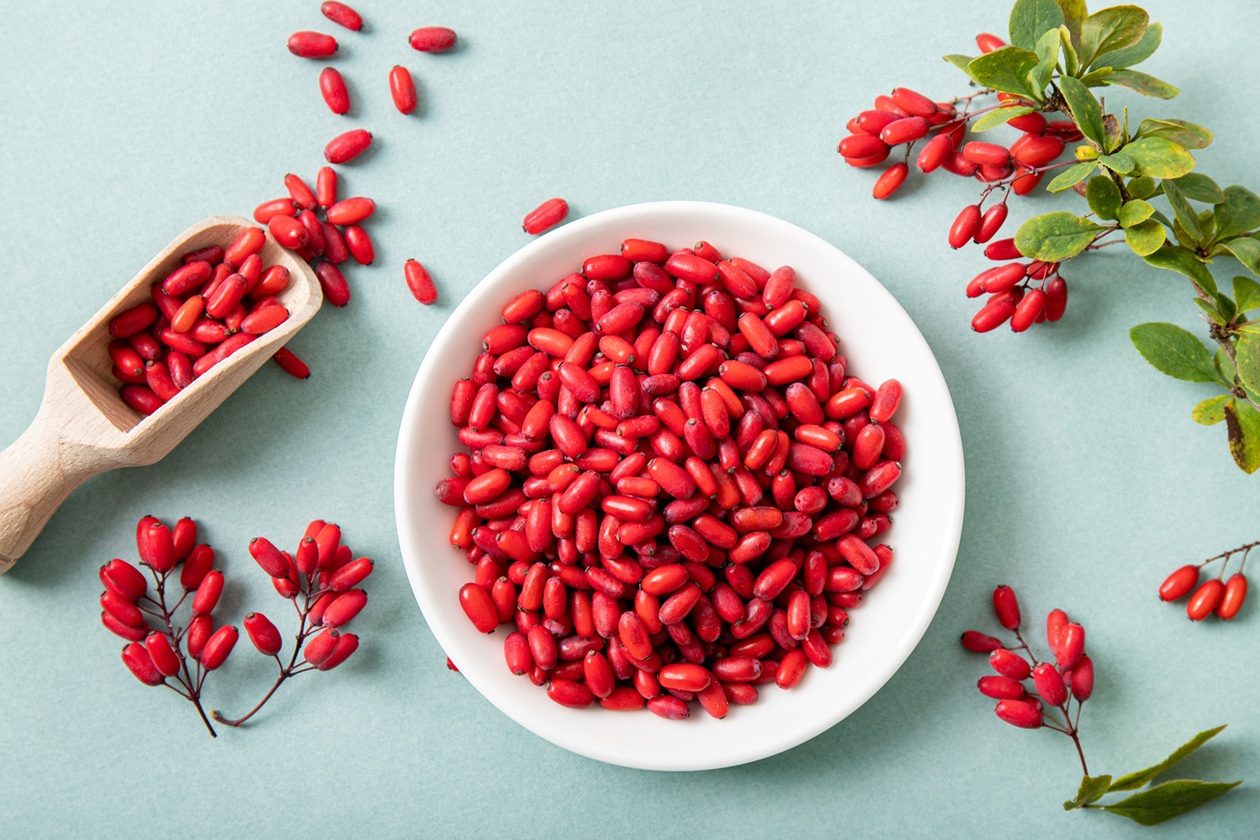
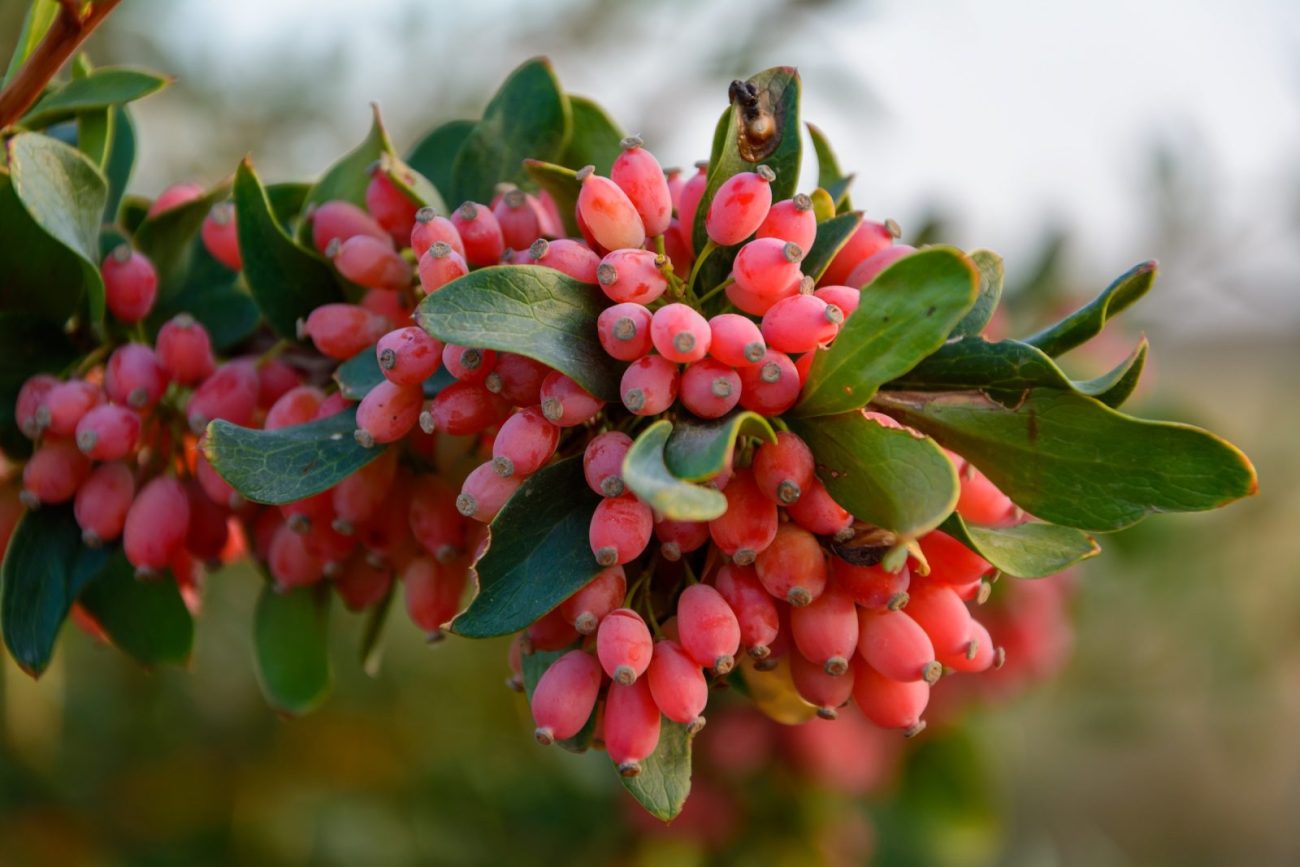
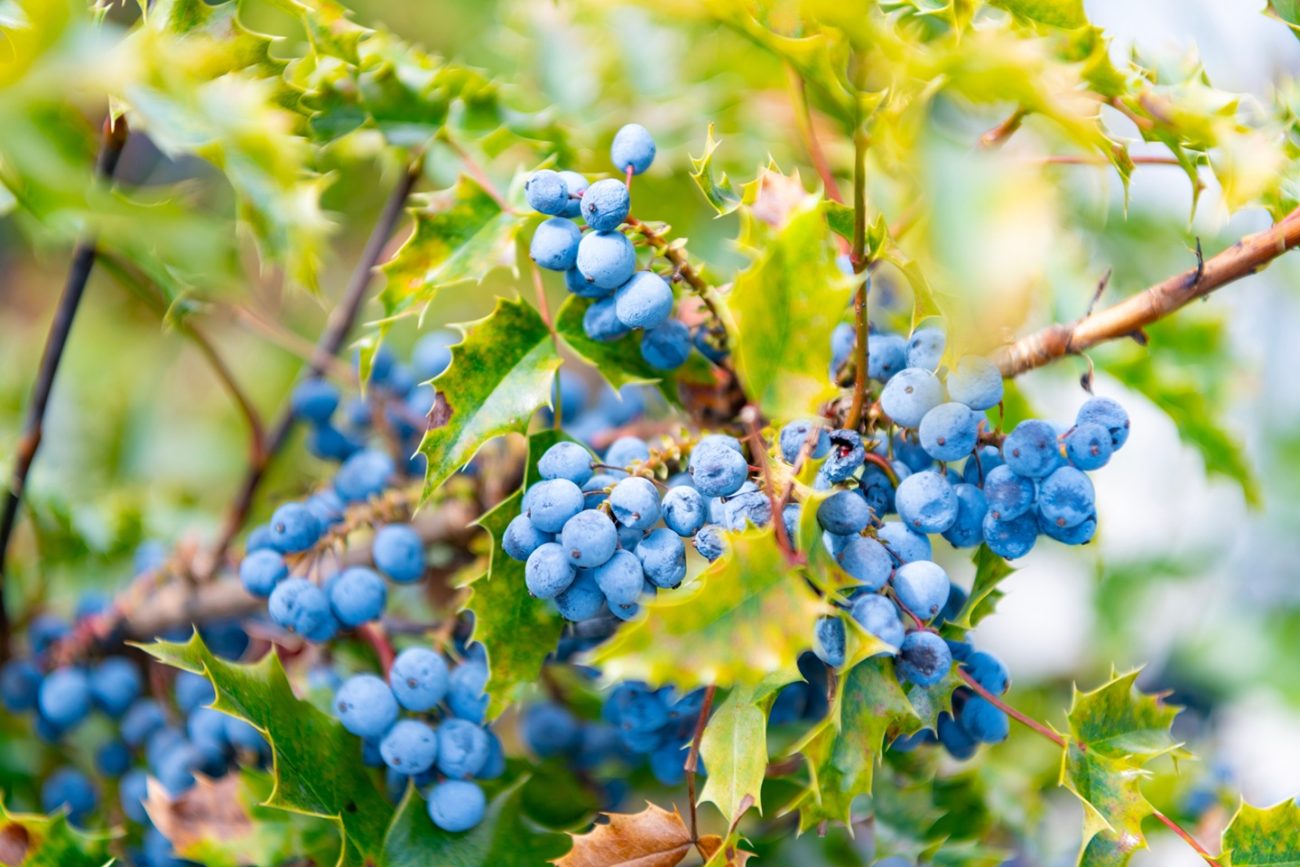
Berberine is found in Oregon grape (Berberis aquifolium), goldenseal and barberry. Oregon grape is traditionally used to reduce inflammation, support skin health via increasing the elimination of toxins via the liver, and treat infections and parasites (1,6). Barberry (Berberis vulgaris) and goldenseal (Hydrastis canadensis) have both been used to control gastrointestinal infections and improve the flow of bile, while goldenseal is often used to restore the integrity of mucous membranes in the respiratory tract and digestive system and for anti-infective properties (1,6).
There is clinical evidence for barberry in treating metabolic disorders, but the majority of that evidence uses barberry fruit (7), rather than the root bark or bark that is traditionally used in Western herbal practice. This explains why these traditional uses are remarkably different to how berberine is being researched, marketed and used commercially as a single phytochemical.
Both fruit and roots/bark contain berberine (with the root bark containing the highest alkaloid content), but the fruit is also used for food and is the main plant part used medicinally in countries like Iran (8).
Factors uniting these popular phytochemicals
What is it about these specific phytochemicals that they attract so much attention? Curcumin, berberine and resveratrol have some commonalities; they are all anti-inflammatory molecules that interact with the nuclear factor (NF)κB pathway. This is a gene regulator that controls genes such as inflammatory cyclooxygenase (COX)-1, and many other pathways (1). These phytochemicals have all been researched for anti-inflammatory and tumour suppressing effects and have multiple targets in the body that are involved in chronic disease (9).
The complexity of chronic disease is better treated with a multi-target approach, which is why herbal medicine is so often a good option. It is ironic that the non-specificity of these molecules is what makes them promising for research by a biomedical system that has traditionally valued a simpler magic-bullet for a single target approach to disease.
Synergy
In herbalism, the complexity of plant extracts is considered to be an advantage due to synergy. This can be defined as when a combination of substances has an effect that is greater than would be expected by the sum of their individual contributions.
Another factor that curcumin, berberine and resveratrol all have in common is their poor bioavailability (9). Supplement companies and researchers have worked hard to produce formulations with nano and micro technology to enhance absorption of these active molecules into the blood (10). One of the strategies used to increase bioavailability of curcumin is to add back the essential oils from turmeric, as these have been found to increase absorption of curcumin (3,10).
While clinical evidence suggests that high-dose curcumin extracts may be more effective than turmeric for improving metabolic health, it is less clear whether they are also an advantage for reducing inflammation and pain, and there is stronger evidence for the immunomodulatory benefits of turmeric than curcumin (3,11).
In addition to the synergy that has been seen between the phytochemicals in turmeric, synergy has been demonstrated between the different alkaloids in barberry (12) and the phytochemicals in goldenseal (13). While berberine is the most prevalent and well-researched alkaloid in barberry, palmatine, berbamine and obamegine are some of the others that have been identified.
Combinations of these alkaloids have demonstrated greater efficacy in inhibiting the enzyme acetylcholinesterase (which increase levels of acetylcholine and may contribute to improving cognition), and in inducing apoptosis of carcinoma cells. They also have overlapping potential to target signalling pathways associated with neurotransmitters, inflammation, blood glucose control and gastrointestinal function (12). Flavonoids in goldenseal have been found to enhance the antimicrobial activity of berberine, despite having no inherent activity alone (13).
Safety
An additional benefit of synergy is the potential of some phytochemicals within a herb protecting against the toxicity of others, whether via supporting the liver or preventing the absorption of another compound (14). With centuries of use, plants like turmeric and barberry generally have a good safety profile.
However, taking these isolated compounds in higher doses has the potential to increase toxicity. There have been case reports of toxicity from curcumin supplements, and berberine may interfere with metabolism of other drugs and herbs via impacting P-glycoprotein and cytochrome P450 enzymes (1).
Conclusion
In some instances, the isolation of an active compound can help to produce a stronger and more specific effect. But there are many reasons why a non-specific approach using whole herb extracts may be a more effective and safer option. Current evidence favours using isolated compounds for narrow, mechanistic endpoints, like reducing a specific metabolic marker, but favours whole-herb complexity for broad multi-system effects in chronic health problems. Taking into account the additional safety risks that come from using high-dose, concentrated phytochemicals is important when making decisions about what to use.
This very drug-like way of using herbs may go some way to reassure people who believe that stronger is always better, but it moves further away from the roots of herbal medicine and the impact on efficacy and safety remains unclear. As we understand more about the systemic impact of modulating the microbiome and supporting gut health more generally, the need for an active molecule to be absorbed into the bloodstream becomes less obvious. Research can be used to identify in which situations a whole plant approach is better and when an isolated compound may be beneficial.
References
- Heinrich M, Barnes J, Prieto-Garcia JM, Gibbons S, Williamson EM. Fundamentals of Pharmacognosy and Phytotherapy. 4th ed. Elsevier; 2024.
- Ghisalberti EL. Detection and isolation of bioactive natural products. In: Colegate SM, Molyneux RJ, eds. Bioactive Natural Products: Detection, Isolation, and Structural Determination. 2nd ed. CRC Press; 2007.
- Rolfe V, Mackonochie M, Mills S, MacLennan E. Turmeric/curcumin and health outcomes: a meta-review of systematic reviews. Eur J Integr Med. 2020;40:101252.
- Elahi Vahed I, Shahir-Roudi E, Nojumi S, et al. The effect of berberine on obesity indices: a systematic review and meta-analysis. Int J Obes (Lond). 2026;50(1):53-73. https://doi.org/10.1038/s41366-025-01943-x
- Miao R, Zhang B, Zhou D, et al. Clinical efficacy of curcumin, resveratrol, silymarin, and berberine on cardio-metabolic risk factors among patients with type 2 diabetes mellitus: a systemic review and Bayesian network meta-analysis. Phytother Res. 2025;39(12):5617-5633.
- Mills S, Bone K. Principles and Practice of Phytotherapy: Modern Herbal Medicine. Churchill Livingstone; 2000.
- Usama M, Akhtar S, Qamar M, et al. Barberry (Berberis vulgaris): exploring its nutritional composition, bioactive components, and health benefits for humans. J Agric Food Res. 2025;24:102484.
- Rahimi-Madiseh M, Lorigoini Z, Zamani-Gharaghoshi H, Rafieian-Kopaei M. Berberis vulgaris: specifications and traditional uses. Iran J Basic Med Sci. 2017;20(5):569-587.
- Modak K, Dey A, Bharti KK, Dutta PP, Gangwar M. Plant-derived molecules as multitarget modulators of NF-κB, PI3K/Akt, MAPK, and AMPK/mTOR signaling in chronic diseases. Biochem Biophys Res Commun. 2026;828:154097.
- Stohs SJ, Chen O, Ray SD, Ji J, Bucci LR, Preuss HG. Highly bioavailable forms of curcumin and promising avenues for curcumin-based research and application: a review. Molecules. 2020;25(6):1397.
- Memarzia A, Khazdair MR, Behrouz S, et al. Experimental and clinical reports on anti-inflammatory, antioxidant, and immunomodulatory effects of Curcuma longa and curcumin, an updated and comprehensive review. Biofactors. 2021;47(3):311-350.
- Chukwuneme CF, Gildenhuys S. Systems analysis of Berberis vulgaris alkaloids unveils their functional synergy and drug-like potential. Comput Biol Chem. 2026;120(Pt 2):108698.
- Junio HA, Sy-Cordero AA, Ettefagh KA, et al. Synergy-directed fractionation of botanical medicines: a case study with goldenseal (Hydrastis canadensis). J Nat Prod. 2011;74(7):1621-1629.
- Ganora L. Herbal Constituents: Foundations of Phytochemistry. 2nd ed. HerbalChem Press; 2021.