











Last reviewed 07/11/2026
Sustainability status
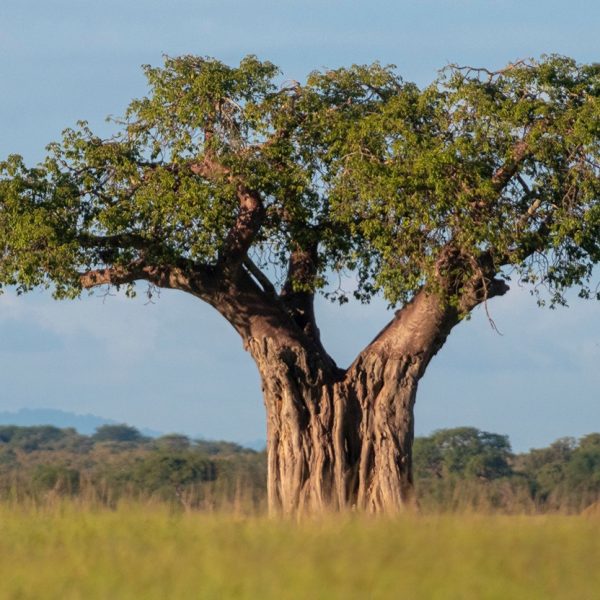
Critically endangered in the wild. Listed on CITES or National Red Lists. Read more in our sustainability guide.

Not suitable for children
Some herbs are not suitable for paediatric populations due to developmental differences in pharmacokinetics and pharmacodynamics. Gastric pH, intestinal permeability, hepatic enzyme activity and renal clearance mature progressively throughout childhood, influencing absorption, metabolism and elimination of herbal medicines. These factors may alter bioavailability and half-life, increasing the risk of accumulation or adverse effects if adult dosing is applied.
Young’s formula and Clark’s rule are used by medical herbalists to adjust herbal prescriptions for children, according to age and weight, to ensure safe dosing. However, despite dosage adjustments, some herbs (those included in this category) should not be used until adulthood.
Please read the Safety section in this monograph.

Contraindications
A contraindication refers to a situation in which a herb should be avoided as it may exacerbate a medical condition or pose undue risk. Contraindications may arise through pharmacodynamic mechanisms (e.g., liquorice in uncontrolled hypertension or uterine stimulants during pregnancy) or pharmacokinetic effects that alter metabolism, absorption or elimination (e.g., tannin-rich herbs in iron-deficient anaemia).
In some cases, herbal actions may aggravate underlying pathologies (e.g., the use of bitter herbs in GERD). Recognition of contraindications requires thorough assessment of patient history, co-morbidities and medications. Consultation with a qualified medical herbalist will provide guidance to ensure safe and appropriate prescribing.
Please read the Contraindications section in this monograph.

Toxicity concern
Herbal toxicity concerns extend beyond intrinsically potent herbs with narrow therapeutic windows. While some species pose dose-dependent risks due to powerful bioactive constituents and a limited margin between therapeutic and toxic doses, toxicity may also arise from pharmacokinetic or pharmacodynamic interactions, cumulative exposure, or patient-specific vulnerability (e.g., hepatic or renal impairment).
Supply-chain factors also represent a significant source of risk, including misidentification of species, adulteration, contamination with heavy metals or pesticides, and variable constituent standardisation. Factors such as these may result in unpredictable pharmacological effects or organ toxicity independent of intended therapeutic action.
Careful sourcing, quality assurance, individualised assessment, and practitioner supervision are therefore essential to ensure safe use of these herbs.
Please read the Sustainability and Quality sections in this monograph.
-
Herb overview
Safety
Large doses not recommended due to cyanogenic glycosides
Sustainability
Appendix II of CITES endangered species
Key constituents
Phenols
Triterpenes
Phytosterols
Fatty acidsQuality
Sub-Saharan Africa and Madagascar Ethiopia, Uganda, Kenya, Tanzania, Zambia, Malawi, Mozambique, South Africa, Cameroon, Nigeria, Sao Tome, Angola; Wild harvested-especially in Kenya; Contamination risks
Key actions
Antimicrobial
Antimutagenic
Antiandrogenic
AntiproliferativeKey indications
Malaria
Benign prostatic hyperplasia
Fevers
Urinary diseasesKey energetics summary
Bitter
Pungent
Cooling
AstringentSee below for discipline-specific energeticsPreperation and dosage
Bark and leaves
25–50 mg/dose; 100 mg/day
Tinctures, decoctions, infusions
-
How does it feel?
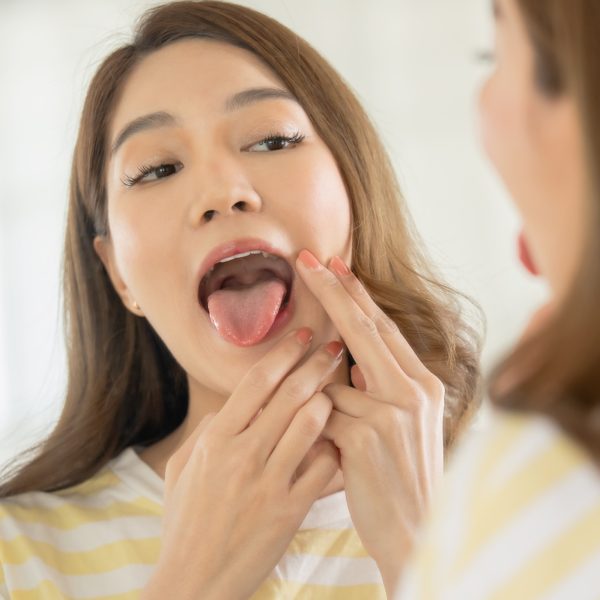
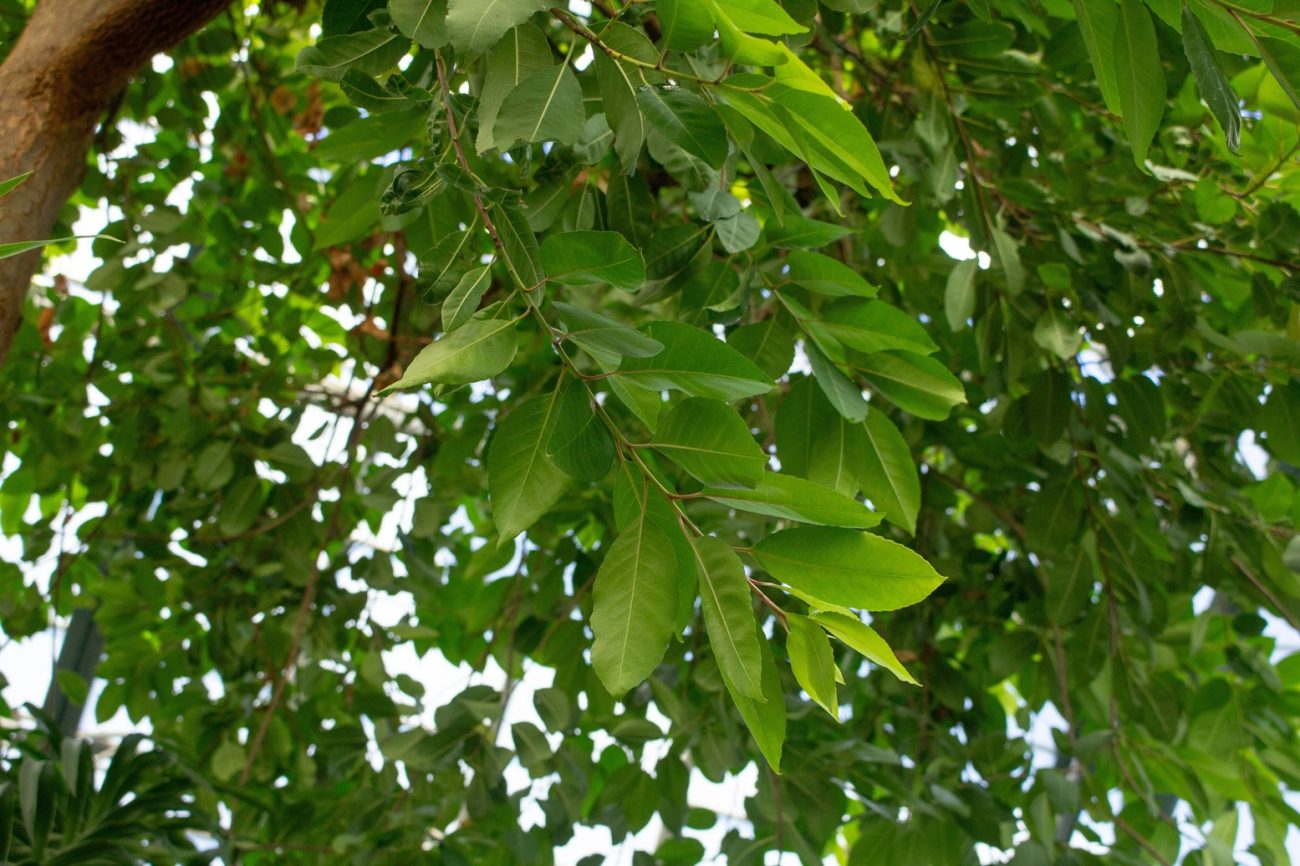
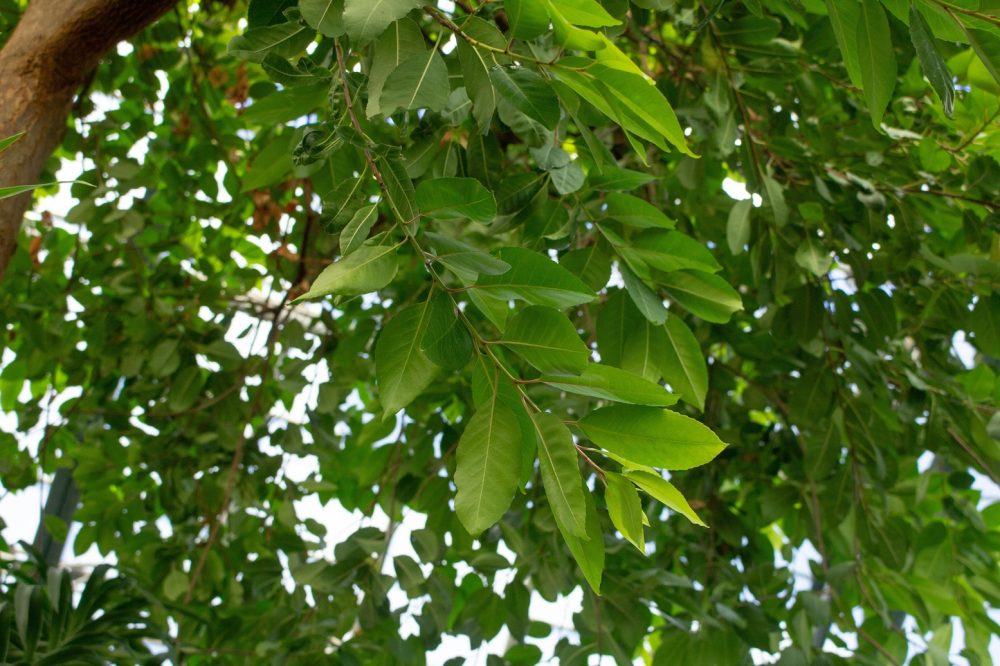
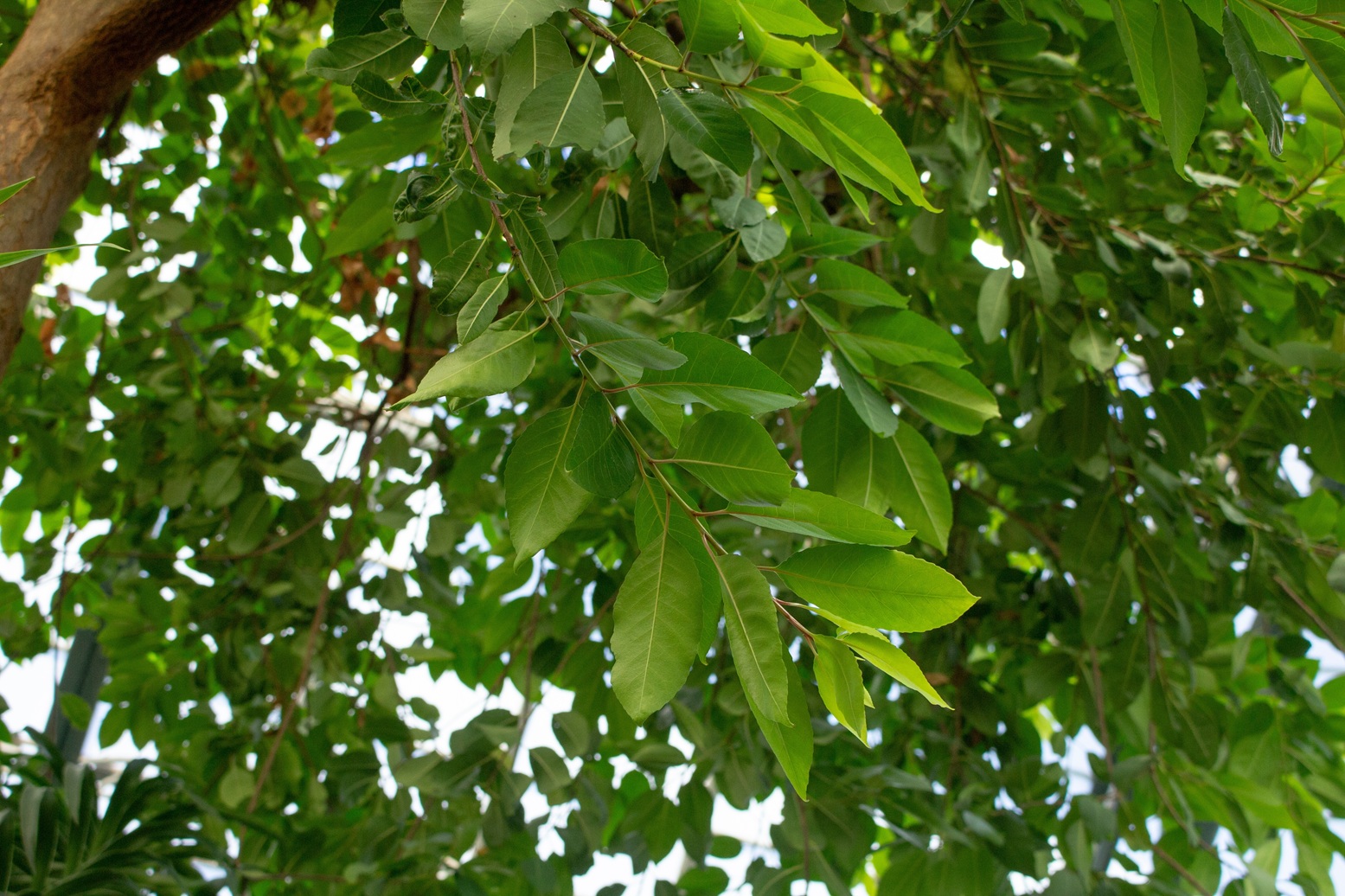
African wild cherry leaves in particular have an almond-peachy aroma. They are oval-shaped with rounded edges. The leaves feel thick, leathery, glossy and smooth on the upper surface. The lower part of the leaves are paler. The bark feels rough, scaly and corrugated. The wood is heavy and dense, often used in traditional African construction (1).

The taste of African wild cherry
The below qualities are derived from organoleptic assessment.
-
Into the heart of African wild cherry
African wild cherry bark is considered a potent medicine, whereby the bark is predominantly used because it consists of numerous active and diverse constituents. One of these is its anti-inflammatory properties which come from the rich amounts of phytosterols such as β-sitosterols, and triterpenes which can help reduce bladder irritation and pelvic discomfort.
The deeper essence of this plant lies in its energetic ability to clear stagnant heat in acute and chronic conditions where there may be swelling, irritation and a need to tonify the genitourinary tract. It also reduces the secretion of growth factors in the prostate by inhibiting prostatic fibroblasts (7). Serving as a tonic of the genitourinary system in men, it is traditionally applied as an aphrodisiac and for vitality in the improvement of sexual health and stamina (3,8).
-
What practitioners say
Reproductive system
Urologists and herbalists view P. africana as a safe intervention for mild to moderate BPH, improving peak urine flow, reducing residual urine and nocturia (10,11). Practitioners also confirm that P. africana exhibits a non-steroidal anti-inflammatory effect that decreases local inflammation and swelling in the prostate (7,11).
Immune system
Herbalists regard the antioxidant properties of P. africana as equivalent to vitamin C, that can be considered in the prevention of inflammatory diseases such as arthritis, diabetes and cancer. In such cases, a water extract in comparison to an ethanol extract would have superior efficacy; increasing urination frequency and clearing cholesterol (7).
-
African wild cherry research

African wild cherry (Prunus africana) The efficacy and safety of a dietary supplement containing a lipid co-extract from Serenoa repens and Pygeum africanum for the treatment of androgenetic alopecia (AGA) in women. Results of a randomised double-blind, placebo-controlled clinical trial
This study was carried out to determine the efficacy of a lipid co-extract from Serenoa repens and Pygeum africanum in post-menopausal women with AGA. Participants consisted of 40 caucasian women with a mean age of 58 years between 50 and 65 years with good health but diagnosed with AGA stage I to II.
Participants received either two capsules per day of the combination of S. repens and P. africanum within a lipid co-extract, the formulation is called Complex Alphablok S or a placebo. Instructions were given for morning and evening doses for 16 weeks.
Results showed a statistical significant increase in the percentage of anlagen hair, observed after 16 weeks at an average of 112.32% with a 100% baseline, compared to placebo where there was no change. A statistically significant decrease in the percentage of telogen hair from the baseline after 16 weeks, compared to no change in placebo. It had decreased to 87.7% from 100% baseline.
Secondary outcomes found a statistically significant increase in the hair’s resistance to traction after eight and 16 weeks compared to placebo, at 150% from 100% baseline.
The administration of this combination capsule was well tolerated except for mild digestive aversion in two participants. The combination was able to inhibit 5-alpha reductase activity, indicating a decrease in 5-alpha DHT and telogen hair (12).
A prospective interventional study in chronic prostatitis with emphasis to clinical features
This randomised controlled study analysed the efficacy of African wild cherry bark (Pygeum africanum) and saw palmetto (Serenoa repens) in the treatment of chronic bacterial prostatitis. Participant consisted of 72 males with a mean age of 40.98 reporting pelvic discomfort and genital pain with or without lower urinary tract symptoms (LUTS) and sexual dysfunction.This study divided participants into two groups.
Group one received a combination of antibiotics. Group two received a combination of antibiotics, African wild cherry and saw palmetto. The dosage of African wild cherry was 200 mg daily for 30 days. Results showed 49 patients in group two were asymptomatic and bacteria free. While 16 people were bacteria free still reported symptom persistence. Seven still had bacterial persistence without symptoms. There was no statistical significance between group one and group two.
Secondary outcomes showed 54 patients in group two were asymptomatic and bacteria free. While 14 were still symptomatic and/or had bacterial persistence. Four did not follow up. There was no statistical significance between group one and group two.The researchers of this study, discuss the basis for the potential efficacy of both African wild cherry and saw palmetto in past studies. Both botanicals have demonstrated impactful constituents in the mitigation of prostate-related conditions.
African wild cherry bark consists of atraric acid which has antiandrogenic and anti-inflammatory activity that inhibits ligand-activated human androgen receptors. Saw palmetto has anti-inflammatory, androgen-independent activity that inhibits epidermal growth factor dependent growth and pro-inflammatory activity of prostate epithelial cells. This study shows that in comparison to antibiotics alone, botanical interventions may reduce symptom burden on patients (13).
Pygeum africanum for benign prostatic hyperplasia
A systematic review of randomised controlled trials aimed to investigate Pygeum africanum and its efficacy and safety in the treatment of BPH. The total number of participants included was 1562, all men with symptomatic BPH and a mean age of 66 presenting with symptoms of nocturia, peak urine flow, residual urine volume.
A standardised extract of P. africanum was given at a dose of 75 to 200 mg per day.
Primary outcomes showed P. africanum demonstrates improvement in urinary symptoms, and flow when compared with placebo with a moderately large combined effect size of −0.8 SD (95% CI −1.4 to −0.3). Men taking P. africanum were more than twice as likely to report an overall improvement in symptoms (RR 2.07; 95% CI 1.40–3.06), while peak urinary flow increased significantly by 23% (+2.5 mL/s; 95% CI 0.29–4.71).
Nocturia was reduced by 19% (0.91 fewer episodes per night), although this individual outcome did not reach statistical significance (95% CI −1.95 to 0.14). This shows statistical significance in its effects on nocturia and peak urinary flow improving both urinary symptoms and flow measures.
The efficacy of Pygeum is largely significant in the treatment of BPH. There were some side effects concerning gastrointestinal effects and was otherwise well tolerated (11).
-
Historical use of African wild cherry
As the fourth most widely used medicinal plant, African wild cherry tree is a plant that has been used since ancient times in sub-Saharan African materia medica predominately as a purgative, and a remedy for pain (4,7). Considered a plant with many uses, the stem bark and leaves are mainly sought for its medicinal purposes (3,7). Throughout Africa the stem-bark is traditionally used for malaria, gastrointestinal disorders, fevers, chest pain, urinary, kidney diseases, BPH, stomachache, and for mental illnesses (5,7). It is also widely used as timber for tools and in veterinary medicine (7,9).
- In South Africa, the bark has been prepared as a decoction by the Zulu to mitigate intercostal pain (4,7). Ethnobotanical records also show Zulu men making an infusion of the bark to treat micturition (7).
- In Uganda, P. africana is used as an analgesic and antiinflammatory (9).
- In Kenya, it is used for chest pain, inflammation and fevers; to treat acne and various skin infections; added to stews after a goat slaughter (2). The Nandi community apply P. africana bark for diabetes, stomach issues, high blood pressure and skin conditions, the Kikuyu community use stem, bark and leaf parts to manage malaria, the Meru community made decoctions and infusions of the stem-bark for malaria, the Luhya use it in the management of prostate cancer (7). There are oral accounts by locals discussing how decocted P. africana bark treated individuals with meat allergies (2).
- In Tanzania, the bark is used for stomachache, as a laxative, and for micturition (7).
- In Cameroon, both leaves, roots and bark decoctions are used for prostatic disease, fever, stomach ache, urinary tract infection, gonorrhea, kidney disease, heart infections, wound, burns, heartburn, gastralgia and veterinary applications as a purgative for cattle (7,9).
- The Fulani call P. africana a “plant that has many uses” (9).
-
African wild cherry’s herbal actions
Herbal actions describe therapeutic changes that occur in the body in response to taking a herb. These actions are used to express how a herb physiologically influences cells, tissues, organs or systems. Clinical observations are traditionally what have defined these actions: an increase in urine output, diuretic; improved wound healing, vulnerary; or a reduction in fever, antipyretic. These descriptors too have become a means to group herbs by their effects on the body — herbs with a nervine action have become the nervines, herbs with a bitter action are the bitters. Recognising herbs as members of these groups provides a preliminary familiarity with their mechanisms from which to then develop an understanding of their affinities and nuance and discern their clinical significance.
Western actions
Ayurvedic actions
-
African wild cherry’s energetic qualities
Herbal energetics are the description that herbalists have given to plants, mushrooms, lichens, foods and some minerals based on the direct experience of how they taste, feel and affect the body. All traditional health systems use these principles to explain how the environment impacts health, according to each of their philosophies and frameworks. These assessments of individual herbs, though they often do align, can differ from one another due to cultural differences regarding perspectives on how herbs taste versus their physiological effects. Find out more about traditional energetics in our article An introduction to herbal energetics.
Chinese energetics
Chinese energetics align with Bensky’s Chinese Herbal Medicine: Materia Medica.
Western energetics
Western energetics here are informed by The Energetics of Western Herbs by Peter Holmes, as well as traditional materia medica from Culpeper and Dioscorides.
Ayurvedic energetics
Ayurvedic energetics are assigned according to Bhavaprakash by Acharya Bhavamishra and Ayurvedic Medicine: The Principles of Traditional Practice by Sebastian Pole.
-
What can I use African wild cherry for?

African wild cherry (Prunus africana) The common parts used of African wild cherry, for health and healing is the bark and secondly the leaf. In Europe, African wild cherry has been extensively researched for men’s health. Many studies have focused on the genitourinary system particularly in the treatment for benign prostatic hyperplasia (BPH) and prostate gland hypertrophy affecting approximately 60% of men aged 50 and above in USA and Europe (1,2,3).
Clinical studies in Europe have identified properties in P. africana as a useful intervention for type 1 and 2 BPH and lower urinary conditions such as nocturia, polyuria and urinary retention (4). There is additional evidence for its beneficial application to prostate cancer, mental health, type 2 diabetes, in the treatment of malaria as well as topically for wound healing and skin infections, and as a remedy for gastrointestinal disorders (5).
In Africa, especially East Africa, African wild cherry bark has been applied in traditional African medicine for stomach ailments and wound healing. The leaves are infused to suppress appetite, as an antibacterial, and in cases of genital infection and hirsutism (1). The antimicrobial aspects of African wild cherry, bark and leaf, have been traditionally applied to fungal and bacterial infections in the respiratory system (chest infections) and in the treatment of diarrhoea (3,6).
-
Did you know?
The other name for African wild cherry is stinkwood tree because its wood has an unpleasant odour (2). When freshly crushed, the leaves, twigs, fruits, and bark give off the scent of cyanide, due to cyanogenic glycosides produced by the plant (2,7). The cyanogenic glycoside rich leaves are eaten by the red, black, and white colobus monkeys as an important source of self-medication (7).
Prunus is the largest member of the sub-family Amygdaloideae syn. Prunoideae, which includes the widely produced and consumed sweet cherry (Prunus avium), peach (Prunus persica), plum (Prunus domestica), African cherry (Prunus africana) and almond (Prunus dulcis). Of these sub-family members, P. africana is the only species that is indigenous to Africa and is possibly chemically distinctive (7).
In 1997 Cameroon exported 3225 metric tons of bark at a $220 million retail value. In the early 2000 exports reduced to 1350–1525 tons at a $436 million per year due to market disinterest in purchasing a threatened plant (14).
Despite its medicinal properties, Prunus africana is used in charcoal as well as timber production. (3)



-
Botanical description
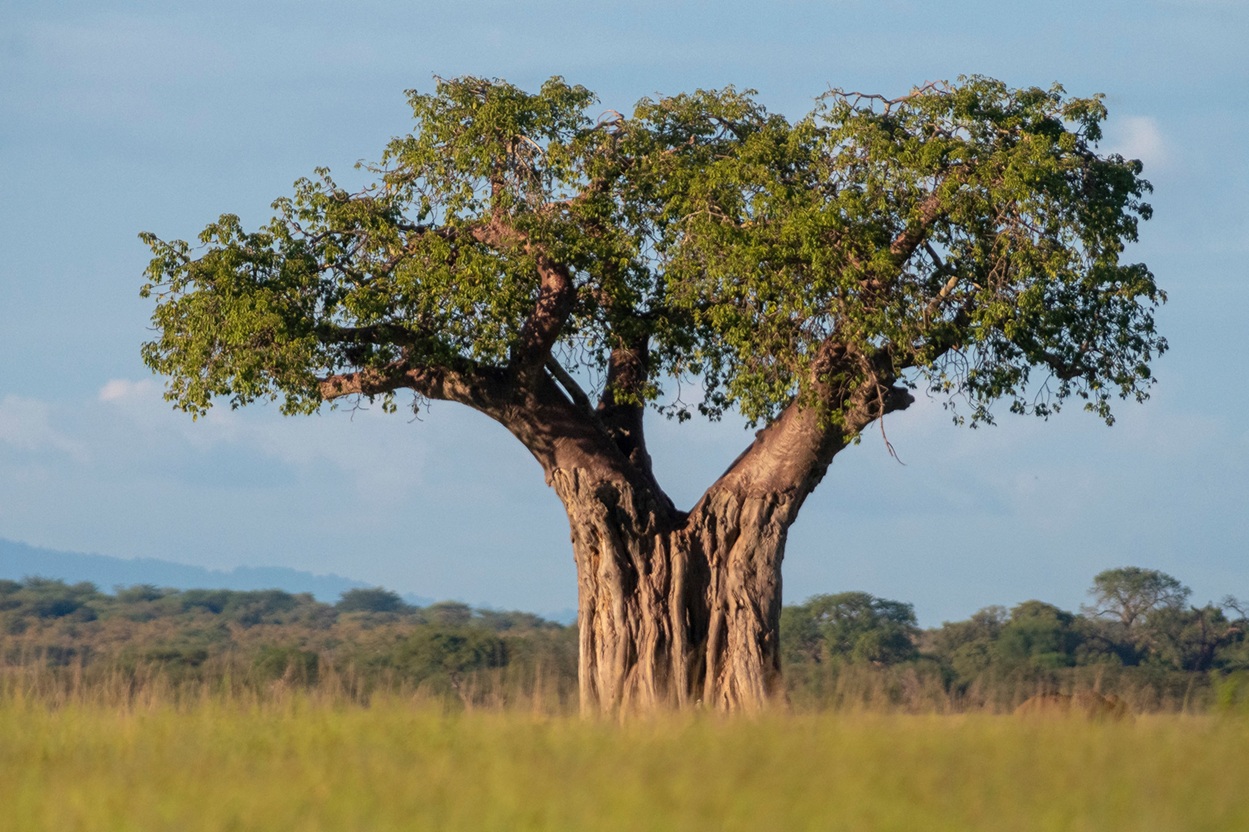
Prunus africana comes from the Latin African plum, belonging to the Rosaceae family, African wild cherry is a medium to large evergreen tree growing about 10–45 m as a forest canopy tree with a spherical crown, that is widely distributed throughout sub-Saharan Africa; it can be found within several tropical Afromontane forests such as the Mount Kenya Forest (2,7,3). Other countries it can be found include Angola, Burundi, Cameroon, South Africa, Ethiopia, Ghana, Lesotho, Malawi, Mozambique, Rwanda, Tanzania, Uganda, Zambia, Democratic Republic Congo, Zimbabwe, and Madagascar, as well as some offshore islands (2).
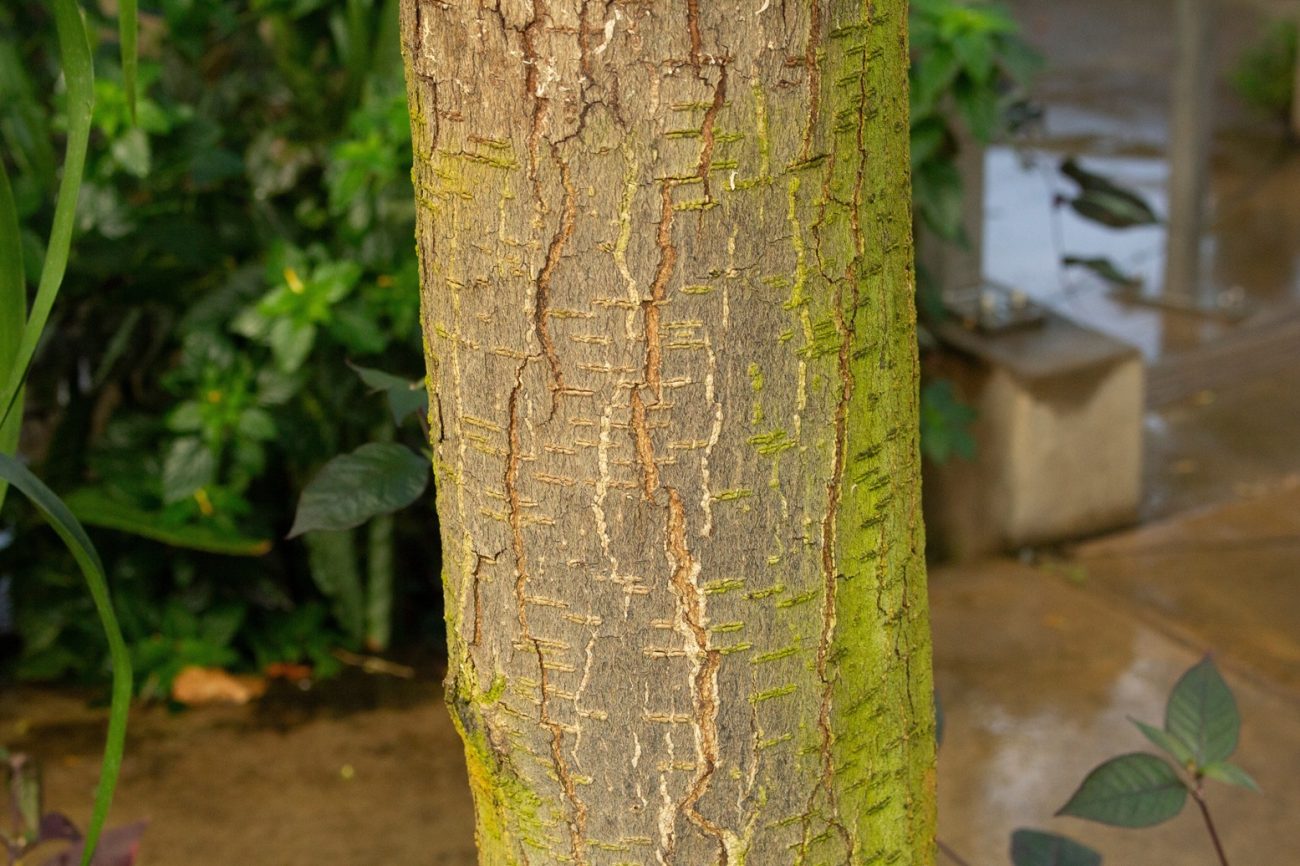
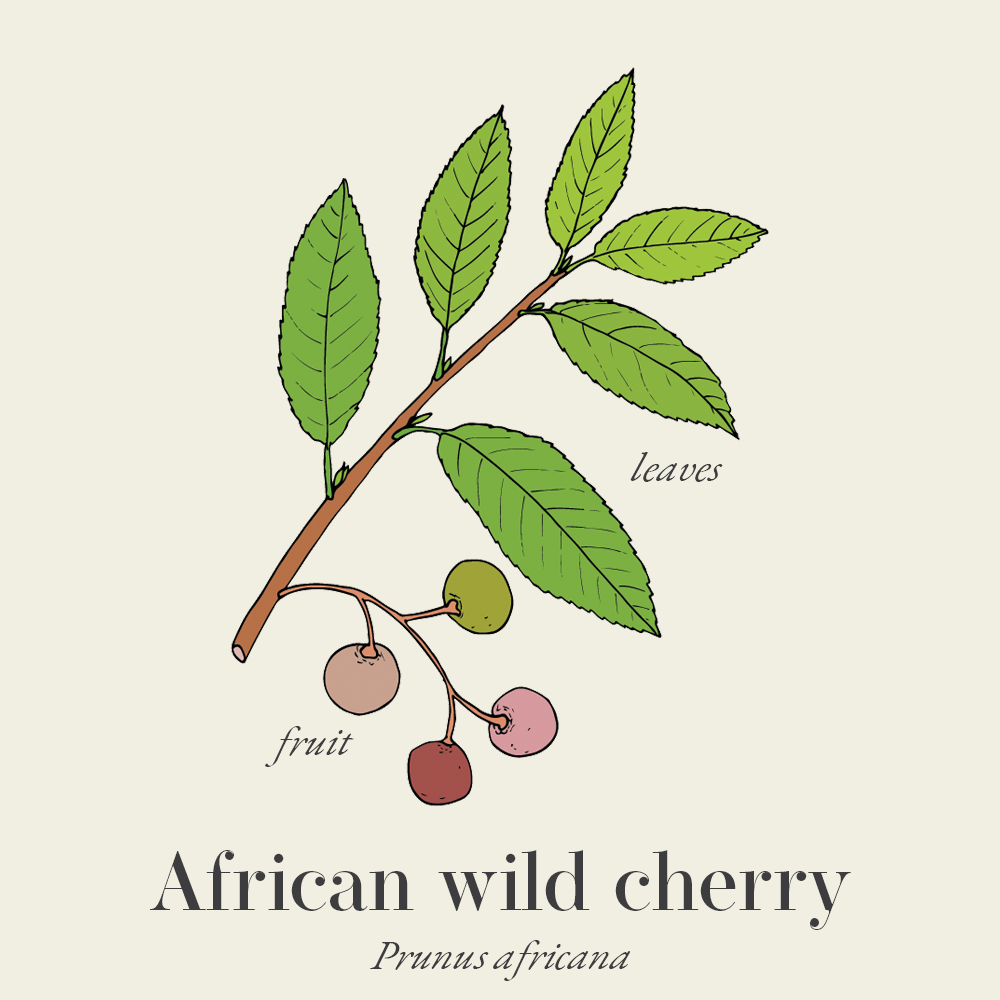
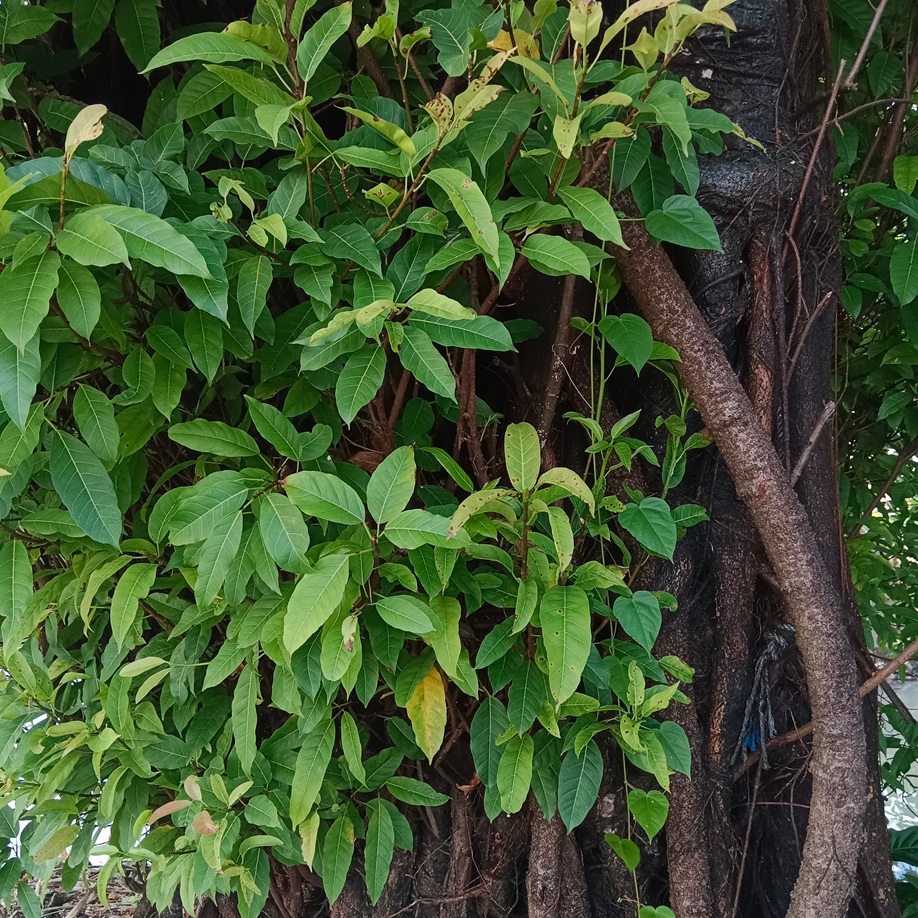
The trunk is straight and can reach 1 m in diameter (2,7). While young the bark is smoother but as it ages it becomes rough, blackish-brown with increased fissures (2,7). The inner stem consists of a red bark (3). The leaves are simple, elliptical, alternative with fine toothed margins, shiny, dark green on the upper side and pale on the underside (2,7). The petioles are deep pink with 5–15 cm long midribs (7). The fruit ripens (November to March) and is enjoyed by birds, primates and other pollinators. It is a small drupe about 7–13 mm in diameter white, then turns green to reddish brown or black when ripe and bitter in taste (2,7,3). Its flowers are bisexual, fragrant, dull purplish brown color and are shaped in a spherical manner (7,3). Some records describe the flowers as small, white to pale green, clustered in loose terminal inflorescences (2).
-
Common names
African stinkwood, African prune, African wild cherry, bitter almond, iron wood, pygeum, red stinkwood, fever tree (2,3,4,15).
The following are the names for P. africana in various vernacular:
- In Fulani it is called dalehi (2).
- In Kikuyu, muiri
- In Swahili, kiburabura
- In Kamba, mumbaume or mutimailu
- In Keyo, tenduet
- In Kipsigis, arareut
- In Kisii, omoiri
- In Luhya and Bukusu, kumusikhu or kumuturu
- In Maasai, olkoijuk
- In Market, tender
- In Nandi, tendwet (2)
-
Habitat
African wild cherry tree is indigenous to African montane forests, it prefers high altitude regions about 900–3,400 m above sea level, and thrives in moist, cool environments where volcanic soils and a large biodiversity of forest species thrive (2,4). It is a plant that prefers to live within an ecosystem.
-
How to grow African wild cherry
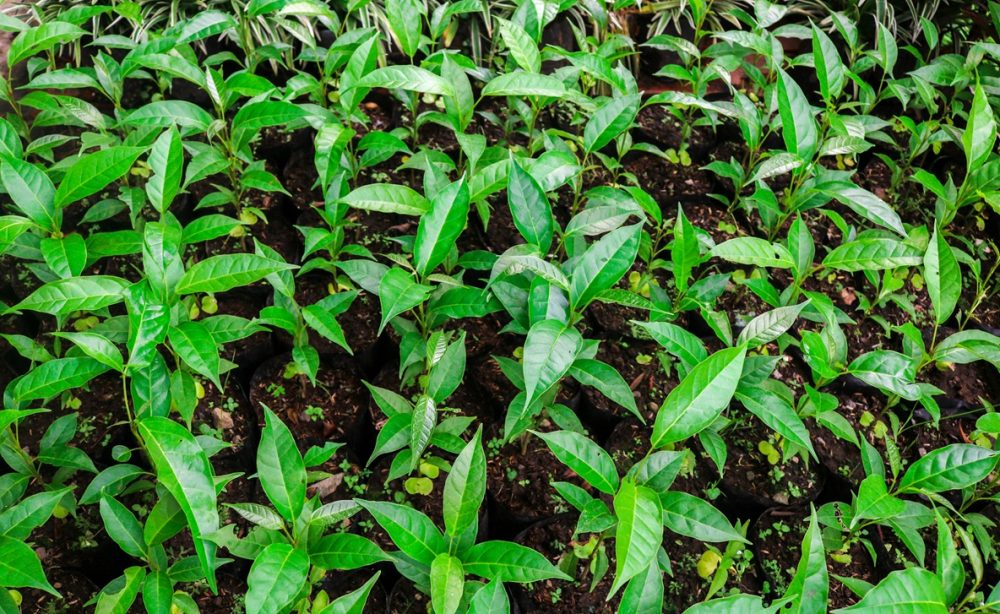
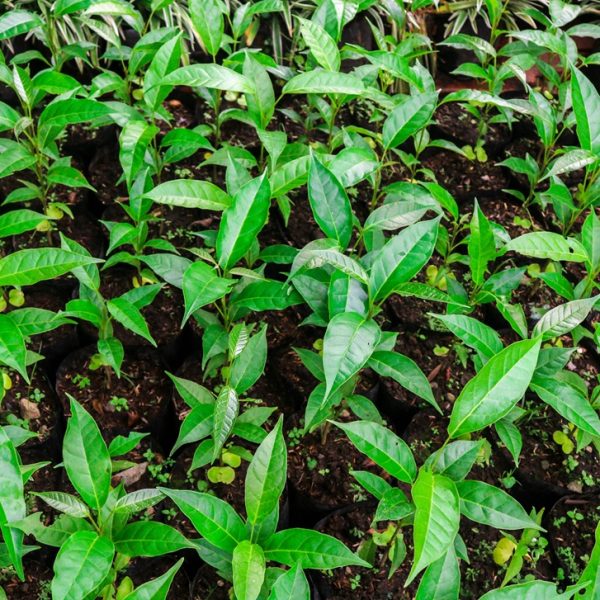
To grow from seed, it requires no stratification and has a fairly short period of viability and is best sown as soon as it is ripe. Under ideal conditions, germination takes place within 35–50 days; expected germination rate of a mature, healthy seed is 60–80% (2).
-
Herbal preparation of African wild cherry
- Stem bark: Traditionally decocted for oral use in acquired immunodeficiency syndrome (AIDS) treatments, BPH, chest and intercostal pain as well as respiratory conditions, diabetes, erectile dysfunction, fever and gastrointestinal disorders, gonorrhea, hypertension, kidney disease, mental illness, malaria, prostate cancer, purgative, typhoid, ulcers, inflammation, aphrodisiac, enhances sexual vitality in men (3,15,8).
- Bark powder: Applied topically applied for skin infections and wound healing (3,15).
- Root-decoctions and infusions: Used for intercostal pain, gastrointestinal conditions, enlarged prostate and urinary disorders (15).
- Leaves: Decocted for gastrointestinal conditions and infusions are prepared for appetite stimulation. Inhalations are applied for fever, genital infections and hirsutism in women (3,15).
- Fruit decoctions: Prepared for gastrointestinal conditions, chest and intercostal pain (15).
- Tincture: Clinical studies have shown activity against gram positive and gram negative bacteria (particularly methicillin resistant Staphylococcus aureus, dermatophytoses), and other drug sensitive and drug resistant strains (6).
- Tadenan️: An extraction of the bark with chloroform that consists of lipid/sterol fractions sold in Europe (4).
- A red liquid made by adding water to the pounded bark is used as a remedy for stomach ache (3).
-
Plant parts used
The bark is the most commonly used part, but the leaves and roots are also used medicinally (15). The fruits are occasionally used medicinally, however with a strong bitter taste (2).
-
Dosage
- Tincture (ratio 1:5| 45%): 5 ml 2–3 times daily
- Infusion/decoction: Divided doses of 100–200 mg daily of bark infusion (4). Long term use of the infusion/decoction is recommended at 250–200 mg bark in divided doses for adults and elderly taken with food or milk to avoid gastrointestinal reactions (15).
- Other preparations: 25–50 mg single dose or a daily dose of up to 100 mg, chloroform extract with >99.9% ethanol (16).
- Tincture (ratio 1:5| 45%): 5 ml 2–3 times daily
-
Constituents
Most abundant bioactive compounds found in P. africana are sterols, triterpenes, coumarins and flavonoids. These have antiinflammatory, anticancer, antiviral and antimicrobial properties (2,3).
- Phytosterols which inhibit prostaglandins in the prostate, suppress inflammatory and swelling activity seen in BPH and chronic prostatitis (7,17).
- 3-β-sitosterol: High concentrations in the bark especially in plant growing in warmer regions (17), inhibits alpha reductase enzyme, cholesterol lowering and has diuretic properties similar to avocado, hypoxia species, and Moringa oleifera (5,17).
- 3-β-sitostenone: In vivo studies show its anti-inflammatory, neuroprotective, and antioxidant properties, the reduction of AChE, TNF-α, and corticosterone activities, and improving antioxidant enzymes’ activity (5).
- 3-β-sitosterol-glucoside
- Triterpenoids: Overall demonstrate antimalarial activity by arresting P. falciparum growth and by inhibiting its biosynthesis of isoprenoids (5).
- Pentacyclic triterpenoids
- Oleanolic acid: Studies show that it induces a phase-2 response by increasing heme oxygenase-1 and NADH-quinone oxidoreductase, to prevent cells’ damage from free radicals and electrophiles (5).
- Ursolic acid: In vivo studies show that this constituent has the ability to inhibit acetylcholinesterase activity in scopolamine-induced cognitive-impaired Swiss albino mice to improve cognition and performance in a passive avoidance task (5). Studies show that it also inhibits glucosyl-transferase, acts as an anti-oedema, inhibits melanoma and prostate cancer cells (17). Can be extracted in both aqueous and alcohol solvents. In summary, ursolic acid is considered an antioxidant, antiproliferative and anti tumor (17).
- Friedelin: Studies show that has anti-inflammatory activity (17).
- Flavonoids: These constituents offer antimicrobial activities (3).
- Quercetin: In vivo studies show its ability of inhibition of alpha-reductase enzyme activity to inhibit prostate inflammation, it activates signaling pathways that regulate synaptic plasticity and long-term potentiation, ensuring neuronal integrity, hence its ability to ameliorate neuro-inflammation in Alzheimer’s disease(5)
- Apigenin: In vivo studies show , antidiabetic, antioxidant, and anti-inflammatory properties (5).
- Polyphenols: These constituents overall have a chemo preventive effect on estrogen dependent breast cancer, found in bark extracts (17).
- Chlorogenic acid: In vivo and ex vivo studies show the inhibition of AChE activity in the frontal cortex and hippocampus (5).
- Ferulic acid: Found in bark extracts, in vivo show that this constituent inhibits alpha-reductase enzyme activity to reduce prostate inflammation (5). These compounds also have anti tumor and hypocholesterolemic activity on the prostate (17).
- Fatty acids: Polyunsaturated fats are mainly found in the essential oil of the bark; fatty acids and sterols have been shown to reduce the size of the prostate by blocking the conversion of testosterone to dihydrotestosterone (the modulator of prostate growth) by the inhibition of 5-alpha reductase enzyme (17).
- Myristic acid: Best extracted in aqueous solutions (17)
- Palmitic acid
- Linoleic acid
- Oleic acid
- Stearic acid
- Arachidonic acid
- Benefice acid
- Lignoceric acid
- Linolenic acid are all found in bark extract (7)
- Additional constituents extracted in photochemical studies
- Long-chain fatty alcohols
- Tannins
- Saponins
- Alkaloids
- Glycosides (7)
- Ketones (17)
- *Saponins, alkaloids and tannins demonstrate wound healing activities (5)
- Phytosterols which inhibit prostaglandins in the prostate, suppress inflammatory and swelling activity seen in BPH and chronic prostatitis (7,17).
-
African wild cherry recipe
Traditional Prunus africana tea decoction (18)
This is a folk preparation of P. africana tea using raw, coarsely chopped bark.
Ingredients
- 1 teaspoon dried P. africana bark
- 1 cup of water
How to make an African wild cherry decoction
- Place both bark and water in a small pot.
- Boil together and then simmer for 5–10 minutes on low heat.
- Strain the tea.
- Drink 1–2 times a day.
Milk-based infusion
Indigenous people prepared P. africana with milk. The milk may be substituted for almond, oat or soy alternatives.
Ingredients
- 1 teaspoon of bark powder
- 1 cup of milk
How to make an African wild cherry infusion
- Boil the milk in a gentle simmer.
- Stir in the P. africana bark powder.
- Steep on low heat for 10 minutes in order that the phytosterols (lipophilic compounds) release.
- Strain and drink.
Powdered wellness mix
A ready made powder which can be added to meals and desserts.
Ingredients
- 1/4 to 1/2 teaspoon of P. africana
How to make an African wild cherry mix
- Thoroughly mix powder in a porridge of choice — this may be oats or even a yogurt.
- You may blend it into a herbal coffee substitute.
- You may prepare a smoothie with pumpkin seeds, blueberries and bananas.
- Add vanilla to taste.
-
Safety
Pygeum is generally considered a herb safe, however, it may cause liver strain after prolonged use in some individuals (2).
It contains cyanogenic glucosides which can release hydrogen cyanide following hydrolysis; therefore, it is not recommended to consume large quantities (3).
Occasionally, large doses are applied over long periods of time. A study conducted over four weeks with a dosage of 300 mg/kg and another exceeding 5000 mg/kg showed no adverse effects of pygeum bark extract (5).
Pregnancy and lactation: There is insufficient reliable information about its use during pregnancy and lactation and, therefore, caution is advised (9,15,16). Caution during pregnancy, lactation and in children under the age of 12 years because of effects on androgen and oestrogen metabolism (4)
A diagnosis of BPH is preferable before commencing treatment with standardised bark extract. Currently available evidence does not suggest carcinogenesis, mutagenesis or impairment of fertility associated with the use of Prunus africana (4).
Lipophilic bark extracts appear to be well tolerated in humans. A few cases of minor and transient gastrointestinal side effects e.g. diarrhoea, nausea and gastric pain have been reported and a single case of constipation, dizziness and visual disturbance (4).
-
Interactions
None reported (15).
-
Contraindications
Anyone with hypersensitivity to the active substances and to other plants of the same family (16).
Avoid use in children and adolescents under 18 years of age, it is contraindicated because of its effects on androgen and oestrogen metabolism and the lower urinary tract symptoms in these populations requires medical supervision (9,15,17).
Preparations of this species are contraindicated in cases of known allergy to members of the Rosaceae family (4).
Reports of gastrointestinal irritation on an empty stomach. May cause constipation and diarrhoea in sensitive individuals (4,8,16).
-
Sustainability status of African wild cherry
African wild cherry tree is one of Africa’s most valuable resources in medicinal plant trade. Over $220 million a year is gained from the bark of this plant often sold to pharmaceutical companies all over Europe. It has been extensively overexploited and over harvested in the wild, undergone habitat destruction, and lack of regulation since the mid 1900s when the European industry discovered its exceptional use for men’s health (2).
The global demand has caused a great threat and ever since there has been a rapid decline in populations particularly in Madagascar and Cameroon where has become a CITES endangered species and no longer commercially viable; there has been unsustainable harvesting, loss of habitat a vulnerable situation currently reported at the IUCN (international union for conservation of nature) red list of threatened species (2,7,14). There are several programs in Kenya, Uganda and Cameroon to cultivate the plant in large scales, it is not yet on the extinction list but harvests have been stopped in these regions (7,14). ICRAF (International Center for Research in Agroforestry) in Kenya is leading in the effort of sustainable practices and cultivation (14).
Within traditional settings there are ethical harvesting practices. In Mount Oku, Cameroon, the Lumutu Sacred Forest consists of sacred groves where the whole community protects the environment including African wild cherry tree (14). In Embu, Kenya, there are over 250 sacred groves also protected by the community.
Economics is largely the reason for illegal and massive wild harvesting. There needs to be implementation of fair and sustainable economic gains for everyone in order to prevent illegal exploitation.
To harvest sustainably, it is recommended to remove 3/4 of the bark on one side of the tree and leave 1/4 on the opposite side intact. This will indicate to the plant to grow new bark and it will not kill the plant(2).
Read our article on Herbal quality & safety: What to know before you buy and Sustainable sourcing of herbs to learn more about what to look for and questions to ask suppliers about sustainability.
-
Quality control
P. africana is currently being cultivated due to its status on a threatened endangered list due to overharvesting in the wild. Overharvesting or adulteration is rooted in poverty, corruption, poor regulation from both the EU and African industries (9). There are recent concerns about adulteration and improper identification of the plant (7). There are practices to implement proper identification through genetic testing, chromatography and even magnetic resonance to correctly identify the plant (7). Traditional identification includes recognising the characteristic cherry or bitter almond odour when the bark is cut, alongside identifying the floral characteristics of the plant.
-
References
- Infonet Biovision. Prunus africana. Accessed September 4, 2026. https://infonet-biovision.org/medicinal-plants/prunus-africana
- BeyondForest. Prunus africana health benefits: natural healing power. Published April 14, 2026. Accessed September 4, 2026. https://www.beyondforest.org/post/prunus-africana-health-benefits
- Planet Ayurveda. What are the uses and health benefits of Pygeum (Prunus africana)? Updated May 4, 2024. Accessed September 4, 2026. https://www.planetayurveda.com/pygeum-prunus-africana/
- PlantZAfrica. Prunus africana cortex. Accessed September 4, 2026. https://plantzafrica.com/medmonographs/prunusafric.pdf
- Ndung’u JK, Nguta JM, Mapenay IM, Moriasi GA. A comprehensive review of ethnomedicinal uses, phytochemistry, pharmacology, and toxicity of Prunus africana (Hook. f.) Kalkman from Africa. Scientifica (Cairo). 2024;2024:8862996. doi:10.1155/2024/8862996
- The potential use of Prunus africana for the control, treatment and management of common fungal and bacterial infections. ResearchGate. Accessed September 4, 2026. https://www.researchgate.net/publication/266880448_The_potential_use_of_Prunus_africana_for_the_control_treatment_and_management_of_common_fungal_and_bacterial_infections
- The African cherry: a review of the botany, traditional uses, phytochemistry, and biological activities of Prunus africana (Hook.f.) Kalkman. ScienceDirect. Accessed September 4, 2026. https://www.sciencedirect.com/science/article/abs/pii/S0378874122010431
- Csikós E, Horváth A, Ács K, et al. Treatment of benign prostatic hyperplasia by natural drugs. Molecules. 2021;26(23):7141. doi:10.3390/molecules26237141. https://doi.org/10.3390/molecules26237141
- Bodeker G, van ‘t Klooster C, Weisbord E. Prunus africana (Hook.f.) Kalkman: the overexploitation of a medicinal plant species and its legal context. J Altern Complement Med. 2014;20(11):810-822. doi:10.1089/acm.2013.0459
- Wilt T, Ishani A, Mac Donald R, Rutks I, Stark G. Pygeum africanum for benign prostatic hyperplasia. Cochrane Database Syst Rev. 2002;(1). doi:10.1002/14651858.CD001044
- Chatelain C, Autet W, Brackman F. Comparison of once and twice daily dosage forms of Pygeum africanum extract in patients with benign prostatic hyperplasia: a randomized, double-blind study, with long-term open-label extension. Urology. 1999;54(3):473-478. doi:10.1016/S0090-4295(99)00147-8
- Efficacy and safety of a dietary supplement containing a lipid extract of Serenoa repens and Pygeum africanum in post-menopausal women with androgenetic alopecia. Accessed September 4, 2026. https://www.masdermatologia.com/PDF/0161.pdf
- Stamatiou KN, Moschouris H. A prospective interventional study in chronic prostatitis with emphasis to clinical features. Urol J. 2014;11(4):1829-1833.
- The African cherry (Prunus africana): can lessons be learned from an over-exploited medicinal tree? ScienceDirect. Accessed September 4, 2026. https://www.sciencedirect.com/science/article/abs/pii/S037887410300299X
- Egyptian Drug Authority. Egyptian herbal monograph: Prunus africana (Hook. f.) Kalkman. 2023. Accessed September 4, 2026. https://www.edaegypt.gov.eg/media/4oijujii/prunus-africana-hook-f-kalkman.pdf
- European Medicines Agency. European Union herbal monograph on Prunus africana (Hook. f.) Kalkm., cortex. Accessed September 4, 2026. https://www.ema.europa.eu/en/documents/herbal-monograph/final-european-union-herbal-monograph-prunus-africana-hook-f-kalkm-cortex_en.pdf
- Phytochemical profile of Prunus africana stem bark from Kenya. ResearchGate. Accessed September 4, 2026. https://www.researchgate.net/publication/284878902_Phytochemical_Profile_of_Prunus_africana_Stem_Bark_from_Kenya
- HerbaZest. Pygeum. Accessed September 4, 2026. https://www.herbazest.com/herbs/pygeum

Meet our herbal experts
Our monographs are written by our monograph authors and edited, reviewed and updated by Herbal Reality.
Meet our Herbal Reality team or explore our Herbal Reality authors.