






Gus Le Breton shares six African herbs of particular value for their medicinal properties — their actions, traditional use, constituents and their context in the herbal industry.
Homo sapiens evolved in Africa. Unless our early ancestors were not using medicinal plants — and studies of other primates strongly suggest they were — we have a longer history of medicinal plant use in Africa than on any other continent. Yet, if you read much of the mainstream herbal literature, you could be forgiven for thinking Africa has contributed little to global phytotherapy.
While it is disappointing that relatively few African medicinal herbs have entered the Western herbal canon, this offers an opportunity. Africa spans the equator and encompasses deserts, tropical forests, vast savannah woodlands and regions of exceptional endemism. Its botanical diversity is immense. Much remains under-researched, under-documented and under-recognised.
I have worked with African medicinal plants throughout my professional life. I came to them from a conservation background, seeking ways to protect plant biodiversity. Instead, I found myself immersed in rich and complex herbal traditions. The deeper I looked, the clearer it became that African materia medica is not marginal but foundational, even if global systems have not yet fully acknowledged it (1). Here are some of the plants I have worked with — many of which are now, deservedly, entering wider awareness.
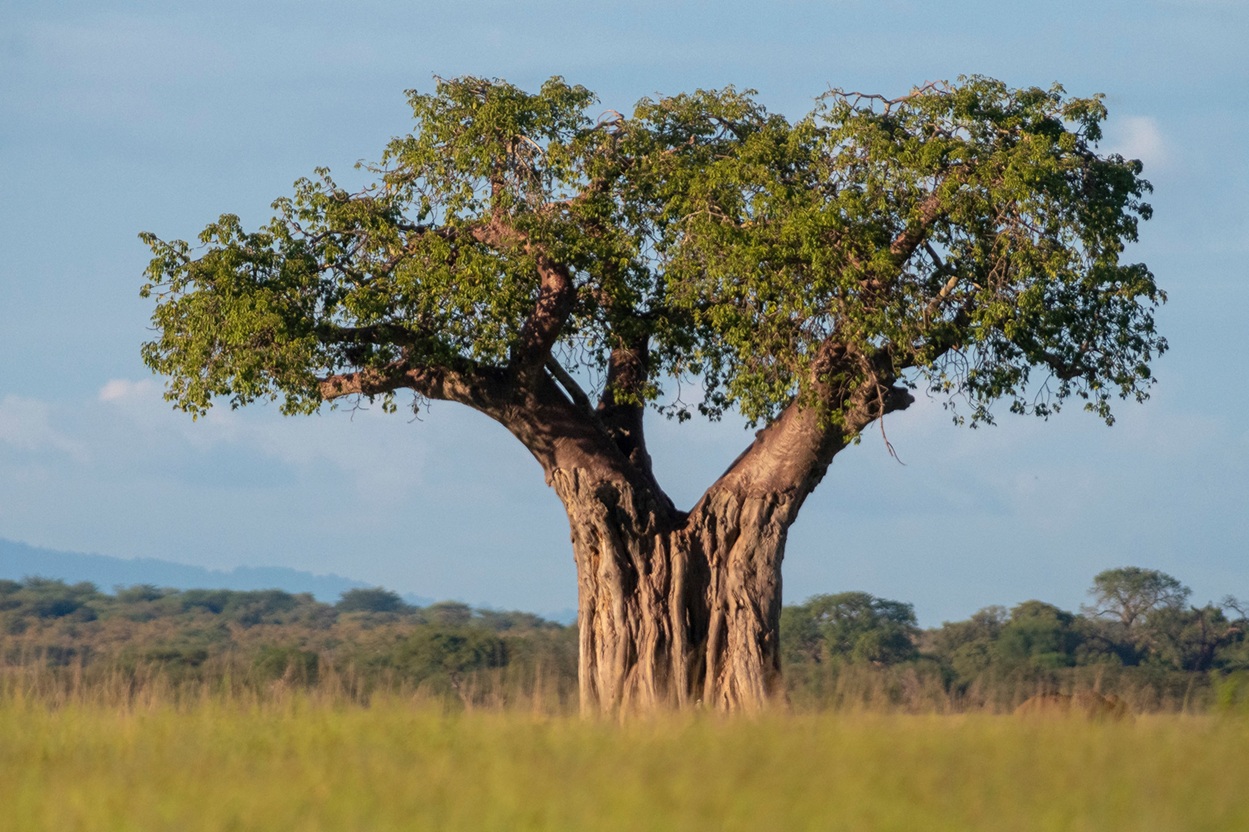
Baobab (Adansonia digitata)
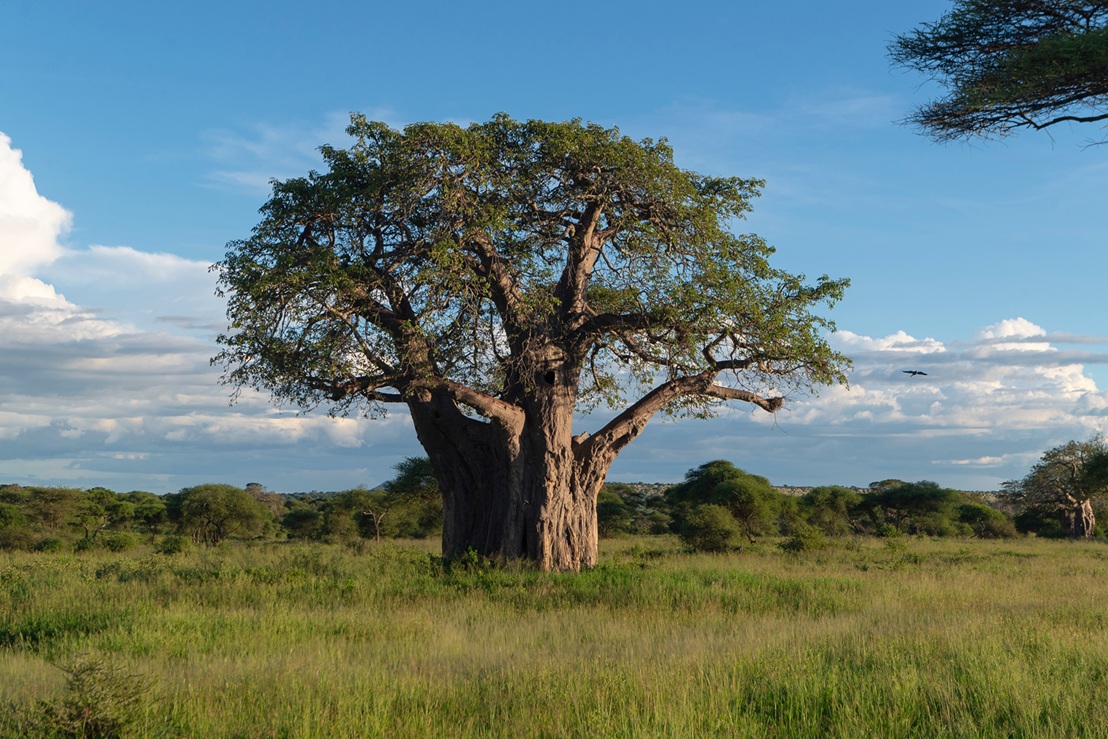
Baobab is often described as the “tree of life”, reflecting its ecological and nutritional importance across sub-Saharan Africa. The fruit pulp — now widely exported as a powdered supplement — is rich in vitamin C, calcium, potassium and soluble fibre (2). Traditionally, it has been used for digestive disturbances, febrile illness and convalescence.
From a phytotherapeutic perspective, baobab provides antioxidant polyphenols and prebiotic pectins, supporting gut integrity and immune resilience. In Western practice, it is best understood as a gentle nutritive and demulcent food-medicine rather than a high-impact pharmacological agent.
The supply chain for baobab involves many tens of thousands of low income rural harvesters in Africa. Because it grows in very dry areas, these harvesters are often heavily constrained in terms of the livelihood opportunities available to them. The income they earn from baobab fruit sales is incredibly important to their overall welfare, and many of the harvesters describe baobab sales as their biggest single source of cash income during the year.
Encouragingly, harvesting the fruit is non-destructive; trees are not felled, and the fruit are collected from the ground once they have ripened and fallen from the trees. In many regions, baobabs are communally managed under customary governance systems. Increasing export demand raises questions about equitable trade and long-term ecological monitoring. These questions are being addressed in a co-ordinated and collaborative way by the African Baobab Alliance, an association of baobab harvesters from across Africa.
African geranium (Pelargonium sidoides)
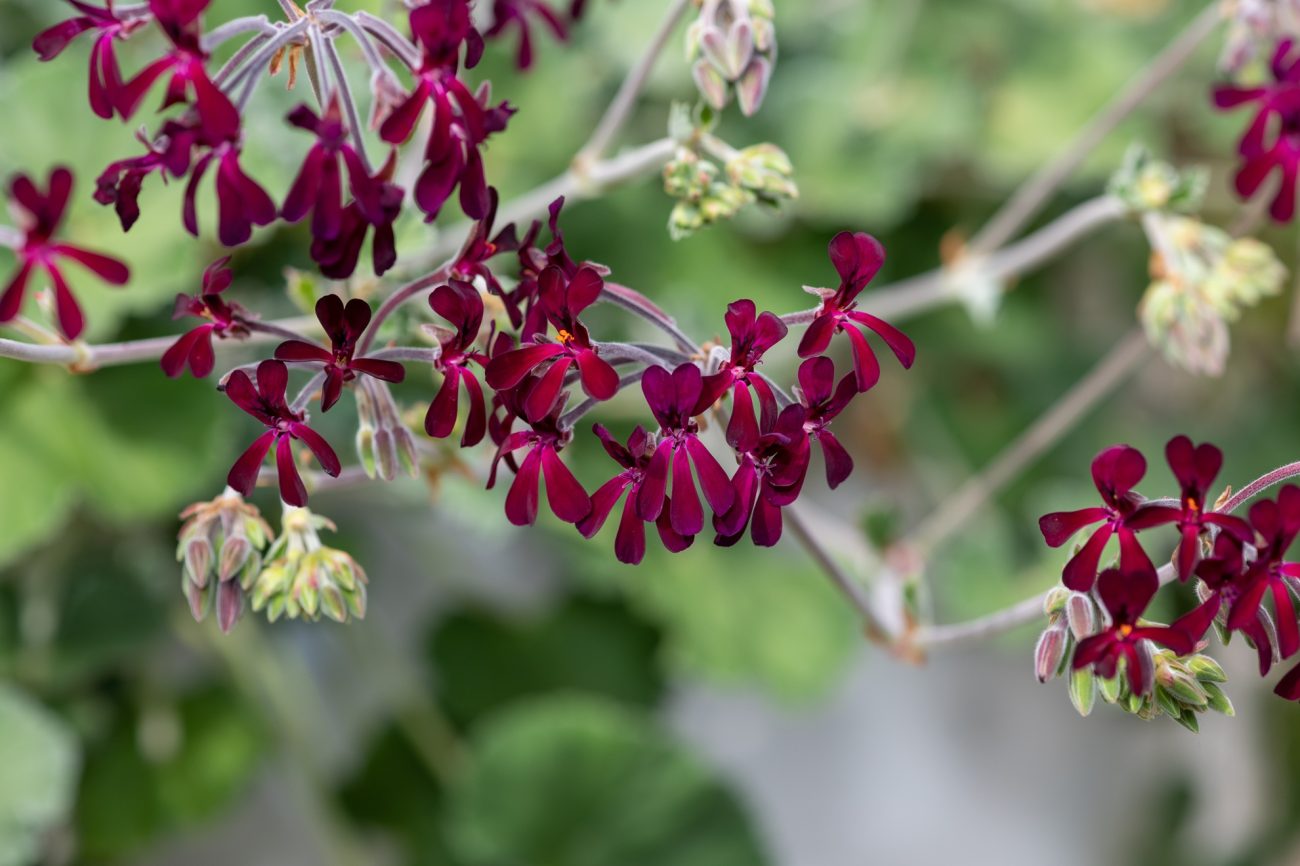
Pelargonium sidoides is one of the few African herbs firmly established in European phytomedicine. Standardised root extracts are widely used for acute bronchitis and upper respiratory tract infections, supported by clinical trials suggesting antimicrobial and immunomodulatory activity. In Germany, it forms the basis of the herbal bronchitis remedy “Umckaloabo”.
The tubers contain tannins, including proanthocyanidins, alongside phenolic acids, coumarins and phenylpropanoid derivatives. Compounds such as umckalin and related coumarin glycosides are thought to contribute to its activity.
Traditionally, however, the plant was primarily used for diarrhoea and dysentery, as well as general debility following gastrointestinal infection.
The medicinal part is the root, which presents sustainability challenges. Wild harvesting is inherently destructive. In response, some South African producers have adopted the FairWild standard, providing greater assurance of ecological monitoring and fair payment for harvesters. For practitioners, pelargonium illustrates the importance of asking where and how herbs are sourced — especially when demand increases beyond local use and export markets expand rapidly.
African wormwood (Artemisia afra)
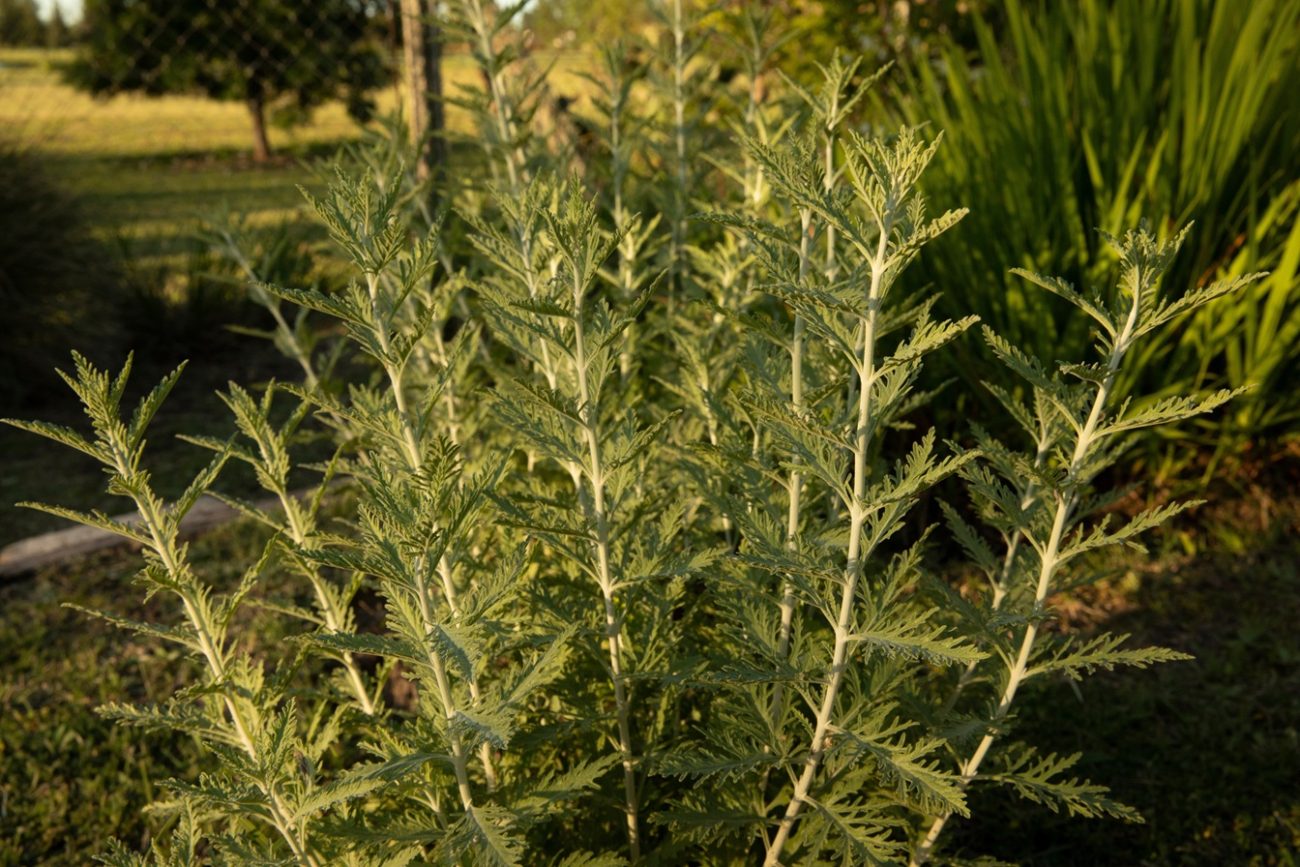
Artemisia afra, or African wormwood, is widely used across eastern and southern Africa for fevers, respiratory infections, digestive complaints, malaria, intestinal worms and several other ailments. Unlike Artemisia annua, it does not contain artemisinin, yet it demonstrates antimicrobial, anti-inflammatory, and aromatic bitter properties consistent with its traditional applications.
This is a highly aromatic plant. A common practice is to insert fresh leaves into the nostrils to clear blocked nasal passages. Boiling the leaves in water and inhaling the steam will have a similar effect (with perhaps less nasal irritation!). The plant is also often consumed as an infusion or decoction of the leaves, typically sweetened with honey to mask the naturally bitter taste.
There are an astonishing variety of volatile secondary metabolites in A. afra, including 1,8 cineole, alpha-thujone, beta-thujone, camphor and borneol (3). These metabolites exhibit biological activity against many different micro-organisms, which accounts for its broad spectrum use as a herbal remedy.
During the COVID-19 pandemic, artemisia-based preparations became the subject of intense public discussion in parts of Africa. This highlighted an enduring tension: how traditional medicines are evaluated, validated, and sometimes dismissed within global biomedical discourse (4).
Hoodia (Hoodia gordonii)
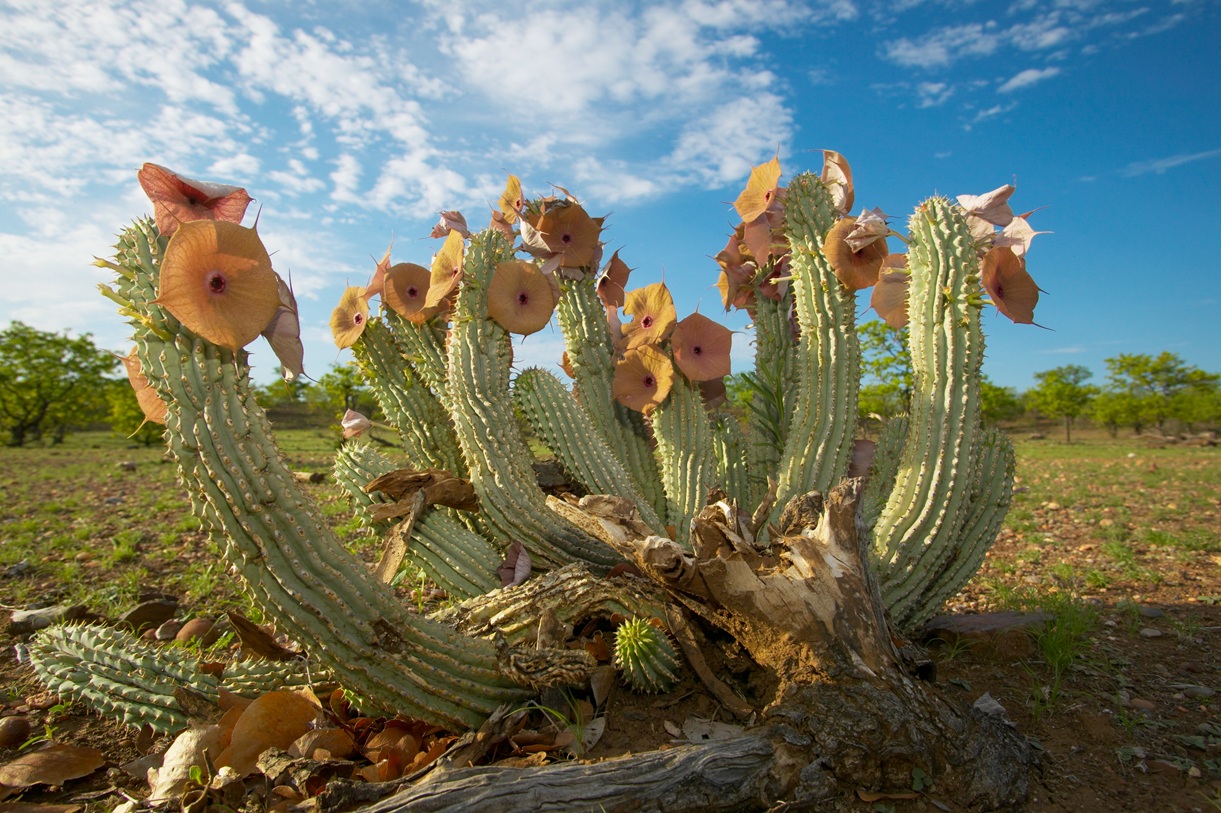
Hoodia gordonii, native to the Kalahari Desert, was traditionally used by San communities to suppress hunger during long hunting trips. In the late twentieth century, appetite-suppressant compounds isolated from the plant attracted commercial interest.
H. gordonii contains more than 20 different glycosides based on 12-hydroxypregnane. The major steroid glycoside is called hoodigside, but the appetite suppressant compound is an oxypregnane steroidal glycoside known as P57. The plant also shows anti-diabetic effect and improved gastric acid secretion damage. Traditional medicinal uses include as a treatment for haemorrhoids, tuberculosis, diabetes, indigestion, hypertension and stomach ache.
Patenting and licensing agreements led to negotiations over benefit-sharing, and the case became emblematic in discussions of biopiracy and the Convention on Biological Diversity (5). Although agreements were eventually reached, anticipated financial returns were modest and commercial enthusiasm waned.
Hoodia remains a cautionary example. Traditional knowledge can be translated into global markets in ways that inadequately compensate its originators. Legal compliance under frameworks such as the Nagoya Protocol is a minimum standard; ethical practice may require deeper partnership, transparency and long-term community benefit beyond simple royalty agreements.
Sausage tree (Kigelia africana)
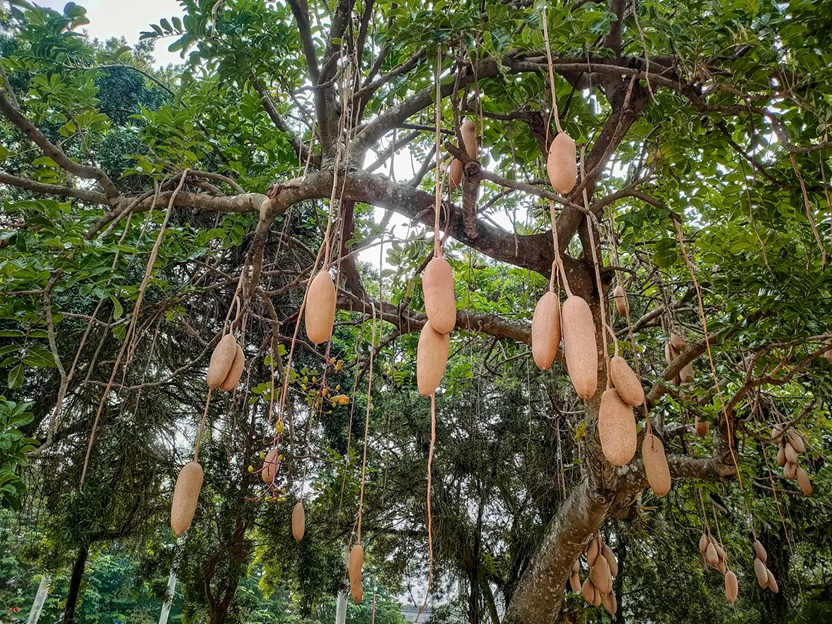
Kigelia africana is instantly recognisable by its large, pendulous fruits. Across many African traditions, fruit, bark and leaves are used both topically and internally for fungal infections, wounds, inflammatory skin conditions and other complaints.
In Western markets, kigelia appears primarily in cosmetic formulations marketed for skin toning and anti-ageing. While this draws loosely on traditional topical uses, it represents a reframing of the plant from community medicine to cosmeceutical ingredient.
Phytochemical studies identify iridoids, including specioside, alongside naphthoquinones, flavonoids and phenolic compounds with demonstrated antimicrobial and anti-inflammatory activity in vitro. Some cytotoxic effects have also been explored, though clinical relevance remains preliminary.
For herbal practitioners, kigelia is better understood as a topical antimicrobial and vulnerary rather than a cosmetic novelty. Sustainability considerations depend on which plant part is harvested; fruit collection is generally less destructive than bark removal. As demand grows, sourcing transparency becomes essential to prevent overexploitation.
African potato (Hypoxis hemerocallidea)
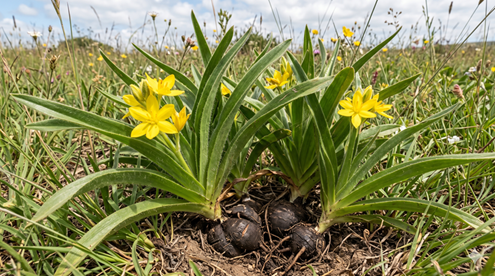
Hypoxis hemerocallidea is a perennial geophyte native to southern Africa. The medicinally used part is the corm. In traditional practice, particularly within Nguni healing systems, it has been used for urinary disorders, benign prostatic hypertrophy, inflammatory conditions and as a general immune tonic.
International attention grew during the HIV/AIDS epidemic, when extracts containing hypoxoside — converted in the gut to rooperol — demonstrated antioxidant and anti-inflammatory activity in laboratory studies. This led to its promotion as an immune-supportive supplement.
However, clinical evidence remains mixed, and claims have sometimes outpaced data. Practitioners should approach bold therapeutic assertions cautiously and consider potential herb–drug interactions, particularly in clients taking antiretroviral therapies or other immunomodulating medicines.
Sustainability is a significant concern. Harvesting the corm is destructive, and rising demand in the 1990s and 2000s led to overharvesting in parts of South Africa. As a slow-growing species, recovery is limited without cultivation and careful management.
FairWild certification: From principle to practice
As global demand for medicinal plants increases, certification schemes have emerged to address sustainability and equity. The FairWild Standard is specifically designed for wild-collected species.
Unlike organic certification, which focuses on cultivation practices, FairWild addresses ecological assessment, sustainable harvest levels, legal compliance, traceability and fair working conditions. For root-harvested species such as Pelargonium and Hypoxis, it requires population monitoring, quotas and regeneration planning. For fruit-bearing species such as baobab, it helps ensure commercial demand does not undermine community access or ecosystem function.
For practitioners and consumers in the UK, FairWild certification offers greater transparency, independent auditing of sustainability claims, assurance of fair compensation and evidence of ecological monitoring. While certification is not a panacea, where available it provides a meaningful mechanism for aligning herbal practice with conservation and social justice principles.
From appreciating to protecting African medicinal herbs
To acknowledge African medicinal herbs is to recognise the communities who have safeguarded them, the landscapes that sustain them and the histories that shape their movement into global markets. Protection requires ecological care, equitable economics and intellectual respect.
Herbal medicine often describes itself as holistic. In a globalised world, holism must extend beyond the individual patient to include ecosystems and source communities. When we prescribe herbal medicines, we participate in an international web of relationships. It is incumbent upon us as herbalists to ensure that participation is respectful, equitable, ecologically sustainable and genuinely reciprocal.
References
- Van Wyk BE. A broad review of commercially important southern African medicinal plants. J Ethnopharmacol. 2008;119(3):342-355.
- Chadare FJ, Linnemann AR, Hounhouigan JD, Nout MJR, van Boekel MAJS. Baobab food products: A review on their composition and nutritional value. Crit Rev Food Sci Nutr. 2009;49(3):254-274.
- Katerere DR, Brendler T, Feiter U, Mahomoodally MF, Phillips LD, eds. African Herbal Pharmacopoeia. 2nd ed. CRC Press; 2026.
- Mahomoodally MF. Traditional medicines in Africa: An appraisal. Evid Based Complement Alternat Med. 2013;2013:617459.
- Wynberg R. Rhetoric, realism and benefit-sharing: use of traditional knowledge of Hoodia species in the development of an appetite suppressant. J World Intellect Prop. 2004;7(6):851-876.