












Last reviewed 21/05/2026
Sustainability status
Not currently on risk lists but complete data may be missing on the status of the species. Read more in our sustainability guide.

Avoid in pregnancy and lactation
Herbs are generally best-avoided in pregnancy, unless working with them under the guidance of a medical herbalist. However, some herbs pose a risk to pregnancy as they are potentially: toxic to the mother, toxic to the neonate, teratogenic (risk developmental malformation), may increase miscarriage risk, or could cause foetal distress leading to miscarriage or premature birth. Herbs with teratogenic, emmenagogue, or stimulant laxative actions are all contraindicated in pregnancy. Furthermore, herbs containing volatile oils, thujone, apiol, phyto-oestrogens also should be avoided.
During lactation, there is the possibility for transfer of plant compounds through the breast milk, which can have an effect (detrimental or beneficial) on the infant.
Please read the Safety section in this monograph.

Drug interactions
Herbs may interact with pharmaceutical medications through both pharmacokinetic and pharmacodynamic mechanisms. Pharmacokinetic interactions involve alterations in the absorption, metabolism, distribution, or excretion of a drug. Many herb–drug interactions occur through liver enzyme modulation: by inducing CYP enzymes — increasing drug concentration and toxicity risk; or by inducing CYP enzymes — decreasing drug concentration and therapeutic efficacy.
Pharmacodynamic interactions occur when herbs and drugs influence the same physiological systems. These interactions can cause synergistic, additive or antagonistic effects at the receptor or tissue level, enhancing or opposing the intended pharmacological action. The clinical consequences of herb-drug interactions can be complex and nuanced. Consultation with a medical professional is, therefore, recommended to ensure safe use and appropriate dosing.
Please read the Interactions section in this monograph.

Contraindications
A contraindication refers to a situation in which a herb should be avoided as it may exacerbate a medical condition or pose undue risk. Contraindications may arise through pharmacodynamic mechanisms (e.g., liquorice in uncontrolled hypertension or uterine stimulants during pregnancy) or pharmacokinetic effects that alter metabolism, absorption or elimination (e.g., tannin-rich herbs in iron-deficient anaemia).
In some cases, herbal actions may aggravate underlying pathologies (e.g., the use of bitter herbs in GERD). Recognition of contraindications requires thorough assessment of patient history, co-morbidities and medications. Consultation with a qualified medical herbalist will provide guidance to ensure safe and appropriate prescribing.
Please read the Contraindications section in this monograph.

-
Herb overview
Safety
Generally safe to consume moringa leaf and seeds at the recommended doses. Caution with medication and during pregnancy.
Sustainability
Status: Lower risk
Key constituents
Flavonoids
Phenolic acids
Glucosinates
NutrientsQuality
Asia, Central America
Cultivated
High adulteration/ contamination risksKey actions
Nutritive
Antioxidant
Anti-diabetic
Anti-inflammatoryKey indications
Malnutrition and Deficiencies
Convalescence
Diabetes
Cardiovascular diseasesKey energetics summary
Warming
StimulatingSee below for discipline-specific energeticsPreperation and dosage
Plant part: Leaf
2.5–8g daily as powder
-
How does it feel?
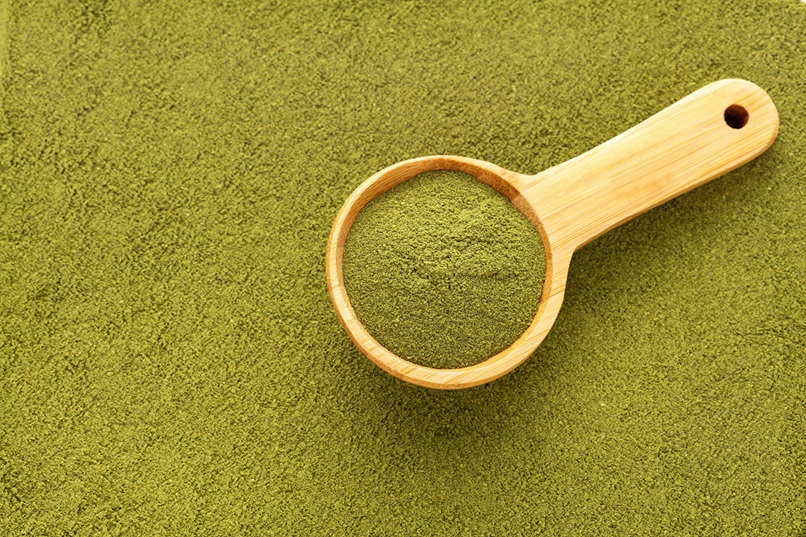
A teaspoon of moringa powder mixed into water creates a deep green coloured drink. It smells grassy, fresh, and salty, suggesting the leaf’s deeply nutritious quality. The taste is also grassy and salty, with a slightly pungent and mustard taste. Salty tastes indicate the high mineral content, and moringa powder has a similar taste to a nettle infusion, which also has a high mineral content.
The pungency is due to the glucosinolate compounds (isothiocyanates), which are commonly found in mustard-family plants (1). Isothiocyanates account for many of the antimicrobial and antioxidant actions or moringa, as well as contributing to the detoxification support for the liver (1). Moringa initially feels fresh and cooling to drink, but then slightly warming as it stimulates the digestion and moves down through the body.

-
Into the heart of moringa

Moringa (Moringa oleifera) Mechanistically, the effects of moringa are linked to immune system modulation and positive effects of metabolic pathways (13). The predominant constituents in moringa are flavonoids (quercetin, kaempferol, astragalin, rutin), which are known to have antioxidant activity, and linked to much of the medicinal activity or moringa (14).
The other phenolic compounds in moringa are also strong antioxidants, acting as free radical scavengers or chelating agents, with the leaf of the plant having the highest antioxidant potential (14,15). The high antioxidant (free radical scavenging effects) of moringa appear to provide the rationale for the widespread therapeutic use across the world (15).
Moringa can act as an anti-diabetic agent in both type 1 and insulin-resistant type 2 diabetes (7). High blood glucose levels tax the mitochondria in the pancreatic cells as they metabolise the glucose, creating reactive oxygen species (ROS) in the process. These ROS cause damage and eventual apoptosis of the beta cells in the pancreas, decreased insulin secretion, and subsequent hyperglycaemia and progression of diabetic symptoms.
The flavonoids in moringa (quercetin and phenolics) are antioxidants which scavenge the reactive oxygen species (ROS) released from mitochondria thereby protecting the beta cells and in turn keeping hyperglycaemia under control (7,14,15). The carbamate constituents also contribute to glucose regulation by stimulating insulin release, which promotes glucose uptake by insulin-resistant cells and reduces blood glucose levels in diabetic pathologies (14).
The anti-atherogenic nature of moringa is also linked to the antioxidant constituents (flavonoids, phenols, vitamin A, C, E). Antioxidant actions reduce advanced glycated end products (AGEs) and oxidised LDL particles, which adhere to the endothelium of arteries causing inflammation which leads to atherosclerosis (7).
Moringa contains a somewhat distinctive group of compounds called glucosinolates, which possess hypotensive, chemo-preventive, anticancer, and antibacterial activity (16).
Moringa extracts have antibacterial activity against bacteria including Bacillus subtilis, Staphylococcus aureus, methicillin-resistant Staphylococcus aureus (MRSA), and Vibrio cholera (7,13). The phenols (epicatechin, catechin, chlorogenic acids, gallic acid, ferulic acid, vanillin, caffeic acid, and cinnamic acid) have antibacterial activity against Bacillus cereus, Staphylococcus aureus, Escherichia coli, Pseudomonas aeruginosa and Yersinia enterocolitica (14).
Energetically, moringa is slightly warming, as it supports cold or stagnant digestion, and gently stimulating, of slow metabolic states. It is slightly drying as it helps to clear digestive stagnation, and reduces dampness and sluggishness. As a nutritive, moringa also offers deep nourishment to dry and atrophic, malnourished tissues.
-
What practitioners say

Moringa (Moringa oleifera) Digestive system
Moringa is a rich source of essential nutrients and has a significant impact on improving nutritional deficiencies, therefore improving the health of most body systems and overall human wellbeing (17). It is an excellent source of highly digestible protein, calcium, iron, potassium, vitamins, trace minerals, essential amino acids, antioxidants, and carotenoids (16). It can be taken as a supplement to diet in cases of malnutrition or during illness when food intake is decreased, or for specific deficiencies such as iron deficiency anaemia (6,18).
It is an excellent supplement for use during recuperation from illness, and in chronic illnesses such as chronic fatigue syndrome (CFS) or myalgic encephalomyelitis (ME) where nutrient requirements are high but digestion may be compromised. It is recommended for any times when the appetite or digestion is vulnerable, such as chronic illnesses, cancer, those undergoing chemotherapy, and the elderly.
Moringa dried leaf powder is shelf stable and can be stored for several months without losing the majority of its nutritional properties (5). In fact, adding moringa to baking and meals not only increases the nutrient density but extends the shelf life of stored food (19). Mixing it into other foods can also prevent food-borne diseases, which are rife in many parts of the world, particularly the developing countries (16).
The high antioxidant content of moringa provides considerable support for the normal functioning of the liver. It also has hepatoprotective effects by increasing antioxidant enzyme levels and protecting against the hepatotoxicity of certain drugs, including paracetamol (acetaminophen) (5,16). Moringa is a good supplement to take alongside pharmaceutical medications to support the liver, after checking for specific drug interactions on a case-by-case basis.
Endocrine system
Moringa has traditionally been used in the management of diabetes to maintain glycaemic control in both diabetes and prediabetes, which is necessary to prevent many health complications and mortality (20). It can be used in cases of both type I and II diabetes, although medications may need to be adjusted due to enhanced blood glucose control (7).
Two research reviews of the literature on the role of moringa leaves on glycaemic control and the physiological mechanisms, concluding that moringa can improve glucose metabolism, without causing any adverse effects (20,21). Although these reviews included studies that were in vitro and in vivo conducted in animals, there is some clinical evidence to support the use of moringa for glycaemic control, and mitigation of risk factors in diabetes (18,22,23,24).
The proposed mechanisms for improving blood glucose control are increased inhibition of glucose uptake from the intestine, decreased gluconeogenesis in the liver, increased glucose uptake out of the blood into the muscles and liver, and increased insulin secretion and sensitivity (20,21). Moringa may also reverse the damage to the islet cells in the pancreas, further supporting its use in cases of diabetes (25,26). Explore our article on herbs for blood glucose support and diabetes.
Obesity is a major health complication of diabetes, and moringa also has anti-obesity potential, helping to reduce body weight by several mechanisms in addition to improving glucose tolerance and insulin signalling. Moringa may down-regulate expression of genes that signal adipogenesis (generation of fat cells and storage of fat), and up-regulate lipolysis proteins, which break down stored fat (10). Moringa can also help to control hunger by regulating the satiety hormones ghrelin and leptin (10).
Cardiovascular system
Moringa is supportive for the prevention and treatment of several chronic cardiovascular diseases, stroke, hypertension, certain cancers and obesity (10). Moringa can be taken to help modulate key cardiometabolic risk factors such as blood lipid profile (total cholesterol, triglycerides (TG), low-density lipoprotein (LDL), very low-density lipoprotein, high-density lipoprotein), fasting blood glucose, blood pressure and anthropometric indices (10,11).
Clinical evidence demonstrates that moringa can reduce total cholesterol, TG, and LDL, reducing dyslipidaemia as a major risk factor for atherosclerosis (23,24,27,28). It is the combination of the anti-oxidant, anti-inflammatory, anti-diabetic, and lipid-lowering actions that places moringa as a valuable herb and functional food in the nutritional management of cardiometabolic diseases (11,14).
Immune system
Moringa modulates the immune system by regulating immune cells and improving the levels of antioxidant enzymes, thus decreasing oxidative stress, lipid peroxidation, protein oxidation, and inflammation (10, 14). These antioxidants play an important role in inhibiting and scavenging free radicals, thus providing protection to human against infections and many degenerative diseases (2, 15). The anti-inflammatory action is effective directly in the intestinal lining, where moringa can support inflammatory bowel diseases such as ulcerative colitis (29).
Moringa leaf extract has significant antibiotic activity, although efficacy has only been demonstrated in animal models (14). It has antimicrobial properties that inhibit bacterial growth, and broad-spectrum activity against the food-borne pathogens including Escherichia coli, Pseudomonas aeruginosa, Staphylococcus aureus, and Enterobacter aerogenes (16). Therefore moringa is a good supplement to include when treating gastric infections, as this will not only improve the nutrients intake during the illness, but also provide antimicrobial action in the intestines.
It has antibiotic activity against Helicobacter pylori, which is a major cause of gastritis, gastric, and duodenal ulcers; and is a major risk factor for gastric cancer (1, 16). The emergence of drug-resistant microorganisms is one of the biggest health challenges of the 21st century, and moringa has antibiotic action against some of these strains (13). Moringa flavonoids can inhibit biofilms, which are a major cause of anti-biotic resistance, with anti-microbial potential against multi-drug resistant strains of bacteria (5, 13).
The antiseptic and detergent properties of moringa leaf powder make it an effective antibacterial wash for the skin (30). It has demonstrated antibacterial effects against Escherichia coli in human clinical research, making it an efficacious washing product for controlling pathogenic organisms that are transmitted through contaminated hands (30).
As an immunomodulator, moringa is recommended by herbal practitioners for patients with HIV and AIDS to support the immune system (1,7). It supports the immune system by increasing the CD4, platelet and lymphocyte count, reducing the viral load, and increasing the quality of life of HIV positive individuals (31, 32).
Reproductive system
Moringa is a galactagogue, which can increase breast milk production during lactation by increasing serum prolactin levels (16). It will also increase the nutritional quality of the milk, and the appetite of lactating mothers, enhancing the nutritional outcome of infants (13, 14, 16). Moringa is rich in the phytosterols stigmasterol, sitosterol and kampesterol which are precursors for reproductive hormones (7). These compounds increase the oestrogen production, which in turn stimulates the proliferation of the mammary gland ducts to produce milk, further augmenting milk production in lactating mothers (7).
Iron deficiency anaemia is common in women during the menstruating years. Moringa is an excellent supplement to add to the diet, providing a highly bio-available, non-constipating source of iron (4). In iron deficient and anaemic individuals, moringa supplementation has been shown to increase iron and haemoglobin levels (18).
-
Moringa research

Moringa (Moringa oleifera) Efficacy of malunggay (Moringa oleifera) leaves in improving the iron and vitamins A and B status of Filipino schoolchildren (6)
The aim of this study was to determine if supplementing the diet of schoolchildren with moringa leaf would improve nutritional status. The study included 121 underweight school children (8–10 years old) from two schools in the Philippines. Divided into two experimental groups, the children were given the same snack meal every day at recess, for 120 days. The control group (n=60) received only the snack, and the experimental group (n=61) had moringa leaf powder (3 g) added. Before and after the 120-day feeding period, height, weight, food intake, haemoglobin, serum ferritin, vitamin A, riboflavin and folic acid were measured.
There was no difference in the increase in height and weight between the groups, and serum vitamin A levels increased in both groups. However, a significant increase in serum folic acid occurred only in the experimental group, and there was a greater increase in haemoglobin levels of the moringa group. It was concluded that regular consumption of moringa may help alleviate certain micronutrient deficiencies, such as iron deficiency anaemia, vitamin A deficiency, and B vitamin deficiencies, particularly in areas where the prevalence of these are at a significant level, such as the Philippines. This suggests moringa may be an efficacious supplement to improve certain nutrient deficiencies (6).
Effect of Moringa oleifera on blood glucose, LDL levels in type II diabetic obese people (23)
This pre- and post-test trial aimed to determine the effect of moringa dried leaf powder on the blood glucose and low density lipoprotein (LDL) levels of obese individuals with type II diabetes. The 15 participants (nine male, six female) supplemented their diet with 50 g per day of a powder containing moringa leaf (40 g), salt (2.5 g), chilli powder (3.5 g), coriander powder (3.5 g) for 20 days.
From pre- to post-test, there was a significant decrease in fasting blood glucose (8.9%) and LDL (30.1%). The authors concluded that this study supports the use of moringa leaf in the diet of obese people with type II diabetes to reduce glucose levels and cholesterol. It should be noted there was no control group in this study, and the other ingredients in the powder cannot be discounted as affecting the results (23).
Moringa oleifera leaf supplementation as a glycemic control strategy in subjects with prediabetes (22)
This double-blind, randomized, placebo-controlled, parallel group intervention study aimed to evaluate whether daily consumption of moringa leaf improves glycaemic control in subjects with prediabetes. Secondarily, the effect on gut microbiota composition, hepatic and renal function and hormones involved in appetite control were also assessed. The participants consumed six daily capsules of either moringa dry leaf powder (2400 mg/day) (n = 31) or placebo (n = 34) for 12 weeks. The change from baseline was compared between the groups and showed significant differences in the change of fasting blood glucose and glycated haemoglobin (HbA1c), both decreasing in moringa trial and increasing in placebo group.
There was no difference in the microbiota, hepatic and renal function markers or the appetite-controlling hormones between the groups. It was concluded that moringa is a natural antihyperglycemic supplement, resulting in favourable changes in glycaemic markers in prediabetes patients.
Effect of moringa leaves powder on body weight, glycemic status, lipid profile, and blood pressure in overweight individuals with hyperlipidemia (28)
The study was designed as a randomized controlled parallel clinical trial, examining the effects of moringa on body weight, glycaemic status, lipid profile, and blood pressure. A group of 40 overweight, hyperlipidaemic participants of both sexes (aged 30–60 years), were randomly divided into two groups (n=20). Participants received two capsules per day of either moringa (0.5 g of powdered moringa leaves) or the control (0.5 g of corn starch), for 12 weeks.
Anthropometric measurements (weight, BMI, and waist circumference (WC)), biochemical parameters (lipid profile and blood glucose levels), blood pressure (BP), and dietary intake (24-hour dietary recall) were taken at baseline and after 12 weeks. There was a significant reduction in carbohydrate, energy, and cholesterol intake in the moringa group compared to baseline. Body weight, BMI, and WC were significantly lowered (P≤0.05) in the treatment group than the control group.
Also, there were significant differences (P≤0.05) in BP, triglyceride, LDL and HDL cholesterol between the treatment and control groups. The study indicates that a 1 g dose of moringa over 12 weeks effectively reduced body weight, BP, triglycerides, and LDL and HDL cholesterol levels. This suggested that moringa may be an effective complementary treatment alongside existing therapies to improve lipid profiles in hyperlipidaemic patients (28).
A double-blind, randomised controlled trial to examine the effect of Moringa oleifera leaf powder supplementation on the immune status and anthropometric parameters of adult HIV patients on antiretroviral therapy in a resource-limited setting (31)
This double-blind, randomized study aimed to evaluate the effects of moringa leaf supplementation on the CD4 counts, viral load and anthropometric measures in HIV-positive adults, on antiretroviral therapy (ART). Two hundred patients were allocated to receive either moringa powder (15 g per day) or placebo (colour matched cornstarch). Anthropometric measures (weight, body mass index (BMI)) and CD4 cell counts were measured monthly for six months. HIV-1 viral loads were measured at baseline and after six months.
The viral load and anthropometric data was not significantly different between the two groups at any time point, although the authors highlight that the cohort was not underweight nor exhibiting a high viral load at baseline. However, the CD4 count significantly increased in the moringa group, with a 10.33 fold greater increase compared to the placebo group.
It was concluded that the moringa supplementation was associated with increased CD4 cell counts and should be considered as a nutritional supplementation as part of a comprehensive approach to ensure optimal treatment outcomes in patients with HIV (31).
-
Historical use of moringa

Moringa (Moringa oleifera) Moringa has been used across the world (Roman, Greek, Egyptian, and Indian) for thousands of years, with evidence dating back to 150 BC (2). Ancient kings and queens used moringa in their diet for mental alertness and healthy skin (2). Ancient warriors in India consumed an elixir drink of moringa leaf, giving them extra energy and relieving the stress and pain incurred during war (2).
Moringa has a long history of traditional use across Africa and Asia, considered a panacea used to treat over 300 ailments, including anaemia, anxiety, asthma, ulcers, blood impurities, snake bites, bronchitis, catarrh, chest congestion, hiccups, cholera, conjunctivitis, cough, diarrhoea, eye and ear infections, fever, glandular issues, headaches, abnormal blood pressure, hysteria, rheumatism, respiratory disorders, scurvy, semen deficiency, sore throat, sprains, tuberculosis, helminthiasis (intestinal worms), lactation issues and diabetes (2,7,13,14).
Moringa oil and preparations applied to the skin were revered to have remarkable healing properties for skin infections, skin sores, blackheads, swelling, pimples, psoriasis (7). The cosmetic value was reflected in its use in body and hair care, and as a moisturizer and skin conditioner (2,14).
-
Moringa’s herbal actions
Herbal actions describe therapeutic changes that occur in the body in response to taking a herb. These actions are used to express how a herb physiologically influences cells, tissues, organs or systems. Clinical observations are traditionally what have defined these actions: an increase in urine output, diuretic; improved wound healing, vulnerary; or a reduction in fever, antipyretic. These descriptors too have become a means to group herbs by their effects on the body — herbs with a nervine action have become the nervines, herbs with a bitter action are the bitters. Recognising herbs as members of these groups provides a preliminary familiarity with their mechanisms from which to then develop an understanding of their affinities and nuance and discern their clinical significance.
-
Moringa’s energetic qualities
Herbal energetics are the description that herbalists have given to plants, mushrooms, lichens, foods and some minerals based on the direct experience of how they taste, feel and affect the body. All traditional health systems use these principles to explain how the environment impacts health, according to each of their philosophies and frameworks. These assessments of individual herbs, though they often do align, can differ from one another due to cultural differences regarding perspectives on how herbs taste versus their physiological effects. Find out more about traditional energetics in our article An introduction to herbal energetics.
-
What can I use moringa for?

Moringa (Moringa oleifera) Moringa is an edible plant considered to be a superfood due to its nutrient density and wide range of uses, regarded as both a food and a medicine (2,3). The leaves, fruit, flowers, and immature pods of the tree are all edible, highly nutritious, and consumed around the world for its health benefits (3).
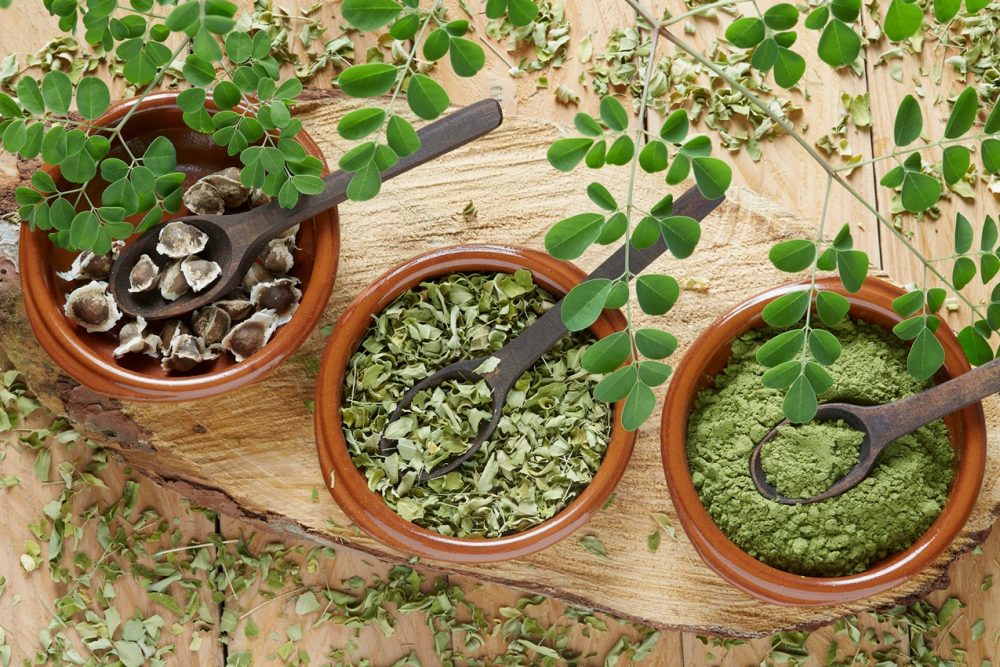
However, the leaf is considered the most nutritious and commonly consumed part, typically ground into a powder for use (4). Moringa is rich in vitamins A (beta-carotene), B, C, E, K, iron, calcium, potassium, manganese, zinc, and protein (5).
It is so nutrient dense that the World Health Organization promotes moringa to treat malnutrition, especially in countries suffering from poverty, poor health, undernourishment, unemployment and isolation in international trade (2,4). It can be used as fresh or dried leaf for infusions, and as a culinary vegetable. The dried powder can be diluted in water and consumed as a drink, mixed with fruit juice, or added to food and smoothies.
A teaspoon of moringa powder will mix into cold water, but dissolves better in warm water, then left to cool before drinking. If mixing with water to consume, the taste is improved greatly by adding a little lemon juice or ground ginger, which makes a deliciously refreshing morning drink.
Moringa is an important nutrition source providing substantial health benefits to countries struggling with malnutrition and hunger (5). It contains all the essential amino acids, making it a complete source of protein (5). Combined with the nutrient density, it is excellent for use during convalescent or times of reduced appetite. Research has demonstrated that supplementing with as little as three grams per day of moringa leaf powder can improve iron, vitamin A and vitamin B deficiencies (6).
The young seedpods, commonly known as “drumsticks” are often prepared as a culinary vegetable in curries and soups in South Asia, tasting like asparagus and green beans (7). The root is ground up and mixed with salt and vinegar to make a horseradish-like condiment (7,8). Because it is so fast growing and produces leaves and pods during the dry season and drought in sub-Saharan Africa and South Asia, it provides a nutritious green vegetable when little other food is available (4).
Moringa is most commonly used as a nutritional supplement, but medicinal uses extend to treating infections, reducing blood glucose in diabetes, and lowering cholesterol levels (9). The actions and medicinal uses of moringa are anti-hypertensive, diuretic, cholesterol lowering, antispasmodic, anti-allergenic, anti-asthmatic, antiulcer, hepatoprotective, antitumor and anticancer, antibacterial, and antifungal (3, 10).
In many regions of Africa, moringa is widely consumed for self-medication by patients with diabetes, hypertension, or HIV/AIDS (11). A recent review, published in 2026, concluded that there is enough evidence from human studies to indicate that moringa can consistently improve immune function, glycaemic control, and antioxidant status, particularly among individuals with HIV infection, prediabetes, and malnutrition (12).
The leaves, pods, seeds, gums, bark and flowers of moringa are used across the world to mitigate mineral and vitamin deficiencies, support cardiovascular health, regulate blood glucose levels, quench free radicals and reduce oxidative stress, support inflammatory mechanisms, enrich the blood, and support the immune system (2).
-
Did you know?
The wood of the moringa tree is corky and is used to make mats, paper, and cordage (8). Moringa seeds are widely used in water purification due to the antibacterial actions, and removing mental ions in contaminated water (14).





-
Botanical description
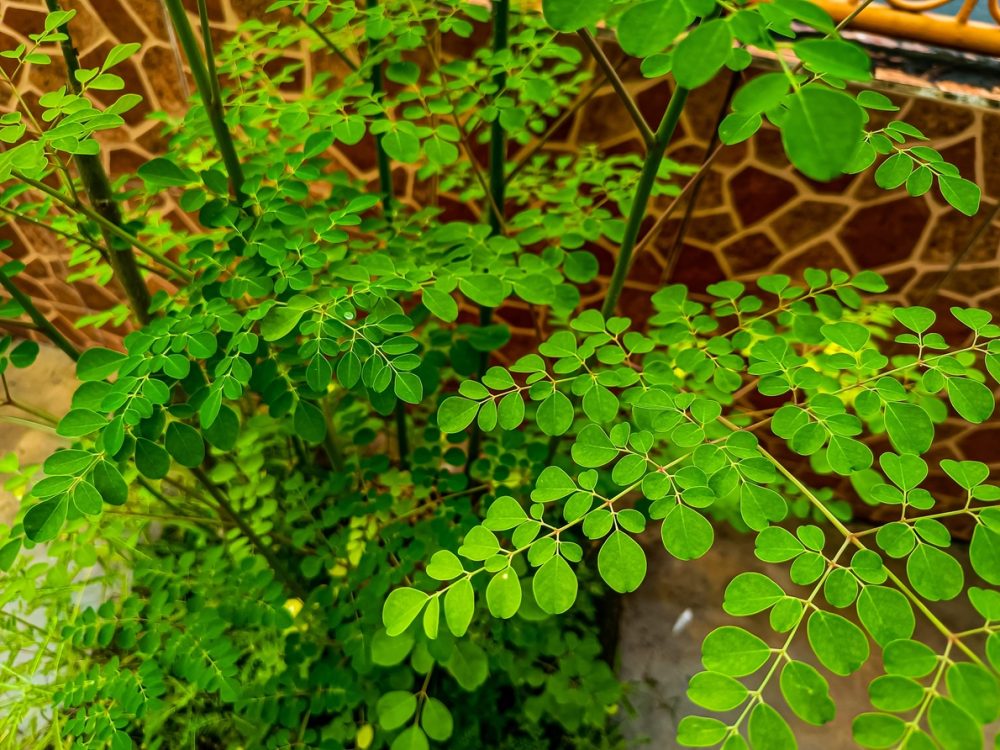
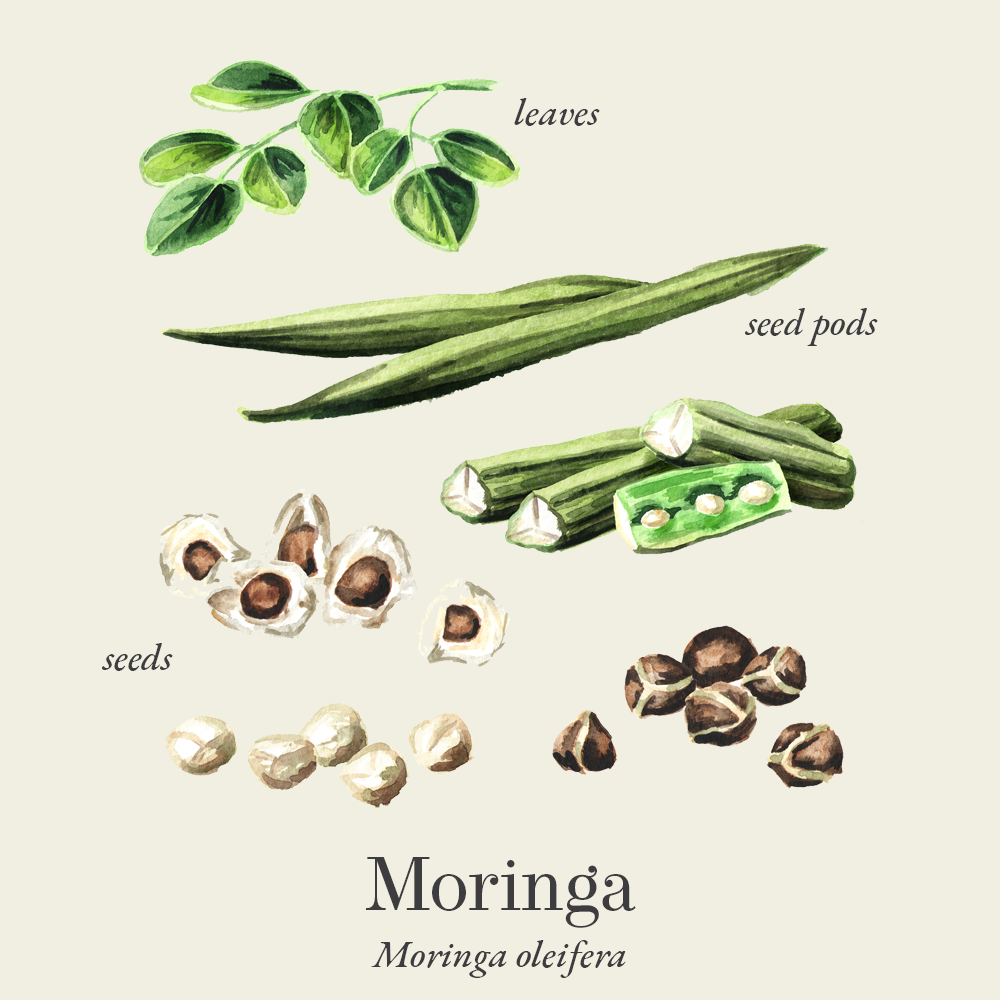
The moringa genus is comprised of 13 species, among which Moringa oleifera is the most cultivated as a food source and for medicinal use (1). Moringa is a deciduous, perennial, soft-wood, fast growing, and drought-resistant tree, 2.5º12 metres tall, with a trunk diameter of up to 45 cm upon maturity (1,8,33).
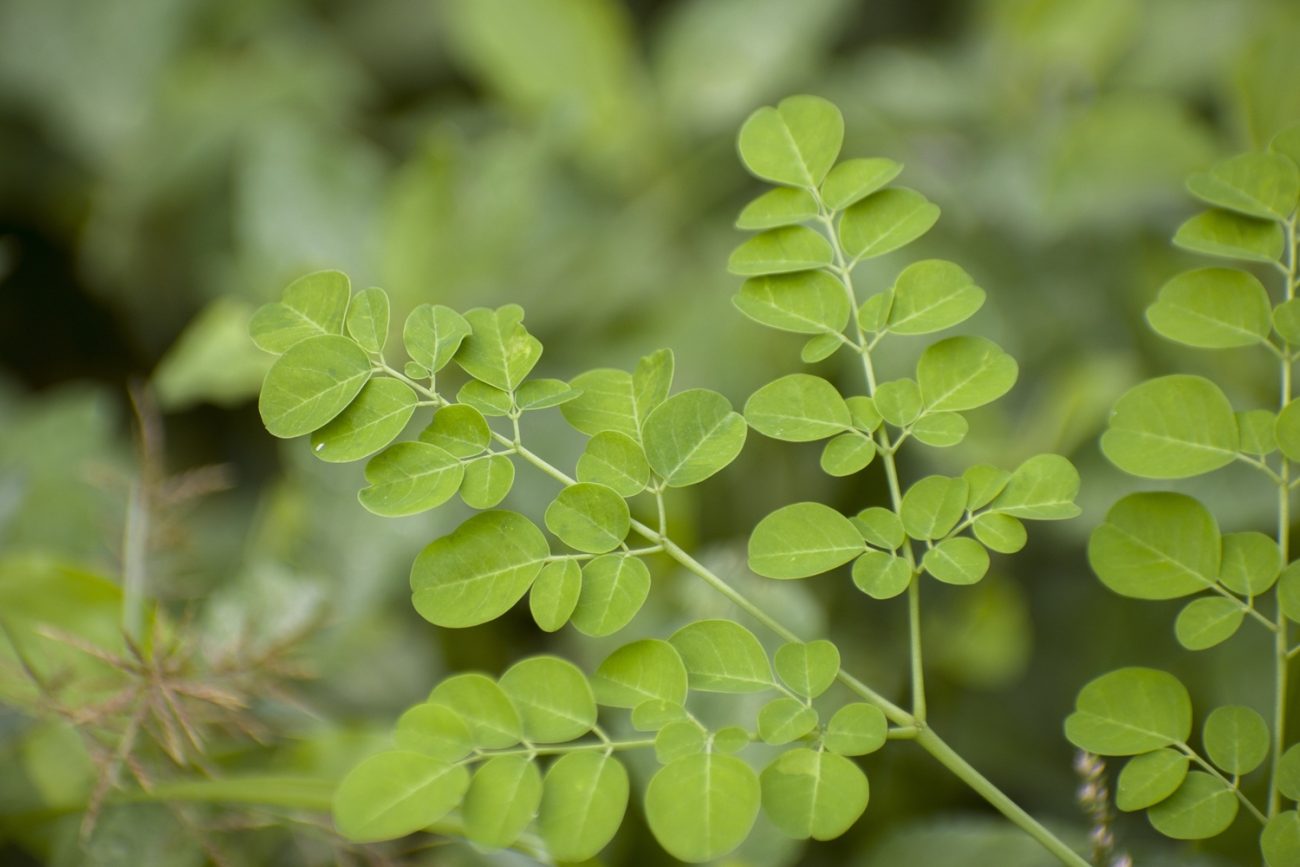
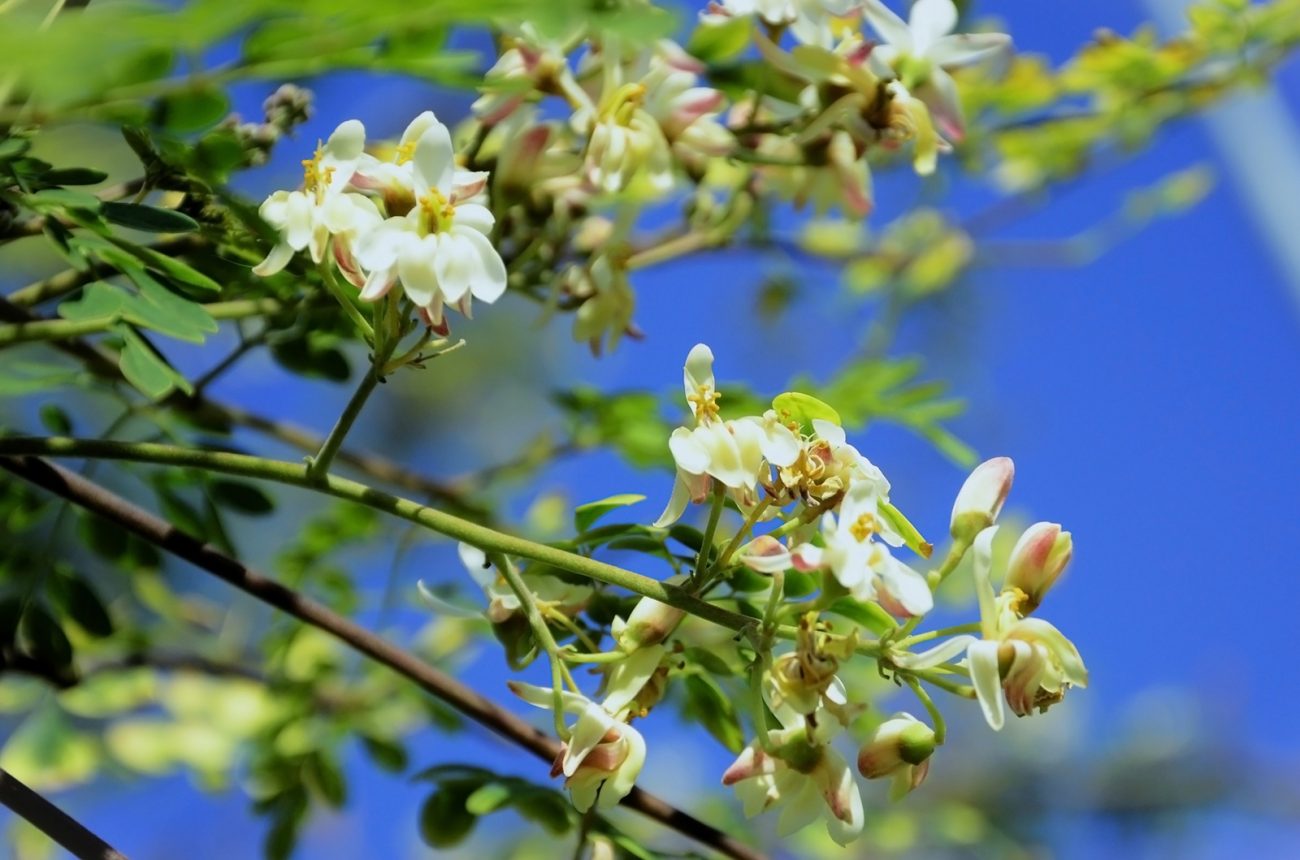
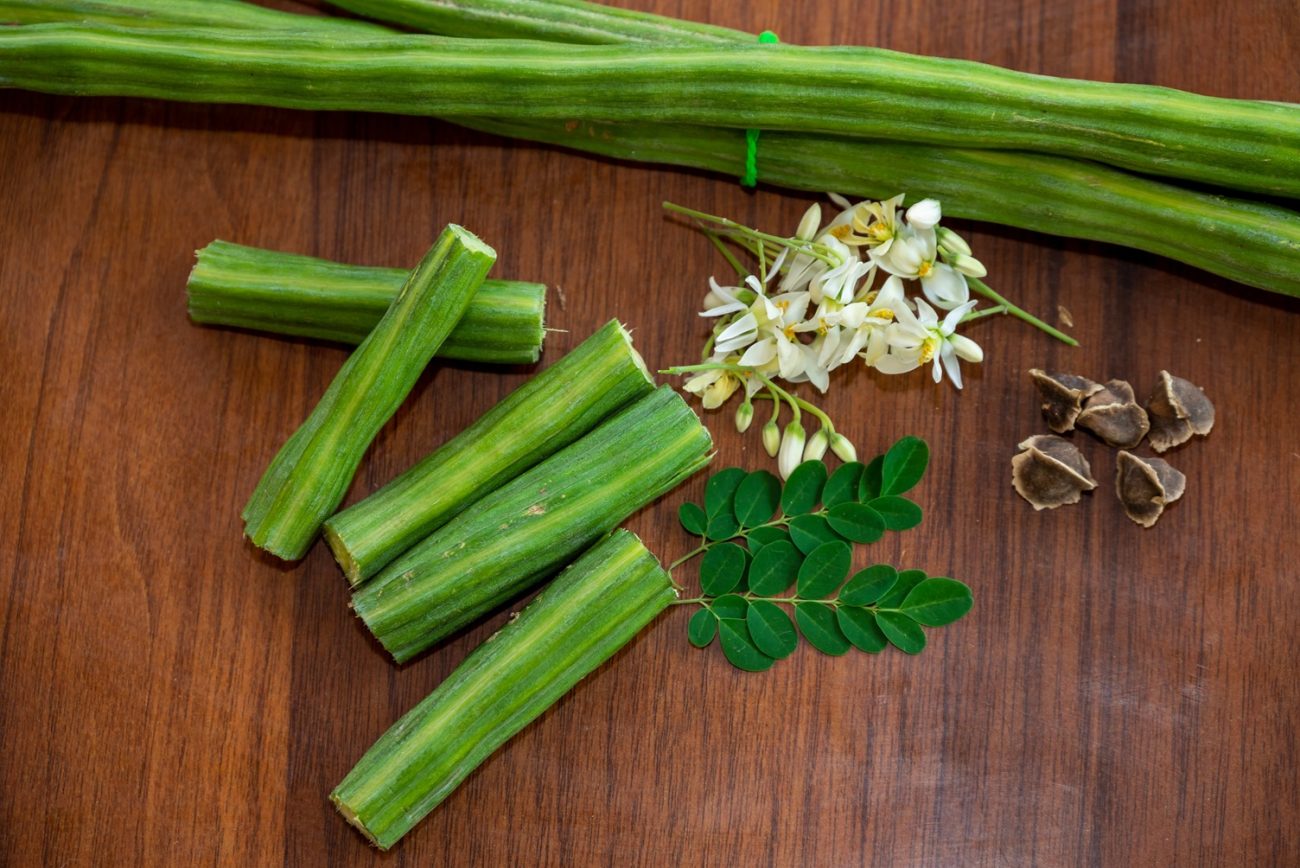
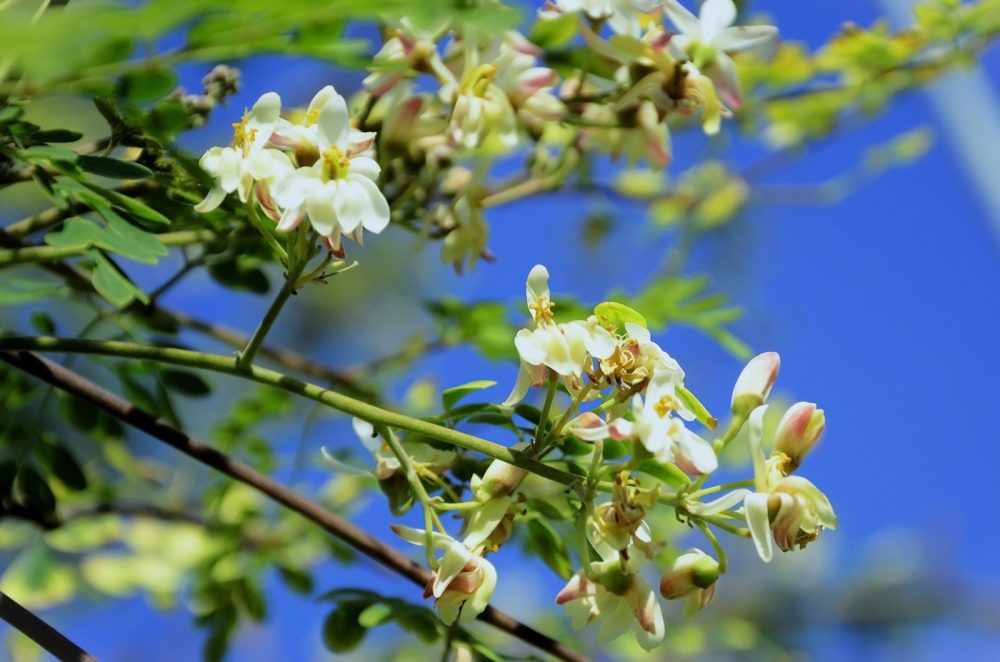
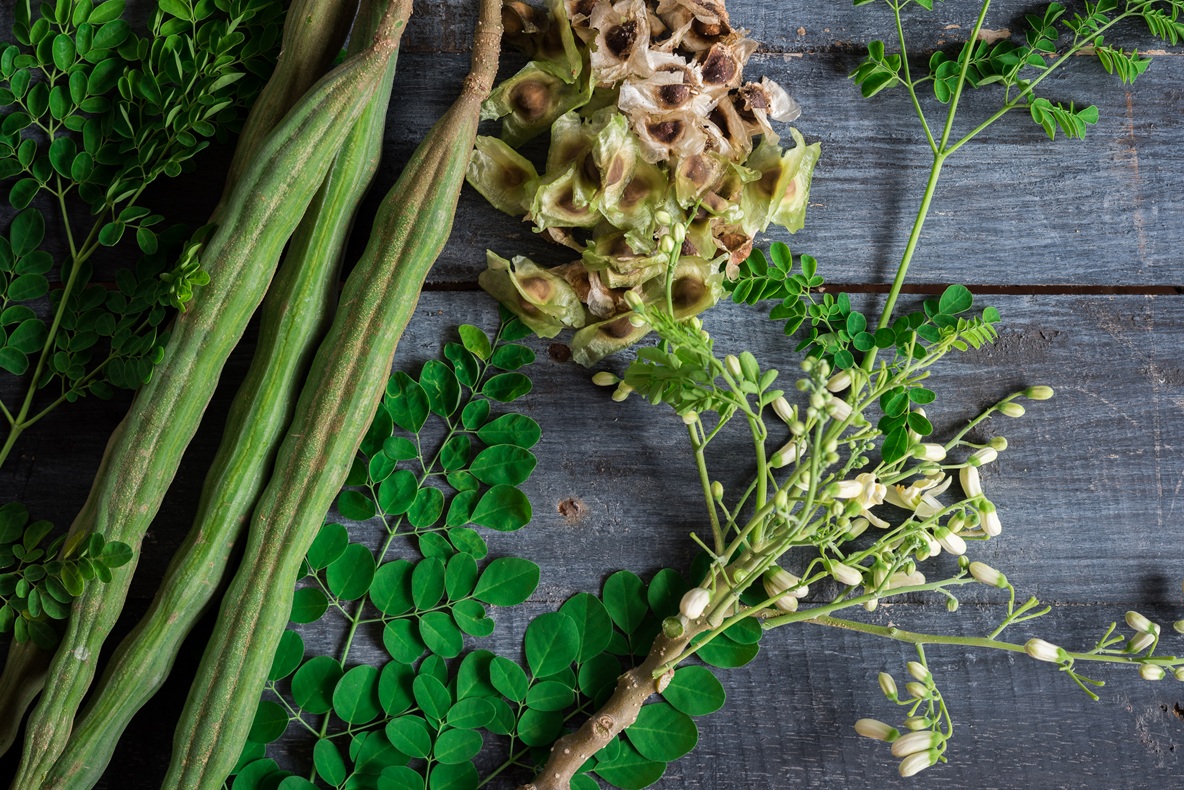
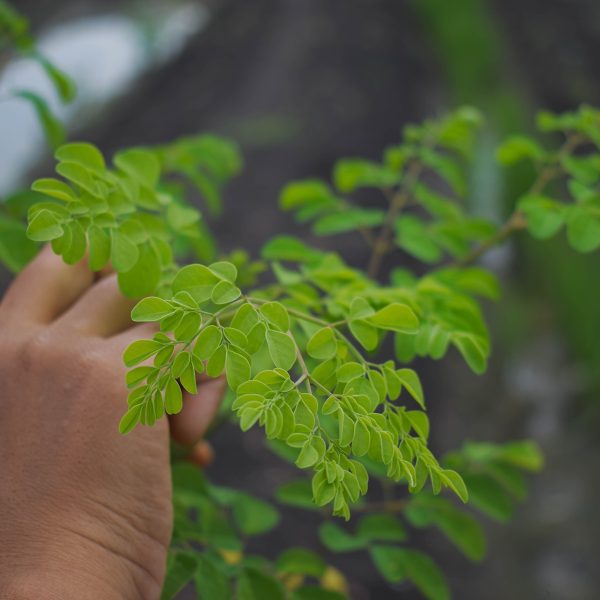
The three-pinnate compound leaves have leaflets 12–18 mm long (14). The flowers are bisexual and fragrant, with five thinly veined yellowish-white petals with five stamens (5,8).
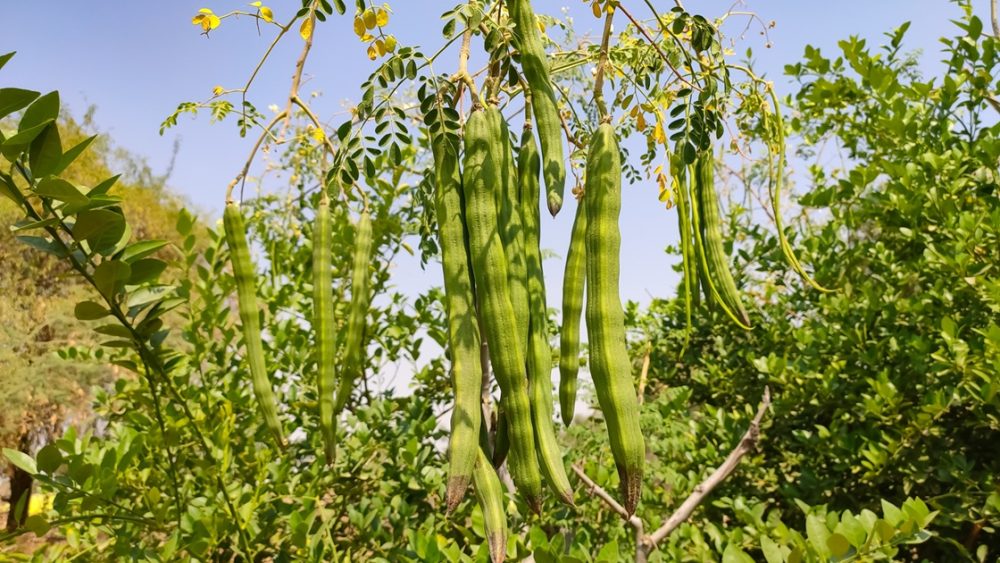
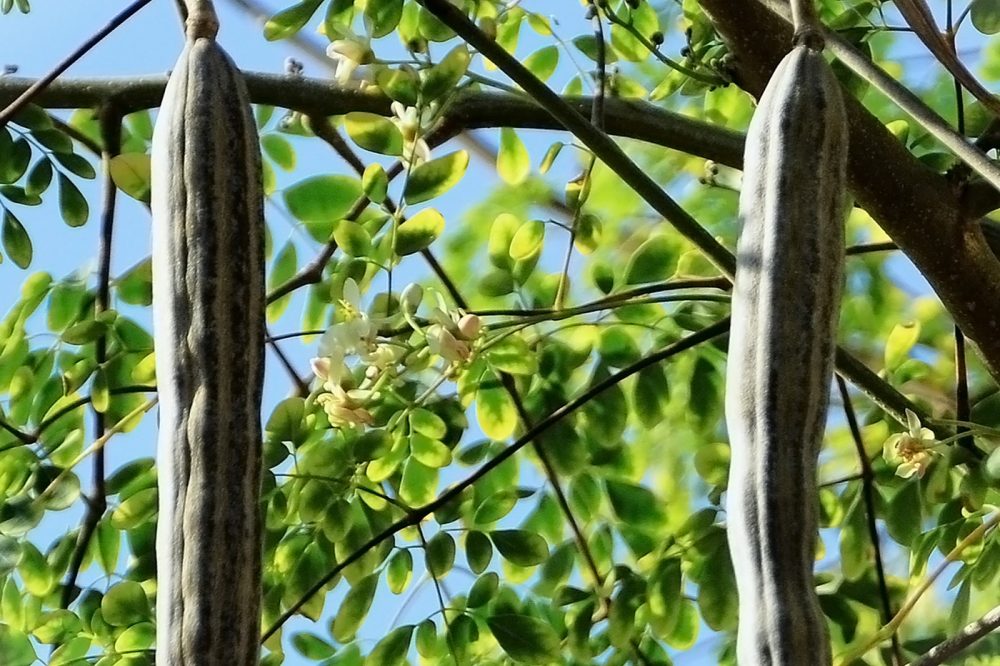
The large seeds (1cm) are encased in long green pods (20–45 cm), with each tree producing hundreds of pods per season (4,8). Each pod splits open when ripe into three sections, each containing a row of triangular seeds enclosed individually by a thin, brownish semi-permeable seed hull (4,8).
-
Common names
- Horseradish tree
- Moringa
- Drumstick tree
- Miricle tree
- Ben oil tree
- Benzoil tree
- Indian mulberry
- Mother’s best Friend
-
Habitat
Moringa is native to Pakistan, India, and Bangladesh, and has been introduced across Africa, Southeast Asia and Central America, growing primarily in the seasonally dry tropical biome (8,34). Moringa trees have either been planted, self-seeded or naturalised in southern Florida including Florida Keys, throughout West Indies (Bahamas, Cuba, Trindad and Tobago and Curacao), and from Mexico to Peru, Paraguay, and Brazil (35).
It is widely planted for ornament and along roadsides in Puerto Rico, especially in the coastal regions (35). It grows well in humid tropics, as well as hot, dry lands, and is drought tolerant (8). In the wild, it is found most commonly near riverbeds but occurs throughout desert and coastal plains (8).
-
How to grow moringa
Moringa can be grown from seed or cuttings, growing rapidly and therefore planting directly in the permanent location is recommended. Choose a location with full sun exposure, ideally 6–8 hours per day for optimal growth, in sandy, well draining, slightly acidic soil (36). It grows well in a range of soils including sand and limestone, and requires good drainage (8). The direct seeding method has a high germination rate, and sprouts in 5–12 days (7).
When grown from seed it develops a deep taproot system, enabling efficient water uptake (8). The tree grows rapidly to a height of 4 metres in 12 months, and producing both flowers and fruits in the first year (8). Moringa thrives in warm tropical/subtropical climates (21–35°C), and while mature trees tolerate light frost, temperatures below 7°C can damage young plants and container or indoor growth is recommended in colder climates (36).
-
Herbal preparation of moringa
- Dried or fresh leaf as infusion
- Leaf powder — mixed in water or added to drinks or food
- Seed powder
Please note: To preserve the vitamin C content, mix with cold or warm water, although the rest of the minerals and nutrients will remain if boiling water is used (7).
-
Plant parts used
- Leaves
- Seeds
- Seed pods (drumsticks) — for culinary use
-
Dosage
- Leaf powder: 2.5–8g per day (22,24,38). Up to 30g per day is safe to consume, although the higher doses may cause mild gastric upset and diarrhoea (37,38)
- Seeds: 3 g, twice per day (38)
- Infusion: 3–5 g dried leaf per day
- Topical: 2% cream, applied three times a day (38)
-
Constituents
- Flavonoids: Astragalin, quercetin, kaempferide, kaempferol, kaempferol rhamnoglucoside isoquercitrin, myricetin, isorhamnetin, apigenin, daidzein, genistein, luteolin (14,15)
- Phenols:
- Hydroxycinnamic acids: Cryptochlorogenic acid, chlorogenic acid, caffeoyl quinic acid, caffeic acid, p-coumaric acid, ferulic acid, methyl ferulate, sinapic acid (14, 15)
- Hydroxybenzoic acids: Gallic acid, protocatechuic acid, benzoic acid, methyl vanillate, vanillin, syringic acid, and gentisic acid (14)
- Benzaldehydes (14)
- Catechins: Catechin and epicatechin (14)
- Ellagitannins (14)
- Coumarins (14)
- Moringyne and cinnamic acid (14)
- Nitrogenous compounds (carbamates): Niazinin A and B, marumoside A and B (14)
- Glucosinolates: Niazirinin, glucomoringin, glucoraphanin, isothiocyanates (1,14, 16)
- Phyto-sterols: β-Sitosterol, β-sitosterone (14)
- Nutrients: Vitamins A ,B, C,D,E (α-tocopherol and γ-tocopherol) and K, calcium, copper, iron, potassium, magnesium, manganese and zinc (2,14,16)
Nutrient composition of moringa leaf, leaf powder, seed and pods. Values are per 100g (Adapted from Gopalakrishnan et al., 2016 (7).
Nutrients Fresh leaves Dry leaves Leaf powder Seed Pods Calories (cal) 92 329 205 – 26 Protein (g) 6.7 29.4 27.1 35.97 ± 0.19 2.5 Fat (g) 1.7 5.2 2.3 38.67 ± 0.03 0.1 Carbohydrate (g) 12.5 41.2 38.2 8.67 ± 0.12 3.7 Fibre (g) 0.9 12.5 19.2 2.87 ± 0.03 4.8 Vitamin B1 (mg) 0.06 2.02 2.64 0.05 0.05 Vitamin B2 (mg) 0.05 21.3 20.5 0.06 0.07 Vitamin B3 (mg) 0.8 7.6 8.2 0.2 0.2 Vitamin C (mg) 220 15.8 17.3 4.5 ± 0.17 120 Vitamin E (mg) 448 10.8 113 751.67 ± 4.41 – Calcium (mg) 440 2185 2003 45 30 Magnesium (mg) 42 448 368 635 ± 8.66 24 Phosphorus (mg) 70 252 204 75 110 Potassium (mg) 259 1236 1324 – 259 Copper (mg) 0.07 0.49 0.57 5.20 ± 0.15 3.1 Iron (mg) 0.85 25.6 28.2 – 5.3 Sulphur (mg) – – 870 0.05 137
-
Moringa recipe
Moringa morning smoothie
The nutrient-dense smoothie is packed with micronutrients and protein, it is refreshing and easy to digest and maintain energy and focus.
Ingredients
- 1 teaspoon (3–5g) moringa powder
- 1 tablespoon chia seeds
- 1 tablespoon goji berries
- 1 tablespoon peanut or almond butter
- Half cup frozen pineapple
- Half cup frozen berries
- 200 ml plant based milk (oat or almond works well).
- 1–2 teaspoon honey or maple syrup (optional)
- Cocoa nibs (optional)
- Peppermint leaves
- Additional water to adjust to preferred consistency
How to make a moringa smoothie
- Add all the ingredients to a blender and blend for 30–60 seconds.
- Adjust sweetness by adding honey if desired
- Adjust consistency by adding water as desired.
- Add cocoa nibs after blending for added crunch if desired.
- Pour into a glass and garnish with fresh peppermint leaves.

-
Safety
It is generally safe to consume moringa leaf and seeds, and to take the powder at the recommended doses (9). Leaf powder and extracts used in human clinical trials have demonstrated no adverse effects (37). Supplementation of moringa leaf extract is potentially toxic above 3 g/kg of body weight, but safe at levels below 1 g/kg (39). Human data on toxicity of the bark and roots is limited, but experimental research shows that compounds present can produce harmful effects when taken in large quantities (9).
-
Interactions
Large doses of moringa may interfere with prescription drugs affecting cytochrome P450 (including CYP3A4), such as some antibiotics (specifically rifampicin), immunosuppressants, certain statins, benzodiazepines, calcium-channel blockers, some antiretrovirals, some anticonvulsants (9). It may inhibit the antihyperglycemic effect of diabetic medications such as sitagliptin (9). It is advised to seek guidance from a medical herbalist or health care practitioner before taking large doses of any herbal medicines when concurrently taking prescribed medications.
-
Contraindications
Moringa should only be taken under the guidance of a medical herbalist in cases of diabetes (9).
Moringa is safe to take during the second and third trimester of pregnancy (38). Is it advisable to only take moringa during pregnancy and when breast-feeding under the guidance of a medical herbalist (9).
Explore our Resources: You can find qualified medical herbal professionals.
-
Sustainability status of moringa
Moringa is widely distributed through the tropics, and has a globally recognized conservation status ranking of least concern (8,35). Moringa is not listed under the U.S. Endangered Species Act or by the Committee on the Status of Endangered Wildlife in Canada (COSEWIC), and does not appear on the United Plant Savers list of threatened species (35, 40).
The conservation risk of moringa is low with no known threats from trade, it is not listed by the Convention on International Trade in Endangered Species of Wild Fauna and Flora (CITES), with no legislation regarding trade of the species (41).
Read our article on Herbal quality & safety: What to know before you buy and Sustainable sourcing of herbs to learn more about what to look for and questions to ask suppliers about sustainability.
-
Quality control
Moringa is widely cultivated; however, there are no numbers available on the wild population and the current population trend is unknown, although unlikely to be large enough to support global trade (8). Wild populations exist in the native range (India–Pakistan), but commercial supply chains rely almost entirely on plantations and smallholder farms. It is therefore recommended to buy cultivated varieties to ensure the sustainability of the wild populations.
Commercial moringa leaf powder is vulnerable to adulteration, with a recent study confirming measurable substitution or dilution with other low cost plant materials such as green tea powder, spinach or alfalfa (42). Quality-assurance challenges are significant enough that advanced authentication methods (ATR-FTIR + chemometrics) have been developed specifically to detect and quantify adulteration in moringa powder (42).
Heavy-metal (from soil), microbial contamination and pesticide residues are recognized risks due to environmental and processing factors (42). This emphasizes the need for rigorous identity and purity testing, and the need to look for certified organic labelling, the correct scientific/botanical name, and information about ingredient origins. A supplier should be able to offer information on where the herbs have come from, what contaminants are not in the herb, and what the primary compounds are.

-
References
- Nazim M, Raza W, ul Hassan Nasim F, Anjum S, Ullah H, Nawaz A, Ayaz M, Daglia M. Moringa oleifera: a comprehensive review with special emphasis on phytochemistry. Phytochemistry Reviews. 2025 Jun 17:1-54. https://doi.org/10.1007/s11101-025-10150-5
- Mahmood KT, Mugal T, Haq IU. Moringa oleifera: a natural gift-A review. Journal of Pharmaceutical Sciences and Research. 2010 Nov 1;2(11):775.
- Anwar F, Latif S, Ashraf M, Gilani AH. Moringa oleifera: a food plant with multiple medicinal uses. Phytotherapy Research: An International Journal Devoted to Pharmacological and Toxicological Evaluation of Natural Product Derivatives. 2007 Jan;21(1):17-25. https://doi.org/10.1002/ptr.2023
- Perez J. Food as Medicine: Moringa (Moringa oleifera, Moringaceae). HerbalEGram. American Botanical Council. April 2020. Accessed March 23, 2026. https://www.herbalgram.org/resources/herbalegram/volumes/volume-17/number-4-april/food-as-medicine-moringa/moringa/
- Brilhante RS, Sales JA, Pereira VS, Castelo DD, de Aguiar Cordeiro R, de Souza Sampaio CM, Paiva MD, Dos Santos JB, Sidrim JJ, Rocha MF. Research advances on the multiple uses of Moringa oleifera: A sustainable alternative for socially neglected population. Asian Pacific journal of tropical medicine. 2017 Jul 1;10(7):621-30. https://doi.org/10.1016/j.apjtm.2017.07.002
- Serafico ME, Perlas LA, Magsadia CR, Desnacido JA, Viajar RV, Rongavilla EO, Azana GP, Trinidad TP. Efficacy of Malunggay (Moringa oleifera) leaves in improving the iron and vitamins A and B status of Filipino schoolchildren. Acta Hortic. 2015; 1158, pp. 293-302 https://doi.org/10.17660/ActaHortic.2017.1158.33
- Gopalakrishnan L, Doriya K, Kumar DS. Moringa oleifera: A review on nutritive importance and its medicinal application. Food science and human wellness. 2016 Jun 1;5(2):49-56. https://doi.org/10.1016/j.fshw.2016.04.001
- Roland, C. Moringa oleifera. The IUCN Red List of Threatened Species 2020: e.T61890232A61890241. https://dx.doi.org/10.2305/IUCN.UK.2020-3.RLTS.T61890232A61890241.en. Accessed on 21 March 2026.
- Memorial Sloan Kettering Cancer Center. Moringa oleifera. https://www.mskcc.org/cancer-care/integrative-medicine/herbs/moringa-oleifera Updated June 20, 2023. Accessed March 22, 2026.
- Redha AA, Perna S, Riva A, Petrangolini G, Peroni G, Nichetti M, Iannello G, Naso M, Faliva MA, Rondanelli M. Novel insights on anti-obesity potential of the miracle tree, Moringa oleifera: A systematic review. Journal of Functional Foods. 2021 Sep 1;84:104600. https://doi.org/10.1016/j.jff.2021.104600
- Mbikay M. Therapeutic potential of Moringa oleifera leaves in chronic hyperglycemia and dyslipidemia: a review. Frontiers in pharmacology. 2012 Mar 1;3:24. https://doi.org/10.3389/fphar.2012.00024
- Sianipar, E. A., Sumiwi, S. A., Susilawati, Y., & Levita, J. Moringa oleifera Lamk. as a Promising Adjunct Therapeutic Candidate: A Narrative Review of Human Studies and Published Case Reports. Drug Design, Development and Therapy. 2026; 20. https://doi.org/10.2147/DDDT.S586556
- Soto, J. A., Gómez, A. C., Vásquez, M., Barreto, A. N., Molina, K. S., & Zuniga-Gonzalez, C. A. Biological properties of Moringa oleifera: A systematic review of the last decade. F1000Research. 2025, 13, 1390. https://doi.org/10.12688/f1000research.157194.2
- Liu R, Liu J, Huang Q, Liu S, Jiang Y. Moringa oleifera: a systematic review of its botany, traditional uses, phytochemistry, pharmacology and toxicity. Journal of Pharmacy and Pharmacology. 2022 Mar 1;74(3):296-320. https://doi.org/10.1093/jpp/rgab131
- Atawodi SE, Atawodi JC, Idakwo GA, Pfundstein B, Haubner R, Wurtele G, Bartsch H, Owen RW. Evaluation of the polyphenol content and antioxidant properties of methanol extracts of the leaves, stem, and root barks of Moringa oleifera Lam. Journal of medicinal food. 2010 Jun;13(3):710-6. https://doi.org/10.1089/jmf.2009.0057
- Alegbeleye OO. How Functional Is Moringa oleifera? A Review of Its Nutritive, Medicinal, and Socioeconomic Potential. Food and Nutrition Bulletin. 2018;39(1):149-170. https://doi.org/10.1177/0379572117749814
- Bibi N, Rahman N, Ali MQ, Ahmad N, Sarwar F. Nutritional value and therapeutic potential of Moringa oleifera: a short overview of current research. Natural Product Research. 2024;38(23):4261-4279. https://doi.org/10.1080/14786419.2023.2284862
- Kushwaha S, Chawla P, Kochhar A. Effect of supplementation of drumstick (Moringa oleifera) and amaranth (Amaranthus tricolor) leaves powder on antioxidant profile and oxidative status among postmenopausal women. Journal of food science and technology. 2014 Nov;51(11):3464-9. https://doi.org/10.1007/s13197-012-0859-9
- Manaois RV, Morales AV, Abilgos-Ramos RG. Acceptability, shelf life and nutritional quality of moringa-supplemented rice crackers. Philippine Journal of Crop Science. 2013 Aug 1;38(2):1-8.
- Ahmad J, Khan I, Blundell R. Moringa oleifera and glycemic control: A review of current evidence and possible mechanisms. Phytotherapy research. 2019 Nov;33(11):2841-8. https://doi.org/10.1002/ptr.6473
- Nova E, Redondo-Useros N, Martínez-García RM, Gómez-Martínez S, Díaz-Prieto LE, Marcos A. Potential of Moringa oleifera to Improve Glucose Control for the Prevention of Diabetes and Related Metabolic Alterations: A Systematic Review of Animal and Human Studies. Nutrients. 2020; 12(7):2050. https://doi.org/10.3390/nu12072050
- Gómez-Martínez S, Díaz-Prieto LE, Vicente Castro I, Jurado C, Iturmendi N, Martín-Ridaura MC, Calle N, Dueñas M, Picón MJ, Marcos A, et al. Moringa oleifera Leaf Supplementation as a Glycemic Control Strategy in Subjects with Prediabetes. Nutrients. 2022; 14(1):57. https://doi.org/10.3390/nu14010057
- Kumar PK, Mandapaka RT. Effect of moringa oleifera on blood glucose, LDL levels in types II diabetic obese people. Innovative Journal of Medical and Health Sciences. 2013;3(1):23-5
- Kumari DJ. Hypoglycaemic effect of Moringa oleifera and Azadirachta indica in type 2 diabetes mellitus. Bioscan. 2010 May 19;5(20):211-4.
- Gupta R, Mathur M, Bajaj VK, Katariya P, Yadav S, Kamal R, Gupta RS. Evaluation of antidiabetic and antioxidant activity of Moringa oleifera in experimental diabetes. Journal of diabetes. 2012 Jun;4(2):164-71. https://doi.org/10.1111/j.1753-0407.2011.00173.x
- Yassa HD, Tohamy AF. Extract of Moringa oleifera leaves ameliorates streptozotocin-induced Diabetes mellitus in adult rats. Acta histochemica. 2014 Jun 1;116(5):844-54. https://doi.org/10.1016/j.acthis.2014.02.002
- Sarfraz A, Hussain MI, Ibtisam R, et al. Synergistic effect of Moringa oleifera and Allium sativum on BMI and lipid profile: A randomized controlled trial. Pak J Pharm Sci. 2023;36(5(Special)):1591-1595.
- Munir M, Khan I, Almutairi NS, Almutairi AH, Khan B, Mehboob N. Effect of moringa leaves powder on body weight, glycemic status, lipid profile, and blood pressure in overweight individuals with hyperlipidemia. Italian Journal of Food Science/Rivista Italiana di Scienza degli Alimenti. 2025 Jan 1;37(1). https://doi.org/10.1016/j.jff.2021.104600
- Husien HM, Peng W, Su H, Zhou R, Tao Y, Huang J, Liu M, Bo R, Li J. Moringa oleifera leaf polysaccharide alleviates experimental colitis by inhibiting inflammation and maintaining intestinal barrier. Frontiers in Nutrition. 2022 Nov 10;9:1055791. https://doi.org/10.3389/fnut.2022.1055791
- Torondel, B., Opare, D., Brandberg, B., Cobb, E., & Cairncross, S. Efficacy of Moringa oleifera leaf powder as a hand-washing product: a crossover controlled study among healthy volunteers. BMC complementary and alternative medicine. 2014, 14, 57. https://doi.org/10.1186/1472-6882-14-57
- Gambo A, Moodley I, Babashani M, Babalola TK, Gqaleni N. A double-blind, randomized controlled trial to examine the effect of Moringa oleifera leaf powder supplementation on the immune status and anthropometric parameters of adult HIV patients on antiretroviral therapy in a resource-limited setting. PloS one. 2021 Dec 31;16(12):e0261935. https://doi.org/10.1371/journal.pone.0261935
- Aprioku JS, Robinson O, Obianime AW, Tamuno I. Moringa supplementation improves immunological indices and hematological abnormalities in seropositive patients receiving HAARTs. Afr Health Sci 2022;22(2):1-11. https://doi.org/10.4314/ahs.v22i2.2
- PFAF. Moringa oleifera – Lam. PFAF Plant Database. Accessed March 22, 2026. https://pfaf.org/User/Plant.aspx?LatinName=Moringa+oleifera
- Royal Botanical Gardens Kew (RBGK). Moringa oleifera Lam. | Plants of the World Online | Kew Science Accessed March 21, 2026. https://powo.science.kew.org/taxon/urn:lsid:ipni.org:names:584736-1
- NatureServe explorer 2.0. Natureserve.org. Accessed March 21, 2026. https://explorer.natureserve.org/Taxon/ELEMENT_GLOBAL.2.149551/Moringa_oleifera
- Moringa Education. Moringa health & nutrition: benefits, recipes & guides. Moringa Education. https://moringaeducation.org Accessed March 21, 2026.
- Stohs SJ, Hartman MJ. Review of the safety and efficacy of Moringa oleifera. Phytotherapy Research. 2015 Jun;29(6):796-804. https://doi.org/10.1002/ptr.5325
- Natural Medicines Professional Database. Therapeutic Research Centre. Moringa Professional Monograph. Published Jan 21, 2026. Accessed March 26, 2026. https://naturalmedicines.therapeuticresearch.com/
- Asare GA, Gyan B, Bugyei K, et al. Toxicity potentials of the nutraceutical Moringa oleifera at supra-supplementation levels. Journal of Ethnopharmacology. 2012;139(1):265-272. https://doi.org/10.1016/j.jep.2011.11.009
- UpS list of herbs & analogs. United Plant Savers. Published May 14, 2021. Accessed March 21, 2026. https://unitedplantsavers.org/ups-list-of-herbs-analogs/
- Convention on International Trade in Endangered Species of Wild Fauna and Flora (CITES). Accessed March 21, 2026. https://checklist.cites.org/#/en
- El Orche, A., El Karbane, M., Ait El Alia, O. et al. Rapid Authentication of Moringa oleifera Powder: Detection and Quantification of Adulteration Using ATR-FTIR Spectroscopy and Chemometrics. Food Anal. Methods 18, 898–910 (2025). https://doi.org/10.1007/s12161-025-02761-7
Meet our herbal experts
Our monographs are written by our monograph authors and edited, reviewed and updated by Herbal Reality.
Meet our Herbal Reality team or explore our Herbal Reality authors.