













Last reviewed 24/08/2026
Sustainability status
Not currently on risk lists but complete data may be missing on the status of the species. Read more in our sustainability guide.

Avoid in pregnancy and lactation
Herbs are generally best-avoided in pregnancy, unless working with them under the guidance of a medical herbalist. However, some herbs pose a risk to pregnancy as they are potentially: toxic to the mother, toxic to the neonate, teratogenic (risk developmental malformation), may increase miscarriage risk, or could cause foetal distress leading to miscarriage or premature birth. Herbs with teratogenic, emmenagogue, or stimulant laxative actions are all contraindicated in pregnancy. Furthermore, herbs containing volatile oils, thujone, apiol, phyto-oestrogens also should be avoided.
During lactation, there is the possibility for transfer of plant compounds through the breast milk, which can have an effect (detrimental or beneficial) on the infant.
Please read the Safety section in this monograph.

Drug interactions
Herbs may interact with pharmaceutical medications through both pharmacokinetic and pharmacodynamic mechanisms. Pharmacokinetic interactions involve alterations in the absorption, metabolism, distribution, or excretion of a drug. Many herb–drug interactions occur through liver enzyme modulation: by inducing CYP enzymes — increasing drug concentration and toxicity risk; or by inducing CYP enzymes — decreasing drug concentration and therapeutic efficacy.
Pharmacodynamic interactions occur when herbs and drugs influence the same physiological systems. These interactions can cause synergistic, additive or antagonistic effects at the receptor or tissue level, enhancing or opposing the intended pharmacological action. The clinical consequences of herb-drug interactions can be complex and nuanced. Consultation with a medical professional is, therefore, recommended to ensure safe use and appropriate dosing.
Please read the Interactions section in this monograph.

-
Herb overview
Safety
Generally safe to use.
Avoid during pregnancy and breastfeeding and seek guidance with heart medications.Sustainability
Sttus: Lower risk
Key constituents
Flavonoids
Oligomeric procyanidins
TerpenoidsQuality
Found across temperate Europe and Asia
Wild harvested
Pharmacopeial standards set a minimum content of 0.06% procyanidinsKey actions
Cardiac tonic
Anti-inflammatory
Circulatory tonic
AstringentKey indications
Hypertension
Heart disease
Palpitations
Poor circulationKey energetics summary
Dry
CoolSee below for discipline-specific energeticsPreperation and dosage
Flowering tops and berries
1.5–3.5 g/per day
Tincture (1:5 | 40%): 7.5–15 ml daily
-
How does it feel?
The qualities of hawthorn can best be experienced by making a strong tea with the leaves and flowers. This gives off a mild aromatic, almost earthy aroma. When tasted, the aromatic quality is almost vanilla-like, very subtle, with a gentle bitterness emerging, followed by astringency, then a gentle, sweet aftertaste. Eating the fruit in late summer offers a similar taste profile with a little extra mucilaginous quality and a flavour reminiscent of apples.

The taste of hawthorn
The below qualities are derived from organoleptic assessment.
-
Into the heart of hawthorn

Hawthorn (Crataegus spp) Energetically, hawthorn is sweet and cooling. Hawthorn also has an interestingly contrasting action upon the tissues due to its toning, astringent qualities whilst also acting as a soothing, demulcent medicine to the mucous membranes (4).
The actions of astringent plants such as those found in the Rosaceae family — such as lady’s mantle (Alchemilla vulgaris), rosehip (Rosa spp.) and rose (Rosa damascena) — are valuable for this toning effect on the mucous membranes. Herbs from this botanical family have the ability to tone and moderate tension, improving the boundary systems between the inner and outer spaces, such as those that line the inside of the organs and vascular system (epithelium and endothelium).
Hawthorn’s effects on the tissues is amphoteric, restoring the balance and integrity of the tissues. It may also be applied where there is an excess in tension, which is sometimes indicated by a tense or excited tissue state — particularly in the vascular tissues and micro-capillaries (2,3).
Hawthorn is also understood to have an effect on emotional boundaries. Hawthorn has long been associated with the emotional heart; it is understood to bring healing in grief, loss and depressive states (4,5).
The flowers and berries have similar actions, but the actions of the berries particularly take effect on the vasculature, supporting the treatment of high blood pressure, whilst the flowers especially support peripheral circulation (3,5).
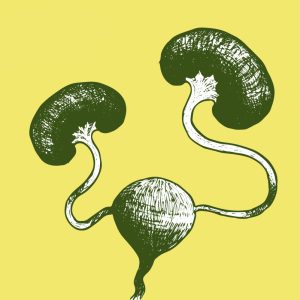
Whilst hawthorn may not be a classic kidney tonic, it does have a diuretic quality which has its place in a treatment protocol for conditions of the kidneys. Kidney and heart health are interconnected via the control of fluid and electrolytes, therefore, the urinary and cardiovascular systems are often considered together as part of a holistic approach. This diuretic quality also helps with its action to reduce blood pressure (4,5).
-
What practitioners say
 Cardiovascular system
Among trained Western herbal practitioners, hawthorn is a favourite for the management of cardiovascular symptoms, as well as pathologies presenting in the circulatory system.
As a tonic, hawthorn has a reputation for use in both hypertension and hypotension as it normalises cardiovascular function. Other symptoms that may indicate the use of hawthorn are mild angina (chest pain), intermittent episodes of tachycardia (fast heartbeat) and benign arrhythmia (irregular heartbeat) (5,6).
Hawthorn may also be indicated to assist with peripheral circulation such as in the case of chilblains, atherosclerosis (hardening of the arteries), and Raynaud’s syndrome. A herbalist may use hawthorn alongside warming stimulants such as cinnamon (Cinnamomum verum) or ginger (Zingiber officinale). It is also often used with herbs that regulate tension throughout the cardiovascular system such as yarrow (Achillea millefolium) , mistletoe (Viscum album) or gingko (Ginkgo biloba) (5).
For anxiety-related symptoms or hypertension, hawthorn is often combined with other herbs such as motherwort (Leonurus cardiaca) or lime flower (Tilia europaea) for tachycardia and arrhythmias.
Hawthorn is also used by herbalists for more serious heart conditions. Due to its ability to improve coronary circulation, dilate coronary arteries and mitigate cardiac hypoxia (low levels of oxygen in the body’s tissues), hawthorn is protective against ischaemia (7,8).
Hawthorn is used in conditions where the heart muscle or cardiovascular system is compromised. This may be in relation to age, wear and tear, chronic stress, diet and lifestyle, habits of excess, inflammation or prior cardiac events. It is indicated as a cardioprotective particularly in cases of hypertension or predispositions to heart disease (5,6).
Hawthorn can be used as a prophylactic to help maintain healthy function in the cardiovascular system as well as for those who have experienced and survived significant cardiac events such as an ischaemic attack (heart attack) (7).
A herbalist may use hawthorn in combination with other herbs in the following cardiovascular presentations; degenerative conditions of the cardiovascular system; myocardial problems such as mild congestive heart failure, coronary artery disease, hypertension and in recovery from heart attack, especially in conjunction with other hypotensives (agents that reduce blood pressure) (6). Hawthorn dilates the coronary arteries due to the synergistic action of its flavonoid content.
Hawthorn is also positively inotropic (increases the force of contractions in the heart, thereby increasing the efficiency of the heart in pumping around the body). It does this by improving the energy use of cardiac cells (6,7). Its diuretic action also contributes to its effect in reducing blood pressure (5,6).
Nervous system
Herbalists may prescribe hawthorn in cases of anxiety and sleeplessness, especially if symptoms present with palpitations or other heart-related symptoms and sensations. Hawthorn combines well with motherwort (Leonorus cardiaca) and skullcap (Scutellaria lateriflora) for anxiety related conditions. It is always important to combine nerve tonics and regeneration protocols when treating nervous debility or any depressed state in the nervous system. This would include the use of herbs like oat straw (Avena sativa) or ashwagandha (Withania somniferum).
Hawthorn is also helpful in supporting the emotional heart, much like its relative, rose). Similarly to rose, hawthorn can be an aid in the processing of grief and loss.
-
Hawthorn research

Hawthorn (Crataegus spp.) Hawthorn extract for treating chronic heart failure
In a meta-analysis of ten clinical trials which included 855 patients with chronic heart failure (New York Heart Association classes I to III — in which there is slight limitation of physical activity), standardised preparations of hawthorn leaf and flowers show good clinical evidence of benefit, including increased heart capacity and tolerance to exercise and a reduction in associated symptoms including shortness of breath and fatigue when compared to placebo (9).
Benefit-risk assessment of crataegus extract WS 1442: An evidence-based review
This review found the standardised extract (WS 1442) to have positively inotropic effects on the heart and reduce arrhythmias whilst also offering protection from ischaemic and hypertensive damage. It concluded the extract shows a positive risk balance for the use of hawthorn (10).
Crataegus special extract WS 1442: Up-to-date review of experimental and clinical experiences
This review found the same standardised extract to have cardioprotective effects both in the lab and in clinical studies. It demonstrated free radical scavenging activity which elicited a protective effect on the tissues of the heart (11).
Studies of its mechanism of action suggest that hawthorn helps improve the ability of the heart muscle to contract combined with an increase in coronary blood flow; the most important constituents for this activity appear to be flavonoids (12). Oligomeric procyanidins (OPCs) are also likely to contribute to its benefit (13,14). Some types of hawthorn extracts normalise variable heart rate. There is also a significant hypotensive (blood pressure lowering) effect (15).
The effects of Crataegus pinnatifida (Chinese hawthorn) on metabolic syndrome: A review
A Chinese hawthorn Crataegus pinnatifida has been used in Asia for the treatment of high cholesterol and various cardiovascular diseases. There is evidence that this species can be helpful in the case of metabolic syndrome in which weight gain, high blood sugar, high blood pressure or high blood lipid levels occur simultaneously, raising the risk for diabetes mellitus and cardiovascular diseases (16).
Hawthorn extract for treating chronic heart failure: meta-analysis of randomized trials
This meta analysis looked at a total of 632 patients and concluded that a hawthorn extract led to significant improvements in exercise capacity and a reduction in cardiac workload. Adverse effects were mild and infrequent, and it concluded that hawthorn is an effective adjunct treatment for chronic heart failure (17).
-
Historical use of hawthorn

Hawthorn (Crataegus spp.) Humans have venerated the hawthorn since ancient times, and the use of the plant as a medicine is almost as extensive. In Europe, ‘mayflower’ was long regarded as a sacred and magical tree. It was the focus of numerous folk beliefs and rituals celebrating renewal of life in springtime, fertility, and matters of the heart.
Traditional folk use of hawthorn notably included fever management, to steady fluctuating body temperatures. In 1640, the English herbalist and author Parkinson noted that the remedy was applied for dropsy (an old term for fluid accumulation caused by heart failure). Over the ensuing centuries the therapeutic potential of hawthorn emerged more strongly, and herbalists found that its greatest benefit truly was for “matters of the heart”. The fruit and leaves have been eaten as a food for centuries and was sometimes referred to as the ‘bread-and-cheese plant’.
Early American herbalists found it helpful in cases of inflammation in the cardiovascular system (endocarditis, myocarditis, and pericarditis), irregular heart beat, and more severe heart malfunctions. It was considered gentle enough for elderly patients with difficult breathing linked to a ‘weak heart’.
In Asian traditions, the fruits of local species were applied for their astringent effects and for general digestive complaints, including dyspepsia (indigestion) and diarrhoea; it was sometimes charred for use as intestinal charcoal. Similar digestive applications were found among Native American tribes for the flowering shoots and flowers of their local species, particularly in the north and northwest. Native Americans also had gynaecological and obstetric uses for the plant (4).
All over the world, hawthorn fruits have been widely eaten as foods.
-
Hawthorn’s herbal actions
Herbal actions describe therapeutic changes that occur in the body in response to taking a herb. These actions are used to express how a herb physiologically influences cells, tissues, organs or systems. Clinical observations are traditionally what have defined these actions: an increase in urine output, diuretic; improved wound healing, vulnerary; or a reduction in fever, antipyretic. These descriptors too have become a means to group herbs by their effects on the body — herbs with a nervine action have become the nervines, herbs with a bitter action are the bitters. Recognising herbs as members of these groups provides a preliminary familiarity with their mechanisms from which to then develop an understanding of their affinities and nuance and discern their clinical significance.
-
Hawthorn’s energetic qualities
Herbal energetics are the description that herbalists have given to plants, mushrooms, lichens, foods and some minerals based on the direct experience of how they taste, feel and affect the body. All traditional health systems use these principles to explain how the environment impacts health, according to each of their philosophies and frameworks. These assessments of individual herbs, though they often do align, can differ from one another due to cultural differences regarding perspectives on how herbs taste versus their physiological effects. Find out more about traditional energetics in our article An introduction to herbal energetics.
Western energetics
Western energetics here are informed by The Energetics of Western Herbs by Peter Holmes, as well as traditional materia medica from Culpeper and Dioscorides.
Chinese energetics
Chinese energetics align with Bensky’s Chinese Herbal Medicine: Materia Medica.
-
What can I use hawthorn for?
Hawthorn can be used to improve the overall health of the cardiovascular system. As a mild relaxant and anxiolytic (reduces symptoms of anxiety) it can be employed to calm the nervous system during times of stress (1,2).
For palpitations, hyperventilation and other localised symptoms of stress, hawthorn offers its medicine (1,2). Palpitations can often result from the effect of tension clamping the muscles of the rib cage and diaphragm due to external stressors.
Hawthorn is a safe and effective remedy to use regularly in cases of moderately high blood pressure. Both the flower and fruit can be used as a tea to support the cardiovascular system, and can be used alongside most blood pressure medications under the guidance of a medical herbalist (2,3). For cardiac conditions, working with a herbal practitioner is also recommended, to navigate the complexities of heart problems and their conventional treatment. However, in mild heart and circulatory conditions, particularly where stress is a key factor, hawthorn can be a very helpful home remedy.
-
Did you know?
Joseph of Arimathea, a metal merchant and the apocryphal uncle of Jesus who donated him his tomb, after the resurrection, travelled back to Glastonbury in England, then an ancient metal trading hub and surrounded by the sea. He was said to have marked the site of the first Christian church by plunging his hawthorn staff into the ground, whereupon it burst into life and survived as a tree into Victorian times. Cuttings of this tree are found throughout England as the ‘Glastonbury thorn’. The tree found growing in Glastonbury still today is known for its uniqueness in flowering twice a year, in both spring and winter.






 Cardiovascular system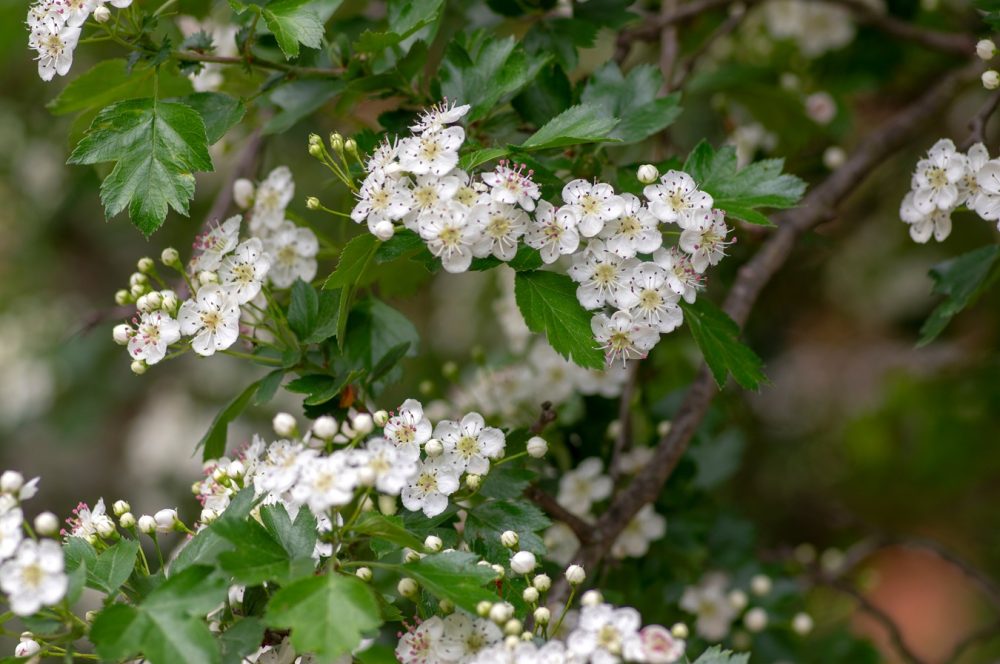
-
Botanical description
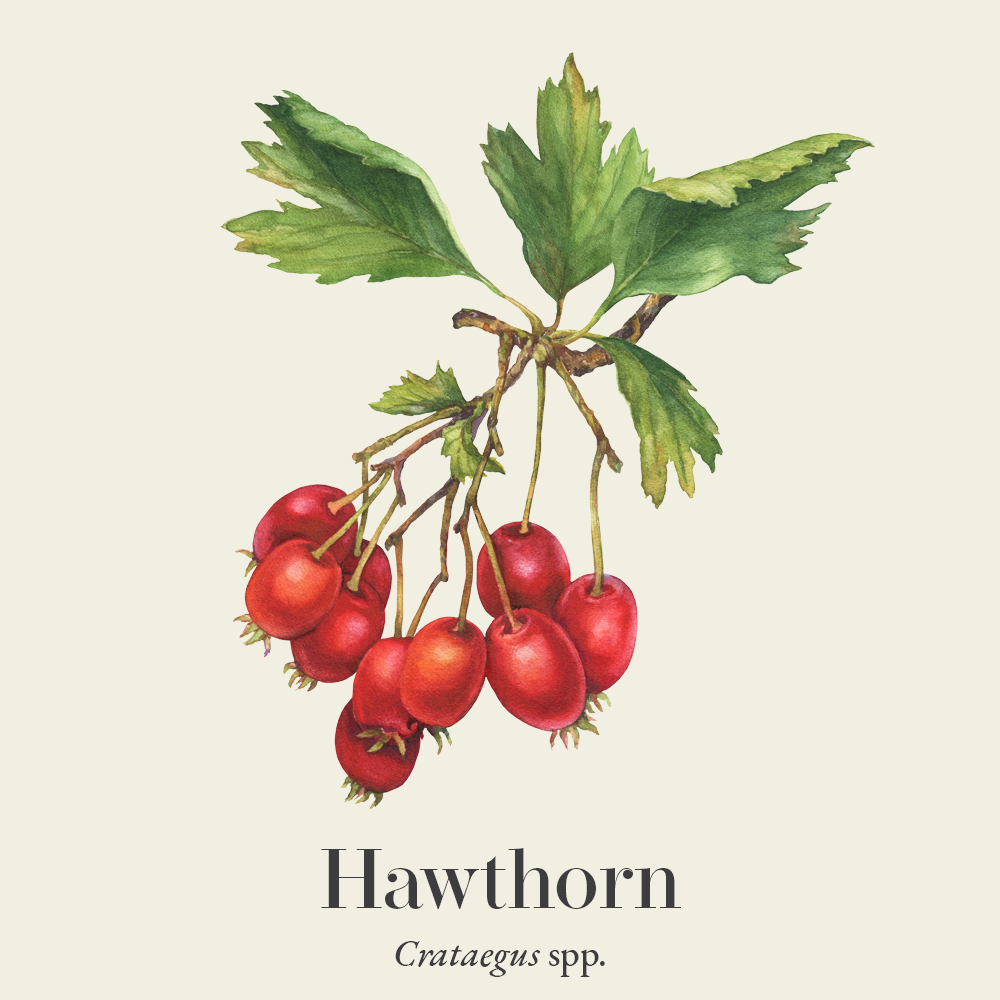
Leaves, flowers, and fruit of various species of hawthorn are used interchangeably. They are deciduous, shrubby trees with thorny shoots.
The leaves are characteristically three-lobed, and as with all plants of the rose family have appendages (stipules) found at the base of leaves.
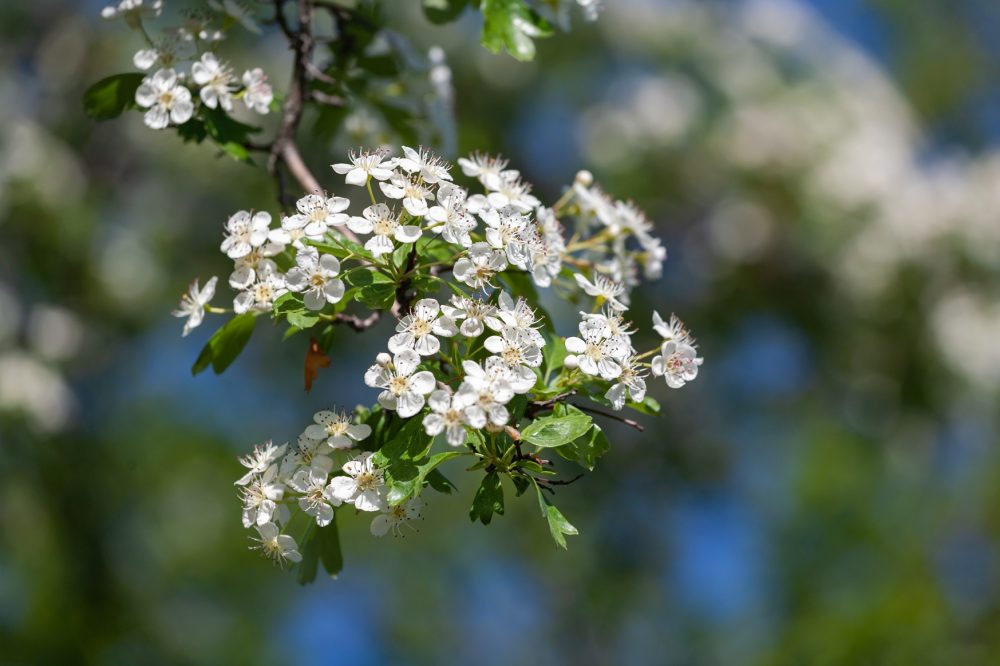
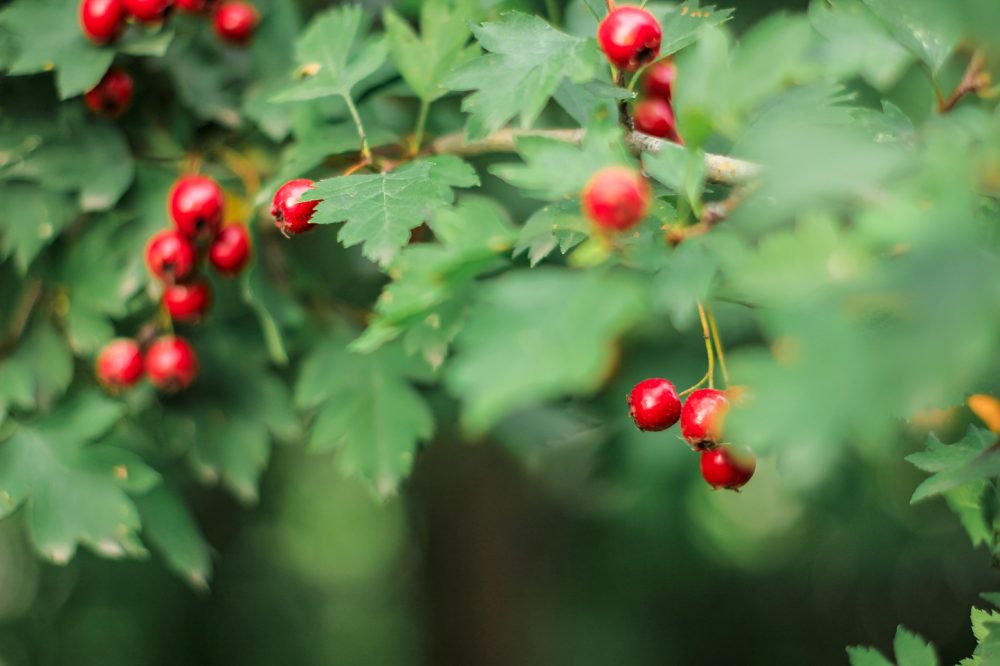
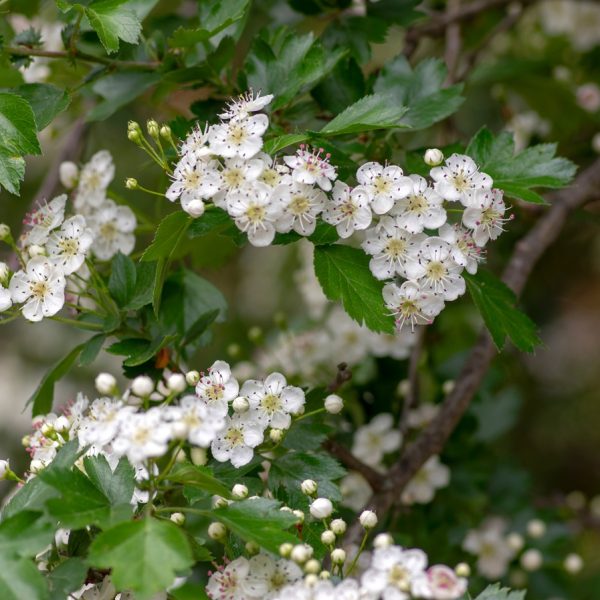
Small white or pink flowers with five petals are borne in clusters. These give way to the characteristic red spherical berries that contain a single seed each.
The plant flowers in May and bears fruit in September (19).
Flowers smell faint, often slightly fishy due to the trimethylamine content (19).
-
Common names
Crataegus laevigata (aka C. oxyacantha) and C. monogyna are the main species used medicinally, amongst others.
Common names:
- Mayflower
- Whitethorn
- Maybush
- Hedgethorn
- Bread and cheese
- Red haw (Eng)
- Weißdorn (Ger)
- Hagendorn (Ger)
- Aubépine (Fr)
- Epine blanche (Fr)
- Blancospino (Ital)
- Espino blanco (Sp)
-
Habitat
Hawthorn (Crataegus monogyna) is one of the two native hawthorns in the UK. The rare Midland hawthorn (Crataegus laevigata) is only found in a select few ancient woodlands in central England. It is more frequently seen in its cultivated form in urban areas, parks and gardens across England.
Other species of hawthorn can be found across the world in locations such as North America and Asia (20).
-
How to grow hawthorn
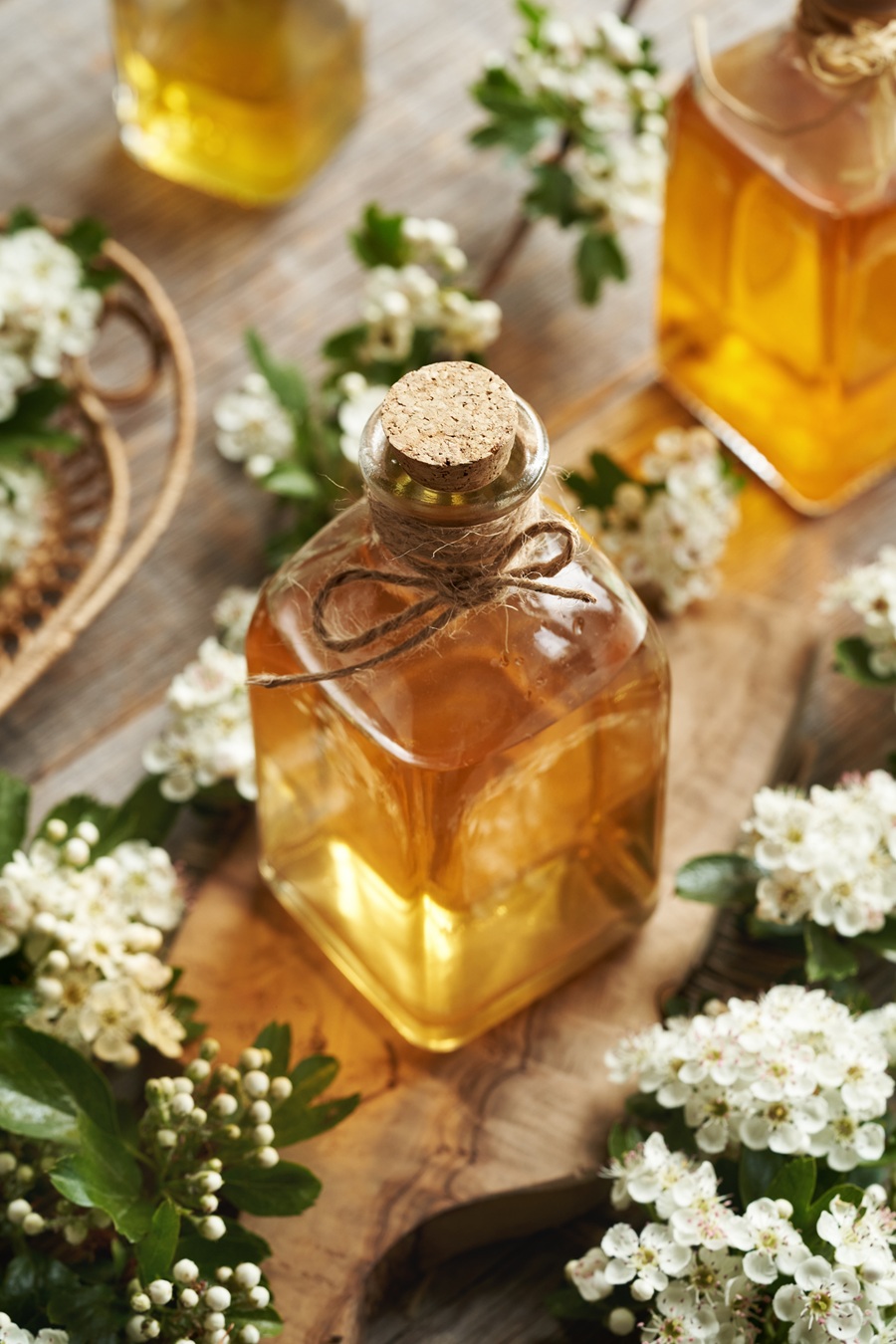
Hawthorn will grow in most locations in full sun or part-shade. They are very tough, tolerating exposed positions and wet soils. Hawthorn is best propagated from seed. Grafted hawthorns are also sometimes available to buy in garden centres or online.
To propagate from seed requires time and patience. Start by mashing the berries to extract the seed and mix with sand. Sow in small pots in fine compost mixed with leaf mould. Keep well watered and seeds will germinate in around 18 months.
Once germinated. Keep young seedlings watered whilst they establish their roots over a period of two to four months.
Once the seedlings are well established they can be planted out directly into the garden. Hawthorn grows well as part of a hedgerow, shrub border or woodland garden. Once established it will need little or no pruning (26).
-
Herbal preparation of hawthorn
- Tincture
- Dried herb
- Infusion
- Decoction
-
Plant parts used
- Flowering tops
- Berry
-
Dosage
- Tincture (1:5 | 40%): Take between 2.5–5 ml in a little water up to three times a day. For more severe conditions use the highest dosage.
- Decoction/ Infusion: 1.5–3.5 g (daily) of dried flower and leaf as infusion or the same measure of berry for decoction. To make a decoction place the appropriate quantity of dried material in one cup of boiling water, simmer gently for between 15– 20 minutes. This should be drunk hot three times a day (5).
-
Constituents
- Oligomeric procyanidins or OPCs up to 4% mainly procyanidin B-2
- Flavonoids: (1–2%) including quercetin glycosides (hyperoside, rutin) and flavone-C-glycosides (vitexin)
- Terpenoids: Sesquiterpenes and triterpenes
The flowers contain the highest levels of flavonoids and the leaves contain the highest levels of OPCs (5).
-
Hawthorn recipe
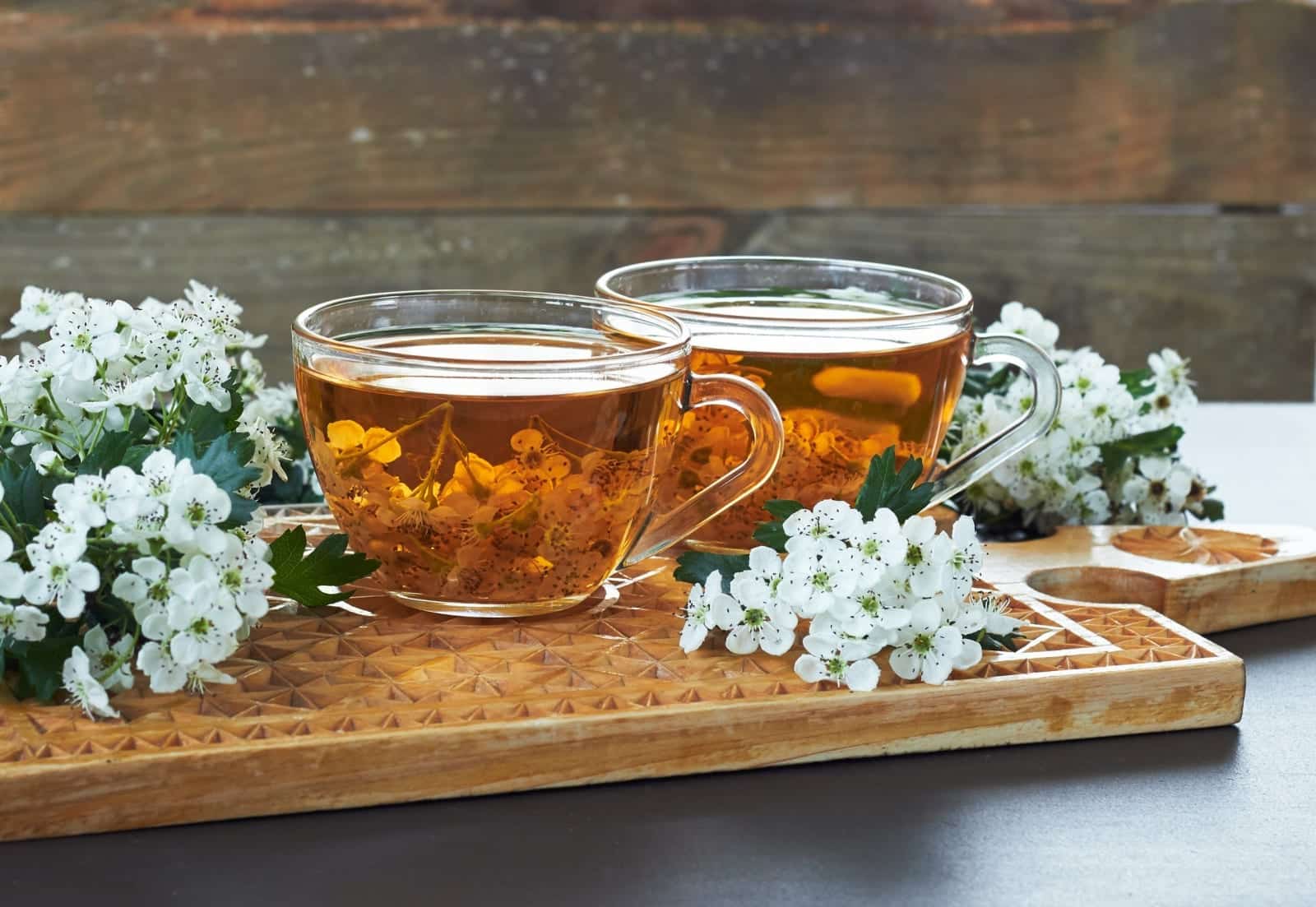
Brave heart tea
This Brave Heart tea is a therapeutic recipe for nourishing your heart, both physically and emotionally.
Ingredients
- 4 g hawthorn berry
- 2 g hawthorn leaf and flower
- 2 g limeflower
- 2 g cinnamon bark
- 1 g motherwort
- 5 strands of saffron
- 1 g of rose petals
- A glug (or 1 tbsp) of pomegranate juice per cup
This will serve two cups of heart loving tea.
How to make a tasty hawthorn tea
- Put all of the ingredients in a pot (except for the pomegranate juice).
- Add 500 ml (18fl oz) freshly boiled filtered water. Leave to steep for 10–15 minutes, then strain.
- Add a glug of pomegranate juice to each cup.
This recipe is from Cleanse, Nurture, Restore by Sebastian Pole

-
Safety
Hawthorn is a gentle tonic herb that is considered very safe when used as recommended.
Hawthorn should be avoided in pregnancy due to its potential uterine actions, and should be taken under the supervision of a medical herbalist during breastfeeding. Heart conditions require expert diagnosis, monitoring, and treatment and thus, the main risk associated with its use is that it might be taken in place of proper medical diagnosis and treatment of conditions that are potentially life threatening (3,4,18).
-
Interactions
Evidence suggests that there may be additive hypotensive effects if taken alongside conventional antihypertensives (medicines used for high blood pressure). It is advised to work with a qualified practitioner for blood pressure management.
It may also potentiate the effects of heart medication and beta blockers and should be avoided in conjunction with nitrate medication as well as PDE5 inhibitors (vasodilators that treat erectile dysfunction and pulmonary hypertension (3,4,18)
There is also a theoretical possibility of interactions with conventional medicines for the heart, (although there is specific evidence that it does not interact with digoxin) and hawthorn should not be taken if there are already prescriptions in place for heart problems without expert supervision (18).
-
Contraindications
None known (3,4,18)
-
Sustainability status of hawthorn
The IUCN red list of endangered species has classified the main species of hawthorn used in Western herbal medicine (Crataegus monogyna; Crataegus laevigata) as ‘least concern’ due to there being stable species populations in their native habitat with no known threats at current. However there are a number of hawthorn species globally that are classified as unstable or decreasing. It is advised that one should investigate the species in matter before sourcing medicines in the hawthorn genus (20).
Habitat loss and over-harvesting from the wild are two of the biggest threats faced by medicinal plant species. There are an increasing number of well-known herbal medicines at risk of extinction. We must, therefore, ensure that we source our medicines with sustainability in mind.
The herb supplement industry is growing at a rapid rate and until recent years a vast majority of medicinal plant produce in global trade was of unknown origin. There are some very real and urgent issues surrounding sustainability in the herb industry. These include environmental factors that affect the medicinal viability of herbs, the safety of the habitats that they are taken from, as well as the welfare of workers in the trade.
The botanical supply chain efforts for improved visibility (transparency and traceability) into verifiably sustainable production sites around the world is now certificated through the emergence of credible international voluntary sustainability standards (VSS).
Read our article on Herbal quality & safety: What to know before you buy and Sustainable sourcing of herbs to learn more about what to look for and questions to ask suppliers about sustainability.
-
Quality control
Hawthorn is a common plant found in northern temperate regions. There are several hundred species of Crataegus, although only a few are used therapeutically and therefore included in national pharmacopoeias (21). The parts of the plant that are used include the leaves, flowers and berries. These contain a wide variety of different phytochemical constituents that include flavonoids, procyanidins, catechins and phenolic acids (21,22,23).
The hawthorn fruits are rich in procyanidins and flavonoids such as hyperoside, whilst the leaves and flowers contain flavonoids such as vitexin rhammoside. These differences in constituents are reflected in national pharmacopoeias where there is a monograph for leaves and flowers and one for dried fruit. The British Pharmacopoeia (BP) monograph for the dried fruit allows both C. monogyna and C. laevigata (and their hybrids) to be used on their own or in combination. The monograph sets a minimum content of 0.06% for procyanidins (24). There is also a monograph for the flowers and leaves and the species that can be used include: C. monogyna, C. laevigata (or their hybrids), C. pentagyna and C. azarolus. These species may be used in combination or on their own. The monograph sets a minimum content of 0.2% of total vitexin (24).
Interestingly, it was a hawthorn mono-product that was first successfully registered under the traditional use legislation, in the European directive 2004/24/EC (25). As hawthorn is mainly wild collected in eastern Europe, it provides a good case study of the challenges in meeting medicinal regulatory requirements if there is a high degree of variability in the plant material. This heterogeneity has caused numerous changes in scientific and regulatory assessment when attempting to harmonise quality standards for Hawthorn. These challenges have led to a better understanding of the factors that influence the quality of hawthorn particularly how the flavonoid content in the leaves and flowers can be improved (25).

-
References
- European Medicines Agency. European Union Herbal Monograph on Crataegus Spp., Folium Cum Flore Final Discussion in Working Party on European Union Monographs and European Union List (MLWP).; 2016. Accessed March 11, 2023. https://www.ema.europa.eu/en/documents/herbal-monograph/final-european-union-herbal-monograph-crataegus-spp-folium-cum-flore_en.pdf
- Mcintyre A. Complete Herbal Tutor : The Definitive Guide to the Principles and Practices of Herbal Medicine (Second Edition). Aeon Books Limited; 2019.
- Thomsen M. Phytotherapy Desk Reference. 6th ed. Aeon Books; 2022.
- Brooke E. A Woman’s Book of Herbs. Aeon Books; 2018.
- Bone K, Mills S. Principles and Practice of Phytotherapy: Modern Herbal Medicine. 2nd ed. Edinburgh Churchill Livingstone, Elsevier; 2013. https://ebookcentral.proquest.com/lib/think/detail.action?docID=1723553
- Hoffmann D. Medical Herbalism : The Science and Practice of Herbal Medicine. Healing Arts Press; 2003.
- Hawthorn Monograph — HerbRally. HerbRally. HerbRally. Published 2014. Accessed August 26, 2019. https://www.herbrally.com/monographs/hawthorn
- Association for the Advancement of Restorative Medicine (AARM). Hawthorn (Crataegus oxyacantha, Crataegus monogyna, Crataegus laevigata). Association for the Advancement of Restorative Medicine. Published 2024. https://restorativemedicine.org/library/monographs/hawthorn/
- Guo R, Pittler MH, Ernst E. Hawthorn extract for treating chronic heart failure. Cochrane Database of Systematic Reviews. Published online January 23, 2008. https://doi.org/10.1002/14651858.cd005312.pub2
- Holubarsch CJF, Colucci WS, Eha J. Benefit-Risk Assessment of Crataegus Extract WS 1442: An Evidence-Based Review. American Journal of Cardiovascular Drugs. 2017;18(1):25-36. https://doi.org/10.1007/s40256-017-0249-9
- Zorniak M, Szydlo B, Krzeminski TF. Crataegus special extract WS 1442: up-to-date review of experimental and clinical experiences. Journal of Physiology and Pharmacology: An Official Journal of the Polish Physiological Society. 2017;68(4):521-526. Accessed December 1, 2022. https://pubmed.ncbi.nlm.nih.gov/29151068/
- Rigelsky JM, Sweet BV. Hawthorn: Pharmacology and therapeutic uses. American Journal of Health-System Pharmacy. 2002;59(5):417-422. https://doi.org/10.1093/ajhp/59.5.417
- Jurikova T, Sochor J, Rop O, et al. Polyphenolic Profile and Biological Activity of Chinese Hawthorn (Crataegus pinnatifida BUNGE) Fruits. Molecules. 2012;17(12):14490-14509. https://doi.org/10.3390/molecules171214490
- Rechciński T;Kurpesa M. [Oligomeric procyanidins from hawthorn extract as supplementary therapy in patients with left ventricle systolic dysfunction]. Przeglad lekarski. 2024;62(4). Accessed September 8, 2024. https://pubmed.ncbi.nlm.nih.gov/16229244/
- Walker AF, Marakis G, Simpson E, et al. Hypotensive effects of hawthorn for patients with diabetes taking prescription drugs: a randomised controlled trial. The British Journal of General Practice: The Journal of the Royal College of General Practitioners. 2006;56(527):437-443. https://pubmed.ncbi.nlm.nih.gov/16762125/
- Dehghani S, Mehri S, Hosseinzadeh H. The effects of Crataegus pinnatifida (Chinese hawthorn) on metabolic syndrome: A review. Iranian Journal of Basic Medical Sciences. 2019;22(5):460. https://doi.org/10.22038/IJBMS.2019.31964.7678
- Tankanow R, Tamer HR, Streetman DS, et al. Interaction study between digoxin and a preparation of hawthorn (Crataegus oxyacantha). Journal of Clinical Pharmacology. 2003;43(6):637-642. Accessed August 28, 2023. https://pubmed.ncbi.nlm.nih.gov/12817526/
- Natural Medicines. Hawthorn. naturalmedicines.therapeuticresearch.com. Published 2024. https://naturalmedicines.therapeuticresearch.com/databases/food
- RHS. Hawthorn / RHS Gardening. www.rhs.org.uk. Published 2025. https://www.rhs.org.uk/plants/hawthorn
- IUCN Redlist. Hawthorn. IUCN Red List of Threatened Species. Published 2023. https://www.iucnredlist.org/search?query=Hawthorn&searchType=species
- Sagaradze VA, Babaeva EYu, Ufimov R, Trusov N, Каленикова ЕИ. Study of the variability of rutin, vitexin, hyperoside, quercetin in “Crataegi folium cum flore” of hawthorn (Crataegus L.) species from Russian flora. Journal of Applied Research on Medicinal and Aromatic Plants. 2019;15:100217-100217. https://doi.org/10.1016/j.jarmap.2019.100217
- Heinrich M, Barnes J, José M Prieto Garcia, et al. Fundamentals of Pharmacognosy and Phytotherapy. Elsevier; 2018.
- Evans WC, Trease GE, Evans D. Trease and Evans’ Pharmacognosy. 16th ed. Saunders/Elsevier; 2009.
- British Pharmacopoeia Commission. British Pharmacopoeia 2025. London TSO; 2025.
- Peschel W, Bohr C, Plescher A. Variability of total flavonoids in Crataegus — Factor evaluation for the monitored production of industrial starting material. Fitoterapia. 2008;79(1):6-20. https://doi.org/10.1016/j.fitote.2007.06.010
- RHS. How to grow hawthorn / RHS Gardening. www.rhs.org.uk. Published 2024. https://www.rhs.org.uk/plants/hawthorn/growing-guide

Meet our herbal experts
Our monographs are written by our monograph authors and edited, reviewed and updated by Herbal Reality.
Meet our Herbal Reality team or explore our Herbal Reality authors.