












Eczema is a skin condition that typically manifests as a red, itchy rash, which can arise due to exposure to allergens or irritants that cause an immune response.
Understanding eczema

Eczema, or dermatitis, refers to a group of itchy, inflammatory skin conditions which can be acute or chronic and have a variety of causes (1,2).
The most common type is atopic eczema, affecting 20% of children and 5–10% of adults (1). Atopic eczema typically presents in childhood, with 60% of cases developing in the first year, and 90% before five years old (3). Remission typically occurs in two-thirds of children by 15 years old, but relapses may occur later in life (4). Many children go on to develop other allergic diseases such as food allergy, asthma, or allergic rhinitis (5).
Contact dermatitis is another type of eczema which can be further divided into irritant or allergic types (1). Both types occur as a result of external contact with either a skin irritant or allergen, and it effects 10–20% of the population (6). Contact dermatitis often starting at a young age, occurs twice as frequently in women, with a prevalence of 15% in 12–16-year-olds (6).
In children, eczema can have a substantial effect on psychosocial wellbeing by causing poor sleep, bullying, loss of schooling, failure to thrive, depression, anxiety, behaviour difficulties, and has a negative effect on self-confidence (1,7). In adults, eczema can have a significant impact on quality of life by effecting work and relationships, reducing self-esteem, causing poor sleep, and is linked to depression (1,7).
How does eczema work?

The pathophysiology of atopic eczema is complex and remains unclear, involving multiple factors including genetics, immunology and the environment (8). However, the two main drivers are the biology of the skin barrier function and immune system dysregulation, which results in a disrupted epidermis, inflammation and the intense itch (3,7).
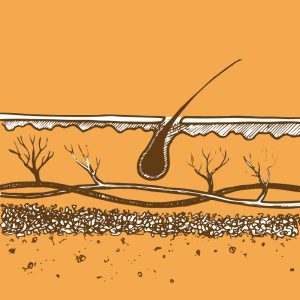
Abnormalities in the skin’s structure and function increase trans-epidermal water loss, leading to dry, cracked and itchy skin (3). This dysfunction makes the skin more susceptible to irritants, allergens, and pathogens by permitting the entry of these across the skin barrier and triggering immune responses (7). Atopic eczema is characterised by an exaggerated immune response to these barrier invaders, which leads to an inflammatory response, redness, swelling, itchy fluid filled blisters and skin damage from scratching (3). In atopic eczema this immune response can occur in reaction to both external and internal triggers, meaning the symptoms may appear in areas where there is no external contact with an irritant, allergen or pathogen (9).
Allergic contact dermatitis is caused by an immune-mediated response to an allergen, with the reaction only occurring at the area of skin contact with the allergen (6). Cells in the immune system (CD4 T-lymphocytes) identify the substance as an allergen and release cytokines, which cause the skin reaction and inflammation (6). Irritant contact dermatitis results from irritation and damage to the skin from the substance that contacts the skin, causing skin injury and inflammation, but there is no immune-mediated allergic involvement (1).
Understanding the root causes of eczema
The exact cause varies between individuals, but is linked to a genetic predisposition, immune system factors, environmental factors, diet and stress.

Genetics
The two major risk factors consistently implicated in the development of atopic eczema are a family history of atopy, and mutations in the filaggrin (FLG) gene (3). About 70% of people with atopic eczema have close relatives either with atopic dermatitis or asthma and hay fever (9).
The FLG gene encodes a key epidermal structural protein and is crucial for maintaining the skin barrier, and mutations in the gene making the skin more susceptible to irritants, allergens, and pathogens (7).
Innate immune system dysfunction
Skin barrier dysfunction
The skin is the first line defence of the immune system, and a defective skin barrier permits the entry of allergens and microbes, triggering an immune response (8). The epithelial dysfunction seen in atopic eczema also allows increased epidermal water loss, leading to dry, itchy and cracked skin (8,9).
Skin microbiome
Part of the innate immune system that can be imbalanced in atopic eczema, with a higher colonization of Staphylococcus aureus (3). This disrupts the balance of the skin microbiome, reduces the skin barrier protection, and presents an infection risk (10).
Natural killer (NK) cells
NK cells can be lower and functionally defective in patients with atopic eczema, reducing the immune defences and contributing to poorly regulated immune responses (10).
Adaptive immune system dysfunction
Atopic eczema is often characterised by the genetic predisposition to develop an overactive immune response to an allergen (11). In 73–88% of atopic eczema cases there is an overproduction of immunogloblin E (IgE) in response to allergens, creating the symptoms of the allergic reaction (9). This is caused by an immune cell imbalance towards T-helper 2 cell (Th2) activity, which produces an exaggerated IgE antibody response to allergens, and activates the allergic reaction (3,7). However, not everyone with atopic eczema exhibits elevated antibodies (IgE), meaning the cause is not an allergic reaction all individuals (9).
Diet
Food allergens are causative of atopic eczema in approximately 35% of patients, with milk, egg, wheat, soy, and peanut accounting for 75% of the cases (5). In childhood eczema, allergies to milk, eggs and peanuts account for around 81% of cases (12). Allergies to milk, egg, and wheat typically resolve during childhood, however allergies to nuts and fish often persist (7). Other foods that often affect eczema include: tomatoes, blackcurrants, chocolate, food additives, yeast extract, pork, beef, nightshades (13). An imbalance in the essential fatty acid content of the diet, as well as nutrient deficiencies such as zinc, B vitamins, Vitamin A, calcium, and magnesium are all related to eczema presentations (13).
Environmental factors
Exposure to irritants such as soaps, detergents, shampoo, washing-up liquid, chlorinated water, wool and synthetic materials can trigger symptoms (9, 13).
Allergens like pollen, dust mites, and pet dander can all trigger the allergic immune response (5). Cold, dry or damp weather can all trigger or aggravate an acute flair-up in symptoms (9).
Stress
Stress can trigger a flair, and increase the severity of eczema symptoms (14). This is caused by a cortisol-induced suppression of the immune system, and an increased secretion of inflammatory mediators which disrupt of the skin barrier and worsen eczema symptoms (15).
Toxicity
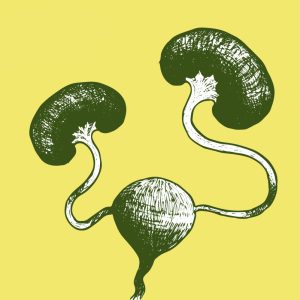
Skin diseases are often a signal of inner toxicities, an accumulation of irritants, or a deficiency in the normal eliminatory functions (2). The elevated immune system activity seen in eczema results in metabolic waste production, which can exacerbate symptoms if not eliminated as waste through the liver, bowel, lymphatic and urinary systems.
Contact dermatitis
Contact dermatitis results from direct contact with an irritant (irritant contact dermatitis) or allergen (allergic contact dermatitis). Common irritants and allergens include soaps, detergents, chemicals, hair dyes, nickel, preservatives, latex, lanolin and plants like poison ivy (6). Symptoms typically appear within 24 hours of exposure and alleviate once exposure to the irritant or allergen is removed, and the allergic reaction has subsided.
Signs and symptoms

The clinical features of eczema are the same, irrespective of the cause, varying slightly in the acute and chronic presentations (1). The acute features are a rash which is red, itchy, inflamed, with fluid-filled blisters which may be weeping due to scratching the intense itch (3). The chronic cases may be as above, but the skin also dry, cracked, scaly, and thickened (lichenification) (1,7).
Symptoms of atopic eczema
Atopic eczema most commonly begins in infancy or childhood, and most often affects people who have allergies such as asthma or hay fever, or a family history of these conditions (3). In babies, the rashes are common on the scalp, cheeks and trunk, and in children the symptoms often occur in the creases of elbows, behind the knees, eyelids, wrists and ankles (1). In adults the face, under the eyes, hands, feet and trunk are commonly involved. Complications and secondary symptoms include skin infection, irritant reaction and allergic reaction due to weakened skin barrier function (1).
Symptoms of contact dermatitis
Contact dermatitis causes red, irritated skin when in direct contact with a particular substance such as latex, metals, or a chemical.
The symptoms occur at the site of contact such as: earlobes, umbilicus and wrists due to contact with nickel in earrings, watches and trouser buttons; hands and wrists due to detergents, chemicals or rubber gloves; and eyelids due to rubbing the eyes (1).
Herbs for eczema
The symptoms of atopic eczema and contact dermatitis are similar, and therefore determination of the cause will be key to the treatment. Identification of the triggers can be a difficult process, but avoidance of the cause is fundamental to successful treatment. Herbal treatments will aim to support and protect the skin; support the immune system with immune modulation, anti-inflammatory and anti-allergy actions; and support the eliminatory processes with alterative, hepatic, digestive and diuretic actions to reduce the burden of elimination through the skin.

Topical herbal solutions
External treatment can be used to reduce inflammation (anti-inflammatory) support the skin barrier function, support healing (vulneraries) reduce the itch (antipruritic), and provide antimicrobial support against infection.
Oil-based ointments
Oil-based ointments are used on dry, itchy and lichenified skin to soften the skin, supply exogenous lipids to the surface, and reduce water loss by forming an occlusive layer (7).
Lotions and creams
Lotions and creams are water and tincture-based and can be used to cool and dry inflamed and weeping skin, without trapping in infection (2).
Anti-inflammatory herbs
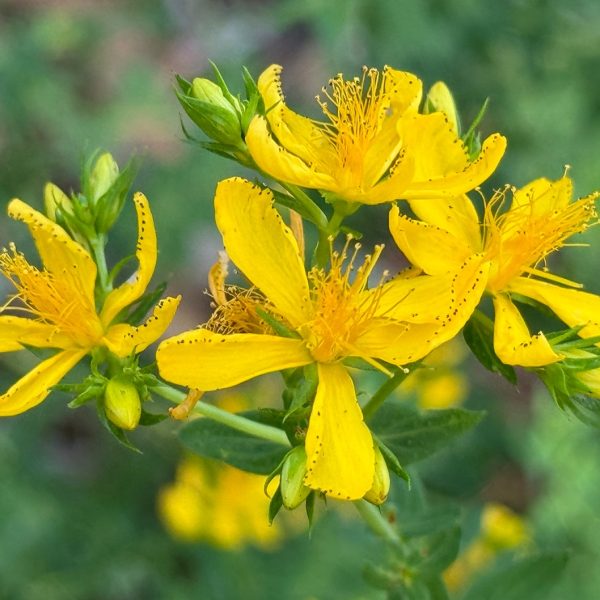
Anti-inflammatory herbs like liquorice, chamomile, St Johns wort, and calendula will calm and soothe inflamed skin. Several clinical trials demonstrated the anti-inflammatory activity of liquorice root to be effective in the topical treatment of atopic eczema (16). St Johns wort cream has been shown to improve atopic eczema in a clinical trial (17). Soaked linseeds or oats can be used as a poultice for painfully inflamed skin, and a cloth bag of oats in the bath is soothing and anti-inflammatory (2).
Antipruritic herbs
Antipruritic herbs are indicated where the skin is itchy, to relieve the symptoms and prevent further skin damage from scratching. Chickweed is anti-itch, anti-inflammatory and cooling. Cooling herbs like peppermint, lavender, chamomile and rose can reduce inflammation and the itching sensation. For dry and itch skin, use nourishing and demulcent herbs like oats, liquorice, calendula and chamomile.
Vulnerary herbs
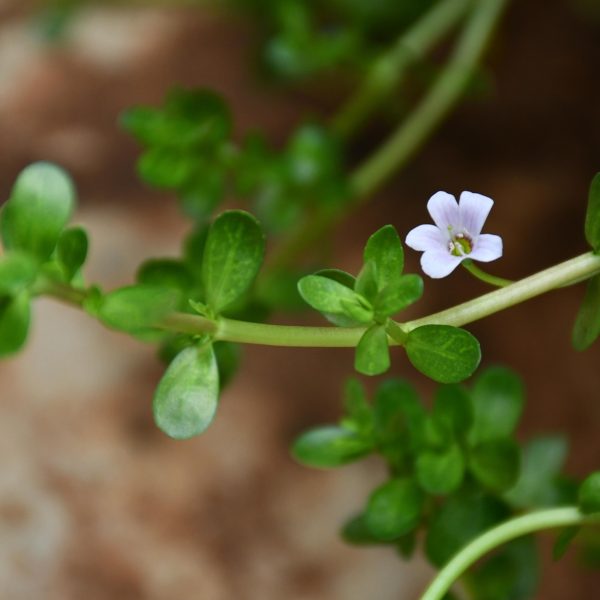
Vulnerary herbs will help the skin to heal. Calendula is particularly suited to eczema as it promotes skin healing and is also anti-inflammatory and anti-microbial. Comfrey actively promotes skin healing, as well as being anti-inflammatory, cooling, astringent and demulcent (18). Gotu kola promotes wound healing while preventing scar tissue from forming, as well as being a strong anti-inflammatory (19).
Antimicrobial herbs
Antimicrobial herbs will help with any skin microflora imbalance, and can be useful against infection with Staphylococcus aureus. Oregon grape root has antimicrobial activity and the topical application has been shown to improve eczema (20). Calendula, myrrh, tea tree oil, echinacea and St Johns wort are all excellent antimicrobials to combine into topical applications.
Astringent herbs
Astringent herbs can be helpful to reduce the weeping, promote the healing, and reduce the infection risk, if the skin is broken and discharging (2). Witch hazel is astringent and antimicrobial, and has clinical efficacy in treating atopic eczema (21,22). Witch hazel ointment is an effective and safe treatment for eczema in children (23). Other gentle astringents include rose and chamomile

Internal herbal solutions
Immune system support
Echinacea is an important herb in atopic eczema to both support the innate immune system, and modulate the immune response to allergens. Echinacea helps to balance the immune cells by shifting away from a predominance of Th2, and reducing the potential for an IgE allergic reaction (2). Other anti-allergy herbs include chamomile, Baikal skullcap, nettle, feverfew.
Anti-microbial action
Where there is a skin infection, anti-microbial herbs such as andrographis will help to control the infection. Use of Oregon grape root alongside antibiotics can enhance the antibiotic action and protect against antibiotic resistant strains of bacteria (24,25).
Anti-inflammatory action
Liquorice has strong anti-inflammatory effects, and as part of combined Chinese-herbal formulas has been shown to be effective in treating eczema (12). Oregon grape root is an effective anti-inflammatory herb for eczema by promoting the release of the anti-inflammatory molecules, and inhibiting the pro-inflammatory molecules which trigger atopic eczema (26,27).
Alterative and depurartive action
Alterative and depurative herbs support elimination, and prevent the accumulation of toxins and metabolic waste. Burdock root is key to stimulating the removal of waste and stagnation from within cells, and combines well with lymphatic herbs like cleavers, red clover and calendula to support elimination. Viola tricolour and Oregon grape root combine well for wet and weepy eczema, whereas red clover is better suited to dry and itchy conditions. Viola tricolour (heartsease) is specifically used in infantile eczema (2).
Digestive system support
Digestive function can be supported with bitter herbs like Oregon grape root to promote the elimination of toxins from the liver and through the bowel. Dandelion root, burdock root, and liquorice all promote the motility of the bowel and provide support to the microbiome in the digestive tract.
Nervous system support
Relaxing nervines are indicated if stress or anxiety are a cause or consequence of the condition, and when sleep is disturbed by itching or psychological distress. Oat straw and oat seed are tonic herbs for the nervous system, as well being nutritious and restorative. Other relaxing nervines include chamomile, skullcap, lemon balm, vervain, hops, and St Johns wort.
Holistic solutions
Environmental
Avoid contact with known irritants such as chemicals, bleach, wool, detergents, nickel, latex, hair dyes.

Diet
Management of atopic eczema may significantly involve the diet (5).
- Elimination of allergens: Where a dietary factor is identified as causing an IgE mediated allergy, elimination of the allergen is essential (28). Parental history, skin-prick tests, and serum IgE tests have low positive predictive values, and the use of food challenge testing is more reliable (5). Elimination diets are often helpful in challenge-proven cases, but care is needed to evaluate the ongoing nutritional status (5). Excessively restrictive diets, especially in children, can lead to weight loss, poor growth, calcium deficiency, and vitamin deficiency (28).
- Probiotics and prebiotics: Supporting the gut microbiome with pre and probiotics can improve symptoms of eczema (29).
- Supplements: Recommended supplements to support skin integrity, immune function and reduce inflammation in eczema include fish oils, evening primrose oil, multivitamin supplements, zinc, vitamin D, vitamin E, and vitamins B12 and B6 (2,12,30).
Skin care
- Regular bathing will hydrate and cleanse the skin by removing scales, crusts, bacteria, allergens, and irritants (31).
- After bathing, patting the skin dry avoids rubbing and irritation, and applying moisturiser within three minutes seals in moisture and prevents dryness from triggering the itch (3).
- Daily application of emollients and ointments is an essential part of the prevention and treatment of eczema to retain and replenish epidermal moisture, decrease symptom severity, and prolong the interval between flare-ups (3).
- Use non-scented soaps, cleansers and moisturizers (12).
- Use non-biological laundry detergents, and wash new clothes before wearing them to remove detergent, finishes and dyes (3).
Stress
If stress or anxiety are known to exacerbate symptoms, use of stress management and relaxation techniques can help lower stress level.
Temperature
Keeping the indoor environment at a cool temperature and consistent humidity level may help to prevent flairs. The use of a humidifier in the winter can counteract the drying effect of indoor heating.
Barrier protection
Wearing gloves or protective clothing will shield the skin when exposed to known irritants and allergens (6).
References
- Ralston SH, Penman ID, Strachan MW, Hobson R, editors. Davidson’s Principles and Practice of Medicine: Davidson’s Principles and Practice of Medicine. Elsevier Health Sciences; 2018.
- Bone K and Mills S. Principles and Practice of Phytotherapy: Modern Herbal Medicine. Elsevier Health Sciences; 2013.
- Frazier W, Bhardwaj N. Atopic Dermatitis: Diagnosis and Treatment. American Family Physician. 2020;101(10):590-598.
- Schmitt J, Apfelbacher CJ, Flohr C. Eczema. BMJ clinical evidence. 2011; 05:1716. https://www.ncbi.nlm.nih.gov/pmc/articles/PMC3217753/pdf/2011-1716.pdf
- Greenhawt M. The role of food allergy in atopic dermatitis. In Allergy & Asthma Proceedings. 2010;31(5). DOI:10.2500/aap.2010.31.3393
- Peiser M, Tralau T, Heidler J, Api AM, Arts JH, Basketter DA, English J, Diepgen TL, Fuhlbrigge RC, Gaspari AA, Johansen JD. Allergic contact dermatitis: epidemiology, molecular mechanisms, in vitro methods and regulatory aspects: Current knowledge assembled at an international workshop at BfR, Germany. Cellular and Molecular Life Sciences. 2012;69:763-81. https://doi.org/10.1007/s00018-011-0846-8
- Weidinger, P., Stephan, & Novak, P., Natalija. Atopic dermatitis. The Lancet (British Edition). 2016; 387(10023), 1109–1122. https://doi.org/10.1016/S0140-6736(15)00149-X
- Yang G, Seok JK, Kang HC, Cho YY, Lee HS, Lee JY. Skin barrier abnormalities and immune dysfunction in atopic dermatitis. International journal of molecular sciences. 2020;21(8):2867. https://doi.org/10.3390/ijms21082867
- King, LM. What Is Atopic Dermatitis (Eczema)? WebMD. https://www.webmd.com/skin-problems-and-treatments/eczema/eczema-basics. Published July 24, 2024. Accessed October 2, 2024.
- De Benedetto A, Agnihothri R, McGirt LY, Bankova LG, Beck LA. Atopic dermatitis: a disease caused by innate immune defects?. Journal of Investigative Dermatology. 2009;129(1):14-30. https://doi.org/10.1038/jid.2008.259
- Bertrand, C. Atophy. DermNet. https://dermnetnz.org/topics/atopy. Published October 2022. Accessed October 1, 2024.
- Murray, MT. The Encyclopaedia of Natural Medicine (Third Edition). Atria Paperback; 2012.
- McIntyre, A. Herbal Treatment of Children: Western and Ayurvedic Perspectives. Elsevier Butterworth Heinemann, 2005.
- Langan, SM, and Williams, HC. What causes worsening of eczema? A systematic review. British Journal of Dermatology. 2006;155 (3)504–514. https://doi.org/10.1111/j.1365-2133.2006.07381.x
- Alexopoulos A, Chrousos GP. Stress-related skin disorders. Reviews in Endocrine and Metabolic Disorders. 2016;17:295-304. https://doi.org/10.1007/s11154-016-9367-y
- Hoffmann J, Gendrisch F, Schempp CM, Wölfle U. New herbal biomedicines for the topical treatment of dermatological disorders. Biomedicines. 2020;8(2):27. https://doi.org/10.3390/biomedicines8020027
- Schempp CM, Windeck T, Hezel S, Simon JC. Topical treatment of atopic dermatitis with St. John’s wort cream–a randomized, placebo controlled, double blind half-side comparison. Phytomedicine. 2003;10:31-7. https://doi.org/10.1078/1433-187X-00306
- Staiger C. Comfrey: a clinical overview. Phytotherapy Research. 2012;26(10):1441-8. https://doi.org/10.1002/ptr.4612
- Bylka W, Znajdek‐Awiżeń P, Studzińska‐Sroka E, Dańczak‐Pazdrowska A, Brzezińska M. Centella asiatica in dermatology: an overview. Phytotherapy research. 2014;28(8):1117-24. https://doi.org/10.1002/ptr.5110
- Donsky H, Clarke D. Relieva, a Mahonia aquifolium extract for the treatment of adult patients with atopic dermatitis. American journal of therapeutics. 2007 Sep 1;14(5):442-6.
- Pfister et al (1981). Cited by Bone K and Mills S. Principles and Practice of Phytotherapy: Modern Herbal Medicine. Elsevier Health Sciences; 2013.
- Korting HC, Schäfer-Korting M, Klövekon W, Klövekorn G, Martin C, Laux P. Comparative efficacy of hamamelis distillate and hydrocortisone cream in atopic eczema. European journal of clinical pharmacology. 1995;48:461-5. https://doi.org/10.1007/BF00194335
- Wolff, H.H. and Kieser, M. Hamamelis in children with skin disorders and skin injuries: results of an observational study. European Journal of Pediatrics. 2007;166(9);943-948. https://doi.org/10.1007/s00431-006-0363-1
- Chu M, Zhang MB, Liu YC, Kang JR, Chu ZY, Yin KL, Ding LY, Ding R, Xiao RX, Yin YN, Liu XY. Role of berberine in the treatment of methicillin-resistant Staphylococcus aureus infections. Scientific reports. 2016; 22;6(1):24748.
- Čerňáková M, Košťálová D. Antimicrobial activity of berberine—a constituent of Mahonia aquifolium. Folia microbiologica. 2002;47:375-8.
- Andreicut A, Parvu A, Mot A, Parvu M, Fodor E, Feldrihan V, Catoi A, Cecan M, Irimie A. Anti-Inflammatory and Antioxidant Effects of Mahonia Aquifolium Leaves and Bark Extract. Farmacia. 2018;66:49-58.
- Guttman-Yassky E, Waldman A, Ahluwalia J. Atopic Dermatitis: pathogenesis. Semin Cutan Med Surg. 2017;36(3):100–103.
- Sidbury R, Tom WL, Bergman JN, Cooper KD, Silverman RA, Berger TG, Chamlin SL, Cohen DE, Cordoro KM, Davis DM, Feldman SR. Guidelines of care for the management of atopic dermatitis: Section 4. Prevention of disease flares and use of adjunctive therapies and approaches. Journal of the American Academy of Dermatology. 2014;71(6):1218-33. https://doi.org/10.1016/j.jaad.2014.08.038
- Passeron, T., Lacour, JP., Fontas, E. and Ortonne, JP. Prebiotics and synbiotics: two promising approaches for the treatment of atopic dermatitis in children above 2 years. Allergy. 2006; 61: 431-437. https://doi.org/10.1111/j.1398-9995.2005.00956.x
- Hoffmann D. Medicinal Herbalism, The Science and Practice of Herbal Medicine. Healing Arts Press; 2003.
- Schneider L, Tilles S, Lio P, Boguniewicz M, Beck L, LeBovidge J, Novak N, Bernstein D, Blessing-Moore J, Khan D, Lang D. Atopic dermatitis: a practice parameter update 2012. Journal of Allergy and Clinical Immunology. 2013;131(2):295-9. https://doi.org/10.1016/j.jaci.2012.12.672