













Last reviewed 26/07/2026
Sustainability status
Not currently on risk lists but complete data may be missing on the status of the species. Read more in our sustainability guide.

Avoid in pregnancy and lactation
Herbs are generally best-avoided in pregnancy, unless working with them under the guidance of a medical herbalist. However, some herbs pose a risk to pregnancy as they are potentially: toxic to the mother, toxic to the neonate, teratogenic (risk developmental malformation), may increase miscarriage risk, or could cause foetal distress leading to miscarriage or premature birth. Herbs with teratogenic, emmenagogue, or stimulant laxative actions are all contraindicated in pregnancy. Furthermore, herbs containing volatile oils, thujone, apiol, phyto-oestrogens also should be avoided.
During lactation, there is the possibility for transfer of plant compounds through the breast milk, which can have an effect (detrimental or beneficial) on the infant.
Please read the Safety section in this monograph.

Toxicity concern
Herbal toxicity concerns extend beyond intrinsically potent herbs with narrow therapeutic windows. While some species pose dose-dependent risks due to powerful bioactive constituents and a limited margin between therapeutic and toxic doses, toxicity may also arise from pharmacokinetic or pharmacodynamic interactions, cumulative exposure, or patient-specific vulnerability (e.g., hepatic or renal impairment).
Supply-chain factors also represent a significant source of risk, including misidentification of species, adulteration, contamination with heavy metals or pesticides, and variable constituent standardisation. Factors such as these may result in unpredictable pharmacological effects or organ toxicity independent of intended therapeutic action.
Careful sourcing, quality assurance, individualised assessment, and practitioner supervision are therefore essential to ensure safe use of these herbs.
Please read the Sustainability and Quality sections in this monograph.

-
Herb overview
Safety
Generally well tolerated at standard therapeutic doses. Excessive dosing can cause mucosal irritation of the respiratory and digestive systems, and cytotoxicity (due to plumbagin)
Sustainability
Region and Species dependent:
Generally Least Concern but some species are classed as Vulnerable or Near Threatened
At Risk in N. American regions and therefore protectedKey constituents
Naphthoquinones (plumbagin, ramentaceone/7-methyljuglone)
Flavonoids (quercetin, hyperoside, isoquercitrin)
Mucilage
Proteolytic enzymesQuality
Country of origin: Worldwide species
Primarily cultivated
Adulteration and contamination risks
Marker compound: Naphthoquinone derivativesKey actions
Bronchospasmolytic (bronchodilator)
Antitussive
Antispasmodic
AntimicrobialKey indications
Respiratory infections and spasmodic coughs (pertussis, chronic bronchitis, asthma )
Gastric mucosal irritation or ulcersKey energetics summary
Cooling
Bitter
AcridSee below for discipline-specific energetics
See below for discipline-specific energeticsPreperation and dosage
Whole plant
dried herb: 1–3 g per day
Tincture dried (1:5 | 60%): 1.5–9 ml/day
Fluid extract (1:1 | 25%) 1.5–6 ml/day
-
How does it feel?
The nature of this plant medicine entirely depends on the form taken. For instance, the dried form of sundew feels noticeably soothing and is relaxing to tight and constrictive airways, but the fresh plant, while odourless is intensely acrid, bitter, caustic and causes a rubefacient effect, potentially irritating the mucosal lining. Its fresh juice can raise blisters if applied directly on the skin.

-
Into the heart of sundew

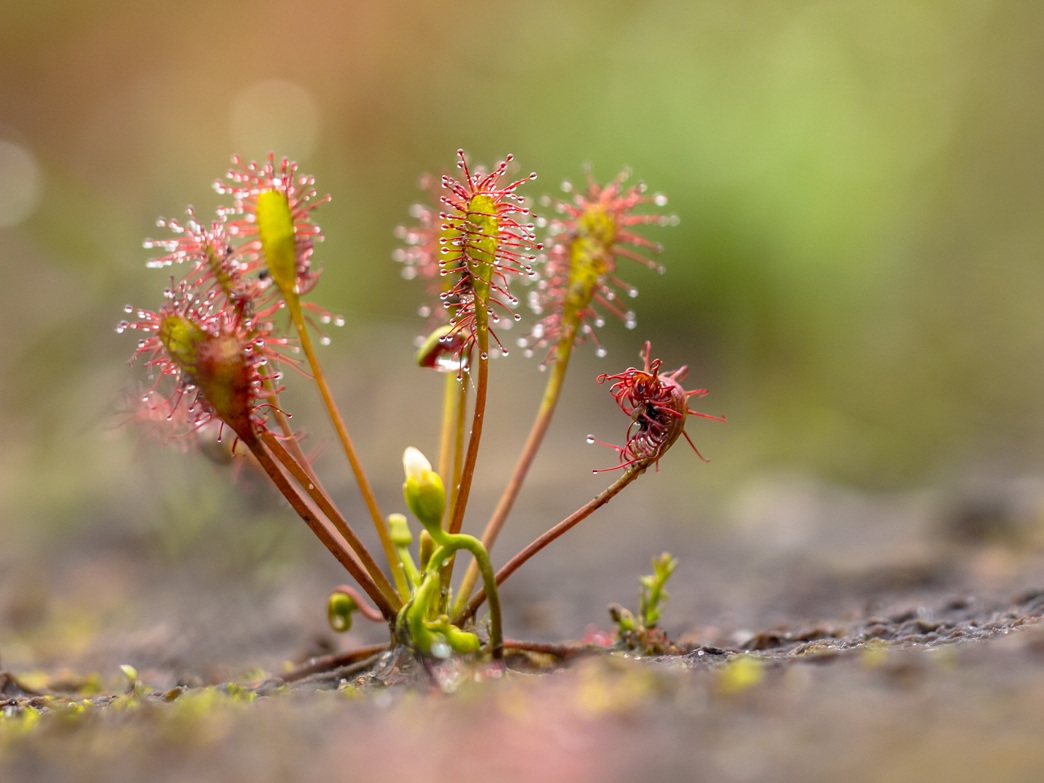
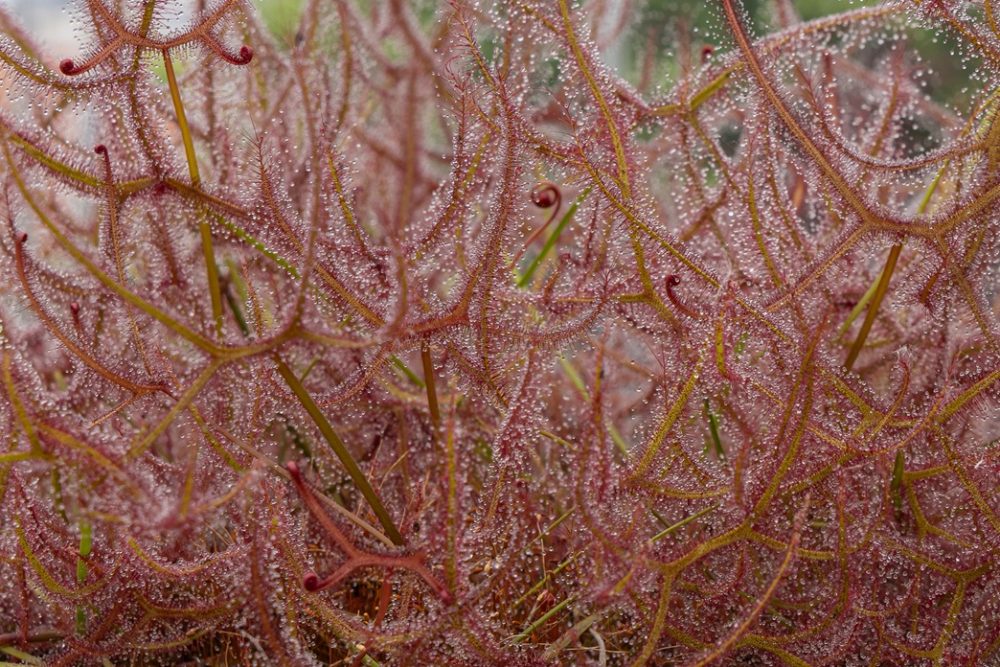
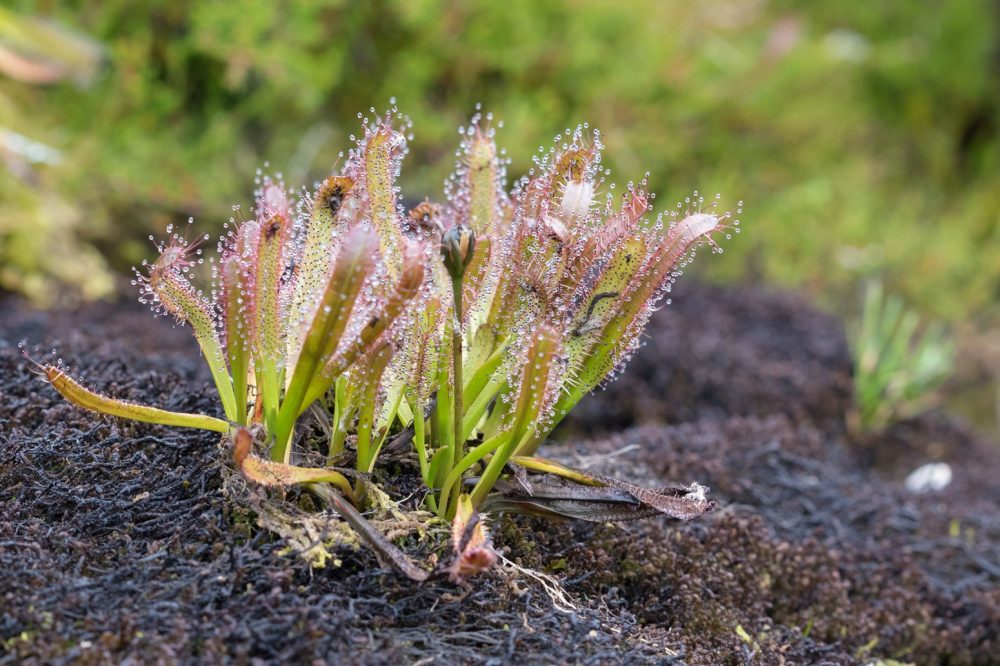
Sundew (Drosera spp.) This small carnivorous plant shares over 160 species throughout every continent in the world and has been used to support human health due to its fascinating appearance and potent actions.
The energetic essence of sundew is fundamentally defined by a physiological paradox, where its secretions uniquely increase and persist in abundance with the intensity of the sun. This is most likely why, astrologically-speaking, Culpeper classed the plant under the rulership of the Sun (heat) with the water-dominated zodiac sign of Cancer; marrying the energetic qualities of solar heat while preserving moisture (1). The paradox isn’t limited by its reaction to the sun, but also in its dose-dependent biphasic effect, where an excess of its extract can cause the ailments it resolves, as explained below (5).
This aspect of the plant, as well as its unusual appearance, fascinated alchemists worldwide which is why it was highly valued by them, likewise to lady’s mantle’s guttation (Alchemilla mollis). The mucilaginous excretions (the “dew”), used by the plant to hold unsuspecting flies on the leaves, intensify under the Sun. The essence of the plant, captured in a cordial, was interpreted as having profound virtues ranging from tissue preservation, cardiac restoration and nervous system support (10).
Ayurvedic alchemists prepared a medicine called Swarnabhasma (Gold Ash), involving the grinding of sundew and other herbs with gold before processing it as a means to treat various conditions (11).
-
What practitioners say
 Respiratory system
Across historical and contemporary frameworks, sundew shares common indications for hyperreactive, dry and spasmodic pulmonary conditions, often accompanied by a fever (17,18). Eclectic and Physio-Medical physicians specifically indicate sundew when there is a profound dryness of the respiratory mucous membranes combined with a pathological irritation of the vagus nerve (pneumogastric) and base of the brain (in particular near the ears) (2,14).
Pathologies exhibiting these characteristics include whooping cough or measles which share dry spasmodic coughs where tickling occurs due to irritation of the mucous membrane or through stimulation of the sympathetic nervous system as well as bronchitis (especially chronic), spasmodic asthma and early-stages of pulmonary tuberculosis (13,19). Wiliam Fernie, a British physician, agreed to these indications though warned against excessive dosing which could exacerbate the cough or cause nausea (5).
French eclectic doctors and pharmacologists of the early 20th century used and developed highly specific and sophisticated combinations of herbs tailored to precise cough typologies (20). For instance, for whooping cough (pertussis) and severe convulsive paroxysms (i.e. epileptic episodes), Drosera rotundifolia was frequently paired with thyme (Thymus vulgaris) and butterwort (Pinguicula vulgaris) into non-toxic and safe paediatric syrups (20,22).
For severe asthmatic or spasmodic presentations, gumweed (Grindelia robusta) or lobelia (Lobelia inflata) were included with Drosera species (20,22). While reflex or neurogenic coughs were managed with sundew alongside gelsemium (Gelsemium sempervirens) or wild cherry (Prunus virginica) (20).
In cases where there was deep tracheobronchial congestion, asthma plant (Euphorbia pilulifera), wallflower (Erysimum spp.), coca leaves (Erythroxylum coca) and low doses of belladona (Atropa belladonna) or aconite (Aconitum napellus) were used to thin the mucous and clear the voice in acute or chronic laryngitis (22). Red poppy syrup (Papaver rhoeas) was frequently used as a soothing galenic conduit for paediatric administration (23,24).
Digestive system
While remaining dominant in its use as a respiratory herb, some clinicians indicate sundew for functional gastric disorders, notably of the upper gastrointestinal mucosa. For instance, both Eclectic and Physio-Medical practitioners indicate it for excessive flatulence as well as catarrhal or ulcerous conditions of the stomach, in particular when outbursts of coughs trigger secondary retching or emesis (25,26,27).
This is supported by the presence of pepsin-like enzymes that are able to break down degrading albumens into peptones, aiding digestion (19). In addition, sundews contain naphthoquinones (quinone derivatives such as plumbagin) which exert a potent broad spectrum antimicrobial action against intestinal pathogens which validates the use by the Malagasy Zafimaniry clan from Madagascar in the therapeutic intervention of severe dysentery (9,25).
Nervous system
Sundew was classed by the early to mid-20th century French clinicians as a direct modulator of the autonomic nervous system. It works as a primary intervention for an overactive sympathetic nervous system (23). This correlates with the physio-medical indication of Drosera rotundiflora for sympathetic nervous system overstimulation caused by underlying cardiac or gastric diseases (26).
Skin health
The raw fresh juice of the plant is utilised for its strong chemical acridity on account of the naphthoquinones (20). This accounts for both Irish and British folk practitioners and South African folk medicine use in the treatment of warts and corns. It was also used to treat head lice in the UK (4,6). Hoffman and Barnes both note specific dermatological efficacy of the naphthoquinone plumbagin against fungal pathogens as a 0.25% to 0.5% solution (or 1% emulsion), in particular, for microsporum infections (25,28).
-
Sundew research

Sundew (Drosera spp.) According to recent research, European species, especially D. rotundifolia, generally show the strongest case for phytopharmaceutical use while African and South American species clearly contain the relevant bioactive principles yet are not as standardised and are often quantitatively weaker or more variable (28).
Effects of extracts and flavonoids from Drosera rotundifolia L. on ciliary beat frequency and murine airway smooth muscle
This study was carried out to examine the antispasmodic effects of extracts of Drosera rotundifolia and its flavonoids airway smooth muscle and the cilia. Murine tracheal tissue was treated with a Drosera rotundifolia ethanol–water extract (0.2–0.5 mg/ml), an aqueous fraction (1 mg/ml), or isolated flavonoids including quercetin (10–100 μM).
Both the whole extract and aqueous fraction showed a reduction in acetylcholine-induced airway contraction by 45% and increased ciliary beat frequency at between 10–20%. These findings support the traditional use of Drosera rotundifolia as a bronchodilator which helps to clear coughs and respiratory infections (29). .
In vitro evaluations demonstrate that Drosera extracts actively relax smooth muscle tissue by inhibiting acetylcholine and histamine-induced contractions (25,30). This suppresses peripheral cough reflexes and upregulates ciliary beat frequency to optimise mucociliary clearance (expectoration) (30,31,32).
Antifungal potential of naphthoquinone derivatives: screening of shikonin-based compounds and mechanistic insights into 5,8-dihydroxy-1,4-naphthoquinone against Candida albicans in vitro and in vivo
This preclinical study examined the antifungal effect and mechanism of action of 5,8-dihydroxy-1,4-naphthoquinone (DHNQ; PNP-02) and related naphthoquinone derivatives against Candida albicans. This study used in vitro C.albicans and an in vivo murine candidiasis model. DHNQ was examined for its effects on fungal growth by looking at biofilm formation, hyphal development, oxidative stress, mitochondrial function and therapeutic efficacy. Results showed DHNQ exhibited potent antifungal activity, more than 32 times more active than fluconazole by reducing biofilm formation with minimal toxicity side effects (33).
Sundew plant, a potential source of anti-inflammatory agents, selectively induces G2/M arrest and apoptosis in MCF-7 cells through upregulation of p53 and Bax/Bcl-2 ratio
This preclinical study explored the anticancer and anti-inflammatory effects of a 70% methanolic extract of Drosera burmannii (DBME) on breast cancer cell growth and inflammatory pathways. Human cancer cell lines were treated with DBME at dosages of 0–200 μg/mL for up to 48 hours. Primary outcomes measures included cell viability, cell cycle progression and apoptosis.
Results showed DBME selectively inhibited proliferation of MCF-7 breast cancer cells (IC₅₀ 120.9 μg/ml) while showing minimal toxicity toward other cancer cells. It induced G2/M cell-cycle arrest and apoptosis as well as reduced LPS-induced NO, TNF-α and ROS production and downregulated iNOS and COX-2 expression in murine macrophages, demonstrating strong anti-inflammatory activity (34).
Drosera tokaiensis extract containing multiple phenolic compounds inhibits the formation of advanced glycation end-products
This in vitro study investigated whether Drosera tokaiensis extracts could inhibit the formation of glycation end-products (AGEs) which play a role in the ageing and age-related diseases. It examined plant extracts and their ability to inhibit advanced glycation end-products (AGEs) such as Nω-(carboxymethyl)arginine (CMA) and Nε-(carboxymethyl)lysine (CML) for anti-aging applications.
Of all the plants studied, Drosera extract was the most active as a result of ellagic acid, 3,3′-di-O-methylellagic acid 4′-glucoside, myricitrine, and quercimelin. Authors suggested this was due to the antioxidant activity of phenolic compounds and concluded these compounds may have potential for prevention of age related diseases, however, more research is required in human subjects (35).
-
Historical use of sundew

Sundew (Drosera spp.) The traditional use of the plant is largely linked to the energetic qualities. However, its paradoxical doctrine of signatures appears to have caused conjecture depending on the author or tradition applied, or perhaps this is in part due to how it is prepared and the dosage administered.
For instance, Culpeper classes sundew as being ruled by the Sun and the zodiacal sign of Cancer, which in other words suggest, along with its indicated virtues, that it is energetically hot and dry, though Cancer indicates moisture. He mentioned that for this reason it could be used to treat ’salt rheum’, an acrid irritating and cold-damp catarrhal fluid that wastes the tissues of the lungs, others like Gerarde affirm this intense energetic quality by describing it as hot and dry to the fourth degree (12).
Meanwhile in TCM, the approach is quite the opposite. The acridity and bitterness of the herb suggests a more cooling to neutral temperature. It is used to clear Lung heat and to transform phlegm-heat reducing Lung qi to relieve bronchial constriction and acute dyspnoea (shortness of breath). Its classification emphasises a unique capacity to cool acute inflammation and to treat toxic heat conditions afflicting the lungs and gut (8).
The approach of Chinese medicine aligns closely with modern understanding based on the Eclectic and Physio-Medical systems of the late 19th and early 20th centuries. Sundew was indicated for profound dryness of the respiratory mucous membranes and air passages often coupled with severe irritation of the central and sympathetic nervous systems (2,13,14).
In parts of India, the fresh leaves of Drosera burmannii were crushed and mixed with or without salt to remove or heal blisters (15). It is a component of Swarnabhasma (Gold Ash), an Ayurvedic alchemical preparation involving D. peltata used as an anti-syphilitic, alterative (blood purifier) and tonic. D. burmannii, D. peltata and D. indica appear to have been used interchangeably (11).
Drosera spp. are still used in folk medicine in parts of Africa. The Malagasy Zafimaniry clan from Madagascar use sundew for severe dysentery, while South African folk medicine utilises the juice for the treatment of warts and corns, akin to Irish and Scottish folk traditions who added milk to buffer the corrosive juice (4,6,9).
It is important to point out that while many cultures and continents throughout the world demonstrate a traditional use of their respective sundews, there are little to no accounts or records of its use in South America other than the supposed anecdote that Portuguese colonists may have brought their knowledge of local European sundews and applied these therapeutic uses to local species.
The lack of information could be on account of these species being significantly scarcer than in other regions of the world and the fact that South American Folk medicine, such as the practices of traditional Raizeiros, Indigenous groups, and Quilombola communities relies almost entirely on oral transmission (16). Because this knowledge is passed down verbally, it frequently escapes formal records or scientific documentation and is highly vulnerable to being lost as communities modernise. This would explain the lack of information relating to sundews from South America.
-
Sundew’s herbal actions
Herbal actions describe therapeutic changes that occur in the body in response to taking a herb. These actions are used to express how a herb physiologically influences cells, tissues, organs or systems. Clinical observations are traditionally what have defined these actions: an increase in urine output, diuretic; improved wound healing, vulnerary; or a reduction in fever, antipyretic. These descriptors too have become a means to group herbs by their effects on the body — herbs with a nervine action have become the nervines, herbs with a bitter action are the bitters. Recognising herbs as members of these groups provides a preliminary familiarity with their mechanisms from which to then develop an understanding of their affinities and nuance and discern their clinical significance.
Western actions
-
Sundew’s energetic qualities
Herbal energetics are the description that herbalists have given to plants, mushrooms, lichens, foods and some minerals based on the direct experience of how they taste, feel and affect the body. All traditional health systems use these principles to explain how the environment impacts health, according to each of their philosophies and frameworks. These assessments of individual herbs, though they often do align, can differ from one another due to cultural differences regarding perspectives on how herbs taste versus their physiological effects. Find out more about traditional energetics in our article An introduction to herbal energetics.
Chinese energetics
Chinese energetics align with Bensky’s Chinese Herbal Medicine: Materia Medica.
-
What can I use sundew for?
Sundew (Drosera spp.) Sundews have primarily been used throughout history for pulmonary and respiratory care, notably for the treatment of “consumption” (pulmonary tuberculosis), chronic wheezing, shortness of breath and “salt rheum” (acrid catarrhal fluid) (1,2,3). Common European folk traditions, notably in Ireland and Britain, utilised the leaves in a decoction of asses’ milk to formulate a remedy for whooping cough and asthma (4,5).
The caustic fresh juice was utilised as a localised escharotic (corrosive substance) to treat hyperkerotic lesions (warts and corns) and as a parasiticide against head lice. When buffered with milk, the juice was used to treat sunburn and to lighten the skin by reducing hyperpigmentation) (4).
In 16th-century Brittain, it was often used for treating ‘swooning’ (fainting) and “faintness of the heart” (3). The milk-buffered formula was again used in Ireland under a strict 10-day protocol to treat complex hepatic disorders such as jaundice (4).
South Africa traditional medicine systems used Drosera capensis as a broad-spectrum intervention for syphilis as well as infections of the eyes and ears. It was used for liver pain, morning sickness as well as a tranquiliser (6,7). Traditional Chinese Medicine (TCM) utilise D. burmannii (jin di luo) to resolve toxicity, jie du, associated with acute gastroenteritis or severe dysentery (8).
This use is parallelled in Madagascar’s poorer communities with little to no access to modern medicine where D. madagascariensis is used as an antimicrobial and anti-inflammatory to reduce fever and treat dysentery (9).
-
Did you know?
Sundew is used as a flavouring ingredient in Italy for the production of some traditional liqueurs (36).
Charles Darwin chose the temperate sundew (Drosera rotundifolia) as a primary botanical model for his experiments (7).
Celtic tribes used Sundew as a pigment to dye their hair (37).

 Respiratory system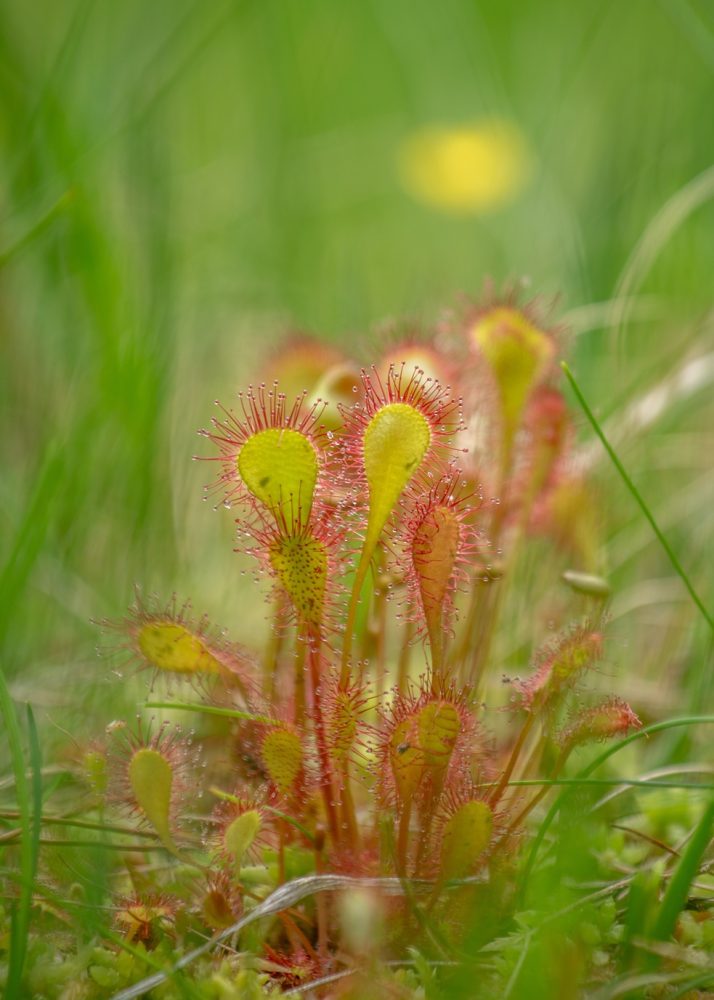
-
Botanical description
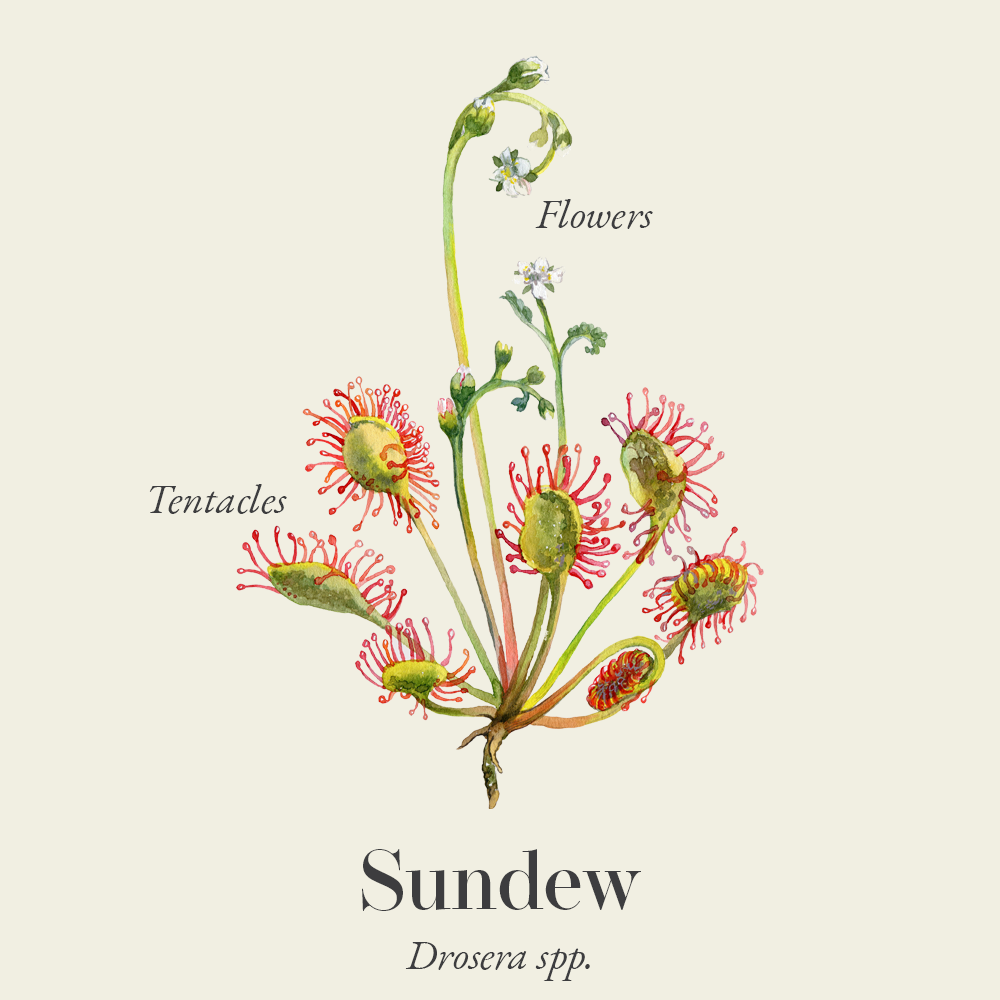
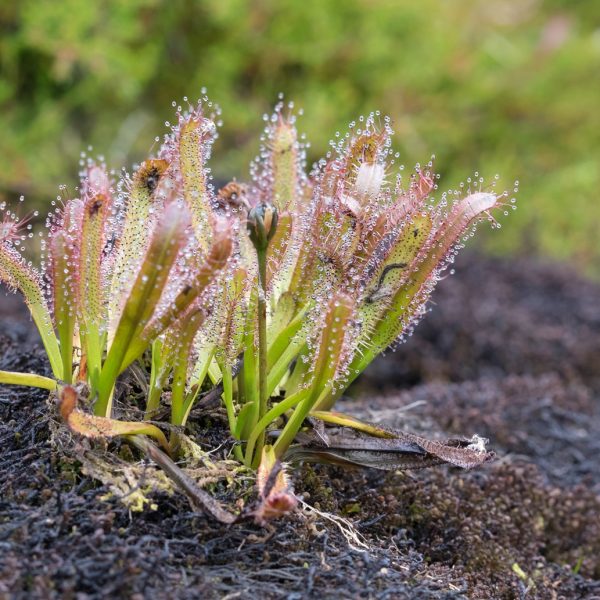
The genus Drosera comprises specialised perennial angiosperms adapted to poor nutrient soil conditions. Such conditions are often required to be highly acidic and wet, such as bogs, marshes or other wetland ecosystems (22). The most notable species used as a medicine, Drosera rotundifolia, presents itself as a small herb with a fibrous capillary root system.
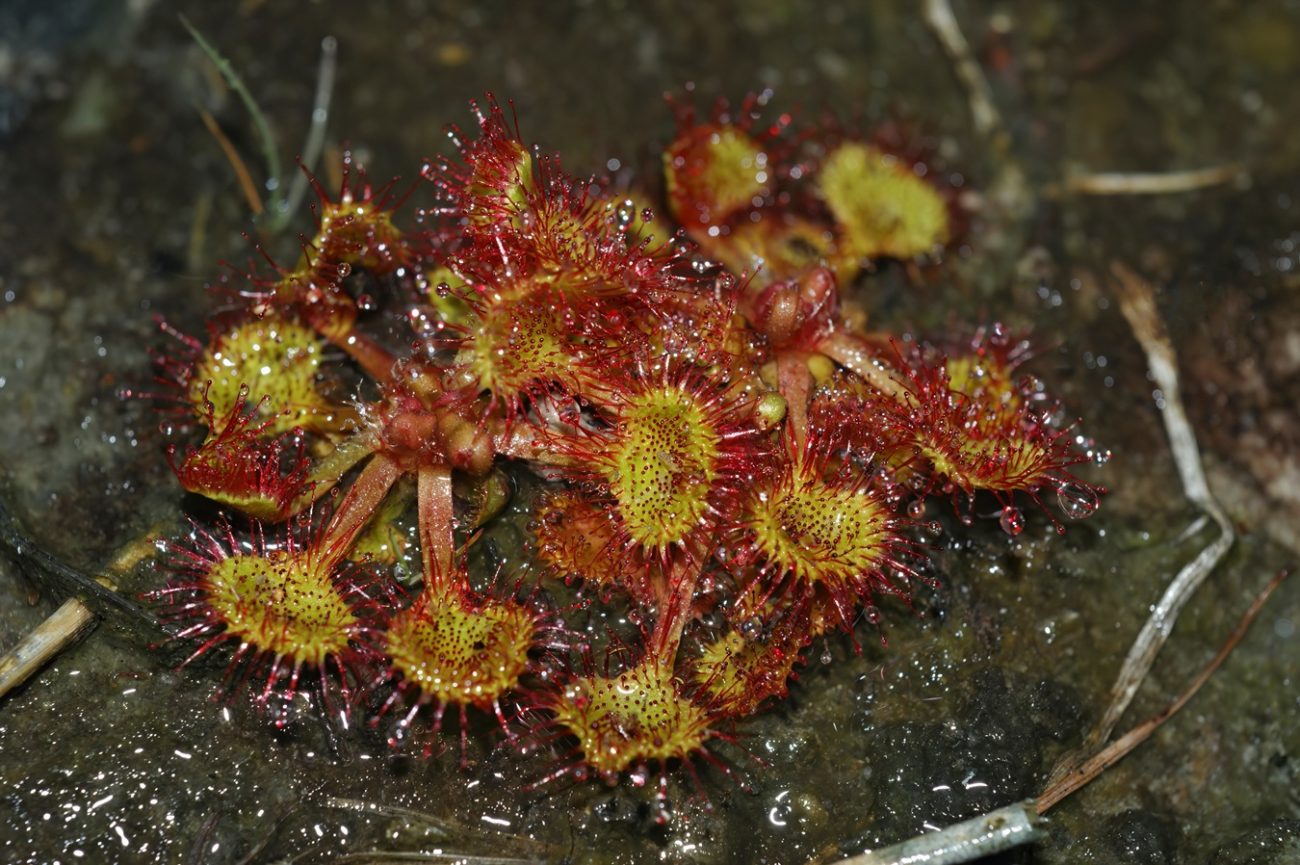
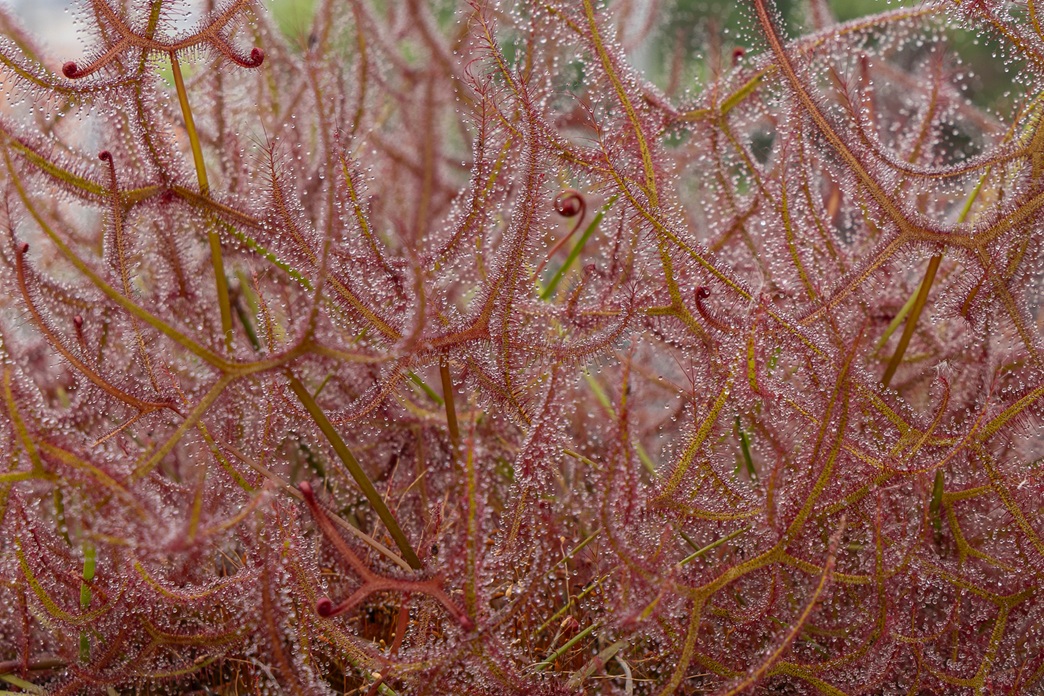
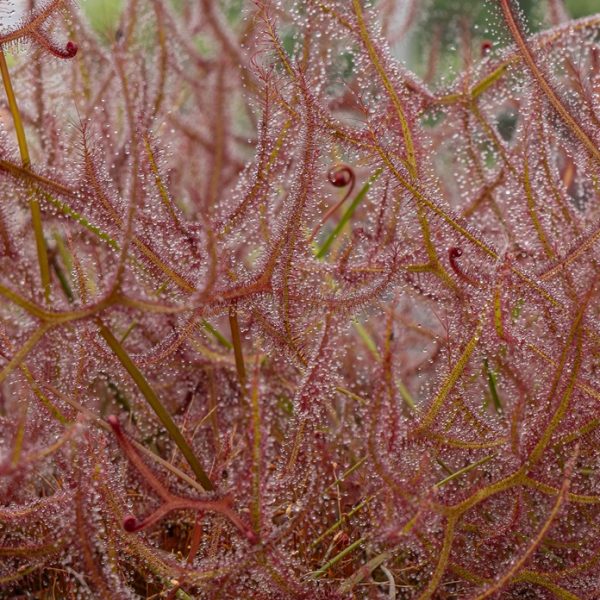
D. rotundifolia grows as a basal rosette of orbicular leaves (about 15 mm in diameter). The margins of the expanded leaves are densely carpeted with prominent vibrant red glandular trichromes that secrete the viscous mucilage that actively entraps small insects (22). The plant produces a glabrous filiform scape (about 10 to 20 cm in height) ending in a curved unilateral cluster of small white flowers that blossom during direct exposure to sunlight.
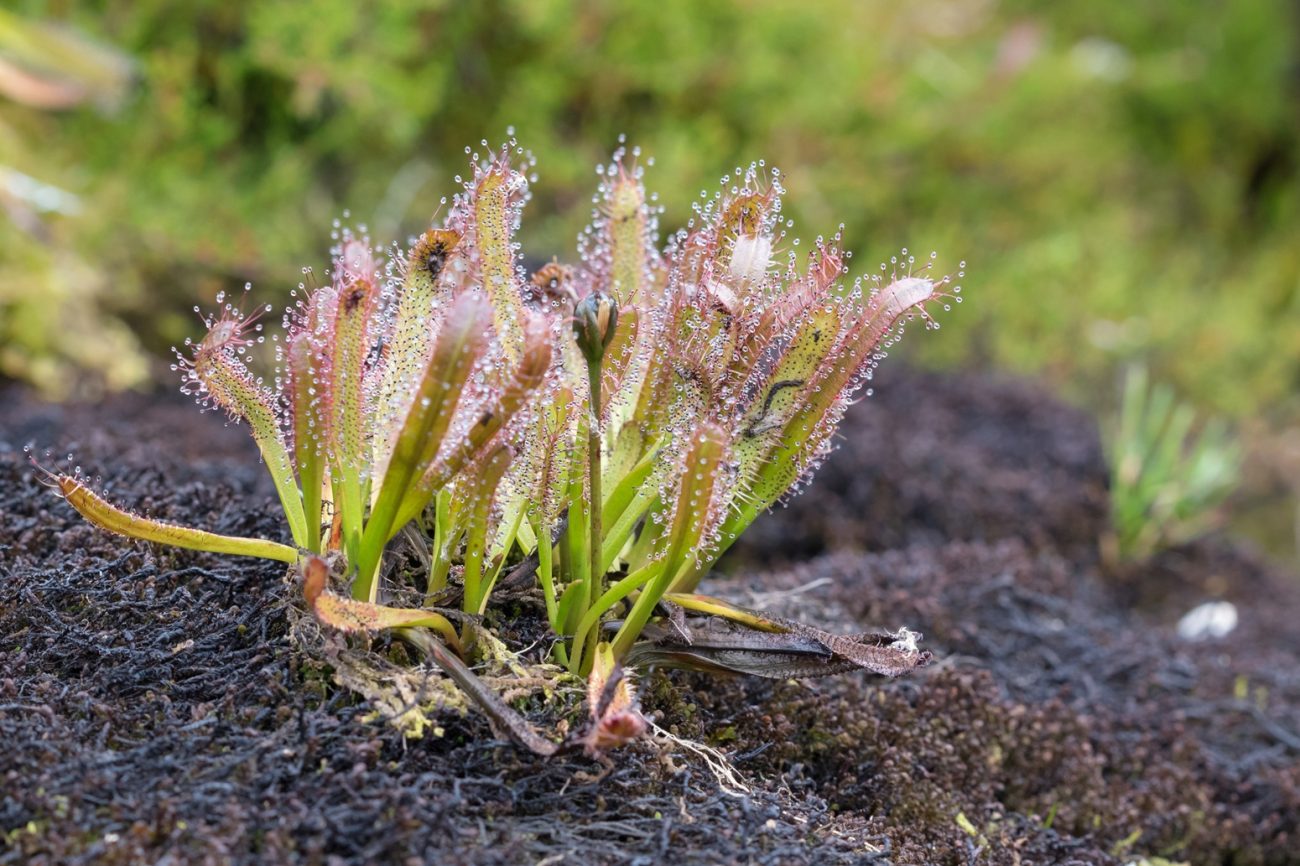
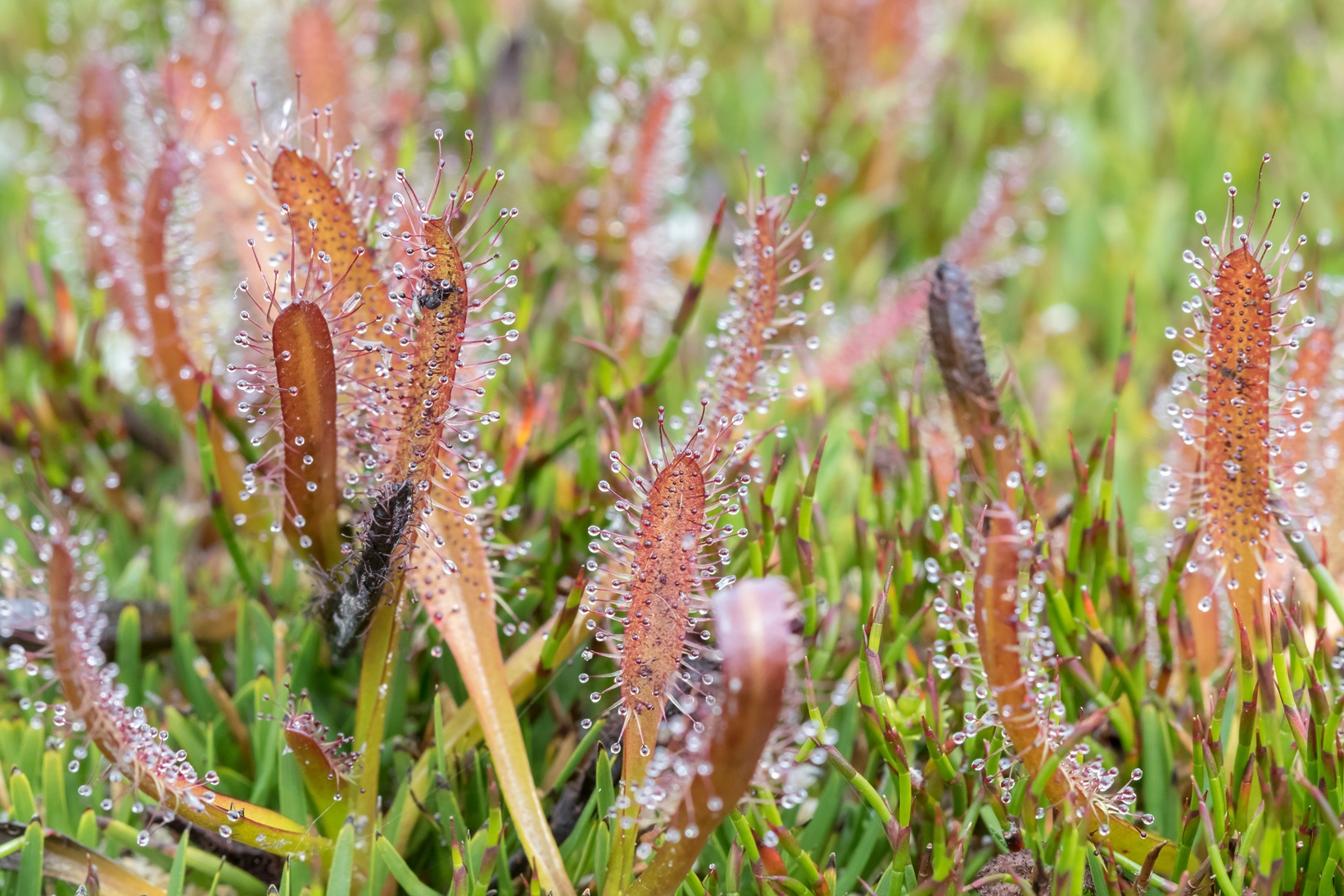
Rigorous differentiation of its morphology is essential in herbal practice to distinguish D. rotundifolia from closely allied medicinal species like Drosera intermedia and Drosera longifolia, which are structurally defined by their elongated leaf blades or for species from other continents like D. madagascariensis, D. burmannii and so forth (7).
-
Common names
- English: Sundew, dew plant, red-rot, oilplant (Donegal, Ireland) and youth-wort
- French: Rosée du soleil (dew of the sun), herbe de la rosée, herbe aux goutteux (gout herb), and rossolis (alternatively spelled rosollis)
- German: Sonnenthau or Sonnentau
- Irish and Scottish Gaelic: Drúichtín móna (“little dew of the bog”), rós an tSolais (“rose of the light”), galar na gCat, lus na fearnaighe (also lus na fearnaich which means “the plant with shields”), eil druich (“the one that robs the dew”), and geald-ruidhe or dealt ruaidhe (“very red dew”)
- Welsh: Doddedig rudd (“twisted red thread”)
- Chinese Materia Medica (Pinyin and Cantonese): Jin di luo (锦地罗) and gam dei lo respectively
-
Habitat
Drosera species grow worldwide almost exclusively in highly acidic, water logged, and nutrient-poor environments, such as peat bogs, fens, and marshes.
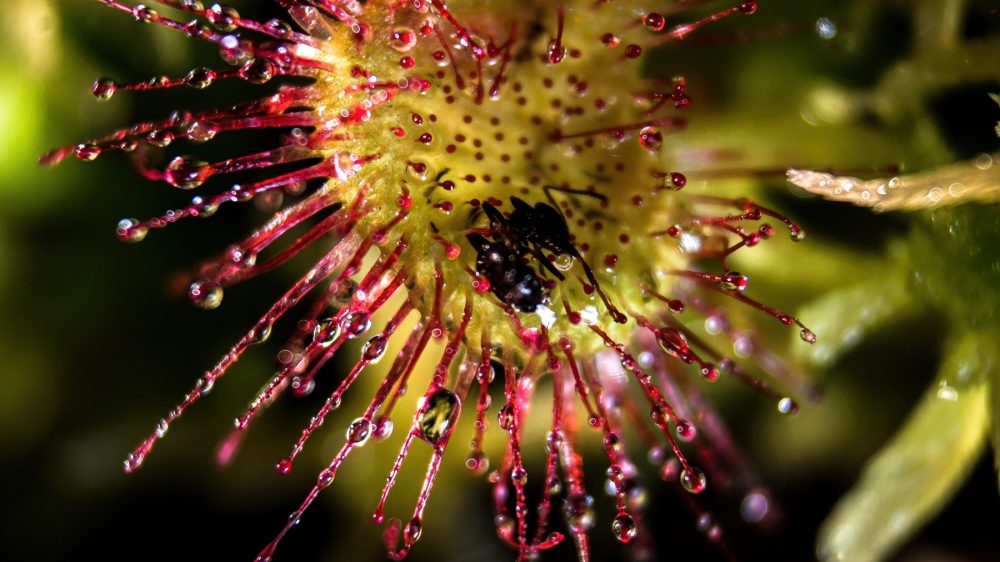
To survive in these harsh mineral deficient soils, they have evolved as carnivorous plants to supplement their nutrients by trapping small insects with the help of their mucilaginous secretions and through the physical movement of the plant. Most species have tentacles that bend inwards towards the prey and many species can curl their entire leaves inwards, except for the smaller ones.
While the genus is found globally, specific species dominate certain regions:
- Temperate zones: The primary medicinal species such as Drosera rotundifolia, D. intermedia, and D. anglica are widespread across temperate wetlands in Europe, North America, and Asia.
- Tropical and Southern zones: Other species have adapted to warmer climates, including D. capensis and D. madagascariensis in Africa, D. communis in South America, and D. burmannii across Asia and Australia.
Because habitats are delicate and easily destroyed by human intervention, and historical wild-harvesting has depleted wild populations, several Drosera species were at risk of extinction in certain regions of the world but appear to have since recovered (see sustainability section).
For ethical clinical practice, clinicians should endeavour to avoid the purchase of wildcrafted plant medicines unless it is crafted by themselves on a very small scale. They should otherwise rely on sustainably cultivated sources when purchasing plant materials. In some regions, Drosera may be near threatened to endangered, which means that wild harvest should not take place under any circumstance. It is therefore crucial to check with the local authorities on the status of the species in question (38).
-
How to grow sundew
To cultivate Drosera for medicine, growers should closely replicate the plant’s native soil and environmental conditions:
- All cultivated Drosera species strictly require wet and highly acidic soil environments. They thrive outdoors in peat-based soils, marshy bog gardens, or as semi-submerged pond plants.
- For some tropical species like Drosera burmannii, a mixture of acidic and sandy soils is recommended.
Temperate species such as Drosera rotundifolia are perennial and can be propagated by dividing the established root clumps (offsets) of mature plants.
Cultivating tropical and subtropical species for warmer-climate sundews depends entirely on their biological life cycle as these can vary depending on the specific species:
- Annuals propagate by seed only: Tropical and subtropical annuals, such as Drosera burmannii used in TCM naturally die after their flowering phase concludes, therefore, they must be propagated exclusively by sowing seed.
- Fortunately, the seeds are highly resilient and will remain viable even if exposed to light frost.
- Subtropical perennials that rarely produce viable seeds, such as Drosera hamiltonii or Drosera slackii, must instead be propagated using root cuttings.
Large-scale medical cultivation can utilise in vitro tissue culture for mass production. This requires a more complex workflow to achieve this and it can impact the phytochemical profile of the plant:
- Tissue explants are extracted from a parent plant and placed into a solidified or liquid growth medium, such as a Murashige and Skoog (MS) medium.
- The pH of the medium is strictly monitored, as it is a critical growth factor.
- The medium is supplemented with specific plant growth regulators, including auxins (e.g., indoleacetic acid) and cytokinins (e.g., kinetin) to stimulate growth.
- Under these controlled conditions, a single explant will yield 3–12 new plants within 6–weeks. This method has been applied successfully to Drosera pelata (39), D. burmannii (15) and D. rotundifolia (40).
-
Herbal preparation of sundew
- Tincture (dried or fresh)
- Fresh fluid extract (Alcoolature)
- Infusion (dried)
- Expressed juice (fresh)
- Compound syrup
- Aqueous extract or “soft extract” (extrait moux)
-
Plant parts used
Whole plant
-
Dosage
For the purpose of accuracy, these preparations are based on the most widely used preparations of temperate sundews, notably Drosera rotundifolia. These can be substituted with other temperate varieties such as D. anglica and D. intermedia without major impact on therapeutic indications, however, tropical species’ phytochemical profiles can vary.
It is important to note that some folk preparations use only the aerial parts of the plant or only the leaves, such as D. capensis in South Africa (6). For the purpose of the following preparations, the whole plant parts are used, including aerial and root parts to ensure the full profile of the plant is contained.
- Tincture of dried plant (1:5 60%): 0.5–3 ml, three times per day (25,8). Children (aged 2 to 4) should get a maximum of 10 drops three times a day. The tincture manifests as a greenish-yellow colour (20).
- Fluid extract of fresh plant (1:1 90%): 1–2 ml, three times per day. Children (aged 2 to 4) should get a maximum of 10 to 20 drops three times a day. This preparation manifests as a reddish liquid with a heavy odour (20).
- Infusion of the dried plant: 1–2 g of finely crushed whole plant steeped in 200 ml to 250 ml of boiling water for 10–15 minutes. This can be drunk three to four times daily (28,43). The desiccated form, known as Droserae herba, preserves the naphthoquinones which can be standardised to 0.1% to 0.2% of plumbagin (44).
- Freshly expressed raw juice (topical only) as a topical rubefacient, escharotic and parasiticide, as well as wart or corn removal (4,17), most likely on account of its naphthoquinone derivatives (20).
- Compounded syrup: The integration of fresh fluid extract or tincture into red poppy with or without orange blossom syrup. It is calibrated to deliver 10 drops of fresh plant tincture per tablespoon with a total daily consumption of 30 to 100 g of the final syrup mixture. This synergistic formula was devised to administer the medicine to children (20,23,24,45).
- Aqueous extract of dried plant known as “extrait doux” (soft extract): Taken at 0.05–0.15 g per day in capsules or lozenges or alongside carriers such as syrups. This concentrate, prepared by evaporating most of the water until it is at a 10% (where 1 g of extract is derived from 10 g of dry plant), preserves the quinones and is indicated as a systemic antispasmodic (20).
Important note on the use of alcohol: Some modern (28,42) and Eclectic literature (19,22) mention the fresh plant containing naphthoquinones though they fail to mention the degradation of these quinone derivatives when preserved in alcohol. French research from the 20th century specifically indicates that, while the fresh plant contains the highly active rubefacient quinones, they are greatly reduced via oxidation due to their volatility in ethanol, in particular, alcohol above 90 ABV permanently neutralises the quinone structures (20). Another contemporary study suggests that this degradation of certain quinones could occur in alcohol as low as 25% (43).
-
Constituents
- Naphthoquinones (1,4-naphthoquinone derivatives): Yielding up to 0.5% (with significant inter-species variation), primarily containing plumbagin, plumbagin-5-O-glucoside (hydroplumbagin glucoside), ramentone, ramentaceone (7-methyljuglone), biramentaceone, droserone, 8-hydroxydroserone, and the glucoside rossoliside (7-methyl-hydrojuglone-4-O-β-D-glucoside
- Flavonoids: Quercetin, isoquercitrin, hyperoside, 2″-O-galloylhyperoside, kaempferol, myricetin, myricitrine, myricetin glycosides, quercimelin, and various anthocyanins
- Organic and plant acids: Ellagic acid derivatives (including 3,3′-di-O-methylellagic acid 4′-glucoside), alongside a broad array of organic acids such as citric, malic, butyric, formic, gallic, and propionic acids, as well as ascorbic acid (Vitamin C)
- Triterpenes: Pentacyclic triterpenes, most notably 3-O-acetylaleuritolic acid (3-O-AAA)
- Enzymes and peptides: Proteolytic digestive ferments (pepsin-like enzymes capable of breaking down albumens into peptones) and membrane-interacting antimicrobial peptides, such as Droserasin 1 PSI
- Miscellaneous constituents: Mucilage (providing characteristic demulcent properties), volatile oils, tannins, carotenoids, glucose, various plant salts, and acrid resins (5,25,43,44,46,47)
The 1,4-naphthoquinones (in particular plumbagin and ramentaceone) are highly volatile and can degrade via oxidation in alcohol depending on the volume. These compounds function as local rubefacients, and are the attributed as the primary active markers responsible for the botanical’s broad-spectrum antimicrobial, direct antitussive, and potent bronchospasmolytic behaviours (25,28,46).
The flavonoids (such as quercetin, hyperoside, and 2″-O-galloylhyperoside) act synergistically in plant extracts by exerting a targeted anti-inflammatory effect by inhibiting human neutrophil elastase, an enzyme that can be responsible for damaging healthy tissue when in excess (36,37).
Furthermore, these specific flavonoids appear to accelerate ciliary beat frequency and potentially inhibit phosphodiesterases (PDE1A and PDE4D). This aids airway dilation and mucociliary clearance during acute respiratory distress, however, it is crucial to acknowledge that these actions were observed in murine tissues which simply do not reflect human physiology and anatomy (29).
-
Sundew recipe
Dr. Henri Leclerc’s paediatric Drosera compound syrup
This paediatric syrup integrates sundew tincture into a demulcent botanical base made in the form of red poppy syrup to produce a synergistic effect. It is indicated for paroxysmal coughing fits, in particular for whooping cough (pertussis) while diminishing cough-induced emesis.
One tablespoon (15 ml) of syrup equates to 10 drops of tincture (24).Ingredients
- 2 g tincture of Drosera rotundifolia (sundew)
- 200 g red poppy syrup (syrop de coquelicot)
How to make a Drosera compound syrup
- Blend the tincture thoroughly into the red poppy syrup to ensure it is appropriately mixed and homogenised.
- Administer to children (aged two onwards), utilising the strict mathematical calibration of the formula wherein one tablespoon delivers exactly 10 drops of the active Drosera tincture per dose.
Red poppy syrup (as a Drosera adjunct)
France utilised a sophisticated state-sanctioned galenic pharmacopeia known as the Codex Medicamentarius Gallicus. This was famously augmented by François Dorvault’s seminal work, L’Officine ou Répertoire Général de Pharmacie Pratique (The Dispensary, or General Repertory of Practical Pharmacy), which provided the foundational instructions for manufacturing standard preparations. Because basic formulas like red poppy syrup were commonly used in formulations, their full manufacturing steps were frequently omitted from specialised clinical formularies. For the purpose of achieving the above recipe, the following instructions to create red poppy syrup are recommended (48,49).
Ingredients
- 100 g of red poppy petals (Papaver rhoeas)
- 1000 g of water
- 190 g of sugar per 100 g of collected menstruum
How to make a red poppy syrup
- Pour the boiled water over the petals of red poppy and leave to infuse for six hours.
- Strain the menstruum and let the sediment settle.
- Decant the liquid (called colature).
- Add 190 g of sugar per 100 g of colature.
- Heat up gradually in a covered bain-marie until the sugar is dissolved.
- Remove from heat as soon as the bain-marie water begins to boil.
- The syrup is ready when it marks 1.26 in a fluid densimeter (hydrometer) or 1.32 at 15C.
- Optionally filter the syrup through a flannel.

-
Safety
Drosera has a dose-dependent biphasic effect. In other words, an excess of it can cause respiratory irritation, hacking coughs or hoarseness while therapeutic doses treat the exact pathologies it exhibits in larger quantities (5).
Likewise, while it is highly safe in standard clinical doses to treat certain gastric disorders, exceeding normal thresholds can cause acute gastrointestinal irritation (46). It is perfectly safe when administered within therapeutic doses.
The fresh juice is highly caustic and can cause blistering on contact with the skin. This is why it was buffered with milk in traditional preparations (10).
Because of the presence of plumbagin (naphthoquinone), prologued dosing is not recommended without patient supervision (25).
-
Interactions
None known (25)
-
Contraindications
Due to the lack of available data and on account of its parasiticidal actions, pregnant or lactating women should not be given Drosera (25,44,46).
The author advises that patients with known allergies to quinones and derivatives should avoid Drosera.
-
Sustainability status of sundew
For the purpose of this document, the author chose the most commonly used Drosera species used in medicine.
Drosera rotundifolia, D. anglica & D. intermedia:
- BSBI Great Britain Red List for Vascular Plants: Classed as “Least Concern” (50)
- IUCN (WORDWIDE): Classed as “Least Concern” for the global assessment (51)
- NatureServer (US/CANADA): Classed as G5 – Secure
Drosera burmannii:
- BSBI Great Britain Red List for Vascular Plants: Unclassified – Not regional
- IUCN (WORDWIDE): Classed as “Least Concern” for the global assessment (52)
- NatureServer (US/CANADA): Unclassified – Not regional
Drosera madagascariensis:
- BSBI Great Britain Red List for Vascular Plants: Unclassified
- IUCN (WORDWIDE): Classed as “Least Concern” for the global assessment (53)
- NatureServer (US/CANADA): Unclassified – Not regional
-
Quality control
In the 80s, Drosera madagascariensis began to be used commercially in the pharmacological sector as a substitute for D. rotundifolia under the same pharmacopeial name: Droserae herba. This occurred because of concerns regarding the decline of wetland habitats and the overharvesting of wild temperate populations of Drosera spp. (D. rotundifolia, D. anglica and D. intermedia) (54). While European Drosera is now classed as “Least Concern”, D. madagascariensis continues to be used yet has a much weaker pharmacological profile than other European varieties (55).
Clinicians must exercise strict caution when sourcing Drosera as medicine to avoid the common adulteration with inferior species for therapeutic interventions. Adulteration will affect the therapeutic outcomes.
Historical use of Drosera rotundifolia suggests standardisation of Droserae herba could be gauged at 0.1% to 0.2% naphthoquinones, in particular plumbagin (44). Where this is not possible, ensuring appropriate harvesting, processing and storing methods are crucial to avoid degradation of the plant matter.
-
References
- Culpeper N. The Complete Herbal. Thomas Kelly; 1850.
- Scudder JM. The American Eclectic Materia Medica and Therapeutics. 10th ed. Published by the author; 1883.
- Turner W. The First and Seconde Partes of the Herbal of William Turner. Arnold Birckman; 1568.
- Allen DE, Hatfield G. Medicinal Plants in Folk Tradition: An Ethnobotanical Guide to Britain & Ireland. Timber Press; 2004.
- Fernie WT. Herbal Simples Approved for Modern Uses of Cure. 2nd ed. Boericke & Tafel; 1897.
- McQuillan M. Drosera capensis. PlantZAfrica. South African National Biodiversity Institute (SANBI). Published February 2008. Accessed June 22, 2026. https://pza.sanbi.org/drosera-capensis
- Cazin H. Traité Pratique et Raisonné des Plantes Médicales Indigènes. 3rd ed. Librairie de la Faculté de Médecine; 1868:349-350.
- Holmes P. Jade Remedies: A Chinese Herbal Reference for the West. Vol 2. Snow Lotus Press; 1997.
- Rakotondrafara A, Rakotondrajaona R, Rakotoarisoa MF, Ratsimbason M, Rasamison V, Rakotonandrasana S. Ethnobotany of medicinal plants used by the Zafimaniry clan in Madagascar. J Phytopharmacol. 2018;7(6):483-488. doi:10.31254/phyto.2018.7606
- Mac Coitir N. Irish Wild Plants: Myths, Legends and Folklore. The Collins Press; 2008.
- Chopra RN, Nayar SL, Chopra IC. Glossary of Indian Medicinal Plants. Council of Scientific & Industrial Research; 1956.
- Gerarde J. The Herball or Generall Historie of Plantes. London, England: Adam Islip, Joice Norton, and Richard Whitakers; 1636.
- Fyfe JW. The Essentials of Modern Materia Medica and Therapeutics. The Scudder Brothers Company; 1903.
- Scudder JM. Specific Medication and Specific Medicines. Wilstach, Baldwin & Co; 1870.
- Yanthan JS, Kehie M, Kumaria S, Tandon P. In vitro regeneration of Drosera burmannii Vahl.: a carnivorous plant of north-east India. 3 Biotech. 2017;7(2):124. doi:10.1007/s13205-017-0777-7
- Ramos LFS, de Sousa AG, de Siqueira Amorim R, et al. Ethnobotanical surveys of plants used by Quilombola communities in Brazil: a scoping review. Life. 2024;14(10):1215. https://doi.org/10.3390/life14101215
- Grieve M. A Modern Herbal. Vol 2. Dover Publications; 1971.
- Moore M. Specific Indications for Herbs in General Use. 3rd ed. Southwest School of Botanical Medicine; 1997.
- Felter HW. The Eclectic Materia Medica, Pharmacology and Therapeutics. John K Scudder; 1922.
- Brissemoret A, ed. Essais sur nos Préparations Galéniques: Étude Pharmacologique. 2nd ed. Boulanger-Dausse & Cie; 1909.
- Chevallier A. Encyclopedia of Herbal Medicine. 3rd American ed. DK Publishing; 2016.
- Vidal L. Dictionnaire de Spécialités Pharmaceutiques. Office de Vulgarisation Pharmaceutique; 1931:77, 95, 296, 376, 389, 397, 698, 918, 984.
- Decaux F. Formulaire de Phytothérapie. Amédée Legrand et Cie; 1956.
- Leclerc H. Précis de Phytothérapie. Masson et Cie; 1973.
- Barnes J, Anderson LA, Phillipson JD. Herbal Medicines. 3rd ed. Pharmaceutical Press; 2007:215-216.
- Lyle TJ. Physio-Medical Therapeutics, Materia Medica and Pharmacy. National Association of Medical Herbalists of Great Britain, Ltd; 1932.
- Petersen FJ. Materia Medica and Clinical Therapeutics. F J Petersen; 1905:76.
- Hoffmann D. Medical Herbalism: The Science and Practice of Herbal Medicine. Healing Arts Press; 2003:544.
- Hake A, Begrow F, Spiegler V, Symma N, Hensel A, Düfer M. Effects of extracts and flavonoids from Drosera rotundifolia L. on ciliary beat frequency and murine airway smooth muscle. Molecules. 2022;27(19):6622. doi:10.3390/molecules27196622
- Gruenwald J, Brendler T, Jaenicke C, eds. PDR for Herbal Medicines. 2nd ed. Medical Economics Company; 2000:261-262.
- Wójciak M, Feldo M, Stolarczyk P, Płachno BJ. Biological potential of carnivorous plants from Nepenthales. Molecules. 2023;28(8):3639. doi:10.3390/molecules28083639
- Wunderer H. Zentral und peripher wirksame Antitussiva: eine kritische Übersicht. Pharmazeutische Zeitung (PZ). 1997;142:847–852.
- Chen Q, Yang M, Lai X, et al. Antifungal potential of naphthoquinone derivatives: screening of shikonin-based compounds and mechanistic insights into 5,8-dihydroxy-1,4-naphthoquinone against Candida albicans in vitro and in vivo. Microbiology Spectrum. 2026;14. doi:10.1128/spectrum.02438-25
- Ghate N, Das A, Chaudhuri D, Panja S, Mandal N. Sundew plant, a potential source of anti-inflammatory agents, selectively induces G2/M arrest and apoptosis in MCF-7 cells through upregulation of p53 and Bax/Bcl-2 ratio. Cell Death Discov. 2016;2. doi:10.1038/cddiscovery.2015.62
- Tominaga Y, Sugawa H, Hirabayashi K, Ikeda T, Hoshi Y, Nagai R. Drosera tokaiensis extract containing multiple phenolic compounds inhibits the formation of advanced glycation end-products. Arch Biochem Biophys. 2020;695:108586. doi:10.1016/j.abb.2020.108586
- Evans WC. Trease and Evans Pharmacognosy. 16th ed. Saunders Elsevier; 2009.
- Cameron J. The Gaelic Names of Plants. William Blackwood and Sons; 1883.
- Royal Botanical Gardens Kew. Round-Leafed Sundew – Drosera Rotundifolia | Kew. Kew; 2021. Accessed July 28, 2026. https://www.kew.org/plants/round-leafed-sundew
- Kim KS, Jang GW. Micropropagation of Drosera peltata, a tuberous sundew, by shoot tip culture. Plant Cell Tissue Organ Cult. 2004;77(2):211–214. doi:10.1023/B:TICU.0000016812.66762.45
- Tienaho J, Reshamwala D, Karonen M, et al. Field-grown and in vitro propagated round-leaved sundew (Drosera rotundifolia L.) show differences in metabolic profiles and biological activities. Molecules. 2021;26(12):3581. https://doi.org/10.3390/molecules26123581
- Longhi M, De Bertorello MM, Granero G. Isoxazoles. 8. Preformulation studies of an isoxazolylnaphthoquinone derivative. J Pharm Sci. 1994;83(3):336-338. doi:10.1002/jps.2600830314
- Kraft K, Hobbs C. Pocket Guide to Herbal Medicine. Georg Thieme Verlag; 2004:118, 156, 250.
- Horváth G, Molnár P, Bencsik T. Pharmacognosy 2. University of Pécs; 2013:408-409.
- Perrin M. Traitement usuel de la toux. Bull Gen Ther. 1926;177(1):271-273.
- Gaby AR, Wright JV, Batz F, et al, eds. The Natural Pharmacy. 3rd ed. Healthnotes Inc; 2006.
- Rolet A, Bouret D. Plantes Médicinales: Culture et Cueillette des Plantes Sauvages. 2nd ed. 1928.
- Codex Medicamentarius Gallicus: Pharmacopée Française. Paris, France: Masson et Cie; 1908.
- Dorvault FLM. L’Officine ou Répertoire Général de Pharmacie Pratique. Paris, France: P. Asselin; 1880.
- Stroh P, et al. The 2025 Great Britain Red List for Vascular Plants. Botanical Society of Britain and Ireland. Published November 5, 2025. Accessed June 30, 2026. https://bsbi.org/media/pages/learn/publications/other-books/f59a032ddc-1763470032/strohetal.2025_supp.info.xlsx
- Maiz-Tome L. Drosera rotundifolia. The IUCN Red List of Threatened Species 2016: e.T168798A1232630. Published 2016. Accessed June 30, 2026. https://dx.doi.org/10.2305/IUCN.UK.2016-1.RLTS.T168798A1232630.en
- Zhuang X. Drosera burmanni. The IUCN Red List of Threatened Species 2011: e.T169038A6566220. Published 2011. Accessed June 30, 2026. https://dx.doi.org/10.2305/IUCN.UK.2011-1.RLTS.T169038A6566220.en
- Lansdown RV. Drosera madagascariensis. The IUCN Red List of Threatened Species 2018: e.T107387381A107387406. Published 2018. Accessed June 30, 2026. https://dx.doi.org/10.2305/IUCN.UK.2018-2.RLTS.T107387381A107387406.en
- Baranyai B, Joosten H. Biology, ecology, use, conservation and cultivation of round-leaved sundew (Drosera rotundifolia L.): a review. Mires Peat. 2016;18:1-28. doi:10.19189/MaP.2015.OMB.212
- Paper DH, Karall E, Kremser M, Krenn L. Comparison of the antiinflammatory effects of Drosera rotundifolia and Drosera madagascariensis in the HET-CAM assay. Phytother Res. 2005;19(4):323-326. doi:10.1002/ptr.1666

Meet our herbal experts
Our monographs are written by our monograph authors and edited, reviewed and updated by Herbal Reality.
Meet our Herbal Reality team or explore our Herbal Reality authors.