






Last reviewed 02/03/2026
Sustainability status
Not currently on risk lists but complete data may be missing on the status of the species. Read more in our sustainability guide.

Avoid in pregnancy and lactation
Herbs are generally best-avoided in pregnancy, unless working with them under the guidance of a medical herbalist. However, some herbs pose a risk to pregnancy as they are potentially: toxic to the mother, toxic to the neonate, teratogenic (risk developmental malformation), may increase miscarriage risk, or could cause foetal distress leading to miscarriage or premature birth. Herbs with teratogenic, emmenagogue, or stimulant laxative actions are all contraindicated in pregnancy. Furthermore, herbs containing volatile oils, thujone, apiol, phyto-oestrogens also should be avoided.
During lactation, there is the possibility for transfer of plant compounds through the breast milk, which can have an effect (detrimental or beneficial) on the infant.
Please read the Safety section in this monograph.

-
Herb overview
Safety
Generally well tolerated. Not recommended during the first trimester of pregnancy
Sustainability
Status: Low risk
Key constituents
Flavonoids
Phenolic acids
Volatile oilsQuality
Native to North America
Wild harvested and cultivated
Adulteration risks with other skullcap species and germanderKey actions
Anxiolytic
Relaxant
Nervine
ThymolepticKey indications
Anxiety
PMS
Insomnia
StressKey energetics summary
Cool
Dry
Relaxing
BitterSee below for discipline-specific energeticsPreperation and dosage
Aerial parts
Dried herb: Up to 6 g per day
Tincture (1:5): Up to 13 ml per day
-
How does it feel?
The infused tincture has a pleasant fresh, slightly sweet smell with an initially sweet and grassy taste with mildly bitter after tones. The dried herb has a gentle aroma redolent of fresh field mushrooms.

The taste of skullcap
The below qualities are derived from organoleptic assessment.
-
Into the heart of skullcap
Skullcap is a deeply restorative and calming plant, offering a profound sense of support to frayed, exhausted or anxious states. It can be thought of as stepping in when the nervous system has extended beyond its boundaries and limitations — for example, if someone has been living under prolonged stress or in a heightened state of alert for too long. Instead of numbing stressful feelings or emotions, it helps to nurture the nerves back into a state of balance (2).
Energetically, it is cooling, drying, relaxing and restorative. This can extend to its action on providing clarity for scattered thoughts, as it helps to reduce excess dampness which can be a factor in looping thoughts or mental overstimulation (2,3). In contrast to other hypnotics such as hops (Humulus lupulus), skullcap doesn’t dull or sedate the mind, it brings clarity and helps to centre awareness (2,3).
Ayurvedic use of skullcap includes its use in lowering excessive pitta and for helping reduce heat-driven emotions such as hatred, anger or irritation. It also works to anchor vata when it is tense or overstimulated (7).
It soothes the heart and is said to possess sattvic qualities, bringing about a clarity of mind. It is often combined with gotu kola (Centella asiatica) for such situations (7).
-
What practitioners say
 Nervous system
Skullcap is a key nervous system tonic, helping to restore frayed nerves, reduce nervous excitability and relieve tension. It is most effective in chronic states, for example in prolonged states of stress or nervous system dysregulation rather than acute inflammatory conditions (2,11). It can be applied to help in sympathetic overdrive, and in cases where cortisol levels have been heightened for an extended period (1,3).
For use in cases of debility or nervous exhaustion, it can be prescribed in combination with adaptogenic or nervine herbs including ashwagandha (Withania somniferum), St John’s wort (Hypericum perforatum) or schisandra (Schisandra chinensis). The thymoleptic action also indicates skullcap in the treatment of low mood or depression (3,4).
In TCM, skullcap regulates Heart qi, and in particular where constrained qi arises from deficiency rather than excess, supporting its use in more chronic conditions (11).
Its relaxant effect helps to calm spasm, pain and tension resulting from stress. This can be applied to insomnia, palpitations, neuralgia, phobias, muscular twitching, tremors and epilepsy (4,5). In TCM, it can be seen to treat internal wind conditions arising from deficiency (xu feng), which result in symptoms including tremors, twitching or convulsions (11).
Its calming and antispasmodic action can be attributed to its flavonoid content, notably baicalin and baicalein, which have been shown to positively modulate GABA-A receptor activity, enhancing inhibitory transmission without the more depressant effect experienced with benzodiazepines (1,13). Symptoms of withdrawal can often be associated with reduced GABAergic tone, and excess glutamatergic activity and, therefore, it can be of good benefit to aid withdrawal from barbiturates, tranquillisers or alcohol (1,13). It can also help to reduce spasms, tremor or convulsions as a result of its antispasmodic activity (3,4).
Acutely, it can be taken at the onset of a panic or anxiety attack and some people find it useful to carry a small bottle of the tincture with them to dose with if they feel acute anxiety coming on (3). .
Reproductive system
As a nervine relaxant and antispasmodic, it can be used to reduce tension or pain specific to the reproductive system such as with dysmenorrhoea, especially when the pain is worsened by stress or anxiety or results from restlessness or poor sleep (1,4). It can form part of a menstrual cramp prescription with the inclusion of black haw (Viburnum prunifolium) or cramp bark (Viburnum opulus) (1).
It can be prescribed in a mix of other herbs including peony (Paeonia lactiflora) to help reduce symptoms of endometriosis, including the pain, tension or sleep disturbance often associated with the condition (1).
Skullcap is a key herbal anxiolytic to support PMS mood symptoms, including anxiety, irritability, anger, despair or panic (4,13). In reducing feelings of stress and nervous system overactivity, skullcap helps to bring the whole body, including the hormonal and reproductive systems into a state of balance, which, in turn helps to minimise the severity of emotional PMS and PMDD symptoms (4,6,13).
In a blend with hormonal supportive herbs, such as agnus castus (Vitex agnus castus) or black cohosh (Cimicifuga racemosa), skullcap can provide support for menopausal symptoms including low mood, depression and mood swings (4,6). Its cooling nature, also indicates it to reduce hot flushes, especially when combined with herbs like sage (Salvia officinalis), for its cooling and astringent actions (6,13). As a thymoleptic herb, it can be applied to help in cases of postpartum depression (6).
In TCM, skullcap is seen to ‘calm the shen’ (an shen) and balance Heart shen disturbance as well as Heart yin deficiency accompanied by agitation. These conditions can manifest as PMS with anxiety or agitation and menstrual or menopausal symptoms exacerbated by stress (11).
Cardiovascular system
Skullcap can be applied to treat cardiac symptoms as an expression of nervous system dysregulation including palpitations, stress related hypertension, fast heart rate or a feeling of being constricted in the chest arising from emotional factors (1,3,11).
Digestive system
It can be given for digestive problems associated with stress, such as irritable bowel syndrome (IBS). The calming effect extends to reducing gut spasm arising from stress or anxiety and gut-brain dysregulation (1,3,11).
-
Skullcap research

Skullcap tincture (Scutellaria lateriflora) Efficacy and tolerability of a chemically characterised Scutellaria lateriflora L. extract-based food supplement for sleep management: A single-center, controlled, randomised, crossover, double-blind clinical trial
A randomised, double-blind, placebo-controlled, was carried out to evaluate the efficacy and tolerability of a Scutellaria lateriflora extract on sleep and insomnia. The study involved 66 male and female participants aged 18–70 years with diagnosed primary insomnia, who were randomly allocated in a 1:1 ratio to receive either 400 mg/day of S. lateriflora extract or placebo for 56 days, followed by a 28-day washout period and crossover to the alternate intervention.
The primary outcome measure was sleep quality assessed using the Pittsburgh Sleep Quality Index (PSQI), with secondary outcomes including sleep onset latency, sleep efficiency, total sleep time, and subjective sleep assessment using a Visual Analogue Scale (VAS). Supplementation with S. lateriflora resulted in a statistically significant improvement in sleep–wake balance, reflected by improved PSQI scores and favourable changes across all secondary sleep parameters compared with placebo, while no adverse effects were reported. These results suggest skullcap is an effective and safe remedy for improving quality (14).
American skullcap (Scutellaria lateriflora): A randomised, double-blind placebo-controlled crossover study of its effects on mood in healthy volunteers
A randomised, double-blind, placebo-controlled, crossover study investigated the effects of Scutellaria lateriflora on mood and anxiety in 43 healthy adult volunteers, exploring its traditional use for stress and anxiety. Participants were randomised to receive 350 mg of S. lateriflora three times daily or placebo, over a two week treatment period, in a crossover sequence. The cohort was deemed non-anxious at baseline, with 81% scoring ≤15 on the Beck Anxiety Inventory (BAI), indicating mild or no anxiety.
The primary anxiety outcome (BAI) showed no significant difference between skullcap and placebo (p = 0.191), although a significant group effect (p=0.049) suggested a carryover effect of skullcap. Secondary outcomes included mood assessment using the Profile of Mood States (POMS), where S. lateriflora produced a highly significant reduction in Total Mood Disturbance from baseline (p<0.001), an effect not observed with placebo (p=0.072).
No reduction in energy or cognitive function was reported. The authors concluded that carryover effects, low baseline anxiety, and baseline group differences (p=0.022) were likely responsible for the reduced ability to detect anxiolytic effects. This calls for further investigation of S. lateriflora in more anxious populations, particularly those with comorbid low mood or depression (15).
Traditional uses, ten-years research progress on phytochemistry and pharmacology, and clinical studies of the genus Scutellaria
A comprehensive systematic review evaluated the ethnopharmacology, phytochemistry, pharmacology, and clinical research of the genus Scutellaria (Lamiaceae), consisting of approximately 360–469 accepted species distributed across Europe, North America, East Asia, and South America, and has a long history of traditional use for respiratory, gastrointestinal, neurological, hepatic, and gallbladder disorders.
The authors explored published books and peer-reviewed literature sourced from SciFinder, Scopus, PubMed, Web of Science, Baidu Scholar, CNKI, ethnobotanical databases, and monographs, focusing on ethnopharmacological uses, phytochemical and pharmacological research, and clinical studies. The review identified over 50 species used in traditional medicine, and reported over 208 chemical constituents — including flavonoids, neo-clerodane diterpenoids, sesterterpenoids, and other terpenoids — have been characterised from 16 species and one variety.
Pharmacological studies demonstrated a broad range of activities, including anti-inflammatory, antioxidant, antiviral, antibacterial, anticancer, hepatoprotective, neuroprotective, and cardiovascular and cerebrovascular effects. Importantly, several species — most notably Scutellaria lateriflora, alongside S. baicalensis and S. barbata — and key constituents such as baicalein, baicalin, and wogonin. These reviews go some way to confirming the traditional uses of skullcap (16).
-
Historical use of skullcap
Skullcap was used by Native American tribes to relieve breast pain, promote menstruation and in child birth to help expel the placenta. It was used within ceremonies for the transition of girls into womanhood and has been used variously for treating stress, insomnia, premenstrual syndrome and diarrhoea (2,3).
In the 18th century skullcap was being used in mainstream American medicine for the treatment of rabies, particularly for the hysteria associated with the disease. This use as a cure for rabies was subsequently discredited, but not before earning it common names such as ‘mad dog weed’. Undoubtedly it would have helped to calm any anxiety and reduce spasm in those with the disease (8,9).
In the 19th century the Physiomedicalists were using skullcap as a nervine for conditions of excitability, phobias, anxiety and seizures (10).
It was considered a specific remedy for the convulsive twitchings of St Vitus’ dance, now known to have been an umbrella term for various types of conditions with movement disorders (10).
-
Skullcap’s herbal actions
Herbal actions describe therapeutic changes that occur in the body in response to taking a herb. These actions are used to express how a herb physiologically influences cells, tissues, organs or systems. Clinical observations are traditionally what have defined these actions: an increase in urine output, diuretic; improved wound healing, vulnerary; or a reduction in fever, antipyretic. These descriptors too have become a means to group herbs by their effects on the body — herbs with a nervine action have become the nervines, herbs with a bitter action are the bitters. Recognising herbs as members of these groups provides a preliminary familiarity with their mechanisms from which to then develop an understanding of their affinities and nuance and discern their clinical significance.
Western actions
Ayurvedic actions
-
Skullcap’s energetic qualities
Herbal energetics are the description that herbalists have given to plants, mushrooms, lichens, foods and some minerals based on the direct experience of how they taste, feel and affect the body. All traditional health systems use these principles to explain how the environment impacts health, according to each of their philosophies and frameworks. These assessments of individual herbs, though they often do align, can differ from one another due to cultural differences regarding perspectives on how herbs taste versus their physiological effects. Find out more about traditional energetics in our article An introduction to herbal energetics.
Chinese energetics
Chinese energetics align with Bensky’s Chinese Herbal Medicine: Materia Medica.
Western energetics
Western energetics here are informed by The Energetics of Western Herbs by Peter Holmes, as well as traditional materia medica from Culpeper and Dioscorides.
Ayurvedic energetics
Ayurvedic energetics are assigned according to Bhavaprakash by Acharya Bhavamishra and Ayurvedic Medicine: The Principles of Traditional Practice by Sebastian Pole.
-
What can I use skullcap for?

Skullcap (Scutellaria lateriflora) Skullcap is a nervous system tonic with some describing it as a nervous system trophorestorative as it helps to support depleted, overstimulated or exhausted nervous systems (1,2,3). It is indicated in long term nervous system stress, overwork, burn out or emotional strain by helping to restore calm and resilience (1,2,3).
This herb also offers nervine and antispasmodic activity, so can be applied to relax tension in cases where it is being held in the muscles, such as tension headaches, tightened shoulders, neck or lower back, palpitations, menstrual cramps, tremors, muscle spasms and leg cramps or neuralgia (1,2,3).
It is effective in cases of insomnia, especially when the mind is still active and ruminative thoughts are a constant feature preventing restful sleep, a common occurrence in nervous depletion (4,5). It is indicated for people who often feel ‘tired and wired’ and find it difficult to switch off (4,5).
It has traditionally been used to support the nervous system with withdrawal from alcohol, sedatives or other stronger drugs as it helps to reduce tremors, agitation and nervous irritability (2,3).
The supportive and anxiolytic properties indicate skullcap in supporting premenstrual syndrome (PMS) and premenstrual dysphoric disorder (PMDD) (6).
-
Did you know?
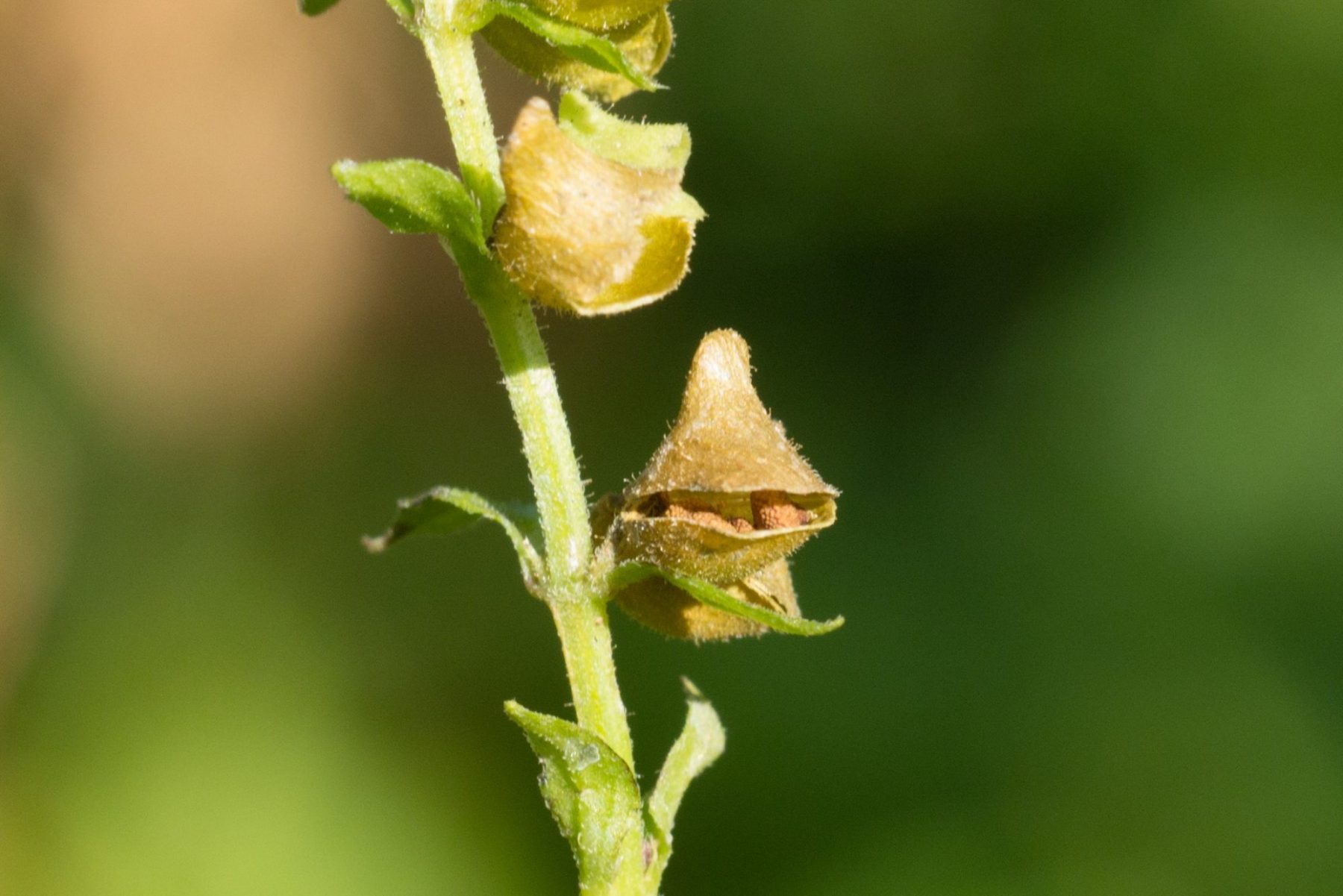
The name skullcap comes from ‘small dish’ or ‘small shield’ referring to the helmet like shape of the calyx of the flower that can be seen after flowering (16).



 Nervous system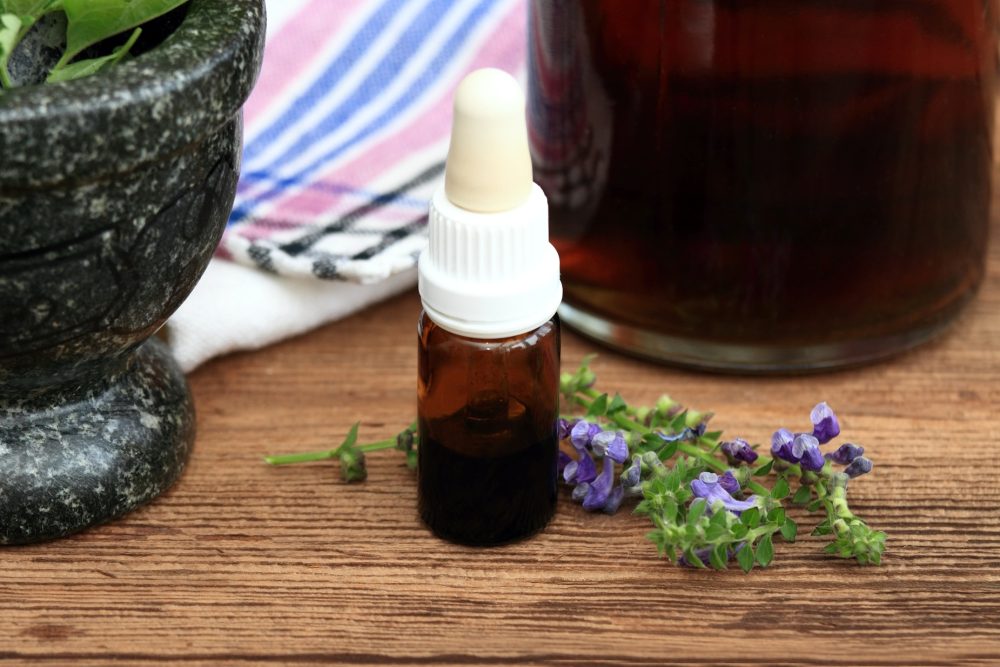
-
Botanical description
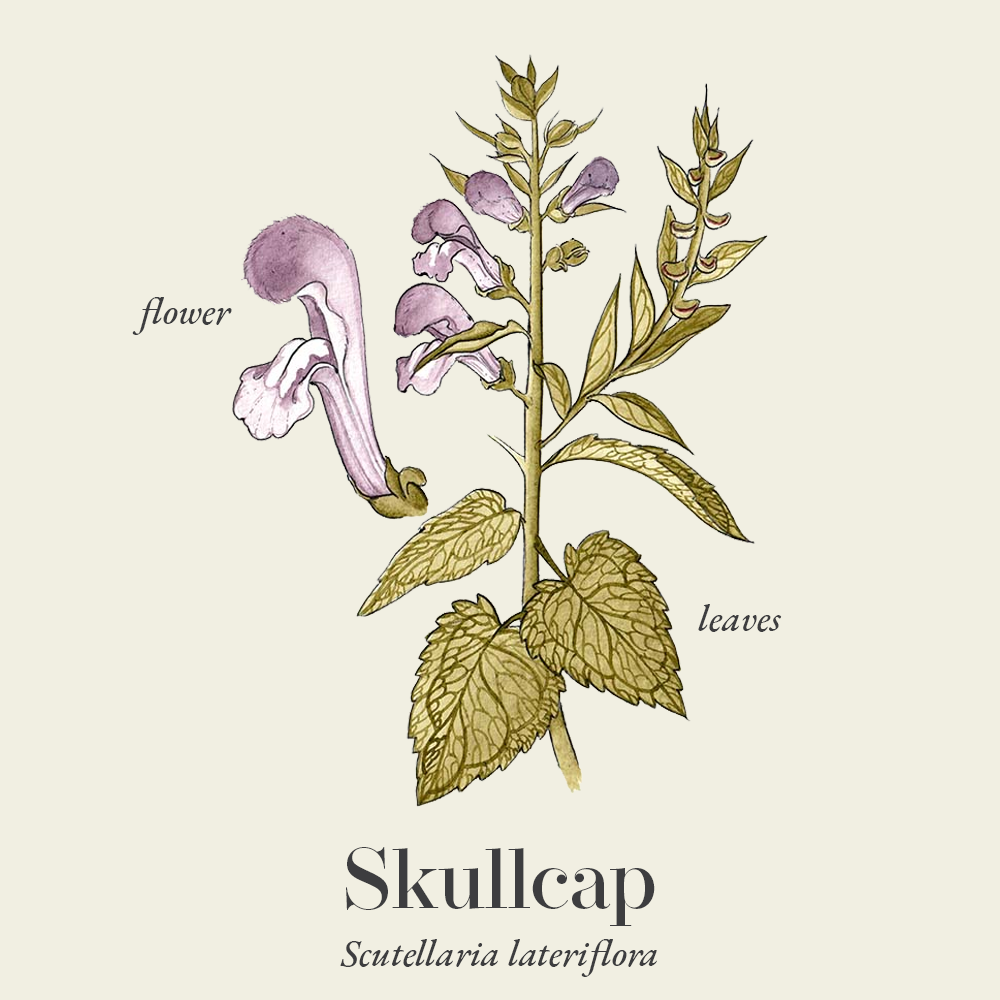
The genus Scutellaria in the Lamiaceae (mint) family has approximately 350 species, some of which are medicinally active. A perennial herb native to North America and Canada favouring woods, thickets and damp areas such as riverbanks and marshes (17).
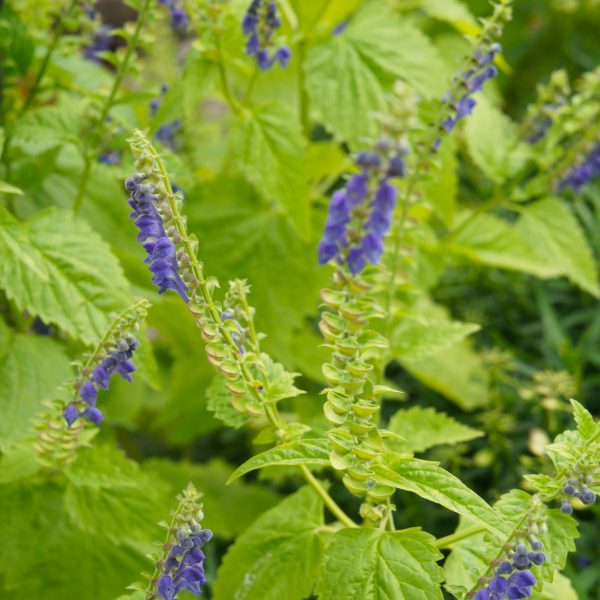
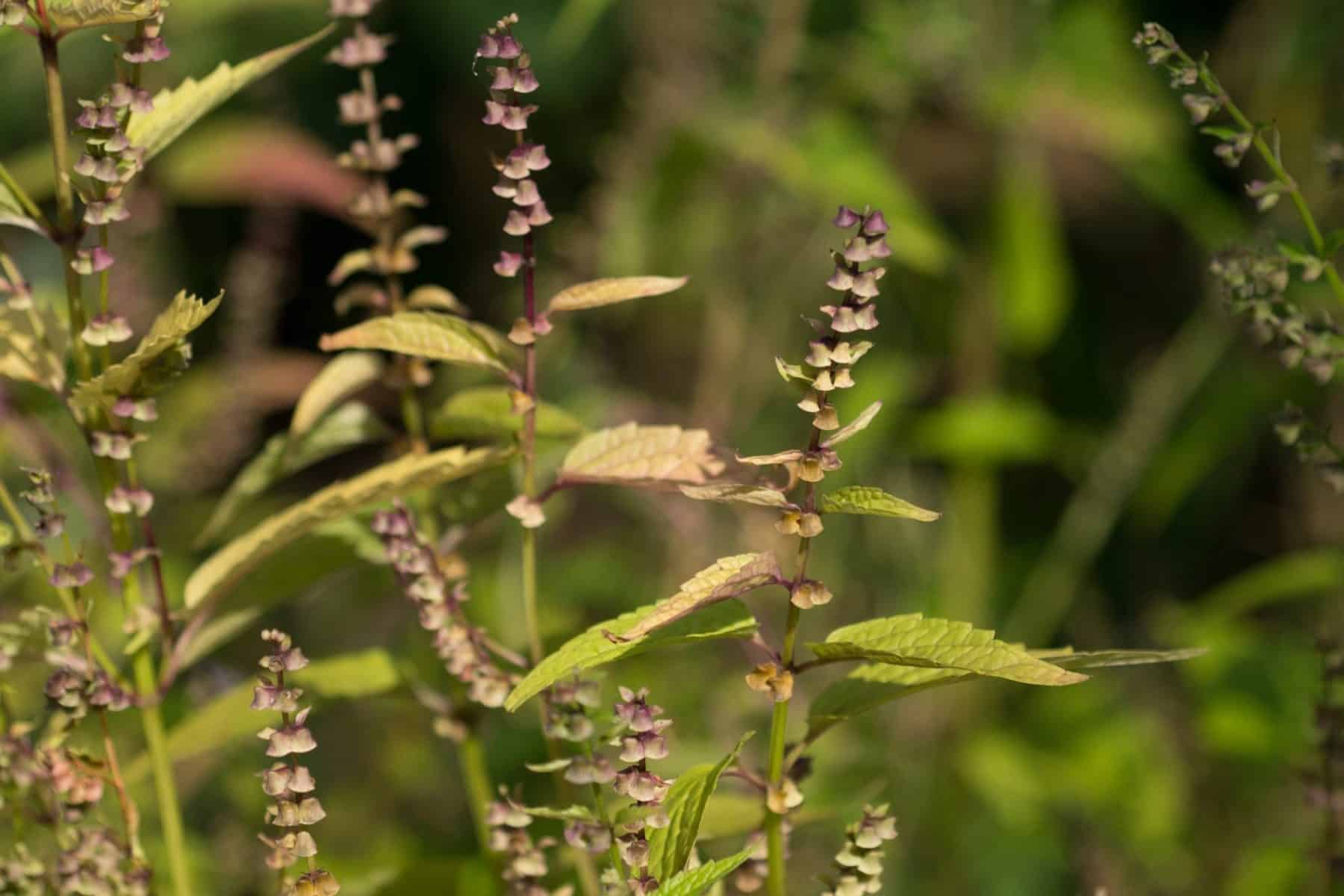
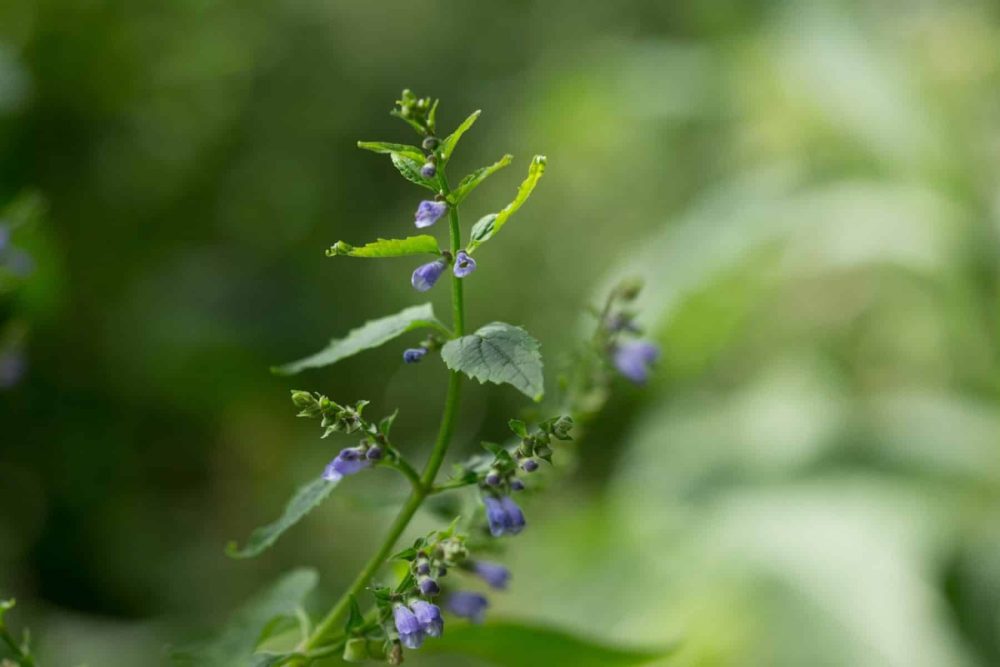
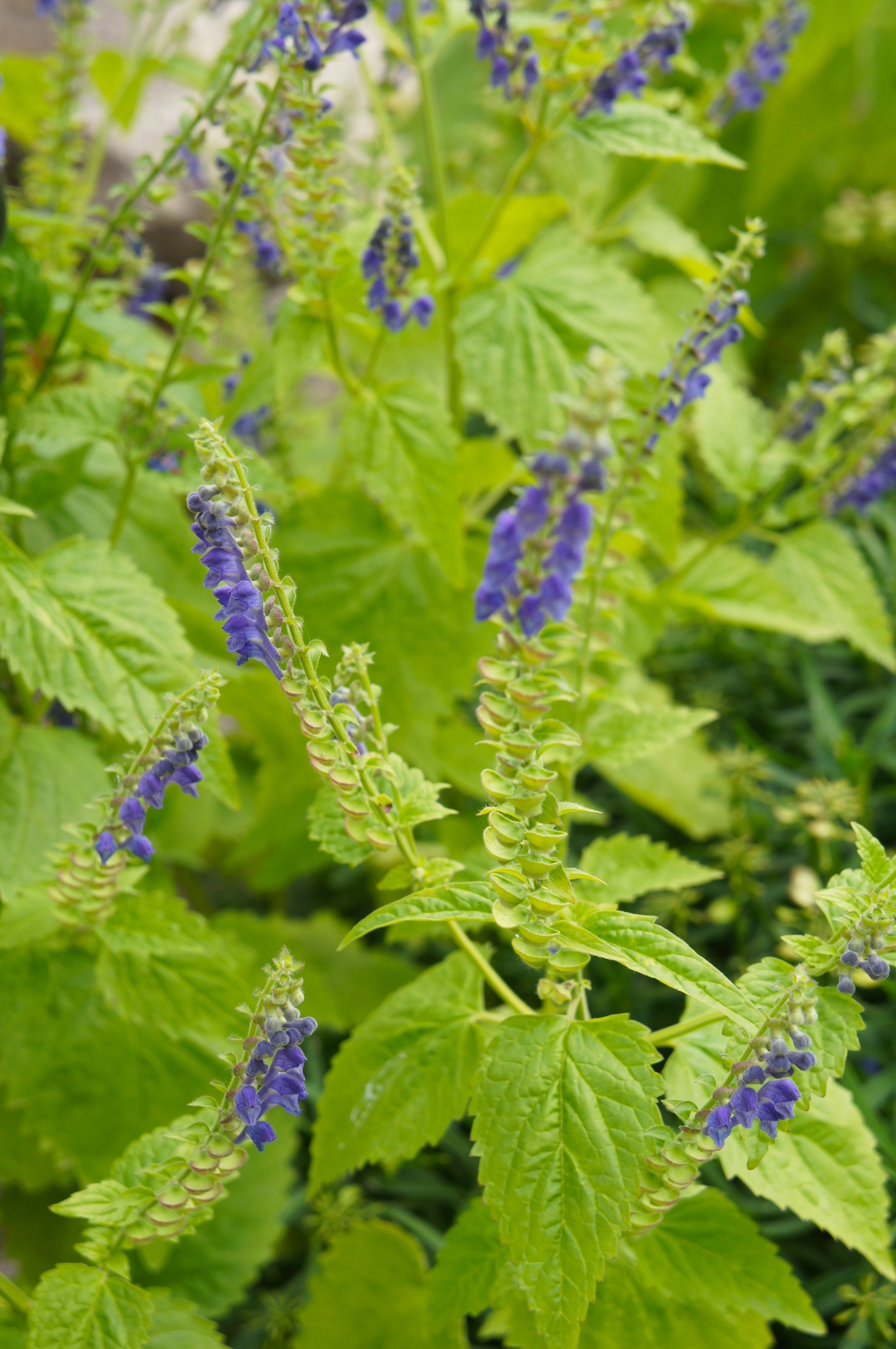
It has slender, toothed leaves and pale blue, or occasionally white or pink flowers produced on one side of the stem.
Not to be confused with baikal skullcap (Scutellaria baicalensis), which is also used in Western herbal medicine and one of the most widely prescribed herbs in traditional Chinese medicine (TCM). Baikal skullcap has denser racemes of larger purple/blue flowers (5).
It is important to correctly identify the species. Some skullcaps are labelled as S. lateriflora in garden nurseries can in fact be S. altissima, which has similar flavonoid content, but has not been widely explored for its medicinal benefit. Scutellaria lateriflora can be adulterated, or substituted with other plants, so take care to ensure it is obtained from a reputable source (18).
The whole aerial parts are used, best harvested while in flower late in summer.
-
Common names
- Skullcap
- Virginia skullcap
- Mad-dog skullcap
- Mad-dog weed
- Quaker bonnet
- Blue pimpernel
- Hood-wort
-
Habitat
Skullcap is native to North America and Canada, however species like S. altissima are indigenous to the UK. The plant prefers marshes, swamps and wet meadows and can often be found growing on the banks of rivers or streams and in woodlands (19,20).
-
How to grow skullcap
Scutellaria lateriflora prefers moist, nutrient rich soil with partial shade to mimic its preference for river banks and woodland edges. To grow from seeds, cold stratify first, then plant seedlings out when they are at least three inches tall, and space them 30–40 cm apart. Water well so the soil is moist, but not waterlogged, to ensure soil doesn’t dry out once they are established.
Harvest at the beginning of the flowering stage which is usually mid to late summer depending on climate and growing conditions. Harvest on a dry day and the plant can be used fresh or dried for later use (3,18).
-
Herbal preparation of skullcap
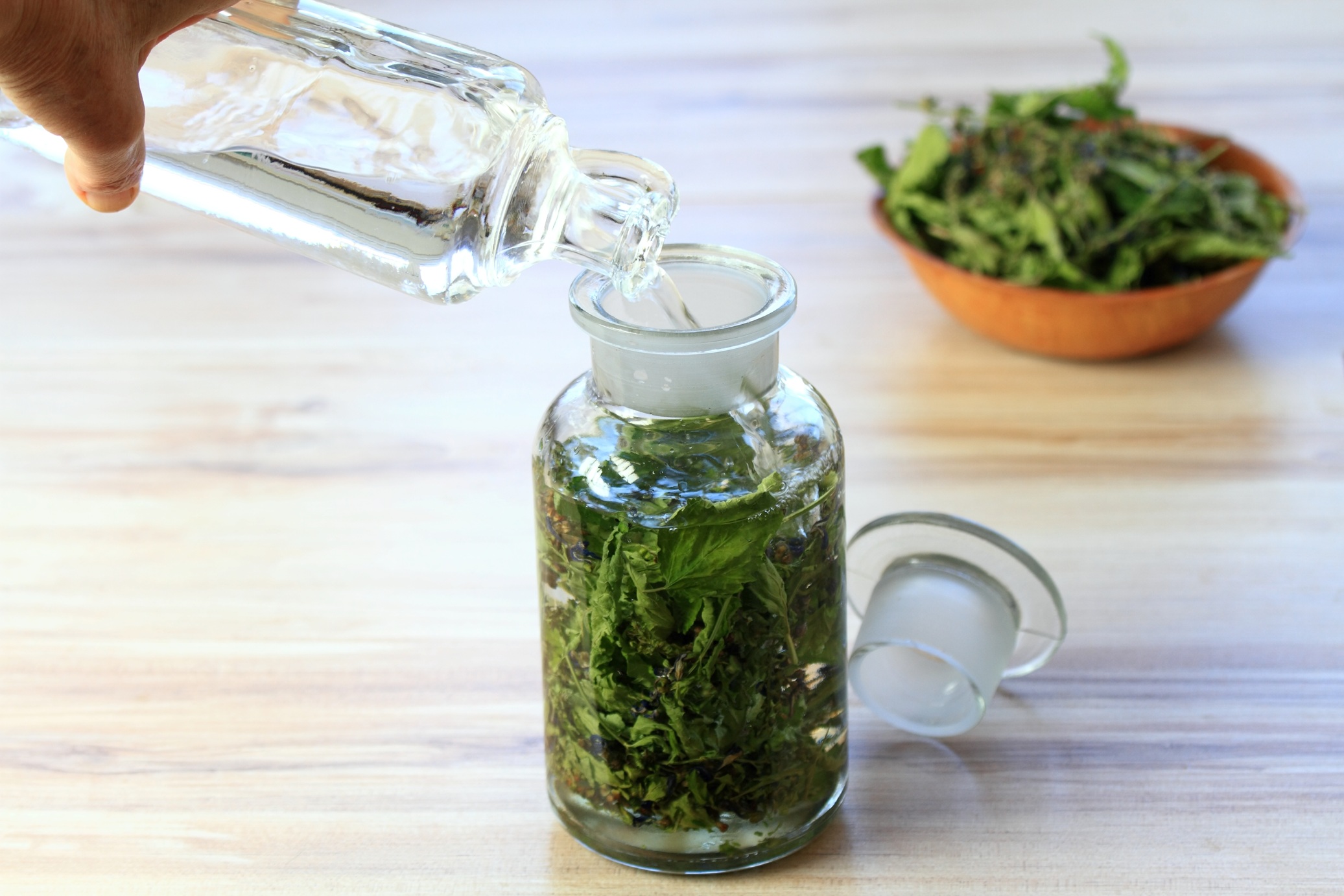
- Tincture
- Fluid extract
- Tea
-
Plant parts used
Aerial parts
-
Dosage
- Tincture (dried) (ratio 1:5| %): 2–4.5 ml up to three times per day (1,3)
- Tincture (fresh) (ratio 1:2 | 45%: 1–3 ml up to three times per day (2)
- Fluid extract (1:1 | 45%): 0.5–2 ml up to three times per day (1)
- Infusion/decoction: 1–6 g per day of the dried aerial parts (1,3)
-
Constituents
- Flavonoids: Predominantly baicalein and its glycoside baicalin, wogonin, scutellarein, scutellarin, lateriflorein. In addition — apigenin, hispidulin and luteolin
- Phenolic acids: Hydroxycinnamic acids including caffeic acid and chlorogenic acid.
- Volatile oils: Limonene, humulene, terpinol, caryophyllene
- Tannins (1,12)
-
Skullcap recipe
Calming tea blend
The following recipe gives quantities to make up a large jar of calming tea blend to store in the cupboard, ready for use.
Ingredients
- 20 g skullcap
- 20 g passionflower (Passiflora incarnata)
- 25 g limeflower (Tilia europaea)
- 10 g valerian (Valeriana officinalis) root
- 25 g chamomile (Matricaria chamomilla)
How to make skullcap tea
- Combine all ingredients and mix well.
- Store in a sealed jar, or other airtight container.
- For a cup of calming tea, take two heaped teaspoonfuls of blend to a cupful of boiling water.
- Cover, let infuse for 8–10 minutes and then strain.
- You can add a small amount of honey if desired, then sit, sip and enjoy!
- Drink up to three cups daily.

-
Safety
Skullcap is generally considered a safe and well tolerated medicine when used in the correct dosages (1,2,3).
Limited studies on its use in pregnancy have shown no developmental or other harmful effects. It has a long history of use in women during pregnancy and lactation, however consultation with a medical herbalist is recommended in these instances. For safety, it is recommended to avoid during the first trimester (1,2,3).
Overdose can result in confusion, stupor, and sometimes involuntary muscle spasms and twitches; however, the authenticity of the herb ingested was not always verified in reported cases (1,2,3).
Reports of liver toxicity were found to be due to adulteration with other species including germander — known to be hepatotoxic (21).
-
Interactions
Theoretically, skullcap could potentiate CNS depressants, but this has not been confirmed in clinical studies (22,23). It is recommended to monitor patients on antihypertensive medication to mitigate the risk of hypotension (3,23).
-
Contraindications
None known (1,2,3,5).
-
Sustainability status of skullcap
Skullcap is not considered to be threatened or at risk and is not listed on IUCN redlist, nor is its habitat under threat from climate change (19,24).
Read our article on Herbal quality & safety: What to know before you buy and Sustainable sourcing of herbs to learn more about what to look for and questions to ask suppliers about sustainability.
You can also find out more about our herb categorisation in our Herb species sustainability guide.
-
Quality control
Skullcap has been the subject of considerable adulteration in the past. Adulteration or substitution has occurred using other species of skullcap, or other herbs from the mint family and notably with hepatotoxic plants such as those of the Teucrium species. The 22nd edition of the US Dispensary (1937) described Scutellaria lateriflora as one of the most substituted and adulterated herbs in the Materia Medica. This problem was more prevalent in times gone by, however, it remains paramount to source from reputable stockists (24,25).
The herb was traditionally wild harvested, and is now mostly cultivated for commercial sale (1).


-
References
- Bone K, Mills S. Principles and Practice of Phytotherapy: Modern Herbal Medicine. 2nd ed. Edinburgh Churchill Livingstone, Elsevier; 2013.
- Wood M. The Practice of Traditional Western Herbalism : Basic Doctrine, Energetics, and Classification. North Atlantic Books, Cop; 2004.
- Hoffmann D. Medical Herbalism : The Science and Practice of Herbal Medicine. Healing Arts Press; 2003.
- Mcintyre A. Complete Herbal Tutor : The Definitive Guide to the Principles and Practices of Herbal Medicine (Second Edition). Aeon Books Limited; 2019.
- Fisher C. Materia Medica of Western Herbs. Aeon Books; 2018.
- Romm AJ, Hardy ML, Mills S, Abascal K. Botanical Medicine for Women’s Health. Churchill Livingstone; 2010.
- Frawley D, Lad V. The Yoga of Herbs : An Ayurvedic Guide to Herbal Medicine. Motilal Banarsidass; 2016.
- Spalding L. A history of the introduction and use of Scutellaria lateriflora (scullcap,) as a remedy for preventing and curing hydrophobia: occasioned by the the bite of rabid animals ; with cases ; accompanied with a plate of the plant – Digital Collections – National Library of Medicine. Nih.gov. Published 1819. Accessed January 22, 2026. http://resource.nlm.nih.gov/8601056
- Thatcher J. American Modern Practice. Boston; 1817.
- King J. King’s American Dispensatory.; 1898.
- Holmes P. The Energetics of Western Herbs. Snow lotus press; 2020.
- Pengelly A. The Constituents of Medicinal Plants. Cab International; 2021.
- Trickey R. Women, Hormones and the Menstrual Cycle : Herbal and Medical Solutions from Adolescence to Menopause. Allen & Unwin ; London; 1999.
- Di Minno A, Morone MV, Buccato DG, et al. Efficacy and Tolerability of a Chemically Characterized Scutellaria lateriflora L. Extract-Based Food Supplement for Sleep Management: A Single-Center, Controlled, Randomized, Crossover, Double-Blind Clinical Trial. Nutrients. 2025;17(9):1491-1491. https://doi.org/10.3390/nu17091491
- Brock C, Whitehouse J, Tewfik I, Towell T. American Skullcap (Scutellaria lateriflora): A Randomised, Double-Blind Placebo-Controlled Crossover Study of its Effects on Mood in Healthy Volunteers. Phytotherapy Research. 2013;28(5):692-698. https://doi.org/10.1002/ptr.5044
- Grieve M. A Modern Herbal | Scullcaps. botanical.com. Published 1931. Accessed September 30, 2022. https://botanical.com/botanical/mgmh/s/scullc34.html
- The Wildlife Trust. Skullcap | The Wildlife Trusts. www.wildlifetrusts.org. Accessed December 26, 2023. https://www.wildlifetrusts.org/wildlife-explorer/wildflowers/skullcap
- Upton R, Graff A, Jolliffe G, Länger R, Williamson E. American Herbal Pharmacopoeia. Informa; 2010. https://doi.org/10.1201/b10413
- Engels G. ABC Herbalgram – Skullcap. Herbalgram.org. Published 2026. Accessed January 23, 2026. https://www.herbalgram.org/resources/herbalgram/issues/83/table-of-contents/herbalgram-83-herb-profile-skullcap/
- Royal Botanical Gardens Kew. Scutellaria lateriflora L. | Plants of the World Online | Kew Science. Plants of the World Online. Accessed December 5, 2023. https://powo.science.kew.org/taxon/urn:lsid:ipni.org:names:458402-1
- Lin LZ, Harnly JM, Upton R. Comparison of the phenolic component profiles of skullcap (Scutellaria lateriflora) and germander (Teucrium canadenseandT. chamaedrys), a potentially hepatotoxic adulterant. Phytochemical Analysis. 2009;20(4):298-306. https://doi.org/10.1002/pca.1127
- TRC Healthcare. NatMed Pro – Skullcap. Therapeuticresearch.com. Published 2025. Accessed January 23, 2026. https://naturalmedicines.therapeuticresearch.com/Data/ProMonographs/Skullcap#drug-interactions
- Williamson EM, Driver S, Baxter K. Stockley’s Herbal Medicines Interactions : A Guide to the Interactions of Herbal Medicines. Pharmaceutical Press; 2013.
- Maiz-Tome L. IUCN Red List of Threatened Species: Scutellaria lateriflora. IUCN Red List of Threatened Species. Published June 2, 2015. Accessed December 12, 2023. https://www.iucnredlist.org/species/64324897/67730992
- Council AB. Nonprofit Consortium Publishes Review of Skullcap Adulteration. Prnewswire.com. Published February 21, 2012. Accessed January 23, 2026. https://www.prnewswire.com/news-releases/nonprofit-consortium-publishes-review-of-skullcap-adulteration-139912893.html
Meet our herbal experts
Our monographs are written by our monograph authors and edited, reviewed and updated by Herbal Reality.
Meet our Herbal Reality team or explore our Herbal Reality authors.