

Last reviewed 29/08/2026
Sustainability status
Not currently on risk lists but complete data may be missing on the status of the species. Read more in our sustainability guide.

Avoid in pregnancy and lactation
Herbs are generally best-avoided in pregnancy, unless working with them under the guidance of a medical herbalist. However, some herbs pose a risk to pregnancy as they are potentially: toxic to the mother, toxic to the neonate, teratogenic (risk developmental malformation), may increase miscarriage risk, or could cause foetal distress leading to miscarriage or premature birth. Herbs with teratogenic, emmenagogue, or stimulant laxative actions are all contraindicated in pregnancy. Furthermore, herbs containing volatile oils, thujone, apiol, phyto-oestrogens also should be avoided.
During lactation, there is the possibility for transfer of plant compounds through the breast milk, which can have an effect (detrimental or beneficial) on the infant.
Please read the Safety section in this monograph.

Drug interactions
Herbs may interact with pharmaceutical medications through both pharmacokinetic and pharmacodynamic mechanisms. Pharmacokinetic interactions involve alterations in the absorption, metabolism, distribution, or excretion of a drug. Many herb–drug interactions occur through liver enzyme modulation: by inducing CYP enzymes — increasing drug concentration and toxicity risk; or by inducing CYP enzymes — decreasing drug concentration and therapeutic efficacy.
Pharmacodynamic interactions occur when herbs and drugs influence the same physiological systems. These interactions can cause synergistic, additive or antagonistic effects at the receptor or tissue level, enhancing or opposing the intended pharmacological action. The clinical consequences of herb-drug interactions can be complex and nuanced. Consultation with a medical professional is, therefore, recommended to ensure safe use and appropriate dosing.
Please read the Interactions section in this monograph.

Toxicity concern
Herbal toxicity concerns extend beyond intrinsically potent herbs with narrow therapeutic windows. While some species pose dose-dependent risks due to powerful bioactive constituents and a limited margin between therapeutic and toxic doses, toxicity may also arise from pharmacokinetic or pharmacodynamic interactions, cumulative exposure, or patient-specific vulnerability (e.g., hepatic or renal impairment).
Supply-chain factors also represent a significant source of risk, including misidentification of species, adulteration, contamination with heavy metals or pesticides, and variable constituent standardisation. Factors such as these may result in unpredictable pharmacological effects or organ toxicity independent of intended therapeutic action.
Careful sourcing, quality assurance, individualised assessment, and practitioner supervision are therefore essential to ensure safe use of these herbs.
Please read the Sustainability and Quality sections in this monograph.
Not suitable for children
Some herbs are not suitable for paediatric populations due to developmental differences in pharmacokinetics and pharmacodynamics. Gastric pH, intestinal permeability, hepatic enzyme activity and renal clearance mature progressively throughout childhood, influencing absorption, metabolism and elimination of herbal medicines. These factors may alter bioavailability and half-life, increasing the risk of accumulation or adverse effects if adult dosing is applied.
Young’s formula and Clark’s rule are used by medical herbalists to adjust herbal prescriptions for children, according to age and weight, to ensure safe dosing. However, despite dosage adjustments, some herbs (those included in this category) should not be used until adulthood.
Please read the Safety section in this monograph.

Contraindications
A contraindication refers to a situation in which a herb should be avoided as it may exacerbate a medical condition or pose undue risk. Contraindications may arise through pharmacodynamic mechanisms (e.g., liquorice in uncontrolled hypertension or uterine stimulants during pregnancy) or pharmacokinetic effects that alter metabolism, absorption or elimination (e.g., tannin-rich herbs in iron-deficient anaemia).
In some cases, herbal actions may aggravate underlying pathologies (e.g., the use of bitter herbs in GERD). Recognition of contraindications requires thorough assessment of patient history, co-morbidities and medications. Consultation with a qualified medical herbalist will provide guidance to ensure safe and appropriate prescribing.
Please read the Contraindications section in this monograph.

-
Herb overview
Safety
Unprocessed Rowan berries and leaves may cause gastrointestinal irritation and toxicity
Sustainability
Status: Lower risk
Key constituents
Hydroxycinnamic acids
Flavonoids such as rutin and quercetin
Anthocyanins
Vitamin CQuality
Native to Europe and Northern Asia
Wild harvested
Authenticity concerns of berry extractsKey actions
Antioxidant
Astringent
Antidiabetic
VasoprotectiveKey indications
Diabetes
Cardiovascular inflammation
Diarrhoea
Kidney diseaseKey energetics
Hot
DryPreperation and dosage
Berries
Historical use of bark
No dosages given
-
How does it feel?
The berries are bitter with a citrus note, like orange or grapefruit peel (1,2). They are also intensely astringent, drying the mouth (2,3). As the raw berries contain parasorbic acid and cyanogenic glycosides, rowan is most often consumed in jams, liqueurs and syrups, which help to balance the bitterness and astringency (1,4).
Folk tradition is to collect rowan berries after the frost; this degrades the parasorbic acid and removes some of the bitterness (2,5). Some say the new buds of rowan smell and taste distinctly of almonds due to the presence of cyanogenic glycosides, which release hydrogen cyanide during digestion, so the buds are not recommended for eating (1,4).

-
Into the heart of rowan

Rowan (Sorbus aucuparia) Rowan is cited countless times in folk tales and tradition as a tree of thresholds, protection and fire. It was planted at the perimeter of homesteads, hung over lintels, and in the folk imagination it stands as a guardian at the boundary between the ordinary world and the world of witches, fairies and evil spirits (13,14). Known colloquially as the “witty tree” in parts of Britain, rowan was considered a strong protection against witches and their spells (8,24).
The association of power and protection comes from the flame-red berries, which were held to be the source of its protective force, as if the tree itself were a fire to ward off malevolence (9). This connection with fire is conveyed in some of its traditional names: an Irish name for rowan is the druids’ tree, fid na ndruad, and it lends its name to the Ogham letter Luis, known as “flame” in early medieval writing (8,9).
Quickening is another association in the folk literature on rowan. Its older British names, “quickbeam” and “quicken tree”, carry a life-bringing significance, conveyed by the medieval use of “quick” as meaning living (3,13). There is a rich archive of folk tales evidencing rowan berries’ life-giving attributes; the Quicken Tree in The Pursuit of Diarmuid and Gráinne was said to bear fruit that healed the ill, sustained the body, and even returned youth to the old (13,14).
In the celtic/druidic tree calendar, rowan is set at Imbolc and the feast of Brigid, as February begins the turn of winter toward spring, the first calves are born, and the light begins to lengthen; befitting the affinity with fire, milk and the bringing of new life (8,9).
Known also as “mountain ash”, rowan is a resilient tree, growing high on exposed hillsides where little else will, rooting in rock (13), perhaps contributing to the traditional reading of a hardy tree that endures. The small five-pointed star left at the base of each berry is seen by some as a natural pentagram, deepening its reputation as a charm against harm (15). In modern paganism, there is still an association of rowan with fire and the sun, and flower essences can be purchased, aimed at emotional healing, reconciliation and energetic protection (16–18).
-
What practitioners say
Practitioners’ opinions on rowan are not well documented in contemporary herbals.
Digestive system
Though not commonly used in modern Western herbal medicine, Grieve recommended a decoction of the bark for diarrhoea and recommended the berries to protect against scurvy due to their high vitamin C content (3).
Respiratory system
Grieve recommends a gargle of fresh berries for sore throats and tonsil inflammation due to astringency (3).
-
Rowan research

Rowan (Sorbus aucuparia) The research into rowan as a medicinal plant has not yet reached human trials; many of the claims regarding medicinal uses are traditional, and the evidence to corroborate this traditional understanding of its uses is currently largely in vitro.
Antidiabetic and anti-inflammatory potential of Sorbus aucuparia fruits (rowanberries) from Romania (2025) (20)
In vitro study to evaluate the antioxidant, antidiabetic, anti-inflammatory and cytotoxic potential of polyphenol-concentrated extracts from rowan berries. Water and ethanol extracts were tested for effects on enzymes α-glucosidase, α-amylase, lipoxygenase, and hyaluronidase to assess the effects on enzyme function.
Cytotoxicity was also assessed against a mouse fibroblast cell line. Rowan berry extract inhibited α-glucosidase to a similar level as the drug acarbose (α-glucosidase inhibitor); Lipooxygenase was inhibited to a slightly lesser degree than with ibuprofen treatment. However, concentrations would not be as high in vivo, and there is currently no human clinical data to support this.
Berry components inhibit α-glucosidase in vitro: Synergies between acarbose and polyphenols from black currant and rowanberry (2012) (5)
An in vitro study to assess α-glucosidase inhibition by berry polyphenols and interaction with acarbose (α-glucosidase inhibiting drug). Polyphenol-rich rowan berry extract inhibited α-glucosidase, comparable to acarbose and had an additive effect when used alongside (4). This is further evidence for a potential α-glucosidase inhibitory action, slowing digestion and carbohydrate absorption in diabetes, stabilising blood sugar. However, this is in vitro, and effects in humans are untested.
The effects of Sorbus aucuparia L. fruit extracts on oxidative/nitrative modifications of human fibrinogen, thrombin, and hyaluronidase activity In Vitro (2021) (9)
An in vitro study using human blood proteins and plasma to investigate whether rowanberry extracts affect blood clotting and blood-vessel proteins. Rowan berry extracts were added to blood proteins at low and high concentrations. The activity of thrombin (the enzyme that triggers clotting), the speed at which fibrin (the clot’s structural mesh) assembled, and chemical damage to fibrinogen (the mesh’s raw material) were assessed.
The extracts dampened thrombin’s activity, protected fibrinogen from chemical damage, and slowed the assembly of the fibrin mesh (roughly a 38–48% reduction at the highest concentration, compared with 13% or less for the individual polyphenols tested alone). The whole extract worked better than its isolated polyphenols, suggesting the compounds act together. This is the closest study to a basis for describing rowan as “cardiovascular”; however, it is still a preclinical trial.
The antioxidant, antibacterial and cell-protective properties of rowanberry fruits in vitro (2024) (6)
A study evaluating the phytochemical composition of rowanberries and comparing this to the antioxidant, antibacterial and cell-protective activity seen in vitro. Polyphenols, flavonoids and carotenoids were found to be the predominant compounds, and there was a strong antibacterial effect against Staphylococcus aureus and Enterococcus bacterial species. Though this antibacterial activity is contested, particularly in human use, due to significantly lower concentrations in therapeutic doses (12).
Nephroprotective effect of cornelian cherry and rowanberry in gentamicin-induced nephrotoxicity in Wistar rats (2023) (21)
In vivo study to investigate nephroprotective properties of Cornelian cherry and rowan fruits in induced kidney damage. Male Wistar rats were treated with rowanberry and Cornelian cherry extracts alongside gentamicin (a drug with nephrotoxic effects) for three weeks.
Renal biomarkers and nitro-oxidative stress parameters were assessed and showed significant improvement compared to the gentamicin-only group, indicating renal tubular protection. However, visible kidney damage was still greater than in no-treatment controls. Despite a theoretical contraindication of parasorbic acid with kidney disease, this could show a kidney-protective effect, explaining a historical usage for rowan to treat kidney disease; however, evidence is preclinical and not in humans.
-
Historical use of rowan

Rowan (Sorbus aucuparia) Rowan has a broad folk-medicinal history across Europe and Western Asia, with varied uses that differ between regions (19). The berries carry most of the folk-medicinal reputation; in Turkey, they are recorded for haemorrhoids and hypertension, whilst preparations from the leaves are documented for gastrointestinal complaints and prostatitis (6,19). Austrian folk medicine used the fruit for respiratory tract infections, rheumatism and gout. In Lithuania, rowanberry preparations were given orally for constipation and cough, while a decoction of the bark was used for diarrhoea according to Grieve (3,19).
As food, rowanberries have a strong history across northern and eastern Europe, most often cooked into jams, jellies, wines and preserves (2,19). Berries were considered a good protection against scurvy (vitamin C deficiency), likely due to their high vitamin C content (3,11,15).
Beyond its medicinal history, rowan carries a rich body of protective folklore. In Britain, it was valued as a guard against witchcraft, fairies and enchantment, known colloquially as the ‘witty tree’ (witches tree), commonly planted by the door or fixed as branches above the lintels of houses to keep evil spirits from crossing the threshold (13–15). Its power was linked to the flame-red berries, often paired with red thread, which symbolised fire and protection (13,14).
-
Rowan’s herbal actions
Herbal actions describe therapeutic changes that occur in the body in response to taking a herb. These actions are used to express how a herb physiologically influences cells, tissues, organs or systems. Clinical observations are traditionally what have defined these actions: an increase in urine output, diuretic; improved wound healing, vulnerary; or a reduction in fever, antipyretic. These descriptors too have become a means to group herbs by their effects on the body — herbs with a nervine action have become the nervines, herbs with a bitter action are the bitters. Recognising herbs as members of these groups provides a preliminary familiarity with their mechanisms from which to then develop an understanding of their affinities and nuance and discern their clinical significance.
-
Rowan’s energetic qualities
Herbal energetics are the description that herbalists have given to plants, mushrooms, lichens, foods and some minerals based on the direct experience of how they taste, feel and effect the body. All traditional health systems use these principles to explain how the environment impacts health, according to each of their philosophies and frameworks. These assessments of individual herbs, though often do align, can differ from one another. Find out more about traditional energetics in our article An introduction to herbal energetics.
Western energetics
Western energetics here are informed by The Energetics of Western Herbs by Peter Holmes, as well as traditional materia medica from Culpeper and Dioscorides.
-
What can I use rowan for?

Rowan (Sorbus aucuparia) Rowan sits in an unusual position medicinally. Whilst the fruit has a varied and well-documented folk use across Europe, and a rich, well-characterised phytochemistry, almost no clinical evidence and little mention in modern herbal literature. The plant is not covered by a German Commission E monograph or the European Pharmacopoeia (3,4,6,,7).
A large number of traditional uses cover the cardiovascular system, from haemorrhoids to hypertension to bleeding gums. There is some preclinical evidence supporting the antioxidant protective activity for cells in the blood, as well as an anti-clotting effect at multiple stages of the blood-clotting process (8,9). Many constituents in rowan are known for their antioxidant potential, including vitamin C and several of the polyphenol compounds, like quercetin and rutin (6,10). This could also contribute to the kidney-protective traditional usage, which has not yet been confirmed in human trials, but is supported by some preclinical evidence (6,9,10,11).
The most consistent evidence is in support of rowan’s antidiabetic action. Polyphenol-rich rowanberry extract showed in vitro a similar action to acarbose (a diabetes drug) on α-glucosidase (carbohydrate-digesting enzymes in the gut lumen) (4,12). Whether this translates to postprandial glucose change in humans is untested.
There is also some evidence for the antibacterial effects of rowanberry extracts against MSSA (methicillin-susceptible Staphylococcus aureus), MRSA (methicillin-resistant Staphylococcus aureus) and Enterococcus bacteria species (2). But the most comprehensive review of the genus states that the antimicrobial activity of rowan fruits is poorly argued and appears weak, citing several studies (4). So, the evidence is far from conclusive for this abundant fruit.
Regardless of the evidence, rowan berries have a long-standing culinary place in European culture, so tapping into the high vitamin C levels and complex bitterness via syrups, jams and jellies is a simple and traditional way to engage with rowan (2,6,11).
-
Did you know?
Almost every sugar-free chewing gum lists rowan in its ingredients. The sweetener sorbitol is named after rowan. The sugar alcohol was first isolated in 1872 from rowanberry juice, and was named after the genus Sorbus. Sorbitol is abundant in the fruit; one analysis found levels as high as 13% of the fruit weight (12).



-
Botanical description
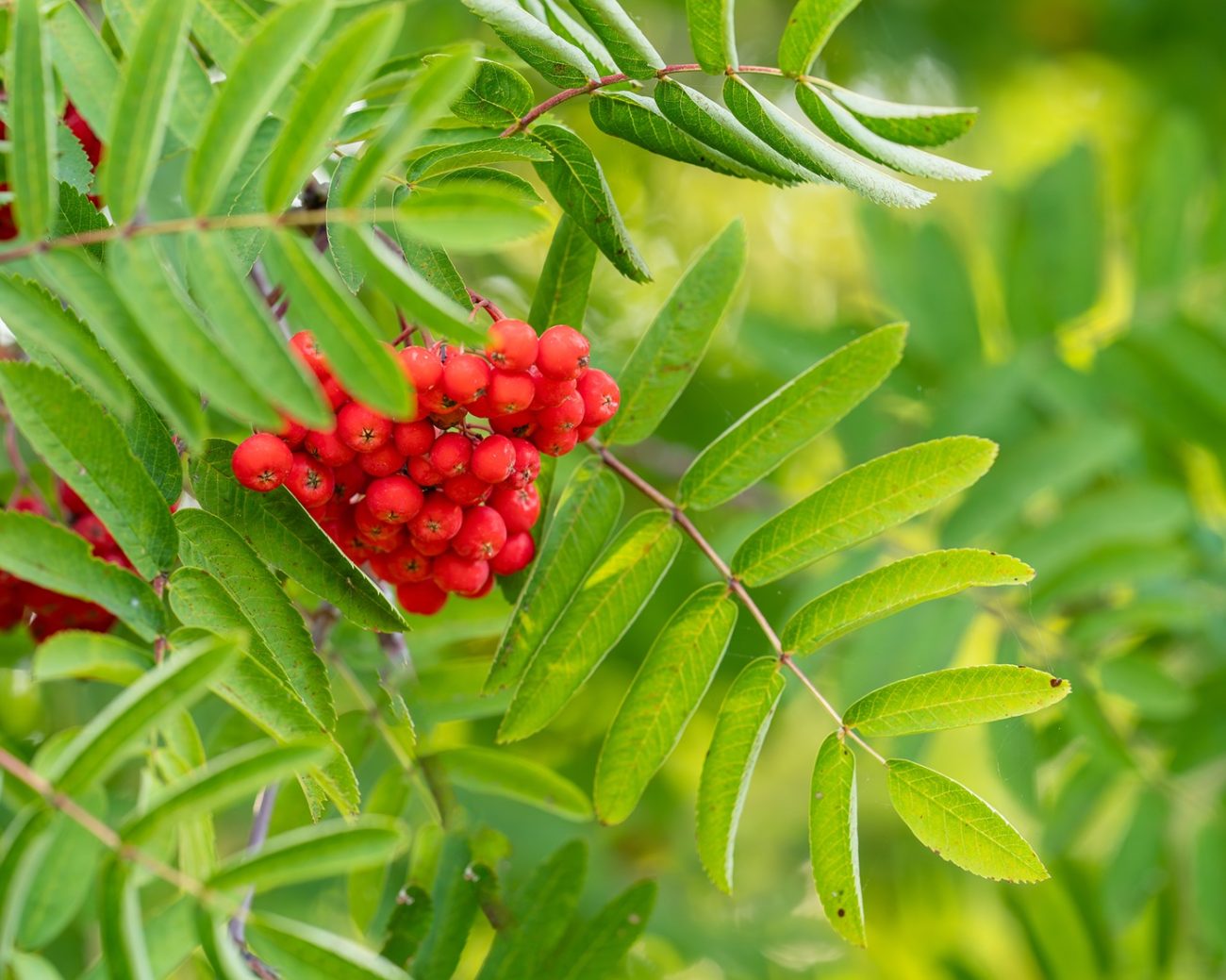
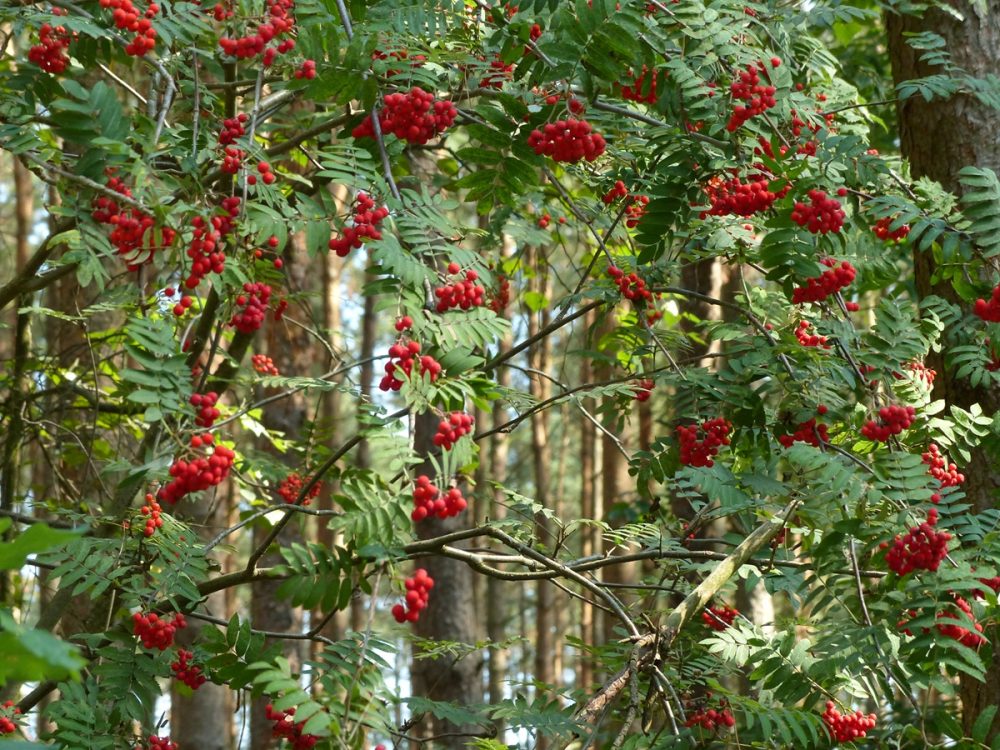
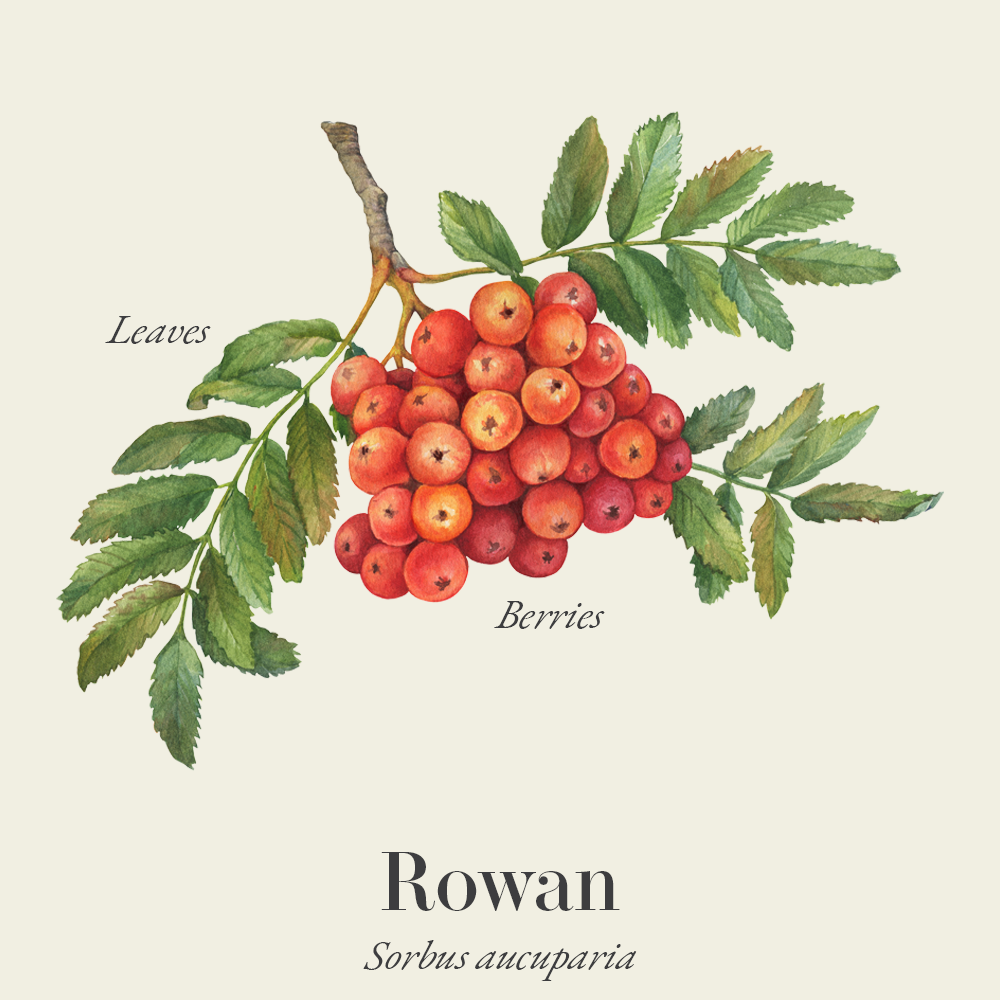
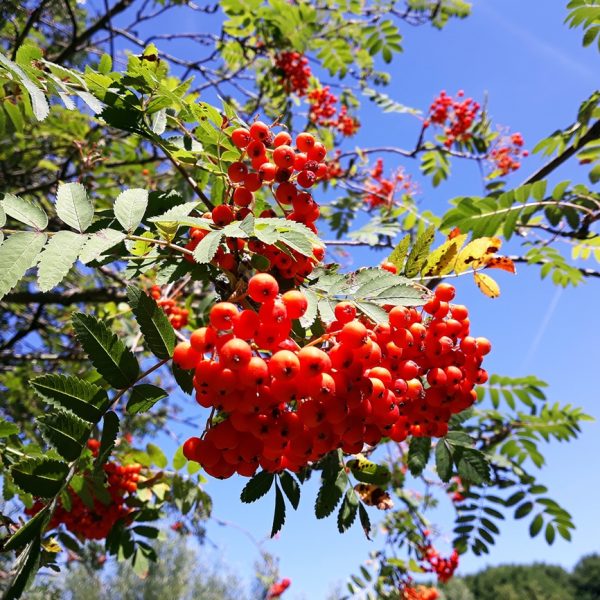
Rowan is a medium-sized, slender deciduous tree reaching around 20 metres with purplish grey bark (22,23).
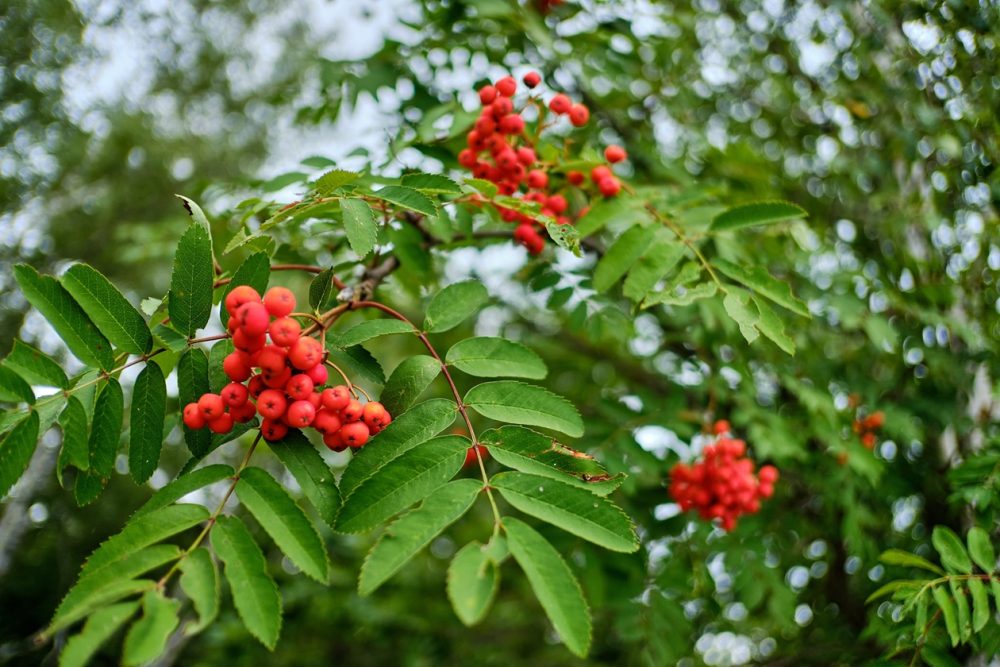
Leaves grow alternately, divided into 5–8 leaflet pairs with one additional terminal leaflet; they are ovate, pointed and serrated, turning yellow and red in the autumn (23,24).
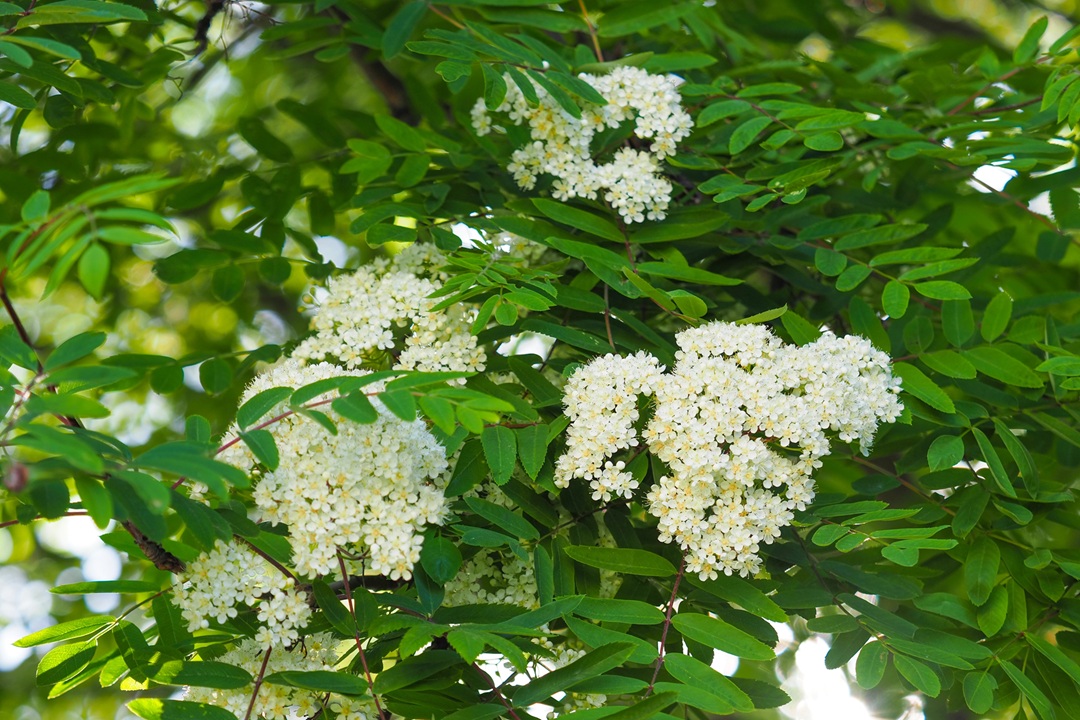
The flowers of rowan are arranged in clusters, small, with five petals and many stamens, reminiscent of other Rosaceae family tree species (22,23).
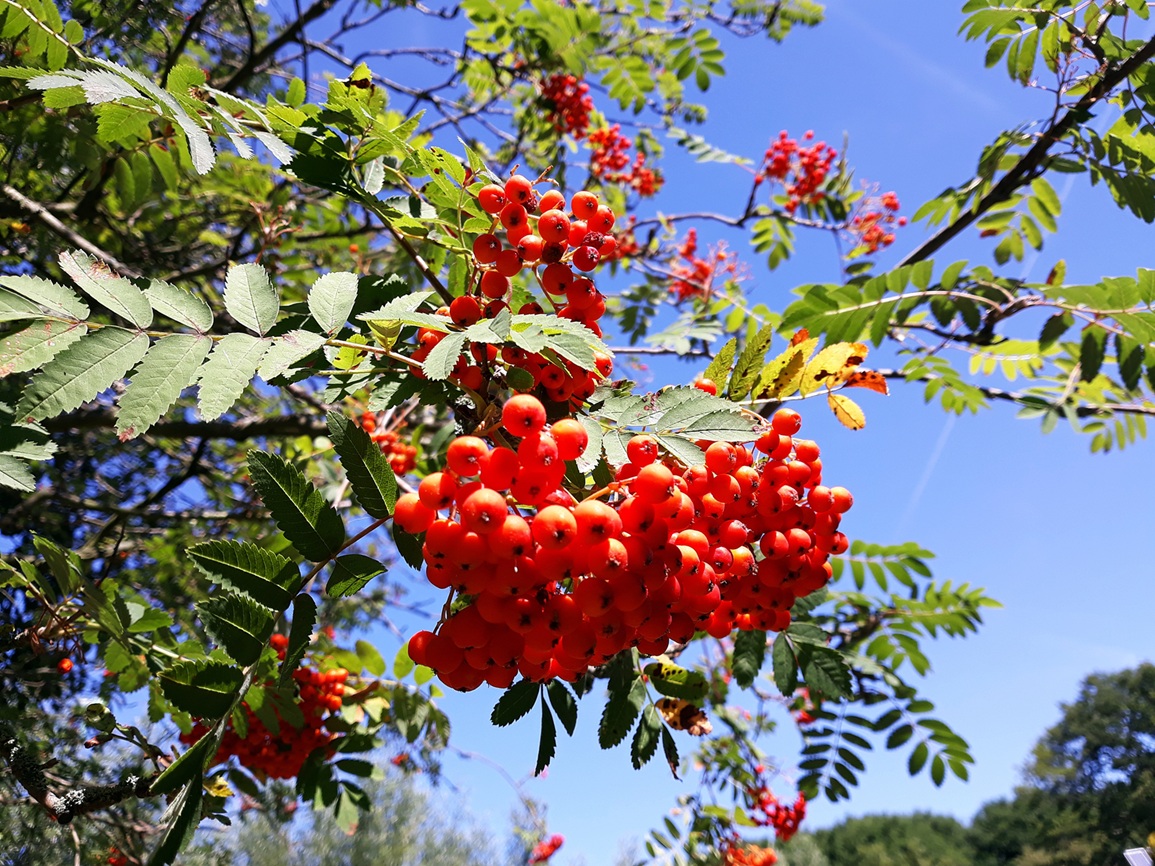
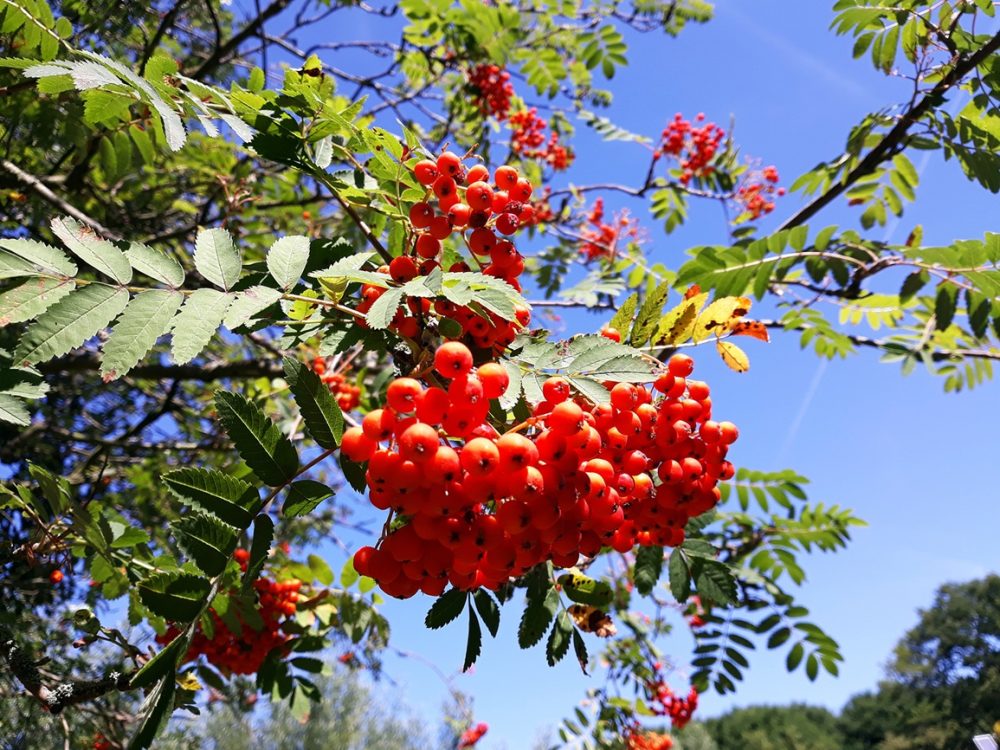
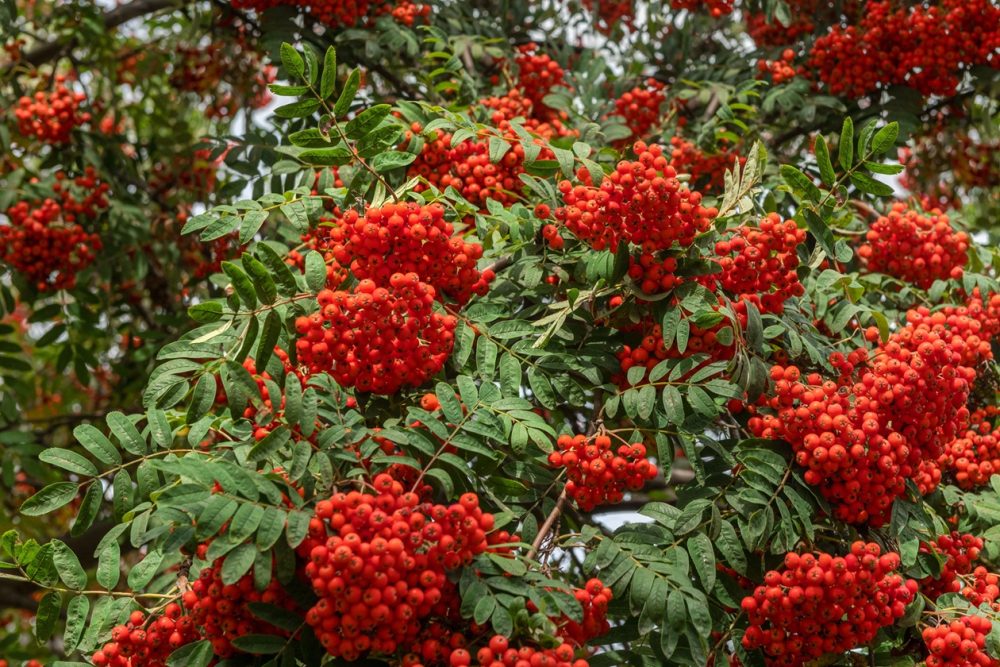
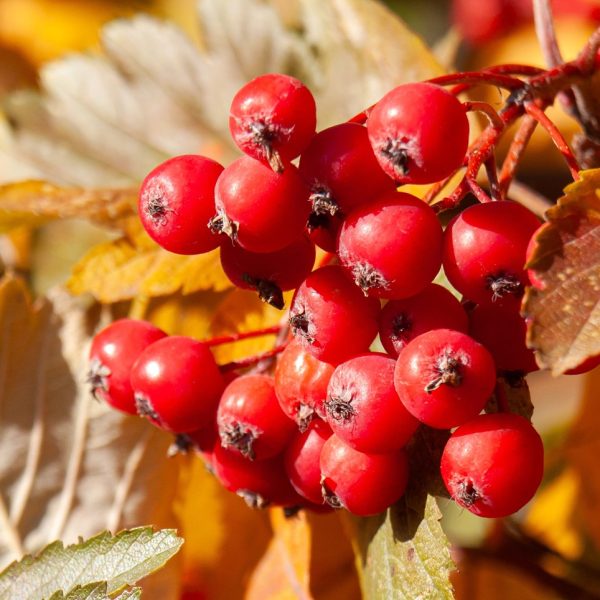
Late summer brings its characteristic mass of red-orange berries, hanging in clusters from branches (2,23).
-
Common names
- Rowan
- European rowan
- Mountain ash
-
Habitat
Native to Europe and Northern Asia, and cultivated in North America (1). Rowan resides predominantly in cooler, Northern European regions, nicknamed “mountain ash” for its propensity to grow at high altitudes with greater rainfall levels (22,24). Rowan is often found in deciduous woodland in the understory, on heaths, highlands and cliffs (22).
-
How to grow rowan
Rowan can be planted as a garden tree, and ornamental varieties are commonly grown (22). Bare-root plants can be planted in winter months, whilst pots can be transferred throughout the year into moist, well-draining soil in sun or partial sun (25). Staking and regular watering in the first two years encourage deep, strong roots (25).
-
Herbal preparation of rowan
- Decoction gargle (3)
- Jam/Jelly
- Syrup
- Liquor
-
Plant parts used
- Predominantly berries
- Some historical usage of bark (3, 6,19)
-
Dosage
There is no established dosage for Sorbus aucuparia. The herb is not covered by the German Commission E monographs (7), does not appear in the European Pharmacopoeia as a medicinal drug, and no clinical trial has established a therapeutic dose in humans.
- Tincture (ratio | %): No published dosage
- Fluid extract (1:1 | %): No published dosage
- Infusion/decoction: No published dosage
- Other preparations: Culinary preparations such as jelly, syrup, wine and liquor are the dominant contemporary usage (1,4).
-
Constituents
- Hydroxycinnamic acids: Chlorogenic acid, cryptochlorogenic acid, caffeic acid, ferulic acid (4,11)
- Flavonols: Quercetin, isoquercitrin, hyperoside, rutin, Quercetin 3-O-(6″-malonyl)-glucoside (4)
- Flavan-3-ols and proanthocyanidins: Catechin, epicatechin, procyanidin B1, procyanidin B2 (also in flowers)
- Anthocyanins: Cyanidin, pelargonidin and delphinidin glycosides (12)
- Triterpenes: Ursolic acid, oleanolic acid, betulin, α-amyrin, β-amyrin, cycloartenol, squalene (4)
- Sugars and polyols: Sorbitol (134.1 g/kg fw), glucose (52.9 g/kg fw), fructose, sucrose (trace) (4)
- Organic acids: Malic, citric, tartaric, fumaric in fruit; malic, citric, oxalic in leaves (4)
- Fatty acids: Linoleic, oleic, palmitic (4)
- Lactones: Parasorbic acid — degrades during fruit processing (4)
- Cyanogenic glycosides: Prunasin/amygdalin present in the buds and seeds (4)
- Vitamins: ascorbic acid (vitamin C), carotenoids (vitamin A), tocopherols (vitamin E)(4,6,11)
-
Rowan recipe
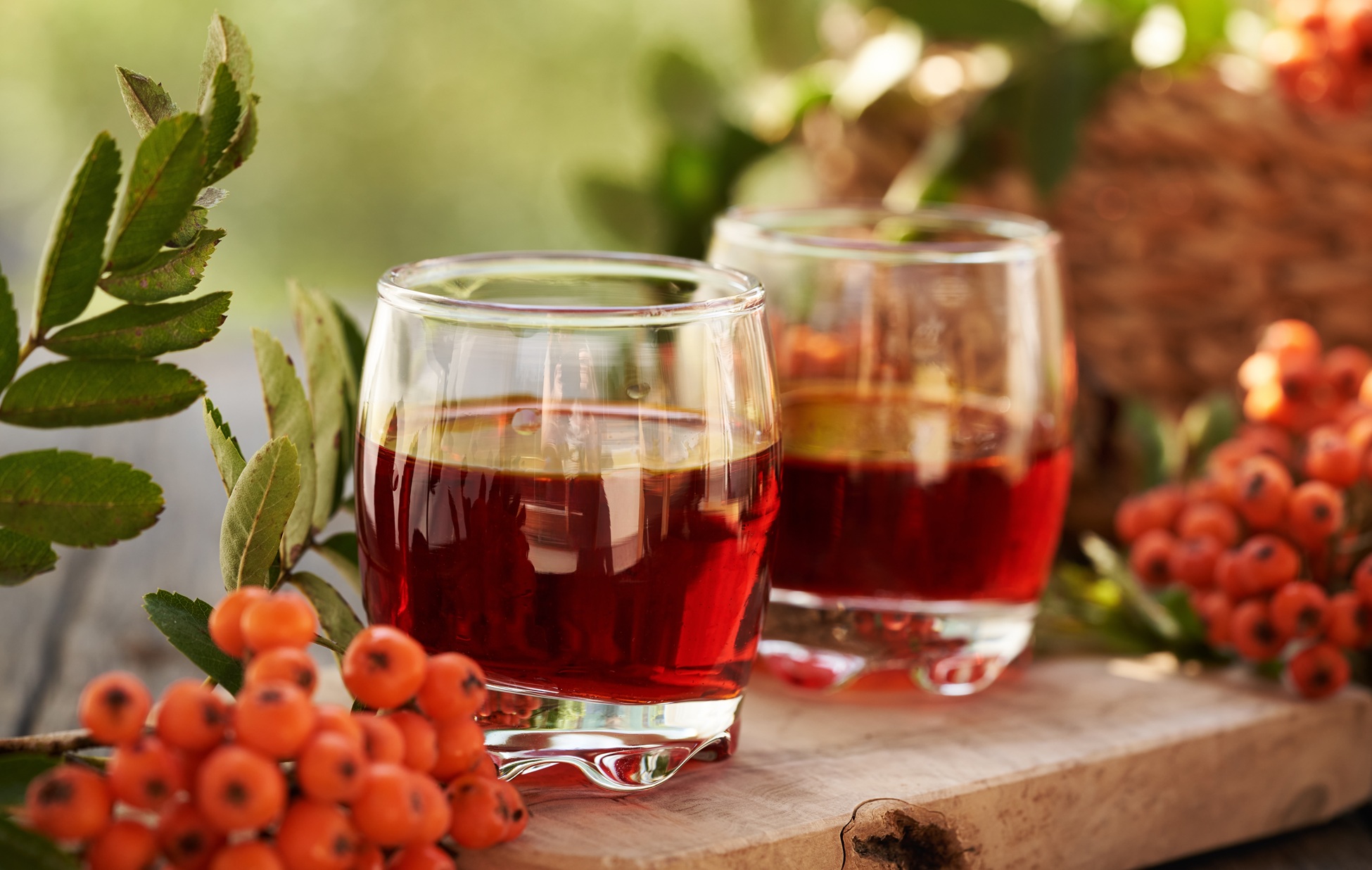
Rowan berry syrup
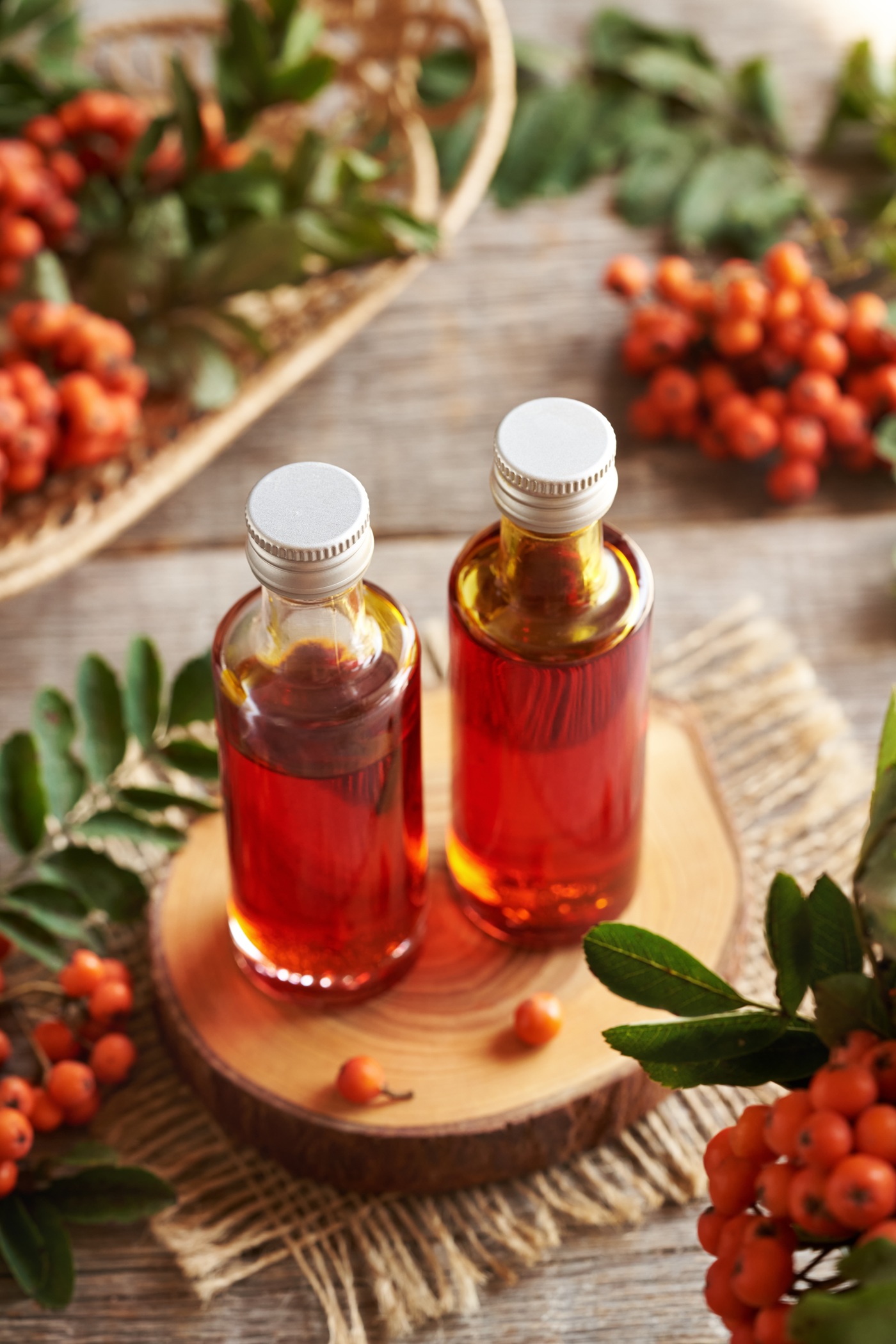
Historically, rowan has predominantly been used in preparations with sugar to balance the bitterness and astringency. Due to the high vitamin C content in rowan berries, they were traditionally used to prevent scurvy (3). Rowan syrup can be added to soft or alcoholic drinks for a complex bittersweet note (26).
Ingredients
- 1 kg of rowan berries
- 2–3 litres of water
- 300 g sugar for every 1 litre of juice
- 2 teaspoons of salt
How to make a rowan syrup
- Remove any stalks from the berries and roughly chop them.
- Transfer them to a pan and cover with about 2 litres of water; simmer for around 15 minutes before mashing the berries in the pan and straining the liquid through a muslin.
- Return the berry pulp to the pan with a further litre of water and repeat the previous step, discarding the pulp.
- Measure the liquid yielded from the process and add 300 g of sugar per litre of liquid and 2 tsp of salt.
- Bring your mixture to the boil for around 5 minutes, before cooling and decanting to sterilised bottles.

-
Safety
Raw rowan berries and leaves contain parasorbic acid and cyanogenic glycosides. Parasorbic acid is a gastrointestinal irritant; cyanogenic glycosides release hydrogen cyanide during digestion (1,19). Cooking degrades parasorbic acid and cyanogenic glycosides, nullifying the digestive irritation and toxicity concerns — traditional preparations are jellies, syrups and liqueurs, which naturally degrade these components (1,4,6).
Pregnancy and breastfeeding
There is no pregnancy toxicity data for Sorbus aucuparia. No teratogenicity studies, no human exposure data. Due to a lack of data, medicinal doses should be avoided in pregnancy and lactation; culinary quantities of cooked fruit have a long history of food use in Europe with no reports of harm, though this is not explicit evidence of safety (4,6).
-
Interactions
No clinically documented interactions exist for rowan. It does not appear in Stockley’s Herbal Medicines Interactions or ESCOP monograph interactions (27,28). However, the TRC Natural Medicines database interactions checker suggests a theoretical interaction with nephrotoxic medications (29).
Theoretical interactions:
- Antihyperglycaemic agents (particularly α-glucosidase inhibitors): Rowanberry polyphenols inhibit α-glucosidase at a comparable level to the drug acarbose (12,20), which slows digestion and carbohydrate absorption, whilst some evidence of an additive synergistic effect of rowanberry extract with acarbose was shown in vitro (12). However, no case studies or human trials currently exist to prove this mechanism.
- Anticoagulants and antiplatelets: In laboratory studies, rowanberry extract slowed blood clotting, dampening the activity of thrombin, the enzyme that triggers clot formation, and hindering the assembly of the fibrin mesh that gives a clot its structure (9). This is an in vitro plasma model, and no clinical interaction has been reported in human trials.
- Nephrotoxic drugs: Parasorbic acid can cause kidney damage when ingested in high quantities. Though largely theoretical, as an interaction, it is recommended to avoid rowanberry use alongside drugs such as cyclosporin, gentamicin and nonsteroidal anti-inflammatory drugs which impact the kidneys (29).
For more information on herb-drug interactions, have a look at the article “A guide for herb-drug interactions“.
-
Contraindications
Raw or unprocessed fruit should be avoided by anyone, particularly by children, based on parasorbic acid and cyanogenic glycoside content (1,4,5). Parasorbic acid can cause damage to kidneys and should be avoided in kidney disease (29).
-
Sustainability status of rowan
Status: Green (lower risk)
NatureServe records rowan’s conservation status as Secure (30). Rowan was assessed within the European Red List of Trees, in which 170 species of Sorbus were named, of which 19 are considered Least Concern and therefore not a conservation concern, Sorbus aucuparia being one of these (31,32).
Read our article on Herbal quality & safety: What to know before you buy and Sustainable sourcing of herbs to learn more about what to look for and questions to ask suppliers about sustainability.
-
Quality control
Rowan is largely wild-harvested rather than commercially cultivated for medicinal use, though ornamental and sweet-fruited cultivars exist and have been bred to improve organoleptic properties, with significantly different sugar/organic acid ratios and massively varying phytochemical contents between cultivars (4,33). This huge variation is itself a quality control issue when used medicinally due to unknown quantities of active plant constituents (33).
A review of the methods for assessing the quality and adulteration of herbal medicines. There are some reports of concerns about adulteration of rowanberry extracts sold for cosmetics, so care should be taken when choosing reputable suppliers (34,35). For more information on how herb quality and adulteration are assessed, refer to the article.
-
References
- Galloway Wild Foods. Rowan buds – edibility, identification, distribution, ecology, sustainable harvesting, recipes, cocktails. Published 2020. Accessed July 14, 2026. https://gallowaywildfoods.com/rowan-buds-edibility-identification-distribution-recipes-cocktails/
- Bergo A. Rowanberries. Forager | Chef. Published March 7, 2015. Accessed July 15, 2026. https://foragerchef.com/rowanberries/
- Grieve M. Ash, mountain. A Modern Herbal. Botanical.com. Accessed 2026. https://botanical.com/botanical/mgmh/a/ashmo076.html
- Sołtys A, Galanty A, Podolak I. Ethnopharmacologically important but underestimated genus Sorbus: a comprehensive review. Phytochem Rev. 2020;19(2):491-526. https://doi.org/10.1007/s11101-020-09674-9
- Mlcek J, Rop O, Jurikova T, et al. Bioactive compounds in sweet rowanberry fruits of interspecific rowan crosses. Open Life Sci. 2014;9(11):1078-1086. https://doi.org/10.2478/s11535-014-0336-8
- Aurori M, Niculae M, Hanganu D, et al. The antioxidant, antibacterial and cell-protective properties of bioactive compounds extracted from rowanberry (Sorbus aucuparia L.) fruits in vitro. Plants. 2024;13(4):538. https://doi.org/10.3390/plants13040538
- Blumenthal M, Busse WR, eds. The Complete German Commission E Monographs: Therapeutic Guide to Herbal Medicines. American Botanical Council; 1998.
- Rutkowska M, Kolodziejczyk-Czepas J, Owczarek A, Zakrzewska A, Magiera A, Olszewska MA. Novel insight into biological activity and phytochemical composition of Sorbus aucuparia L. fruits: fractionated extracts as inhibitors of protein glycation and oxidative/nitrative damage of human plasma components. Food Res Int. 2021;147:110526. https://doi.org/10.1016/j.foodres.2021.110526
- Rutkowska M, Kolodziejczyk-Czepas J, Olszewska MA. The effects of Sorbus aucuparia L. fruit extracts on oxidative/nitrative modifications of human fibrinogen, impact on enzymatic properties of thrombin, and hyaluronidase activity in vitro. Antioxidants. 2021;10(12):2009. https://doi.org/10.3390/antiox10122009
- Platonova EY, Golubev DA, Zemskaya NV, et al. The antioxidant and geroprotective properties of an extract of mountain ash (Sorbus aucuparia L.) fruits. Mol Biol (Mosk). 2023;57(6):979-994. https://doi.org/10.31857/S0026898423060149
- Sulimanec A, Kragić K, Sekovanić A, et al. Chemical characterization and antioxidant potential of the rowan (Sorbus aucuparia L.) fruits from the Alpine-Dinaric region of Croatia. Food Technol Biotechnol. 2023;61(4):465-474. https://doi.org/10.17113/ftb.61.04.23.8225
- Boath AS, Stewart D, McDougall GJ. Berry components inhibit α-glucosidase in vitro: synergies between acarbose and polyphenols from black currant and rowanberry. Food Chem. 2012;135(3):929-936. https://doi.org/10.1016/j.foodchem.2012.06.065
- Mac Coitir N. Ireland’s Trees: Myths, Legends & Folklore. Gill & Macmillan; 2016.
- Monaghan P. The Encyclopedia of Celtic Mythology and Folklore. Checkmark Books; 2008.
- Vickery R. Vickery’s Folk Flora. Hachette UK; 2019.
- Rogers-Gallagher K. Rowan. The Goddess Tree. Published 2000. Accessed 2026. http://www.thegoddesstree.com/trees/Rowan.htm
- Tree2mydoor. Rowan tree symbolism | rowan tree meaning. Published 2025. Accessed July 14, 2026. https://tree2mydoor.com/pages/information-trees-celtic-tree-calendar-rowan-tree-symbolism
- Findhorn Essences. Rowan flower essence. Published February 8, 2026. Accessed July 14, 2026. https://findhornessences.com/product/rowan-flower-essence-15ml-drops/
- Sołtys A, Galanty A, Podolak I. Ethnopharmacologically important but underestimated genus Sorbus: a comprehensive review. Phytochem Rev. 2020;19(2):491-526. https://doi.org/10.1007/s11101-020-09674-9
- Neagu E, Paun G, Albu C, Badea G, Seciu-Grama AM, Radu GL. Antidiabetic and anti-inflammatory potential of Sorbus aucuparia fruits (rowanberries) from Romania. Appl Sci. 2025;15(23):12585. https://doi.org/10.3390/app152312585
- Aurori M, Andrei S, Dreanca AI, et al. The nephroprotective effect of Cornelian cherry (Cornus mas L.) and rowanberry (Sorbus aucuparia L.) in gentamicin-induced nephrotoxicity on Wistar rats. Nutrients. 2023;15(20):4392. https://doi.org/10.3390/nu15204392
- Botanical Society of Britain and Ireland. Sorbus aucuparia. BSBI. Published 2020. Accessed July 17, 2026. https://bsbi.org/in-your-area/local-botany/co-fermanagh/fermanagh-species-accounts/sorbus-aucuparia-l
- Forestry and Land Scotland. Rowan. Published 2026. Accessed July 17, 2026. https://forestryandland.gov.scot/living-and-working/learning-and-education/trees/rowan
- Woodland Trust. Rowan (Sorbus aucuparia). British Trees. Accessed July 17, 2026. https://www.woodlandtrust.org.uk/trees-woods-and-wildlife/british-trees/a-z-of-british-trees/rowan/
- BBC Gardeners’ World Magazine. How to grow and care for a rowan tree. Published December 2, 2021. Accessed July 20, 2026. https://www.gardenersworld.com/how-to/grow-plants/how-to-grow-and-care-for-a-rowan-tree/
- Bergo A. Classic rowanberry jelly. Forager | Chef. Published October 23, 2022. Accessed July 17, 2026. https://foragerchef.com/classic-rowanberry-jelly/
- Williamson E, Driver S, Baxter K, eds. Stockley’s Herbal Medicines Interactions. Pharmaceutical Press; 2009.
- European Scientific Cooperative on Phytotherapy (ESCOP). Table of herb-drug interactions based on the monographs of ESCOP. Published 2026. Accessed July 20, 2026. https://www.escop.com/interactions/
- TRC Healthcare. Mountain ash. NatMed Pro. Published 2026. Accessed July 20, 2026. https://naturalmedicines.therapeuticresearch.com/data/promonographs/mountain-ash
- NatureServe. Sorbus aucuparia. NatureServe Explorer. Published 2026. Accessed July 20, 2026. https://explorer.natureserve.org/Taxon/ELEMENT_GLOBAL.2.158324/Sorbus_aucuparia
- European Environment Agency. Sorbus aucuparia L. EUNIS. Published 2019. Accessed July 17, 2026. https://eunis.eea.europa.eu/species/179162
- Rivers M, Beech E, Bazos I, et al. European Red List of Trees. IUCN; 2019. Accessed July 20, 2026. https://portals.iucn.org/library/sites/library/files/documents/rl-4-026-en.pdf
- Zymone K, Raudone L, Žvikas V, Jakštas V, Janulis V. Phytoprofiling of Sorbus L. inflorescences: a valuable and promising resource for phenolics. Plants. 2022;11(24):3421. https://doi.org/10.3390/plants11243421
- Cosmethically Active. Are natural and organic ingredients truly safe? Addressing the issue of adulteration. Published March 18, 2026. Accessed July 15, 2026. https://cosmethicallyactive.com/are-natural-and-organic-ingredients-truly-safe-addressing-the-issue-of-adulteration/
- European Commission. RASFF notification 836550. Published 2026. Accessed July 15, 2026. https://webgate.ec.europa.eu/rasff-window/screen/notification/836550
Meet our herbal experts
Our monographs are written by our monograph authors and edited, reviewed and updated by Herbal Reality.
Meet our Herbal Reality team or explore our Herbal Reality authors.