



















Marion Mackonochie reviews the evidence linking the taste of medicinal plants to their pharmacological activity and therapeutic applications.

We explore the world through our senses and in its most basic role, the sense of taste tells us about whether we should consume a substance (1). When something is sweet, it indicates that we are likely to derive energy from it, and when it is bitter, it signals that we should be cautious that it might be toxic. This sensory logic guides our decision making around foods.
There is good empirical evidence that how a herb tastes can help us to predict the impact it will have in the body. Long before receptor biology and molecular docking studies, herbalists learned to trust what the we can test through the senses. Modern science is beginning to untangle why this might be.
Phytochemicals (plant chemicals) interact with taste receptors in the mouth and throughout the digestive tract. These can have immediate physiological effects without the compound needing to enter the bloodstream. We have all likely experienced the immediate physiological effects from tasting a bitter food — saliva floods the mouth as the body prepares itself to react.
How do we taste things?
Taste, distinct from flavour or mouthfeel is defined by the activation of receptors by chemicals in foods. The traditional taste modalities are generally considered to be sweet, sour, salty, bitter and the more recently identified umami. Some traditions also include pungency and astringency as tastes, although they are often classed as tactile sensations or to contribute to mouthfeel rather than taste (2).
However, this distinction may turn out to be premature. It is possible that compounds responsible for pungency and astringency have dedicated receptors yet to be fully characterised. What matters pharmacologically is that receptor activation can initiate downstream physiological effects.
Taste as a predictor of therapeutic action
Herbalists use taste as a good way to predict the activity of a herb. Herbs that have an astringent effect in the mouth are used when a drying effect is needed in the body; to help with diarrhoea or excessive bleeding. Bitter herbs are thought to be cooling and to aid digestion, while mucilaginous herbs help to soothe irritated tissues. Taste can be quite a subjective experience, but researchers exploring taste and their effects in the body unsurprisingly consistently confirm centuries of experience.
In 2023, researchers in Italy and the UK took 700 herbs found in Dioscorides De Materia Medica, which was the primary herbal used in the 1st Century CE, and asked a panel to assign different tastes and other chemosensory qualities to each of them (3). They then linked the intensity or complexity of the herbs’ chemosensory qualities with how they were used therapeutically and how versatile those uses were.
They were able to link therapeutic uses with specific tastes and unexpectedly found that those herbs with simpler chemosensory profiles (ones with fewer different tastes or sensations) were more versatile therapeutically. A simpler taste could be expected to have less variety in effects as it indicates a less complex phytochemical profile, but this research suggested otherwise. The authors suggested that there might have been a connection between lower taste complexity and higher taste intensity. The stronger flavours drown out the body’s ability to taste anything else.
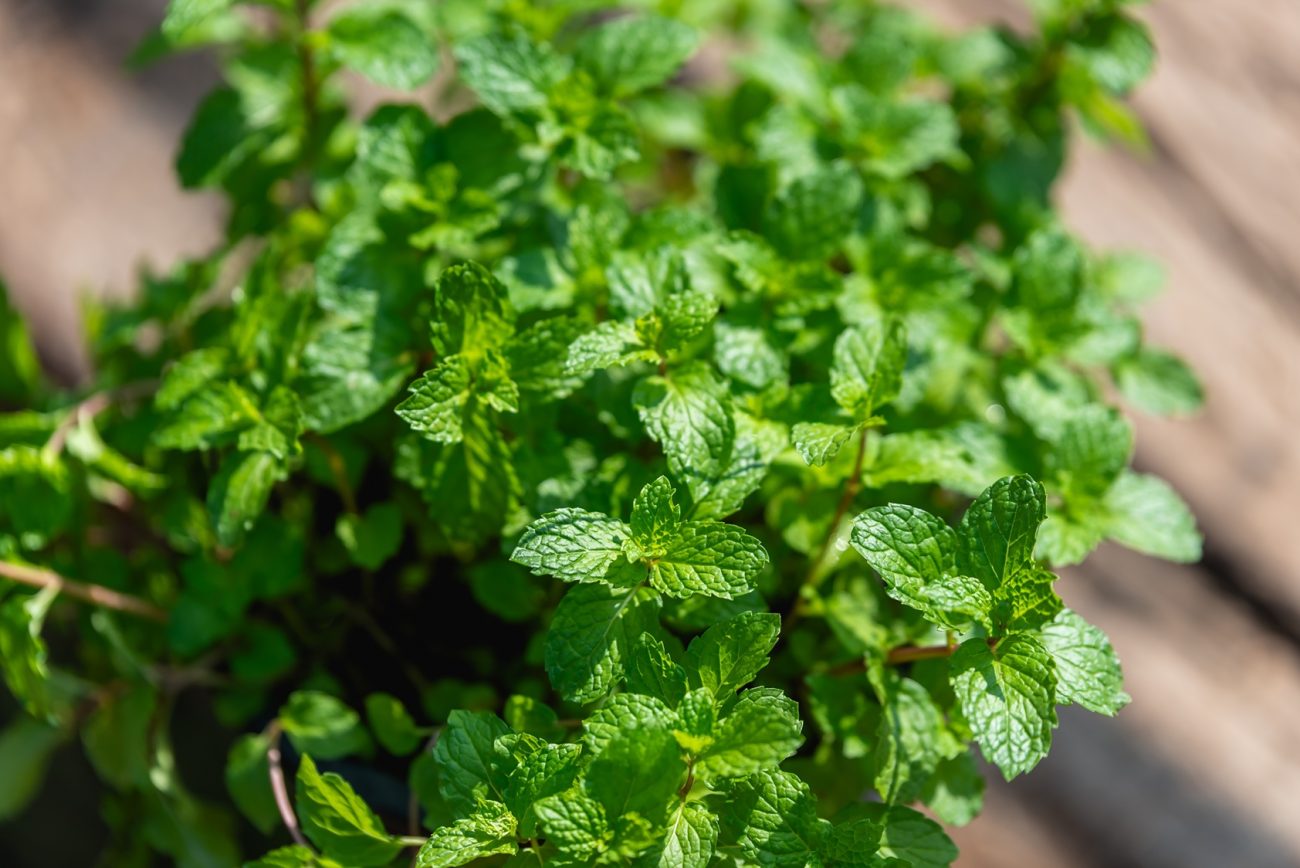
Herbs that caused heating and cooling effects in the mouth were linked with the treatment of pain (3). This makes sense when we consider the actions of plant chemicals like cooling menthol from mint and hot capsaicin from chilli on transient receptor potential vanilloid (TRPV)1 receptors located on nerve endings. The activation of these receptors is thought to confuse the nerve and reduce transmission of pain signals. Here, subjective sensation and neurophysiology align; what feels hot or cold in the mouth can alter pain perception elsewhere in the body.
Bitter benefits
Out of specific tastes, bitterness has attracted quite a bit of scientific interest. There is a strong link between anti-inflammatory activity and bitter taste (4). We haven’t managed to tease out yet whether molecules that taste bitter are inherently more likely to have anti-inflammatory effects in the body, or if activating bitter receptors reduces inflammation directly.
There is evidence for both mechanisms. Research suggests that binding of bitters to the TAS2R bitter taste receptor could have direct anti-inflammatory mechanisms via downstream signalling. But there is also a similarity between the shape of the active site of inflammatory cyclo-oxygenase (COX)-2 enzymes and one of the binding site proteins of the TAS2R receptor family (4). Bitter chemicals may inhibit COX-2 in the way that non-steroidal anti-inflammatory drugs (NSAIDs) do. It may just be a coincidence that bitter compounds bind to bitter receptors as well as inhibiting inflammatory mediators.
Many of the most potent phytochemicals, particularly alkaloids, are often bitter. This may help explain the expectation that medicine shouldn’t taste nice. An intriguing and unexplored question is whether when bitter or unpleasant tasting medicines are masked with sweet tastes, will that impact on their effectiveness?
Sweet tastes: Signals without calories
Sweetness is generally viewed as a reward signal that encourages energy intake. At a molecular level, the sweet taste receptor TAS1R (a heterodimer of T1R2 and T1R3) activates neurones in response to glucose, as well as regulating secretion of hormones such as GLP-1 in enteroendocrine cells of the gut lining and promoting uptake of glucose (5).
Activation of neurones sends messages to the brain that we are consuming something pleasant and encourages us to eat more of it. However, not all sweet signals are equal. When other chemicals that activate the receptor, such as sweeteners like xylitol, and glycyrrhizin from liquorice (Glycyrrhiza glabra), bind to it, the intracellular signalling patterns are different (5).
There is an added complexity in that some artificial sweeteners also bind to bitter taste receptors (this isn’t a surprise when you consider that there are around 25 different bitter receptors), which contributes to the bitter aftertaste that they often cause (6).
Liquorice: Providing sweetness and benefits
When thinking of sweet-tasting herbs, liquorice comes to mind. Sweet foods tell the body that they will provide energy, and usually they do. However, like natural sweetener stevia, liquorice triterpenoid saponins bind to sweet receptors without providing calories, with glycyrrhizin being 150 times sweeter than sucrose (6).
Liquorice has a range of saponins, with some of them being stronger activators of sweet taste receptors, others also stimulating bitter receptors and some that contribute to the recognisable liquorice taste (6).
Glycyrrhizin and liquorice more generally have a range of effects in the body, such as antiviral, gastroprotective and anti-inflammatory activity (7). However, the effects of liquorice on supporting healthy metabolism and with weight loss are useful effects in a herb that could be used to sweeten foods. Liquorice improved glucose and insulin levels in overweight women with polycystic ovarian syndrome (PCOS) (7).
Anti-sweet effects

Few demonstrations are as memorable to herbal students as tasting sugar after swilling a few drops of a tincture of gymnema (Gymnema sylvestre) to prevent sugar from being tasted. Gymnema’s effects can be experienced by trying a sugar cube or grape, then dropping some gymnema on the tongue and marvelling at the complete lack of any sweet taste when the sugar source is tried again.
A sugar cube becomes a gritty, tasteless texture in the mouth and the grape is just a watery globe. A liquorice tincture also tastes less sweet, with some of the bitter and sour notes coming through more strongly. Gymnema will also prevent the sweetness from natural sweeteners like stevia (8).
It is this taste-altering property that has given gymnema the name “gurmar” or sugar-destroying in Hindi, and has led to its use in Ayurvedic medicine to treat diabetes (9). Gymnema is not the only plant to contain triterpenoid sweetness inhibitors; for example, they also occur in jujube (Ziziphus jujuba) (9). But what is happening for this experience to be possible?
The molecules responsible bind to sweetness taste receptors, altering their structure, so that sweet molecules are unable to stimulate them. Some research has found that gymnemic acid from gymnema delays intestinal absorption of glucose (9), indicating that when it alters the sweet receptor to prevent sweetness from being sensed, it also prevents some of the downstream effects. Messages telling the brain that something sweet has been eaten are reduced, and clinical studies show that generally people eat less when they have taken gymnema (8), highlighting how taste perception, appetite and metabolism are tightly entwined.
Traditional patterns, modern explanations
When the therapeutic uses assigned by Dioscorides are revisited through this lens, the patterns are revealing. Sweet-tasting herbs were traditionally used for conditions related to eye health, digestion, menstruation, pain, psychiatric, lungs, the mouth and skin ulcers (3). These associations can be linked to receptor distribution and signalling pathways being mapped with increasing understanding.
Taste provides the body’s first pharmacological assessment of whether a plant has use for us. When we experience sweetness, bitterness or cooling we are receiving messages from plants about more than whether something has a pleasant taste.
References
- Palmer RK. A pharmacological perspective on the study of taste. Pharmacol Rev. 2019;71(1):20-48. https://doi.org/10.1124/pr.118.015974
- Beauchamp G. Introduction: umami as a taste percept. In: San Gabriel A, Rains TM, Beauchamp G, eds. Umami: Taste for Health. Springer; 2024. https://doi.org/10.1007/978-3-031-32692-9_1
- Leonti M, Baker J, Staub P, Casu L, Hawkins J. Taste shaped the use of botanical drugs. eLife. 2024;12:RP90070. https://doi.org/10.7554/eLife.90070
- Dragoș D, Petran M, Gradinaru TC, Gilca M. Phytochemicals and inflammation: is bitter better? Plants (Basel). 2022;11(21):2991. https://doi.org/10.3390/plants11212991
- Ohtsu Y, Nakagawa Y, Nagasawa M, Takeda S, Arakawa H, Kojima I. Diverse signaling systems activated by the sweet taste receptor in human GLP-1-secreting cells. Mol Cell Endocrinol. 2014;394(1-2):70-79. https://doi.org/10.1016/j.mce.2014.07.004
- Schmid C, Brockhoff A, Shoshan-Galeczki YB, Kranz M, Stark TD, Erkaya R, Meyerhof W, Niv MY, Dawid C, Hofmann T. Comprehensive structure-activity-relationship studies of sensory active compounds in licorice (Glycyrrhiza glabra). Food Chem. 2021;364:130420. https://doi.org/10.1016/j.foodchem.2021.130420
- Hooshmandi H, Ghadiri-Anari A, Ranjbar AM, Fallahzadeh H, Hosseinzadeh M, Nadjarzadeh A. Effects of licorice extract in combination with a low-calorie diet on obesity indices, glycemic indices, and lipid profiles in overweight/obese women with polycystic ovary syndrome (PCOS): a randomized, double-blind, placebo-controlled trial. J Ovarian Res. 2024;17(1):157. https://doi.org/10.1186/s13048-024-01446-9
- Rayo-Morales R, Segura-Carretero A, Borras-Linares I, Garcia-Burgos D. Suppression of sweet taste-related responses by plant-derived bioactive compounds and eating. Part I: a systematic review in humans. Heliyon. 2023;9(10):e19733. https://doi.org/10.1016/j.heliyon.2023.e19733
- Suttisri R, Lee IS, Kinghorn AD. Plant-derived triterpenoid sweetness inhibitors. J Ethnopharmacol. 1995;47(1):9-26. https://doi.org/10.1016/0378-8741(95)01248-c