














Last reviewed 02/03/2026
Sustainability status
Not currently on risk lists but complete data may be missing on the status of the species. Read more in our sustainability guide.

Contraindications
A contraindication refers to a situation in which a herb should be avoided as it may exacerbate a medical condition or pose undue risk. Contraindications may arise through pharmacodynamic mechanisms (e.g., liquorice in uncontrolled hypertension or uterine stimulants during pregnancy) or pharmacokinetic effects that alter metabolism, absorption or elimination (e.g., tannin-rich herbs in iron-deficient anaemia).
In some cases, herbal actions may aggravate underlying pathologies (e.g., the use of bitter herbs in GERD). Recognition of contraindications requires thorough assessment of patient history, co-morbidities and medications. Consultation with a qualified medical herbalist will provide guidance to ensure safe and appropriate prescribing.
Please read the Contraindications section in this monograph.

Avoid in pregnancy and lactation
Herbs are generally best-avoided in pregnancy, unless working with them under the guidance of a medical herbalist. However, some herbs pose a risk to pregnancy as they are potentially: toxic to the mother, toxic to the neonate, teratogenic (risk developmental malformation), may increase miscarriage risk, or could cause foetal distress leading to miscarriage or premature birth. Herbs with teratogenic, emmenagogue, or stimulant laxative actions are all contraindicated in pregnancy. Furthermore, herbs containing volatile oils, thujone, apiol, phyto-oestrogens also should be avoided.
During lactation, there is the possibility for transfer of plant compounds through the breast milk, which can have an effect (detrimental or beneficial) on the infant.
Please read the Safety section in this monograph.

Drug interactions
Herbs may interact with pharmaceutical medications through both pharmacokinetic and pharmacodynamic mechanisms. Pharmacokinetic interactions involve alterations in the absorption, metabolism, distribution, or excretion of a drug. Many herb–drug interactions occur through liver enzyme modulation: by inducing CYP enzymes — increasing drug concentration and toxicity risk; or by inducing CYP enzymes — decreasing drug concentration and therapeutic efficacy.
Pharmacodynamic interactions occur when herbs and drugs influence the same physiological systems. These interactions can cause synergistic, additive or antagonistic effects at the receptor or tissue level, enhancing or opposing the intended pharmacological action. The clinical consequences of herb-drug interactions can be complex and nuanced. Consultation with a medical professional is, therefore, recommended to ensure safe use and appropriate dosing.
Please read the Interactions section in this monograph.

Toxicity concern
Herbal toxicity concerns extend beyond intrinsically potent herbs with narrow therapeutic windows. While some species pose dose-dependent risks due to powerful bioactive constituents and a limited margin between therapeutic and toxic doses, toxicity may also arise from pharmacokinetic or pharmacodynamic interactions, cumulative exposure, or patient-specific vulnerability (e.g., hepatic or renal impairment).
Supply-chain factors also represent a significant source of risk, including misidentification of species, adulteration, contamination with heavy metals or pesticides, and variable constituent standardisation. Factors such as these may result in unpredictable pharmacological effects or organ toxicity independent of intended therapeutic action.
Careful sourcing, quality assurance, individualised assessment, and practitioner supervision are therefore essential to ensure safe use of these herbs.
Please read the Sustainability and Quality sections in this monograph.
-
Herb overview
Safety
Generally considered a safe herb. The oil, however, should be avoided in high doses due to toxicity
Sustainability
Low risk / Green
Key constituents
Volatile oils (carvacrol and thymol)
Tannins
Phenolic diterpenesQuality
Mediterranean Europe
Widely cultivated
BP specifies a minimum essential content of 12 ml/kg and a minimum content of 40% for the sum of thymol and carvacrol.Key actions
Antimicrobial
Carminative
Expectorant
AntitussiveKey indications
Respiratory infection
Cough
Dysbiosis
Poor digestionKey energetics summary
Warm
Dry
PungentSee below for discipline-specific energeticsPreperation and dosage
Leaf
Tincture (1:2 | 45%): 2–6 ml daily
Infusion/decoction: 3–12 g daily
-
How does it feel?
Most people are familiar with the distinctive flavour of thyme in culinary dishes. This flavour can be released by crushing a fresh leaf or chewing it in the mouth to release the volatile oils. The strong sharp hit of the essential oil, especially the thymol and carvacrol constituents is immediately apparent, giving an almost chemical antiseptic sensation; a reminder that fresh thyme is a great antiseptic for inflamed gums, mouth and sore throats. The flavour otherwise is rather bitter and there is a noticeable astringency (linked to the high tannin levels). The familiar thyme flavour is apparent in the lingering aftertaste.
A distillation of thyme provides a powerful and strong extraction, with relaxing and calming effects on the digestive system.

The taste of thyme
The below qualities are derived from organoleptic assessment.
-
Into the heart of thyme

Thyme (Thymus vulgaris) Energetically, thyme is considered to be warming and drying, and indicated in treating cold, damp or stagnant tissue states (5). It can be seen as a warming stimulant, specifically for the lungs, helping to expel and dry mucus. Traditionally, it can be considered to clarify and relieve dampness in tissues. The aromatic compounds contribute to its expectorant properties as well as offer the antimicrobial antispasmodic actions (1,2). thymol and carvacrol are the most influential in the herb’s antispasmodic action. They have been found to relax airway spasm and encourage mucociliary expectoration (6). Both thymol and carvacrol also have antiseptic and antiviral properties.
The scent of thyme is sharp and penetrating and this can be extended to its effect in the body. Hot and dry plants, in the classical texts are seen to strengthen boundaries, this can be applied to thyme’s effect on drying leaky mucosa and helping to tone tissues (5).
The essential oil constituents in thyme, specifically Thyme can be applied to clarify mental fog, strengthen inner fire and combat inertia, often present in depressive or stagnant states (5).
These qualities extend to its effect on the gastrointestinal tract, and denote its stimulating carminative qualities. It can counteract cold, atonic tissue which can present as sluggish digestion, bloating or coldness in the abdomen (1,5). Essentially, it can be applied to rekindle digestive fire and relieve stagnation.
This is mirrored in its medicinal compounds, as the volatile oils contribute to regulation of the gut microbiome. It has been shown to be effective in reducing inflammation and gut barrier dysregulation in IBD (6). Thyme also has bitter constituents which act by stimulating digestive function, and the tannins help to astringe the gastrointestinal tract in cases of diarrhoea (1,7). Thyme also contains rosmarinic acid which has been shown to have strong antioxidant activity and helps to reduce oxidative stress and lipid peroxidation (1).
-
What practitioners say
 Respiratory system
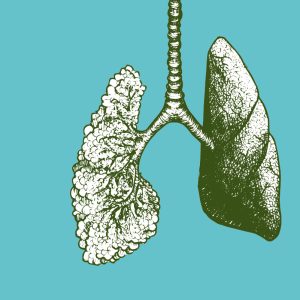
Thyme is particularly effective at relieving spasm in the respiratory tract from excessive coughing and is indicated in any respiratory conditions characterised by excess levels of mucus, phlegm or catarrh (10).
Immune system
The thymol component of thyme has antibiotic, antifungal, antibacterial and anti-infective properties. In strong solutions or simply chewed as a fresh herb thyme will help fight infection of the gums, throat and larynx (1,10). Thymol and carvacrol have also shown to exhibit antiviral properties against human influenza virus, herpes simplex virus and human rhinoviruses (1).
Digestive system
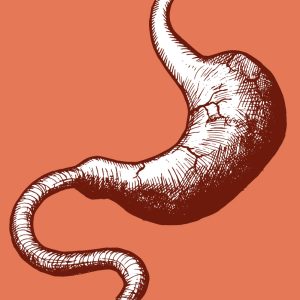
The range of volatile oils, including thymol, also help to relieve digestive spasm acting as a carminative in indigestion. Thyme is a modest bitter, so stimulates upper digestive activities, and modulates the gut microbiome, useful in cases of enteric infections. All these effects will be augmented by increased digestive secretions (1,6).
External applications
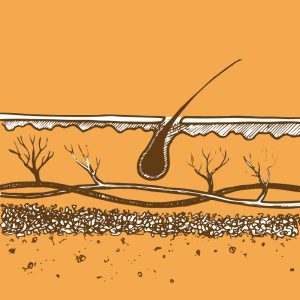
Thyme may be used as an ingredient in massage oils and liniments for aching joints, muscular pain, cuts and wounds. It can be used as a gargle for sore throats and tonsillitis; or as a mouthwash for infected, bleeding gums.
-
Thyme research

Thyme (Thymus vulgaris) Efficacy and tolerability of a fluid extract combination of thyme herb and ivy leaves and matched placebo in adults suffering from acute bronchitis with productive cough. A prospective, double-blind, placebo-controlled clinical trial
A double blind, randomised placebo controlled trial was carried out on 361 patients with acute bronchitis to test the effect of a thyme and ivy cough syrup on mucus levels and cough duration. Participants were given 5.4 ml of a thyme and ivy syrup, or placebo syrup three times daily over the course of 11 days. Results showed a 68.7% reduction in coughing sits compared to 47.6% in the placebo group. Symptoms of bronchitis also improved more quickly in the thyme and ivy group versus the placebo group (11).
Effect of virgin olive oil and thyme phenolic compounds on blood lipid profile: implications of human gut microbiota
A randomised, controlled, double-blind, crossover human trial was carried out amongst 12 patients with hypercholesterolaemia. Participants were given 25 ml per day of one of three raw virgin olive oils — virgin olive oil, virgin olive oil enriched with polyphenols and virgin olive oil enriched with thyme. The thyme enriched oil showed a decrease in serum oxidised LDL and increased bifidobacteria compared to the other oils, and also showed improvements in cardiovascular risk markers (12).
Thymol and carvacrol against Klebsiella: Anti-bacterial, anti-biofilm, and synergistic activities — a systematic review
A systematic review was carried out on 38 studies that mentioned the antimicrobial activity of thymol, carvacrol or both constituents. It surmised that thymol and carvacrol are effective either in combination or on their own against a wide range of bacteria. The studies also demonstrated the constituents to have an additive or synergistic effect when combined with some antibiotics (13).
Decoction, infusion and hydroalcoholic extract of cultivated thyme: Antioxidant and antibacterial activities, and phenolic characterisation
The antibacterial activity is also demonstrated through decoctions and to some extent infusions, with the resulting aqueous extractions being active particularly against gram-positive (Staphylococcus aureus and Staphylococcus epidermidis) and gram-negative (Escherichia coli, Klebsiella spp., Pseudomonas aeruginosa, Enterococcus aerogenes, Proteus vulgaris and Enterobacter sakazakii) bacteria (14).
-
Historical use of thyme
Traditionally, thyme has been a popular calming cough remedy, often used as a cough syrup. According to The British Herbal Pharmacopeia thyme tea, sweetened with honey or sugar, would be prescribed for whooping cough, sore throats, bronchitis, asthma, pneumonia and for diarrhoea in children (8,9). . Taken as a tea, it was used to settle colic and irritable bowel syndrome, as well as to treat dyspepsia and control fever in common colds.
In the Mediterranean, it was common to have a cup of thyme tea following particularly heavy or greasy meals to aid digestion and alleviate indigestion (8).
Topically, it was applied to treat infected wounds, fungal skin infections or used as a gargle for sore throats (8).
-
Thyme’s herbal actions
Herbal actions describe therapeutic changes that occur in the body in response to taking a herb. These actions are used to express how a herb physiologically influences cells, tissues, organs or systems. Clinical observations are traditionally what have defined these actions: an increase in urine output, diuretic; improved wound healing, vulnerary; or a reduction in fever, antipyretic. These descriptors too have become a means to group herbs by their effects on the body — herbs with a nervine action have become the nervines, herbs with a bitter action are the bitters. Recognising herbs as members of these groups provides a preliminary familiarity with their mechanisms from which to then develop an understanding of their affinities and nuance and discern their clinical significance.
-
Thyme’s energetic qualities
Herbal energetics are the description that herbalists have given to plants, mushrooms, lichens, foods and some minerals based on the direct experience of how they taste, feel and affect the body. All traditional health systems use these principles to explain how the environment impacts health, according to each of their philosophies and frameworks. These assessments of individual herbs, though they often do align, can differ from one another due to cultural differences regarding perspectives on how herbs taste versus their physiological effects. Find out more about traditional energetics in our article An introduction to herbal energetics.
Western energetics
Western energetics here are informed by The Energetics of Western Herbs by Peter Holmes, as well as traditional materia medica from Culpeper and Dioscorides.
-
What can I use thyme for?

Thyme (Thymus vulgaris) Thyme has expectorant and antimicrobial actions indicating it as a remedy for coughs, chest infections and tightness in the chest. It can be used to soothe dry irritating coughs in children and alleviate coughs accompanied by airway tightness or wheezing. It can be used to reduce inflammation of the airways, by using a steam inhalation of the fresh plant to help ease respiratory congestion, as well as with asthma (1). Thyme can be especially effective in treating children with coughs and infections.
Thyme is also effective in the treatment of productive coughs with underlying infection in the lungs, it helps to clear mucus and chronic catarrh whilst also exhibiting antibacterial actions. Old herbals used to recommend thyme to “purge phlegm” and it was said to “causeth easy expectorations of tough phlegm“(2).
Thyme has commonly been used to aid digestion due to its carminative actions, and is often added to recipes for its flavour profile. It is effective in relieving a range of digestive upsets including dyspepsia, colic, flatulence and diarrhoea (1).
The volatile oils have been shown to exhibit prebiotic properties and help to regulate the gut microbiome by upregulating good bacteria and downregulating harmful bacteria. It can be used to treat gut dysbiosis or to restore balance after a course of antibiotics (3).
The antibacterial and anti-inflammatory actions make thyme effective in the treatment of gingivitis and halitosis. It can be brewed as a tea and left to cool to use as a mouthwash to treat infections and reduce inflamed gums (4).
-
Did you know?
Thyme was traditionally considered a symbol of bravery and courage in Mediaeval Europe and knights would wear a sprig of thyme when going into battle (2).




 Respiratory system

-
Botanical description
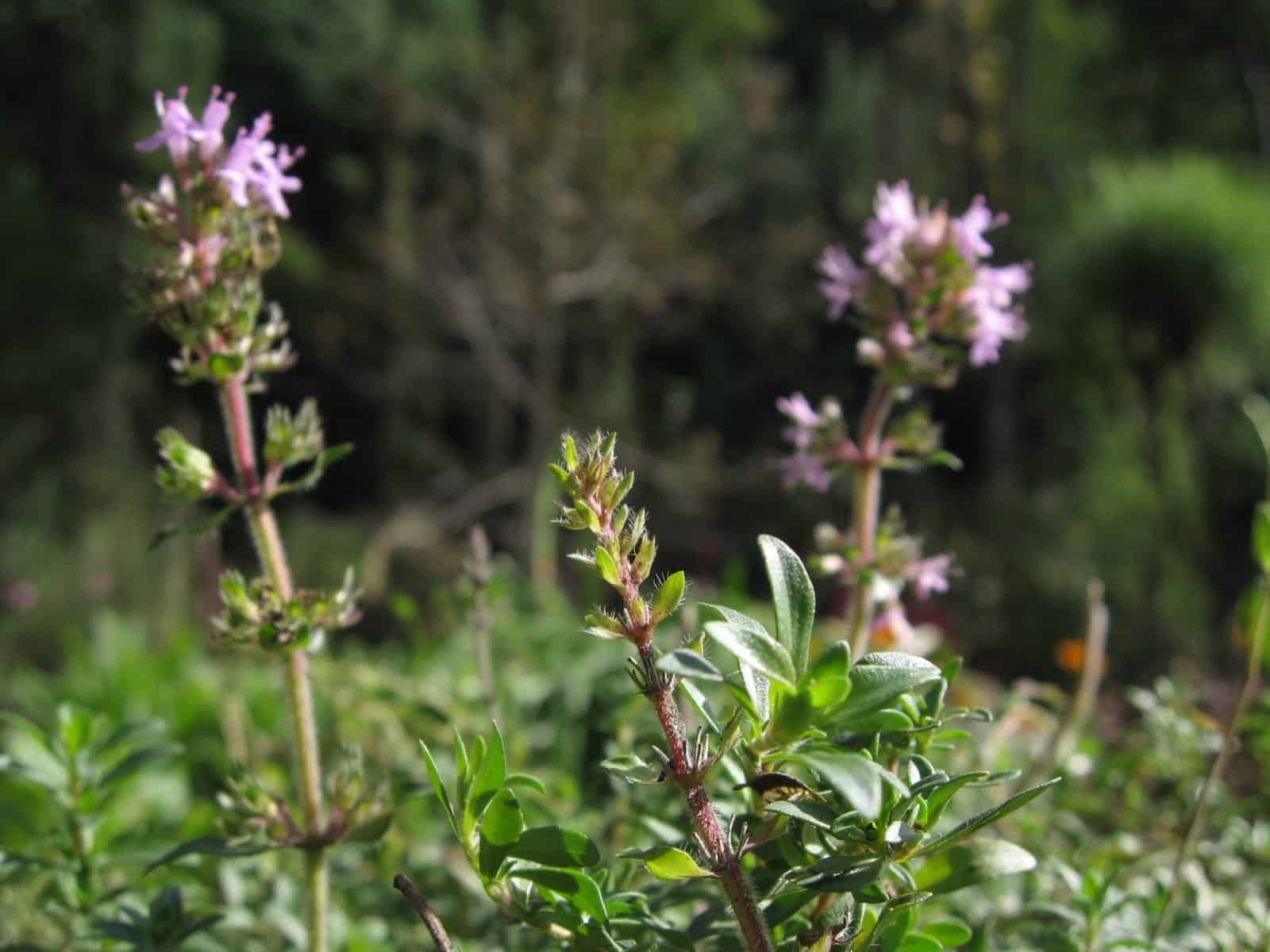
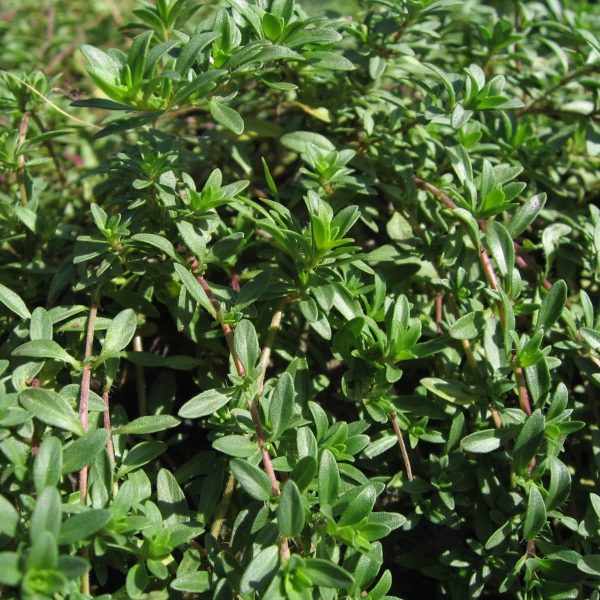
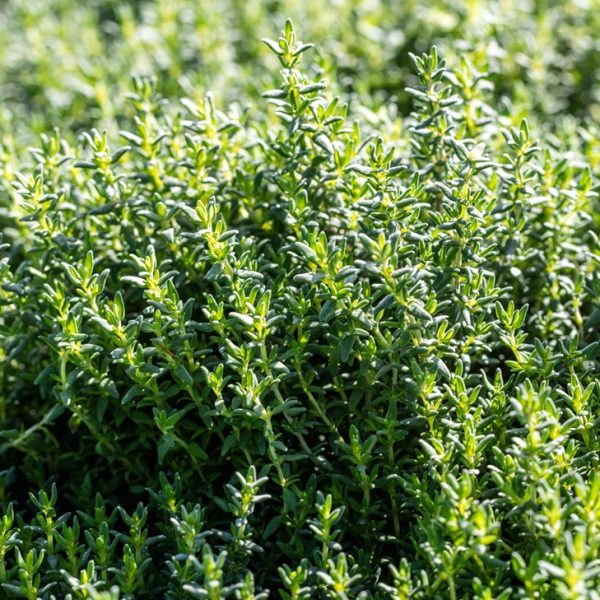
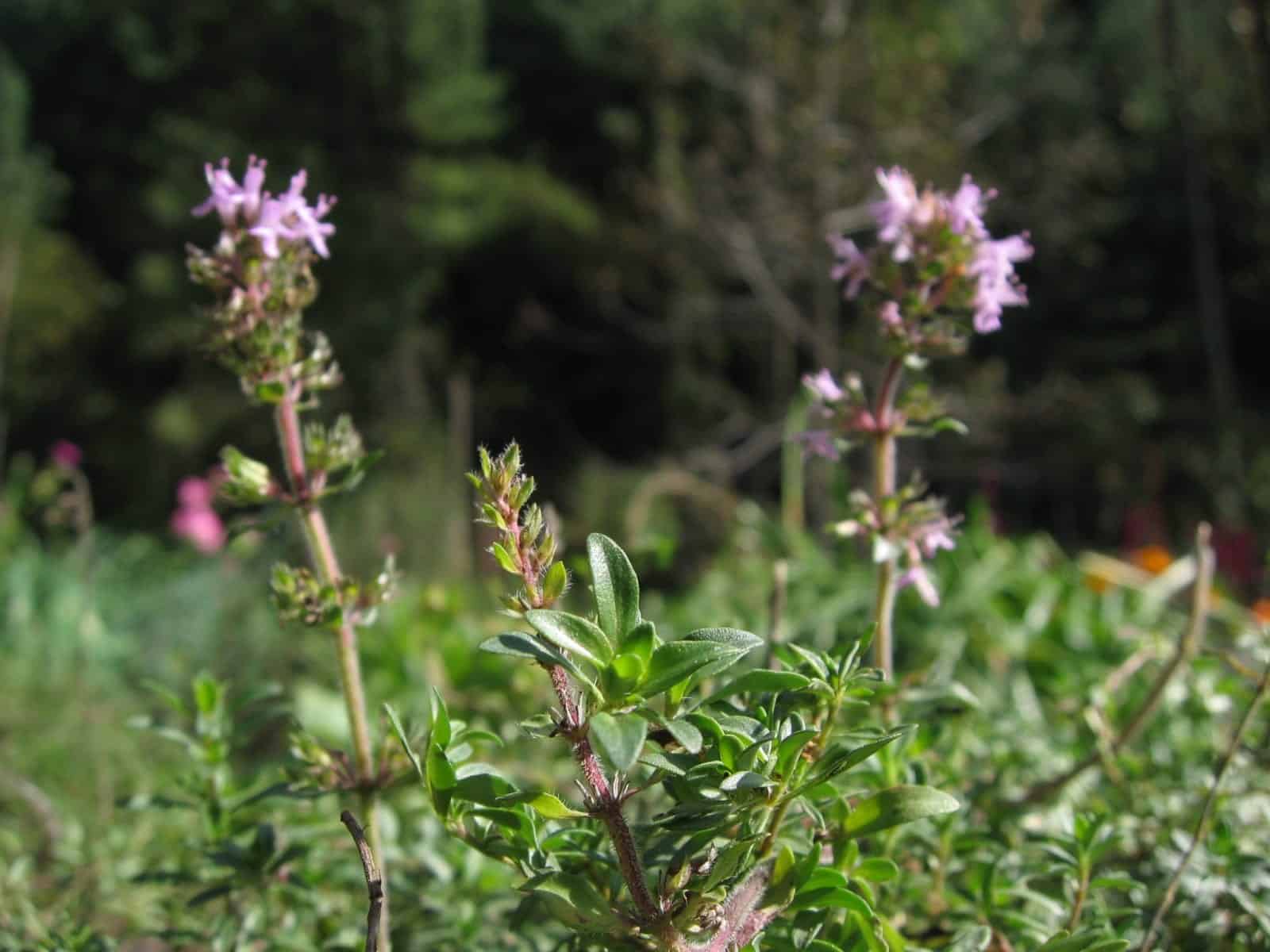
Thyme is a perennial aromatic bush indigenous to the western Mediterranean and southern Italy.
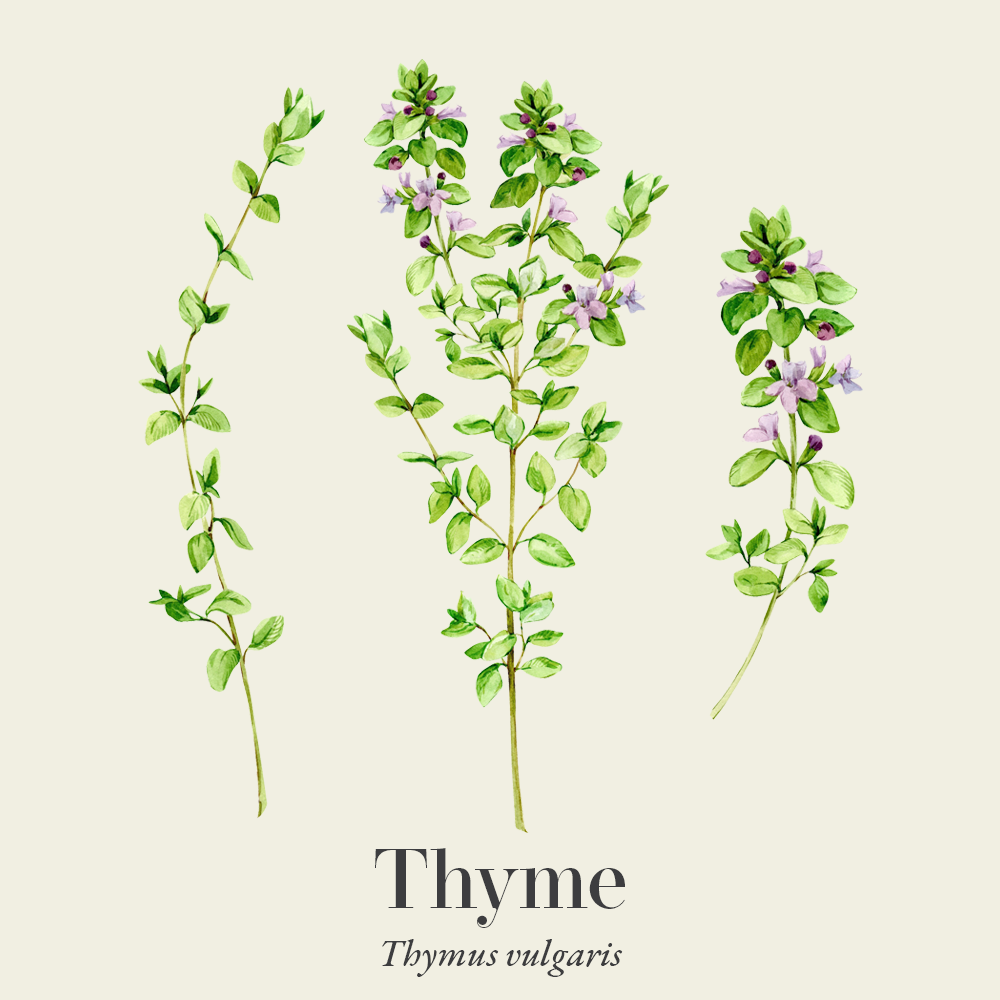
It can grow to heights of 30 cm, its leaves are small, narrow and elliptical in shape and are a characteristic deep green colour with a strong aroma. Its flowers are also small, delicate and a pale pink/purple in colour.
Thyme is often found clinging in rocky crevices or growing in apparently barren soils (17).
Alternative botanical names
The official medicinal monographs in the British Pharmacopoeia and the European Pharmacopoeia allow the use of whole leaf and flowers of Thymus zygis (Spanish thyme) as well as Thymus vulgaris.
-
Common names
- Common or garden thyme (Eng)
- Gartenthymian (Ger)
- Thymianblätter (Ger)
- Thym (Fr)
- Timo (Ital)
- Ajagandha (Sanskrit)
-
Habitat
Thyme is a mediterranean shrub growing predominantly in the temperature regions. It prefers dry, arid soils and is often found in rocky areas or growing out on cliff faces (19).
-
How to grow thyme
Thyme is an evergreen and drought resistant so will grow in a variety of conditions. The flowers are rich in nectar and will attract a variety of pollinators.
To grow from seed, sow the seeds indoors in the spring or when temperatures are above 13°C. Germination should occur within two weeks. Thyme grown from seed can take a year to become fully established so buying young plants already established is another option.
Plant the seedlings into individual pots once they are large enough to handle, and keep in a warm, sunny spot and water regularly. Once the plants have established strong root systems they can be planted out. Plants grown indoors should be hardened off before planting out to maximise the chances of survival.
Thyme prefers well draining soil, and doesn’t fare well in clay heavy or damp soils. To maximise drainage, sand can be added to the soil, or they can be placed in raised beds instead (24).

-
Herbal preparation of thyme
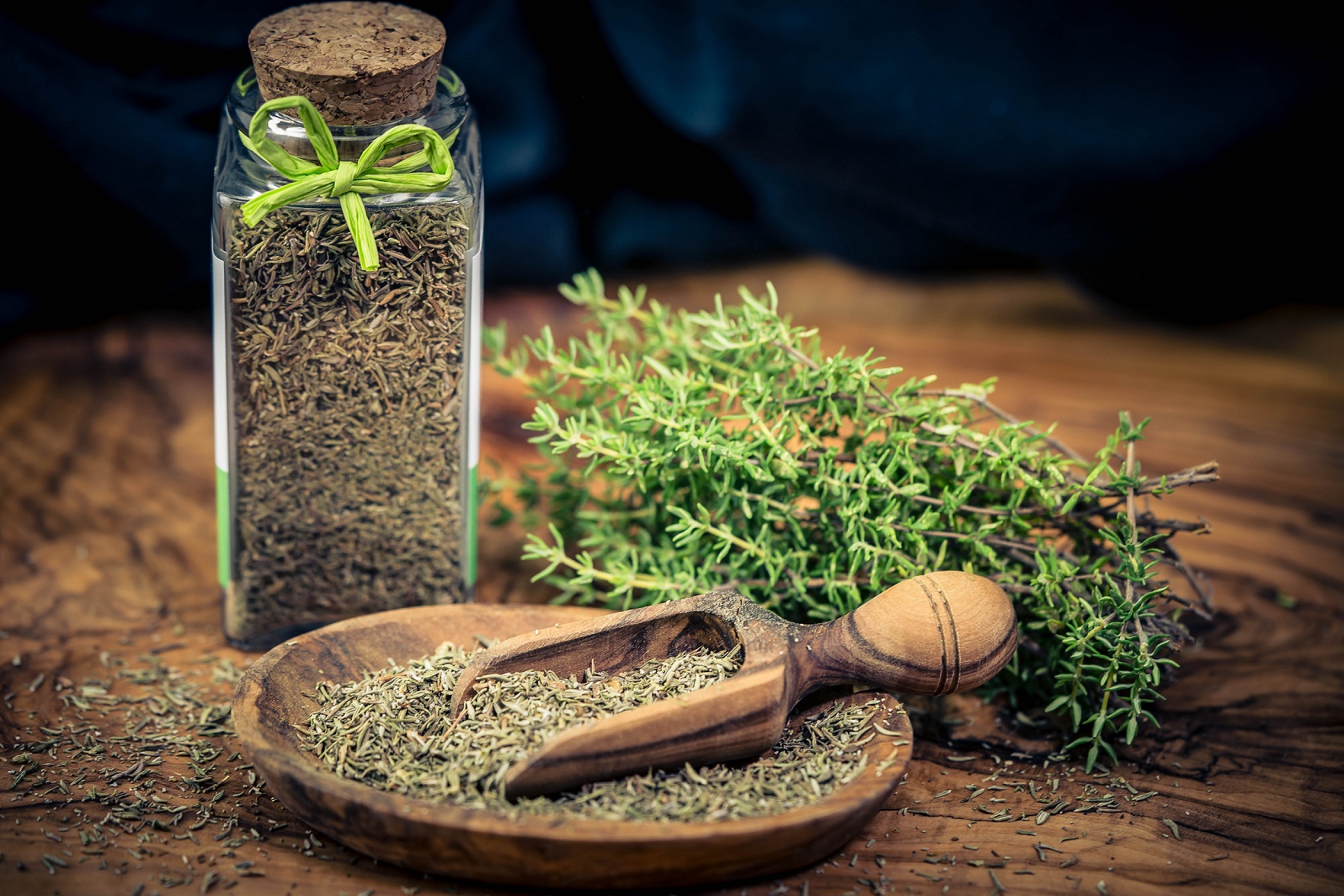
- Tea
- Tincture
- Syrup
- Infused oil
- Gargle
-
Plant parts used
Leaves
-
Dosage
- Tincture (1:2 | 45%): Between 2–6 ml per day
- Infusion/decoction: Between 3–12 g per day of an infusion of the aerial parts
- Other preparations: A 5% infusion as a gargle or mouthwash (1)
-
Constituents
- Essential oil (1.0 to 2.5%): Predominantly phenols, thymol and carvacrol and their corresponding monoterpene precursors (p-cymene and gamma-terpinene)
- Phenolic diterpenes: Carnosol, rosmanols, galdosol and carnosic acid
- Tannins (10%)
- Flavonoids: Apigenin, luteolin, epicatechin
- Salicylates
- Phenolic acids: Caffeic, gentisic, syringic and P-coumaric acids (10)
-
Thyme recipe
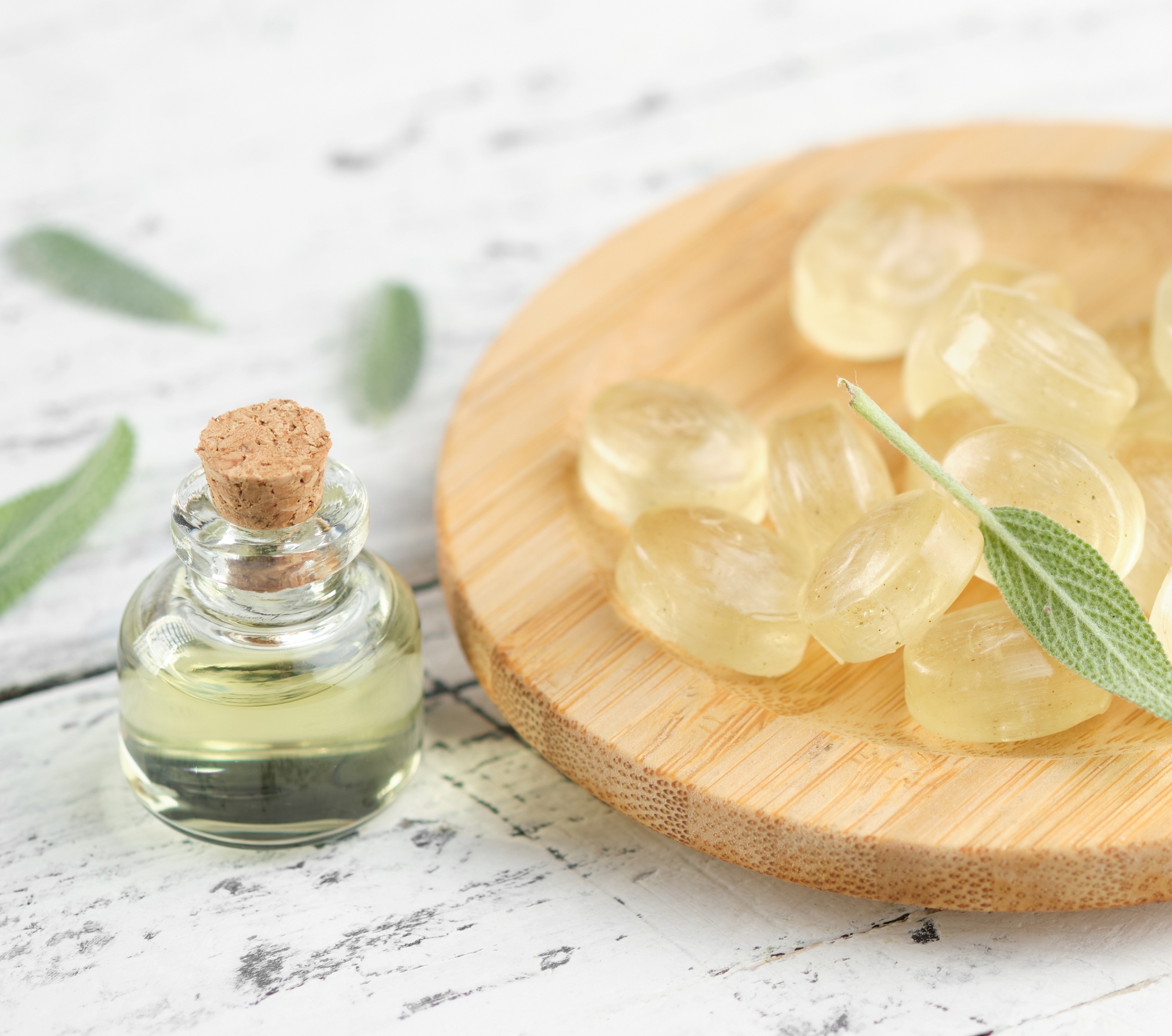
Breathe tea
This fresh and uplifting tea recipe awakens the lungs and encourages breath. Use this for coughs, feeling tight-chested, or to relish the joy of breathing a bit more deeply.
Ingredients
- 4 g lemongrass leaf
- 3 g thyme leaf
- 3 g tulsi leaf
- 2 g ginger root powder
- 2 g aniseed
- 1 drop peppermint oil
- Honey to taste
This will serve 2–3 cups of lung nourishing tea.
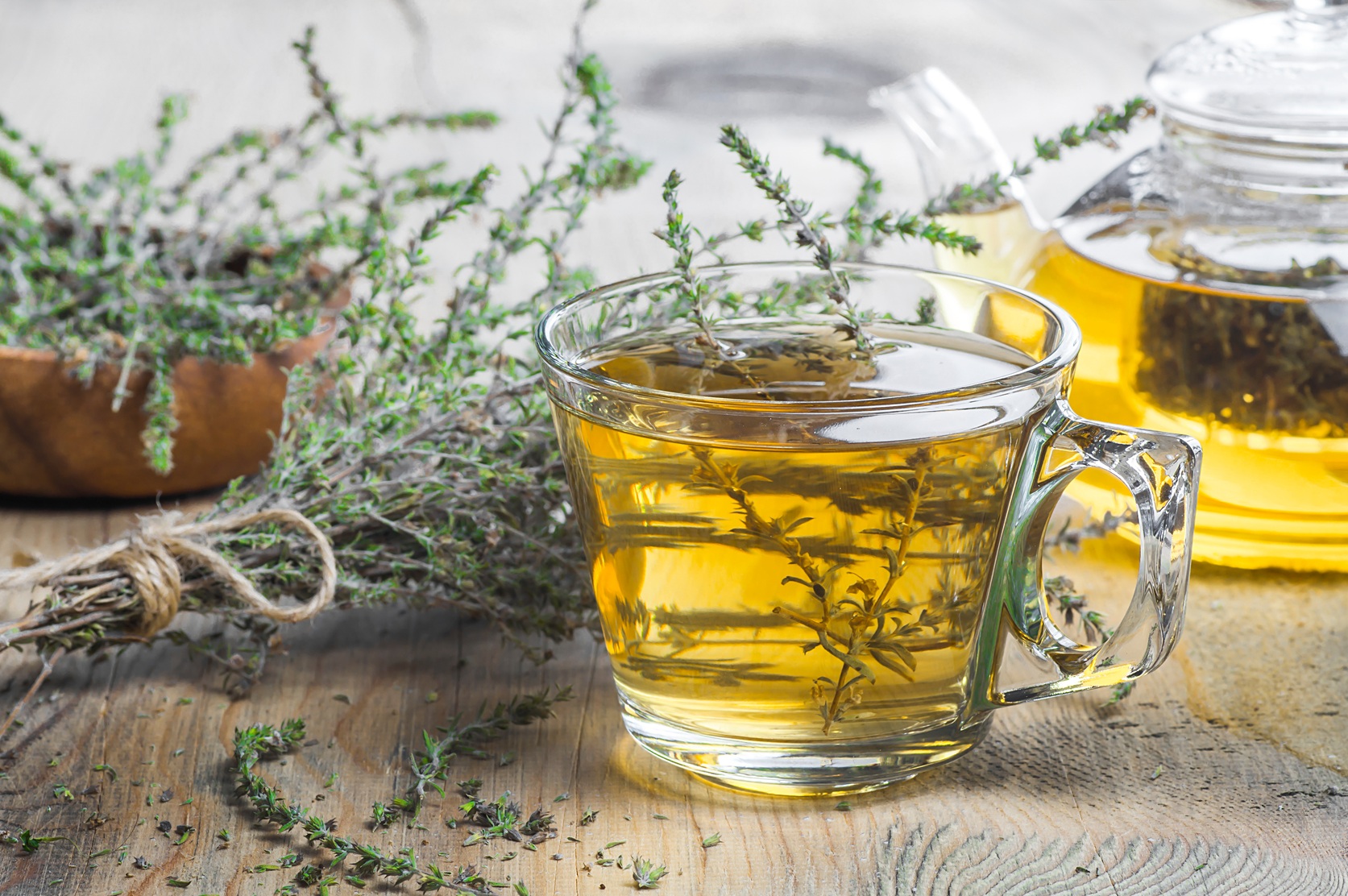
How to make a thyme tea
- Put all of the ingredients (except for the honey) in a pot.
- Add 500 ml/18 fl oz freshly boiled filtered water.
- Leave to steep for 10–15 minutes, then strain.
- Add a dash of honey to taste.
Recipe from Cleanse, Restore, Nurture by Sebastian Pole
-
Safety
Thyme is generally considered a safe herb, and can be used safely with children. The oil, however, should be avoided in high doses both internally and externally as it can be toxic for both adults and children (1).
-
Interactions
None reported (1,14,14)
-
Contraindications
Contraindicated for patients with a known sensitivity to Lamiaceae family (15).
-
Sustainability status of thyme
Thymus vulgaris is classified as ‘least concern’ on the IUCN Redlist due to its widespread and stable population. Thyme is widely cultivated for food and medicine across Europe and currently poses no threat to biodiversity or habitat loss (20).
Habitat loss and over-harvesting from the wild are two of the biggest threats faced by medicinal plant species. There are an increasing number of well-known herbal medicines at risk of extinction. We must, therefore, ensure that we source our medicines with sustainability in mind.
The herb supplement industry is growing at a rapid rate and until recent years a vast majority of medicinal plant produce in global trade was of unknown origin. There are some very real and urgent issues surrounding sustainability in the herb industry. These include environmental factors that affect the medicinal viability of herbs, the safety of the habitats that they are taken from, as well as the welfare of workers in the trade.
The botanical supply chain efforts for improved visibility (transparency and traceability) into verifiably sustainable production sites around the world is now certificated through the emergence of credible international voluntary sustainability standards (VSS).
Read our article on Herbal quality & safety: What to know before you buy and Sustainable sourcing of herbs to learn more about what to look for and questions to ask suppliers about sustainability.
-
Quality control
Thyme (Thymus vulgaris) Thyme is a well known aromatic herb and the active constituents that are of most interest therapeutically are the essential oils. The quantity and composition of the essential oils can vary due to factors such as the environment, genetics, growing conditions, processing and how the herb is stored.
Several studies have reviewed the levels of essential oil in thyme and documented levels ranging from between 4 ml/kg to 40 ml/kg (18). National pharmacopoeias, for example the British Pharmacopeia (BP) specifies a minimum essential content of 12 ml/kg and a minimum content of 40% for the sum of thymol and carvacrol. Both Thymus vulgaris and Thymus zygis are accepted species within the monograph (22).
To meet these levels, it is important to select varieties of thyme that are bred for higher essential oil yields. Harvesting at the right time when the plants come into full bloom was shown in several studies to increase the levels of essential oils and thymol (3). Drying thyme at low temperatures significantly improves the yield of essential oil and storing in cooler conditions below 10 °C means the essential oil loss in the herb is significantly reduced over time (23). By taking steps to control these factors during growing, processing and storage, means the thyme produced will be of a higher quality standard.
-
References
- Bone K, Mills S. Principles and Practice of Phytotherapy: Modern Herbal Medicine. 2nd ed. Edinburgh Churchill Livingstone, Elsevier; 2013.
- Grieve M. A Modern Herbal.; 1970.
- Nazzaro F, Ombra MN, Coppola F, et al. Antibacterial Activity and Prebiotic Properties of Six Types of Lamiaceae Honey. Antibiotics. 2024;13(9):868-868. https://doi.org/10.3390/antibiotics13090868
- Altındal D, Deveci KC, Öner Talmaç AG, Talmaç AC, Çalışır M. Effects of thyme on halitosis in gingivitis patients: Can thyme mouthwash prevent halitosis—A randomized trial. International Journal of Dental Hygiene. 2023;21(2):426-432. https://doi.org/10.1111/idh.12672
- Wood M. The Practice of Traditional Western Herbalism : Basic Doctrine, Energetics, and Classification. North Atlantic Books, Cop; 2004.
- Begrow F, Engelbertz J, Feistel B, Lehnfeld R, Bauer K, Verspohl EJ. Impact of thymol in thyme extracts on their antispasmodic action and ciliary clearance. Planta Medica. 2010;76(4):311-318. https://doi.org/10.1055/s-0029-1186179
- Liu Y, Yan H, Yu B, et al. Protective Effects of Natural Antioxidants on Inflammatory Bowel Disease: Thymol and Its Pharmacological Properties. Antioxidants. 2022;11(10):1947. https://doi.org/10.3390/antiox11101947
- Hedley C, Shaw N. Plant Medicine. (Waddell G, ed.). Aeon Books; 2023.
- British Herbal Medicine Association. British Herbal Pharmacopeia 1996. British Herbal Medicine Association; 1996.
- Fisher C. Materia Medica of Western Herbs. Aeon Books; 2018.
- Kemmerich B, Eberhardt R, Stammer H. Efficacy and tolerability of a fluid extract combination of thyme herb and ivy leaves and matched placebo in adults suffering from acute bronchitis with productive cough. A prospective, double-blind, placebo-controlled clinical trial. Arzneimittel-Forschung. 2006;56(9):652-660. https://doi.org/10.1055/s-0031-1296767
- Martín-Peláez S, Mosele JI, Pizarro N, et al. Effect of virgin olive oil and thyme phenolic compounds on blood lipid profile: implications of human gut microbiota. European Journal of Nutrition. 2015;56(1):119-131. https://doi.org/10.1007/s00394-015-1063-2
- Farhadi K, Rajabi E, Varpaei HA, Iranzadasl M, Khodaparast S, Salehi M. Thymol and carvacrol against Klebsiella: anti-bacterial, anti-biofilm, and synergistic activities—a systematic review. Frontiers in Pharmacology. 2024;15. https://doi.org/10.3389/fphar.2024.1487083
- Martins N, Barros L, Santos-Buelga C, Silva S, Henriques M, Ferreira ICFR. Decoction, infusion and hydroalcoholic extract of cultivated thyme: Antioxidant and antibacterial activities, and phenolic characterisation. Food Chemistry. 2015;167:131-137. https://doi.org/10.1016/j.foodchem.2014.06.094
- Thomsen M. Phytotherapy Desk Reference. Aeon Books; 2020.
- Natural Medicines Database. Thyme. naturalmedicines.therapeuticresearch.com. Published 2024. https://naturalmedicines.therapeuticresearch.com/databases/food
- RHS. Thymus vulgaris. www.rhs.org.uk. Published 2025. https://www.rhs.org.uk/plants/18213/thymus-vulgaris/details
- Royal Botanical Gardens Kew. Thymus vulgaris L. | Plants of the World Online | Kew Science. Plants of the World Online. Published 2022. Accessed May 23, 2025. https://powo.science.kew.org/taxon/461765-1
- Khela S. IUCN Red List of Threatened Species: Thymus vulgaris. IUCN Red List of Threatened Species. Published February 7, 2014. Accessed May 23, 2025. https://www.iucnredlist.org/es/species/203348/2764289
- Salehi-Arjmand H, Akhoundi M, Akramian M, Khadivi A, Tunç Y. Time course of physiological and biochemical responses of Thymus vulgaris to short-term salinity stress in hydroponics. Scientific Reports. 2025;15(1). https://doi.org/10.1038/s41598-025-00768-y
- Krol B, Kieltyka- Dadasiewicz A. Yield and herb quality of thyme (Thymus vulgaris L.) depending on harvest time . Turkish Journal Of Field Crops. 2015;20(1). https://doi.org/10.17557/.89347
- British Pharmacopoeia Commission. British Pharmacopoeia 2025. TSO; 2025.
- Pluhár Z, Szabó D, Sárosi S. Effects of different factors influencing the essential oil properties of Thymus vulgaris L. Plant Science Today. 2016;3(3):312. https://doi.org/10.14719/pst.2016.3.3.241
- RHS. Thyme. www.rhs.org.uk. Published 2025. https://www.rhs.org.uk/herbs/thyme/grow-your-own

Meet our herbal experts
Our monographs are written by our monograph authors and edited, reviewed and updated by Herbal Reality.
Meet our Herbal Reality team or explore our Herbal Reality authors.