












Last reviewed 07/11/2026
Sustainability status
Not currently on risk lists but complete data may be missing on the status of the species. Read more in our sustainability guide.

Drug interactions
Herbs may interact with pharmaceutical medications through both pharmacokinetic and pharmacodynamic mechanisms. Pharmacokinetic interactions involve alterations in the absorption, metabolism, distribution, or excretion of a drug. Many herb–drug interactions occur through liver enzyme modulation: by inducing CYP enzymes — increasing drug concentration and toxicity risk; or by inducing CYP enzymes — decreasing drug concentration and therapeutic efficacy.
Pharmacodynamic interactions occur when herbs and drugs influence the same physiological systems. These interactions can cause synergistic, additive or antagonistic effects at the receptor or tissue level, enhancing or opposing the intended pharmacological action. The clinical consequences of herb-drug interactions can be complex and nuanced. Consultation with a medical professional is, therefore, recommended to ensure safe use and appropriate dosing.
Please read the Interactions section in this monograph.

-
Herb overview
Safety
Non-toxic
No known contraindications
May interact with anticoagulant medicationSustainability
Status: Lower risk
Not assessed but subject to environmental changesKey constituents
Patchoulol
α-bulnesene
α-guaieneQuality
Native to Southeast Asia
Widely cultivated in Indonesia
Frequently adulteratedKey actions
Relaxant
Anti-inflammatory
Antifungal
AntibacterialKey indications
Sensory-emotional dysregulation
Dissociation
Lack of sexual desireKey energetics summary
Neutral
Sweet
Dry
WarmSee below for discipline-specific energeticsPreperation and dosage
Inhalation: Diffuser; Essential oil:
Internal: Infusion of dried leaves
Topical: Massage oil, balm or cream
-
How does it feel?
Inhaling or tasting this plant feels slightly hypnotic, deeply grounding and intensely relaxing. Its scent may be considered as divisive as Marmite: people either “love it or hate it” (1).
Aroma
The aromatic oil comes from the young leaves and shoots of the plant (2,3). It has a rich, spicy, animalistic, musky aroma: one could be forgiven for thinking, on first inhaling its scent, that the oil comes from the root of the plant, because it is so rich and earthy (2,3).
Flavour
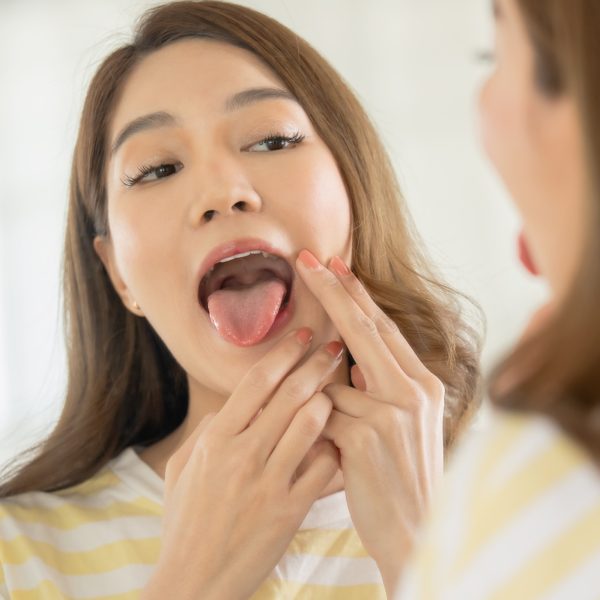
Some flavour chemists describe patchouli as having a complex flavour profile, including notes of “damp soil, moss, tobacco, and a hint of dark chocolate”, largely attributable to its aromatic compounds: primarily sesquiterpenes and sesquiterpenols (4). Whilst it belongs to the Lamiaciae (mint) family, this is not a fresh green tasting plant — it has a persistent and tenacious darkness; an earthy character that contrasts strongly with many other plants in this family (4). Interestingly, the best time to harvest this herb is in the wet seasons of its native Southeast Asia — which may explain in part its damp energetic qualities, which are explored later (2).

The taste of patchouli
The below qualities are derived from organoleptic assessment.
-
Into the heart of patchouli
Patchouli essential oil is broadly safe, and has a very high yield (1–3% or 1 kg of oil from 30–50 kg of dried herb) (4,10). It is understood to be simultaneously calming yet gently stimulating, which is why it creates a grounding yet non-sedative effect (2). During processing, the leaves are often left to ferment slightly prior to distillation, deepening its grounding aromatic notes, and longer distillation times (up to 20 hours) can improve the depth and intensity of the oil and its aroma (10).
Considered energetically sweet, warm or neutral in traditional Chinese medicine (TCM), patchouli has an affinity for the elements of earth and water, helping nourish Heart and Kidney yin, strengthen the Spleen, and invigorate the Blood (2,10). This makes it useful in conditions where there is Qi-deficiency, which can include weakened immunity, loose stools, chronic anxiety or dissociation (2).
-
What practitioners say
 Integumentary system (skin)
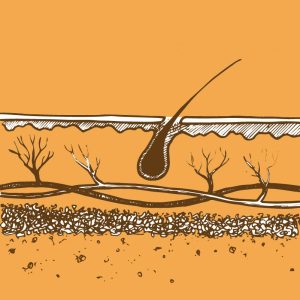
Traditional systems of medicine have shown patchouli to be effective in topical treatment of skin conditions such as dry, cracked skin; it is understood to both moisten tissue and regenerate skin elasticity (10). Aqueous, organic and essential oil extracts have been scientifically shown to be effective against multiple bacterial strains, mainly due to the high pogostone and (−)-patchoulol content (7,9). These constituents have very wide therapeutic effects against bacteria including E. coli, B. subtilis, S. aureus and E. aerogenes (7). Its anti-inflammatory venotonic actions make it effective for the treatment of varicose veins or phlebitis when used in topical blends (creams or oils) (2).
Digestive system
In modern Western aromatherapy or herbal practice, internal use of the essential oil is not usually recommended, so the dried leaves are used internally instead. When taken internally as an infusion or dried plant extract, patchouli has a relaxant action, alleviating both pain and stress, along with a restorative action on the gastrointestinal tract, improving inflammatory or dysbiotic conditions — since the digestive and nervous systems are intrinsically linked, its symbiotic combination of actions are especially helpful (2,7,10)
Nervous system
When inhaled, the essential oil can be helpful for those who are placing too much emphasis on their spiritual or psychic experiences and need to come back “down to earth” or “into their body” (12).
-
Patchouli research

Patchouli (Pogostemon cablin) Patchouli alcohol restores gut homeostasis in irritable bowel syndrome with diarrhea through myosin Va-mediated neurotransmitter regulation
This 2025 animal study observed the effect of patchouli alcohol (one of patchouli’s active constituents) on rats with IBS-D. The researchers identified that IBD-D typically involves dysregulated gastrointestinal motility, an imbalance of excitatory and inhibitory neurons, and much-reduced myosin Va expression in chronic restraint stress-induced IBS-D rats. The Patchouli alcohol treatment was found to significantly improve symptoms and restore the animals’ intestinal microbiota balance as well as the enteric nervous system homeostasis (13)
Patchouli alcohol ameliorates depression-like behaviors through inhibiting NLRP3-mediated neuroinflammation in male stress-exposed mice
A 2023 animal study investigated the effects of patchouli alcohol on male mice who were exposed to mild stress for four weeks, then administered intraperitoneally with patchouli alcohol at dosages between 10–40 mg once daily for three weeks. Results from neuroinflammation and behavioural analysis showed that patchouli alcohol alleviated depressive-like symptoms in the mice (14). However, this was inconclusive and in vivo randomised controlled trials should be conducted in humans before conclusions are drawn.
Pogostemon cablin essential oil affects anxiety- and depressive-like behaviors and the gut microbiota in chronic unpredictable mild stress model rats
A 2024 animal study researched both neurological impact and gastrointestinal microbiome changes in rats which had been exposed to chronic, unpredictable, mild stressors such as swimming tests, temperature changes or food/water deprivation,. They randomised the animals into four groups, and administered oral Pogostemon cablin essential oil once daily to several groups. The researchers found that serotonin (5-hydroxytryptamine, 5-HT) levels in the animals’ hippocampus had been decreased by the stressors but were restored by the patchouli essential oil administration.
They also found beneficial changes to the animals’ gut microbiota, which had been negatively impacted by the stressors, suggesting that oral patchouli could be indicated for the alleviation of anxiety and depression-like behaviours; but clearly, human trials are needed to explore this assertion further (15).
-
Historical use of patchouli
Throughout its native habitat and geographic range, particularly India and China, patchouli leaves, extracts and essential oil have (and continue to be) used for alleviating colds, headaches, fever, nausea and vomiting, diarrhoea, abdominal pains, or for treating insect and snake bites (7). TCM formulae like Baoji Pill and Houdan Pill contain patchouli for the treatment of inflammatory disorders (7).
-
Patchouli’s herbal actions
Herbal actions describe therapeutic changes that occur in the body in response to taking a herb. These actions are used to express how a herb physiologically influences cells, tissues, organs or systems. Clinical observations are traditionally what have defined these actions: an increase in urine output, diuretic; improved wound healing, vulnerary; or a reduction in fever, antipyretic. These descriptors too have become a means to group herbs by their effects on the body — herbs with a nervine action have become the nervines, herbs with a bitter action are the bitters. Recognising herbs as members of these groups provides a preliminary familiarity with their mechanisms from which to then develop an understanding of their affinities and nuance and discern their clinical significance.
Western actions
Ayurvedic actions
-
Patchouli’s energetic qualities
Herbal energetics are the description that herbalists have given to plants, mushrooms, lichens, foods and some minerals based on the direct experience of how they taste, feel and affect the body. All traditional health systems use these principles to explain how the environment impacts health, according to each of their philosophies and frameworks. These assessments of individual herbs, though they often do align, can differ from one another due to cultural differences regarding perspectives on how herbs taste versus their physiological effects. Find out more about traditional energetics in our article An introduction to herbal energetics.
Ayurvedic energetics
Ayurvedic energetics are assigned according to Bhavaprakash by Acharya Bhavamishra and Ayurvedic Medicine: The Principles of Traditional Practice by Sebastian Pole.
Western energetics
Western energetics here are informed by The Energetics of Western Herbs by Peter Holmes, as well as traditional materia medica from Culpeper and Dioscorides.
Chinese energetics
Chinese energetics align with Bensky’s Chinese Herbal Medicine: Materia Medica.
-
What can I use patchouli for?

Patchouli (Pogostemon cablin) Patchouli is an important aromatic plant in Southeast Asia, and traditional Chinese medicine documents a long history of its use as an oral liquid extract or in dried plant extract tablets (5–7). Today it is most commonly used and studied in its essential oil form, in the context of aromatherapy (5–7).
Patchouli essential oil can be used to treat health conditions that span the nervous, circulatory, immune, musculoskeletal and digestive systems (3). In aromatherapy, it is valued for its ability to treat inflammatory fungal and bacterial skin conditions (for example, athlete’s foot, acne, cracked heels or eczema) without negatively impacting the skin’s own bacterial microbiome (2,8,9). It is insect-repellent, anti-inflammatory and reduces sympathetic nervous system activity when inhaled, leading to a calming effect (8). It is a circulatory tonic and can be applied in topical blends to treat varicose veins or phlebitis (3,9). It is both carminative and appetite regulatory, and useful in digestive conditions where regulation and astringency is needed (3).
Emotionally and psychologically, it indicated for those who feel anxious, insecure, or disconnected from events or themselves (10). It is relaxant and especially useful in conditions where overstimulation occurs, or where there are challenges with sensory processing and/or integration, or sensory-emotional dysregulation — this can include conditions like ADHD, visual or hearing conditions, proprioception or vestibular challenges, and dysregulated interoception (internal cues that signal hunger, thirst or temperature, since it can reduce hyperfunctioning of key areas of the brain (10,11).
As such people with ADHD, autism, PTSD, dissociative disorder, sensory integration disorder, and dyslexia may all find this oil of particular benefit (10).
Traditionally, it is considered a key aphrodisiac herb; it can improve sexual interest or inhibition through its relaxant properties (2,3,10).
-
Did you know?
Patchouli’s name comes from the Tamil: patchai, meaning green, and ilai, meaning leaf.



 Integumentary system (skin)
-
Botanical description
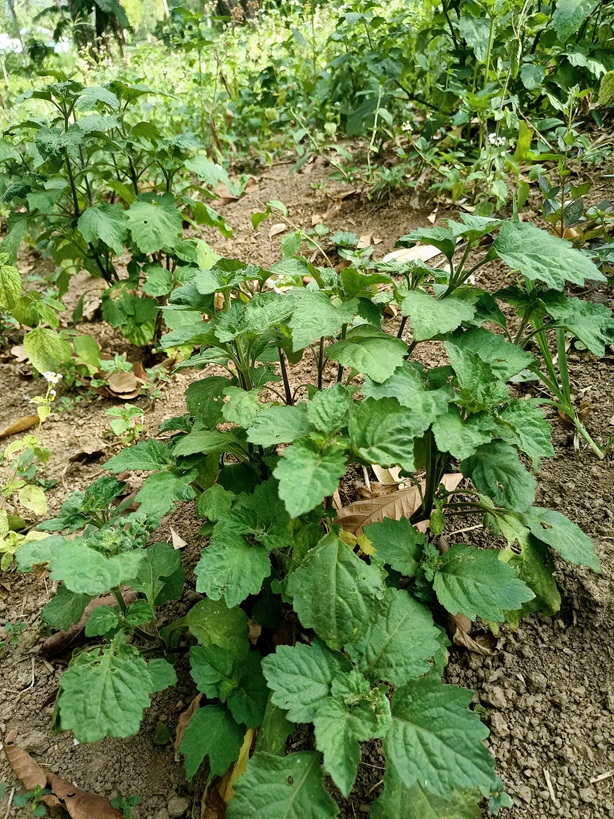
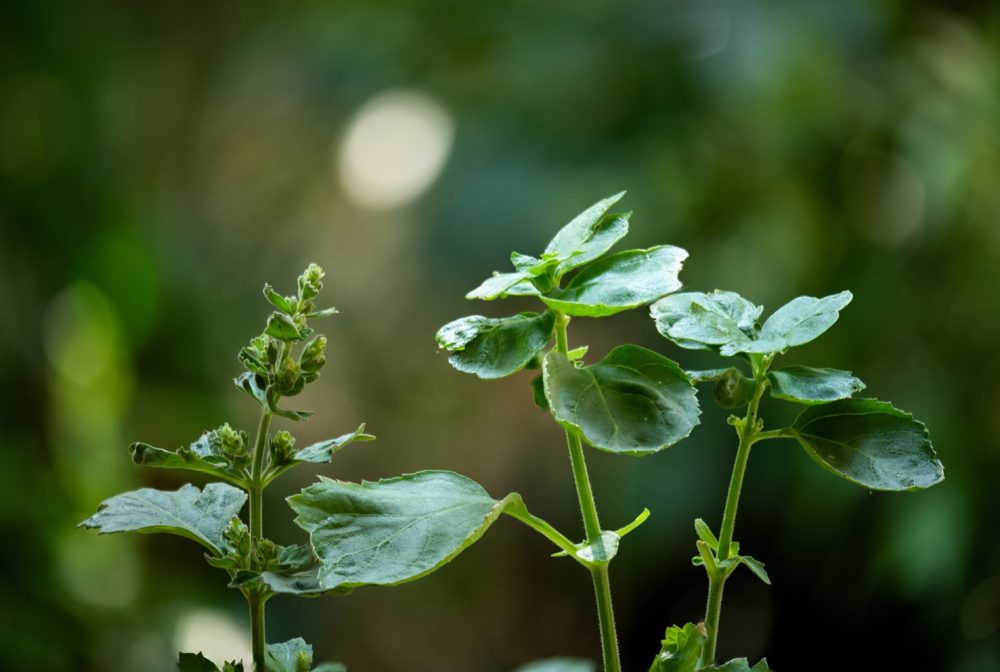
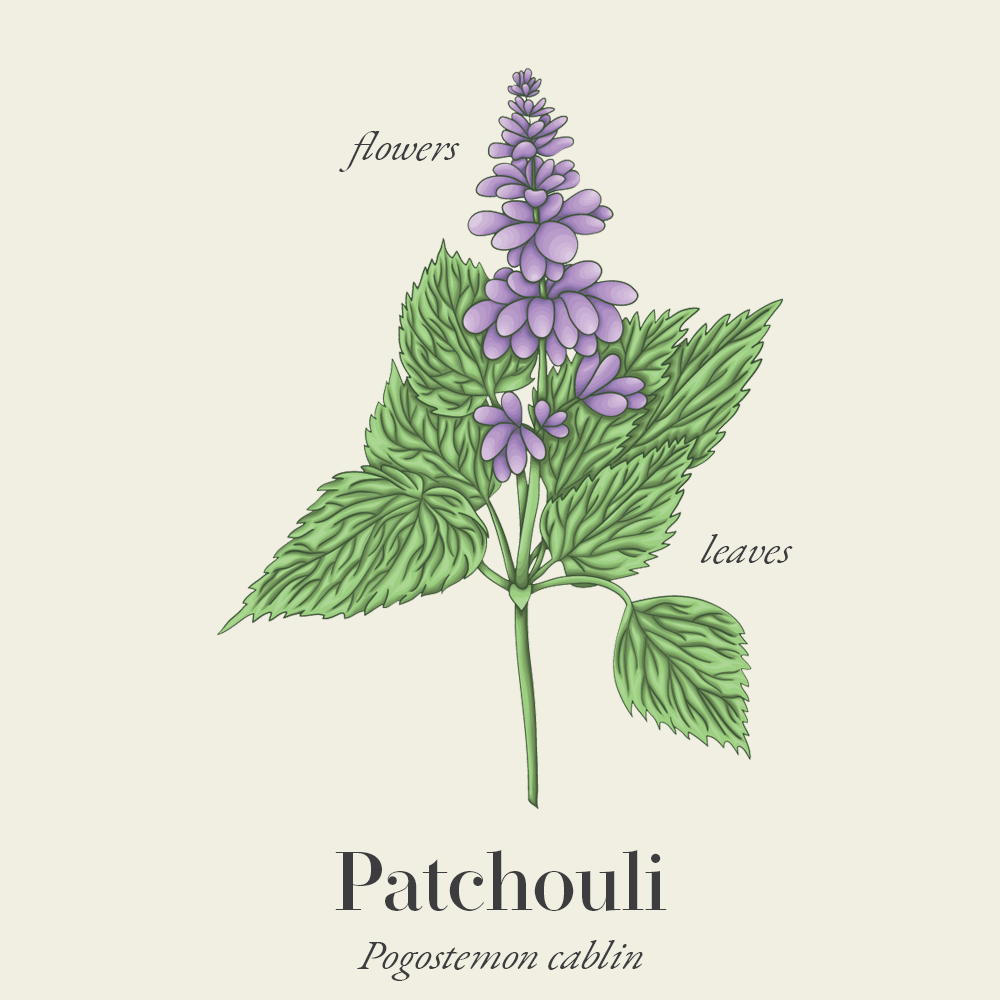
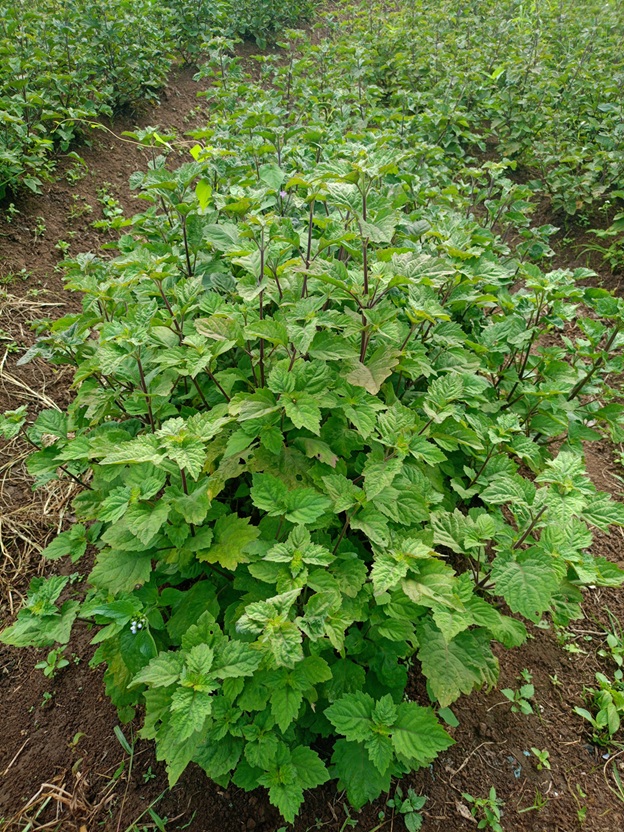
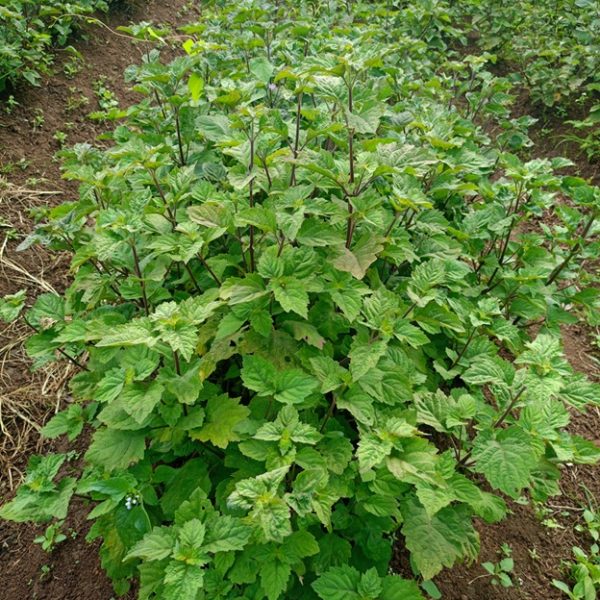
A shrub-like and perennial green, leafy plant growing up to 1 metre in height.
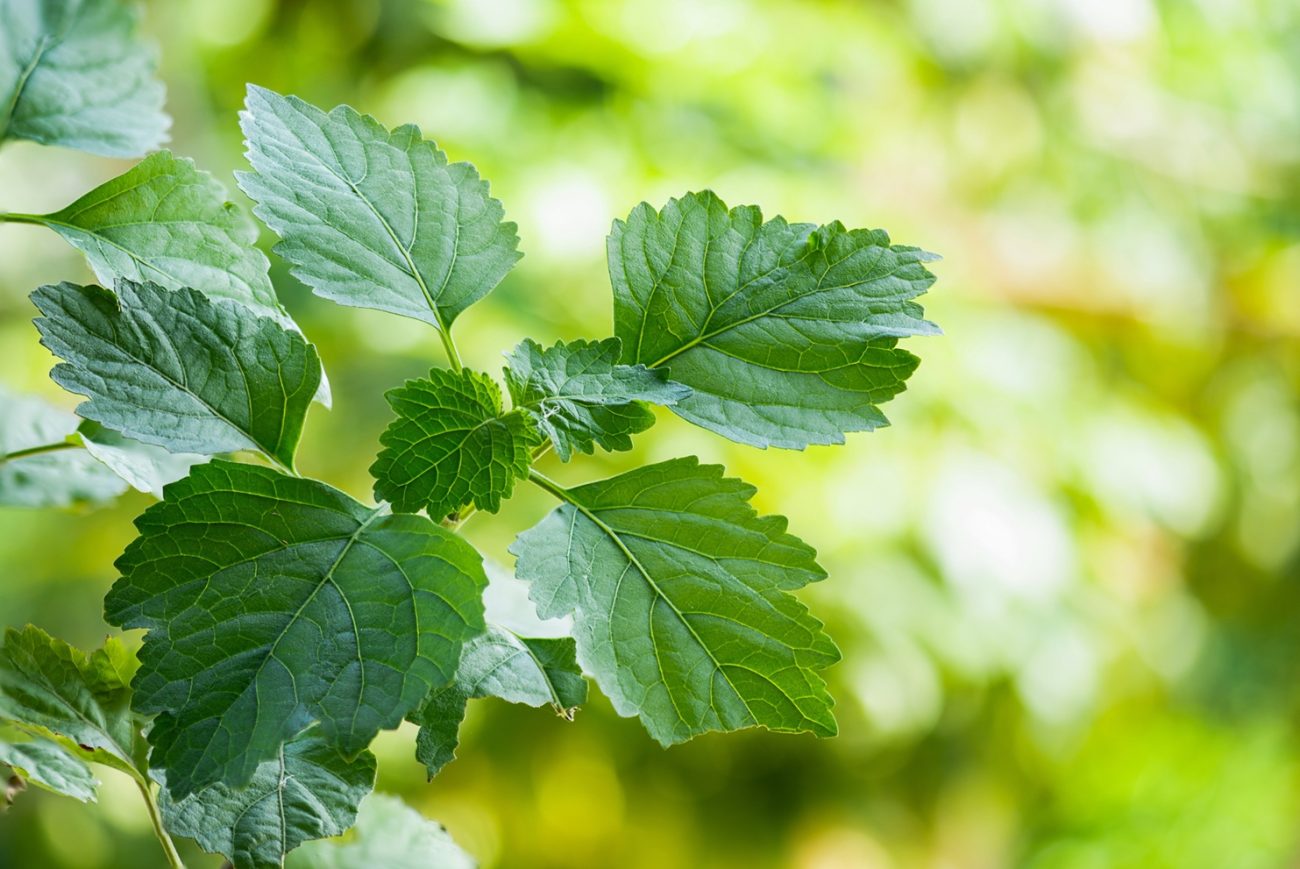
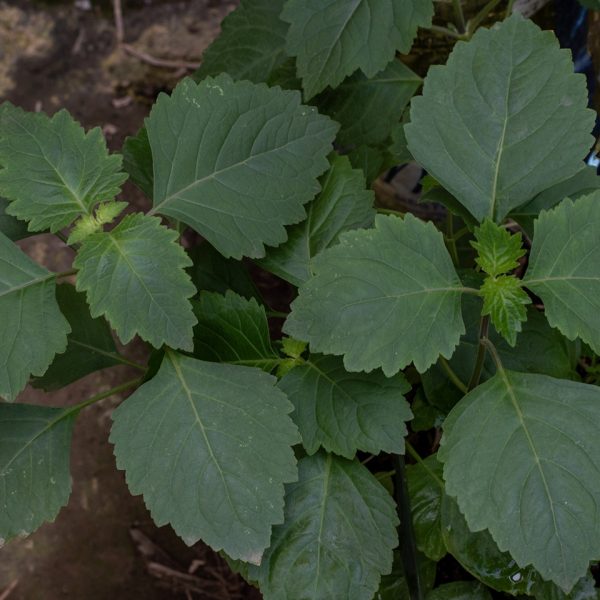
The plant has strongly fragrant leaves with opposite leaves along a branched stem.
Leaves are oval and irregularly toothed.
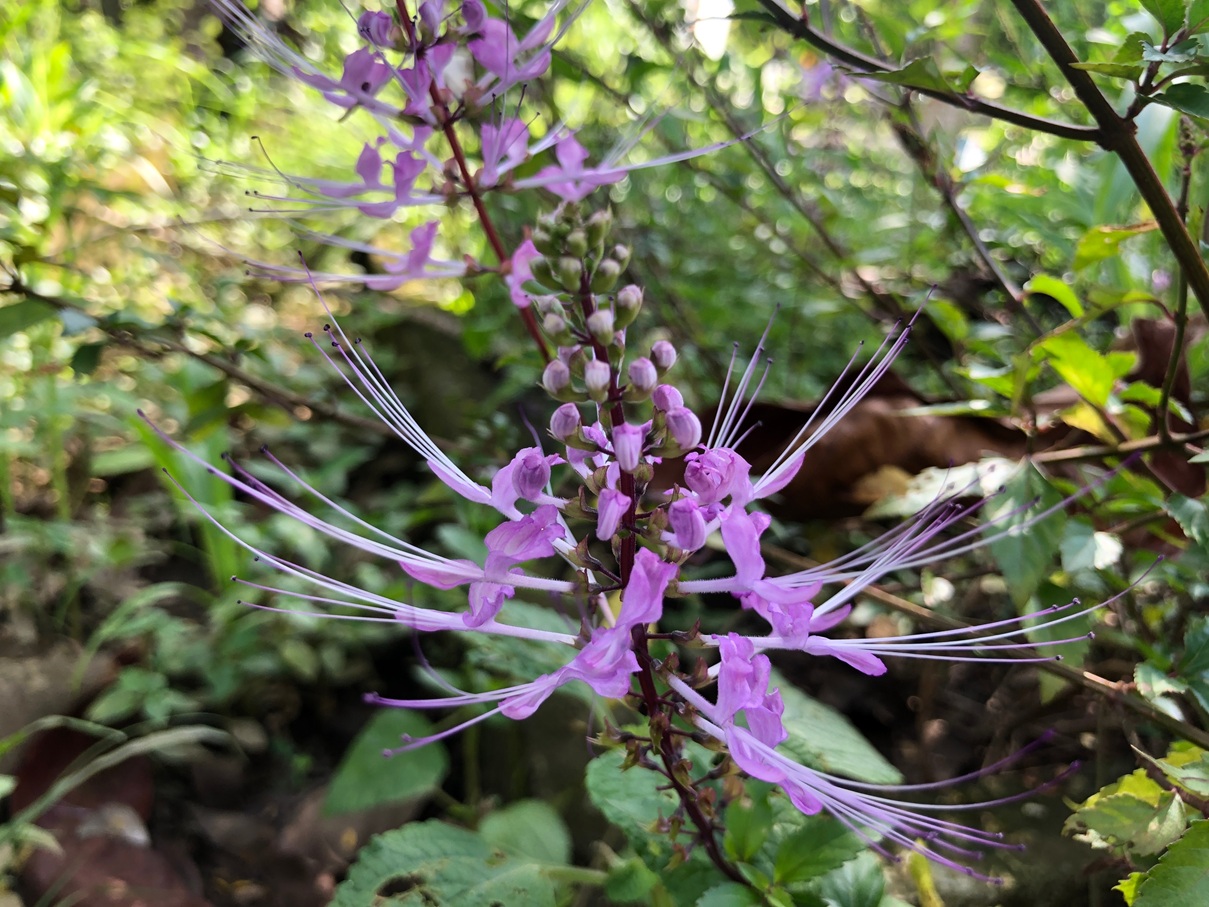
Stems and leaves are both hairy. When flowering, it has small purplish-white flowers (16).
-
Common names
- Patchouli
- Pachillai (Tamil)
- Guang huo xiang (Chinese)
- Nilam (Indonesian) (2,10,17)
-
Habitat
Patchouli is native to Tropical Southeast Asia, including Sri Lanka, Jawa, Lesser Sunda Islands, Malaya, New Guinea, Philippines, Sulawesi and Sumatera. It has been introduced to parts of China as well as Fiji, Germany, Hainan, Samoa, Taiwan, Thailand, Tonga, Trinidad-Tobago and Vietnam.
-
How to grow patchouli
Patchouli will grow in warm, damp climates and in fertile, well-draining soil. It prefers full to partial sun and can be grown from cuttings (16,18).
-
Herbal preparation of patchouli
- Infusion
- Essential oil (diluted in base oil, cream or salve)
- Essential oil (Inhalation) (2,8–10)
-
Plant parts used
Leaves (often fermented before distillation into essential oil) (8,10)
-
Dosage
- Infusion of dried herb: There is no verifiable source that states a consensus on dosage but commercial suppliers of patchouli leaves recommend between 1–5 g of the dried herb per 250 ml of boiled water, infused for several minutes. However, these are not medicinal guidelines (19–21).
- Topical use: 2–4% of EO diluted in base oil, cream or salve (8,10)
- Inhalation: 2–3 drops of EO in water for a diffuser (10)
-
Constituents
Principal aromatic compounds:
- Sesquiterpene alcohols: (-)-patchoulol (patchouli alcohol) (17.5 >32.3%)
- Sesquiterpene hydrocarbons: α-bulnesene (8.7-20.7%), α-guaiene (8.8-15.3%) (22,23)
-
Patchouli recipe
Grounding body–mind inhalation blend
An aromatherapeutic essential oil blend to restore connection between the mind and body.
Ingredients
- 3 drops patchouli (Pogostemon cablin) essential oil
- 1 drop cedar Atlas (Cedrus atlantica) essential oil
- 2 drops petitgrain (Citrus x aurantium var. amara) essential oil
How to make a patchouli inhalation
Add the essential oils directly to a diffuser containing water to scent a room, or drop them onto the wick of an inhaler stick, and gently inhale as needed.

-
Safety
The essential oil of patchouli is low-risk in terms of its allergenic impact (2,8,10,22). It does not have a maximum dermal use dilution recommendation (22).
Caution is advised when taking this herb or its oil alongside anticoagulant medications or undergoing major surgery, and in cases of haemophilia and other bleeding disorders, since it may inhibit blood clotting due to its antiplatelet activity, which is attributed to its α-bulnesene content (22).
-
Interactions
Anticoagulant medications (22)
-
Contraindications
Haemophilia and other bleeding disorders. No other known contraindications (2,8,10,22).
-
Sustainability status of patchouli
Pogostemon cablin has not been assessed by The IUCN Red List of Threatened Species (IUCN) (24). Species+ does not have any data for this species (25).
Patchouli is a commercially important plant and is farmed across its native range, since it is highly prized by the perfume industry as well as by aromatherapy. Large corporations invest in sustainable production of the oil (26,27). However, a 2025 scientific study on risk management in the sustainable patchouli supply chain in Indonesia identified key sustainability risks with essential oil production to be the use of wood as distillation fuel, limited innovation, restricted access to business capital, a lack of organised farming networks, and a lack of organic fertiliser production (28).
Furthermore, the plant is subject to drought stress which affects both propagation and oil yield; this is on the rise due to climate warming, so studies are being conducted into the development of regeneration protocols that harness gene expression, enhancing specific transformation frequencies (29)
Read our article on Herbal quality & safety: What to know before you buy and Sustainable sourcing of herbs to learn more about what to look for and questions to ask suppliers about sustainability.
-
Quality control
Patchouli is subject to persistent adulteration in the supply chain (10,22) so care must be taken to source high-quality 100% pure essential oil. Interestingly, whereas many essential oils degrade in quality over time, patchouli’s aroma often improves over time — a phenomenon that has been compared to fine wine (17).
-
References
- So you think you hate… patchouli? The Perfume Society. Published August 28, 2019. Accessed August 31, 2026. https://perfumesociety.org/so-you-think-you-hate-patchouli/
- Mojay G. Aromatherapy for Healing the Spirit: A Guide to Restoring Emotional and Mental Balance Through Essential Oils. Gaia Books; 1999.
- Caddy R. Essential Oils in Colour. Amberwood Publishing; 1997.
- Patchouli as a natural flavoring: a comprehensive technical guide. Flavorist. Published April 18, 2026. Accessed August 31, 2026. https://www.flavorist.com/patchouli-as-a-natural-flavoring-a-comprehensive-technical-guide/
- Chen J, Xie X, Li M, et al. Pharmacological activities and mechanisms of action of Pogostemon cablin Benth: a review. Chin Med. 2021;16(1):5. https://doi.org/10.1186/s13020-020-00413-y
- Patchouli in perfumery: depth, warmth and sensual comfort. L’Atelier Parfum. Published April 17, 2025. Accessed August 31, 2026. https://uk.latelierparfum.com/blogs/journal/patchouli
- Swamy MK, Sinniah UR. A comprehensive review on the phytochemical constituents and pharmacological activities of Pogostemon cablin Benth.: an aromatic medicinal plant of industrial importance. Molecules. 2015;20(5):8521-8547. https://doi.org/10.3390/molecules20058521
- Martin I. Aromatherapy for Massage Practitioners. Lippincott Williams & Wilkins; 2007.
- Price S, Price L. Aromatherapy for Health Professionals. 4th ed. Churchill Livingstone Elsevier; 2012.
- Holmes P. Aromatica: A Clinical Guide to Essential Oil Therapy. Vol 1. Singing Dragon; 2016.
- What is sensory integration? Sensory Integration Education. Accessed August 31, 2026. https://www.sensoryintegrationeducation.com/pages/what-is-si
- Battaglia S. The Complete Guide to Aromatherapy. Vol 3: Psyche and Subtle. Black Pepper Creative; 2021.
- Chen W, Li T, Lin Y, et al. Patchouli alcohol restores gut homeostasis in irritable bowel syndrome with diarrhea through myosin Va-mediated neurotransmitter regulation. Phytomedicine. 2025;141:156681. https://doi.org/10.1016/j.phymed.2025.156681
- He H, Xie X, Zhang J, et al. Patchouli alcohol ameliorates depression-like behaviors through inhibiting NLRP3-mediated neuroinflammation in male stress-exposed mice. J Affect Disord. 2023;326:120-131. https://doi.org/10.1016/j.jad.2023.01.065
- Ouyang P, Kang D, You W, Shen X, Mo X, Liu Y. Pogostemon cablin essential oil affects anxiety- and depressive-like behaviors and the gut microbiota in chronic unpredictable mild stress model rats. Front Nutr. 2024;11:1303002. https://doi.org/10.3389/fnut.2024.1303002
- The Editors of Encyclopaedia Britannica. Patchouli. Encyclopaedia Britannica. Updated August 3, 2026. Accessed August 31, 2026. https://www.britannica.com/plant/patchouli
- Patchouli essential oil: benefits, uses & insights. AromaWeb. Accessed August 31, 2026. https://www.aromaweb.com/essential-oils/patchouli-essential-oil.php
- Grant A. Patchouli cultivation: how to grow a patchouli herb plant. Gardening Know How. Published October 19, 2014. Updated May 24, 2021. Accessed August 31, 2026. https://www.gardeningknowhow.com/edible/herbs/patchouli/growing-patchouli-herb-plant.htm
- Patchouli leaf tea. Rich Sol Foods. Accessed August 31, 2026. https://richsolfoods.com/products/patchouli-leaf-tea
- Patchouli leaves. Herbal Sense Life. Accessed August 31, 2026. https://herbalsense-life.com/product/patchouli-leaves/
- Patchouli herbal tea. Warrior Apothecary. Published February 17, 2023. Accessed August 31, 2026. https://warriorapothecary.com/product/patchouli-herbal-tea/
- Tisserand R, Young R. Essential Oil Safety: A Guide for Health Care Professionals. 2nd ed. Churchill Livingstone Elsevier; 2014.
- Ohloff G, Pickenhagen W, Kraft P. Scent and Chemistry: The Molecular World of Odors. Verlag Helvetica Chimica Acta; 2012.
- IUCN. The IUCN Red List of Threatened Species. Accessed August 31, 2026. https://www.iucnredlist.org/en
- UNEP-WCMC. Species+. Accessed August 31, 2026. https://speciesplus.net/species#/taxon_concepts?taxonomy=cites_eu&taxon_concept_query=pogostemon&geo_entities_ids=&geo_entity_scope=cites&page=1
- From soil to scent: Indesso’s responsible patchouli journey. Perfumer & Flavorist. Published April 27, 2026. Accessed August 31, 2026. https://www.perfumerflavorist.com/fragrance/ingredients/article/22965088/indesso-aroma-pt-from-soil-to-scent-indessos-responsible-patchouli-journey
- Sulawesi: sustainable patchouli production. Givaudan Foundation. Accessed August 31, 2026. https://www.givaudan-foundation.org/projects/sulawesi-patchouli
- Keumalasari S, Hamid AH, Indra I, Nugroho A. Risk management in sustainable patchouli supply chain. Int J Saf Secur Eng. 2025;15(5):963-972. https://doi.org/10.18280/ijsse.150510
- Warsi ZI, Khatoon K, Singh P, Rahman LU. Enhancing drought resistance in Pogostemon cablin (Blanco) Benth. through overexpression of ACC deaminase gene using thin cell layer regeneration system. Front Plant Sci. 2023;14:1238838. https://doi.org/10.3389/fpls.2023.1238838
Meet our herbal experts
Our monographs are written by our monograph authors and edited, reviewed and updated by Herbal Reality.
Meet our Herbal Reality team or explore our Herbal Reality authors.