












Last reviewed 20/08/2024
Sustainability status
Not currently on risk lists but complete data may be missing on the status of the species. Read more in our sustainability guide.

-
Herb overview
Safety
Generally safe and well tolerated. Avoid in pregnancy.
Sustainability
Low risk/Green
FairWildKey constituents
Volatile oils
Diterpenes (carnosol)
FlavonoidsQuality
Mediterranean Europe
Commercial sources largely cultivated
Low adulteration/ contamination risksKey actions
Circulatory stimulant
Nervine
Antimicrobial
Anti-inflammatoryKey indications
Cognitive decline
Convalescence
Fatigue
AnxietyKey energetics summary
Warming
DryingSee below for discipline-specific energeticsPreperation and dosage
Leaf
Tincture (1:2| 45%): 3–6 ml per day
Infusion/decoction: 6–12 g daily
-
How does it feel?
Upon picking a rosemary leaf, crushing it and smelling it, the aroma is instantly familiar — intense, aromatic and with a strong camphor-like quality. The taste develops slowly in the mouth, beginning with the aromatic flavour, then the camphor comes through, with a slight bitterness that slowly builds. Both the camphor and bitter flavours linger on the palate.
The stimulating quality of rosemary can be felt almost straight away; the smell immediately awakens the senses and brings a quality of clarity and clear headedness. Upon tasting, the circulatory quality can be felt as the stimulating sensation travels to the head and the eyes, as well as downward.

-
Into the heart of rosemary

Rosemary (Salvia rosmarinus) Rosemary is a warming and uplifting herb, evoking a tonifying and clarifying action on the mind, digestion and joints. Breathing in the scent of rosemary is known to lift low moods and bring about a sense of clarity and awareness. Traditionally, its bitter action on the liver was known to alleviate ‘liverishness’ associated with an accumulation of yellow bile and feelings of malaise (5,6). Its warming quality makes it useful in treating conditions associated with cold, including colds, flus and coughs or illness that manifests as chills or shivers (6).
Rosemary is pungent, aromatic and stimulating. It improves blood supply to the digestive, nervous and musculoskeletal systems, removing congestion and chronic inflammation. The volatile oil rosmarinic acid, calms digestive irritation whilst stimulating metabolism, specifically in the breakdown of fats.
Rosemary has long been known for ‘remembrance’, supporting memory and cognition. It also has protective connotations and has been used to ward off negativity and promote a sense of renewal and clarity (5,6).
-
What practitioners say
 Nervous system
Rosemary improves cerebral circulation and reduces neuroinflammation, enhancing cognitive processes such as learning, memory and concentration. It has traditionally, and is still used today by students prior to exams to aid with learning and memory recall (3,6). Rosemary’s antioxidant properties contribute to its neuroprotective quality by reducing oxidative stress and inflammation in the nervous system and helping to reduce the risk of neurological conditions including dementia and Parkinson’s disease (7). Rosemary is often included in a herbal prescription to treat low mood, depression and feelings of sluggishness. It is recognised as a herb that reduces anxiety, uplifts mood and increases energy levels (8).
Digestive system
Rosmarinic acid is a key constituent often attributed to rosemary’s antimicrobial properties, which have been shown to be effective against a variety of fungal and bacterial pathogens including S. aureus, E. coli, Salmonella and Candida species (9). Rosmarinic acid has also been shown to downregulate harmful bacteria in the gut and increase populations of beneficial bacteria (10). This in turn, has supported the gut wall barrier and reduced inflammation in the gut (10). These actions indicate rosemary in the treatment of chronic inflammatory conditions affecting the digestive system. Rosemary’s carminative actions help to reduce bloating, gas and abdominal cramps and facilitate effective digestive function (11).
The presence of carnosic acid in rosemary extracts has been associated with an inhibition of pancreatic and gastric lipase enzymes which leads to decreased fat absorption and increased fat excretion (12). Rosemary stimulates various different pathways responsible for hepatic fatty acid oxidation including AMPK and PPAR pathways; both of which enhance the body’s ability to breakdown and utilise fat for energy within the body. Rosemary, therefore, can be effective in reducing fat absorption whilst increasing fat oxidation, helping to reduce hyperlipidaemia and risk of obesity (13).
Respiratory system
Rosemary is a decongestant and can be used to break up mucus and encourage its removal from the body via the lungs (2,3). A tea made from the leaves and taken internally can be effective in treating respiratory infections due to its expectorant and antimicrobial actions. The tea can also be used externally as a steam inhalation to further promote expectoration and relieve phlegm or infection in the chest (5).
Rosemary also has antispasmodic actions and can be used to relieve spasm in the bronchial tubes such as in cases of asthma (1).
Musculoskeletal system
Rosemary has analgesic, anti-inflammatory and circulatory stimulant actions, which indicate it in the treatment of musculoskeletal pain and swelling. Extracts of rosemary have been shown to modulate COX-2 and nitric oxide, key inflammatory markers in the development of pain and inflammation (13,14). Its circulatory properties help to increase blood flow and reduce swelling and inflammation, facilitating a quicker and more effective recovery. Rosemary can be used to treat a range of musculoskeletal and rheumatic conditions including rheumatoid arthritis, osteoarthritis and gout (13,14). Rosemary can also help to prevent bone loss and promote recovery following a broken bone. It can improve bone density and calcium levels, coupled with its anti-inflammatory action can support effective and rapid healing (15).
Rosemary can be used topically as an essential oil dilute in a carrier oil to relieve pain and reduce inflammation including for muscle aches and pains, joint pains, stiffness and rheumatic pain (4). The essential oil can also be added directly to a bath along with lavender (Lavandula angustifolia) to relieve stiffness, pain and promote relaxation.
Skin health
Rosemary can be applied to treat a variety of skin conditions including acne, rosacea and eczema due to its antimicrobial and anti-inflammatory actions. Its potent antioxidant content also makes rosemary an excellent addition to a rejuvenative skincare regime (16).
Rosemary can stimulate hair growth by increasing circulation to the scalp and reducing inflammation. It can be used as a rinse, or in an oil massaged into the scalp to treat dandruff, dry scalp or seborrheic dermatitis (1).
-
Rosemary research

Rosemary (Salvia rosmarinus) The effect of lavender and rosemary aromatherapy application on cognitive functions, anxiety, and sleep quality in the elderly with diabetes
This study was carried out amongst 65 patients aged 65 and above to explore the effect on cognitive function, anxiety and sleep quality. The participants were divided into three groups: lavender essential oil, rosemary essential oil and the control group. The intervention was carried out over four weeks and measured. After the four weeks, the cognitive function, anxiety and sleep scores were significant compared to placebo, suggesting that rosemary is effective in improving cognitive function and sleep quality and reducing anxiety (17).
Effects of continuous intake of rosemary extracts on mental health in working generation healthy Japanese men: Post-hoc testing of a randomised controlled trial
An initial clinical trial was carried out, however this follow up explored rosemary in those with more severe depression as the initial trial was classified as mild. This post-hoc analysis was carried out amongst those with greater mood disturbance to evaluate the effects of rosemary on mental health. The results showed a marked improvement in the rosemary group for anxiety, fatigue, daytime sleepiness and depletion, suggesting that rosemary is effective in supporting mood related disorders (8).
Effects of Rosmarinus officinalis L. on memory performance, anxiety, depression, and sleep quality in university students: A randomised clinical trial
This double-blinded randomised controlled trial was carried out to evaluate the effects of oral rosemary on depression, anxiety, memory and sleep quality in university students. All the 68 participants received 500 mg rosemary or placebo twice daily over one month. The results showed a significant reduction in depression and anxiety scores, as well as an increase in memory performance in the rosemary group compared to placebo (18).
Exploring the therapeutic potential of rosemary in metabolic syndrome: From traditional use to modern research
This analysis was carried out amongst papers from 2016–2025 to evaluate the effect of rosemary on metabolic syndrome. The study found various constituents of rosemary as being primarily responsible for its therapeutic action including rosmarinic acid, carnosic acid and carnosol. Rosemary was found to help manage metabolic syndrome by enhancing insulin sensitivity, improving lipid metabolism and reducing inflammation and oxidative stress (19).
Therapeutic advantage of pro-electrophilic drugs to activate the Nrf2/ARE pathway in Alzheimer’s disease models
Alzheimer’s disease is impacted by oxidative stress causing synaptic and neuronal loss. Carnosic acid in rosemary and sage is a pro-electrophilic compound activated by oxidative stress to stimulate the Keap1/Nrf2 pathway, which in turn increases the production of antioxidants. In vivo and in vitro studies concluded carnosic acid treatment twice weekly for three months improved learning, memory and increased dendritic and synaptic markers while reducing plaque formation. This suggests rosemary and sage as a promising treatment in the prevention of neurodegenerative disease by increasing antioxidant action offering a neuroprotective action (20).
-
Historical use of rosemary
In traditional folklore, rosemary was used for a wide range of applications. European traditions employed the herb for digestive problems with flatulence and bloating, as a tonic to raise the spirits and to promote recovery from illness. It was seen to stimulate circulation, especially to the head, as well as being associated with the heart (5,6).
The Roman physician Dioscorides, described rosemary as the following: “the eating of its flower in a preserve comforts the brain, the heart and the stomach; sharpens understanding, restores lost memory, awakens the mind, and in sum is a healthy remedy for various cold ailments of the head and the stomach”. Rosemary was prescribed by Galen, Hippocrates and Dioscorides to treat liver problems (5).
-
Rosemary’s herbal actions
Herbal actions describe therapeutic changes that occur in the body in response to taking a herb. These actions are used to express how a herb physiologically influences cells, tissues, organs or systems. Clinical observations are traditionally what have defined these actions: an increase in urine output, diuretic; improved wound healing, vulnerary; or a reduction in fever, antipyretic. These descriptors too have become a means to group herbs by their effects on the body — herbs with a nervine action have become the nervines, herbs with a bitter action are the bitters. Recognising herbs as members of these groups provides a preliminary familiarity with their mechanisms from which to then develop an understanding of their affinities and nuance and discern their clinical significance.
-
Rosemary’s energetic qualities
Herbal energetics are the description that herbalists have given to plants, mushrooms, lichens, foods and some minerals based on the direct experience of how they taste, feel and affect the body. All traditional health systems use these principles to explain how the environment impacts health, according to each of their philosophies and frameworks. These assessments of individual herbs, though they often do align, can differ from one another due to cultural differences regarding perspectives on how herbs taste versus their physiological effects. Find out more about traditional energetics in our article An introduction to herbal energetics.
-
What can I use rosemary for?

Rosemary (Salvia rosmarinus) Rosemary has long been known as a brain tonic and associated with improving cognition and memory. As a circulatory stimulant, rosemary increases blood flow to the brain, helping to bring clarity, awareness and alertness, as well as support memory. Rosemary can increase energy and vitality during a period of convalescence following illness, fatigue or low energy (1,2).
Rosemary is rich in volatile oils and these have potent antimicrobial and anti-inflammatory actions affecting the digestive and respiratory systems. Rosemary is a carminative and helps to treat digestive issues, specifically those affected by dysbiosis by regulating the gut flora and treating gastric infections (1,2,3). The bitters in rosemary support liver function and help in the breakdown of fats and aid elimination.
Rosemary’s antiviral and antioxidant actions make it helpful in treating viral infections and reducing inflammation in chronic inflammatory disorders including chronic fatigue and post viral syndromes. These actions also lend itself to reducing neuroinflammation and helping to prevent neurodegenerative disorders (3,4).
-
Did you know?
As Shakespeare reminded us in Hamlet, rosemary was known as the herb of remembrance, and was placed at burial sites to ensure that the memory of the departed would not be lost by their loved one.
Rosemary was traditionally used to preserve meat due to its powerful antimicrobial properties (20).




 Nervous system
-
Botanical description
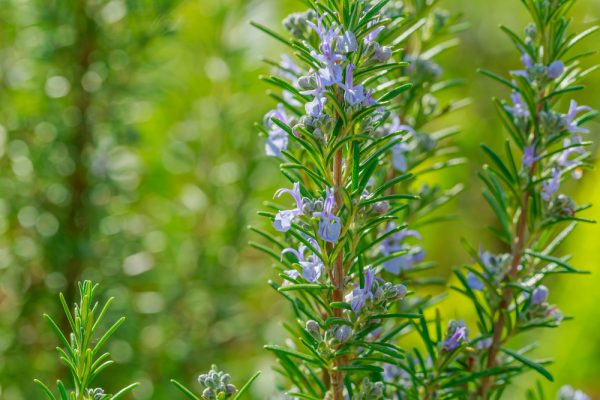
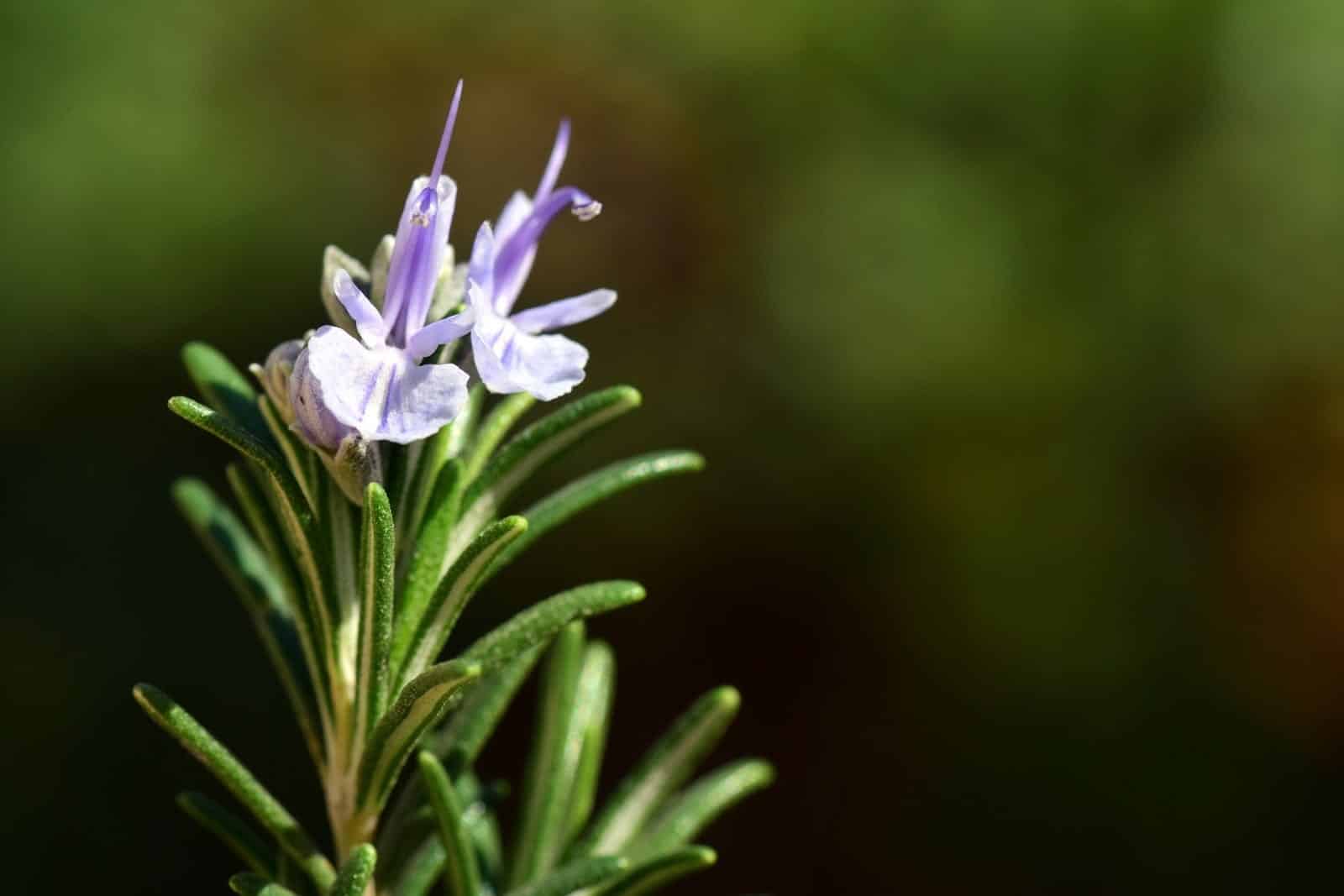
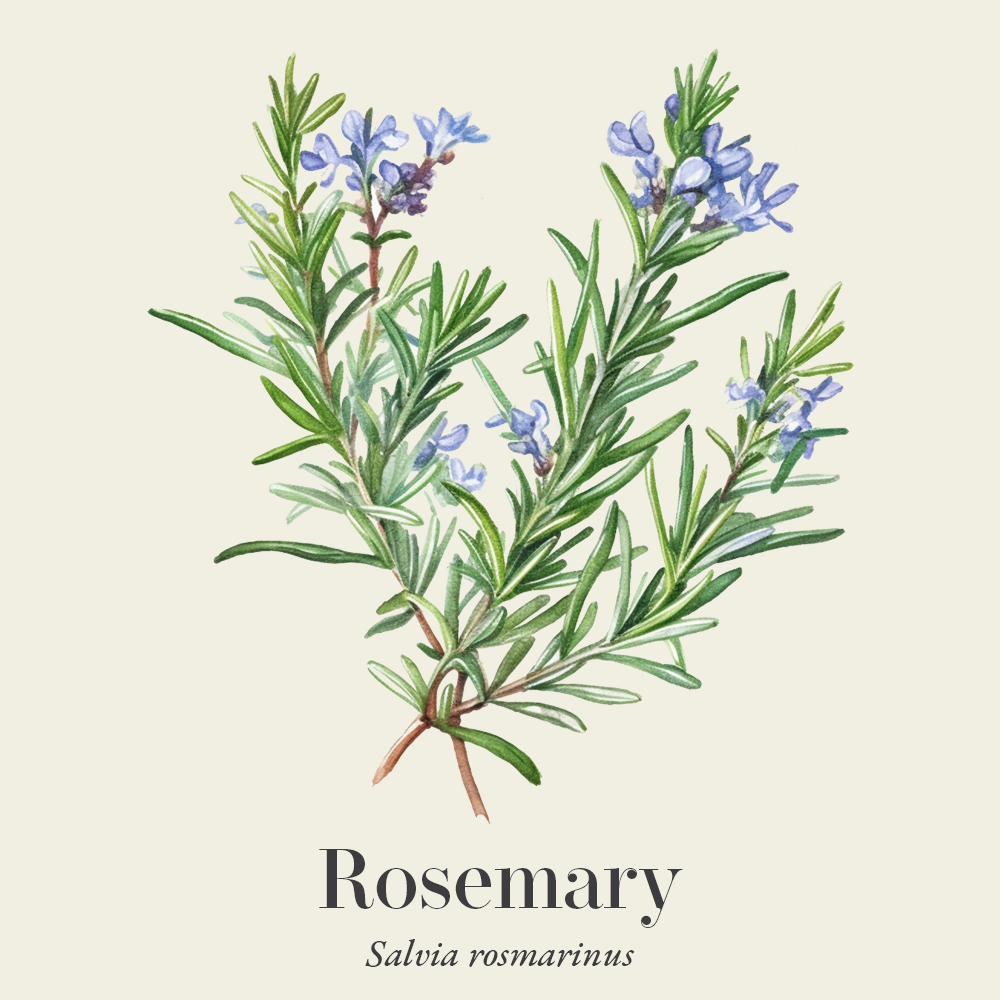
Rosemary is a hardy evergreen perennial shrub with woody stems that reaches up to two meters high but is often found in gardens in smaller sizes in the UK.
The leaves are linear and needle-like and are sessile and arranged oppositely along the stem. They are dark green on top and a lighter whitish green on the underside of the leaf.
The flowers are small, tubular and two lipped and are usually pale blue or white, with some varieties having pink or purple flowers. The fruit consists of four small nutlets, usually smooth and about 2 mm in length (24).
-
Common names
- Polar plant
- Compass plant (Eng)
- Rosmarin (Ger)
- Romarin (Fr)
- Rosmarino (Ital)
- Romero (Sp)
- Rujmari (Sanskrit)
-
Habitat
Rosemary is native to the Mediterranean where it thrives in hot summers and dryer climates. It prefers dry, sandy or rocky soils such as those found on mountain sides as it prefers full sun and well draining soils (25).
-
How to grow rosemary
Rosemary will thrive in dry Mediterranean like climates with long hot summers and mild winters, however it is hardy and will tolerate a UK winter without too much trouble. It can be grown from seed or cuttings. If growing from seeds, sow the seeds indoors in the early spring and leave to germinate for up to 10–12 weeks. Sow the seeds lightly on the surface of the soil and do not cover with compost as the seeds require light for germination. Keep the soil moist and the surrounding area warm to maximise the chances of germination. It can take up to 30 days.
Once the seedlings have reached 10 cm, harden them off before transplanting outdoors after the risk of frost has passed. Space the plants 10 cm apart in a sunny, warm and well draining position (29).

-
Herbal preparation of rosemary
- Tincture
- Infusion
- Powder
- Essential oil
-
Plant parts used
Leaf
-
Dosage
- Tincture (1:2| 45%): 3–6 ml per day
- Infusion/decoction: 2–4 g infused in water drank three times per day
- Other preparations: 1.5–3 g of powdered capsule or tablet per day (1,23)
-
Constituents
- Volatile oils (up to 1.75%): Verbenone (27%), camphor (24%), borneol (12%), 1,8-cineole, linalool, α-terpineol and caryophyllene
- Diterpenes: Carnosol, carnosic acid and 12-methoxycarnosic acid
- Flavonoids: Luteolin, ericitrin, hesperidin, diosmin, genkwanin, scutellarin, cirsimaritin
- Tannins
- Phenolic acids: Rosmarinic acid, vanillic acid, resin and salicylates
- Triterpenes: Oleanolic, ursolic and betulinic acids
- Vitamins: A, C, E
-
Rosemary recipe
Winter tonic elixir
This is a fun and easy-to-make winter tonic elixir with a mix of warming and energising herbs.
Ingredients
- 700 ml brandy
- 300 ml amaretto
- 20 g ginseng root
- 10 g astragalus
- 10 g (about two quills) cinnamon bark
- 5 g ashwagandha
- 5 g ginger root powder
- 2 sprigs rosemary
- 5 g orange peel
This makes 1 litre of tincture.
How to make a delicious winter warming tea
- Blend the liquids and soak the herbs in it for one month and then strain. Bottle half for you and half for a friend.
- Sip on cold winter nights to raise your spirits and keep you strong.
Liver-loving tea
The liver takes the brunt of the grunt work for metabolising wastes, so use this tea when you feel sluggish, your digestion is poor or you feel that you need a detox.
Ingredients
- 4 g dandelion root
- 3 g schisandra berries
- 2 g dandelion leaf
- 2 g fennel seed
- 1 g turmeric root powder
- 1 g rosemary leaf
- 1 g liquorice root
This will serve 2–3 cups of liver-loving tea.
How to make a tasty liver tea
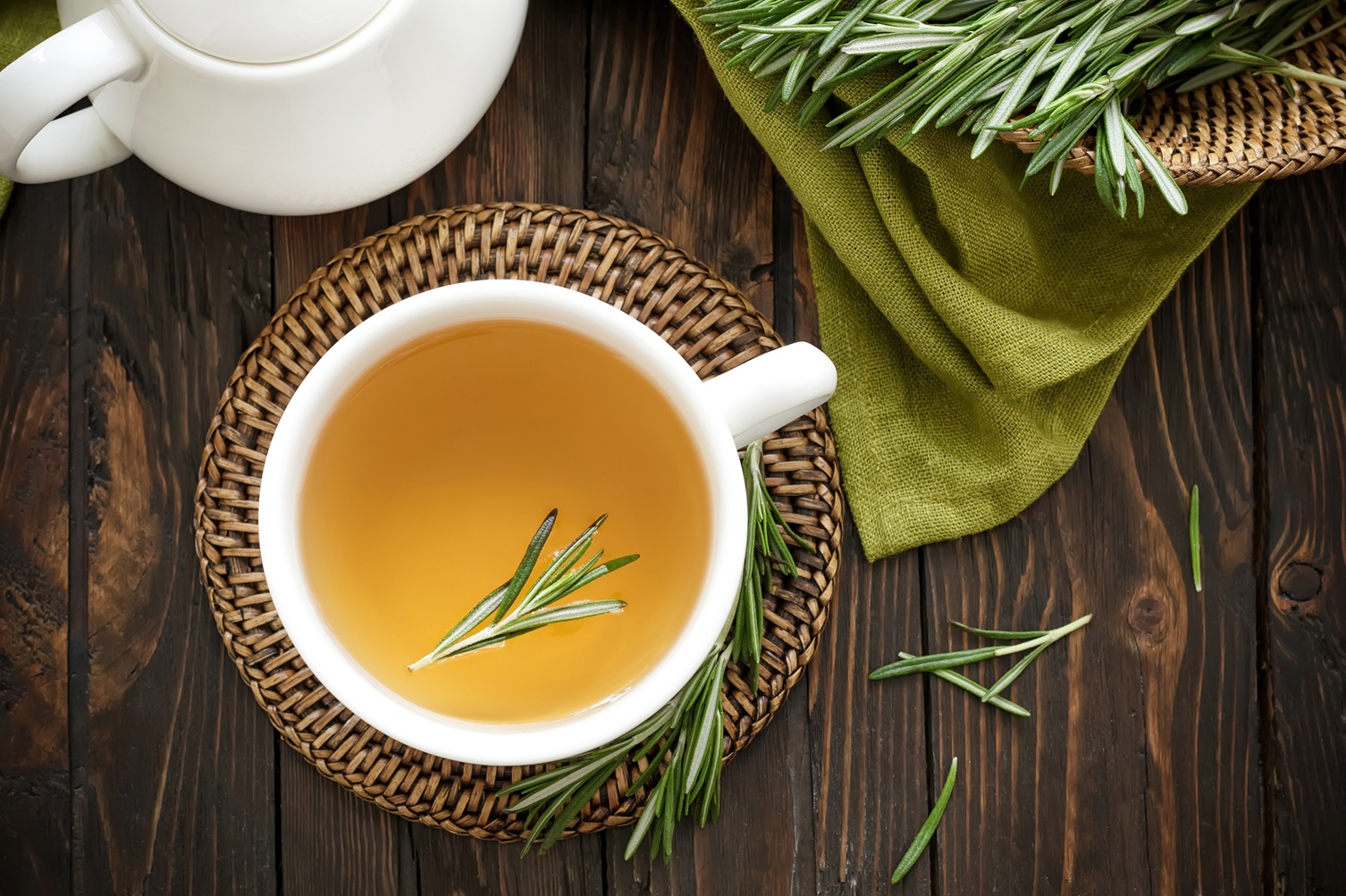
- Put all of the ingredients in a pot. Add 500 ml freshly boiled filtered water.
- Leave to steep for 10–15 minutes, then strain.

-
Safety
Rosemary could have uterine stimulant properties and should be avoided in medicinal amounts during pregnancy; however, doses usually found in food are considered safe (22).
Some individuals have developed a hypersensitivity reaction to rosemary containing high amounts of carnosol (3).
It may not be suitable for those with a salicylate allergy, and may cause allergic dermatitis in some individuals, however these instances are low (1,3).
The essential oil should not be applied neat and instead mixed with a carrier oil for topical use (1).
-
Interactions
None reported (1,3,22)
-
Contraindications
None known (1,3,22)
-
Sustainability status of rosemary
Rosemary is listed as ‘least concern’ on the IUCN Redlist due to stable populations and no major threats (25). It is not listed on NatureServe Explorer as a threatened or at risk species (26). Up to 80% of the plants used for food and medicine are wild harvested from Morocco and the Mediterranean, and therefore sourcing cultivated sources helps to contribute to a more sustainable harvesting methods and mitigates impact on the local biodiversity (27).
Habitat loss and over-harvesting from the wild are two of the biggest threats faced by medicinal plant species. There are an increasing number of well-known herbal medicines at risk of extinction. We must, therefore, ensure that we source our medicines with sustainability in mind.
The herb supplement industry is growing at a rapid rate and until recent years a vast majority of medicinal plant produce in global trade was of unknown origin. There are some very real and urgent issues surrounding sustainability in the herb industry. These include environmental factors that affect the medicinal viability of herbs, the safety of the habitats that they are taken from, as well as the welfare of workers in the trade.
The botanical supply chain efforts for improved visibility (transparency and traceability) into verifiably sustainable production sites around the world is now certificated through the emergence of credible international voluntary sustainability standards (VSS).
Read our article on Herbal quality & safety: What to know before you buy and Sustainable sourcing of herbs to learn more about what to look for and questions to ask suppliers about sustainability.
-
Quality control
Herbal medicines are often very safe to take; however, their safety and efficacy can be jeopardised by quality issues. So, it is important to buy herbal medicines from a reputable supplier, from sources known to test their herbs to ensure there is no contamination, adulteration or substitution with incorrect plant matter, as well as ensuring that recognised marker compounds are at appropriate levels in the herbs.
Some important quality assurances to look for are certified organic labelling, the correct scientific/botanical name, and the availability of information from the supplier about ingredient origins. A supplier should be able to tell you where the herbs have come from, what contaminants are not in the herb, and what the primary compounds are.


-
References
- Fisher C. Materia Medica of Western Herbs. Aeon Books; 2018.
- Mcintyre A. Complete Herbal Tutor : The Definitive Guide to the Principles and Practices of Herbal Medicine (Second Edition). Aeon Books Limited; 2019.
- Thomsen M. Phytotherapy Desk Reference. 6th ed. Aeon Books; 2022.
- Rahbardar M, Hosseinzadeh H. Therapeutic effects of rosemary (Rosmarinus officinalis L.) and its active constituents on nervous system disorders. Therapeutic effects of rosemary (Rosmarinus officinalis L) and its active constituents on nervous system disorders. 2020;23(9). https://doi.org/10.22038/ijbms.2020.45269.10541
- Breverton T, Culpeper N. Breverton’s Complete Herbal : A Book of Remarkable Plants and Their Uses. Lyons Press; 2011.
- Bruton-Seal J, Seal M, Parkinson J. The Herbalist’s Bible : John Parkinson’s Lost Classic Rediscovered : Theatrum Botanicum (1640). Skyhorse Publishing; 2014.
- Faridzadeh A, Salimi Y, Ghasemirad H, et al. Neuroprotective Potential of Aromatic Herbs: Rosemary, Sage, and Lavender. Frontiers in Neuroscience. 2022;16. https://doi.org/10.3389/fnins.2022.909833
- Araki R, Sasaki K, Onda H, et al. Effects of Continuous Intake of Rosemary Extracts on Mental Health in Working Generation Healthy Japanese Men: Post-Hoc Testing of a Randomized Controlled Trial. Nutrients. 2020;12(11):3551. https://doi.org/10.3390/nu12113551
- Selem E, Elariny E, Mostafa Elnabawy N, El-Sayed AF, Ahmed H, Abdel-Karim M. Antibacterial Activities of Rosmarinus officinalis Extract against Enterococcus faecalis and Enterococcus faecium. World s Veterinary Journal. 2025;15(2):498-508. https://doi.org/10.54203/scil.2025.wvj50
- Li K, Wu J, Xu S, Li X, Zhang Y, Gao X. Rosmarinic acid alleviates intestinal inflammatory damage and inhibits endoplasmic reticulum stress and smooth muscle contraction abnormalities in intestinal tissues by regulating gut microbiota. Microbiology Spectrum. 2023;11(5). https://doi.org/10.1128/spectrum.01914-23
- Veenstra JP, Johnson JJ. Rosemary (Salvia rosmarinus): Health-promoting benefits and food preservative properties. International journal of nutrition. 2021;6(4):1. https://pmc.ncbi.nlm.nih.gov/articles/PMC8513767/
- Ibarra A, Cases J, Roller M, Chiralt-Boix A, Coussaert A, Ripoll C. Carnosic acid-rich rosemary (Rosmarinus officinalis L.) leaf extract limits weight gain and improves cholesterol levels and glycaemia in mice on a high-fat diet. British Journal of Nutrition. 2011;106(8):1182-1189. https://doi.org/10.1017/s0007114511001620
- Tu Z, Moss-Pierce T, Ford P, Jiang TA. Rosemary (Rosmarinus officinalis L.) Extract Regulates Glucose and Lipid Metabolism by Activating AMPK and PPAR Pathways in HepG2 Cells. Journal of Agricultural and Food Chemistry. 2013;61(11):2803-2810. https://doi.org/10.1021/jf400298c
- Luo C, Zou L, Sun H, et al. A Review of the Anti-Inflammatory Effects of Rosmarinic Acid on Inflammatory Diseases. Frontiers in Pharmacology. 2020;11. https://doi.org/10.3389/fphar.2020.00153
- Elbahnasawy AS, Valeeva ER, El-Sayed EM, Rakhimov II. The Impact of Thyme and Rosemary on Prevention of Osteoporosis in Rats. Journal of Nutrition and Metabolism. 2019;2019. https://doi.org/10.1155/2019/1431384
- Li Pomi F, Papa V, Borgia F, et al. Rosmarinus officinalis and Skin: Antioxidant Activity and Possible Therapeutical Role in Cutaneous Diseases. Antioxidants. 2023;12(3):680. https://doi.org/10.3390/antiox12030680
- Can S, Yasemin Yildirim Usta, Yildiz S, Kanat Tayfun. The effect of lavender and rosemary aromatherapy application on cognitive functions, anxiety, and sleep quality in the elderly with diabetes. EXPLORE. 2024;20(6):103033-103033. https://doi.org/10.1016/j.explore.2024.103033
- Nematolahi P, Mehrabani M, Karami-Mohajeri S, Dabaghzadeh F. Effects of Rosmarinus officinalis L. on memory performance, anxiety, depression, and sleep quality in university students: A randomized clinical trial. Complementary therapies in clinical practice. 2018;30:24-28. https://doi.org/10.1016/j.ctcp.2017.11.004
- Behrang Rezvani Kakhki, Moradi EV, Vossoughinia S, Zahra Yazdanpanah, Jalali J, Mahboobeh Ghasemzadeh Rahbardar. Exploring the therapeutic potential of rosemary in metabolic syndrome: From traditional use to modern research. Fitoterapia. Published online August 1, 2025:106795-106795. https://doi.org/10.1016/j.fitote.2025.106795
- Lipton SA, Rezaie T, Nutter A, et al. Therapeutic advantage of pro-electrophilic drugs to activate the Nrf2/ARE pathway in Alzheimer’s disease models. Cell Death & Disease. 2016;7(12):e2499-e2499. https://doi.org/10.1038/cddis.2016.389
- Nieto G, Ros G, Castillo J. Antioxidant and Antimicrobial Properties of Rosemary (Rosmarinus officinalis, L.): A Review. Medicines. 2018;5(3):98. https://doi.org/10.3390/medicines5030098
- Natural Medicines Database. Rosemary. Therapeuticresearch.com. Published 2025. Accessed August 20, 2025. https://naturalmedicines.therapeuticresearch.com/Data/ProMonographs/Rosemary#safety
- Bone K. The Ultimate Herbal Compendium: A Desktop Guide for Herbal Prescribers. Phytotherapy Press; 2007.
- Kew Gardens. Rosemary – Salvia rosmarinus | Plants | Kew. Kew.org. Published 2020. Accessed August 20, 2025. https://www.kew.org/plants/rosemary#where-in-the-world
- Datiles MJ, Acevedo-Rodríguez P. Rosmarinus officinalis (rosemary). CABI Compendium. 2022;CABI Compendium. https://doi.org/10.1079/cabicompendium.47678
- Khela S. IUCN Red List of Threatened Species: Salvia rosmarinus. IUCN Red List of Threatened Species. Published June 11, 2013. https://www.iucnredlist.org/species/203257/2762622
- Nature Serve Explorer. Rosemary. Natureserve.org. Published 2025. Accessed August 20, 2025.
- Ben Arfa A, Gouja H, Hannachi H, Isoda H, Neffati M, Najjaa H. Seasonal changes in rosemary species: A chemotaxonomic assessment of two varieties based on essential oil compounds, antioxidant and antibacterial activities. PLOS ONE. 2022;17(8):e0273367. https://doi.org/10.1371/journal.pone.0273367
- RHS. Rosemary. www.rhs.org.uk. Published 2024. https://www.rhs.org.uk/herbs/rosemary/grow-your-own
Meet our herbal experts
Our monographs are written by our monograph authors and edited, reviewed and updated by Herbal Reality.
Meet our Herbal Reality team or explore our Herbal Reality authors.