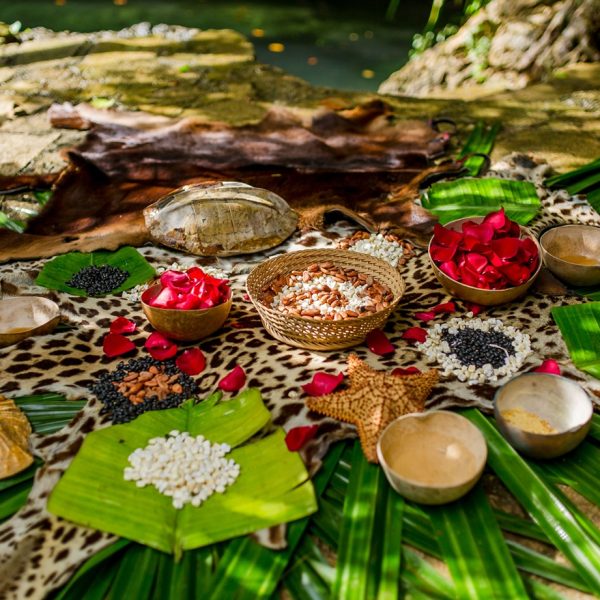










Traditionally revered as a sacred medicine in Mesoamerica, cacao is also supported by growing evidence for its actions on cardiovascular health, cognition and mood.
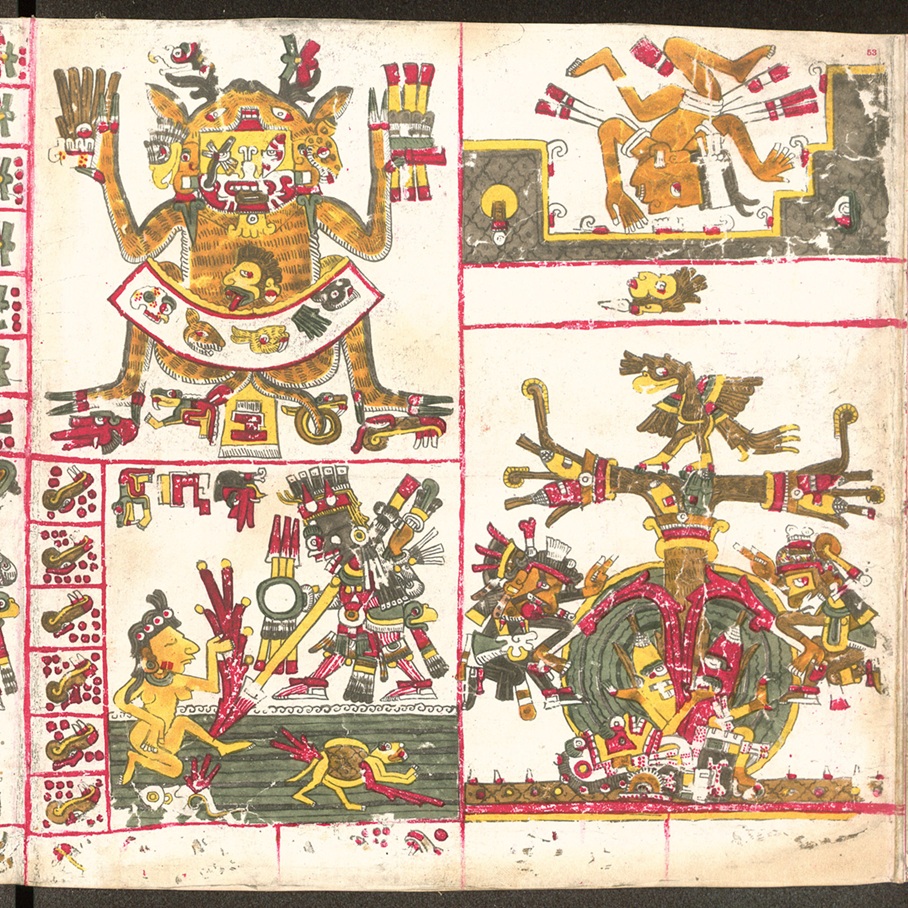
There is a wonderfully disturbing pre-Colombian image from the 16th-century Codex Borgia manuscript depicting two men on either side of what may be either a maize bush or a cacao tree (Theobroma cacao) with a bird perched on top of it. The men are letting blood onto a prostrate death god at the base of the plant, while a portal opens behind it. This kind of auto-sacrifice was a means of ritually conjuring gateways between humans and the otherworlds, because blood contained the life force and essence of the ancestors.
Maize and cacao — central elements of the Mesoamerican diet, culture, and religion, comparable to Judaeo-Christian bread and wine — were symbolically linked. The key point is that cacao was thought to contain that same essence of life, and cacao beans and beverages were often used in lieu of blood in sacrifices and oblations (1).
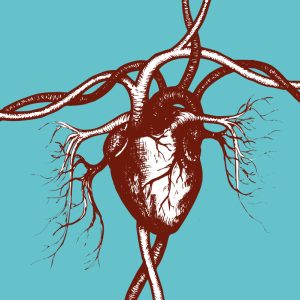
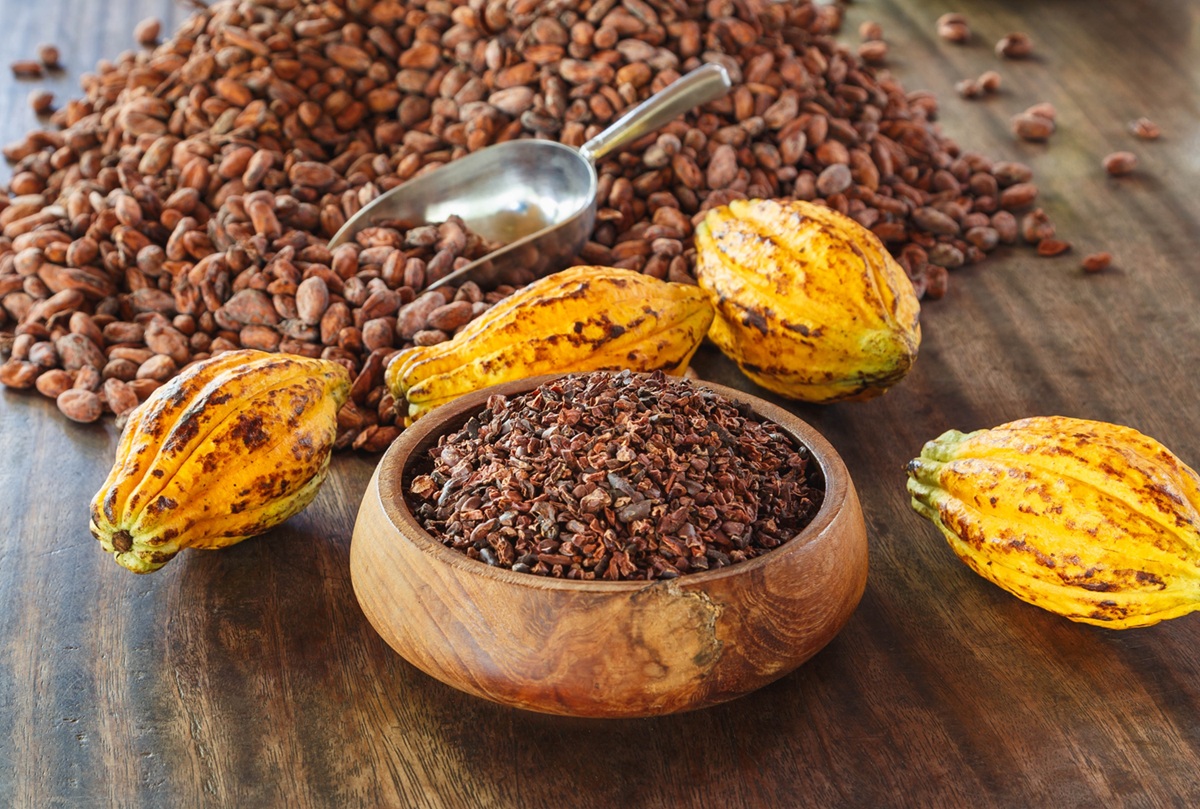
Contemporary investigations have revealed cacao’s health benefits for the heart and circulatory system. There is good evidence that regular consumption of polyphenol-rich dark chocolate (made with roasted cacao seeds) significantly reduces the risk of heart attack and stroke, improves circulation, helps reduce triglycerides, supports normal liver and pancreatic function, and may help to prevent other age-related conditions such as some forms of dementia (2,3,4,5).
When cacao was first brought to Europe in the 16th century it acquired a reputation as an aphrodisiac, and there is some research to suggest that this may be warranted, at least as regards to its effects on male sexual and cardiovascular health’ Erectile dysfunction in older males is often an early warning sign of compromised arterial circulation caused by the build up of fatty deposits in the arteries (atherosclerosis). Cacao rapidly improves arterial blood flow and has long-term effects on reducing inflammation and damage to the inner walls of blood vessels (3,6).
Cacao seeds were regarded as cooling in Mesoamerica, and this assignment was carried through to Renaissance Europe (7). In contemporary Central American folk medicine, they are employed for their stimulant, or anti-fatigue properties, to assist with weight gain, as a prophylactic for general disease prevention, and—specifically—as a prophylactic against the harmful effects of snakebite, a use which appears to have ancient origins (snakebite being an urgent concern in Central America, home to some of the most venomous snakes in the world) (8).
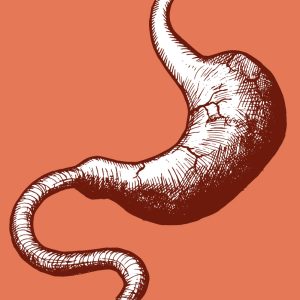
Cacao seeds are also used for calming or anxiolytic (anti-anxiety) effects—perhaps this effect could be generally described as mood regulation—as well as to improve digestion, specifically elimination of metabolic waste via the bowels and kidneys (9). The seeds are also used as galactagogues (agents that promote breast milk production) and as a base for various prenatal tonics to assist childbirth (10,11). Many of these described benefits may be ascribed to cacao’s nutritive, polyphenol-related circulation-supporting, vascular-inflammation-modulating, and stimulant effects.
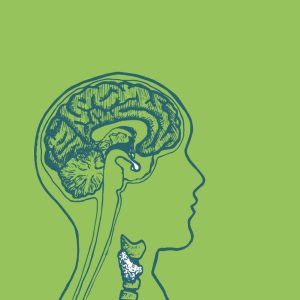
While cacao seeds do contain caffeine, a notable central nervous system stimulant, they exhibit numerous unrelated psychopharmacological effects, including a statistically significant increase of the serotonin metabolite 5-HIAA and a trend towards increased serotonin and decreased adrenaline in the blood as well as increased urinary excretion of cortisol and adrenaline in humans following chocolate consumption (12,13). A study carried out on rats showed acutely decreased conditioned fear responses with moderate doses of cacao (14).
Low brain serotonin has been linked to anxiety and depression, high adrenaline is synonymous with irritability and stress, high cortisol is linked to depression, and conditioned fear is often associated with anxiety disorders and neurosis. The effects of dark chocolate on cortisol and adrenaline appear to be state-dependent— the more stressed the human subject, the greater the fall in the measurable blood or salivary level of stress hormones. Eating dark chocolate was found to improve negative mood states in a small human trial(6).
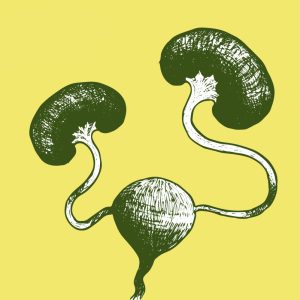
Cacao or dark chocolate has been employed in herbal practice to support endothelial function and improve vascular circulation, applicable to conditions such as kidney disease, atherosclerosis, early vascular dementia, erectile dysfunction, and diabetes. Cacao can also be applied to good effect in chronic fatigue syndromes such as long COVID, M.E., and fibromyalgia.
Cacao’s pre-Colombian sacramental use as a substitute for blood and a repository of life force in ritual correlates with a pharmacological truth: Cacao improves circulation, helps to mitigate many cardiometabolic pathologies, and may serve as a potent pharmacological amplifier of the body’s endogenous healing processes with far broader clinical significance and potential than its contemporary status as confectionary would suggest.
References
- McNeil CL, ed. Chocolate in Mesoamerica: A Cultural History of Cacao. University Press of Florida; 2006.
- Buitrago-Lopez A, Sanderson J, Johnson L, et al. Chocolate consumption and cardiometabolic disorders: systematic review and meta-analysis. BMJ. 2011;343:d4488. https://doi.org/10.1136/bmj.d4488
- Grassi D, Socci V, Tempesta D, et al. Flavanol-rich chocolate acutely improves arterial function and working memory performance, counteracting the effects of sleep deprivation in healthy individuals. J Hypertens. 2016;34(7):1298-1308. https://doi.org/10.1097/HJH.0000000000000926
- Grassi D, Lippi C, Necozione S, Desideri G, Ferri C. Short-term administration of dark chocolate is followed by a significant increase in insulin sensitivity and a decrease in blood pressure in healthy persons. Am J Clin Nutr. 2005;81(3):611-614. https://doi.org/10.1093/ajcn/81.3.611
- Sokolov AN, Pavlova MA, Klosterhalfen S, Enck P. Chocolate and the brain: neurobiological impact of cocoa flavanols on cognition and behavior. Neurosci Biobehav Rev. 2013;37(10 Pt 2):2445-2453. https://doi.org/10.1016/j.neubiorev.2013.06.013
- Castell M, Pérez-Cano FJ, Bisson JF. Clinical benefits of cocoa: an overview. In: Paoletti R, Poli A, Conti A, Visioli F, eds. Chocolate in Health and Nutrition. Nutrition and Health. Humana Press; 2013:265-275. https://doi.org/10.1007/978-1-61779-803-0_19
- Hernández F. Quatro Libros de la Naturaleza, y Virtudes de las Plantas, y Animales Que Estan Receuidos En El Vso de Medicina En La Nueua España, y la Methodo, y Correccion, y Preparacion, Que Para Administrallas Se Requiere. Mexico City; 1615.
- Díaz-Valderrama JR, Leiva-Espinoza ST, Aime MC. The history of cacao and its diseases in the Americas. Phytopathology. 2020;110(10):1604-1619. https://doi.org/10.1094/PHYTO-05-20-0178-RVW
- Grivetti LE, Shapiro HY, eds. Chocolate: History, Culture, and Heritage. Wiley; 2009.
- Ca’al JD. Interview with Señora Aurelia Pop, Alta Verapaz, Guatemala. Personal communication and field notes. 2011.
- Monroy-Ortíz C, Castillo-España P. Plantas Medicinales Utilizadas en el Estado de Morelos. 2nd ed. Universidad Autónoma del Estado de Morelos; 2007.
- Rusconi M, Rossi M, Moccetti T, Conti A, eds. Chocolate and Health. Springer; 2012. https://link.springer.com/book/10.1007/978-88-470-2038-2
- Wirtz PH, von Känel R, Meister RE, et al. Dark chocolate intake buffers stress reactivity in humans. J Am Coll Cardiol. 2014;63(21):2297-2299. https://doi.org/10.1016/j.jacc.2014.02.580
- Yamada T, Yamada Y, Okano Y, Terashima T, Yokogoshi H. Anxiolytic effects of short- and long-term administration of cacao mass on rat elevated T-maze test. J Nutr Biochem. 2009;20(12):948-955. https://doi.org/10.1016/j.jnutbio.2008.08.007