












An exploration of the evolution of Maya herbal medicine examining archaeological and ethnobotanical evidence to follow its resilience and transformation across Mesoamerica.
Maya herbal medicine practice encompasses a broad sociocultural area of Mesoamerica across diverse ecologies. A variety of socially situated sustainable human relations within these landscapes have continually redeveloped to produce extensive plant based pharmacopoeias employed in diverse healing systems. Across these groups, Maya medicine shares a practice based on intertwined philosophies of medicine, nature and religion.
This article is an overview of the long biocultural history of Maya herbal medicine, including records from archaeology and codices, the impact of colonialism, and studies of contemporary ethnobotany of the postcolonial periods. As a result, it provides an introduction to some of the history of Maya herbal medicine and the continuing social and environmental contexts within which these practices have developed, while providing some pointers to further reading on this rich and diverse biocultural history.
Maya cultures
The classic and pre-classic Maya civilisation is known for its shared culture, including a calendar based on hundreds of years of detailed astronomical observations, a system of writing based on logograms and glyphs carved in stone and written in codices, impressive stone stepped pyramid temples, as well as large highly organised cities, supported by complex irrigation technologies and extensive and complex trade and agricultural networks.
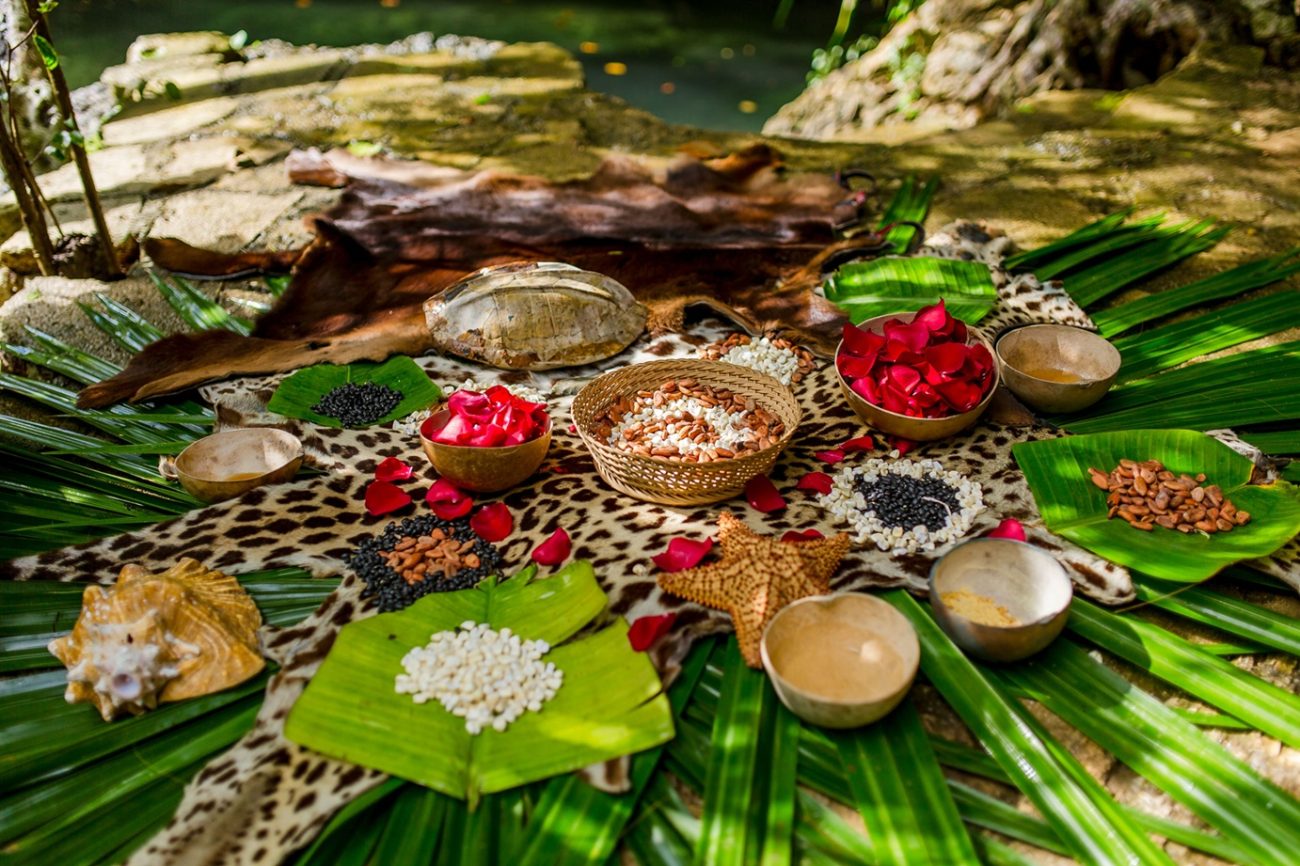
Overall the term Maya refers to a diverse group encompassing around 30 different languages historically, with at least six different branches (1). Historically, Maya populations lived across Mesoamerica, which today includes the areas of southern Mexico, Guatemala, Belize, Honduras and El Salvador.
Today more than eight million Maya continue to live in the same region, still speaking around 30 different languages, although many of these languages are endangered or at risk of becoming so. However, across these groups the identity of Maya is claimed as a marker of distinct, yet internally diverse, cultural heritage which they seek to maintain. Even as the details of the exact extent to which the specifics of their cultural histories are shared between the roughly 30 different recognised groups is still discussed.
Maya cultures have a long history, about which more is always being learnt. Broadly, Mayan history is divided into several periods: the preclassic period about which less is known but recent research is pushing the date back to as early as 1100 BC; the classic period from C.E. 250–900; then a period where populations of Mayan cities were reduced, up until the arrival of Columbus and his crew in 1492 (2). This was followed by the devastating impact of colonisation along with the introduction of new peoples and plants; then ongoing formal political and wider sociocultural decolonisation from the 19th century to the present day.
As a result, some of the diverse tradition of Maya herbal medicine has been lost to history, some is reconstructed from the surviving record, while much continues to be passed down orally from generation to generation, and more recently Maya herbal medicine continues to be rediscovered and regenerated, including through published research in both academic journals and in more accessible mediums.
Forest gardens from the Pre-Columbian Classic Period to the present day
Traditionally, scholars saw the end of the classic period in 900 C.E. as a dramatic decline with large cities abandoned to the forest. This narrative was well suited to the supposed ‘discovery’ of these ancient empires by Northern Americans and Europeans in the 20th century. They argued the sudden civilisational collapse was caused by a combination of overpopulation and deforestation as a result of over farming, sometimes also linking it to changes in the climate, especially drought.
However, this view has recently been widely contested by archaeologists. Rather than a catastrophic end to large cities— and the wider trade and cultivation networks that supported them, it was rather a gradual decline over hundreds of years. Even then the decline in inhabited cities was steeper among the lowland Maya in the interior forested regions than in the northern and coastal areas where many cities still continued to flourish.
Countering the decline narrative requires countering colonial European prejudicial ideas of unsustainable farming techniques and uses of wild plants by the Maya. For example, the book The Maya Forest Garden by Ford and Nigh combines research on contemporary Mayan agriculture with recent archaeological work. The authors argue that a complex of agroforestry techniques succeeds today in sustaining large human populations over time.
This system of shifting swidden agriculture dynamically recreates a diverse polyculture of forest gardens over time and space, while retaining significant areas of forest cover. Therefore, this same system of agroforestry would have equally been able to sustainably support large populations in the past during the pre-classic and classic periods— and beyond. Such agricultural systems were recorded by the Spanish when they arrived in the area in 1524 (3).
These forest gardens, known as the Maya milpa (and in Yucatec kol), work with the forest to provide sustainable agriculture centred on maize (Zea mays), often planted with beans (for nitrogen fixing) and pumpkins for floor cover, as well as the starchy tuber known as cassava or yuca (Manihot esculenta). After around four years of maize production, forest cover slowly returns producing semi-shade and a greater variety of crops.
After 12 years or so the surrounding trees spread into the milpa and grow taller, thus returning sites to forest cover after a period of time (3). New sites are then brought under cultivation elsewhere through burning to add nutrition back to the soil, while the soil of the old sites regenerates.
Additionally, the milpa produces a wide range of other crops and incidental species. These gardens of disturbed and planted soil are continuous with the living and changing forest. As a result, farmers are situated within an extensive landscape where they encounter a great diversity of habitats and plants that inhabit them.
As the milpa develops, tree seedlings sprout, and farmers select useful species to retain while removing the less useful ones. These mixed crop plots have always been ‘no plough’ and organic, preventing erosion while still producing a high yield. Plants of the milpa and its surroundings, whether cultivated, semi-cultivated or wild, have long been drawn on for healing as both food, medicine and spiritual support.
Medicinal plants of the Maya milpa used today
In their book, Ford and Nigh documented more than a hundred cultivated species grown in these forest gardens (3). Many of these have medicinal uses today that likely connect to the longer history of Maya cultures. For example, the roots and flowering tops of blue vervain, in Mayan known as cot-a-cam and xye’ ajwech (Stachytarpheta cayennensis), is used by Maya in Guatemala to treat uterine and kidney problems, as an antidote, and for countering black magic, eye problems, fever and espanto (a local classification for a type of trauma) (4).

While the Lacandon Maya use the roots and leaves of a type of pepper known in Spanish as matico and in Mayan as pu-chúch (Piper aduncum) to treat many conditions, including diarrhoea, dysentery, nausea, ulcers, and genito-urinary infections. It was introduced to Britain as a styptic in 1839 (5).
In addition to the directly cultivated crops, Ford and Nigh recorded more than 200 trees documented as ‘favoured’ in and around the milpa. These trees are encouraged and transplanted for the resources they provide, including medicine (4). For example, the cacao tree (Theobroma cacao) has long been valued for its stimulant properties and used in ceremonial offerings. Pimiento (Pimenta dioica) berries are chewed for toothache and boiled into a paste for rheumatism, while the leaves are chewed for indigestion (6).
While the leaves of the incredibly tough tree black ironwood, also known as ‘axe breaker’ (Krugiodendron ferreum) are used in a polyherbal tea for pleurisy, anaemia and malaria and chemicals have recently been isolated from the tree indicating antibacterial action (7,8).
There are also many plants that can be found growing wild in and around the milpa, these are also sometimes encouraged to spread into cultivated areas. For example, pheasant’s tail (Anthurium schlechtendalii) grows in wet forests, rocky outcrops and as an epiphyte on trees (3). Its leaves are used by Maya in Belize for a wide range of inflammatory musculoskeletal conditions as a fresh or boiled poultice and as a herbal bath, while a steam bath is employed for severe cramps, spasms, and paralysis (6).
The Yucatec Maya use a decoction of the rhizome of contrayerva, known as Kambalhaw (Dorstenia contrajerva), to treat gastrointestinal issues known locally as ‘air in the stomach’ (9,10). The plant is widespread in disturbed ground in a range of habitats, including forests.
There were also traditions of sustainable forestry beyond the milpa. For example, recent archaeological research has highlighted evidence of the active management of sacred groves to maintain tall growing trees for building and decorating Maya temples, particularly sapodilla (Manilkara zapota) and logwood (Haematoxylum campechianum) (11).
Both trees are also used as medicines today in areas with large Maya populations, most commonly for digestive disorders (12). Stone and wood carvings, particularly in temples, can also provide clues to how certain plants were used by the Maya during certain historical periods.
Archaeological evidence can also provide further clues to how Maya communities used plants in the past. Karst sinkholes, known as cenotes and seen by Maya as gateways to the underworld, are the main source of material for archaeobotanical work in the Yucatán peninsula. They also preserved a range of Maya textiles, mostly associated with funerary rites (13) . These have been used for research on the dye ‘Mayan blue’ used in writing, sculpture and textiles, identified it as a mixture of indigo (Indigofera tinctoria) with clay mineral palygorskite (13).
Archaeobotanical surveys of cenotes also provide evidence of forest gardens and their botanical diversity by examining the remnants of phytoliths, microscopic mineral deposits from plant tissues, to discover what seeds were common in these sites (14). Additionally, seeds processed in pestles and mortars and preserved in pottery are also analysed (15).
Codices: The remains of the written record
The Maya system of writing was used to produce codices, books made on paper made from the inner bark of fig trees (Ficus spp.), by scribes working within the temple system from the 5th century onwards. They combine glyphs with illustrations. One of these, known as the Dresden Codex (after where it is stored), was originally produced in Chichén Itzá, in Yucatán, in the 11th or 12th century (16). Versions of the codex can be viewed online (17).
The most common representation of plant use on these pages are of deities employing the ceremonial use of cacao beans (with well known stimulant properties and used as currency) and representations of the most important food crop, maize (the corn silk widely used as medicine).

The codex also depicts leaves suggesting lianas (climbing vines), that have been linked to several species of the genus Ipomea (Ipomoea corymbosa and Ipomoea violacea). This genus, commonly known as ‘morning glory’ plants, includes many species that contain psychoactive chemicals. Of particular interest are a group of chemicals known as ergoline alkaloids, which have a similar chemical structure to LSD.
Their hallucinogenic properties suggest use in divination based on these representations in codices, supported by connections to archaeological evidence and contemporary usage in the region (17,18,19). Therefore, codices can help to reconstruct some of the biocultural history of Maya plants lost to European colonisation.
However, the Dresden Codex is one of only four surviving Maya codices, as many codices were destroyed by the Spanish when they colonised the region. The Spanish Bishop, Diego de Landa burned many Mayan codices and ‘idols’ in 1562 at Maní in the Yucatán, as part of a campaign of terror that also involved the torture and execution of locals claiming this was to end what he saw as their ‘devilish’ practices (20).
Other codices were produced in the region after the Spanish arrival. For example, the Florentine Codex was produced by a collaboration between Spanish Franciscan friar Bernardino de Sahagún and local Nahuatl speaking Aztec illustrators and scribes (21). While the Badianus Manuscript, kept in the Vatican, was similarly produced in 1552. Both can be used to understand the wider regional use of medicinal plants, as there with significant cultural and economic exchange and interconnection with the Maya.
These codices have long been kept in Europe and accessible to only a few and known by the cities in which they are kept. However, recent digitisation efforts have made these sources more accessible to Maya in Central America. Maya archaeologists, historical linguists, ongoing research, will surely uncover more about this history including uses of medicinal plants.
European colonisation: Introducing plants and diseases
The colonisation of Mesoamerica by Europeans also set in motion transplantations from around the world to the Americas, both intentionally as commercial and subsistence crops, as well as the more accidental transportation of seeds. Many of these plants are now widely used as medicine by the Maya.

The most well known medicinal plants and their original wild growing habitats includes: turmeric (Curcuma longa) from South Asia, ginger (Zingiber officinale) from South and East Asia; mango (Mangifera indica) from the golden triangle of South East Asia; sugar (Saccharum officinarum) from South East Asia; coffee (Coffea arabica) from the Horn of Africa; hibiscus (Sabdariffa gossypiifolia syn. Hibiscus sabdariffa ) from West and Central Africa; and rue (Ruta graveolens) from Europe.
Colonisation also introduced more dangerous organisms that were new to the Americas— pathogens producing the diseases smallpox, influenza, measles and typhus. As Indigenous peoples of the Americas had no immunity to these diseases many died, the result was widespread destruction of Indigenous populations, most soon dropping to only 10% of their previous number. In addition, Spanish colonisers fought wars against Maya and other Indigenous groups, sometimes in alliance with Maya groups.
When the Spanish became more settled they demanded forced labour from the Maya they colonised. Many Maya groups escaped this colonial domination and labour exploitation, migrating further south from the north in the Yucatan, further inland from the coast, and often further into the forest. Their survival often relied on knowledge of plant resources of the forest for medical-spiritual sustenance, and this relationship continues to be an important part of Maya history and heritage today.
Maya medicine today
There are a variety of groups with Maya heritage who migrated to new regions in response to colonisation. For example, the Lacandon Maya are descended from Yucatec Maya who escaped colonial domination in the 17th and 18th centuries by retreating to the forests of Chiapas, Mexico, and to some extent also in Guatemala (5).
This allowed them to maintain their cultural traditions free from persecution, including medicine, closely entwined with religious practice in explaining causes and cures, while also drawing on herbal medicine plant use from wider traditions outside the community (5,22).
As a result, lost connection with the organised knowledge centred on the temple system of record keeping, traditions of plant knowledge survived and developed outside of the written record, with a more diffuse oral tradition replacing the previous role of the temple priests performed (23).
Different Maya cultures have different traditions, and interact with other groups in the areas where they live and where they migrate for work, producing more local and national cultures of medicine. For example many English names for herbs in Belize are the same as those used in Jamaica, including ‘jackass bitters’ (Neurolaena lobata) used for a wide variety of skin conditions, infections and digestive complaints; ‘chew stick’ or ‘chu wis’ (Gouania lupuloides) for cleaning teeth, neck pain and snakebite; and ‘bird pepper’ or chili del monte (Capsicum frutescens) for parasites, digestive and respiratory disorders (6,25).
This is a result of shared British colonisation and forced migration of enslaved Africans from Jamaica to Belize (then called British Honduras) who were compelled to work sugar plantations and extract timber resources, such as logwood as a dye, mahogany (Swietenia spp.) for furniture and chicle (Manilkara spp.) for the latex which is used to produce chewing gum (26).
In the 20th century the chicle camps were sites where migrants from different Maya groups and descendants of enslaved Africans, as well as people from other Caribbean and Mesoamerican communities, would meet and share knowledge on using plants for healing (6).
Just as there are different groups of Maya in different regions, among these groups there are different types of healers. For example, Balick and Arvigo group the different types of healers in Belize into the broad and overlapping categories of: Doctor priest/priestess, village healer, grannie healer, midwife, massage therapist, bonesetter, snake doctor and ensalmera or ensalmero (6).
Furthermore, just as there is diversity within Maya groups there is also diversity between different groups in their healing practices. For example, by contrast, for the Lacandon Maya there was generally no social role of healer outside of the household (5).
Maya medicine involves a wide variety of healing modalities, though shares certain characteristics, as Balick and Arvigo discuss for healers in Belize “Their system of healing was (and still is) a medico-religious system in which the concepts of disease and spiritual forces are intertwined” (6). Or, as the healer Don Eligio Panti put it in an interview with the authors, “Gods and Maya spirits, they are all around us, here, now. But we the ancients have been forgotten by the young people” (6).
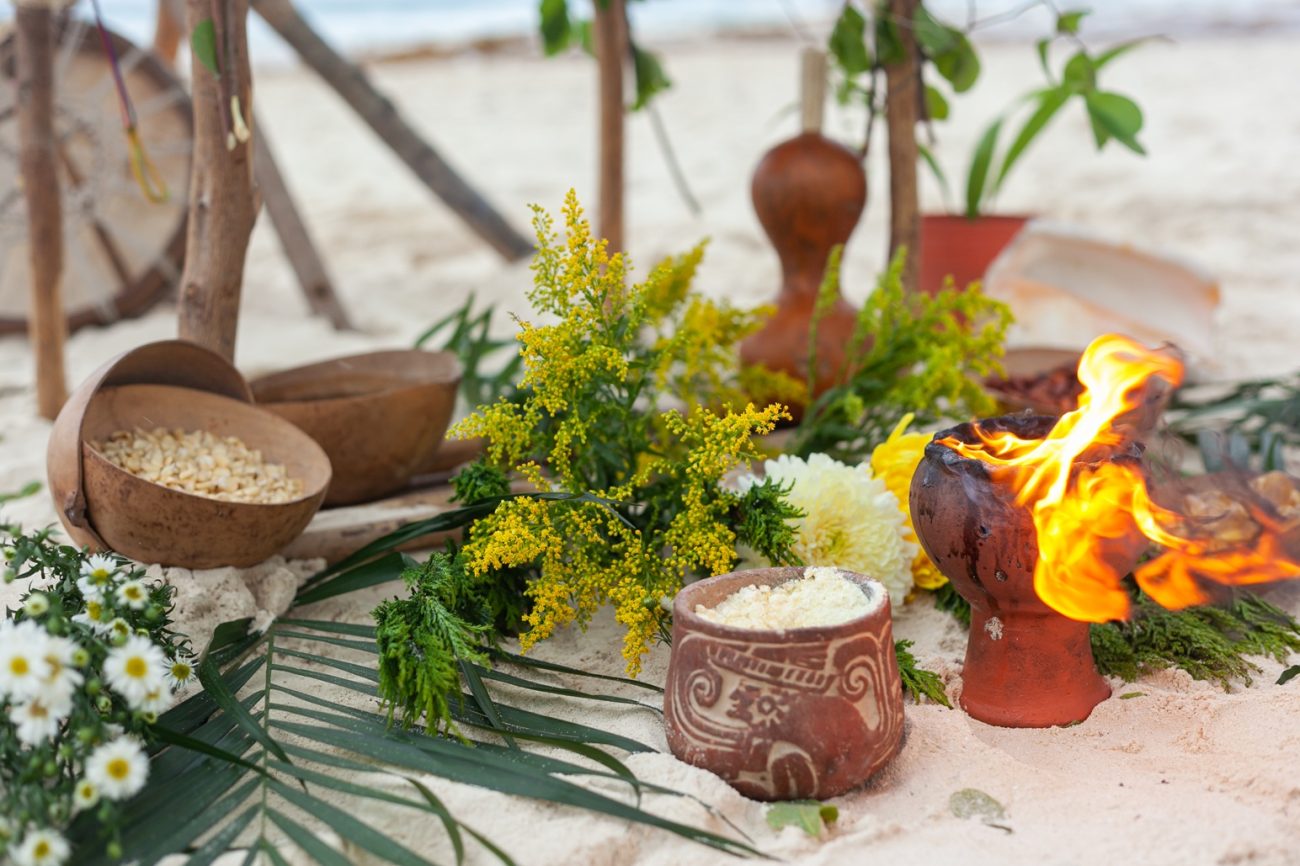
A common part of this spiritual aspect is often the ritualistic use of smoke through burning a variety of plant products as cleansing and offerings (27). Smoke is also used for treating culturally bound syndromes such as susto (28).
The most commonly used is copal incense which comes from a variety of trees: The copal tree (Protium copal) and copal santo (Bursera spp., especially Bursera copallifera, Bursera simaruba and Bursera bipinnata) (30,31). Other trees used for incense are liquidamber (Liquidambar styraciflua) and species of pine (Pinus seudostrobus) (32). As well as herbs, particularly tobacco (Nicotiana tabacum), but also damiana (Turnera diffusa) (33,34).
Most commonly, these are used for smoking the area around the patient, though other situations call for inhaling smoke as ritual practice. Interestingly, the leaves of all these species are also often used as poultices, except for the pine.
Maya healers rely on a range of other preparations, in particular herbs infused in a bath and used to bathe and steam the patient, and as a poultice, as well as the most common method of infusion and decoction as a tea (35,36). While there is a great diversity of Maya practice between and within different groups, there is a common thread of combining ritual and medicinal use linked to spiritual and supernatural explanations for diseases and their cures based on the widespread use of a diverse range of plants.
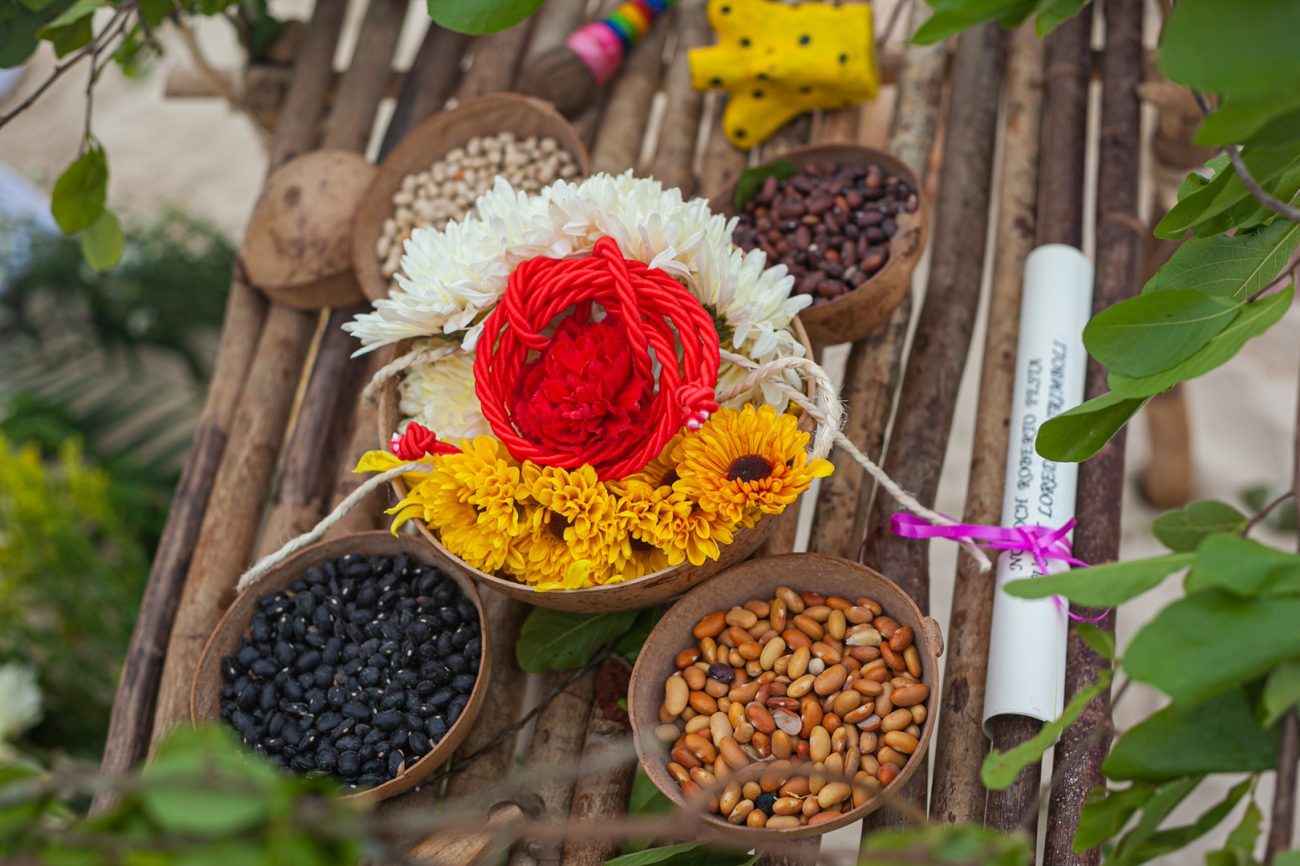
Cempasúchil, American marigolds, Tagetes spp.
This can be seen in the case of the Mexican or Aztec marigold (Tagetes erecta), which has been widely introduced to gardens across the world and incorporated into a range of different medical traditions over history (37). Though its native distribution is confined to Mesoamerica, where it is known in Nahuatl as cempasúchil, in Q’eqchi’ Maya as tuhz, in Mopan Maya as ix ta púl (6,38). In Yucatec Maya it is called štupuh amarillo, using a Spanish loan word ‘amarillo’ for yellow (39).

While the Spanish name flor de muerto, literally ‘flower of the dead’, refers to its use in the traditions of remembering, grieving and celebrating those who have passed. These celebrations are practiced across Mesoamerica, often known as the day of the dead, and in Yucatan Maya as Hanal Pixán (40). The flowers are used to decorate altars of commemoration as their scent and bright colour is reputed to guide the souls of the lost back home. The ceremonies combine elements from pre-Conquest traditions with adaptations of elements from Spanish Catholicism (41).
Maya in San Jose Succotz, Belize use Tagetes erecta to treat the evil eye, mal ojo, by rubbing leaves on a baby’s skin (39). It is also used in Belize for infantile colic and childhood fevers (6). The aerial parts of Tagetes filifolia, growing wild south from Mexico to northern Argentina, are used in infusion to treat gastrointestinal pains, cramps and diarrhoeal disorders, and in vitro studies demonstrate significant antimicrobial action (42,43).
While Tagetes lucida demonstrated some of the strongest inhibitory activity against five different strains of enterobacteria in vitro, from among 84 plants tested, based on traditional use by Maya in Guatemala for digestive disorders (39,44). A recent review of evidence found a range of studies supporting its antimicrobial action, concluding it was “possibly safe and effective”(43).
The use of Tagetes spp. is representative of the wider intertwined system of belief and healing of which they are part. Its medicinal use should be understood within a broad social and historical context that expands the definition of ‘healing’, rather than restricting it to a narrow biomedical definition, as recently discussed by López Estrada et al. in their article on cempasúchil in Herbal Reality.
Conclusion
This article has only touched on a few species of plants used as medicine by Maya. Of course, many more plants are used in Maya herbal medicine and their use varies by tradition, region, and individual healers. Some of this diversity of medicinal plant use is well documented in the mainly ethnobotanical references cited in this article, though there is more work to be done to record these traditions. For example, the Belize Ethnobotany project worked with healers in Belize to document the uses of 900 taxa over ten years, yet they estimate this is only a small percentage of the total knowledge of the uses of plants that exists in the country (6).
The book produced by the project Messages from the Gods (and its online chapters and resources) records the practices of healers and their extensive pharmacopoeia. Many of the healers involved in the project have now passed, but the records they helped create are fulfilling the healers intentions to provide a resource to be used by new generations of Maya to understand their healing heritage and continue herbal practice into the future (6). More recently, there have been projects to add scientific detail and synthesise documentation of medicinal plants used by all Mesoamerican groups, including the Maya (43).
More widely, Maya scientists, archaeologists, linguists and historians, and the wider communities of which they are part, continue with research on Maya biocultural history, including the use of medicinal plants. This recent relearning and rediscovery of Maya history is part of a longer history of practices of cultural survival, adaptation and regeneration, even as the environments in which they are based shift to new sites in response to human and environmental change. Medicinal plants are part of this history, and contribute to regenerating traditions of culturally appropriate healthcare into the future (45).
References
- Siddiqi D, Barrie M, Gillon C, Haugen J, Mathieu E. The Routledge Handbook of North American Languages. Routledge; 2019.
- Fitzpatrick SM. The Pre-Columbian Caribbean: Colonization, Population Dispersal, and Island Adaptations. PaleoAmerica. 2015;1(4):305-331. doi:https://doi.org/10.1179/2055557115y.0000000010
- Ford A, Nigh R. The Maya Forest Garden. Routledge; 2016.
- Hitziger M. Mayan phytotherapy in Guatemala: A transdisciplinary study for ethnographic documentation and local empowerment. Published online 2016. Permanent link: https://doi.org/10.3929/ethz-a-010735971
- Cook S. The Forest of the Lacandon Maya. Springer; 2016.
- Balick MJ, Arvigo R. Messages from the Gods. Oxford University Press; 2015.
- Fernandez B. Medicine Woman; 1990.
- Dzul-Beh Á, Dzib-Baak HE, Palacios-Can FJ, et al. In-vitro and in-silico anti-staphylococcal effects of the Mayan medicinal plant Krugiodendron ferreum (Vahl) Urb. (X-chintok): Disarming its resistance mechanisms and virulence factors. Journal of Ethnopharmacology. 2026;362:121265. doi:https://doi.org/10.1016/j.jep.2026.121265
- Royal Botanic Gardens, Kew. Medicinal Plant Names Services (MPNS). search results for “contrayerba” OR “contrahierba..” Royal Botanical Gardens Kew – Medicinal Plant Names Service. Published 2026. https://mpns.science.kew.org/mpns-portal/searchName?searchTerm=%22contrayerba%22+OR+%22contrahierba%22&nameType=all
- Ankli A, Sticher O, Heinrich M. Medical ethnobotany of the Yucatec Maya: Healers’ consensus as a quantitative criterion. Economic Botany. 1999;53(2):144-160. doi:https://doi.org/10.1007/bf02866493
- Lentz DL, Hockaday B. Tikal timbers and temples: ancient Maya agroforestry and the end of time. Journal of Archaeological Science. 2009;36(7):1342-1353. doi:https://doi.org/10.1016/j.jas.2009.01.020
- García-Flores J, González-Espinosa M, Lindig-Cisneros R, Casas A. Traditional medicinal knowledge of tropical trees and its value for restoration of tropical forests. Botanical Sciences. 2019;97(3):336-354. doi:https://doi.org/10.17129/botsci.2122
- Filloy Nadal L. Mesoamerican Archaeological Textiles: An Overview of Materials, Techniques, and Contexts. Zea Books. Published online November 13, 2017. doi:https://doi.org/10.13014/k2rb72s4
- Testé M, Castanet C, Garnier A, et al. Phytoliths to apPROXYmate Maya landscapes over early Anthropocene : case of Naachtun tropical wetland. Published online March 10, 2025. doi:https://doi.org/10.1101/2025.03.05.641636
- Cagnato C, Ponce JM, Canuto MA, Tomás Barrientos Q. Nixtamalization at La Corona: Microbotanical analysis of ceramic vessels indicates Late Classic Maya cooking techniques. Quaternary International. 2024;711:38-48. doi:https://doi.org/10.1016/j.quaint.2024.09.007
- Emboden WA. The Ethnobotany of the Dresden Codex With Especial Reference To the Narcotic Nymphaea ampla. Botanical Museum leaflets, Harvard University. 1983;29(2):87-132. doi:https://doi.org/10.5962/p.168656
- FAMSI. FAMSI – Maya Codices – The Dresden Codex.; 2025. Accessed July 24, 2026. https://www.famsi.org/mayawriting/codices/dresden.html
- Lentz DL, Hamilton TL, Meyers SA, et al. Psychoactive and other ceremonial plants from a 2,000-year-old Maya ritual deposit at Yaxnohcah, Mexico. PloS one. 2024;19(4):e0301497-e0301497. doi:https://doi.org/10.1371/journal.pone.0301497
- Diaz JL. Ethnopharmacology of Sacred Psychoactive Plants Used by the Indians of Mexico. Annual Review of Pharmacology and Toxicology. 1977;17(1):647-675. doi:https://doi.org/10.1146/annurev.pa.17.040177.003243
- Diego de Landa. Yucatan Before and After the Conquest. Courier Corporation; 2012.
- Digital Florentine Codex. Digital Florentine Codex. florentinecodex.getty.edu. Accessed July 24, 2026. https://florentinecodex.getty.edu/
- Nigh R. Trees, Fire And Farmers: Making Woods And Soil In The Maya Forest. Journal of Ethnobiology. 2008;28(2):231-243. doi:https://doi.org/10.2993/0278-0771-28.2.231
- Pendergast DM. The practice ofprimiciasin San José Succotz, British Honduras (Belize). Ethnos. 1972;37(1-4):88-96. doi:https://doi.org/10.1080/00141844.1972.9981052
- Picking D, Delgoda R, Younger N, Germosén-Robineau L, Boulogne I, Mitchell S. TRAMIL ethnomedicinal survey in Jamaica. Journal of Ethnopharmacology. 2015;169:314-327. doi:https://doi.org/10.1016/j.jep.2015.04.027
- Cichewicz RH, Thorpe PA. The antimicrobial properties of chile peppers (Capsicum species) and their uses in Mayan medicine. Journal of Ethnopharmacology. 1996;52(2):61-70. doi:https://doi.org/10.1016/0378-8741(96)01384-0
- Redclift M. Chewing Gum- The Fortunes of Taste. Routledge; 2004.
- Flores J, Kantun Balam J. Importance of plants in the ch’a chaak Maya ritual in the peninsula of yucatan . Jou rnal of Ethnobiology. 1997;17(1):4-116. Accessed July 24, 2026. https://ethnobiology.org/sites/default/files/pdfs/JoE/17-1/FloresBalam1997.pdf
- Bourbonnas-Spear N, Awad R, Maquin P, et al. Plant use by the q’eqchi’ maya of belize in ethnopsychiatry and neurological pathology. Economic Botany . 2005;59(326-336). https://link.springer.com/article/10.1663/0013-0001(2005)059[0326:PUBTQM]2.0.CO;2
- Merali Z, Cayer C, Kent P, et al. Sacred Maya incense, copal ( Protium copal – Burseraceae), has antianxiety effects in animal models. Journal of Ethnopharmacology. 2018;216:63-70. doi:https://doi.org/10.1016/j.jep.2018.01.027
- Blancas J, Itzel Abad-Fitz, Beltrán-Rodríguez L, et al. Chemistry, Biological Activities, and Uses of Copal Resin (Bursera spp.) in Mexico. Reference series in phytochemistry. Published online December 22, 2021:1-14. doi:https://doi.org/10.1007/978-3-030-76523-1_21-1
- Infante-Rodríguez DA, Landa-Cansigno C, Gutiérrez-Sánchez A, et al. Análisis fitoquímico y actividad antidiabética, antibacteriana y antifúngica de hojas de Bursera simaruba (Burseraceae). Acta Botanica Mexicana. 2022;(129). doi:https://doi.org/10.21829/abm129.2022.2109
- Case R, Tucker A, Maciarello M. Chemistry and ethnobotany of commercial incense copals copal blanco, copal oro, and copal negro, of North America. Economic Botany . 2003;57(189-202). doi:https://doi.org/10.1663/0013-0001(2003)057[0189:CAEOCI]2.0.CO;2
- Groark KP. The Angel in the Gourd: Ritual, Therapeutic, and Protective Uses of Tobacco (Nicotiana tabacum) Among the Tzeltal and Tzotzil Maya of Chiapas, Mexico. Journal of Ethnobiology. 2010;30(1):5-30. doi:https://doi.org/10.2993/0278-0771-30.1.5
- Bauer R. Damiana. Zeitschrift für Phytotherapie. 2017;38(06):275-280. doi:https://doi.org/10.1055/s-0043-122775
- Cabada-Aguirre P, López López AM, Mendoza KCO, Garay Buenrostro KD, Luna-Vital DA, Mahady GB. Mexican traditional medicines for women’s reproductive health. Scientific Reports. 2023;13(1). doi:https://doi.org/10.1038/s41598-023-29921-1
- Arnason J, Cal V, Pesek T, et al. A review of ethnobotany and ethnopharmacology of traditional medicines used by Q’eqchi’ Maya Healers of Xna’ajeb’ aj Ralch’o’och,’ Belize. Botany. Published online July 12, 2021:1-12. doi:https://doi.org/10.1139/cjb-2021-0069
- Lopez Estrada D, Chang WT, Heinrich M. From “traditional” to modern medicine: A medical and historical analysis of Tagetes erecta L. (Cempasúchil). Journal of Traditional and Complementary Medicine. 2024;15(6-15). doi:https://doi.org/10.1016/j.jtcme.2024.08.001
- Royal Botanical Gardens Kew. Tagetes erecta L. | Plants of the World Online | Kew Science. Plants of the World Online. Published 2026. Accessed July 25, 2026. https://powo.science.kew.org/taxon/urn:lsid:ipni.org:names:252092-1
- Arnason T, Uck F, Lambert J, Hebda R. Maya medicinal plants of San Jose Succotz, Belize. Journal of Ethnopharmacology. 1980;2(4):345-364. doi:https://doi.org/10.1016/s0378-8741(80)81016-6
- Understanding the Day of the Dead tradition in Mexico – Horniman Museum and Gardens. Horniman Museum and Gardens. Published September 17, 2025. Accessed July 25, 2026. https://www.horniman.ac.uk/story/understanding-the-day-of-the-dead-tradition-in-mexico/
- Brito Benitez E, Chung H. Food for the Soul: Eternal Co-Existence in the Mayan – Catholic Traditions of Pomuch, Mexico. International Journal of Intangible Heritage. Published online 2015.
- Royal Botanical Gardens Kew. Tagetes filifolia Lag. | Plants of the World Online | Kew Science. Plants of the World Online. Published 2018. Accessed July 25, 2026. https://powo.science.kew.org/taxon/urn:lsid:ipni.org:names:252097-1
- Geck MS, Cristians S, Berger-González M, Casu L, Heinrich M, Leonti M. Traditional Herbal Medicine in Mesoamerica: Toward Its Evidence Base for Improving Universal Health Coverage. Frontiers in Pharmacology. 2020;11. doi:https://doi.org/10.3389/fphar.2020.01160
- Caceres A, Cano O, Samayoa B, Aguilar L. Plants used in guatemala for the treatment of gastrointestinal disorders. 1. Screening of 84 plants against enterobacteria. Journal of Ethnopharmacology. 1990;30(1):55-73. doi:https://doi.org/10.1016/0378-8741(90)90017-n
- Obasi O. Traditional African Medicine: Practices and Preparations across Africa Today | Global Herbalism. Herbal Reality. Published online 2026.