






Last reviewed 03/09/2026
Sustainability status
Not currently on risk lists but complete data may be missing on the status of the species. Read more in our sustainability guide.

-
Herb overview
Safety
Safe for adults and children
No documented adverse side effects
No contraindications
No interactionsSustainability
Status: Lower risk
Key constituents
Monoterpenes
Esters
Sesquiterpene hydrocarbons
KetonesQuality
Adulteration risk with essential oil
Subject to chemotype variabilityKey actions
Expectorant
Relaxant
Anti-inflammatory
AntihematomicKey indications
Wound healing
Bruising
Stress
Respiratory congestionKey energetics summary
Cool/neutral
Dry
SweetSee below for discipline-specific energeticsPreperation and dosage
Diffuser
Essential oil: 2–3 drops
Infusion: 1 g per day
-
How does it feel?
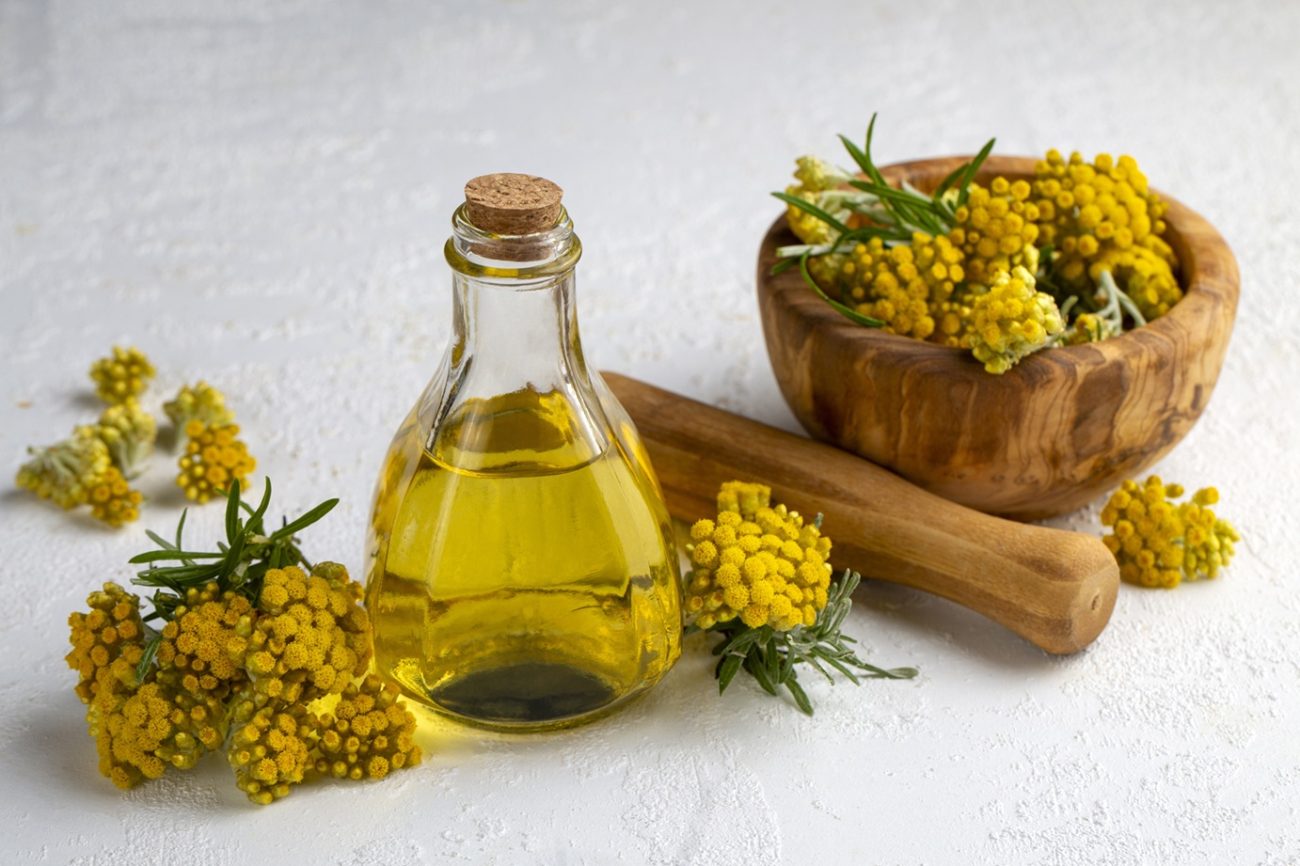
Helichrysum essential oil comes from the flower of the plant, and has a rich, medicinal aroma with floral, honeyed undertones. It also has notes of black tea and hay, and a hint of spiciness; it is sometimes described as having a combination of rose and mild curry aromas (1,2).
In Liguria, Italy, the leaves are used to flavour cooking, and are described as ”rusmarin sarvego”, the local common name, meaning ”wild rosemary”— the taste is described as more delicate than true rosemary (Salvia rosmarinus) (3).
Since the essential oil of helichrysum is pungent, floral, eucalyptus-like, heady and strong, with a hint of spice, it is instantly invigorating. It imbues a sense of forward-looking purposefulness and optimism when inhaled.

The taste of helichrysum
The below qualities are derived from organoleptic assessment.
-
Into the heart of helichrysum
A key skin, musculoskeletal and respiratory herb, helichrysum essential oil is widely applicable and broadly safe, which makes it a versatile and effective ingredient for both topical and inhalation blends. This is a primarily restorative and relaxant herb, whose actions are demonstrated both physically (through calming inflammation and restoring tissues) and emotionally (through calming the mind, promoting emotional resilience and acceptance) (9,10).
Helichrysum essential oil distilled Corsican plants tends to be prized due to its high di-ketone (italidione) content, which is largely responsible for its anti-inflammatory effects (8).
Considered sweet in energy and neutral to cool in temperature, according to traditional Chinese medicine (TCM) principles, the essential oil of helichrysum activates qi and Blood, and has a circulating movement (5). As such, it is both helpful in reducing stagnation, alleviating pain, and nourishing Heart yin (5).
-
What practitioners say
 Integumentary system (skin)
When doctors in France began experimenting with Helichrysum in the 1960s, they were astounded at its efficacy in injury treatment, in particular in cases of tissue trauma and severe bruising (5). Its skin regenerating actions coupled with its anticoagulant properties have made it a first choice by medical herbalists and aromatherapists for the topical treatment of bruising and scarring (5,7).
Nervous system
Despite its strong aroma, helichrysum is one of the most important relaxant essential oils in the aromatherapist’s dispensary, and is commonly used as part of massage oil blends, inhalations and topical balms for the treatment of anxiety, stress, tension and suppressed anger — it combines well with clary sage, grapefruit and eucalyptus essential oils in treating lethargic emotional states, or those where there is psychological stagnation (10).
Respiratory system
Leonardo Santini, an Italian researcher, considered the “father” of helichrysum research by some, conducted many studies on the plant in the 1940s and 50s — his clinical observations included improvements in coughs, bronchial secretions, and respiratory difficulties in patients who underwent treatment with a range of helichrysum preparations (12).
Digestive system
In vitro and some more modern (2022) in vivo research has been conducted on helichrysum, specifically investigating metabolic and digestive conditions due to its antioxidant activity, lipid peroxidation inhibitory activity, and its modulation of inflammatory pathways, but these results are not conclusive; Helichrysum’s actions on the digestive system and metabolism should therefore be investigated further (13).
-
Helichrysum research

Helichrysum (Helichrysum italicum) Helichrysum italicum (Roth) G. Don and Helichrysum arenarium (L.) Moench Infusion consumption affects the inflammatory status and the composition of human gut microbiota in patients with traits of metabolic syndrome: A randomized comparative study
This 2022 study of thirty patients with metabolic syndrome found “reduced serum levels of proinflammatory markers” after four weeks of daily consumption of an infusion of the plant material — but the plant part used was unspecified (13). The authors concluded that the infusion could act as a prebiotic, improving the intestinal environment as well as improving dysbiosis and gut barrier dysfunction in patients with metabolic syndrome (13).
Protective effect of Arzanol against H2O2-induced oxidative stress damage in differentiated and undifferentiated SH-SY5Y cells
A 2024 in vitro study on differentiated SH-SY5Y (neuron-like) cells suggests that Arzanol, a strong antioxidant and anti-inflammatory compound in helichrysium (not the essential oil, importantly, but the plant extract), could be protective against cellular oxidation, which could indicate its potential for neuroprotection, and is a promising avenue for further research (14).
Effects of Helichrysum italicum extract on growth and enzymatic activity of Staphylococcus aureus
A 2001 in-vitro study showed that under laboratory conditions, Helichrysum showed inhibitory activity on Staphylococcus aureus strains as well as on associated enzymes, and reduced their growth (15). This would be interesting as an area of further research, and human randomised clinical trials would be needed to confirm its efficacy with regards to its anti-microbial activity.
-
Historical use of helichrysum
Traditionally, helichrysum was taken in the form of an infusion or decoction of the dried plant, to alleviate chronic bronchitis, asthma or whooping cough, and to restore liver function, address burns, or treat psoriasis (1). It was also used in the form of an infusion to treat inflammatory bowel disease without toxic side effects — this is probably due to its antispasmodic action on the ileum, an action which has been supported by modern research (11).
-
Helichrysum’s herbal actions
Herbal actions describe therapeutic changes that occur in the body in response to taking a herb. These actions are used to express how a herb physiologically influences cells, tissues, organs or systems. Clinical observations are traditionally what have defined these actions: an increase in urine output, diuretic; improved wound healing, vulnerary; or a reduction in fever, antipyretic. These descriptors too have become a means to group herbs by their effects on the body — herbs with a nervine action have become the nervines, herbs with a bitter action are the bitters. Recognising herbs as members of these groups provides a preliminary familiarity with their mechanisms from which to then develop an understanding of their affinities and nuance and discern their clinical significance.
Western actions
Ayurvedic actions
-
Helichrysum’s energetic qualities
Herbal energetics are the description that herbalists have given to plants, mushrooms, lichens, foods and some minerals based on the direct experience of how they taste, feel and affect the body. All traditional health systems use these principles to explain how the environment impacts health, according to each of their philosophies and frameworks. These assessments of individual herbs, though they often do align, can differ from one another due to cultural differences regarding perspectives on how herbs taste versus their physiological effects. Find out more about traditional energetics in our article An introduction to herbal energetics.
Ayurvedic energetics
Ayurvedic energetics are assigned according to Bhavaprakash by Acharya Bhavamishra and Ayurvedic Medicine: The Principles of Traditional Practice by Sebastian Pole.
Chinese energetics
Chinese energetics align with Bensky’s Chinese Herbal Medicine: Materia Medica.
Western energetics
Western energetics here are informed by The Energetics of Western Herbs by Peter Holmes, as well as traditional materia medica from Culpeper and Dioscorides.
-
What can I use helichrysum for?

Helichrysum (Helichrysum italicum) Helichrysum is primarily used in its essential oil form, and even then it does not have a long history of medicinal use — it was popularised in the 1960–1980s by Pénöel and Franchomme, two French aromatic physicians (4,5). Being strongly anti-inflammatory, it is one of the most effective essential oils for treating arthritis, fibromyalgia, or strains and sprains — it also dispels oedema which often accompanies injury or chronic inflammatory musculoskeletal conditions (4,6). It is one of the few essential oils that can be applied undiluted to skin due to its low toxicity and sensitisation risk (4–6).
It is both antihaematomic and cicatrisant, meaning that it can resolve bruising and improve the speed and quality of skin regeneration post-surgically or following injury, respectively; it is cited widely as an excellent scar treatment due to its di-ketone content (4,6,7).
It is astringent, tightening and supporting tissues, both superficially and within deeper tissue structures, further aiding tissue damage repair. As such, it is useful in treating a wide range of dermal and musculoskeletal conditions (4,6). Dermally, it has documented uses for the treatment of abscesses, acne, boils and burns (8).
Emotionally speaking, it is indicated for those who experience sluggishness, stress, anxiety, suppressed feelings of anger, or feel otherwise agitated; it is helpful for promoting calm, acceptance, inner strength and patience (9,10).
As such it is recommended for those people experiencing tension-related conditions such as stress, as well as PTSD, shock, anxious forms of depression, addictive disorders and co-dependency (9,10).
Its expectorant actions make it a supportive ingredient in treatments for respiratory conditions where there is a need to relax the lung tissues (asthma, for example, or whooping cough) or where there is an excessive inflammatory response (such as with allergies) (9,10). As a mucolytic, it is able to break down thick, sticky mucus and when used in a steam inhalation, it can provide relief from congestion in addition to calming inflammation in the respiratory tract (4).
-
Did you know?
Helichrysum is sometimes called “curry plant” due to its unusual aroma, but it is not an ingredient typically used in curries, since it comes from the Mediterranean.
 Integumentary system (skin)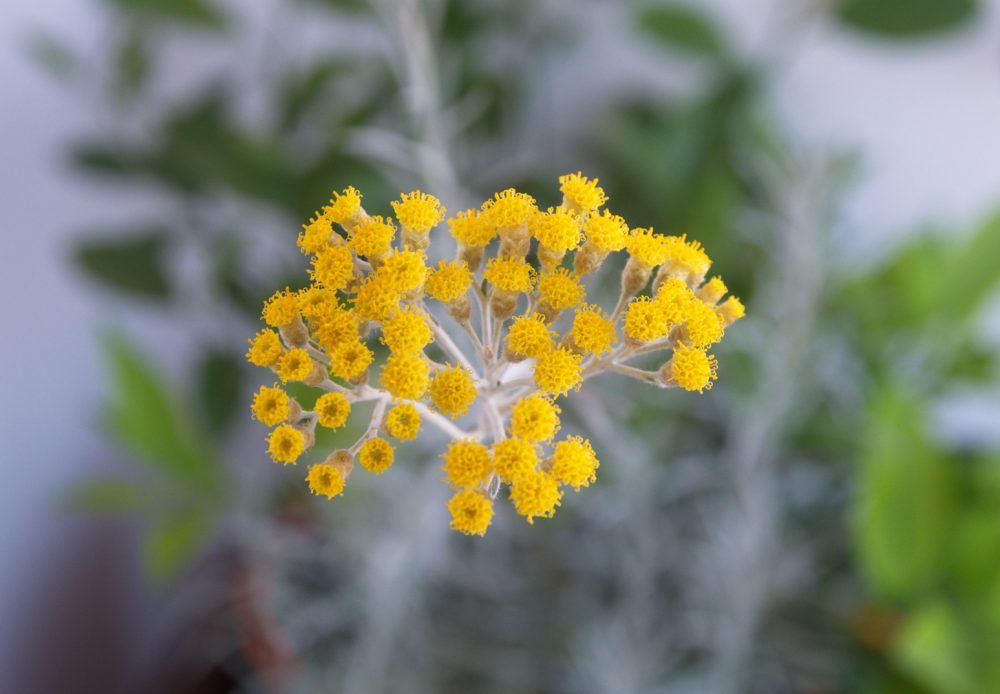
-
Botanical description
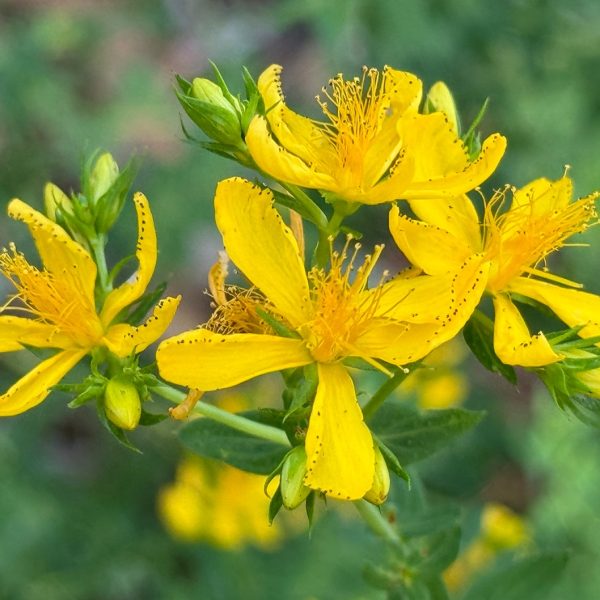
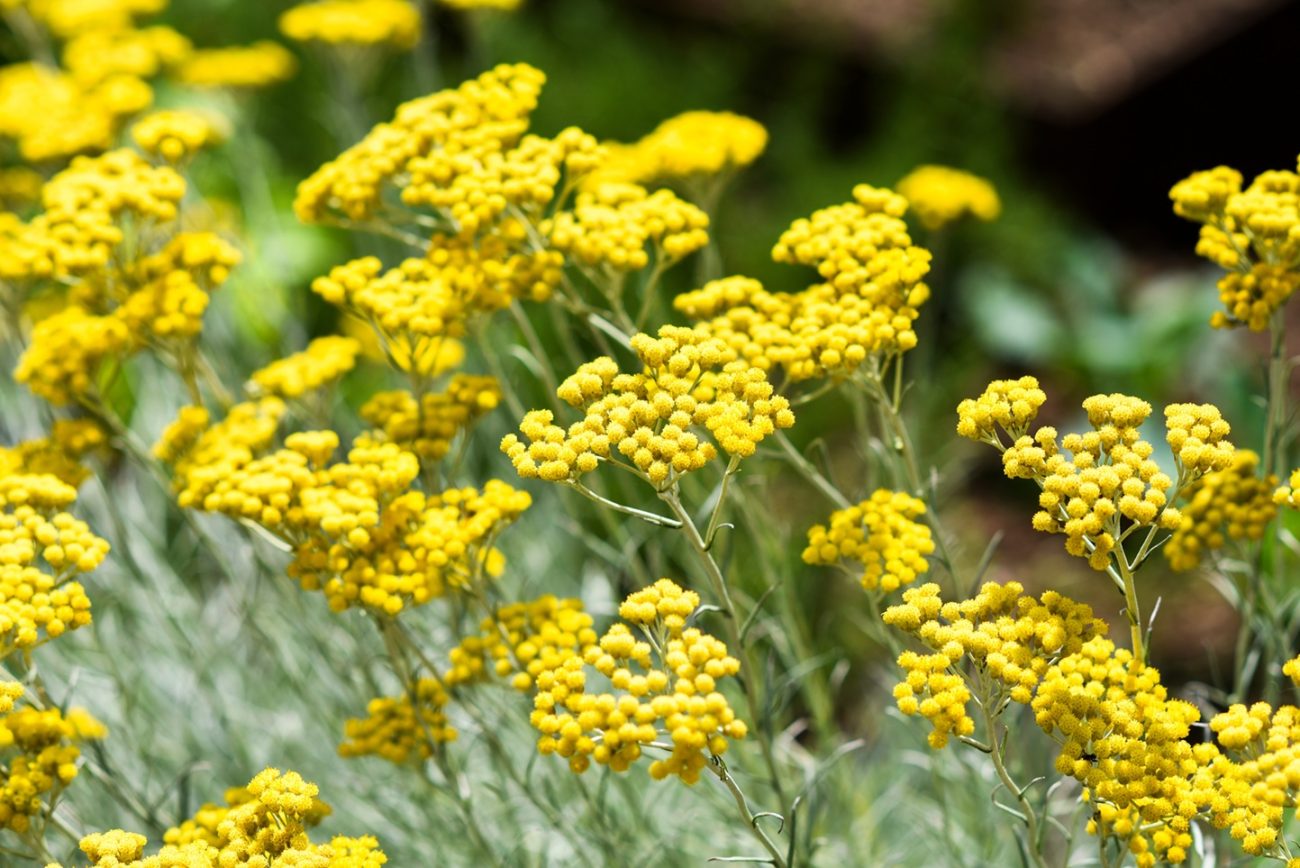
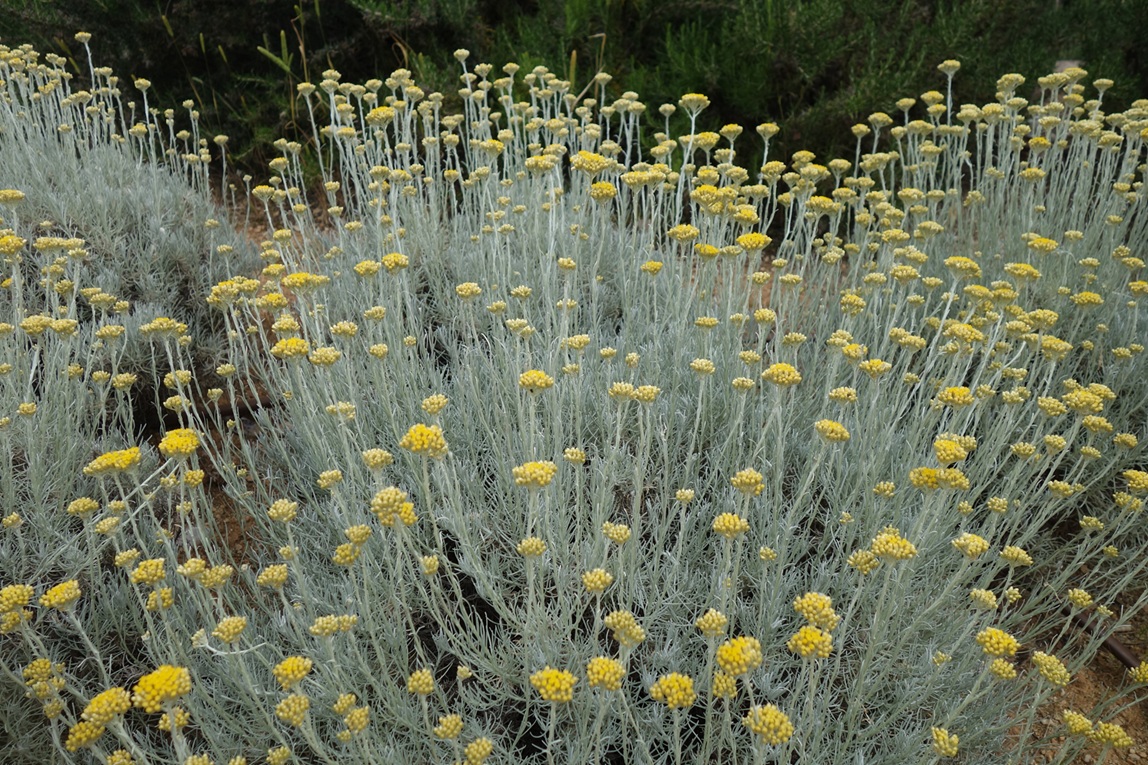
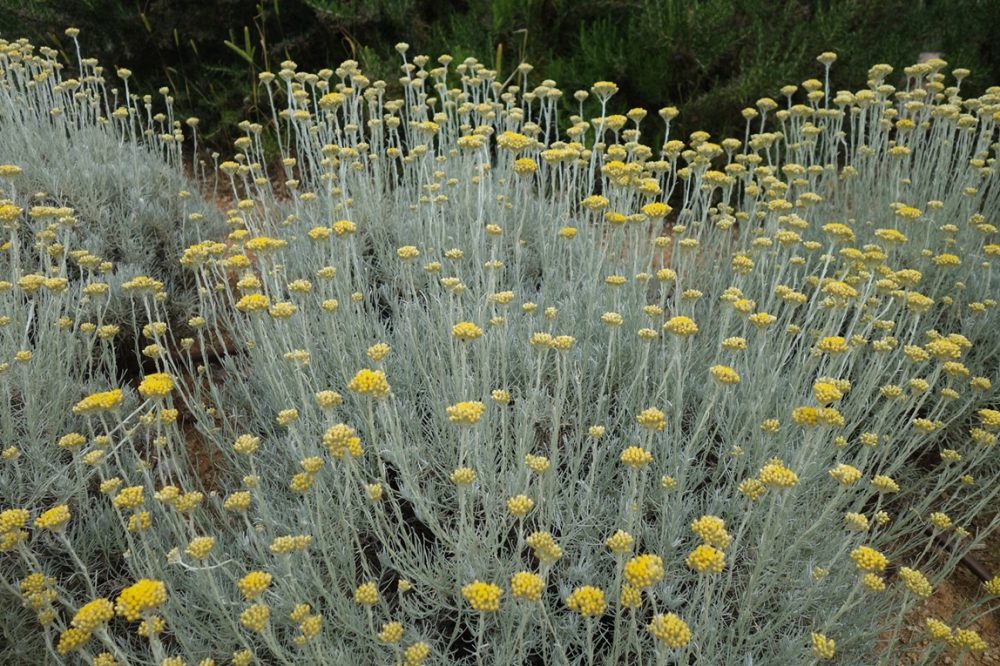
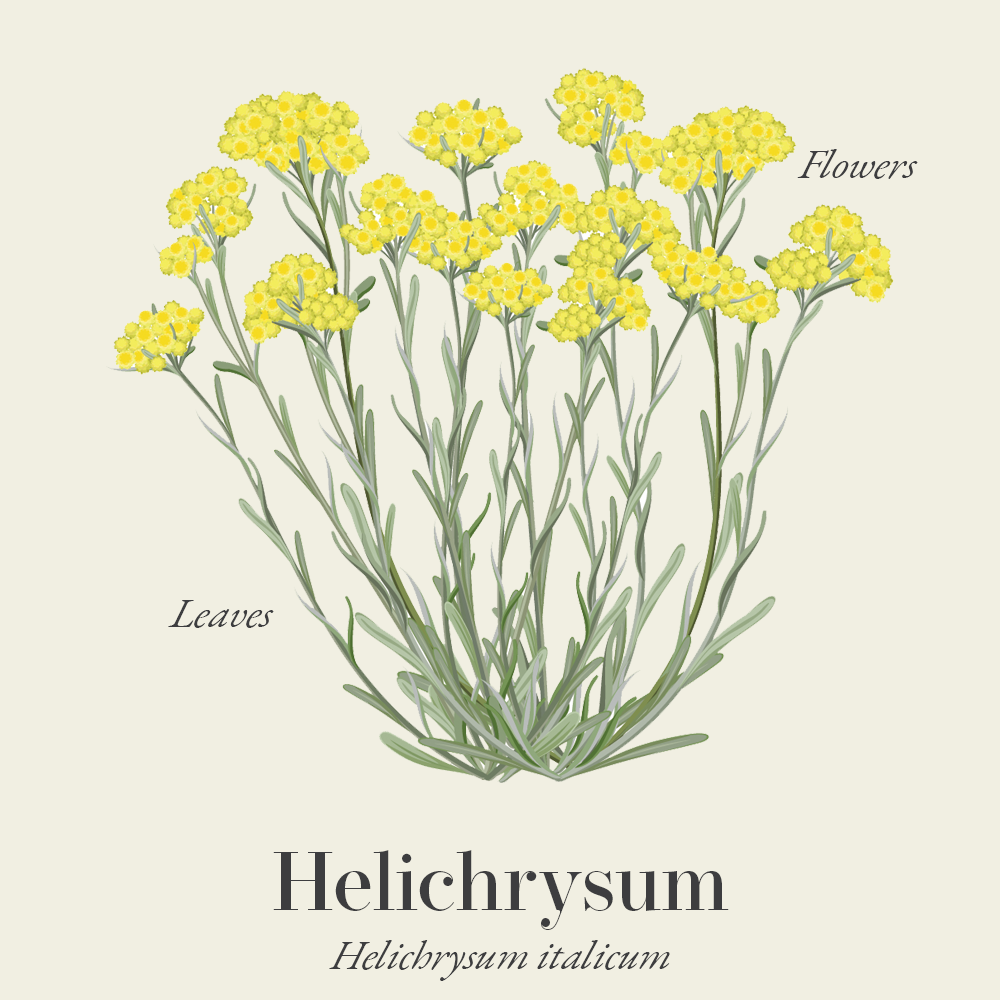
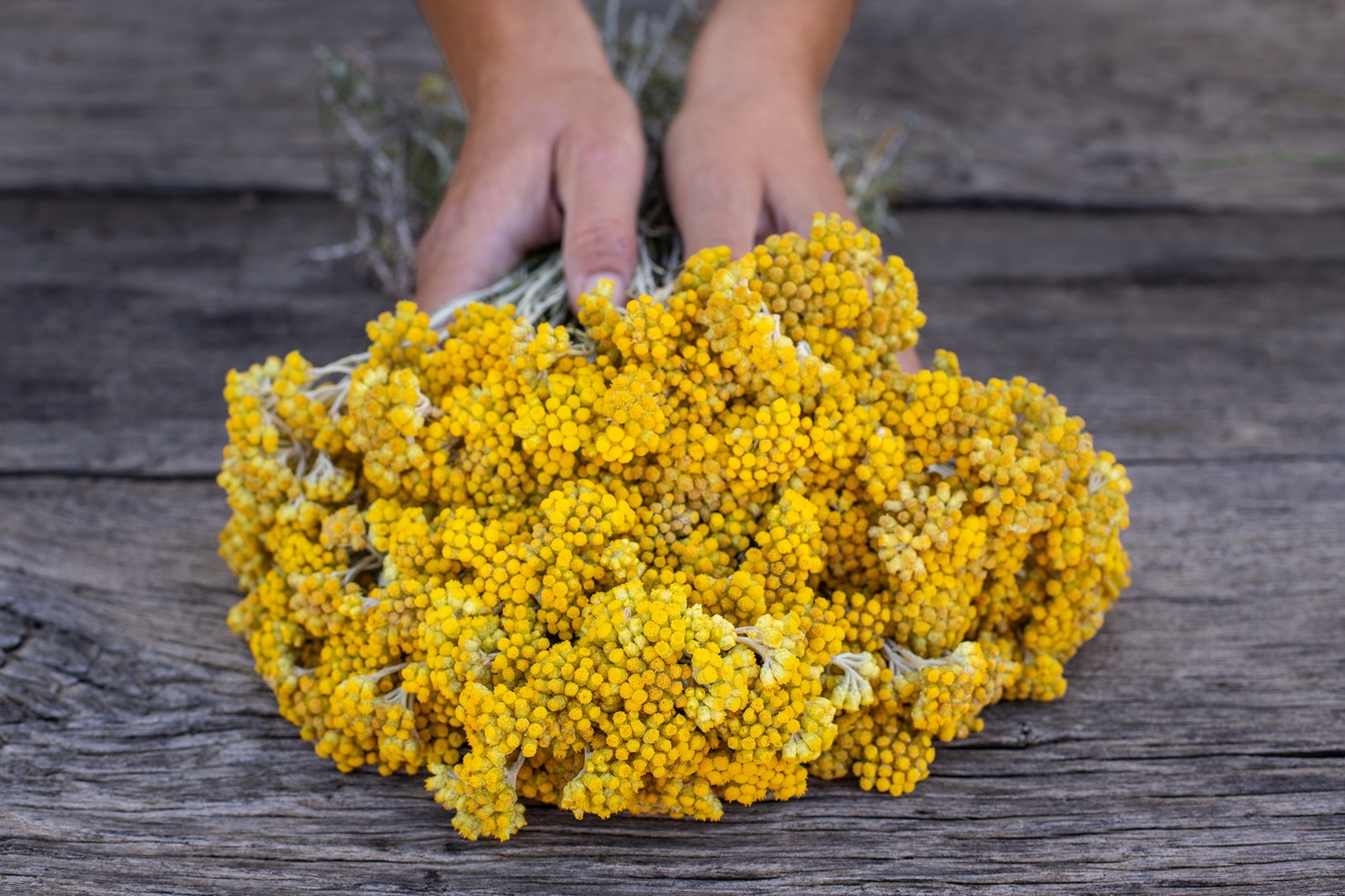
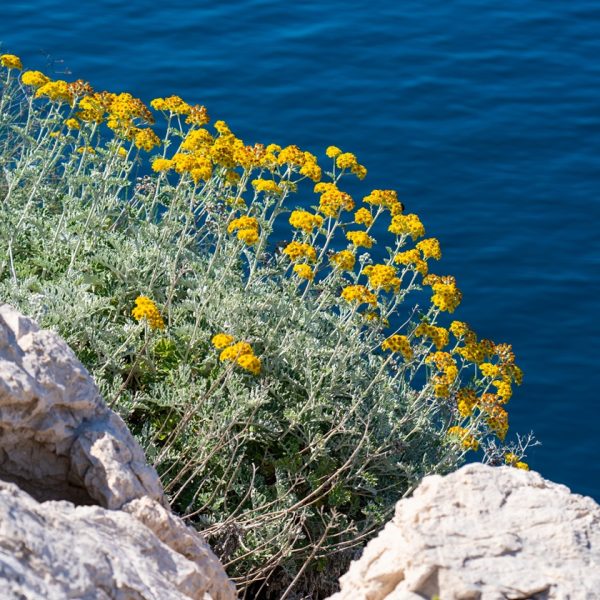
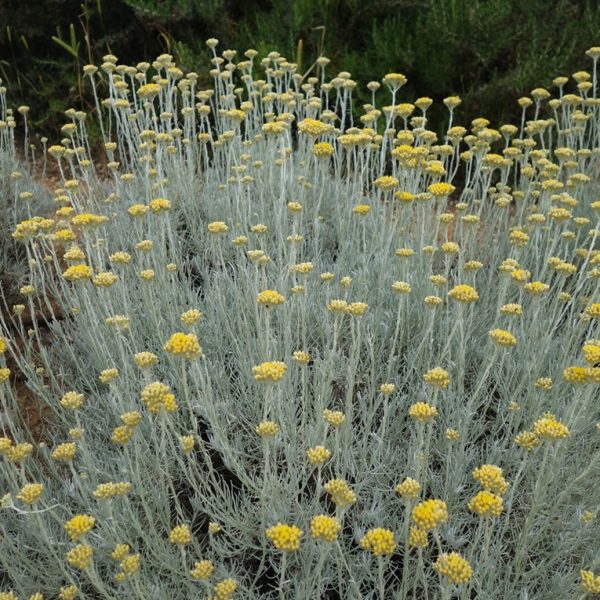
A strongly aromatic plant with woody, many-branched stems and greyish green, dry leaves, and small yellow flowers in clustered domes that become dry and crispy as the plant matures (1,16).
It grows to around 0.6 metres high (1,16).
-
Common names
- Everlasting
- Immortelle
- Curry plant (4–6,10,16)
-
Habitat
As helichrysum is a Mediterranean plant, it prefers full sun and chalky or loamy soils that are well-drained and alkaline to neutral in pH (16).
-
How to grow helichrysum
Grow in a South–, East– or West–facing aspect, in a sheltered location; this plant is hardy throughout most of the UK (16).
-
Herbal preparation of helichrysum
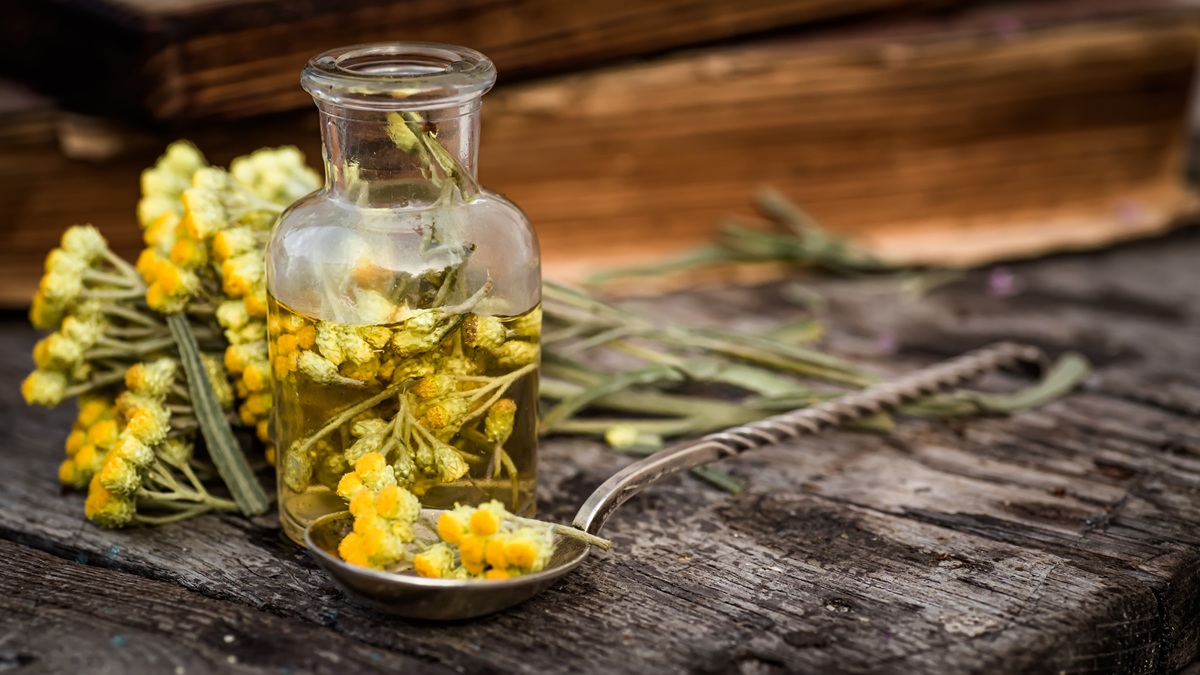
- Decoction or infusion
- Essential oil (diluted in base oil)
- Essential oil (Inhalation)
-
Plant parts used
Flowers, flowering tops (4)
-
Dosage
- Inhalation: 2–3 drops in a diffuser, inhaler or on a tissue (5)
- Essential oil (massage oil)
Dilute approx. 15 drops of helichrysum essential oil in 30 ml of base oil (2–5% dilution) and apply as a full body massage (10) - Infusion of dried herb
1 g of dried plant material, consumed daily (17)
-
Constituents
Aromatic compounds
- Monoterpenes
- 𝜶-pinene
- 𝜸-curcumene
- Esters
- Neryl acetate
- Sesquiterpene hydrocarbons
- 𝜷-caryophyllene
- Ketones
- Italidione I
Non aromatic compounds from whole-plant extract
- Arzanol
- Prenylated phloroglucinol-α-pyrone
- Monoterpenes
-
Helichrysum recipe
Lethargy and depression inhalation blend (10)
An aromatherapeutic essential oil blend to lift the spirits and energise the body.
Ingredients
- 3 drops helichrysum (Helichrysum italicum) essential oil
- 1 drop clary sage (Salvia sclarea) essential oil
- 2 drops lemon eucalyptus (Eucalyptus citriodora) essential oil
How to make a helichrysum inhalation blend
Blend the essential oils in a small beaker or add them directly to a diffuser or inhaler, and inhale as needed.

-
Safety
The essential oil of Helichrysum has a moderate risk of skin irritation, but no known contraindications (1,5,6). It should be used at a maximum of 0.5% when applied topically to the skin (6).
Trials in young children and in adults indicate that the ingestion of the H. italicum plant is safe — however, neat essential oils should not typically be ingested (6,18); although, Holmes does suggest a gel cap of the essential oil (2–3 drops in olive oil) can be taken internally (5).
There is a lack of reproductive-toxicity and pregnancy-specific human data for Helichrysum italicum (1,5,6,18). Whilst no adverse effects or teratogenicity has been reported, caution should be exercised during pregnancy due to the paucity of pregnancy-specific safety information.
-
Interactions
None known (1,5,6,18)
-
Contraindications
None known (1,5,6,18)
-
Sustainability status of helichrysum
Helichrysum italicum was last assessed for The IUCN Red List of Threatened Species (IUCN) in 2023 and is listed as Least Concern (19).
Species+ does not have data for this species, however a sustainability assessment workshop was conducted by the IUCN in 2007 in collaboration from communities harvesting this herb in Bosnia and Herzegovina, and a standard of harvesting and organic production of the herb and essential oil was called for (20). This was superseded by the later FairWild certification. As such when sourcing Helichrysum essential oil, it is important to look for standards such as FairWild to ensure sustainable provenance (20,21).
Read our article on Herbal quality & safety: What to know before you buy and Sustainable sourcing of herbs to learn more about what to look for and questions to ask suppliers about sustainability.
-
Quality control
Helichrysum is subject to highly variable chemotypic variability and as such, GC MS data should be sought wherever possible when sourcing the essential oil to ensure the intended therapeutic qualities are present (22). As with all aromatic herbs, essential oils are sometimes adulterated so care should be taken to source 100% pure essential oil or grow and dry the herb wherever possible to ensure quality (23).
-
References
- Lawless J. Encyclopedia of Essential Oils. Harper Thorsons; 2014.
- Simon J. Volatile compounds of the curry plant. Published 1991. Accessed July 25, 2026. https://www.academia.edu/69689263/Volatile_compounds_of_the_curry_plant
- Ghirardini MP, Carli M, del Vecchio N, et al. The importance of a taste. A comparative study on wild food plant consumption in twenty-one local communities in Italy. J Ethnobiol Ethnomed. 2007;3(1):22. https://doi.org/10.1186/1746-4269-3-22
- Martin I. Aromatherapy for Massage Practitioners. Lippincott Williams & Wilkins; 2007.
- Holmes P. Aromatica. Vol. 1. Singing Dragon; 2016.
- Tisserand R, Young R. Essential Oil Safety. 2nd ed. Churchill Livingstone/Elsevier; 2014.
- Etheridge DC. Integrated regimes: support during conventional treatments. Unpublished report; 2025.
- Aromaweb. Helichrysum essential oil: benefits, uses & insights. Aromaweb. Accessed July 25, 2026. https://www.aromaweb.com/essential-oils/helichrysum-italicum-essential-oil.php
- Holmes P. Aromatica. Vol. 2. Singing Dragon; 2019.
- Worwood VA. The Fragrant Mind: Aromatherapy for Personality, Mind, Mood, and Emotion. 2nd ed. Bantam Books; 1997.
- Furlan V, Bren U. Helichrysum italicum: from extraction, distillation, and encapsulation techniques to beneficial health effects. Foods. 2023;12(4):802. https://doi.org/10.3390/foods12040802
- HerbalGram. Helichrysum italicum: the sleeping giant of Mediterranean herbal medicine. HerbalGram. Accessed July 25, 2026. https://www.herbalgram.org/resources/herbalgram/issues/105/table-of-contents/hg105-feat-helichrysum/
- Petelin A, Šik Novak K, Hladnik M, et al. Helichrysum italicum (Roth) G. Don and Helichrysum arenarium (L.) Moench infusion consumption affects the inflammatory status and the composition of human gut microbiota in patients with traits of metabolic syndrome: a randomized comparative study. Foods. 2022;11(20):3277. https://doi.org/10.3390/foods11203277
- Piras F, Sogos V, Pollastro F, Rosa A. Protective effect of arzanol against H2O2-induced oxidative stress damage in differentiated and undifferentiated SH-SY5Y cells. Int J Mol Sci. 2024;25(13):7386. https://doi.org/10.3390/ijms25137386
- Nostro A, Bisignano G, Cannatelli MA, Crisafi G, Germanò MP, Alonzo V. Effects of Helichrysum italicum extract on growth and enzymatic activity of Staphylococcus aureus. Int J Antimicrob Agents. 2001;17(6):517-520. https://doi.org/10.1016/S0924-8579(01)00336-3
- Royal Horticultural Society. Helichrysum italicum “curry plant.” RHS website. Accessed July 25, 2026. https://www.rhs.org.uk/plants/34062/helichrysum-italicum/details
- [Duplicate of reference 13 — see note below]
- Kramberger K, Kenig S, Jenko Pražnikar Z, Kočevar Glavač N, Barlič-Maganja D. A review and evaluation of the data supporting internal use of Helichrysum italicum. Plants. 2021;10(8):1738. https://doi.org/10.3390/plants10081738
- Khela S. Helichrysum italicum. The IUCN Red List of Threatened Species. Published online February 10, 2023. Accessed July 25, 2026. https://www.iucnredlist.org/en
- Leaman DJ. Trading wildlife. IUCN Regional Office for Europe Newsletter. 2007;14:8-9.
- FairWild Foundation. ISSC-MAP merges with FairWild Foundation. FairWild Foundation website. Published August 10, 2009. Accessed July 25, 2026. https://www.fairwild.org/news/2009/8/10/issc-map-merges-with-fairwild-foundation
- Ninčević Runjić T, Pljevljakušić D, Runjić M, Grdiša M, Šatović Z. Phenotypic plasticity vs. local genetic adaptation: essential oil diversity of natural immortelle (Helichrysum italicum (Roth.) G. Don) populations along eastern Adriatic coast. Front Plant Sci. 2025;16. https://doi.org/10.3389/fpls.2025.1467421
- Capetti F, Marengo A, Cagliero C, et al. Adulteration of essential oils: a multitask issue for quality control. Three case studies: Lavandula angustifolia Mill., Citrus limon (L.) Osbeck and Melaleuca alternifolia (Maiden & Betche) Cheel. Molecules. 2021;26(18):5610. https://doi.org/10.3390/molecules26185610
Meet our herbal experts
Our monographs are written by our monograph authors and edited, reviewed and updated by Herbal Reality.
Meet our Herbal Reality team or explore our Herbal Reality authors.