








Last reviewed 13/08/2020
Sustainability status
Not currently on risk lists but complete data may be missing on the status of the species. Read more in our sustainability guide.

Avoid in pregnancy and lactation
Herbs are generally best-avoided in pregnancy, unless working with them under the guidance of a medical herbalist. However, some herbs pose a risk to pregnancy as they are potentially: toxic to the mother, toxic to the neonate, teratogenic (risk developmental malformation), may increase miscarriage risk, or could cause foetal distress leading to miscarriage or premature birth. Herbs with teratogenic, emmenagogue, or stimulant laxative actions are all contraindicated in pregnancy. Furthermore, herbs containing volatile oils, thujone, apiol, phyto-oestrogens also should be avoided.
During lactation, there is the possibility for transfer of plant compounds through the breast milk, which can have an effect (detrimental or beneficial) on the infant.
Please read the Safety section in this monograph.
Drug interactions
Herbs may interact with pharmaceutical medications through both pharmacokinetic and pharmacodynamic mechanisms. Pharmacokinetic interactions involve alterations in the absorption, metabolism, distribution, or excretion of a drug. Many herb–drug interactions occur through liver enzyme modulation: by inducing CYP enzymes — increasing drug concentration and toxicity risk; or by inducing CYP enzymes — decreasing drug concentration and therapeutic efficacy.
Pharmacodynamic interactions occur when herbs and drugs influence the same physiological systems. These interactions can cause synergistic, additive or antagonistic effects at the receptor or tissue level, enhancing or opposing the intended pharmacological action. The clinical consequences of herb-drug interactions can be complex and nuanced. Consultation with a medical professional is, therefore, recommended to ensure safe use and appropriate dosing.
Please read the Interactions section in this monograph.

Contraindications
A contraindication refers to a situation in which a herb should be avoided as it may exacerbate a medical condition or pose undue risk. Contraindications may arise through pharmacodynamic mechanisms (e.g., liquorice in uncontrolled hypertension or uterine stimulants during pregnancy) or pharmacokinetic effects that alter metabolism, absorption or elimination (e.g., tannin-rich herbs in iron-deficient anaemia).
In some cases, herbal actions may aggravate underlying pathologies (e.g., the use of bitter herbs in GERD). Recognition of contraindications requires thorough assessment of patient history, co-morbidities and medications. Consultation with a qualified medical herbalist will provide guidance to ensure safe and appropriate prescribing.
Please read the Contraindications section in this monograph.
-
Herb overview
Safety
St John’s wort can reduce the effectiveness of some medications. May cause photosensitivity. Not suitable during pregnancy and lactation.
Sustainability
Status: Lower risk
Key constituents
Naphthodianthrones: Hypericin
Phloroglucinols: Hyperforin
FlavonoidsQuality
Native to Europe
Wild harvested and cultivated
Adulteration with other species can occurKey actions
Antidepressant
Anxiolytic
Antiviral
HepaticKey indications
Depression
Anxiety
Antiviral
Menstrual issuesKey energetics summary
Warm
Dry
BitterSee below for discipline-specific energeticsPreperation and dosage
Aerial parts
6–12 g/per day
Tincture (1:5|40%): 6–12 ml daily
-
How does it feel?
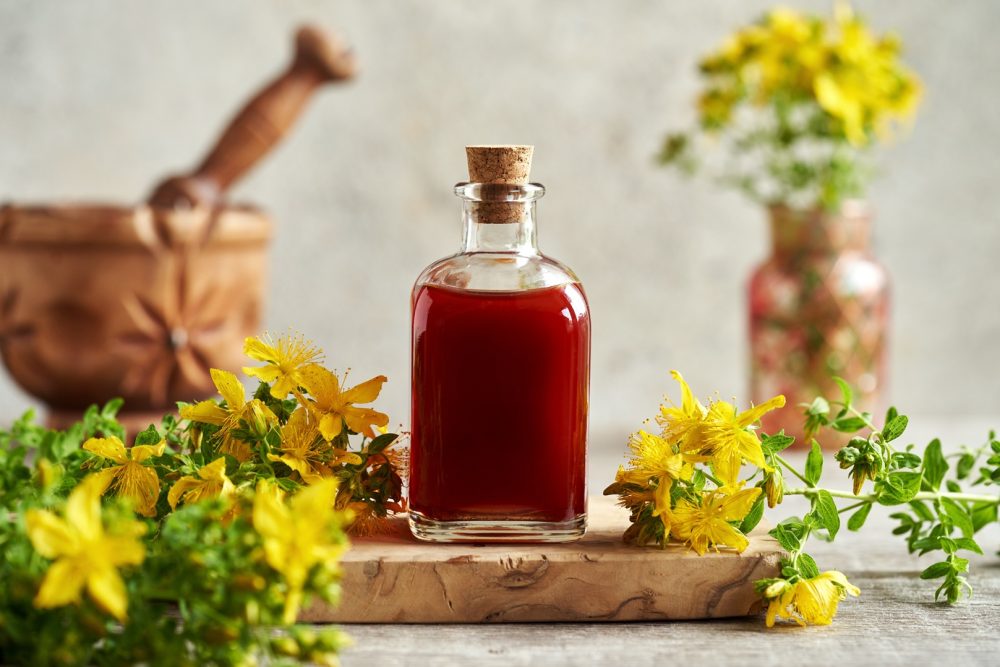
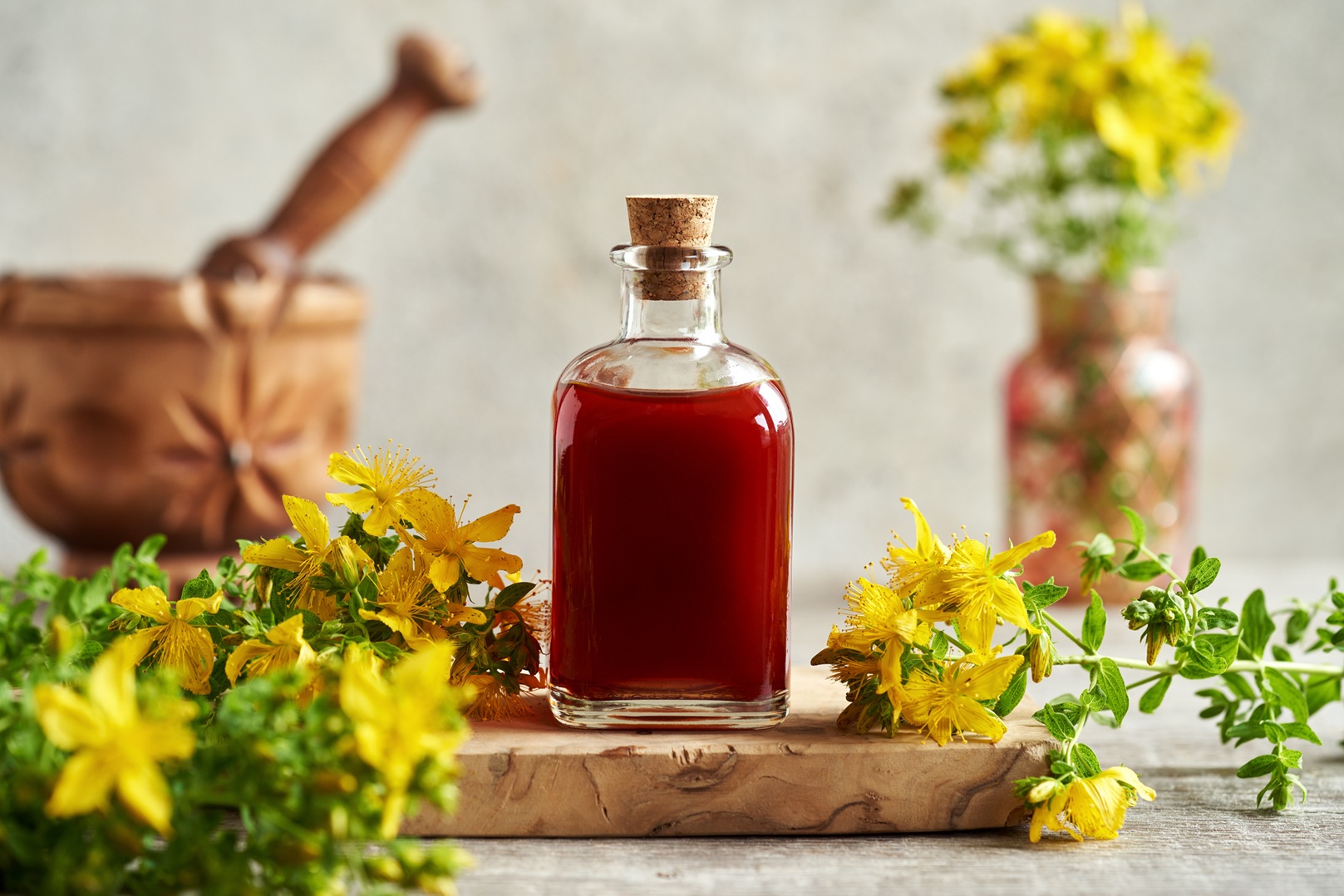
Probably the best way to appreciate the organoleptic qualities of St John’s wort is to obtain a good quality tincture. The first thing to notice is the deep red colour, due to its active constituent hypericin. Upon tasting, the initial flavour of bitterness comes through, though only for a short time, quickly followed by an acrid quality, and then by a more lingering aromatic, astringent and slightly resinous aftertaste. Overall the taste is short lived — there is little long term effect in the mouth.
From first impressions, St John’s wort appears as a (blood) red, astringent remedy suggestive of its ‘Doctrine of Signatures’ for a wound remedy, which was its original folk use. The same red ‘sanguine’ quality may have inspired its early use to raise the spirits and for melancholia due to the associations with ancient Greek humoral medicine where ‘sanguine’ was associated with warmth, vitality and optimism.

The taste of St John’s wort
The below qualities are derived from organoleptic assessment.
-
Into the heart of St John’s wort

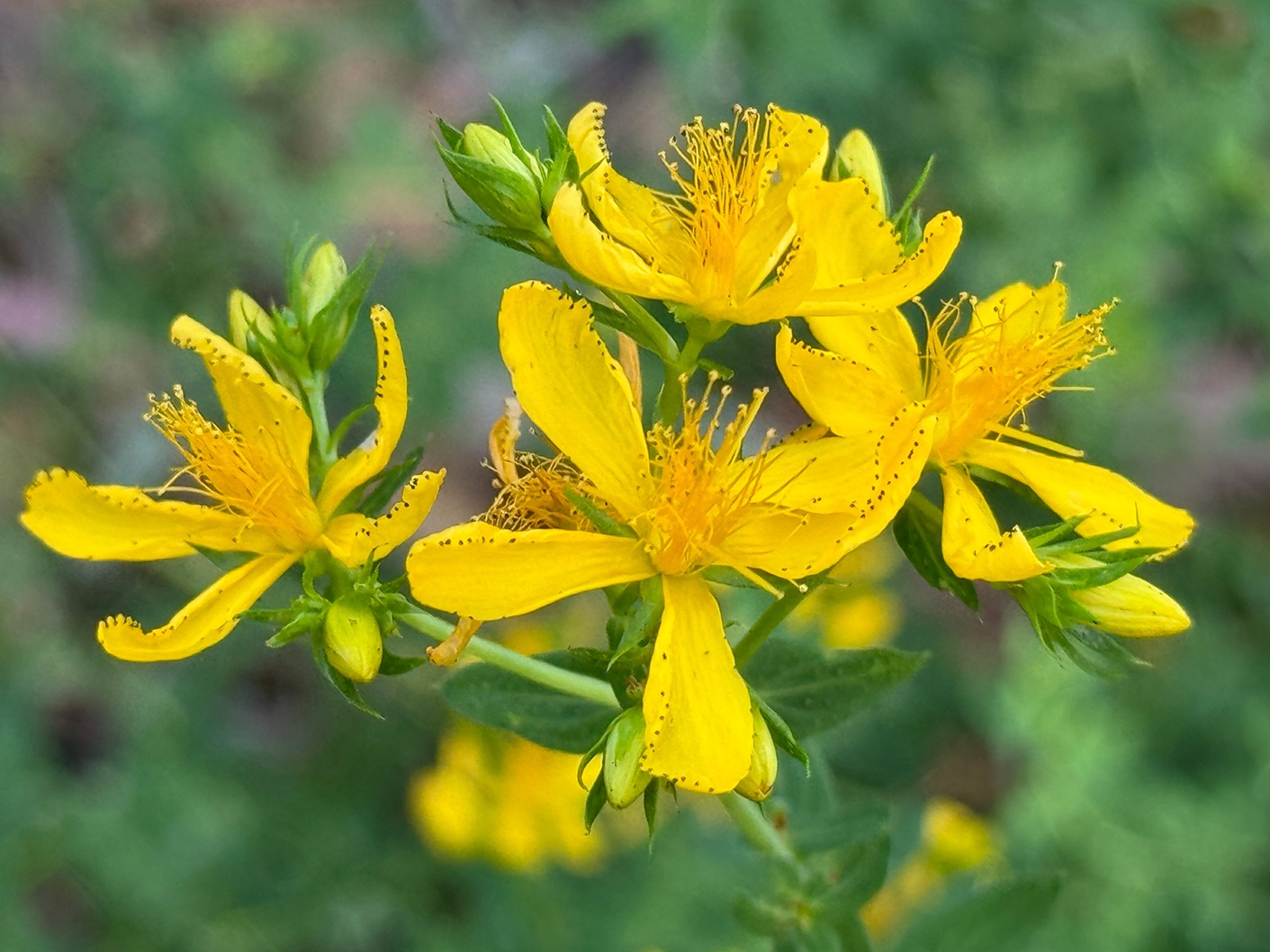
St John’s wort (Hypericum perforatum) St John’s wort has long been associated with the sun. It both visually and energetically represents the sun with its bright yellow flowers and warm, dry qualities. It is also traditionally harvested on St John’s day, which falls a few days from the summer solstice, when the light is the most abundant. St John’s wort is a deeply restorative nervine tonic, which is also powerfully uplifting. It is thought of as the flower that brings sunshine, brightness and optimism and can brighten one’s inner light.
These restorative and relaxant nervine effects combine to make St John’s wort a particularly valuable herb to use where tension and exhaustion combine (5).
This herb has been regarded in British and European herbal medicine as a calming tonic, used for symptoms of anxiety and restlessness associated with fatigue, exhaustion and to aid in recovery from illness.
This earlier tradition is perhaps a better guide to the value of St John’s wort rather than considering it as an isolated treatment for depression. St John’s wort comes into its own when depression is combined with any of the aforementioned symptoms.
St John’s wort also has bitter qualities and has a profound effect on the liver. It supports the function of the liver, and encourages the elimination of toxins and hormones through the liver and kidneys (3,4).
-
What practitioners say
 Endocrine system
St John’s wort is a tonic medicine used to help recovery from illness, injury, exhaustion and fatigue. It combines well with the traditional tonics used in Chinese and Asian medicine for a coordinated approach to chronic fatigue syndrome.
St John’s wort has a long history of use for mood disorders such as depression and anxiety. This activity involves several mechanisms affecting neurotransmitter signalling and neuroendocrine regulation. Hyperforin has been shown to inhibit the reuptake of serotonin, noradrenaline and dopamine, thereby increasing their availability within the synaptic cleft. I(6).
Pharmacological studies have shown that St John’s wort is also effective for treatment of conditions requiring increased nocturnal melatonin plasma levels such as sleep disorders that are associated with an imbalance of the circadian rhythm (5).
Nervous system
Traditional practice has emphasised the effect of St John’s wort in reducing symptoms of anxiety and restlessness, with its antidepressant benefits more recently confirmed in scientific research. Anxiety and depression very often present together. However, traditionally, St John’s wort was applied for mild depression associated with external influences such as seasonal affective disorder (SAD), hormonal fluctuations concurrent with premenstrual syndrome (PMS) or emotional agitation due to chronic pain, and not necessarily pathological depression (1,4).
Flavonoids in St John’s wort, notably hyperoside, quercetin and quercitrin contribute to its antidepressant activity by modulating neurotransmitter signalling and influencing stress related neuroendocrine pathways. These compounds also influence the regulation of the hypothalamic–pituitary–adrenal (HPA) axis. There are also numerous compounds that have been found to affect serotonin (a neurotransmitter that is responsible for regulating energy and mood) (6).
Whole plant extracts of St John’s wort have also been investigated for their antidepressant mechanisms of action, and results showed that multiple compounds including hyperforin, hypericin and flavonoids contribute to the antidepressant action through complementary mechanisms. Some of the other actions include inhibition of synaptic uptake of noradrenaline, serotonin and dopamine in vitro and inhibition of GABA reuptake.
Upregulation of central serotonergic receptors from cerebral tissue in vivo has also been evidenced. These effects are also consistent with those found in pharmaceutical antidepressants such as selective serotonin reuptake inhibitors (SSRIs) including as fluoxetine and sertraline, as well as serotonin–noradrenaline reuptake inhibitors (SNRIs), such as venlafaxine and duloxetine (7).
A herbalist may prescribe St John’s wort for a number of other chronic nervous system disorders, such as seasonal affective disorder and obsessive compulsive disorder. Additionally, St John’s wort is indicated for nerve injuries, particularly where pain and spasm are residual symptoms. It is specific to painful injuries of the sacral spine and coccyx, traumatic shock, facial neuralgia and neurasthenia. Both topical use of St John’s wort oil and internal use of a tincture or infusion would be recommended for these applications (8).
Immune system
St John’s wort may be included in prescriptions for cases in which the body is fighting a chronic or acute viral infection.
Hypericin and pseudohypericin are two compounds that are found in St John’s wort that are evidenced to produce antiviral effects, these compounds have also been found to be able to cross the blood brain barrier (6).
Compounds in St John’s wort including hypericin have been shown to interfere with more than one stage of the virus replication cycle including disruption of enveloped viral particles and by interfering with viral assembly and maturation. In vivo and in vitro studies have shown potent antiretroviral activity against several retroviruses including HIV, however this does not translate into clinical efficacy against HIV in humans (5).
St John’s wort is shown to be most effective for enveloped viruses such as; herpes, shingles, chickenpox, glandular fever (Epstein–Barr virus), cytomegalovirus and viral hepatitis (7). A herbalist may use St John’s wort as part of an integrated approach to support the immune system as well as to protect the systems most affected by these viral infections.
Impressive antibacterial activity has also been evidenced in in vitro studies of hypericin. Antibacterial properties of hypericin were shown with both gram positive and gram negative bacteria including Staphylococcus aureus (7).
Reproductive system
St John’s wort is an old favourite for supporting women through the menopause. This is especially so for women experiencingsymptoms of low energy, anxiety and depression.
St John’s wort is also prescribed for the treatment of menstrual cramps and PMS (5). St John’s wort supports and regulates the neuroendocrine system and allows for harmony where symptoms arise in association with hormonal stress. Elimination of hormones via the liver is also encourage by St John’s wort, which is likely one of the mechanisms by which it is able to support PMS (7).
Skin health
St John’s wort is particularly indicated for wound healing. It can be used topically on wounds, bruises and heal burns. The oil of St John’s wort can stimulate the formation of granulation tissue (the intermediate tissue involved in the first stages of wound healing) (5).
The infused oil is also used externally for its healing and antiviral effects, specific for herpes infections including cold sores, shingles and chickenpox (7).
-
St John’s wort research

St John’s wort (Hypericum perforatum) Documentary analysis of Hypericum perforatum (St. John’s wort) and its effect on depressive disorders
This review evaluated whether Hypericum perforatum may be beneficial for mild-to-moderate depression, with fewer adverse effects than conventional antidepressants. It reviewed 60 publications, including 16 randomised controlled trials, with pooled clinical trial data covering 3,599 adult participants with mild-to-moderate depression, mostly adults with baseline HAMD-17 scores of 15–20 and an average age of around 42 years.
Across the reviewed trials, 2,004 participants received H. perforatum extracts, 877 received synthetic antidepressants, and 718 received placebo. Treatments included standardised extracts such as ZE 117, WS 5570/5571, STW3-IV, LI 160 and PM 235, typically given orally at 300–1,200 mg daily, for an average of six weeks, and compared with antidepressants such as fluoxetine 20 mg/day, sertraline 50 mg/day, citalopram 20 mg/day and imipramine. The primary outcome was clinical response, defined as at least a 50% reduction in Hamilton Depression Rating Scale (HAMD-17) score. Overall, H. perforatum extracts showed antidepressant effects comparable to standard antidepressants, with an average response rate of around 66%, with ZE 117 and STW3/STWE extracts around 69%; adverse effects were generally lower with H. perforatum than synthetic antidepressants, with overall adverse effects reported at 27% vs 43%, and ZE 117 at 19%.
The review concluded that St John’s wort may be a useful option for mild-to-moderate depression under medical supervision, but highlighted major safety concerns around interactions with oral contraceptives, anticoagulants, immunosuppressants, antiretrovirals, chemotherapy drugs and antidepressants due to its CYP/P-glycoprotein metabolism pathway, especially from higher-hyperforin extracts (9).
The effect of Hypericum perforatum on postmenopausal symptoms and depression: A randomised controlled trial
This randomised controlled trial examined the effects of Hypericum perforatum on hot flashes, menopausal symptoms and depression in postmenopausal women. The study included 80 postmenopausal women aged 45–60 years from Izeh, Iran, who were randomly assigned to receive either H. perforatum tablets (270–330 μg three times daily, n=40) or placebo (n=40) for eight weeks.
Seventy participants completed the trial, with five withdrawals from each group. The primary outcome measures were the frequency and intensity of hot flashes and overall menopausal symptoms assessed using the modified Kupperman Index, measured before treatment and at weeks 2, 4, 6 and 8. Depression severity was assessed using the Hamilton Depression Rating Scale (HAM-D) at baseline and week eight.
Compared with placebo, the H. perforatum group showed a significant reduction in the frequency and intensity of hot flashes, as well as significantly improved Kupperman scores (p < 0.001). Depression severity also improved in the intervention group, with 80% of women in the H. perforatum group showing no depression at the end of the study, compared with only 5.7% in the placebo group (p < 0.001). The study concluded that Hypericum perforatum may be an effective intervention for reducing vasomotor symptoms, menopausal complaints and depressive symptoms in postmenopausal women (10).
Hypericum perforatum in the treatment of psychiatric and neurodegenerative disorders: Current evidence and potential mechanisms of action
This narrative review examined clinical evidence regarding the efficacy, safety and mechanisms of action of Hypericum perforatum and its constituents in the treatment of psychiatric and neurodegenerative disorders, particularly depression and anxiety. The review discussed evidence from multiple clinical trials of varying design involving adults with depressive disorders.
The authors evaluated the effects of H. perforatum extracts and its key constituents, particularly hypericin and hyperforin, compared with conventional antidepressant therapies, such as tricyclic antidepressants (TCAs) and selective serotonin reuptake inhibitors (SSRIs). The primary outcomes reviewed included improvements in depressive symptoms and overall antidepressant efficacy, while secondary outcomes included safety, tolerability and adverse-effect profiles. Across the reviewed clinical evidence, H. perforatum demonstrated antidepressant activity comparable to standard antidepressants in many studies, with several antidepressant-controlled trials showing similar efficacy to TCAs and SSRIs but with fewer and milder adverse effects.
Proposed mechanisms included modulation of serotonin, dopamine and noradrenaline pathways, alongside effects on inflammatory and neuroprotective pathways. The review concluded that Hypericum perforatum appears to be an effective and relatively safe treatment for depression, although the available evidence for its use in other psychiatric or neurodegenerative conditions remains insufficient to draw firm conclusions (11).
Impact of Hypericum perforatum ointment on perineal pain intensity following episiotomy: A randomised placebo-controlled trial
This triple-blind randomised clinical trial examined the effects of topical Hypericum perforatum ointment on perineal pain intensity following episiotomy in primiparous women after vaginal birth. The study included 98 eligible primiparous women undergoing normal vaginal delivery. Participants were randomly assigned in a 1:1 ratio to receive either Hypericum perforatum ointment or a placebo ointment. Women applied approximately 3 g of ointment to the episiotomy site twice daily for 10 days.
The primary outcome measure was pain intensity at the episiotomy site, assessed at multiple time points following treatment. Pain scores showed no significant differences between groups before treatment or four hours after ointment application. However, significant reductions in pain were observed in the Hypericum group after eight hours, five days, and 10 days of treatment.
Mean pain score differences between intervention and placebo groups were significant at eight hours (mean difference = 2.17; p < 0.001), 5 days (mean difference = 2.20; p < 0.001), and 10 days (mean difference = 2.21; p < 0.001). The study concluded that topical Hypericum perforatum ointment may be a simple, non-invasive and effective intervention for reducing post-episiotomy perineal pain (12).
-
Historical use of St John’s wort
St John’s wort has been used since the first century AD by Greek physicians including Galen, Pliny and Hippocrates to treat ulcers, burns, wounds, abdominal pains and bacterial infections (1).
In Europe, St John’s wort was renowned for a number of symptoms associated with the nervous system. This includes spasmodic cramps as well as nervous tensions and insomnia.
Traditionally used for melancholic conditions such as depression, St John’s wort was a remedy particularly associated with depletion and fatigue as a causative factor. It was also used as a tonic to help in the recovery stages of convalescence after concussion or other trauma.
St John’s wort is well reputed for the attenuation of pain. It was traditionally applied for menstrual cramps, muscular cramps and neuralgic cramps (5).
-
St John’s wort’s herbal actions
Herbal actions describe therapeutic changes that occur in the body in response to taking a herb. These actions are used to express how a herb physiologically influences cells, tissues, organs or systems. Clinical observations are traditionally what have defined these actions: an increase in urine output, diuretic; improved wound healing, vulnerary; or a reduction in fever, antipyretic. These descriptors too have become a means to group herbs by their effects on the body — herbs with a nervine action have become the nervines, herbs with a bitter action are the bitters. Recognising herbs as members of these groups provides a preliminary familiarity with their mechanisms from which to then develop an understanding of their affinities and nuance and discern their clinical significance.
-
St John’s wort’s energetic qualities
Herbal energetics are the description that herbalists have given to plants, mushrooms, lichens, foods and some minerals based on the direct experience of how they taste, feel and affect the body. All traditional health systems use these principles to explain how the environment impacts health, according to each of their philosophies and frameworks. These assessments of individual herbs, though they often do align, can differ from one another due to cultural differences regarding perspectives on how herbs taste versus their physiological effects. Find out more about traditional energetics in our article An introduction to herbal energetics.
Western energetics
Western energetics here are informed by The Energetics of Western Herbs by Peter Holmes, as well as traditional materia medica from Culpeper and Dioscorides.
-
What can I use St John’s wort for?

St John’s wort (Hypericum perforatum) The herb and flowers of St John’s wort have been used over recent centuries throughout Europe for symptoms of nervous tension including insomnia, cramps, intestinal colic and irritable bowel, dysmenorrhoea (menstrual cramps), bed-wetting, and anxiety. It also has a reputation for relieving pain, and is taken internally, as well as applied topically, for neuralgic pain and the pain of mild burns and contusions (1).
The plant also has a traditional use as a restorative treatment for melancholic conditions, depression and convalescence following concussion and other trauma. This combination of restorative and relaxant effects is not contradictory, and underlies the plant’s recommendation for the treatment of a number of such conditions where tension and exhaustion combine (2,3)
St John’s wort has a specific application for the symptoms of perimenopause and menopause. Menopausal symptoms include hot flushes, night sweats, depression, fatigue, irritability, difficulty concentrating and fluid retention; these can be addressed by considering hormonal as well as overall balance within the body.. Medical herbalists treat individuals experiencing these symptoms by addressing the whole picture and seek to use restorative measures that treat systemic health.. St John’s wort has a balance of qualities in this regard as it is specific for many of these symptoms as well as having a hormonal action (1,2).
The red oil of St John’s wort has traditionally been used as a wound healer and brings significant relief in the topical treatment of wounds and burns. Taken internally, the herb can also alleviate inflammation of the upper digestive system including oesophagitis, gastritis and peptic ulceration (1,4).
-
Did you know?
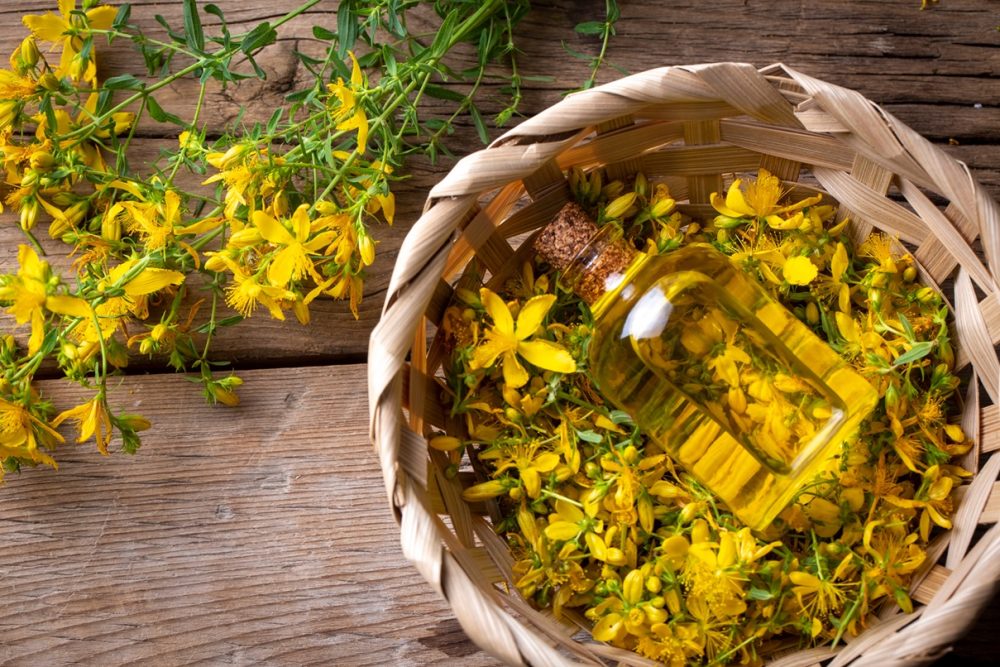
If you collect the flowers in summer and leave them coated in olive oil out in the sun in a glass jar, a red pigment will emerge into the oil at the bottom of the glass. This oil is a home remedy for minor scalds and burns and may also account for the plant’s name, after the bleeding head of St John the Baptist (13).



 Endocrine system
-
Botanical description
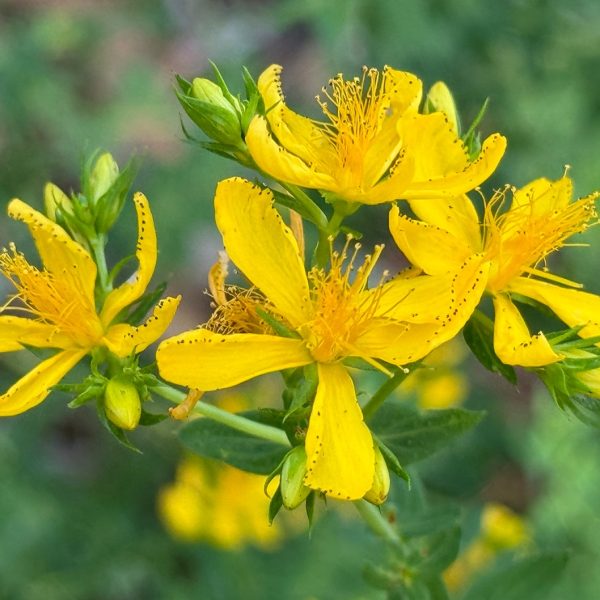
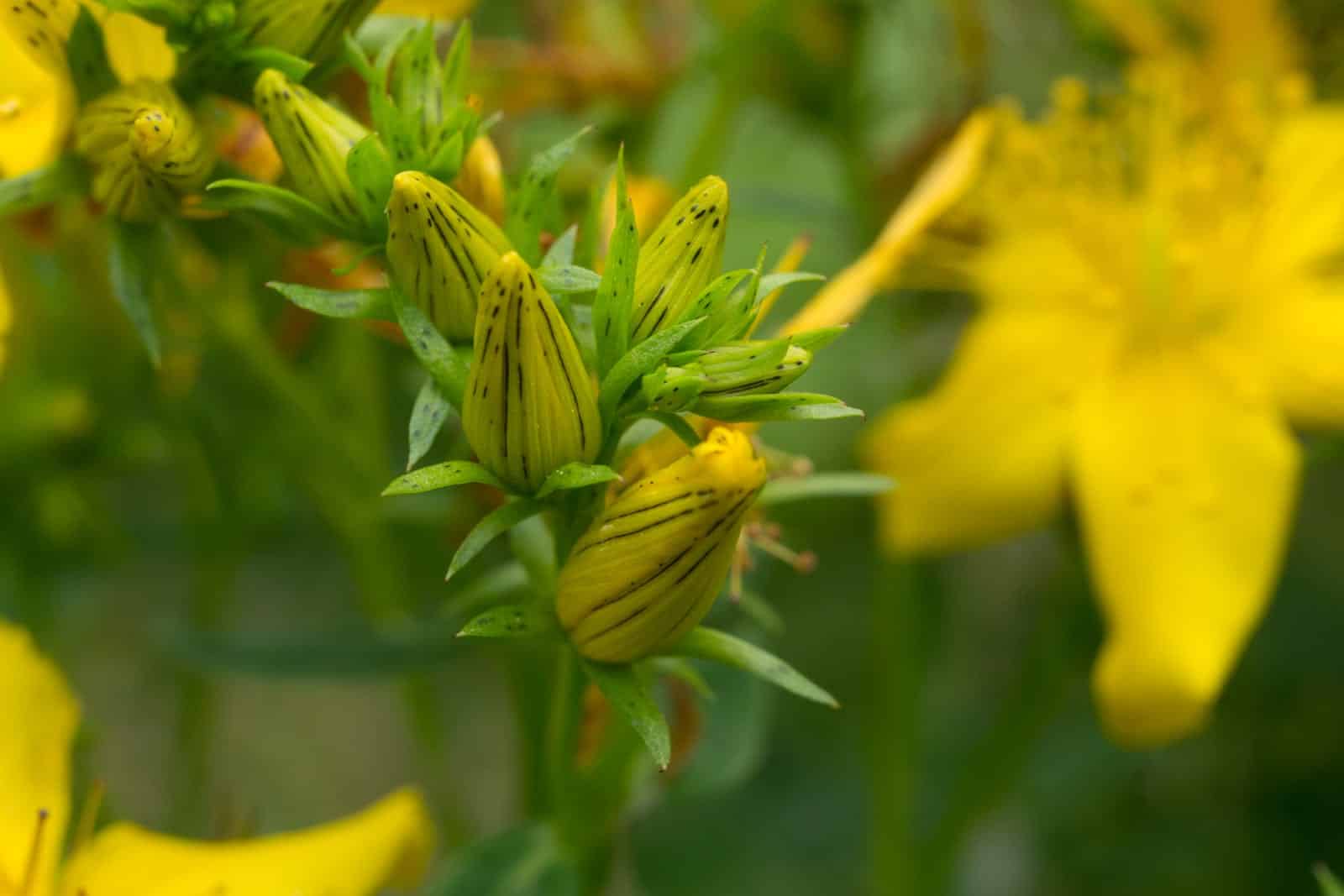
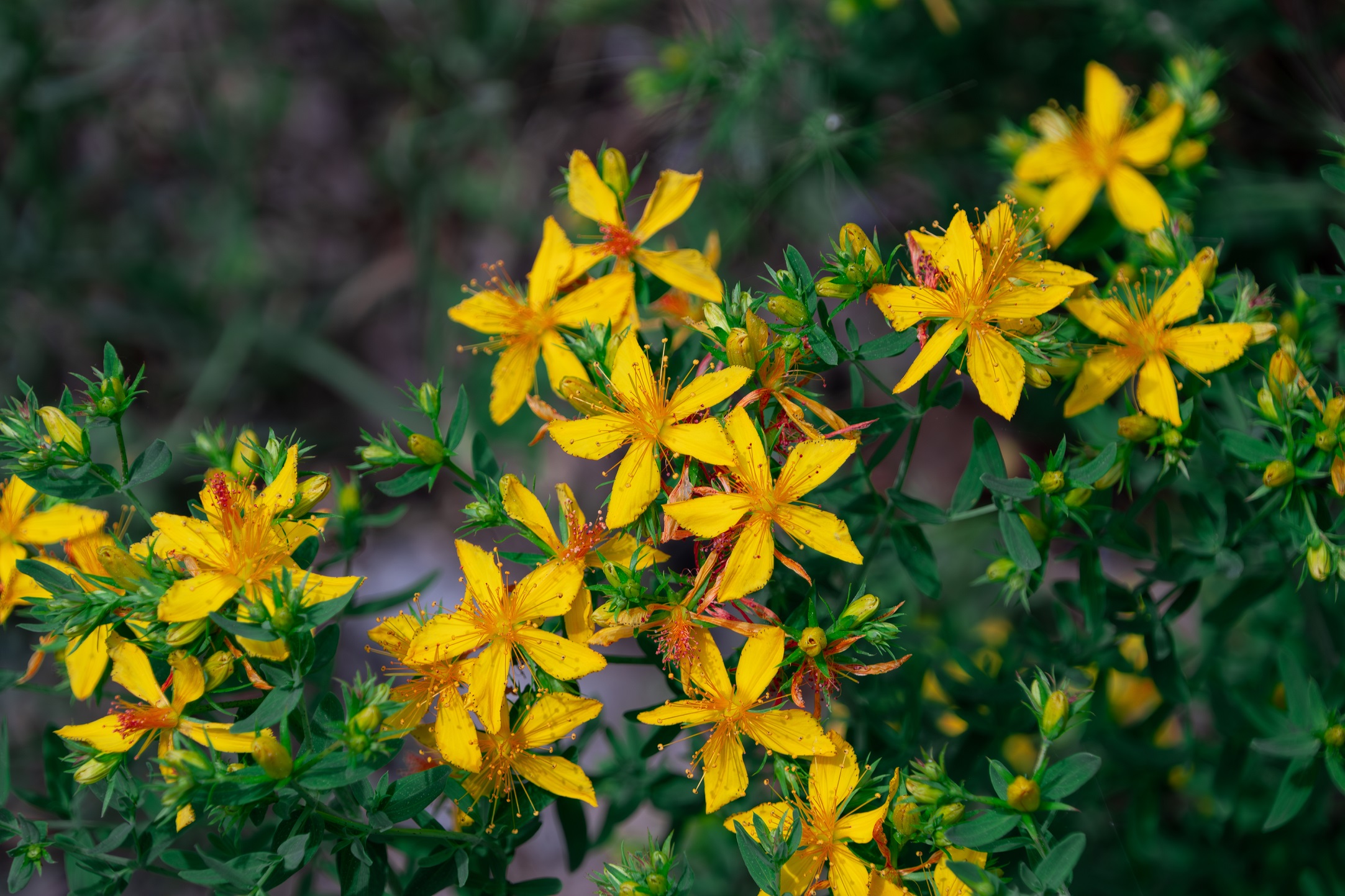
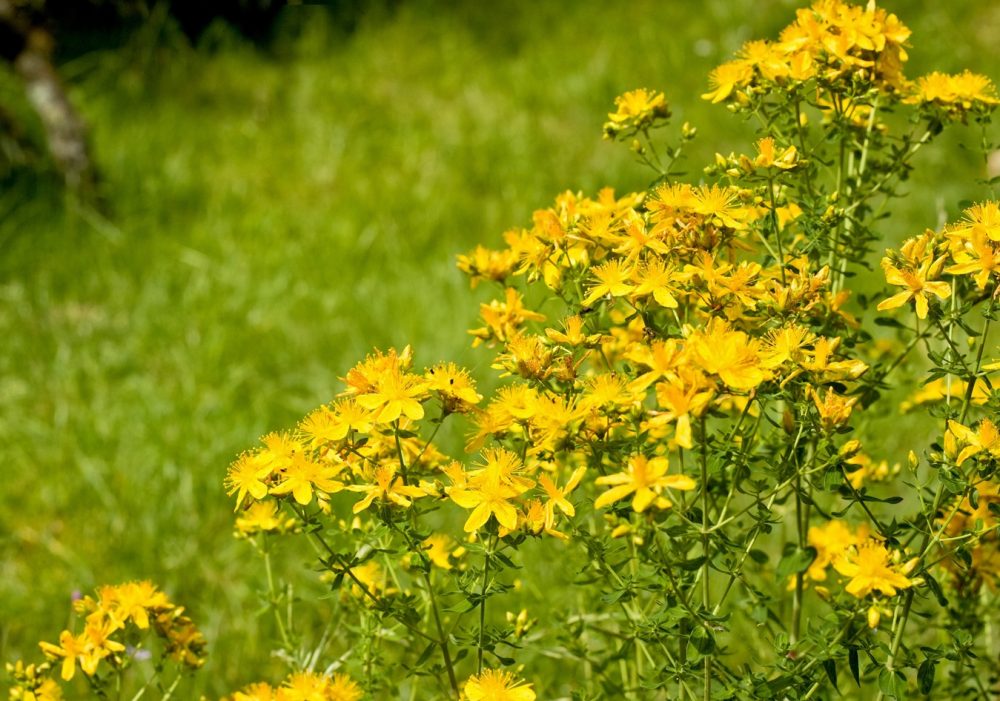
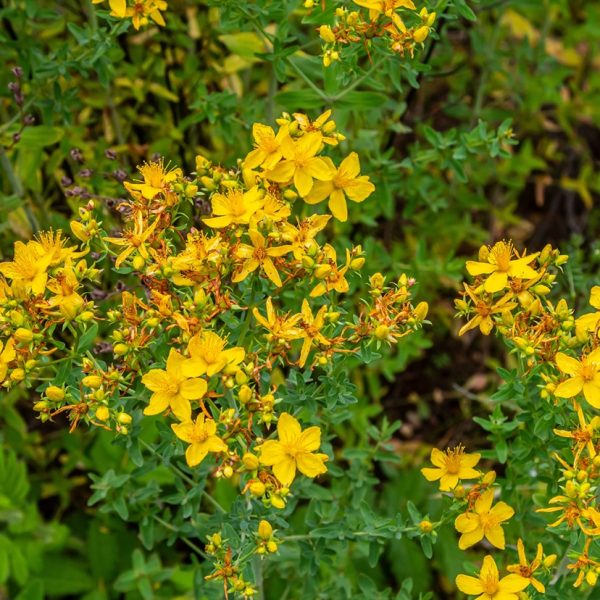
St John’s wort is an erect perennial that grows 30–60cm high with cylindrical or oval smooth stems, branching in their upper parts and bearing opposite sessile oblong leaves with entire margins.
A key distinction of H. perforatum compared to other Hypericum species is that on inspection against a light source, the leaves are marked with tiny translucent pinpricks (hence ‘perforatum’), with a few black spots on the underside. The veins are opaque.
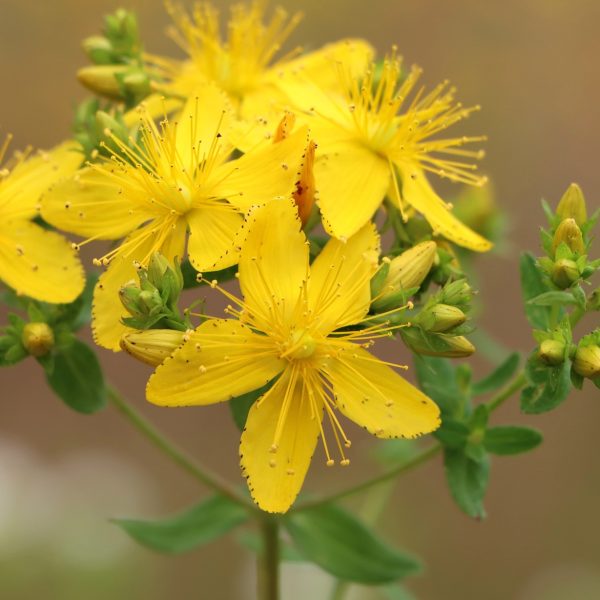
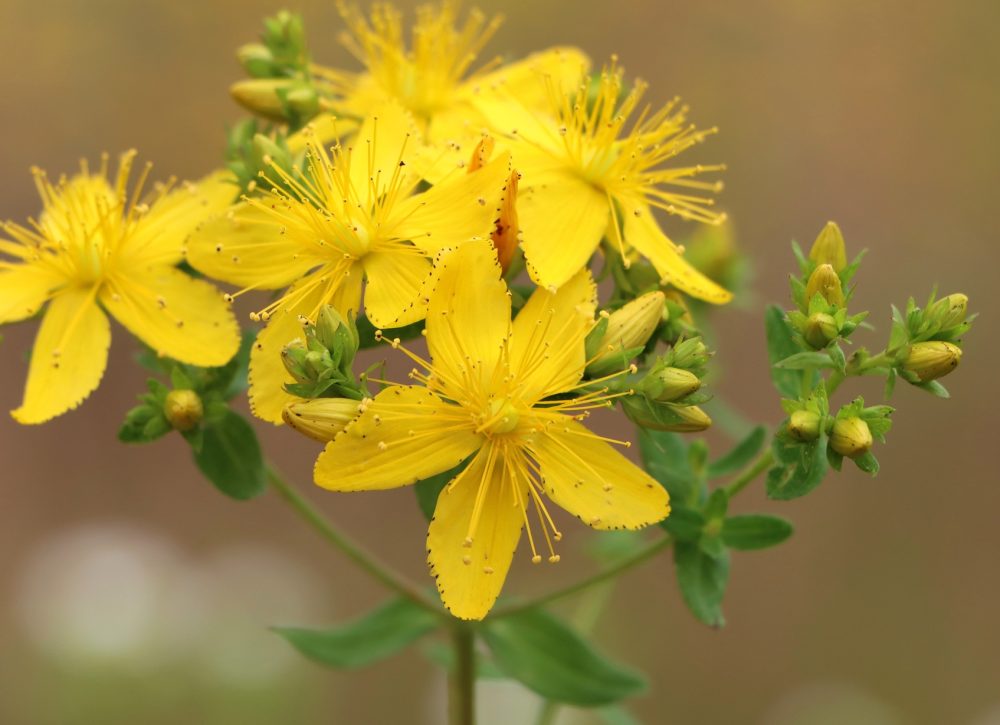
The bright yellow five-petalled flowers are borne in a terminal corymb, the long lanceolate petals and shorter sepals both marked with black dots, the numerous stamens are bunched into three bundles, and there are three styles (3).
-
Common names
- Klamath weed
- Goatweed (Eng)
- Johanniskraut (Ger)
- Millepertuis (Fr)
- Erba di San Giovanni (Ital)
- Hierba de San Juan (Sp)
-
Habitat
St John’s wort is found throughout Britain, across Europe and well into Asia, and has been introduced into many other parts of the world; for example North America. The herb can be found growing on roadsides, banks, woods and hedgerows, preferring open situations and relatively dry and ideally calcareous soils (20).
-
How to grow St John’s wort
St John’s wort is very easy to grow and makes for an attractive floral in pots or planted out into a raised bed or border. It prefers full sun. Planted in well-drained soil, it can thrive in most soil types.
- Start seeds indoors in containers in late winter and set out seedlings in spring or sow seeds directly outdoors after the last frost.
- Barely covering them with a quarter of an inch of soil. You can plant seeds or seedlings in rows a few inches apart.
- Thin out to around one foot apart once plants are a few inches tall. Keep the soil moist until germination.
- Plants should be watered a couple of times a week in the absence of rain to keep roots moist. It prefers to grow in slightly damp soil, so you should provide adequate water for the soil to remain moist, though not waterlogged.
- There is rarely a need to add fertiliser to St John’s wort as a plant that grows natively in the wild. Little maintenance is needed (28).

-
Herbal preparation of St John’s wort
- Tincture
- Infusion
- Cold-pressed sun-macerated oil (made with fresh flowers)
-
Plant parts used
- Aerial parts
- Flower and leaf
- Fresh flower for the infused oil
-
Dosage
- Tincture (1:5 | 40%): Take 2–4 ml three times daily in a little water.
- Fluid extract (1:1 | 25%): Take 2–4 ml daily.
- Infusion/decoction: Infuse between 1–2 teaspoons of dried herb in one cup of boiling water for up to 15 minutes. This should be strained and drunk up to three times a day (3,15).
-
Constituents
- Naphthodianthrones (0.05 to 0.6%): Hypericin and pseudohypericin
- Phloroglucinols (up to 4%): Hyperforin and adhyperforin (which oxidise in the light)
- Flavonoids (2–4%): Hyeroside, rutin, quercetin, isoquercitrin
- Tannins (up to 15%): Catechins and procyanidins
- Xanthones
- Volatile oil including sesquiterpenes and monoterpenes
- Fatty acids
- Coumarins (3)
-
St John’s wort recipe
‘Let there be joy’ tea
This tea is designed to lift the spirits, alleviate low mood and bring joy.
Ingredients
- 3 g lemon balm
- 3 g limeflower
- 2 g lavender flowers
- 1 g rosemary leaf
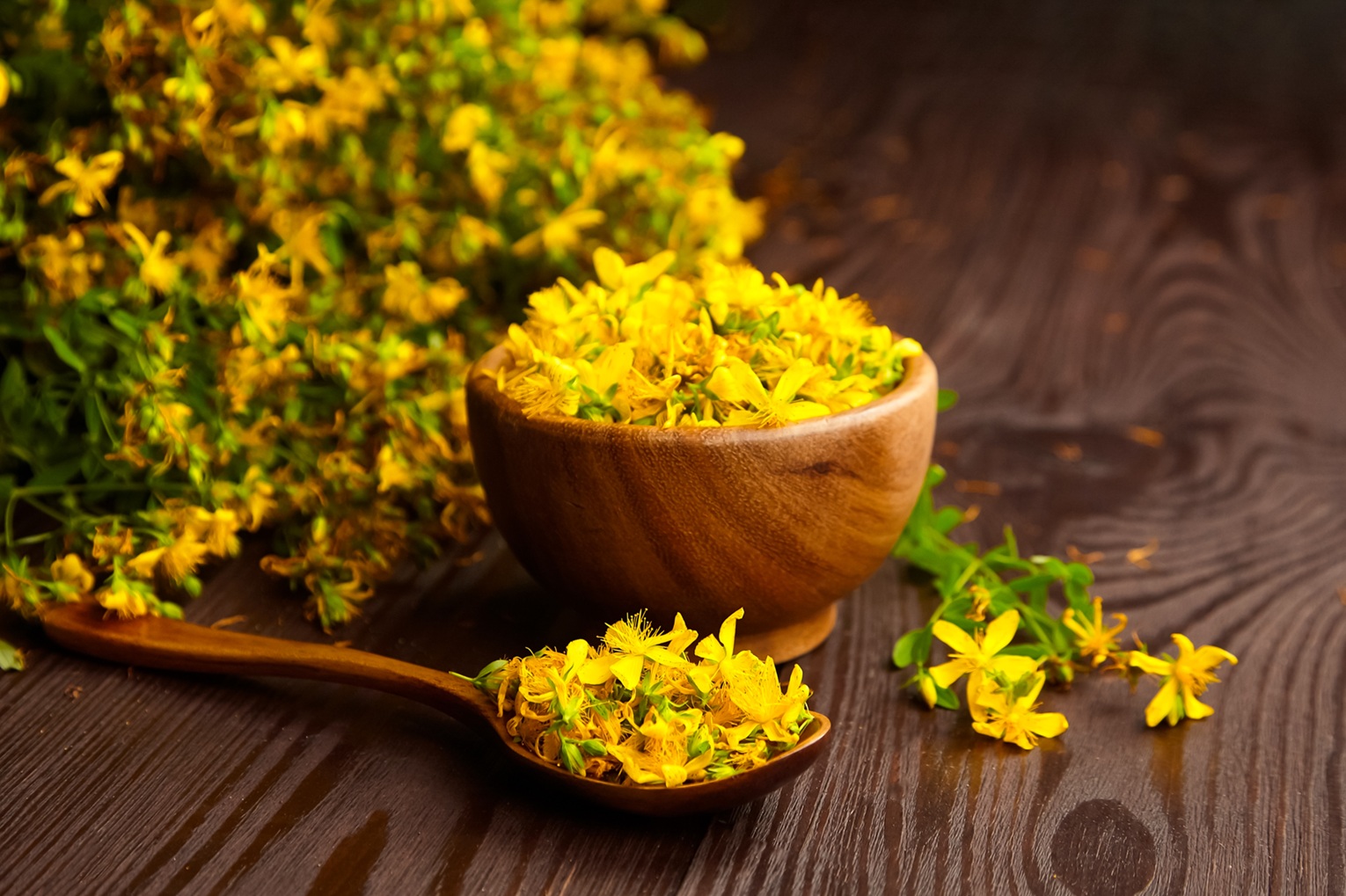
- 1 g St John’s wort flowering top
- 1 tsp per cup rose water 1 tsp per cup
- A dash of honey per cup
This will serve two cups.
How to make St John’s wort tea
- Put all of the ingredients in a pot (except for the rose water and honey).
- Add 500 ml (18fl oz) freshly boiled filtered water. Leave to steep for 10–15 minutes, then strain.
- Add the rose water and honey to taste, then sip for joy.
This recipe is from Cleanse, Nurture, Restore by Sebastian Pole.
-
Safety
St John’s wort should be avoided in pregnancy and breastfeeding (4,14).
It may cause photosensitivity in some individuals and care should be taken when applying it topically in the summer and in direct sunlight. Large doses internally may also potentiate this effect (4,14,15).
-
Interactions
The main concern with St John’s wort is its ability to induce key liver enzymes (cytochrome P450s) that break down complex ingested substances. This effect applies to many medicines, so St John’s wort risks reducing their effectiveness and duration of action.
When the dose of a medicine is critical, this interaction is especially pertinent. This may be the case for immunosuppressive medication, blood thinning agents, and medicines for severe depression, epilepsy, or heart disease. There is also evidence to suggest that St John’s wort interferes with the effects of oral contraceptives (16,17,18,19).
-
Contraindications
St John’s wort should not be used after organ transplantation, or with HIV antibody positive individuals taking protease 1 inhibitors (15).
As a monoamine reuptake inhibitor, combining St John’s wort with other serotonergic substances can potentially cause serotonin syndrome, a life threatening condition which presents with agitation, confusion, hyperthermia, tachycardia and tremors (14,18).
It is contraindicated in individuals with bipolar disorder, schizophrenia, psychotic depression as it may trigger episodes of mania, hypomania or severe agitation (3,7).
St John’s wort should be discontinued two weeks before prior to any surgical procedure (7).
-
Sustainability status of St John’s wort
According to the IUCN Red List of Threatened Plants Status, St John’s wort is classified as ‘least concern’ in Europe due to its widespread distribution, stable populations and no major threats (21).
It has no status rank on Nature Serve (22).
Read our article on Herbal quality & safety: What to know before you buy and Sustainable sourcing of herbs to learn more about what to look for and questions to ask suppliers about sustainability.
-
Quality control

St John’s wort (Hypericum perforatum) St John’s wort contains a variety of constituents which are considered therapeutically relevant such as hypercinin, hyperforin, flavonoids and volatile oils. The British Pharmacopoeia has a monograph for the herb which specifies a minimum content of 0.08% for hypercinin. There is also a monograph for a quantified extract which specifies a hypercinin content of 0.10–0.30%, flavonoids (expressed as rutioside) at a minimum of 6% and hyperforin at a maximum of 6% (23).
There are many reports that have investigated the distributions of these constituents in different parts of the plant. Generally, the flowers, particularly the petals, possess the highest concentrations of active compounds (24). However, the constituent hypercinin is found predominantly in the leaves. Therefore, owing to the large number of oil glands found in the European and Australian small-leaved varieties, these species are optimal due to their subsequent high hypercinin yield (25).
St John’s wort, like many popular herbs, can sometimes be subject to adulteration. Studies have shown that the addition of the wrong species and the use of dyes are the two primary forms of adulteration found (26). The use of synthetic dyes is clearly a case of economically motivated adulteration as they are used to boost the hypercinin content and thereby meeting pharmacopoeial tests (27).
There will be cases where it is not intentional but rather down to poor practices, which can lead to confusion in species identification. Analytical tests are available to identify these forms of adulteration but greater emphasis needs to be directed towards understanding the value chain and what practices can minimise these types of problems (28).
-
References
- Klemow KM, Bartlow A, Crawford J, Kocher N, Shah J, Ritsick M. Medical Attributes of St. John’s Wort (Hypericum perforatum). Nih.gov. Published 2011. https://www.ncbi.nlm.nih.gov/books/NBK92750/
- Sun Y, Liang C, Zheng L, et al. Anti-fatigue effect of hypericin in a chronic forced exercise mouse model. Journal of Ethnopharmacology. 2021;284:114767. https://doi.org/10.1016/j.jep.2021.114767
- Fisher C. Materia Medica of Western Herbs. Aeon Books; 2018.
- Mcintyre A. Complete Herbal Tutor : The Definitive Guide to the Principles and Practices of Herbal Medicine (Second Edition). Aeon Books Limited; 2019.
- Mills SY. The Essential Book of Herbal Medicine. Editorial: Penguin; 1993.
- Menzies-Trull C. Herbal Medicine Keys to Physiomedicalism Including Pharmacopoeia. Faculty Of Physiomedical Herbal Medicine (Fphm; 2013.
- Bone K, Mills S. Principles and Practice of Phytotherapy: Modern Herbal Medicine. 2nd ed. Edinburgh Churchill Livingstone, Elsevier; 2013.
- Hoffmann D. Medical Herbalism: The Science and Practice of Herbal Medicine. Healing Arts Press; 2003.
- Otero MC, Ceric F, Miranda-Rojas S, et al. Documentary Analysis of Hypericum perforatum (St. John’s Wort) and Its Effect on Depressive Disorders. Pharmaceuticals. 2024;17(12):1625-1625. https://doi.org/10.3390/ph17121625
- Eatemadnia A, Ansari S, Abedi P, Najar S. The effect of Hypericum perforatum on postmenopausal symptoms and depression: A randomized controlled trial. Complementary Therapies in Medicine. 2019;45:109-113. https://doi.org/10.1016/j.ctim.2019.05.028
- Zirak N, Shafiee M, Soltani G, Mirzaei M, Sahebkar A. Hypericum perforatum in the treatment of psychiatric and neurodegenerative disorders: Current evidence and potential mechanisms of action. Journal of Cellular Physiology. Published online November 21, 2018. https://doi.org/10.1002/jcp.27781
- Vakili F, Mirmohammadaliei M, Montazeri A, Farokhi M, Minaee MB. Impact of Hypericum Perforatum Ointment on Perineal Pain Intensity Following Episiotomy: a Randomized Placebo-Controlled Trial. Journal of Caring Sciences. 2018;7(4):205-211. https://doi.org/10.15171/jcs.2018.031
- Klemow KM, Bartlow A, Crawford J, Kocher N, Shah J, Ritsick M. Medical Attributes of St. John’s Wort (Hypericum perforatum). Nih.gov. Published 2025. Accessed May 9, 2025. https://www.ncbi.nlm.nih.gov/books/NBK92750/
- Jacobson JM, Feinman L, Liebes L, et al. Pharmacokinetics, Safety, and Antiviral Effects of Hypericin, a Derivative of St. John’s Wort Plant, in Patients with Chronic Hepatitis C Virus Infection. Antimicrobial Agents and Chemotherapy. 2001;45(2):517-524. https://doi.org/10.1128/AAC.45.2.517-524.2001
- Thomsen M. Phytotherapy Desk Reference. 6th ed. Aeon Books; 2022.
- Natural Medicines. St John’s Wort. naturalmedicines.therapeuticresearch.com. Published 2024. https://naturalmedicines.therapeuticresearch.com/databases/food
- Whitten DL, Myers SP, Hawrelak JA, Wohlmuth H. The effect of St John’s wort extracts on CYP3A: a systematic review of prospective clinical trials. British Journal of Clinical Pharmacology. 2006;62(5):512-526. https://doi.org/10.1111/j.1365-2125.2006.02755.x
- Mills E, Montori VM, Wu P, Gallicano K, Clarke M, Guyatt G. Interaction of St John’s wort with conventional drugs: systematic review of clinical trials. BMJ. 2004;329(7456):27-30. https://doi.org/10.1136/bmj.329.7456.27
- Berry-Bibee EN, Kim MJ, Tepper NK, Riley HEM, Curtis KM. Co-administration of St. John’s wort and hormonal contraceptives: a systematic review. Contraception. 2016;94(6):668-677. https://doi.org/10.1016/j.contraception.2016.07.010
- Royal Botanical Gardens Kew. Hypericum perforatum L. | Plants of the World Online | Kew Science. Plants of the World Online. Published 2024. Accessed September 27, 2023. https://powo.science.kew.org/taxon/urn:lsid:ipni.org:names:433719-1
- Khela S. IUCN Red List of Threatened Species: Hypericum perforatum. IUCN Red List of Threatened Species. Published June 5, 2012. https://www.iucnredlist.org/species/203231/2762472
- Nature Serve Explorer. Hypericum perforatum. Natureserve.org. Published 2024. Accessed December 21, 2024. https://explorer.natureserve.org/Taxon/ELEMENT_GLOBAL.2.153959/Hypericum_perforatum
- British Pharmacopoeia Commission. British Pharmacopoeia 2025. London TSO; 2025.
- Evans WC. Trease and Evans’ Pharmacognosy. Elsevier Health Sciences UK; 2009.
- Southwell IA, Campbell MH. Hypericin content variation in Hypericum perforatum in Australia. Phytochemistry. 1991;30(2):475-478. https://doi.org/10.1016/0031-9422(91)83708-s
- Booker A, Agapouda A, Frommenwiler DA, Scotti F, Reich E, Heinrich M. St John’s wort ( Hypericum perforatum ) products – an assessment of their authenticity and quality. Phytomedicine. 2018;40:158-164. https://doi.org/10.1016/j.phymed.2017.12.012
- Orhan N. St. John’s wort (Hypericum perforatum) Laboratory Guidance Document. Published online December 16, 2021. https://doi.org/10.59520/bapp.lgd/awbq3781
- Jekka’s Herbs. Hypericum perforatum. Jekka’s. Published 2023. Accessed December 21, 2024. https://www.jekkas.com/products/st-johns-wort
Meet our herbal experts
Our monographs are written by our monograph authors and edited, reviewed and updated by Herbal Reality.
Meet our Herbal Reality team or explore our Herbal Reality authors.