

Last reviewed 21/05/2026
Sustainability status
Not currently on risk lists but complete data may be missing on the status of the species. Read more in our sustainability guide.

Avoid in pregnancy and lactation
Herbs are generally best-avoided in pregnancy, unless working with them under the guidance of a medical herbalist. However, some herbs pose a risk to pregnancy as they are potentially: toxic to the mother, toxic to the neonate, teratogenic (risk developmental malformation), may increase miscarriage risk, or could cause foetal distress leading to miscarriage or premature birth. Herbs with teratogenic, emmenagogue, or stimulant laxative actions are all contraindicated in pregnancy. Furthermore, herbs containing volatile oils, thujone, apiol, phyto-oestrogens also should be avoided.
During lactation, there is the possibility for transfer of plant compounds through the breast milk, which can have an effect (detrimental or beneficial) on the infant.
Please read the Safety section in this monograph.

Drug interactions
Herbs may interact with pharmaceutical medications through both pharmacokinetic and pharmacodynamic mechanisms. Pharmacokinetic interactions involve alterations in the absorption, metabolism, distribution, or excretion of a drug. Many herb–drug interactions occur through liver enzyme modulation: by inducing CYP enzymes — increasing drug concentration and toxicity risk; or by inducing CYP enzymes — decreasing drug concentration and therapeutic efficacy.
Pharmacodynamic interactions occur when herbs and drugs influence the same physiological systems. These interactions can cause synergistic, additive or antagonistic effects at the receptor or tissue level, enhancing or opposing the intended pharmacological action. The clinical consequences of herb-drug interactions can be complex and nuanced. Consultation with a medical professional is, therefore, recommended to ensure safe use and appropriate dosing.
Please read the Interactions section in this monograph.

Contraindications
A contraindication refers to a situation in which a herb should be avoided as it may exacerbate a medical condition or pose undue risk. Contraindications may arise through pharmacodynamic mechanisms (e.g., liquorice in uncontrolled hypertension or uterine stimulants during pregnancy) or pharmacokinetic effects that alter metabolism, absorption or elimination (e.g., tannin-rich herbs in iron-deficient anaemia).
In some cases, herbal actions may aggravate underlying pathologies (e.g., the use of bitter herbs in GERD). Recognition of contraindications requires thorough assessment of patient history, co-morbidities and medications. Consultation with a qualified medical herbalist will provide guidance to ensure safe and appropriate prescribing.
Please read the Contraindications section in this monograph.

-
Herb overview
Safety
Large doses may cause gastrointestinal irritation, diarrhoea and vomiting. Avoid during pregnancy.
Sustainability
Status: Lower risk
Key constituents
Steroidal saponins
Flavonoids
Phytosterols
PolysaccharidesQuality
Country of origin: Central and south America
Wild harvested.
Adulteration/ contamination risk due to multiple species.Key actions
Alterative
Anti-inflammatory
Hepatoprotective
DiureticKey indications
Skin conditions
Rheumatic conditions
Digestion
Debility and convalescenceKey energetics
Moist
Warm
NeutralPreperation and dosage
Root or Rhizome
1-4g/per day as decoction
Tincture (1:5, 40–60 %): 1–5ml, three times per day
-
How does it feel?
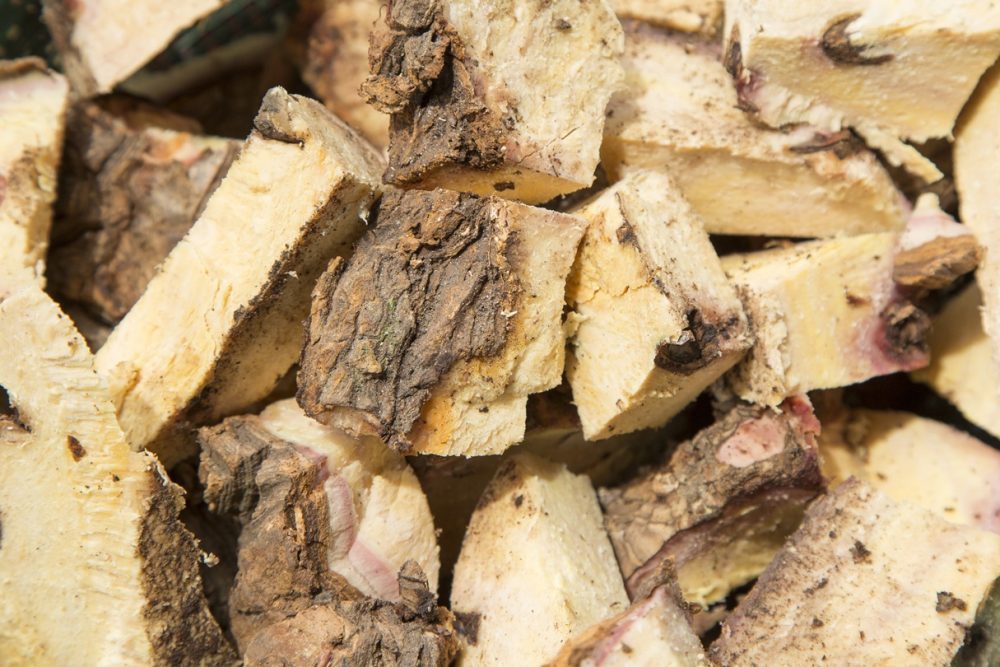
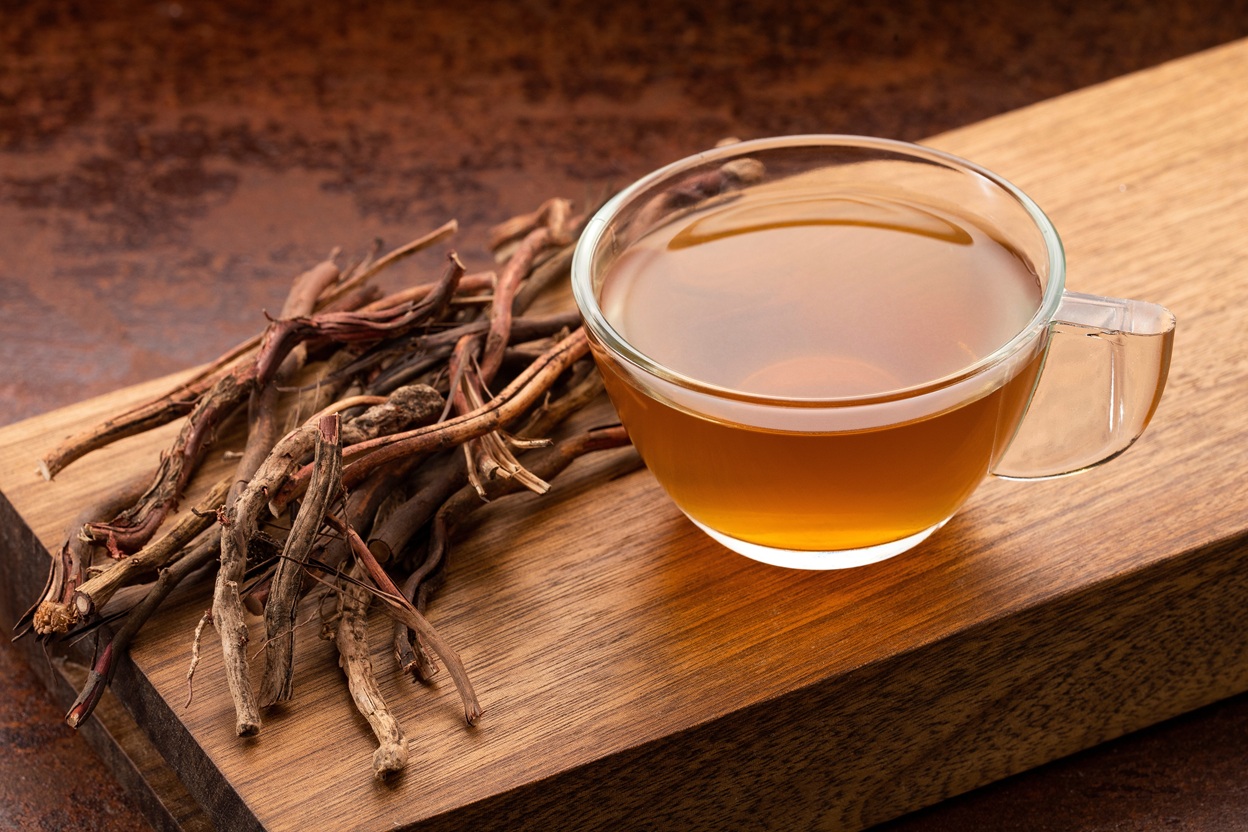
A decoction of sarsaparilla root makes a deep golden orange–red tea. It smells sweet and savoury, like a sweet broth or cakes baking. The taste carries the sweetness, indicating the starch and polysaccharides, and is also mealy, savoury, and slightly sharp, sour, and acrid. Nutritious, hearty and satisfying, sarsaparilla feels moist, giving a watery feeling to the mouth. Then slightly drying and astringent, it leaves a tinge of bitterness on the tongue. It feels grounding, with a downward movement of energy, which supports digestion. Balancing, rounded, and centring, it feels restorative and strengthening in a gentle, guided manner.

-
Into the heart of sarsaparilla

Sarsaparilla (Smilax aspera) The anti-inflammatory activity of sarsaparilla extract and isolated constituents has been demonstrated in several in vivo experimental models. Sarsaparilla was demonstrated to have significant anti-inflammatory and analgesic activity for high dose extracts in a rodent model, although the mechanism was not alluded to in this study (10). A further study found sarsaparilla water-extract reduced inflammation by down-regulating over-activated macrophages and inhibiting the synthesis of T lymphocytes and IL-2 in the later phase of arthritis, induced in rats (11).
The mechanism for the anti-inflammatory action has also been demonstrated for isolated constituents from sarsaparilla. Astilbin, a flavonoid isolated from sarsaparilla, has been shown to suppress lymphocyte function in arthritic mice (12). This modulation of immune-system overactivity reduced inflammatory signalling, leading to less joint swelling, synovial hyperplasia, and cartilage destruction (12).
Astilibin also inhibits delayed hypersensitivity and may reduce the inflammatory damage of autoimmune diseases (13). The steroidal saponin β-sitosterol, isolated from sarsaparilla is immunomodulating, anti-inflammatory, and antimicrobial (13).
The anti-inflammatory action of sarsaparilla could also be mediated through the gut-liver axis, via an effect on the gut microbiota (14). Li et al. demonstrated that a sarsaparilla extract high in flavonoids has anti-inflammatory effects by inhibiting pro-inflammatory cytokines (lipopolysaccharide-mediated TLR4/NF-kB signalling pathway). This research suggests that sarsaparilla flavonoid extract might convey anti-inflammatory effects through suppression of pro-inflammatory bacteria in the gut and enhanced gut-barrier protection (14).
Flavonoids isolated from sarsaparilla, including astilbin, have been shown to reduce inflammation by suppressing interleukin-6 (IL-6), tumour necrosis factor alpha (TNF-α), interleukin-1β (IL-1β), cyclooxygenase-2 (COX-2), and inhibited uric acid production or promoted uric acid excretion (15). This suggests a mechanism for the specific recommendation for arthritic conditions and gout.
There are conflicting opinions on the energetics of sarsaparilla. Some authors report it to be moist and cooling (6) or moist and neutral (16), while others suggest it is moist and warm (23,26). This is likely due to the diffuse effects sarsaparilla has across the body, reflected by it being suited to a range of tissue states (stagnation, atrophy and depression) which are seemingly conflicting (8). For emotional uses, sarsaparilla is a strengthening tonic for debility and depression, and is particularly useful during menopause (17).
-
What practitioners say
 Digestive system
The alterative action of sarsaparilla relates to several bodily organs, with broad effects across the digestive system. Sarsaparilla can be used to improve appetite and digestion, and ease a sluggish indigestion and bloating (21). It can be helpful for heartburn, flatulence, and colicky indigestion (8). It aids the liver with the detoxification processes by providing nutritive support for the metabolic processes (17).
Sarsaparilla may support the gut microbiome by suppressing pro-inflammatory bacteria and enhancing gut-protective species (Li). Due to the actions which support digestion, detoxification and the microbiome, sarsaparilla can be beneficial for anti-immune conditions effecting the gut, such as ulcerative colitis (17).
The steroidal saponins in sarsaparilla also have antibiotic activity and bind to endotoxins in the gastrointestinal tract to inhibit absorption and reduce the risk of digestive disruption and the toxic load on the liver (16, 17). To improve the flavour it combines well with fennel, cinnamon and cardamon.
Musculoskeletal system
Sarsaparilla is often specifically indicated for chronic rheumatism and rheumatoid arthritis. This largely relates to the alterative action and due to the diuretic properties, which helps to clear uric acid, supporting gout and arthritis (17). Sarsaparilla may also inhibit uric acid production as well as promoting excretion, supporting its use in gout treatment (15).
The anti-inflammatory activity of sarsaparilla is likely to have the largest role in benefiting muscular-skeletal conditions (7). It is also possible there is an analgesic action of sarsaparilla root, which would help to treat rheumatoid arthritis and rheumatic pain (10, 12). The inhibition of toxin absorption across the gut by the steroidal saponins is also preventative and supportive for existing auto-immune conditions such as rheumatoid arthritis (17).
Some authors report that sarsaparilla can be used to improve athletic performance by having an anabolic effect to increase muscle mass and strength (7, 17, 22). However, this is based on the assumption that the steroidal saponins have an anabolic effect by increasing testosterone, but this is not supported by any research evidence (9, 23). Improvements in vitality and energy are likely due to the overall tonic effect on the whole body, rather than directly increasing hormone levels.
Skin health
Sarsaparilla is suited to itchy, scaly and dry skin conditions. The anti-inflammatory and detoxifying actions make it useful for conditions such as psoriasis and eczema (5, 17, 21). Clearing excess toxins from the body is central to the treatment of many skin conditions, including abscesses, age spots, boils, extending the alterative action to this organ system (16). External uses of sarsaparilla are as a lotion for skin conditions, or a vaginal douche for discharges (6).
Immune system
Sarsaparilla has anti-inflammatory, anti-microbial and detoxifying actions on the liver and kidneys, which is supportive of a range of pathologies and states of disease (17). Clearing toxins is central to supporting the immune system and preventing the development of infection or dysbiosis across the organ systems. It can be beneficial for autoimmune conditions which are associated with toxicity, such as ulcerative colitis, rheumatoid arthritis, and psoriasis (6).
Urinary system
Sarsaparilla is a diuretic which can help to clear toxins from the kidney, when combined with sufficient fluid intake (17). In relation to this action, sarsaparilla is recommended for kidney and urinary tract infections, kidney stones, renal colic, painful urination, bedwetting and urinary incontinence (8,16,17).
Reproductive system
Sarsaparilla contains steroidal saponins and can be used to normalise steroid hormones (testosterone, oestrogen, progesterone) (8,17). The phytosterols β-sitosterol and stigmasterol are believed to contribute to the sexual and hormonal tonic actions (36). This is not suggesting that sarsaparilla will increase hormone levels in a balanced system, but may normalise any dysregulation. This is not a direct effect on hormonal production, but the interplay between the liver and the hormone producing glands. The liver metabolises cholesterol which the adrenal cortex and sexual glands use to make the steroid hormones, which the liver then break down to excrete (8).
Therefore, optimal functioning of the liver supports both metabolism of the raw materials for hormone production, and the effective clearing from the system.This helps to regulate the endocrine system and normalise steroidal activity (8).
This regulation for hormonal systems can help to normalise the menstrual cycle, and can be a supportive herb for PMS, irregular menstrual cycle, infertility, pelvic inflammatory disease, menorrhagia, menstrual cramps, endometriosis and leukorrhea (8,16,17,22).
Sarsaparilla is suited to periods of life when there are sex hormone changes such as menarche, pregnancy, and menopause — or imbalances in the (8). It can be a supportive tonic if depression occurs in menopause, as well as supporting hot flushes and night sweats (17). Sarsaparilla is considered an aphrodisiac for low libido, erectile dysfunction, impotence, sexual debility and a low sperm count (8,17,22).
Nervous system
Sarsaparilla is a rejuvenating tonic which is useful in formulas for fatigue, exhaustion, and when an individual needs building up and restoration (16). It is indicated for debility, fatigue, weakness, emaciation and physical symptoms of chronic stress (8,24).
Respiratory system
The British Herbal Pharmacopoeia refers to sarsaparilla as an expectorant, diaphoretic, indicated for chronic bronchitis and bronchial asthma (2). It combines well with euphorbia (Euphorbia spp.) and grindelia (Grindelia spp.) for both bronchitis and asthma (2).
-
Sarsaparilla research
Sarsaparilla root (Smilax aspera) There is currently no clinical evidence to support the use of sarsaparilla, and the indications for use are based on traditional use and pre-clinical trials. There are some in vivo animal studies and in vitro research using high doses of isolated constituents, which provide mechanistic support for the effects of sarsaparilla; however these may not translate to the effect of whole herb extract in the human body. Some of the mechanistic effects of isolated constituents have been discussed in a previous section.
A recent case-report study by Martin (2020) combined acupuncture with a herbal formula for the treatment of a patient with psoriatic arthritis. The herbal supplement was taken once a day, containing: Turmeric (Curcuma longa) root extract (500 mg), black pepper (Piper nigrum) (3 mg), sarsaparilla (Smilax officinalis) (435 mg) and vitamin D3 (10,000 IU). The 73-year-old woman presented with psoriatic arthritis manifesting as inflammation in the proximal and distal interphalangeal joints, moderate–severe stiffness and oedema, and narrowing of the joint spaces, mild erosion, and periosteal thickening.
Following the acupuncture treatment there was an increased range of motion, reduced oedema and stiffness, and these positive results continued four weeks after the acupuncture and persisted at a one year follow up, at which point she was still taking the daily supplements (25).
-
Historical use of sarsaparilla
Sarsaparilla (Smilax aspera) Culpepper referred to “Sarsa-Parilla” as bindweed, without reference to the species, although at this time is likely to be European sarsaparilla (Smilax aspera). He reported it to be hot and dry and helpful for pains in the head and joints, and to provoke a sweat (18). The American sarsaparilla species was introduced to Europe in the 16th Century as a remedy for syphilis and other chronic diseases including rheumatism (1). It was considered a tonic, alterative, diaphoretic and diuretic, and the smoke was recommended for asthma (1).
Sarsaparilla root was widely used by Native Americans as a cough remedy (16). Sarsaparilla was popular with pirates as an antimicrobial remedy for venereal diseases such as gonorrhoea (16, 17). It was an official herb of the United States Pharmacopoeia from 1820–1920 for the treatment of venereal diseases, and was considered specific for syphilis (16,17).
Tea of the root was used in African–American traditions as a general health tonic, for colds and as a blood cleanser (19). An external use of a decoction was for ringworm, itching, psoriasis, eczema, acne (19).
Sarsaparilla was presented in the Kings American Dispensatory in 1898, with a detailed outline of the different species with similar medicinal qualities (20). It was generally considered as an alterative, also possessing diuretic, diaphoretic, and emetic properties. It was known exert a favourable influence over the entire system (body) without any appreciable change in the operation of the various organs.
The diseases in which it has been particularly recommended, were syphilis in its various forms and several chronic diseases, such as herpes, rheumatic affections, dropsy (oedema), gonorrhoeal rheumatism. The decoction, for syphilitic sore throats, and, of some value in chronic hepatic disorders (20).
-
Sarsaparilla’s herbal actions
Herbal actions describe therapeutic changes that occur in the body in response to taking a herb. These actions are used to express how a herb physiologically influences cells, tissues, organs or systems. Clinical observations are traditionally what have defined these actions: an increase in urine output, diuretic; improved wound healing, vulnerary; or a reduction in fever, antipyretic. These descriptors too have become a means to group herbs by their effects on the body — herbs with a nervine action have become the nervines, herbs with a bitter action are the bitters. Recognising herbs as members of these groups provides a preliminary familiarity with their mechanisms from which to then develop an understanding of their affinities and nuance and discern their clinical significance.
-
Sarsaparilla’s energetic qualities
Herbal energetics are the descriptions Herbalists have given to plants, mushrooms, lichens, foods, and some minerals based on the direct experience of how they taste, feel, and work in the body. All traditional health systems use these principles to explain how the environment we live in and absorb, impacts our health. Find out more about traditional energetic actions in our article “An introduction to herbal energetics“.
Western energetics
Chinese energetics
-
What can I use sarsaparilla for?

Sarsaparilla (Smilax aspera) Sarsaparilla is not one plant, but refers to a large group of Smilax species, many of which have medicinal properties and can be used in a similar way (1,2,3). Sarsaparilla has traditionally been used in the treatment of rheumatism, rheumatoid arthritis, syphilis, leprosy, and skin conditions such as psoriasis, as well as a flavouring in root beer (4).
Sarsaparilla is a widely applicable alterative tonic, helping the body’s detoxification processes to clear toxins. It can be used to support proper functioning of the whole body and to correct diffuse systemic issues (5). This has a broad effect on the body, supporting the normal processes of the liver, digestion and kidneys.
In turn, this supports disease patterns that are driven by stagnation and toxicity, such as many gut conditions, gout, arthritis, urinary ailments and many skin conditions (6). Sarsaparilla root preparations are typically used for skin diseases, psoriasis and its sequelae (complications and secondary effects), rheumatic complaints, kidney diseases, and as a diuretic and diaphoretic (3).
Sarsaparilla can help to balance sex hormones in the body through an interaction with the liver and the hormone-producing glands. Some supplement marketers incorrectly suggest that the sterols from sarsaparilla can be converted into anabolic steroids such as testosterone (7).
However, plant sterols cannot be converted to steroid hormones in the body, and the regulating effect on hormone levels only occurs in dysregulated systems (8,9). Sarsaparilla has a broad effect on many organs and systems to bring harmony and balance back to the body and enhance overall functioning.
-
Did you know?
Sarsaparilla was the major flavour in the original root beer, dating back to the 18th century, when it was made by mildly fermented sarsaparilla or sassafras root (26).





-
Botanical description
Sarsaparilla is not one plant but refers to a large group of Smilax species. The most commonly used are the American sarsaparilla species (Smilax officinalis, S. aristolochiifolia, and S. ornata), with additional species and synonyms including S. glabra, S. febrifuga, S. regelii, S. japicanga. In Europe sarsaparilla refers to Smilax aspera, which is botanically distinct from the American species but with similar biochemistry and medicinal uses (27).
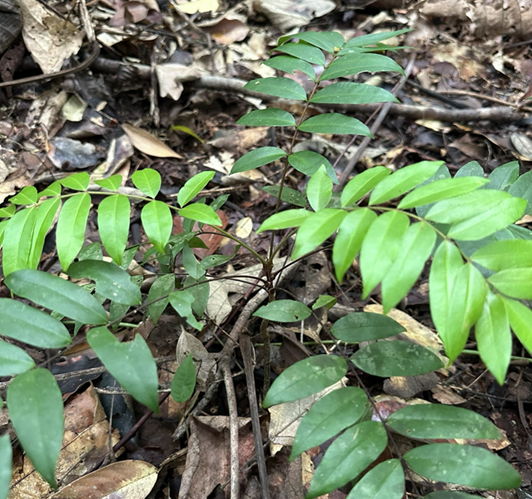
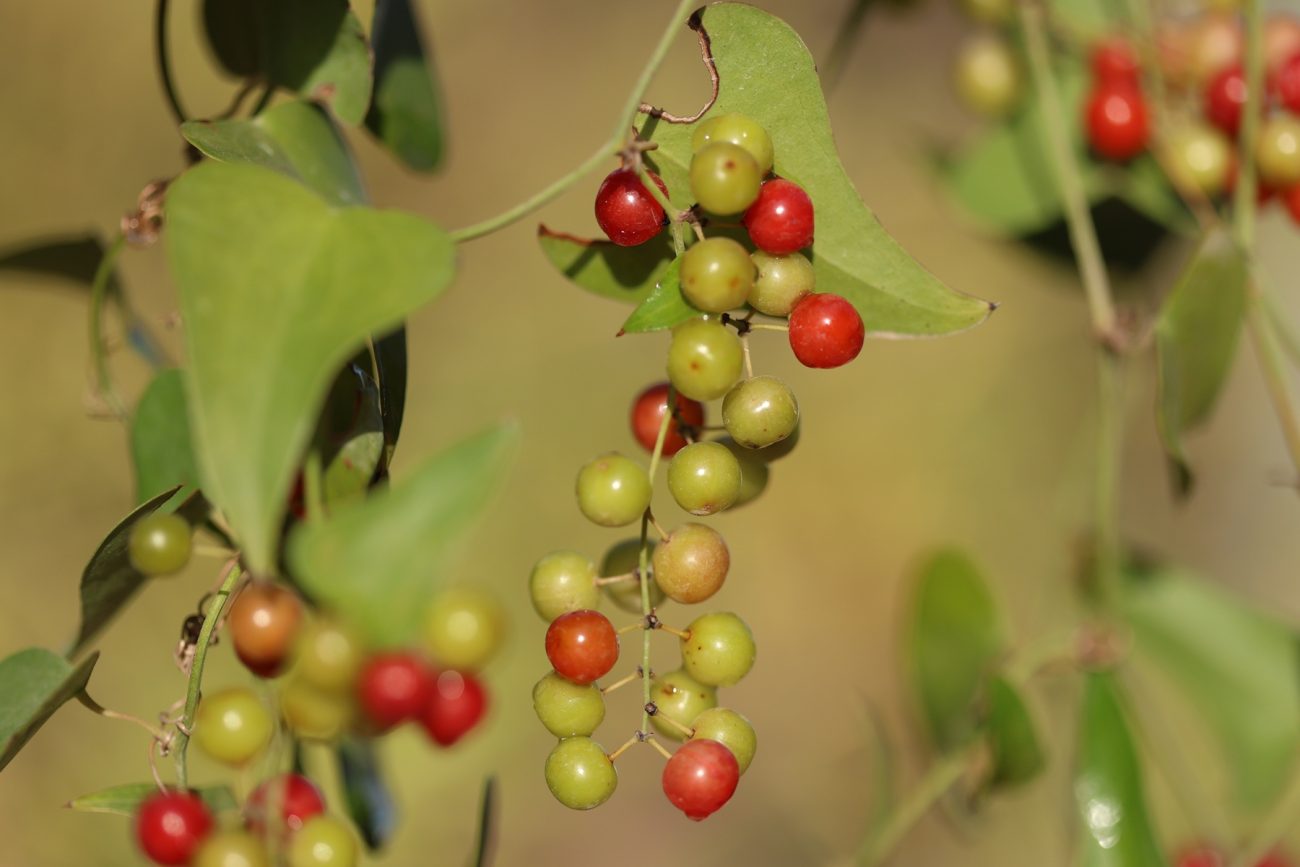
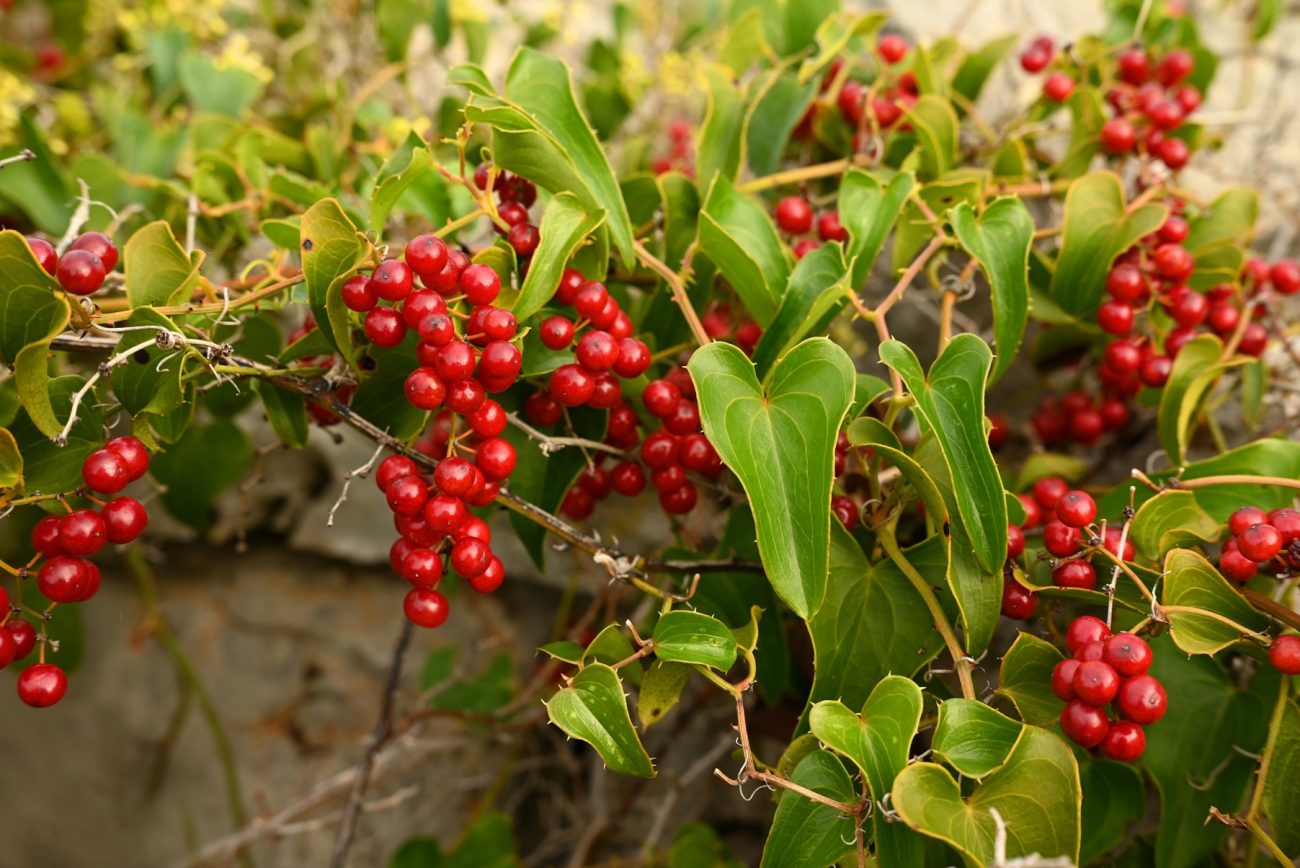
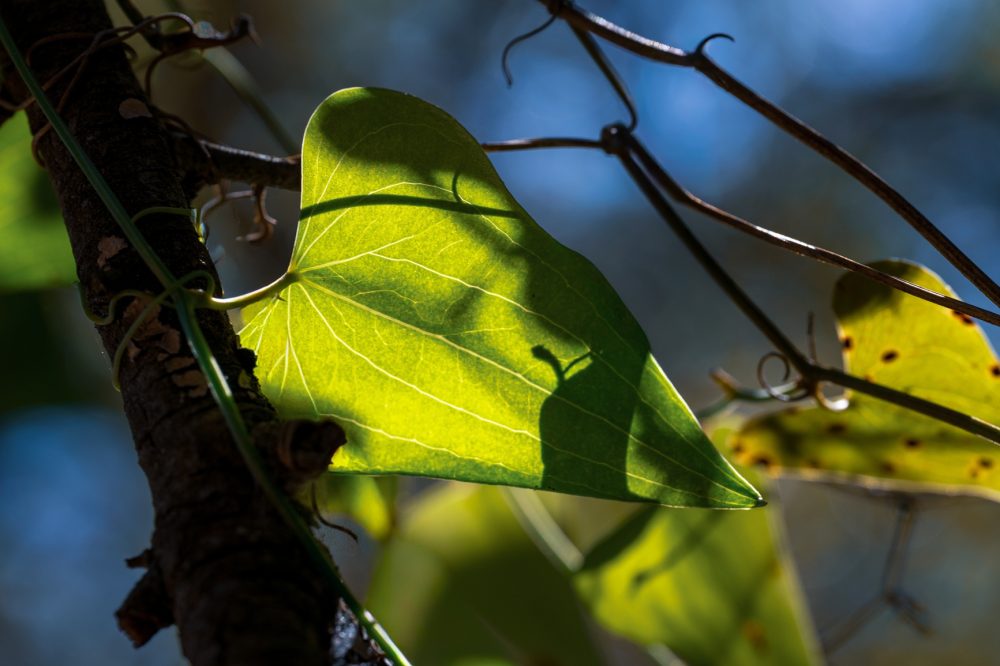
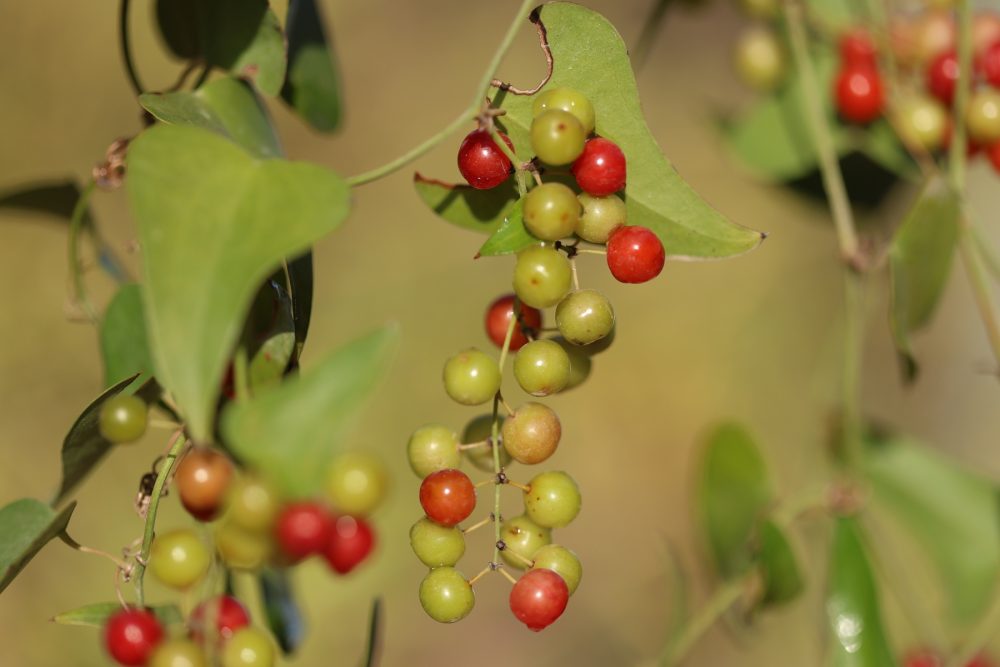
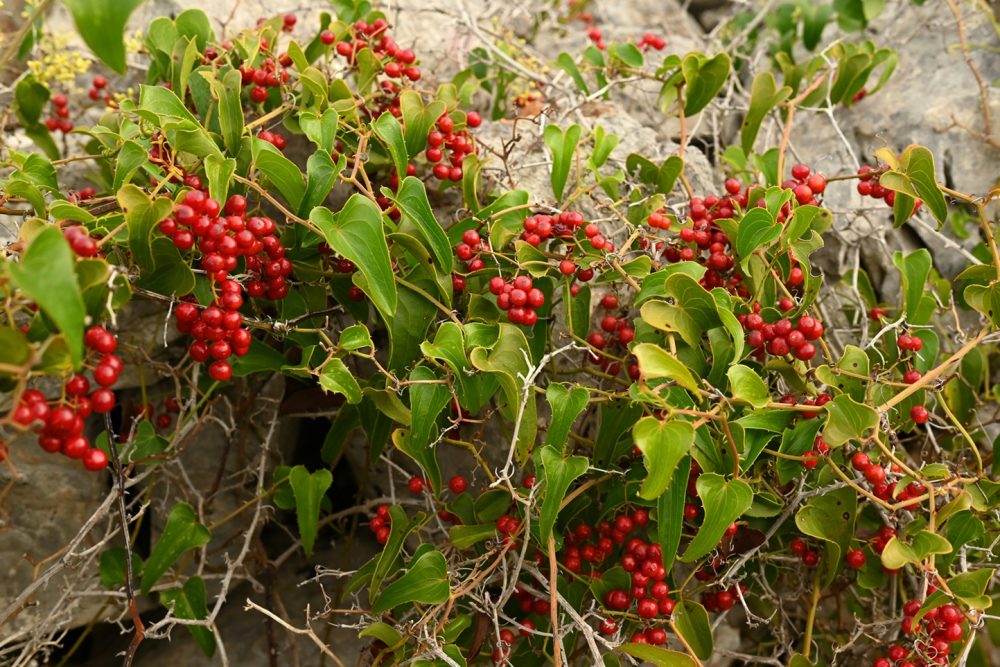
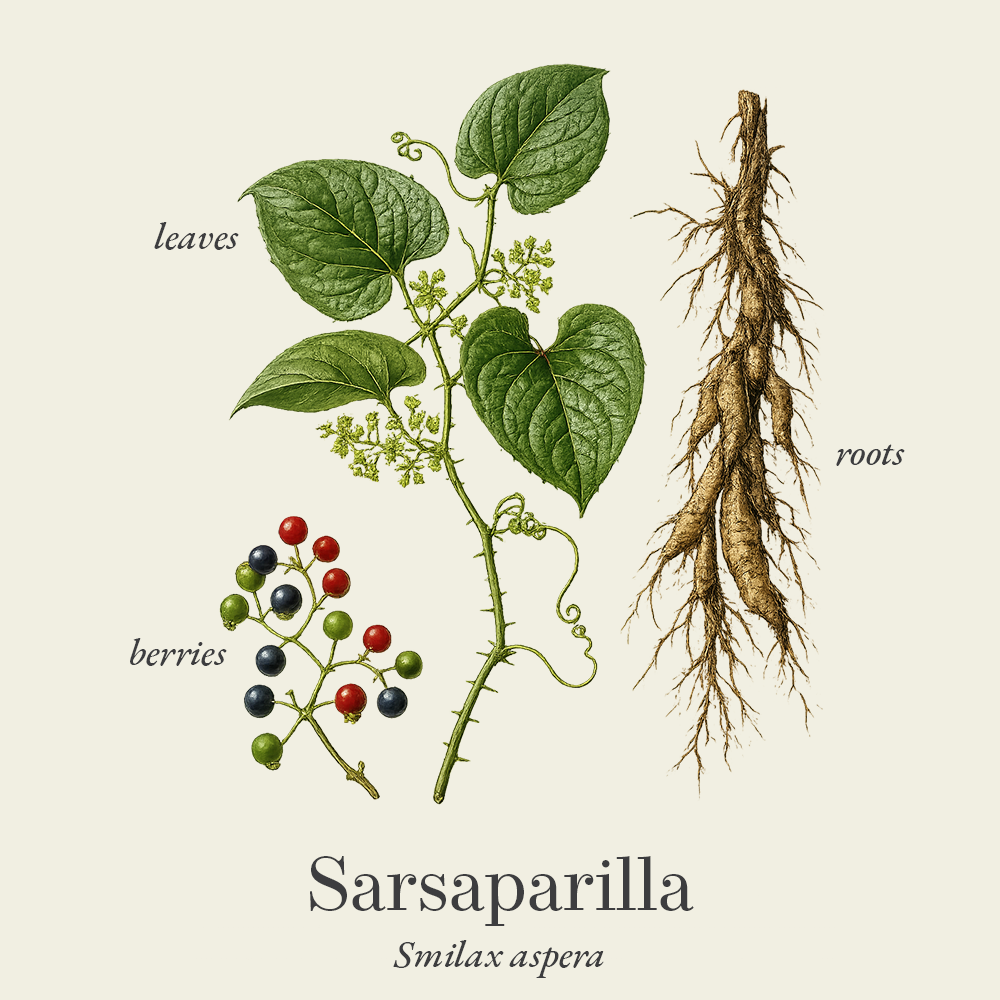
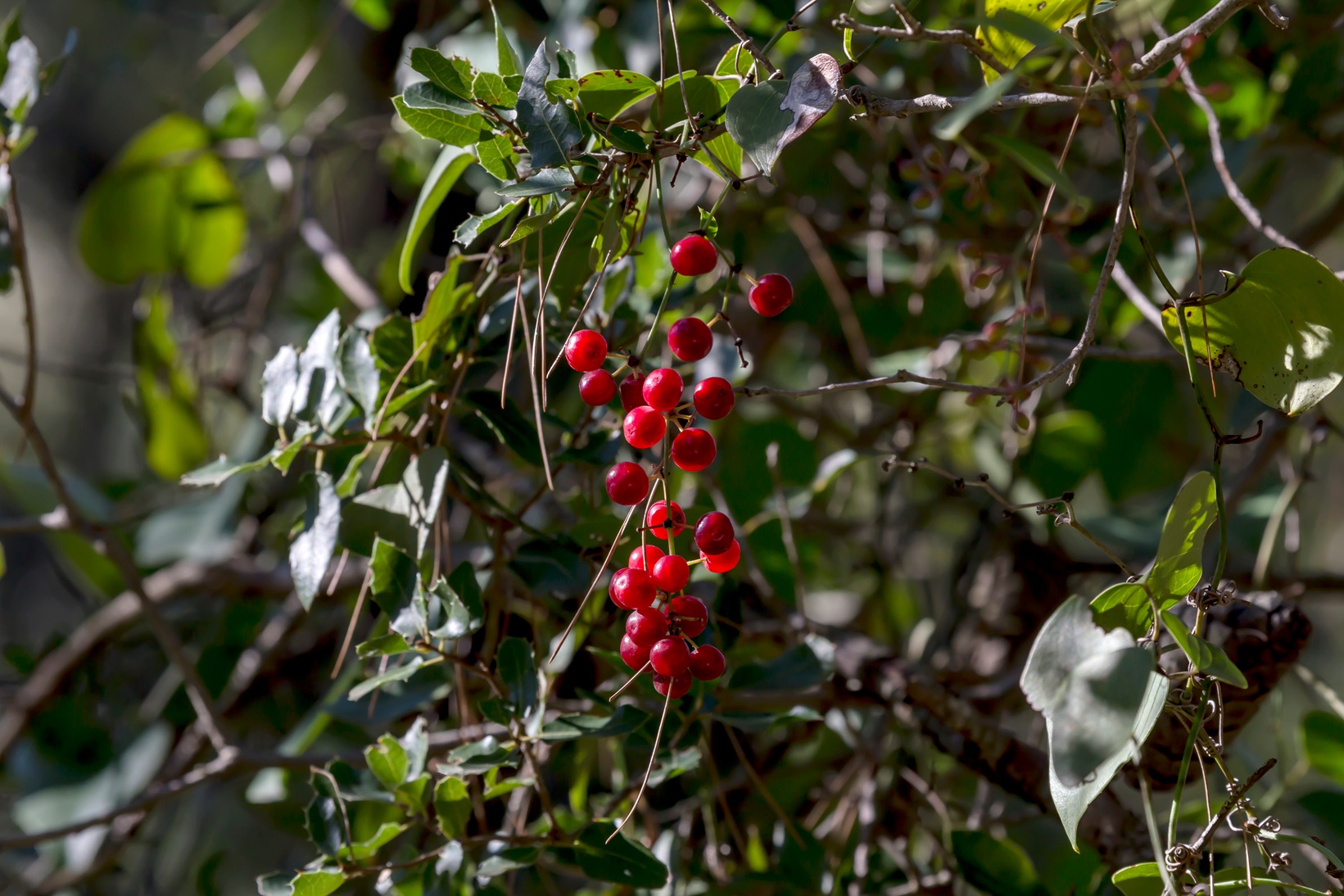
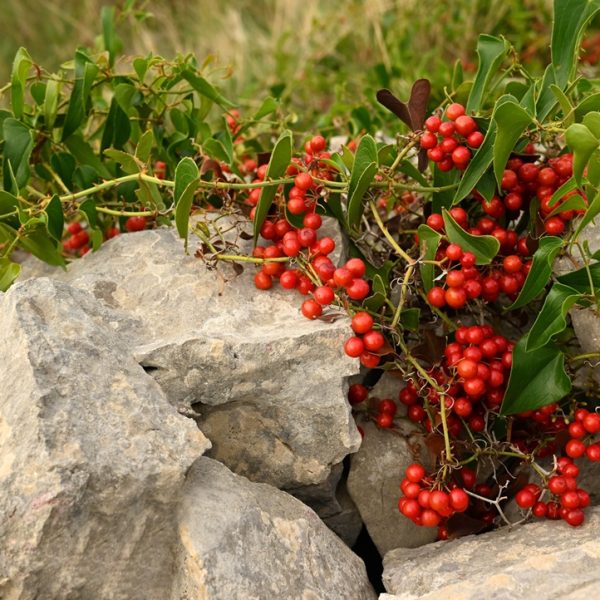
Sarsaparilla is an evergreen climbing vine with a twining stem and paired tendrils growing from leaf axils (1,13,17). The large perennial climber has woody stems with sharp pickles (1). The leaves are alternate, ovate with a rounded base creating a heart shape, covered in a whitish film (13,16).
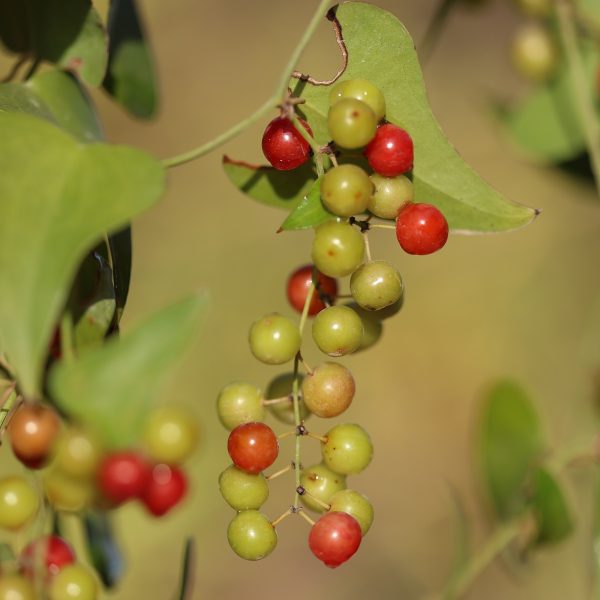
Small, green-yellow, fragrant flowers form in umbels in late summer, followed by blue or red berries in autumn (13,16,28).
-
Common names
- Smilax aspera: Common smilax, rough bindweed, prickly ivy, European sarsaparilla
- Smilax officinalis: American sarsaparilla or “official” sarsaparilla
- Smilax ornata: Jamaican sarsaparilla, Honduran sarsaparilla, red sarsaparilla
- Smilax aristolochiifolia: Mexican sarsaparilla, grey sarsaparilla
-
Habitat
The American sarsaparillas are native to Southern hemisphere of South and Central America, Caribbean, Mexico, Colombia, Costa Rica, Ecuador, Honduras, Nicaragua, Jamaica and Panamá (13,17,29) It is a climber and grows primarily in the wet tropical biome (29).
European sarsaparilla (smilax aspera) has a native range from southern and western Europe (Atlantic coastal areas from France to Gibraltar, and the Mediterranean countries) to western Asia and North Africa (30). The species thrives in Mediterranean forests and shrublands (30).
-
How to grow sarsaparilla
Propagation is typically from cuttings, root division in autumn or spring, or seed in autumn (28). It grows well in rich, moist soil and a sheltered spot in partial shade, against a support (13, 28). For medicinal use, collect the roots when the plant is out of flower (13). It is commonly cultivated, grown with long roots for commercial and medicinal use (1,7).
-
Herbal preparation of sarsaparilla
- Tincture
- Infusion/decoction
- Powder/capsule
- Poultice
- Wash/douche
-
Plant parts used
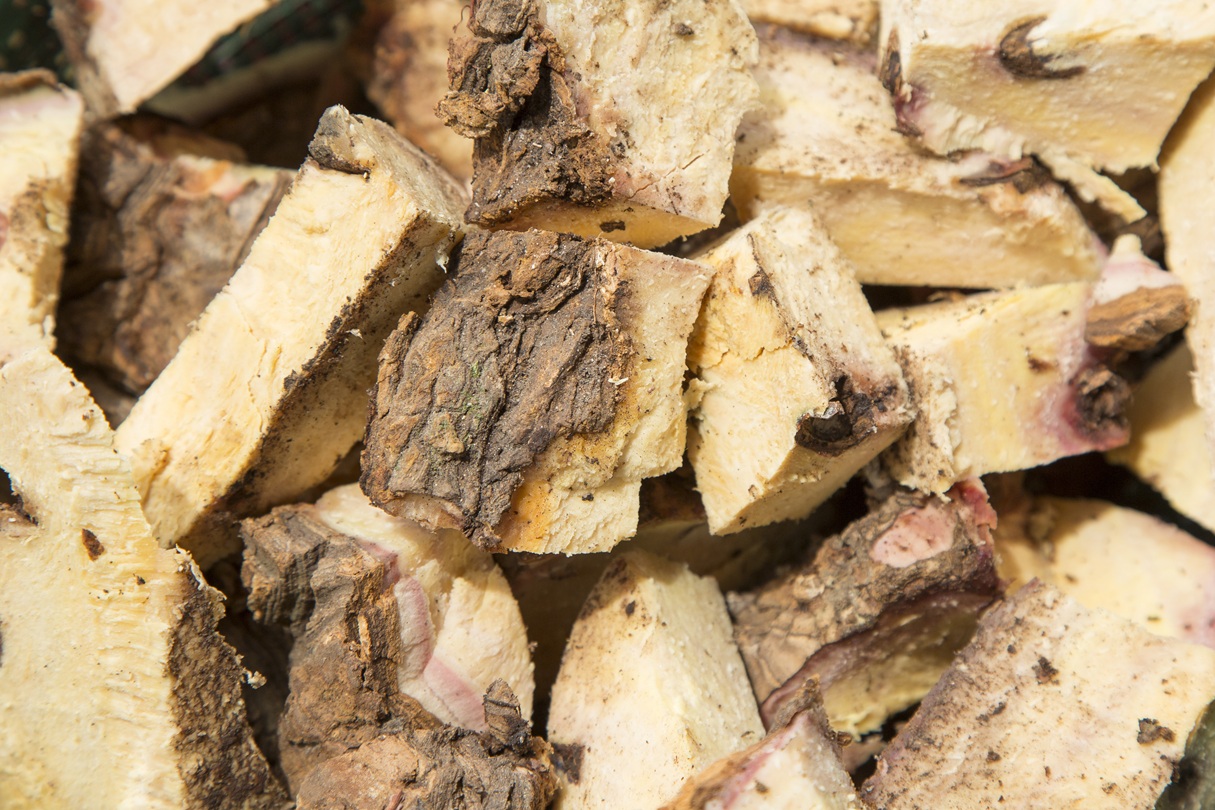
Root and rhizome
-
Dosage
- Tincture of dried root (ratio 1:5 | 40–60 %): 1–5 ml, three times per day (5,2, 26). Up to 40 ml per week of a 1:2 tincture (24)
- Fluid extract (1:1 | 20–60%): 60%, 0.3–1ml, three times per day (2). 20%, 8–15 ml, three times per day (5)
- Infusion/decoction: 1–4g dried root, three times per day as decoction (Simmered 10–20 minutes) or infusion (2,5,13,21,22)
- Glycerite: Dried root (1:5), 5–10ml, 2–3 times per day (26)
- Powder in capsules: 500 mg, three times per day or 1000–2000 mg per day (22,24,26)
- Poultice, for external uses (19)
-
Constituents
- Triterpenes — steroidal saponins (2–3%): Sarsasapogenin (parigenin), smilagenin, diosgenin, tigogenin, asperagenin, laxogenin, sarsasaponin (parillin), smilasaponin (smilacin), sarsaparilloside (4,13,21)
- Phytosterols: β-sitosterol, stigmasterol, pollinastanol (13,21)
- Flavonoids: Kaempferol, quercetin, astilbin, smitilbin, resveratrol, taxifolin (13,21)
- Organic acids: Caffeoylshikimic acid, ferulic acid, shikimic acid, Sarsapic acid (17,21)
- Polysaccharides: Starch (21)
- Other: Resin, volatile oils (trace) (21, 22)
- Nutrients: Calcium, vitamin A, B, C, D. potassium, iron, manganese, sodium, silica, sulphur, copper, zinc, iodine (13)
-
Sarsaparilla recipe
Satisfaction tea
This smooth and gentle tea is hearty and satisfying, supporting digestion and any discomfort in the digestive system. It combines warming, carminative herbs and gentle digestive stimulants to support normal movement through the system. It is ideal for stagnant digestion, indigestion, trapped wind or mild constipation, or just as a comforting and delicious tea.
Liquorice root (Glycyrrhiza glabra), cinnamon (Cinnamomum verum) or honey can be added to sweeten further if required.
This recipe will make 2–3 cups.
Ingredients
- 3 g sarsaparilla root
- 2 g fennel seed
- 2 g aniseed
- 2–3 cardamon pods
- 2–5 g dried orange peel
- 500 ml water
How to make sarparailla tea
- Lightly crush the seeds in a mortar and pestle just before use.
- Add all the ingredients to a pan and add the water.
- Bring to a boil, cover, leave to simmer for 10–15 minutes.
- Strain before drinking.
- Drink 1–3 cups per day.

-
Safety
Large doses may cause gastrointestinal irritation, diarrhoea and vomiting (21,23). Avoid during pregnancy (17).
-
Interactions
Caution is required with the simultaneously administered of certain medications. The absorption of some substances may increase (digitalis glycosides or bismuth), and the elimination of other substances may be accelerated (hypnotics) (3,5).
Avoid with warfarin and cardiac glycosides including digoxin (5,6,7).
Theoretically, sarsaparilla may increase the effects and adverse effects of lithium due to the decreased clearance rate (7).
-
Contraindications
Sarsaparilla should be avoided or only taken under the guidance of a medical herbalist if there is a history of gastro-oesophageal reflux as the condition may be aggravated (24).
When used in large amounts, sarsaparilla may temporarily impair kidney function and cause diuresis, advising cautious use in patients with any kidney dysfunction (7).
Avoid in pregnancy, and only take when breast-feeding under the guidance of a medical practitioner (7,17).
Explore our Resources pages to find qualified medical herbal professionals.
-
Sustainability status of sarsaparilla
Sarsaparilla refers to a range of species (Smilax spp.) and, therefore, there is no single conservation ranking, and the status of each species varies by region. Many Smilax species have not been globally assessed by the International Union for Conservation of Nature (IUCN). Commercially available sarsaparilla is usually Smilax ornata (syn. S. regelii) and this species has no current IUCN Red List assessment and is not tracked as a conservation concern by NatureServe (31,32).
European sarsaparilla (Smilax aspera) was assessed in 2014 and has been given the status “Least Concern” (LC) as it does not meet any criteria that would qualify it as Critically Endangered, Endangered, Vulnerable or Near Threatened (30). The species is widespread in the southern parts of the European region, is fairly common and the threats it is facing are unlikely to cause its decline in the near future (30).
Sarsaparilla is not listed under the US Endangered Species Act or by the Committee on the Status of Endangered Wildlife in Canada (COSEWIC), and does not appear on the United Plant Savers list of threatened species (32, 33). No Smilax species are listed by the Convention on International Trade in Endangered Species of Wild Fauna and Flora (CITES), with no legislation regarding trade of these species (34).
Read our article on Herbal quality & safety: What to know before you buy and Sustainable sourcing of herbs to learn more about what to look for and questions to ask suppliers about sustainability.
-
Quality control
Sarsaparilla (Smilax spp.) is primarily wild‑harvested, with the main commercial species (Smilax ornata) being supplied by forest-collected roots and rhizomes, primarily from Jamaica, Honduras, Guatemala and Mexico (27,35). Large-scale cultivation is not documented for this species, and trade remains dependent on forest-collected material (27).
There are contamination and adulteration concerns because Smilax is a large species and the roots are visually similar. Most commercially available sarsaparilla products do not specify the species (7). Material sold as “sarsaparilla” may actually be a one of many species, and ensuring the botanical name is included on the label is important to ensure the intended species.
-
References
- Grieve M, Leyel CF, Marshall M. A Modern Herbal. the Medicinal, Culinary, Cosmetic and Economic Properties, Cultivation and Folk-Lore of Herbs, Grasses, Fungi, Shrubs & Trees with All Their Modern Scientific Uses. Dover Publications; 1982.
- British Herbal Pharmacopoeia. British Herbal Medicine Association, 1983. Accessed February 24, 2026. https://archive.org/details/britishherbalpha0000unse/mode/2up?q=sarsaparilla
- Blumenthal M, Busse WR. Sarsaparilla root. In: The Complete German Commission E Monographs: Therapeutic Guide to Herbal Medicines. American Botanical Council; 1999. Accessed February 25, 2026. https://www.herbalgram.org/resources/commission-e-monographs/monograph-unapproved-herbs/sarsaparilla-root
- Challinor VL, Parsons PG, Chap S, White EF, Blanchfield JT, Lehmann RP, De Voss JJ. Steroidal saponins from the roots of Smilax sp.: structure and bioactivity. Steroids. 2012;77(5):504-11. https://doi.org/10.1016/j.steroids.2012.01.009
- Hoffmann D. Medicinal Herbalism, The Science and Practice of Herbal Medicine. Healing Arts Press; 2003.
- McIntyre A, Boudin M. Dispensing with Tradition: A Practitioner’s Guide to Using Indian and Western Herbs the Ayurvedic Way. Anne McIntyre & Michelle Boudin; 2012.
- Natural Medicines Professional Database. Therapeutic Research Centre. Sarsaparilla Professional Monograph. Published Oct 2, 2025. Accessed February 26, 2026. https://naturalmedicines.therapeuticresearch.com/
- Wood M. The Earthwise Herbal Volume 2: A Complete Guide to New World Medicinal Plants. North Atlantic Books; 2008.
- Barron RL, Vanscoy GJ. Natural products and the athlete: facts and folklore. Annals of Pharmacotherapy. 1993; 27(5): 607-15. https://doi.org/10.1177/106002809302700516
- Khan AK, Singh PD, Reese PB, Howden J, Thomas TT. Investigation of the anti-inflammatory and the analgesic effects of the extracts from Smilax ornata Lem. (Jamaican sarsaparilla) plant. Journal of Ethnopharmacology. 2019;240:111830. https://doi.org/10.1016/j.jep.2019.111830
- Jiang J, Xu Q. Immunomodulatory activity of the aqueous extract from rhizome of Smilax glabra in the later phase of adjuvant-induced arthritis in rats. Journal of Ethnopharmacology. 2003;85(1):53-9. https://doi.org/10.1016/S0378-8741(02)00340-9
- Cai Y, Chen T, Xu Q. Astilbin suppresses collagen-induced arthritis via the dysfunction of lymphocytes. Inflammation research : official journal of the European Histamine Research Society. 2003;52(8):334-340. https://doi.org/10.1007/s00011-003-1179-3
- Fisher C. Materia Medica of Western Herbs. Aeon Books; 2018.
- Li X, Chu L, Liu S, Zhang W, Lin L, Zheng G. Smilax china L. flavonoid alleviates HFHS-induced inflammation by regulating the gut-liver axis in mice. Phytomedicine. 2022;95:153728. https://doi.org/10.1016/j.phymed.2021.153728
- Wang S, Fang Y, Yu X, Guo L, Zhang X, Xia D. The flavonoid-rich fraction from rhizomes of Smilax glabra Roxb. ameliorates renal oxidative stress and inflammation in uric acid nephropathy rats through promoting uric acid excretion. Biomedicine & Pharmacotherapy. 2019;111:162-8. https://doi.org/10.1016/j.biopha.2018.12.050
- Mars, B. The Desktop Guide to Herbal Medicine. Basic Health Publications Inc; 2007.
- McIntyre, A. The Complete Herbal Tutor: The Definitive Guide to the Principles and Practices of Herbal Medicine. Aeon Books, 2019.
- Culpeper N. Culpepers’ Complete Herbal: a book of natural remedies for ancient ills [1653]. Wordworth Reference; 1995.
- Lee M. Working the Roots: over 400 years of traditional African-American healing. Wadastick Publishers; 2014.
- Felter HW and Lloyd JU. Kings American Dispensary; 18th Edit; 1898. Reprinted on Henritttas Herbpages. Accessed February 24, 2026. https://www.henriettes-herb.com/eclectic/kings/smilax.html
- Barnes J, Anderson, LA and Phillipson, JD. Herbal medicines: a guide for healthcare professionals: Third Edition. Pharmaceutical press; 2007.
- Bartram, T. (2015). Bartram’s Encyclopaedia of Herbal Medicine. Robinson; London.
- Thomsen M. The Phytotherapy Desk Reference: 6th Edition. 6th ed. Aeon Books; 2022.
- Bone K. The Ultimate Herbal Compendium: a desktop guide for herbal therapists. Phytotherapy Press; 2007.
- Martin BR. Treatment of psoriatic arthritis with acupuncture, turmeric (Curcuma longa), sarsaparilla (Smilax officinalis) and vitamin D: a case report. Journal of Chiropractic Medicine. 2020 Sep 1;19(3):194-200. https://doi.org/10.1016/j.jcm.2019.12.005
- Easley T Horne S. The Modern Herbal Dispensatory: A Medicine-Making Guide. North Atlantic Books; 2016.
- Evans WC. Trease and Evans’ pharmacognosy. Elsevier Health Sciences; 2009.
- Royal Horticultural Society. Smilax aspera: prickly ivy. Accessed February 24, 2026. https://www.rhs.org.uk/plants/17427/smilax-aspera/details
- Royal Botanical Gardens Kew (RBGK). Smilax officinalis Kunth. Plants of the Word Online (POWO). Accessed February 10, 2026. https://powo.science.kew.org/taxon/urn:lsid:ipni.org:names:541685-1
- Chappuis E. IUCN red list of threatened species: Common Smilax: Smilax aspera. IUCN. March 31, 2014. Accessed February 12, 2026. https://www.iucnredlist.org/species/203480/2766145
- IUCN red list of threatened species. Accessed February 12, 2026. https://www.iucnredlist.org/
- NatureServe explorer 2.0. Natureserve.org. Accessed February 12, 2026. https://explorer.natureserve.org/Search
- UpS list of herbs & analogs. United Plant Savers. Published May 14, 2021. Accessed February 12, 2026. https://unitedplantsavers.org/ups-list-of-herbs-analogs/
- Convention on International Trade in Endangered Species of Wild Fauna and Flora (CITES). Accessed February 12, 2026. https://checklist.cites.org/#/en
- Schippmann U, Leaman DJ, Cunningham AB. Impact of cultivation and gathering of medicinal plants on biodiversity: global trends and issues. Biodiversity and the ecosystem approach in agriculture, forestry and fisheries. 2002. https://www.fao.org/4/aa010e/AA010E00.pdf
- Ganora, L. Herbal Constituents: Foundations of Phytochemistry. Herbalchem Press; 2009.