














Last reviewed 13/03/2026
Sustainability status
Not currently on risk lists but complete data may be missing on the status of the species. Read more in our sustainability guide.

Avoid in pregnancy and lactation
Herbs are generally best-avoided in pregnancy, unless working with them under the guidance of a medical herbalist. However, some herbs pose a risk to pregnancy as they are potentially: toxic to the mother, toxic to the neonate, teratogenic (risk developmental malformation), may increase miscarriage risk, or could cause foetal distress leading to miscarriage or premature birth. Herbs with teratogenic, emmenagogue, or stimulant laxative actions are all contraindicated in pregnancy. Furthermore, herbs containing volatile oils, thujone, apiol, phyto-oestrogens also should be avoided.
During lactation, there is the possibility for transfer of plant compounds through the breast milk, which can have an effect (detrimental or beneficial) on the infant.
Please read the Safety section in this monograph.

Not suitable for children
Some herbs are not suitable for paediatric populations due to developmental differences in pharmacokinetics and pharmacodynamics. Gastric pH, intestinal permeability, hepatic enzyme activity and renal clearance mature progressively throughout childhood, influencing absorption, metabolism and elimination of herbal medicines. These factors may alter bioavailability and half-life, increasing the risk of accumulation or adverse effects if adult dosing is applied.
Young’s formula and Clark’s rule are used by medical herbalists to adjust herbal prescriptions for children, according to age and weight, to ensure safe dosing. However, despite dosage adjustments, some herbs (those included in this category) should not be used until adulthood.
Please read the Safety section in this monograph.

-
Herb overview
Safety
Only for topical use in a diluted essential oil solution
Sustainability
Status: Lower risk
Key constituents
Volatile oils: Monotepenes and sesquiterpenes
Quality
Australia
CultivatedKey actions
Antimicrobial
Antiseptic
Antifungal
RubefacientKey indications
Gingivitis
Candida
Acne
Skin inflammationKey energetics summary
Warm
Dry
Neutralising
AromaticSee below for discipline-specific energeticsPreperation and dosage
Leaf
Topical preparation of 10% essential oil
-
How does it feel?
Tea tree has a distinctive fresh, antiseptic and medicinal scent that evokes a sense of healing and cleanliness. Tea tree oil is commonly found in antibacterial cosmetic and domestic products which is why its aromatic qualities conjure feelings of sanitisation and healing.

-
Into the heart of tea tree
Tea tree oil has an association of purification, cleansing and protection (4). It is a potent medicinal oil used in the defence against multiple bacterial and fungal pathogens. Its energetics include being warming, drying and slightly stimulating when applied topically. These energetics can be attributed to its volatile oil content which stimulate local circulation (rubefacient) and tissue activity whilst dispersing stagnation and infection (5,6).
These properties also indicate tea tree in the treatment of infected, damp or suppurating skin conditions where the volatile oils exert antimicrobial and anti-inflammatory properties (5).
-
What practitioners say
 Oral health
Tea tree is used in many over-the-counter oral hygiene products due to a wide range of properties that can benefit the health of the gums. A mouthwash which includes tea tree oil may be useful in the treatment of gingivitis due to its antimicrobial properties that inhibit the growth of bacteria in the oral cavity. Its anti-inflammatory effects also help reduce gum swelling and bleeding gums (10).
Tea tree oil mouthwashes are also useful for managing halitosis (bad breath) due to the antimicrobial effects of its volatile oils which targets volatile sulphur compounds produced by oral bacteria that contribute to bad breath (3).
Immune system
Tea tree is perhaps most well known for its ability to help manage infections of bacterial and fungal nature. It is understood to disrupt the cell membrane of bacteria, leading to cell lysis and death (11). It is effective against antibiotic-resistant strains, like MRSA, by targeting multiple pathways (8).
Multiple studies have been carried out to explore the antifungal properties of tea tree oil. It works by inhibiting the growth of fungi by disrupting their cell membranes and interfering with their metabolic processes. It therefore addresses and targets fungal infections effectively and also reduces itching, redness, and scaling associated with infections like onychomycosis, candidiasis, tinea pedis (8,12,13). A mouthwash with tea tree is also useful for oral candida infection (3).
Tea tree may have some use in antiviral protocols, particularly for the treatment of skin based viral conditions such as herpes simplex (8). Studies have explored the effects of tea tree in conjunction with topical iodine in the treatment of molluscum contagiosum with positive results (14).
Skin health
Tea tree’s anti-inflammatory and antibacterial properties make it useful in the management of many skin conditions. It has a long standing history of use for helping to address acne (15). It reduces the inflammation associated with acne and skin inflammations while its antimicrobial volatile oils target the specific bacteria (Propionibacterium acnes) associated with acne formation (3).
The antifungal activities of tea tree help in the treatment of dandruff. Tea tree is often incorporated into medicated hair products that target fungal dandruff causing scalp flaking, itching, and irritation (2,13).
Tea tree also promotes wound healing by reducing inflammation and preventing infection, thus facilitating tissue repair with a number of clinical studies demonstrating its ability to accelerate the healing process of minor wounds and cuts (3). Analgesic and antipruritic properties of tea tree oil are also often referenced (3).
-
Tea tree research

Tea tree oil (Melaleuca alternifolia) Tea tree oil has been extensively researched for over a century. A number of these studies have been included below to demonstrate the mechanism of action for some of the therapeutic actions of tea tree oil discussed in this monograph.
Two systematic reviews have been carried out that discuss and verify the efficacy of tea tree oil in many fields of medicine including dentistry, dermatology, infectious disease, ophthalmology, and podiatry. These reviews analyse the date from a wide range of human trials testing the therapeutic efficacy and safety of tea tree oil (3). Some of the most prominent studies are discussed below.
Please note: Animal studies are not condoned by Herbal Reality, however for the purpose of including research from which some understanding of therapeutic actions can be confirmed, some animal studies may be referenced within the works included herein.
The efficacy of 5% topical tea tree oil gel in mild to moderate acne vulgaris: A double-blind randomised trial
A randomised double-blind clinical trial was carried out to explore the effects of tea tree oil in a 5% topical gel on mild to moderate acne vulgaris. Sixty patients with mild to moderate acne were randomly divided into two groups and treated with tea tree oil gel or a placebo gel for a period of 45 days. Half the patients received a 5% tea tree oil gel and the other 30 received a placebo. The study results showed significant differences between the tea tree oil group in comparison with the placebo, with a greater improvement in the tea tree group.
Results showed the tea tree product was 3.55 times more effective in reducing total lesion count and 5.75 times more effective in improving the acne severity index. These results suggest that tea tree oil gel is an effective treatment for mild to moderate acne vulgaris (15).
Tea tree oil versus chlorhexidine mouthwash in treatment of gingivitis: A pilot randomised, double blinded clinical trial
A randomised clinical study evaluated the efficacy of tea tree oil mouthwash in the treatment of gingivitis. The aim of the study was to determine whether tea tree oil could improve clinical signs of gingivitis compared with a conventional treatment. Participants aged 18–60 years with clinically evident gingivitis were randomly assigned to receive either tea tree oil mouthwash or chlorhexidine 0.12% mouthwash, over 14 days.
The primary outcome measures included gingival index (GI), plaque index (PI), bleeding index (BI), and probing depth (PD), while secondary outcomes included the presence of dental staining (dyschromia) and taste alteration. Results showed that tea tree oil significantly improved plaque index, bleeding on probing, and probing depth, with PI decreasing from 53.25% to 5.50% and BI from 38.41% to 4.22%.
Both treatments were effective; however, chlorhexidine caused taste alteration and dental staining in some participants, whereas tea tree oil produced no such adverse effects, suggesting it may be an effective and well-tolerated alternative therapy for gingivitis (10).
-
Historical use of tea tree

Tea tree (Melaleuca alternifolia) Tea tree is native to Australia and its oldest known uses are recorded amongst the indigenous tribes of Australia who have used tea tree as a medicine for thousands of years. The traditional application of this plant was through crushed leaves and poultices which were applied directly to the skin to treat wounds, infections, and skin conditions. A steam inhalation was used to alleviate colds and respiratory infections due to the potency of the essential oils (7,8).
Tea tree first came to the awareness of Western cultures after Captain James Cook’s expedition in 1770. It is believed that he and his crew brewed tea from the leaves, hence the name they employed for it — tea tree. There are, however, no reliable records of traditional internal use of tea tree.
The medicinal use of the essential oil itself wasn’t documented in Europe until the early 20th century, when Arthur Penfold, an Australian chemist, published a series of scientific studies in the 1920s shedding light on its antimicrobial properties for the first time. It was these early studies that led to the popularity of tea tree oil as a potent antiseptic that is now used all around the globe (8,9).
-
Tea tree’s herbal actions
Herbal actions describe therapeutic changes that occur in the body in response to taking a herb. These actions are used to express how a herb physiologically influences cells, tissues, organs or systems. Clinical observations are traditionally what have defined these actions: an increase in urine output, diuretic; improved wound healing, vulnerary; or a reduction in fever, antipyretic. These descriptors too have become a means to group herbs by their effects on the body — herbs with a nervine action have become the nervines, herbs with a bitter action are the bitters. Recognising herbs as members of these groups provides a preliminary familiarity with their mechanisms from which to then develop an understanding of their affinities and nuance and discern their clinical significance.
-
Tea tree’s energetic qualities
Herbal energetics are the description that herbalists have given to plants, mushrooms, lichens, foods and some minerals based on the direct experience of how they taste, feel and affect the body. All traditional health systems use these principles to explain how the environment impacts health, according to each of their philosophies and frameworks. These assessments of individual herbs, though they often do align, can differ from one another due to cultural differences regarding perspectives on how herbs taste versus their physiological effects. Find out more about traditional energetics in our article An introduction to herbal energetics.
Western energetics
Western energetics here are informed by The Energetics of Western Herbs by Peter Holmes, as well as traditional materia medica from Culpeper and Dioscorides.
-
What can I use tea tree for?

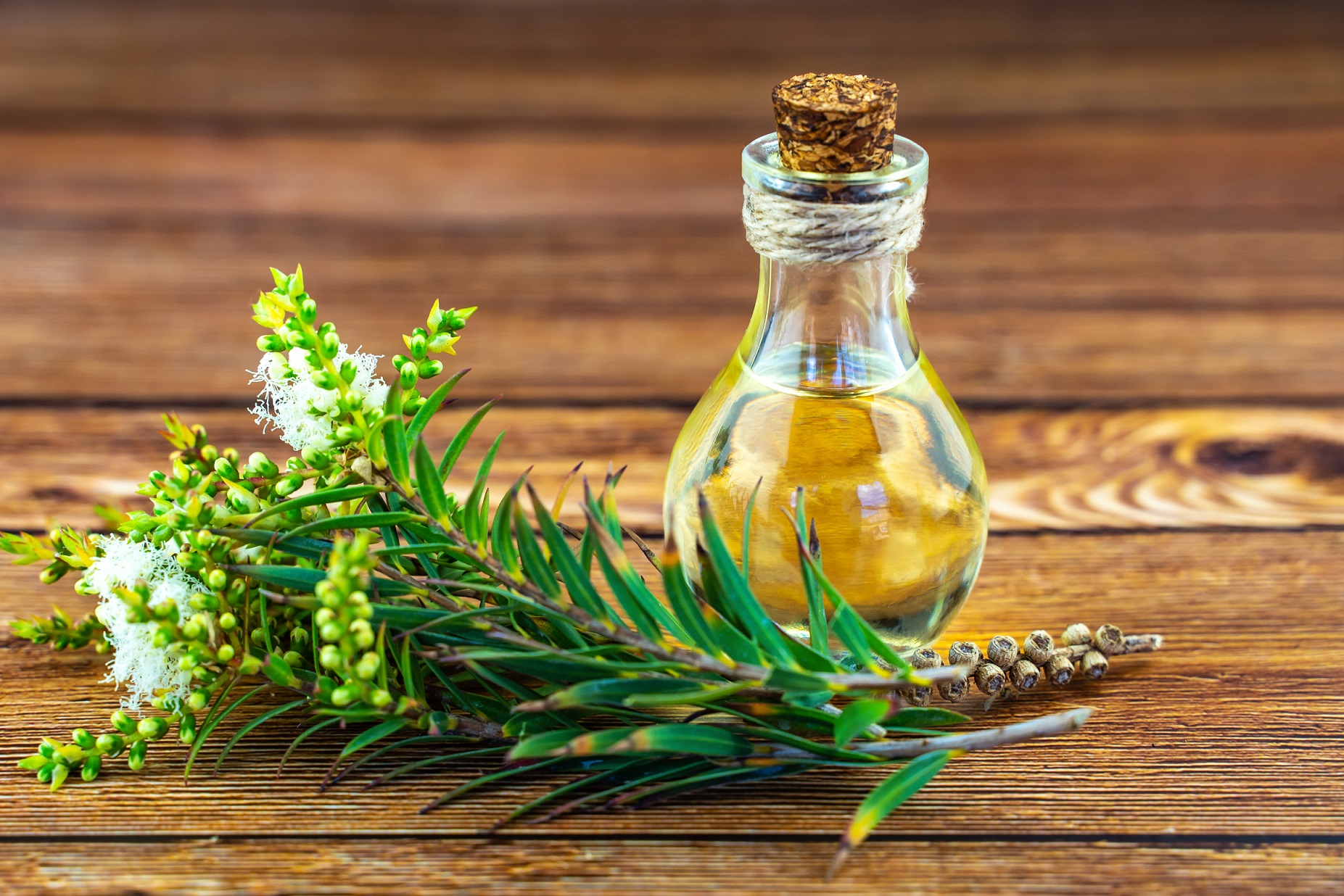
Tea tree (Melaleuca alternifolia) Tea tree oil is only used topically often in a dilution or as part of a medicinal gel or cream. It is also often used in oral care products although it should not be ingested.
Tea tree is primarily known as an essential oil, which is widely used for its antimicrobial, antifungal, and anti-inflammatory properties. It is not typically used as a culinary herb and it is not recommended for internal use due to the potential for toxicity (1).
The essential oil should not be underestimated for its strength and potency. It should always be used diluted, rather than neat on the skin. This is because the neat oil may be irritating and cause mild dermatitis and inflammation.
Tea tree can be used for many acute conditions of the skin including the treatment of stings, minor wounds, burns and skin infections of all kinds (1). The antiseptic and antifungal properties of tea tree have been widely researched. There is a significant evidence base for its efficacy in treating a wide range of bacterial and fungal infections (2).
It offers effective treatment of small boils, furuncles and some cases of mild bacterial acne. It has been shown to effectively treat tinea pedis (athletes foot) offering symptomatic relief of itching and irritation as well as directly targeting the fungal infection (1).
Tea tree is often included in oral care products due to its efficacy in the symptomatic treatment of minor inflammation caused by infections of the oral mucosa (1). It is effective against bad breath and gingivitis (3).
In addition to these well-known uses, tea tree oil is also a diaphoretic and expectorant. Tea tree oil can be incorporated into balms or creams or diluted into a carrier oil such as almond or jojoba to apply to the area of the chest for coughs and colds (2).
Diluted tea tree may also be used topically in the treatment of thrush and vaginal infections. Many herbalists make pessaries for this application; however, it should only be used acutely as the oils may negatively interfere with the PH balance of the vagina (2)
Tea tree is also often used for acne, athlete’s foot, verrucae, warts, insect bites, cold sores and as a deterrent for head-lice (2,3).
-
Did you know?
The Aboriginal tribes of Australia used the leaves of the tea tree long before its discovery by Western explorers. The leaves would be crushed and made into a steam for inhalation to treat respiratory ailments. The oily poultice would have been used for wounds and infections. Tea tree was also used during World War II by Australian soldiers who are said to have applied it as a topical antiseptic for battle wounds (8).




 Oral health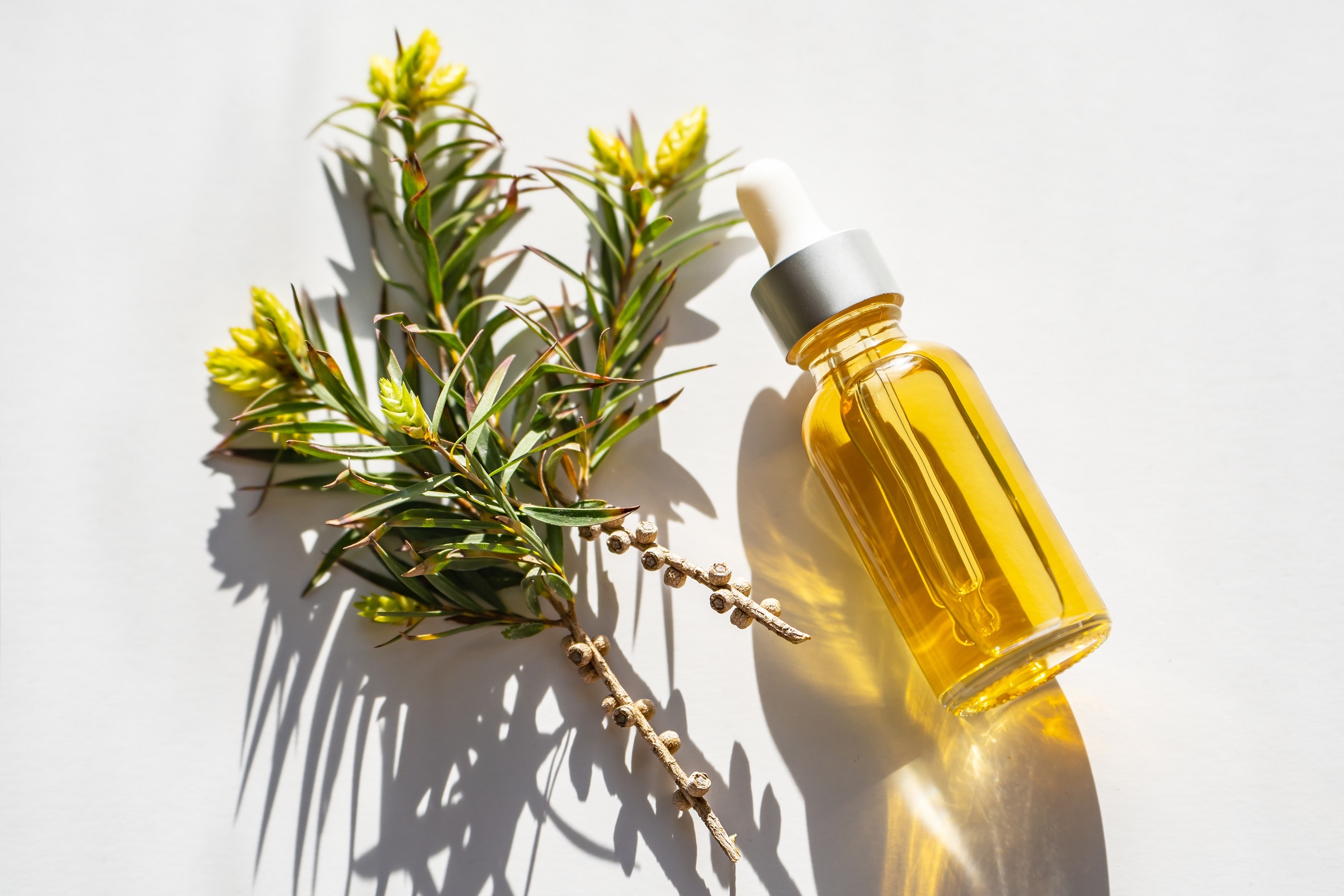


-
Botanical description
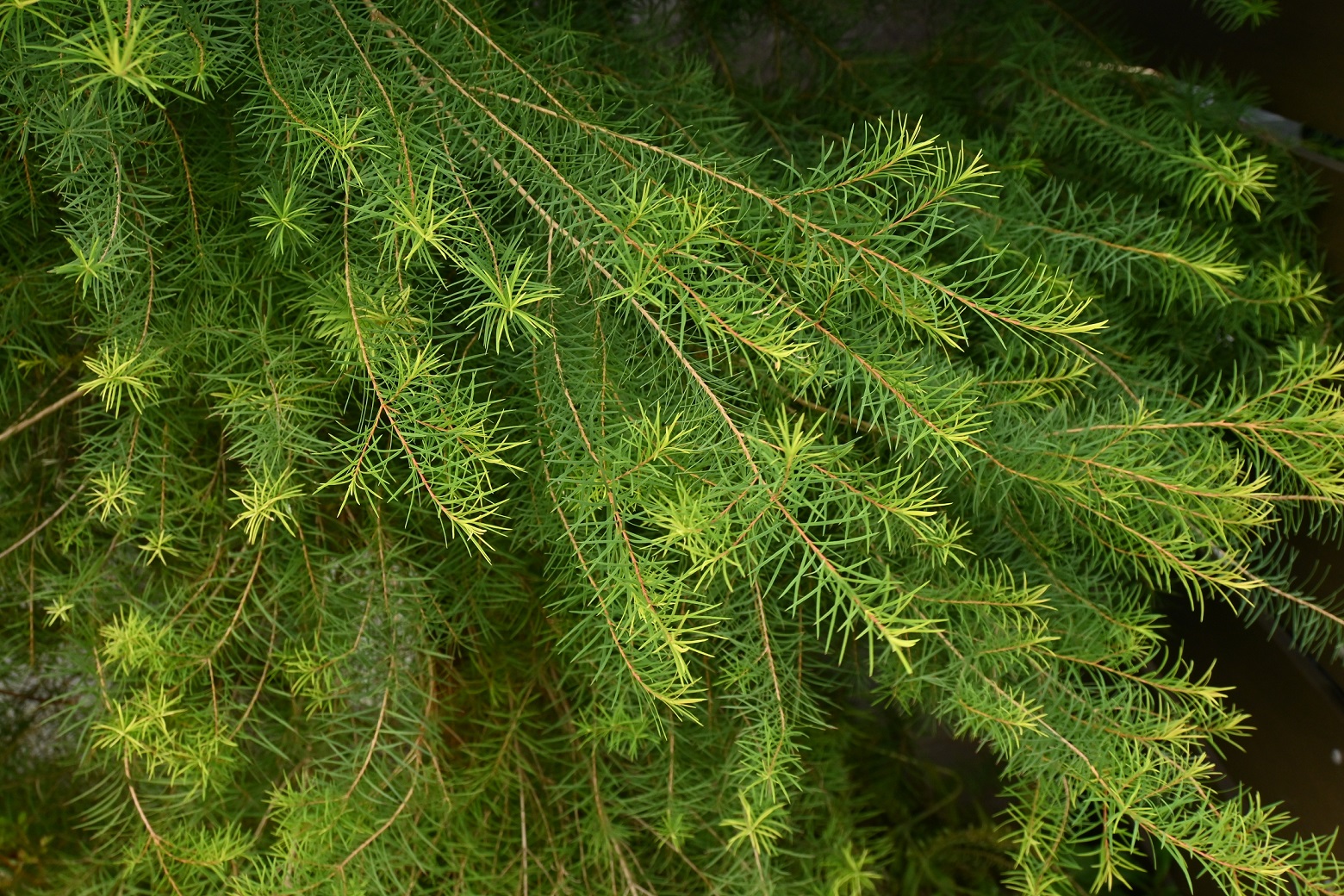
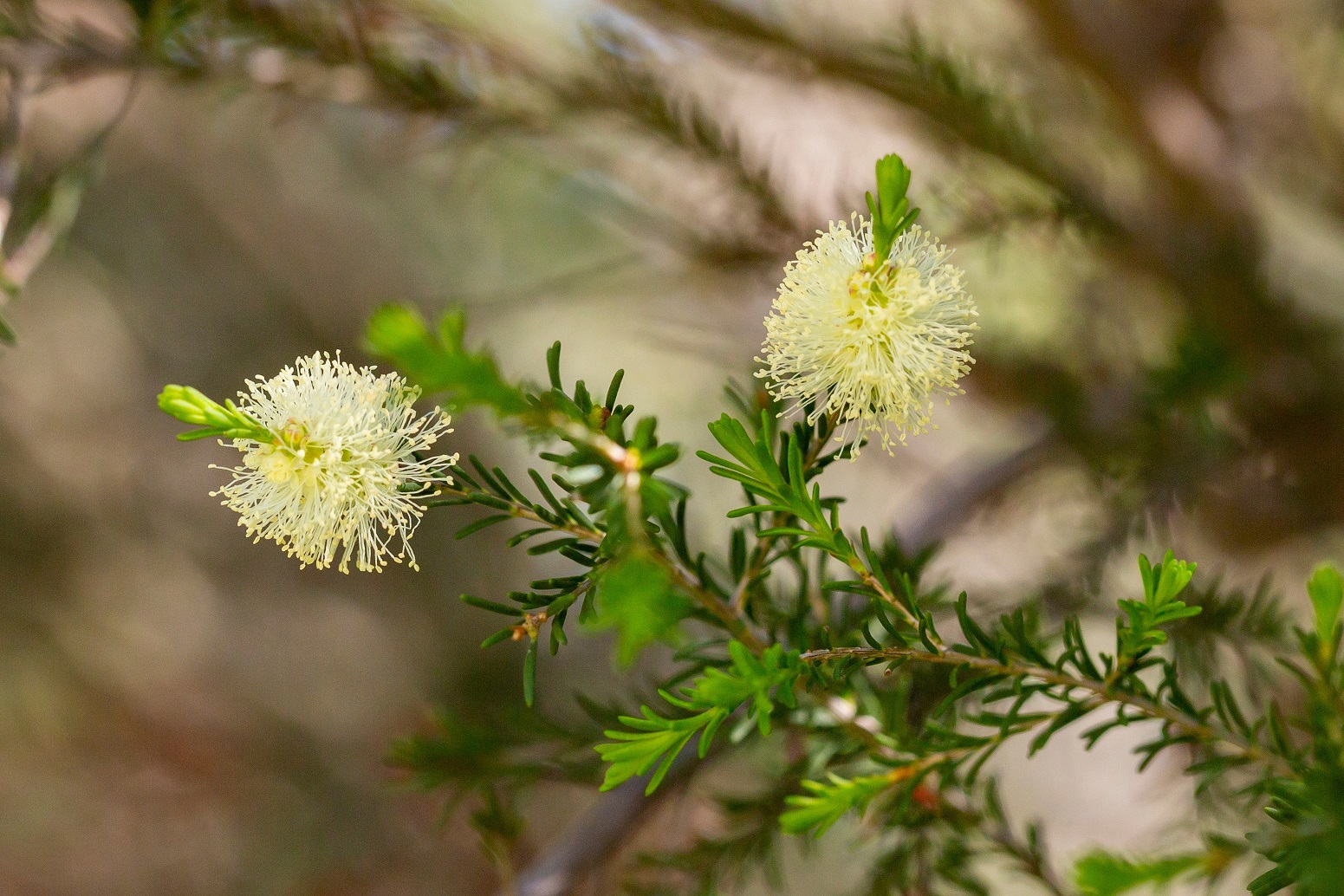
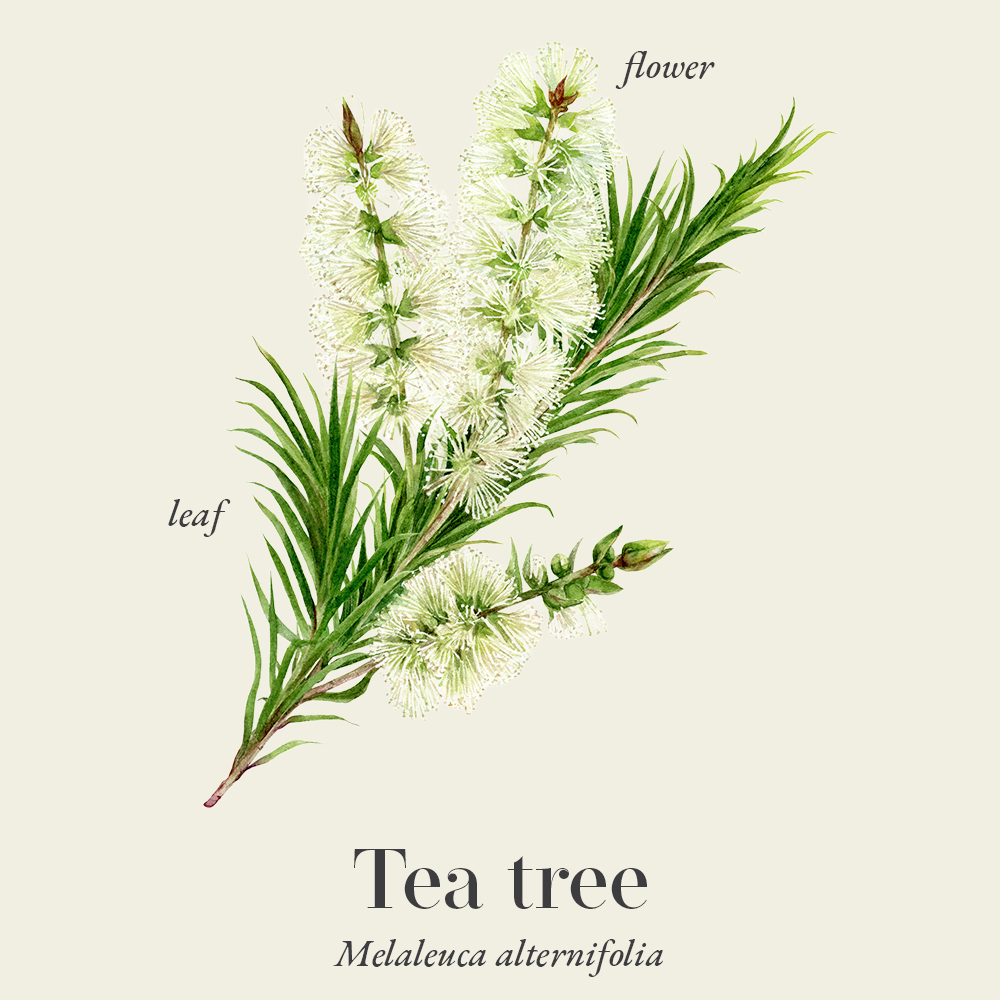
Tea tree is a small evergreen tree that can also grow like a shrub. It may grow up to around 7 metres tall. It has a bushy crown and whitish, papery bark.
Its leaves are small, smooth and linear in shape (visually similar in some way to pine needles although they are much softer).
The leaves grow to between 10–35 mm long and 1 mm wide and they appear alternately, sometimes scattered or whorled along its minor branches. The leaves of tea tree are rich in volatile oils and have a distinct aromatic quality.
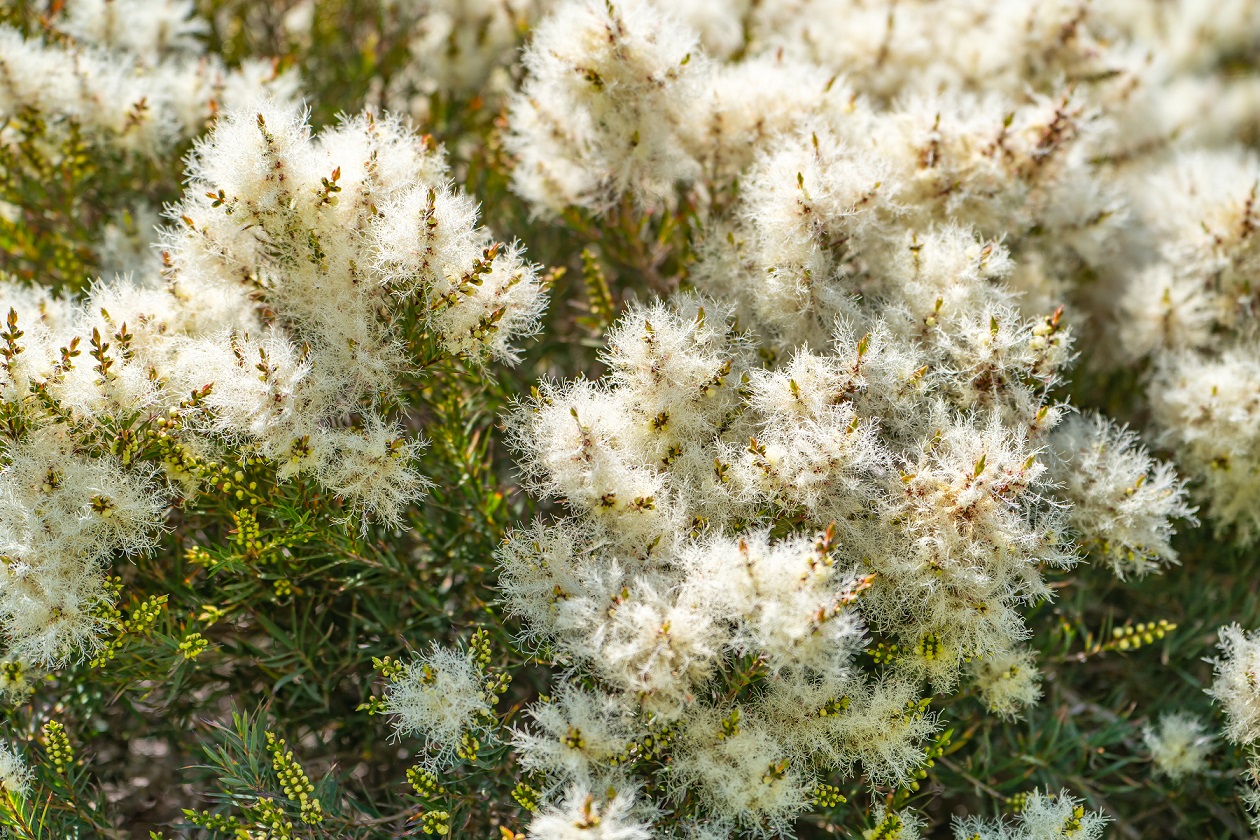
Flowers occur in white or cream coloured masses of spikes 3–5 cm long in spring to early summer. These flowers viewed from a distance give the tree a feathery or fluffy appearance.
In Autumn, it produces small, woody, cup-shaped fruits which are around 2–3 mm in diameter, and are scattered along its branches. Tea tree is hermaphrodite. This means that it has both male and female organs. It is pollinated by insects (16).
-
Common names
- Narrow-leaved paperbark — referring to its thin, papery bark
- Snow-in-summer — in reference to its white flowers that bloom profusely in summer
-
Habitat
Tea tree is native to Australia. It grows mainly in southeast Queensland and the north coast as well as along the adjacent ranges of New South Wales. Its native habitats are usually along streams, on swampy flats (17).
-
How to grow tea tree
Tea trees require a lot of care and attention when growing outside of their natural habitat. They prefer full sun, so choose a location that gets at least 6–8 hours of direct sunlight. It will grow in well-drained, preferably sandy or loamy soil with a slightly acidic to neutral pH (around 5.5 to 7.5). Tea trees are unlikely to thrive outdoors unless they are planted in a USDA plant hardiness zone 8 or above . It is hardy to UK zone 9 (16).
- If growing from seeds, it’s best to start them indoors. Due to the time it takes to establish a young sapling, many choose to purchase a young tea tree or seedling from a garden centre.
- Start seeds in a seed mix, gently pressing them into the soil without covering them as they need some light to germinate. This should be done indoors 6–8 weeks before the last expected frost.
- Place the seedlings in a sunny window and make sure to keep soil moist with a little water every day. Germination should occur in 2–4 weeks.
- After the last threat of frost has passed and the seedlings have established their first set of leaves they can be transplanted outdoors when the soil has warmed up. Keep watering the young plants especially in the first few years.
- The trees require full sun to thrive, whether they are planted indoors or out. They will not be successful in the shade. Tea tree is drought tolerant once established and mature. They are not tolerant to consistent water logging of the soil. Yearly pruning in autumn will help maintain the plant’s shape and health (18).
-
Herbal preparation of tea tree
- Essential oil
- Essential oil dilutions with gel
- Cream
- Balm
- Steam inhalations
-
Plant parts used
Leaf
-
Dosage
Acne, boils, minor wounds, athletes foot, skin infections and insect bites; topical preparation of 10% essential oil can be applied on the affected area 1–3 times daily. In some people an undiluted essential oil can be applied to the affected area 2–3 times daily although using the oil neat is not recommended.
For the treatment of mucosal-oral conditions such as gingivitis and gum infections, a mouthwash can be used. Many over the counter mouthwashes are available. A dilution of 0.17–0.33 ml tea tree essential oil can be mixed in 100 ml of water to use as a rinse or gargle several times daily (1,19).
-
Constituents
- Volatile oils:
- Monoterpenes: α-terpinene and p-cymene (antimicrobial and antioxidant); terpinen-4-ol (40–50% of the oil, antimicrobial); γ-terpinene (10–20%, antimicrobial); 1,8-cineole (eucalyptol, 5—10%, anti-inflammatory)
- Sesquiterpenes: Caryophyllene (anti-inflammatory and analgesic); bisabolene (calming effects and antimicrobial) (20)
- Volatile oils:
-
Tea tree recipe
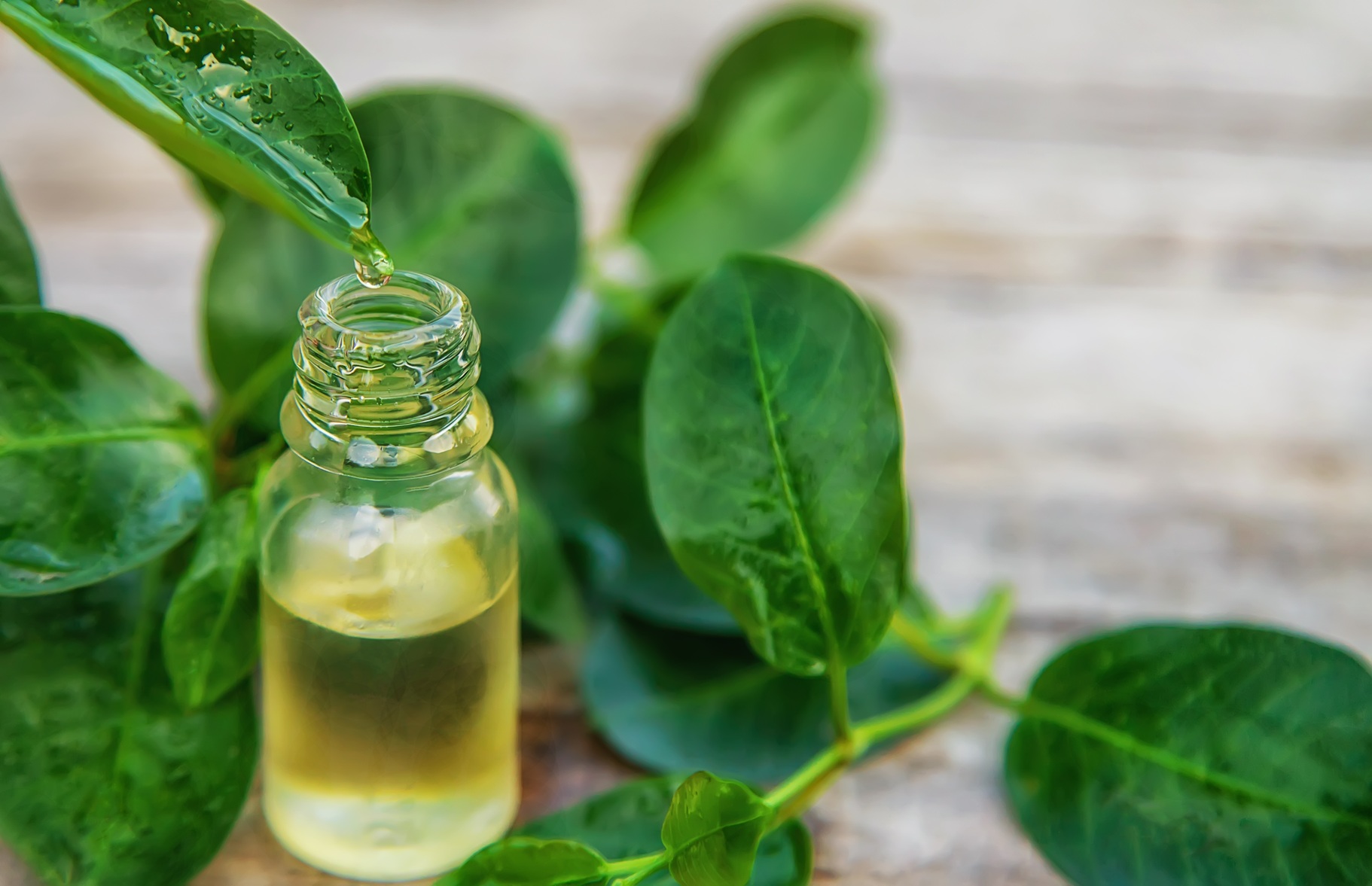
Tea tree oil gel
Ingredients
- 10 ml tea tree oil (100% pure, organic essential oil is best)
- 90 ml aloe vera gel (unscented and pure)
How to make tea tree oil gel
- Using a small sterile glass bowl and spoon or spatula, blend the tea tree oil with the aloe vera gel. Make sure the ingredients are well combined.
- Decant the gel into a clean/ sterile dark glass container or a small pump bottle or jar.
- Store the gel in the refrigerator to increase shelf life and to further cool the product for a refreshing application.

-
Safety
Tea tree oil should be avoided during pregnancy and lactation.
Tea tree oil should not be taken internally. When ingested it may cause central nervous system depression and muscle weakness as well as sickness, nausea and many other side effects. In children, ingestion of tea tree oil is considered to be a medical emergency requiring immediate hospital treatment.
The use of tea tree oil in children under 12 years of age is not recommended.
Tea tree preparations that are designed for oro-mucosal use are deemed to be safe providing they are not ingested.
Using neat tea tree oil is not recommended as it may cause adverse skin reactions. These reactions are considered to be uncommon, however some may even have an allergic reaction. Side effects of use may include mild pruritus, burning sensation, irritation, erythema and swelling (contact dermatitis) (1,19,21).
-
Interactions
None known (1,19,21).
-
Contraindications
None known (1,19,21).
-
Sustainability status of tea tree
Tea tree is not currently considered to be endangered or at risk in its native regions (22).
Its habitats are considered to be affected by global warming and land use, however, these factors are not currently considered to be a threat to its stable populations (23).
Read our article on Herbal quality & safety: What to know before you buy and Sustainable sourcing of herbs to learn more about what to look for and questions to ask suppliers about sustainability.
-
Quality control
Tea tree is predominantly cultivated. Good quality pure essential tea tree oil is said to be non-irritant. High quality oils contain about 40% terpinen-4-ol and 5% cineol. Whilst the latter is an irritant, these are reportedly well tolerated in this range for topical use. However, in poor quality oils the levels of cineol can exceed 10% and in some cases reach up to 65% (2).


-
References
- EMA. Melaleucae aetheroleum – European Medicines Agency. European Medicines Agency. Published November 22, 2021. https://www.ema.europa.eu/en/medicines/herbal/melaleucae-aetheroleum
- PFAF Database. Melaleuca alternifolia Tea Tree PFAF Plant Database. pfaf.org. Published 2024. https://pfaf.org/USER/Plant.aspx?LatinName=Melaleuca+alternifolia
- Kairey L, Agnew T, Bowles EJ, Barkla BJ, Wardle J, Lauche R. Efficacy and safety of Melaleuca alternifolia (tea tree) oil for human health—A systematic review of randomized controlled trials. Frontiers in Pharmacology. 2023;14. https://doi.org/10.3389/fphar.2023.1116077
- Bone K, Mills S. Principles and Practice of Phytotherapy: Modern Herbal Medicine. 2nd ed. Edinburgh Churchill Livingstone, Elsevier; 2013.
- Pengelly A. The Constituents of Medicinal Plants. Cab International; 2021.
- Wood M. The Practice of Traditional Western Herbalism : Basic Doctrine, Energetics, and Classification. North Atlantic Books, Cop; 2004.
- The University of Arizona. Search Tree Collections. apps.cals.arizona.edu. Published 2024. https://apps.cals.arizona.edu/arboretum/taxon.aspx?id=824
- Carson CF, Hammer KA, Riley TV. Melaleuca alternifolia (Tea Tree) Oil: a Review of Antimicrobial and Other Medicinal Properties. Clinical Microbiology Reviews. 2006;19(1):50-62. doi:https://doi.org/10.1128/cmr.19.1.50-62.2006
- McDonough M. Tea tree oil | Description, Uses, Extraction, History, & Side Effects. Encyclopedia Britannica. Published September 21, 2023. Accessed March 9, 2026. https://www.britannica.com/topic/tea-tree-oil?
- Ripari F, Cera A, Freda M, Zumbo G, Zara F, Vozza I. Tea Tree Oil versus Chlorhexidine Mouthwash in Treatment of Gingivitis: A Pilot Randomized, Double Blinded Clinical Trial. European Journal of Dentistry. 2020;14(1):55-62. https://doi.org/10.1055/s-0040-1703999
- Cox SD, Mann CM, Markham JL. Interactions between components of the essential oil of Melaleuca alternifolia. Journal of Applied Microbiology. 2001;91(3):492-497. https://doi.org/10.1046/j.1365-2672.2001.01406.x
- Satchell AC, Saurajen A, Bell C, Barnetson RS. Treatment of interdigital tinea pedis with 25% and 50% tea tree oil solution: A randomized, placebo-controlled, blinded study. Australasian Journal of Dermatology. 2002;43(3):175-178. https://doi.org/10.1046/j.1440-0960.2002.00590.x
- Satchell AC, Saurajen A, Bell C, Barnetson RS. Treatment of dandruff with 5% tea tree oil shampoo. Journal of the American Academy of Dermatology. 2002;47(6):852-855. https://doi.org/10.1067/mjd.2002.122734
- van der Wouden JC, van der Sande R, Kruithof EJ, Sollie A, van Suijlekom-Smit LW, Koning S. Interventions for cutaneous molluscum contagiosum. Cochrane Database of Systematic Reviews. Published online May 17, 2017. https://doi.org/10.1002/14651858.cd004767.pub4
- Jooya A, Siadat A, Iraji F, Enshaieh S. The efficacy of 5% topical tea tree oil gel in mild to moderate acne vulgaris: A randomized, double-blind placebo-controlled study. Indian Journal of Dermatology, Venereology and Leprology. 2007;73(1):22. https://doi.org/10.4103/0378-6323.30646
- RHS. Melaleuca alternifolia | Shrubs/RHS. Rhs.org.uk. Published 2025. https://www.rhs.org.uk/plants/111547/melaleuca-alternifolia/details
- Southwell I. Tea Tree. Southwell I, Lowe R, eds. CRC Press. Published online March 25, 1999. doi:https://doi.org/10.4324/9780203303603
- Stack Path. StackPath. www.gardeningknowhow.com. https://www.gardeningknowhow.com/ornamental/trees/melaleuca-tea-tree/melaleuca-tea-tree-care.htm
- Hoffmann D. Medical Herbalism: The Science and Practice of Herbal Medicine. Healing Arts Press; 2003.
- Borotová P, Galovičová L, Vukovic NL, Vukic M, Tvrdá E, Kačániová M. Chemical and Biological Characterization of Melaleuca alternifolia Essential Oil. Plants. 2022;11(4):558. https://doi.org/10.3390/plants11040558
- NatMed. Tea tree. naturalmedicines.therapeuticresearch.com. Published 2024. https://naturalmedicines.therapeuticresearch.com/databases/food
- Communications c=AU; o=The S of Q ou=Department of E and S ou=Corporate. Species profile | Environment, land and water. apps.des.qld.gov.au. Published October 20, 2014. https://apps.des.qld.gov.au/species-search/details/?id=14392
- Tran DB, Dargusch P, Moss P, Hoang TV. An assessment of potential responses of Melaleuca genus to global climate change. Mitigation and Adaptation Strategies for Global Change. 2012;18(6):851-867. https://doi.org/10.1007/s11027-012-9394-2
Meet our herbal experts
Our monographs are written by our monograph authors and edited, reviewed and updated by Herbal Reality.
Meet our Herbal Reality team or explore our Herbal Reality authors.