













Last reviewed 26/09/2026
Sustainability status
Not currently on risk lists but complete data may be missing on the status of the species. Read more in our sustainability guide.

-
Herb overview
Safety
Generally safe and well tolerated
Sustainability
Status: Lower risk
Key constituents
Phenolic compounds: Arbutin
Flavonoids: QuercetinQuality
Native to Macaronesia, UK, Europe to Central Siberia, and Morocco
Mostly wild harvestedKey actions
Anti-microbial
Diuretic
Anti-inflammatory
AnxiolyticKey indications
UTIs
Rheumatism
AnxietyKey energetics summary
Neutral
DrySee below for discipline-specific energeticsPreperation and dosage
Flowers
3–6 g/per day as an infusion
Tincture (1:3|40%): 3–-12 ml per day
-
How does it feel?
An infusion of heather flowers is beautifully golden brown, tinged with deep pink. The aroma is slightly salty with a subtle sweetness and a hint of sourness, reminiscent of hay or straw, all suggesting the nutritious quality of minerals and nutrients within. The taste is salty and nutty with a slightly sour sharpness which leaves an immediate watery-mouth feeling.
The saltiness indicates the presence of minerals, and the sourness comes from the abundant phenolic compounds and antioxidant rich flavonoids (1). It tastes broadly nutritious, mildly sweet and slightly astringent, leaving a slight puckering in the mouth from the combination of sourness and astringency. The astringency indicates the presence of tannins, which are drying, helping to repair wounds and reduce the leakage of body fluids across membranes, easing bleeding and diarrhoea (2).
Drinking heather feels grounding and slightly heavy with a downward shifting of energy. There is a supportive feeling of moving into the body, and the release of a deep, relaxing sigh. There is a shifting towards clearer thoughts, a removal of mental stagnancy, like the lifting of a foggy veil. There is a desire to sit still and be with the body, and the word “clarity” comes to mind. It imbues a deep sense of calm that feels strengthening and empowering.

The taste of heather
The below qualities are derived from organoleptic assessment.
-
Into the heart of heather

Heather (Calluna vulgaris) Among the most important bioactive compounds identified in heather, the phenolic components are the main source of its medicinal properties (antioxidant, anti-inflammatory, antimicrobial), although the terpenes also contribute to these actions (5,11). The simple phenol glycoside arbutin is largely responsible for the antimicrobial effects of heather, although it has to be broken down by the body to hydroquinone to become antiseptic (12, 13).
The antibacterial activity only occurs when the metabolised products of arbutin (hydroquinone) appear in the urine, and arbutin alone does not have bacteriostatic activity (14). For arbutin to be hydrolysed to hydroquinone it requires the alkaline environment of the urine (14,15). This localises the actions to the urinary tract, where it functions as an antiseptic and diuretic (12,16). Arbutin is extracted into both water and alcohol extracts of heather flowers; however, it is slightly more extractable in water (17).
The hydrolysed metabolite hydroquinone is a potent phenolic antiseptic, very active against many bacteria, particularly those that cause urinary tract infections such as Pseudomonas aeruginosa, Escherichia coli, Enterococcus faecalis and Proteus vulgaris (13,18,19). Whole plant extracts (water, alcohol and acetone) have been shown to have bacteriostatic effects against Pseudomonas aeruginosa, E. coli, Proteus vulgaris, and Staphylococcus epidermidis (17,20). This antimicrobial action of whole-herb-extracts against pathogenic gram positive and negative bacteria is more pronounced in water extracts (infusion and decoction), and occurs without significantly inhibiting the non-pathogenic microbiota (18,19).
Isolated arbutin has also shown antibacterial activity against Staphylococcus aureus , methicillin-resistant S. aureus (MRSA), extended spectrum β-lactamase S. aureus (ESBL-SA), P. aeruginosa and E. coli (20, 21, 22). The antibacterial action of hydroquinone occurs through a combination of mechanisms that destroy the bacterial cell wall, increase the permeability of the bacterial membranes leading to leakage of intracellular substances, affecting the synthesis of proteins, and influencing gene expression (21,22).
The abundance of flavonoids in heather contribute to the antioxidant, anti-inflammatory, and astringent actions (12). The flavonoids, tannins and polyphenols are more highly extracted in alcohol preparations (17).
In traditional Chinese medicine (TCM), the kidney meridian houses our ancestral qi, the essence given by the parents at conception (2). Herbs that effect the kidney, therefore, have a connection with ancestry, and heather shines a light on how blood lines can affect this lifetime (2). The kidneys are the seat of power, courage and determination, and vital (balanced and healthy) kidney energy brings a centredness, fearlessness and clear thinking (2). When the kidney energy is unbalanced fear can prevail often accompanied with increased frequency of urination (2).
As a flower essence, heather is for lonely people who need to discuss their affairs and seek the company of others who will listen (23). It is for those who become unhappy when they are left alone for any length of time (23). Any herb connected with the kidneys, a paired organ, indicates it can be used where there is difficulty with communication, encouraging harmony in relationships (2). Heather promotes positive communal living, indicated by the bees love of heather flowers (2). Bees live in communities with a social order where each individual has a clearly defined role, but cannot function in isolation as a part of the entire hive (2). Heather teaches how to survive, with its strong purple flowers and tough springy branches, heather is a symbol of fierceness, resilience, independence and co-dependence (2,10).
-
What practitioners say
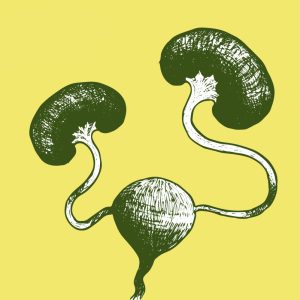
 Urinary system
Heather has diuretic, anti-inflammatory and antiseptic properties, making it an effective herb to incorporate into remedies for the urinary system, including urinary tract infections such as cystitis and urethritis, pyuria (painful urination), lithuria, benign prostate hyperplasia (BPH) and prostatitis (7,25,26). When there is a bacterial infection in the urinary tract, there is often foul-smelling, cloudy urine, pain or burning with urination, and the urge to frequently urinate, which can be remedied by the actions of the constituents in heather (25).
It is largely due to the antimicrobial constituents, including arbutin, that heather is indicated for urinary tract infections (13,16). The anti-microbial action of heather is effective against pathogenic gram-positive and gram-negative bacteria without significantly inhibiting the non-pathogenic microbiota (19). This indicates that heather extracts can be used to treat infections of pathogens without disrupting the normal balance of microbiota, in the way broad-spectrum pharmaceutical antibiotics would (19). Other plants containing arbutin, such as uva ursi, have similar properties and the two combine well to complement their actions, or make suitable replacements for each other. The British Herbal Pharmacopoeia recommends combining heather with uva ursi and buchu for urinary infections, such as cystitis (7).
The main antimicrobial constituents (including arbutin) are slightly more extractable in water than alcohol, and therefore an infusion is the preferred mode of delivery when treating UTIs (17,18,19). However, the flavonoids, tannins, polyphenols and terpenes are higher in an alcohol extract, warranting a concurrent tincture blend to provide a full spectrum of support (11,17). Herbal treatments for urinary tract ailments will often come with advice for dietary changes and other supplements to prevent recurrent infection.
The anti-inflammatory action of heather makes it useful when there is stress incontinence or urinary retention in BPH (27). Preparations of heather flowers are also indicated for diseases and ailments of the kidneys, enlargement of the prostate, as a diuretic, and as prophylaxis for urinary gravel and stones (6, 26). These conditions are best treated under the support of a medical herbalist where a bespoke treatment plan can be developed.
Musculoskeletal system
The anti-inflammatory, antioxidant and diuretic actions of heather all contribute to the indications for rheumatic conditions. This antirheumatic action is a secondary effect of the diuretic action, supporting the kidneys to clear the metabolic byproducts, debris and toxins from the body, which can cause inflammation in the joints (2). Heather combines well with black cohosh (Actaea racemosa) and celery seed (Apium graveolens) for rheumatism (7). Also consider warming herbs like rosemary or ginger to increase blood flow to the peripheral joints, and enhance the clearing action.
Heather is indicated for lithuria (excess uric acid in the urine), gout, and other joint inflammatory diseases (2,7). The anti-gout potential is manifested through the analgesic, anti-inflammatory and hypouricemic effect of diuresis to enhance uric acid excretion (5).
Externally, heather can be used to make a poultice, liniment, or bath for chilblains, and can be photoprotective for the skin against UV rays (8).
Nervous system
Heather has anxiolytic and thymoleptic effects (17). The main biologically active compound responsible for the nerve-calming effects of heather is quercetin, which is able to inhibit monoamine oxidase A (MAO-A) (5). MAO-A is the main compound responsible for the alteration of important neurotransmitters, such as serotonin, dopamine and norepinephrine, which are vital for nerve cells and normal brain function Therefore, the inhibition of MAO-A may have crucial effects in preventing depression (5). These antidepressant, anxiolytic, nootropic and anxiolytic effects make heather a promising herb to include in formulas to support anxiety and depression (17).
-
Heather research

Heather (Calluna vulgaris) There is a lack of clinical evidence from human trials to support the use of heather. Indications for use are based on traditional use, in vitro research to determine the plant constituents, and the known actions of the constituents. There are some studies using animal models available; however, the relevance of these studies to humans is questionable, particularly in the case of this herb.
The antibacterial activity of heather only occurs when the metabolised products of arbutin (hydroquinone) appear in the urine, and arbutin alone does not have bacteriostatic activity (14). In humans, arbutin is hydrolysed to hydroquinone in the alkaline environment of the urine, where it functions as a local antiseptic and diuretic (12,16). However, in oral administration of arbutin to rodents, arbutin is excreted unchanged in the urine, casting doubt upon the relevance of any animal-model studies on the use of heather as a urinary antimicrobial (14).
In vitro activity of heather [Calluna vulgaris (L.) Hull] extracts on selected urinary tract pathogens (18)
This study investigated the antibacterial activity of aqueous, ethanol and ethyl acetate extract from heather leaves and flowers against pathogens that most frequently cause urinary tract infections. The extracts were tested against urinary pathogens extracted from urine samples, including ten different strains of gram-negative Escherichia coli and Proteus vulgaris, and gram-positive Enterococcus faecalis. The aqueous extract showed a significant antibacterial activity on all strains, with the strongest activity against Proteus vulgaris strains. The total phenolics content was significantly higher in the water extract than the ethanol or ethyl acetate, although the flavonoid concentration was similar in all three extracts. The results obtained suggest that all tested extracts of heather inhibit the growth of human pathogens, especially the aqueous extract, making an infusion the most effective delivery mode (18).
Calluna vulgaris (L.) Hull: chemical characterization, evaluation of its bioactive properties and effect on the vaginal microbiota (19)
The chemical constituents in heather flower were characterised and the bioactive properties evaluated in different solvents (n-hexane, dichloromethane, ethyl acetate, acetone, methanol) and aqueous extracts (decoction, infusion). The results identified 12 phenolic compounds, five organic acids, 26 individual fatty acids and four tocopherol isoforms (vitamin E). The identified bioactive effects were antioxidant, anti-inflammatory, cytotoxic and antimicrobial. The more polar, aqueous extracts showed the highest amount in phenolic compounds, and the strongest antioxidant and antibacterial activities. The anti-inflammatory potential was highest in the solvent extracts of n-hexane and ethyl acetate.
The antimicrobial activity was tested against twelve pathogenic bacteria strains that are thought to be responsible for urinary tract infections, and two non-pathogenic bacteria belonging to the vaginal microbiota (Gardnerella vaginalis and Neisseria gonorrhoeae). The strains most susceptible to the antimicrobial action of the extracts were the gram-positive bacteria (E. faecalis, Listeria monocytogenes, methicillin-resistant Staphylococcus aureus, S. aureus, methicillin-susceptible Staphylococcus aureus).
The highest anti-bacterial action was found in the decoction and infusion plant extracts. The antibacterial activity was four to 10 times higher against the pathogenic strains than the two vaginal microbial strains, indicating that heather extracts can inhibit the tested pathogens without affecting the normal balance of vaginal microbiota, corroborating their use in traditional medicine.
It should be noted that as n-hexane, dichloromethane, ethyl acetate, acetone, methanol are all industrial solvents, they are not safe for human consumption. Although they have a similar extraction potential to ethanol extractions used for tinctures, the results can not be directly applied to the effect of an alcohol-based tincture for internal use.
Phytochemical Profile and Pharmacological Activities of Water and Hydroethanolic Dry Extracts of Calluna vulgaris (L.) Hull. Herb (17)
In contrast to the studies exploring the antimicrobial actions of heather on urinary pathogens, this study investigated the antidepressant, nootropic and anxiolytic effects in an in vivo study model, on rats and mice. Water and hydroethanolic (ethanol 70%) heather extracts were administered to the animals before testing their behaviour using various compartmental tests. The heather extracts were administered at a dose of 50 mg/kg for four days, and one hour before the experiments on the final day. Stress and anxiety was assessed by behaviour during a maze running and cube test, and depression assessed with a forced swim test.
An anti-stress and anti-anxiety effect was extrapolated from exploratory behaviour under the conditions of novelty stress, for both of the heather extracts versus control. An anxiolytic effect of the heather extracts was interpreted from the cube test results, with the alcohol extracts having the greatest effect. An antidepressant effect for the heather extracts was suggested by increased swimming and reduced immobility time within that paradigm. Nootropic effects were strongly correlated with the presence of phenolic compounds (arbutin, chlorogenic acid, rutin, hyperoside, quercetin-3-D-glucoside, (+)-gallocatechin and (−)-epigallocatechin), which were higher in the alcohol than the water extracts. However, hydroquinone, with known antimicrobial action was higher in the water extracts (17).
-
Historical use of heather

Heather (Calluna vulgaris) There is evidence that fermented heather was one of the sacred beverages of the Picts and Celts and an integral part of druidic sacred life and ceremonies (9). A Neolithic shard from around 2000 BC, found on the Scottish Isle of Rhum, contained traces of a fermented beverage made from heather (9). The Celtic tribes prepared a decoction of heather and wild honey as an intoxicating drink at feasts, and in the Hebrides beer and wine was made by fermenting a mixture of two parts of heather tops and one of malt (24). Heather ale and mead was a unique fermentation that produced remarkable effects in those who drank it, popular in the belief it helped to purify the blood (9). This is considered to be the first fermented beverage of the British Isles, enjoying wide historical use throughout Druidic lands (9).
In Northern Scotland from the third to tenth century, early medieval people had a method of preparing beer or wine from the flowers of heather (24). In the fifteenth century brewing with heather was common in Germany, Denmark and Norway (9). In the UK in 1686 it was noted that “they frequently use Erica vulgaris, heath or ling instead of hops to preserve the beer and give it no ill taste” (9). Although these were common beverages for at least 4000 years, like many kinds of indigenous, sacred, and herbal preparations, this practice nearly died out in the late 19th to early 20th century (9).
Hippocrates (~400 BC) mentioned heather as a remedy for uterine ailments, and Dioscorides (40–90 AD) recommended the leaves and flowers of “tree heath” as a poultice for snakebites (25). In Irish folk medicine an infusion of the flowers was used as a cure for a variety of ailments including asthma, cough and a weak heart (10). An infusion of the flower was used for its mild sedative and narcotic effects and, therefore, its healing power for insomnia (9,25).
Heather first appeared in European herbal texts in the fifteenth century, commended heather as an expectorant, diuretic, and diaphoretic, used to treat kidney stones, gout and rheumatism, eye inflammations, and abdominal pain (25). The little flowers were praised for being very good for those suffering from spleen issues, effective against quartan fever, and the oil from the flowers used for nasty lichens, called herpetes (herpes), especially on the face (25). It was frequently prescribed for rheumatism, arthritis, and lithiasis, as well as for uric acid diathesis (high uric acid in blood and urine), bladder and kidney ailments, especially kidney stones and gravel, and cystitis in prostatitis sufferers (25).
Heather was usually given in a tea mixture with remedies for the specific indication, and was often prescribed as a blood purifier for exanthems, eczema, and scrofulous ulcers, and recommended as a sleep aid, as well as for diabetes, arteriosclerosis, and spasmodic stomach pain (25).
A Parisian herbalist (Leclerc) documented the diuretic and antiseptic properties of heather in 1927 (25). He reported having repeated opportunities to use it for cystitis and pyuria, believing it to be at least equivalently effective, and possibly even superior to uva ursi. In two cases of enteritis and bacteriouriia (bacterial urinary tract infection), he used a decoction of heather with good antibacterial effects, completely removing the urinary tenesmus (need to urinate when bladder is empty) and normalising the scanty, foul-smelling, and cloudy urine (25).
During the war, an infusion of dried heather was recommended as a tea substitute, as well as being recommended at this time in a tea mixture together with wormwood and broom against rheumatism (25).
-
Heather’s herbal actions
Herbal actions describe therapeutic changes that occur in the body in response to taking a herb. These actions are used to express how a herb physiologically influences cells, tissues, organs or systems. Clinical observations are traditionally what have defined these actions: an increase in urine output, diuretic; improved wound healing, vulnerary; or a reduction in fever, antipyretic. These descriptors too have become a means to group herbs by their effects on the body — herbs with a nervine action have become the nervines, herbs with a bitter action are the bitters. Recognising herbs as members of these groups provides a preliminary familiarity with their mechanisms from which to then develop an understanding of their affinities and nuance and discern their clinical significance.
-
Heather’s energetic qualities
Herbal energetics are the description that herbalists have given to plants, mushrooms, lichens, foods and some minerals based on the direct experience of how they taste, feel and affect the body. All traditional health systems use these principles to explain how the environment impacts health, according to each of their philosophies and frameworks. These assessments of individual herbs, though they often do align, can differ from one another due to cultural differences regarding perspectives on how herbs taste versus their physiological effects. Find out more about traditional energetics in our article An introduction to herbal energetics.
-
What can I use heather for?

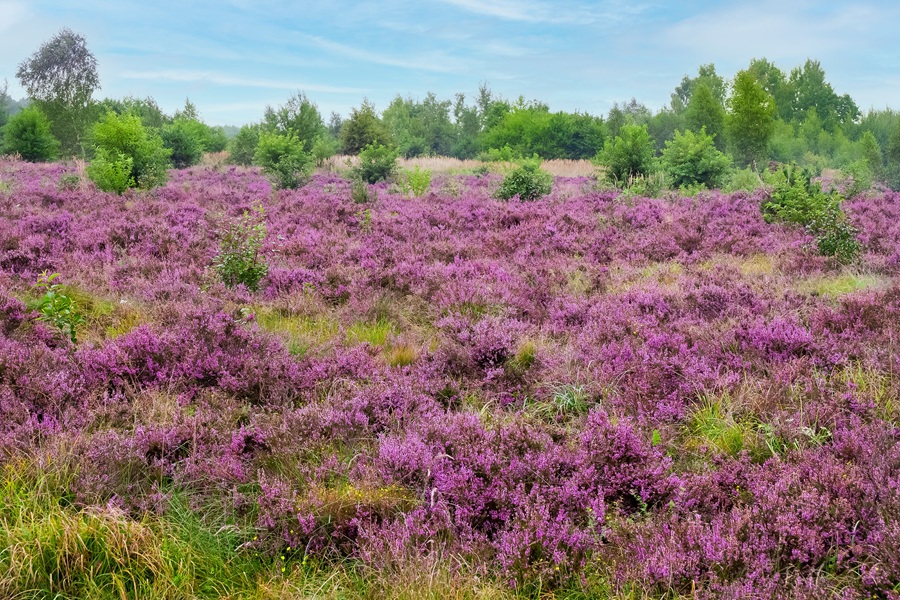
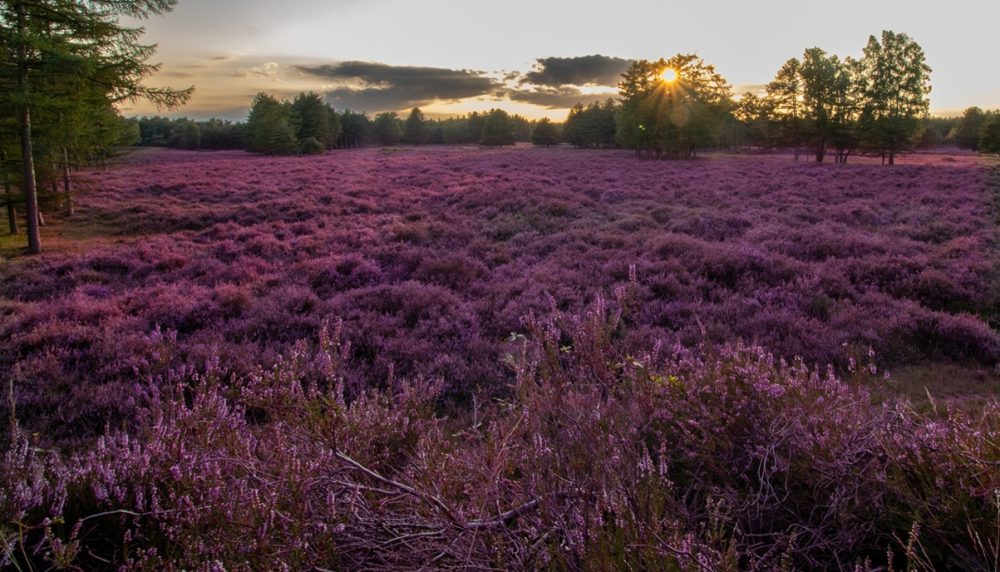
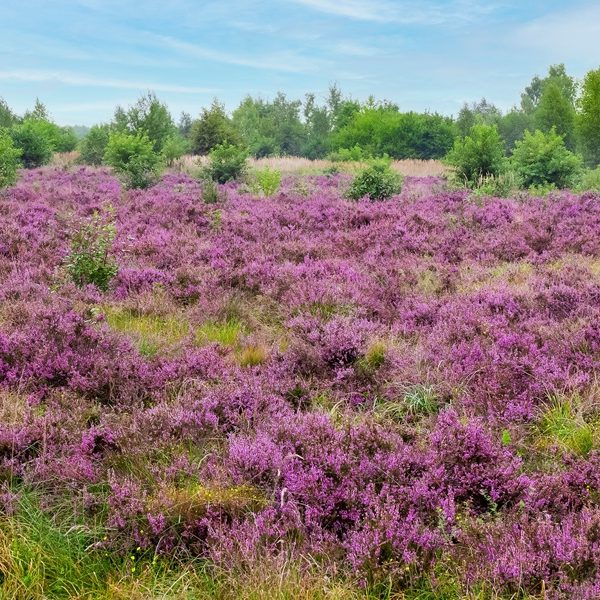
Heather (Calluna vulgaris) Heather is the commonest species in the heath (Ericaceae) family, turning huge areas of moorland purple in the late summer with a carpeting of this shrub (3). It can often be found growing alongside bilberry (Vaccinium myrtillus), as both thrive in the same harsh conditions on heathlands (4). This ability to thrive in hostile soil (acidic, low minerals) makes it highly valuable to nature conservation (5). It provides excellent nectar opportunities for social insects such as honeybees in harsh environments where other plants fail to survive (5).
Herbal preparations of heather are typically made from the fresh or dried flowers, but can also include the leaf and plant tops (6). Heather is primarily used to support urinary tract ailments due to its anti-inflammatory, antimicrobial, and diuretic actions. It makes a pleasant tasting infusion which can be used to support urinary tract infections such as cystitis. It should be noted that the kidneys and urinary tract are delicate tissues, and left untreated can become chronic issues. If urinary symptoms persist or worsen, seeking the guidance of a medical professional is recommended.
Heather has an antirheumatic effect due to the diuretic action to clear toxins and metabolites via the urine, which contribute to joint inflammation (2). It is indicated for excess uric acid in the urine (lithuria), which is a major cause of gout (7). Heather can be applied topically as a poultice, compress, liniment or balm for aching joints and muscles, or added to a bath to ease chilblains (2,8). It can also be used externally as an eye bath for inflamed eyes, and the treatment of wounds (6).
The anti-inflammatory, relaxant and mild choleretic action indicate heather for diseases and ailments of the gastrointestinal tract such as diarrhoea, spasms of the stomach and intestines, colic, diseases of the liver and gallbladder (6).
Heather has a long traditional use in making ale and mead, dating back to the Druids around 500 BC (9). It was also traditionally used for thatching, bedding, broom making, firewood, basketweaving, and fodder for livestock (10).
-
Did you know?
The name Calluna is derived from the Greek “kallýno” meaning clean, sweep, due to the plant’s use for making brooms (25). Erica derives from the Greek “ereíko” which means break, referring to the easily breakable stems (25).





 Urinary system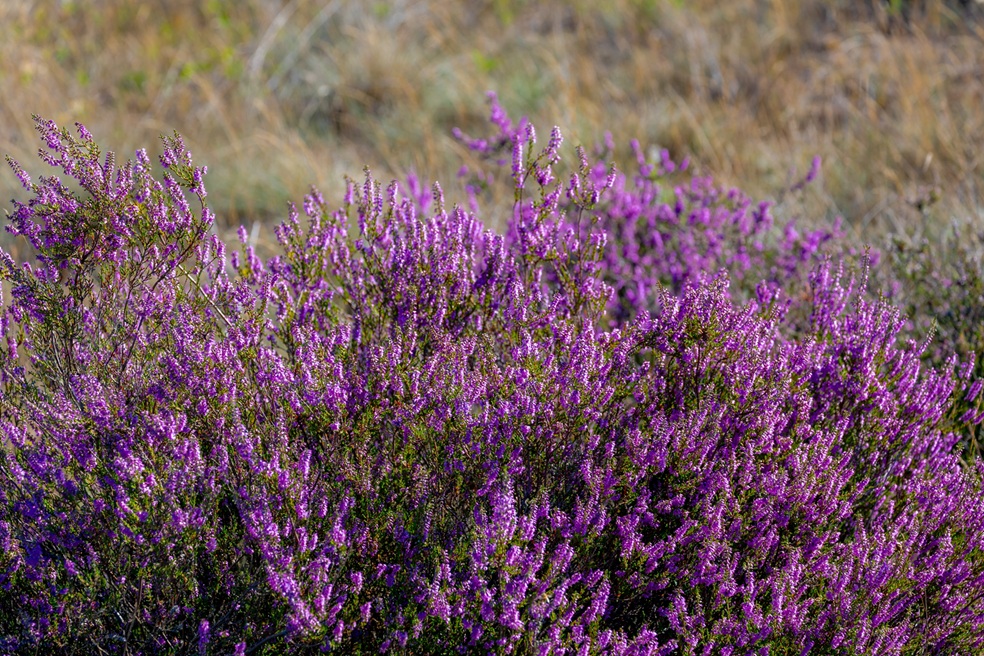
-
Botanical description
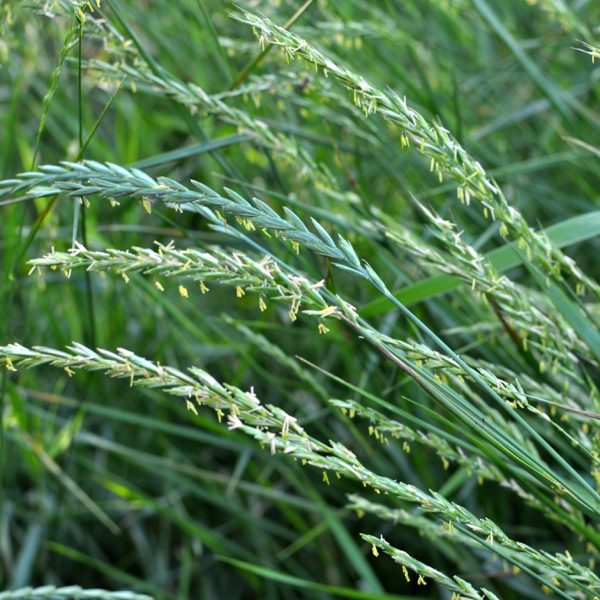
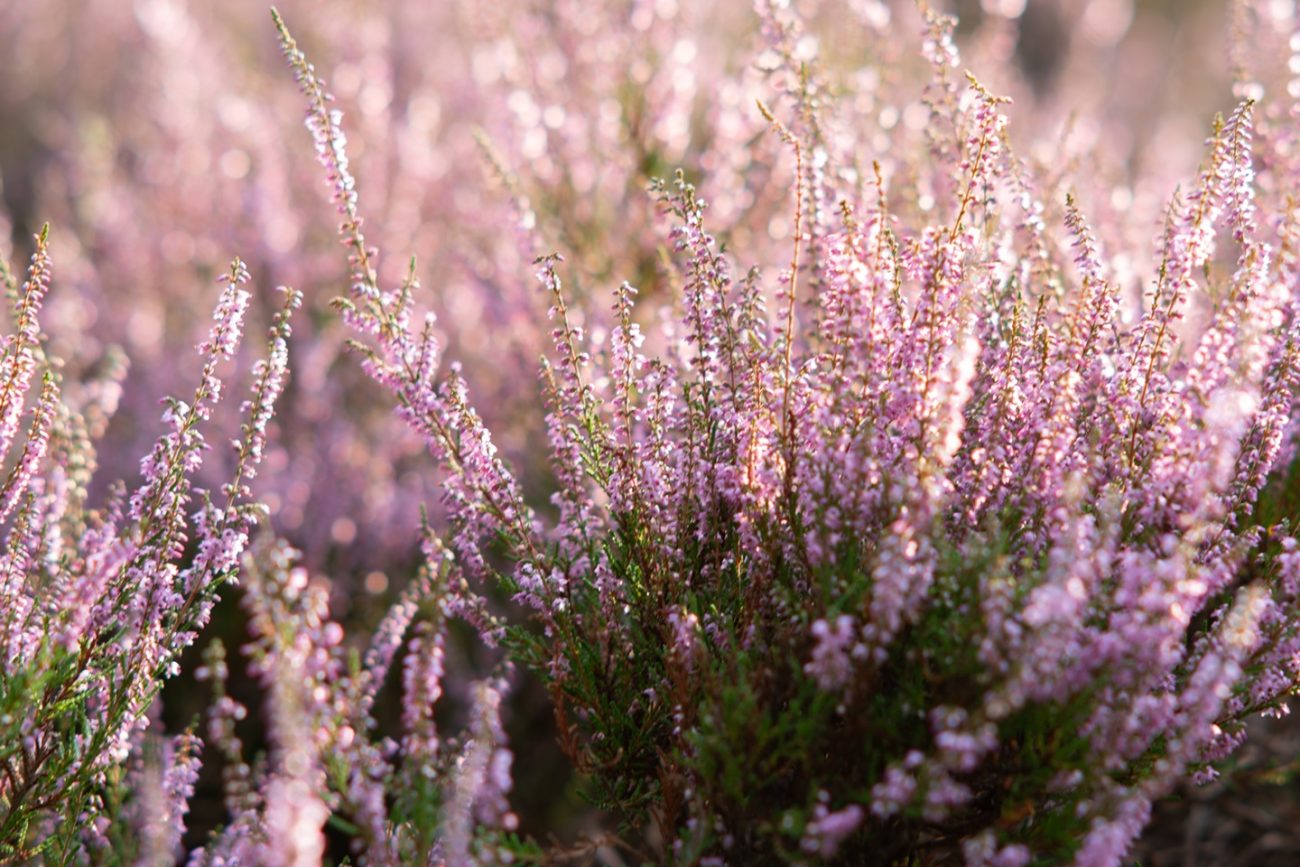
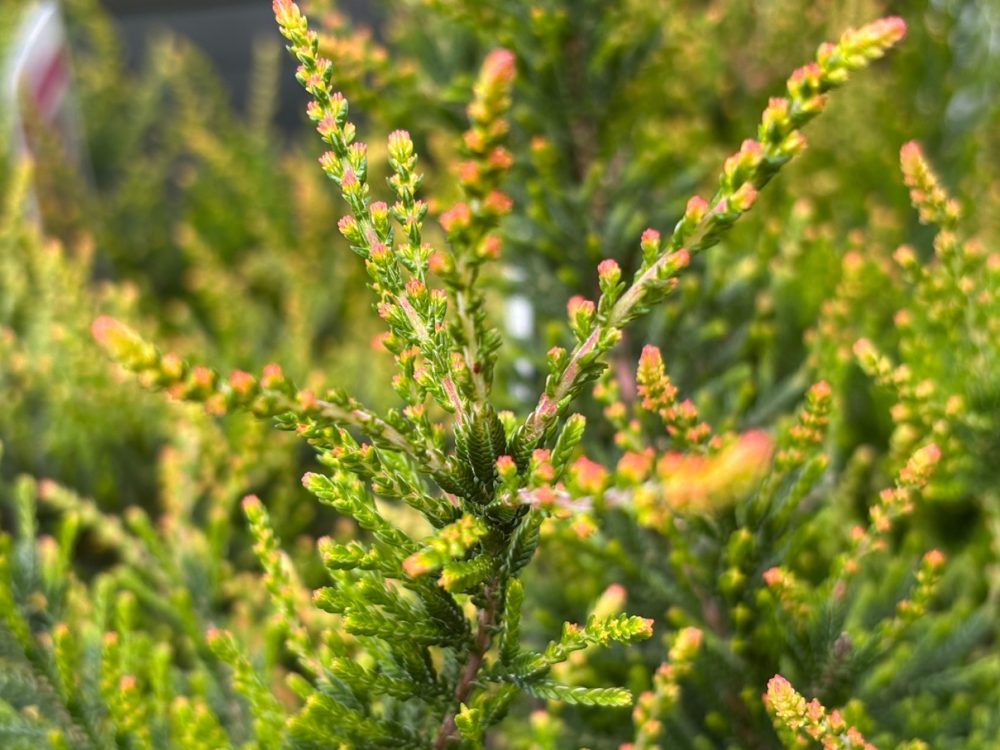
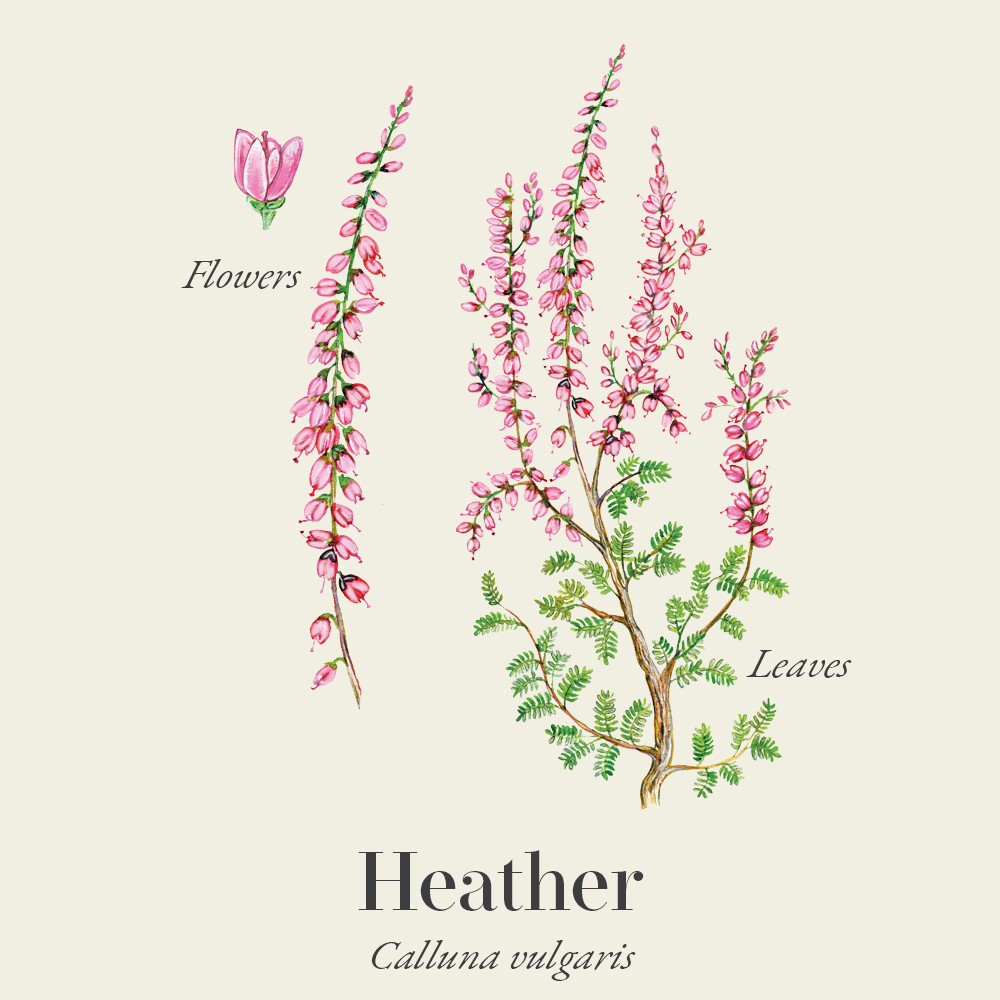
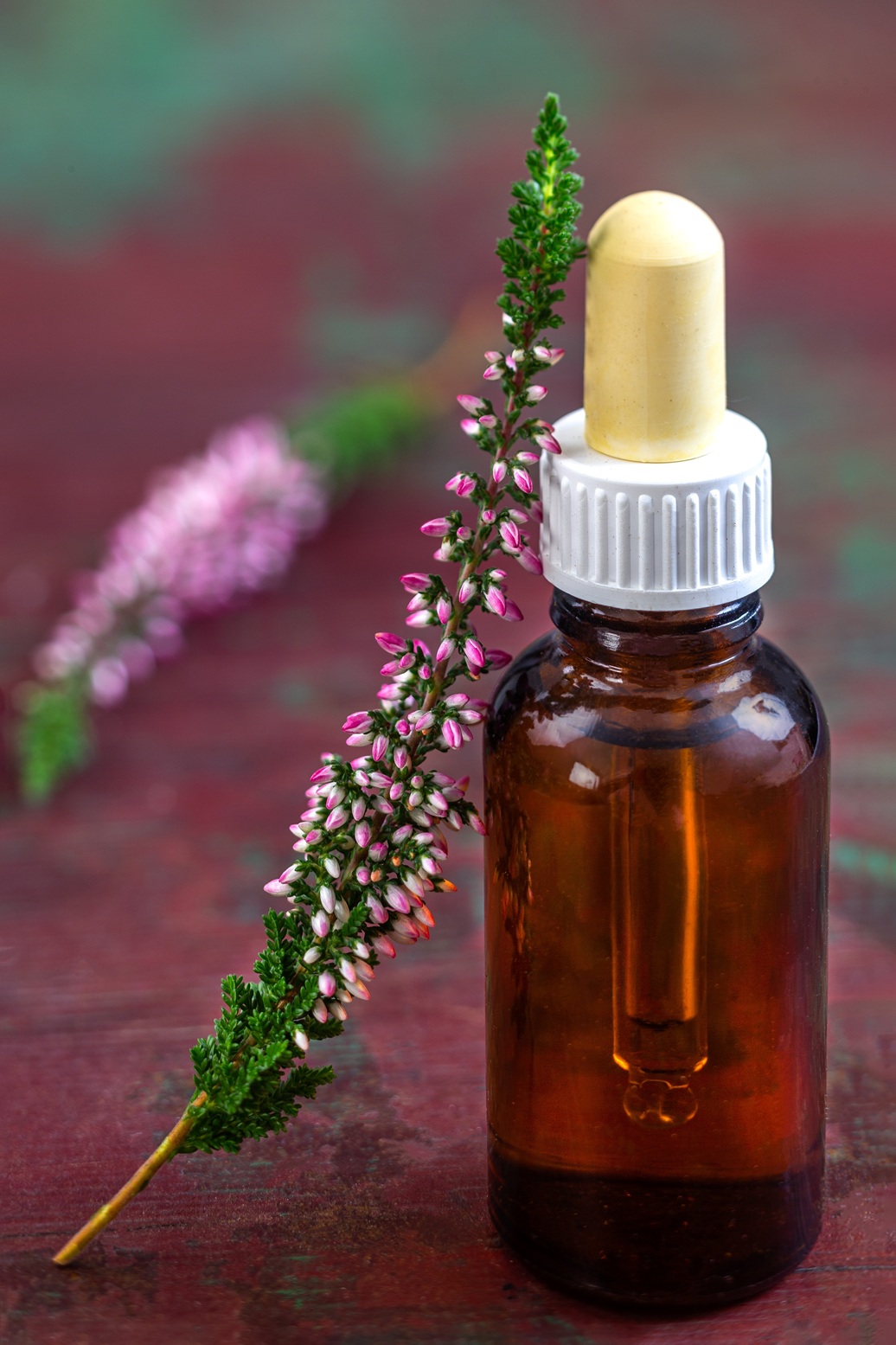
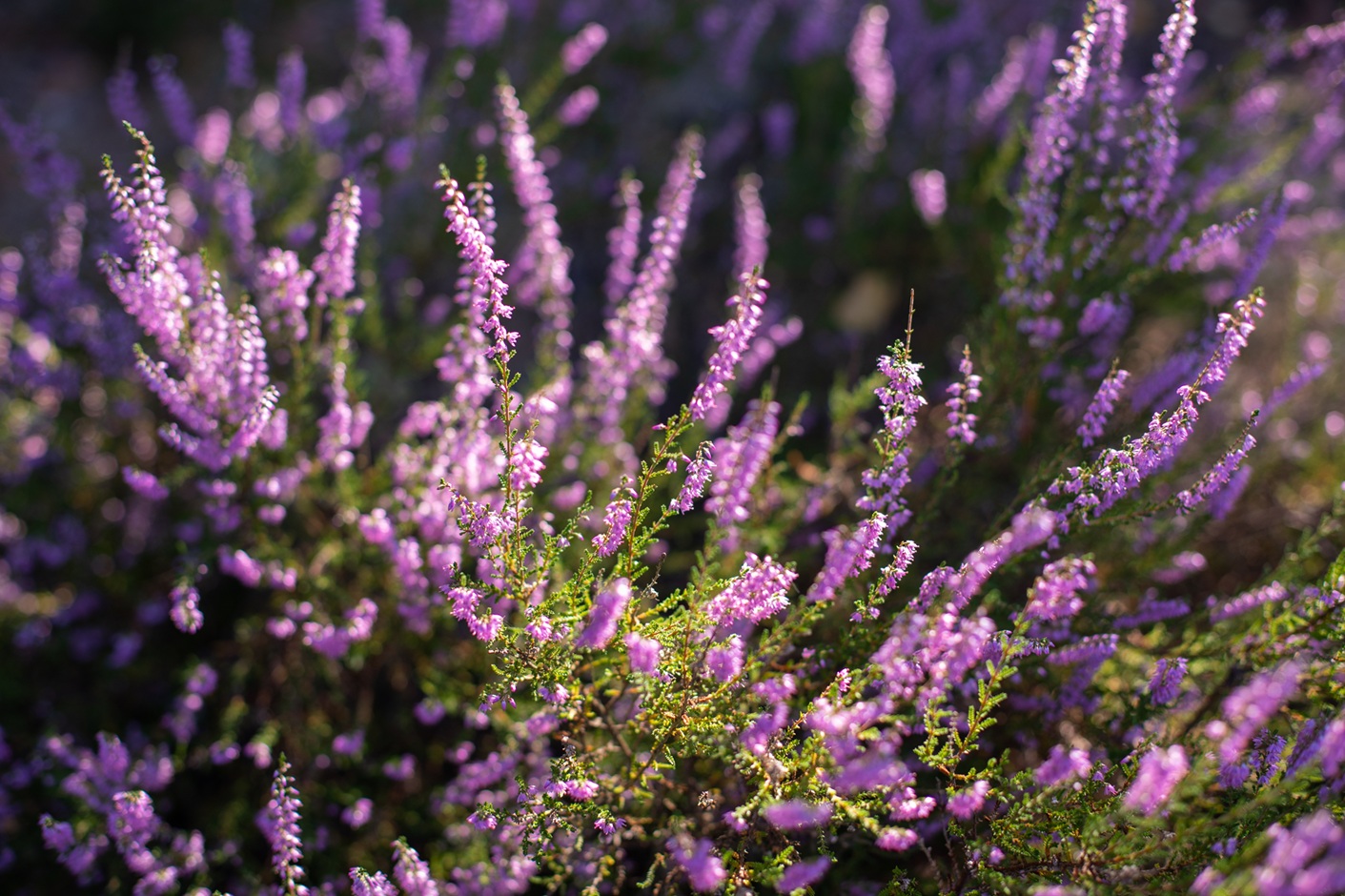
Heather is a low-growing, clump-forming, evergreen shrub with stems covered in small, narrow, linear leaves in opposite rows off the main stem (3,29,30). Plants reach around 60 cm in height, ranging from 20 cm to 1 m tall (29).
There are many cultivars that have been both selected and bred, although Calluna vulgaris is the medicinal species (29).
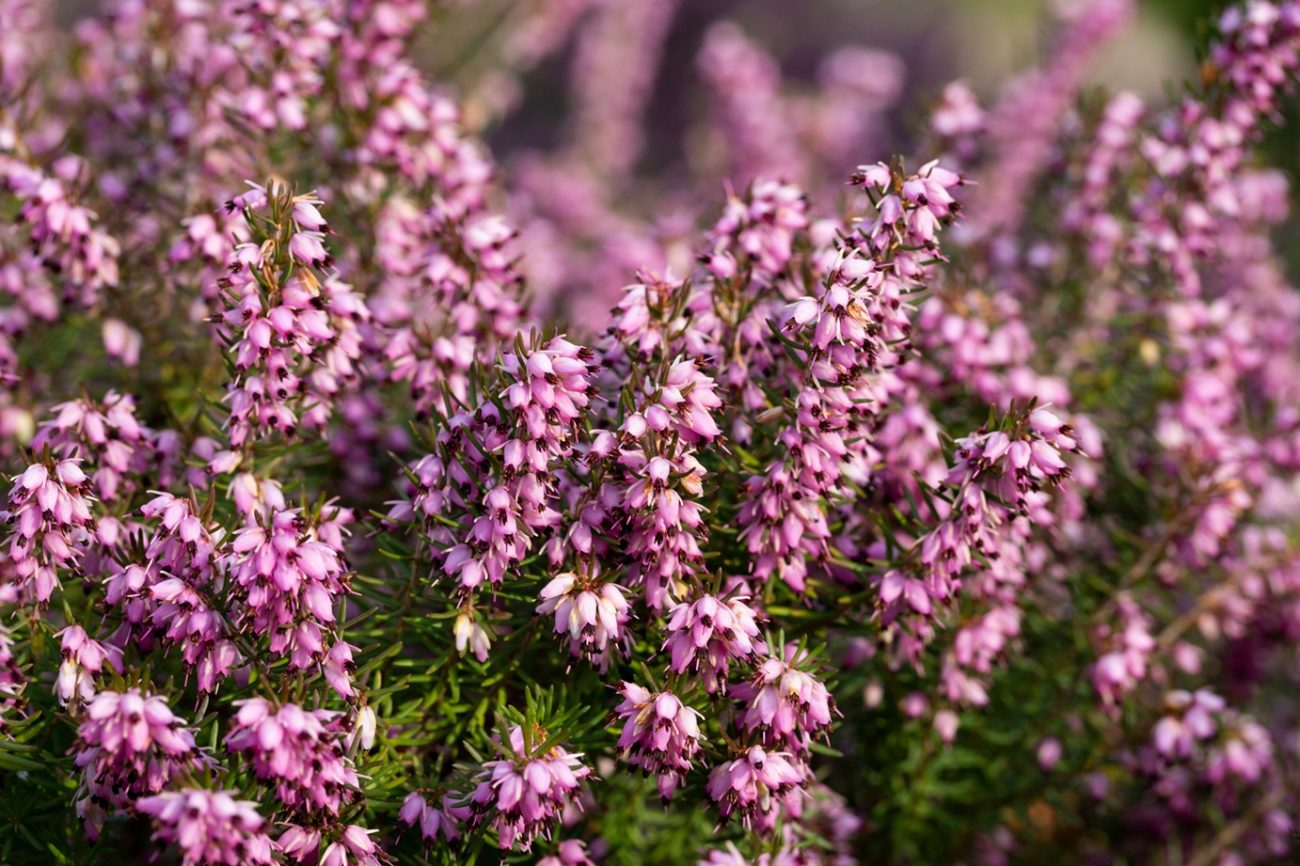
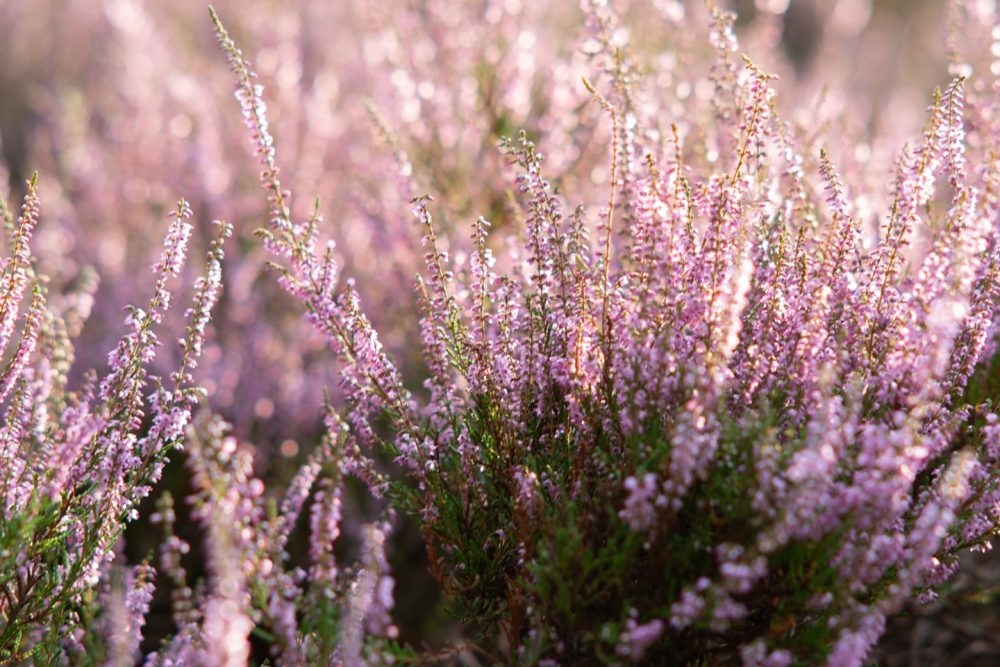
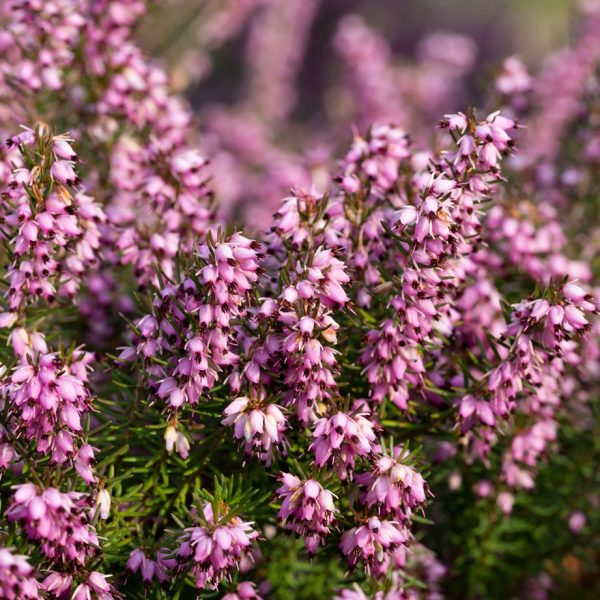
From mid-summer to autumn it has spikes of pink or pale purple, single or double, 4-petalled, bell-shaped flowers (3–4 mm), with coloured calyces (3,29). Heather has a long period of blooming, from May to October, which makes it an excellent source of nectar for pollinators (5).
-
Common names
- Scottish heather
- White heather
- Grug
- Brugo (It)
- Ljung (Sw)
-
Habitat
This species of heather is native to Macaronesia, UK, Europe to Central Siberia, and Morocco (31). It has been introduced and has widely spread across some of the eastern states of North America, Asia, Canada, Australia (Tasmania) and New Zealand (5,31,32).
Heather is a subshrub which grows primarily in the temperate biome, preferring moist but well drained, acidic soil (29,31). Heather is often dominant on heathlands, upland areas, coniferous woodland, moors and in open woodland on acidic, poor quality and sandy soils (5,8,30). The habitats range from dry exposed environments to wet blanket bogs and raised mires (30). It also grows wild on mountain and marine heaths, sea cliffs, sand dunes and chalk-heath overlying glacial gravels and sands (2,30). It can colonise newly available habitats, such as felled areas, and burnt land, where it regenerates from long-buried seed banks (30).
Heathlands occur on barren infertile land where the soils are usually sandy, acidic and very low in plant nutrients (4). The free-draining soils do not hold water well and heaths are prone to summer droughts where fires are a constant hazard (4). A unique association between plants has adapted to these inhospitable conditions by developing endomycorrhizal associations which colonize the roots of each plant, joining them together to exchange nutrients between the root systems (4).
Plants in the Ericaceae family share these endomycorrhiza, known as ericoid mycorrhizas, of which heather and bilberry commonly share and grow together. Up to 80% of root volume of these two plants can be fungal tissue, and it is through these coils that nutrient exchange occurs (4). These ericoid mycorrhizal fungi produce a broad range of enzymes that are important in mobilizing nutrients from organic complexes, toxins and metals in the soil (33). This seems to be a major factor in the success of ericoid mycorrhizal taxa in a range of harsh environments (33). Additionally, being able to survive in rigid soil and environmental conditions, it is considered to be of high nature-conservation value (5).
-
How to grow heather
Propagation is by seed in spring, or softwood cuttings, division or layering in summer (29). It grows optimally in well-drained, acidic soil in full sun (29). Heather prefers to grow on poor, sandy, acidic soils (pH = 3.5–6.7). In the wild it forms a symbiosis with underground fungi in the form of mycorrhiza with other Ericaceae and acid loving plants — such as bilberry (Vaccinium myrtillus), bearberry (Arctostaphylos uva-ursi) and cranberry (Vaccinium oxycoccos) – and therefore transplanting an adult plant from the wild is likely to fail (33).
However, companion planting with bilberry or other vaccinium species such as cranberry or lingonberry (Vaccinium vitis-idaea) will encourage the plants to thrive in poor quantity soil (33).
-
Herbal preparation of heather
- Infusion
- Fluid extract
- Tincture
-
Plant parts used
The flowering tops, used fresh or dry (6,8)
-
Dosage
- Tincture (1:3|40%): 3–12 ml per day
- Fluid extract (1:1|25%): 15–30 drops, 1–2 ml per day (7,26)
- Infusion/decoction: 1–2 g, three times per day as infusion using 0.5–1 teaspoon per cup, infuse for 15 minutes (26,28)
- Topical: Traditionally as a bath, 500 g of heather flower, leaf, and plant top added to a few litres of water, strained, and then added to a full bath (28).
-
Constituents
- Phenolic compounds and glycosides: Arbutin, coumarins, chlorogenic acid, caffeic acid, ferulic acid, hydroxycinnamic acid (5,17)
- Flavonoids: Quercetin, kaempferol, myricitrin, rutin, hyperoside, isoquercitrin, luteolin, apigenin, astragalin (7,17)
- Tannins (7%): Catechin, gallocatechin, epigallocatechin, epicatechin, proanthocyanidins (7,17)
- Alkaloid: Ericodin (7)
- Terpenes: α-pinene and β-pinene, resins, betulin, friedelinol, germanicol, lupeol, taraxasterol oleanolic acid and ursolic acid (11,19,27)
- Steroids: Campesterol, cholesterol, sitostanol, sitosterol, stigmasterol (11)
- Fatty acids: Linolenic acid, palmitic acid, and linoleic acid (19)
- Amino acids: Glutamic acid and aspartic acid (19)
- Other nutrients: Vitamin C (ascorbic acid), vitamin E (α-, β-, γ-, δ-tocopherol) (5,19)
-
Heather recipe
Heather ale*
This is a traditional recipe for a homemade heather ale. For millennia, heather ale and mead were considered to be unique fermentations that produced remarkable effects in those who drank it (9). Heather was frequently used instead of hops throughout the UK and parts of Europe, considered to add a special taste (9). A Scandinavian brewer commenting on traditional beers stating “if one wanted ale with a special taste, or ale of a different kind, one could mix into it heather, sisselroot, or yarrow” (9). These were common beverages for at least 4000 years, like many kinds of indigenous, sacred, and herbal beers, these recipes were almost lost in the late 19th to early 20th century (9).
Ingredients
- 6 pounds (2.7 kg) malted barley
- 10.5 oz (300 g) malt
- 12 cups flowering heather tops
- 5 gallons (19 litres) water
- Yeast
How to make heather ale
- Mash the barley in water at 150°F (65°C) for 90 minutes.
- Sparge with (slowly add to) boiling water until a total of 5 gallons is added.
- Add the heather and boil for 90 minutes.
- Strain through a sieve into the fermenting vessel.
- Cool to 61°F (16°C) and add the yeast.
- Ferment for 7–10 days, until fermentation is complete.
- After 5 days remove 0.5 gallon (1.9L), add 2 cups of heather flowers and heat to 158°F (70°C). Steep for 15 minutes, strain and return to the fermenter.
- Syphon into bottles primed with half a teaspoon of sugar.
- Cap and store.
After 10 days to two weeks, it’ll be ready to drink.
* From Sacred and Herbal Healing Bers: The secrets of ancient fermentation (9)

-
Safety
Heather is safe to use orally and topically in the appropriate doses (28). No adverse effects have been reported; however, a high quality assessment of safety has not been conducted (28). There is insufficient reliable information available about the toxicology of heather in humans (28).
-
Interactions
None known (28)
-
Contraindications
None known (6,28).
There is no evidence that heather should be avoided in pregnancy or when breast-feeding; however, it is advisable to take any herbal medicine under the guidance of a medical practitioner in these situations (14,28). Qualified medical herbal professionals can be found on our resources page.
-
Sustainability status of heather
Heather does not have a globally recognized conservation status ranking by the International Union for Conservation of Nature (IUCN) (34). However, the Vascular Plant, Red Data List, For Great Britain categorises heather as Least Concern (LC) (35). A species is ranked as LC when it has been evaluated against the criteria and does not qualify for Critically Endangered, Endangered, Vulnerable or Near Threatened. Widespread and abundant species are included in this category, and there are currently no major threats or risk or extinction to this species of heather (31,35).
The distribution of heather has declined significantly over large expanses of lowland England due to the enclosure of heaths and commons in the 1930s, and since then due to forestry, urban sprawl, and agriculture (30). It cannot tolerate continued heavy grazing, and has declined in some upland areas; however, the distribution of heather has been extended by woodland clearance and is now maintained in some UK upland regions by grazing and burning to create habitat for Red Grouse (30).
Distribution across the United States and Canada is reported as “secure” by Nature Serve, however this assessment was in 1999 and requires updating (37). It is relatively common and well distributed, and not listed under the U.S. Endangered Species Act or by the Committee on the Status of Endangered Wildlife in Canada (COSEWIC) (32,37). Heather does not appear on the United Plant Savers list of threatened species (38).
Heather is not listed by the Convention on International Trade in Endangered Species of Wild Fauna and Flora (CITES), with no legislation regarding trade of the species (36).
Read our articles on How to substitute endangered herbs, Herbal quality & safety: What to know before you buy and Sustainable sourcing of herbs to learn more about what to look for and questions to ask suppliers about sustainability.
-
Quality control
Herbal medicines are often very safe to take; however, their safety and efficacy can be jeopardised by quality issues. So, it is important to buy herbal medicines from a reputable supplier, from sources known to test their herbs to ensure there is no contamination, adulteration or substitution with incorrect plant matter, as well as ensuring that recognised marker compounds are at appropriate levels in the herbs.
Some important quality assurances to look for are certified organic labelling, the correct scientific/botanical name, and the availability of information from the supplier about ingredient origins. A supplier should be able to tell you where the herbs have come from, what contaminants are not in the herb, and what the primary compounds are.
-
References
- Maier K. Energetic Herbalism: A Guide to Sacred Plant Traditions Integrating Elements of Vitalism, Ayurveda, and Chinese Medicine. Chelsea Green Publishing; 2021.
- Seed Sistas. The Sensory Herbal Handbook. Watkins; 2019.
- Blamey M, Fitter R, Fitter AH. Wild Flowers of Britain and Ireland. 2nd ed. A & C Black; 2013.
- Howarth D. Ericoid mycorrhizas. David Moore’s World of Fungi. Accessed December 15, 2025. https://www.davidmoore.org.uk/assets/mostly_mycology/diane_howarth/ericoid.htm
- Cucu A-A, Baci G-M, Cucu A-B, et al. Calluna vulgaris as a valuable source of bioactive compounds: exploring its phytochemical profile, biological activities and apitherapeutic potential. Plants (Basel). 2022;11(15):1993. https://doi.org/10.3390/plants11151993
- Blumenthal M, Busse WR. Heather herb and flower. In: The Complete German Commission E Monographs: Therapeutic Guide to Herbal Medicines. American Botanical Council; 1999. Accessed December 20, 2025. https://www.herbalgram.org/resources/commission-e-monographs/monograph-unapproved-herbs/heather-herb-and-flower/
- British Herbal Pharmacopoeia. British Herbal Medicine Association; 1983. Accessed December 22, 2025. https://archive.org/details/britishherbalpha0000unse/page/44/mode/2up?q=heather
- Burton-Seal J, Seal M. Wayside Medicine: Forgotten Plants and How to Use Them. Merlin Unwin Books; 2017.
- Buhner SH. Sacred and Herbal Healing Beers: The Secrets of Ancient Fermentation. Siris Books; 1998. (see flag below — “Bers” in the original looks like a typo for “Beers”)
- Coitir NM. Ireland’s Wild Plants: Myths, Legends and Folklore. The Collins Press; 2016.
- Szakiel A, Niżyński B, Pączkowski C. Triterpenoid profile of flower and leaf cuticular waxes of heather Calluna vulgaris. Nat Prod Res. 2013;27(15):1404-1407. https://doi.org/10.1080/14786419.2012.742083
- Ganora L. Herbal Constituents: Foundations of Phytochemistry. Herbalchem Press; 2009.
- Heinrich M, Barnes J, Prieto-Garcia J, Gibbons S, Williamson EM. Fundamentals of Pharmacognosy and Phytotherapy. 3rd ed. Elsevier Health Sciences; 2018.
- Bone K, Mills S. Principles and Practice of Phytotherapy: Modern Herbal Medicine. Elsevier Health Sciences; 2013.
- Hoffmann D. Medicinal Herbalism: The Science and Practice of Herbal Medicine. Healing Arts Press; 2003. (changed comma to colon — flagged below)
- Pengelly A. The Constituents of Medicinal Plants: An Introduction to the Chemistry and Therapeutics of Herbal Medicine. CABI Publishing; 2004.
- Starchenko G, Hrytsyk A, Raal A, Koshovyi O. Phytochemical profile and pharmacological activities of water and hydroethanolic dry extracts of Calluna vulgaris (L.) Hull. herb. Plants (Basel). 2020;9(6):751. https://doi.org/10.3390/plants9060751
- Vučić DM, Petković MR, Rodić-Grabovac BB, Stefanović OD, Vasić SM, Čomić LR. In vitro activity of heather [Calluna vulgaris (L.) Hull] extracts on selected urinary tract pathogens. Bosn J Basic Med Sci. 2014 Nov;14(4):234. https://doi.org/10.17305/bjbms.2014.40
- Mandim F, Barros L, Calhelha RC, et al. Calluna vulgaris (L.) Hull: chemical characterization, evaluation of its bioactive properties and effect on the vaginal microbiota. Food Funct. 2019;10(1):78-89. https://doi.org/10.1039/C8FO01910J
- Varga E, Becsek E, Bartha SG, Stranczinger S, Mihalovits F, Papp N. Determination of polyphenols and in vitro antimicrobial and antioxidant activity of Calluna vulgaris (L.) Hull. Biologia Futura. 2021;72(2):251-6. https://doi.org/10.1007/s42977-020-00059-9
- Ma C, He N, Zhao Y, Xia D, Wei J, Kang W. Antimicrobial mechanism of hydroquinone. Appl Biochem Biotechnol. 2019 Dec;189(4):1291-303. https://doi.org/10.1007/s12010-019-03067-1
- Zhou H, Zhao J, Li A, Reetz MT. Chemical and biocatalytic routes to arbutin. Molecules. 2019;24(18):3303. https://doi.org/10.3390/molecules24183303
- McIntyre A. Flower Power: Flower Remedies for Healing Body and Soul Through Herbalism, Homoeopathy, Aromatherapy, and Flower Essences. Henry Holt; 1996.
- Hedrick UP. Sturtevant’s Edible Plants of the World. 1919. Reprinted on Henriette’s Herb Pages. Accessed December 21, 2025. https://www.henriettes-herb.com/eclectic/sturtevant/calluna.html (site name flagged below)
- Madaus MG. Textbook of Biological Remedies. 1938. Reprinted on Henriette’s Herb Pages. Accessed December 21, 2025. https://www.henriettes-herb.com/eclectic/madaus/calluna.html (site name flagged below)
- Bartram T. Bartram’s Encyclopaedia of Herbal Medicine. Robinson; 2015.
- Waddell G. Plant Medicine: A Collection of the Teachings of Herbalists Christopher Hedley and Non Shaw. Aeon; 2023.
- Therapeutic Research Center. Heather professional monograph. Natural Medicines Professional Database. Published March 24, 2025. Accessed December 23, 2025. https://naturalmedicines.therapeuticresearch.com/ (restructured — flagged below)
- Royal Horticultural Society. Calluna vulgaris: heather. Accessed December 15, 2025. https://www.rhs.org.uk/plants/2712/calluna-vulgaris/details
- Stroh PA, Humphrey TA, Burkmar RJ, Pescott OL, Roy DB, Walker KJ. Calluna vulgaris (L.) Hull. BSBI Online Plant Atlas. Published 2020. Accessed December 15, 2025. https://plantatlas2020.org/atlas/2cd4p9h.yea
- Royal Botanic Gardens, Kew (RBGK). Calluna vulgaris (L.) Hull. Plants of the World Online (POWO). Accessed December 15, 2025. https://powo.science.kew.org/taxon/urn:lsid:ipni.org:names:327305-1 (“Botanical”→”Botanic”, “Word”→”World” — flagged below)
- US Department of Agriculture, Natural Resources Conservation Service. Calluna vulgaris (L.) Hull. PLANTS Database. Accessed December 15, 2025. https://plants.usda.gov/plant-profile/CAVU
- Cairney JW, Meharg AA. Ericoid mycorrhiza: a partnership that exploits harsh edaphic conditions. Eur J Soil Sci. 2003 Dec;54(4):735-40. https://doi.org/10.1046/j.1351-0754.2003.0555.x
- International Union for Conservation of Nature (IUCN). The IUCN Red List of Threatened Species. Accessed December 15, 2025. https://www.iucnredlist.org/
- Cheffings C, Farrell L, eds; Dines TD, Jones RA, Leach SJ, McKean DR, Pearman DA, Preston CD, Rumsey FJ, Taylor I. The Vascular Plant Red Data List for Great Britain. Species Status No. 7. Joint Nature Conservation Committee; 2005. Accessed December 15, 2025. https://hub.jncc.gov.uk/assets/cc1e96f8-b105-4dd0-bd87-4a4f60449907 (“Joint National”→”Joint Nature” — flagged below)
- Convention on International Trade in Endangered Species of Wild Fauna and Flora (CITES). Species checklist. Accessed December 15, 2025. https://checklist.cites.org/#/en
- NatureServe. NatureServe Explorer 2.0. Calluna vulgaris. Accessed December 15, 2025. https://explorer.natureserve.org/Taxon/ELEMENT_GLOBAL.2.150845/Calluna_vulgaris
- United Plant Savers. UpS list of herbs & analogs. Published May 14, 2021. Accessed December 15, 2025. https://unitedplantsavers.org/ups-list-of-herbs-analogs/

Meet our herbal experts
Our monographs are written by our monograph authors and edited, reviewed and updated by Herbal Reality.
Meet our Herbal Reality team or explore our Herbal Reality authors.