







Last reviewed 09/07/2026
Sustainability status
Not currently on risk lists but complete data may be missing on the status of the species. Read more in our sustainability guide.

Avoid in pregnancy and lactation
Herbs are generally best-avoided in pregnancy, unless working with them under the guidance of a medical herbalist. However, some herbs pose a risk to pregnancy as they are potentially: toxic to the mother, toxic to the neonate, teratogenic (risk developmental malformation), may increase miscarriage risk, or could cause foetal distress leading to miscarriage or premature birth. Herbs with teratogenic, emmenagogue, or stimulant laxative actions are all contraindicated in pregnancy. Furthermore, herbs containing volatile oils, thujone, apiol, phyto-oestrogens also should be avoided.
During lactation, there is the possibility for transfer of plant compounds through the breast milk, which can have an effect (detrimental or beneficial) on the infant.
Please read the Safety section in this monograph.

Drug interactions
Herbs may interact with pharmaceutical medications through both pharmacokinetic and pharmacodynamic mechanisms. Pharmacokinetic interactions involve alterations in the absorption, metabolism, distribution, or excretion of a drug. Many herb–drug interactions occur through liver enzyme modulation: by inducing CYP enzymes — increasing drug concentration and toxicity risk; or by inducing CYP enzymes — decreasing drug concentration and therapeutic efficacy.
Pharmacodynamic interactions occur when herbs and drugs influence the same physiological systems. These interactions can cause synergistic, additive or antagonistic effects at the receptor or tissue level, enhancing or opposing the intended pharmacological action. The clinical consequences of herb-drug interactions can be complex and nuanced. Consultation with a medical professional is, therefore, recommended to ensure safe use and appropriate dosing.
Please read the Interactions section in this monograph.

Toxicity concern
Herbal toxicity concerns extend beyond intrinsically potent herbs with narrow therapeutic windows. While some species pose dose-dependent risks due to powerful bioactive constituents and a limited margin between therapeutic and toxic doses, toxicity may also arise from pharmacokinetic or pharmacodynamic interactions, cumulative exposure, or patient-specific vulnerability (e.g., hepatic or renal impairment).
Supply-chain factors also represent a significant source of risk, including misidentification of species, adulteration, contamination with heavy metals or pesticides, and variable constituent standardisation. Factors such as these may result in unpredictable pharmacological effects or organ toxicity independent of intended therapeutic action.
Careful sourcing, quality assurance, individualised assessment, and practitioner supervision are therefore essential to ensure safe use of these herbs.
Please read the Sustainability and Quality sections in this monograph.
-
Herb overview
Safety
Reports of liver injury, mainly associated with the raw root, and reduced by processing
Sustainability
Status:
Lower riskKey constituents
Stilbene glycosides
EmodinQuality
Origin: Native to China
Both cultivated and wild harvest
Mislabelling of unprocessed (raw) material, insufficient processing, and metal contamination risksKey actions
Nourishes blood
Restores essence
Aids sleep
Purges toxicityKey indications
Ageing
Greying hair
Dry, itchy skin
Insomnia
ConstipationKey energetics summary
Bitter, sweet, astringent, warm
See below for discipline-specific energetics
See below for discipline-specific energeticsPreperation and dosage
Root or vine
3–30 g/per day
-
How does it feel?
Prepared P. multiflorum root is highly valued as a tonic because it feels nourishing without being cloying and is warm but not drying (1). The raw root has a similar bitter, sweet taste but is less warm and is more purgative, promoting movement of the bowel to clear fire, yet is still only considered neutral and not cold and still has nourishing properties. The vines of he shou wu are soothing to the spirit (shen), promoting good sleep and pacifying vivid or disturbing dreams.

The taste of he shou wu
The below qualities are derived from organoleptic assessment.
-
Into the heart of he shou wu

He shou wu (Polygonum multiflorum) The name of the vine (ye jiao teng) translates as “nocturnal commingling vine” due to its specialised nocturnal movement (nyctinasty). The vines are loose during the day and cross at night. According to the Tang dynasty (9th century) natural philosopher Li Ao, its medicinal properties were discovered by an old man called He Tianer, who was born sterile (4).
He observed the nocturnal commingling of this vine at night and deduced from this the medicinal effects of the root to restore essence (jing) which is associated with youth and fertility. By consuming it every day he fathered many sons and lived to 160 years of age, as did his sons and grandsons (5). His grandson, who also took this medicine, reached 130 years of age without a single grey hair and became known as “raven-haired He,” or he shou-wu.
This poetic description of how the nocturnal commingling activity of this plant determines that its therapeutic action reveals many things about Chinese medical thinking. Besides its symbolic approach, which is being borne out by modern research that suggests nyctinastic herbs are useful for treating sleep disorders (6) and age related conditions (7), it also reveals a lot about Chinese physiology.
The plant did not only restore Mr He’s sexual vitality but extended his years and maintained his youth. In order for a man to be able to procreate he must have essence (jing) within his sperm, which can commingle with the essence of a woman in order to conceive, but he must also have enough Liver blood in order to sustain an erection.
Blood serves many functions in Chinese medicine, including nourishing the eyes, skin and hair, enabling the spirit (shen) and ethereal soul (hun) to rest easily at night, and moistening the sinews. Meanwhile, essence besides its reproductive function, also manifests in the bones and teeth.
Therefore, this single observation that the he shou wu vine joins together at night leads to a prediction that it can restore sexual virility, and therefore blood and essence, which means it can also treat dry eyes and skin, greying hair, insomnia and dream disturbed sleep, back pain and loose teeth, which is then tested through research. Even the purgative abilities of the raw root have a basis in this action, as it purges the bowel by moistening it (1).
The unique properties of different parts of the plant also derive from a similar metaphorical logic. Roots tend to help restore the inner energy of the human body, which is seen in the main revitalising and anti-ageing properties of the root, while the long, thin and winding nature of the vines gives them an affinity to the channels and collaterals which have a similar structure in the human body (8,9). In addition, the vines, being the part that comes together at night, are the part that has the greatest influence on sleep.
-
What practitioners say
 Stages of life
The root of he shou wu is renowned within Chinese medicine as one of the medicines associated with longevity and prevention of ageing, with a particular emphasis on its ability to darken the hair. Its name, he shou wu, translates literally as “raven-haired Mr He” (1). This is not simply a concern for appearances as the hair serves as an important signifier of the state of a person’s essence (jing) which determines lifespan and the rate of ageing.
Li Shizhen (11) said that “hair is the outgrowth of blood”. Blood is formed from a combination of the essences extracted from our food and the inherited, finite essence that is stored by the Kidneys and generates bone marrow (12). Hence, blood and essence have a close relationship, which led Zhang Jingyue (13) to assert that “blood and essence are the same”, meaning that as essence declines, so will blood and the hair will lose its colour and fall out as the body prioritises more essential structures.
This means that he shou wu can also treat other disorders of blood deficiency associated with age, which include dry eyes and skin, dizziness, stiff and sore muscles especially in the lower back and knees and insomnia. It is also increasingly used in the treatment of modern disorders of ageing such as high cholesterol, atherosclerosis, angina, coronary heart disease and hypertension, usually with a combination of processed and unprocessed root, and often combined with red sage (Salvia miltirorrhiza) (2).
Skin health
P. multiflorum can treat a variety of skin disorders, depending on the part used and the processing it undergoes. The vine is most often used in dry, itchy skin conditions where it can be consumed internally or applied as a wash (1). This is because the vine enters the channels and collaterals, enabling it to reach the extremities, and also enters the Heart, where it can alleviate itching, since all itching pertains to a disturbance in the Heart according the Inner Classic Simple Questions 30, which states that “All pain, itching and sores, without exception, is associated with the heart” (14).
The processed root, with its powerful blood tonifying properties can also be used to treat dry skin but is mostly used for hair loss and greying. Finally, the raw root has purging properties and can be used to drain fire toxins that are causing abscesses, scrofula, goiter and lumps in the neck, and chronic unhealing sores with pus and ulceration that are damaging the blood and yin (2).
Immune system
The raw root of he shou wu can simultaneously tonify and eliminate toxins and so is used where there is simultaneously a pathogen to be purged and a deficiency to be nourished. This use is evident in the treatment of toxic heat skin conditions but is also applied in the treatment of chronic malarial fevers where the heat from the trapped pathogen is damaging the blood and yin (1).
It may simply be combined with liquorice root for this purpose (2), but it is also the basis of the formula Fleeceflower and Ginseng Drink (He Ren Yin) where it is complemented with ginseng (Panax ginseng), dang gui (Angelica sinensis), tangerine peel and baked ginger (Zingiber officinale) to more strongly tonify qi and blood damaged by chronic malaria (15).
-
He shou wu research
He shou wu (Polygonum multiflorum) Mechanistic studies on the use of Polygonum multiflorum for the treatment of hair graying
Han et al. (16) investigated the mechanism of P. multiflorum on oxidative stress induced hair greying by using five groups of ten mice. For six weeks, all but the control group had 0.0375% hydrogen peroxide solution spread on their back fur daily to elicit greying, followed by fasting for two hours and then administration of treatment.
Treatment was administered both orally and topically, and consisted of either tetrahydroxystibene glycoside (THSG; 0.034 g/kg orally, 0.068 g/kg topically), the purported active ingredient in P. multiflorum, or raw, or soybean processed water extractions of the whole root (both 0.576 g/kg orally,1.152 g/kg topically). Primary outcome measures were the degree of restoration of colour in the treatment groups and the measurement of the proteins involved in the production of melanin content contained in the skin.
The total melanin content was significantly lower in the model group after fading with hydrogen peroxide, but recovered in the P. multiflorum treatment groups (36.9% in the unprocessed and 28.4% in the processed group compared to the model group). Among the proteins involved in the production of melanin, there was a significant increase in the α-MSH, MC1R and TYR content in the P. multiflorum treated groups with the unprocessed root outperforming the processed root, except in TRP-2, and both outperforming THSG.
They propose that this research justifies the use of P. multiflorum in the treatment of greying hair, that the raw root is more effective than the processed root, and observe that these results indicate that more compounds contribute to this effect than THSG alone.
Ginseng and Polygonum multiflorum formula protects brain function in Alzheimer’s disease
Liu et al. (17) investigated the potential for P. multiflorum and Panax ginseng to protect the brain from ageing in a senescence-accelerated mouse model. The effects of a high (234 mg/kg) and low dose (117 mg/kg) of the herb combination in a 2:3 ginseng:P. multiflorum ratio and extracted with 70% ethanol was compared against donepezil (1.3 mg/kg) administered by gavage for two months.
Cognitive function was assessed using the Morris water maze. Hippocampal morphology and neuronal apoptosis, microgliosis and astrogliosis, levels of phosphorylated tau and amyloid β plaques, inflammatory cytokines, oxidative stress markers, and senescence markers were also measured.
Gut microbiota composition was also analysed. Secondary outcome measures included a battery of in vitro tests using Aβ1-42-stimulated HT22 hippocampal neurons as an Alzheimer’s cellular model to assess the effect of the herb pair on cell viability, apoptosis and the AMPK/Sirt1 pathway.
The high dose treatment group showed alleviation of the cognitive impairment induced by senescence in the Morris water maze test, and also the greatest recovery of senescence-associated markers, while the low dose group showed improvement in markers but to a lesser degree. These indicate that the herb combination could alleviate brain tissue damage, inflammation, oxidative stress and cellular senescence in a mouse model of Alzheimer’s disease.
The gut microbial composition of the high dose group also most closely resembled that of the control group suggesting that the herb treatment may modulate microbiota as part of its mechanism. In vitro analyses revealed lower levels of inflammatory cytokines and a restoration of SIRT1 signalling pathways in the herb treated groups compared to the model group.
They assert that these results support the notion that ginseng and P. multiflorum can combat Alzheimer’s disease through the suppression of inflammation, oxidative stress, and neuronal senescence, along with the regulation of the Sirt1 pathway, while also significantly altering the gut microbiota, suggesting a potential gut-brain axis modulation but further confirmation is required through clinical trials.
Study on the differential hepatotoxicity of raw Polygonum multiflorum and Polygonum multiflorum praeparata and its mechanism
Huang et al. (18) compared the relative toxicity of raw and prepared P. multiflorum extracts to discover the mechanism of its toxicity in 18 mice and in vitro human liver cells. P. multiflorum was prepared by steaming with black beans for four hours and drying for four hours, repeating nine times, then extracted in 70% ethanol.
The mice were gavaged with either raw or processed P. multiflorum root (9 g/kg) for 30 days before serum was extracted and liver tissues were analysed for aspartate aminotransferase (AST), alanine transaminase (ALT), total bilirubin and structural changes. The human cells were treated with raw or processed P. multiflorum and assessed for changes in cell viability, proliferation, reactive oxygen species, RNA sequencing and protein content.
The mice fed the raw P. multiflorum root showed significantly (p<0.01) raised liver enzymes compared to the control and prepared P. multiflorum group, with evidence of punctate necrosis, inflammatory cell infiltration and structural destruction. In the human cells, the P. multiflorum groups showed reduced cell viability and proliferation that was dose dependent and significantly (p<0.01) worse in the raw group compared to the prepared P. multiflorum group.
RNA and protein shifts associated with ferroptosis were observed along with raised levels of oxidative stress indicating that this may be the mechanism of liver injury exerted by P. multiflorum with raw roots considerably more likely to induce this reaction than the prepared root.
-
Historical use of he shou wu

He shou wu (Polygonum multiflorum) P. multiflorum is used in three different forms with three different actions: the root (he shou wu) which can be used raw or prepared, and the vine (ye jiao teng) which is generally used unprocessed.
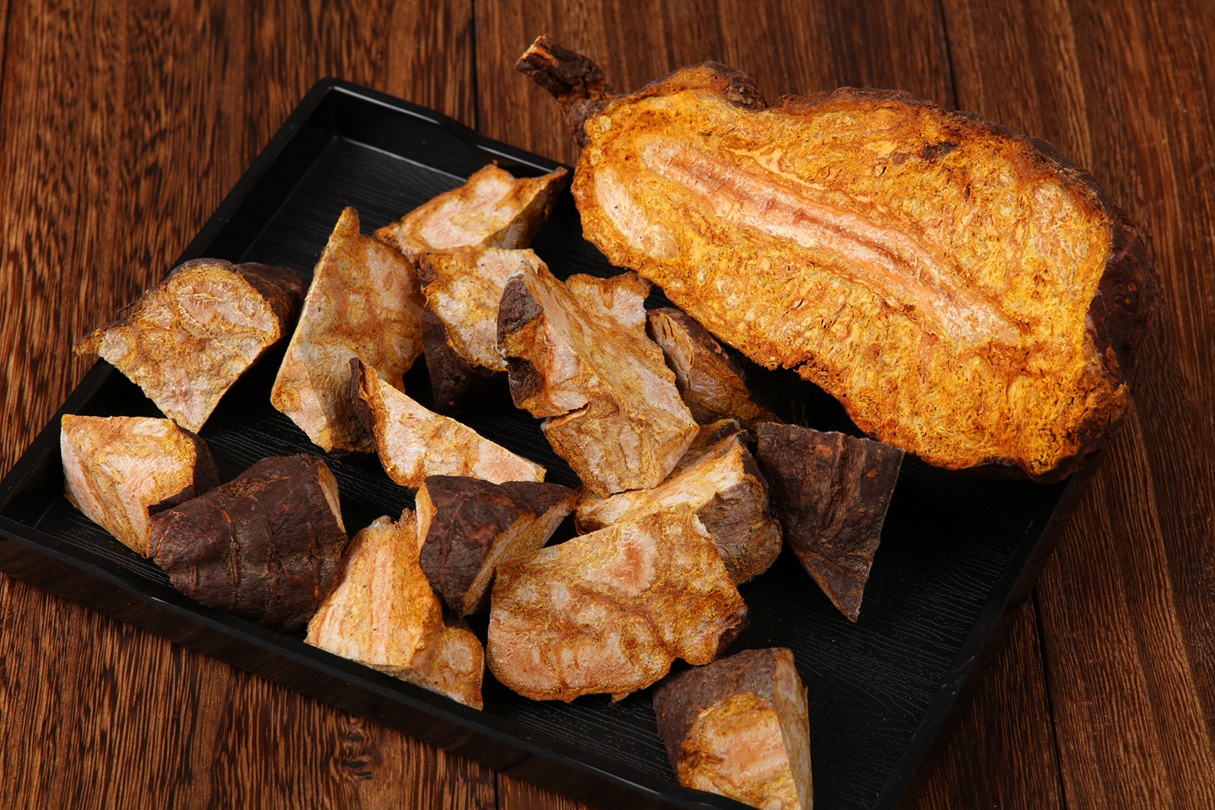
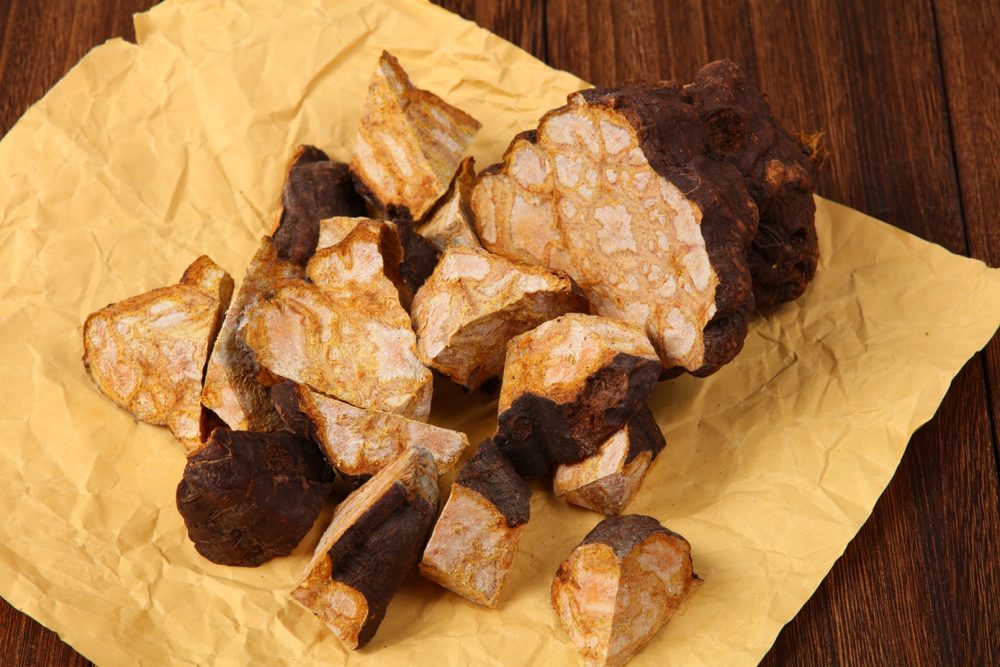
Raw he shou wu is said to purge and has a bitter, sweet, astringent taste; a neutral temperature; and enters the Liver, Heart and Large Intestine channels (1). It is used to moisten the bowels, resolve toxicity, reduce sores and stop malarial fevers. It is indicated for constipation associated with blood deficiency; for carbuncles sores, scrofula, goiter and neck lumps associated with fire toxins; and chronic malarial fevers when there are signs of qi and blood deficiency. This shows that it still has tonifying actions on the blood despite being primarily a purgative.
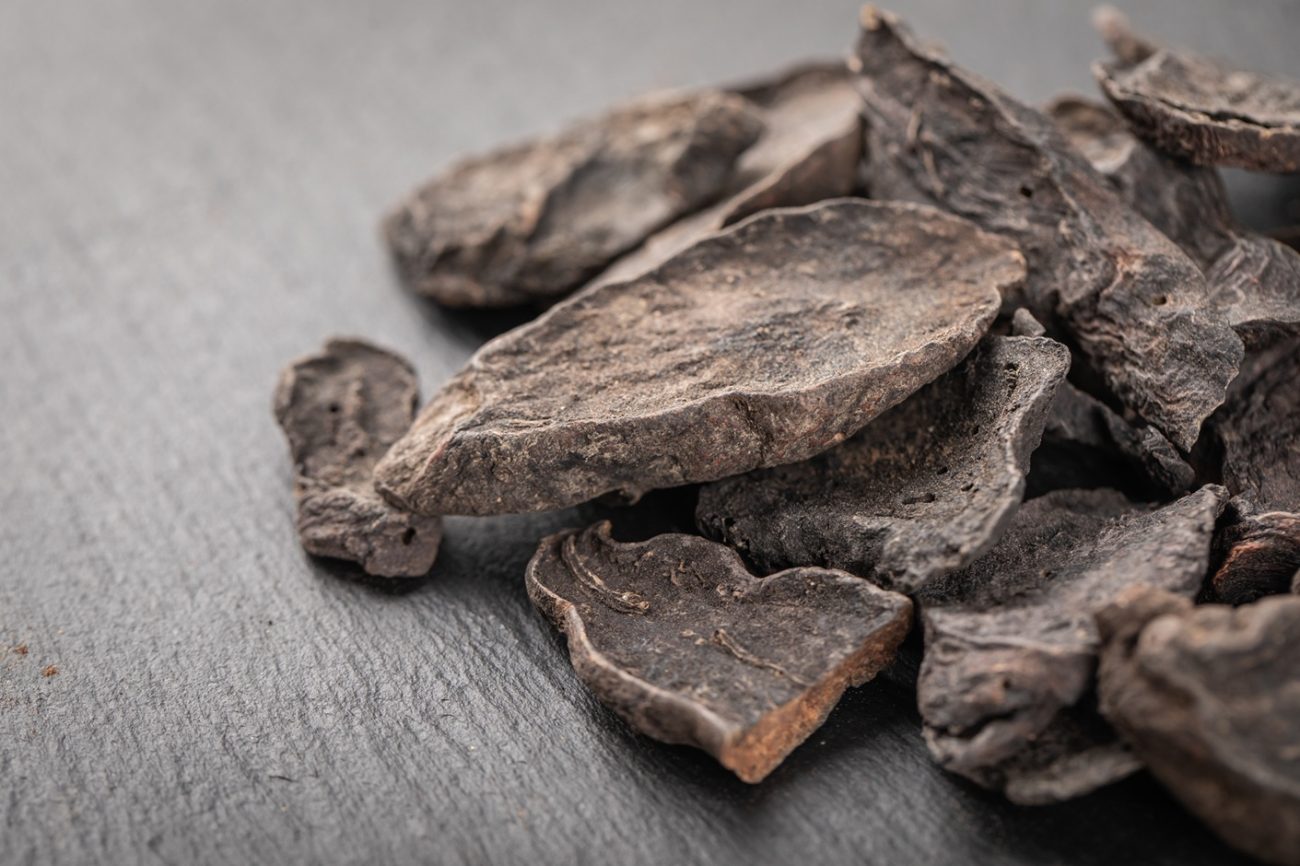
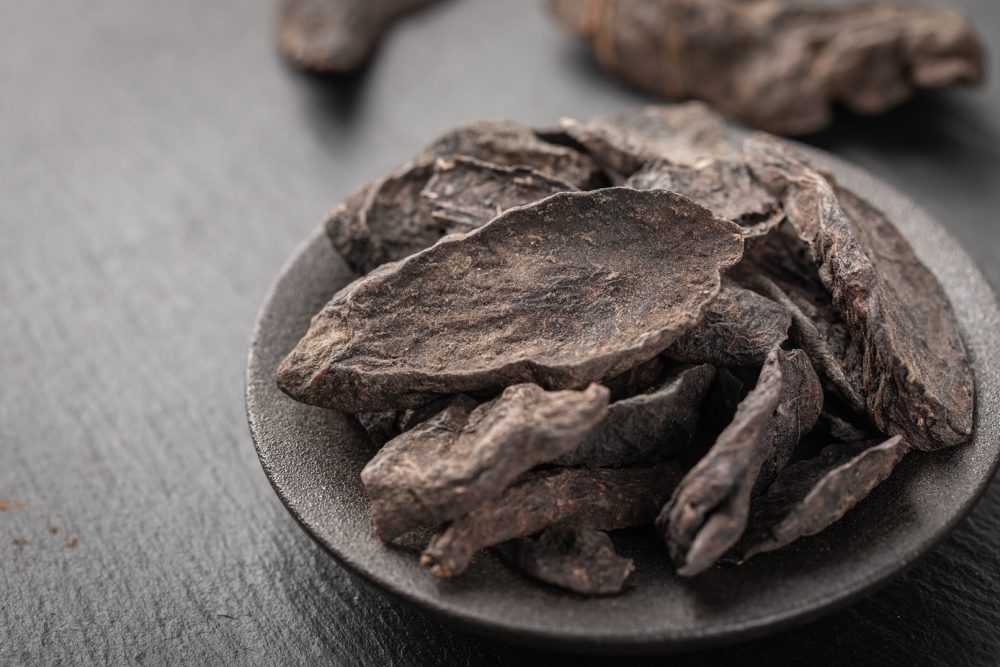
Processed he shou wu tonifies, having the same tastes but a slightly warm temperature and enters the Liver and Kidneys (1). It strongly nourishes the blood of the Liver and Kidneys, replenishes essence (jing) with symptoms such as dizziness, blurred vision, premature greying or loss of hair, weakness and soreness in the lower back, knees and extremities, nocturnal emissions, insomnia and dry skin rashes. It is a very balanced tonic, being warm but not drying and tonifying but not stagnating (2).
The vine (ye jiao teng) nourishes the Heart and Liver, with a sweet, slightly bitter taste and neutral temperature (2). It nourishes the Heart and calms the spirit (shen), for use in insomnia and sleep disorders. It is especially useful in the treatment of dream-disturbed sleep and nightmares (1) which are understood to be the ethereal soul (hun) that resides in the Liver being unable to rest at night and floating upwards, inducing nocturnal visions through the Liver’s connection to the eyes (10). It is also used to unblock the channels and dispel wind to treat pain in the extremities due to blockage accompanied by blood deficiency and used as an external wash for itching due to blood deficiency.
-
He shou wu’s herbal actions
Herbal actions describe therapeutic changes that occur in the body in response to taking a herb. These actions are used to express how a herb physiologically influences cells, tissues, organs or systems. Clinical observations are traditionally what have defined these actions: an increase in urine output, diuretic; improved wound healing, vulnerary; or a reduction in fever, antipyretic. These descriptors too have become a means to group herbs by their effects on the body — herbs with a nervine action have become the nervines, herbs with a bitter action are the bitters. Recognising herbs as members of these groups provides a preliminary familiarity with their mechanisms from which to then develop an understanding of their affinities and nuance and discern their clinical significance.
-
He shou wu’s energetic qualities
Herbal energetics are the description that herbalists have given to plants, mushrooms, lichens, foods and some minerals based on the direct experience of how they taste, feel and affect the body. All traditional health systems use these principles to explain how the environment impacts health, according to each of their philosophies and frameworks. These assessments of individual herbs, though they often do align, can differ from one another due to cultural differences regarding perspectives on how herbs taste versus their physiological effects. Find out more about traditional energetics in our article An introduction to herbal energetics.
Chinese energetics
Chinese energetics align with Bensky’s Chinese Herbal Medicine: Materia Medica.
-
What can I use he shou wu for?

He shou wu (Polygonum multiflorum) P. multiflorum has risen to fame as a herb for treating greying of hair and hair loss, but can also be used for a number of other signs of ageing. This includes traditional patterns such as sore back and knees, dizziness and insomnia, as well as modern diseases of ageing such as high cholesterol, atherosclerosis, angina, coronary heart disease and hypertension (2).
He shou wu can also be used for a variety of skin conditions, including dry ageing skin, itchy eczema and inflamed sores, ulcers and lumps, although the part used varies. The raw root tends to purge and deal with the inflamed lesions, while the processed root nourishes to treat dryness better, and the vine helps most with itching (2).
The purgative properties of the raw root is also used to address constipation and chronic malarial fevers, especially when they occur with signs of weakness, debilitation or dryness since it still possesses some reinforcing properties (1), although the raw root is more likely to induce side effects such as liver damage and so should not be used in high doses or long term and the patient observed for potential injury (3).
-
Did you know?
He shou wu is a nyctinastic plant, which means that its leaves open during the day to maximise photosynthesis from the sun and then close at night for reasons that are still a mystery to science. This may be a defence against frost or moonlight which may interfere with their photoperiodic clock, but it could also be as essential to their survival as sleep is to animals, since forced opening of their leaves leads to their withering and dying (19).
P. multiflorum is a particularly dramatic example of this phenomenon, because it is not only its leaves that move, but the stems which are loose during the day and cross at night (6).



 Stages of life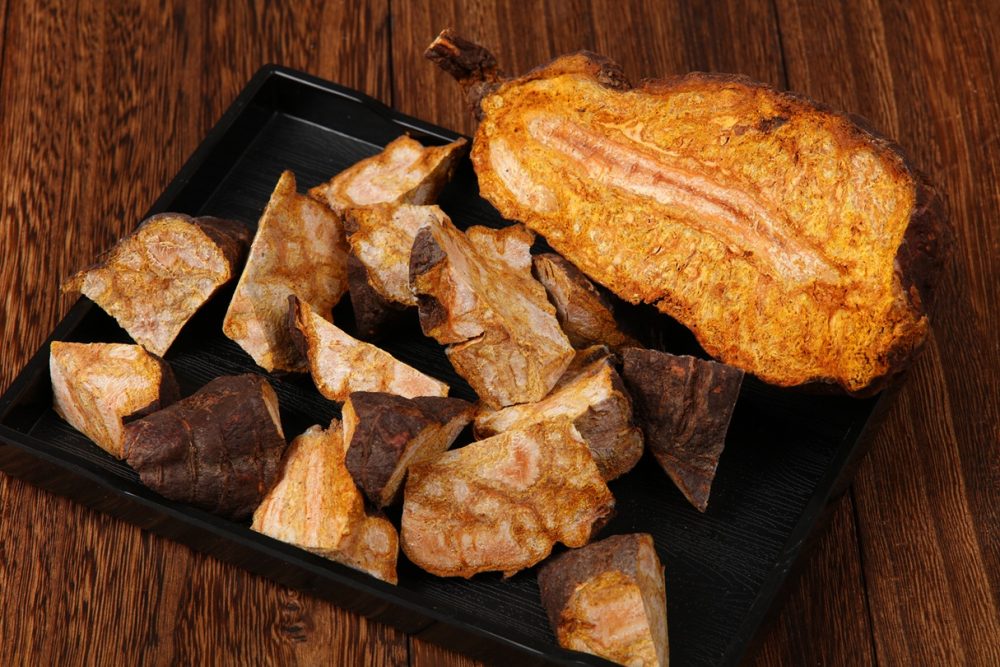
-
Botanical description
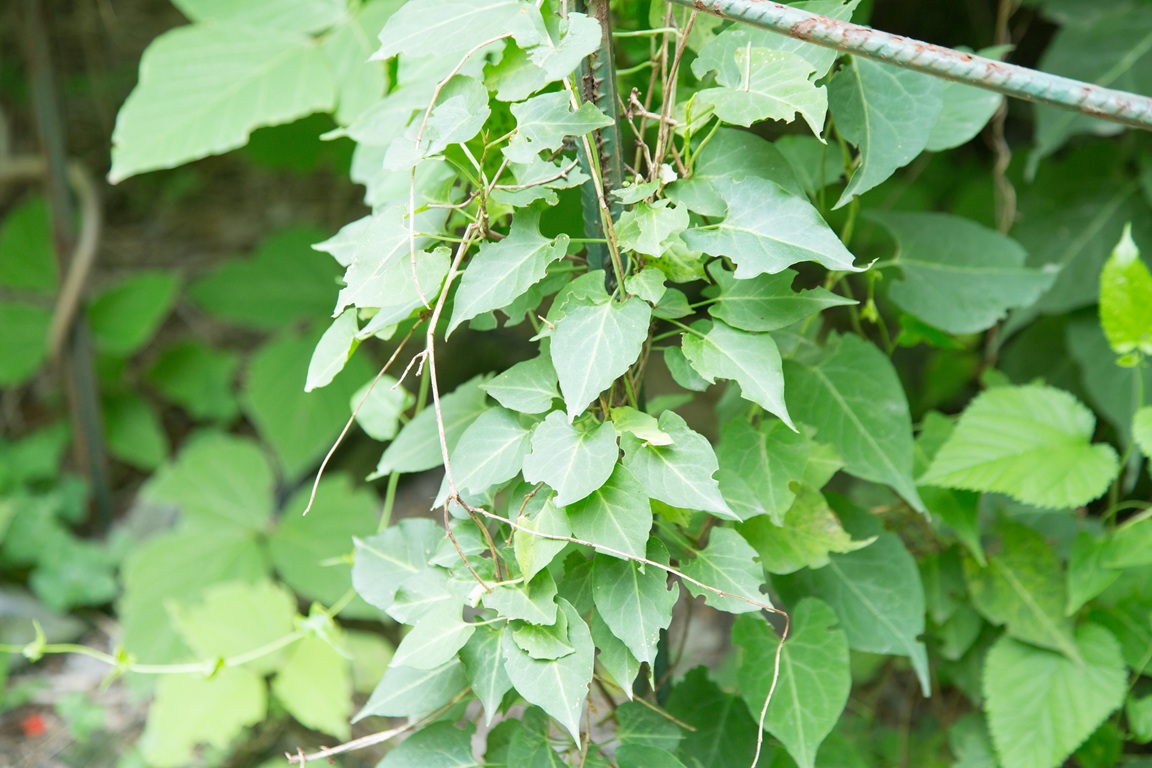
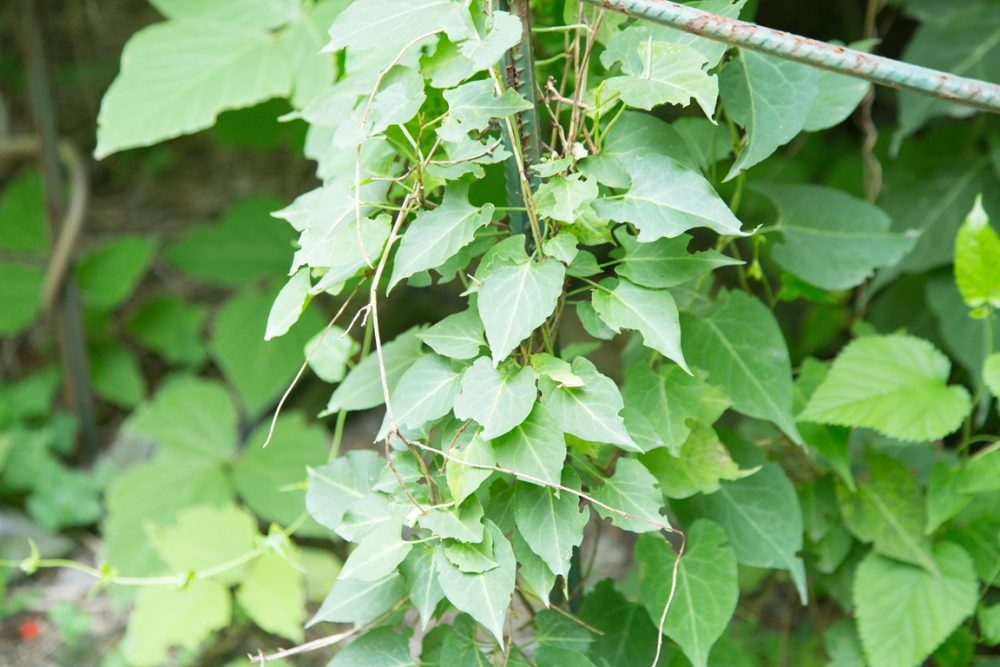
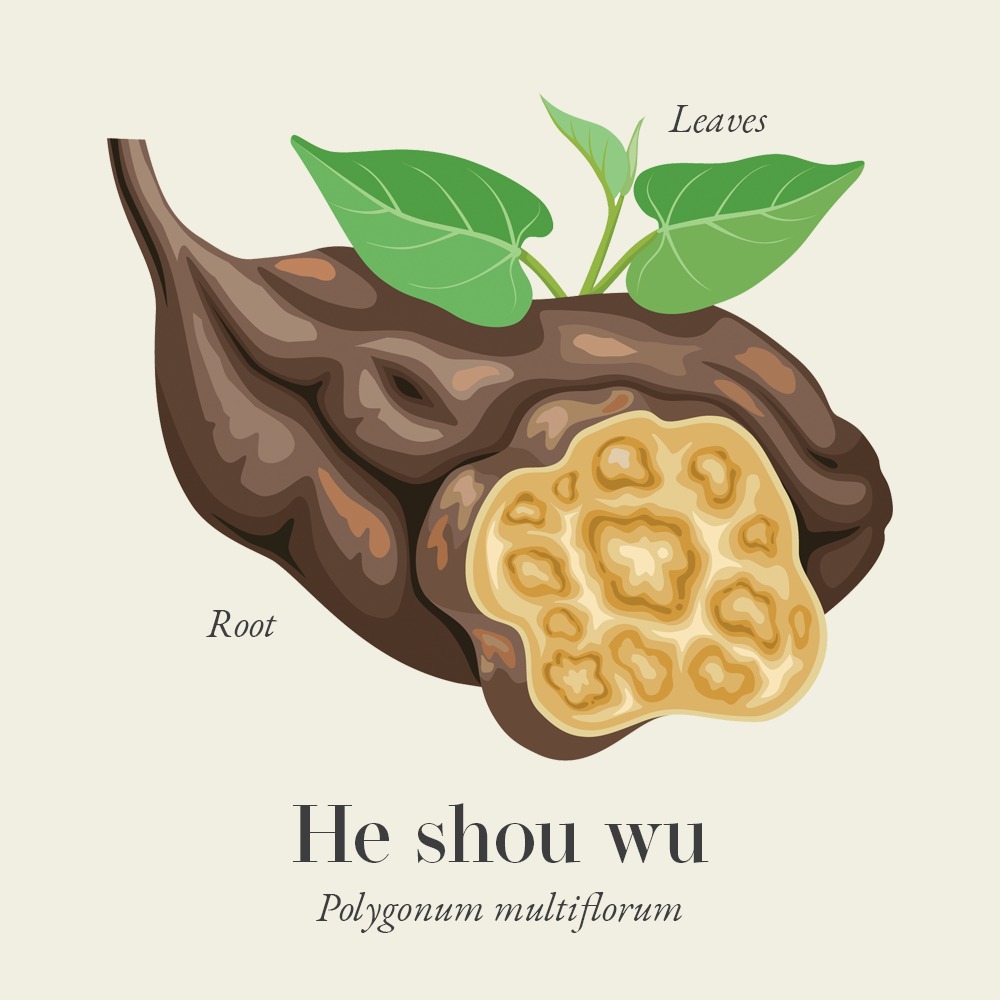
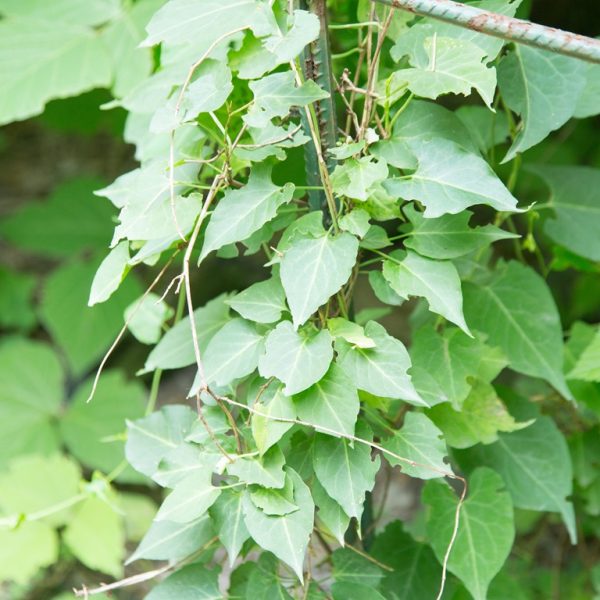
He shou wu is a fast growing, twining herbaceous perennial vine which flowers between June and October and fruits from July to November (20).
Its stems are slender and much branched with alternate stalked leaves, simple blades, ovate or narrowly ovate, heart shaped bases and virtually hairless.
Flowers are slender, branched with a multiflowered end, bisexual and white or greenish-white.
The fruit is a blackish-brown, dry, ovoid, shiny and smooth, enclosed by orbicular wings (20).
-
Common names
- Fleeceflower
- Fo-ti
- Chinese climbing knotweed
- Chinese cornbind
- Flowery knotweed
-
Habitat
He shou wu is native to thickets and rock crevices in the mountains of central and southern China and Japan (20).
-
How to grow he shou wu
Sow he shou wu seeds in a cold frame during spring, which easily germinate. When large enough, place into individual pots and plant them out in the summer if they are of sufficient size. Otherwise, overwinter them in a cold frame and plant them out the following spring. Divide in spring or autumn and plant directly into their permanent positions. Prefers a moisture retentive not too fertile soil in sun or part shade, hardy to at least –15°C (21).
-
Herbal preparation of he shou wu
- Raw root: Used to purge but may induce liver toxicity (22)
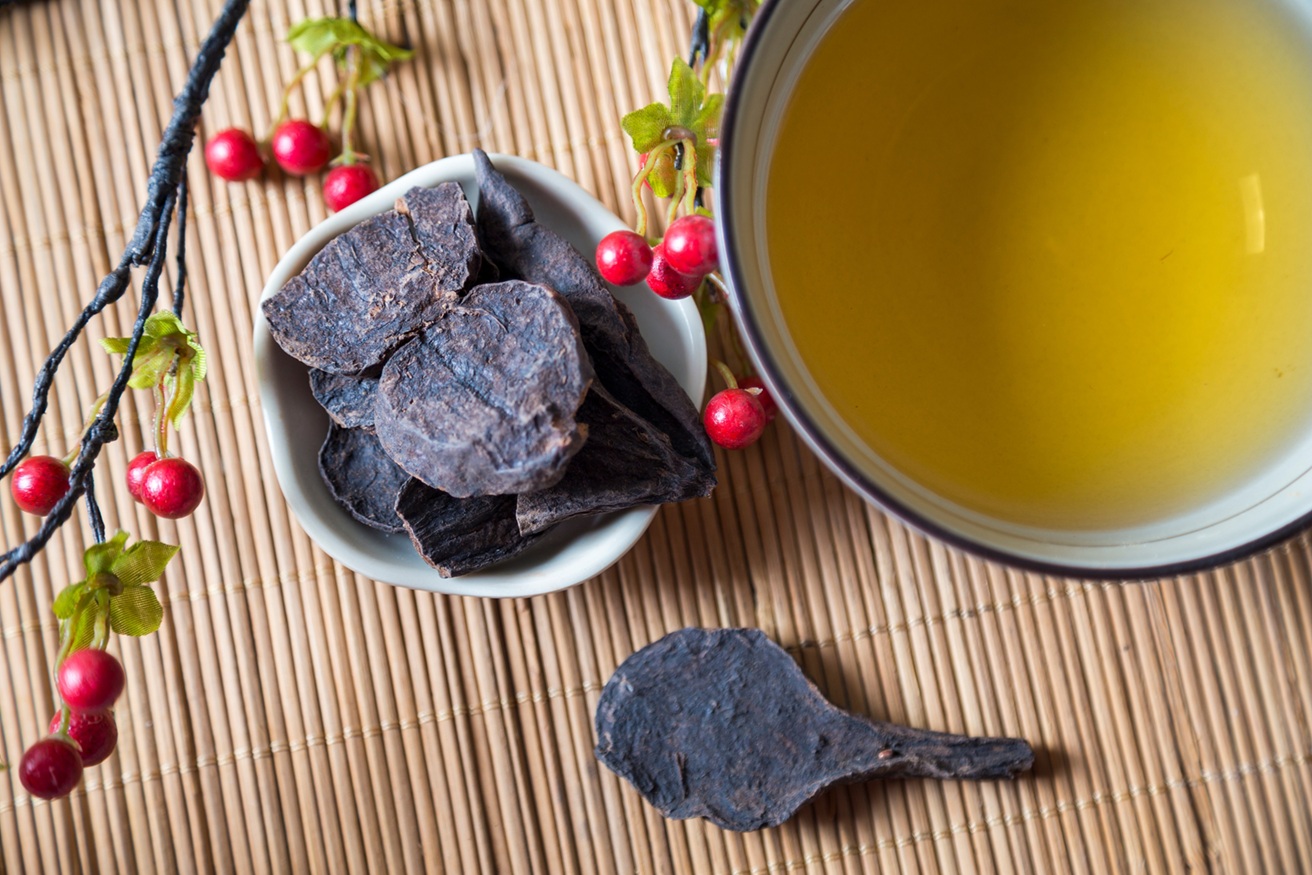
- Prepared root: Steamed with black beans and sun dried nine times to reduce toxicity and enhance its blood and yin tonification capabilities (23)
- Raw vine
-
Plant parts used
- Root (he shou wu)
- Vine (ye jiao teng or shou wu teng)
-
Dosage
Infusion/decoction: 3–30 g of raw or prepared root; 9–30 g of raw vine (1, 2, 24)
-
Constituents
- Stilbene glycosides: THSG (2,3,5,4′-tetrahydroxystilbene-2-O-β-D-glucoside)
- Anthraquinones: Emodin, physcion, chrysophanol, rhein
-
He shou wu recipe
Seven Treasure Elixir pill for a beautiful beard (Qi Bao Mei Ran Dan)
This Ming dynasty (16th century) formula is the model for treating disorders of ageing. It is indicated for premature greying hair or hair loss, loose teeth, spontaneous and nocturnal emissions, and soreness and weakness of the lower back and knees (25). Hair, and especially hair colour, is not an essential part of the body, so it is described as being nourished by the abundance of Liver and Kidney blood.
The goal of this formula is, therefore, to nourish the Liver and Kidney blood to such an amount that it restores not just essential functions, but the original colour of the hair (26).
This formula has a balanced composition that both tonifies and drains to strengthen the deficiencies and expel the pathologies that accompany age (15). Its complicated preparation is an excellent example of Chinese medicinal processing whereby the properties of each herb are modified through its combination.
The method of steaming and sun drying Polygoni multiflori radix nine times reduces its toxicity making it suitable for routine consumption (23), while preparing herbs with black soy beans or sesame seeds directs their actions towards the Kidneys, which are represented by the colour black.
Soaking or steaming in liquor directs the actions of a herb to the blood, while milk, although used less often, was understood to be blood that had been transformed into a superfood to nourish the infant (27), and so focused the nourishing aspect of fu ling (Wolfioria extensa) towards generating more blood. These complex procedures are often omitted today, although prepared Polygoni multiflori radix (he shou wu) should always be used due to the toxicity of the fresh form which makes it unsuitable for long term use.
Ingredients
- 480 g Polygoni multiflori radix (he shou wu), steamed with black soy beans (hei dou) and sun dried
- 240 g Achyranthis bidentatae radix (niu xi), soaked in liquor and steamed twice with the Polygoni multiflori radix
- 240 g Lycii fructus (gou qi zi), soaked in liquor and sun dried
- 240 g Cuscutae semen (tu si zi), soaked in liquor until sprouted, ground and sun dried
- 240 g Angelicae sinensis radix (dang gui), washed in liquor and sun dried
- 240 g Poria (fu ling) and Poria rubra (chi fu ling), ground, blended with milk and sun dried
- 120 g Psorealae semen (bu gu zhi), dry fried with black sesame seeds (hei zhi ma)
How to make Qi Bao Mei Ran Dan
- Prepare Polygoni multiflori radix by:
- Soaking in rice water for three to four days
- Peeling and slicing
- Steaming with 2 liters of black beans until the beans are cooked
- Removing the beans and drying in the sun
- Repeating this steaming and drying process nine times.
- Prepare all the other individual herbs in the way described.
- Some guides only specify to prepare the Polygoni radix, Angelicae radix and Psorealae semen (15).
- Grind the herbs into a powder.
- Form into 9 g pills with honey.
- Normal dosage is one pill every morning and evening with warm, salted water.

-
Safety
He shou wu has been associated with liver, kidney and embryo toxicity, with liver toxicity being the chief concern which can be intrinsic, idiosyncratic or indirect (28). Emodin and 2,3,5,4′-tetrahydroxystilbene-2-O-β-D-glucoside (THSG) have been identified as the most likely toxic constituents (29; 30). However, these components are also reported to be responsible for some of its therapeutic effects and a possible bidirectional response based on dose (31), making their complete elimination undesirable.
Reports indicate that this can be a risk with both raw and processed forms but risks appear to be higher from large doses, long term use and unprocessed roots (3,32). Processing results in a notable reduction in the compounds believed to be responsible (16,33,34,35,36) with the traditional processing of steaming with black beans and drying in the sun, repeated nine times over several days is particularly beneficial since the detoxification process is time dependent (37) and this method also increases the levels of other beneficial polysaccharides and phenols (28), shifting the focus of the herb from purgative to tonic (22).
Therefore, shorter processing methods for modern convenience such as single steaming or stewing using black soybean juice as recommended in the Chinese Pharmacopoeia (38) could be responsible for the reports of liver damage from processed roots.
Currently only the processed root is traded internationally (20) but since reports have included both processed and unprocessed roots (3,32), it is essential that anyone taking he shou wu should be aware of the risk and monitored for potential liver toxicity with recommended duration of treatment suggested at less than two weeks for the raw root and up to four weeks for the processed root (32).
Damage is generally reversible with discontinuation (39), so if fatigue, anorexia, nausea, yellowing of skin and sclera, yellow urine, and other symptoms appear while taking, patients should be alerted to the occurrence of liver damage and the treatment promptly ceased (3).
No known toxicity is associated with the stems (ye jiao teng) except a few allergic reactions with skin eruptions, itching, tingling pain of the skin and alternating hot and cold sensations (1).
-
Interactions
Potential inhibition of CYP450 liver enzymes suggest that P. multiflorum, especially the raw root, may interact with drugs that are metabolised by these enzymes (38). It should also be avoided in hepatotoxic drugs due to the potential for increasing the risk of liver damage (32).
Traditional interactions include it becoming harmful if prepared or stored in metal containers, or combined with certain minerals, such as magnetite (ci shi), haematite (dai zhe shi), limonite (yu yu liang), or iron (sheng tie luo) (2). It should also not be combined with hot, drying herbs, including cinnamon (rou gui), ginger (gan jiang), aconite (zhi fu zi), curculigo (xian mao) (1).
-
Contraindications
The raw root should not be taken in high doses or for long periods (less than two weeks) due to potential risk of accumulative toxicity (32). The processed root is safer but should only be taken under the guidance of a practitioner and observed for signs of potential toxicity (3).
Traditional contraindications for the root include those with loose stools or significant dampness or phlegm (1).
-
Sustainability status of he shou wu
He shou wu (P. multiflorum) is considered of least concern in China and is not listed by the IUCN for global concern (20).
Read our article on Herbal quality and safety: What to know before you buy and Sustainable sourcing of herbs to learn more about what to look for and questions to ask suppliers about sustainability.
-
Quality control
He shou wu is cultivated throughout its natural habitat with good agricultural practice certification awarded to products from Guizhou, and an approximate 50/50 ratio of wild to cultivated collected for medicine (20).
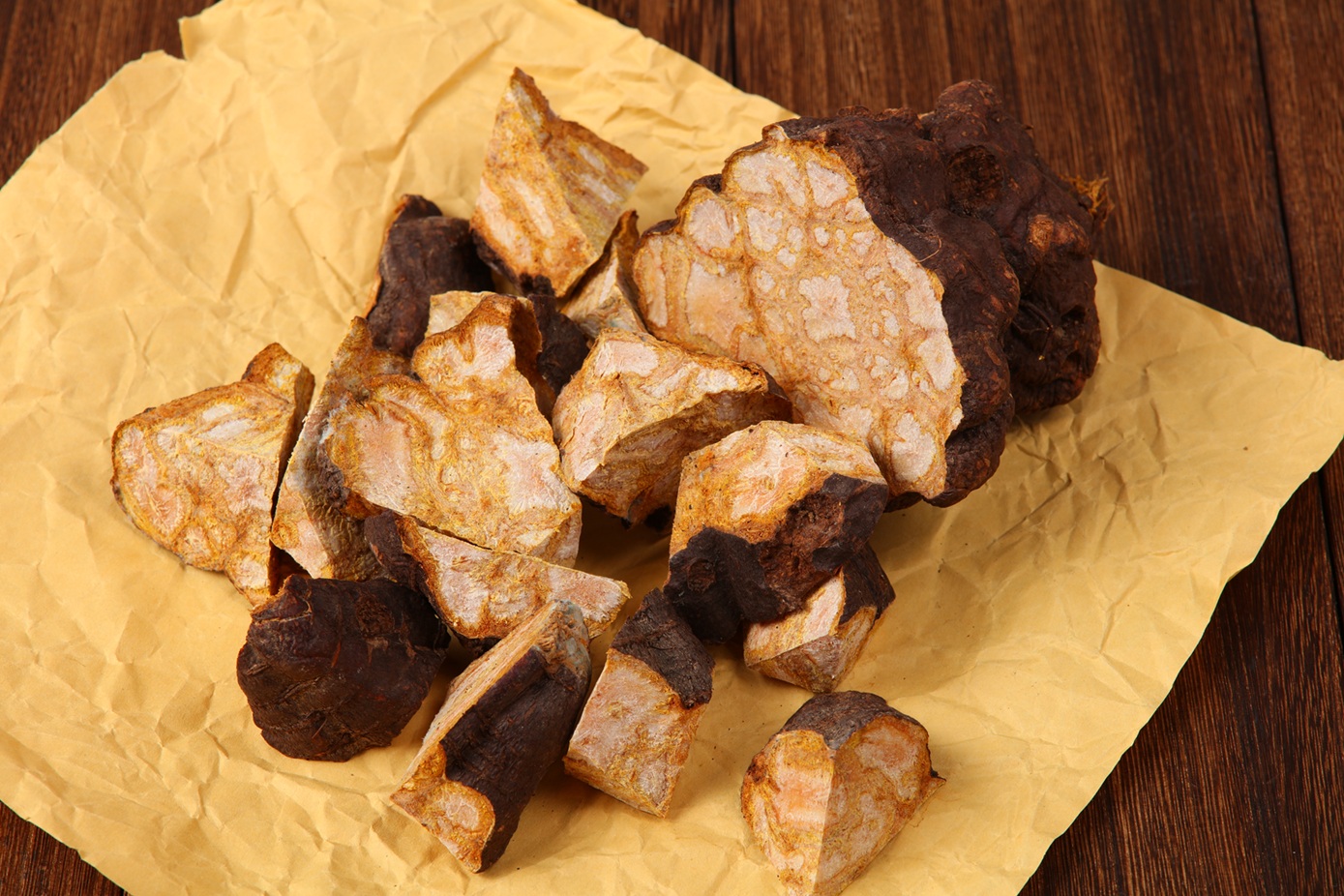
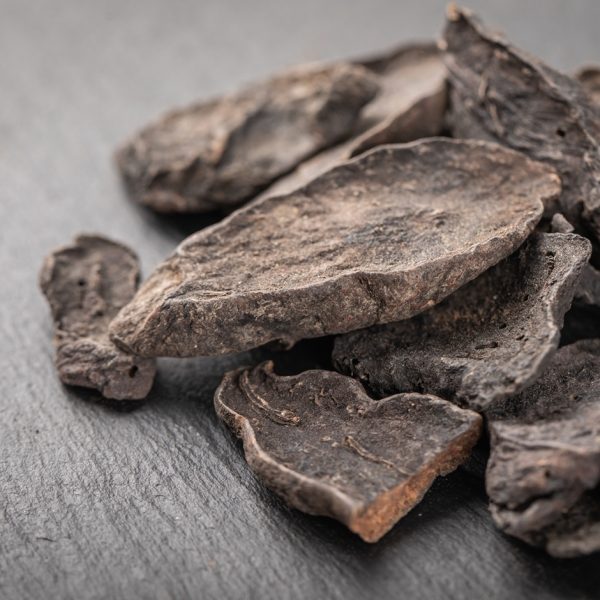
Good quality raw product should be heavy, firm and powdery with a cloudy brocade pattern on the transverse section of the root (40). After processing the colour should change from yellow or reddish brown to black, if processed with black bean juice, or dark brown if processed without (21,29,37). Old, large tubers are known to fetch a high price (1,21).
The reference compound for quality assessment is 2,3,5,4′-Tetrahydroxystilbene-2-Οβ-D-glucoside which should not be less than 1.0% of total extracts in the root, and 0.2% in the vine (24).
-
References
- Bensky D, Clavey S, Stoger E. Chinese Herbal Medicine: Materia Medica. 3rd ed. Seattle, WA: Eastland Press; 2004.
- Chen JK, Chen T. Chinese Medical Herbology and Pharmacology. City of Industry, CA: Art of Medicine Press; 2008.
- Lei X, Chen J, Ren J, et al. Liver damage associated with Polygonum multiflorum Thunb.: a systematic review of case reports and case series. Evid Based Complement Alternat Med. 2015;2015:459749. https://doi.org/10.1155/2015/459749
- Xiao S. Narrative research on the stories about mystery and the spiritual beings of medicinal herbs in ancient China. Asian J Med Humanit. 2023;2(1):20230012. https://doi.org/10.1515/ajmedh-2023-0012
- Purple Cloud Admin. Herbal legends: He Shouwu 何首烏 (fleeceflower). Purple Cloud Institute. Published February 15, 2019. Accessed April 21, 2026. https://purplecloudinstitute.com/herbal-legends-he-shouwu-何首烏-fleeceflower/
- Yang Y, Wu Y, Xu P, Guo F, Guo F, Yang B. Nyctinastic herbs decoction improves para-chlorophenylalanine-induced insomnia by regulating the expression level of neurotransmitters. Ann Transl Med. 2021;9(21):1524. https://doi.org/10.21037/atm-21-4462
- Gu S, Pei J. Innovating Chinese herbal medicine: from traditional health practice to scientific drug discovery. Front Pharmacol. 2017;8:381. https://doi.org/10.3389/fphar.2017.00381
- Zhu C, Li J, Tang W, et al. 2,3,5,4′-tetrahydroxystilbene-2-O-β-D-glucoside (TSG) from Polygonum multiflorum Thunb.: a systematic review on anti-aging. Int J Mol Sci. 2025;26(7):3381. https://doi.org/10.3390/ijms26073381
- Ding Y, Zhao D, Wang T, Xu Z, Fu Y, Tao L. Medicinal patterns of vines used in Chinese herbal medicine: a quantitative study. J Ethnopharmacol. 2024;319(Pt 2):117184. https://doi.org/10.1016/j.jep.2023.117184
- Fruehauf H. Insomnia and vivid dreaming in Chinese medical thinking. Classical Chinese Medicine. Published 2006. Accessed April 21, 2026. https://classicalchinesemedicine.org/insomnia-vivid-dreaming-chinese-medical-thinking/
- Li SZ. Ben Cao Gang Mu, Volume IX: Fowls, Domestic and Wild Animals, Human Substances. Unschuld P, trans. Berkeley, CA: University of California Press; 2021. Originally published 1596.
- Dunas F. The origin of blood: allopathic and TCM perspectives. Acupuncture Today. Published September 2018. Accessed April 24, 2026. https://acupuncturetoday.com/article/33536-the-origin-of-blood
- Zhang JY. Jingyue’s Complete Works. Vol 30. 1624. Accessed April 24, 2026. https://ctext.org/wiki.pl?if=gb&chapter=918364
- Unschuld PU, Tessenow H. Huang Di Nei Jing Su Wen: An Annotated Translation of Huang Di’s Inner Classic – Basic Questions. Berkeley, CA: University of California Press; 2011.
- Scheid V, Bensky D, Ellis A, Barolet R. Chinese Herbal Medicine: Formulas and Strategies. 2nd ed. Seattle, WA: Eastland Press; 2009.
- Liu JJ, Wei F, Wang YD, et al. Ginseng and Polygonum multiflorum formula protects brain function in Alzheimer’s disease. Front Pharmacol. 2025;16:1461177. https://doi.org/10.3389/fphar.2025.1461177
- Huang C, Jiang Y, Bao Q, et al. Study on the differential hepatotoxicity of raw Polygonum multiflorum and Polygonum multiflorum praeparata and its mechanism. BMC Complement Med Ther. 2024;24(1):161. https://doi.org/10.1186/s12906-024-04463-9
- Han MN, Lu JM, Zhang GY, Yu J, Zhao RH. Mechanistic studies on the use of Polygonum multiflorum for the treatment of hair graying. Biomed Res Int. 2015;2015:651048. https://doi.org/10.1155/2015/651048
- Ueda M, Muraoka Y. Bioorganic studies on the nyctinastic leaf-movement of plants. Proc Jpn Acad Ser B Phys Biol Sci. 2026;102(1):1-17. https://doi.org/10.2183/pjab.102.002
- Leon C, Lin YL. Chinese Medicinal Plants, Herbal Drugs and Substitutes: An Identification Guide. Kew, UK: Kew Publishing; 2017.
- Plants For A Future. Polygonum multiflorum Thunb. PFAF Plant Database. Accessed April 24, 2026. https://pfaf.org/user/Plant.aspx?LatinName=Polygonum+multiflorum
- Zhang MY, Yue GY, Hao LJ, Li F. Integrated chemometric and pharmacological evaluation of processing-induced attenuation of hepatotoxicity in Polygonum multiflorum. J Ethnopharmacol. Published online April 2, 2026. https://doi.org/10.1016/j.jep.2026.121622
- Li YK, Chen Z, Zhang C. Historical evolution and processing mechanism of “nine steaming and nine drying” of traditional Chinese medicine preparation. Pharm Biol. 2024;62(1):436-446. https://doi.org/10.1080/13880209.2024.2354345
- Taiwan Herbal Pharmacopeia. 4th ed. English version. Taipei: Ministry of Health and Welfare; 2022.
- Chen JK, Chen T. Chinese Herbal Formulas and Applications: Pharmacological Effects and Clinical Research. City of Industry, CA: Art of Medicine Press; 2015.
- Qi Bao Mei Ran Dan 七宝美髯丹. A-hospital.com. Published 2019. Accessed April 21, 2026. https://cht.a-hospital.com/w/七宝美髯丹
- Bian H. Human milk as medicine in imperial China: practice or fantasy? The Recipes Project. Published 2016. Accessed April 21, 2026. https://recipes.hypotheses.org/7969
- Qian J, Feng C, Wu Z, et al. Phytochemistry, pharmacology, toxicology and detoxification of Polygonum multiflorum Thunb.: a comprehensive review. Front Pharmacol. 2024;15:1427019. https://doi.org/10.3389/fphar.2024.1427019
- Gong L, Shen X, Huang N, et al. Research progress on hepatotoxicity mechanism of Polygonum multiflorum and its main components. Toxicon. 2024;248:108040. https://doi.org/10.1016/j.toxicon.2024.108040
- Teka T, Wang L, Gao J, et al. Polygonum multiflorum: recent updates on newly isolated compounds, potential hepatotoxic compounds and their mechanisms. J Ethnopharmacol. 2021;271:113864. https://doi.org/10.1016/j.jep.2021.113864
- Xue X, Quan Y, Gong L, Gong X, Li Y. A review of the processed Polygonum multiflorum (Thunb.) for hepatoprotection: clinical use, pharmacology and toxicology. J Ethnopharmacol. 2020;261:113121. https://doi.org/10.1016/j.jep.2020.113121
- Wei Y, Liu M, Liu J, Li H. Influence factors on the hepatotoxicity of Polygoni Multiflori Radix. Evid Based Complement Alternat Med. 2019;2019:5482896. https://doi.org/10.1155/2019/5482896
- Li WF, Wang Y, Qiu CX, et al. Processing-induced reduction in dianthrones content and toxicity of Polygonum multiflorum: insights from ultra-high performance liquid chromatography triple quadrupole mass spectrometry analysis and toxicological assessment. Animal Model Exp Med. 2025;8(4):685-695. https://doi.org/10.1002/ame2.12474
- Fan X, Zhou L, Xing Y, et al. A comprehensive investigation on the chemical changes of traditional Chinese medicine with classic processing technology: Polygonum multiflorum under nine cycles of steaming and sunning as a case study. Anal Bioanal Chem. 2024;416(7):1733-1744. https://doi.org/10.1007/s00216-024-05177-0
- Liu Y, Wang Q, Yang J, et al. Polygonum multiflorum Thunb.: a review on chemical analysis, processing mechanism, quality evaluation, and hepatotoxicity. Front Pharmacol. 2018;9:364. https://doi.org/10.3389/fphar.2018.00364
- Wu X, Chen X, Huang Q, Fang D, Li G, Zhang G. Toxicity of raw and processed roots of Polygonum multiflorum. Fitoterapia. 2012;83(3):469-475. https://doi.org/10.1016/j.fitote.2011.12.012
- Li RL, Gao F, Yan ST, et al. Effects of different processed products of Polygonum multiflorum on the liver. Evid Based Complement Alternat Med. 2020;2020:5235271. https://doi.org/10.1155/2020/5235271
- Xing Y, Yu Q, Zhou L, et al. Cytochrome P450-mediated herb-drug interaction (HDI) of Polygonum multiflorum Thunb. based on pharmacokinetic studies and in vitro inhibition assays. Phytomedicine. 2023;112:154710. https://doi.org/10.1016/j.phymed.2023.154710
- Dong H, Slain D, Cheng J, Ma W, Liang W. Eighteen cases of liver injury following ingestion of Polygonum multiflorum. Complement Ther Med. 2014;22(1):70-74. https://doi.org/10.1016/j.ctim.2013.12.008
- Zhao Z, Chen H. Chinese Medicinal Identification: An Illustrated Approach. Taos, NM: Paradigm Publications; 2014.
Meet our herbal experts
Our monographs are written by our monograph authors and edited, reviewed and updated by Herbal Reality.
Meet our Herbal Reality team or explore our Herbal Reality authors.