



Shifting demographics reveal a broadening base of herbal medicine users across the UK, driven by institutional change, generational values, and cultural identity.
The herbal zeitgeist has truly arrived, and the demographics of who is taking herbal medicines has shifted. Whilst herbal medicines are the original medicines, hundreds of years of separation from the land and indigenous culture in the UK has meant that they have been sidelined in favour of pharmaceuticals.
Whilst “alternative” therapies and herbal medicines have steadily increased in popularity these past few decades, it was still a relatively niche thing to use natural modalities for healthcare. However, herbal medicines in the UK have become more and more normalised with people from all backgrounds using them.
From doctors, to builders, mothers and party-goers, a more “natural” way of living is now being embraced, a trend that is suspect to continue. Perhaps because seeking plant medicine is not a simply a “trend” but a returning to what we have always known.
Institutional shifts in attitude
Whilst there is still a very long way to go with regards to herbal medicines being integrated in the NHS, organisations like the World Health Organisation and UN are now advocating for the use of medicinal plants.
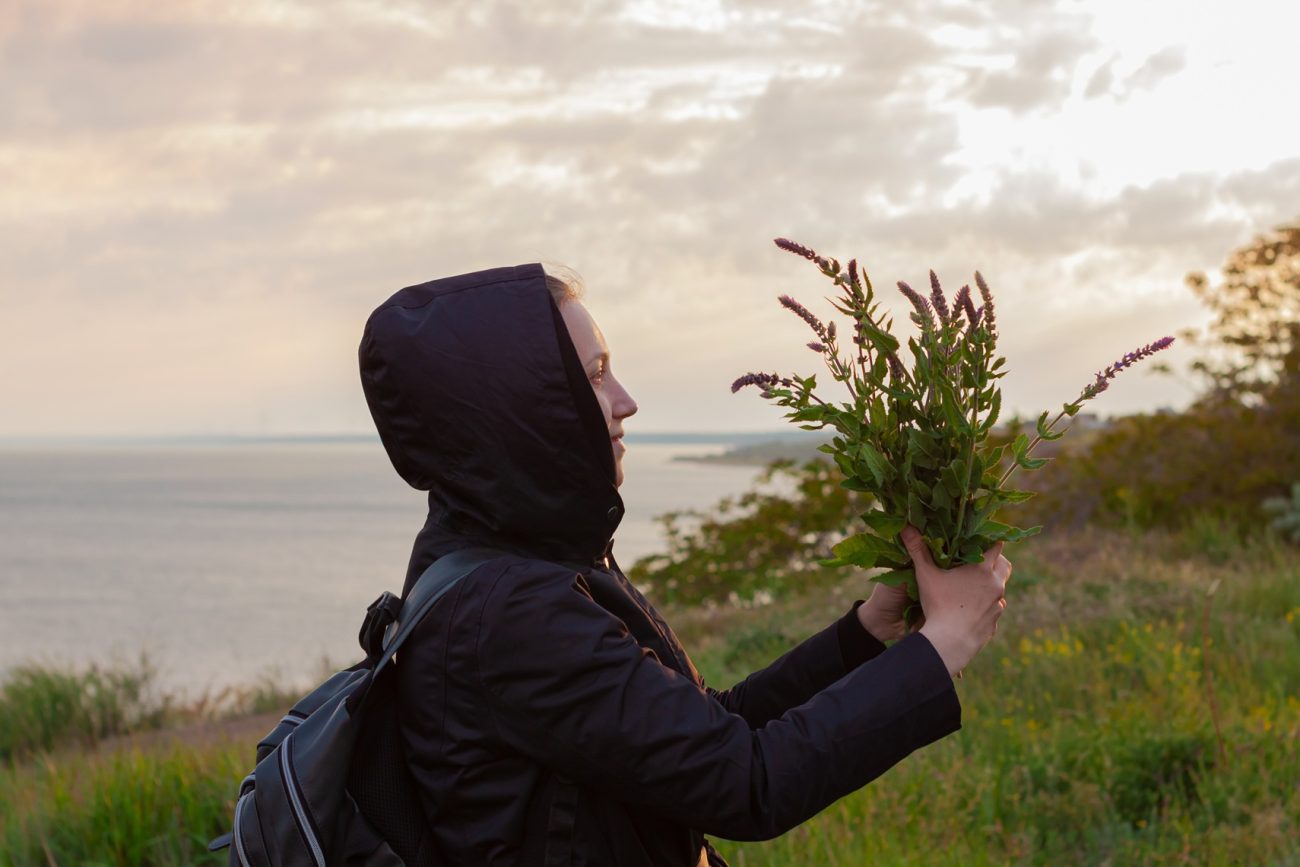
For example, the Global Traditional Medicine Strategy from 2025–2034 recognises the “growing role of traditional medicine worldwide and the need for evidence-based integration into health systems” (1). They have stated they have a “renewed commitment to ensuring universal access to safe, effective, and people-centred traditional, complementary, and integrative medicine (TCIM)”. They plan to do this through guiding principles including holism and health, the right to health and autonomy, indigenous people’s rights, people-centred care and community engagement and integrated health services (1).
This is enormous for shifting culture around herbal medicines, as mainstream doctors have typically rejected herbal medicines in favour of a reductionist, biomedical model. Oftentimes, herbal medicines are dismissed as quackery, however institutional support like this is bound to open up even the most skeptical practitioners’ perspectives. Even the UN are agreeing that plant medicines matter, as they were spotlighted on World Wildlife Day, with researchers from around the globe sharing their knowledge on medicinal plants from their regions (2).
The NHS also has devised a strategy called the “10 Year Health Plan for England: Fit for the Future”. Centred around preventative care, with an emphasis on lifestyle changes, there will be a focus on community care — for example, with services being delivered in people’s homes and neighbourhood health centres. Whilst these do not directly advocate for herbal medicines, one of herbalism’s (many) great strengths is the the ability of plants to nourish the body and mitigate the risk or progression of disease. Furthermore, herbalists have always worked in communities, for communities.
Perhaps the normalisation of treatments in such a way will eventually broaden the scope of who uses herbal medicines in the UK (3). As more and more people seek treatment outside of the NHS due to austerity, lack of access, and insufficient improvement from treatment, perhaps more people will end up in medical herbalists clinics.
Who is using herbal medicines in the UK?
There has been very little academic research or government reporting on this topic, and most novel insights come from market trend reports. Reports show that between 2026 and 2033 herbal medicine use (mainly in the use of supplements) is predicted to grow by 8% (4). Women between the ages of 36–55 with a higher income and higher education are still the most common users of herbal medicines, according to the limited data we have (5). However, there is prominent and growing use amongst other groups.
Gen Z
“Gen Z” are people aged between 14 and 29 years old, and are known as an activist-driven generation who are pushing for systems change. According to market research reports 80% of Gen Z in the UK and the US now take between one and six supplements every day (6). Whilst this is not necessarily herbal medicines (as they could, for example, be taking multivitamins) many supplements are plant based, and Gen Z have a keen interest in all things green.
Having grown up on social media, they are highly informed about systemic issues and have a distrust of traditional systems. This not only applies to government, capitalism and corporations but also conventional medicines (7). Herbalism is easily embraced by many who are more skeptical of current systems than they are of plants.
With the abundance of content on herbal medicines and natural healthcare that exists on social media, this demographic has greater exposure to information on the value of herbalism compared to older generations.
Men
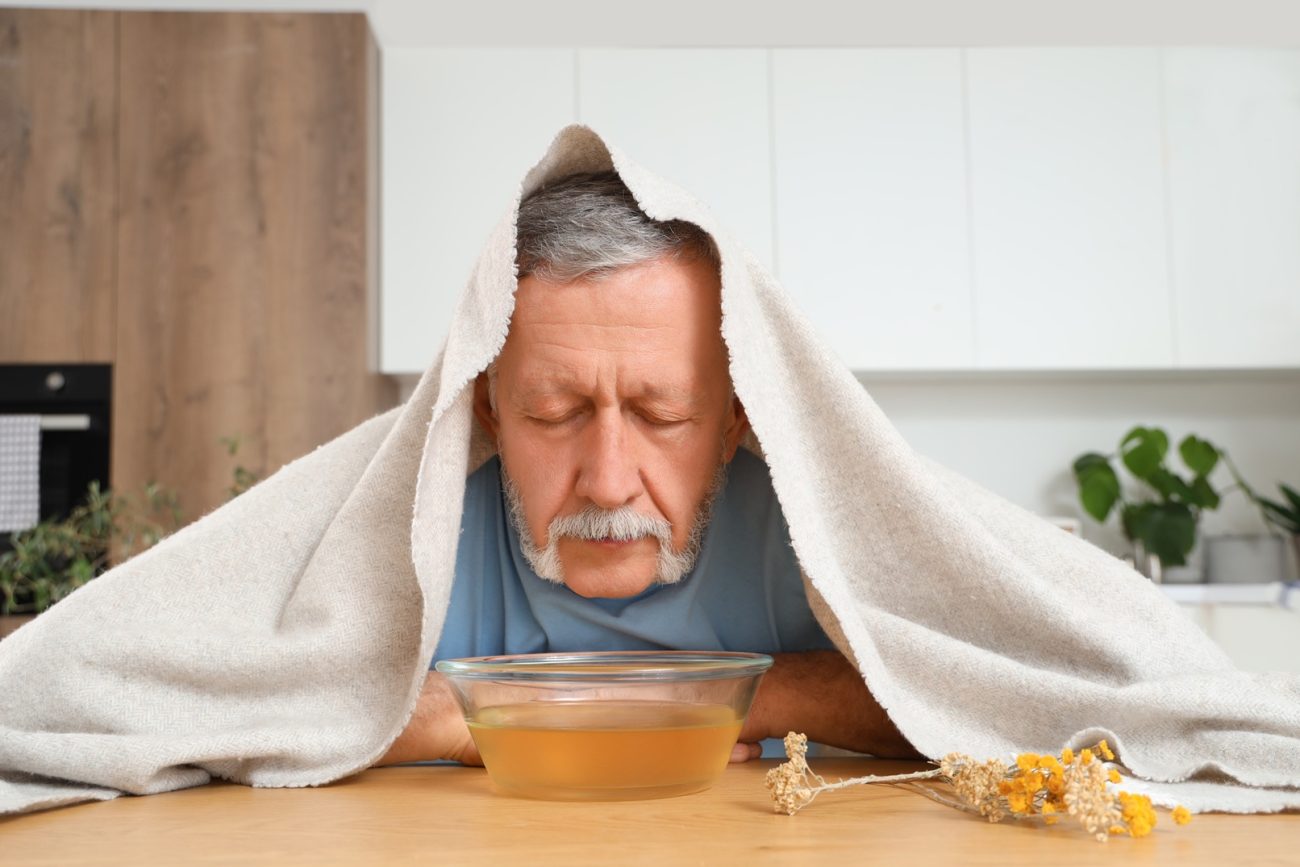
Whilst women tend to use more herbal medicines than men, the amount of men using herbal medicines is increasing. This is evident through market research reports but also an increase in research for men’s health problems. From hair loss supplements, to muscle building blends, plants for prostate health and testosterone boosting herbs — the men’s supplements market is predicted to increase at a rate of 8.45% from 2026 to 2033 (8).
There is substantially more research being conducted on herbs for men’s health, indicating an increase in use and market growth possibly driving research. For example, reviews on erectile dysfunction, and reviews on herbs such as fenugreek (Trigonella foenum-graecum) and ginseng (Panax ginseng) for testosterone have increased (9,10).
Ethnic groups
A scoping review was conducted to see who is using herbal medicines the most in the UK, and why. Interestingly, the research showed that ethnic groups were the primary users (11). There are many reasons for this, and it is perhaps unsurprising as traditional medicines are a lot more commonly used outside of the UK. For example, the WHO demonstrated that 80% of individuals in developing nations rely on herbal medicine for their primary healthcare needs (12). This is in part because of access to land and a lineage of use, and sometimes because of lack of access to pharmacies.
A common factor behind migrants and diaspora using herbal medicines is as part of cultural preservation. Much like people bring their food recipes over, traditional medical knowledge carries over too. Whilst there is a concern amongst communities that knowledge is not being passed on due to lack of interest, there also seems to be a simultaneous increased interest amongst some second generation migrants, as the threads of culture weaken over generations and there is a calling to protect it. Amongst many groups and diaspora, herbal medicines are not just helpful for health but they are an act of honouring the cultures from which we came and staying close to our roots.
Additionally, in many other cultures the need for science, data and clinical trials is not as mandatory for people to trust that a plant or mushroom will do them good. Knowledge of the land and health inherited from their community is enough for people to accept, embrace and value herbal medicines. There is an innate symbiotic understanding that some of the plants they grew up around are good for them, as it has simply always been a part of life. However, in the UK we have a particularly strong trust and dependency on science to feel that a plant medicine is validated.
In other words, scientific evidence is needed for compliance and to feel safe and trusting towards natural medicine, and this is a cultural byproduct of our unique history. Also, the passing on of herbal knowledge has dwindled over time as we industrialised so early and so heavily, and so acceptance is not as innate. There is no right or wrong way to be, rather these are cultural observations based on differing histories and value systems, which may contribute to the difference in attitudes towards herbal medicines in the UK.
Final words
It is clear that all around us things are shifting, and quickly. A rising hunger for change, dissolution with the state of affairs and yearning for connection means people are turning back towards simpler, traditional and ecological ways of being. There is a seeking in our culture for connection, safety and autonomy. This manifests in many ways, including growing more foods, foraging, community farms and gardens, home schooling, home birthing and, of course, herbalism. Even Marks and Spencers have released their “Only… Ingredients” range using minimal ingredients in their produce, and are selling lion’s mane (Hericium erinaceus) amongst their regular chestnut mushrooms (13).
Doctors are increasingly open to alternative routes to treatment, and looking to expand their scope of practice as well as reduce the overuse of pharmaceuticals. People are increasingly becoming aware of the holistic model of health — that we need an array of things to be balanced and in health, and that enriching our diets with phytonutrients and plant diversity is a wise thing to do.
However, whilst there is an interest in natural medicines, it doesn’t necessarily mean that people are more aware of how helpful working with a medical herbalist can be. People are keen to try a more natural approach, yet it seems that many assume they must take a “DIY” approach. There is still much ignorance about what a medical herbalist is, the depth of their training and the myriad of conditions they can help with. The increased appetite for natural medicines also doesn’t mean that people are buying efficacious, responsibly-sourced herbal medicines.
Nonetheless, we are on an uphill trajectory of increased plant curiosity, consciousness and acceptance. It may perhaps be an optimistic assumption, but it seems inevitable that in time there will be a rise in collective awareness about what herbal medicines and herbalists have to offer, such that herbs may one day be in common use as medicines in our households once again.
References
- World Health Organization. WHO Global Traditional Medicine Strategy 2025–2034. WHO Global Traditional Medicine Centre. https://www.who.int/teams/who-global-traditional-medicine-centre/traditional-medicine-strategy-2025-2034. Accessed April 1, 2026.
- NHS England. Fit for the Future: 10 Year Health Plan for England. NHS England; 2025. https://www.england.nhs.uk/long-term-plan/. Accessed April 1, 2026.
- United Nations. Why medicinal plants matter on World Wildlife Day. UN News. March 3, 2026. https://news.un.org/en/story/2026/03/1167068. Accessed April 1, 2026.
- Deep Market Insights. United Kingdom Herbal Supplements Market Size, Share and Growth Report by 2033. Deep Market Insights; 2025. https://deepmarketinsights.com/vista/insights/herbal-supplements-market/united-kingdom. Accessed April 1, 2026.
- Posadzki P, Watson LK, Ronksley-Pavia M, et al. Herbal medicine: who cares? The changing views on medicinal plants and their roles in British lifestyle. Phytother Res. 2019;33(10):2553–2562. https://onlinelibrary.wiley.com/doi/10.1002/ptr.6431. Accessed April 1, 2026.
- LSN Global. Stat – Gen Z turn to daily supplements as wellness becomes an everyday routine. LSN Daily Signals. 2025. https://www.lsnglobal.com/article/view/32040. Accessed April 1, 2026.
- King’s College London. UK has internationally low confidence in political institutions, police and press. KCL News. April 4, 2023. https://www.kcl.ac.uk/news/uk-has-internationally-low-confidence-in-political-institutions-police-and-press. Accessed April 1, 2026.
- Deep Market Insights. United Kingdom Men’s Health Supplements Market Size, Share Report by 2033. Deep Market Insights; 2025. https://deepmarketinsights.com/vista/insights/menand39s-health-supplements-market/united-kingdom. Accessed April 1, 2026.
- Hashemzadeh M, Kashani IR, Larijani B, et al. Herbal dietary supplements for erectile dysfunction: a systematic review and meta-analysis of randomized controlled trials. Evid Based Complement Alternat Med. 2018;2018:1821420. https://www.ncbi.nlm.nih.gov/pmc/articles/PMC5971623/. Accessed April 1, 2026.
- Onakpoya IJ, Heneghan CJ, Aronson JK. Examining the effects of herbs on testosterone concentrations in men: a systematic review. J Evid Based Integr Med. 2020;25:2515658520959226. https://pmc.ncbi.nlm.nih.gov/articles/PMC8166567/. Accessed April 1, 2026.
- Posadzki P, Watson LK, Ronksley-Pavia M, Zollman C, Lee MS. Traditional herbal medicine legislative and regulatory framework: a cross-sectional quantitative study and archival review perspectives. Phytother Res. 2019;33(10):2545–2552.
- Posadzki P, Watson LK, Ronksley-Pavia M, Zollman C, Lee MS. Narratives of herbal medicine utilisation in the United Kingdom: scoping literature review. Phytother Res. 2023;37(1):27–41. https://pubmed.ncbi.nlm.nih.gov/36091802/. Accessed April 1, 2026.
- Marks & Spencer. Only… Ingredients. M&S Food; 2025. https://www.marksandspencer.com/food/l/food-brands/only-ingredients. Accessed April 1, 2026.