












Last reviewed 05/03/2026
Sustainability status
Not currently on risk lists but complete data may be missing on the status of the species. Read more in our sustainability guide.

-
Herb overview
Safety
Considered a safe herb
Sustainability
Status: Low risk
Key constituents
Essential oils
Sesquiterpene lactones
FlavonoidsQuality
Europe
cultivated
Can be adulterated with other similar species including AnthemisKey actions
Relaxant
Nervine
Carminative
AntispasmodicKey indications
Anxiety
Irritation
Digestive discomfort
EczemaKey energetics summary
Cool
DryPreperation and dosage
Flowers
6–12 g/per day
Tincture (1:2 | 45%): 3–6 ml daily
-
How does it feel?
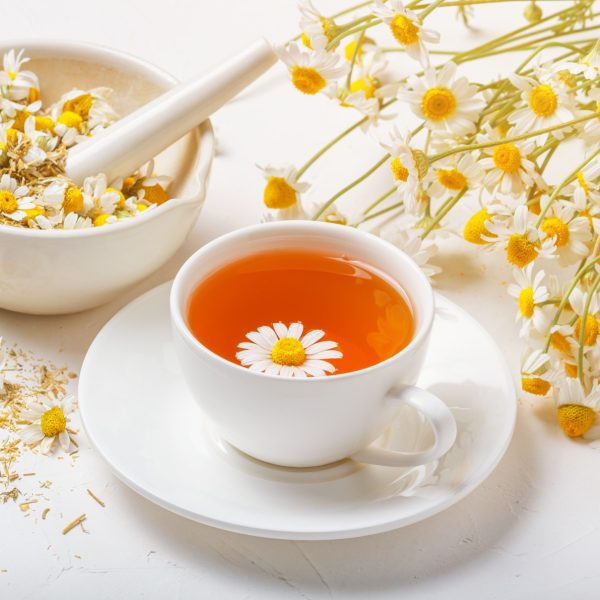
The initial scent of dried chamomile flowers is floral with hints of apple and new-mown hay, due to its coumarins. This is followed by the characteristic aroma of the volatile oils, which is a creamy vanilla bean odour with slightly nutty tones.
Upon tasting, the flavour remains floral, with bitter undertones indicative of its volatile oil and sesquiterpene content. The coumarins account for the sweet herbaceous impression and the flavonoids offer a dry astringent feeling and bitter finish.

The taste of chamomile
The below qualities are derived from organoleptic assessment.
-
Into the heart of chamomile

Chamomile (Matricaria chamomilla) Energetically, chamomile is considered a cooling, relaxing and aromatic herb and suited to tension, inflamed states and nervous hypersensitivity. For this reason, it has long been regarded as one of the most effective remedies in sensitive individuals and children (5).
As a gentle astringent, it is drying and helps to soothe and dry excess secretions and inflammation, specifically with regard to mucous membranes in the respiratory and digestive systems (4,5). It helps to soften tension and agitation in nervous individuals. Wood describes it as a herb with a particular affinity for the gut-brain axis, helping to soothe both parts in equal measure (6).
The Galenic tradition paradoxically considers chamomile to be warming in an energetic sense (7), whilst others consider it to be both, specifically warming for the digestive system and cooling in terms of reducing inflammatory states (4).
The essential oil that gives chamomile flowers their characteristic aroma and flavour contains sesquiterpenes and other constituents with a range of anti-inflammatory properties. On contact with hot water, one of these, matricin, further generates a distinctive, blue volatile oil (chamazulene) that also has these properties.
Chamomile also contains flavonoids including apigenin which is a particularly strong anti-inflammatory and acts on neurotransmitters to calm an overactive nervous system (4,6).
-
What practitioners say
 Nervous system
As a nervine, relaxant and mild sedative, chamomile can be applied to aid with restlessness, anxiety, irritability and insomnia. The relaxing effects can be felt from the nervous system throughout the body (1,2). The flavonoid apigenin interacts with GABA-A receptors in the central nervous system to bring a sense of calm and offer anxiolytic effects (9).
Chamomile can be applied to help with insomnia and sleeplessness, especially if the cause is anxiety (4). It can be applied to any type of nervous tension, helping to relax tissues and discomfort (5).
Digestive
Chamomile is indicated in digestive spasms, bloating, cramping, indigestion and colic. The antispasmodic actions relax intestinal spasm, and combined with its carminative properties it is a useful herb in the treatment of abdominal pain and cramping (2,4). It can also be applied in the treatment of diarrhoea, especially when the cause is of nervous origin.
The flavonoids act to inhibit smooth muscle contraction, helping to relax tissues and relieve tension (4,5). The anti-inflammatory properties indicate it in a wide range of inflammatory bowel conditions, and it can also be applied to soothe stomach ulcers (1).
Respiratory
As an inhalation (in steaming hot water) it is indicated in sinusitis, chronic asthma, bronchitis, hayfever and influenza. It helps to clear excess mucus and phlegm from the lungs in addition to reducing inflammation and reducing muscular tension in the respiratory system, particularly where this may be a result of infection (4,5).The volatile oils contribute to reducing inflammation in the airways, as well as provide antimicrobial properties (2).
Skin health
Chamomile’s anti-inflammatory, antimicrobial and soothing properties are useful in a range of inflammatory skin conditions including dermatitis and eczema (2). It can also be applied to relieve wounds, burns, nappy rash, bites and stings. Chamomile flowers were traditionally added to children’s baths to help relax them before bed but also for soothing childhood eczema (2,4).
Eye health
Chamomile is a soothing herb that can reduce minor eye irritation in the form of a cooled infusion applied as a compress. It can help to reduce soreness, redness and irritation of the eyes (4).
-
Chamomile research

Chamomile (Matricaria chamomilla) Effects of chamomile (Matricaria chamomilla L.) on sleep: A systematic review and meta-analysis of clinical trials
This systematic review and meta-analysis was carried out to evaluate the effect of chamomile (Matricaria chamomilla) on sleep quality. The analysis included 10 clinical trials with a total of 772 participants, consisting of adults with insomnia or sleep disturbances as well as some healthy populations. The studies evaluated various chamomile preparations including tea, capsules, extracts and aromatherapy, with treatment durations ranging from two to eight weeks.
The primary outcome measure was sleep quality assessed using the Pittsburgh Sleep Quality Index (PSQI), while secondary outcomes included sleep latency, sleep duration and night awakenings. The meta-analysis showed a significant reduction in PSQI scores (weighted mean difference −1.88, 95% CI −3.46 to −0.31), indicating improved sleep quality.
Chamomile particularly improved sleep maintenance and reduced night awakenings, although effects on sleep duration and daytime functioning were inconsistent. The authors concluded that chamomile shows promise in improving sleep quality (10).
The effect of oral chamomile on anxiety: A systematic review of clinical trials
This systematic review examined chamomile in the treatment of anxiety disorders. Out of a total of 389 articles, 10 clinical trials involving adults with anxiety symptoms or diagnosed anxiety disorders were included. The interventions consisted of oral chamomile preparations (capsules, extracts or tea) administered over several weeks.
The primary outcomes measured were validated anxiety scores such as the Hamilton Anxiety Rating Scale (HAM-A), while secondary outcomes included mood and stress measures. The review found that 9 out of the 10 clinical trials reported significant reductions in anxiety symptoms in the chamomile groups compared with control groups.
The authors suggested that chamomile’s anxiolytic effects may relate to constituents such as apigenin influencing neurotransmitter pathways and the hypothalamic–pituitary–adrenal (HPA) axis. Overall, the review concluded that chamomile is a safe and effective herb with promising anxiolytic potential in the treatment of anxiety (9).
Anti-inflammatory effect of chamomile from randomized clinical trials: A systematic review and meta-analyses
This systematic review and meta-analysis evaluated chamomile (Matricaria chamomilla) and its anti-inflammatory and antimicrobial actions, focusing on clinical outcomes from randomised controlled trials. Eleven randomised clinical trials published between 2004 and 2024 involving adult human participants with conditions affecting oral mucosa, gingival tissues, or skin, primarily involving inflammatory or infectious oral conditions such as mucositis or gingival inflammation.
The included studies investigated topical or oral chamomile preparations, including mouthwashes, gels, and extracts, administered for varying durations depending on the clinical trial design. The primary outcomes assessed in the meta-analysis included anti-inflammatory effects, pain severity, gingival bleeding, microbial load, mucosal inflammation, and gingival index, while secondary outcomes included mucosal recovery and wound healing indicators.
Results showed that chamomile produced a statistically significant reduction in pain severity (−0.61; 95% CI −0.76 to −0.46) and significant improvements in mucosal inflammation and tissue recovery, supporting its anti-inflammatory and tissue-healing effects. The authors concluded that chamomile demonstrates significant anti-inflammatory and analgesic effects and supports mucosal healing (11).
Effectiveness of chamomile tea on glycemic control and serum lipid profile in patients with type 2 diabetes
This single-blind randomised controlled clinical trial assessed the effects of chamomile tea on glycaemic control and serum lipid profile in patients with type 2 diabetes mellitus (T2DM). The study included 64 adults (male and female) aged between 30–60 years diagnosed with T2DM. Participants were randomly assigned to an intervention group (n = 32) or a control group (n = 32).
The intervention group consumed chamomile tea prepared with 3 g of dried chamomile flowers in 150 ml of hot water, three times daily immediately after meals for eight weeks, while the control group consumed water over the same period.
The primary outcome measures were markers of glycaemic control, including HbA1c, serum insulin levels, and insulin resistance measured using the homeostatic model assessment (HOMA-IR).
Secondary outcomes included serum lipid parameters, specifically total cholesterol, triglycerides, low-density lipoprotein (LDL), and high-density lipoprotein (HDL). Results showed that chamomile tea consumption significantly reduced HbA1c (p = 0.03), insulin levels (p < 0.001), HOMA-IR (p < 0.001), total cholesterol (p = 0.001), triglycerides (p < 0.001), and LDL cholesterol (p = 0.05) compared with the control group.
However, HDL cholesterol levels did not change significantly. The study concluded that chamomile tea may have beneficial effects on glycaemic control and lipid metabolism in patients with type 2 diabetes, suggesting potential metabolic effects of the plant (12).
-
Historical use of chamomile
Traditionally, chamomile has long been used to soothe digestive disturbances, especially when irritation and spasm is present (5). Culpeper placed chamomile under the dominion of the sun, and described it as warming, drying and strengthening to the stomach (7). It was seen to restore vitality by relieving cold, stagnant and weakened digestive systems. Chamomile tea was often prescribed to relieve wind, cramping, bloating and colic (7).
The Eclectic physicians regarded chamomile as a herb that soothes nervous irritability arising from pain or spasm, indicating it specifically for colic in infants, digestive irritability and teething children (8).
As a topical application, it was often applied to soothe skin inflammation, and aid in the healing of wounds (7,8). It was regarded as a key herb with gentle, yet profound effects on multiple body systems.
-
Chamomile’s herbal actions
Herbal actions describe therapeutic changes that occur in the body in response to taking a herb. These actions are used to express how a herb physiologically influences cells, tissues, organs or systems. Clinical observations are traditionally what have defined these actions: an increase in urine output, diuretic; improved wound healing, vulnerary; or a reduction in fever, antipyretic. These descriptors too have become a means to group herbs by their effects on the body — herbs with a nervine action have become the nervines, herbs with a bitter action are the bitters. Recognising herbs as members of these groups provides a preliminary familiarity with their mechanisms from which to then develop an understanding of their affinities and nuance and discern their clinical significance.
-
Chamomile’s energetic qualities
Herbal energetics are the description that herbalists have given to plants, mushrooms, lichens, foods and some minerals based on the direct experience of how they taste, feel and affect the body. All traditional health systems use these principles to explain how the environment impacts health, according to each of their philosophies and frameworks. These assessments of individual herbs, though they often do align, can differ from one another due to cultural differences regarding perspectives on how herbs taste versus their physiological effects. Find out more about traditional energetics in our article An introduction to herbal energetics.
-
What can I use chamomile for?

Chamomile (Matricaria chamomilla) As a carminative and anti-inflammatory, chamomile is an accessible first choice for indigestion, colic, flatulence and other digestive upsets, especially when these are linked to stress and nervous tension (1,2). As an antispasmodic, it helps to relax smooth muscle in the digestive system and is indicated in gastrointestinal spasms, dyspepsia and functional digestive complaints (1,2).
The safest preparation for use with children is a tea — to relieve insomnia, colic and general anxiety. It can also be used to treat diarrhoea in children as well as to calm restlessness, irritability or unsettled babies (1,3). The calming and antispasmodic actions also make chamomile a useful herb in the treatment of gum discomfort and irritability during teething (1).
There is a long tradition of chamomile as a women’s remedy, and it has been shown to be effective in treating dysmenorrhoea and amenorrhoea as well as with menopausal symptoms due to its nervine quality (1,2).
Chamomile helps to reduce irritation and inflammation in the upper respiratory tract and can often be applied in the form of a steam inhalation for respiratory infections and excess catarrh (1).
Externally, chamomile acts as an anti-inflammatory and antimicrobial and helps to soothe inflamed skin conditions, such as eczema, dermatitis and skin irritations (2). It can be applied as a cream, wash or ointments in such cases (4).
-
Did you know?
Gardeners often planted chamomile to improve the health and flavour of neighbouring plants, especially basil and mint. It was seen to strengthen surrounding plants and aid their recovery from stress or disease, and was referred to as a “doctor to the garden” (13).





 Nervous system
-
Botanical description
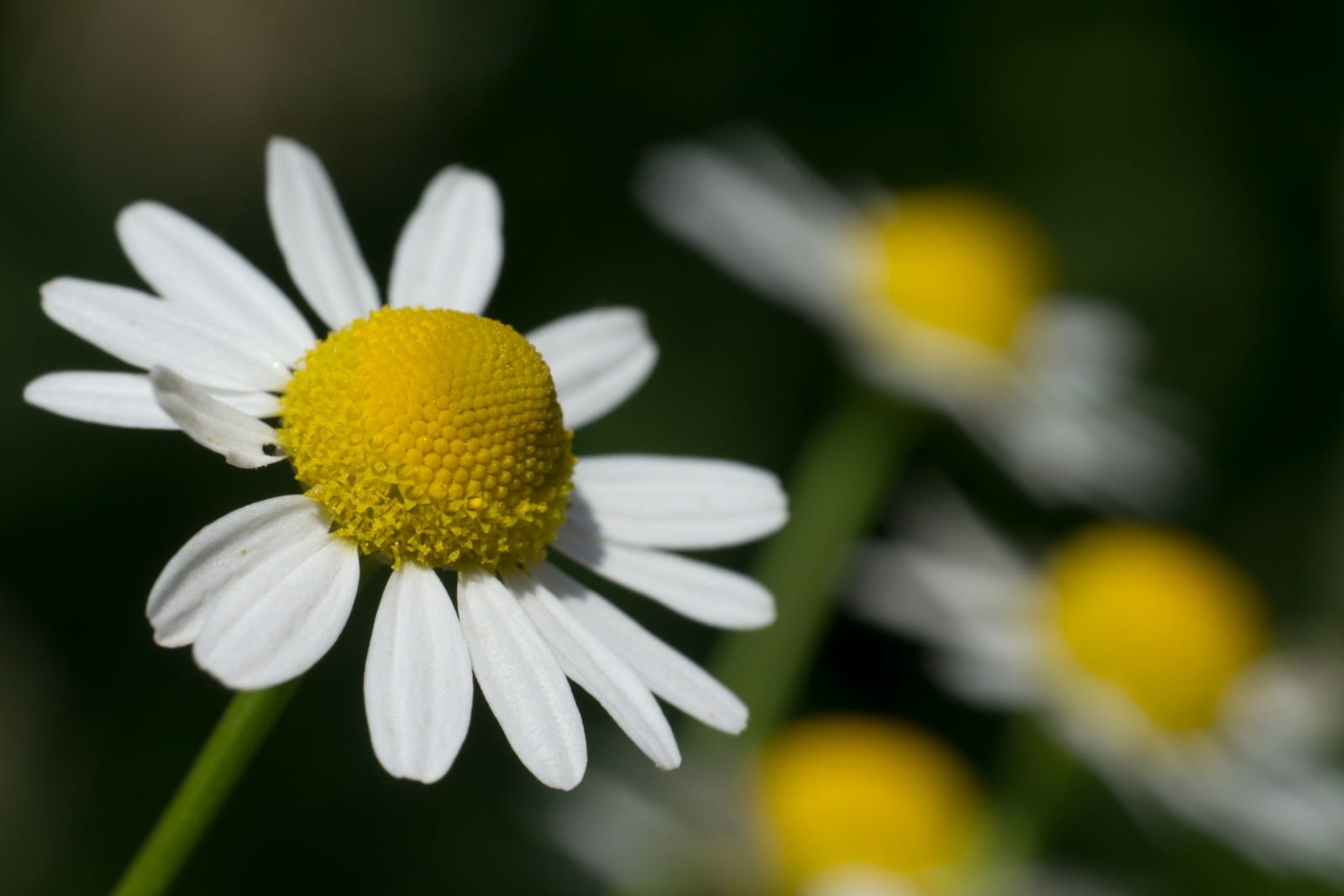
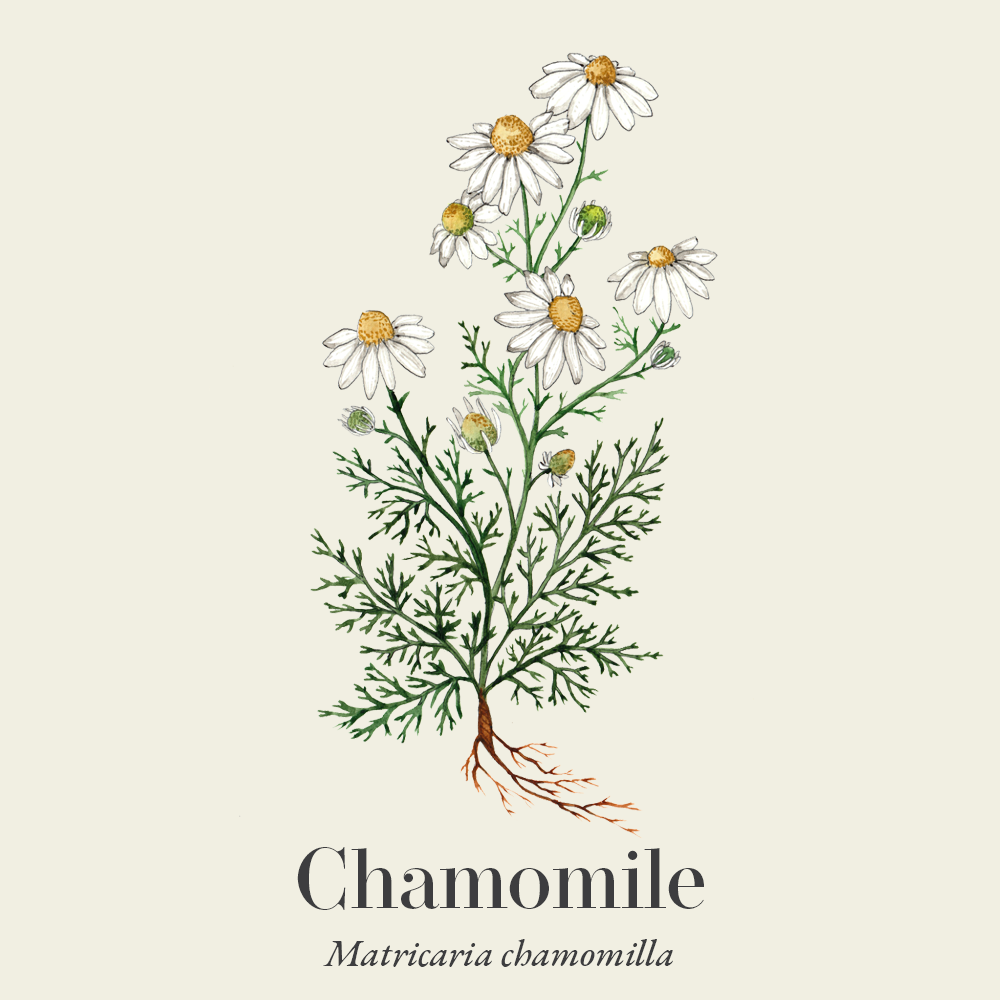
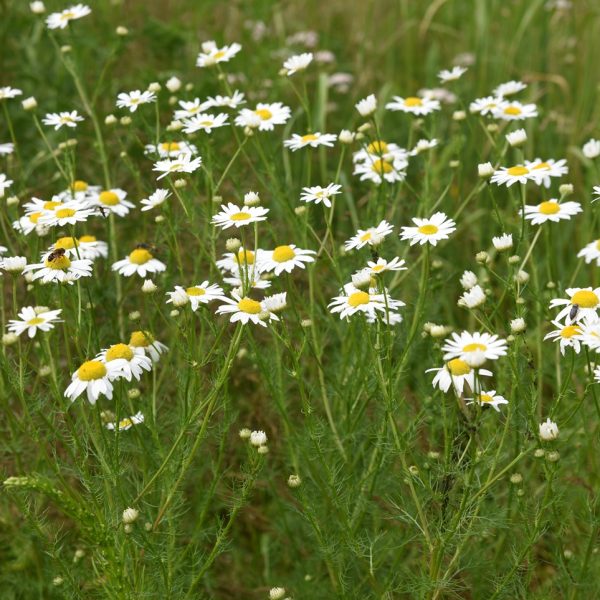
Chamomile is an annual plant with an erect, many branched stem growing to a height of 10–80 cm. The long and narrow leaves are bi- to tripinnate.
The flower heads form separately at the end of each branching stem, they have a diameter of 10–30 mm, and they are pedunculate and heterogamous.
The golden yellow tubular florets with five teeth are 1.5–2.5 mm long, ending always in a glandulous tube. The 11–27 white petals are 6–11 mm long, 3.5 mm wide, and arranged concentrically.
The roots are thin and spindle-shaped only penetrating flatly into the soil.
The receptacle is 6–8 mm wide, flat in the beginning and conical, cone-shaped later, hollow—the latter being a very important characteristic of true chamomile that can be used to discern between the other chamomiles and pineapple weed (which are often confused).
True chamomile is also without paleae. The fruit is a yellowish brown achene (14).
-
Common names
- Scented mayweed
- German chamomile
- Sweet false chamomile
- Wild chamomile
- Mayweed
- Ground apple (Eng)
- Kamillenblüten (Ger)
- Feldkamille (Ger)
- Fleur de camomile (Fr)
- Matricaire (Fr)
- Camomilla (Ital)
- Karpurapushpa (Sanskrit)
-
Habitat
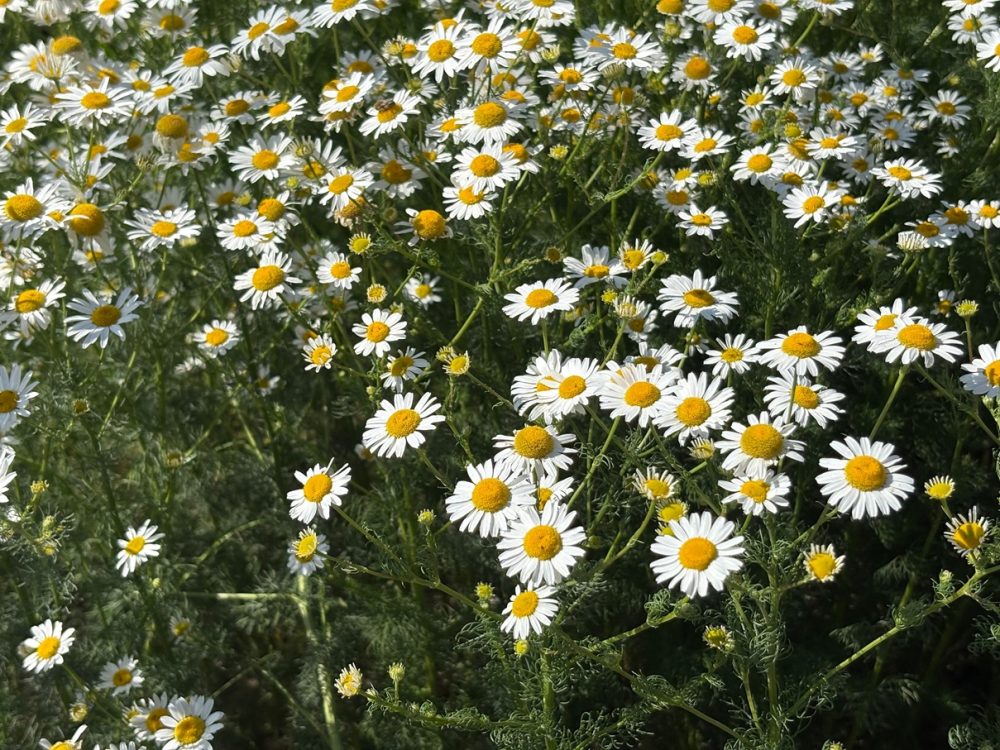
Chamomile is native to southern and eastern Europe and Western Asia. It has spread through cultivation and can now be found as a naturalised plant in South America, Australia and Asia (15). It thrives in open areas with disturbed soil including meadows and fields (16).
-
How to grow chamomile
Chamomile is easy to grow, and a great plant for attracting insects and bees into the garden. The seeds can be sown directly into a prepared seedbed in autumn, or indoors from March in pots. Either way, cover very thinly with a layer of vermiculite or compost as chamomile needs light to germinate.
When seedlings are large enough to handle, prick out into individual pots. Plant well-rooted seedlings or bought plants into light, well-drained soil in a sunny position.
Chamomile plants need very little care. Once established, they are fairly drought-tolerant.
Water pot-grown plants regularly, ensuring there is sufficient drainage so the roots are not sitting in waterlogged compost (17).

-
Herbal preparation of chamomile
- Fresh or dried herb
- Infusion
- Tincture
- Fluid extract
- Hydrosol
- Essential oil
- Topical: Cream and ointment
-
Plant parts used
Flowers
-
Dosage
- Tincture (1:2 | 45%): Take between 3–6 ml per day (1,18)
- Infusion/decoction: 6–12 g daily (1,18)
- For compresses, washes, gargles and topical applications, use preparation of between 3–10% chamomile flowers (1).
-
Constituents
- Essential oils (0.3 – 1.5%): Up to 50% of sesquiterpenes (-)-a-bisabolol and its oxides A, B and C, chamazulene (sesquiterpene derivative)
- Sesquiterpene lactones: Matricin and matricarin
- Flavonoids (up to 6%): Apigenin-7-glucoside, luteolin, quercetin, isorhamnetin
- Coumarins: Herniarin and umbelliferone
- Phenolic acids: Caffeic acid, chlorogenic acid
- Polysaccharides (up to 10%) (1,16)
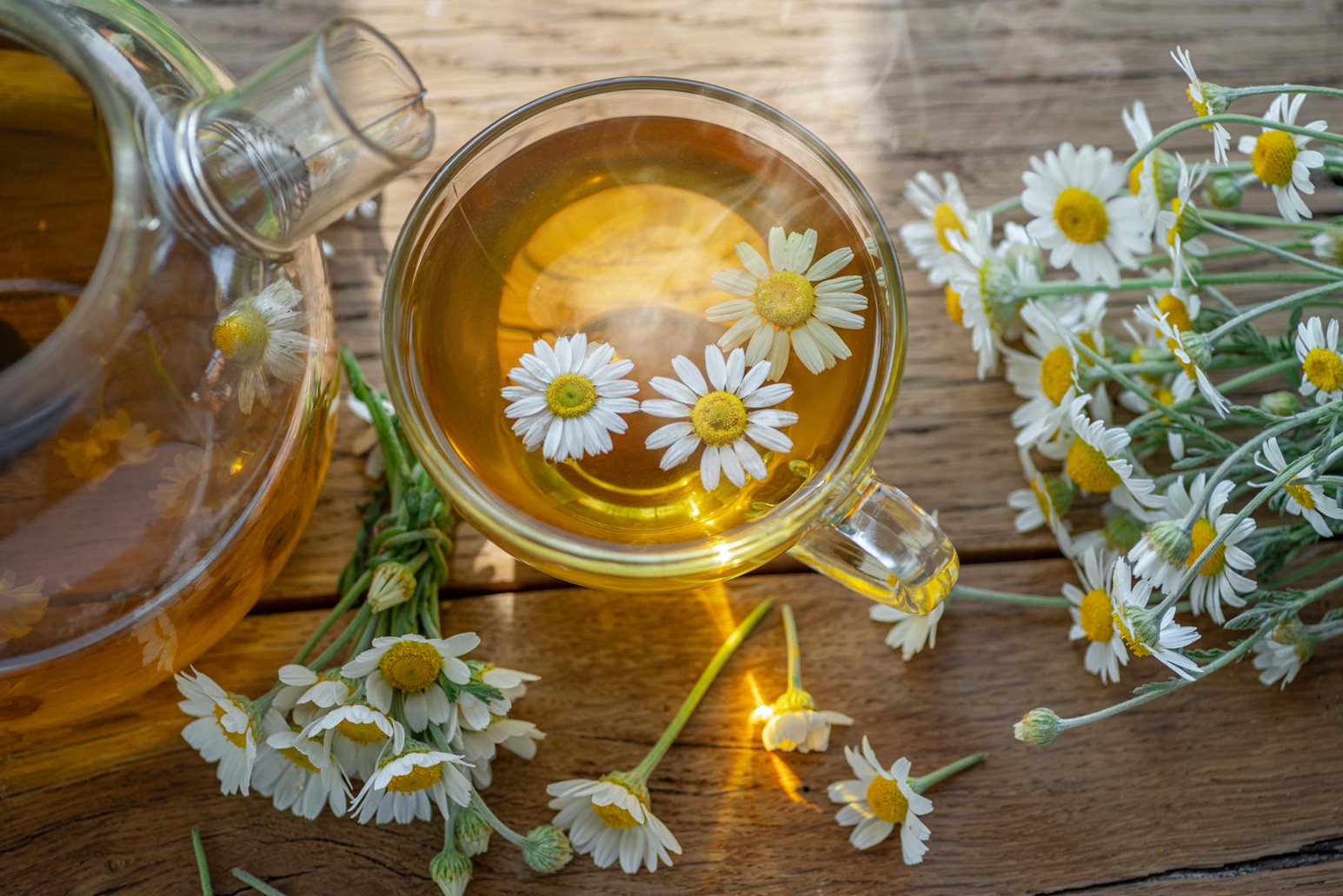
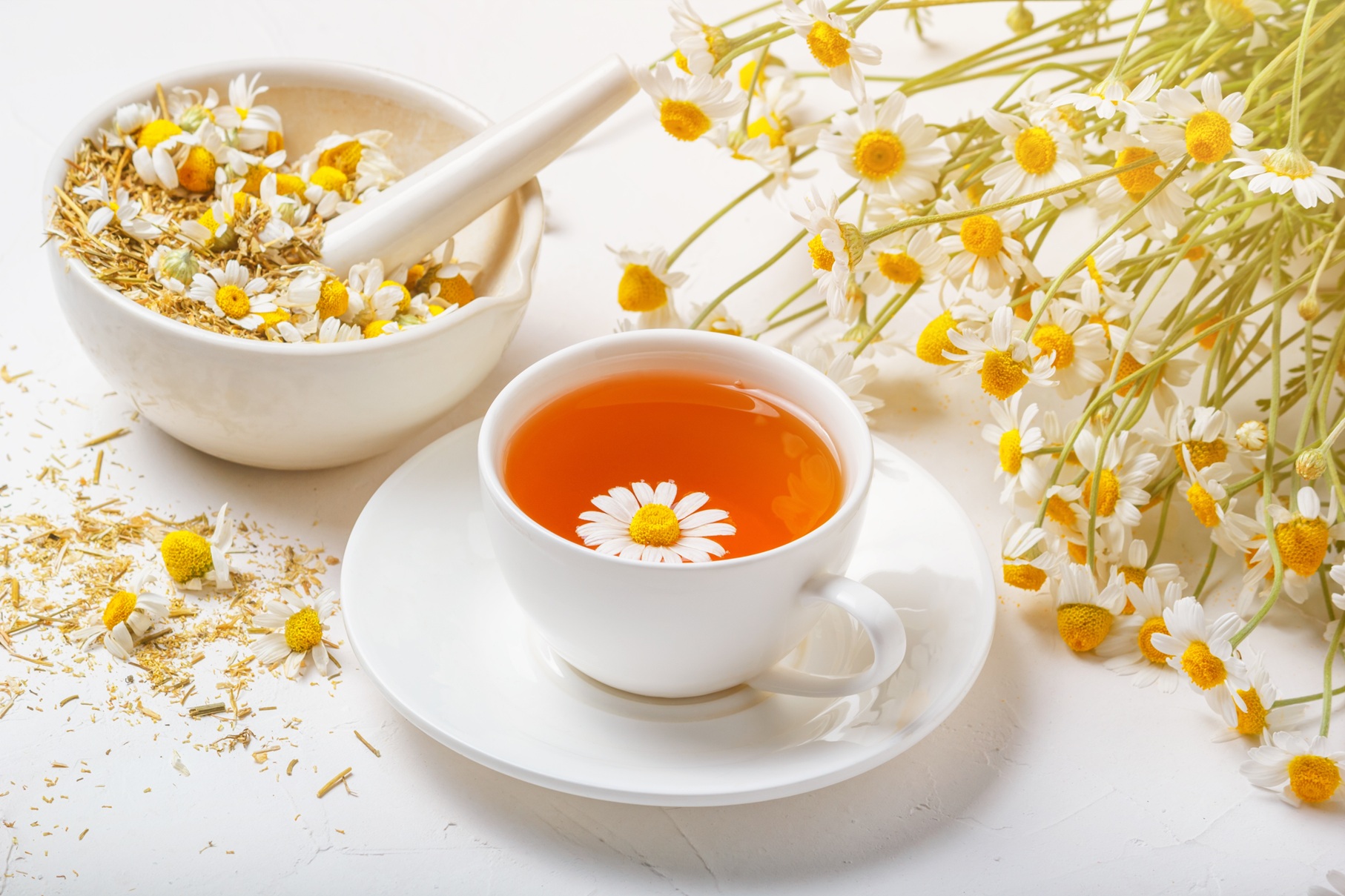
Chamazulene is only generated by steam distillation of matricin. In other words, it will only appear when hot water is added to the flowers. It reaches its highest levels when the tea is covered with a saucer or lid so that steam can condense and drop back into the tea.
-
Chamomile recipe
Digestive support tea
This tea can be made following a meal to aid digestion.
Ingredients
- 28 g chamomile flowers
- 28 g fennel seeds
- 28 g lemon balm
- 12 g peppermint
- 4 g marshmallow leaf
How to make a digestive chamomile tea
- Combine all the herbs together in a bowl.
- Mix gently so all herbs are evenly distributed.
- Store in an airtight container.
- Use between 1–3 teaspoons per 250 ml boiling water.
- Infuse the mixture for 10–15 minutes in a teapot.
- Strain and drink warm.
-
Safety
Chamomile is considered a very safe and well tolerated herb and is safe for us with children and infants as well as during pregnancy and breastfeeding (1,2,18).
Rare allergic reactions are reported for the use of chamomile, these are mostly when the chamomile is adulterated with other flowers. People with a sensitivity or allergy to plants in the Asteraceae (daisy) family should avoid taking chamomile (2,16).
Chamomile can rarely cause contact dermatitis in some individuals (1).
-
Interactions
Chamomile is known to weakly inhibit CYP3A4 and CYP1A2; however, this is unlikely to be clinically significant, owing to its relative low potency compared with pharmaceutical inhibitors (3). Theoretically, it may have additive effects when combined with central nervous system (CNS) depressants, but this has not been confirmed in clinical trials (19).
-
Contraindications
None known (1,2,16,18).
-
Sustainability status of chamomile
According to the IUCN Red List chamomile is classified as ‘Least Concern’ due to its widespread distribution, stable populations and no major threats (20,21).
Read our article on Herbal quality & safety: What to know before you buy and Sustainable sourcing of herbs to learn more about what to look for and questions to ask suppliers about sustainability.
-
Quality control
Chamomile is predominantly cultivated for medicinal use, due to its growing habitat (1). Adulteration has historically been common, and chamomile can be substituted with other related Matricaria species and others of the genera Anthemis, Tanacetum, and Chrysanthemum. These other varieties, especially Anthemis cotula can cause allergic reactions including allergic dermatitis. As a result, it is recommended to ensure accurate botanical identification and source from reputable suppliers only (22).

-
References
- Bone K, Mills S. Principles and Practice of Phytotherapy: Modern Herbal Medicine. 2nd ed. Edinburgh Churchill Livingstone, Elsevier; 2013.
- Mcintyre A. Complete Herbal Tutor : The Definitive Guide to the Principles and Practices of Herbal Medicine (Second Edition). Aeon Books Limited; 2019.
- Williamson E, Driver S, Baxter K, Al E. Stockley’s Herbal Medicines Interactions : A Guide to the Interactions of Herbal Medicines, Dietary Supplements and Nutraceuticals with Conventional Medicines. Pharmaceutical Press; 2009.
- Hedley C, Shaw N. Plant Medicine. (Waddell G, ed.). Aeon Books; 2023.
- Hoffmann D. Medical Herbalism: The Science and Practice of Herbal Medicine. Healing Arts Press; 2003.
- Wood M. The Earthwise Herbal : A Complete Guide to New World Medicinal Plants. Berkeley, Calif. North Atlantic Books; 2009.
- Culpeper N. Culpeper’s Complete Herbal & English Physician. Applewood Books; 2011.
- King J, Felter HW, Lloyd JU. King’s American Dispensatory. Ohio Valley Co; 1905.
- Saadatmand S, Zohroudi F, Tangestani H. The Effect of Oral Chamomile on Anxiety: A Systematic Review of Clinical Trials. Clinical nutrition research. 2024;13(2):139-139. https://doi.org/10.7762/cnr.2024.13.2.139
- Kazemi A, Shojaei-Zarghani S, Eskandarzadeh P, Hashempur M. Effects of chamomile (Matricaria chamomilla L.) on sleep: A systematic review and meta-analysis of clinical trials. Complementary Therapies in Medicine. 2024;84:103071-103071. https://doi.org/10.1016/j.ctim.2024.103071
- Valmy J, Greenfield S, Shindo S, Kawai T, Cervantes J, Hong BY. Anti-inflammatory effect of chamomile from randomized clinical trials: a systematic review and meta-analyses. Pharmaceutical Biology. 2025;63(1):490-502. https://doi.org/10.1080/13880209.2025.2530995
- Rafraf M, Zemestani M, Asghari-Jafarabadi M. Effectiveness of chamomile tea on glycemic control and serum lipid profile in patients with type 2 diabetes. Journal of Endocrinological Investigation. 2014;38(2):163-170. https://doi.org/10.1007/s40618-014-0170-x
- McKay DL, Blumberg JB. A Review of the bioactivity and potential health benefits of chamomile tea (Matricaria recutita L.). Phytotherapy Research. 2006;20(7):519-530. https://doi.org/10.1002/ptr.1900
- Singh O, Khanam Z, Misra N, Srivastava M. Chamomile (Matricaria chamomilla L.): An overview. Pharmacognosy Reviews. 2011;5(9):82. https://doi.org/10.4103/0973-7847.79103
- The Wildlife Trust. Chamomile | The Wildlife Trusts. www.wildlifetrusts.org. Published 2026. https://www.wildlifetrusts.org/wildlife-explorer/wildflowers/chamomile
- Fisher C. Materia Medica of Western Herbs. Aeon Books; 2018.
- RHS. Chamomile. www.rhs.org.uk. Published 2026. https://www.rhs.org.uk/herbs/chamomile/grow-your-own
- Mills S, Bone K. The Essential Guide to Herbal Safety. Elsevier Churchill Livingstone; 2005.
- TRC Healthcare. NatMed Pro – German Chamomile. Therapeuticresearch.com. Published 2026. Accessed March 5, 2026. https://naturalmedicines.therapeuticresearch.com/Data/ProMonographs/German-Chamomile#drug-interactions
- Royal Botanical Gardens Kew. Chamomile – Chamaemelum nobile | Plants | Kew. www.kew.org. https://www.kew.org/plants/chamomile
- IUCN Redlist. The IUCN Red List of Threatened Species. IUCN Red List of Threatened Species. Published 2025. Accessed March 5, 2026. https://www.iucnredlist.org/search?taxonomies=110103&searchType=species
- Mahgoub YA, Shawky E, Darwish FA, El Sebakhy NA, El-Hawiet AM. Near-infrared spectroscopy combined with chemometrics for quality control of German chamomile (Matricaria recutita L.) and detection of its adulteration by related toxic plants. Microchemical Journal. 2020;158:105153. https://doi.org/10.1016/j.microc.2020.105153

Meet our herbal experts
Our monographs are written by our monograph authors and edited, reviewed and updated by Herbal Reality.
Meet our Herbal Reality team or explore our Herbal Reality authors.