









Last reviewed 29/10/2026
Sustainability status
Critically endangered in the wild. Listed on CITES or National Red Lists. Read more in our sustainability guide.

Drug interactions
Herbs may interact with pharmaceutical medications through both pharmacokinetic and pharmacodynamic mechanisms. Pharmacokinetic interactions involve alterations in the absorption, metabolism, distribution, or excretion of a drug. Many herb–drug interactions occur through liver enzyme modulation: by inducing CYP enzymes — increasing drug concentration and toxicity risk; or by inducing CYP enzymes — decreasing drug concentration and therapeutic efficacy.
Pharmacodynamic interactions occur when herbs and drugs influence the same physiological systems. These interactions can cause synergistic, additive or antagonistic effects at the receptor or tissue level, enhancing or opposing the intended pharmacological action. The clinical consequences of herb-drug interactions can be complex and nuanced. Consultation with a medical professional is, therefore, recommended to ensure safe use and appropriate dosing.
Please read the Interactions section in this monograph.

Contraindications
A contraindication refers to a situation in which a herb should be avoided as it may exacerbate a medical condition or pose undue risk. Contraindications may arise through pharmacodynamic mechanisms (e.g., liquorice in uncontrolled hypertension or uterine stimulants during pregnancy) or pharmacokinetic effects that alter metabolism, absorption or elimination (e.g., tannin-rich herbs in iron-deficient anaemia).
In some cases, herbal actions may aggravate underlying pathologies (e.g., the use of bitter herbs in GERD). Recognition of contraindications requires thorough assessment of patient history, co-morbidities and medications. Consultation with a qualified medical herbalist will provide guidance to ensure safe and appropriate prescribing.
Please read the Contraindications section in this monograph.

-
Herb overview
Safety
Some cases of mild side effects have been reported at >5 g daily doses — including gastrointestinal upset, headaches or restlessness
Sustainability
Status: Critically endangered
Key constituents
Nucleosides: Cordycepin and adenosine
Polysaccharides: β-glucansQuality
Country of origin: Tibetan Plateau: China, Nepal, Bhutan, India. O. sinensis wild; C. militaris cultivated. Risk of species substitution; lead, arsenic contamination
Key actions
Immunomodulant
Anti-inflammatory
Bronchiodilator
AntioxidantKey indications
Immune dysfunction
Male infertility
Fatiuge
AsthmaKey energetics summary
Warm
Moist
SweetSee below for discipline-specific energeticsPreperation and dosage
Fruiting body, mycelium
2–6 g daily
Tincture ((1:4, 25%1:5): 2–12ml
-
How does it feel?
The tincture of cordyceps is initially sweet and mildly acrid in taste. Energetically, this medicine is warm and moist in nature. The dried or powdered mushroom is similar in taste with more earthy and chocolate undertones.

-
Into the heart of cordyceps

Cordyceps (Ophiocordyceps sinensis) A deeply nourishing and restorative mushroom, cordyceps acts to foster strength rather than stimulate. This can be applied to a number of situations including prolonged stress, illness, respiratory weakness, ageing or convalescence (1).
Energetically, cordyceps is considered gently warming, moist and sweet. The sweet quality is often associated with nourishment, replenishment and restoration, whilst the warming quality supports activity and energy. Cordyceps can, therefore, be applied to instances of coldness, weakness and exhaustion, offering gentle support rather than being overly stimulating (1,3).
In traditional Chinese medicine, (TCM) cordyceps, known as dong chong xia cao, enters the Lung and Kidney channels, tonifying Kidney yang and jing and nourishing the Lungs (1,5). Energetically, the Lung governs use of breath or qi, whilst the Kidneys represent deeper constitutional reserves, therefore cordyceps can be seen as nourishing both what is taken in, as well as what is stored in the body (1,5). Cordyceps is a medicine to be sought for chronic Lung weakness, arising from either qi or yin deficiency.
-
What practitioners say
 Cardiovascular system
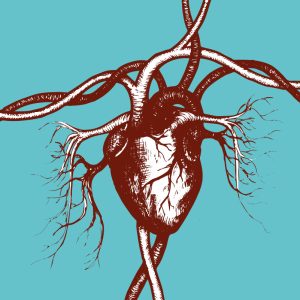
Cordyceps extracts show antioxidant activity, mainly attributed to their polysaccharide and phenolic content, and have been shown to protect the heart muscle and surrounding tissue from ischemia and reperfusion (2). C. militaris is also rich in the active constituent cordycepin, which may contribute to these effects.
Traditional indications also note its impact on lowering blood pressure and heart rate, whilst reducing total cholesterol, triglycerides and LDLs, indicating it for patients with hyperlipidaemia and atherosclerosis (1). In China, cordyceps is an approved application to reduce cardiac arrhythmias, suggested to result from the adenosine content (1,2).
Endocrine system
Cordyceps is classified as a restorative tonic indicated in convalescence and periods of prolonged stress (2). Recent studies suggest this is via adrenocortical steroidogenesis and modulation of the hypothalamic-pituitary-adrenal (HPA) axis (11).
The polysaccharides have shown to increase insulin sensitivity and lower fasting blood glucose levels (3). Cordyceps acts to increase the secretion of glucose regulating enzymes from the liver, helping to conserve glycogen stores and prevent blood glucose spikes (2). These mechanisms also indicate cordyceps in the treatment of type 1 and 2 diabetes (2).
In TCM, the endocrine system corresponds to the Kidneys, which are known to store jing (vital essence) and are responsible for growth, maturation and reproduction. In this regard, cordyceps can be applied to support systemic signs of weakness including fatigue, memory loss, musculoskeletal aches and age related decline (1,5).
Immune system
Cordyceps acts as a powerful immunomodulator, helping to regulate inflammatory pathways and immune cell defence. The beta-glucans bind to surface receptors on key immune cells including macrophages, dendritic cells and natural killer (NK) cells, which in turn activates both innate and adaptive immune responses (3,4). Coupled with its anti-inflammatory effects, it helps to support immune resilience whilst moderating elevated inflammatory signalling (12). Its effect on immune cells means it can be applied to help reduce the severity of viral infections and it has been shown to exhibit antiviral properties against a variety of common viruses including Covid-19, dengue virus, enterovirus, hepatitis C and Epstein-Barr virus (13,14).
Nervous system
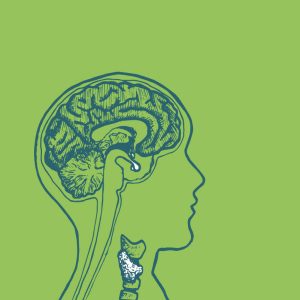
Cordyceps is considered a restorative tonic, helping to improve vitality, recovery from illness and fatigue (2). The constituents — cordycepin, adenosine and the polysaccharides — exhibit antioxidant, anti-inflammatory and anti-apoptotic actions, helping to support nervous system dysfunction that is associated with oxidative stress or inflammation (15). Cordyceps can also be applied to ameliorate low mood, depression and anxiety, with some evidence showing its ability to support sleep and insomnia, despite how its action in improving energy metabolism may seem counterintuitive to this (16).
Reproductive system
One of the key associations of cordyceps is the support for sexual vitality and fertility with a predominant focus on male reproductive health. Cordyceps (specifically cordycepin) has been shown to stimulate testosterone production in Leydig cells by interacting with the adenosine receptors (17). This extends to its impact on increasing sperm quality and production and has been a core indication within TCM (1). Further to this, in TCM cordyceps is applied for impotence, premature ejaculation, spermatorrhoea and nocturnal emission (1).
As cordyceps is considered to tonify Kidney yang and increase jing it can be applied to cases where sexual dysfunction and low libido stems from fatigue, weakness and slow convalescence (1).
Respiratory system
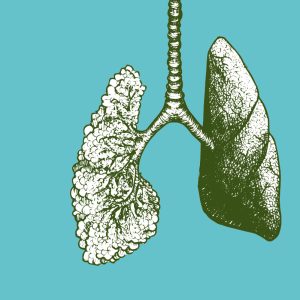
There is a strong tradition of cordyceps being applied to support the respiratory system within TCM and it is considered a Lung as well as Kidney tonic (1). It is indicated in the treatment of chronic respiratory conditions including chronic obstructive pulmonary disorder (COPD), asthma, breathlessness and respiratory weakness (1). As an anti-inflammatory and bronchodilator, corydyceps relaxes bronchial smooth muscle and reduces airway inflammation (1).
Urinary system
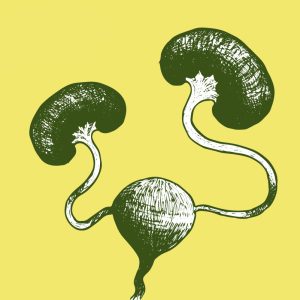
As previously mentioned, cordyceps is regarded as a Kidney tonic within TCM, helping to relieve constitutional weakness (1). Recent research suggests it can also be applied to help with chronic kidney disease (CKD) and diabetic kidney disease (DKD) as it offers nephroprotective and increased glomerular filtration rate (18,19).
-
Cordyceps research

Cordyceps (Ophiocordyceps sinensis) Efficacy and safety of Cordyceps sinensis (Hirsutella sinensis, Cs-C-Q80) in chronic bronchitis
In this multicentre, randomised, double-blind, placebo-controlled clinical trial, the authors investigated the efficacy and safety of Cordyceps sinensis (fermented Hirsutella sinensis, Cs-C-Q80; Bailing capsule) for reducing acute exacerbations in people with chronic bronchitis. The study randomised 240 adults aged 18–75 years from eight hospitals in China were diagnosed with chronic bronchitis. Participants received either the Bailing capsule at a dose of 2 g orally three times daily (6 g/day) or placebo for 48 weeks, followed by a further 48-week treatment-free follow-up.
The primary outcome was frequency of acute exacerbations of chronic bronchitis and secondary outcomes included timing, duration and severity of exacerbations as well as cough, expectoration and wheezing, pulmonary function, immune markers and safety. Those in the cordyceps showed a substantial and statistically significant reduction in exacerbations during treatment (P<0.001) and this continued into the follow up period (P=0.026). Symptom severity overall was also significantly lower after treatment (P=0.035).
Adverse effects were comparable between groups (29.6% vs 30.4%), suggesting the preparation was generally well tolerated. Overall, the trial provides relatively strong clinical evidence that this cultured cordyceps preparation may reduce the frequency of chronic-bronchitis exacerbations and improve expectoration and wheezing (20).
Modulation of the cognition-sleep nexus in subjective cognitive decline: A 12 week, randomised, double-blind, placebo-controlled trial of a standardised Cordyceps militaris extract
A 12-week, randomised, double-blind, placebo-controlled trial investigated whether a standardised Cordyceps militaris (CM) extract could improve cognitive performance and sleep in adults experiencing subjective cognitive decline (SCD). The study included 120 adults aged 45–65 years with SCD in Palembang, Indonesia, who were randomised to receive either 300 mg/day of a standardised CM mycelial extract containing 3% cordycepin or placebo for 12 weeks. The primary outcome was change in cognitive function measured using the Montreal Cognitive Assessment-Indonesian (MoCA-INA).
Compared with placebo, CM produced a significantly greater improvement in MoCA-INA scores ( P<0.001). Secondary outcomes showed significant improvements in episodic memory, assessed by RAVLT delayed recall (P<0.001); sleep with improvements noted on the Pittsburgh Sleep Quality Index (P<0.001), while objectively measured sleep efficiency increased by 5.8 percentage points ( P<0.001). Additional results showed improvements in processing speed and REM sleep, alongside increased serum brain derived neurofactor (BDNF).
The results suggest that 12 weeks of standardised C. militaris supplementation improves cognitive function, memory and sleep in middle-aged adults with SCD, with additional improvements in biomarkers related to neuroplasticity and inflammation (21).
A randomised controlled clinical trial examining the effects of Cordyceps militaris beverage on the immune response in healthy adults
This randomised, double-blind, placebo-controlled clinical trial examined the effects of a fermented Cordyceps militaris mycelial beverage on immune modulation. The study included 40 healthy adults aged 25–60 years, consisting of 20 men and 20 women, with participants within each sex randomised equally between treatment and placebo groups. Participants consumed 75 ml/day of the fermented C. militaris beverage, providing at least 2.85 mg cordycepin per daily serving, or a date palm juice placebo for eight weeks.
Immune outcomes included natural killer (NK) cell activity and lymphocyte subsets (CD3, CD4, CD8 and CD19), alongside immunoglobulins and inflammatory cytokines. Haematological, metabolic, hepatic and renal parameters were also monitored for safety. NK-cell activity increased significantly from baseline in men after four weeks (P=0.049, denoting a 34.11% increase), while in women it significantly increased after eight weeks (P=0.023) and the change was significantly greater than placebo (P=0.005). There were no significant treatment effects on CD3, CD4, CD8 or CD19 cell numbers or IgA, IgG and IgM concentrations.
The intervention appeared well tolerated, with no withdrawals due to adverse events and no significant differences in measured safety parameters. Overall, the findings provide preliminary evidence that fermented C. militaris may enhance NK-cell activity in healthy adults, suggesting an immunomodulatory effect; however, the very small sample (only 10 participants per sex/treatment subgroup) indicates the need for further research amongst a greater number of participants (22).
-
Historical use of cordyceps

Cordyceps (Ophiocordyceps sinensis) Ophiocordyceps sinensis has been recorded in ancient Chinese and Tibetan medicine for over 700 years (6). Its uses include for weakness of the lower back and limbs, nocturia, frequent urination, poor memory, tinnitus or recovery from illness (1). Mirroring its modern applications, cordyceps was also applied to chronic respiratory conditions such as consumptive cough accompanied by qi or yin deficiency (1). This long history of use refers to Ophiocordyceps sinensis (previously Cordyceps sinensis) rather than Cordyceps militaris, which is the cultivated variety that is now classified as a novel food.
Traditional healers across Sikkim, Bhutan, Nepal and the Tibetan plateau prescribed cordyceps for a variety of ailments including asthma and erectile dysfunction (6,7).
Known as yartsa gumbu in Tibet, cordyceps has been used as a tonic for more than 500 years, specifically as a tonic for male virility. Tibetan folklore refers to it as a “miraculous species that becomes a worm in summer and a grass in winter” (8). Male impotence and premature ejaculation being among some of the traditional applications mentioned in the Chinese Pharmacopeia (6,9). It was then classified as a drug in the Chinese Pharmacopeia in 1964 (10).
-
Cordyceps’s herbal actions
Herbal actions describe therapeutic changes that occur in the body in response to taking a herb. These actions are used to express how a herb physiologically influences cells, tissues, organs or systems. Clinical observations are traditionally what have defined these actions: an increase in urine output, diuretic; improved wound healing, vulnerary; or a reduction in fever, antipyretic. These descriptors too have become a means to group herbs by their effects on the body — herbs with a nervine action have become the nervines, herbs with a bitter action are the bitters. Recognising herbs as members of these groups provides a preliminary familiarity with their mechanisms from which to then develop an understanding of their affinities and nuance and discern their clinical significance.
Western actions
Ayurvedic actions
-
Cordyceps’s energetic qualities
Herbal energetics are the description that herbalists have given to plants, mushrooms, lichens, foods and some minerals based on the direct experience of how they taste, feel and affect the body. All traditional health systems use these principles to explain how the environment impacts health, according to each of their philosophies and frameworks. These assessments of individual herbs, though they often do align, can differ from one another due to cultural differences regarding perspectives on how herbs taste versus their physiological effects. Find out more about traditional energetics in our article An introduction to herbal energetics.
Ayurvedic energetics
Ayurvedic energetics are assigned according to Bhavaprakash by Acharya Bhavamishra and Ayurvedic Medicine: The Principles of Traditional Practice by Sebastian Pole.
Chinese energetics
Chinese energetics align with Bensky’s Chinese Herbal Medicine: Materia Medica.
-
What can I use cordyceps for?

Cordyceps (Ophiocordyceps sinensis) Cordyceps can be used as an adaptogen and restorative tonic to support individuals through times of acute or chronic stress, fatigue, convalescence or reduce physical resilience (1,2). Cordyceps helps to improve physical capacity, aerobic activity and energy through its effect on improving blood oxygenation by enhancing gaseous exchange in the lungs (3). It is also considered a respiratory tonic, acting as an antitussive, bronchodilator and expectorant and thus can be applied to help a range of conditions including asthma, bronchitis, chronic obstructive pulmonary disorder, wheezing and phlegm in the lungs (2,3).
Cordyceps supports reproductive health by improving fertility in women, as well as acting to address impotence, premature ejaculation and low libido in men (1,3). Furthermore, cordyceps has been found to improve sperm count, quality and motility (3).
The immunomodulatory and anti-inflammatory actions of cordyceps, indicates the fungus for a dysfunctional immune system, whether over- or underactive. Owing to these qualities, cordyceps can also be a valuable part of an adjunct therapy in the support of patients with cancer (3).
Cordyceps also offers metabolic, hepatic and cardiovascular support by helping to lower blood glucose, restore liver function and protect the cardiac tissue from damage (3,4).
-
Did you know?
Historically, cordyceps was rare and highly regarded as a medicine, and it was reserved for use only by the Emperor and royal family. In China, cordyceps is used as a stuffing in a roasted duck. This preparation is considered to be a delicacy, the mushroom would infuse the duck meat, which was believed to promote longevity, prevent illness and restore vitality (23).
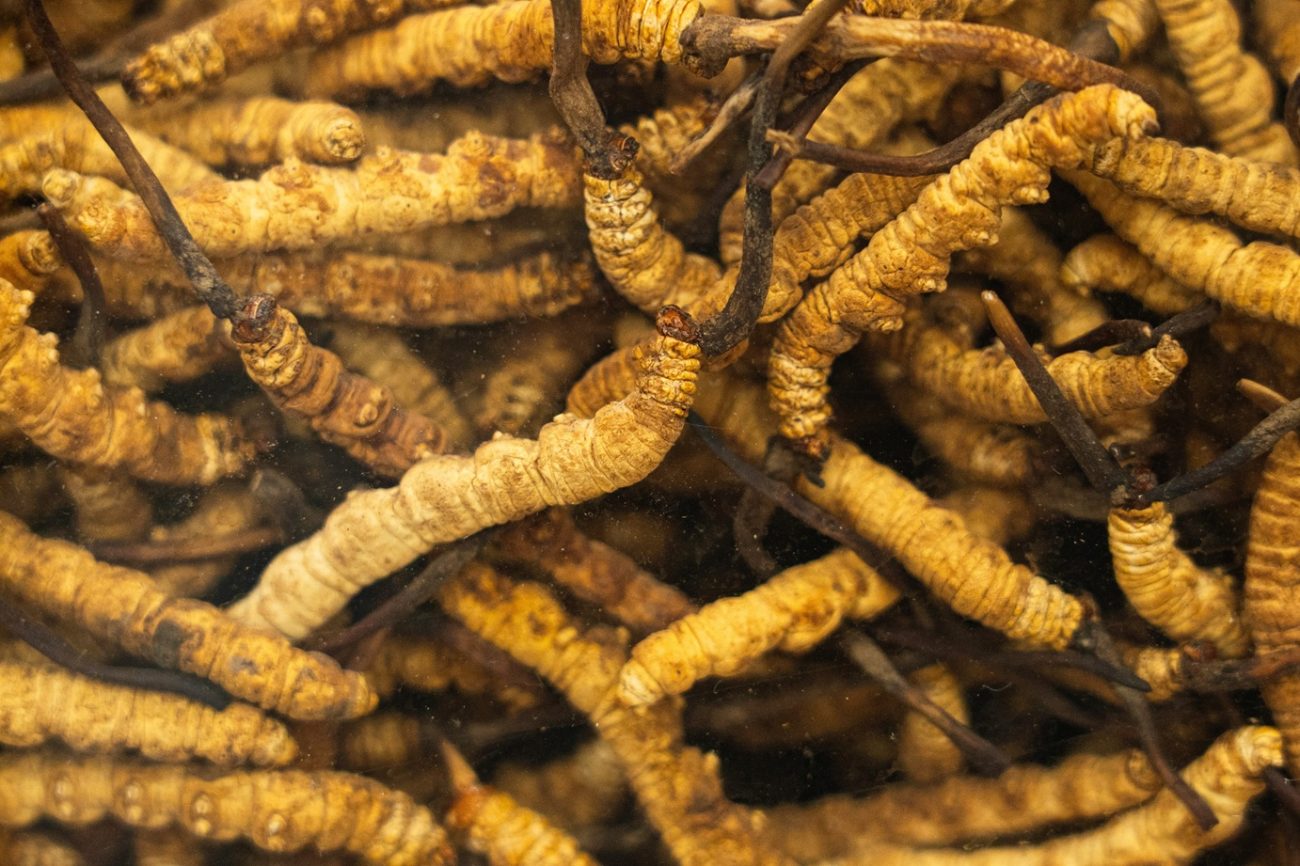
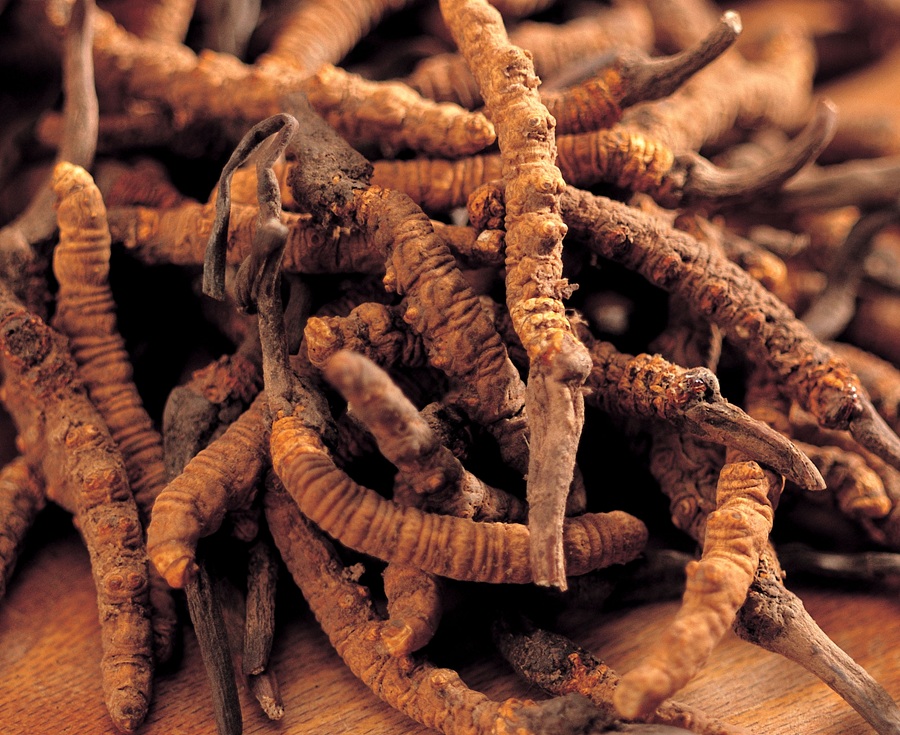
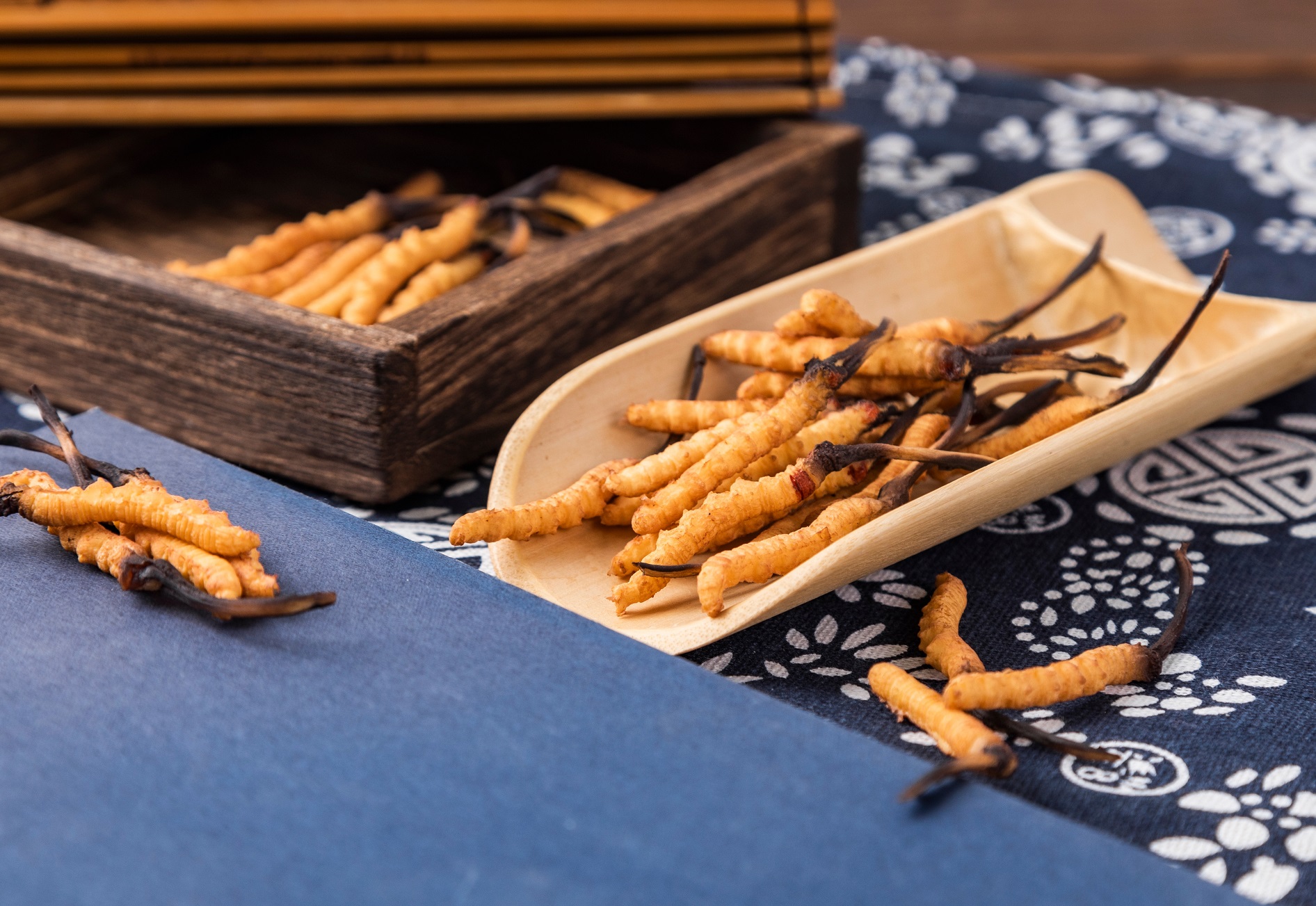
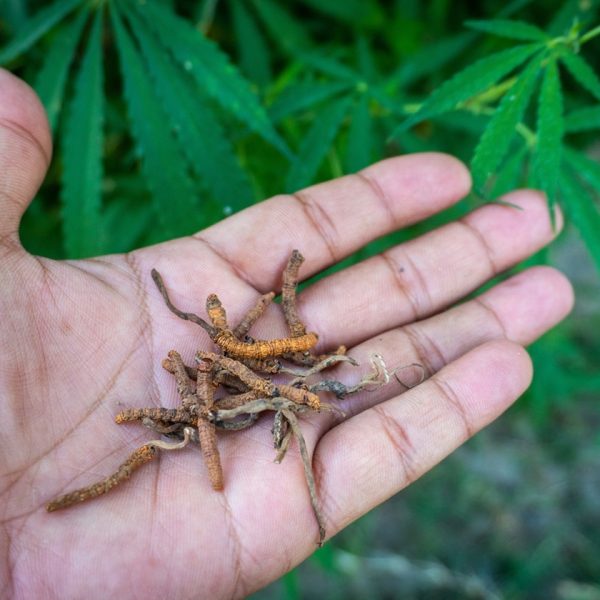
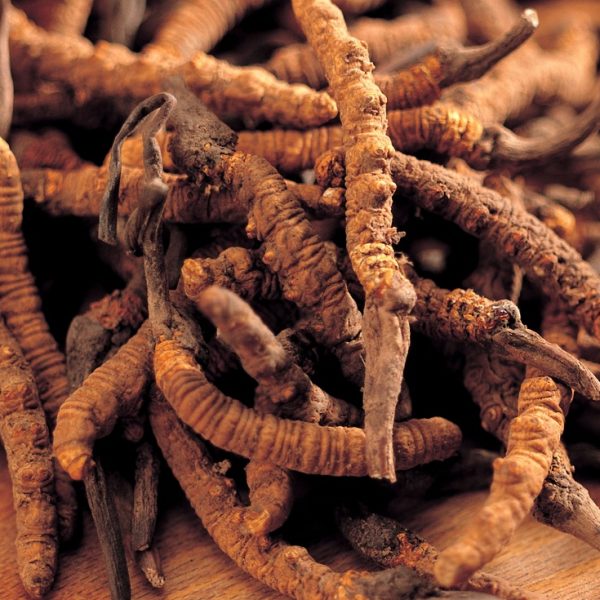
Wild Ophiocordyceps sinensis is also known as the caterpillar fungus due to the fact that it develops by parasitically enveloping the larvae of ghost moths on the Tibetan plateau. The fungus infects the caterpillar and gradually colonises and kills it, then producing a fruiting body that emerges from the caterpillar and through the soil. Wild harvested specimens therefore consist of the mummified caterpillar and fungal fruiting body (24). Cultivated specimens, however, are grown on more sustainable and ethical substrates such as rice, wheat or grains (25).




 Cardiovascular system

-
Mycological description
Belonging to the family Ophiocordycipitaceae, cordyceps is a parasitic fungi that grows mainly on insects and other arthropods, primarily on lepidopterous (butterflies and moth) caterpillars.
Cordyceps thrives in high altitudes and cold, grassy, alpine grasslands of the Tibetan, Nepalese, Bhutanese, and Indian Himalayan areas.
The spores of cordyceps are spread by wind over the soil and onto plants, where they come into contact with the larvae, particularly when the caterpillars emerge to feed on roots and herbaceous vegetation.
Larvae were observed eating tender roots of alpine meadow species such as Polygonum, Astragalus, Salix, and Rhododendron.
The infected hosts live underground where they can spend up to five years before pupating. Cordyceps spores enter the bodies of their host either through the mouth or the respiratory pores. The mycelium then invades the caterpillar’s body, filling its cavity, killing the insect, and eventually completely replacing the host tissue. The dead caterpillar appears yellowish to brown in colour.
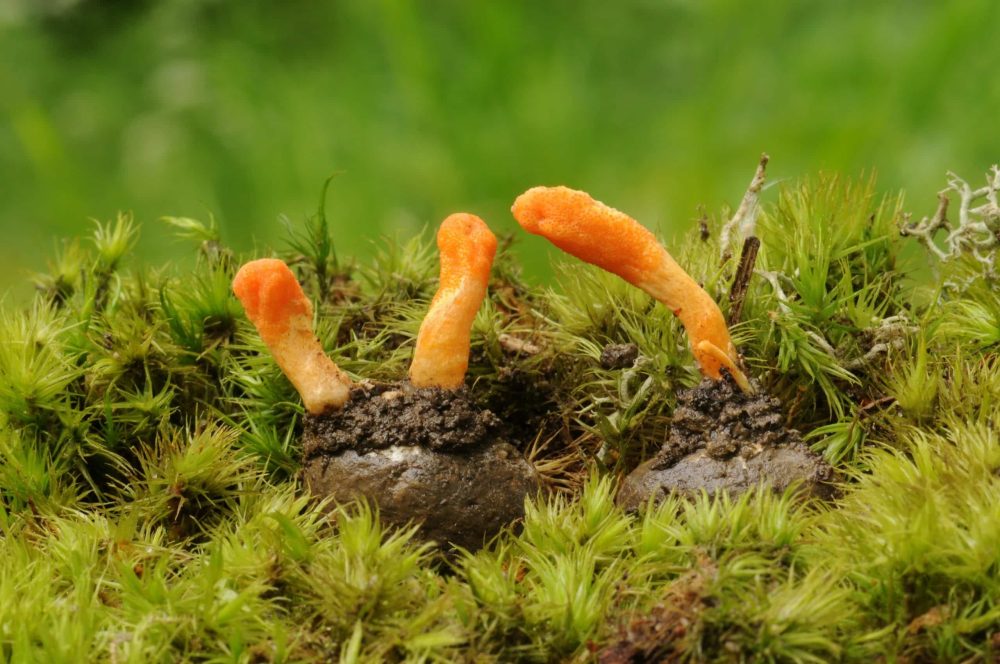
The cylindrical club-shaped fruiting body, between 5–15 cm long and orange brown to reddish brown in color, grows up from spring to early summer, protruding and developing out of the caterpillar’s head.
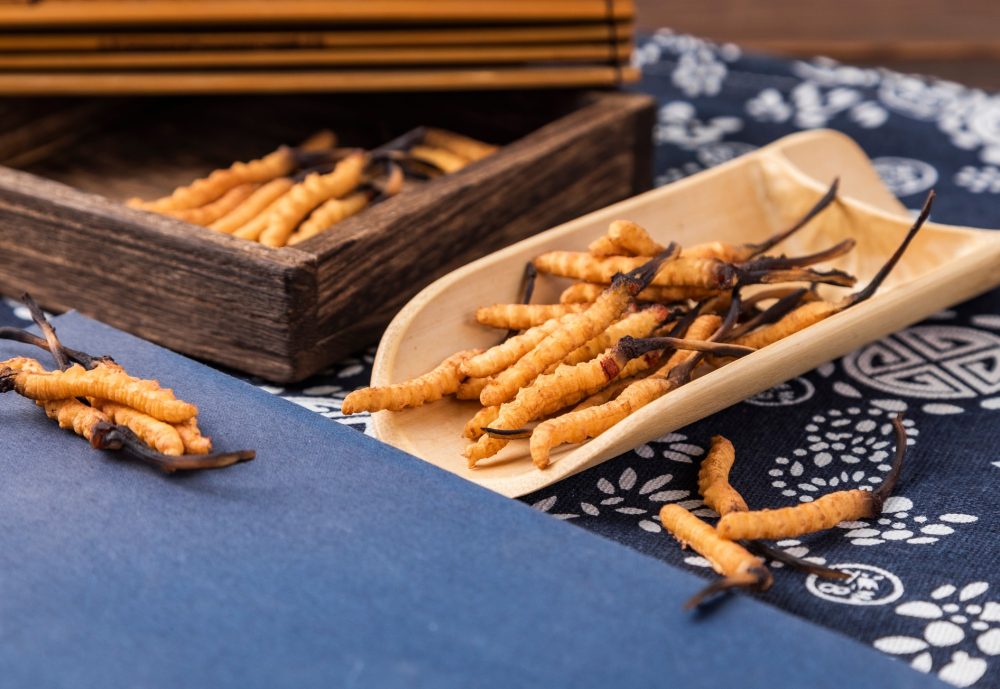
The length of the dried mushroom spans from 3 to 10 centimetres (26).
-
Common names
The name Cordyceps comes from the Greek kordylē (club) and Latin -ceps (head), describing its club-shaped fruiting body, while sinensis means ‘Chinese’. In Chinese, it is known as dong chong xia cao, meaning ‘winter worm, summer grass’.
- Caterpillar fungus
- Scarlet caterpillarclub
- Club head fungus
- Yartsa gunbu
- Dong chong xia cao
-
Habitat
Cordyceps is native to high altitude alpine environments including the Tibetan plateau and Himalayas spanning China, Nepal, Bhutan and northern India. It is predominantly found at between 3–5,000 metres above sea level in areas with cold winters, harsh sunlight, alpine meadows and adequate soil moisture (27).
In British woodlands and grasslands the Cordyceps miltaris speicies (known as the scarlet caterpillarclub) can be found growing.
-
How to grow cordyceps
Cordyceps can be cultivated indoors under controlled conditions.
- Firstly, prepare the substrate by placing brown rice into sterile jars or containers, roughly 20 g of brown rice with 32 ml of nutrient solution per 500 ml container.
- The substrate needs to be thoroughly sterilised, normal methods include using a 121°C autoclaving to effectively remove any microbes that may inhibit growth.
- Inoculate with Cordyceps militaris.
- Keep the containers in a dark place to allow for inoculation, which may take up to two weeks. Successful inoculation will be obvious due to the visible white mycelium spread across the substrate.
- Introduce regular intervals of light, between 8–12 hours per day.
- Maintain cool and humid conditions, between 16–23°C and 70–90% humidity.
- If successful, eventually small orange club shaped fruiting bodies will rise from the substrate (28).

-
Herbal preparation of cordyceps
- Tincture
- Decoction
- Dried / Powdered Mushroom
- Capsule
-
Fungal parts used
Fruiting body, mycelium
-
Dosage
- Tincture (1:4, 25%): 2–4 ml up to three times per day (1,2)
- Decoction: Add one – half a tsp of powdered mushroom or mycelium to 300 ml water, decoction (simmer) for one hour. Take one or two cups a day.
- Standardised encapsulated powder: 1–2 g 2–3 times daily (4)
-
Constituents
- Polysaccharides: Beta-glucans, heteroglucans, exopolysaccharides
- Nucleosides and nucleoside analogues: Cordycepin, adenosine, adenosine monophosphate, adenosine triphosphate and cyclic
- Proteins and amino acids: Proteoglycans and glycoproteins
- Glycoproteins
- Fatty acids: 31.69% oleic, 68.31% linoleic
- Polyamines
- Ecdysterones
- Sterols – Ergosterol
- L-Tryptophan (2,13)
-
Cordyceps recipe
Cordyceps and cacao restorative drink
This recipe combines cordyceps, cacao and other spices to create a delicious drink to support energy and resilience.
Ingredients
- 250 ml oat (or alternative) milk
- 1–2 g cordyceps powder
- 1 tbsp cacao powder
- ½ tsp cinnamon powder
- ¼ tsp ground ginger powder
- 1 cardamom pod, crushed
- Optional honey or sweetener to taste
How to make a cordyceps drink
- Add the milk, powders and cardamom pod to a saucepan.
- Heat gently, whisking regularly to remove any lumps.
- Continue to heat until it’s hot, but not boiling.
- Remove from the heat and serve in a mug, adding sweetener if desired.


-
Safety
Some cases of mild side effects have been reported when taken in higher doses — above 5 g per day — including gastrointestinal upset, headaches or restlessness (1,2).
There is a lack of reliable safety data in regard to the use of cordyceps during pregnancy, and, as such, caution is advised (29). Please seek the guidance of a qualified medical herbalist before using cordyceps during pregnancy.
-
Interactions
Cordyceps may increase the risk of bleeding when taken in conjunction with anticoagulants and antiplatelet medication (2,30).
Caution is also advised alongside immunosuppressant medication (30).
-
Contraindications
Due to the hormonal modulatory effects of cordyceps, it is contraindicated alongside hormone dependent cancers such as oestrogen receptor positive breast cancer or prostate cancer (2,3).
Caution is advised in autoimmune conditions, and should be discontinued two weeks before any surgery due to its blood thinning effect (29).
-
Sustainability status of cordyceps
Wild Ophiocordyceps sinensis is vulnerable and under pressure. This is due to significant overharvesting coupled with its restricted distribution in its natural habitat and its slow regeneration after harvesting (31).
Harvesting can occur before the fruiting body reaches reproductive maturity, thereby preventing the spread of spores and continued growth (32). It is listed as ‘vulnerable’ on the IUCN redlist and as such sourcing only cultivated varieties of this mushroom is recommended (33).
Read our article on Herbal quality & safety: What to know before you buy and Sustainable sourcing of herbs to learn more about what to look for and questions to ask suppliers about sustainability.
-
Quality control
Ophiocordyceps sinensis is predominantly wild harvested, and currently under sustainability pressure as a result. Artificial cultivation of O.sinensis involving fermentation of fungal mycelium is now being established to meet demand; however, this method will invariably impact the phytoconstituents of the mushroom (34).
Cordyceps militaris is easier to cultivate and is widely cultivated commercially. However, in the UK C. militaris iis currently under novel food classification and cannot be sold as a food or supplement (35). Cordyceps is subject to significant adulteration risks due to the high value placed on it, resulting in substitution, mislabelling and adulteration (34).
-
References
Chen JK, Chen TT, Crampton L. Chinese Medical Herbology and Pharmacology. Art of Medicine Press; 2004.
- Powell M. Medicinal Mushrooms: A Clinical Guide. eBook Partnership; 2015.
- Cabrera C. Holistic Cancer Care. Storey Publishing; 2023.
- Easley T, Horne SH. The Modern Herbal Dispensatory: A Medicine-Making Guide. North Atlantic Books; 2016.
- Bensky D, Clavey S, Stöger E. Chinese Herbal Medicine: Materia Medica. Eastland Press; 2004.
- Panda AK, Swain KC. Traditional uses and medicinal potential of Cordyceps sinensis of Sikkim. J Ayurveda Integr Med. 2011;2(1):9-13. https://doi.org/10.4103/0975-9476.78183
- Lo HC, Hsieh C, Lin FY, Hsu TH. A systematic review of the mysterious caterpillar fungus Ophiocordyceps sinensis in Dong-ChongXiaCao (冬蟲夏草 Dōng Chóng Xià Cǎo) and related bioactive ingredients. J Tradit Complement Med. 2013;3(1):16-32. https://doi.org/10.4103/2225-4110.106538
- Li G, Chen Z, Tian W, et al. Ophiocordyceps sinensis: decoding its journey—from snowy legends to modern science. Acupunct Herb Med. Published online March 16, 2026. https://doi.org/10.1097/hm9.0000000000000195
- Hobbs C. Medicinal mushrooms: modern clinical uses overview. Int J Med Mushrooms. 2001;3(2-3):1. https://doi.org/10.1615/intjmedmushr.v3.i2-3.80
- Shashidhar MG, Giridhar P, Udaya Sankar K, Manohar B. Bioactive principles from Cordyceps sinensis: a potent food supplement—a review. J Funct Foods. 2013;5(3):1013-1030. https://doi.org/10.1016/j.jff.2013.04.018
- Wang SM, Lee LJ, Lin WW, Chang CM. Effects of a water-soluble extract of Cordyceps sinensis on steroidogenesis and capsular morphology of lipid droplets in cultured rat adrenocortical cells. J Cell Biochem. 1998;69(4):483-489. https://doi.org/10.1002/(SICI)1097-4644(19980615)69:4<483::AID-JCB9>3.0.CO;2-J
- Zhao Y, Zheng S, Liu M, Ma D. Research progress on the molecular mechanisms of cordycepin in modulating inflammation. Am J Chin Med. 2026;54(3):859-880. https://doi.org/10.1142/S0192415X2650031X
- Jędrejko KJ, Lazur J, Muszyńska B. Cordyceps militaris: an overview of its chemical constituents in relation to biological activity. Foods. 2021;10(11):2634. https://doi.org/10.3390/foods10112634
- Rabie AM. Potent inhibitory activities of the adenosine analogue cordycepin on SARS-CoV-2 replication. ACS Omega. 2022;7(3):2960-2969. https://doi.org/10.1021/acsomega.1c05998
- Lai Z, Zhang B, Fu Z, et al. Research advances on Cordyceps sinensis and its components in relation to omics biomarkers for the neurological disorders. Sci Nat. 2026;113(3). https://doi.org/10.1007/s00114-026-02093-4
- Zhao S, Wang Z, Fan X, et al. Effectiveness of fermentation broth of Cordyceps sinensis for primary insomnia: a randomized clinical trial with digital health tool. Front Neurol. 2025;16. https://doi.org/10.3389/fneur.2025.1555010
- Huang B, Wang J, Xie S, Qian Z, Lin B. Cultured Cordyceps sinensis ameliorates oligoasthenozoospermia by enhancing testosterone production via activation of SF-1-mediated steroid hormone biosynthesis. J Agric Food Chem. 2026;74(25):19643-19657. https://doi.org/10.1021/acs.jafc.6c00772
- Xue X, Jin XY, Ye XL, et al. Ophiocordyceps sinensis preparations combined with the renin-angiotensin system inhibitor for diabetic kidney disease treatment: an umbrella review of systematic reviews and network meta-analysis. Front Pharmacol. 2024;15. https://doi.org/10.3389/fphar.2024.1360633
- Zhang HW, Lin ZX, Tung YS, et al. Cordyceps sinensis (a traditional Chinese medicine) for treating chronic kidney disease. Cochrane Database Syst Rev. 2014;(12):CD008353. https://doi.org/10.1002/14651858.CD008353.pub2
- Shu X, Xu D, Qu Y, et al. Efficacy and safety of Cordyceps sinensis (Hirsutella sinensis, Cs-C-Q80) in chronic bronchitis. Front Pharmacol. 2024;15. https://doi.org/10.3389/fphar.2024.1428216
- Amanda V, Marshall D, Amir Z, et al. Modulation of the cognition-sleep nexus in subjective cognitive decline: a 12-week, randomized, double-blind, placebo-controlled trial of a standardized Cordyceps militaris extract. Eureka Herba Indones. 2025;6(2):66-80. https://doi.org/10.37275/ehi.v6i2.130
- Ontawong A, Pengnet S, Thim-Uam A, et al. A randomized controlled clinical trial examining the effects of Cordyceps militaris beverage on the immune response in healthy adults. Sci Rep. 2024;14(1):7994. https://doi.org/10.1038/s41598-024-58742-z
- Zhu JS, Halpern GM, Jones K. The scientific rediscovery of an ancient Chinese herbal medicine: Cordyceps sinensis. Part I. J Altern Complement Med. 1998;4(3):289-303. https://doi.org/10.1089/acm.1998.4.3-289
- Li X, Liu Q, Li W, et al. A breakthrough in the artificial cultivation of Chinese cordyceps on a large-scale and its impact on science, the economy, and industry. Crit Rev Biotechnol. 2019;39(2):181-191. https://doi.org/10.1080/07388551.2018.1531820
- Liang ZC, Liang CH, Wu CY. Various grain substrates for the production of fruiting bodies and bioactive compounds of the medicinal caterpillar mushroom, Cordyceps militaris (Ascomycetes). Int J Med Mushrooms. 2014;16(6):569-578. https://doi.org/10.1615/IntJMedMushrooms.v16.i6.60
- Shrestha UB, Bawa KS. Trade, harvest, and conservation of caterpillar fungus (Ophiocordyceps sinensis) in the Himalayas. Biol Conserv. 2013;159:514-520. https://doi.org/10.1016/j.biocon.2012.10.032
- Wei Y, Zhang L, Wang J, et al. Chinese caterpillar fungus (Ophiocordyceps sinensis) in China: current distribution, trading, and futures under climate change and overexploitation. Sci Total Environ. 2021;755:142548. https://doi.org/10.1016/j.scitotenv.2020.142548
- Park HJ. Influence of culture conditions on bioactive compounds in Cordyceps militaris: a comprehensive review. Foods. 2025;14(19):3408. https://doi.org/10.3390/foods14193408
- Romm A. Botanical Medicine for Women’s Health. Elsevier; 2017.
- TRC Healthcare. NatMed Pro: Cordyceps. Therapeutic Research Center. Accessed September 25, 2026. https://naturalmedicines.therapeuticresearch.com/Data/ProMonographs/Cordyceps#drug-interactions
- Hopping KA, Chignell SM, Lambin EF. The demise of caterpillar fungus in the Himalayan region due to climate change and overharvesting. Proc Natl Acad Sci U S A. 2018;115(45):11489-11494. https://doi.org/10.1073/pnas.1811591115
- Wang W, Wang K, Wang X, Yang R, Li Y, Yao Y. Investigation on natural resources and species conservation of Ophiocordyceps sinensis, the famous medicinal fungus endemic to the Tibetan Plateau. Protein Cell. 2018;9(8):671-673. https://doi.org/10.1007/s13238-017-0406-6
- Yang ZL. Ophiocordyceps sinensis. The IUCN Red List of Threatened Species. Published October 31, 2019. Accessed September 25, 2026. https://www.iucnredlist.org/species/58514773/179197748
- Zhou XW, Li LJ, Tian EW. Advances in research of the artificial cultivation of Ophiocordyceps sinensis in China. Crit Rev Biotechnol. 2014;34(3):233-243. https://doi.org/10.3109/07388551.2013.791245
- Turck D, Bresson JL, Burlingame B, et al. Guidance on the preparation and presentation of an application for authorisation of a novel food in the context of Regulation (EU) 2015/2283. EFSA J. 2016;14(11):4594. https://doi.org/10.2903/j.efsa.2016.4594

Meet our herbal experts
Our monographs are written by our monograph authors and edited, reviewed and updated by Herbal Reality.
Meet our Herbal Reality team or explore our Herbal Reality authors.