





Last reviewed 19/03/2026
Sustainability status
Not currently on risk lists but complete data may be missing on the status of the species. Read more in our sustainability guide.

Contraindications
A contraindication refers to a situation in which a herb should be avoided as it may exacerbate a medical condition or pose undue risk. Contraindications may arise through pharmacodynamic mechanisms (e.g., liquorice in uncontrolled hypertension or uterine stimulants during pregnancy) or pharmacokinetic effects that alter metabolism, absorption or elimination (e.g., tannin-rich herbs in iron-deficient anaemia).
In some cases, herbal actions may aggravate underlying pathologies (e.g., the use of bitter herbs in GERD). Recognition of contraindications requires thorough assessment of patient history, co-morbidities and medications. Consultation with a qualified medical herbalist will provide guidance to ensure safe and appropriate prescribing.
Please read the Contraindications section in this monograph.
-
Herb overview
Safety
Safe for internal and external use. May cause an allergic reaction for those with Asteraceae sensitivity.
Sustainability
Status: Lower risk
Key constituents
Triterpene saponins
FlavanoidsQuality
Native to Europe
Primarily wild harvestedKey actions
Vulnerary
Haemolytic
Lymphatic
Anti-inflammatoryKey indications
Bruises
Wounds
Coughs
Joint achesKey energetics summary
Cooling
DryingPreperation and dosage
Flowers and leaves
Tincture (1:2): 15–30ml daily
-
How does it feel?
An infusion of dried daisies tastes sweet, salty, and only slightly bitter and sour. The sweet, dried daisy infusion, leaves a watery mouth and a rich sweetness like honey, and a slightly metallic aftertaste at the back of the tongue and throat. A fresh daisy infusion is much more subtly sweet, producing a fuller experience of the sour, bitter, and metallic tastes.
The fresh infusion produces a more of a soapy, metallic and slightly acrid sensation in the back of the throat. As either infusion is poured into a cup, soapy bubbles form and float to the surface, owing to the presence of saponins (1). It is these saponins that have the bitter, soapy and acrid tastes (2,3,4). The body sensations after drinking daisy are zingy and energised, as well as the expectorant action on the lungs being evident with throat clearing.

-
Into the heart of daisy

Daisy (Bellis perennis) The main active constituents in daisy are saponins (terpenoids) and polyphenolics (flavonoids and flavonoid glycosides) (16). There is a high correlation between the antioxidant capacity and the total polyphenolic content, indicating that these compounds are the main contributors to the antioxidant action of daisy flowers (17).
Many of the biological activities demonstrated for daisy extracts in the research have been largely attributed to the phenolic constituents. Antimicrobial, antibacterial, anti-fungal, anti-inflammatory, anti-tumour, cytotoxic and vulnerary actions have all be demonstrated for daisy extracts (17,18,19,20,21,22).
Daisy contains terpene saponins, which are composed of a hydrophilic (water soluble) sugar attached to a lipophilic (fat soluble) triterpenoid (23). This makes saponins amphiphilic, which lowers surface tension, having a soap-like, detergent effect on membranes and the skin (23).
Saponins have a haemolytic action by damaging the membrane of red blood cells (RBCs) causing them to rupture (3). This accounts for the bruise healing action, breaking down RBCs which have leaked into the tissue surrounding an injury, so the lymph can clear the debris (2,4). In the case of daisy, the saponins increase phagocytosis by stimulating the white cell macrophages and mononuclear phagocytes to remove waste from the blood and tissues (2).
This has an immune-stimulating effect by enhancing the immune response, boosting the activity of the immune system (2). These triterpene saponins in daisy flowers also promote collagen synthesis in human dermal fibroblasts (skin cells) when applied topically, promoting wound healing (22,24).
The haemolytic action of saponins on RBCs is potentially harmful, and highly toxic, if these constituents were isolated and directly entered into the bloodstream (1,3).
This is why daisy remedies for this action are in the form of external applications to the skin, affecting the tissues with minimal absorption into the blood stream. When taken orally, saponins are relatively harmless due to the poor absorption across the intestinal membranes, although they can cause digestive irritation (1,3). This mild irritation can have a therapeutic action on the membranes of the digestive tract and kidney, and the lungs via a reflex action communicated by the vagus nerve (2).
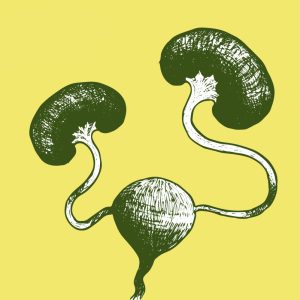
The triterpene saponins in daisy have a stimulating expectorant action by mildly irritating the digestive tract, which relays a signal to the mucus membranes in nasal cavity, throat, and lungs (2). This increases the mucociliary activity in response to neurological impulses from the gut, making mucus secretions less viscous and easier to eject (2,25). This irritation of the membranes of tissues in the kidneys also accounts for the mild diuretic action of daisy (2).
As a flower remedy, daisy supports those with compulsive behaviour patterns, used when repeated patterns of behaviour become problematic (4). Daisy lightens the load and works to ease compulsive behaviours, OCD, melancholia, depression and paranoia (4). Daisy promotes clarity of mind and enhances concentration to bring together information from different sources into a focussed whole (5). Cheerful daisy is a symbol of innocence as children delight in picking the flowers for posies and daisy chains (5). Emotionally, daisy medicine reminds us to lighten, let go of what is weighing us down, and go with the flow (4,26).
Daisy can be used if there is a need to connect people to a time they felt joyful and remind them of their innate ability to be playful, connecting them to their inner child (4). Connecting with daisies helps to address the manic work ethic, worry and anxiety that are prevalent in this modern age (4). By encouraging light-heartedness, daisies provide nourishment for the inner child, restoring enthusiasm when someone needs more joy in their life (4,26). Daisy flowers are survivors, bouncing back when trodden on, and growing back when mowed, supporting us to bounce back from emotional bruising and helping us survive the knocks of life (4,5).
-
What practitioners say
 Although present in traditional British herbal references and folk remedies, daisy has never taken a place in modern herbal medicine, and is absent from any official pharmacopoeias. Daisy is widely used as a homeopathic remedy for internal and external bruising, as well as skin problems like acne, boils and varicose veins, or following injury or surgery (5). Homeopathic remedies also extend to vertigo, headache at the back of the head and to help sleep in those who wake early in morning and cannot get to sleep again (30).
 Skin health
This traditional wound herb with strong vulnerary action is often overlooked in modern herbal practice in place of arnica, calendula and witch-hazel. Daisy is a close relative of arnica and is a more sustainable alternative for use as a pain reliever in the dissolution of bruises (5,8).
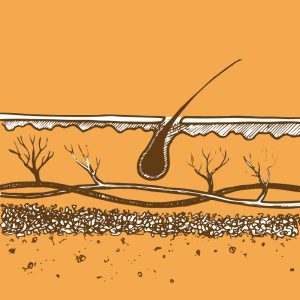
A bruise indicates the tissues have been damaged and blood has leaked into the surrounding area. The saponins in daisy break down the blood cells in this congealed and coagulated blood and help it to disperse, so the lymph can clear it away (4,5). Apply daisy externally as liniment, balm, compress or lotion to dissipate bruises and promote healing (4,5,13,26).
As well as the traditional use for the treatment of bruises, daisy is also a vulnerary herb which can speed wound healing, promote collagen synthesis and reduce scar formation (22,24). Infections are the most important cause of disordered healing, resulting in persistent inflammation which may result in excessive collagen deposition (22).
The antimicrobial, anti-inflammatory and antioxidant actions of daisy all contribute to wound healing by preventing infection, promoting collagen synthesis in the dermal fibroblasts (skin cells), mitigating excessive collagen synthesis, and improved tissue remodelling formation (22,24). This action is similar to calendula, and a daisy balm is a suitable replacement for many skin issues.
Combined with the antimicrobial actions, daisy makes a useful lotion or balm for any inflamed skin conditions, varicose veins, haemorrhoids and cuts (5). The cooling and drying actions ease the heat and pain of bruises, ulcers, skin swellings, and burns (8).
Astringent properties make daisy useful for inflamed eye conditions, which also fits with the doctrine of signatures, due to the resemblance to an eye (5). This astringency also suits daisy remedies to inflamed skin, varicose veins, haemorrhoids and cuts (5). Daisy is eye-strengthening and soothing when used as a wash for the eyes (4).
Respiratory
The saponins in daisy have a stimulating-expectorant action on the lungs, increasing the mucus production to reduce viscosity and stimulating the removal of any stuck phlegm (2,4). The saponins have a reflex action via the digestive system, by gently irritating the gut lining and relayed to the lungs via the vagus nerve to expel the mucus (4). For this reason, daisy is taken as an internal remedy to support the lungs.
Stimulating expectorants like daisy are indicated for bronchial congestion where the mucus is thick and stuck, causing an unproductive cough (25). Taken as an infusion or syrup daisy will thin congestion and stimulate a cough, helping to clear mucus and catarrh from the lungs and respiratory tracts (2,8,13). Stimulating expectorants should be avoided for dry, irritable or spasming cough as the neurological stimulation of the cough could worsen symptoms (3).
Musculoskeletal system
Daisy also has a mild diuretic action, aiding the elimination of toxins from the body, offeringing a remedy to detox the body, treat arthritis, gout, skin problems such as acne and boils (5). The anti-inflammatory, diuretic and lymphatic actions all support the use of daisy for rheumatic conditions (21). Daisy mitigates pain in the joints, gout and inflammation and is suitable for use in arthritis and rheumatism (2,5).
Daisy can be taken internally as a tea or tincture to support the joints or applied as a balm to ease aches and pains (8). Combines well with arnica, chilli, rosemary and peppermint to make a balm to ease aches and pains.
Immune system
Daisy is supports the lymphatic system to clear inflammation and debris from the site of an inflection, supports immune system (4). Daisy has an antineoplastic (prevents formation or destroys new tumour cells) and anti-proliferative activities against human digestive tract carcinoma cells (19). It should be noted this evidence comes from laboratory research of cell lines using high doses of isolated constituents from daisy extracts, and has not been evaluated by any human clinical trials.
-
Daisy research

Daisy (Bellis perennis) There is a lack of clinical evidence to support the use of daisy, and the indications for use are based on traditional use, in vitro research to determine the biological activity of the constituents, and in vivo research using animal models. With the exception of two studies investigating homeopathic remedies which combined arnica and daisy, there is no research investigating the effects in humans.
The evaluation of topical administration of Bellis perennis fraction on circular excision wound healing in Wistar albino rats (22)
Karakaş et al. (2012) demonstrated that a daisy ointment (10% daisy extract) accelerated wound-healing and reduced scarring, compared to a control ointment and no treatment, by topical application on rats. Once a day for 30 days each animal had the daisy ointment and control applied to separate 4 mm open wounds, and a third wound left without treatment.
Complete wound closure (100%) was observed after 30 days of treatment with daisy ointment, whereas the wounds treated with the control ointment only closed to 85%, and the non-treated wounds to 87%. The daisy ointment showed complete wound healing without any hypertrophic (keloid) scar development. However, the control ointment and no-treatment wounds showed healing with hypertrophic fibrous scars.
The authors suggested that the saponins directly accelerate the wound-healing by activating fibroblasts in the extracellular matrix. The flavonoid constituents contribute to the vulnerary activity by antimicrobial, antioxidant, anti-inflammatory and astringent actions. The antioxidant potential inhibits lipid peroxidation and prevents cell damage, and increases the viability of collagen fibrils.
Therefore, the complete wound healing with daisy may be attributed to its anti-microbial, anti-inflammatory and antioxidant actions, preventing wound infection and excessive collagen synthesis, and improved tissue remodelling formation (22).
Oleanane-type triterpene saponins with collagen synthesis-promoting activity from the flowers of Bellis perennis (24)
This in vitro research used human dermal fibroblasts in cell culture to determine the collagen synthesis-promoting activity and cell toxicity of seven triterpene saponins isolated from a daisy flower extract. The daisy extract promoted collagen synthesis activity in normal human dermal fibroblasts, demonstrated by a higher collagen content (147.3%) than the control (100%). All the tested substances displayed collagen synthesis-promoting activity without cell toxicity (24).
-
Historical use of daisy
Daisy (Bellis perennis) Daisy is largely absent from American Eclectic herbal texts, missing from US herbal practice until the early twentieth century. Daisy appears in European herbal sources including Gerard, Culpeper, Parkinson and Grieve, who all draw heavily on British folk tradition.
There are no official monographs or regulatory guidelines for daisy from European Medicines agency (EMA/ HMPC), European Scientific Cooperative on Phytotherapy (ESCOP), German Commission E, World Health Organisation (WHO), or British Herbal Pharmacopoeia (BHP). Modern use is based on folk medicine and these traditional uses.
British herbalist John Gerard (1597) advocated daisies to mitigate all kinds of pain, especially of the joints and pain arising from hot and dry conditions such as gout (27). He suggested crushed daisies mixed with butter and applied to the painful place, being more effective if mallows are added (27). He refers to the name “bruise-wort” when describing the remedy of applying crushed leaves to bruises and swellings (27).
Daisy was a highly respected wound-herb, and Parkinson commented that it was seldom left out of drinks and salves for all kinds of wounds (7). Daisies were used on the battlefield to staunch bleeding wounds, and bandages soaked in the extracted juice were used to treat sword and spear injuries (8). Culpeper included daisies in his Complete Herbal in 1643, as a wound herb used inward or outwardly in drinks or salves (28). A decoction was “drunk to cure all ulcers and pustules of the mouth, tongue and privies, and the crushed leaves applied directly to these parts to reduce swelling and heat” (28).
Topically, a decoction combined with agrimony (Agrimonia eupatoria) was recommended to dissolve bruises, and applied for sciatica and gout (7,28). An ointment was recommended to heal all wounds, especially those with excessive moisture or inflammation (7). Parkinson wrote in 1640, “an ointment made thereof doth wonderfully help all wounds that have inflammations about them” (7). And Culpeper stated it to be “excellently good for wounds in the breast, and very fitting to be kept in oils, ointment, plasters or syrup” (28). Daisy was also recommended as a juice or distilled water to refresh the liver, and expel the heat of cholera (28).
Internally, the leaf as a juice or decoction was indicated to support the digestive system and make the “belly soluble” (27). It was used for inflammation in the intestines, hot and inflamed conditions of the liver, and as a liver cleanse (7,9,27). The flowers and leaves added to salad, mixed with oil and vinegar was said to “loosen a belly that is bound” (7). The juice of the leaf and root injected into the nostrils was used to “purge the head” and help with migraines (27).
In 1812 Hill described daisy as a pretty plant that is common and wild, but too much neglected for its virtues (29). One of the lesser known uses was to gather the fresh roots and make a strong decoction as an excellent against the scurvy, although the intake was required for an extended period to see any effect (29). Hill also referred to an infusion of daisy leaves as “excellent against hectic fevers” (29).
By the early 1900s daisy was known to act upon the muscular fibres of the blood vessels, working well for venous congestion, due to mechanical causes (30). It was taken as an internal remedy (tincture) for injuries to the deeper tissues, after major surgical work or as a result of injuries to nerves with intense soreness (30).
An excellent remedy for sprains and bruises, muscular soreness, and gout, comparable to arnica and witch hazel (Hammamelis virginiana) (30). Externally, daisy was applied to moles, birthmarks, pigmented skin lesions, acne, boils, sores, bruises, varicose veins with bruising, exudations and swellings, and rheumatic symptoms (30). Other traditional topical applications were to treat burns, skin complaints, like whitlows, chilblains, ringworm, as well as an eye irritations, as a wash (6).
The emotional and energetic virtues of daisy were also apparent in the traditional uses. Anne Pratt, a Victorian botanical writer and illustrator, wrote in 1866 “perhaps there is scarcely another flower which has power to awaken so fully the memories of early life… it is truly a bairnwort, the child’s flower” (8). -
Daisy’s herbal actions
Herbal actions describe therapeutic changes that occur in the body in response to taking a herb. These actions are used to express how a herb physiologically influences cells, tissues, organs or systems. Clinical observations are traditionally what have defined these actions: an increase in urine output, diuretic; improved wound healing, vulnerary; or a reduction in fever, antipyretic. These descriptors too have become a means to group herbs by their effects on the body — herbs with a nervine action have become the nervines, herbs with a bitter action are the bitters. Recognising herbs as members of these groups provides a preliminary familiarity with their mechanisms from which to then develop an understanding of their affinities and nuance and discern their clinical significance.
-
Daisy’s energetic qualities
Herbal energetics are the description that herbalists have given to plants, mushrooms, lichens, foods and some minerals based on the direct experience of how they taste, feel and affect the body. All traditional health systems use these principles to explain how the environment impacts health, according to each of their philosophies and frameworks. These assessments of individual herbs, though they often do align, can differ from one another due to cultural differences regarding perspectives on how herbs taste versus their physiological effects. Find out more about traditional energetics in our article An introduction to herbal energetics.
-
What can I use daisy for?

Daisy (Bellis perennis) The common daisy is known throughout the world for its cheerful flower-head — a favourite with children (5). Daisy was used for a variety of internal and external remedies in traditional and folk medicine, but is somewhat neglected and less commonly included in modern herbalism (6,7,8). Yet, more recently daisy has been making a revival as it offers an excellent, sustainable alternative to arnica (Arnica montana) — a herb facing threats to its wild populations.
Daisy makes an excellent external preparation, in fact this is where it excels as a herbal remedy for modern use. It has a great reputation as a vulnerary, used to cure fresh wounds, as well as ulcers and abscesses (6,9). The external application has cleansing and healing effects by promoting cell repair (10). It works well on any conditions resulting in bruises, such as from a blow, injury or sprain (10).
Daisy is similar to arnica as a bruise healer, and is sometimes referred to as “poor-mans arnica”. However, daisy has the advantage of being widely available and without the toxicity of arnica (4,8). The common daisy can easily be made into a family first-aid remedy as a type of local arnica, by infusing in oil and turning into an ointment or balm (see recipe, below) (11. An infusion can be used as a wash or compress from bruises, and a decoction of the root can ease the irritation of eczema (12,13). An insect repellent spray can be made from an infusion of the leaves (12).
Fresh or dried daisies can be infused in boiling water to make tea, which works as a mild expectorant, combining well with other herbs for a cough or cold. A tincture made from daisy flowers can be used as a mouthwash for sore throats and chewing the leaves can relieve mouth ulcers (14). The herbal constituents and nutritional compounds in daisy, including vitamin C, can be extracted into vinegar or honey for culinary use (15). Fresh daisies are edible and can be added to salads or desserts, or a joyful garnish to any meal (13, 14).
-
Did you know?
The name bairnwort means “child’s flower” attesting the joy of children gathering it to make daisy chains (6,9). The tradition of making and wearing daisy chains is to protect children from being stolen by little folk, especially on May day when the faery kingdom is closest to us (8). Since evil spirits will not pass through a circle, daisies were joined and worn as garlands, crowns, necklaces, bracelets and rings (8).




 Although present in traditional British herbal references and folk remedies, daisy has never taken a place in modern herbal medicine, and is absent from any official pharmacopoeias. Daisy is widely used as a homeopathic remedy for internal and external bruising, as well as skin problems like acne, boils and varicose veins, or following injury or surgery (5). Homeopathic remedies also extend to vertigo, headache at the back of the head and to help sleep in those who wake early in morning and cannot get to sleep again (30).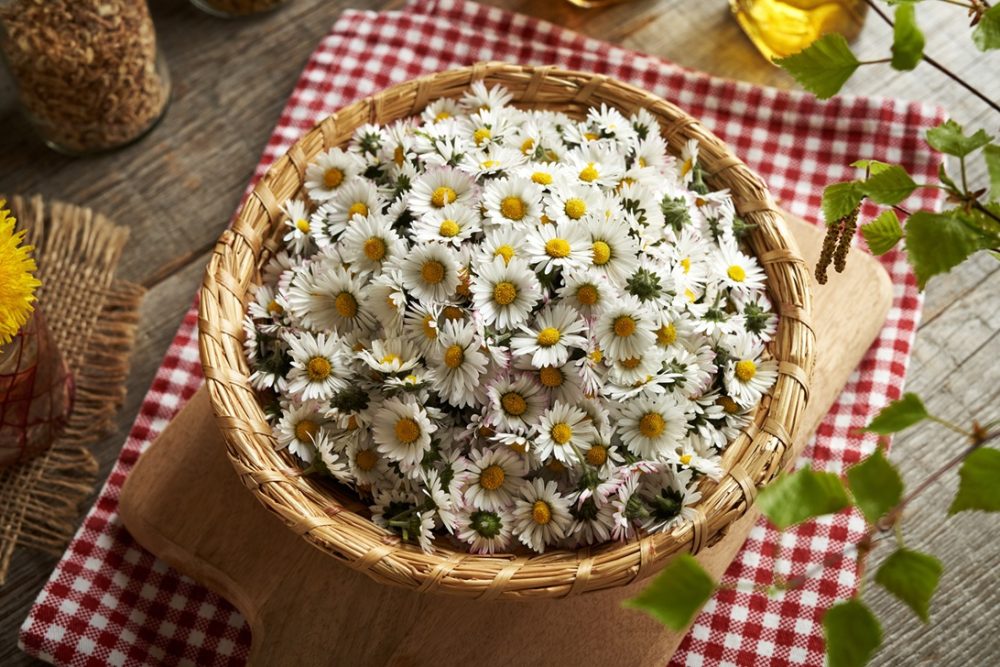
-
Botanical description
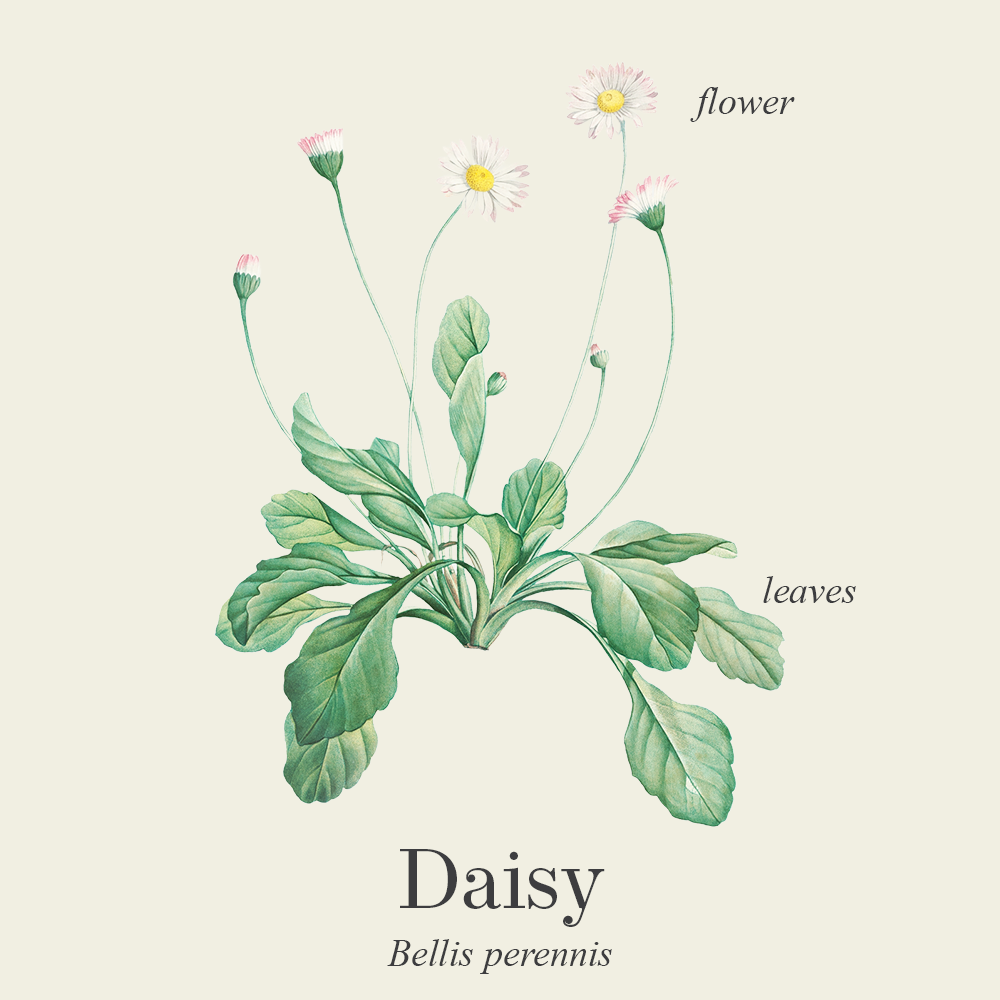
Daisy is an evergreen, stoloniferous perennial which grows in mown, heavily grazed or trampled grassland (34). It forms basal rosettes of dark green, spoon-shaped leaves, growing close to the ground, with the flower stem reaching to 10–12 cm (35,36).
The small flowers atop single, leafless stems, grow from the basal rosette in late spring and summer, flowering from March to October (34,35). The names come from the Latin bellus meaning pretty or charming, and perennis because daisy comes back every year, literally translating into “perennial beauty” because of flowering for so many months of the year (5,9).
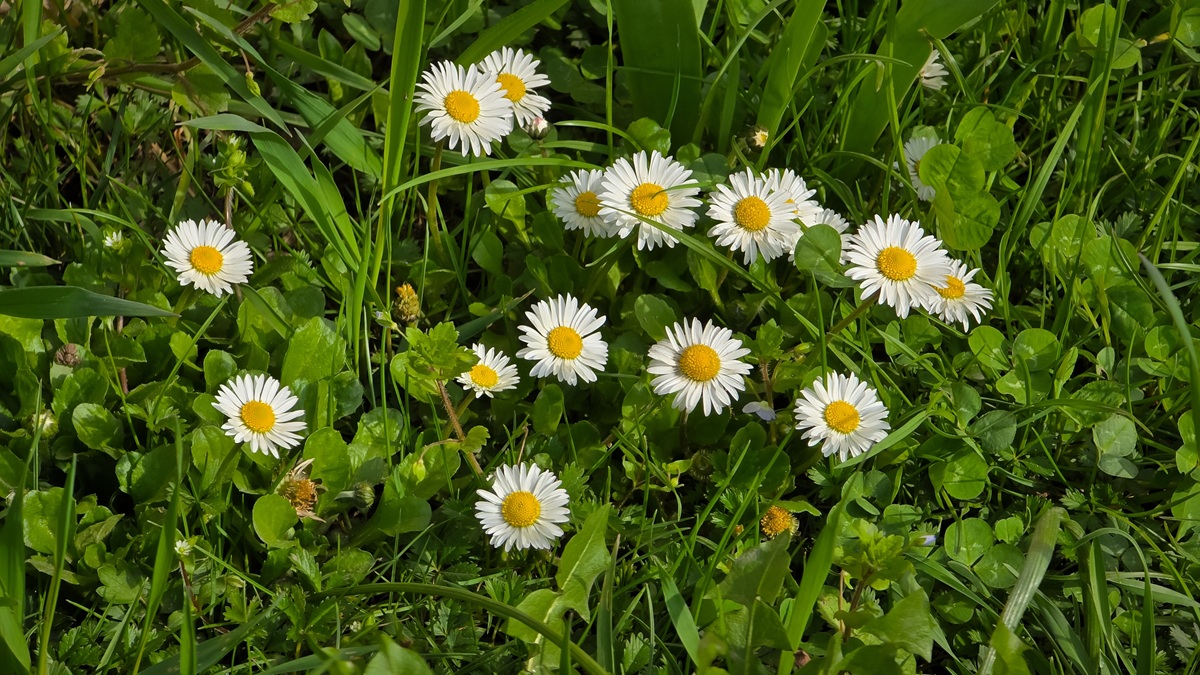
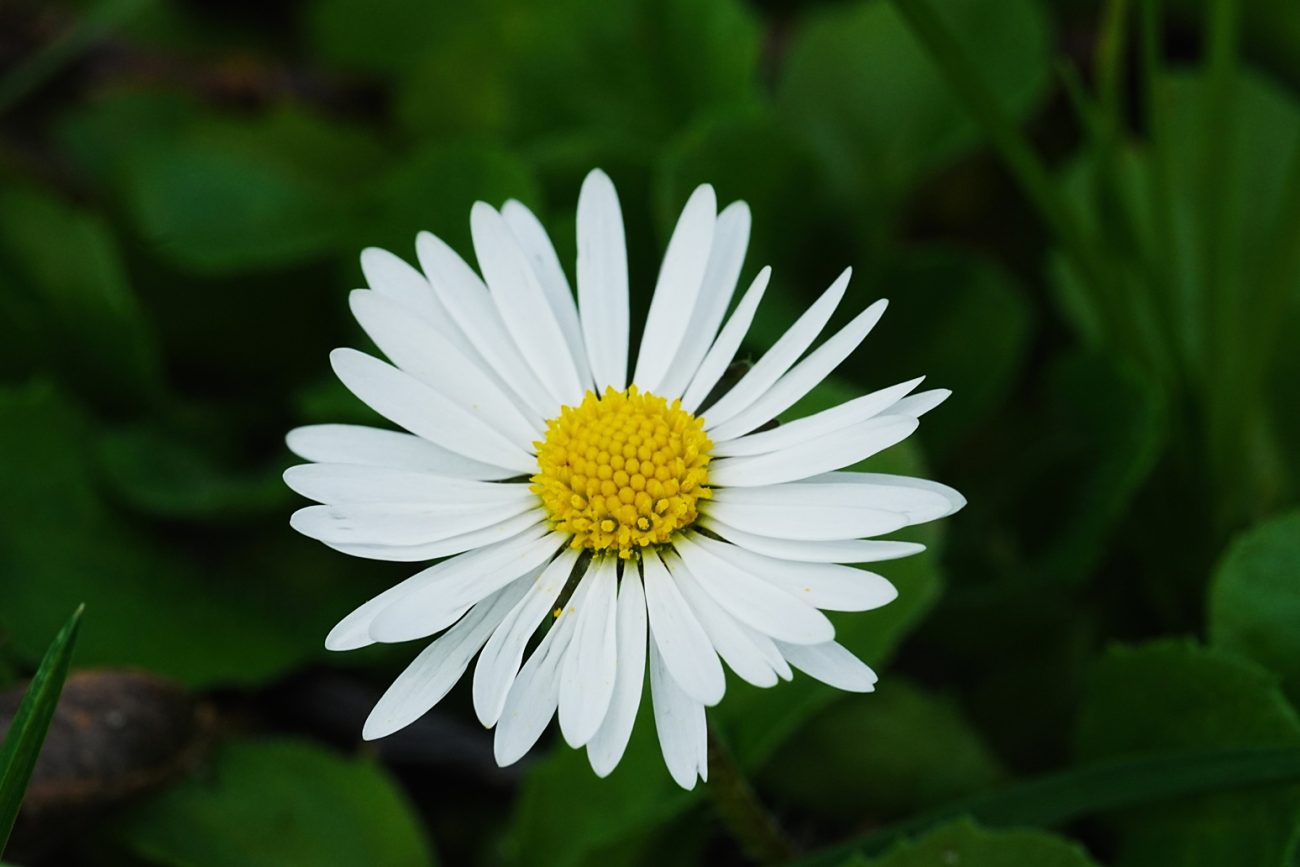
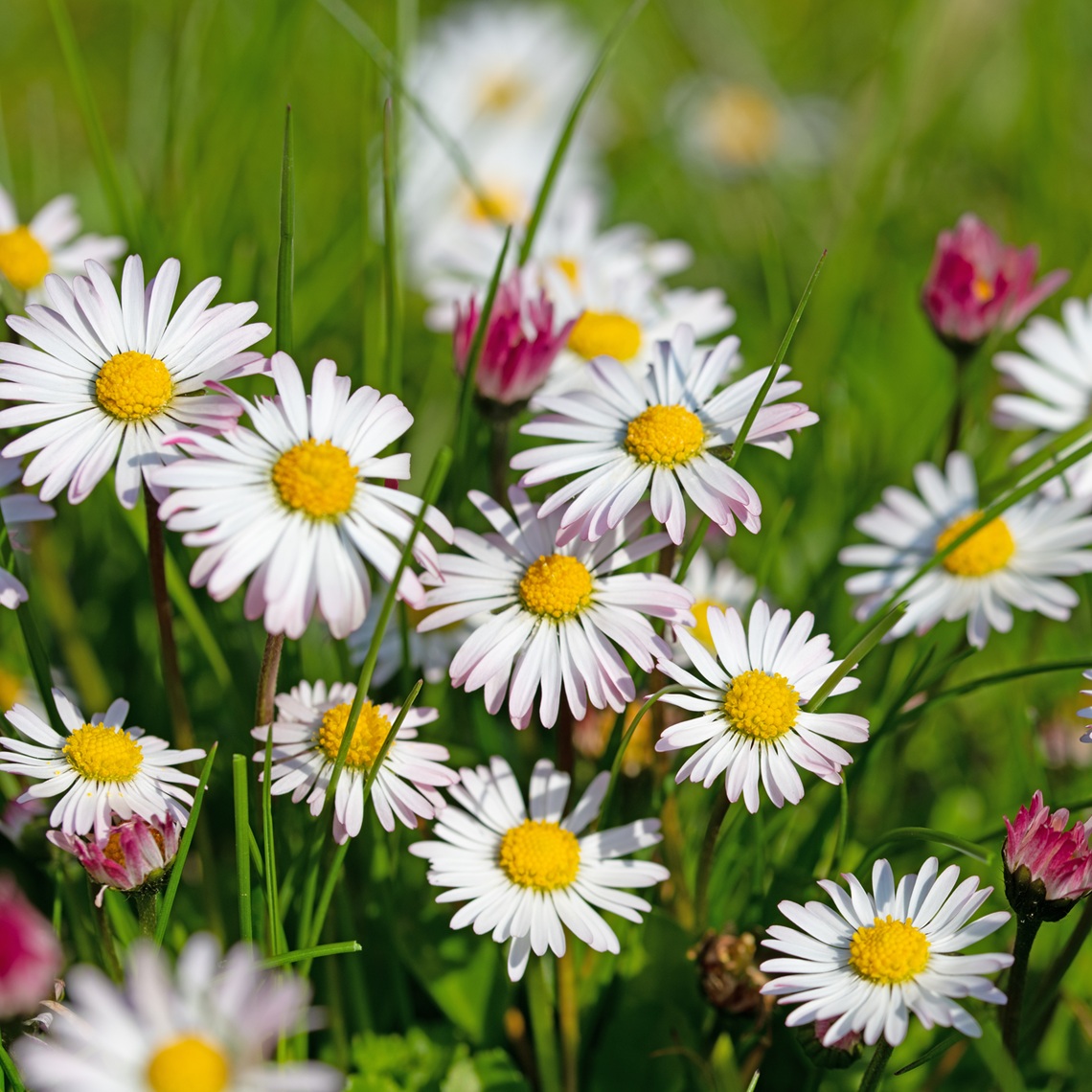
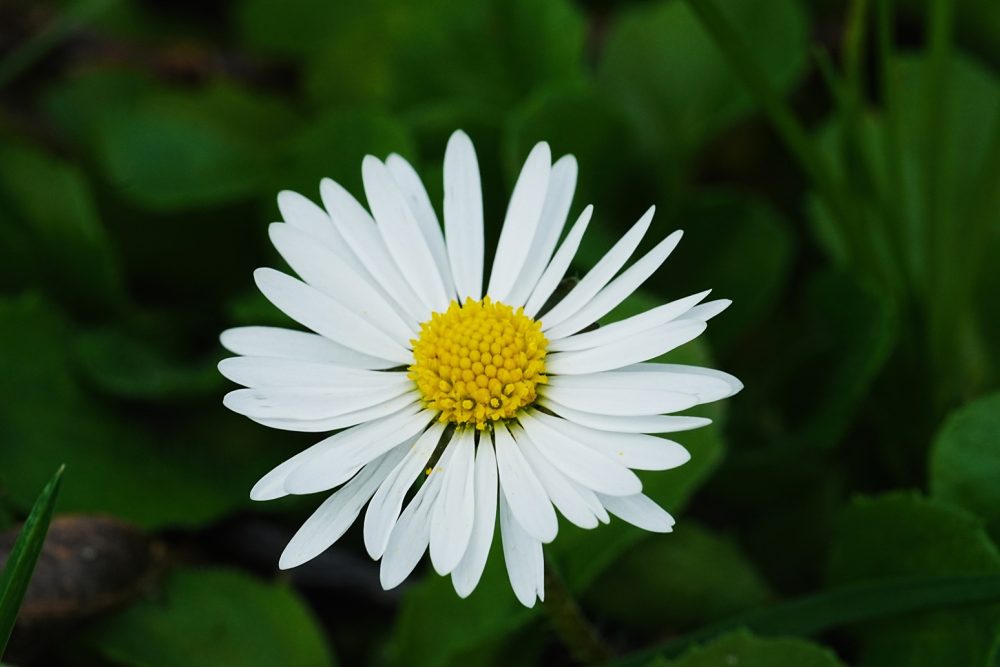
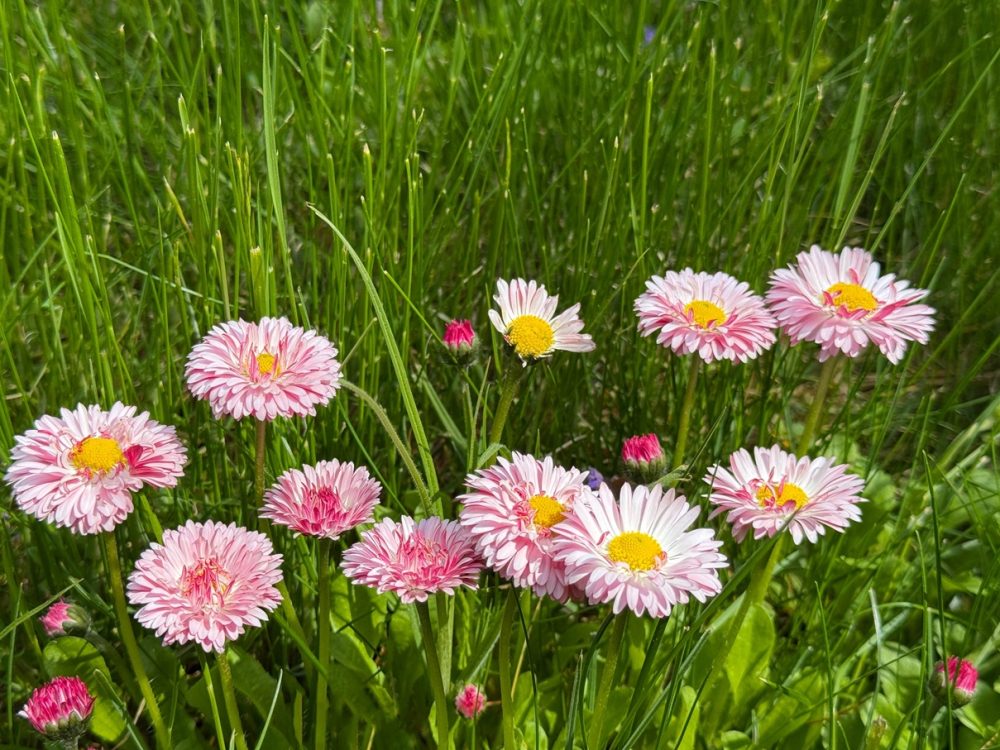
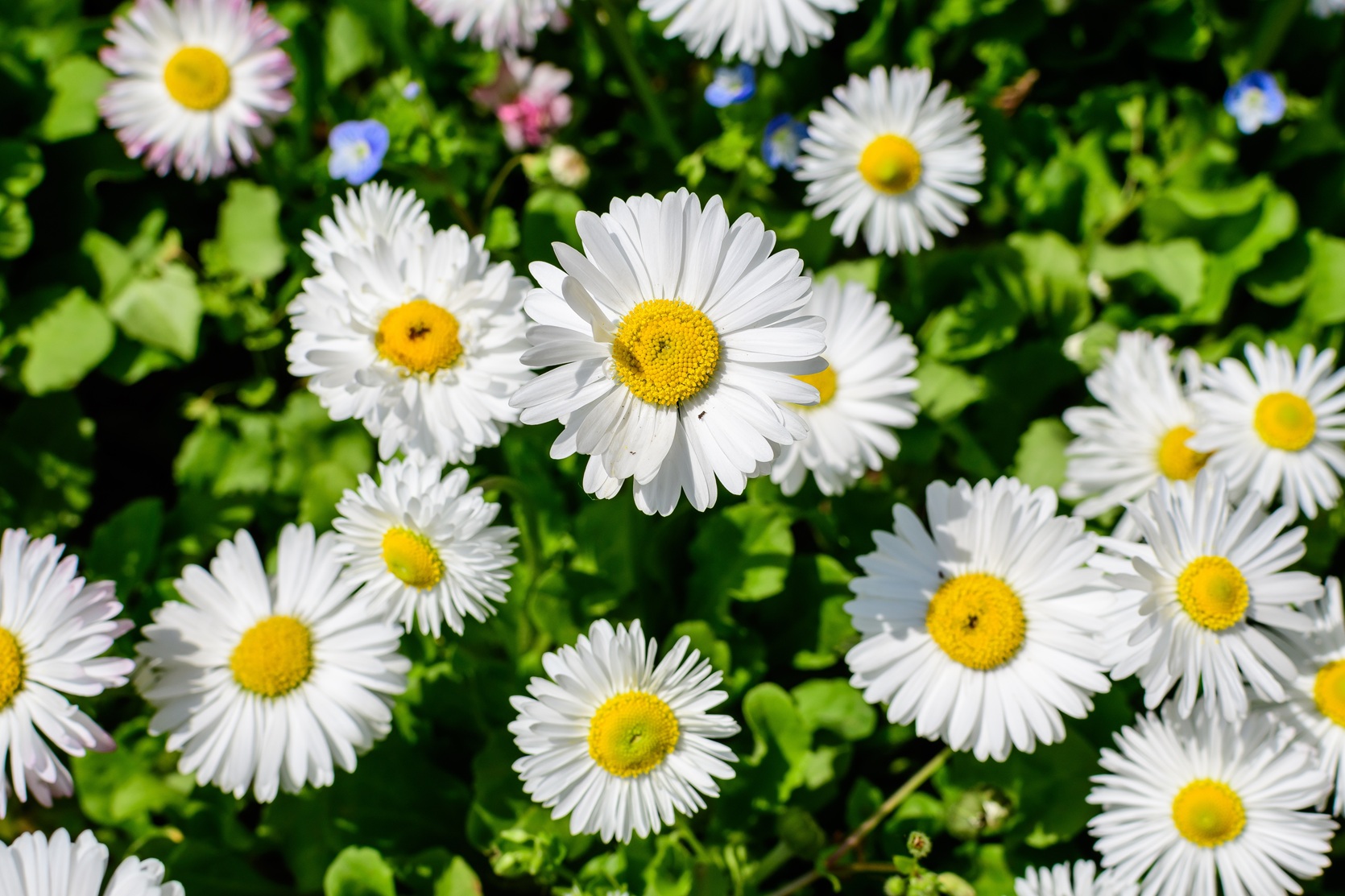
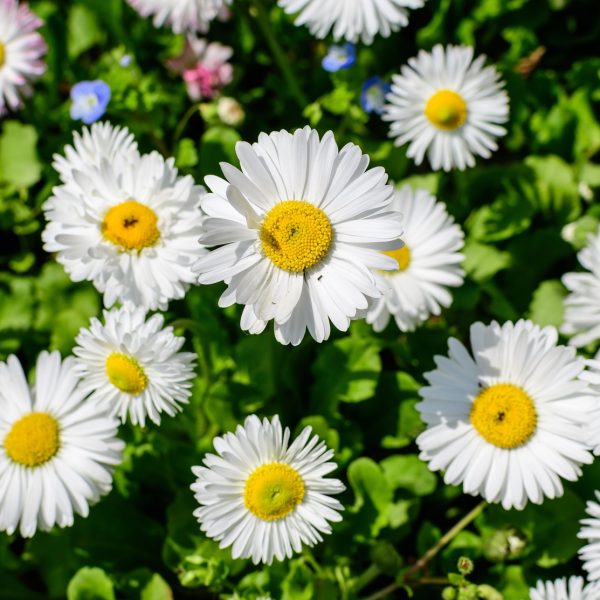
The petals open in the morning when the sun rises and closes when the sun sets, thought to be the root of the common name from days-eye (5,15). The flat, white petals (ray florets) are sometimes red/pink at the tips and on the back (35,36).
The yellow-centre is composed of tiny flowers (disk florets), closely packed into a compound head which resembles a single disk (36). Each disk floret is a tube ending five short teeth (36). The flowers close at night and in cloudy weather (8).
-
Common names
- Common daisy
- Lawn daisy
- Bruisewort
- English daisy
- Bairnwort
- Days-eye
- Eye of the day
- Banwood
- Banwort
- Benner gowan
- Bone flower
- Bonewort
- Common gowan
- Double daisy
- Ewe gowan
- Goose flower
- Gowlan
- May gowan
- Pasquarette
- Herb Margaret
- Lockin gowan,
- Luckin gowan
- Marguerite
- Noon flower
-
Habitat
Daisy is a perennial which grows primarily in moderate environmental temperatures (37).The native range is UK, Western Europe and Central Asia, and has been introduced across Northern America, Canada, Mexico, Costa Rica, Hawaii, parts of South America (Bolivia, Uruguay), Alaska, Iceland, and New Zealand (37,38).
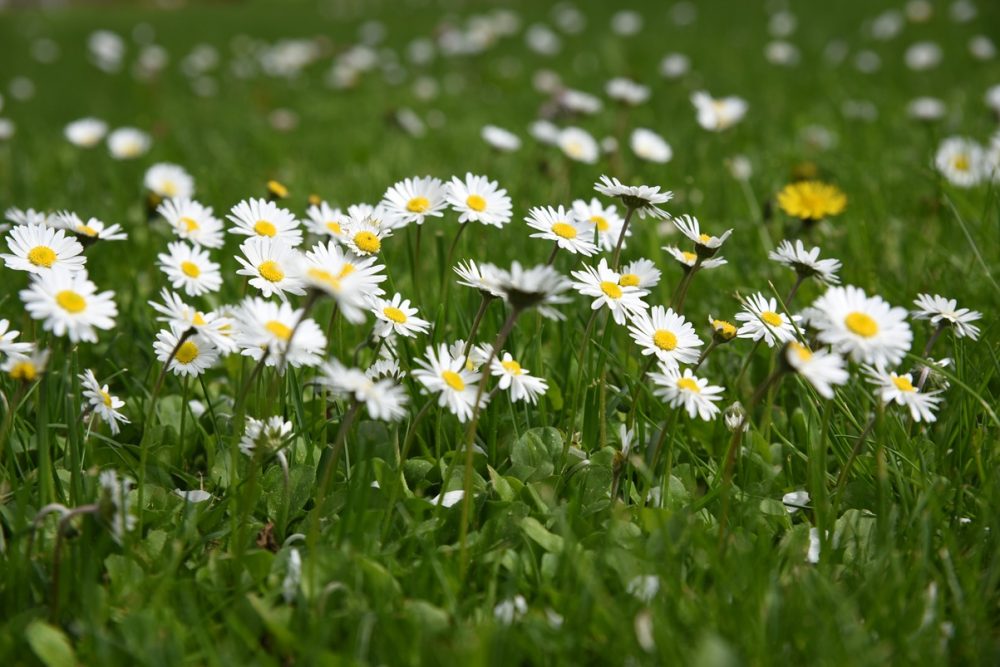
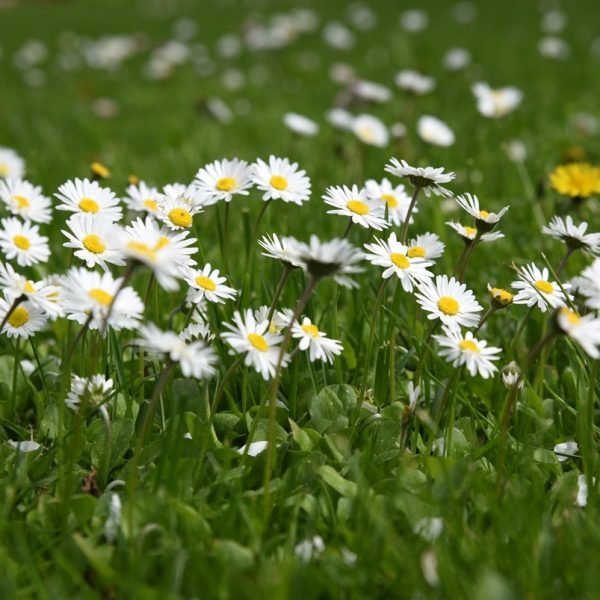
Daisy can be found growing in practically all types of neutral and calcareous grassland but it does best in those that are relatively wet for at least part of the year (34). Daisies will adapt to most soil types and landscapes, it likes short grass, including lawns and survives being trodden and regularly mowed (5,8).It is most familiar as a weed of lawns and recreational areas, roadside verges and pastures, but more natural habitats include stream banks, lake margins, dune-slacks and the margins of upland flushes (34).
-
How to grow daisy
Daisies can be propagated by seed or root division after flowering, growing in most soil conditions (14,35). The seeds may be sown in summer into prepared seed trays and cover with perlite (12). Germination takes 10–20 days when they can be potted up or planted out in early autumn for flowering in their second season (12). Daisy will grow in most soil conditions, but thrives in rich, well drained soil in full sun (14). Picking the flowers through the growing season or mowing from the lawn will encourage continued flowering (12).
-
Herbal preparation of daisy
- Infusion/decoction
- Tincture
- Compress
- Balm/ointment/lotion
- Syrup
-
Plant parts used
- Flowers (fresh or dried)
- Leaves
-
Dosage
Modern guidelines and research is limited for daisy as a herbal remedy and official dosing advice is unavailable (31). These recommendations are based on traditional and folk usage.
- Tincture (1:2 | 25%): 5–10ml, three times per day (13)
- Infusion/decoction: 1 (dried) 2 (fresh) teaspoons per cup (300 ml), 3 times per day (10,26)
- Topical: Ointment, balm, lotion or compress applied 2–3 times a day (4,12,26)
-
Constituents
- Flavonoids: Quercetin, apigenin, kaempferol, myricetin, rutin, isorhamnetin, apigenin and kaempferol glucosides (16,17)
- Other phenolics: Tannins, anthocyanins, tannins, phenolic acids (e.g., caffeic, ferulic, sinapic, p-coumaric, and salicylic acids) (17)
- Terpenes*: Triterpene saponins (perennisosides, Bellisosides, bellissaponins), bitter principles (diterpenes), sesquiterpenes, monoterpenes (2,16,24,32)
- Essential oil (mainly monoterpenes) α-Pinene, β-Pinene, limonene, hexanol, octanol, geraniol, linalool (2,16)
- Polysaccharides: Inulin, mucilage (2,10)
- Other nutrients: Vitamin C (12)
*The saponin content in daisy flowers changes considerably during the year. This is the lowest in March, gradually increasing to a maximum in summer months, with the saponin content in June, July, and August being four to six fold higher, and then decreases again (33). Conversely, the contents of phenolics and flavonoids vary to a relatively small extent during the year and are not dependent upon the time of collection (17).
-
Daisy recipe
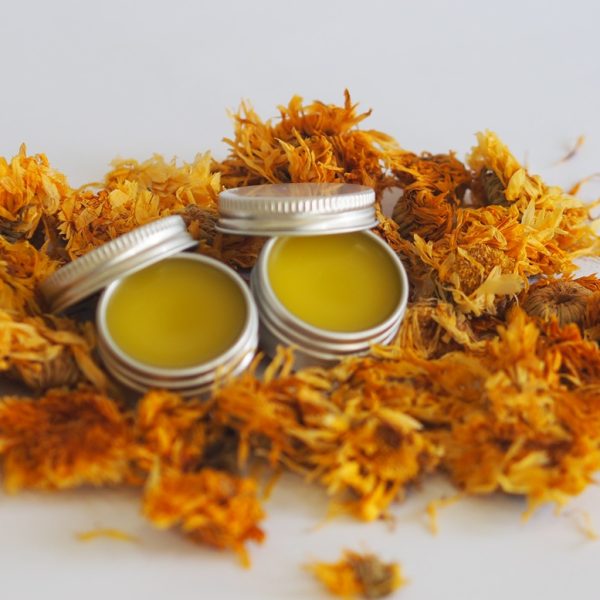
Daisy bruise balm*
This balm is fun to make and ideal for bruises, small wounds, sores and grazes. The balm is for external use only and can be applied as needed.
Ingredients
- Sterilized jar
- Fresh daisies
- Oil (olive, sunflower or almond seed are ideal)
- Beeswax
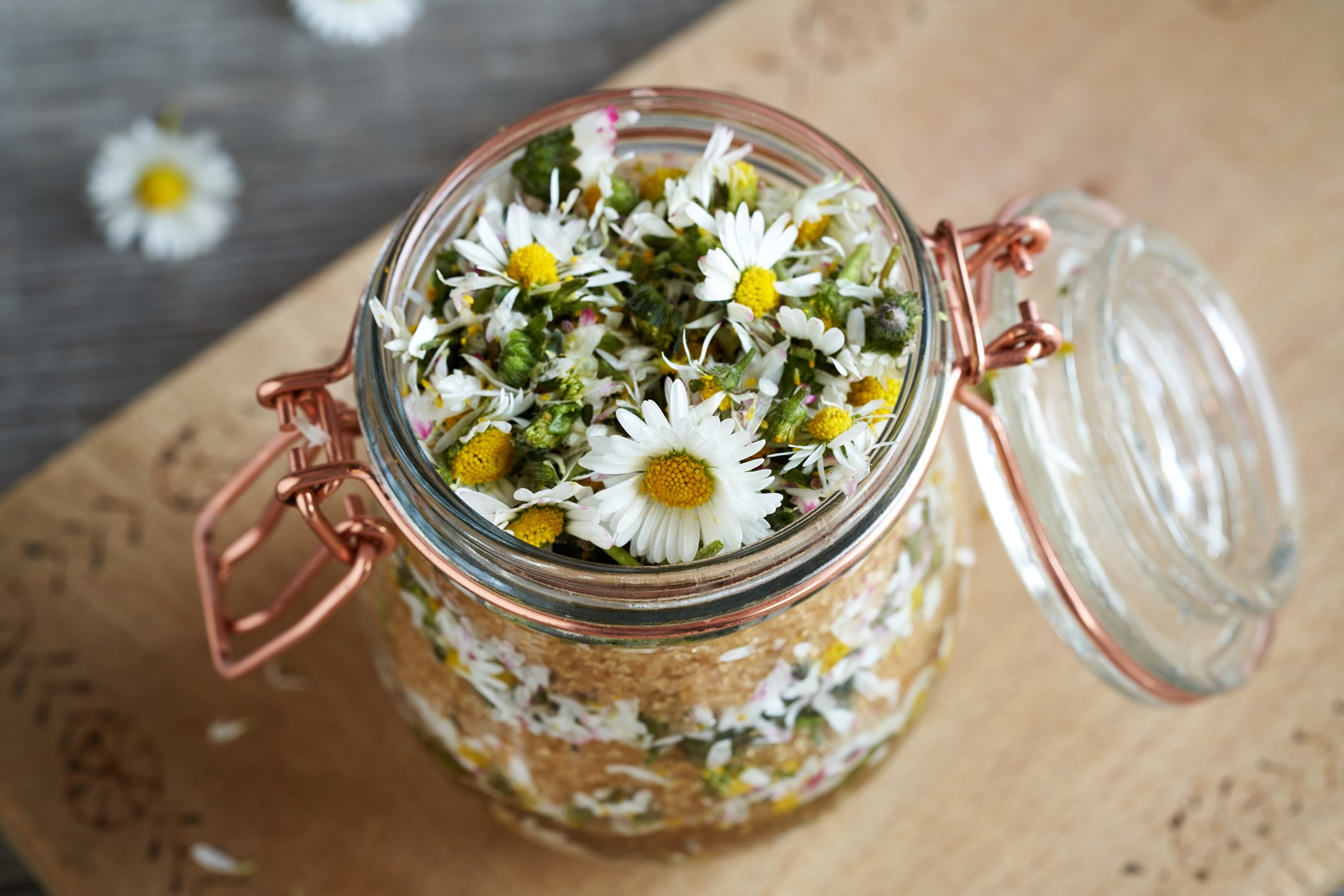
How to make daisy balm
- Fill the jar with freshly picked daisies.
- Cover with oil, ensuring there is no plant material sticking up above the top of the oil. The daisies can be held down with some stones (sterilized) or a gauze.
- Cover with a muslin “lid” to allow any moisture to evaporate.
- Continue to squash down each day for the first few days to remove any air bubbles.
- Leave to infuse for two weeks, checking regularly to ensure the flowers are still submerged.
- Stain and measure the volume of oil
- Add the oil to a bain-marie and for each 100 ml add 10 g of beeswax.
- Heat until the beeswax has all melted, then pour into sterilised jars, label and date.
- Store for up to a year in a cool, dark place.
*adapted from Chown and Walker (11)
-
Safety
Daisy is safe to take internally and use externally, however may cause an allergic reaction in people who are sensitive to the Asteraceae family (12,31).
-
Interactions
None known (31)
-
Contraindications
Avoid internal use of daisy if there is a dry, irritable or spasming cough, as the neurological stimulation of the cough could worsen symptoms (3).
Insufficient reliable information available about the safety of daisy and use should be avoided in pregnancy, and only consume when breast-feeding under the guidance of a medical practitioner (8,31). Explore our resources pages to find qualified medical herbal professionals.
-
Sustainability status of daisy
Daisy has not been formally assessed by the International Union for Conservation of Nature (IUCN) and does not have a globally recognized conservation status ranking or appear as a concern on any regional red lists (38, 39, 40). Daisy is abundant in Britain and Ireland and as such shows virtually no change in its overall distribution since the 1960s except for small increases in montane and coastal regions due to more systematic recording (34).
The Great Britain Red List categorises daisy as least Concern (LC) meaning it has been evaluated and does not qualify for Critically Endangered, Endangered, Vulnerable or Near Threatened since it is widespread and abundant taxa are included in this category (40). Daisy appears on the Global Invasive Species Database (GISD) as a pasture weed that can get aggressive and dominant, sometimes leading to lower pasture production (43).
Daisy is not listed under the U.S. Endangered Species Act or by the Committee on the Status of Endangered Wildlife in Canada (COSEWIC), and does not appear on the United Plant Savers list of threatened species (38, 42). Daisy is not listed by the Convention on International Trade in Endangered Species of Wild Fauna and Flora (CITES), with no legislation regarding trade of the species (41).
Habitat loss and over-harvesting from the wild are two of the biggest threats faced by medicinal plant species. There are an increasing number of well-known herbal medicines at risk of extinction. We must, therefore, ensure that we source our medicines with sustainability in mind.
The herb supplement industry is growing at a rapid rate and until recent years a vast majority of medicinal plant produce in global trade was of unknown origin. There are some very real and urgent issues surrounding sustainability in the herb industry. These include environmental factors that affect the medicinal viability of herbs, the safety of the habitats that they are taken from, as well as the welfare of workers in the trade.
The botanical supply chain efforts for improved visibility (transparency and traceability) into verifiably sustainable production sites around the world is now certificated through the emergence of credible international voluntary sustainability standards (VSS).
Read our articles on How to substitute endangered herbs, Herbal quality & safety: What to know before you buy and Sustainable sourcing of herbs to learn more about what to look for and questions to ask suppliers about sustainability.
-
Quality control
Herbal medicines are often very safe to take; however, their safety and efficacy can be jeopardised by quality issues. So, it is important to buy herbal medicines from a reputable supplier, from sources known to test their herbs to ensure there is no contamination, adulteration or substitution with incorrect plant matter, as well as ensuring that recognised marker compounds are at appropriate levels in the herbs.
Some important quality assurances to look for are certified organic labelling, the correct scientific/botanical name, and the availability of information from the supplier about ingredient origins. A supplier should be able to tell you where the herbs have come from, what contaminants are not in the herb, and what the primary compounds are.
-
References
- Ganora, L. Herbal Constituents: Foundations of Phytochemistry. Herbalchem Press; 2009.
- Hoffmann D. Medicinal Herbalism, The Science and Practice of Herbal Medicine. Healing Arts Press; 2003.
- Yarnell, E. Phytochemistry and Pharmacy for Practitioners of Botanical Medicine. Aeon Books; 2019.
- Seed Sistas (2019). The Sensory Herbal Handbook. Watkins, London.
- McIntyre A. Flower Power: flower remedies for healing body and soul through herbalism, homoeopathy, aromatherapy, and flower essences. Henry Holt; 1996.
- Coitir, NM. (2016). Irelands Wild Plants: myths, legends and folklore. The Collins Press, Cork, Ireland.
- Bruton-Seal J and Seal M. The Herbalist Bible: John Parkinson’s Lost Classic Rediscovered. Merlin Unwin Books; 2014.
- Bruton-Seal J. and Seal M. Wayside Medicine: forgotten plants and how to use them. Merlin Unwin Books; 2017.
- Grieve M, Leyel CF, Marshall M. A Modern Herbal. the Medicinal, Culinary, Cosmetic and Economic Properties, Cultivation and Folk-Lore of Herbs, Grasses, Fungi, Shrubs & Trees with All Their Modern Scientific Uses. Dover Publications; 1982.
- Bartram, T. (2015). Bartram’s Encyclopaedia of Herbal Medicine. Robinson; London.
- Chown V and Walker K. The Handmade Apothecary: Healing Herbal Remedies. Kyle Books; 2017.
- McVicar, J. Jekka’s Complete Herb Book. Kyle Cathie Limited; 2009.
- Waddell, G. Plant Medicine: A collection of the teachings of herbalists Christopher Hedley and Non Shaw. Aeon; 2023.
- Hilderbrand C. Herbarium. Thames and Hudson Ltd, London, UK; 2016.
- Harford R. Edible and Medicinal Wild Plants of Britain and Ireland; 2019.
- Albien A-L, Stark TD. (Bio)active Compounds in Daisy Flower (Bellis perennis). Molecules. 2023; 28(23):7716. https://doi.org/10.3390/molecules28237716
- Siatka T, Kasparova M. Seasonal Variation in Total Phenolic and Flavonoid Contents and DPPH Scavenging Activity of Bellis perennis L. Flowers. Molecules. 2010;15(12):9450-9461. https://doi.org/10.3390/molecules15129450
- Fernandes L, Casal S, Pereira JA, Saraiva JA, Ramalhosa E. Edible flowers: A review of the nutritional, antioxidant, antimicrobial properties and effects on human health. Journal of Food Composition and Analysis. 2017;60:38-50. https://doi.org/10.1016/j.jfca.2017.03.017
- Ninomiya K, Motai C, Nishida E, Kitagawa N, Yoshihara K, Hayakawa T, Muraoka O, Li X, Nakamura S, Yoshikawa M, Matsuda H. Acylated oleanane-type triterpene saponins from the flowers of Bellis perennis show anti-proliferative activities against human digestive tract carcinoma cell lines. Journal of natural medicines. 2016;70(3):435-51. https://doi.org/10.1007/s11418-016-0998-9
- Marques TH, De Melo CH, De Carvalho RB, Costa LM, De Souza AA, David JM, David JP, De Freitas RM. Phytochemical Profile and Qualification of Biological Activity of an Isolated Fraction of Bellis perennis. Biological Research. 2013;46:231-8. http://dx.doi.org/10.4067/S0716-97602013000300002
- Karakas FP, Turker AU, Karakas A, Mshvildadze V, Pichette A, Legault J. In vitro cytotoxic, antibacterial, anti-inflammatory and antioxidant activities and phenolic content in wild-grown flowers of common daisy—A medicinal plant. Journal of herbal medicine. 2017;8:31-9. https://doi.org/10.1016/j.hermed.2016.11.003
- Karakaş FP, Karakaş A, Boran Ç, Türker AU, Yalçin FN, Bilensoy E. The evaluation of topical administration of Bellis perennis fraction on circular excision wound healing in Wistar albino rats. Pharmaceutical biology. 2012;50(8):1031-7. https://doi.org/10.3109/13880209.2012.656200
- Pengelly A. The constituents of medicinal plants: an introduction to the chemistry and therapeutics of herbal medicine. CABI Publishing; 2004.
- Morikawa T, Ninomiya K, Takamori Y, Nishida E, Yasue M, Hayakawa T, Muraoka O, Li X, Nakamura S, Yoshikawa M, Matsuda H. Oleanane-type triterpene saponins with collagen synthesis-promoting activity from the flowers of Bellis perennis. Phytochemistry. 2015;116:203-12. https://doi.org/10.1016/j.phytochem.2015.05.011
- Bone K and Mills S. Principles and Practice of Phytotherapy: Modern Herbal Medicine. Elsevier Health Sciences; 2013.
- Jones, L. A Working Herbal Dispensary: respecting herbs as individuals. Aeon; 2023.
- Gerard J. The Herball or Generall Historie of Plantes. London: John Norton; 1597. Accessed January 14, 2026. https://archive.org/details/bim_early-english-books-1475-1640_the-herball-_gerard-john_1597/page/510/mode/2up?q=daisies
- Culpeper N. Culpepers’ Complete Herbal: a book of natural remedies for ancient ills [1653]. Wordworth Reference; 1995.
- Hill J. The Family Herbal; 1812. Reprinted on Henritta’s Herbpages. Accessed January 13, 2026. https://www.henriettes-herb.com/eclectic/hill/little-daisy.html
- Boericke W. Boericke’s Materia Medica, 1901. Reprinted on Henritta’s Herbpages. Accessed January 13, 2026. https://www.henriettes-herb.com/eclectic/boericke/bellis.html
- Natural Medicines Professional Database (NatMed). Therapeutic Research Centre. Wild Daisy Professional Monograph. Published March 24, 2025. Accessed January 14, 2026. https://naturalmedicines.therapeuticresearch.com/
- Desevedavy C, Amoros M, Girre L, Lavaud C, Massiot G. Antifungal agents: in vitro and in vivo antifungal extract from the common daisy, Bellis perennis. Journal of natural products. 1989;52(1):184-5. https://doi.org/10.1021/np50061a027
- Siatka T, Kasparová M. Seasonal changes in the hemolytic effects of the head of Bellis perennis L. Ceska a Slovenska Farmacie: Casopis Ceske Farmaceuticke Spolecnosti a Slovenske Farmaceuticke Spolecnosti. 2003;52(1):39-41.
- Halliday G. Bellis perennis L. BSBI Online Plant Atlas. Published 2020, eds P.A. Stroh, T. A. Humphrey, R.J. Burkmar, O.L. Pescott, D.B. Roy, & K.J. Walker. Accessed January 6, 2026. https://plantatlas2020.org/atlas/2cd4p9h.xbs
- Royal Horticultural Society. Bellis perennis: daisy. Accessed January 6, 2026. https://www.rhs.org.uk/plants/94326/bellis-perennis/details
- Blamey M, Fitter R, Fitter AH. Wild Flowers of Britain and Ireland: 2Nd Edition. A & C Black; 2013.
- Royal Botanical Gardens Kew (RBGK). Bellis perennis L. Plants of the Word Online (POWO). Accessed January 6, 2026. https://powo.science.kew.org/taxon/urn:lsid:ipni.org:names:184409-1
- NatureServe explorer 2.0. Bellis perennis – lawn daisy. Natureserve.org. Accessed January 6, 2026. https://explorer.natureserve.org/Taxon/ELEMENT_GLOBAL.2.129000/Bellis_perennis
- IUCN red list of threatened species: IUCN. Accessed January 6, 2026. https://www.iucnredlist.org/
- Cheffings C, Farrell L, (eds), Dines, T.D., Jones, R.A., Leach, S.J., McKean, D.R., Pearman, D.A., Preston, C.D., Rumsey, F.J., Taylor, I. The Vascular Plant Red Data List for Great Britain. Species Status No. 7. Joint National Conservation Committee. 2005. Accessed January 6, 2026. https://hub.jncc.gov.uk/assets/cc1e96f8-b105-4dd0-bd87-4a4f60449907
- Convention on International Trade in Endangered Species of Wild Fauna and Flora (CITES). Accessed January 6, 2026. https://checklist.cites.org/#/en
- UpS list of herbs & analogs. United Plant Savers. Published May 14, 2021. Accessed January 6, 2026. https://unitedplantsavers.org/ups-list-of-herbs-analogs/
- Global Invasive Species Database 2026. Species profile: Bellis perennis. Accessed January 6, 2026. http://www.iucngisd.org/gisd/speciesname/Bellis+perennis
Meet our herbal experts
Our monographs are written by our monograph authors and edited, reviewed and updated by Herbal Reality.
Meet our Herbal Reality team or explore our Herbal Reality authors.